

Published December 28, 2025 · Updated October 5, 2026
On This Page · 12 Sections
“Best sober living home” does not mean the nicest kitchen or the lowest rent. It means the house where you are most likely to stay sober while you rebuild the rest of your life, and that comes down to a handful of things you can check before you move in. This is the checklist we would use, with our own Austin houses as the worked example, so you can hold us to it too.
What the best sober living homes have in common
The rules are written down, and you can read them first
A good house will hand you the whole agreement before you pay anything: curfew, testing, meetings, visitors, what happens after a relapse, and what gets you asked to leave. If the rules are vague or depend on who you ask, they will be enforced unevenly, and an unevenly run house is not a safe one. Ours are published word for word on our community rules page, and we explain them in plain terms in sober living house rules.
It actually tests
A sober house that does not test residents for drugs and alcohol is relying on everyone telling the truth in early recovery. Ask how often testing happens, whether it is random, and what happens after a positive result. Every one of our residents agrees to take part in screening as a condition of living there.
Recovery is expected, not just allowed
The best houses build recovery into the week. At ours, every resident commits to three recovery meetings a week, getting a permanent sponsor, and attending a weekly community meeting. A house where nobody goes to meetings tends to drift.
Residents work, study or volunteer
Days with nothing in them are hard in early recovery. Good houses expect residents to have somewhere to be. Ours requires a job at an employer that does not serve alcohol, enrollment in education, or volunteering with a nonprofit, with life skills planning at 9 a.m. on business days for anyone still getting there.
Men and women live separately
Most well-run houses are single-gender, and many, including ours, do not allow relationships between residents. Mixed houses can work, but ask how they handle it.
Someone is responsible for the house
Know who runs the house day to day, who you call at night when something goes wrong, and how quickly they answer. A house with no one in charge is a rental with a sobriety rule.
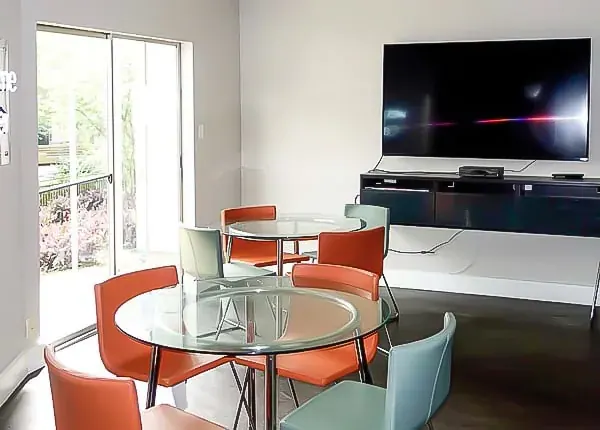
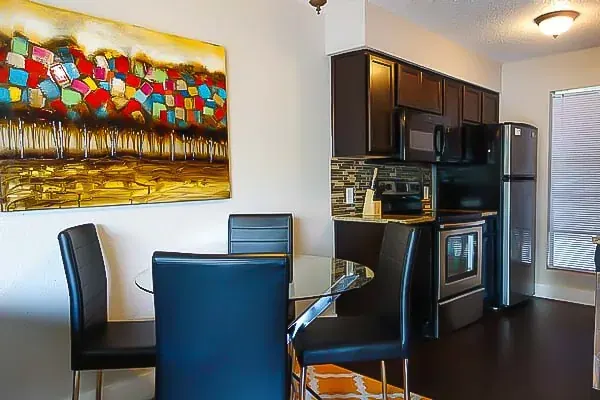
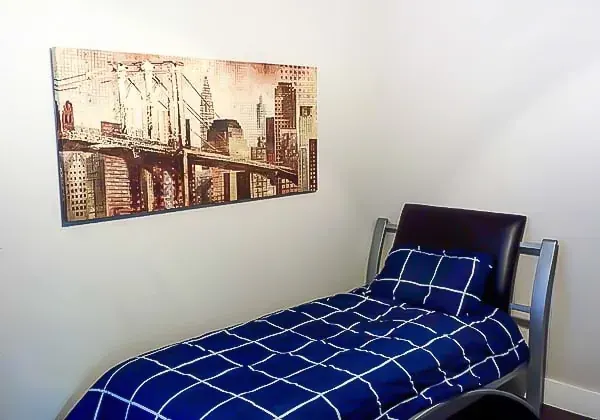
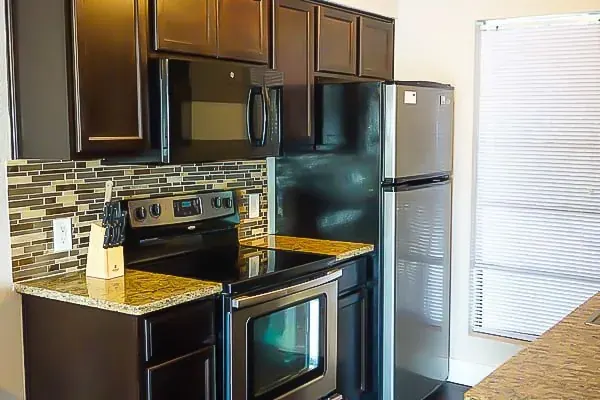
Inside Rustic Creek, our Austin flagship
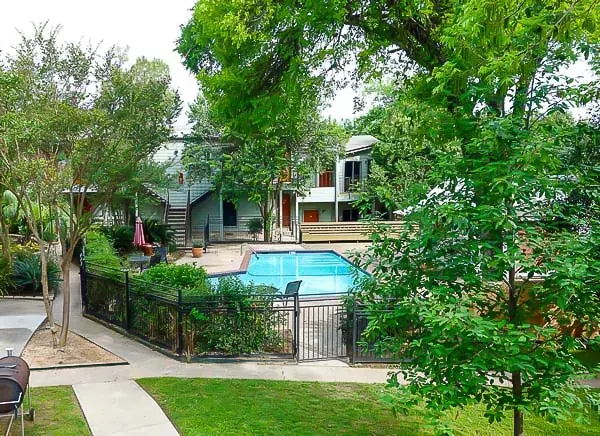
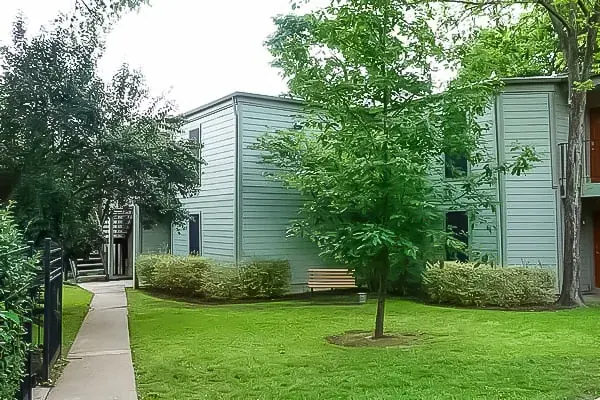
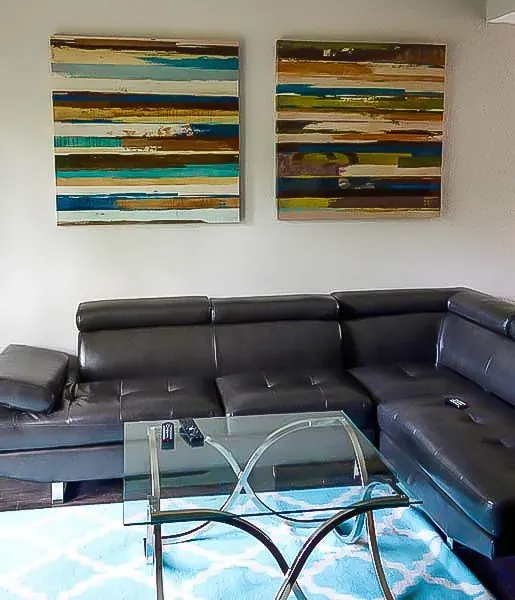
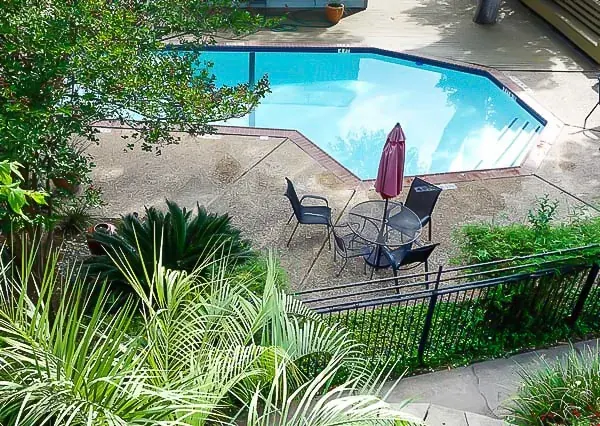
The money is clear
You should get the monthly rent, what it includes and what is due at move-in, all in writing, with receipts. Be wary of a house that is “free” because it comes bundled with a particular treatment program billing your insurance.
Red flags
- No written agreement, or rules that change depending on who you ask.
- No testing, or testing only “when there is a problem”.
- Cash only, no receipts, or a price that changes after you arrive.
- Pressure to move in today without seeing the house or the rules.
- A house that requires you to use one specific treatment program.
- Nobody who can tell you what happens after a relapse.
For the downsides of sober living itself, honestly told, see the real problems with sober living.
Questions to ask on a call or a tour
- Can I read the full agreement before I commit?
- How often do you test, and what happens after a positive test?
- How many meetings a week are expected, and do residents need a sponsor?
- Do residents have to work, study or volunteer?
- Is the house for men or for women, and how many share a room?
- Who runs the house, and who do I call at night?
- What is the rent, what does it include, and what is due at move-in?
- Can I keep my own treatment provider?
Our Austin houses, checked against the list
We have five sober living houses in Austin:
- Rustic Creek, our flagship: men’s sober living apartments in northeast Austin. It also has the one unit across our homes where a pet is allowed; see pet-friendly sober living.
- Indio Drive: a men’s house in South Austin.
- Parkfield and Quail Meadow: two women’s houses in north Austin.
- Dionysus Drive: our LGBTQ+ house in north Austin.
All five run on the same signed agreement: no alcohol or drugs, testing, three meetings a week and a sponsor, a weekly community meeting, work or school or volunteering, your own groceries and laundry, quiet hours, and no relationships between residents. It is housing, not treatment; we do not provide detox, therapy or medical care.
See the houses on our men’s and women’s Austin pages, ask admissions what is open on (512) 240-6612, or apply online.