
Published December 15, 2025 · Updated September 23, 2026
On This Page · 13 Sections
Most people asking about sober living house rules are not looking for a list. They are trying to work out whether they could live under them, or whether someone they love could.
That is a fair question, and the honest answer is that the rules are stricter than a flat share and looser than treatment. They are also not a secret. At Eudaimonia the full set is a signed document, and you can read every commitment before you apply. What follows is what those rules cover, why each one exists, and what actually happens when somebody breaks one.
Why do sober living homes have rules at all?
Because the house is the product. A sober living home is not treatment and it is not supervision. It is a group of people in recovery sharing an address, and the only thing separating that from any other share house is what everybody has agreed to.
Every rule in a well-run house is doing one of three jobs: keeping substances out, keeping the household predictable, or keeping you pointed at something outside the house. Rules that do none of those are just somebody's preference, and they are worth asking about.
What are the rules, in practice?
They vary between operators, but the categories are remarkably consistent. Ours are set out in twelve commitments a resident signs on arrival; these are the areas they cover.
Staying sober — and being willing to show it
No alcohol, no drugs, nothing mind-altering, and participation in the screening program. Testing is the part people tense up about, and it is worth being clear about why it exists: it is not suspicion, it is what makes the house safe to walk into for everyone else. A house that never tests is asking every resident to take the others on trust.
Prescribed medication is a separate conversation, not a disqualifier, raise it during admissions rather than on move-in day.
Curfew, quiet hours and where you sleep
There is a curfew, there are quiet hours, and being where you said you would be is a rule rather than a courtesy. Overnight absences are arranged in advance, not announced afterwards.
Curfew times differ by house and by where you are in the program, so ask for the specific time for the specific house, we publish an answer on curfew rather than a single number that would be wrong somewhere.
Meetings and recovery work
Three recovery meetings a week and a permanent sponsor, plus the weekly house meeting. There is also a coach, and a phase program that you are expected to work rather than wait out.
This is the requirement that surprises people who expected sober living to be a room with conditions attached. The room is the smallest part of it.
Work, school or volunteering
Residents are expected to hold a job, enroll in education, or volunteer, and if the job is in hospitality, it cannot be somewhere that serves alcohol. Life-skills planning runs on weekday mornings and is part of the deal, not an optional extra.
If you arrive without work, that is normal and expected. Arriving with no intention of looking is the problem.
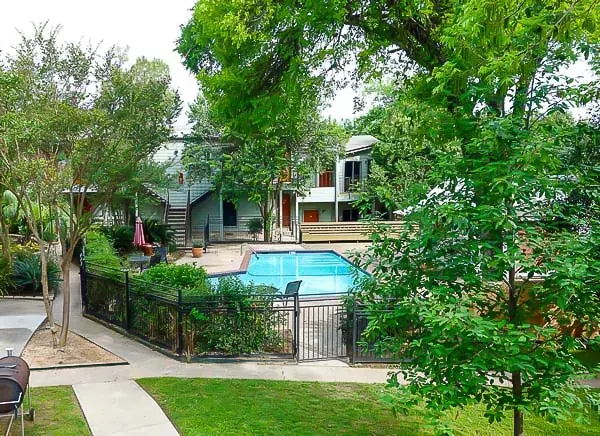
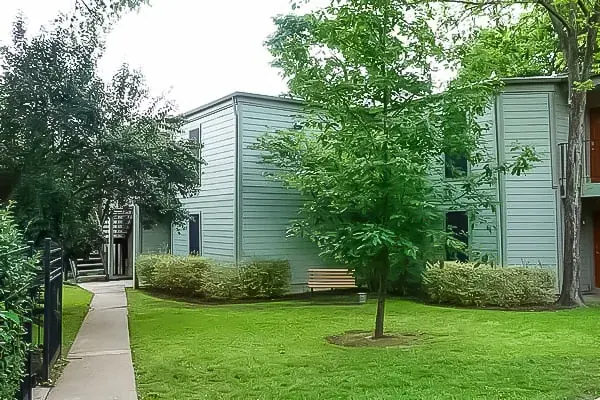
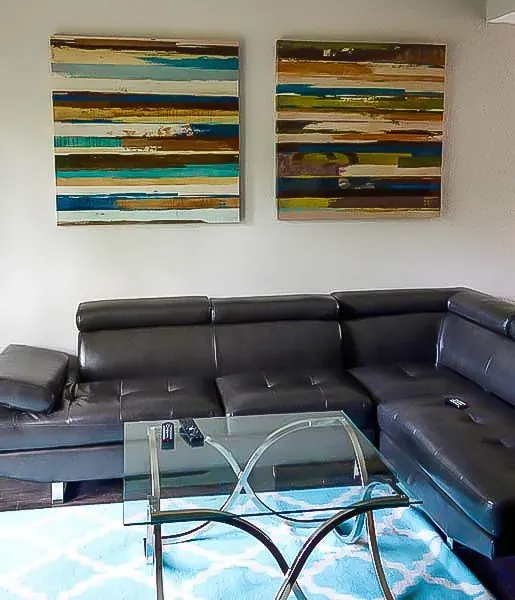
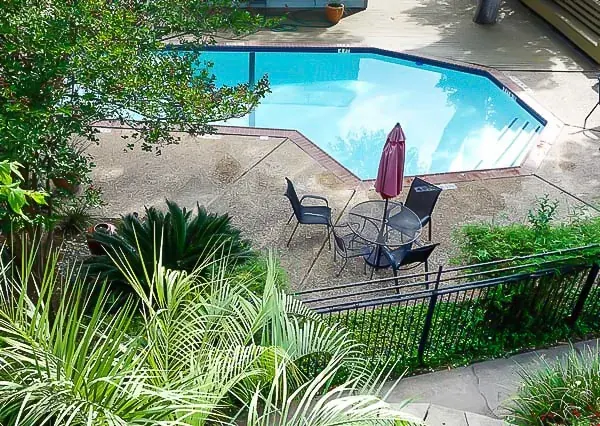
Inside Rustic Creek, our Austin flagship
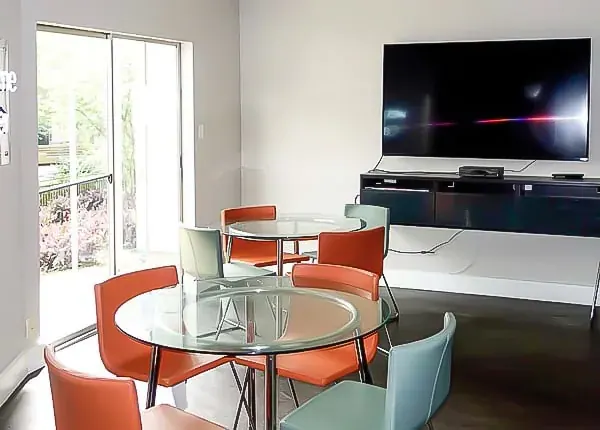
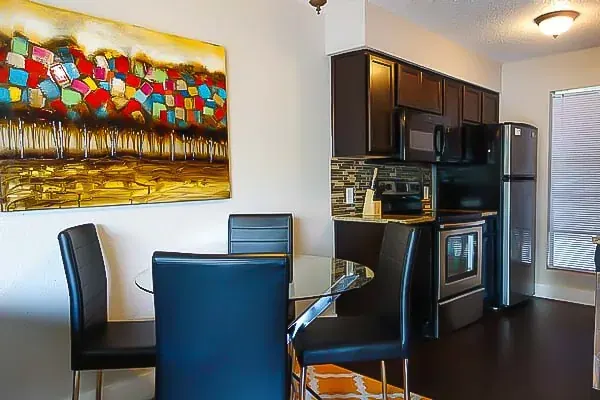
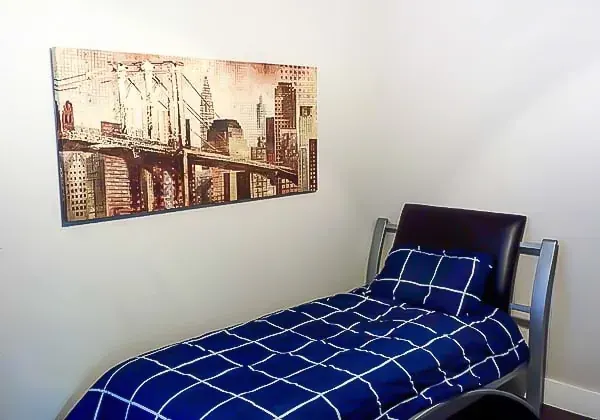
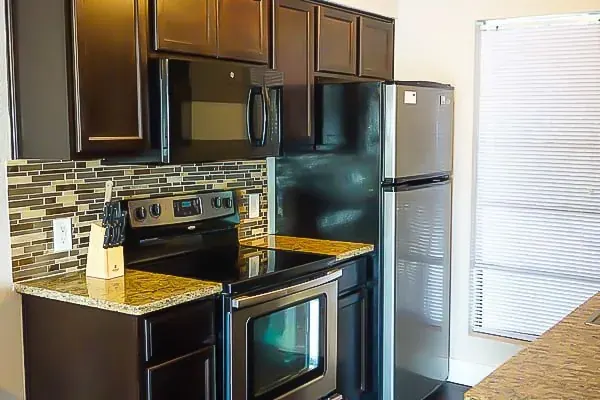
Chores, groceries and shared space
You buy your own groceries, do your own laundry, and take your share of house tasks. Nobody cleans up after you and nobody feeds you.
It sounds trivial next to the sobriety requirements. It is the rule most often at the root of house friction, which is why it is written down.
Visitors, relationships and other people's space
Visitation happens within set hours. You do not enter another resident's room uninvited. And romantic or sexual relationships between community members, at any of our locations, are not permitted.
That last one reads as heavy-handed until you have watched a relationship end inside a house where both people still live. The rule protects the household, not anybody's morals.
Anonymity runs alongside it: who you live with, and what they say in a meeting, does not leave the house.
Conduct, safety and what is simply not allowed
No violence, threats or intimidation. No stealing. No weapons. Tobacco only in designated areas, cleaned up after.
Pets are the one place where the answer genuinely depends on the house: most of our units do not take them and one is set up for them, so if it matters to you, start at our pet-friendly page and ask before you plan around it.
What happens if you break a rule?
It depends entirely on which rule, and this is where honest operators and evasive ones separate.
Violence, weapons or theft end a placement. A missed curfew or a skipped chore is a conversation. A relapse sits in between, and what happens next depends on what you do in the hour after it, coming to staff yourself is treated very differently from being found out, and any house that tells you otherwise is discouraging the exact behavior it should be rewarding.
Ask any home you are considering a direct question: what happens if I use and I tell you? If the answer is vague, you have learned something.
Do the rules ease up over time?
Yes. Structure is heaviest at the start and loosens as you demonstrate you can carry it. Curfew, time away and independence move with your phase rather than with the calendar.
The things that never loosen are the ones protecting other residents: sobriety, testing, and how you treat the people you live with. Those hold on your last night the same as your first.
What to ask before you sign anything
Four questions will tell you more than any tour:
- Can I read the full house agreement before I commit?
- What is the curfew for this house, and how does it change?
- What exactly happens if I relapse and disclose it?
- What is included in the rent and what is not?
An operator that will not show you the rules in writing beforehand is not one to move into. Ours are published: the twelve commitments every resident signs, in full, with nothing held back for the paperwork.
When you are ready, apply online Or call the house you are considering, the city pages each carry their own number and current availability. It is also worth reading what to bring before move-in day.