
Published August 11, 2026
On This Page · 11 Sections

Sober Living
Colorado Springs
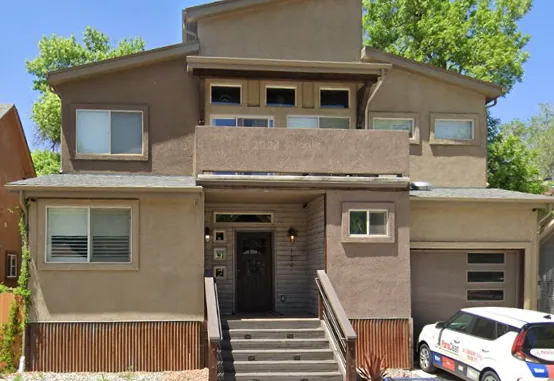
124 North Corona St, Colorado Springs, CO 80903
House rules typically enforced at sober living homes in Colorado Springs center on maintaining sobriety, accountability, and community safety. Residents can expect mandatory drug and alcohol testing, curfews, participation in house meetings and recovery activities, employment or educational requirements, and shared responsibility for household chores. These structured guidelines create an environment where individuals transitioning from treatment can practice the skills needed for long-term recovery while living with peers who share the same commitment to staying sober.
If you or someone you love needs more than detox, Eudaimonia Recovery Homes also provides sober living austin tx.
Eudaimonia Recovery Homes’s sober living program program provides medically supervised, evidence-based care.
Why Sober Living Homes Enforce House Rules
The house rules at sober living facilities aren’t arbitrary restrictions, they’re the framework that helps residents rebuild their lives after detox or inpatient treatment. When someone completes a treatment program, the transition back to independent living can be overwhelming. Sober living homes bridge that gap by providing structure without the intensity of clinical care.
At Eudaimonia Recovery Homes in Colorado Springs, we’ve seen firsthand how consistent house rules help residents develop the routines and accountability that sustain recovery. The rules reinforce healthy habits, build trust among housemates, and create predictability during a time when everything else might feel uncertain.
These expectations also protect the community. When everyone follows the same guidelines, residents feel safer and more supported in their recovery journey.
Core Sobriety and Substance Use Rules
The foundation of every sober living home’s rule structure is zero tolerance for alcohol and drug use. This non-negotiable expectation means no substances allowed on the premises, no consumption off-site, and no paraphernalia of any kind.
Most sober living homes in Colorado Springs enforce this rule through random drug and alcohol testing. Testing schedules vary, some homes test weekly, others use randomized breathalyzer checks and urine screens. At Eudaimonia Recovery Homes, testing is part of the normal routine, creating accountability that residents often describe as reassuring rather than punitive.
Residents who relapse typically face consequences outlined in their residency agreement. Depending on the circumstances, this might mean immediate discharge or a structured re-entry plan that includes returning to treatment. The goal is always safety first, followed by support for getting back on track.
Curfews and Guest Policies at Sober Living Homes in Colorado Springs
Curfews are standard house rules at sober living homes in Colorado Springs, though they often become more flexible as residents demonstrate responsibility. Initial curfews might require residents to be home by 10 or 11 PM on weeknights, with slightly later times on weekends.
These time restrictions serve multiple purposes. They discourage late-night activities that historically triggered substance use, help residents establish healthy sleep patterns, and ensure the house remains quiet and respectful during overnight hours.
Guest policies are equally important. Most homes restrict when and where guests can visit, require advance approval for overnight visitors, and prohibit guests who are actively using substances. Some sober living environments designate common areas for visitors only, keeping bedrooms as private recovery spaces. These boundaries protect residents from outside influences that could jeopardize their sobriety.
Employment, Education, and Productive Activity Requirements
Nearly every sober living home requires residents to engage in productive daily activities. This typically means maintaining employment, attending school, volunteering, or actively job-searching with documented proof of effort.
The employment requirement isn’t about generating income for the home, it’s about purpose and structure. People in early recovery often struggle with too much idle time, which creates space for cravings and negative thinking patterns. Productive activity fills those hours with meaning and builds self-esteem.
At Eudaimonia Recovery Homes, residents work with house managers to set realistic goals around work and education. Someone fresh out of treatment might start with part-time work or volunteering, gradually building toward full-time employment as their recovery strengthens. The emphasis is always on progress, not perfection.
Meeting Attendance and Recovery Program Participation
House rules at sober living homes in Colorado Springs almost always include mandatory participation in recovery programming. This usually means attending a minimum number of 12-step meetings per week, often three to five, or engaging in alternative recovery support like SMART Recovery, Refuge Recovery, or faith-based programs.
Many sober living homes also require residents to have a sponsor or recovery mentor and to be working through step work or similar personal development activities. House meetings are typically mandatory as well, providing a weekly opportunity for residents to address concerns, celebrate milestones, and strengthen community bonds.
Documentation is common. Residents might need to collect signatures at meetings or submit weekly reports showing their participation. This accountability helps individuals stay engaged even when motivation dips, which inevitably happens during long-term recovery.
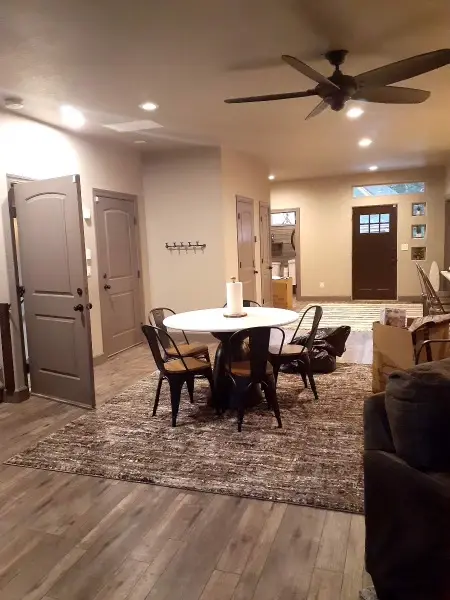
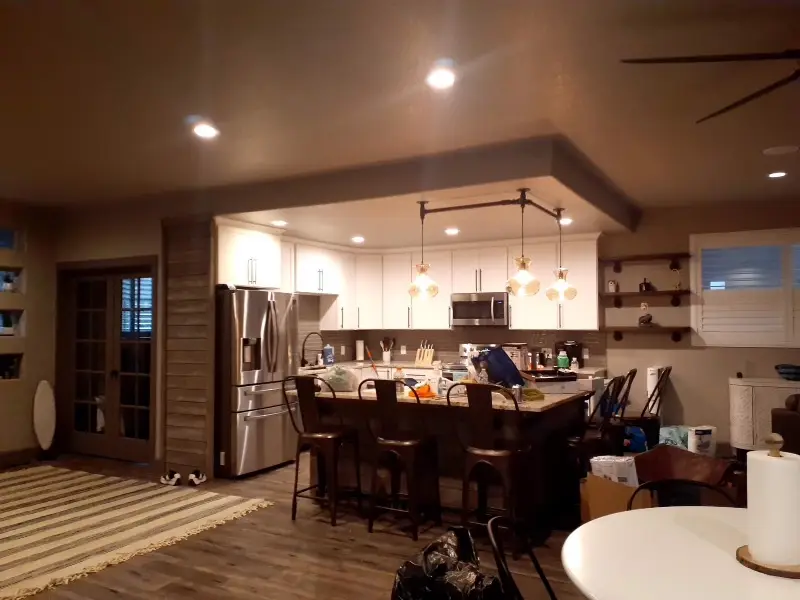
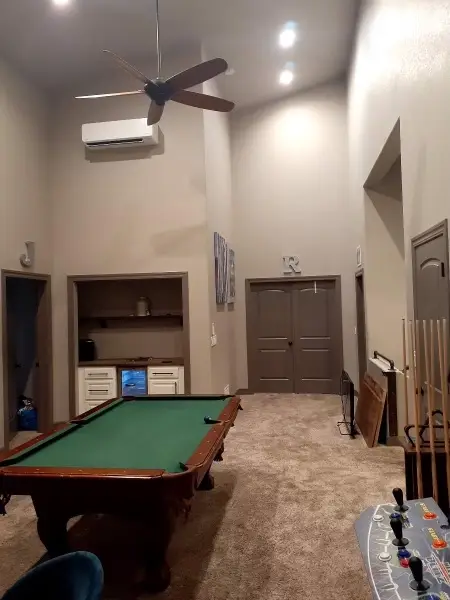
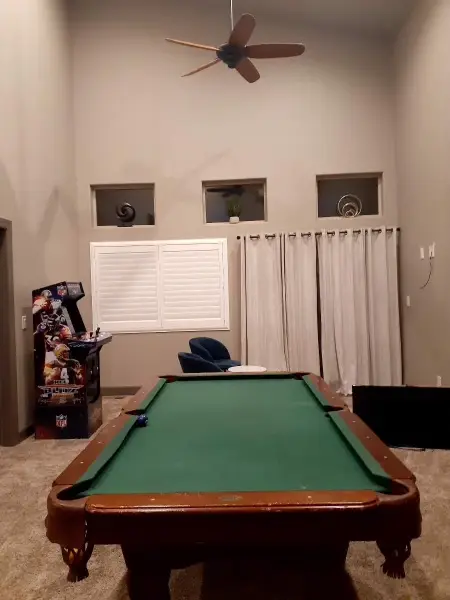
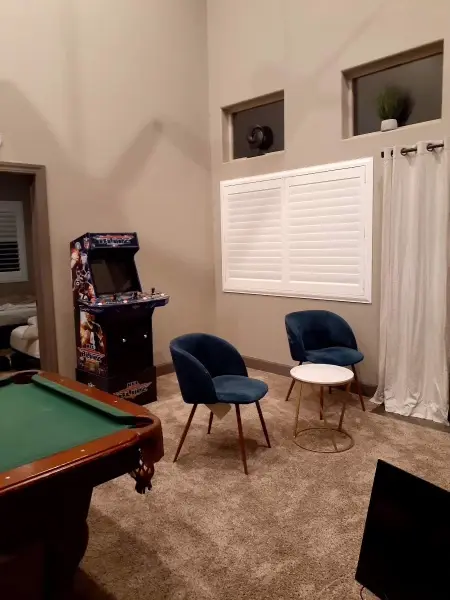
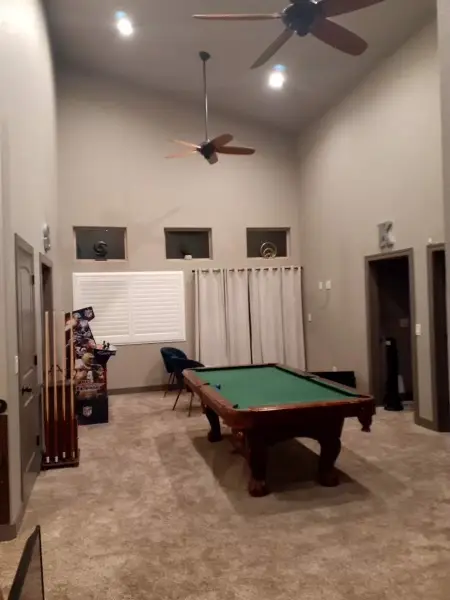
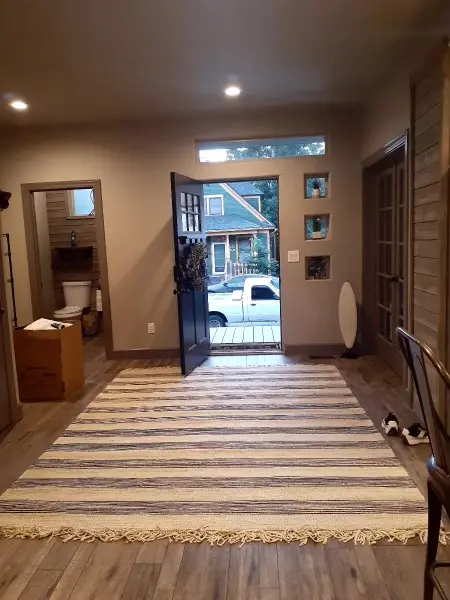
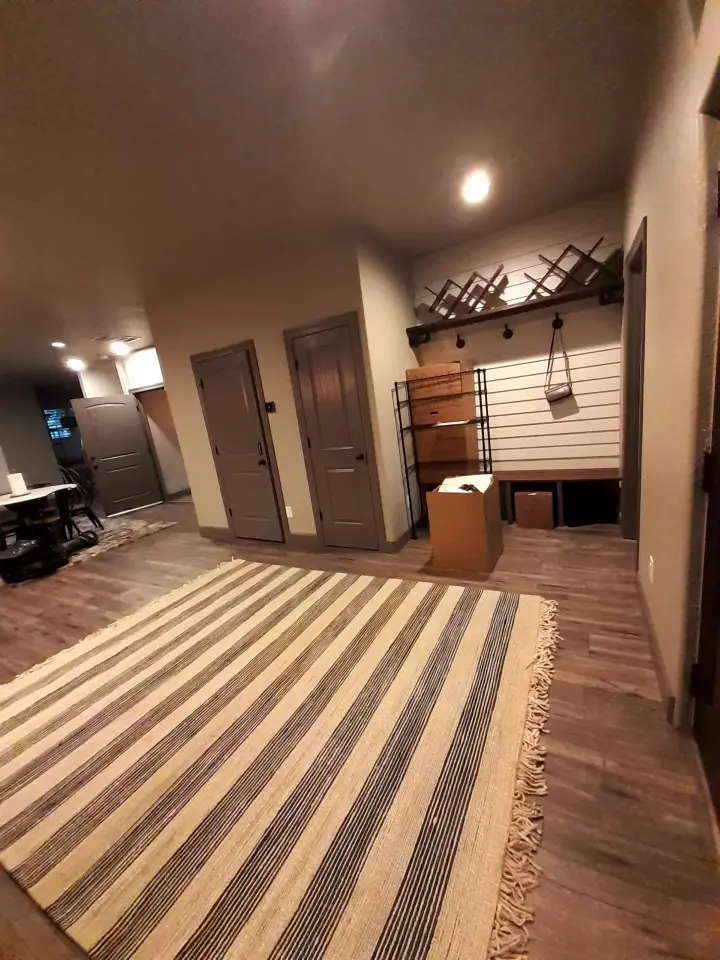
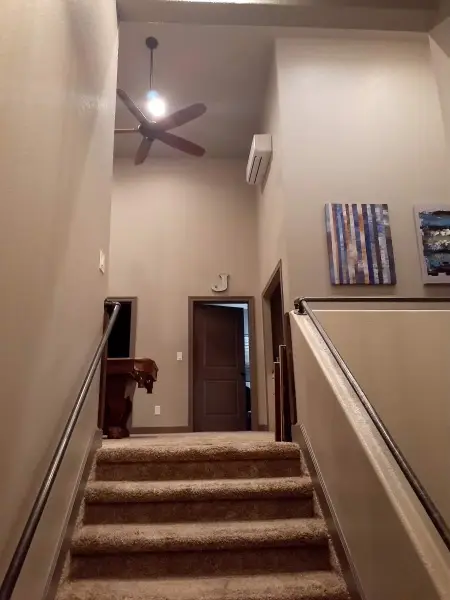
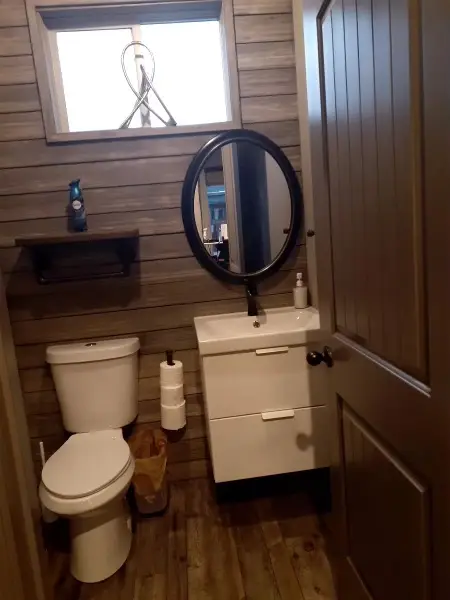
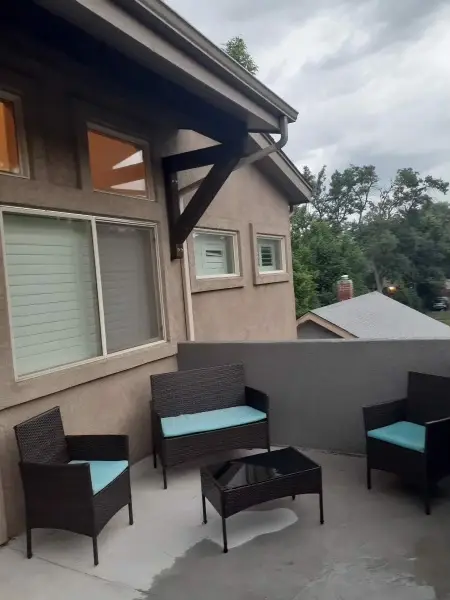
Inside the Colorado Springs homes

Household Responsibilities and Chore Expectations
Shared living means shared responsibility. Sober living house rules include expectations around cleanliness, chores, and respect for common spaces. Most homes use a rotating chore schedule that assigns tasks like kitchen cleaning, bathroom maintenance, yard work, and trash removal.
These responsibilities teach practical life skills that addiction often derailed. Learning to manage a household, cook nutritious meals, and maintain a clean environment are recovery skills as important as any clinical intervention.
Consequences for not completing chores vary but might include loss of privileges, additional assignments, or in repeated cases, discharge from the program. The point isn’t punishment, it’s ensuring everyone contributes to the community they benefit from.
Financial Obligations and Payment Rules
Sober living homes are typically paid for by residents through monthly fees that cover rent and utilities. At Eudaimonia Recovery Homes, we work with residents and their families to verify insurance benefits and explore payment options that make recovery housing accessible.
House rules around finances are straightforward: rent is due on time, usually at the beginning of each month. Late payments may incur fees or, if the pattern continues, result in discharge. Some homes require a security deposit or first and last month’s rent upfront.
Financial accountability is part of the recovery process. Learning to budget, prioritize expenses, and meet obligations builds the self-sufficiency needed for independent living. Many sober living communities offer resources to help residents manage money and plan for their financial future.
Behavior Standards and Respect Guidelines
Beyond the structural rules, sober living homes enforce behavioral expectations that create a respectful, supportive environment. This includes prohibitions on violence, theft, sexual relationships between residents (in many homes), and disruptive behavior.
Respect for others’ recovery is paramount. That means no glorifying past substance use, no triggering conversations in shared spaces, and honoring boundaries when housemates need quiet or privacy. Many homes have specific quiet hours and expectations around noise levels.
Conflict resolution procedures are usually outlined in house rules. Rather than letting disagreements fester or escalate, residents are encouraged to address issues directly or bring them to house meetings with a manager present. This teaches communication skills essential for maintaining healthy relationships in recovery.
Consequences and Enforcement at Colorado Springs Sober Living Homes
House rules only work when consistently enforced. Sober living homes in Colorado Springs typically use a progressive discipline approach. Minor infractions might result in warnings or temporary loss of privileges. Repeated violations or serious breaches, like bringing substances into the home, usually lead to immediate discharge.
Transparency is key. Residents sign agreements acknowledging all house rules before move-in, and consequences are clearly outlined. Good sober living programs apply rules fairly and consistently, without favoritism or arbitrary enforcement.
At Eudaimonia Recovery Homes, enforcement is always paired with support. When a resident struggles to meet expectations, house managers work with them to identify barriers and create solutions. The goal is helping people succeed, not looking for reasons to remove them.
How House Rules Support Long-Term Recovery
The structure provided by house rules at sober living homes in Colorado Springs does more than maintain order, it rewires the brain for healthy living. After months or years of chaos driven by addiction, predictable routines and clear expectations provide the stability needed for neurological healing.
Accountability to peers and house managers creates external motivation that eventually becomes internalized. Over time, residents stop following rules because they have to and start following them because they recognize the value. That shift marks real transformation.
Living in a sober community also normalizes recovery. When everyone around you is working a program, attending meetings, and building a sober life, those activities stop feeling like punishment and start feeling like belonging. The house rules create the container in which that community can thrive.
If you or someone you care about is looking for structured sober living support in Colorado Springs, Eudaimonia Recovery Homes offers a community-focused environment where house rules support growth, accountability strengthens recovery, and residents build the skills for lasting sobriety.
Ready to take the next step?
Eudaimonia Recovery Homes provides structured sober living and recovery support in Colorado Springs, CO. Call (719) 368-8544 to speak with our team today.