
Published December 9, 2025 · Updated February 18, 2026
Key Takeaways
- Fresh start sober living environments provide a safe, substance-free bridge between treatment and fully independent living.
- Colorado Springs supports recovery with outdoor activities, peer community, and local treatment resources that reinforce sober living.
- Long-term sober living structure uses curfews, testing, and house rules to build consistent routines, accountability, and life skills.
- Fresh start programs fit people leaving detox or residential care, those in outpatient treatment, and anyone needing a stable sober home.
- Choosing the right home means comparing rules, costs, management, and recovery supports before committing to a sober living program.
- Eudaimonia Recovery Homes offers gender-specific sober living in Colorado Springs with structure, peer support, and a focus on long-term sobriety.
On This Page · 23 Sections

Sober Living
Colorado Springs
124 North Corona St, Colorado Springs, CO 80903
Long‑term recovery is not only about stopping alcohol or drug use. It is about rebuilding daily life in a way that makes sobriety realistic and sustainable.
For many people, that happens in sober living homes, structured, substance‑free environments where residents can practice living independently while still having support.
Colorado Springs offers a unique setting for this stage of recovery. With active outdoor culture, a growing recovery community, and established sober living programs, it is a practical place to make a fresh start.
The sections below explain what “fresh start” sober living means, how long‑term sober living works in Colorado Springs, and how to choose a program that fits your situation.
What Is a Fresh Start Sober Living Environment?
When people search online for “a fresh start sober living environments,” they are usually looking for a safe home that offers both freedom and structure. In practice, a fresh start sober living environment is a residence where people in recovery live together under clear house rules, stay substance‑free, and gradually rebuild daily routines.
Recovery housing research shows that people who live in sober environments for several months have higher abstinence rates and more days sober than people who go straight from treatment back to independent housing.
Bridge Between Treatment and Independent Living
Fresh start sober living programs are often used:
- After medical detox or residential treatment
- Between intensive outpatient care and fully independent living
- As a structured option after a relapse or high‑risk period
These homes do not replace clinical treatment. Instead, they extend the recovery process by providing a stable place to live while you attend therapy, support groups, work, or school. Many programs work closely with outpatient providers so that housing and clinical care support each other.
One study found that people who used structured sober living during outpatient treatment stayed in care longer and were more likely to complete treatment successfully (study on recovery housing during outpatient treatment).
Key Features of Fresh Start Sober Living Programs
Although each residence has its own rules, most fresh start sober living programs share several core elements:
- Substance‑free housing. Residents agree to remain alcohol‑ and drug‑free, with clear policies for violations.
- House structure. Curfews, chore schedules, and community rules help create routine and predictability.
- Accountability. Regular drug and alcohol testing, check‑ins with staff or house managers, and peer feedback support ongoing sobriety.
- Peer support. Residents live with others who are also in recovery, which reduces isolation and encourages mutual support.
Together, these features create an environment where residents can focus on recovery while gradually taking on more responsibility.
Why Colorado Springs Supports Long‑Term Recovery
Colorado Springs is more than a scenic backdrop. It offers practical advantages for people in long‑term sober living.
Colorado Springs offers a unique setting for long-term recovery, with an active outdoor lifestyle and a growing recovery community. If you’re ready to explore specific housing options, our sober living in Colorado Springs homes for individuals provide structured, recovery-focused places to live.
Outdoor Lifestyle and Space to Reset
The city is close to Pikes Peak, Garden of the Gods, and an extensive trail system. Residents can hike, walk, or simply spend time outdoors without needing to leave the metro area.
Regular physical activity, time in nature, and structured recreation are often recommended as part of holistic recovery plans because they support mood, sleep, and overall health.
Recovery Community and Local Resources
Colorado Springs has:
- Mutual‑help meetings, including AA, NA, and other peer groups
- Outpatient and intensive outpatient treatment options
- Recovery‑focused housing and community services
National guidance from organizations such as SAMHSA highlights stable housing and community support as key contributors to long‑term recovery and reduced relapse risk.
For some residents, care may start with a medically supervised detox program, such as Briarwood Detox Center, and continue into residential treatment or outpatient care before moving into sober living.
How Long‑Term Sober Living Works in Practice
Typical Length of Stay
Length of stay is flexible, but many people stay in sober living for several months. Research suggests that remaining in a sober living house for at least six months is associated with better abstinence and mental‑health outcomes than shorter stays.
In Colorado Springs, it is common for residents to stay between three and twelve months, depending on personal goals, support needs, and financial situation.
Long-term research on sober living homes has linked 18 months of follow-up with lower substance use, less homelessness, and fewer arrests among residents (18‑month sober living outcomes study).
Daily Structure, Rules, and Accountability
A fresh start sober living program in Colorado Springs usually includes:
- A written set of house rules and expectations
- Curfews and quiet hours
- Required participation in house meetings or peer groups
- Random or scheduled alcohol and drug tests
For example, sober living homes operated in partnership with Nova Recovery Center and Eudaimonia Recovery Homes use regular testing and clearly defined community rules to maintain a safe, substance‑free environment.
This level of structure can feel strict at first, especially after treatment, but it often helps residents build consistent routines and practice relapse‑prevention skills in real‑world conditions.
These elements come together to create a safe, predictable place to practice sober living in real-world conditions. For a deeper breakdown of rules, daily routines, and support, see our full guide to sober living homes in Colorado Springs.
Building Life Skills, Work, and School
Long‑term sober living is designed for real life. Residents typically:
- Work part‑ or full‑time
- Attend school or vocational training
- Volunteer or participate in community activities
Sober living in Colorado Springs often includes guidance on budgeting, job search, time management, and healthy communication so residents can leave the program with stronger life skills than when they entered.
Eudaimonia's Success Stories – Real People, Real Freedom
Who Is a Good Fit for Fresh Start Sober Living Programs?
Fresh start sober living is not the right choice for everyone, but it can be helpful for several groups.
Women who want a safe, recovery-focused space that understands their specific needs can benefit from gender-specific homes. Our dedicated program for women’s sober living in Colorado Springs offers structure, accountability, and peer support in a home designed for female residents.
After Detox or Residential Treatment
Many residents enter long‑term sober living immediately after detox or inpatient treatment. Clinical research shows that, without continued support, between 40% and 60% of people with substance use disorders relapse within the first year.
Housing that extends structure beyond treatment can lower this risk by giving people time to adjust to daily life without substances.
When Outpatient Support Is Not Enough
Some individuals begin outpatient counseling or intensive outpatient programs while still living at home. If the home environment is unstable, includes substance use, or is linked to past relapses, moving into sober living can provide a more neutral space to focus on recovery.
Seeking a Stable Environment From Day One
Not everyone enters treatment through a traditional path. Some people choose sober living first to stabilize their environment while they figure out next steps for therapy or medical care. In Colorado Springs, sober living homes can coordinate with local providers so that housing and treatment are developed together.
Choosing a Sober Living Home in Colorado Springs
Not all sober homes operate the same way. Taking time to ask questions helps you match the program to your needs.
Questions to Ask Before You Commit
Consider asking:
- What are the house rules and expectations?
- How often are drug and alcohol tests done?
- Is there a house manager on‑site or on call?
- Are residents required to attend meetings or groups?
- What is the typical length of stay?
Clear answers to these questions can tell you how structured the program is and whether it matches your comfort level.
Budget is often a major factor, so it helps to ask about monthly fees, what is included, and any available assistance. If you’re comparing costs and looking for options that fit your finances, our guide to free and affordable sober living in Colorado Springs explains pricing, resources, and ways to plan ahead.
Signs of a Quality Sober Living Environment
Quality sober living environments usually have:
- Written policies on relapse, visitors, curfews, and conflict resolution
- Clean, well‑maintained homes with shared responsibilities for upkeep
- A focus on recovery activities rather than unstructured free time
- Connections to local treatment providers and mutual‑help groups
Studies of recovery residences suggest that homes affiliated with organized recovery programs and larger housing networks tend to have better outcomes for residents.
How Eudaimonia Recovery Homes Supports Long‑Term Sobriety
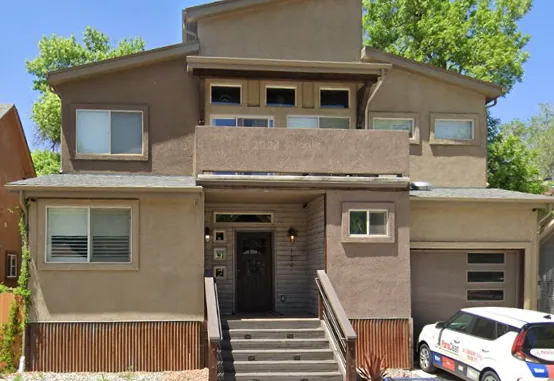
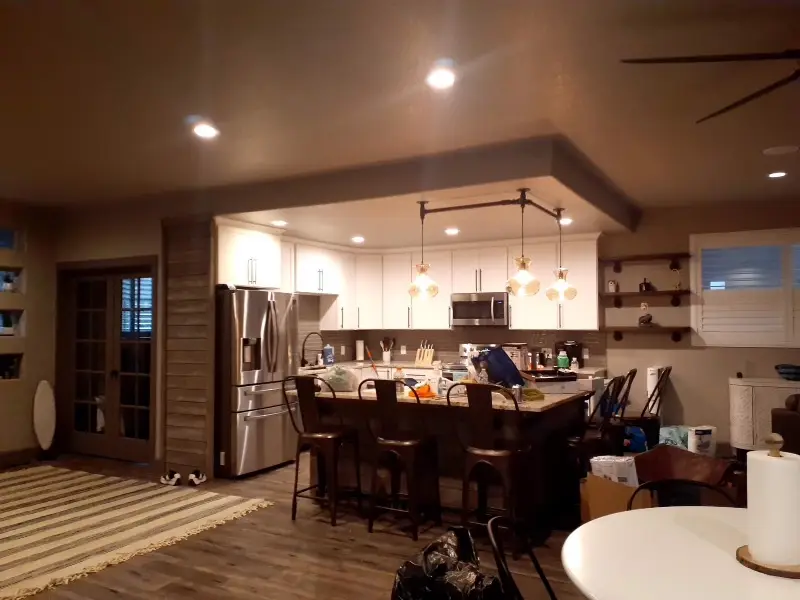
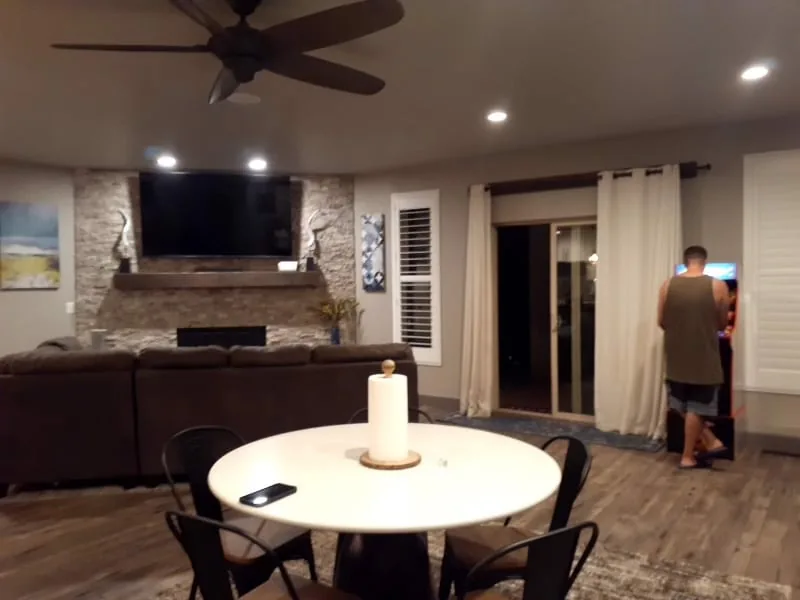
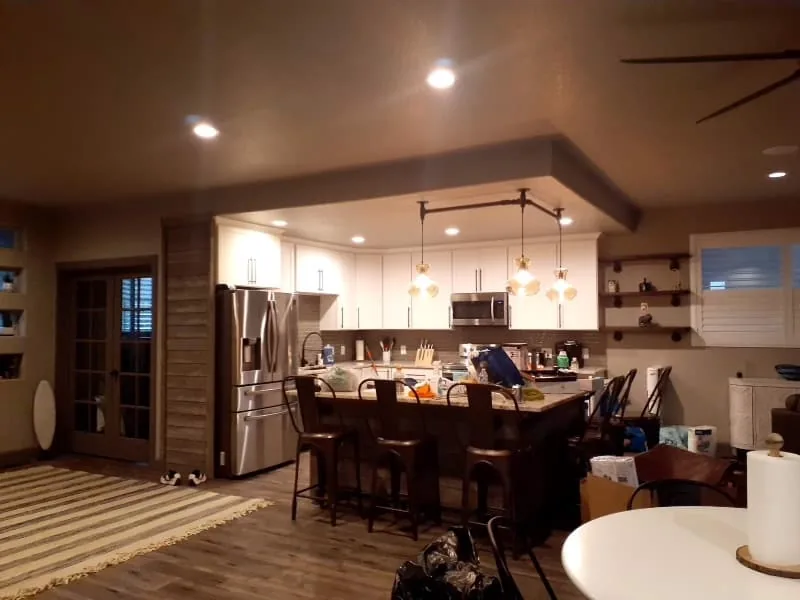
In Colorado Springs, Eudaimonia Recovery Homes offers one sober living home for women and two homes for men. All homes are fully furnished, located in residential neighborhoods near public transportation, and designed to provide structured community living with substance‑free policies and regular testing.
Residents benefit from:
- On‑site management and accountability
- Access to peer recovery support
- A continuum of care that can connect detox, treatment at Nova Recovery Center, and long‑term sober living when needed
The goal is not just to provide a bed but to create a safe, recovery‑focused environment where people can build a stable life.
Some residents also find that caring for a pet adds comfort, routine, and motivation to stay on track with recovery. To learn how we incorporate animal companions into certain homes, read our guide to pet-friendly sober living in Colorado Springs.
How Eudaimonia Recovery Homes Supports Fresh Start Sober Living
Eudaimonia Recovery Homes can support Fresh Start Sober Living in Colorado Springs by providing structured, substance‑free homes where residents can focus on long‑term sobriety. The program offers gender‑specific living environments, which can help residents feel more comfortable and focused during a sensitive stage of recovery. Clear house rules, curfews, and regular drug and alcohol testing create predictable routines and accountability that many people need after leaving treatment.
On‑site or readily available house management helps address issues quickly, supports conflict resolution, and keeps the home centered on recovery goals. Residents are encouraged to work, attend school, or participate in outpatient treatment, allowing them to rebuild daily life while still having consistent support. The homes are located in residential areas of Colorado Springs, giving residents access to public transportation, employment opportunities, and local recovery meetings.
Peer support inside the home helps reduce isolation and provides real‑time encouragement from others who understand the process of staying sober. Over time, this combination of structure, independence, and community can make it easier for residents to maintain a fresh start and transition into fully independent living.
Your Future Is Waiting
Tell us what you are looking for and admissions will walk you through the houses, the phases, and what a room actually costs.