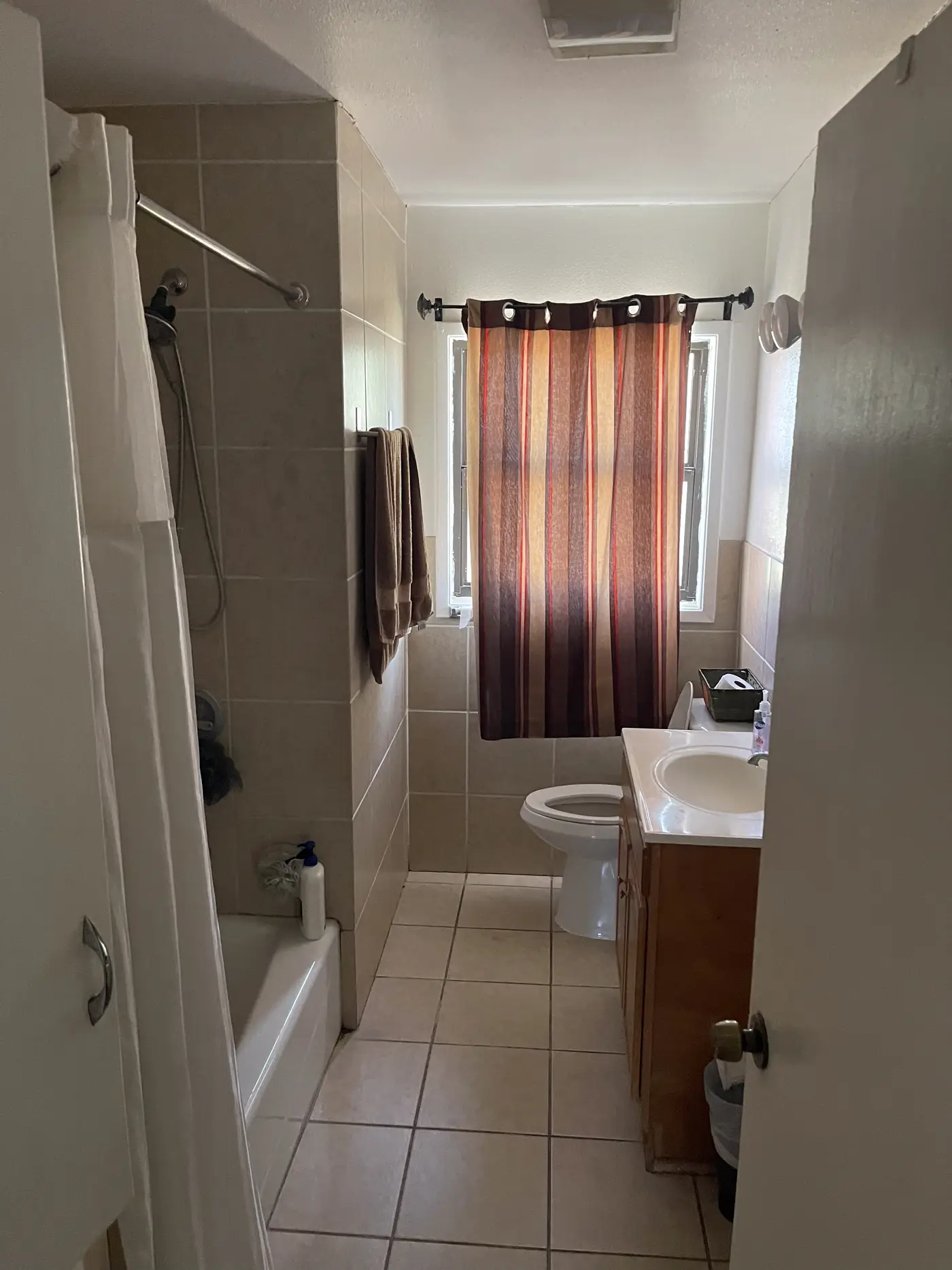
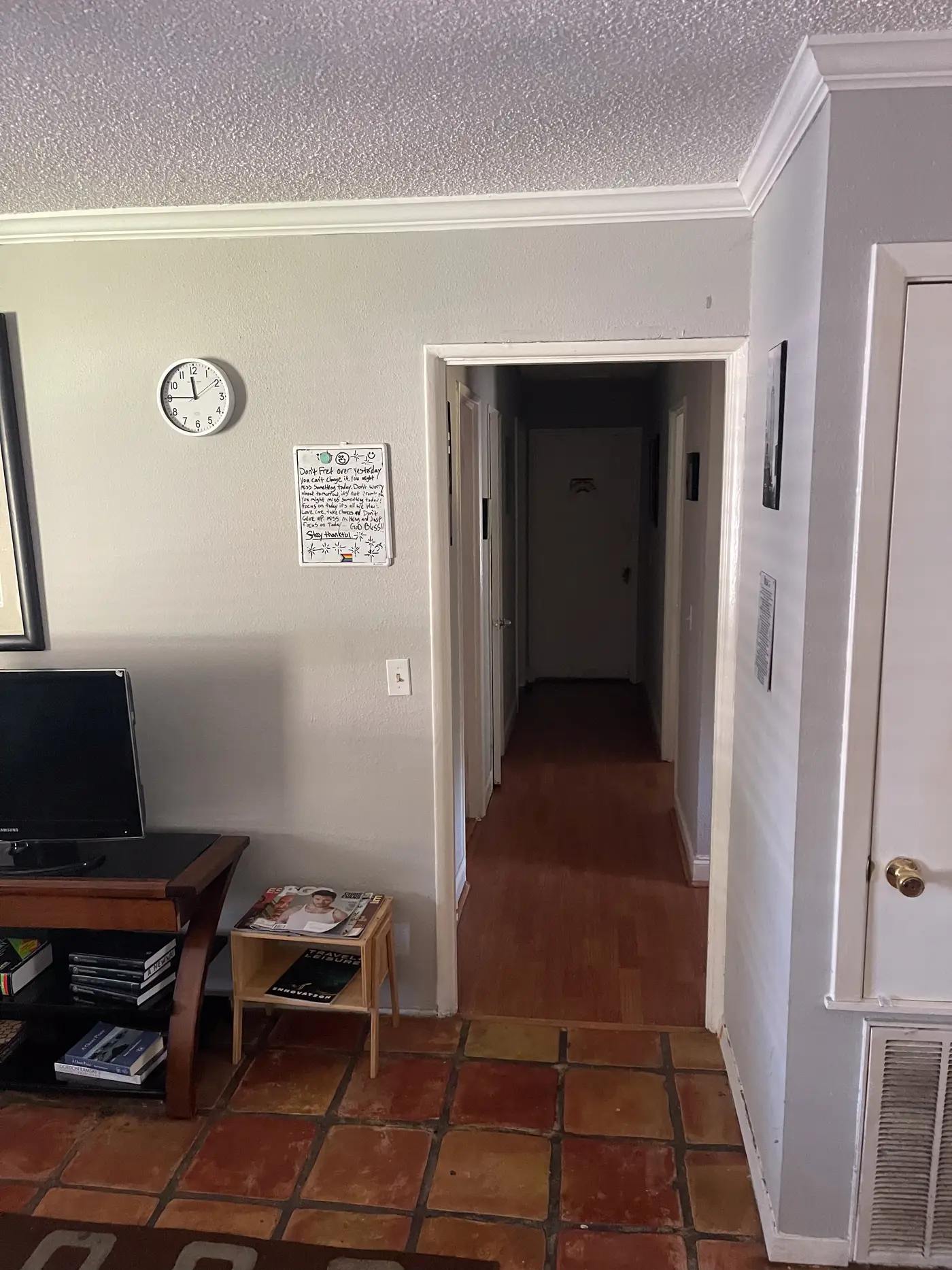
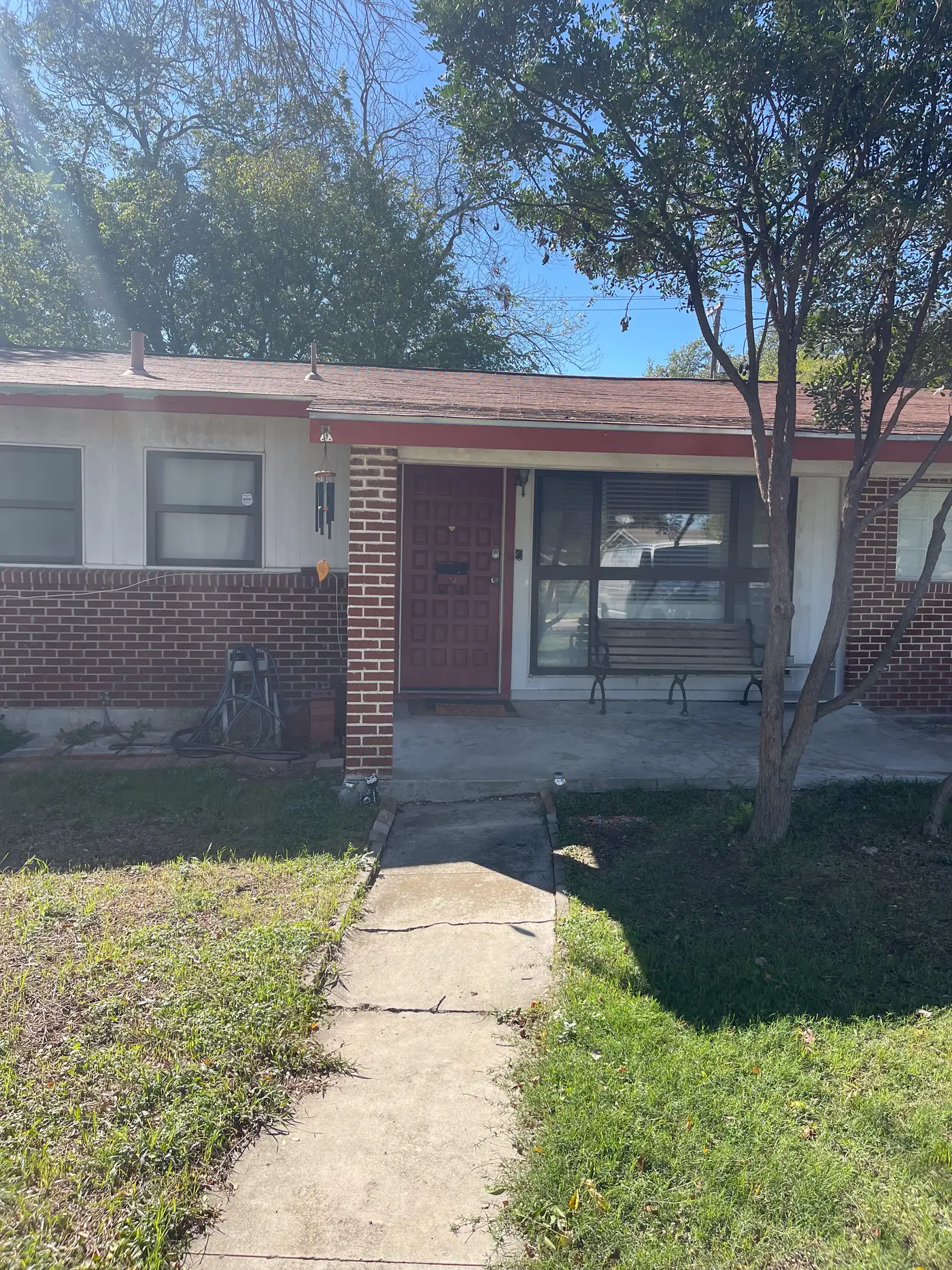
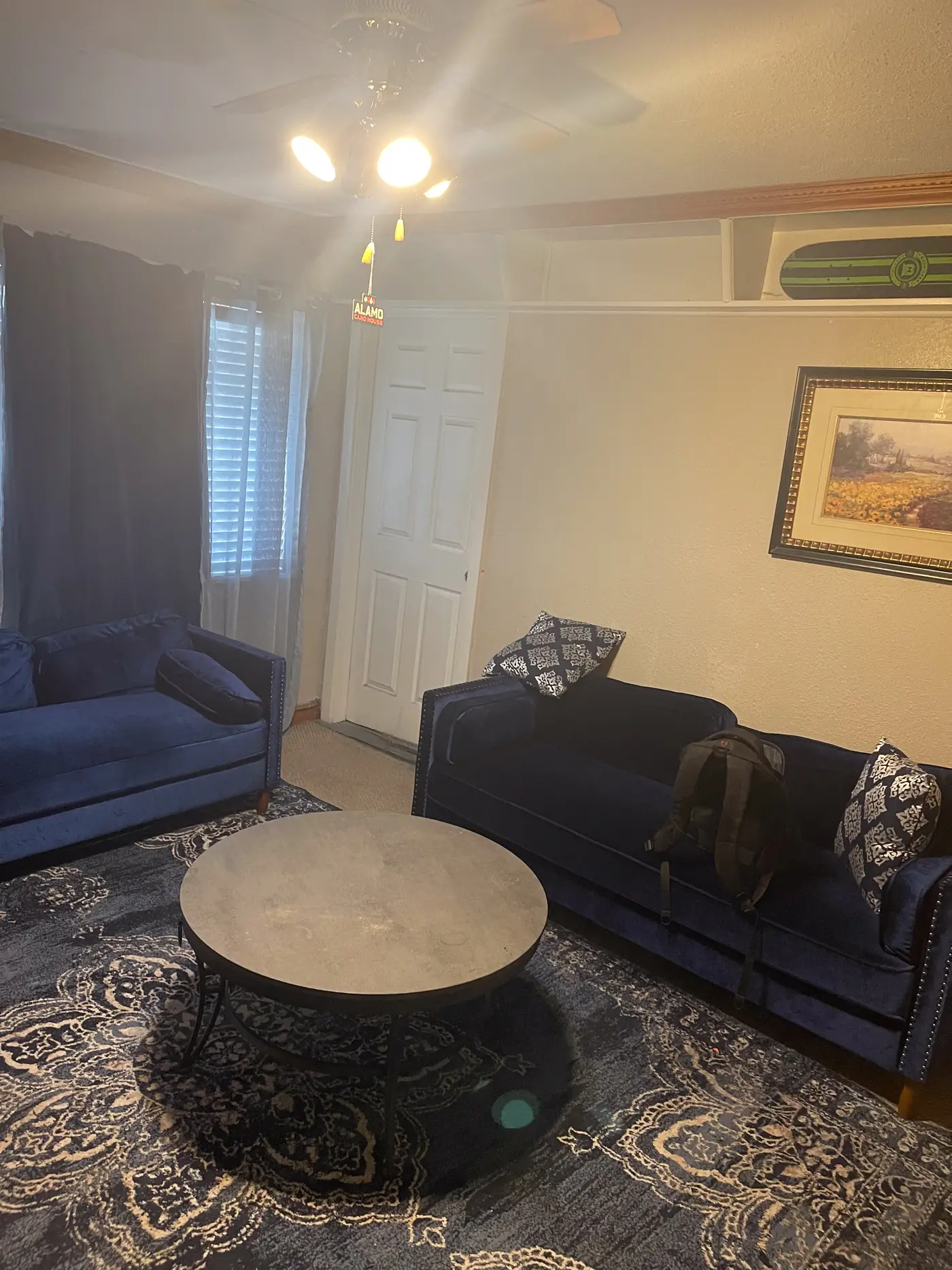
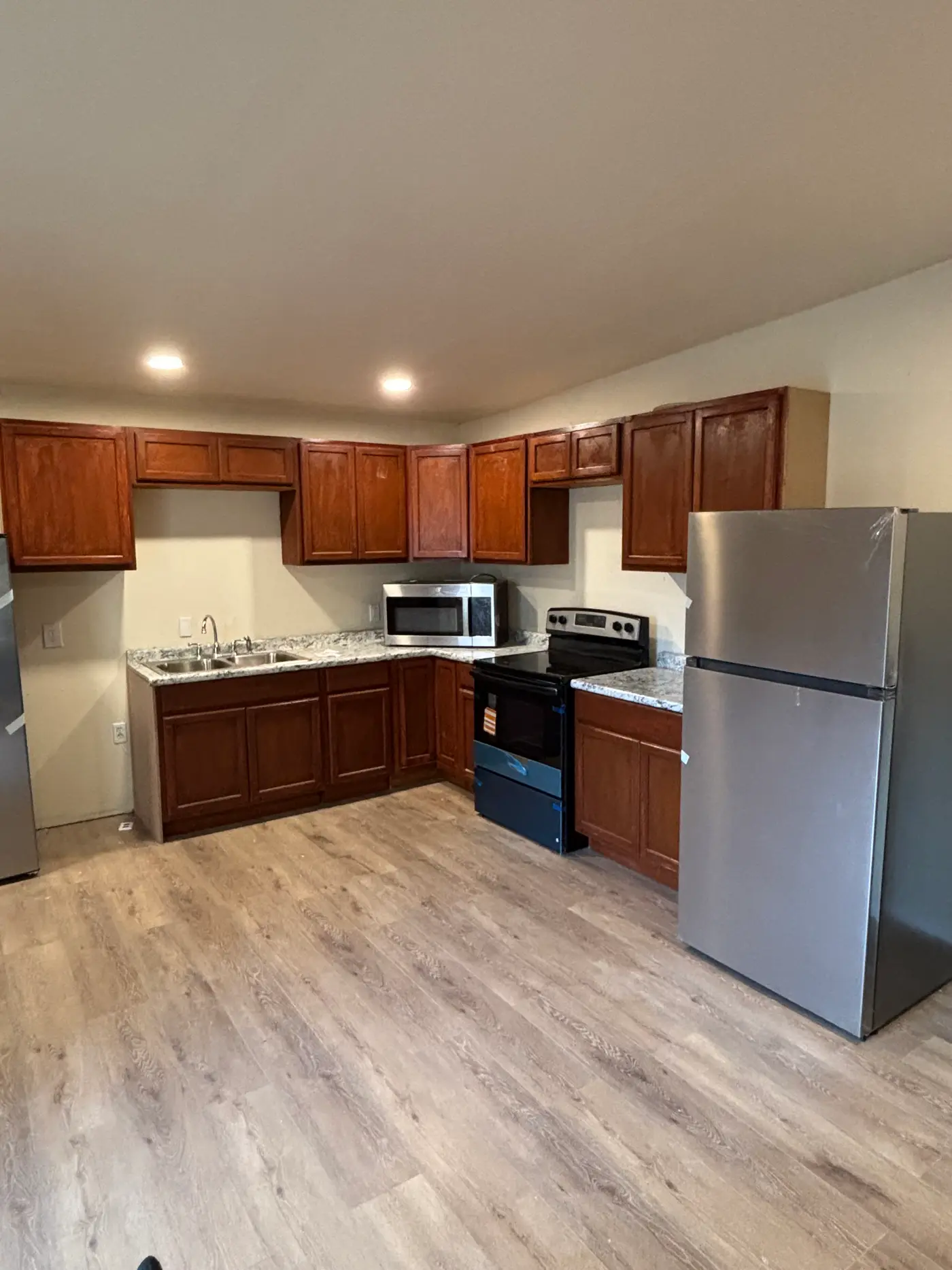
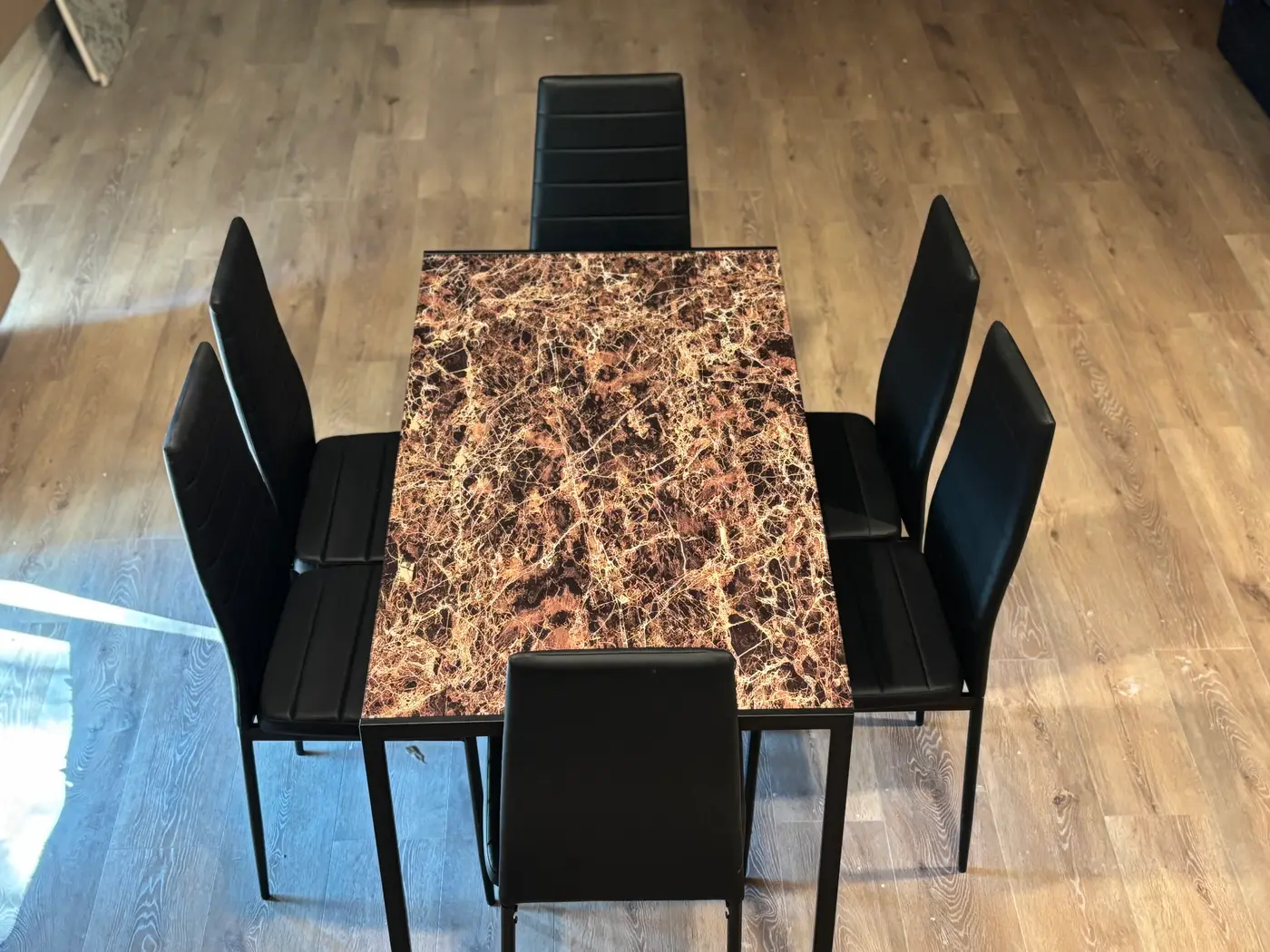
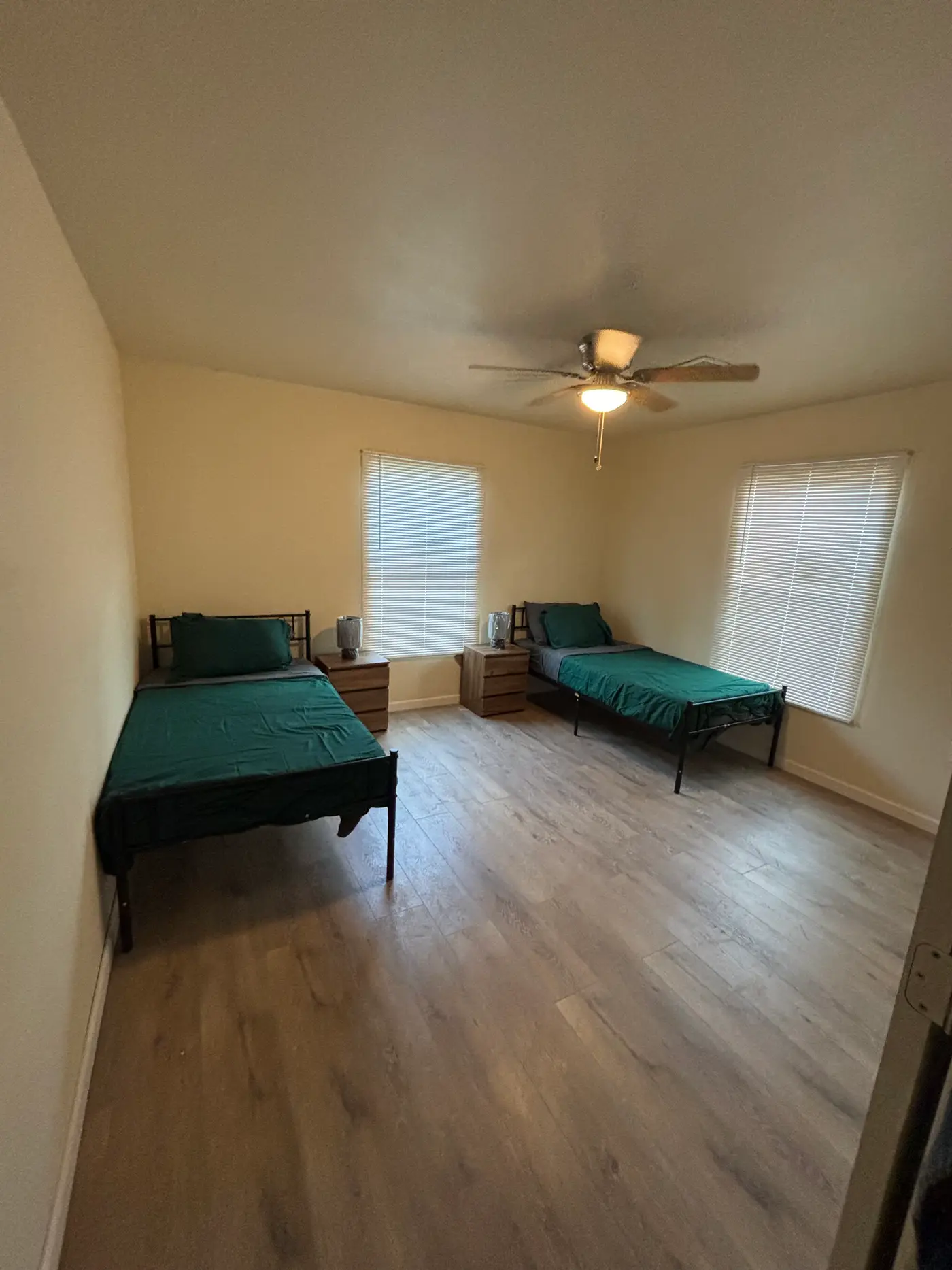
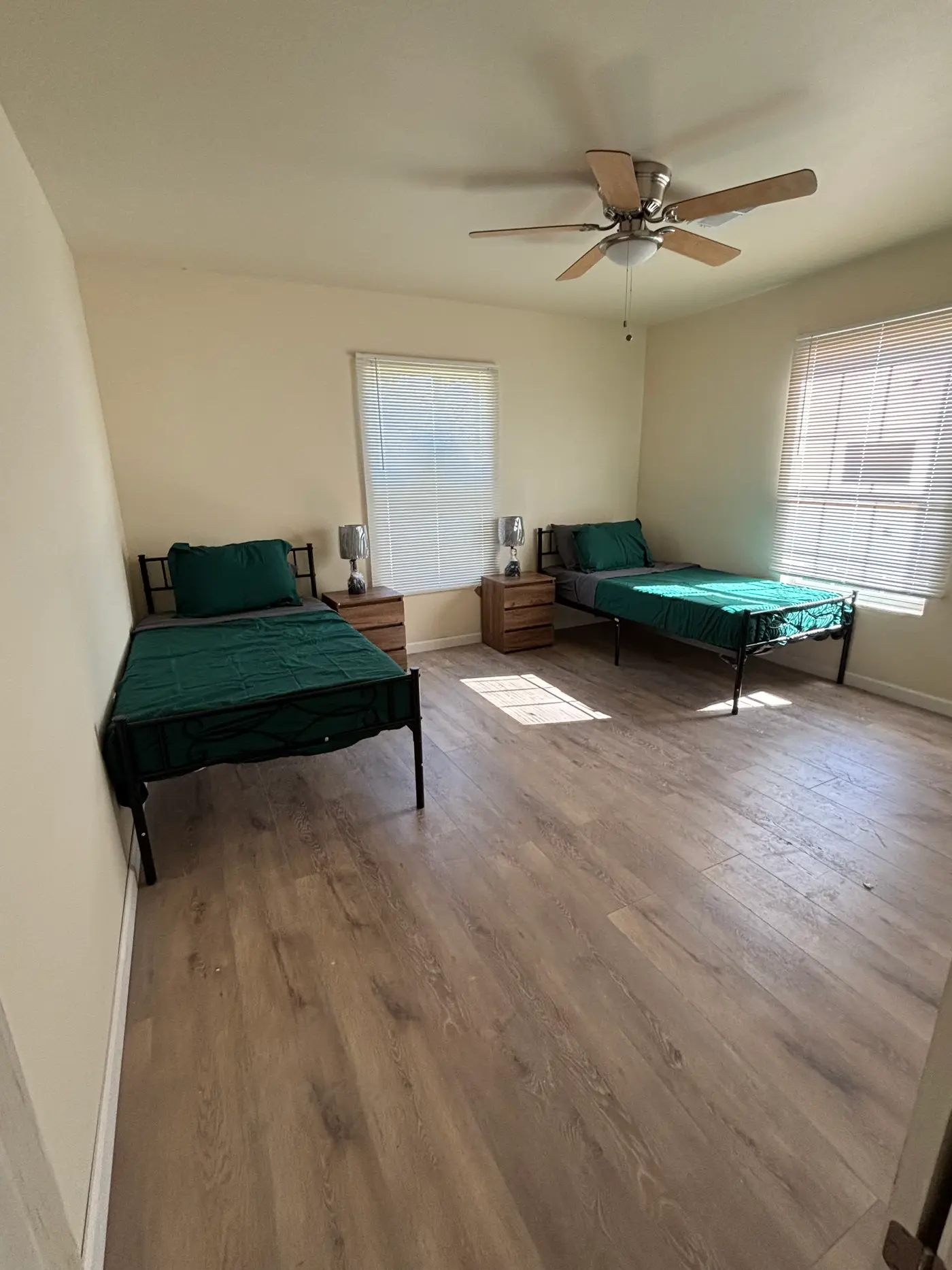
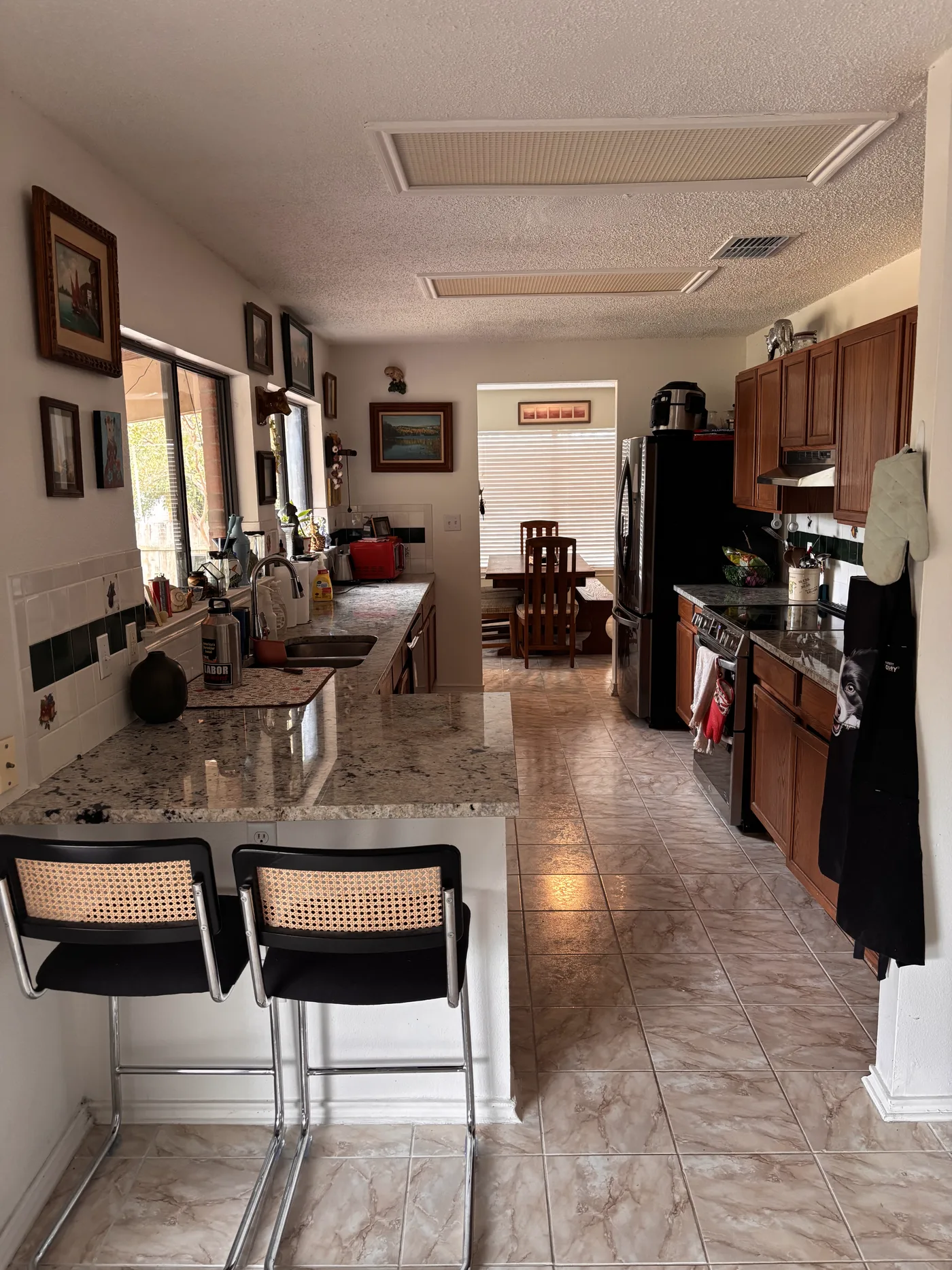
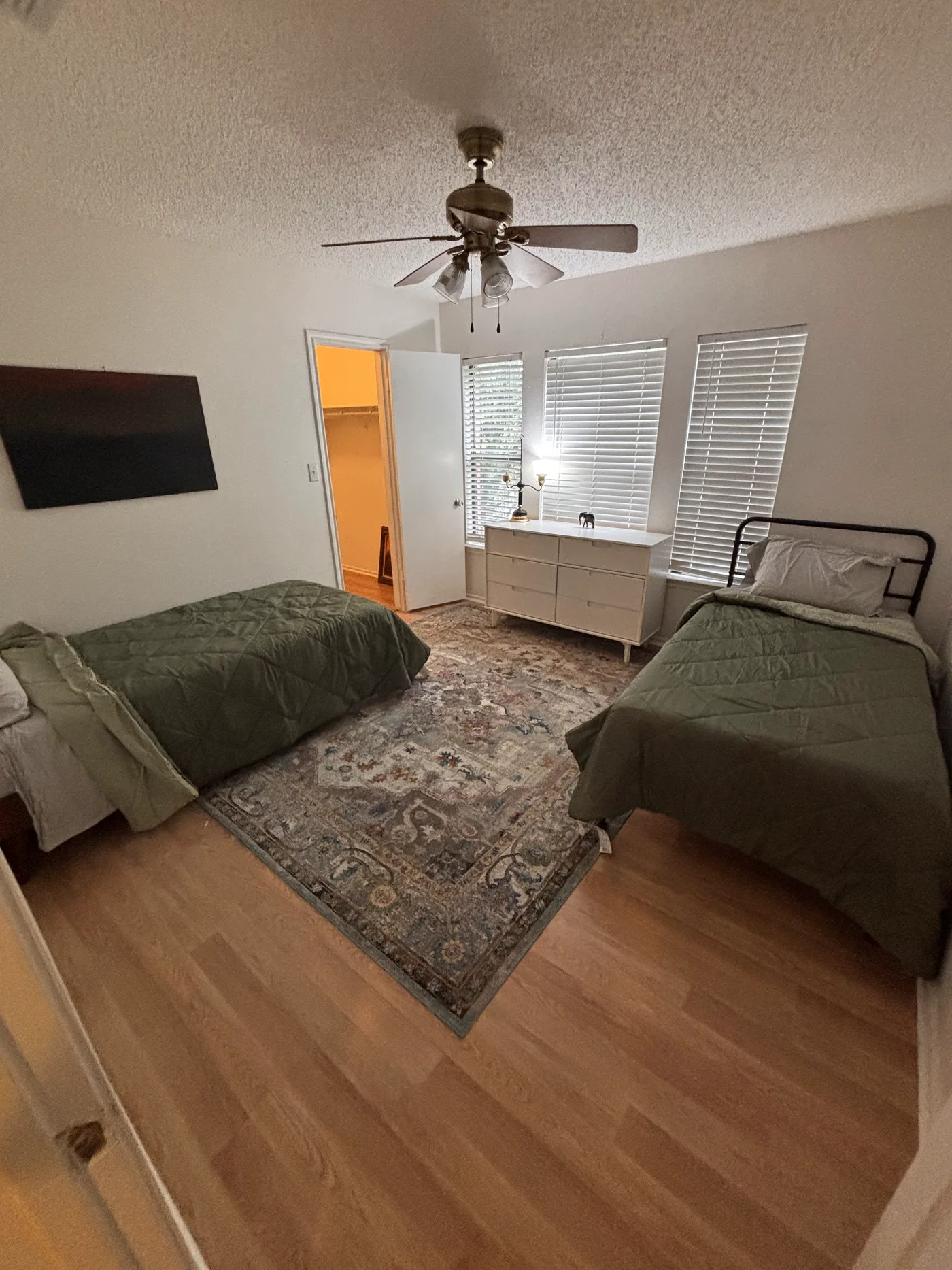
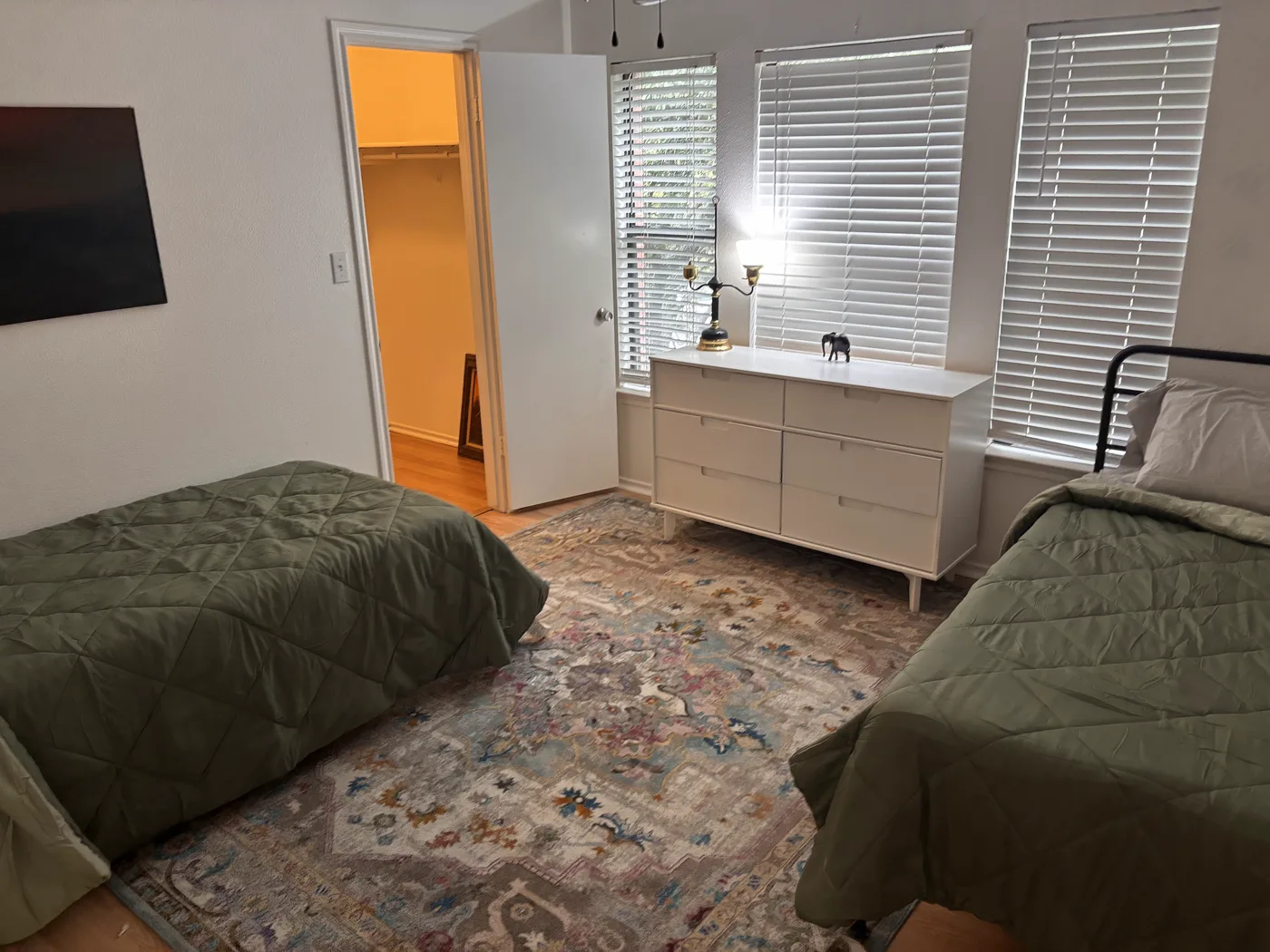
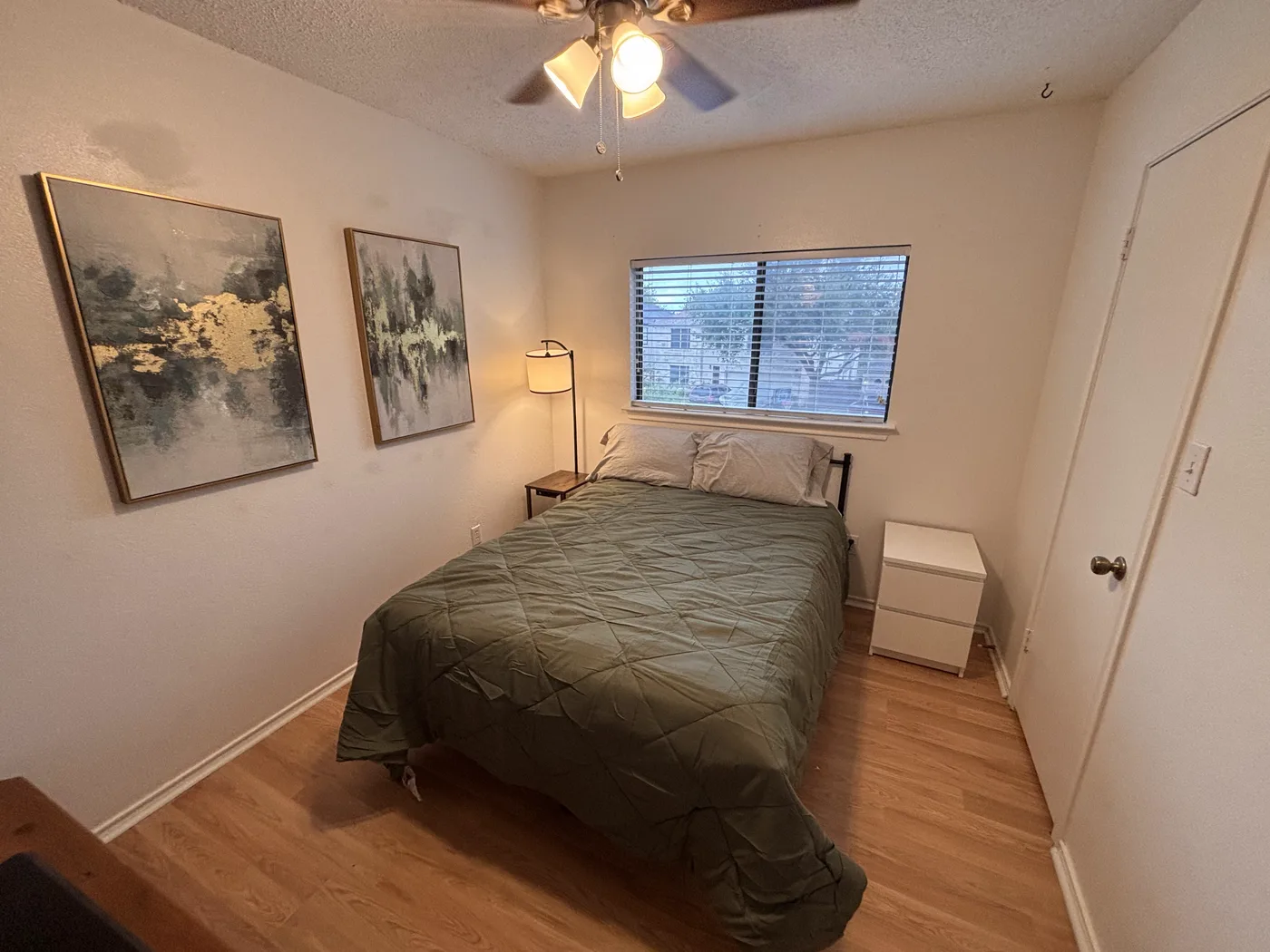
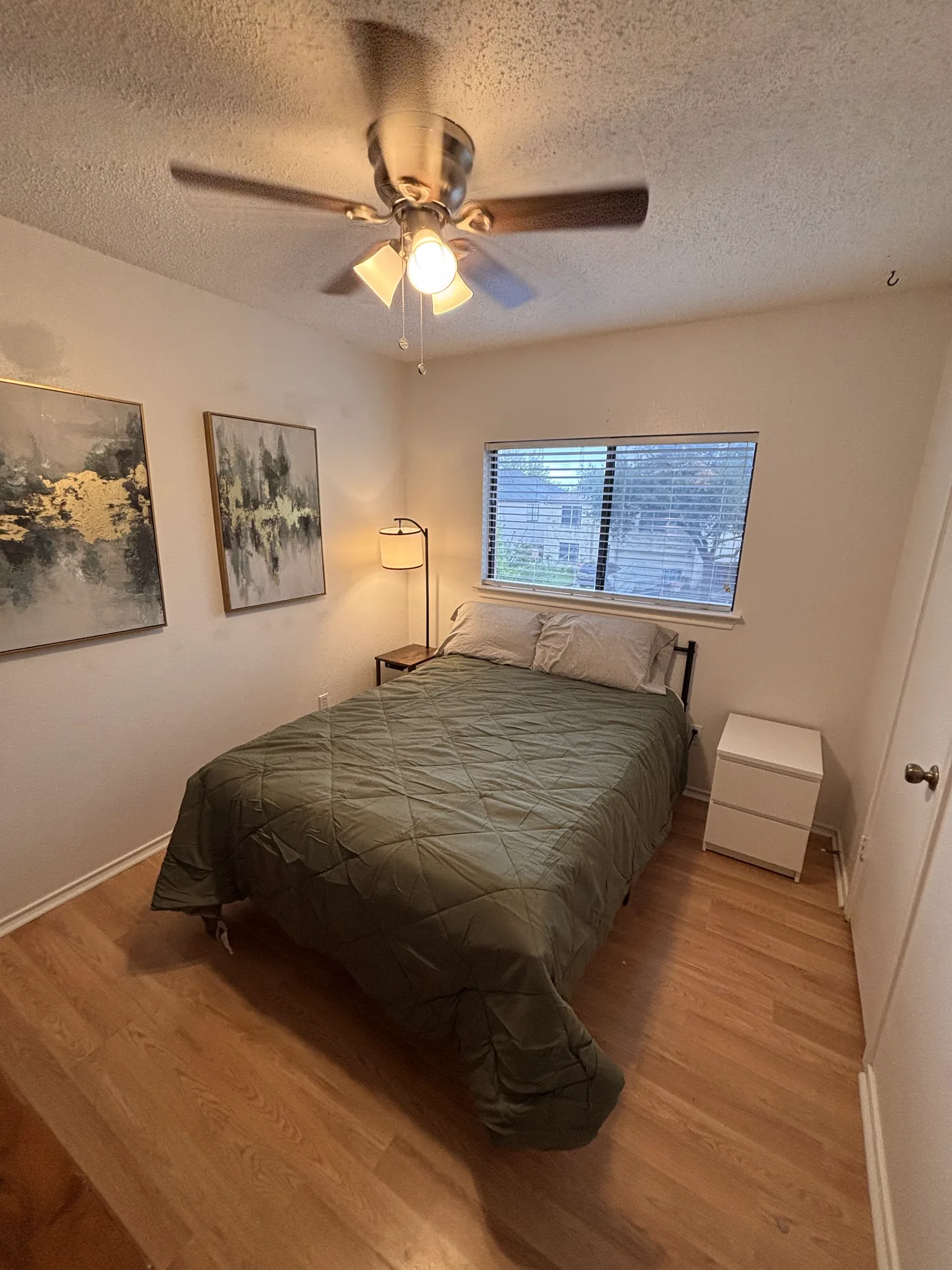
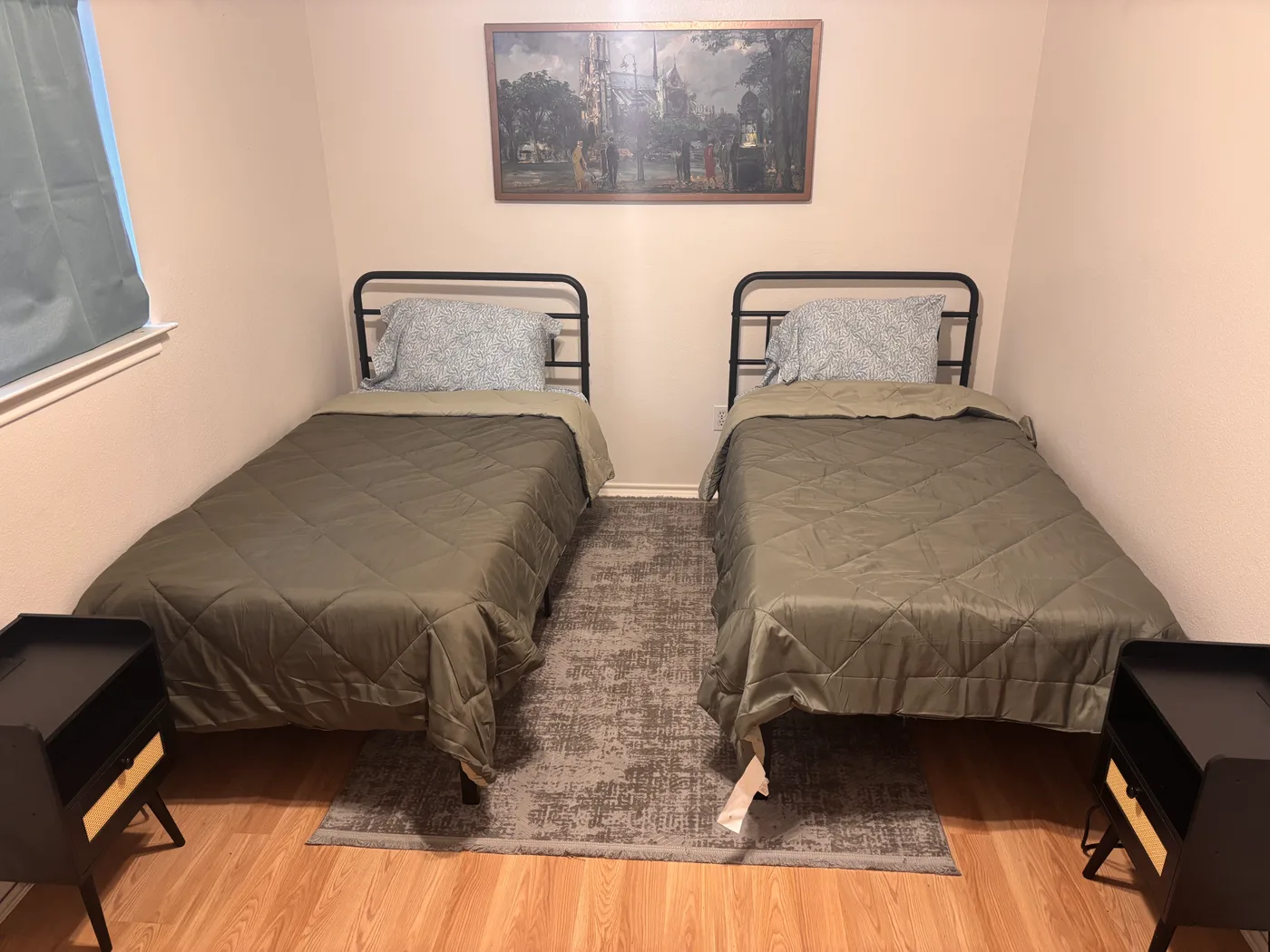
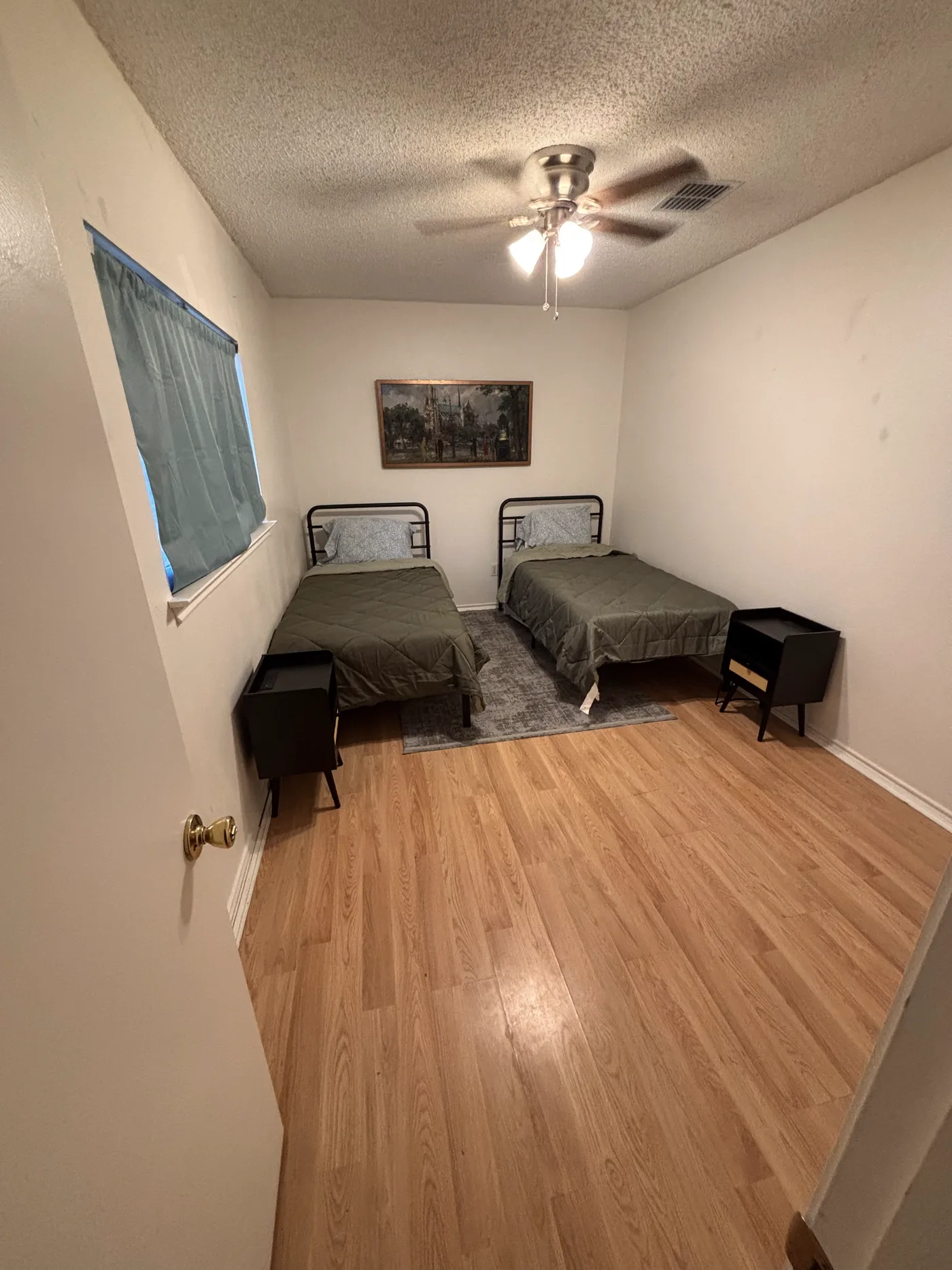
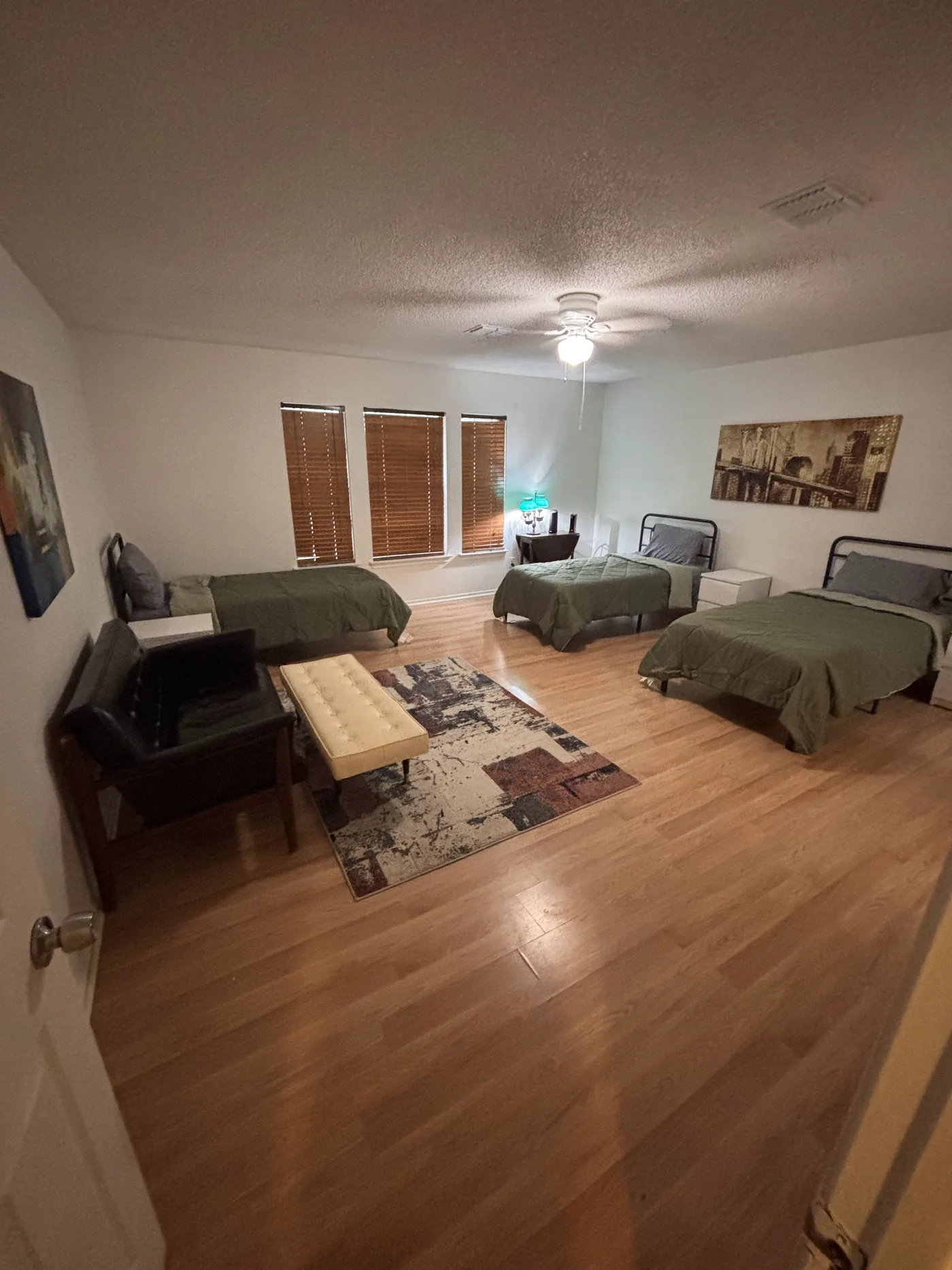
Let’s start building it today, reach out now!
Recovery Support Groups in Houston, Texas
The Houston Area Narcotics Anonymous group offers many meetings in different neighborhoods and suburbs. This makes it easy to attend, no matter where you live or work.
If you travel or move within Texas, the Tejas Bluebonnet Region Narcotics Anonymous can help. They offer a regional directory and useful resources. Both are excellent ways to stay engaged with recovery groups even during busy periods.
Houston Alcoholics Anonymous supports a large number of groups with diverse formats. Whether you prefer lunch‑hour meetings near the office or late‑night options, you’ll find something that fits. Many sponsorship and service opportunities exist in Houston’s AA community. These can help you grow personally and offer ways to give back.
Recovery Support Groups in Colorado Springs, Colorado
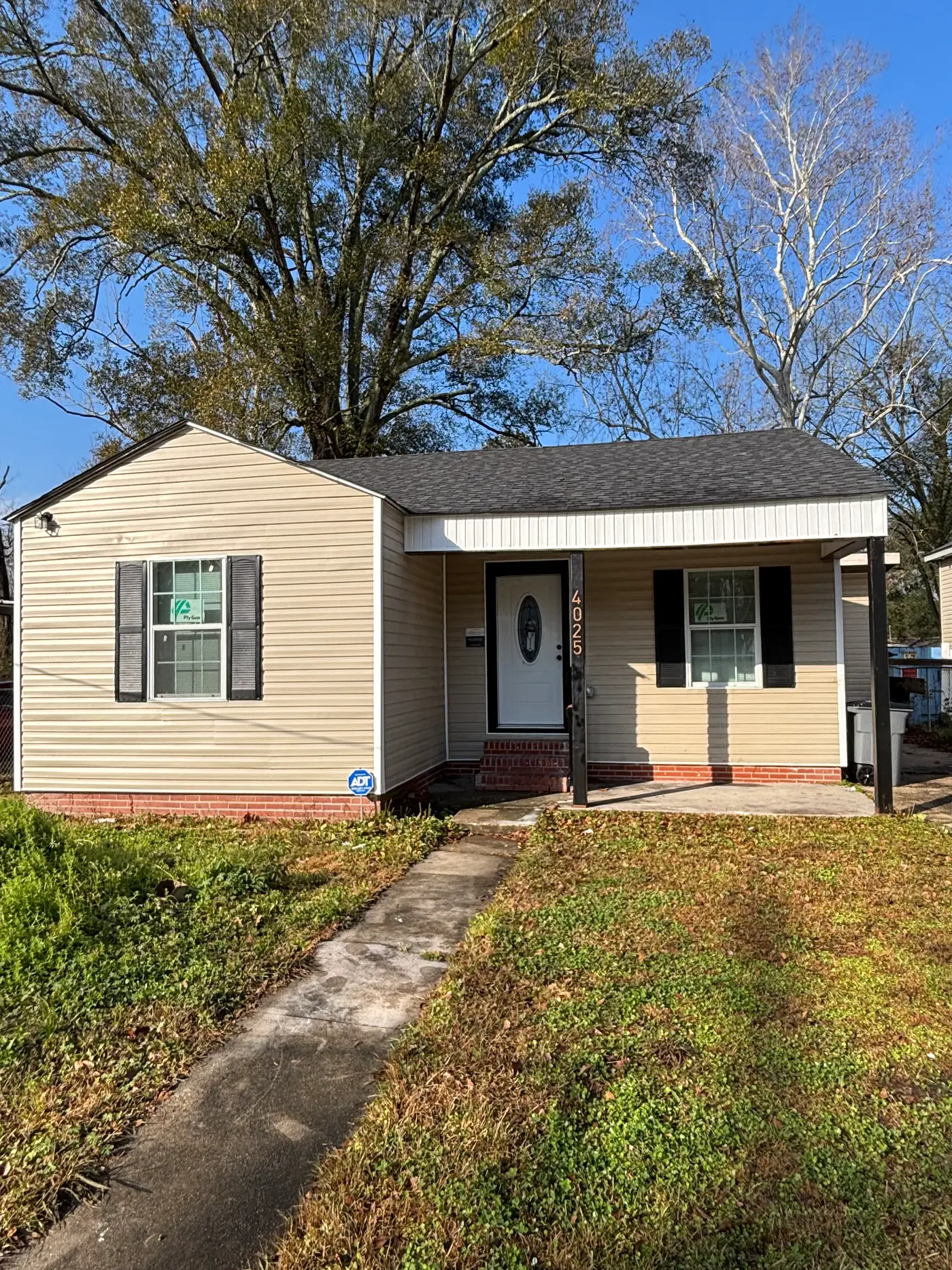
If you stay in our Colorado homes or move to the Front Range, you will find a friendly recovery community. Colorado Springs Alcoholics AnonymousOften searched simply as Colorado Springs alcoholics anonymous, hosts daily meetings across the city and surrounding areas. From Old Colorado City to the east side and beyond, there are options morning to night.
For individuals recovering from drugs, Pikes Peak Narcotics Anonymous offers a supportive, peer‑driven environment. Many residents appreciate the camaraderie and the straightforward focus on day‑to‑day recovery tools. If cocaine or stimulants were part of your history, Cocaine Anonymous of Colorado provides additional focus and fellowship.
Identity‑affirming groups matter, too. Gays and Lesbians in Alcoholics Anonymous meetings in the region offer safe, inclusive spaces.
These recovery support groups ensure you don’t have to choose between your recovery and your identity. If you are looking online, try phrases like “support groups in Colorado Springs,” “Pikes Peak NA,” or “LGBTQ+ AA in Colorado Springs.” This will help you find nearby options.
How to Choose a Local Support Group
Start Close to Home
If you’re staying in one of our homes, begin with meetings within a short drive or bus ride. Proximity increases consistency.
Ask for Schedules
Most local intergroups or areas post updated schedules. Our staff can point you to those resources so you can find the most current aa meetings and NA or CA gatherings.
Go to several meetings to find out which style makes you feel most connected. This could be a speaker, discussion, step study, literature, or newcomer-focused meeting.
Prioritize Safety & Inclusivity
Choose meetings where you feel respected and supported. If you need gender‑specific or LGBTQ+ affirming spaces, we’ll help you find them.
Listen for Relevance
Pay attention to where you hear your story in others’ shares. Relating to your peers is a strong signal that a meeting may become “home.”
Invite Family to Their Own Group
Encourage your loved ones to join Al-Anon or similar family groups. This way, they can create their own support network and learn about recovery principles.
What to Expect at Meetings
For people new to mutual-aid recovery, the first meeting can feel scary. However, it often becomes surprisingly comfortable once you are in the room.
Most meetings start with a brief introduction, readings that outline the group’s purpose, and a topic or speaker. Some meetings are “open,” so anyone can attend. Others are “closed,” which means only those who share the problem can join.
Sharing is always optional. You’ll hear real stories about managing cravings, repairing family relationships, finding employment, and rebuilding life after substance abuse. Many meetings end by exchanging phone numbers. That simple step creates lifelines you can use when stress rises.
Most mutual-aid meetings have no dues or fees. Groups support themselves through voluntary contributions. This makes them incredibly accessible.
You’ll also find a culture of anonymity and confidentiality designed to protect participants. If transportation is a problem, please talk to our staff or ask at a meeting. Members often help newcomers find rides to other AA meetings or NA/CA gatherings.
Family and Loved Ones
Recovery reaches everyone in a household. While you focus on your program, encourage family to explore al anon or similar groups for loved ones.
They will learn the difference between helpful support and enabling. They will also learn how to set healthy boundaries and find their own healing. When families join a community support group, and residents commit to their own groups, communication improves. This makes the home environment healthier for everyone.
Why Choose Eudaimonia for Your Sober Living Experience?
Recovery‑Focused Lifestyle
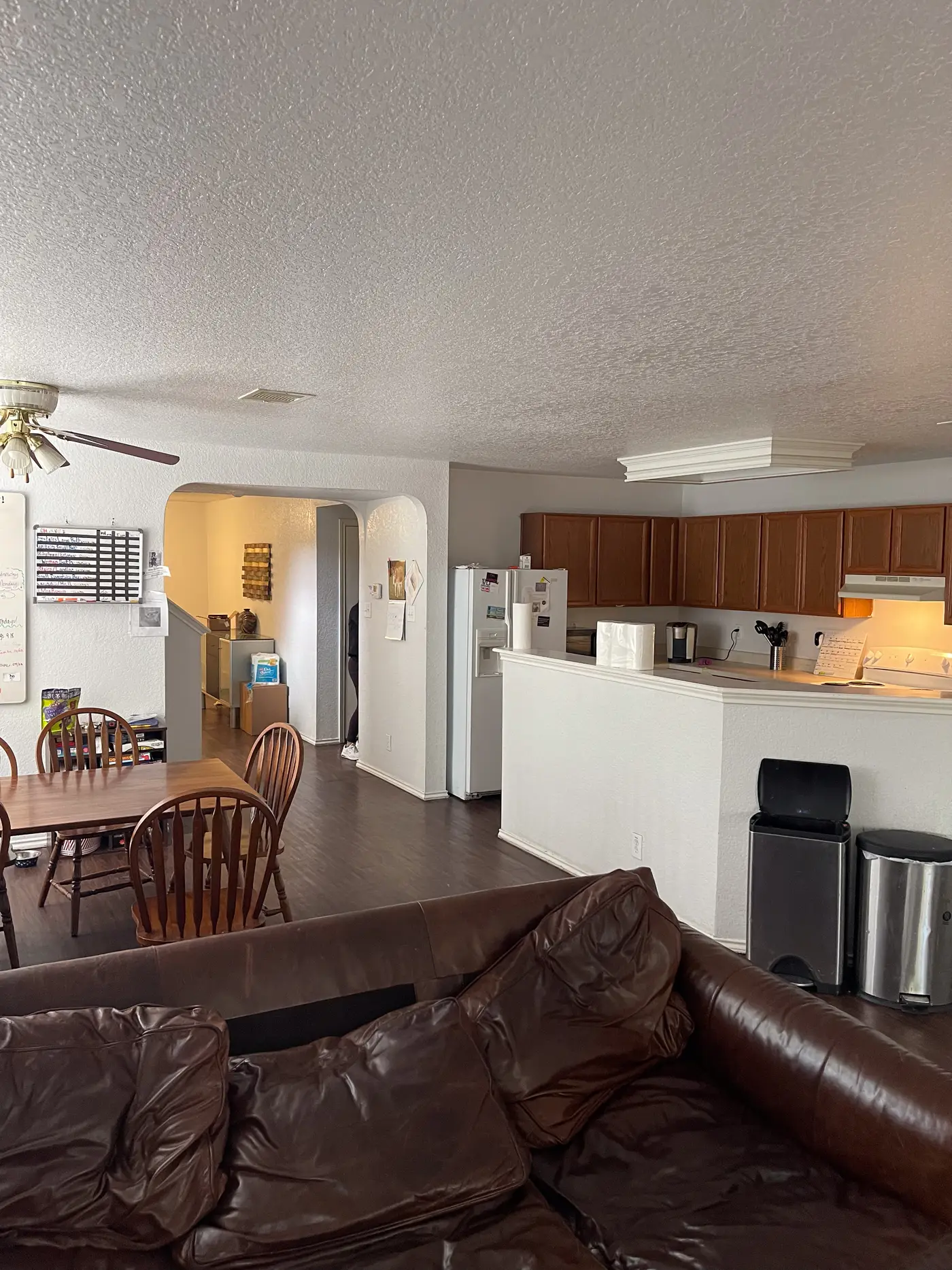
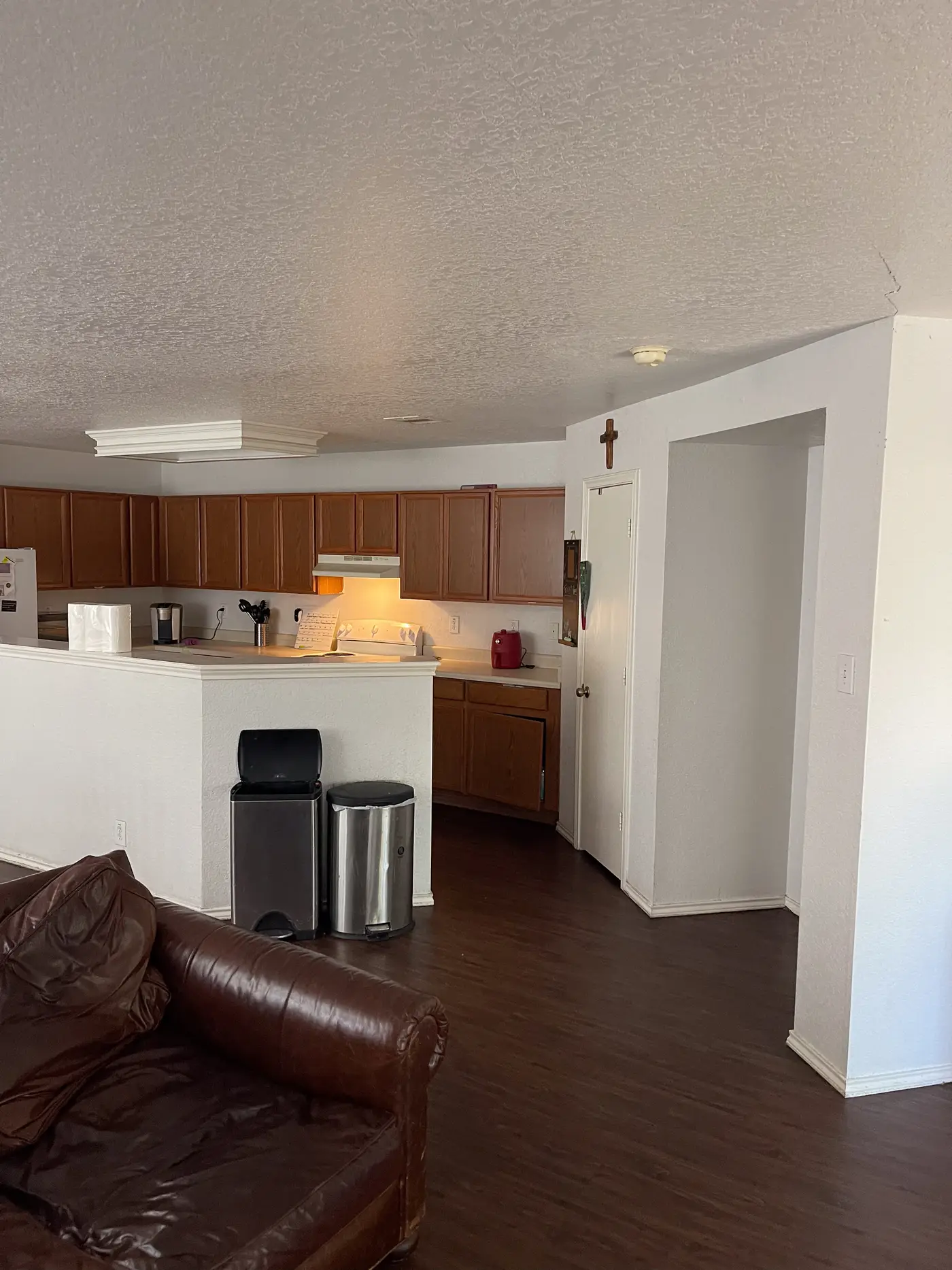
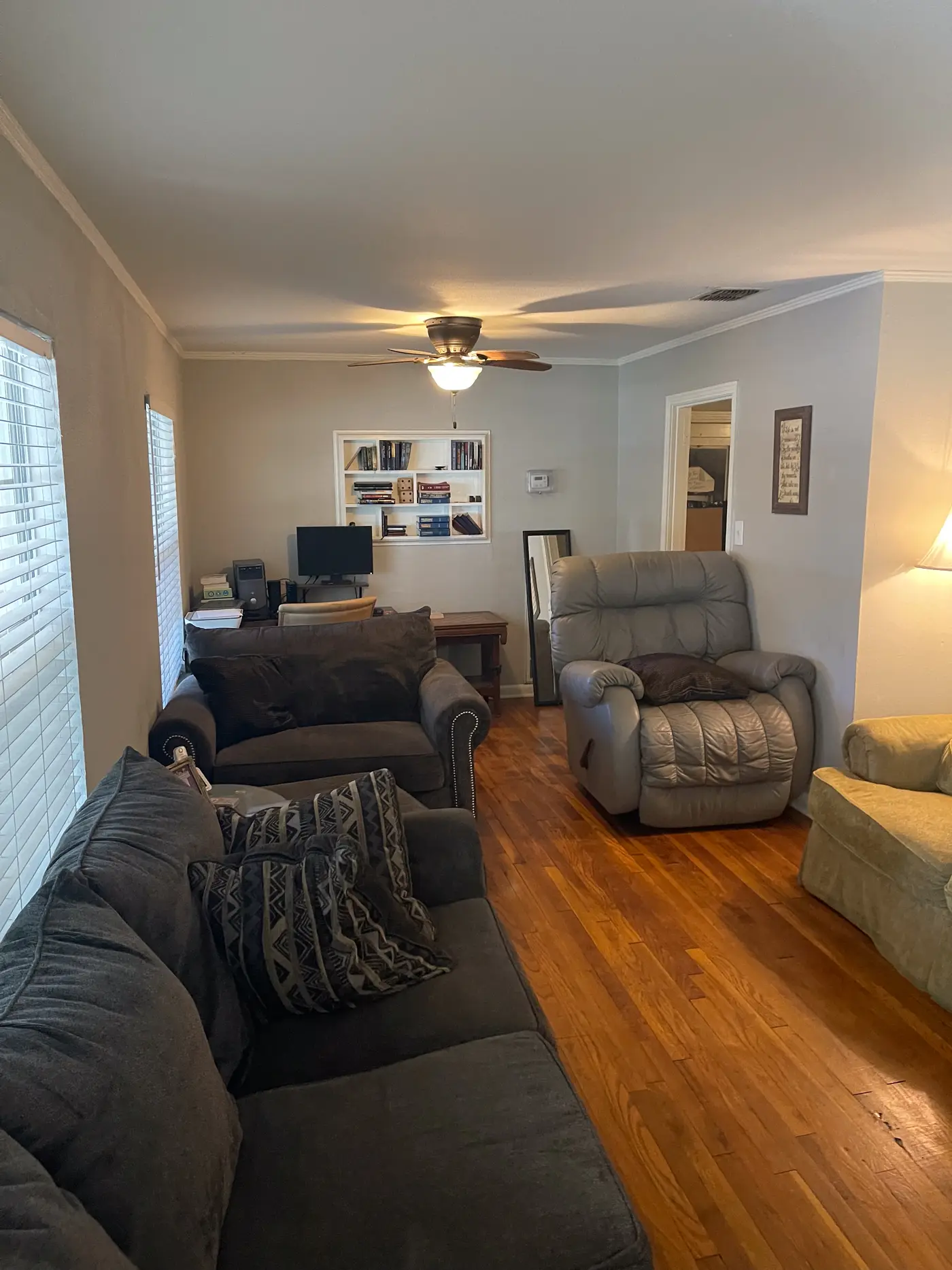
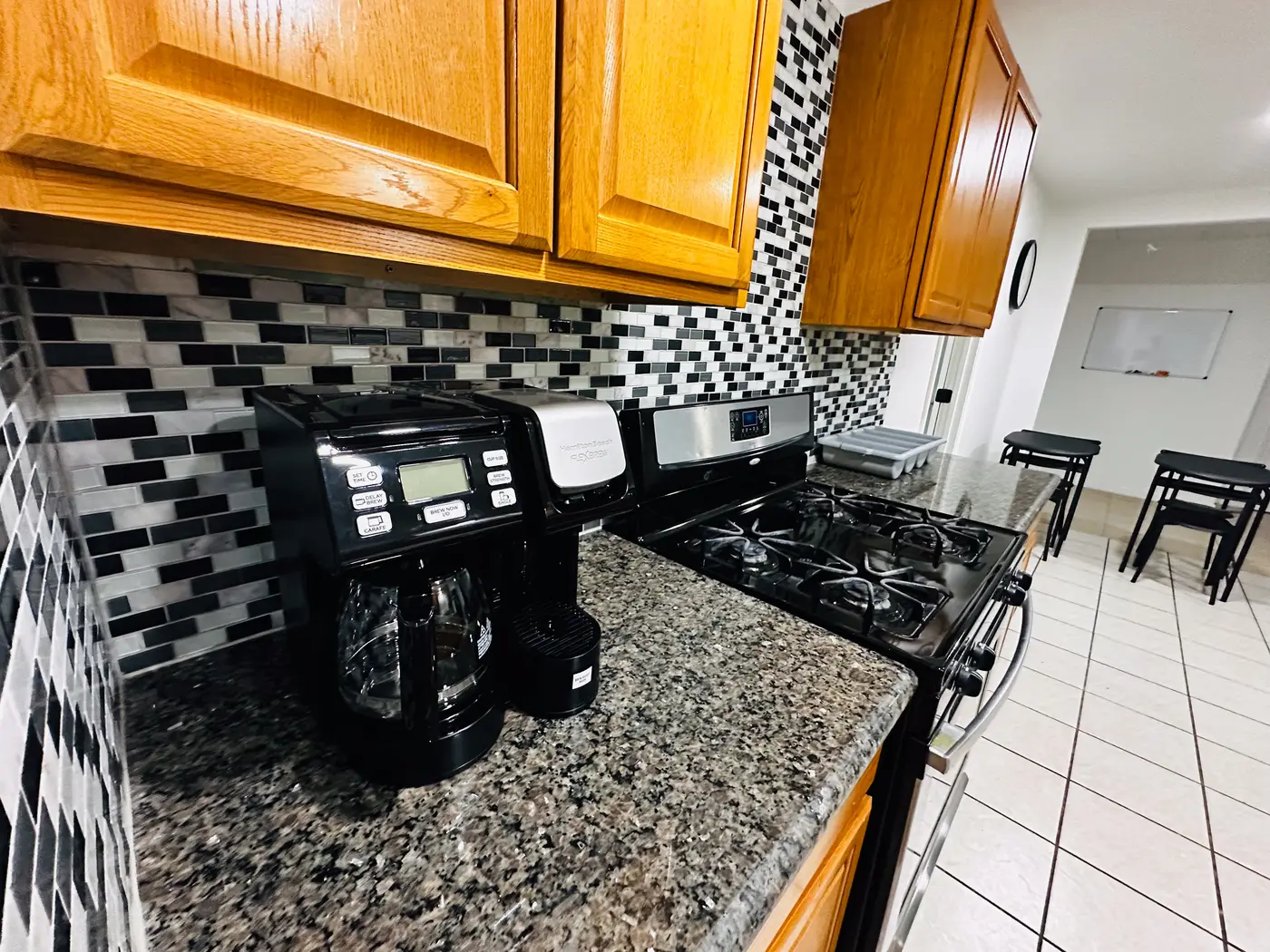
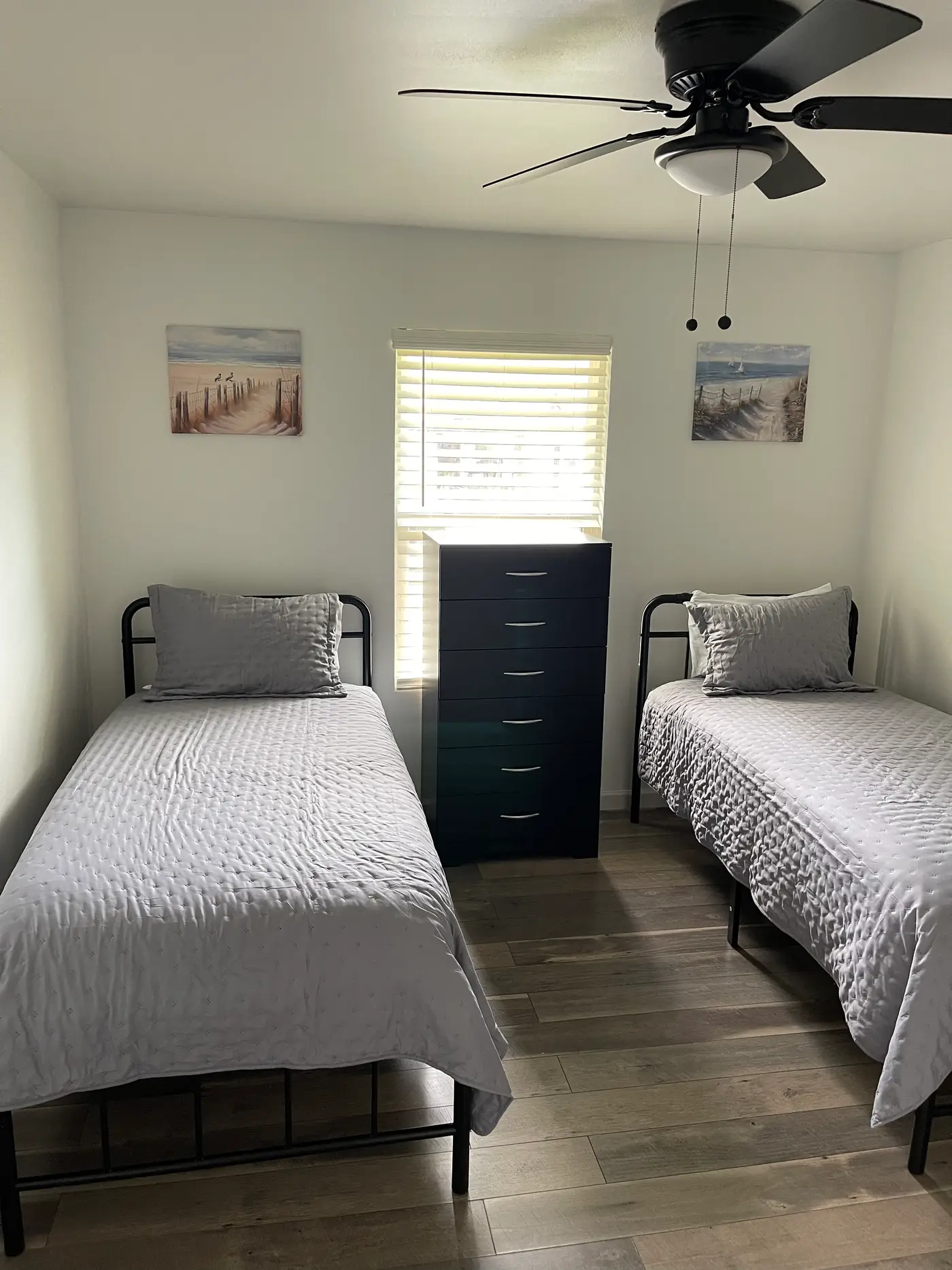
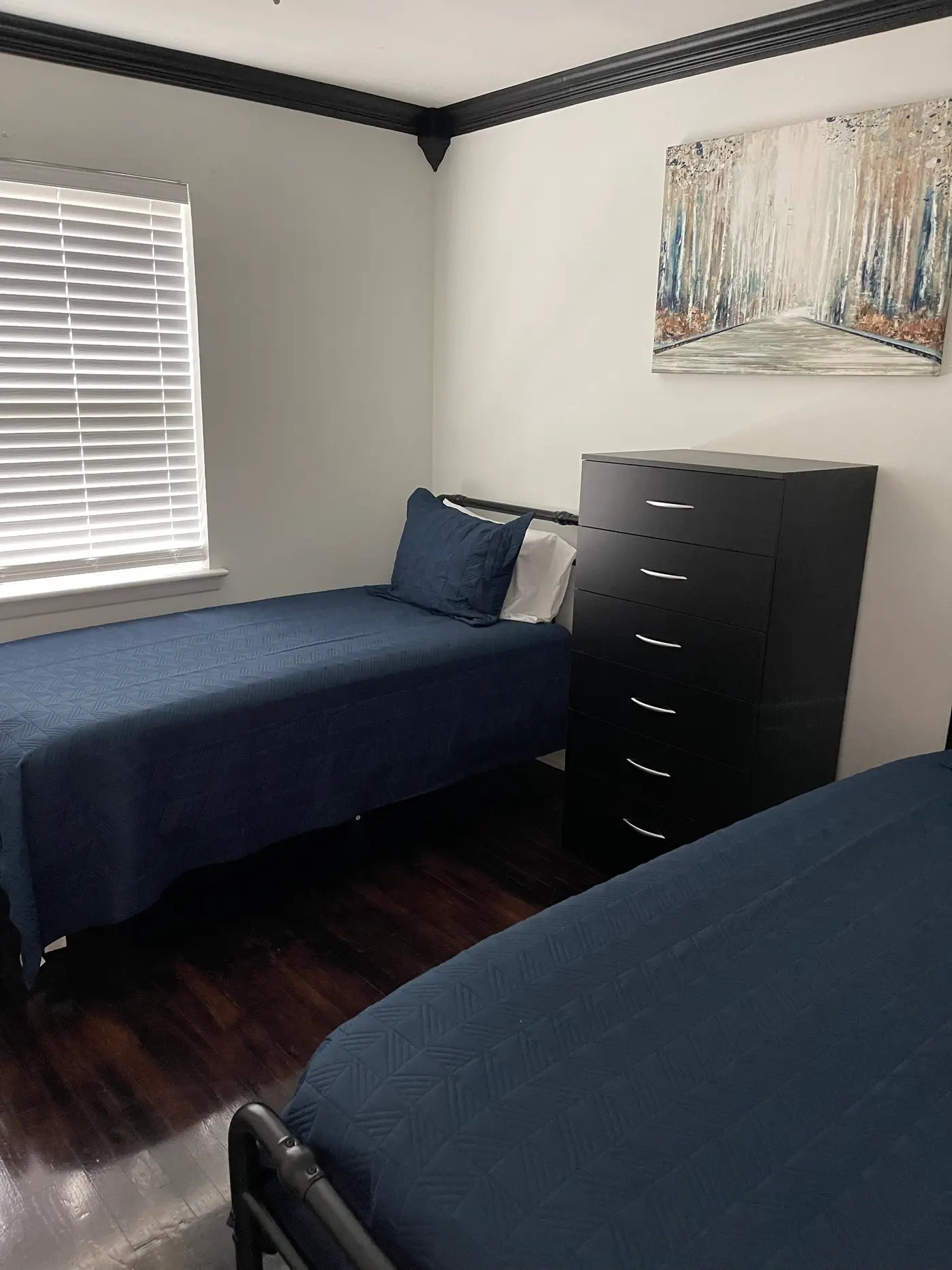
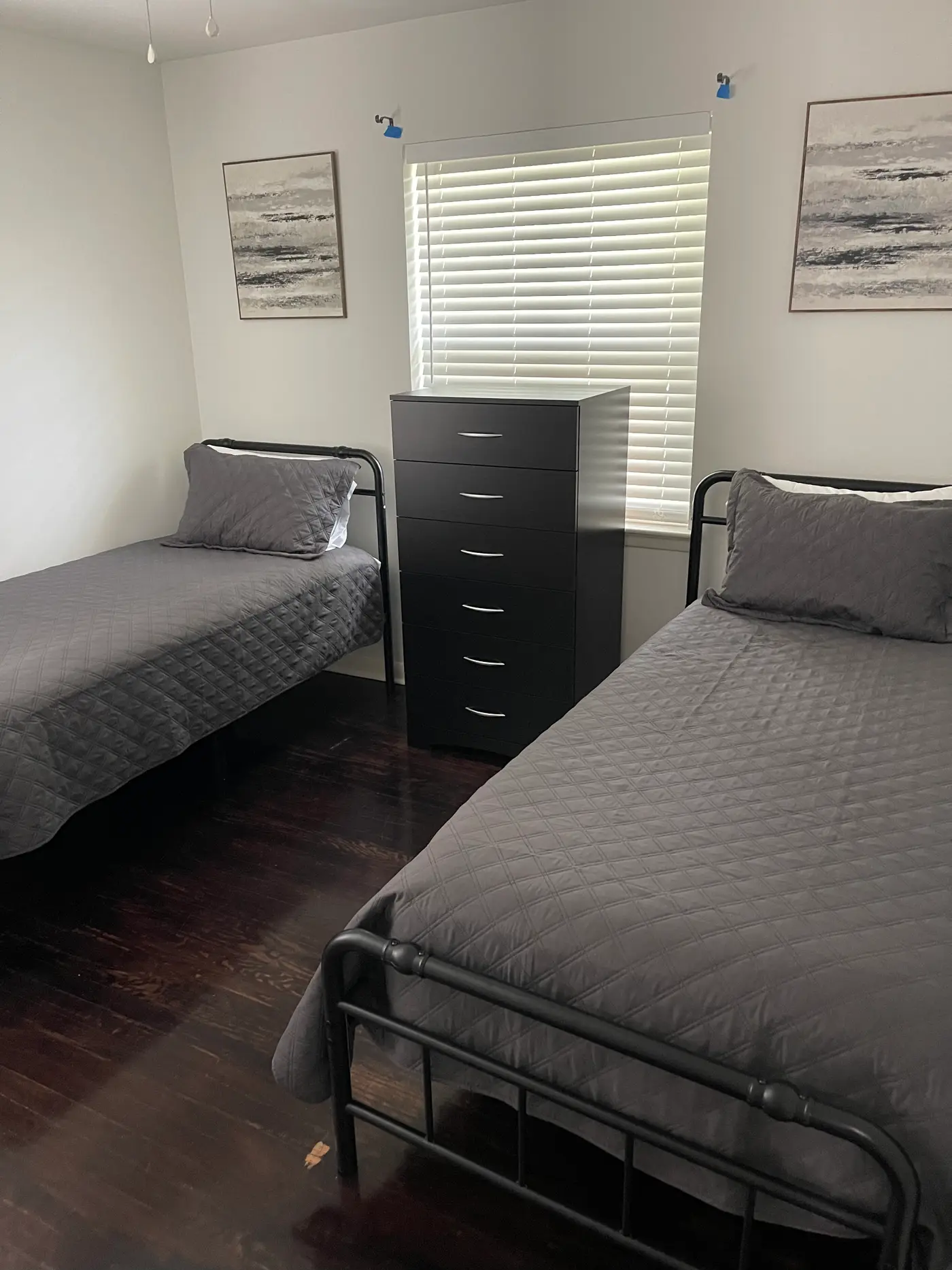
Every part of our homes, like meetings and chores, helps support recovery. This includes quiet hours and curfews. We suggest that residents join support groups.
This includes Alcoholics Anonymous (AA), Narcotics Anonymous (NA), and Cocaine Anonymous (CA).
Individualized Care
No two recoveries are identical. We will help you create a plan that combines your goals with local resources.
This could include daily AA in Austin, NA in Houston, or CA in Colorado Springs. If transportation, work schedules, or family duties make it hard to attend, we can think of options. This way, you can still join a local support group regularly.
On‑Site Support Staff
Our staff members are here to help with accountability, navigation, and encouragement. Need help finding alcoholics anonymous Austin meetings near your workplace?
We’ll connect you with the right directories and help you map out a week of meetings that fits your life.
Family Support
We can point your loved ones to resources like al anon and other family programs so they have their own avenues for healing. When families and residents engage in parallel support, everyone benefits. We also encourage families to learn the difference between substance abuse and substance use disorders.