Daily Life


Support Employment Volunteering

Our Support Employment Volunteering curriculum is designed to help our residents find a job they like and avoid relapse in the long run.

4.4 from 161 Google reviews · all locations Verified Google Reviews Great Rating

Finding purposeful work and service is one of the most powerful ways to rebuild life in recovery. When jobs, education, and volunteer work are part of addiction treatment, people gain structure and confidence.

They also build social connections and find new meaning in life. These factors help make long-term sobriety more sustainable. On this page, we explain how our team combines jobs and volunteering with clinical care in our outpatient setting. We also show how these services support every level of care in the recovery process.

What Is Expected

Relapse Prevention Education and Employment Assistance

Why Employment and Service Matter in Addiction Treatment

Work and volunteering do more than fill a calendar, they anchor new habits. A regular schedule reduces idle time. Paychecks help ease financial stress.

Being present for a team builds trust in yourself and with others. Volunteering adds something else: the experience of being useful again. That sense of contribution often reignites motivation to keep appearing for addiction treatment, therapy, and sober routines.

In practical terms, pairing job support with substance abuse treatment helps you:

  • Rebuild a healthy daily rhythm and sleep cycle
  • Strengthen accountability to peers, supervisors, and your recovery team
  • Expand sober social networks and mentoring opportunities
  • Develop employable skills and recent references
  • Reduce the financial pressures that can trigger cravings
How It Fits Within the Full Continuum of Care

Recovery is not one size fits all. Our employment and volunteer supports are designed to flex across levels of care:

Detox and Addiction Inpatient Treatment

The focus here is safety and stabilization. We begin with gentle vocational goal‑setting and values exploration so you can identify interests to pursue later.

Residential Program

As structure returns, we introduce preparatory steps: skills inventories, mock interviews, and résumé drafts.

Intensive Outpatient Treatment Program

In an intensive outpatient program (IOP), we help with job searches and volunteer work. We schedule these activities around therapy sessions, group meetings, and medical appointments. For clients moving between sites or schedules, we keep job goals the same. This helps ensure progress continues.

Outpatient Program and Aftercare

We improve placement, tackle workplace triggers, and offer ongoing coaching. This helps prevent relapse as you grow in your role.

Clients in a sober living program get extra support. They have curfews, peer accountability, and housing rules focused on recovery. This helps them keep up with work and service commitments. If you’re ready for a higher level of support while maintaining work or school, apply to our intensive outpatient treatment program to combine structured groups with real‑world progress.

Residents looking for supportive sober living in Austin will find that our SEV program helps them rebuild stability and purpose.


Sober living Austin TX recovery homes near downtown skylineSober living Austin community enjoying bikes and food trucksAbstract digital background in Eudaimonia Recovery Homes colors featuring smooth gold, olive-green, and off-white curves symbolizing growth, balance, and renewal in addiction treatment, outpatient programs, and sober living support.Monument at sunset symbolizing strength and resilience supported by outpatient insurance programs.Houston skyline with greenery representing outpatient treatment insurance support.Houston skyline with park symbolizing outpatient recovery and community support.Colorado mountain range symbolizing steady progress in outpatient treatment.A single colorful hot air balloon floating above the Colorado Springs mountains near sober living homes.Sober living home in Philadelphia: red ‘LOVE’ sculpture with cityscape backdrop representing Eudaimonia’s men’s sober living environment in Philadelphia, PA.Autumn trees along the Delaware River with the Ben Franklin Bridge.Philadelphia skyline at sunset, representing Eudaimonia Recovery Homes’ sober living options in Philadelphia, PABright Adirondack chairs along the Philadelphia riverfront near the Ben Franklin Bridge.Howdy Dallas mural welcoming residents to sober living homes in Dallas, Texas.Monarch butterfly on pink flowers representing transformation and growth in Dallas sober living programs.
What Our Vocational & Service Support Includes

We include these services in your treatment plan. This way, your goals and milestones are clear, realistic, and fit your clinical schedule.

Assessment & Planning
  • Strengths, interests, values, and work history review
  • Skills and credential inventory with gap assessment.
  • Barriers planning (childcare, transportation, licensing, legal issues)
  • Clear, step‑wise vocational goals embedded in treatment services
Job Readiness
  • Résumé and LinkedIn development that addresses employment gaps honestly and skillfully
  • Cover letters that highlight recovery strengths
  • References strategy and networking
  • Digital literacy refreshers (email, calendar, workplace platforms)
Volunteer Exploration and Placement
  • Matching with causes that align with values and clinical goals
  • Time‑limited, low‑risk roles to practice
  • Documentation of hours to build references and experience
  • Coaching on boundaries so service enhances recovery rather than overwhelms it
Search & Interview Coaching
  • Local job market mapping and realistic targeting
  • Applications paced around group therapy and medication management appointments
  • Interview practice, storytelling, and “gap talk” scripts
  • Negotiation basics and first‑90‑days success plan
Workplace Recovery Skills
  • Relapse prevention techniques tailored to common workplace triggers 
  • On‑the‑job coping strategies 
  • Communication and boundary‑setting with supervisors and coworkers
  • Safety plan for high‑risk situations and an accountability network to prevent relapse
Ongoing Support & Advocacy
  • Coordination with Employee Assistance Programs when appropriate
  • Education on confidentiality and reasonable supports in the workplace
  • Regular check‑ins to celebrate wins and troubleshoot setbacks
Clinical Integration That Supports Work and Service

Employment and volunteering are most effective when they are aligned with your clinical care. In our outpatient setting, vocational work is integrated with:

Behavioral Therapies

Cognitive behavioral therapy, motivational methods, and skills-based groups help you see your thought patterns. They also improve decision-making and let you practice new behaviors that you can use at work.

Medication Management

For those who need medications, doctors plan the doses and follow-ups based on job demands. This helps reduce side effects and supports regular attendance.

Case Management and Peer Support

Practical help with IDs, transportation, and community resources; connection to mentors who model sober professionalism.

Family and Relationship Support

When needed, loved ones learn to support job goals. They do this without enabling or putting on too much pressure.

In short, employment is not an “extra.” Addiction treatment works best when your doctors, case managers, and job coaches work together closely. To see the evidence behind these approaches, review NIDA’s research‑based principles of addiction treatment, which outline how behavioral therapies and medications work best together.

Volunteering: Service as a Recovery Superpower

Volunteering translates recovery values into action. It’s also a practical bridge back to paid work. Benefits include:

  • Skill development: Customer service, teamwork, logistics, leadership, all in real settings
  • References and credibility: Supervisors can speak to your punctuality and reliability
  • Connection: New sober peers and mentors broaden your recovery network
  • Meaning: Giving back reinforces the “why” of ongoing addiction treatment

Common options include food banks, animal shelters, community gardens, hospitals, faith‑based organizations, environmental clean‑ups, and recovery community centers. We match opportunities to your interests, abilities, and clinical schedule.

Coping at Work: Relapse Prevention in Real Life

The workplace brings unique pressures: deadlines, feedback, office social events. We prepare you with practical relapse prevention techniques and micro‑skills you can use during a shift:

  • Before work: Brief mindfulness, nutrition, and calendar review; confirm transportation
  • During work: “Name it to tame it” for stress spikes; two‑minute breathing resets; clear boundary phrases for risky conversations
  • After work: Quick check‑in with a peer or sponsor; log wins and triggers; review the next day’s plan

Moreover, we also create coping strategies for different job settings like retail, culinary, healthcare, construction, tech, and remote work. We include these strategies in your treatment plan. This way, your clinical team can help reinforce skills in group sessions and individual meetings. Pair your daily plan with regular recovery meetings to strengthen accountability, expand your sober network, and reinforce relapse‑prevention skills.

Education, Training, and Career Growth

For many, employment support eventually becomes career development. We help you explore:

  • Short‑term certificates, apprenticeships, and trade programs
  • Community college pathways that stack into degrees
  • Online micro‑credentials to refresh or pivot skills
  • Licensing reinstatement plans where applicable

These steps include therapy, group sessions, and medication management. They help you make time for recovery activities as you gain momentum.

How This Works Across Levels of Care

You may be moving from intensive outpatient programs to standard outpatient care. You might also be living in a sober living program or continuing outpatient care after a residential program.

The goal is the same for all these situations. Having consistent routines and taking on more responsibility is important. Our vocational work is part of your treatment services. This means you always align your goals, workplace challenges, and clinical progress.

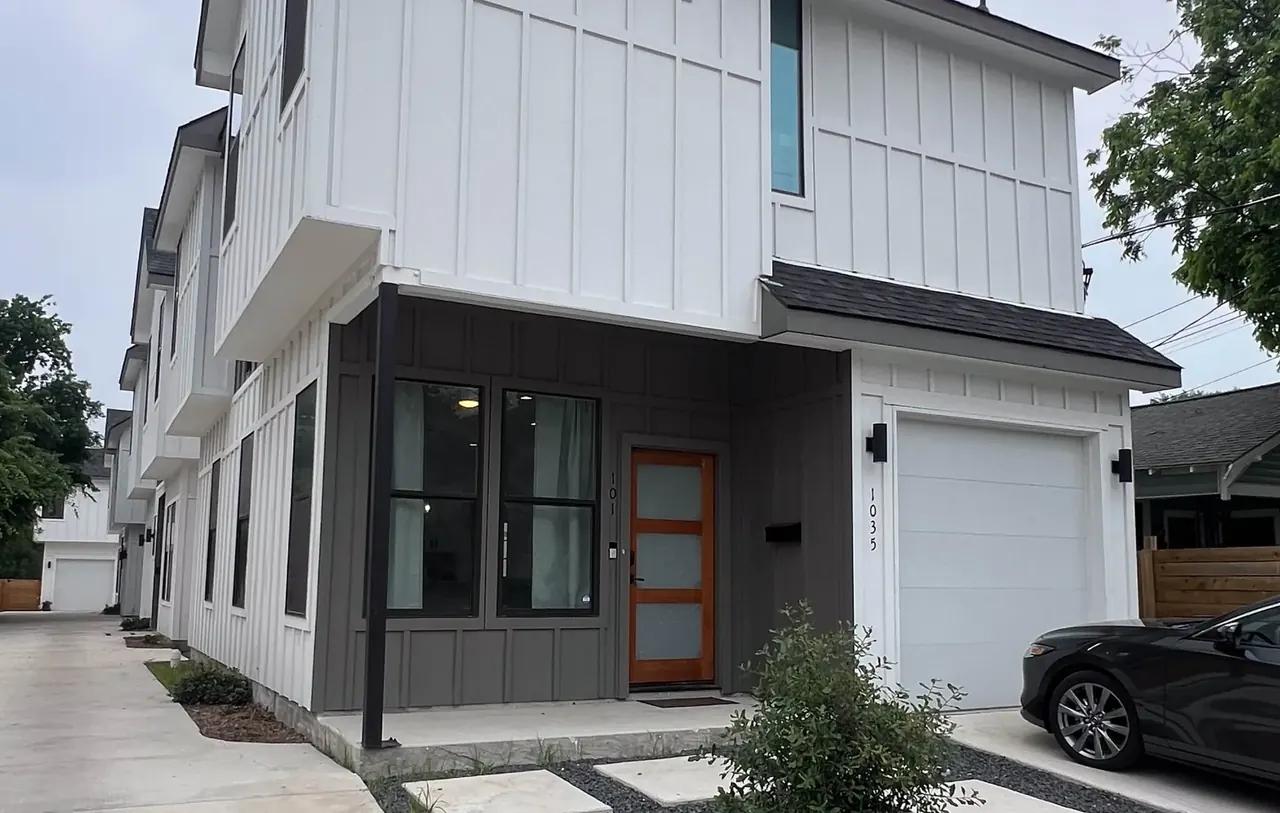
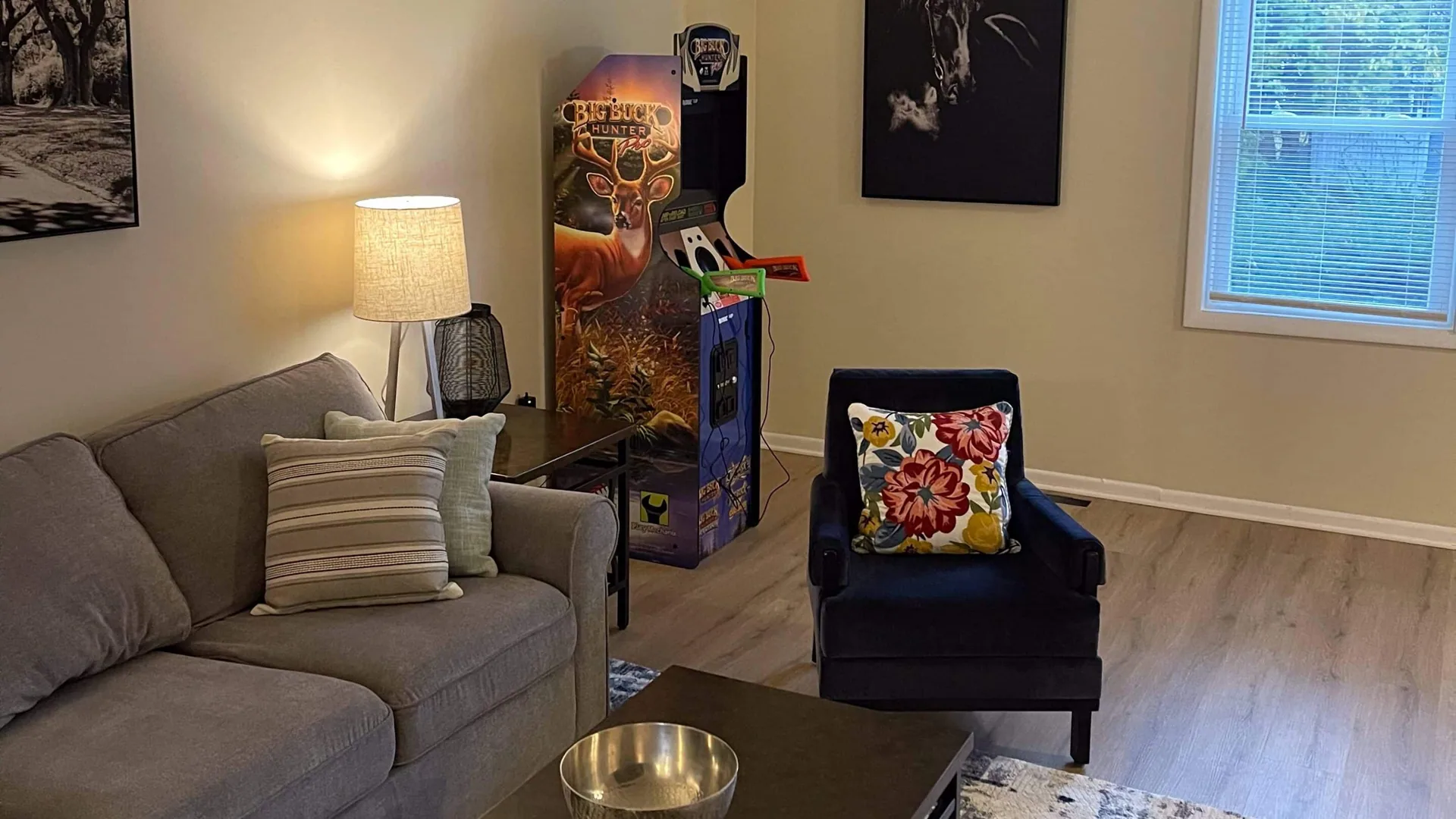
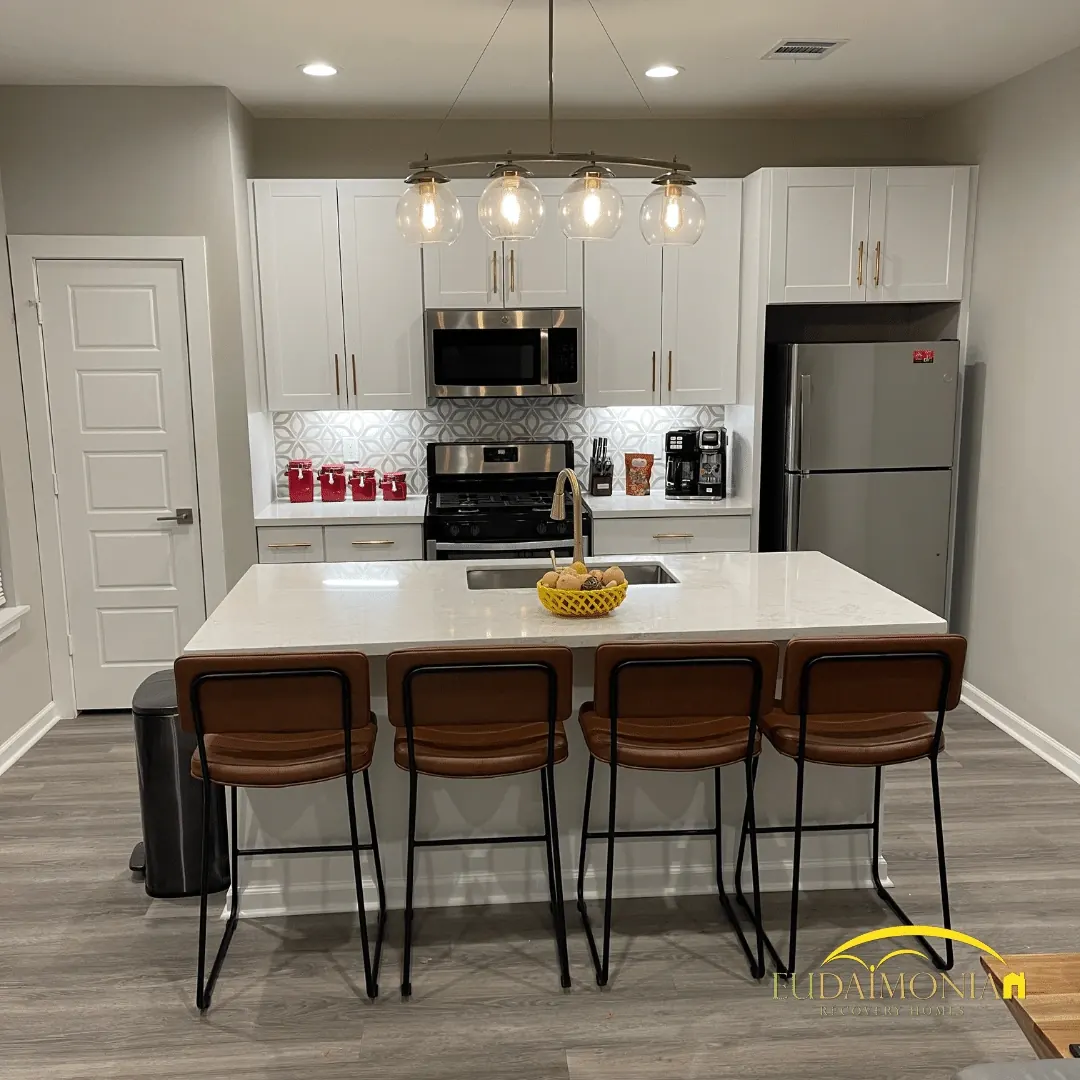
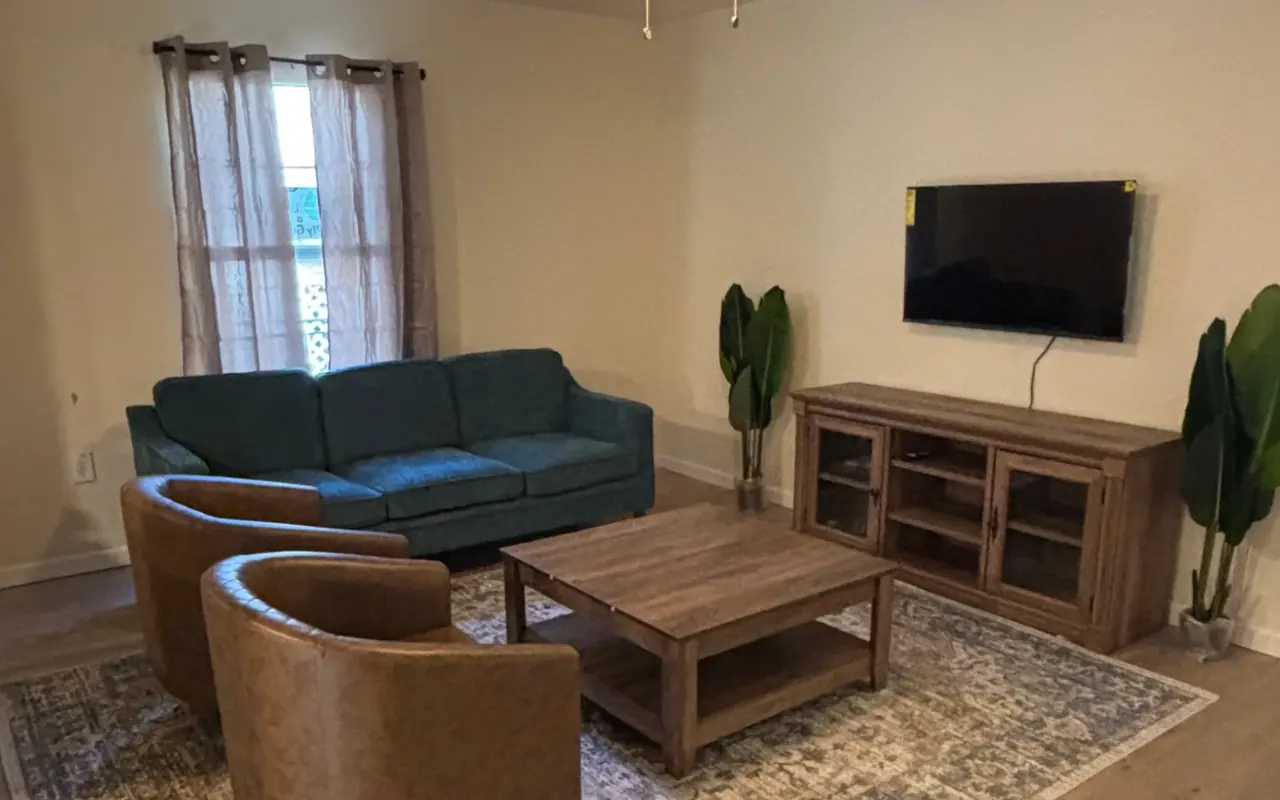
Front elevation of the San Antonio house: two-story, white board-and-batten over a dark lower level, with a wood front door and an attached garage.Resident living room: a gray sectional with cushions, a floor lamp, a navy armchair, and an arcade cabinet against the far wall.Kitchen in the Houston house: a white island with bar stools, quartz countertops, stainless appliances and pendant lighting.Grounds at the Austin apartments: a fenced pool and patio seating under mature trees, with the two-story buildings behind.

Employment Support: A Step‑by‑Step Path Back to Work

Stabilize and Set Direction

 In the beginning of care, we focus on the basics. This applies to both residential programs and when leaving inpatient treatment. These include sleep, meals, appointments, and early recovery routines. Only after this foundation is steady do we accelerate job activities.

Practice in Low‑Risk Environments

Volunteering offers a proving ground. Short shifts in supportive settings let you test commute plans, energy levels, and stress tolerance. If a placement isn’t a fit, we adjust quickly. Learning is the goal.

Enter or Re‑enter the Workforce

We start with right‑sized roles, often part‑time or transitional jobs, so you can continue groups and medical visits. Many clients in a sober living program find that regular house routines and steady work hours are extremely helpful.

Consolidate Gains

Once you’ve stabilized on the job, we expand responsibilities, look at education or certifications, and identify advancement pathways. Throughout, your relapse plan evolves alongside your career plan.

What residents say

In their words, not ours

Real Google reviews about the rooms, the staff and the structure.

4.4 average across 4 rated Eudaimonia locations · 161 reviews · pulled from Google August 15, 2026

“Overall, it's a great place to build on your recovery. It's a different concept from traditional sober living homes because you're actually living in apartments. I have my own apartment so I have a…”
Chad2 months agoAustin
“I’d live here forever if I could. Clean, comfortable and great people live here. Exactly everything you’d expect from a sober living. Accountability for recovery; which includes 12 step mtgs, a…”
Nicholas Tolar4 months agoAustin
“I've been in several sober living facilities in the last three years. There were those that were only facades run by thieves and hypocrites. It takes not much to supply an excuse to a person newly in…”
Christopher Sandersa month agoAustin
“First of all really great experience at this house I mean everybody respects each other cook great food.. That guy Jamie though top notch chef in the kitchen every day slaving over a hot stove.. It…”
Jason Saizxsaiza year agoCollingdale
“Absolutely exceptional experience at this recovery home! Rich Pappas, the owner’s dedication shines through in every aspect – from the immaculate cleanliness of the facility to the genuine care and…”
Patrick Debinski2 years agoCollingdale
“I've been with Eudaimonia Recovery Homes for nearly 2 years now. From nice amenities to cozy beds. This as been the best part of my recovery journey yet! And I'm still going. Thank you guys in…”
Collin White8 months agoHouston
“Been living here since they opened. The house is beautiful and spacious. I wouldn't want to work my recovery anywhere else.”
clutch fork2 years agoColorado Springs
“Wonderful place to get grounded in recovery. Great place to learn the proper way to go through the 12 step program. The design and the staff teach at a healthy pace to get you through the steps in a…”
Danny Grimes2 months agoAustin
“If I could do four and a half I would but I can't so I'll err on the side of grace. The pictures on the website actually match the apartments. The maintenance is mostly on point except for smaller…”
Antonio Renaud2 months agoAustin
“Good location and the house is full of good guys. Everybody is respectful, clean and nothing is ever pushed onto you- only suggested. Your recovery is your choice and what you make it and this house…”
Steven6 months agoCollingdale
“This is a great place to start a recovery journey. They created a positive and safe environment to feel comfortable at. The house is updated, newer, and clean. Very easy living. The owner, Rich…”
Daniela year agoCollingdale
“Best sober living homes in Texas, especially in Houston! Rates are great and staff are great to work with! Houses are comfortable and the recovery is strong! Locations are great too!”
Michael Kerr8 months agoHouston
“They treat you fair and like an adult . You aren't treated like an addict but more so a human . Everyone is held to the same standards and things run smoothly.”
Trevin McCormick2 years agoColorado Springs

Ready To Work Again?

Résumé help, interview prep, and volunteer placements while you are still in the house. Admissions can tell you what the first month usually looks like.