
Published December 18, 2025 · Updated February 18, 2026
Key Takeaways
- Fresh start environment provides substance-free housing with shared accountability, helping many people transition from treatment to daily life.
- Colorado Springs context can support routine-building through local recovery resources and a standards-based approach to recovery housing.
- Program structure commonly includes house rules, meetings, chores, and testing to reduce risk and support consistency.
- Best-fit signals often include needing a stable living setting, added structure, and peer support while working on recovery goals.
- Costs and planning typically function like rent, so it helps to confirm what is included, what is separate, and how payments work.
- Choosing a home is easier when you compare written rules, enforcement, safety practices, and whether the house culture matches your recovery plan.
- Eudaimonia support can help by offering a stable sober home base that makes it easier to follow through with recovery routines and outside supports.
- Common questions cover rules, costs, length of stay, relapse policies, and how sober living differs from treatment.
If you are comparing local options, you can also review our overview of sober living in Colorado Springs to see how structured recovery housing is set up in this area.
On This Page · 23 Sections

Sober Living
Colorado Springs
124 North Corona St, Colorado Springs, CO 80903
Leaving treatment and returning to regular life can be challenging. Many people do not need a hospital-level setting, but they also are not ready for total independence. A sober living home can fill that gap. It is housing, not a clinic, but it is built to support sobriety through clear expectations, peer accountability, and a stable routine.
This article explains what a fresh start sober living environment is, how fresh start sober living programs tend to work in Colorado Springs, and how to compare options with a practical checklist.
What Is a Fresh Start Sober Living Environment?
A “fresh start” sober living setup is mainly about changing the daily setting. Some people even search for the phrase a fresh start sober living environments when they are comparing recovery housing options. In fresh start sober living environments, the home is substance-free, expectations are clear, and residents share basic duties. The aim is to reduce day-to-day risk while people rebuild habits that support long-term sobriety.
For a national overview of recovery residence standards and the four levels of support, review the NARR standards.
Sober living is often described as a bridge between structured treatment and independent living. That bridge can matter because early recovery involves real-world stress: jobs, bills, family pressure, and old social patterns. A stable home can make those stresses easier to handle.
How it differs from rehab and outpatient care
Rehab and outpatient programs provide clinical services, such as therapy and medical oversight. Sober living is focused on housing and routine. Many residents use both at the same time by living in sober housing while attending outpatient care or support groups.
How it differs from a halfway house
The phrase “halfway house” can mean different things. Some halfway houses are tied to the justice system or a specific program and may have fixed time limits. Many sober living homes are community residences with more flexible stays and a stronger focus on peer support and shared expectations.
Why Colorado Springs Can Support a Fresh Start
Colorado Springs can support recovery because it makes routine easier to build. For some residents, access to work, public transportation options, and a wide range of peer meetings helps keep a steady schedule. The city also offers outdoor spaces that many people use for healthy, low-cost activity.
Colorado also has a standards and certification landscape for recovery residences. When a home follows a recognized standard, it is easier to review safety practices, house expectations, and resident rights.
Standards and certification basics
The National Alliance for Recovery Residences (NARR) describes recovery residences by “levels,” from peer-run homes to more service-based settings. NARR notes that Level II homes (often called sober living) use house rules and peer accountability, and they often rely on a house manager role.
In Colorado, recovery residences are commonly expected to be certified through the state-recognized recovery residence body. Certification does not guarantee the best fit for every person, but it can provide a clearer baseline when you compare homes.
How Fresh Start Sober Living Programs Work
Fresh start sober living programs vary, but most follow a similar path: screening, move-in, daily structure, and a plan for the next step. The overall purpose is simple, practice sober living in real life, with support close by.
Screening and move-in
Many homes start with a screening call and a review of expectations. The home may ask about recent use, current medications, legal needs, work plans, and any mental health concerns. This step helps confirm that the home can meet safety needs and that the resident can follow the main house expectations.
Daily routine and house rules
Most homes use a routine that reduces uncertainty. Common parts include:
- Abstinence rules, plus a clear response plan after a positive test.
- Curfews or quiet hours that support sleep and predictability.
- Chore schedules and shared cleaning standards.
- House meetings to address issues early and prevent conflict.
- Random or scheduled alcohol and drug tests.
For an example of how expectations are typically documented, review these community rules and how they support safety and accountability in a shared home.
These steps can feel strict, but they are meant to remove grey areas. For many residents, that added accountability helps during a period when routines are still being rebuilt. When expectations are consistent, residents can focus on coping skills, work habits, and healthy relationships.
Work, school, and skill building
Many residents work, look for work, or attend school while they live in sober housing. Over time, the routine becomes less about “staying busy” and more about building dependable life skills. This may include budgeting, time management, and direct communication.
Staying connected to support
Sober living is housing, so it usually works best when it is linked to outside support. That may include outpatient counseling, medication support, recovery coaching, and peer meetings. The home’s role is to make it easier to follow that plan through a stable living setting.
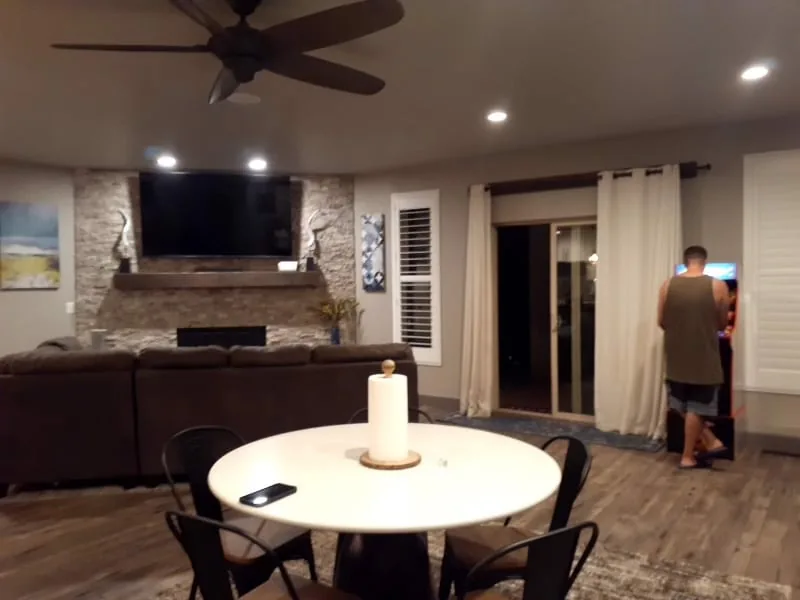
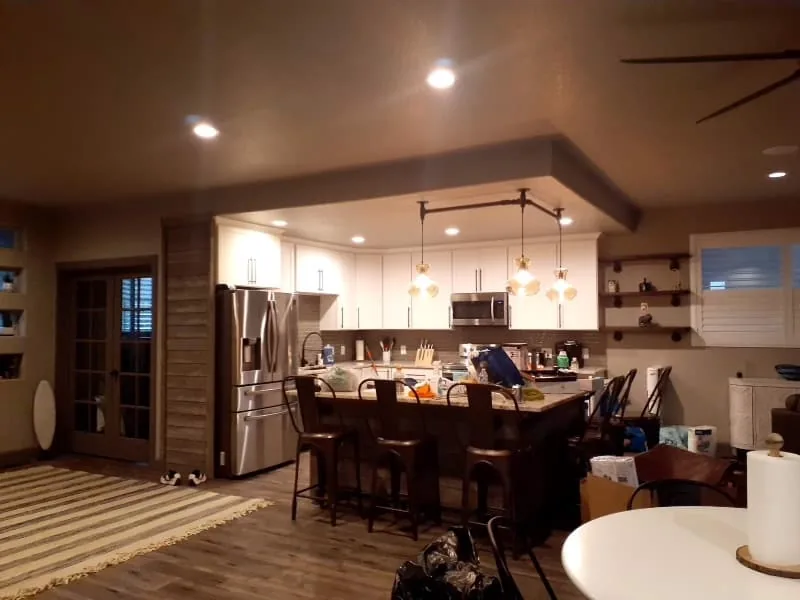
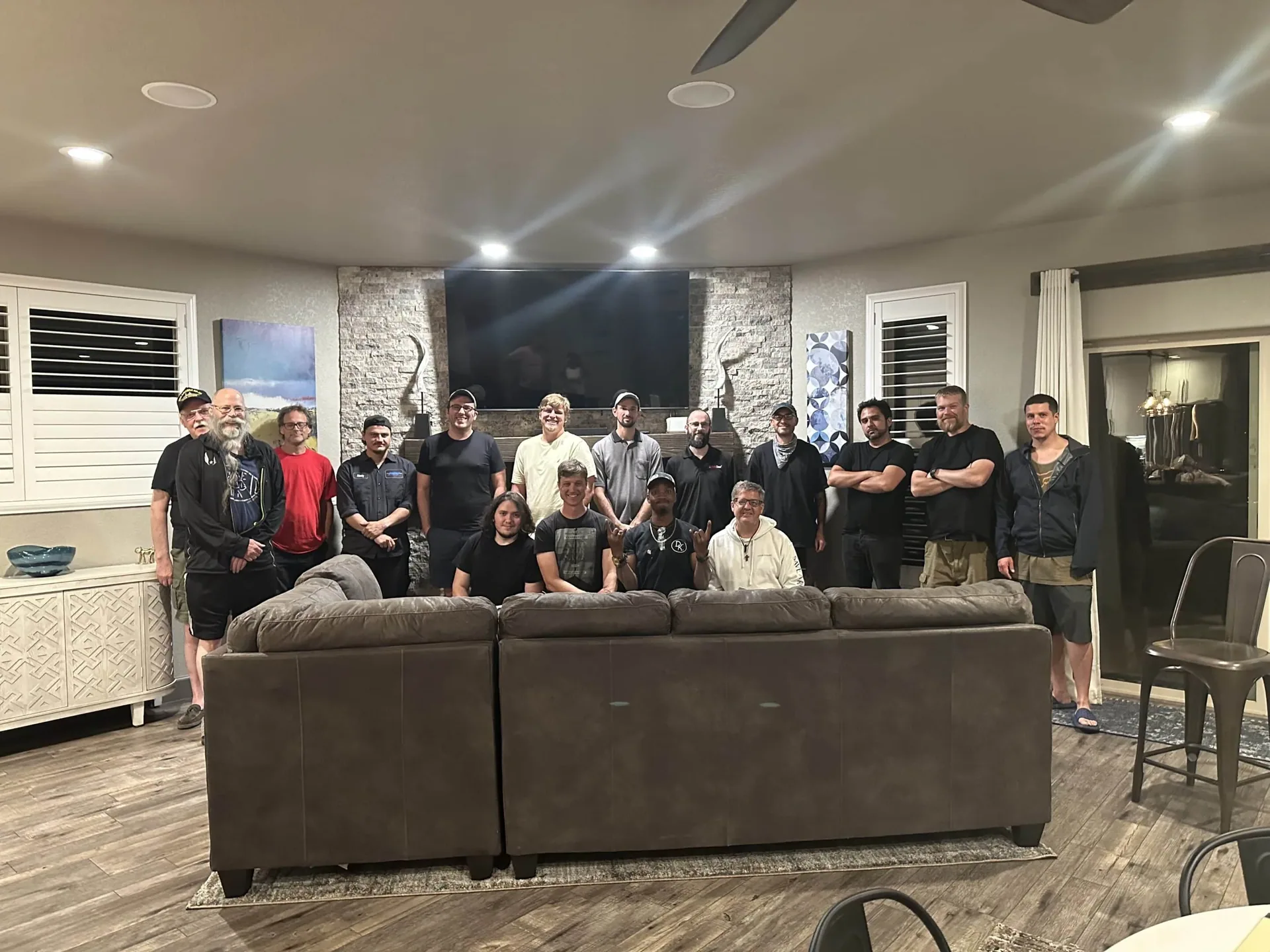
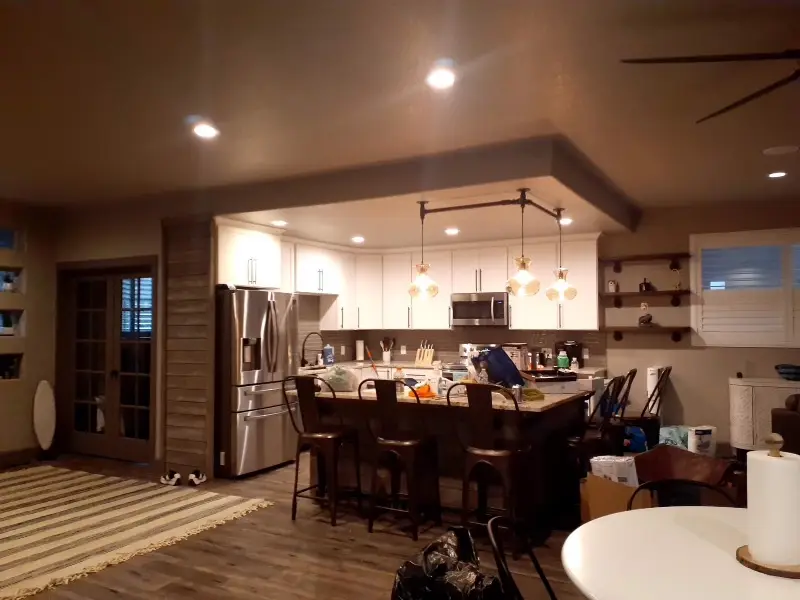
Eudaimonia's Success Stories – Real People, Real Freedom
Who Benefits Most From Fresh Start Sober Living?
Fresh start sober living is not a match for everyone. It tends to help most when the main risk is the living situation itself. If a person needs round-the-clock clinical monitoring, a higher level of care may be safer.
A published study tracking clients over 18 months reported improvements across multiple outcomes for people using outpatient treatment while living in sober housing (see the 18-month sober living outcomes study).
Common situations where sober living can help
Fresh start sober living programs may be useful when someone:
- Finished detox or residential care and wants a structured transition.
- Is in outpatient treatment but does not have safe or stable housing.
- Has a relapse history tied to roommates, stress, or social pressure.
- Needs time to rebuild work, finances, or legal stability.
A neutral way to judge fit is to ask: “Would a safer home make it easier to follow my recovery plan?”
Costs, Insurance, and Practical Planning
Sober living is usually paid like rent, not like medical treatment. Monthly fees often cover housing and utilities, and sometimes basic household supplies. Food, transportation, and personal items are usually separate.
Insurance coverage is often limited because sober living is mainly housing. Medicaid generally cannot pay for rent or for room and board, although it can pay for certain housing-related supports and health services in some circumstances. This is why many people plan for sober living costs separately from therapy or outpatient costs.
If budget is a concern, this local guide to free and affordable sober living explains what “free” usually means and where low-cost options may exist in Colorado Springs.
For details on what Medicaid may cover related to housing supports, and the limits around paying for ongoing room and board, see the CMS guidance on coverage of health-related social needs.
Budget details to confirm early
Before you commit, ask what the monthly fee includes, what is due up front, and what happens if income changes. Some homes offer payment plans, but terms differ and should be confirmed in writing.
How to Choose a Fresh Start Sober Living Program in Colorado Springs
Rules and house culture can vary a lot. A clear comparison process can help you avoid surprises and choose a program that fits your needs.
If you want a step-by-step way to compare options, this guide explains how to choose a sober living home using practical criteria like rules, staffing, safety, and finances.
Questions to ask before you decide
Consider asking:
- Is the home certified, and what standard does it follow?
- What happens after a positive alcohol or drug test?
- How often are tests done, and what kind are used?
- Is there a house manager on site or on call?
- What are the curfew, guest, and overnight rules?
- Are residents expected to attend meetings, work, or school?
- What is included in the monthly fee, and what is not?
- How are disputes handled between residents?
Signs of a well-run sober living environment
A well-run home can explain its rules clearly, apply them consistently, and describe how it protects resident safety and privacy. It should also have a clear process for conflict, relapse, and discharge planning.
What a “Fresh Start” Can Look Like After Sober Living
Sober living is usually a phase. Many residents move out when they have steady income, reliable routines, and supports outside the house. A practical transition plan may include ongoing outpatient care, regular peer meetings, and a realistic housing budget for the next place.
How Eudaimonia Recovery Homes Supports Fresh Start Sober Living
Eudaimonia Recovery Homes can help with Fresh Start Sober Living in Colorado Springs by providing a stable, substance-free place to live while you rebuild day-to-day routines. A consistent living setting can reduce exposure to triggers that often show up when someone returns to an old neighborhood, social circle, or home environment.
Living with others who share the same goal can add practical accountability, especially during the early months when motivation can fluctuate. Eudaimonia Recovery Homes can also support structure through clear expectations around respectful conduct, shared responsibilities, and a predictable schedule. Many residents benefit from having a home base that makes it easier to follow through on outside supports like counseling, outpatient care, or peer meetings.
The peer setting can also help normalize common recovery challenges, such as stress management, sleep changes, and rebuilding trust. Over time, a steady routine can create room for progress in work, school, budgeting, and healthy relationships. For people who want a “fresh start,” the main benefit is often the combination of safe housing and daily structure that supports long-term sobriety.
Your Future Is Waiting
Tell us what you are looking for and admissions will walk you through the houses, the phases, and what a room actually costs.