
Published July 19, 2026
On This Page · 9 Sections

Sober Living
Colorado Springs
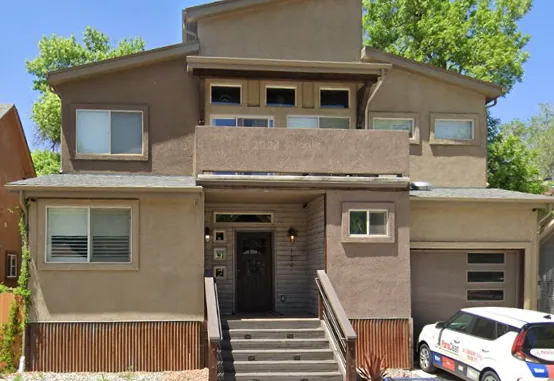
124 North Corona St, Colorado Springs, CO 80903
The typical length of stay at a sober living house in Colorado Springs ranges from three to six months, though many residents choose to stay longer based on their individual recovery needs. At Eudaimonia Recovery Homes in Colorado Springs, we’ve seen residents thrive with stays anywhere from a few months to over a year, depending on their personal goals, support system strength, and progress in building a stable foundation for long-term sobriety.
Understanding how long you might need in sober living is one of the most common questions people ask when transitioning out of detox or inpatient treatment. There’s no one-size-fits-all answer, and that’s actually a good thing. Recovery is deeply personal, and your timeline should reflect your unique circumstances, not an arbitrary deadline.
Why the Typical Length of Stay at a Sober Living House in Colorado Springs Varies
Recovery housing isn’t like a fixed treatment program with a predetermined discharge date. The length of stay depends on several interconnected factors that evolve as you progress. Some residents arrive with strong employment and family connections already in place, while others are rebuilding their lives from the ground up.
Your previous treatment history plays a role too. Someone completing their first round of treatment might need more time to develop coping skills and establish routines than someone returning to recovery with previous sober living experience. The substances you’ve struggled with, the length of your addiction, and any co-occurring mental health concerns all influence how much time you’ll benefit from structured recovery housing.
External stability matters significantly. Securing employment, repairing family relationships, establishing a support network, and creating a relapse-prevention plan all take time. Rushing out of sober living before these pieces are in place dramatically increases relapse risk, which is why many residents extend their stay beyond the initial three to six months.
The Three-Month Minimum: Building a Foundation
Most recovery professionals recommend a minimum stay of 90 days in sober living, and research supports this timeframe. Three months gives your brain chemistry time to begin rebalancing after active addiction. It allows you to experience a full cycle of triggers, birthdays, holidays, stressful work periods, while still in a supportive, accountable environment.
During the first three months at Eudaimonia Recovery Homes in Colorado Springs, residents typically focus on:
- Establishing daily routines and healthy sleep patterns
- Building relationships with housemates and accountability partners
- Attending regular 12-step meetings or other recovery programming
- Securing or maintaining employment
- Learning to navigate early triggers without relapsing
- Developing life skills like budgeting, meal planning, and time management
Three months is often when residents start feeling like themselves again, when the fog lifts and they can think clearly about their future. For many, this is just the beginning, not the endpoint, of their sober living journey.
Six to Twelve Months: Deepening Your Recovery
The typical length of stay at a sober living house in Colorado Springs often extends to six months or beyond because that’s when real transformation happens. The initial pink cloud of early recovery fades, and residents face the harder work of building a life they don’t want to escape from.
Between months four and twelve, residents at our Colorado Springs location often work on deeper issues: healing family relationships, addressing trauma that fueled their addiction, advancing in their careers, and truly integrating recovery principles into their identity. This period is less about staying sober and more about building a life that makes sobriety sustainable.
Financial considerations often influence this stage too. Many residents find that staying in sober living while they save money, improve their credit, and build employment history sets them up for more stable independent living later. Leaving too early, before you’ve built savings or secured stable housing, can create stress that threatens your recovery.
When Residents Stay Longer Than a Year
Some residents at Eudaimonia Recovery Homes in Colorado Springs choose to stay well beyond a year, and that’s a sign of strength, not weakness. Long-term residents often take on leadership roles, mentoring newer housemates and deepening their own recovery in the process.
Extended stays make sense for several groups: young adults building careers from scratch, people with limited family support, residents pursuing education while maintaining sobriety, or anyone who’s relapsed multiple times and wants to ensure a stronger foundation this time. Colorado Springs offers excellent employment opportunities and a supportive recovery community, making longer stays both practical and beneficial.
There’s no shame in recognizing you need more time. In fact, self-awareness about your needs and willingness to prioritize recovery over arbitrary timelines demonstrates the kind of maturity that supports long-term sobriety.
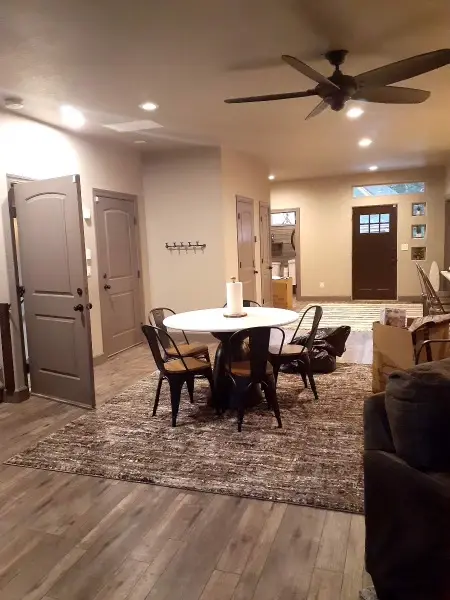
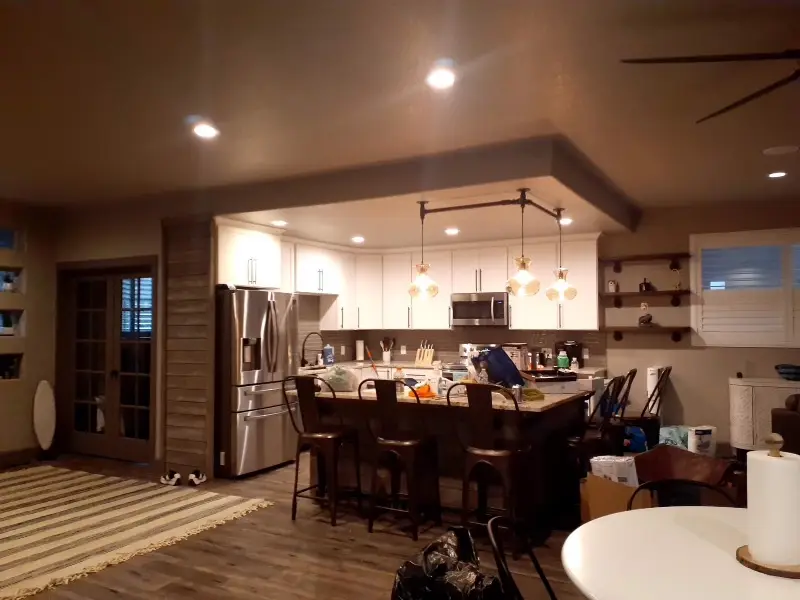
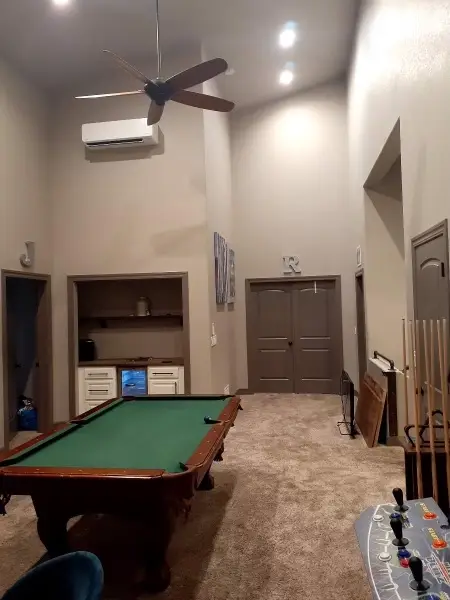
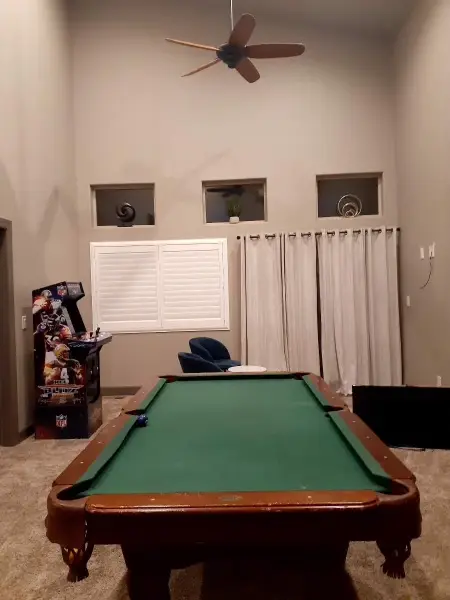
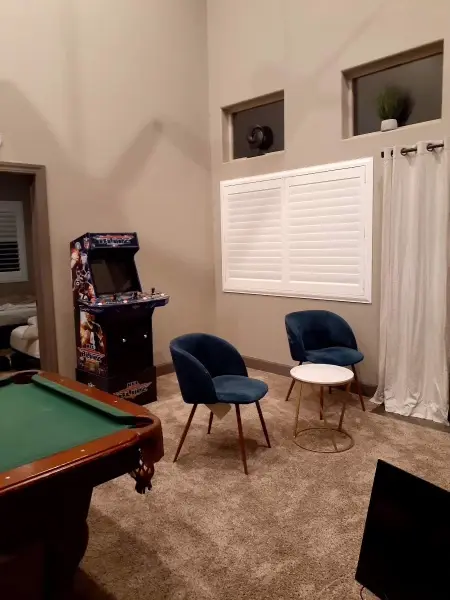
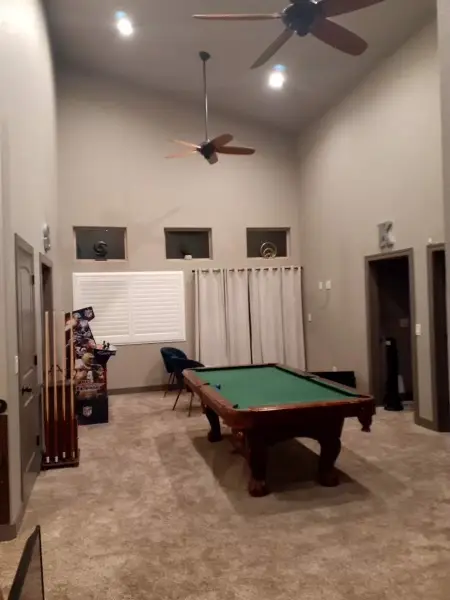
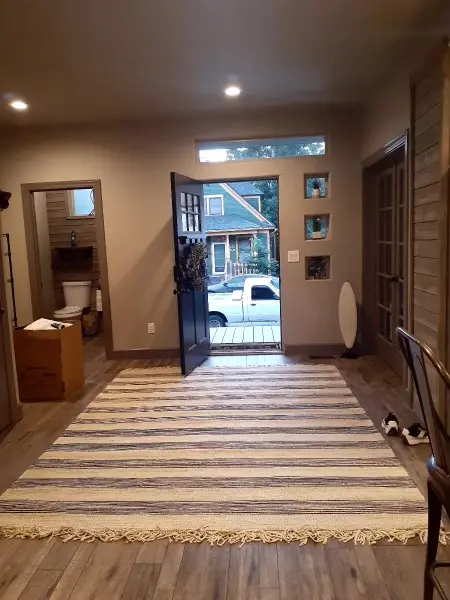
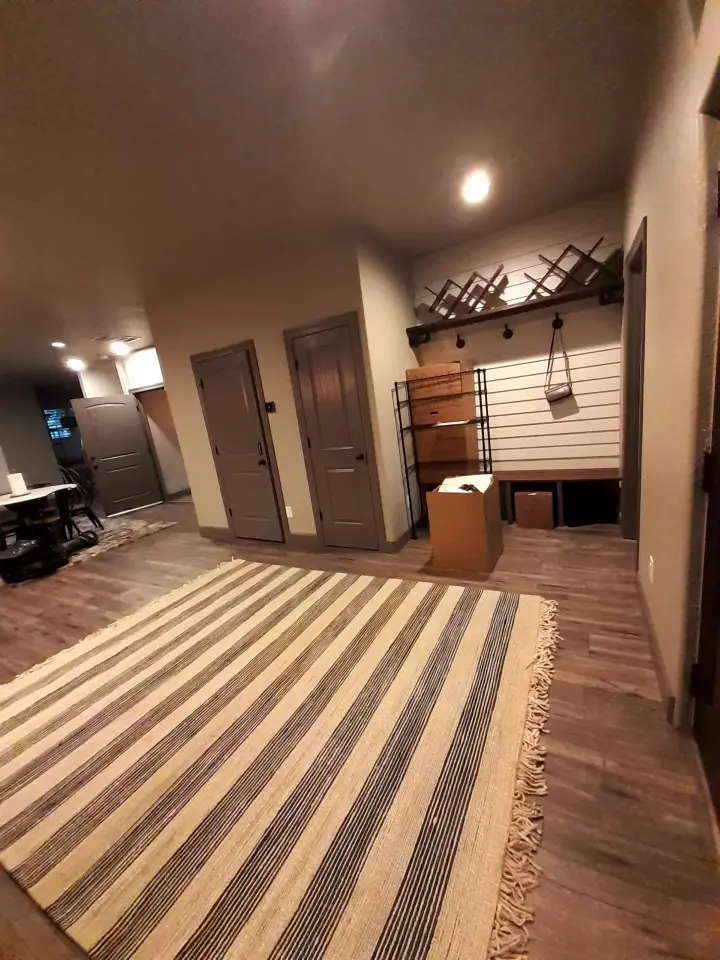
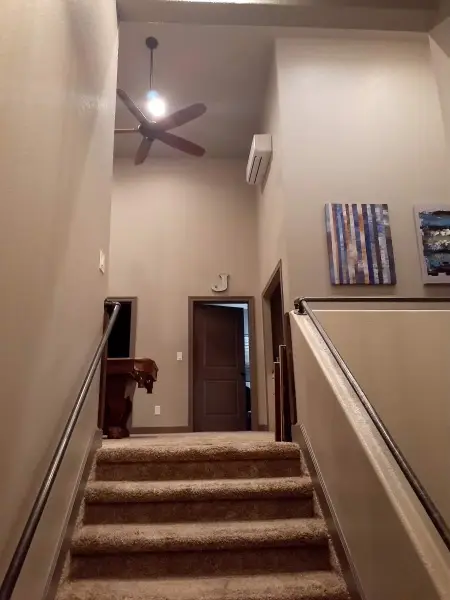
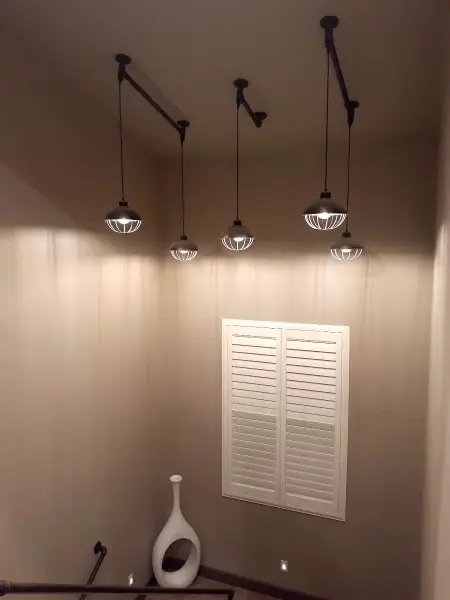
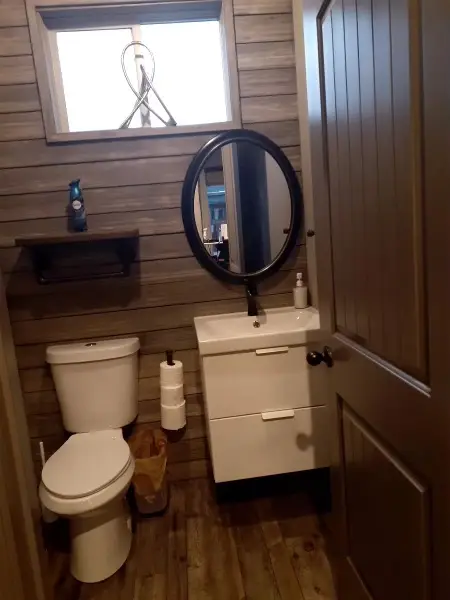
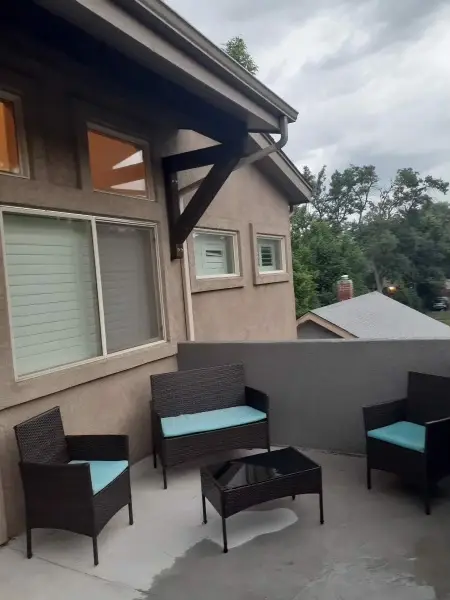
Inside the Colorado Springs homes
How Colorado Springs Location Influences Stay Length
The typical length of stay at a sober living house in Colorado Springs is sometimes influenced by the city itself. Colorado Springs has a robust recovery community, affordable cost of living compared to many cities, and diverse employment opportunities, all factors that can extend stays in positive ways.
The city’s outdoor recreation opportunities support healthy sober living. Residents often discover hiking, cycling, or rock climbing as new hobbies that replace substance use. Building these lifestyle changes takes time, and sober living provides the structure to develop them without the pressure of living alone.
Weather patterns matter too. Some residents arriving in fall or winter choose to stay through spring to experience Colorado’s beautiful seasons sober and build confidence in their recovery before transitioning to independent living.
Signs You're Ready to Transition Out
Rather than focusing on a specific timeline, most experts recommend looking at readiness indicators. You’re likely ready to leave sober living when you’ve consistently demonstrated several key markers over multiple months, not just a few good weeks.
Consider whether you’ve maintained continuous sobriety throughout your stay, built a strong recovery support network you actively use, established stable employment or education, developed healthy coping mechanisms for stress and triggers, repaired or set boundaries with key relationships, and created a detailed relapse prevention plan.
Financial stability is another crucial marker: having savings, a place to live that supports your recovery, and the ability to manage expenses without the stress that might trigger relapse. If you’re still working on these areas, extending your stay is the responsible choice.
Insurance and Payment Considerations for Extended Stays
One practical question about the typical length of stay at a sober living house in Colorado Springs involves payment. Eudaimonia Recovery Homes works with residents to explore insurance coverage options and payment plans that make extended stays feasible when clinically appropriate.
Some insurance plans cover sober living as part of a continuum of care, particularly when transitioning from intensive outpatient or partial hospitalization programs. Verifying your benefits early helps you plan financially for the length of stay you’ll need rather than letting payment concerns cut your recovery short.
Many residents find that the cost of sober living is far less than the financial devastation of relapse: lost jobs, legal fees, medical bills, and damaged relationships. Viewing your stay as an investment in your future rather than an expense can shift your perspective on how long to remain.
Making Your Length of Stay Work for You
The most successful residents don’t pick an arbitrary checkout date when they arrive. Instead, they set recovery milestones with their support team and reassess regularly. This might mean committing to an initial three months, then evaluating progress and determining whether you need another three, or six, or more.
At Eudaimonia Recovery Homes in Colorado Springs, we encourage residents to be honest with themselves about their progress. Pressure from family members to “hurry up and get back to normal” or comparison with housemates who are leaving can tempt you to transition out prematurely. Your recovery timeline is yours alone.
Remember that staying longer isn’t failing, it’s succeeding at recognizing what you need. Some of our most inspiring success stories come from residents who stayed eighteen months or more, building unshakeable foundations that have kept them sober for years beyond their time in recovery housing.
If you’re considering sober living in Colorado Springs or wondering whether it’s time to extend your current stay, reach out to Eudaimonia Recovery Homes to discuss your unique situation and recovery goals.
Ready to take the next step?
Eudaimonia Recovery Homes provides structured sober living and recovery support in Colorado Springs, CO. Call (719) 368-8544 to speak with our team today.