

Published August 8, 2026
On This Page · 14 Sections
What Are Typical House Rules at Sober Living Facilities in Texas?
Sober living facilities in Texas enforce structured house rules designed to create a safe, accountable environment that supports long-term recovery. These rules vary by facility, but most share core principles: abstinence from all substances, regular attendance at support meetings, drug testing, respectful behavior toward residents and staff, household chores, and curfews. At Eudaimonia Recovery Homes, our house rules reflect evidence-based recovery practices and are tailored to help residents build healthy habits, maintain stability, and strengthen their commitment to sobriety.
If you or someone you love needs more than detox, Eudaimonia Recovery Homes also provides austin sober living.
Eudaimonia Recovery Homes’s structured sober living program provides medically supervised, evidence-based care.
Core House Rules at Eudaimonia Recovery Homes
Our sober living homes across Texas, including Austin, Houston, San Antonio, Colorado Springs, Philadelphia, and Baton Rouge, operate under consistent principles that prioritize recovery and community:
Substance Abstinence
Zero tolerance for alcohol, illegal drugs, and non-prescribed medications is fundamental. Residents are required to maintain complete abstinence and submit to regular drug and alcohol testing to verify compliance. This rule creates accountability and ensures a safe environment for all residents.
Mandatory Support Group Attendance
Residents are expected to attend recovery support meetings (such as 12-step programs or SMART Recovery) on a regular schedule. Attendance documentation is typically required, and participation strengthens peer connections essential for lasting sobriety.
Curfews and Check-In Procedures
Most Texas sober living homes enforce evening curfews and require residents to check in or notify staff of their whereabouts. These boundaries help residents structure their days, maintain consistency, and stay engaged with the recovery program. Curfew times may vary based on a resident’s progress and level of responsibility.
Household Responsibilities and Chores
Residents share household duties: cleaning common areas, meal prep, laundry, and yard work. This teaches accountability, cooperation, and life skills while building community and reducing the cost of operation.
Respectful and Drug-Free Behavior
Residents must treat each other and staff with respect, avoid violence or threats, and refrain from bringing substances or paraphernalia into the home. Many facilities prohibit weapons and mandate conflicts be resolved through house meetings or mediation with staff.
Quiet Hours and Shared Living Standards
Quiet hours (typically evenings and early mornings) protect sleep and reduce stress. Residents may not bring opposite-sex guests into private rooms, and overnight visitors require prior approval. These rules protect privacy, safety, and the recovery environment.
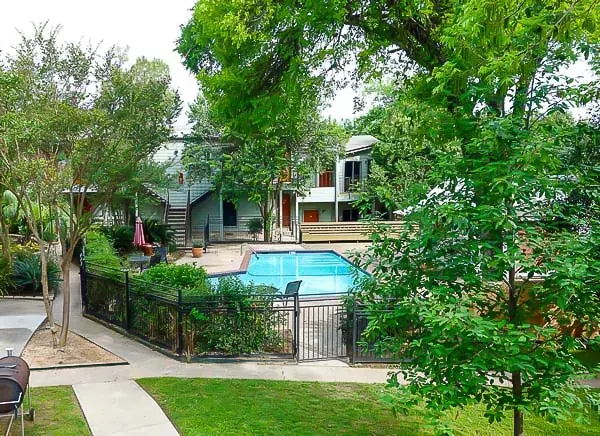
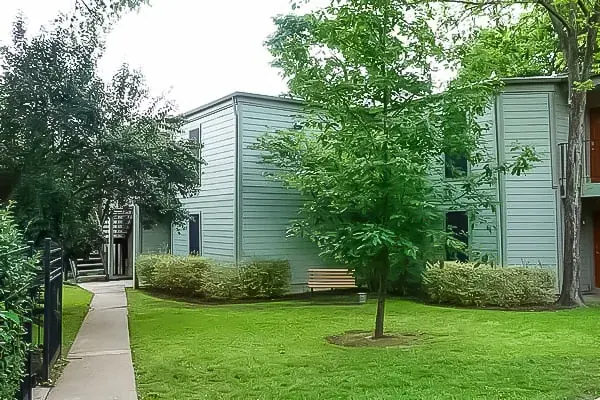
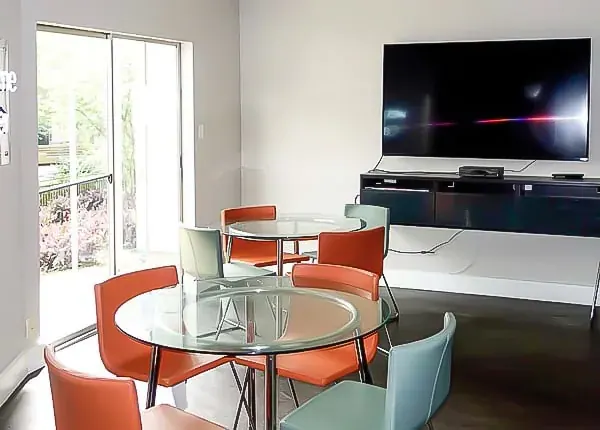
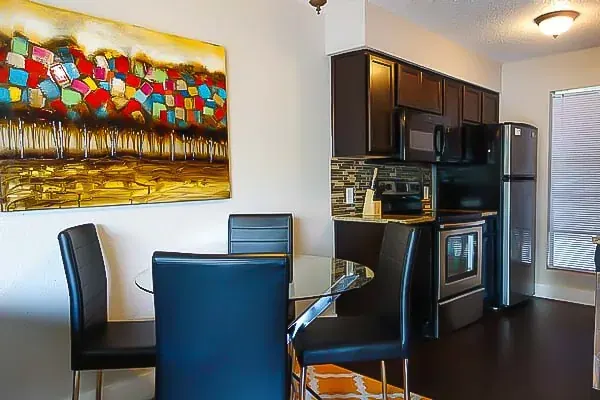
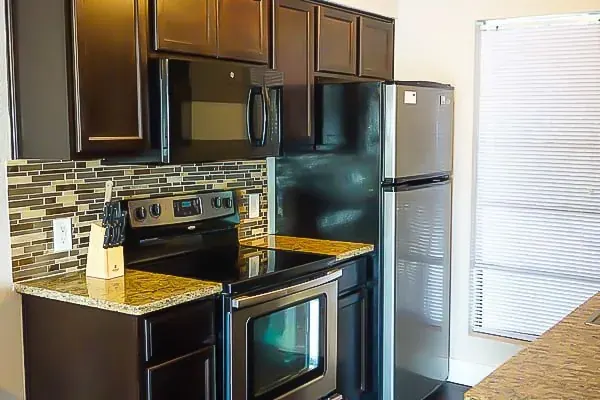
Inside Rustic Creek, our Austin flagship



Employment or Education Requirements
Many sober living homes require residents to maintain employment, pursue education, or participate in structured programming. This expectation builds stability, self-sufficiency, and forward momentum in recovery.
Mental Health and Medical Compliance
Residents are expected to take prescribed medications as directed and engage in therapy or counseling. Compliance with medical and mental health treatment supports overall wellness and reduces relapse risk.
Why House Rules Matter in Recovery
House rules serve a purpose beyond order, they create predictability and structure that the brain and body need during early recovery. After weeks or months in a treatment program, sober living rules provide a gradual transition to independent life while maintaining the accountability and community that prevent relapse. Research shows that residents who embrace structured living and peer accountability are significantly more likely to achieve long-term sobriety.
At Eudaimonia Recovery Homes, our rules are not punitive; they are designed as tools for success. Staff members are trained in recovery coaching and motivational interviewing, so enforcement is supportive rather than harsh. When a resident struggles to follow a rule, our team uses it as an opportunity to explore barriers and reinforce commitment to recovery.
What Happens When a Resident Breaks a House Rule?
Consequences vary based on the severity and frequency of violations. Minor infractions (like missing a chore) may result in a conversation with staff and a plan to improve. Serious violations, especially substance use, violence, or theft, typically lead to immediate discharge. Most facilities offer a graduated response system: first warning, written plan, probation, and then termination if behavior does not improve. The goal is always accountability with the opportunity for redemption, but safety and the integrity of the recovery community come first.
Is Sober Living Right for You?
If you’re in early recovery and feel uncertain about living independently, sober living offers structure and peer support that many people need to stay sober. The house rules may feel strict at first, but they serve your recovery. Residents who respect the guidelines and engage with their housemates often develop lasting friendships, renewed purpose, and confidence in their ability to stay sober long-term.
Eudaimonia Recovery Homes welcomes individuals ready to commit to recovery and to respect the shared responsibility of maintaining a healthy, drug-free living environment. If you have questions about our specific house rules or want to explore whether sober living is the right next step for you, reach out to our admissions team. We’re here to help you succeed.
Ready to take the next step?
Eudaimonia Recovery Homes provides structured sober living and recovery support in Philadelphia, PA. Call (713) 818-2361 to speak with our team today.