

Published August 11, 2026
On This Page · 10 Sections
Many major insurance providers, including Blue Cross Blue Shield, Aetna, Cigna, and UnitedHealthcare, may offer some level of coverage for sober living expenses in Texas, though coverage varies significantly by plan. Unlike traditional medical treatment, sober living is typically classified as housing rather than clinical care, which means direct insurance reimbursement is less common. However, many plans cover outpatient services that residents receive while living in a sober living home, and some policies include partial housing benefits as part of comprehensive addiction recovery coverage. The key is verifying your specific benefits before admission.
If you or someone you love needs more than detox, Eudaimonia Recovery Homes also provides austin sober living.
Eudaimonia Recovery Homes’s structured sober living program provides medically supervised, evidence-based care.
Understanding Insurance Coverage for Sober Living in Texas
Insurance coverage for sober living homes operates differently than coverage for inpatient rehab or detox. Most health insurance companies don’t pay room-and-board costs directly because sober living is considered a residential service rather than a medical necessity. That said, the landscape is more nuanced than a simple yes-or-no answer.
Some insurance plans offer coverage for the clinical services residents participate in while living at a recovery home: like intensive outpatient programs (IOP), partial hospitalization programs (PHP), individual therapy, and medication-assisted treatment. When these services are part of your sober living experience, your insurance may cover those treatment components even if it doesn’t cover the housing itself.
At Eudaimonia Recovery Homes, we work with residents across our Texas locations in Austin, South Austin, Houston, and San Antonio to verify benefits and explore all available insurance options. Every plan is different, and the only way to know what your specific policy covers is to contact your insurance provider directly or work with our admissions team to verify your benefits.
Which Insurance Companies Cover Sober Living Expenses?
While comprehensive lists change as insurance policies evolve, several major carriers have been known to provide some level of coverage or reimbursement for sober living-related expenses in Texas. These include:
- Blue Cross Blue ShieldSome BCBS plans cover outpatient services and may offer limited housing assistance as part of a continuum of care.
- AetnaCertain Aetna policies provide benefits for structured sober living when combined with outpatient treatment.
- CignaCigna plans may cover clinical services delivered in conjunction with recovery housing.
- UnitedHealthcareUHC offers varying levels of coverage depending on the specific plan and whether the sober living home is part of an accredited treatment network.
- HumanaSome Humana plans include benefits for transitional living or step-down care after residential treatment.
- TricareMilitary families may have access to limited benefits for sober living through certain Tricare programs.
It’s important to note that coverage eligibility depends on your individual plan, not just the insurance company name. Two people with Blue Cross Blue Shield, for example, might have completely different benefits based on their employer, state, and specific policy tier.
How to Verify Your Sober Living Insurance Coverage
The benefits verification process can feel overwhelming, but breaking it down into steps makes it manageable. When you’re exploring what insurance companies cover sober living expenses in Texas, start by gathering your insurance card and policy documents.
Call the customer service number on the back of your insurance card and ask these specific questions:
- Does my plan cover sober living or transitional housing as part of substance use disorder treatment?
- What outpatient services (IOP, PHP, therapy) does my plan cover, and can I receive them while living in a recovery residence?
- Is there a separate benefit for room and board in a recovery setting?
- Do I need prior authorization or a referral from my primary care physician or previous treatment provider?
- What is my deductible, co-pay, and out-of-pocket maximum for behavioral health services?
- Are there in-network requirements, and how do I confirm network status?
Alternatively, our team at Eudaimonia Recovery Homes can conduct a confidential benefits check on your behalf. We’re familiar with how different carriers structure their addiction recovery benefits across Texas and can help you understand exactly what your plan will and won’t cover.
Does Medicaid Pay for Sober Living in Texas?
Texas Medicaid does not typically cover the room-and-board portion of sober living. Medicaid in Texas primarily covers medically necessary services, and because sober living is considered housing rather than clinical treatment, it falls outside standard Medicaid benefits.
However, Texas Medicaid does cover outpatient addiction treatment services, including counseling, therapy, and medication management. If you’re enrolled in Medicaid and living in a sober home in Houston, Austin, San Antonio, or another Texas city where Eudaimonia operates, you may be able to use your Medicaid benefits to pay for the clinical treatment you receive while covering your housing costs separately.
Some Medicaid managed care plans offer slightly broader benefits than traditional fee-for-service Medicaid, so it’s worth checking with your specific plan administrator. State-funded options are limited, and Texas does not currently operate a widespread public sober living subsidy program.
Payment Options Beyond Insurance for Sober Living
Because direct insurance coverage for sober living expenses can be limited, many residents and their families explore alternative payment methods. Understanding your options helps you make an informed decision about your recovery housing.
Private pay remains the most common way people cover sober living costs. Monthly fees typically include rent, utilities, and access to house managers and recovery support services. Some recovery homes, including Eudaimonia, offer payment plans that allow you to spread costs over time rather than paying everything upfront.
Health Savings Accounts (HSA) and Flexible Spending Accounts (FSA) can sometimes be used for sober living expenses, particularly if your provider can document the services as part of a treatment plan. Check with your account administrator to confirm eligibility.
Family support is another common resource. Many residents work with family members who recognize that investing in stable, structured sober living is more cost-effective than repeated cycles of relapse and emergency intervention.
Scholarships and grants for sober living in Texas are rare but not nonexistent. Some private foundations and recovery-focused nonprofits offer limited financial assistance. These programs typically have strict eligibility requirements and long waiting lists, but they’re worth researching if cost is a significant barrier.
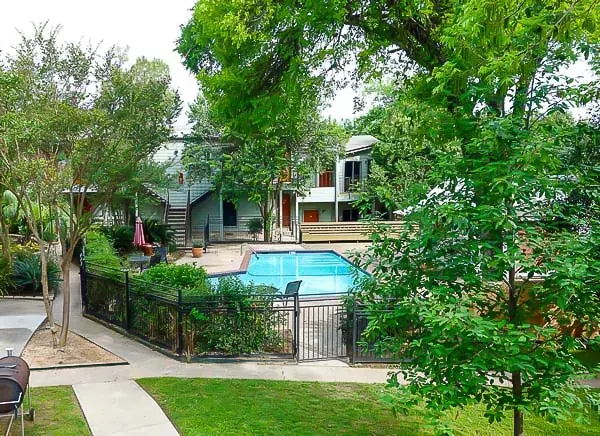
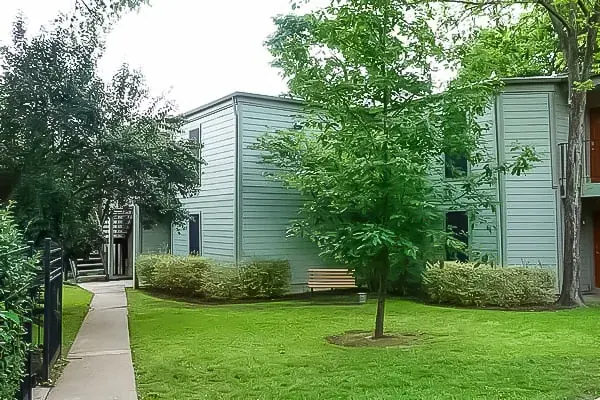
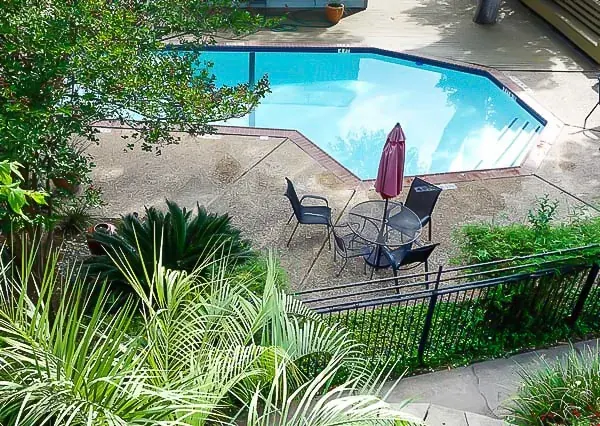
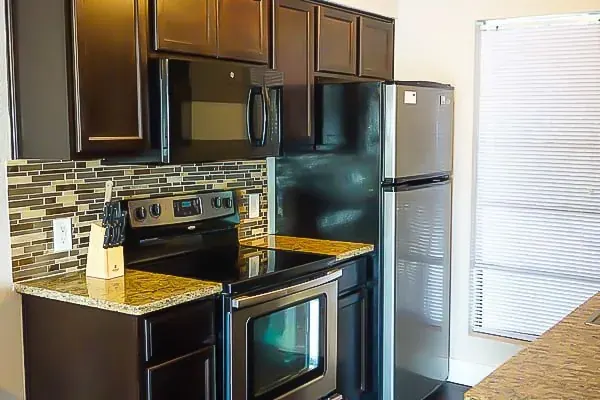
Inside Rustic Creek, our Austin flagship




How Sober Living Costs Compare to Other Recovery Options
When you’re weighing what insurance companies cover sober living expenses in Texas, it helps to understand how sober living fits into the broader cost spectrum of addiction recovery. Inpatient rehab can cost anywhere from $5,000 to $30,000 per month, and detox programs often run $500 to $1,500 per day. Sober living, by contrast, typically ranges from $600 to $2,500 per month depending on location, amenities, and services included.
The value proposition of sober living isn’t just financial, it’s clinical. Research consistently shows that people who live in structured recovery housing after treatment have significantly better long-term sobriety outcomes than those who return immediately to unstructured home environments. The stability, peer support, accountability, and continued access to outpatient services create a foundation for lasting recovery.
At our Texas locations in Austin, South Austin, Houston, and San Antonio, residents build the life skills and support networks they need to maintain sobriety independently. That investment in structured transitional living often prevents the much higher costs, both financial and personal, of relapse.
In-Network vs. Out-of-Network Sober Living Providers
If your insurance plan does offer any level of coverage for sober living or associated outpatient services, network status matters. In-network providers have contracted rates with your insurance company, which typically means lower out-of-pocket costs for you. Out-of-network providers may still be partially reimbursable, but you’ll usually pay a higher percentage of the cost.
When verifying benefits, ask whether the sober living provider or the affiliated outpatient program is in your network. Some insurance companies don’t credential sober living homes themselves but do credential the clinical programs that operate alongside them. In those cases, you might receive in-network rates for your therapy and IOP while paying separately for housing.
Eudaimonia Recovery Homes works with many insurance carriers and can help you understand your network status across our Texas locations. We believe transparency about costs and coverage helps families make confident decisions about recovery.
Documentation and Billing for Sober Living Insurance Claims
If your insurance plan offers any reimbursement for sober living expenses, proper documentation is essential. Most carriers require a treatment plan from a licensed clinician, proof of medical necessity, and regular progress reports to process claims or provide ongoing coverage.
Billing for sober living typically happens in one of two ways. Some providers bill insurance directly for covered services and residents pay the remaining balance. Other providers use a private-pay model where residents pay the full cost upfront and then submit claims to their insurance company for potential reimbursement.
Keep detailed records of all payments, treatment plans, clinical notes, and correspondence with your insurance company. If you’re submitting claims yourself, use your insurer’s standard claim forms and include all requested documentation the first time to avoid delays.
Making Sober Living Affordable in Texas
Even when insurance coverage is limited, sober living remains accessible for many people through creative financial planning. Residents at Eudaimonia’s Texas homes in Austin, Houston, and San Antonio often work part-time or full-time jobs while living in recovery housing, which helps cover monthly costs and builds financial stability for independent living later.
Some residents negotiate payment plans that adjust based on their employment status. Others coordinate family contributions or use settlement funds, legal awards, or other financial resources to invest in their recovery. The key is having an honest conversation about costs and options before admission so there are no surprises.
Recovery housing is an investment in your future: one that pays dividends in health, relationships, career opportunities, and quality of life that addiction would otherwise destroy. While navigating insurance and payment options takes effort, the outcome is worth it.
If you’re exploring sober living options in Texas and need help understanding what insurance companies cover sober living expenses or what payment options might work for your situation, Eudaimonia Recovery Homes is here to help. Our team can verify your benefits, explain your coverage, and work with you to find a path forward that supports your recovery journey.
Ready to take the next step?
Eudaimonia Recovery Homes provides structured sober living and recovery support in Houston, TX. Call (713) 818-2361 to speak with our team today.