
Published March 5, 2025 · Updated September 22, 2026
On This Page · 7 Sections
If you are searching for sober living that takes pets, you have probably already found that most houses do not, and that the ones advertising it are vague about what they actually allow.
Pet-friendly is not one thing. It can mean a dedicated unit, or one room with a deposit, or a cat but not a dog, or a dog under twenty-five pounds, or an animal that has to be crated while you are at work. Two houses can both say yes and mean completely different things.
This page is the set of questions that tell you which kind you are looking at, and one question almost nobody asks.
Why so few houses take pets
It is rarely about disliking animals. A shared house has other residents in it, and a pet introduces allergies, noise, damage, and a second living thing that somebody has to be responsible for at three in the morning.
It also introduces a question the house has to answer before it says yes: what happens to the animal if the person it belongs to has to leave. A house that has not thought that through tends to solve it by not allowing pets at all.
Which is why the houses that do take them usually take them in a specific room or unit rather than throughout, the arrangement has to be designed, not just permitted.
The questions that actually decide it
What size and what species? Ask for the weight limit and whether there are breed restrictions. A yes that turns into a no at move-in is the worst possible outcome for both of you.
Which room, and is it open? If pets are allowed in one unit, your move-in date depends on that unit rather than on the house. Ask what is open now, not what exists.
What is the deposit, and is any of it refundable? Most pet deposits in recovery housing are non-refundable. Ask the amount and ask whether it is charged once or monthly.
Where does the animal go while you are at work? This is the practical one. Sober living expects you to work or look for work, which means your dog is alone in a shared house for eight hours. Crated, loose in your room, or a yard, the answer tells you whether anyone has thought about it.
Who else lives there, and is anyone allergic? A house that cannot answer this has not asked.
The question nobody asks
What happens to your pet if you relapse and have to leave?
It is an unpleasant thing to raise on an admissions call and it is the single most important thing to settle before you arrive. Recovery does not run in a straight line, and the animal cannot advocate for itself.
Ask whether the house will hold the pet while you sort yourself out, whether they will contact someone you nominate, and how long they will wait. Then give them a name and a number for that person before you move in, in writing.
You are unlikely to need it. Having it settled is worth the awkward two minutes.
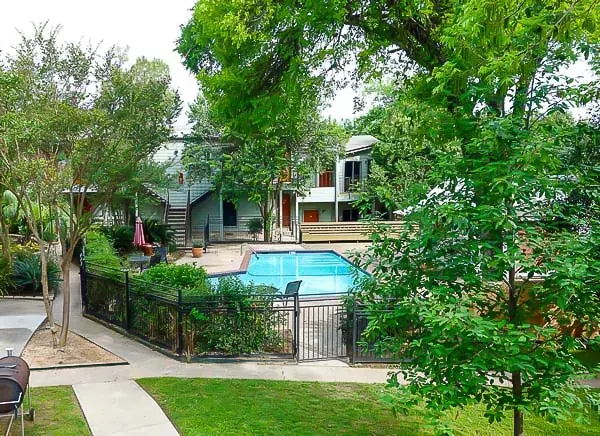
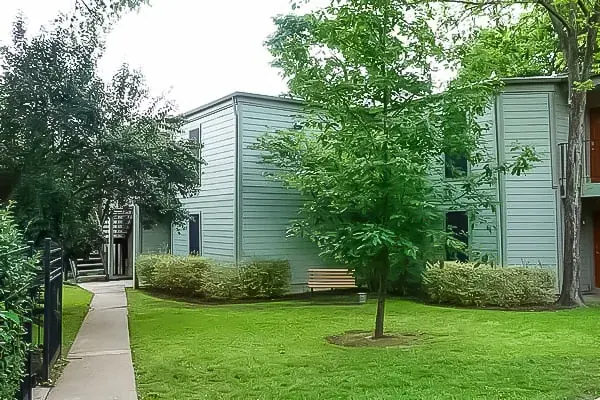
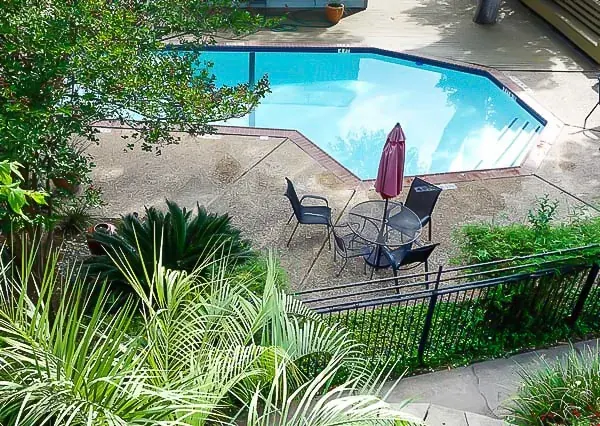
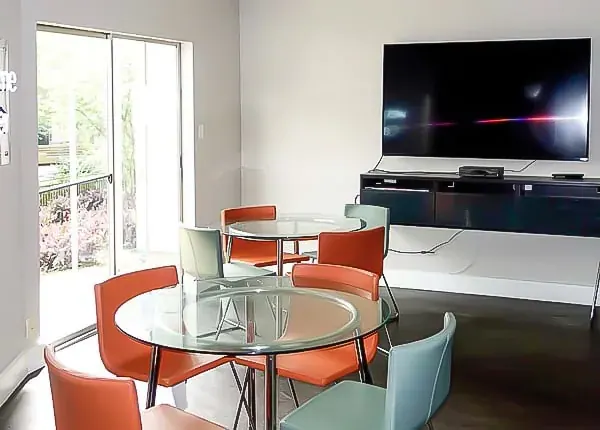
Inside Rustic Creek, our Austin flagship

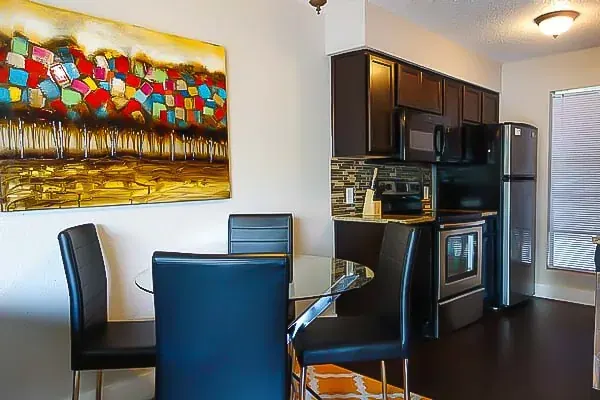

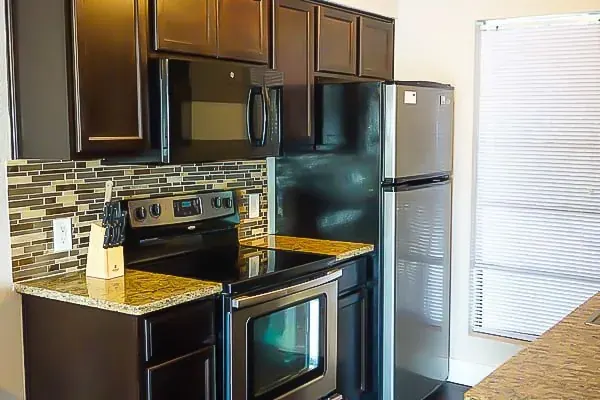
Bringing a pet is a commitment on both sides
A deposit usually covers the house's risk, not yours. Expect to be responsible for damage beyond it, for noise, and for cleaning up after your animal in shared space.
Expect to be asked for vaccination records. A house that does not ask is not protecting the other residents, which should tell you something about how it handles everything else.
And be honest with yourself about the eight hours. Early recovery is demanding and so is a dog. Plenty of people do both well; the ones who struggle are usually the ones who did not plan the weekday.
What Eudaimonia offers
We have pet-friendly rooms at select locations onlyNot throughout, and a non-refundable pet deposit applies on top of rent.
Which house has a pet-friendly room open changes, so the useful answer is the current one rather than anything printed on a page. Our pet-friendly page has the detail, and admissions can tell you what is actually available this week and what the deposit is: apply online or call and ask.
If we do not have a room for you and your animal, say so on the call. It is a more useful conversation than leaving and starting the search again.
If you cannot bring your pet right away
Some people board or foster for the first month and bring the animal once they are settled. It is not a failure. It is often the version that works, because the first few weeks are the hardest and a dog in a new house with a stressed owner is not having a good time either.
Ask friends and family first. Some rescues and shelters run temporary foster programs for people entering treatment; a discharge planner or counselor will know what exists locally. And ask any house you are considering whether a pet can join you later rather than on day one, a no at move-in is sometimes a yes in six weeks.