

Published August 11, 2026
On This Page · 10 Sections
Sober Living
Houston
1010 Waverly St, Houston, TX
Yes, you absolutely can go to a sober living home in Houston if you’re still working full-time, in fact, maintaining employment is not only allowed but actively encouraged in most recovery housing environments. Sober living homes are designed to support your transition back into everyday life, and that includes keeping your job, advancing your career, or starting new employment. Unlike inpatient treatment facilities where your days are structured around therapy and clinical programming, sober living homes provide a structured, accountable living environment that fits around your work schedule while keeping your sobriety as the top priority.
If you or someone you love needs more than detox, Eudaimonia Recovery Homes also provides sober living houston.
Eudaimonia Recovery Homes’s recovery housing program provides medically supervised, evidence-based care.
How Sober Living in Houston Supports Full-Time Employment
One of the biggest misconceptions about recovery housing is that it’s restrictive or isolating. The reality is quite different. Sober living homes in Houston operate on the understanding that most residents need to work, attend school, or manage other daily responsibilities. The structure exists to support your recovery journey, not replace your entire life.
At Eudaimonia Recovery Homes in Houston, residents maintain their jobs while living in a recovery-focused community. You’ll have the freedom to commute to work, manage your schedule, and fulfill your professional responsibilities. What changes is your home environment, you’ll return each day to a safe, substance-free space filled with peers who understand what you’re going through.
The house rules and expectations are built around accountability, not confinement. You’ll typically have a curfew, mandatory house meetings, random drug screening, and participation in recovery activities like 12-step meetings. But these requirements are scheduled to accommodate work schedules, often in the evenings or on weekends.
Why Working While in Sober Living Strengthens Recovery
Employment during your time in a sober living home in Houston isn’t just permitted, it’s actually therapeutic. Work provides structure, purpose, and routine, all of which are protective factors against relapse. When you’re building a new life in recovery, having a job gives you identity beyond your addiction and tangible proof that you’re moving forward.
Financial independence matters too. Earning an income while in sober living allows you to pay your program fees, build savings, and establish the financial foundation you’ll need when you eventually transition to independent living. Many residents find that managing money responsibly, perhaps for the first time in years, becomes an important part of their recovery process.
The accountability that comes with employment also mirrors the accountability of sober living itself. Showing up on time, meeting expectations, navigating workplace relationships without substances. These are real-world recovery skills you’re practicing daily. Your housemates and house manager become a support system you can lean on when work stress threatens your sobriety.
Typical Daily Schedule: Balancing Work and Recovery Housing
Understanding what a typical day looks like can help you see how full-time work fits into sober living in Houston. While each home has its own specific guidelines, the general rhythm supports employed residents:
- Morning: Wake up, complete any assigned chores, get ready for work like you would in any shared living situation
- Daytime: Attend your full-time job, just as you normally would
- Evening: Return home by curfew (often 10 or 11 p.m. on weeknights), attend house meetings if scheduled, participate in recovery activities
- Weekly: Attend a certain number of 12-step or recovery support meetings (requirements vary), participate in random drug/alcohol screening, contribute to household responsibilities
- Weekends: More flexibility for personal time, errands, family visits, and deeper engagement with recovery community
This structure provides enough freedom to maintain your employment while ensuring you’re consistently engaged in recovery activities. You’re not isolated from the world, you’re learning to navigate it sober.
What Employers Need to Know (And What They Don't)
Privacy matters when you’re working full-time while in a sober living home in Houston. You are not required to disclose your living situation to your employer unless you choose to. Many residents maintain complete confidentiality about their recovery housing, and that’s entirely appropriate.
Your address for employment paperwork can be the sober living home, it’s your legitimate residence. Mail is delivered there, and you can use it on official documents. There’s nothing about the physical location that signals “recovery housing” to outside observers.
That said, some residents do choose to share their situation with trusted supervisors or HR departments, especially if they need occasional flexibility for court dates, intensive outpatient therapy appointments, or other recovery-related obligations. When disclosure makes sense for your situation, most employers appreciate the honesty and commitment you’re showing to your health.
Requirements for Entering Sober Living While Employed
If you’re already working full-time and looking to enter a sober living home in Houston, the admission process is straightforward. You don’t need to quit your job, in fact, having employment is often viewed favorably during the intake process.
Common requirements include:
- Completion of detox or inpatient treatment (though some homes accept residents coming directly from stable sobriety)
- Commitment to abstinence from drugs and alcohol
- Willingness to submit to random drug and alcohol testing
- Agreement to participate in house meetings and recovery programming
- Ability to pay program fees (most sober living homes are private-pay, though some insurance plans may offer coverage)
- Clean background check (requirements vary by home)
Your employment actually helps meet one of the implicit requirements: demonstrating that you’re ready to rebuild your life. Working shows motivation, stability, and forward momentum, all positive indicators for successful sober living.
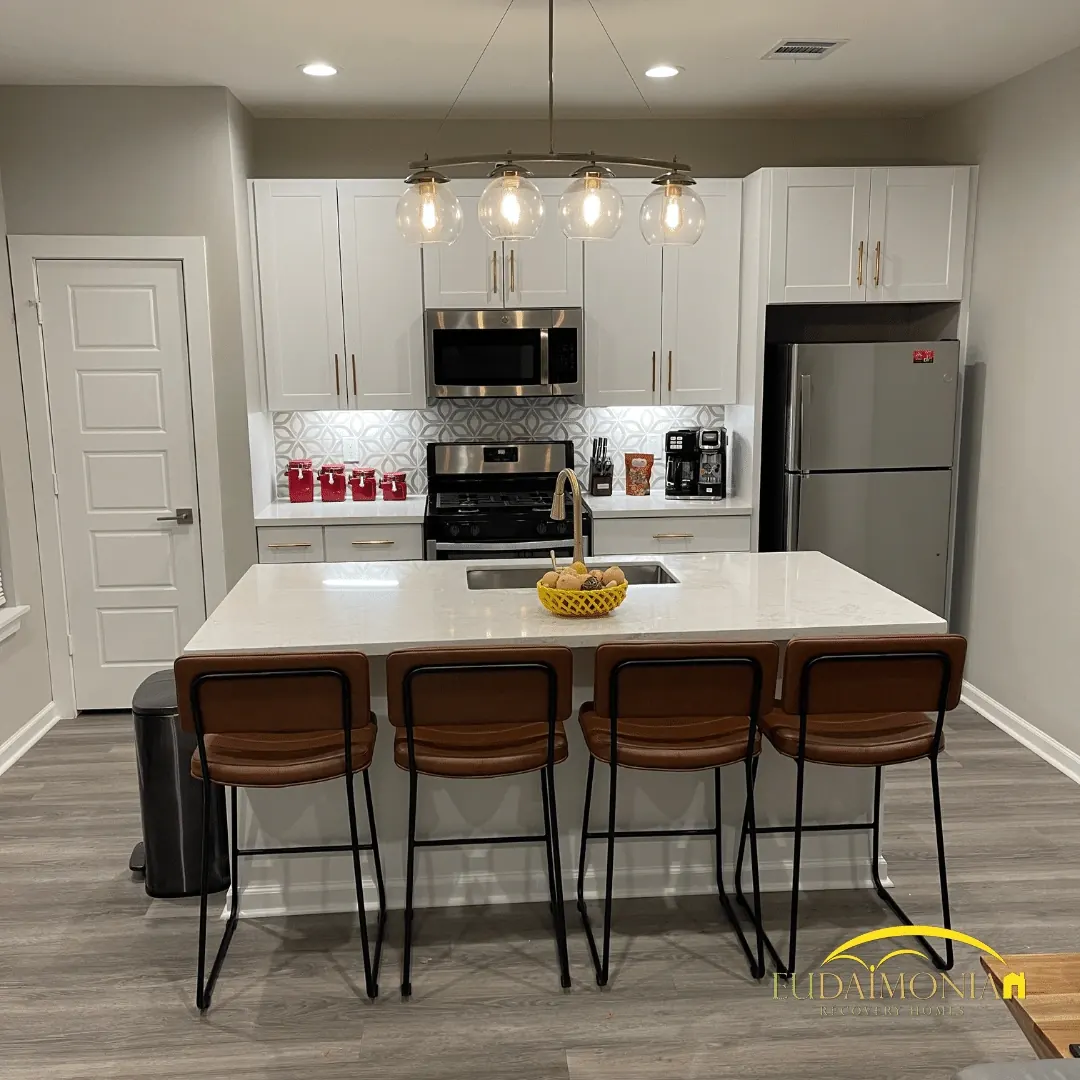
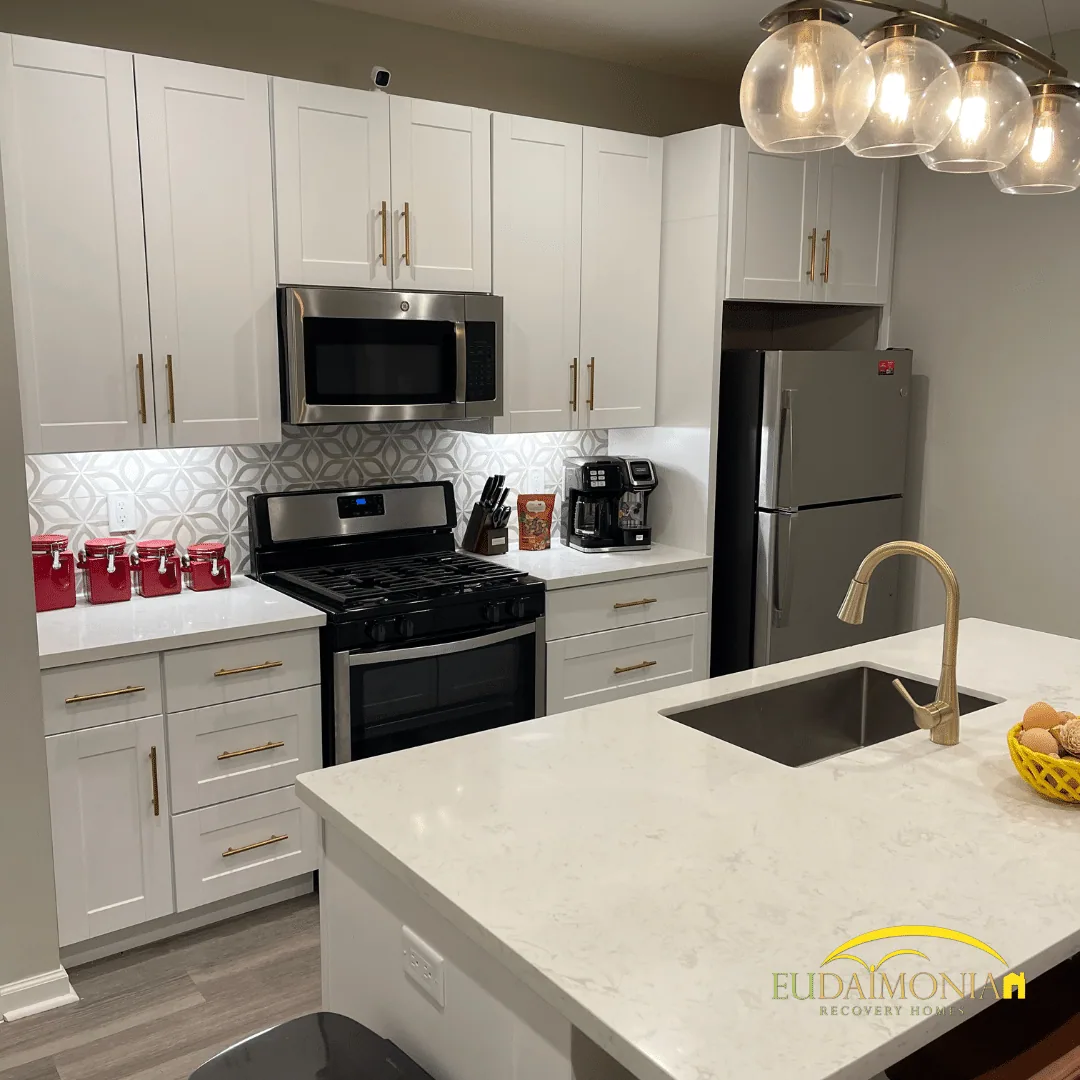
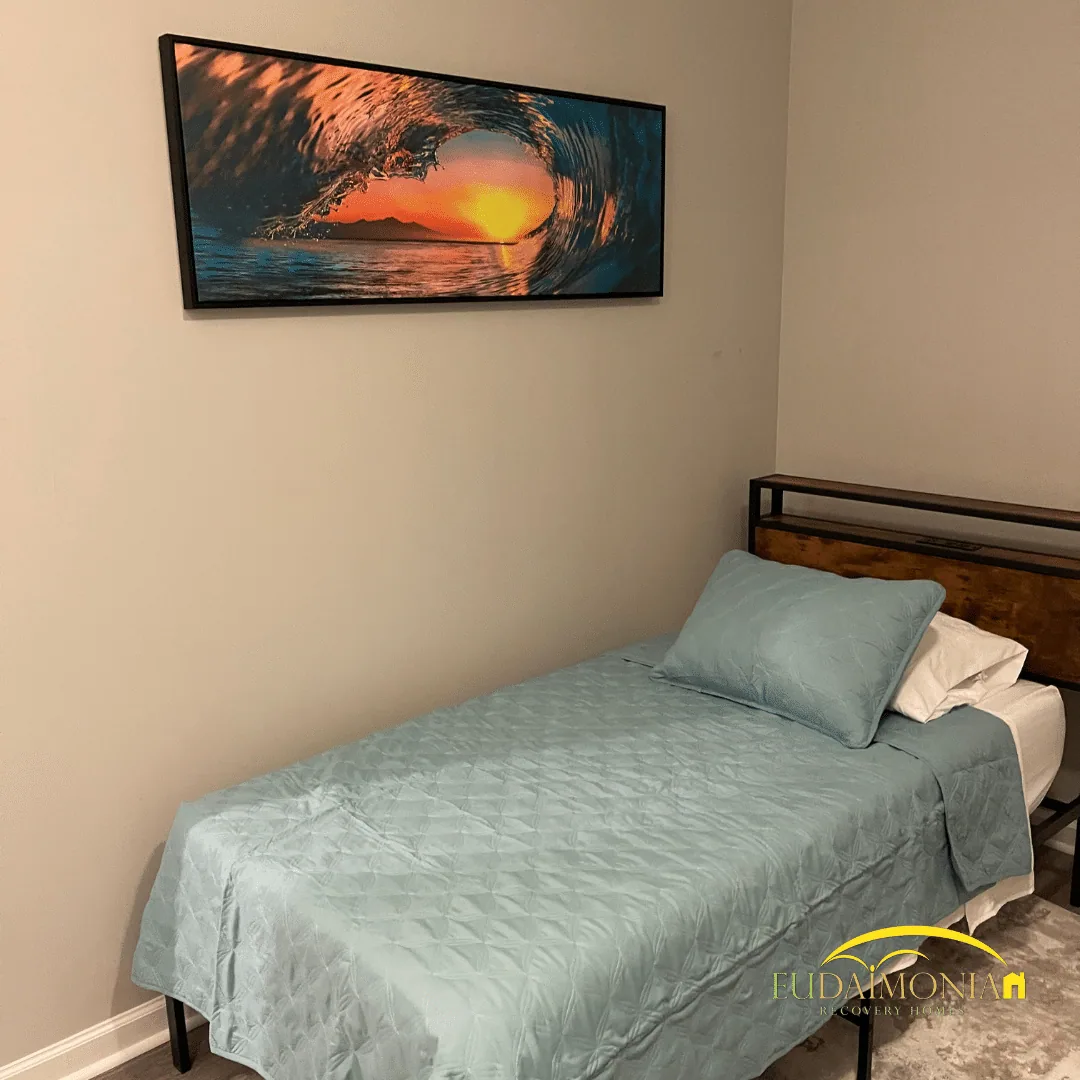
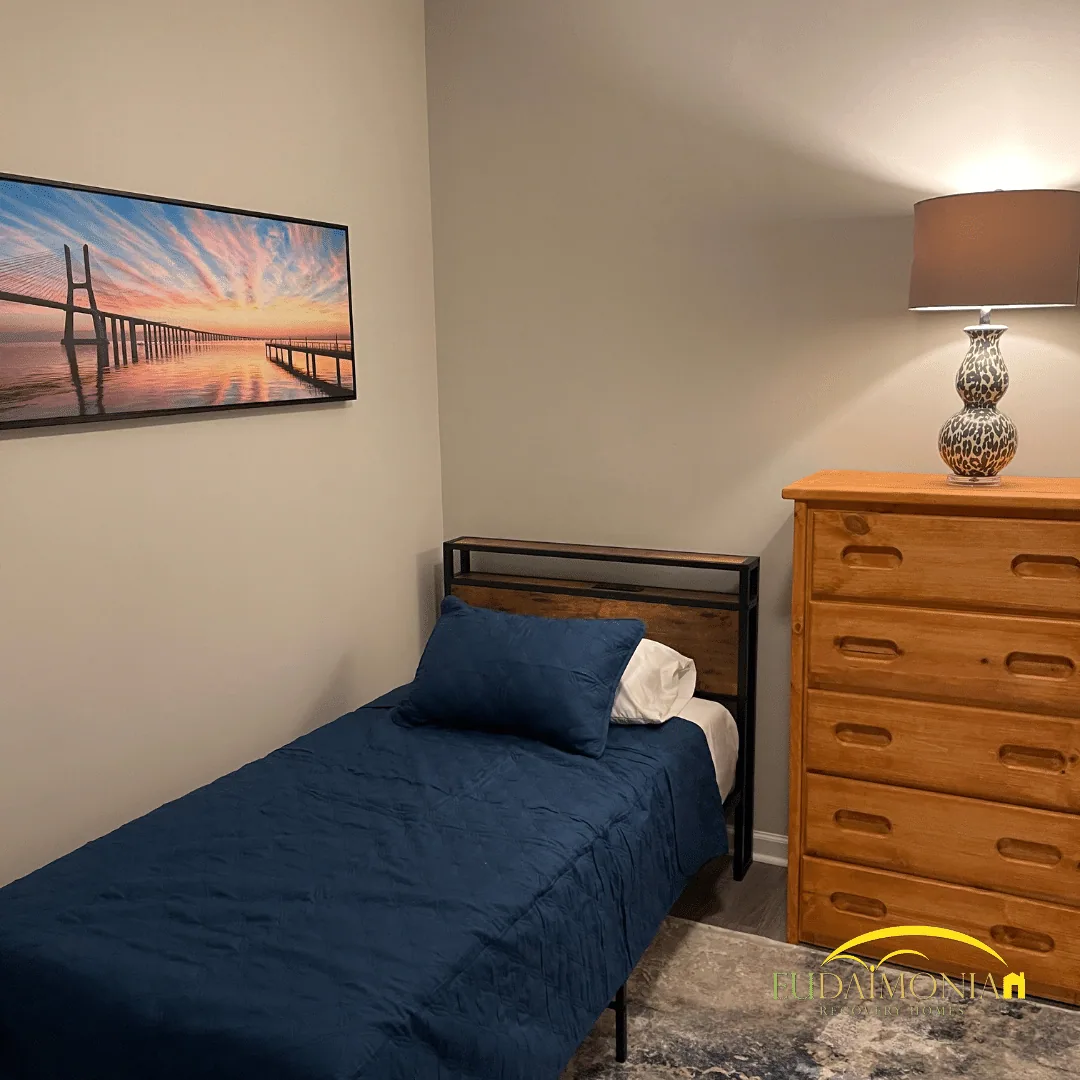
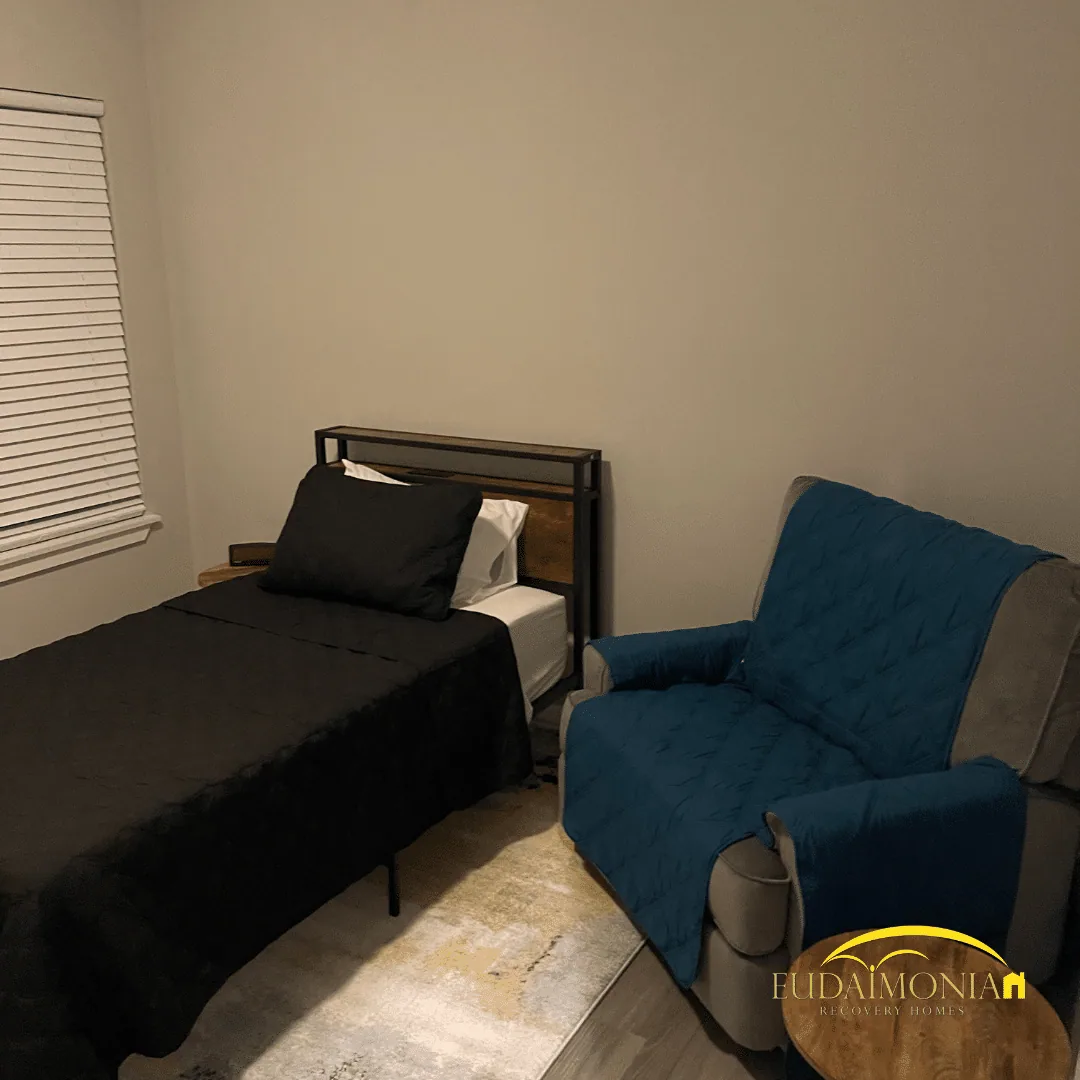
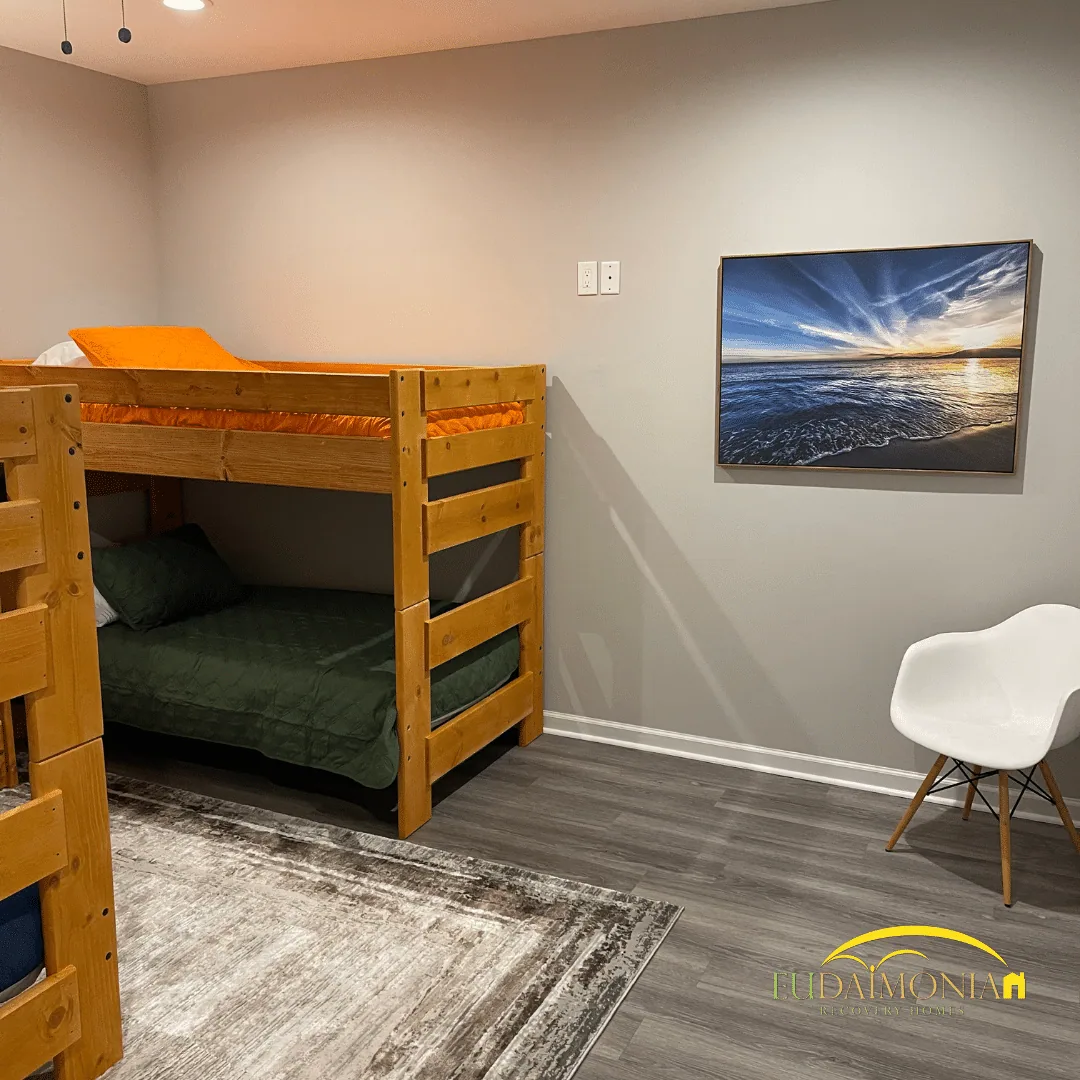
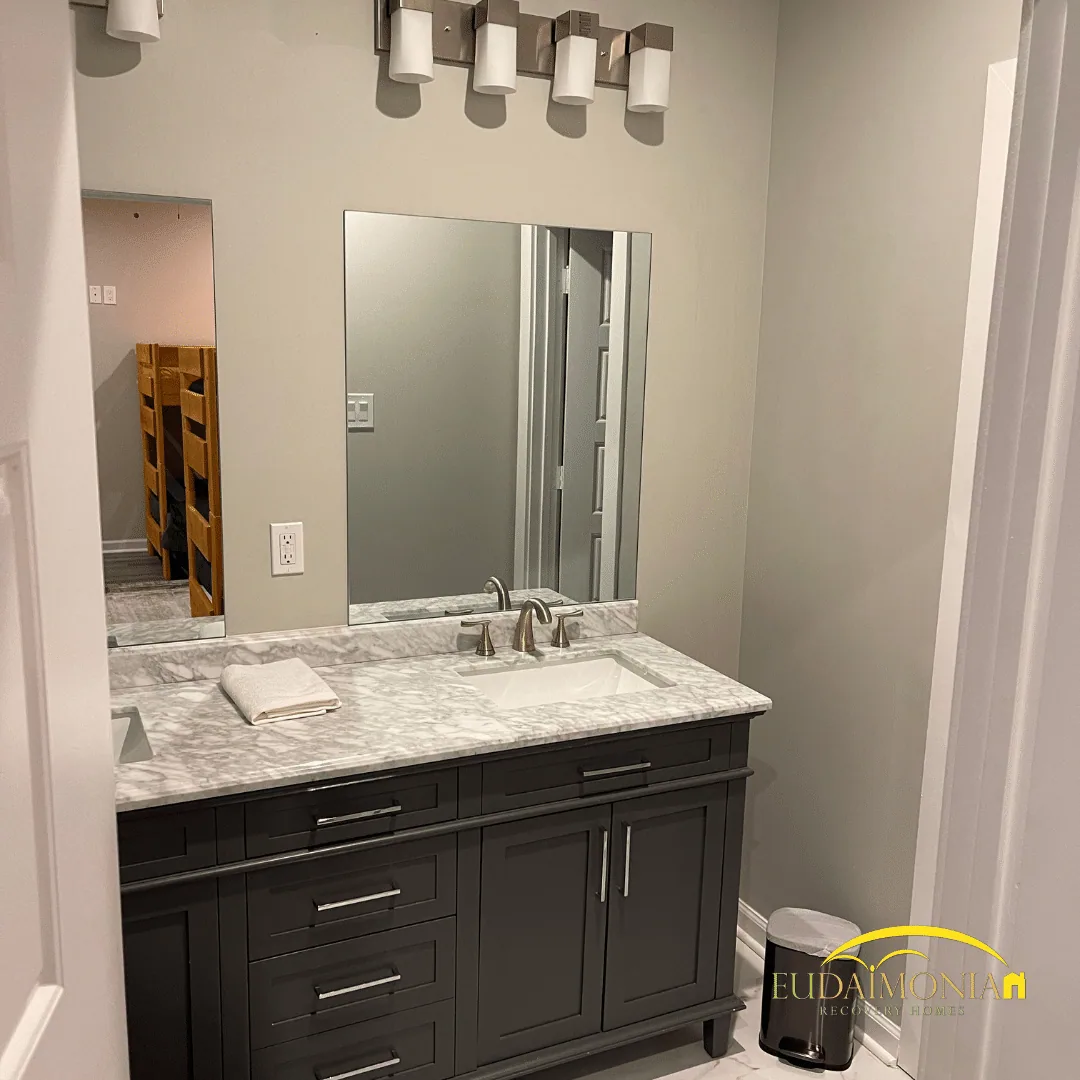
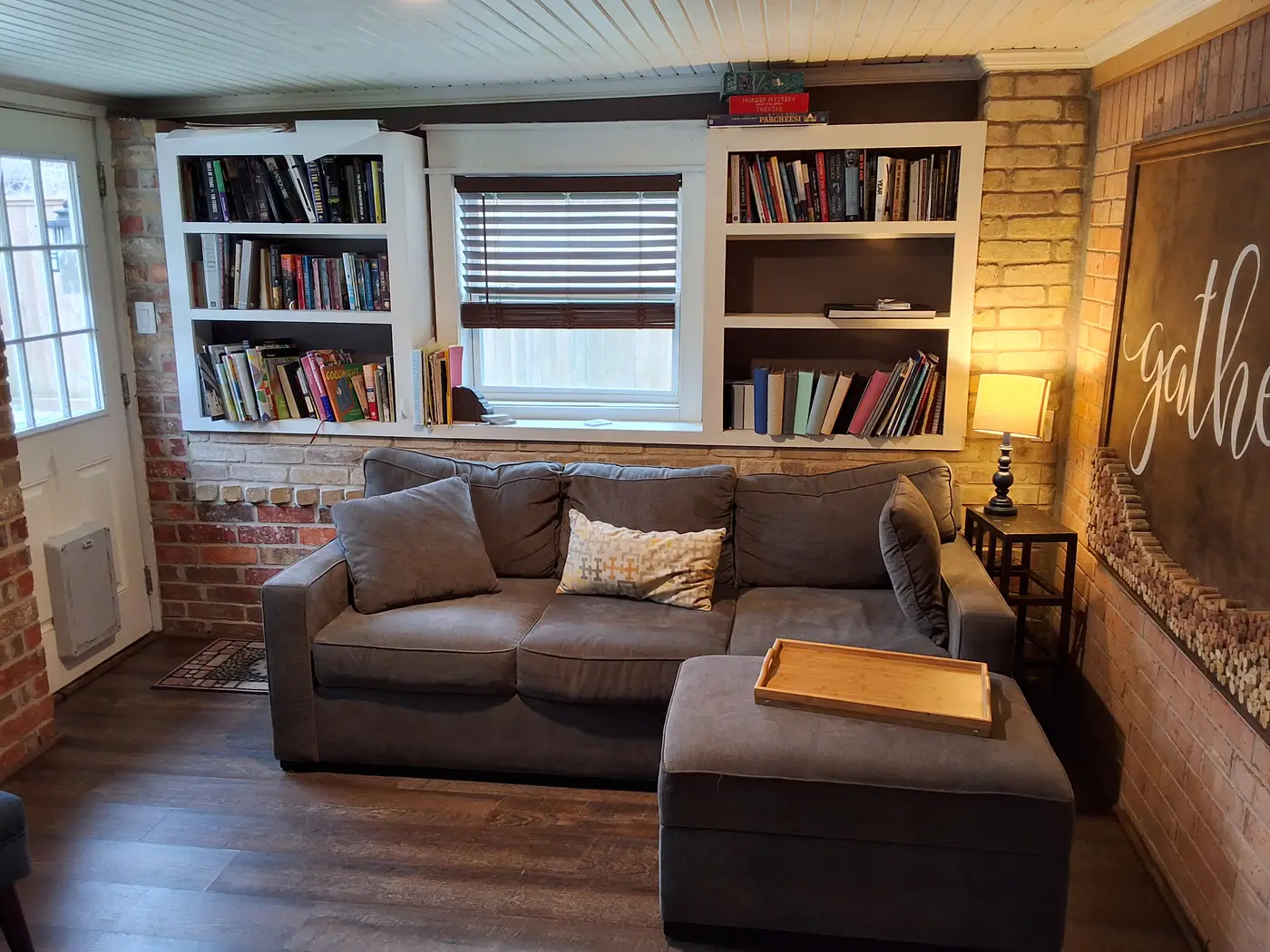
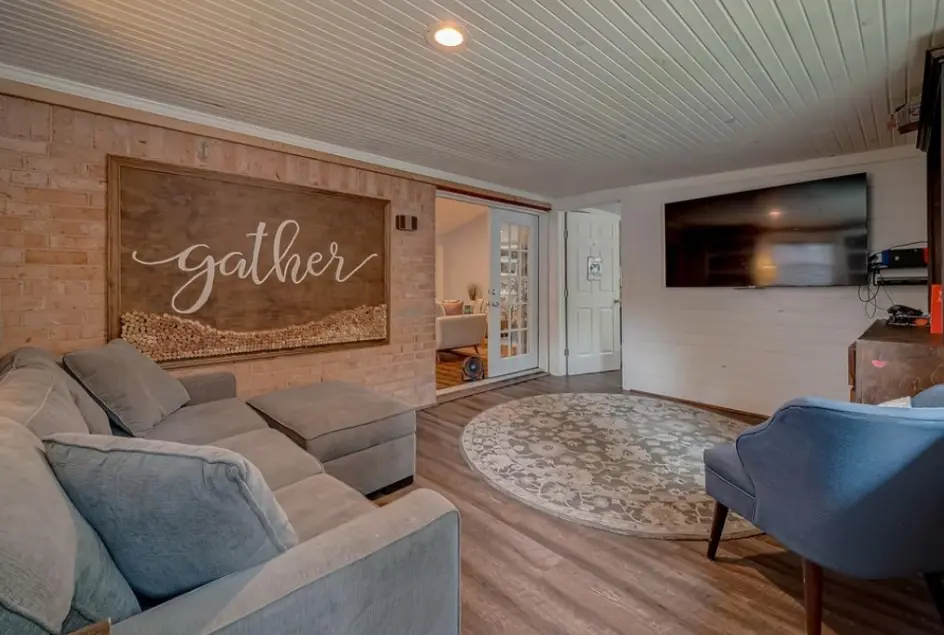
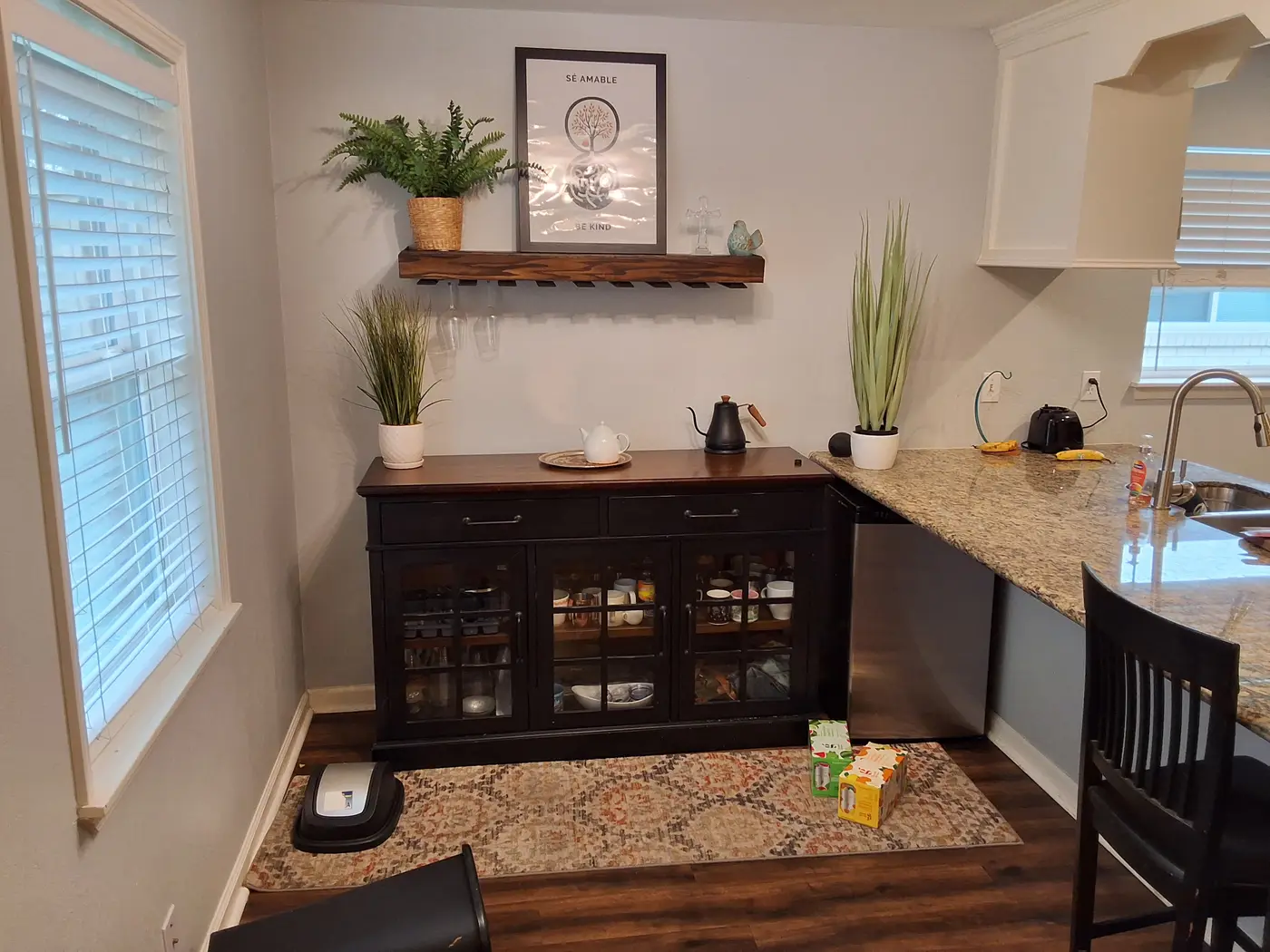
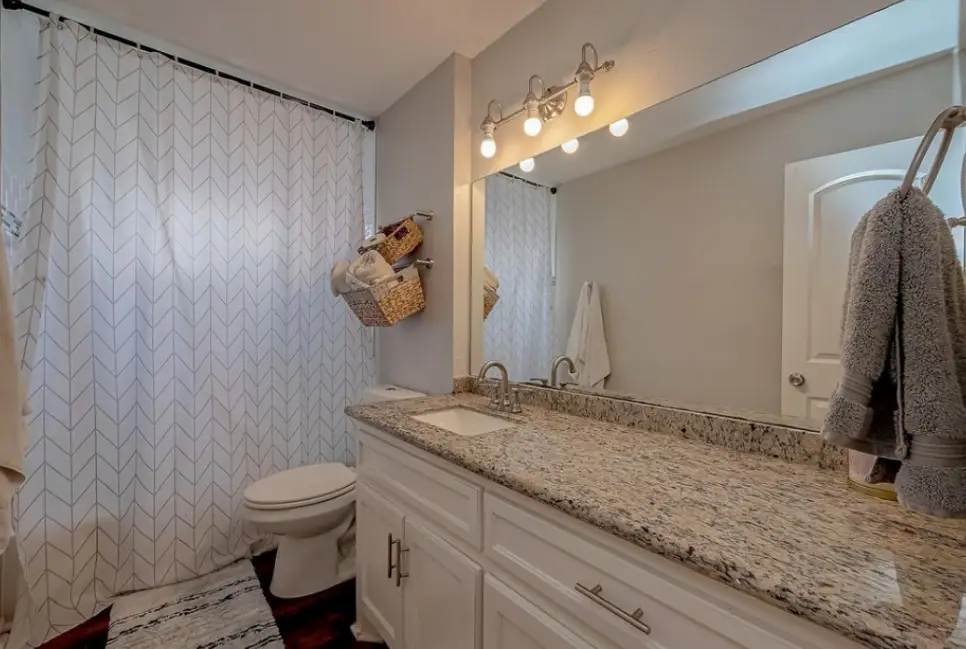
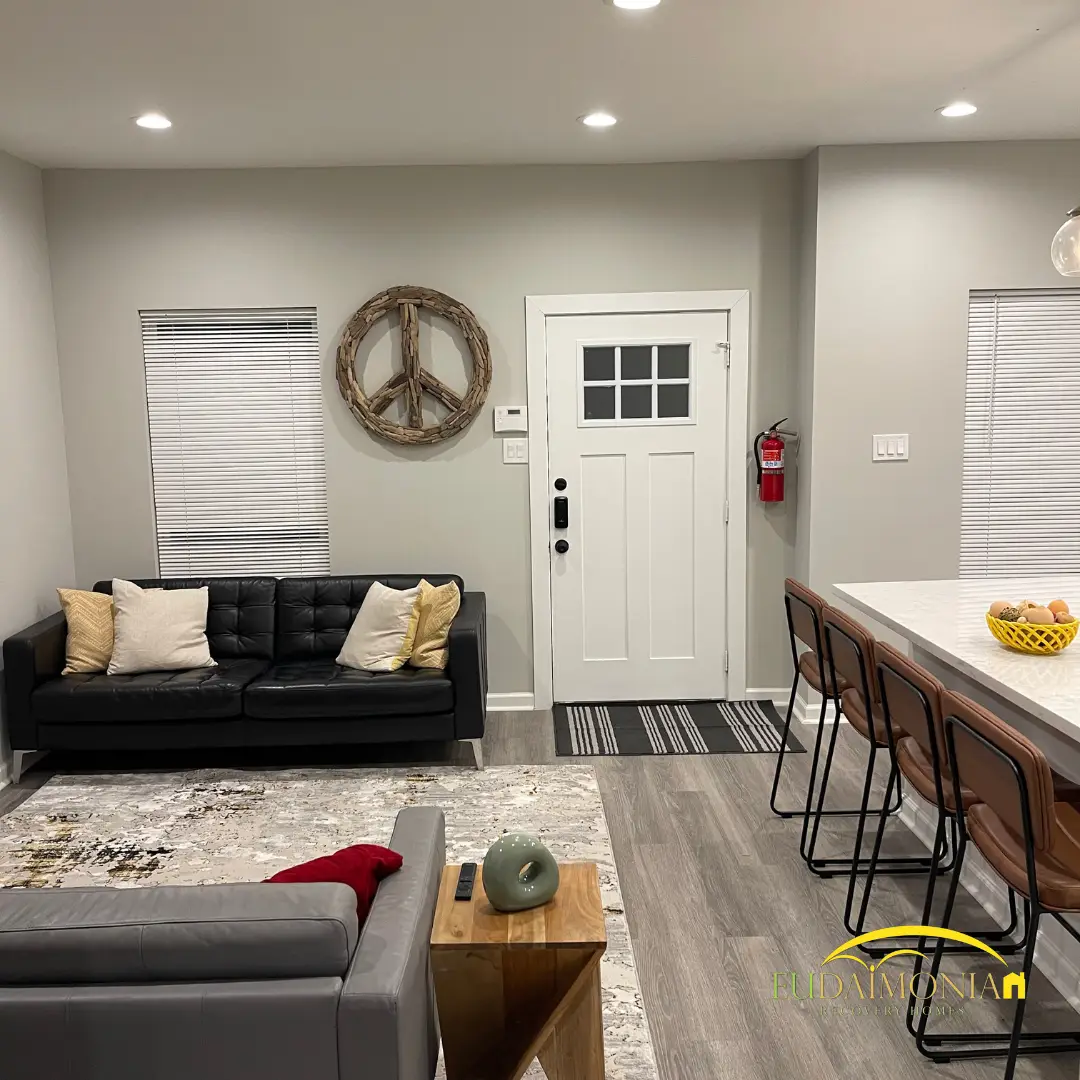
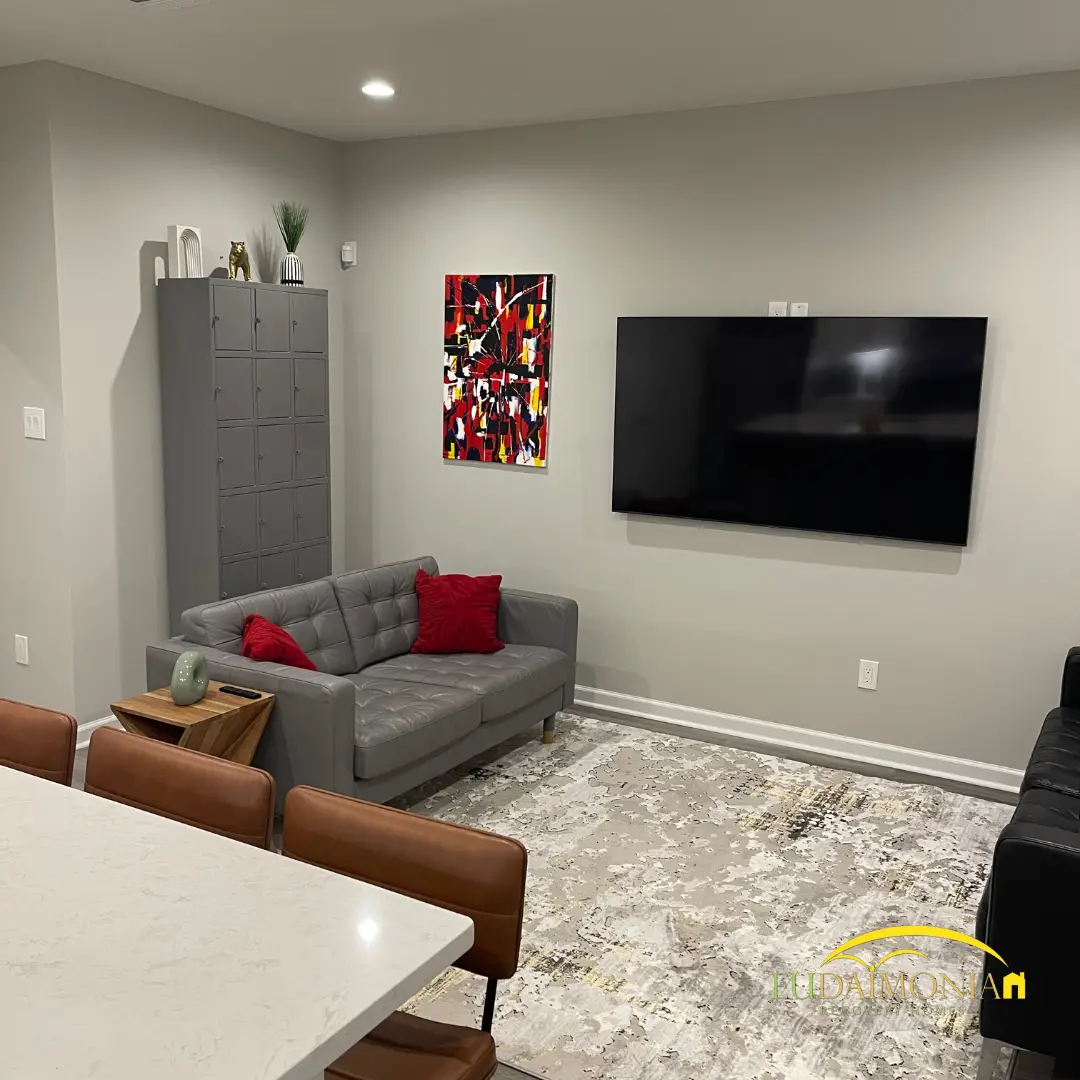
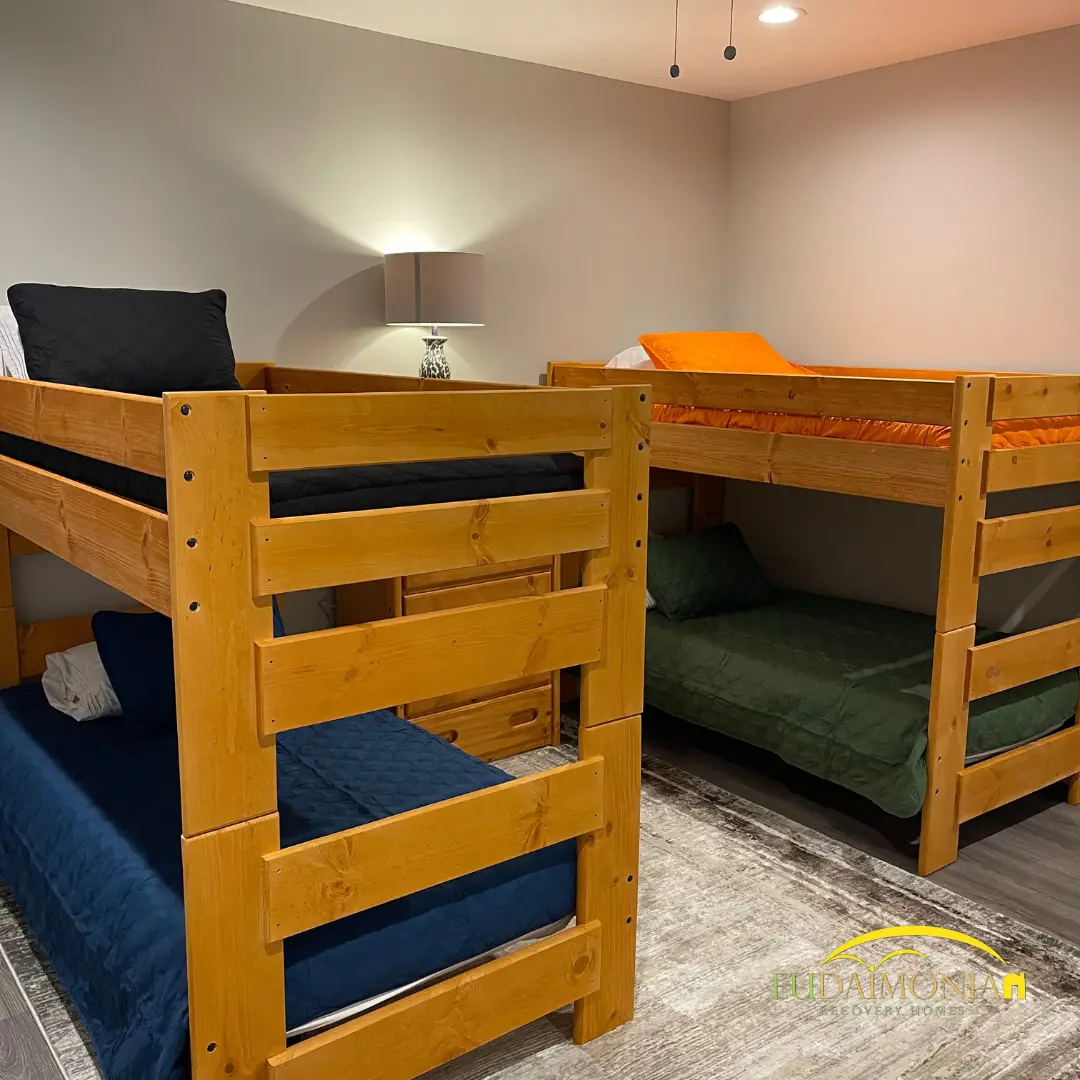
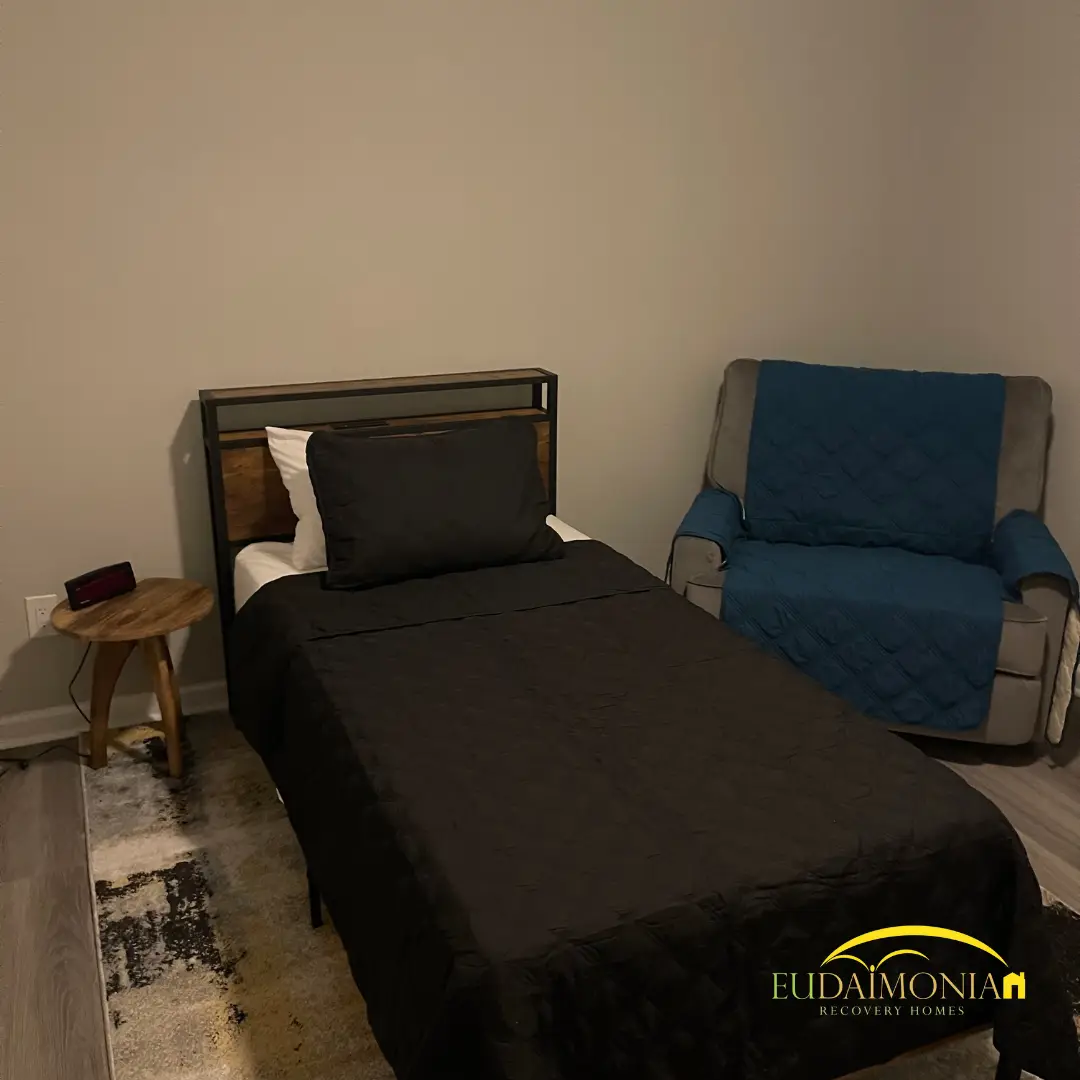
Inside the Houston homes















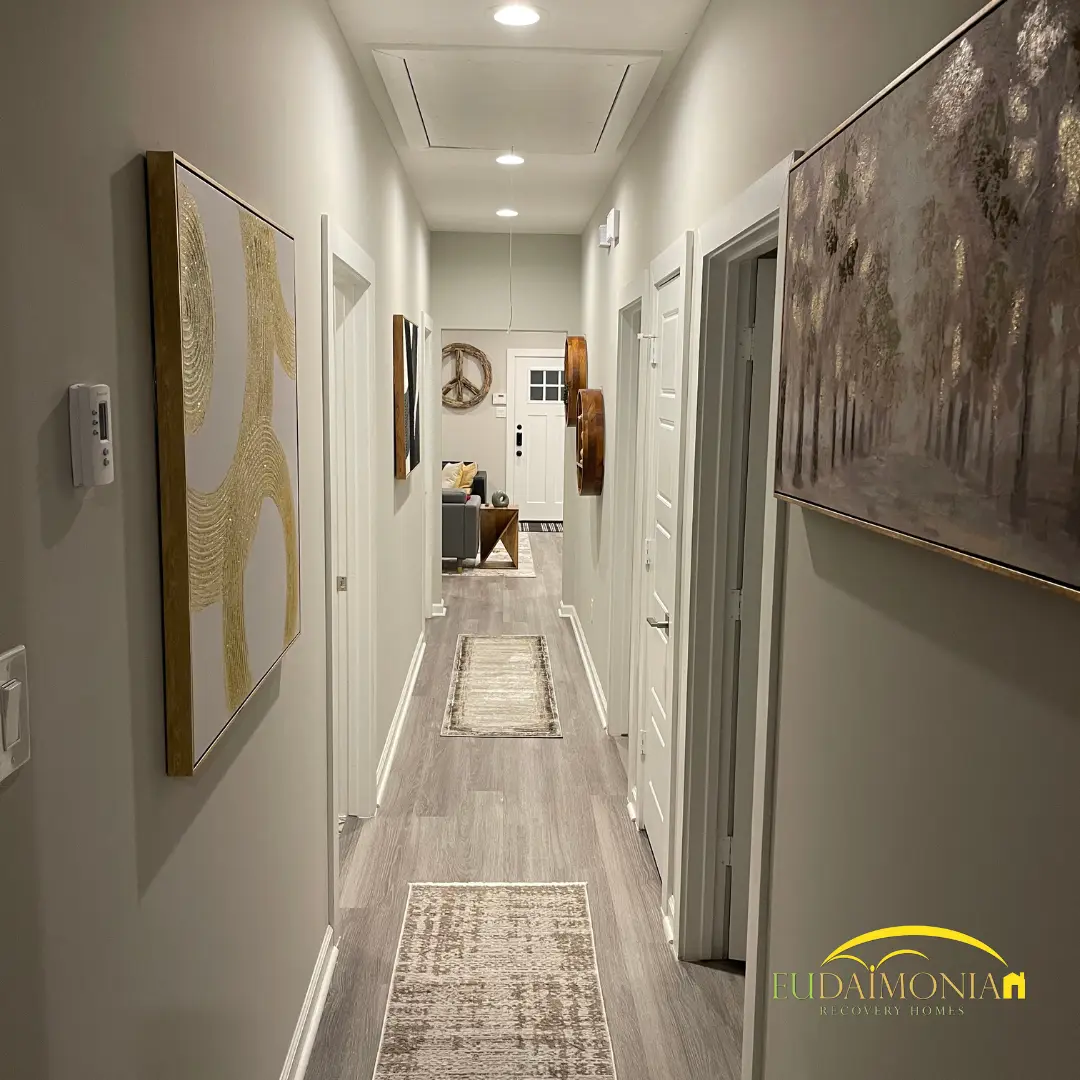
Understanding Payment Options When You're Working
Because you’re employed, you have income that can go toward your recovery housing investment. Eudaimonia Recovery Homes is a private-pay sober living provider, and understanding your payment options is an important part of planning your stay.
Many residents use their employment income to cover sober living fees. Others explore whether their health insurance plan offers any coverage for recovery housing, it’s worth verifying your benefits to understand what financial support might be available. Some plans do provide partial coverage, while others may cover related services like outpatient therapy that you’re attending while in sober living.
Payment plans may be available depending on your situation. The key is having the conversation early, being honest about your financial capacity, and exploring what options exist. Your employment gives you a steady income stream that makes budgeting for sober living more manageable than it might be otherwise.
Finding the Right Sober Living Home in Houston for Working Professionals
Not all recovery housing is created equal, especially when you’re balancing full-time employment. Location matters significantly when you’re commuting to work daily. Eudaimonia Recovery Homes in Houston is positioned to serve residents who need to access jobs throughout the greater Houston area.
Consider these factors when choosing a sober living home as a working professional:
- Proximity to your workplace or reliable public transit routes
- Curfew policies that accommodate your work schedule (including any evening shifts or early mornings)
- Flexibility for work-related travel if your job requires it
- Private or semi-private rooms if you need quiet space to decompress after work
- Peer community that includes other employed, motivated residents
- Clear expectations around chores, meetings, and house responsibilities that respect your time
The right environment will challenge you to grow in your recovery while respecting the commitments and responsibilities you’re maintaining in your professional life.
When Work Becomes a Challenge in Early Recovery
It’s important to acknowledge that working full-time while in early recovery can be demanding. Some residents enter sober living and realize their current job is a relapse trigger, maybe coworkers use substances, or the stress level is unmanageable without the coping mechanisms addiction provided.
Living in a sober living home in Houston gives you the community support to navigate these challenges. House managers and fellow residents can help you process work stress, identify warning signs, and make healthy decisions about whether to stay in your current role or seek new employment that better supports your recovery.
Some residents do choose to change jobs while in sober living, and the stable housing environment makes that transition much safer than it would be if you were living alone or in an unstable situation. You have a safe home base while you interview, transition between positions, or even return to school for new training.
Life Beyond Work: Building a Full Recovery in Houston
While this article focuses on the compatibility of full-time work and sober living, remember that recovery is about more than just maintaining employment. Your time in a Houston sober living home is an opportunity to build a complete life: one that includes meaningful relationships, spiritual growth, physical health, and emotional wellness.
Work provides structure and income, but your housemates provide connection. Recovery meetings provide tools and perspective. House activities and outings provide recreation without substances. All of these elements together create the foundation for long-term sobriety that extends well beyond your time in recovery housing.
The goal isn’t just to survive early recovery while working, it’s to thrive, building a life so satisfying that returning to substance use becomes increasingly unthinkable. Sober living homes create the container in which that transformation can happen, even when you’re also managing the very real demands of full-time employment.
If you’re working full-time and wondering whether sober living in Houston is right for you, Eudaimonia Recovery Homes can help you understand how our programs support employed residents in building lasting recovery. Reach out to learn more about our Houston location and how we can support your journey.
Ready to take the next step?
Eudaimonia Recovery Homes provides structured sober living and recovery support in Houston, TX. Call (719) 453-0019 to speak with our team today.