
Published August 9, 2026
On This Page · 10 Sections
Sober Living
Houston
1010 Waverly St, Houston, TX
If someone relapses while living in a recovery home in Houston, the response depends on the home’s specific policies, the circumstances of the relapse, and the resident’s willingness to re-engage with recovery. At Eudaimonia Recovery Homes in Houston, relapse doesn’t automatically mean eviction. Many recovery homes, including ours, view relapse as a potential learning opportunity rather than immediate failure. The typical protocol involves honest disclosure, drug testing, temporary removal from the home for stabilization or additional treatment if needed, and a clear path back to sober living once the resident demonstrates renewed commitment to their recovery journey.
If you or someone you love needs more than detox, Eudaimonia Recovery Homes also provides houston sober living.
Eudaimonia Recovery Homes’s sober living program program provides medically supervised, evidence-based care.
Understanding Relapse in the Context of Recovery Housing
Relapse is more common than many people realize in early recovery. Studies show that 40-60% of individuals in recovery experience at least one relapse, rates comparable to other chronic conditions like diabetes or hypertension. This doesn’t make relapse acceptable or something to plan for, but it does make it a realistic concern that quality recovery homes must address with clear policies.
Recovery homes exist in the critical space between intensive treatment and independent living. Residents have typically completed detox and residential treatment and are learning to apply recovery skills in real-world settings. This transition period is simultaneously empowering and vulnerable. Residents have more freedom but also more responsibility and exposure to triggers.
The structure at Eudaimonia Recovery Homes in Houston is designed specifically to reduce relapse risk through accountability, peer support, random drug testing, house meetings, and required participation in mutual support groups. But even with strong structure, some residents struggle.
What Happens Immediately After a Relapse in a Houston Recovery Home
The immediate response to relapse at a recovery home in Houston typically follows a structured protocol. First, if a resident uses substances, they’re expected to self-report to house management or staff immediately. This takes courage, but honesty is foundational to recovery housing.
If the relapse is discovered through random drug screening rather than self-disclosure, the conversation starts there. Either way, the resident will typically meet with house management to discuss what happened, assess their current state, and determine appropriate next steps.
In most cases, the resident cannot remain in the home while actively under the influence or in the immediate aftermath of use. This protects both the individual and the recovery community. The resident may need to:
- Leave the home temporarily to ensure they’re medically stable
- Return to detox if physical dependence has re-emerged
- Enter a short-term intensive outpatient program or partial hospitalization
- Meet with their sponsor, therapist, or recovery support team
- Demonstrate a period of renewed sobriety before returning
The goal isn’t punishment, it’s ensuring the resident is safe and that the sober living environment remains protective for everyone else in the home.
Do You Get Kicked Out of Sober Living If You Relapse?
This is the question on everyone’s mind, and the answer is: it depends. At Eudaimonia Recovery Homes, relapse doesn’t automatically result in permanent removal, but it does require a serious response. The determining factors include whether the resident is honest about the relapse, their willingness to accept help, whether this is a first occurrence or part of a pattern, and whether they’re willing to follow the recommended plan for re-entry.
A resident who self-reports, takes responsibility, agrees to additional treatment or support, and shows genuine commitment to getting back on track often has the opportunity to return after a brief period away. This might mean completing a few weeks of intensive outpatient programming, attending 90 meetings in 90 days, or working closely with a sponsor before moving back in.
On the other hand, a resident who hides their use, refuses testing, brings substances into the home, or shows no willingness to change course will likely face permanent discharge. Recovery homes must protect the entire community, and someone actively using who won’t accept help poses a risk to others working hard to stay sober.
Why Recovery Homes in Houston Take Relapse Seriously
The response to relapse in a recovery home might seem strict, but there are important reasons for clear boundaries. Every resident in a sober living home has chosen that environment specifically because it’s substance-free. Many are in early recovery themselves and highly vulnerable to triggers.
Allowing active use to continue in the home, even if hidden, undermines the foundation of safety that makes recovery housing effective. It normalizes substance use, creates opportunities for others to access drugs or alcohol, and erodes the culture of honesty and accountability that protects everyone.
At our Houston recovery home, we’ve seen how one person’s relapse can ripple through the community. When handled with transparency, support, and clear consequences, it can actually strengthen the group’s commitment to recovery. When hidden or minimized, it creates distrust and danger.
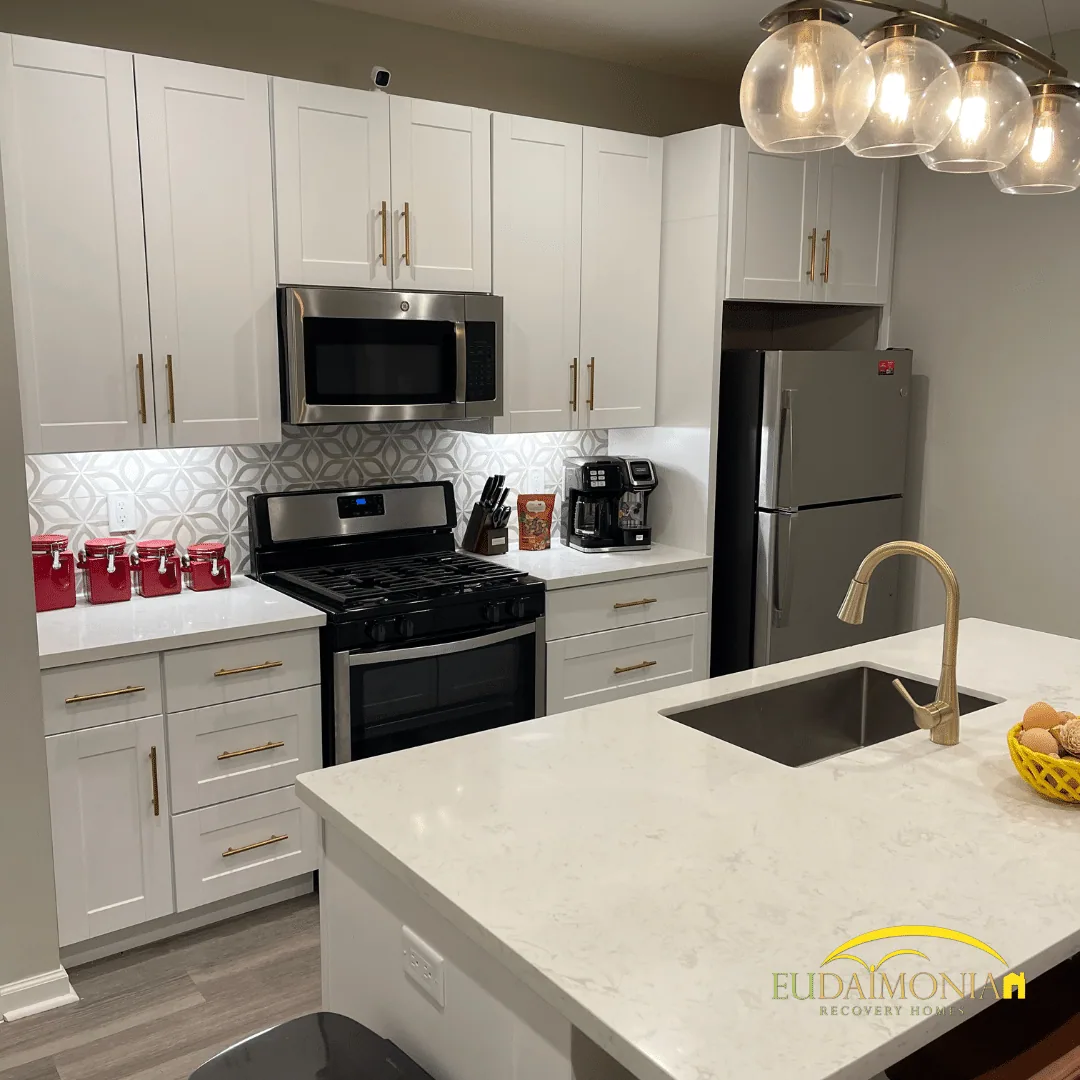
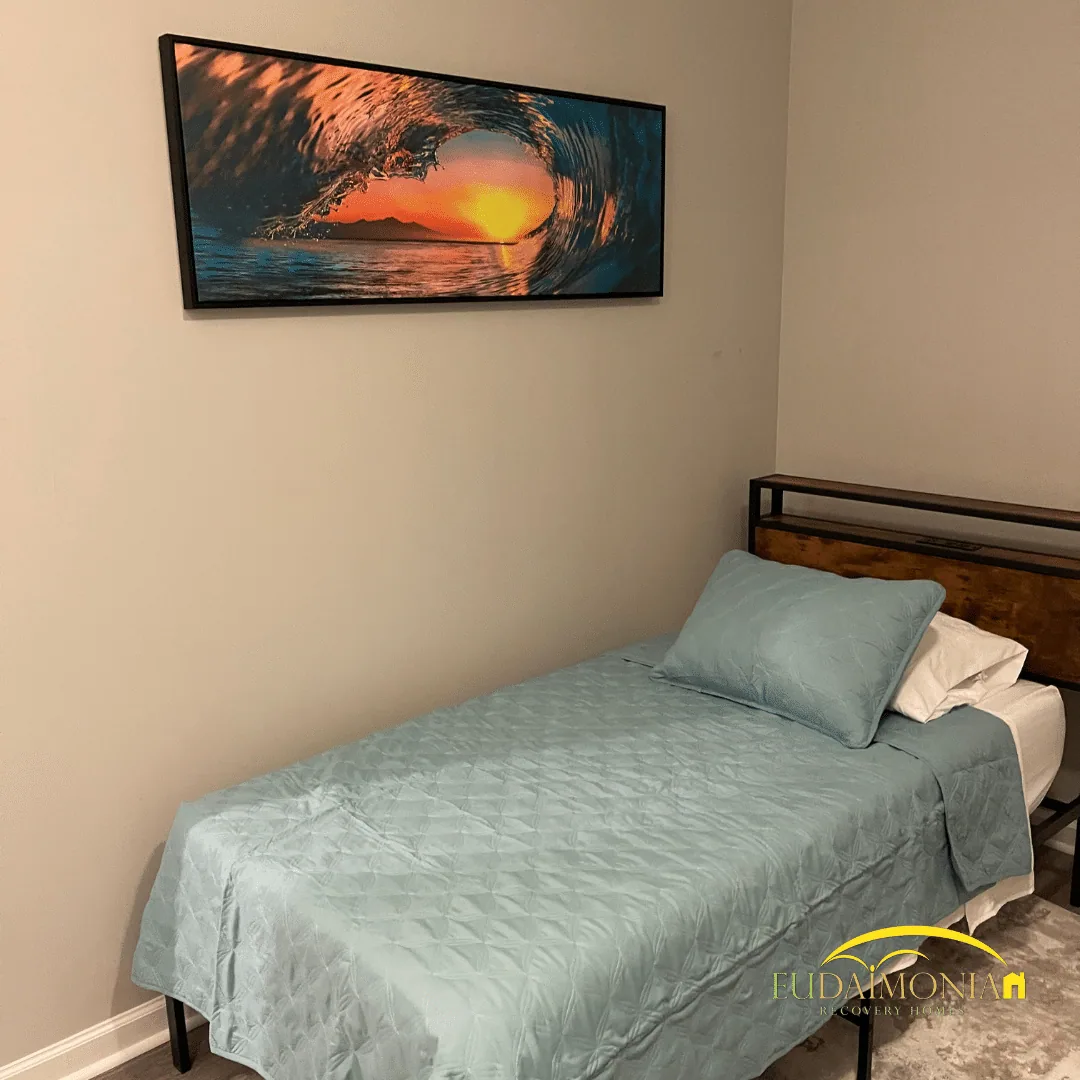
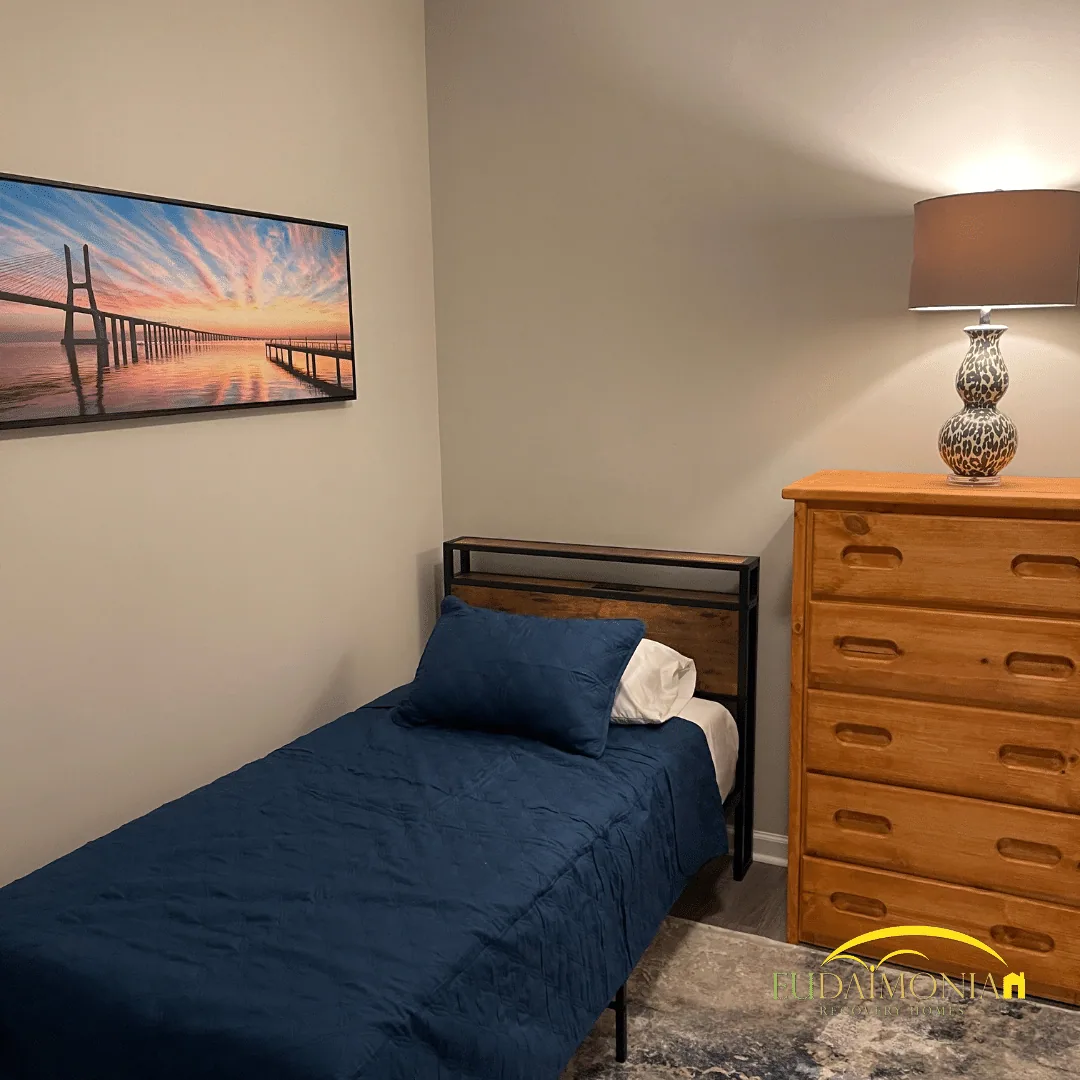
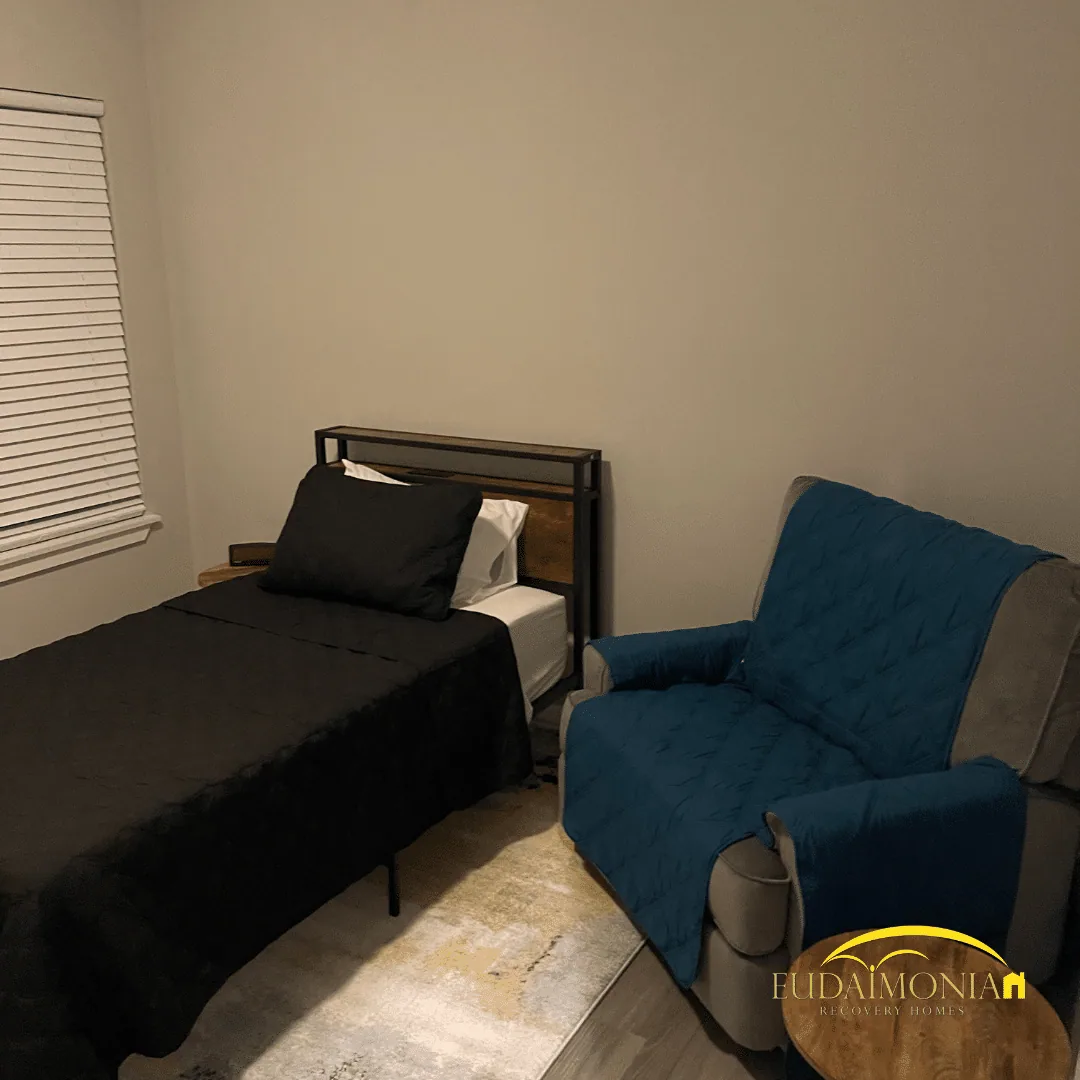
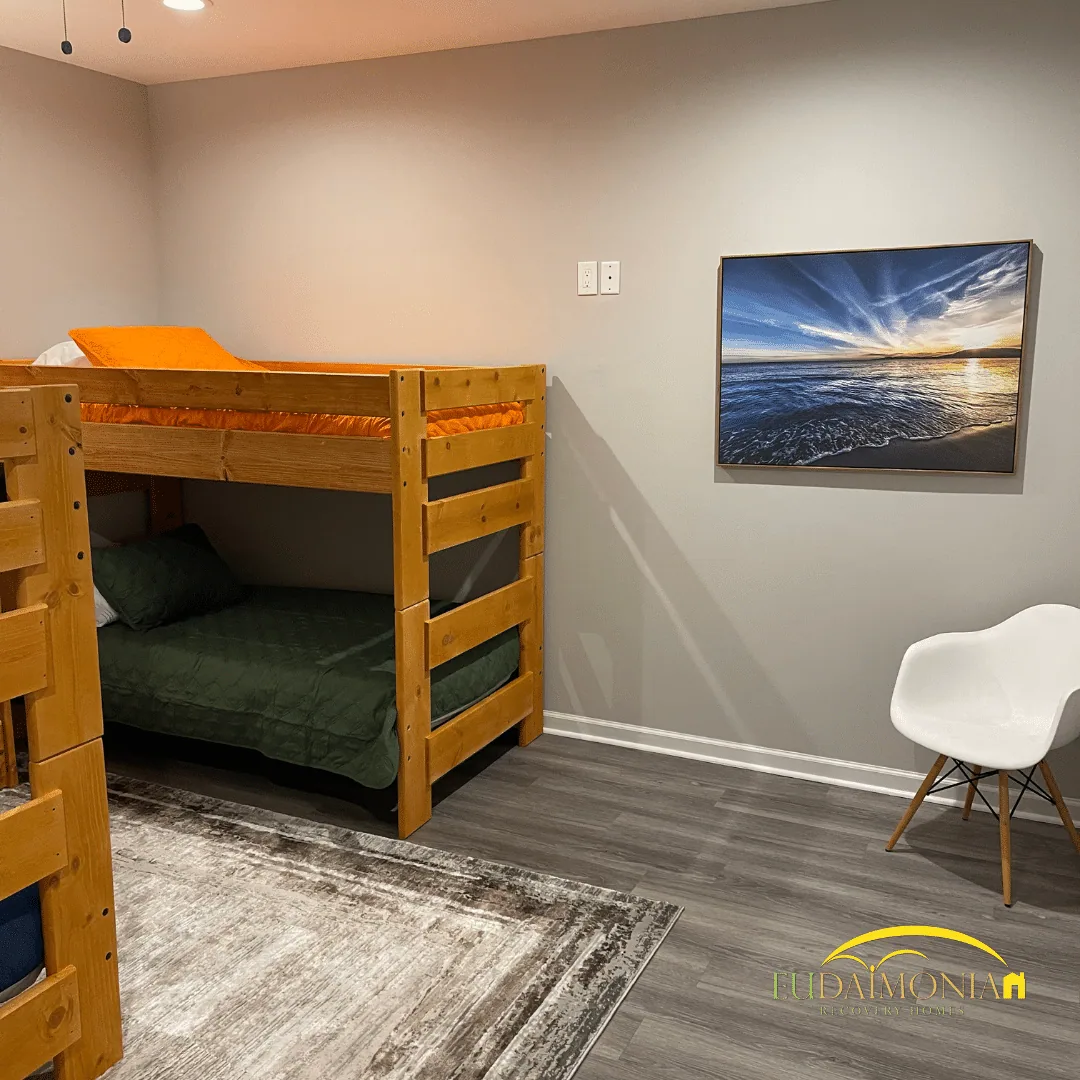
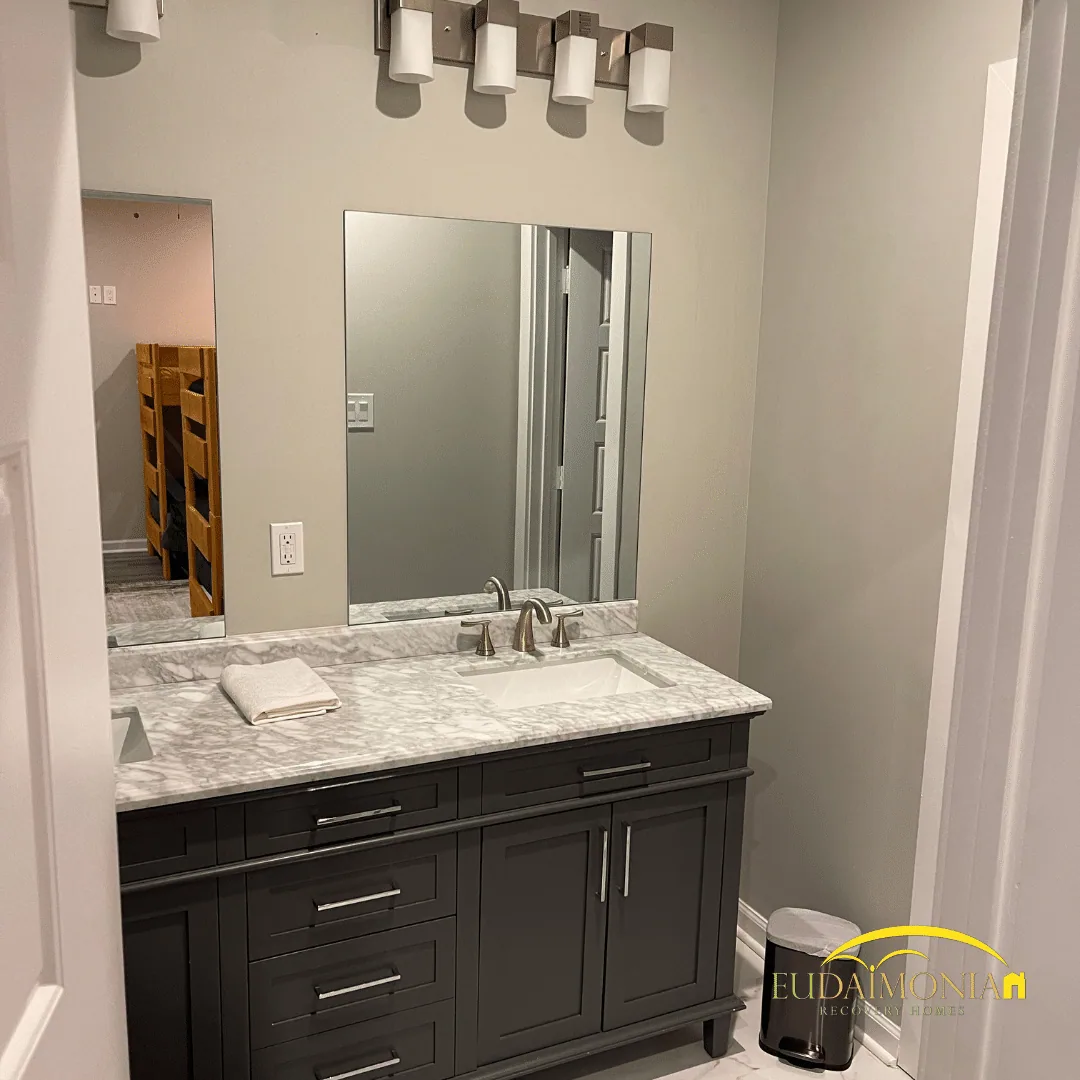
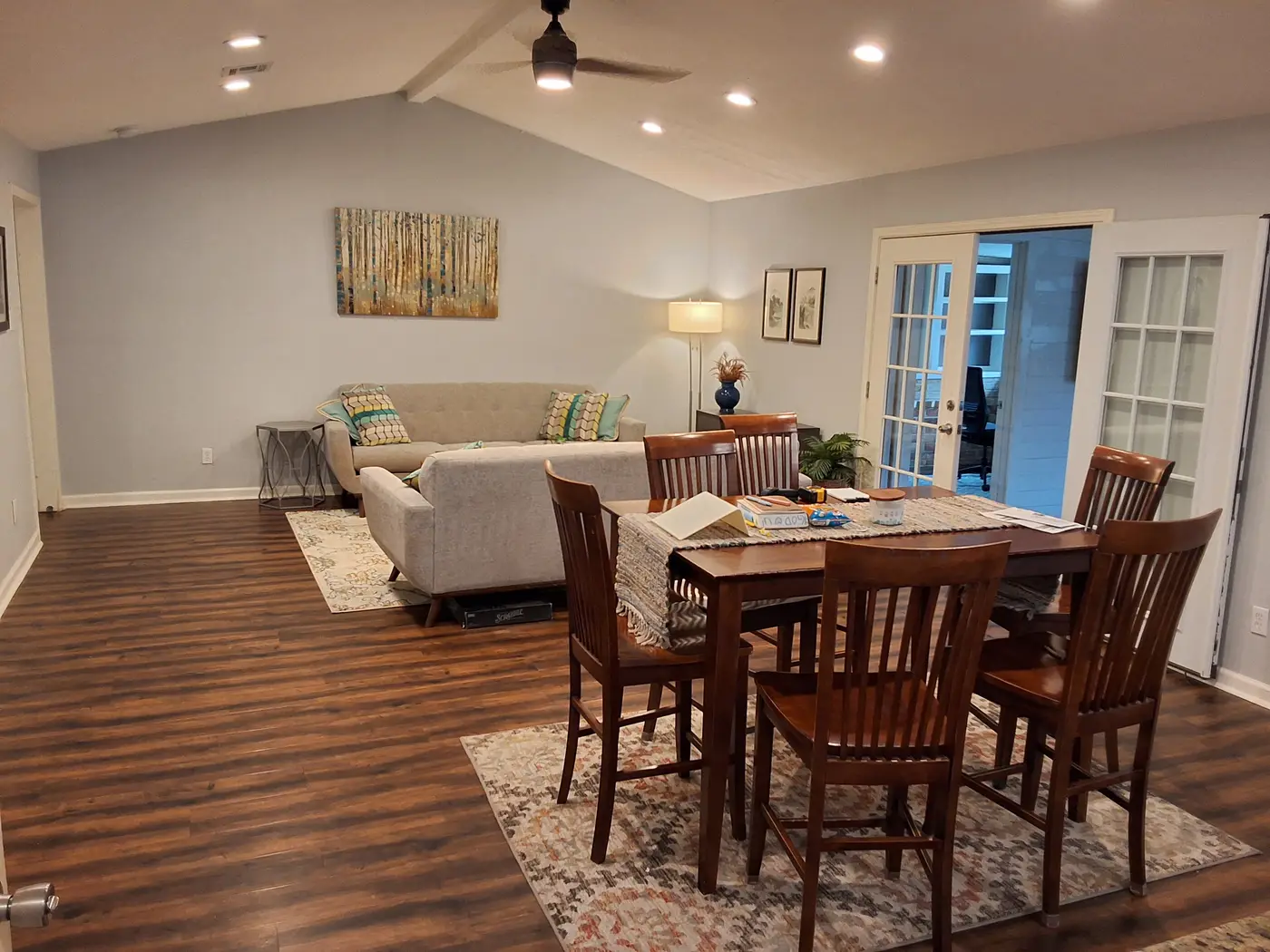
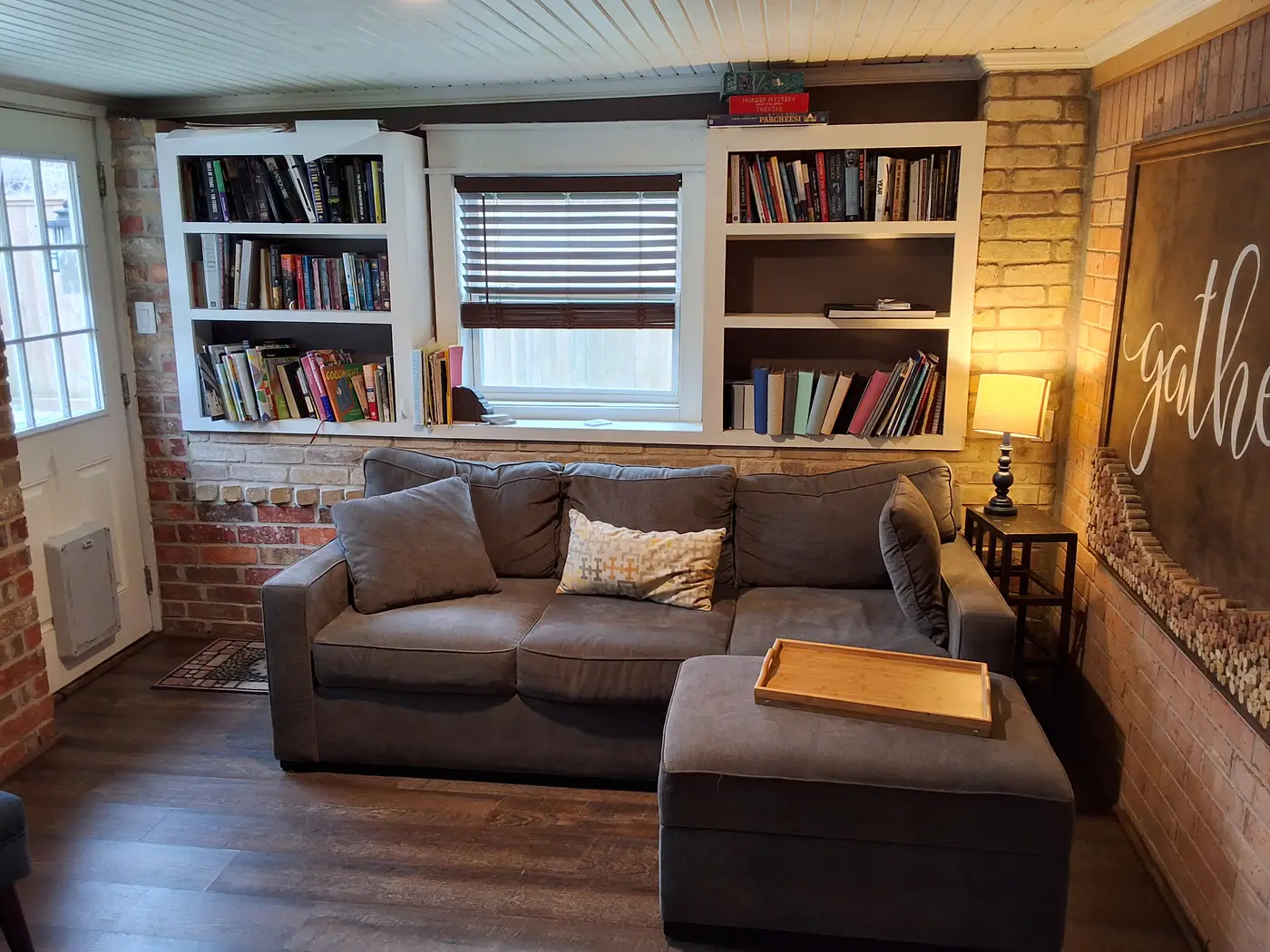
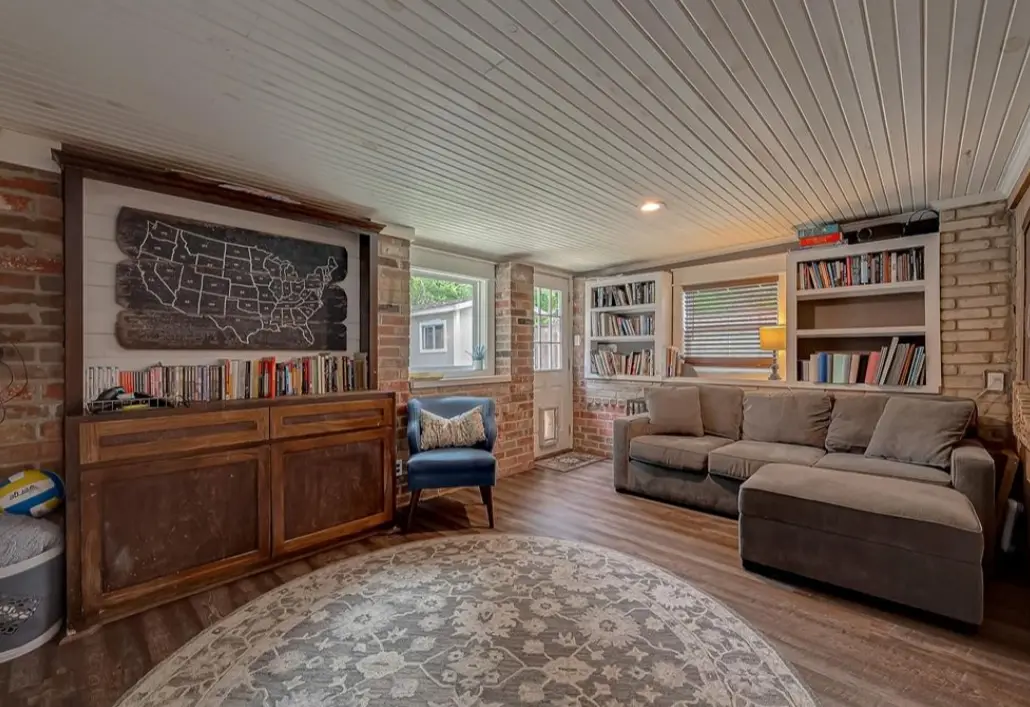
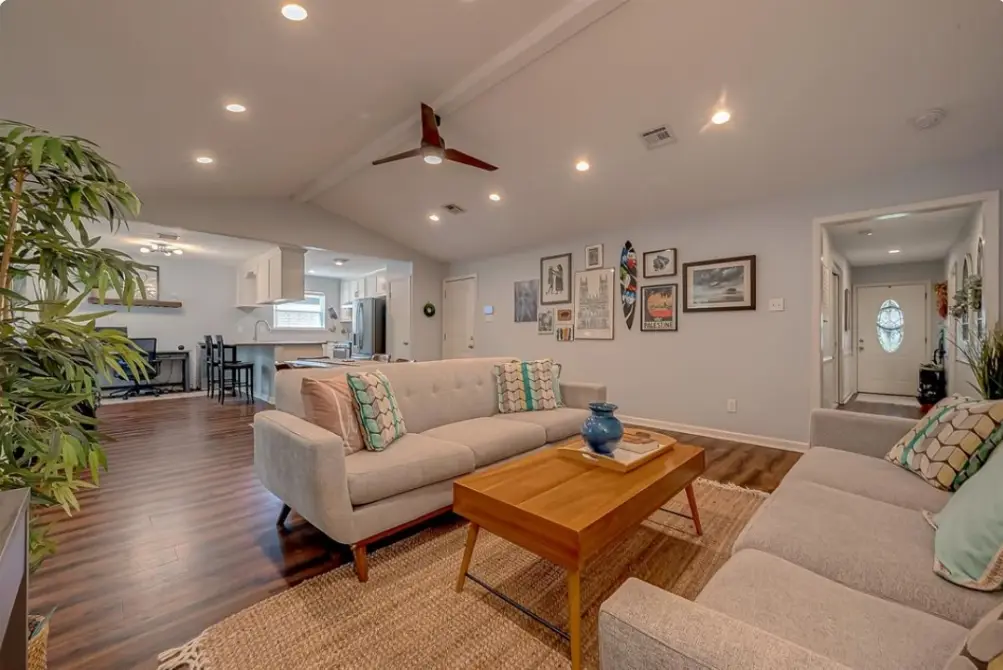
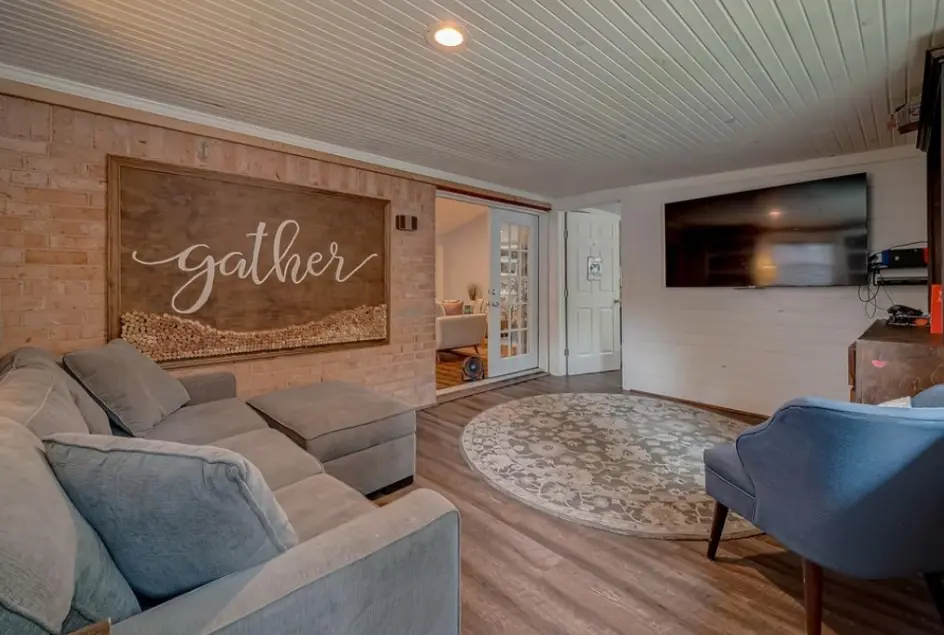
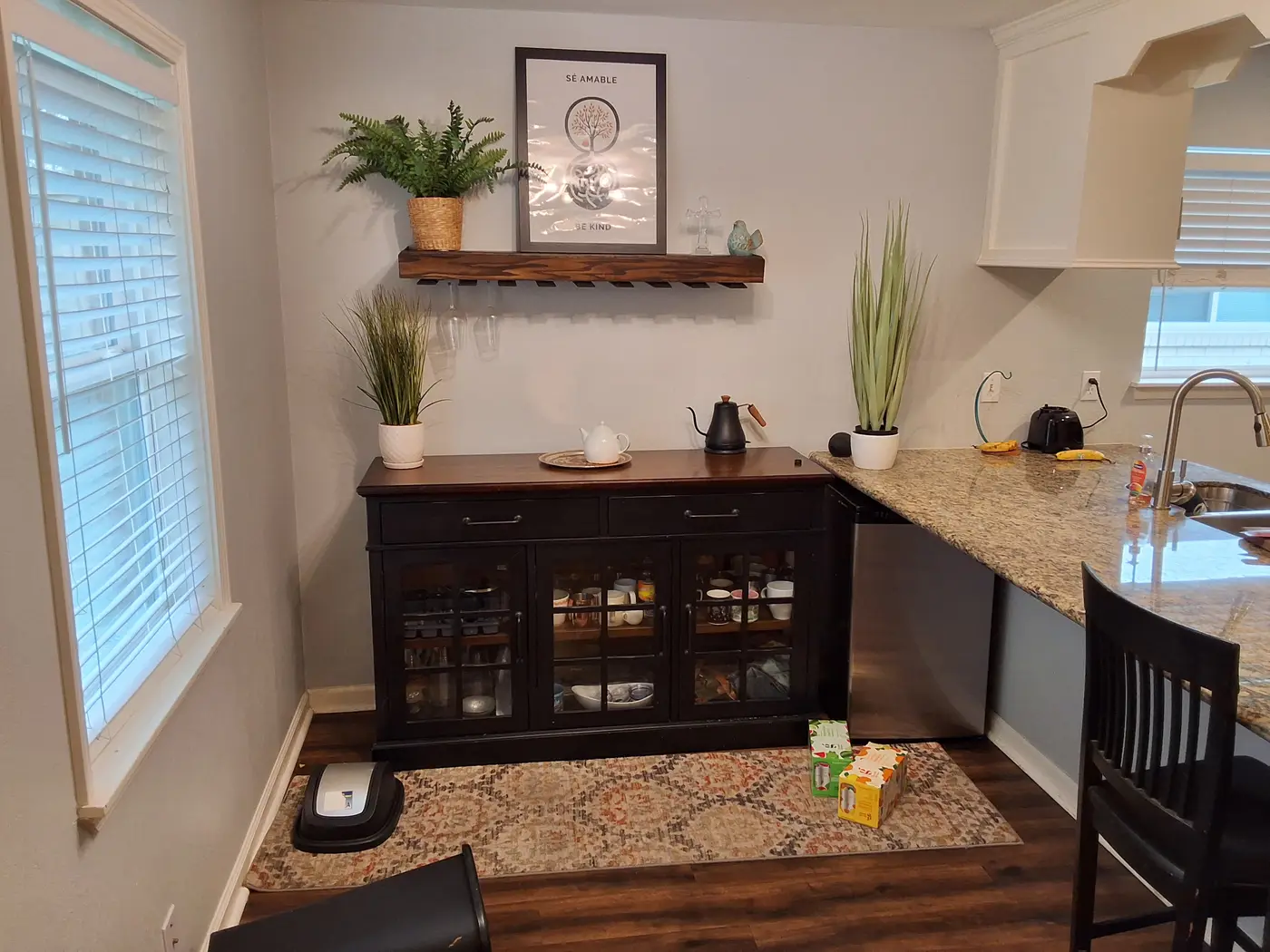
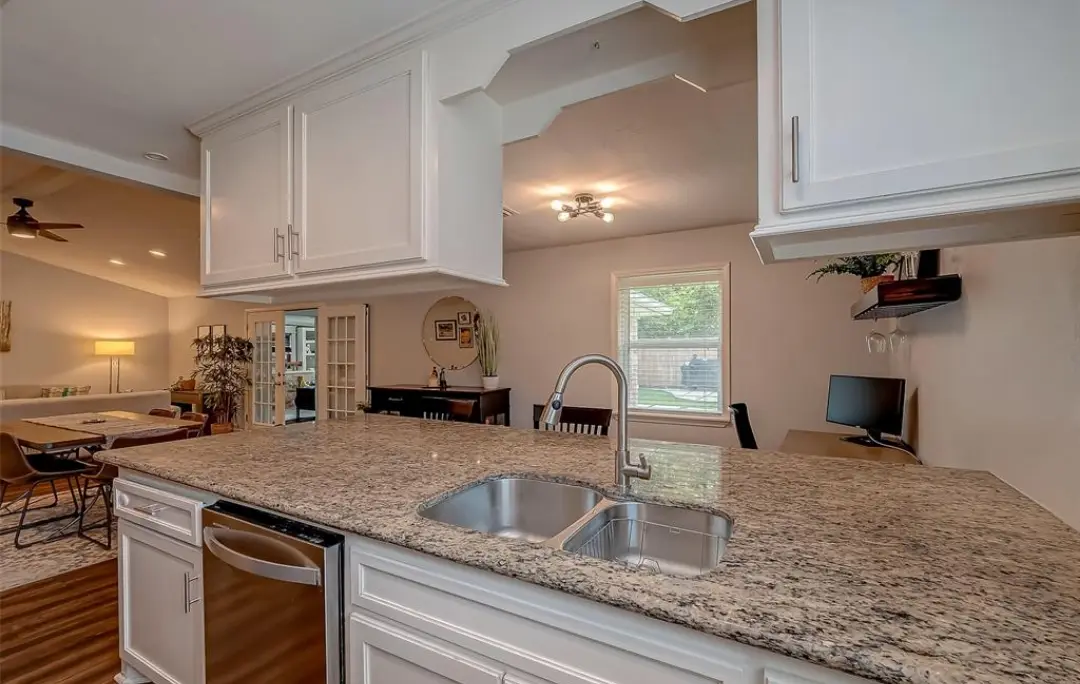
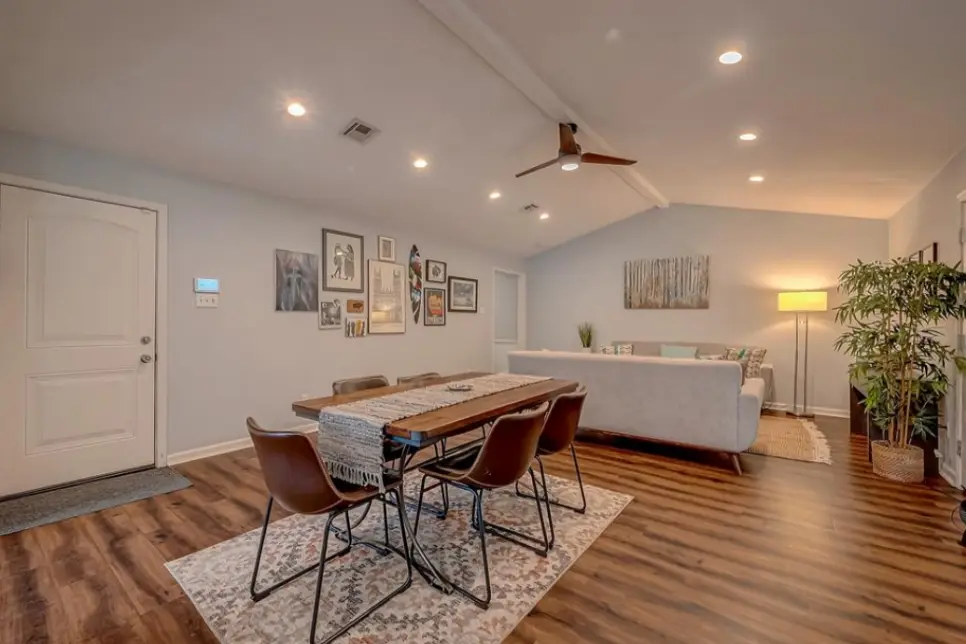
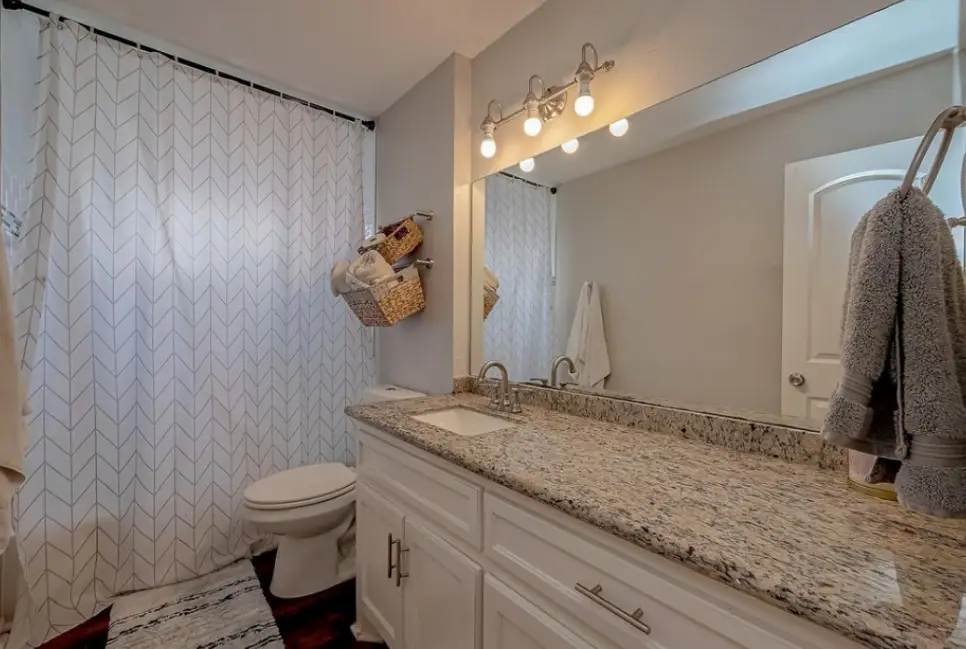
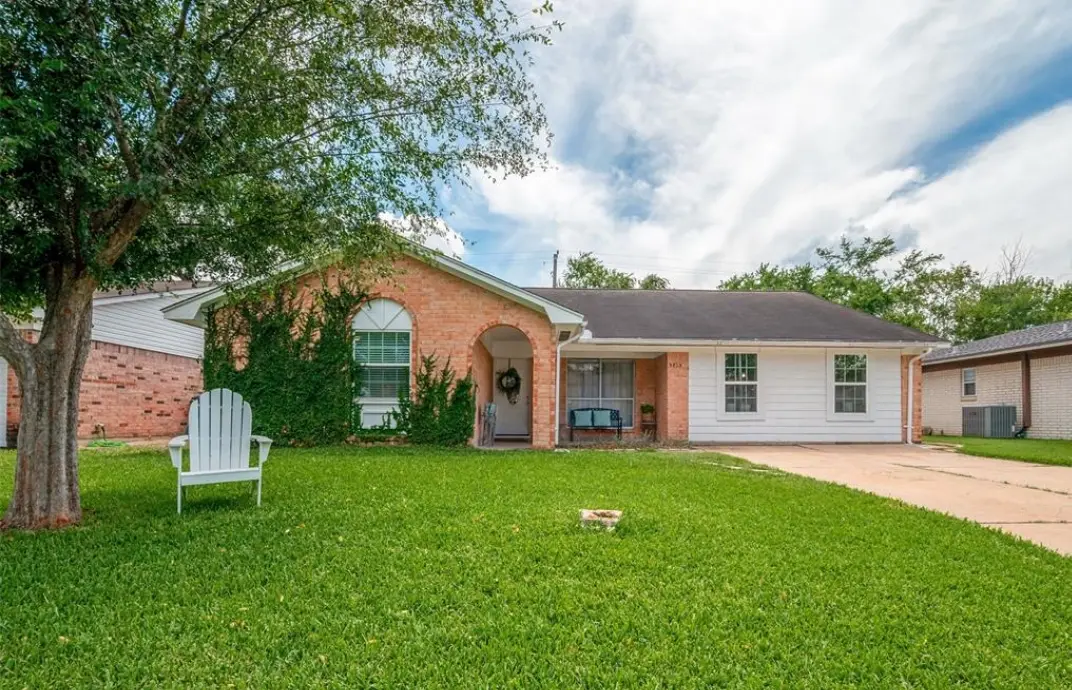
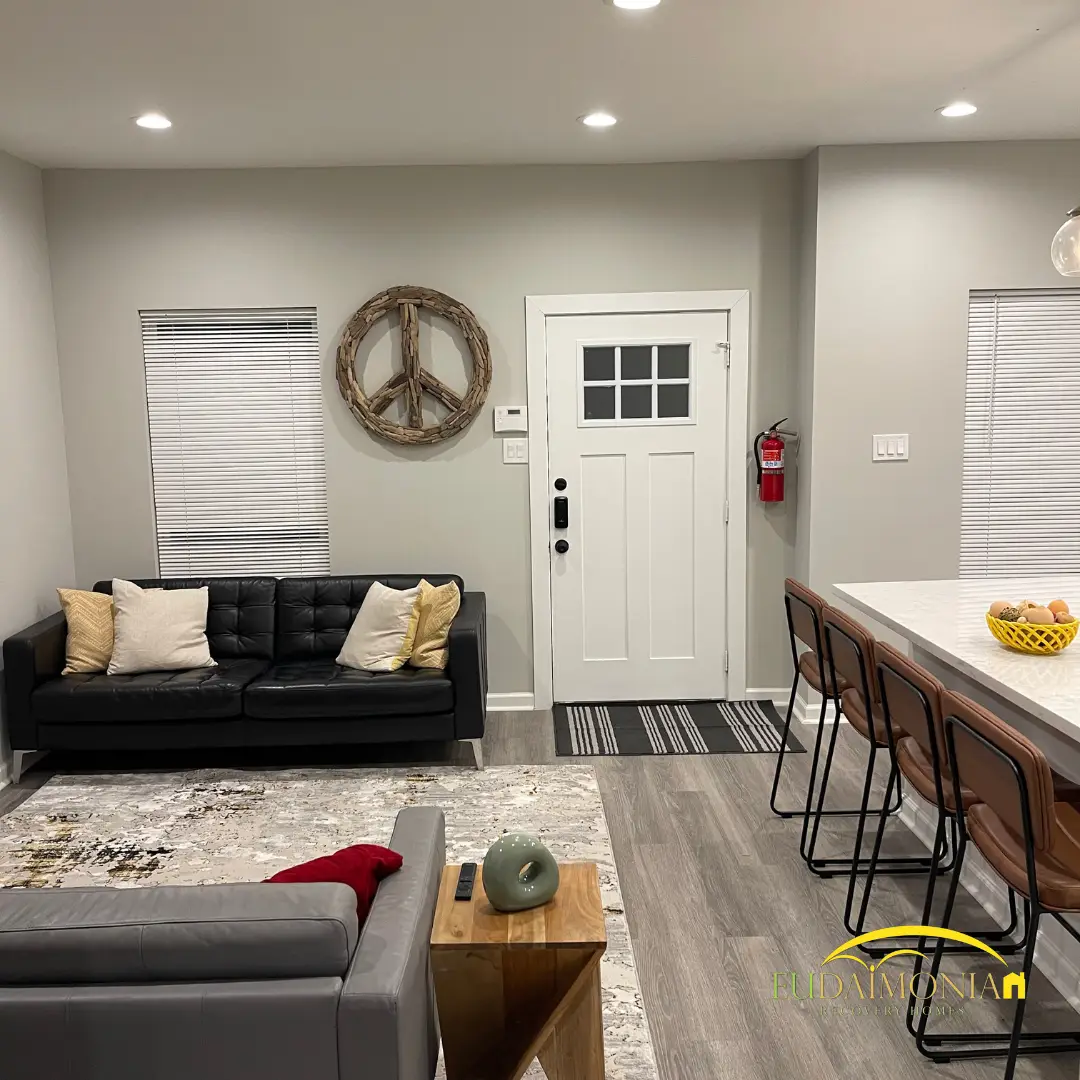
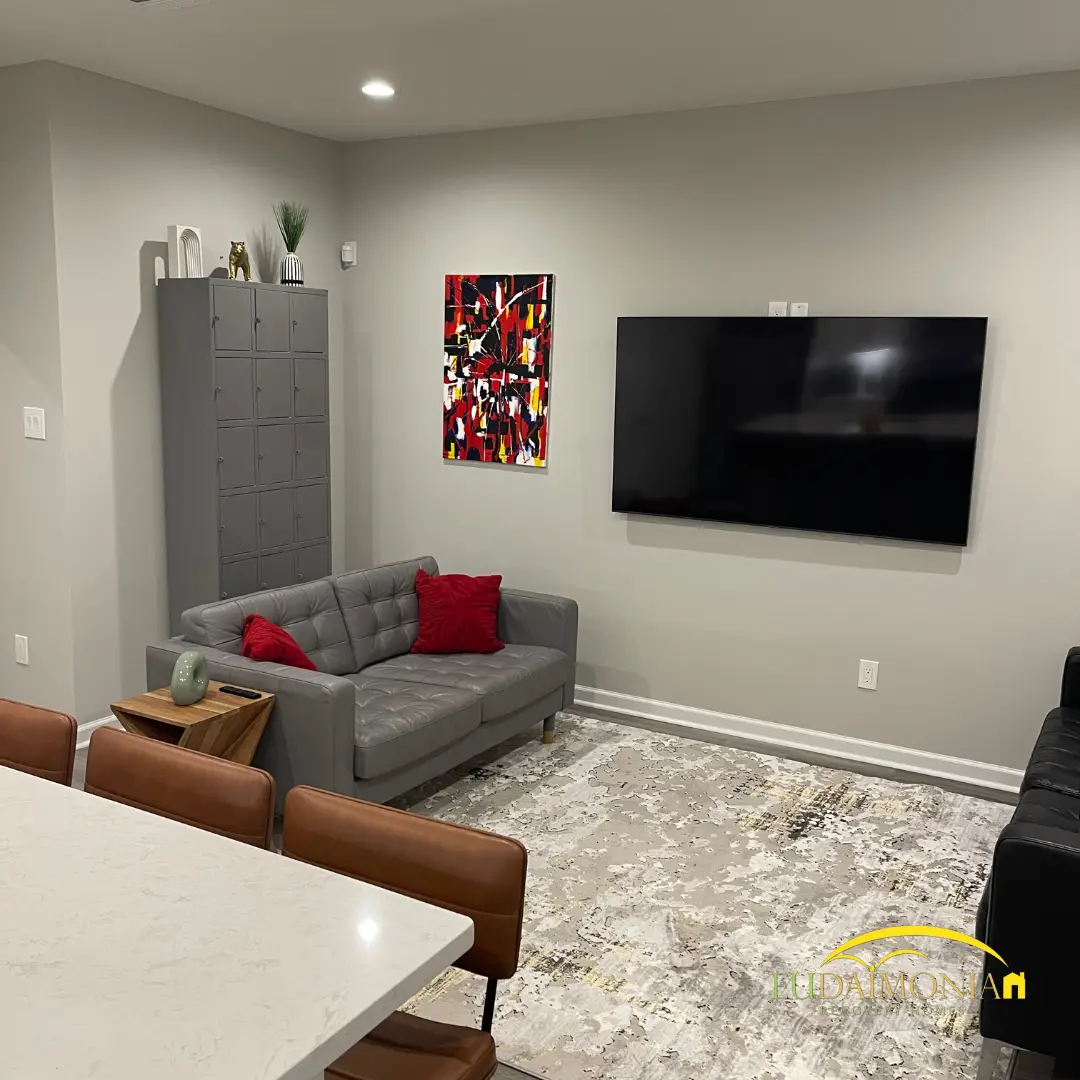
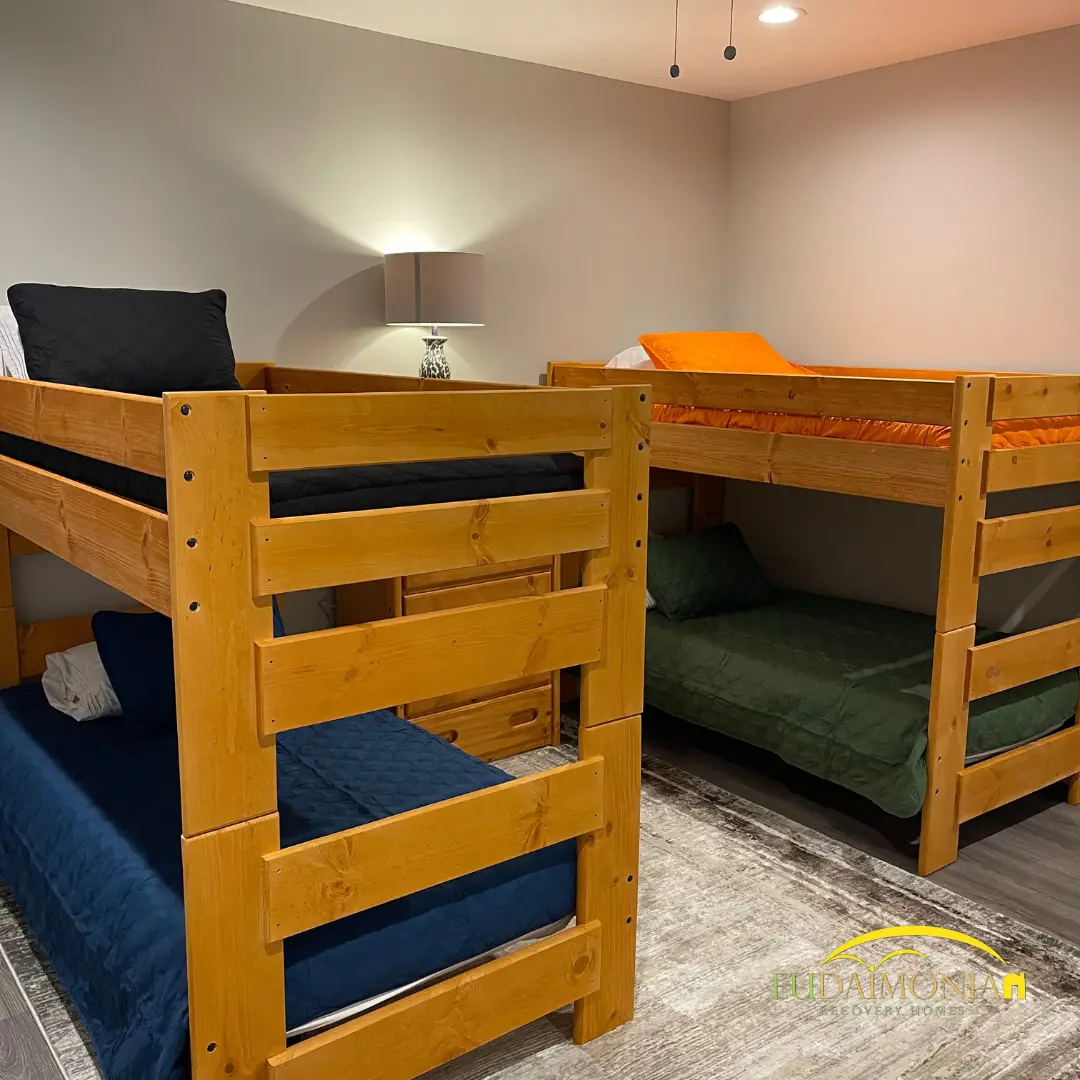
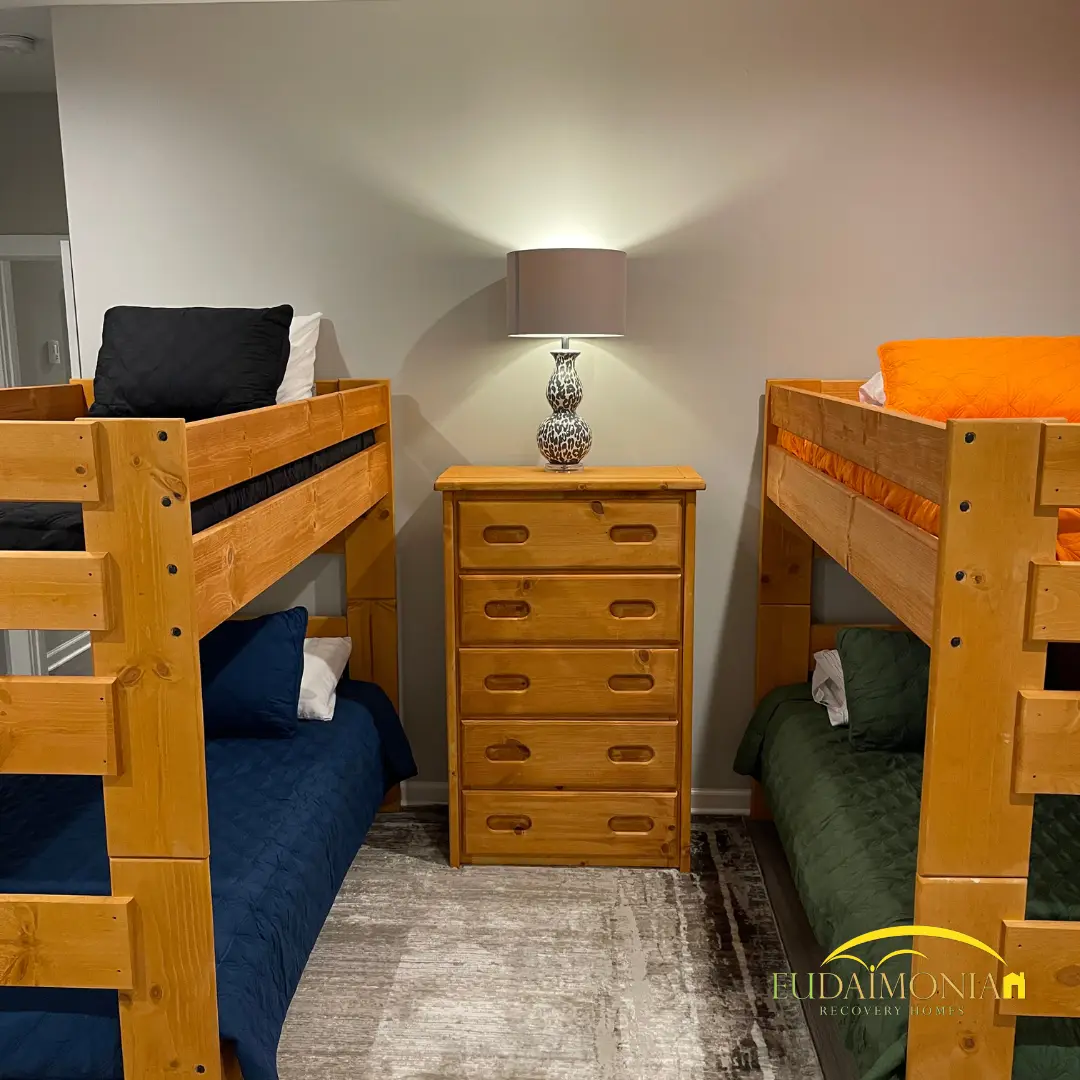
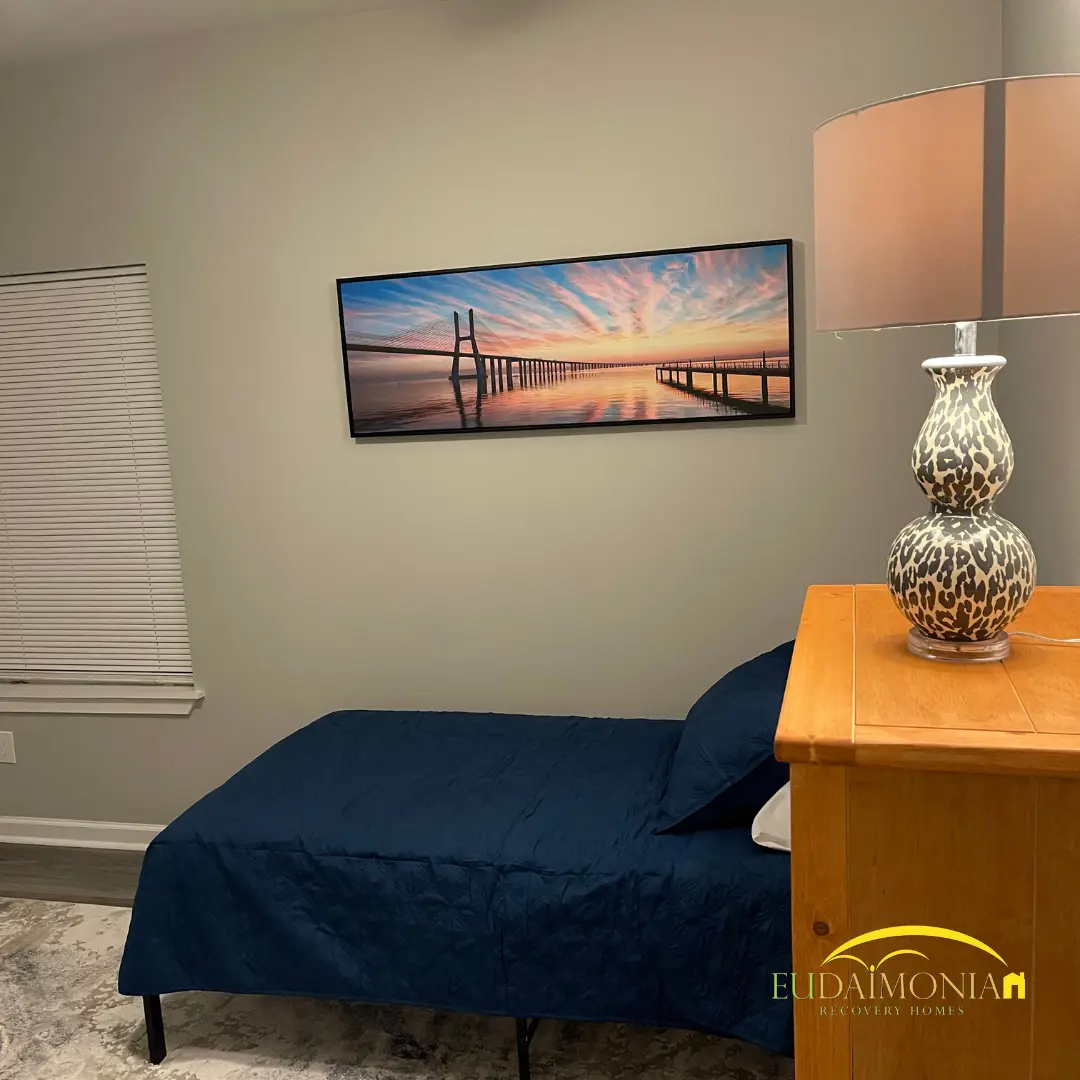
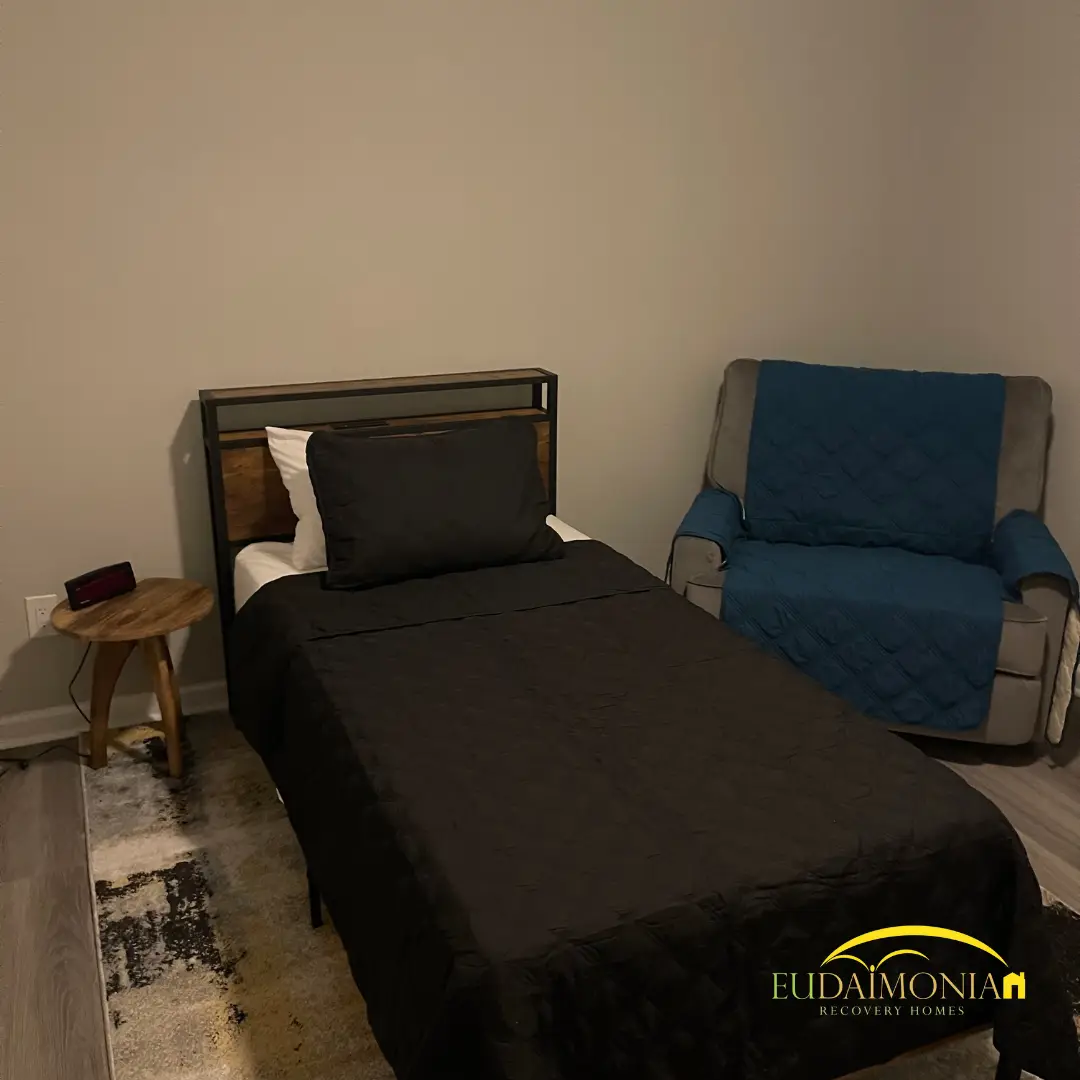
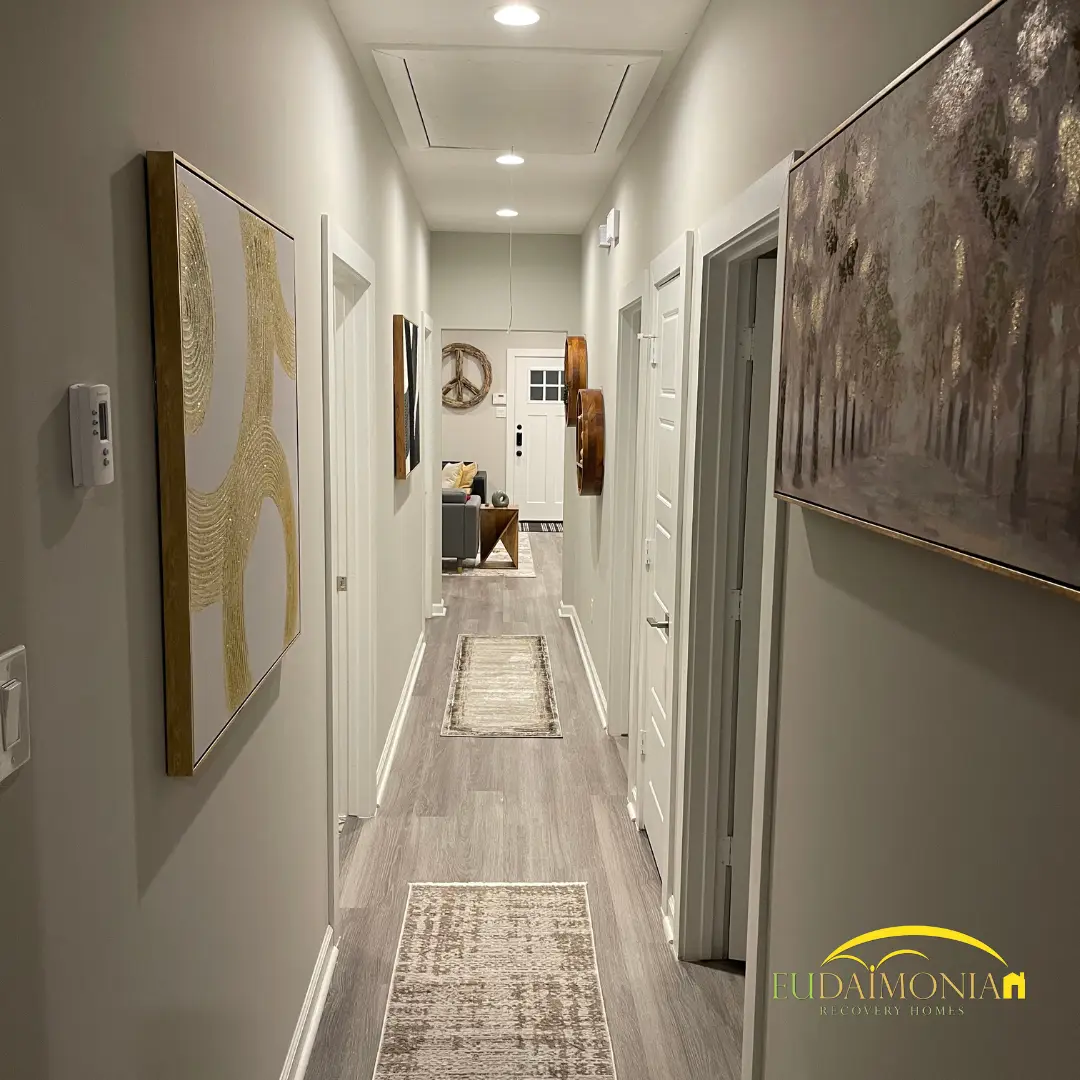
Inside the Houston homes







What Behaviors Lead to Relapse in Recovery Housing
Understanding relapse warning signs helps both residents and recovery home staff intervene early. Common behaviors that precede relapse in sober living include isolating from the house community, skipping mandatory house meetings or support group attendance, changes in sleep or eating patterns, increased irritability or mood swings, and rekindling relationships with people from active addiction.
Other red flags include leaving the house without explanation, being secretive about whereabouts, missing curfew, and losing interest in work, school, or recovery activities that previously mattered. Many of these behaviors represent what recovery communities call “relapse behavior”—the mental and emotional drift that happens before someone physically picks up a substance.
At Eudaimonia Recovery Homes in Houston, housemates and staff are trained to notice these patterns and intervene with care rather than judgment. Sometimes a difficult conversation with a peer can redirect someone before relapse happens.
The Path Back After a Relapse in Houston Sober Living
For residents who relapse and want to return to their recovery home in Houston, the path back is structured but achievable. The first requirement is completing whatever level of care is clinically appropriate. This might mean detox, a return to residential treatment, or intensive outpatient programming.
The resident will typically need to demonstrate a period of continuous sobriety, often 30 days or more, with verification through drug testing. They’ll meet with house management to discuss what triggered the relapse, what they’ve learned, and what they’re doing differently moving forward.
Many residents returning after relapse benefit from increased accountability measures: more frequent drug testing, additional support group meetings, regular check-ins with a sponsor or therapist, and sometimes a temporary restriction on certain privileges while they re-establish trust and stability.
The residents who successfully return after relapse often become some of the strongest voices for recovery in the house. They’ve experienced firsthand that relapse doesn’t have to be the end of their story, and their honesty about the experience can help others who are struggling.
How Houston Recovery Homes Prevent Relapse
Prevention is always better than response. Recovery homes in Houston like Eudaimonia implement multiple protective factors that reduce relapse risk significantly compared to living alone or in unsupportive environments.
The structure includes random drug and alcohol testing, which creates accountability and early detection. Mandatory participation in mutual support groups, whether 12-step meetings, SMART Recovery, or other evidence-based programs, keeps residents connected to recovery principles and peer support.
House meetings provide space for residents to share struggles before they escalate. Curfews and house rules create routine and boundaries that protect early recovery. Employment or educational requirements give purpose and structure to daily life. And perhaps most importantly, living with peers who share the recovery goal creates a culture where sobriety is the norm rather than the exception.
At our Houston location, we also encourage residents to build relationships with sponsors, therapists, and recovery coaches outside the home. This creates a broader support network that extends beyond sober living and prepares residents for independent living later.
What Are the Consequences of Relapse in Recovery Housing
Beyond the immediate policy response, relapse carries other significant consequences. First, there’s the physical risk, tolerance drops during sobriety, making overdose more likely if someone uses at previous levels. Second, relapse often means losing time and progress in recovery, requiring a restart of sobriety dates and sometimes additional treatment episodes that delay other life goals.
Third, there’s the emotional impact: shame, disappointment, and fear can be overwhelming, though these feelings can also fuel renewed commitment. Fourth, relapse affects relationships with family, friends, and the recovery community, requiring repair and rebuilding of trust. Fifth, there may be financial consequences, including the cost of additional treatment, lost work time, and potentially losing a spot in a recovery home if the resident cannot return.
These consequences aren’t meant to shame anyone who relapses, but to acknowledge the real stakes and reinforce why prevention and early intervention matter so much.
Support for Houston Residents Working to Stay Sober
If you’re living in a recovery home in Houston and worried about relapse, or if you’ve already relapsed and don’t know what to do next, the most important step is reaching out for help. Talk to your house manager, your sponsor, your therapist, or a trusted housemate. Isolation makes everything worse; connection is protective.
Remember that asking for help is a sign of strength in recovery, not weakness. The residents who thrive in sober living are the ones who are honest about their struggles and willing to use the support systems around them.
If you or someone you love is looking for structured sober living in Houston with compassionate relapse policies and strong recovery support, Eudaimonia Recovery Homes is here to help.
Ready to take the next step?
Eudaimonia Recovery Homes provides structured sober living and recovery support in Houston, TX. Call (719) 453-0019 to speak with our team today.