

Published July 27, 2026
On This Page · 9 Sections
Sober Living
Houston
1010 Waverly St, Houston, TX
The average length of stay recommended for sober living in Houston typically ranges from three to six months, though many residents benefit from staying longer. Research consistently shows that individuals who remain in structured sober living environments for at least 90 days have significantly better long-term recovery outcomes than those who leave earlier. At Eudaimonia Recovery Homes in Houston, we’ve seen that the most successful transitions happen when residents give themselves enough time to build solid recovery habits, establish supportive relationships, and develop the life skills needed for independent sober living.
Why Three to Six Months Is the Average Length of Stay for Sober Living in Houston
The 90-day minimum isn’t arbitrary. Neurological research shows that it takes approximately three months for the brain to begin healing from substance use and for new behavioral patterns to start forming. During the first few weeks in sober living, you’re still adjusting to a substance-free lifestyle and learning to navigate triggers without relying on old coping mechanisms.
By the three-month mark, most residents have established routines, built accountability relationships with housemates, and begun working or attending school regularly. The six-month timeframe allows you to experience multiple life situations, holidays, stressful events, celebrations, while surrounded by peer support and structure.
Many residents at our Houston location choose to extend their stay beyond six months because they recognize the value of continued support. There’s no universal timeline for recovery, and rushing the process often leads to relapse. The question isn’t just how long you can stay in sober living, but how long you need to stay to build a foundation that will support lifelong sobriety.
Factors That Influence Your Recommended Length of Stay
Your personal recovery journey determines your ideal timeline. Someone coming directly from a 30-day inpatient program will likely need more time than someone who completed intensive outpatient treatment for several months. Consider these factors when planning your length of stay:
- Treatment history: If you’ve recently completed detox or residential rehab, you’ll benefit from a longer transition period in structured housing before living independently.
- Support network: Residents without strong family support or healthy friendships outside of recovery typically need more time to build those connections.
- Employment and finances: Establishing stable income and saving money for your own place takes time, and rushing into financial instability creates relapse risk.
- Co-occurring mental health conditions: If you’re managing depression, anxiety, or trauma alongside addiction, you may need extended support while finding the right treatment approach.
- Previous relapse history: Multiple relapses often indicate the need for a longer stay to address underlying patterns and build stronger recovery skills.
What Happens During Different Phases of Sober Living in Houston
Understanding what to expect during each phase helps you set realistic expectations for your length of stay. Recovery housing isn’t just about staying sober, it’s about building an entirely new life.
First 30 Days: This adjustment period focuses on following house rules, attending required meetings, and establishing daily routines. You’re learning to live with accountability, navigate conflict without substances, and participate in a recovery community. Many residents find this phase challenging as they adapt to structure and transparency.
Days 30-90: By the second and third months, you’re typically more comfortable with the rhythm of sober living. You’re building genuine friendships with housemates, possibly starting or returning to work, and actively participating in 12-step programs or other recovery support. This phase is when the real work of recovery begins, addressing the reasons you used substances in the first place.
Months 4-6: The middle phase of your average length of stay for sober living in Houston involves greater independence within the supportive structure. You’re managing responsibilities consistently, contributing to the house community, and planning for your eventual transition. Many residents use this time to repair family relationships, pursue education, or advance in their careers.
Beyond Six Months: Extended stays allow you to solidify gains and face more complex life situations with support. Some residents remain for a year or longer, using sober living as a stable base while pursuing goals that would be difficult to manage alone in early recovery.
How Does Sober Living Work Compared to Other Recovery Options
Understanding where sober living fits in the continuum of care helps clarify why the recommended length of stay differs from other programs. Detox typically lasts 5-10 days, focused solely on safe withdrawal. Inpatient rehab programs usually run 28-90 days and provide intensive clinical treatment. Sober living comes after these acute phases, offering structure without the 24/7 clinical oversight.
Can you go to sober living without rehab? Yes, though it’s less common. Some people enter sober living directly after detox or even as their first step in recovery. However, most residents benefit from having completed some form of treatment before entering a recovery residence, as they arrive with foundational recovery skills and therapeutic support already in place.
The flexibility of how long someone can live in sober living is actually a strength of this level of care. Unlike time-limited treatment programs, you can extend your stay based on your progress and readiness, not arbitrary insurance or program restrictions.
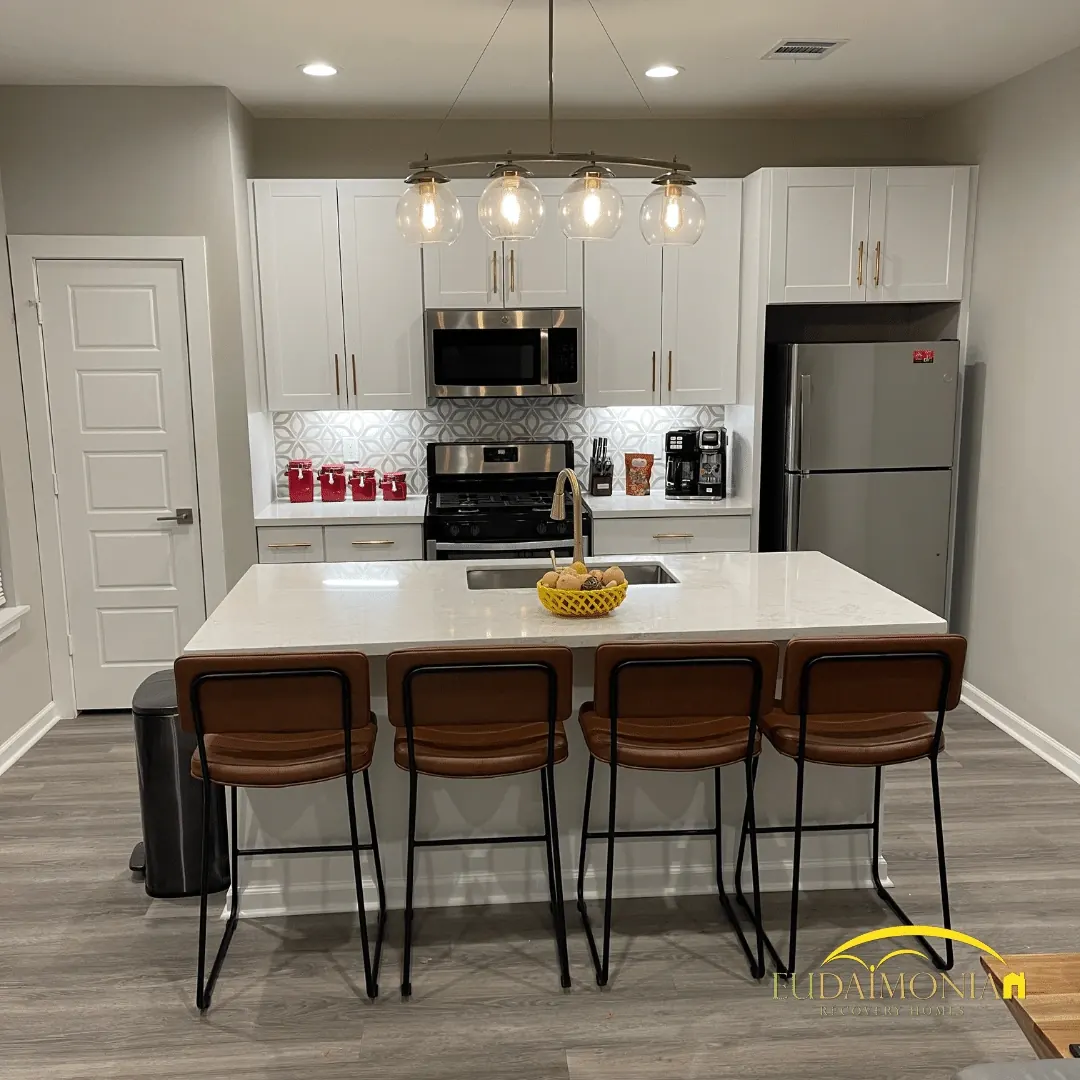
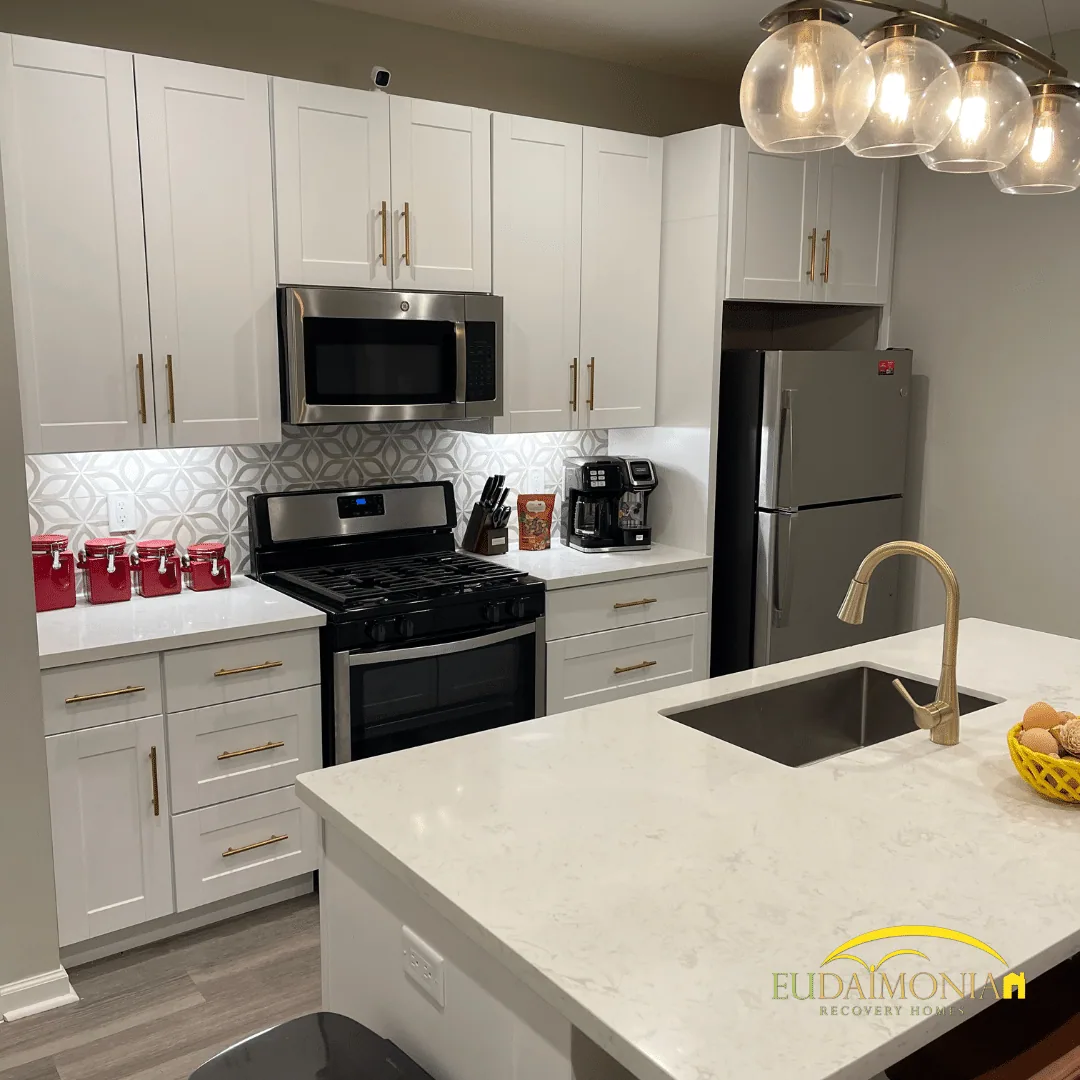
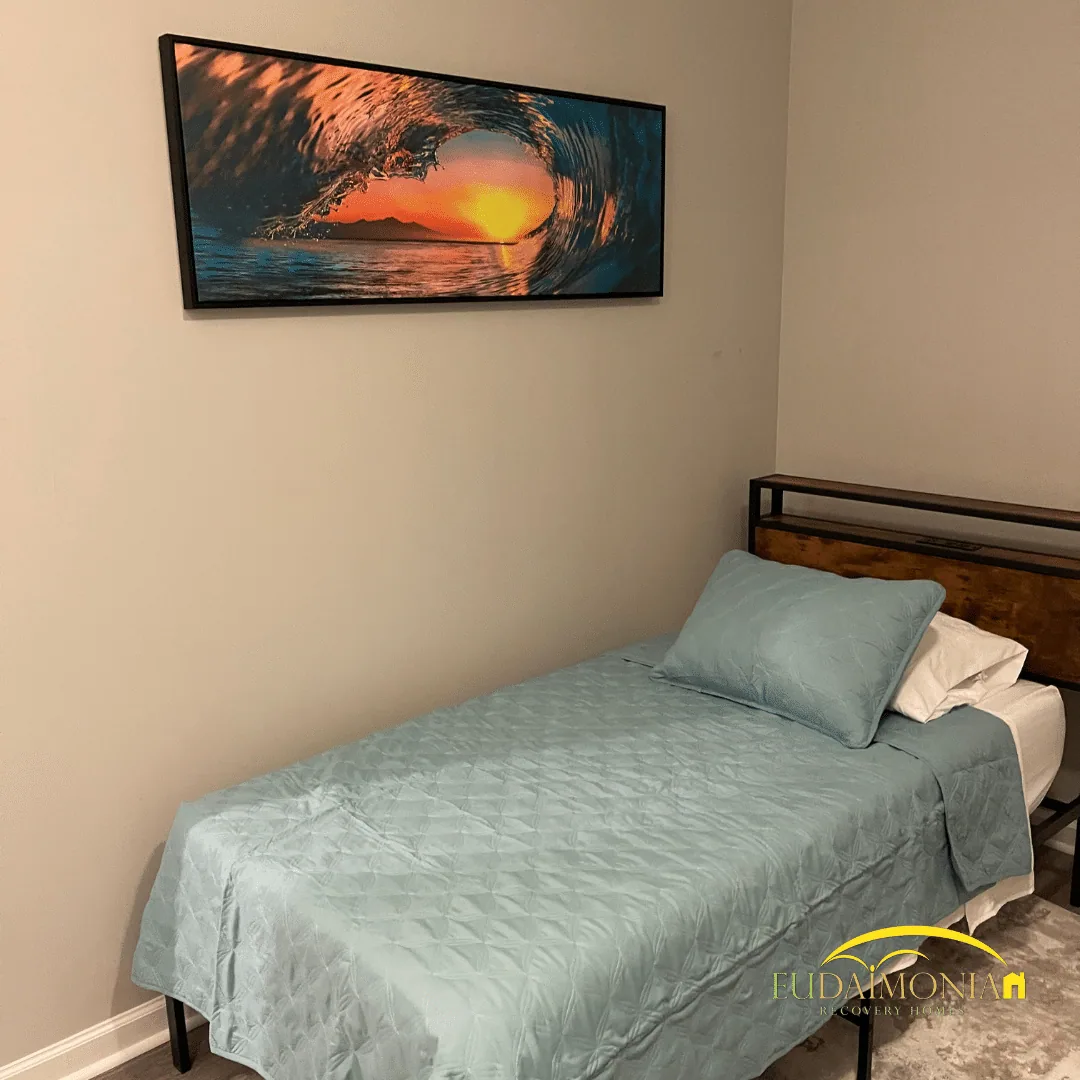
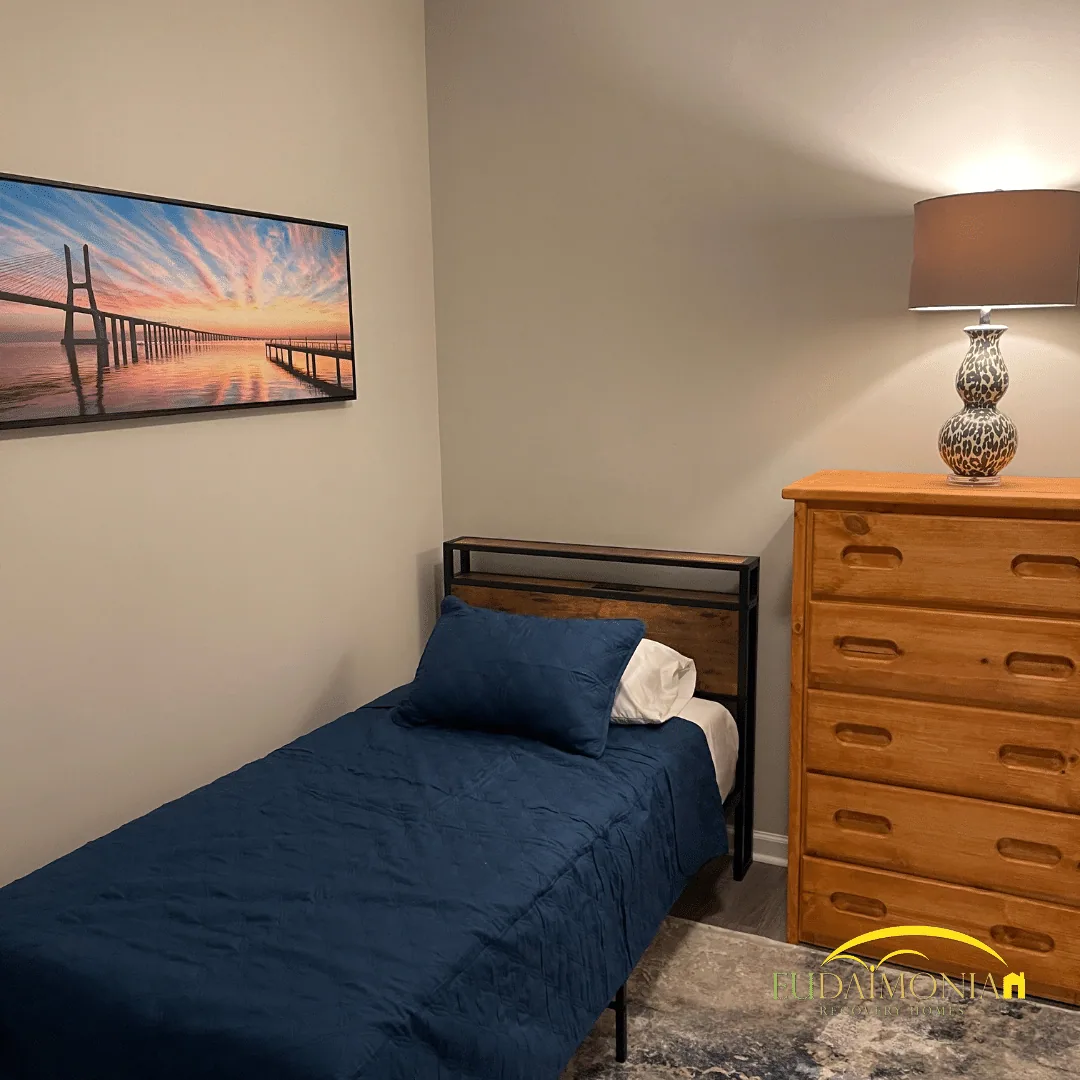
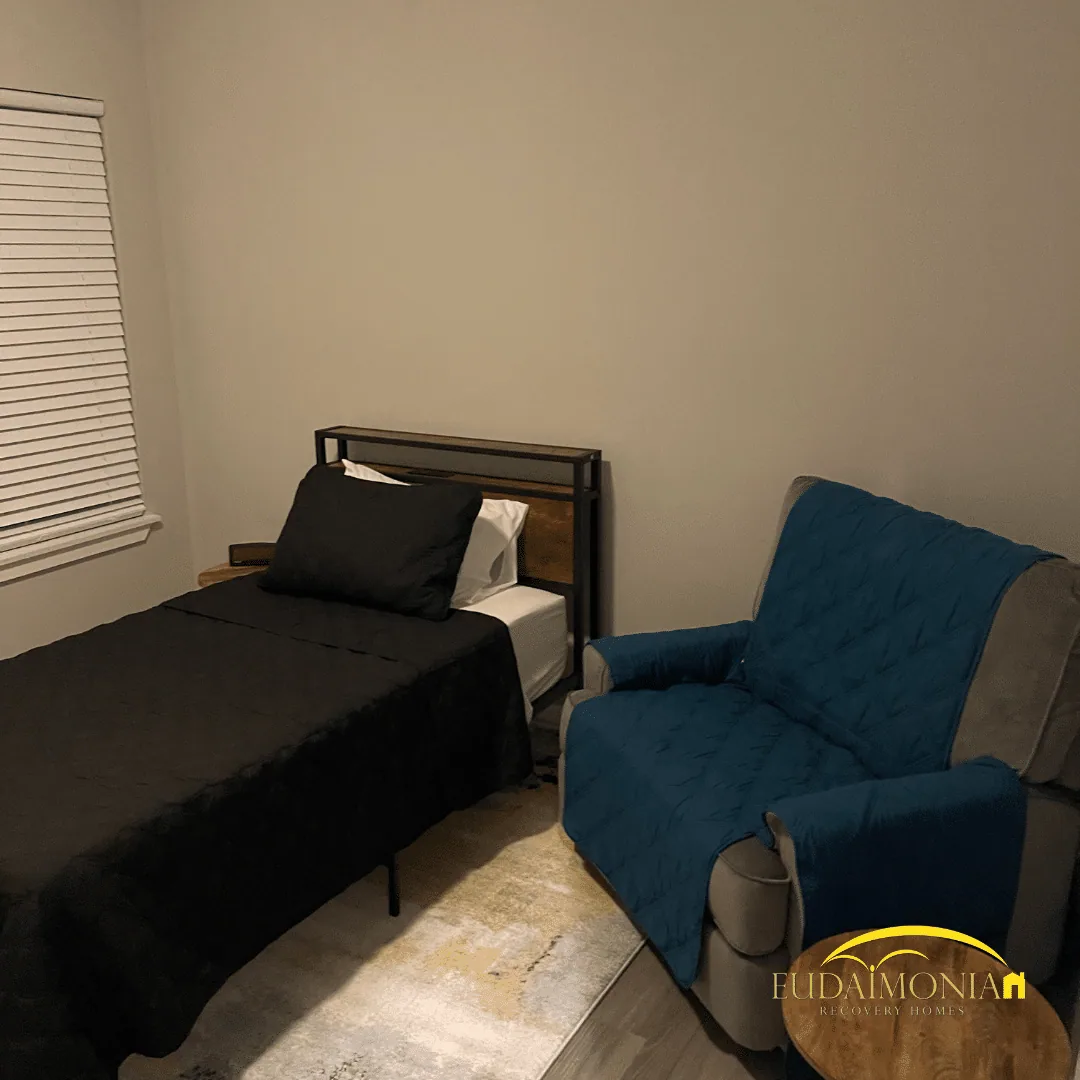
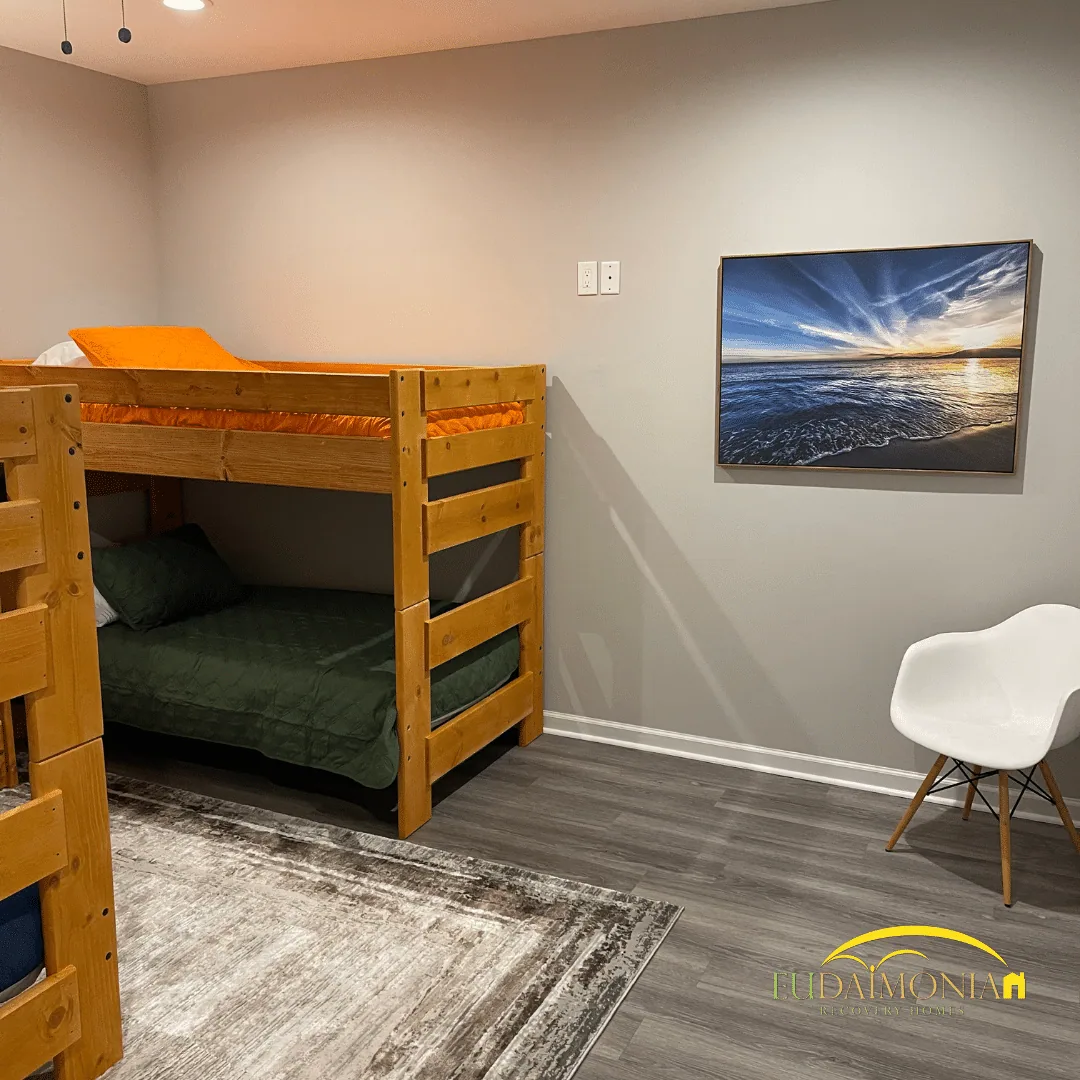
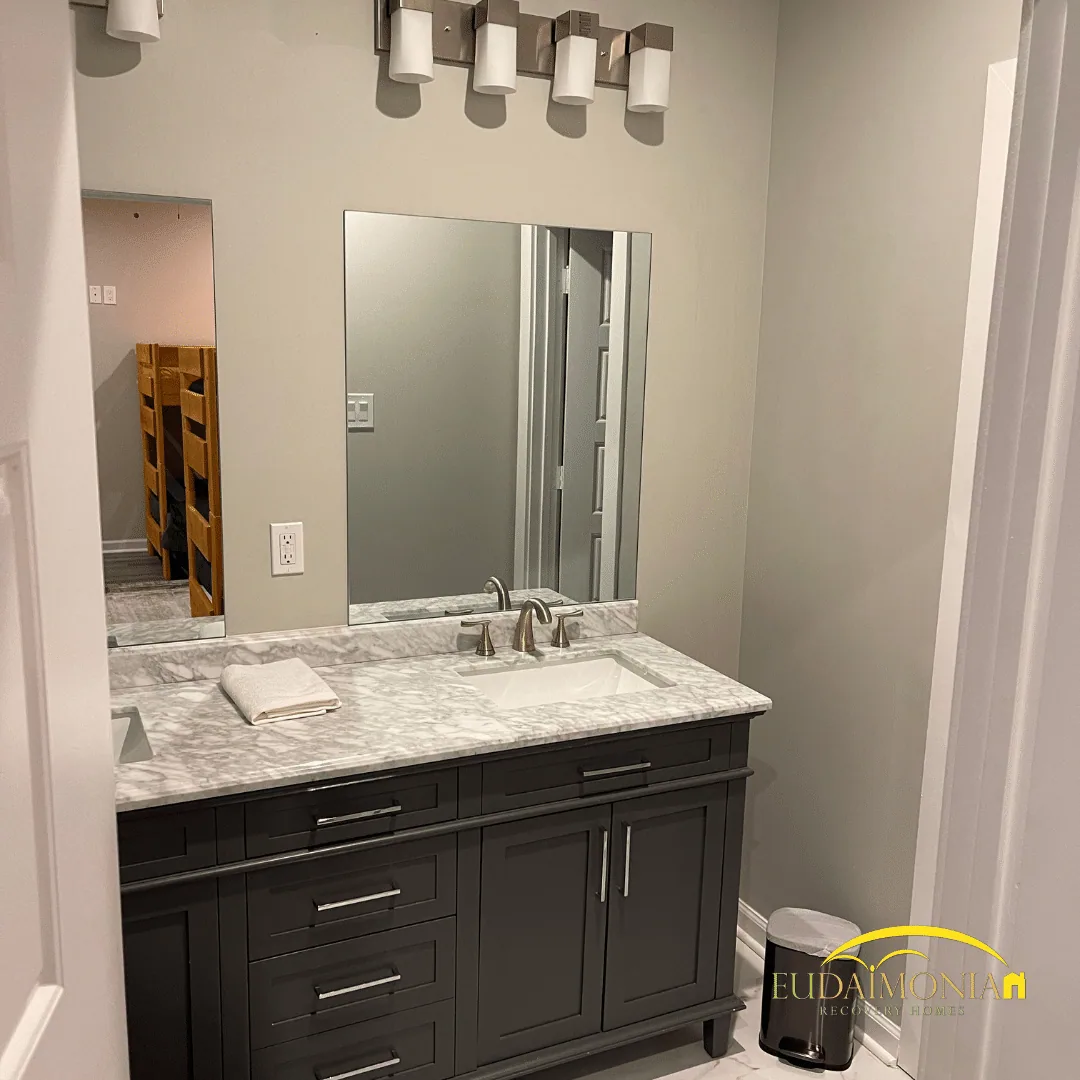
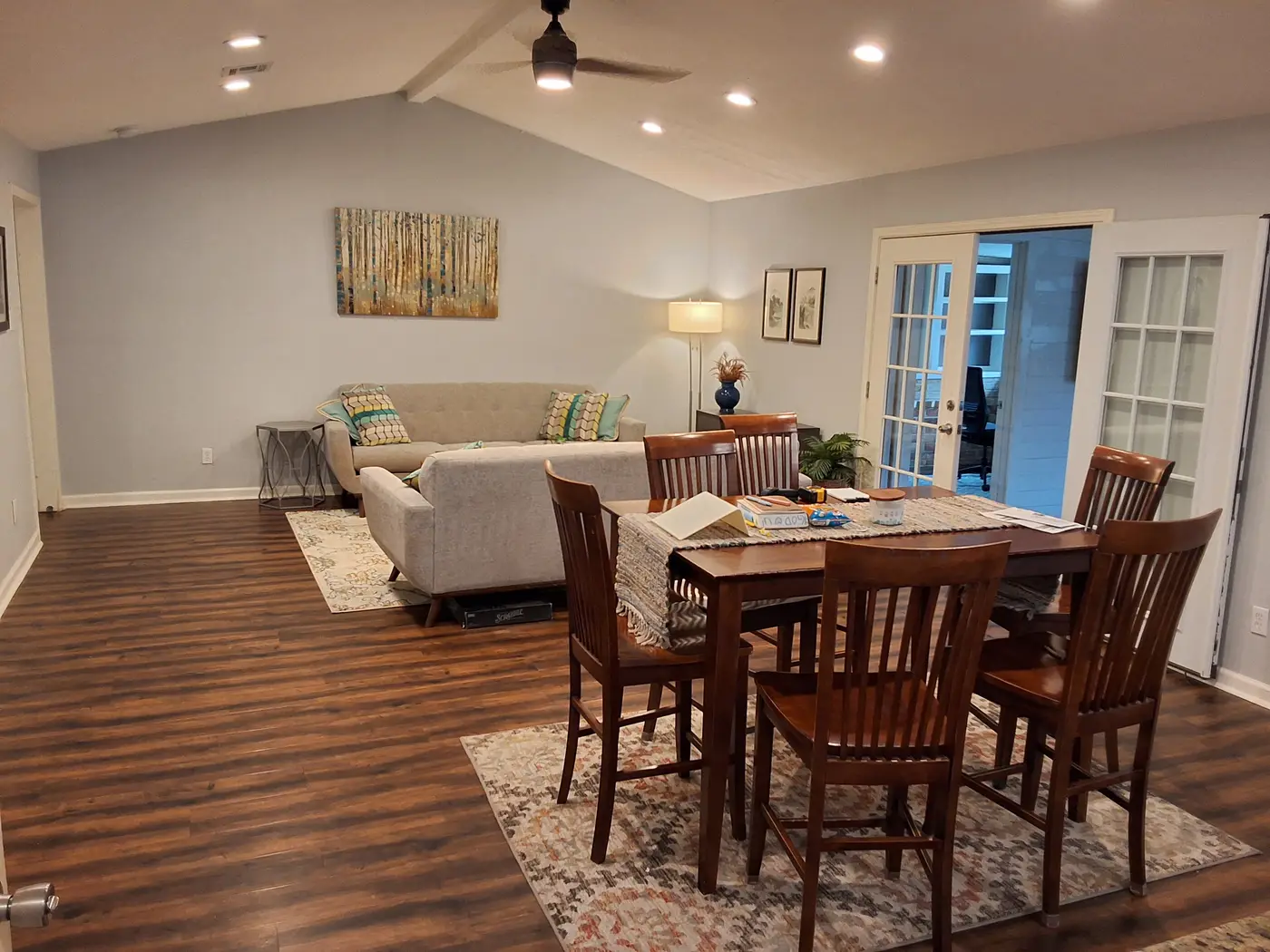
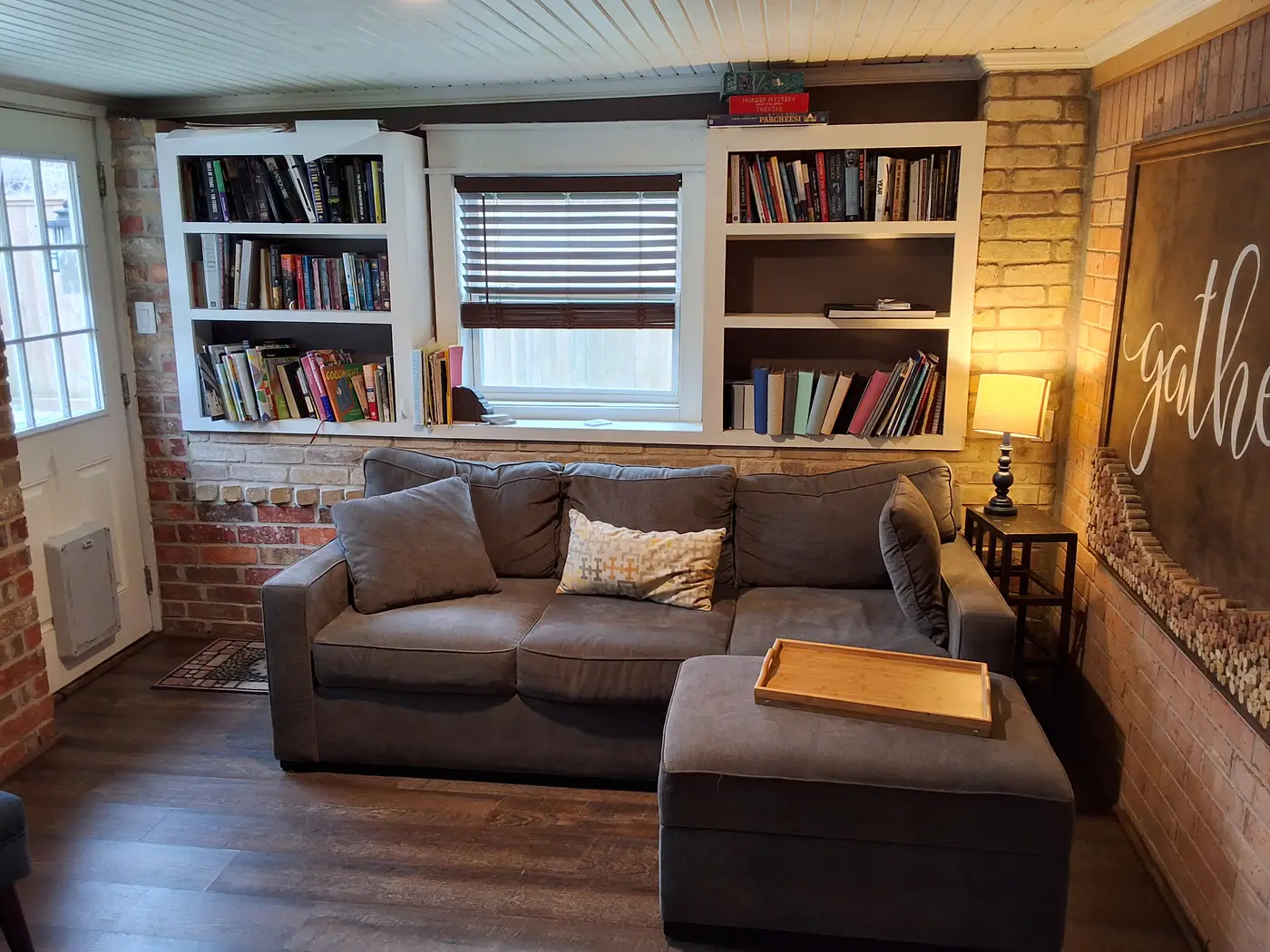
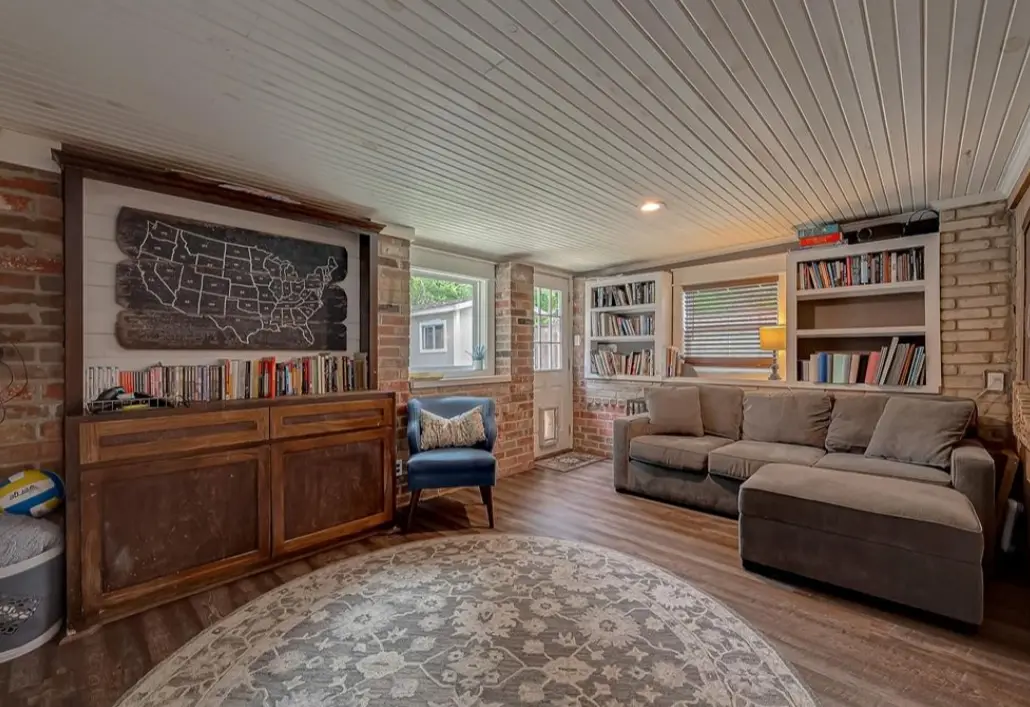
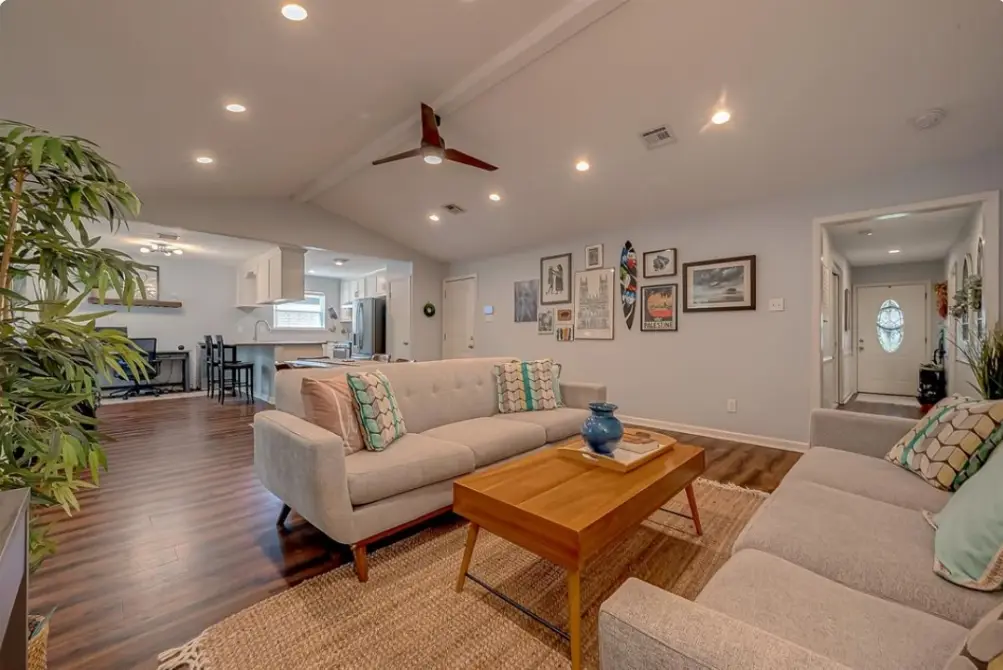
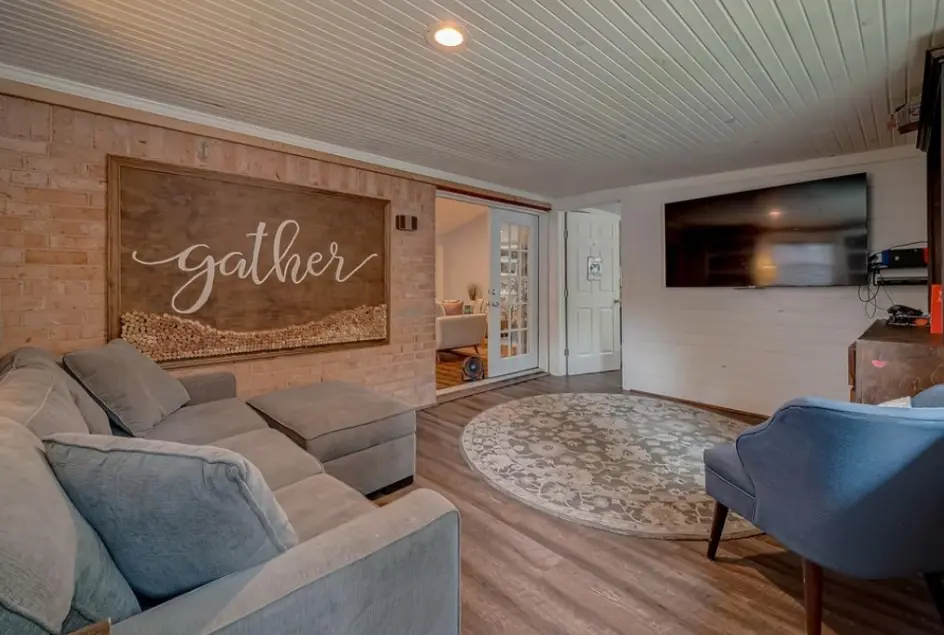
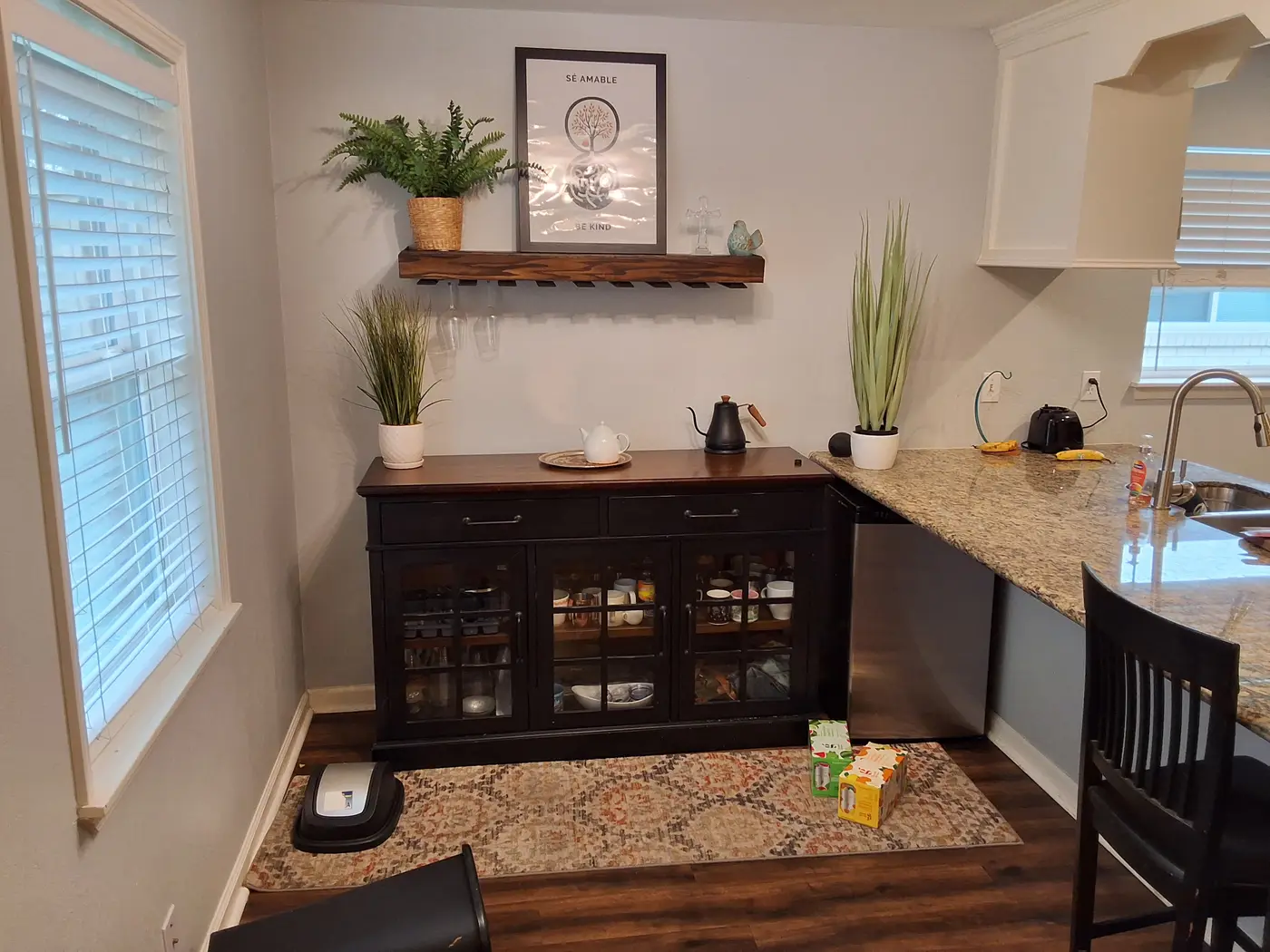
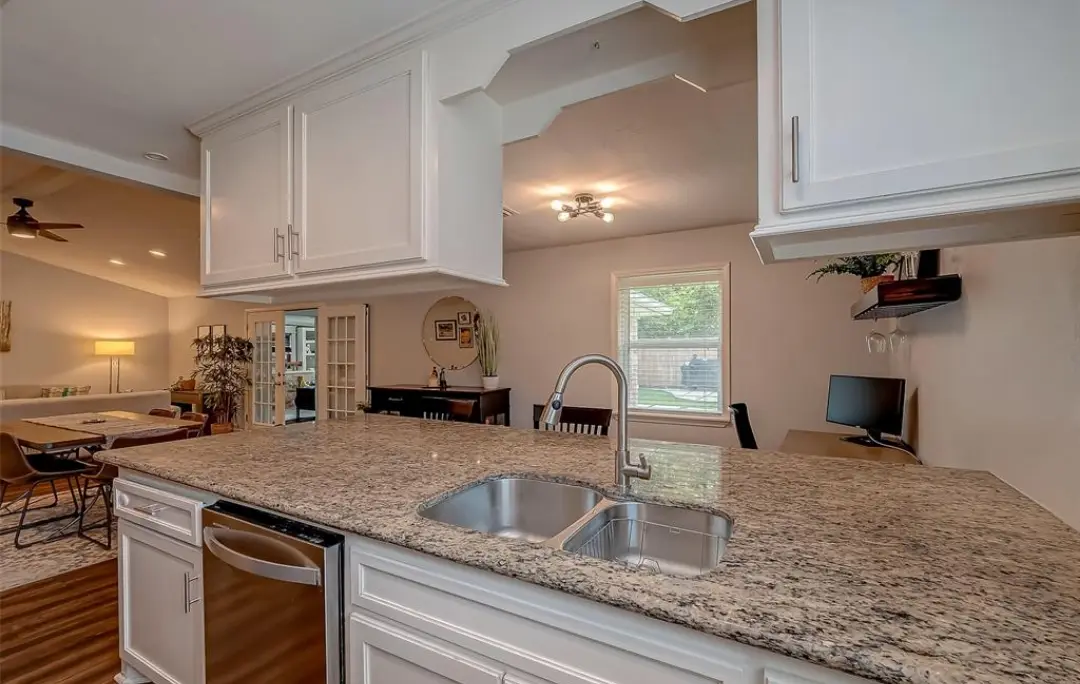
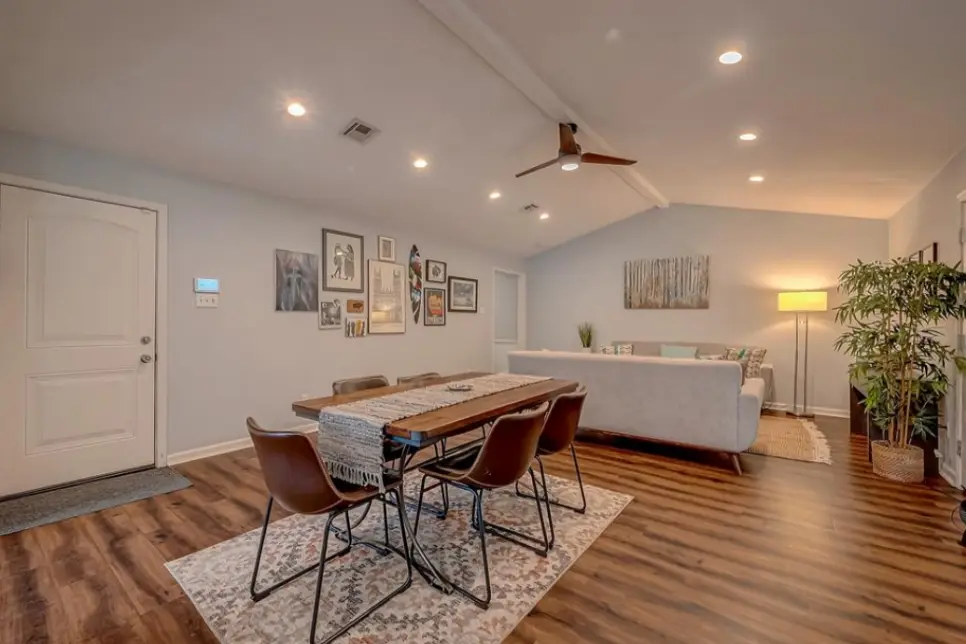
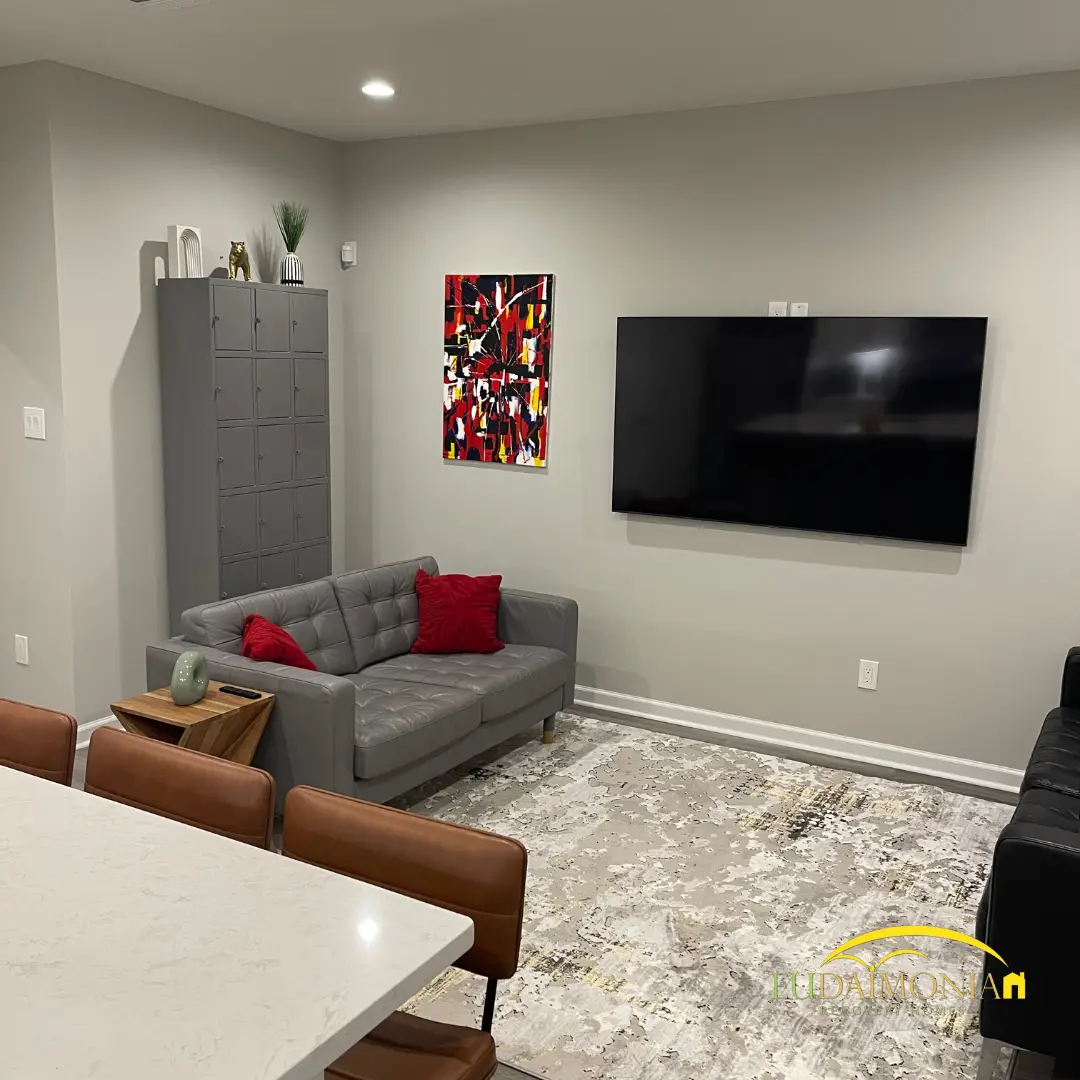
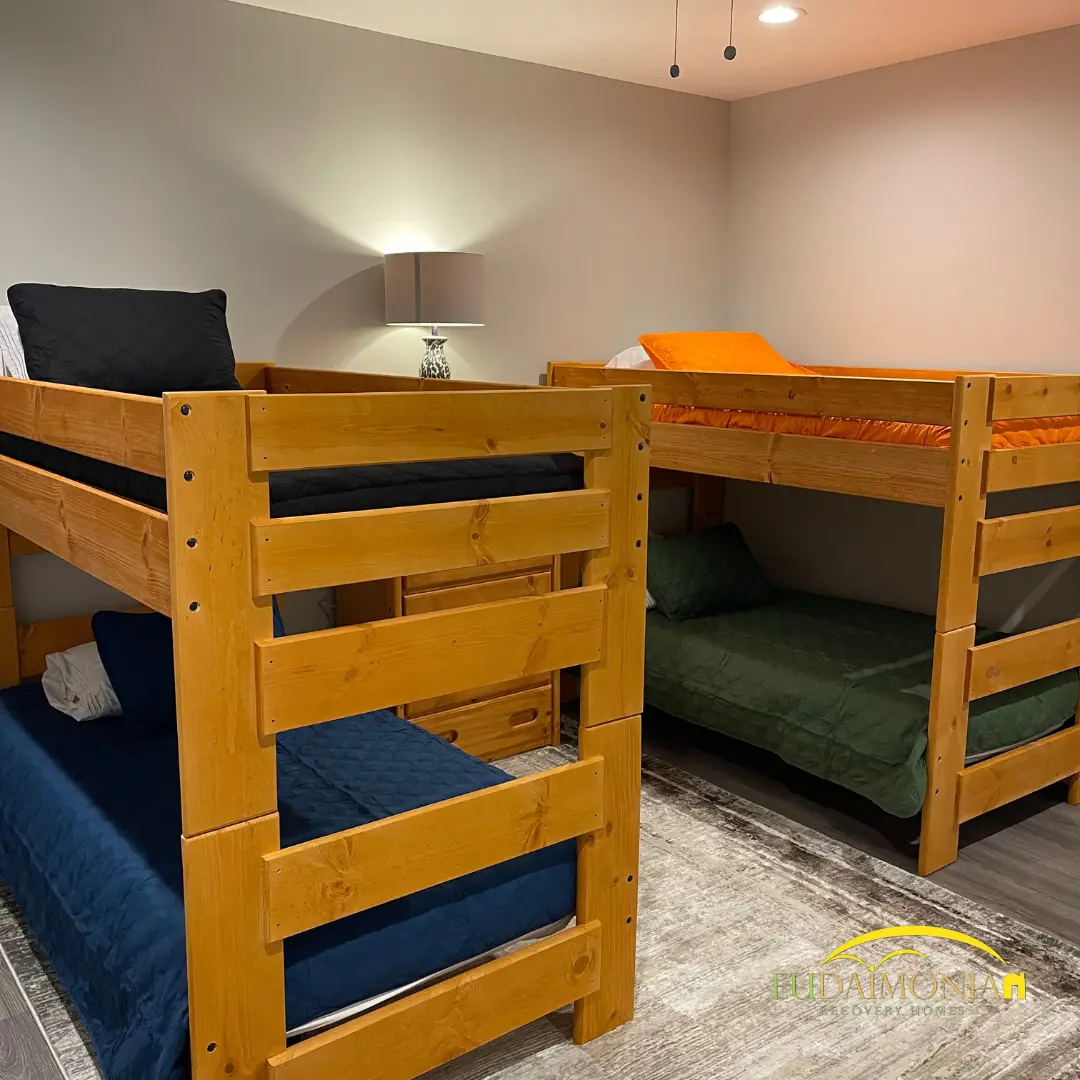
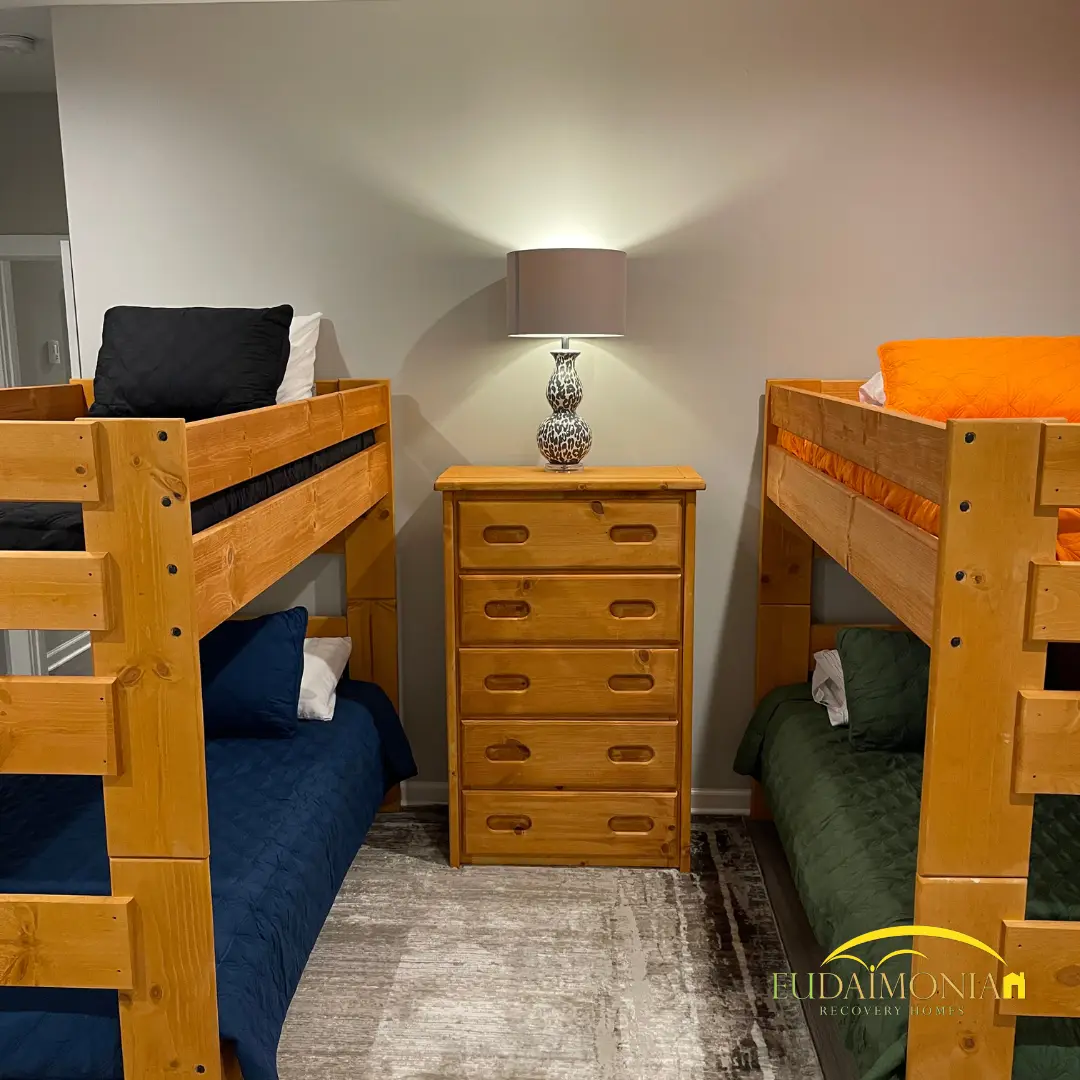
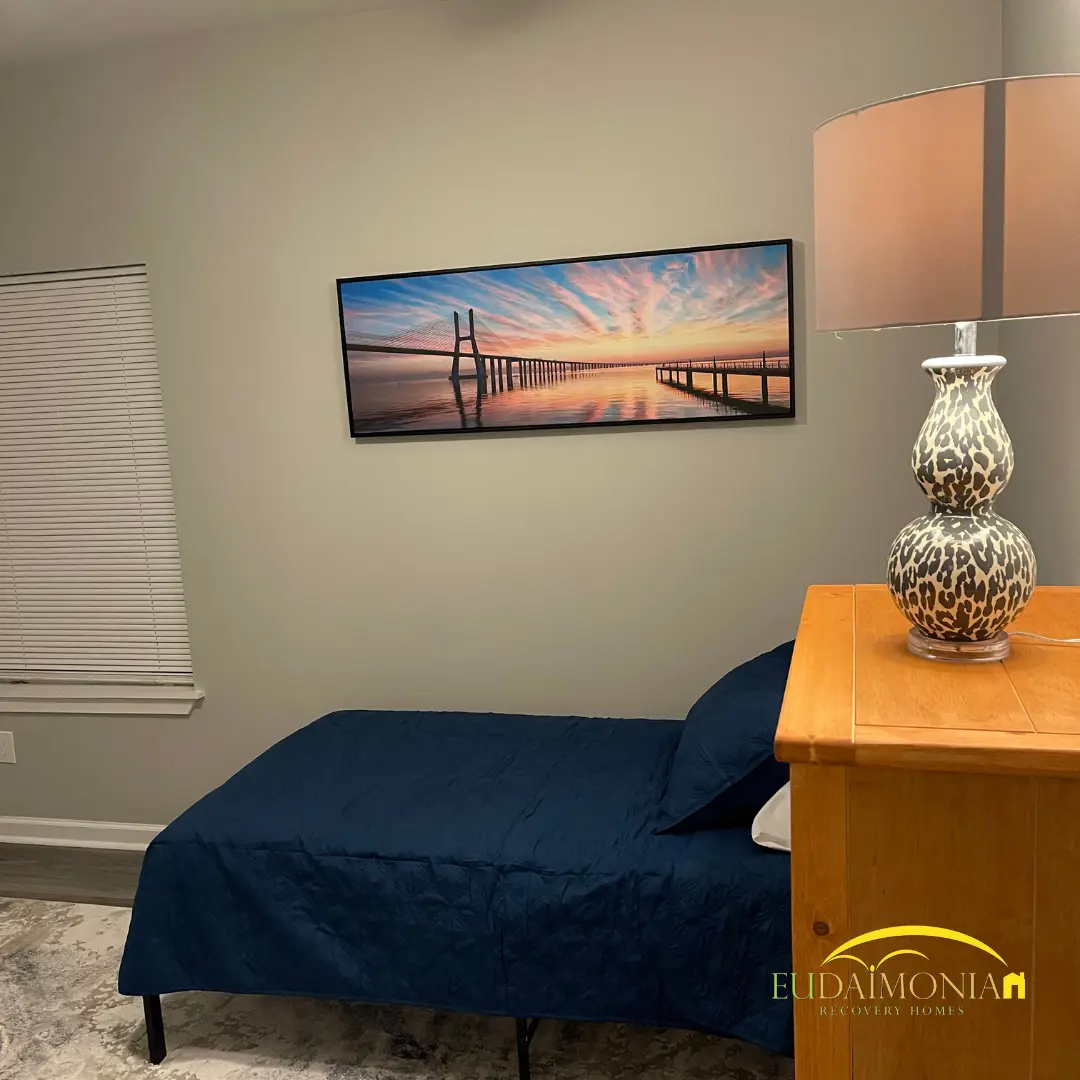
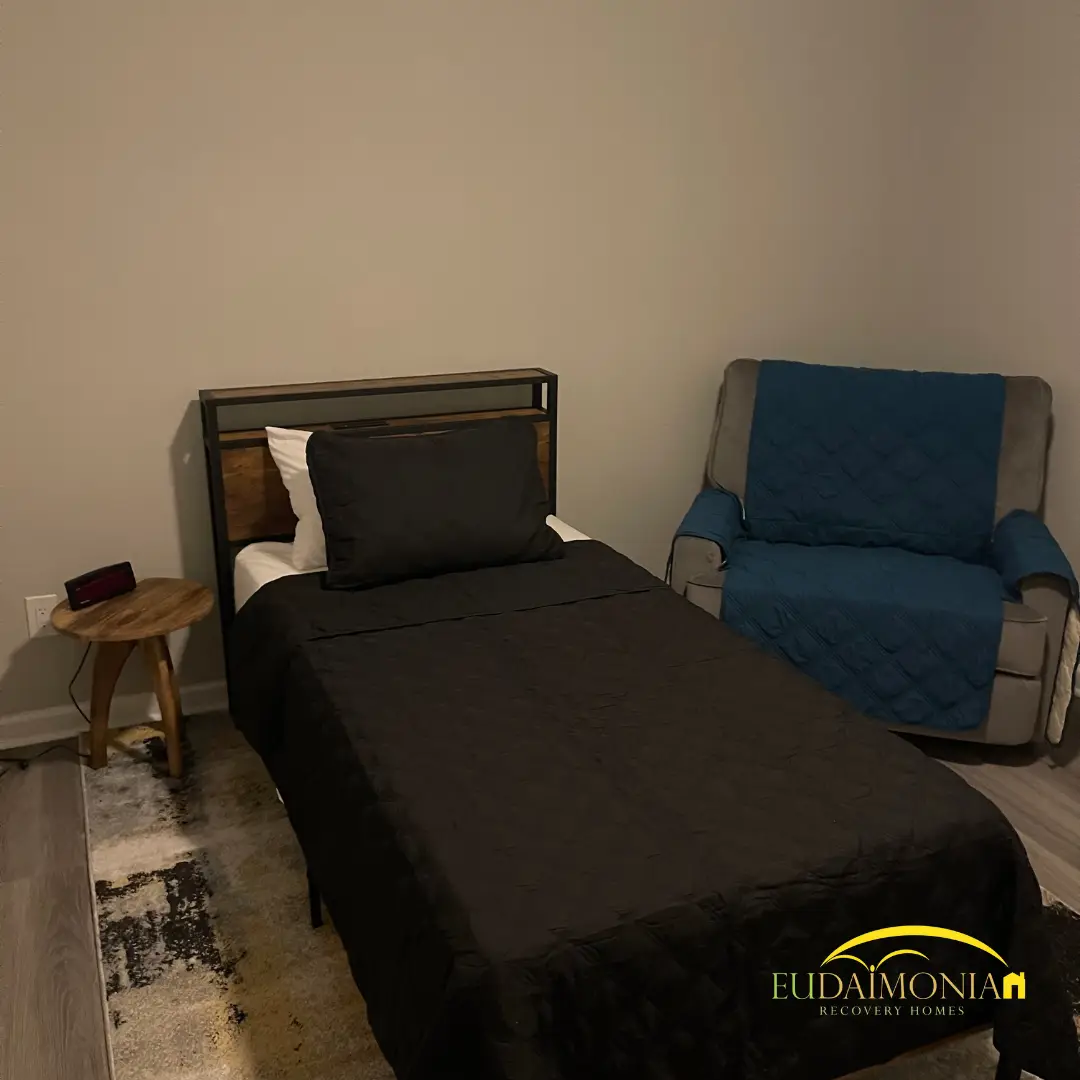
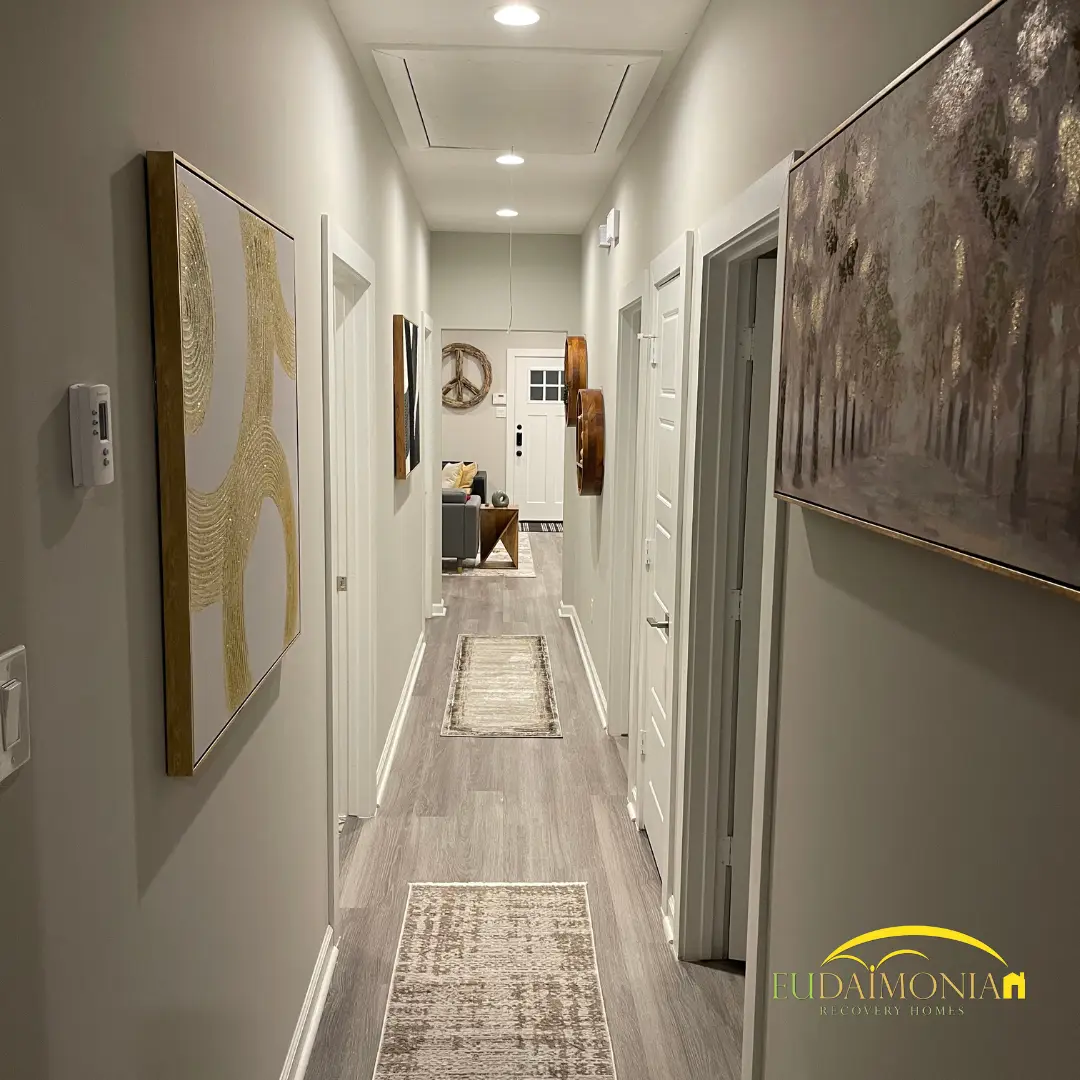
Inside the Houston homes






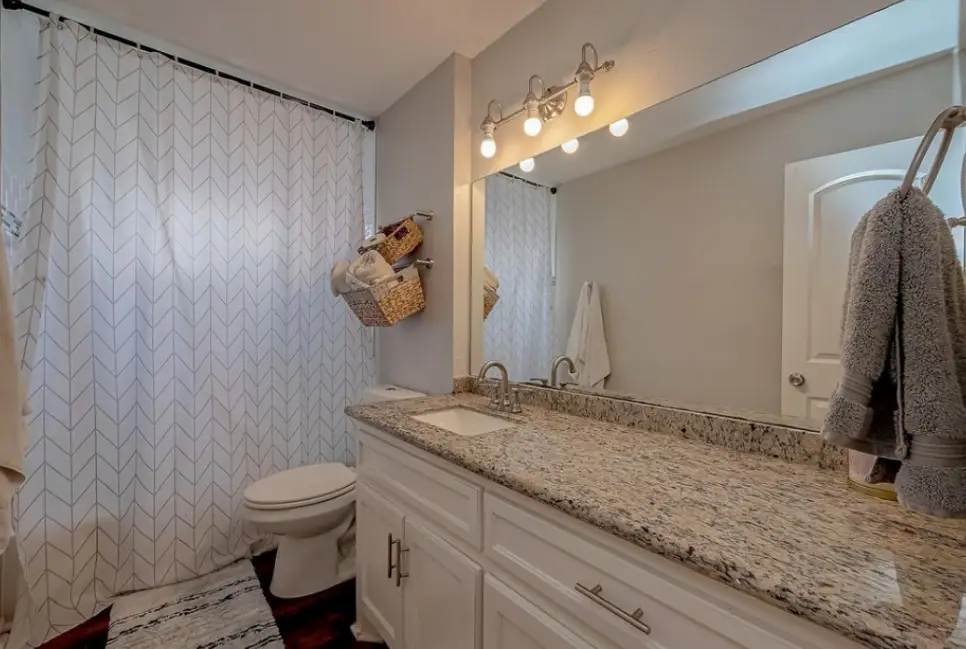
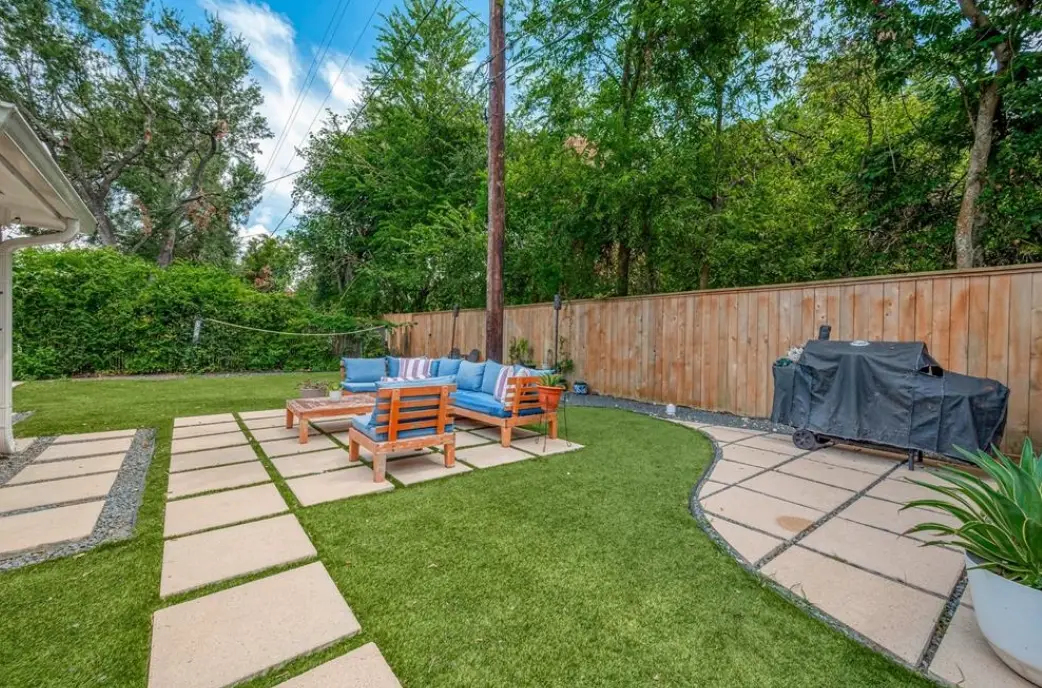
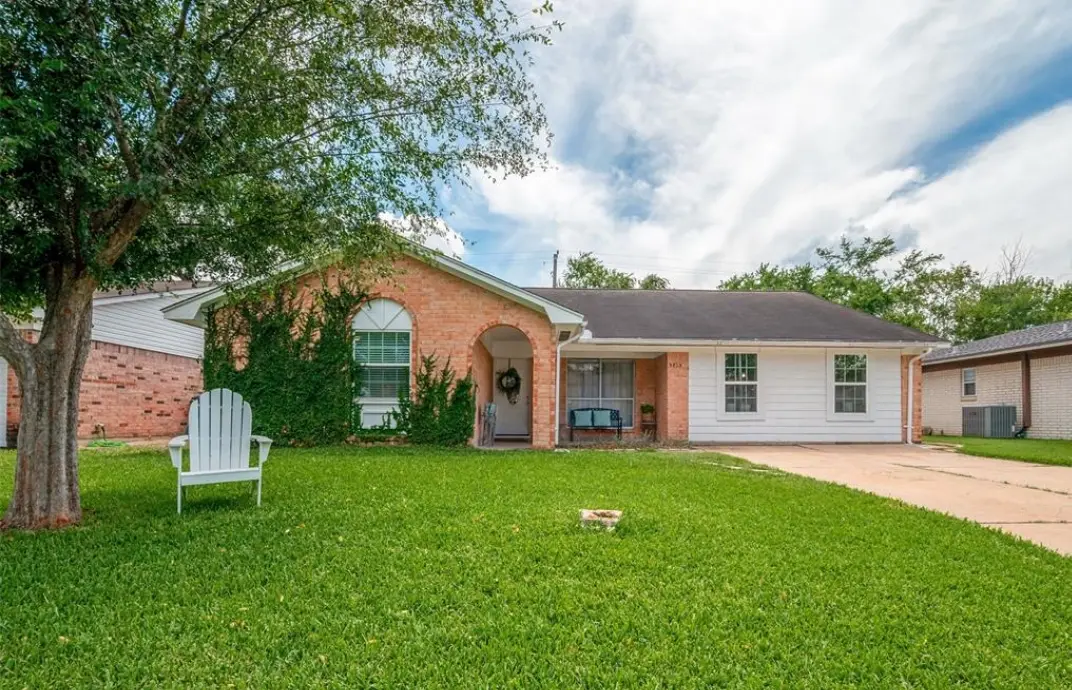
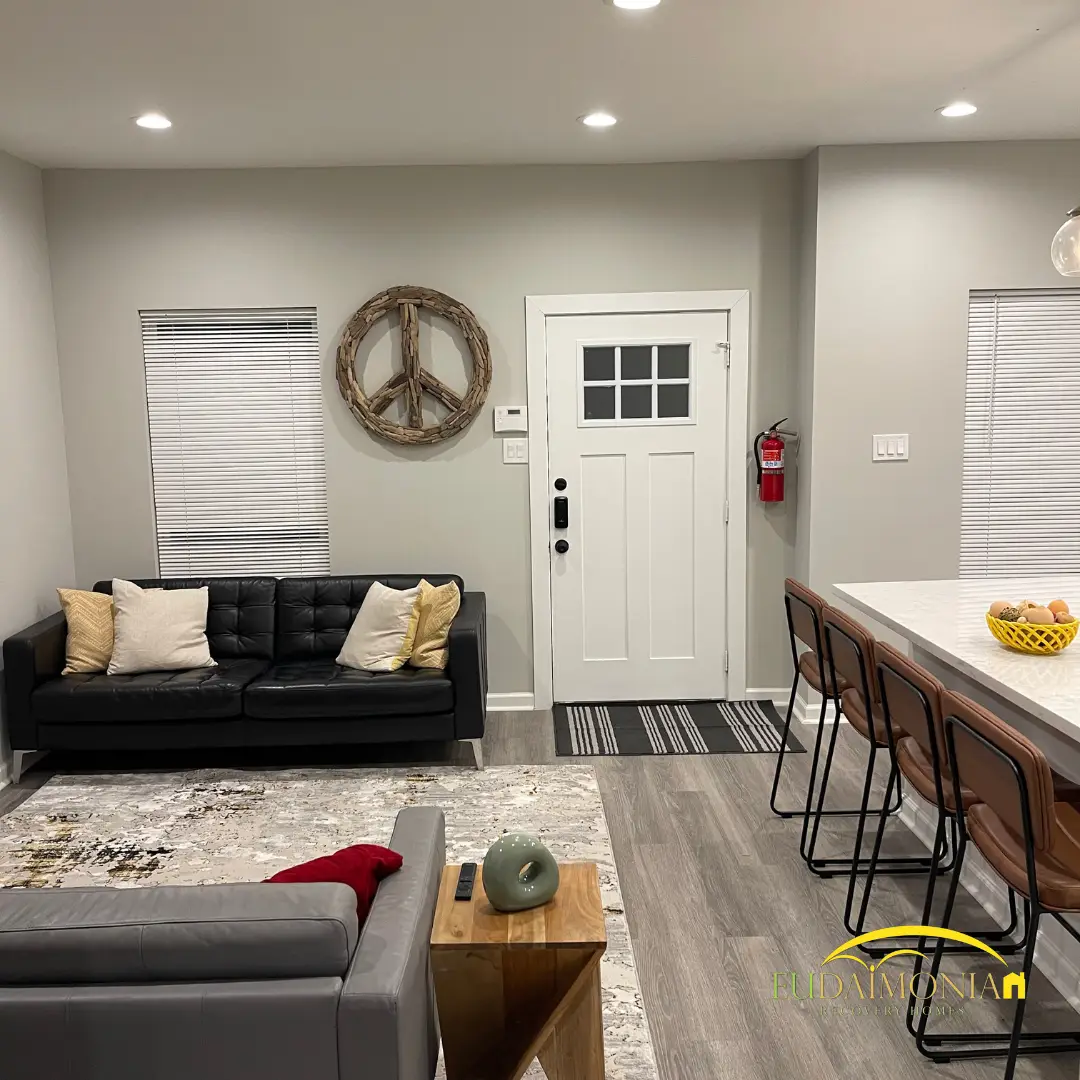
Common Concerns About Length of Stay in Sober Living
Many people worry about committing to several months in recovery housing, especially if they’re eager to return to “normal” life. Understanding common concerns helps you make an informed decision.
“I can’t put my life on hold for six months.” Sober living doesn’t mean pausing your life. It means rebuilding it with support. Residents work, attend school, maintain relationships, and pursue goals while living in recovery housing. You’re not putting life on hold; you’re investing in a future where you can actually show up for your responsibilities.
“How much does sober living cost in Houston?” Costs vary based on location and amenities, but sober living is significantly less expensive than inpatient treatment. Do you pay rent in a sober living house? Yes, residents pay monthly rent that typically covers housing, utilities, and recovery support services. Many people use insurance benefits, payment plans, or income from employment to cover these costs. The investment in extended sober living often costs less than a single relapse.
“What if I’m ready to leave before the recommended timeframe?” Feeling ready and actually being ready are sometimes different. Part of recovery is learning to trust feedback from counselors, sponsors, and housemates who may see risks you don’t. That said, sober living is voluntary, and you ultimately decide when to transition out, though we encourage honest self-assessment about your readiness.
Problems with Sober Living Homes and How to Choose Quality
Not all recovery residences maintain the same standards, which is why choosing an accredited, well-structured sober living environment affects both your experience and ideal length of stay. Problems with sober living homes often stem from lack of oversight, insufficient house management, or unclear expectations.
Quality indicators include certification or accreditation from organizations like the National Alliance for Recovery Residences, clear house rules and consequences, regular drug testing, required recovery meeting attendance, and active house management. At Eudaimonia Recovery Homes, our Houston location maintains structured accountability while fostering genuine community, both essential for residents staying long enough to build lasting sobriety.
Is sober living a good idea for your situation? If you’ve completed treatment but don’t feel ready to live independently, if you lack a supportive home environment, or if you’ve relapsed after previous treatment attempts, structured recovery housing provides the bridge between intensive treatment and independent living. The success rate of sober living is significantly higher than attempting to maintain sobriety alone immediately after treatment, particularly when residents commit to the recommended length of stay.
Planning Your Transition from Sober Living
The end of your stay should be a planned transition, not a sudden departure. Your recommended length of stay for sober living in Houston includes time to prepare for independent living. This means having stable employment or education, establishing a recovery support network outside the house, finding safe housing, and demonstrating consistent sobriety and emotional stability.
Most successful transitions involve gradually increasing independence during your final months in sober living. You might spend weekends at your future apartment while still maintaining accountability to the house during the week, or you might step into a mentor role for newer residents while preparing to leave.
Who pays for a sober living home after treatment? Many residents use a combination of their own income, family support, and insurance benefits that cover recovery support services. Planning your finances is part of your preparation for leaving: ensuring you can afford rent, utilities, groceries, and recovery meeting costs once you’re living independently.
Making the Most of Your Time in Recovery Housing
Your length of stay matters less than what you do with that time. Residents who actively engage in house community, pursue personal goals, work with sponsors, attend therapy, and build healthy relationships get far more from their sober living experience than those who simply comply with minimum requirements.
The average length of stay for sober living in Houston is three to six months because that timeframe allows for meaningful growth, but only if you’re fully invested in your recovery. Show up for house meetings, be honest with your housemates, volunteer to help newcomers, and use every available resource. The structure and accountability of sober living create ideal conditions for change, but you still have to do the work.
If you’re considering sober living in Houston or have questions about whether it’s the right next step in your recovery journey, Eudaimonia Recovery Homes is here to help you determine the best approach for your individual situation.
Ready to take the next step?
Eudaimonia Recovery Homes provides structured sober living and recovery support in Houston, TX. Call (719) 453-0019 to speak with our team today.