

Published July 5, 2026 · Updated September 24, 2026
On This Page · 11 Sections
Two words get used as though they are interchangeable, and they are not. The confusion is costly, because the two things are entered in completely different ways.
The short version: A halfway house, in the sense most people mean it, is usually connected to the justice system: often funded publicly, frequently a condition of release, and generally something you are placed in rather than something you choose. A sober living home is private housing you apply to, pay for, and can leave. Both are drug- and alcohol-free. Almost nothing else about them matches.
Here is how to work out which one your situation actually calls for.
Start here: are you looking because of a court, or because of a decision?
This one question sorts most people in about ten seconds.
If a court, a parole officer, a probation officer or a prison system is involvedIf someone is being released and a placement is part of that release. You are looking for reentry housing. In the federal system those are Residential Reentry Centers, run under contract to the Bureau of Prisons. States run their own equivalents; in Texas, for instance, placements are arranged through the state corrections system. You generally cannot apply to one directly, and searching for a phone number will not speed it up. The case manager, parole officer or reentry coordinator handling the release is the person who arranges it, and they are the right call.
If nobody is compelling youYou are leaving treatment, or you are sober and going home would put that at risk. You are looking for a sober living home. That you apply to yourself, today, without a referral.
We run the second kind. If you need the first, we would rather say so on this page than take a call we cannot help with.
Why is the wording so confusing?
Because "halfway house" is both a specific term and a loose one.
Specifically, it means correctional reentry housing. Loosely, and especially in older usage and in some parts of the country, people say it about any sober group home, including ones with no justice-system connection at all. Plenty of perfectly ordinary recovery residences have the phrase in their name.
So the label on the door tells you less than four questions do: who pays, who decides you live there, who decides when you leave, and what happens if you relapse. Ask those about any house you are considering and the category sorts itself out.
What actually differs
Who pays
Reentry housing is generally publicly funded, sometimes with a portion of a resident's earnings going towards it. Sober living is private: residents pay rent, and health insurance does not usually cover it, because it is housing rather than treatment. That last point catches people out constantly. Insurance may well cover a treatment program running alongside the house, but not the room itself.
Who decides you are there
The central difference, and the one everything else follows from. A mandated placement is a condition, leaving early can carry legal consequences. Sober living is voluntary from the first day to the last. You can walk out. That sounds like a small distinction until you notice what it does to a household: a house where everyone chose to be there behaves differently from one where some people are serving out a requirement.
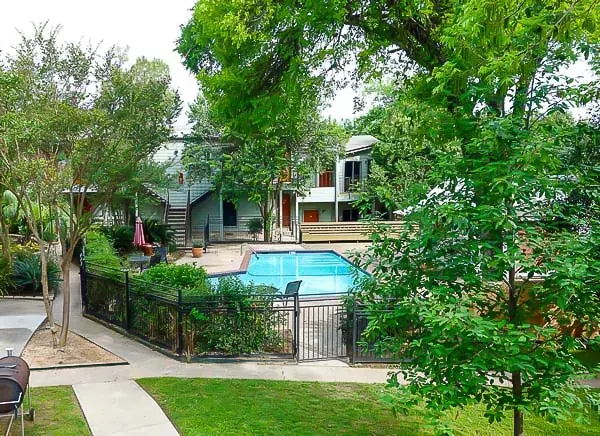
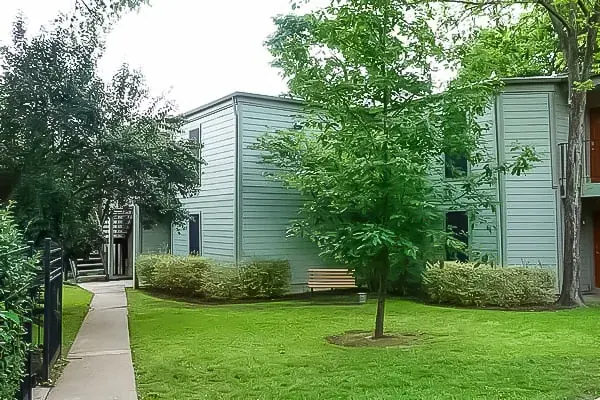
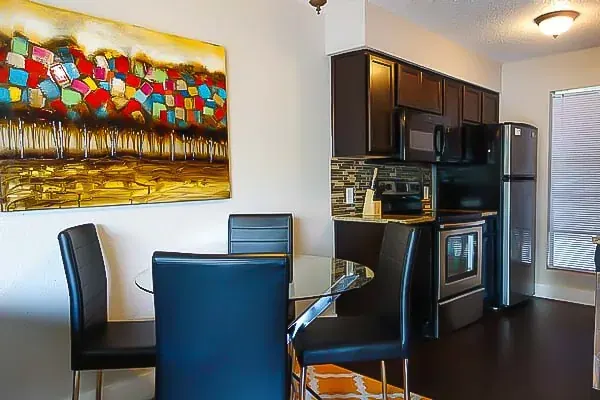
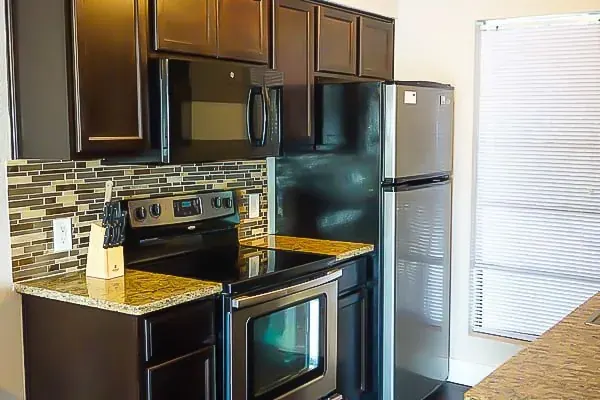
Inside Rustic Creek, our Austin flagship




Who decides when you leave
Reentry placements usually run to a set term tied to a release date. Sober living has no fixed end. Residents stay while it is useful and while they are keeping to the agreement, some a few months, some considerably longer.
What the rules are for
Both have rules, and on paper they look similar: curfew, testing, no substances, accountability for where you are. The difference is what sits behind them. In reentry housing the rules exist partly because supervision is a condition of release. In a sober living home they exist because the residents are the program, the household only works if everyone is holding the same line. Ours are a signed document, and you can read every commitment before you apply.
Where does a three-quarter house fit?
"Three-quarter house" is an informal term with no settled definition, which is exactly why it is worth being careful with. It usually implies a step looser than sober living: less structure, lighter or no testing, fewer requirements about work and meetings.
Because nobody governs the phrase, two houses using it can be nothing alike. Ask the four questions rather than trusting the name. A house that will not answer them in writing has told you what you need to know.
So which one do you need?
If a release is being arranged, the reentry route is not a choice and the people handling that release are the ones to ask.
Otherwise, sober living is the more likely fit if you are finishing treatment and not ready to go straight home, if you are stable but your home address is part of the problem, or if you want structure and other people in recovery around you while you get work and a routine going. It pairs well with an outpatient program — the two together is one of the most common arrangements in recovery.
It is the wrong level of care if you are still physically dependent. Withdrawal from alcohol or benzodiazepines can be dangerous and needs medical supervision first, and neither a sober house nor a reentry center provides that.
How to get into sober living
You apply. There is no referral requirement and no waiting on anyone else's paperwork.
Start with the city you want, each of our location pages carries its own number and current availability, and we run men's and women's houses. Ask what a room costs and what the house expects of you in the same call; both answers should be straightforward. Or apply online and someone will call you back.
Before you commit anywhere, it is worth reading what house rules actually cover, so the first week holds no surprises.