Published June 21, 2023 · Updated September 29, 2026
On This Page · 12 Sections
Most pages about sober living are written to get you to move in, and they read like it. This one is written by an operator too, so weigh it accordingly: but it starts with the problems, because those are what people are actually searching for, and because a house that cannot talk honestly about its downsides is telling you something.
The short version: sober living is shared housing with rules, and almost every problem people have with it comes from one of those two words. Whether it is worth it depends much less on the house than on what the alternative is for you right now.
What are the real problems with sober living homes?
You live with people you did not choose
This is the complaint we hear most, and it is fair. You share a kitchen, a bathroom and often a bedroom with other adults in early recovery, who are on their own worst days some of the time. Chores get skipped. Someone plays music during quiet hours. Somebody's bad week becomes the house's bad week.
Rules help, ours cover shared chores, quiet time, visitation hours and not entering anyone's room uninvited, but rules do not make strangers into friends. The first fortnight is the hardest part of the whole arrangement for most people.
You give up some independence
There is a curfew. There is drug and alcohol testing. There are meetings you are expected to attend, three a week, plus a weekly house meeting, and a requirement to work, study or volunteer. If you are used to answering to nobody, that is a real adjustment and it can feel like being treated as a suspect.
The honest reframe is that the structure is the product. But it is still a cost, and anyone who tells you it does not feel restrictive at first is not being straight with you.
Other residents relapse
In any house full of people in early recovery, someone will eventually use. When it happens it is unsettling, and it can be dangerous for everyone else. How the house handles it matters enormously, and it is one of the clearest differences between a well-run home and a badly-run one. Ask about it before you move in.
It costs money, and insurance usually does not pay
Sober living is housing, not treatment, so health insurance generally does not cover the rent. That catches people out constantly, especially when it is paired with an outpatient program that insurance does Cover. Ask for the full cost in writing, rent, deposit, fees, and what happens if you leave early, before you commit. We have written more about paying for sober living.
Some operators are not good
Recovery housing is lightly regulated in much of the country, and quality varies more than most people expect. Some houses are little more than rooms with a rule sheet taped to the fridge; some are run badly or in bad faith. That is the single strongest argument for asking hard questions before you move in, rather than after. There is a list at the end of this page.
It is not treatment
A sober house provides somewhere safe to live, structure and other people in recovery. It does not provide therapy, medical care or supervision overnight. If what you need is clinical support, sober living is a complement to it, often alongside an outpatient programNot a replacement for it.
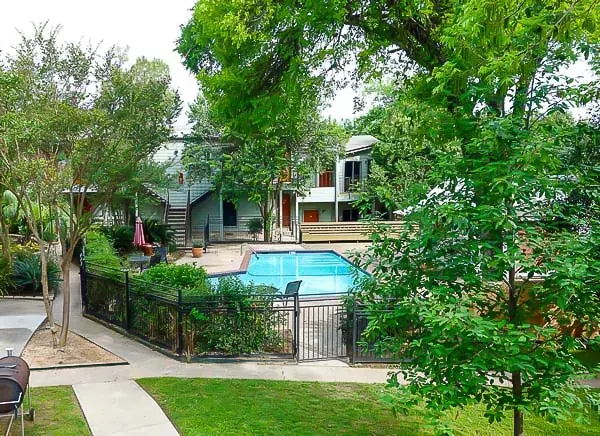
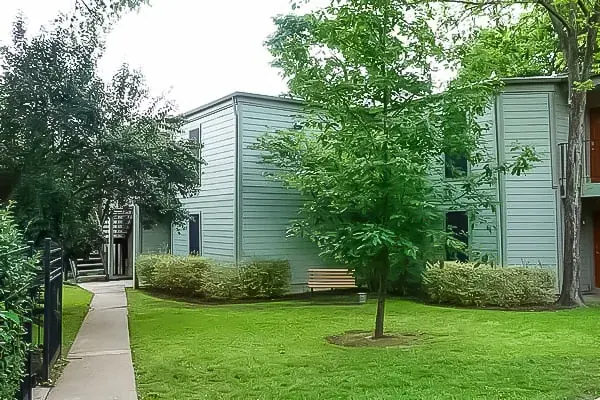
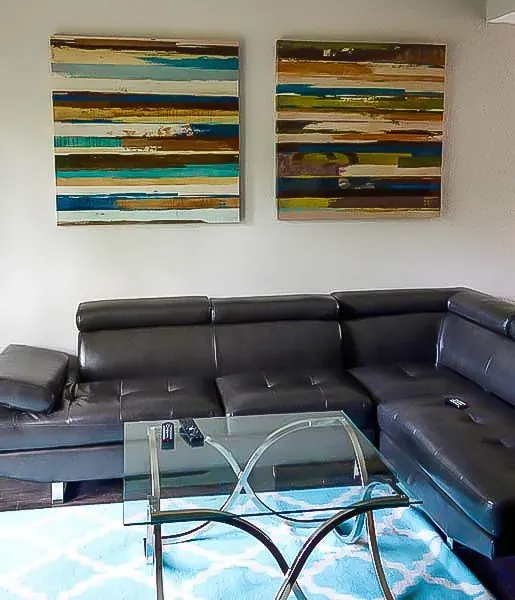
Inside Rustic Creek, our Austin flagship
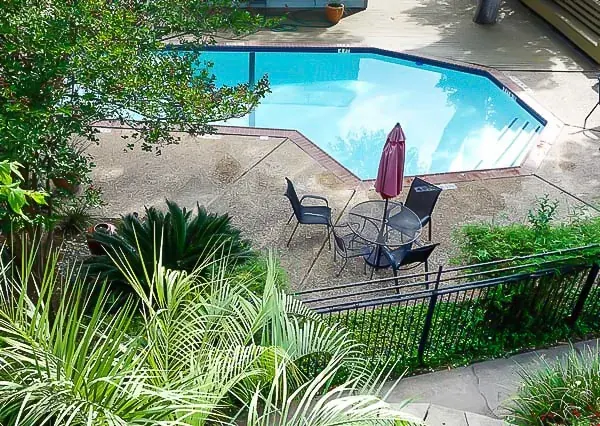
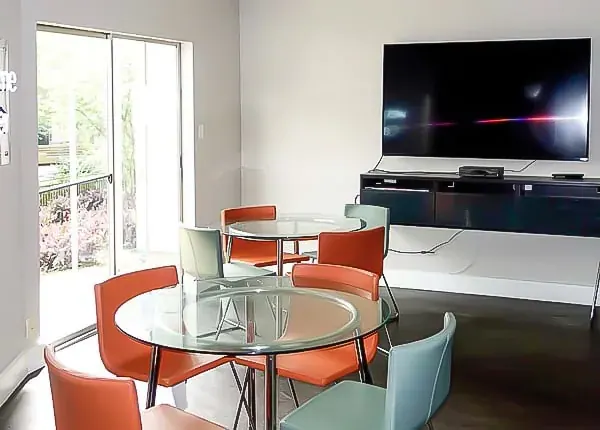
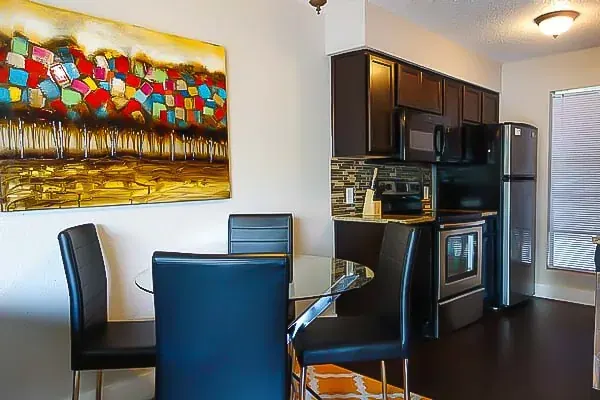
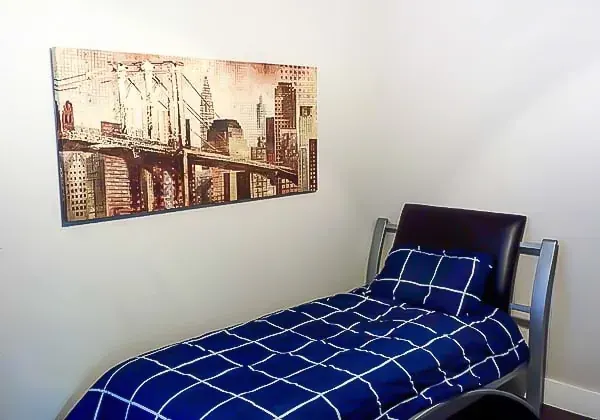
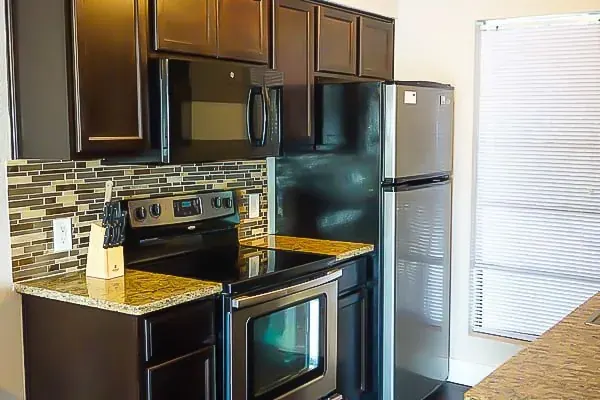
What is life actually like in sober living?
More ordinary than people expect. Most of the day is work, looking for work, or school. You buy your own groceries, do your own laundry, and take your share of the house jobs. Evenings are meetings, time with the people you live with, and being home by curfew.
Ours adds a fixed rhythm on top: life-skills planning at 9am on business days, a designated life coach and a phase program you work through. None of that is our description of it. It is written into the twelve commitments every resident signs, which are published in full.
The part nobody warns you about is how much it is about small, boring consistency. That is also, for a lot of people, exactly what works.
What are the benefits?
A drug- and alcohol-free home. For someone whose own address is part of the problem, that alone can be the difference.
Other people who get it. The same housemates who drive you mad at 10pm are the ones who understand at 2am. Peer accountability is hard to replicate anywhere else.
Structure while you rebuild. Work, meetings, a routine and somebody expecting you home give shape to the months when motivation alone is unreliable.
A step, not a cliff. Going straight from residential treatment to living alone is a big jump. Sober living is the step in between, and the rules loosen as you show you can carry them.
Is sober living a good idea for you?
The most useful question is not whether sober living is good in general. It is what you would be doing instead.
It is probably a good idea if you are leaving treatment and not ready to go straight home; if the people or the substances at home would make staying sober harder; or if you know you do better with structure and other people around.
It is probably not the right step if You are still physically dependent, withdrawal from alcohol or benzodiazepines can be dangerous and needs medical supervision first, or if you need clinical care more than housing. It may also be unnecessary if you have a stable, sober home and a support system that already works.
If you are genuinely unsure, an assessment from a treatment provider will tell you which level of care fits better than any article can.
How to tell a good house from a bad one
- Can I read the full house agreement before I commit? A good operator shows you the rules in writing. Ours are published.
- What happens if a resident uses? Listen for a clear, consistent answer, including what happens if someone tells staff themselves.
- How often do you test, and who does it?
- What exactly does the rent include, and what does leaving early cost?
- Who is on site, and who do I call at night?
- Can I see the actual room I would be in?
A house that dodges these questions has answered them. It is worth reading what house rules typically cover Before you tour anywhere, and, if a court or parole officer is involved — how sober living differs from a halfway house.
When you are ready, our location pages each carry their own number and current availability, or you can apply online. Ask us the questions above too.