Published October 8, 2018 · Updated August 5, 2026
On This Page · 12 Sections
Overall, researchers estimate that about 20 percent of people who suffer from addiction are also plagued by an anxiety disorder. Some studies estimate that this rate may even be as high as 50 percent among people who have experienced traumatic life events.1
Unfortunately, anxiety doesn’t just disappear once you get sober. Experiences in early recovery often cause an increase in anxiety, making it more difficult for people in recovery to stay sober. Running into old drug-using acquaintances, walking past a bar you used to frequent a lot, being bored, or even just thinking about taking on a difficult day without a drink can cause feelings of anxiety to flare up.
Although anxiety is a real struggle for many people in sober living and aftercare programs, there are several different hobbies that may reduce boredom and anxiety to help individuals develop a new sense of “normal” in their lives.
8 Great Anxiety-Relieving Hobbies for Addiction Recovery
- Playing a musical instrument
You don’t have to be musically talented to enjoy playing an instrument or to take advantage of all the health benefits it provides. Research shows that making music lowers blood pressure, decreases heart rate, reduces stress, and lessens anxiety and depression.2 Even just listening to music can reduce feelings of stress and anxiety.3 Many sober living residents find that making or listening to music provides therapeutic benefits in recovery.
- Art and coloring
Artistic expression is a great way to manage feelings of anxiety because it diverts our attention away from worrying and requires that we just focus on one thing. People in transitional living programs may benefit from creative art projects because they have been shown to reduce stress and over-stimulation, increase self-esteem, and encourage fun and relaxation.4,5 These things are all very important during the first few weeks and months of recovery and will continue to enhance a life of sobriety.
- Sports
The Anxiety and Depression Association of America states that even just a ten-minute walk can boost someone’s mood and alleviate symptoms of anxiety and depression.6 Participation in group sports like soccer, basketball, or baseball also provides opportunities to meet new people, become a part of a close-knit community, and engage in regular physical activity, which is all highly beneficial for people in sober living or aftercare programs.
- Gardening
Gardening is a great way to interact with nature. Clinical research shows regular interaction with nature is associated with increased emotional regulation, decreased rumination, and fewer symptoms of depression and anxiety.7 Gardening is also a great opportunity to practice mindfulness in sobriety, as it requires your full attention to successfully cultivate and grow a plant. Although sober living residents may not have access to a garden plot of their own, they can grow potted plants in their window sills or volunteer to help cultivate a community garden in their town or city.
- Yoga or Tai Chi
Yoga and Tai Chi are mind-body practices that can be beneficial for people in recovery because they combine physical and mental disciplines to help manage stress and anxiety. When practiced on a regular basis, yoga and Tai Chi can reduce stress, improve overall fitness, and alleviate depression, insomnia, and anxiety.8,9 Many people who enroll in sober living programs have some experience with yoga from rehab, but they may choose to continue regular practice on their own by doing yoga at their sober living home, joining a community yoga group, or attending classes.
- Writing
According to Psychology Today, activities like journaling or poetry writing can help people work out feelings of anxiety.10 This is particularly useful for people in recovery, as they can also use journaling to self-monitor, record their daily thoughts or struggles, and keep records of their personal growth process. Sober living residents may find it beneficial to write in a journal once a day, maintain an online blog, or write poetry or song lyrics.
- Knitting or crocheting
Research shows that crafting activities like knitting or crocheting can provide benefits similar to that of meditation.11 Not only are these activities fun, but they are also rewarding because the end result is something tangible that you can give away or use yourself. Residents of transitional living programs may find that knitting and crocheting are effective ways to bond with other residents, ward off boredom, or even produce some income while they’re continuing their addiction treatment.
- Volunteering with animals
It’s no surprise that spending time with animals provides a wealth of physical and emotional benefits. Researchers have found that human-animal interaction reduces fear, anxiety, and depression, as well as feelings of loneliness or isolation. Animals are also often a primary factor in the development of new friendships and social support networks.12 While some sober living homes may be pet-friendly and allow residents to bring their own dogs or cats to live with them, others who may not be ready to take on the challenge of pet ownership can still enjoy the benefits of interacting with animals by volunteering at a dog-training facility, adoption center, or a pet therapy nonprofit group.
Many addicts in recovery struggle with anxiety and suffer from the ongoing effects of it, but even simple daily hobbies like these can greatly improve quality of life and overall health and wellness.
The staff at Eudaimonia Recovery Homes encourages sober living clients to develop a lifestyle of sobriety that is both rewarding and enjoyable. Clients also regularly participate in group activities that encourage relationship-building and facilitate new hobbies, activities, and interests.
If you’d like to learn more about Eudaimonia sober living programs for men and women, please call or fill out the form on the side.
References:
- https://www.livescience.com/40597-playing-musical-instrument-good-health.html
- https://www.inc.com/melanie-curtin/neuroscience-says-listening-to-this-one-song-reduces-anxiety-by-up-to-65-percent.html
- https://arttherapyresources.com.au/art-therapy-exercises-anxiety/
- https://www.medicaldaily.com/therapeutic-science-adult-coloring-books-how-childhood-pastime-helps-adults-356280
- https://adaa.org/living-with-anxiety/managing-anxiety/exercise-stress-and-anxiety#
- https://www.ncbi.nlm.nih.gov/pmc/articles/PMC3917559/
- https://www.psychologytoday.com/blog/shyness-is-nice/201404/how-keep-thought-diary-combat-anxiety
- https://www.cnn.com/2014/03/25/health/brain-crafting-benefits/
- https://adaa.org/learn-from-us/from-the-experts/blog-posts/consumer/alleviating-anxiety-stress-and-depression-pet#
How Hobbies for Anxiety Can Transform Your Recovery Journey
If you’re living in sober housing and managing anxiety, finding the right hobbies can be a game-changer. Anxiety is one of the most common co-occurring conditions for people in recovery, and developing healthy hobbies for anxiety relief isn’t just about filling time, it’s about rebuilding your relationship with yourself and creating sustainable coping strategies that support long-term sobriety.
At Eudaimonia Recovery Homes, we’ve seen firsthand how residents who invest in structured, anxiety-reducing hobbies experience better outcomes: fewer cravings, stronger peer connections, and a renewed sense of purpose. Below, we’ll explore why hobbies matter in recovery and how to choose the ones that work best for you.
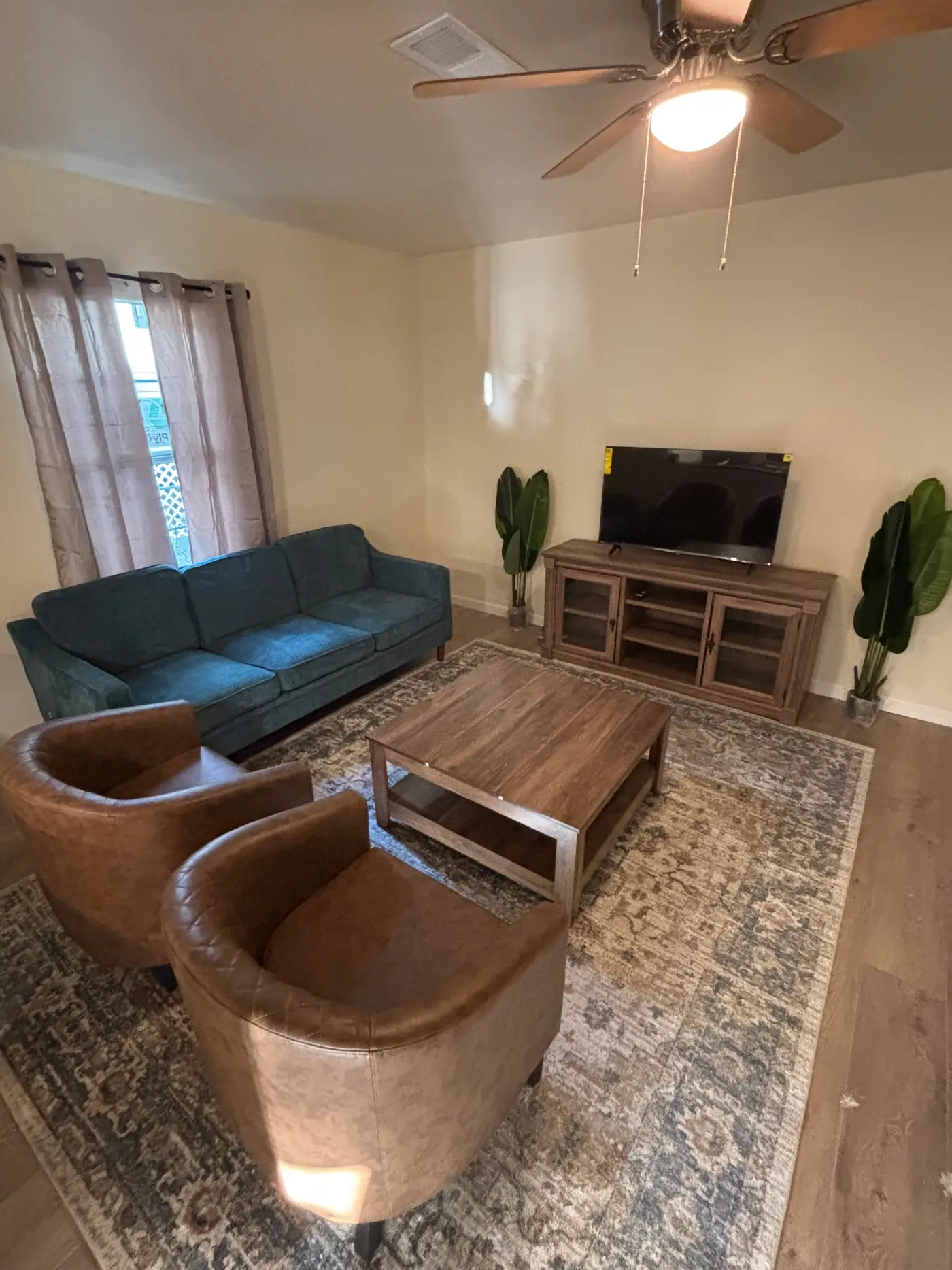
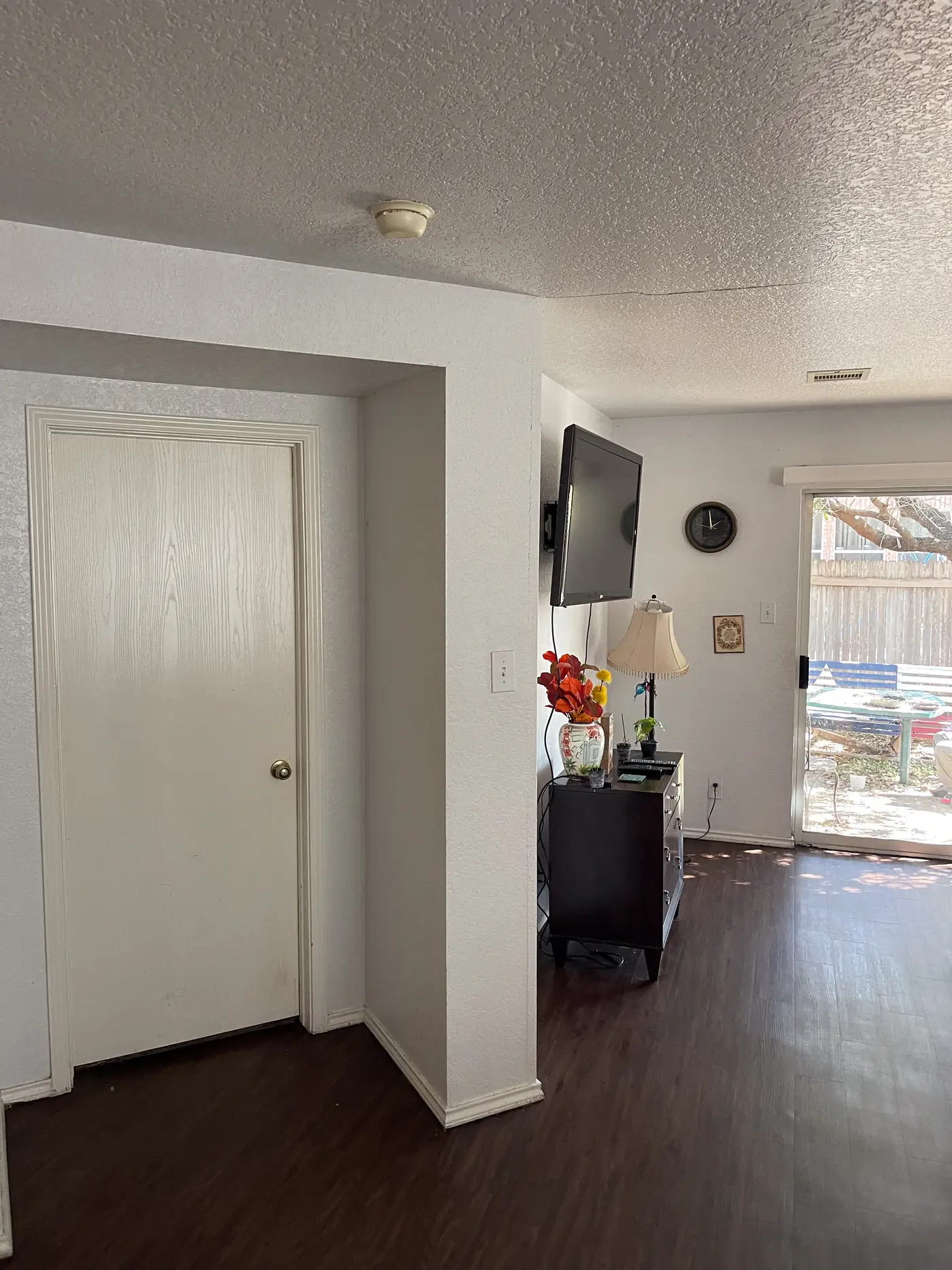
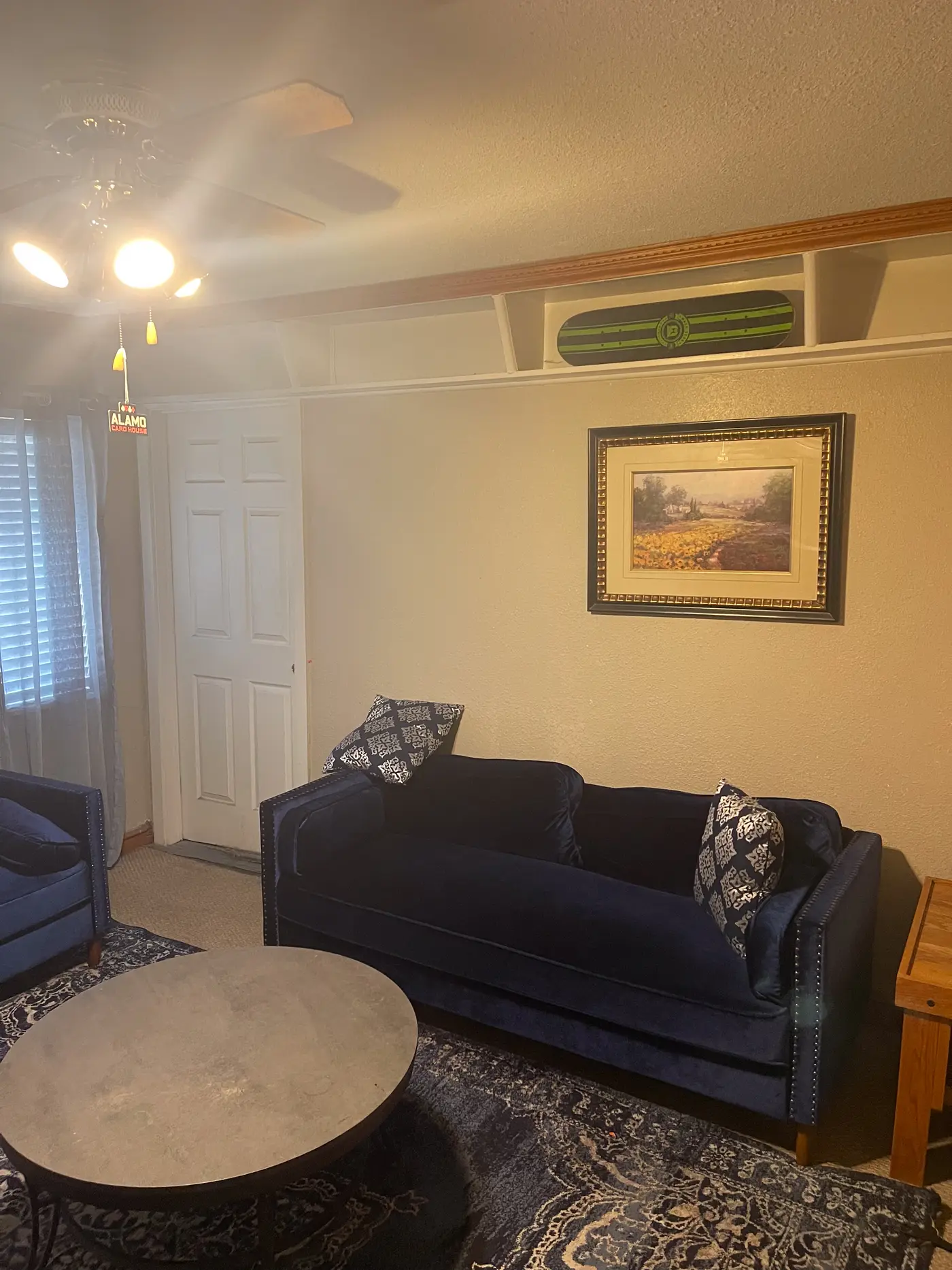
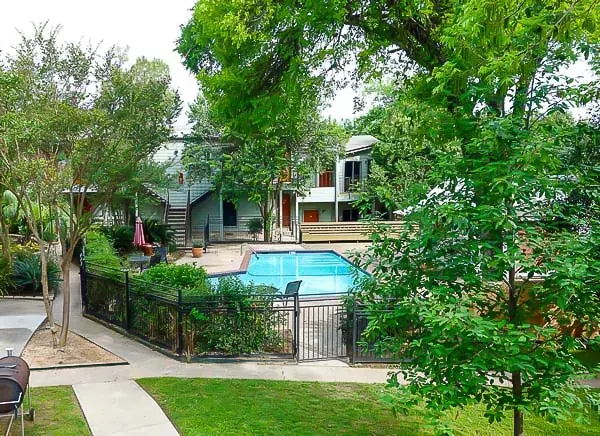
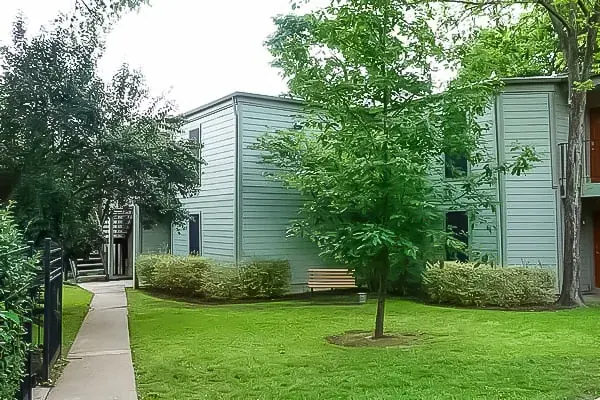
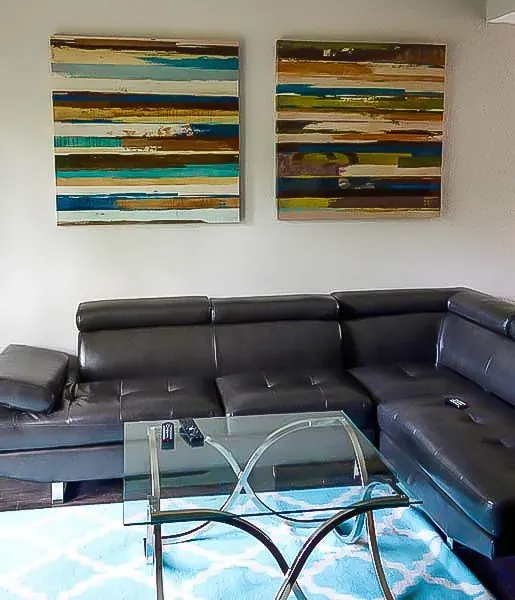
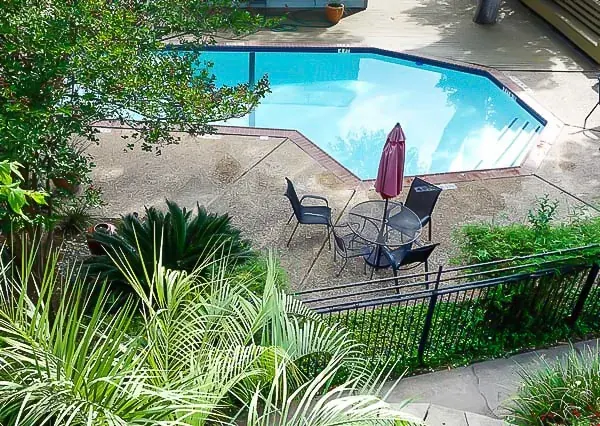
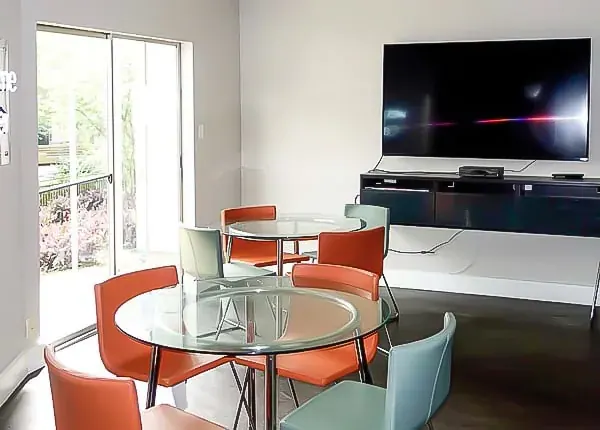
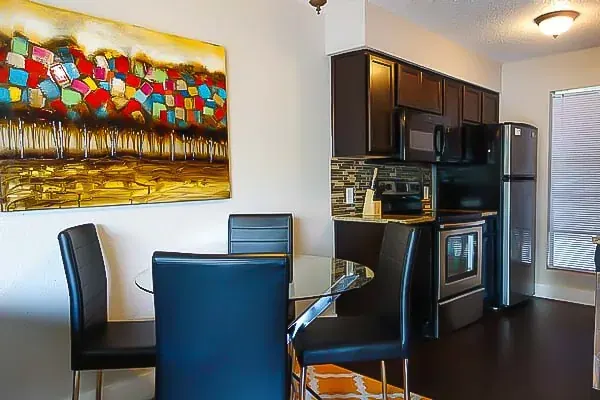
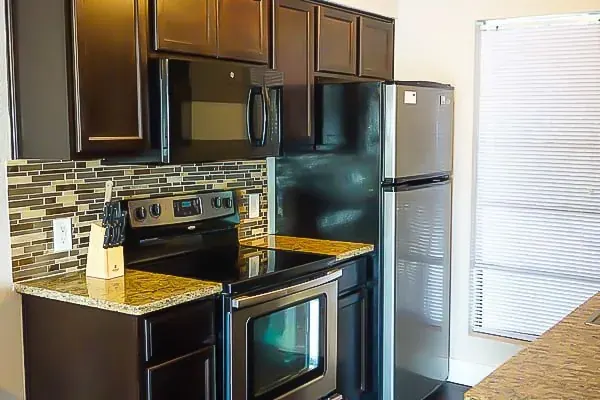
Inside Rustic Creek, our Austin flagship
Why Hobbies Are Essential for Anxiety Management in Sober Living
Anxiety triggers the body’s stress response, elevated cortisol, rapid heart rate, intrusive thoughts, and for many in recovery, substances were once the default way to shut that system down. Hobbies offer a healthier alternative by:
- Regulating the nervous system: Activities like painting, journaling, or gardening activate the parasympathetic nervous system, signaling safety and calm.
- Creating flow states: Immersive hobbies (woodworking, cooking, playing an instrument) produce “flow,” a mental state linked to reduced anxiety and increased well-being.
- Building self-efficacy: Mastering a new skill, whether it’s learning guitar chords or completing a 5K, boosts confidence and counteracts the helplessness often felt in early recovery.
- Providing routine and structure: Anxiety thrives in chaos. A regular hobby schedule (“Tuesdays I sketch, Thursdays I hike”) creates predictability and grounding.
The 8 Best Hobbies for Anxiety Relief in Recovery
Not all hobbies are created equal when it comes to anxiety management. The most effective ones combine physical movement, creative expression, mindfulness, or social connection. Here are eight research-backed hobbies that residents at Eudaimonia Recovery Homes, across Austin, Houston, San Antonio, Colorado Springs, Philadelphia, and Baton Rouge, have found transformative:
- Yoga and Stretching: Combines breathwork, gentle movement, and mindfulness. Studies show yoga reduces cortisol and anxiety symptoms significantly. Many sober living homes offer group yoga sessions, ask your house manager.
- Journaling: Expressive writing helps process trauma, identify triggers, and track progress. Try “morning pages” (three stream-of-consciousness pages each morning) or structured prompts like “What am I grateful for today?”
- Hiking and Nature Walks: Ecotherapy (time in nature) lowers anxiety, improves mood, and enhances recovery outcomes. Austin’s Barton Creek Greenbelt, Colorado Springs’ Garden of the Gods, and Houston’s Buffalo Bayou Park are resident favorites.
- Cooking and Baking: Focuses attention, engages the senses, and produces tangible rewards. Meal prep also supports nutrition, a key piece of anxiety management.
- Art and Crafts (Drawing, Painting, Pottery): Creative hobbies activate the brain’s reward pathways without substances. Art therapy is proven to reduce anxiety and improve emotional regulation.
- Playing Music: Whether strumming a guitar, drumming, or singing, music-making lowers stress hormones and fosters community (think open-mic nights or jam sessions with housemates).
- Gardening: Hands in the soil, watching something grow. Gardening is meditative, purposeful, and anxiety-reducing. Some Eudaimonia homes maintain small gardens; if yours doesn’t, container gardening on a porch works too.
- Team Sports or Group Fitness: Basketball, volleyball, cycling clubs, social exercise doubles as anxiety relief and community building. Endorphins + accountability = powerful recovery tool.
How to Choose the Right Hobby for Your Anxiety
Start by asking yourself:
- Do I need to burn off nervous energy (try running, boxing) or calm my mind (try meditation, knitting)?
- Do I thrive alone (journaling, painting) or in groups (team sports, book clubs)?
- What did I love before my addiction? Reconnecting with old passions (that don’t involve substances) can reignite identity.
Experiment with 2–3 hobbies over a month. Notice which ones leave you feeling lighter, more present, and less reactive. Then commit to practicing at least one regularly. Consistency is where the anxiety-relief benefits compound.
Integrating Hobbies Into Your Sober Living Routine
Living in a recovery home offers a unique advantage: built-in structure and peer support. Here’s how to leverage that:
- Schedule it: Block hobby time on your weekly calendar like you would a 12-step meeting or therapy session. Treat it as non-negotiable self-care.
- Invite housemates: A painting night or group hike strengthens bonds and creates shared positive experiences, key to long-term community support.
- Use house resources: Many Eudaimonia homes have yoga mats, art supplies, or bikes available. Ask your house manager what’s on hand.
- Track your progress: Keep a simple log: “Painted for 30 min, felt 7/10 anxious before, 3/10 after.” Data helps you see what works.
When to Seek Additional Support
Hobbies are powerful, but they’re not a substitute for professional care. If your anxiety includes panic attacks, persistent insomnia, or intrusive thoughts that interfere with daily life, talk to your therapist or psychiatrist. Hobbies work best as part of a comprehensive plan that may include therapy (CBT, DBT), medication (if appropriate), peer support, and sober living structure.
If you’re in the Austin area and looking for a sober living environment that actively supports mental health and holistic recovery, Eudaimonia Recovery Homes offers safe, structured housing with a focus on community, accountability, and long-term success. Call us at (713) 818-2361 to learn more about our program and availability.
What are the best hobbies for anxiety in recovery?
The best hobbies for anxiety in recovery combine physical activity, creative expression, mindfulness, or social connection. Top options include yoga, journaling, hiking, cooking, painting, playing music, gardening, and team sports. Choose hobbies that match your energy level and preferences, calming activities like art for overstimulation, or vigorous exercise like running to burn off nervous energy.
How do hobbies help reduce anxiety during addiction recovery?
Hobbies reduce anxiety by regulating the nervous system, creating flow states that quiet intrusive thoughts, building self-efficacy through skill mastery, and providing routine and structure. They offer healthy coping mechanisms to replace substance use, activate the brain’s reward pathways naturally, and foster social connection, all critical for managing anxiety in sobriety.
Can hobbies replace therapy for anxiety in sober living?
No. Hobbies are a powerful complementary tool but should not replace professional treatment for anxiety. If you experience panic attacks, severe insomnia, or intrusive thoughts, work with a therapist or psychiatrist. Hobbies work best as part of a comprehensive recovery plan that includes therapy (like CBT or DBT), peer support, sober living structure, and, when appropriate, medication.
How often should I practice hobbies to see anxiety relief?
Consistency matters more than duration. Aim for at least 20, 30 minutes, 3, 5 times per week. Many people notice immediate calming effects (lower heart rate, clearer thinking), while long-term benefits (improved baseline anxiety, stronger coping skills) build over weeks. Schedule hobby time like you would a meeting or appointment to make it a sustainable habit.
What if I don't have access to hobby supplies in my sober living home?
Many sober living homes, including Eudaimonia Recovery Homes, provide basic supplies like yoga mats, art materials, or bikes. Ask your house manager what’s available. For low-cost options, try free hobbies like journaling (notebook and pen), hiking local trails, bodyweight fitness, or learning guitar via free online tutorials. Community centers and libraries also offer free classes and resources.