

Published May 16, 2026 · Updated May 18, 2026
On This Page · 13 Sections

Sober Living
Austin
10506 Parkfield Dr, Austin, TX 78758
If you’re living in or considering a sober living home in Austin, TX, one of the most important questions you can ask is: what mental health support is available to me? Recovery isn’t just about staying sober, it’s about healing the whole person. For many people, untreated anxiety, depression, trauma, or other mental health conditions were at the root of their substance use in the first place. Finding the right mental health services and counseling near your sober living home in Austin can make the difference between lasting recovery and relapse. This guide walks you through what’s available, what to look for, and how to access support that truly fits your recovery journey.
Why Mental Health Support Matters During Sober Living
Sober living homes provide a stable, accountable environment for people transitioning out of detox or inpatient treatment. But the early months of recovery can also be emotionally turbulent. When the substances that once numbed difficult feelings are gone, those feelings come rushing back, sometimes louder than ever.
This is why mental health services are such a critical companion to sober living. Research consistently shows that co-occurring mental health conditions, sometimes called a dual diagnosis, are extremely common among people in recovery. In fact, the Substance Abuse and Mental Health Services Administration (SAMHSA) estimates that more than 9 million adults in the U.S. Experience both a mental disorder and a substance use disorder simultaneously.
Getting the right counseling and psychiatric support while you’re living in a sober home helps you:
- Process underlying trauma, grief, or unresolved emotional pain
- Develop healthier coping strategies to replace substance use
- Manage symptoms of anxiety, depression, PTSD, or bipolar disorder
- Build stronger relationships and communication skills
- Reduce the risk of relapse triggered by mental health crises
If you’re exploring your sober living options in Austin, it’s worth learning how mental health resources fit into your broader plan for recovery.
Types of Mental Health Services Available Near Austin Sober Living Homes
Austin has a robust network of mental health services, ranging from free community resources to private therapy practices and intensive outpatient programs. Here’s a breakdown of what’s available and what each type offers:
Individual Therapy
One-on-one therapy with a licensed counselor or therapist is often the backbone of mental health treatment in recovery. Approaches like Cognitive Behavioral Therapy (CBT), Dialectical Behavior Therapy (DBT), and trauma-informed therapy (such as EMDR) are particularly effective for people in recovery. You can find licensed professional counselors (LPCs) and licensed clinical social workers (LCSWs) throughout Austin who specialize in addiction and co-occurring disorders.
Intensive Outpatient Programs (IOP)
An IOP is a structured treatment program that typically runs three to five days per week for several hours each day. IOPs often combine group therapy, individual counseling, and psychoeducation, and many specifically serve people in early recovery who are also living in sober homes. Several Austin-area IOPs offer dual diagnosis treatment, meaning they address both substance use and mental health conditions at the same time.
Psychiatric Services and Medication Management
For some people in recovery, medication is an important part of treating mental health conditions like depression, anxiety, or bipolar disorder. Psychiatrists in Austin can conduct evaluations and prescribe medications that are appropriate for people in recovery, carefully avoiding medications with high abuse potential when possible. Telehealth has made psychiatric services more accessible than ever, so you don’t always need to commute across town for an appointment.
Call Now: (512) 240-6612Group Therapy and Support Groups
Group therapy is different from a 12-step meeting: it’s facilitated by a licensed therapist and focuses on processing emotions, developing skills, and building connection with others who understand your experience. Many sober living residents in Austin participate in group therapy through outpatient programs. Austin also has a thriving recovery community with SMART Recovery meetings, Refuge Recovery, and various 12-step groups that offer peer support as a complement to professional counseling.
Dual Diagnosis Support Programs
Dual diagnosis support in Austin TX is increasingly available as treatment providers recognize how common co-occurring disorders are. These integrated programs treat both addiction and mental health conditions simultaneously rather than in sequence, which research shows produces far better outcomes. If you’ve ever been told you need to get sober before you can address your mental health (or vice versa), an integrated dual diagnosis program is likely a better fit.
Where to Find Mental Health Resources in Austin, TX
Knowing what’s available is one thing, knowing where to find it is another. Here are some specific Austin-area resources worth exploring:
- Austin Travis County Integral Care (ATCIC)This is the primary public mental health authority for Travis County. They offer sliding-scale and no-cost mental health services, crisis support, and outpatient programs for adults. For people with limited insurance or financial resources, ATCIC is often the first call to make.
- NAMI AustinThe local chapter of the National Alliance on Mental Illness offers free peer support groups, education programs, and a helpline. Their Family Support Group and Connection Recovery Support Group are especially relevant for people in recovery.
- Seton/Ascension Mental Health ServicesAscension Seton operates several behavioral health facilities in Austin that offer inpatient psychiatric care, outpatient therapy, and dual diagnosis programming.
- Private Practice Therapists in AustinPsychology Today’s therapist finder (psychologytoday.com) lets you filter by specialty, insurance, and location. Search for therapists who specialize in addiction, trauma, or dual diagnosis in Austin’s 78701 to 78759 zip codes.
- The Integral Care Crisis LineIf you’re in crisis, the Austin/Travis County 24-hour crisis line is (512) 472-HELP (4357). This is available for mental health emergencies and can connect you with local crisis services.
- Telehealth PlatformsServices like Talkspace, BetterHelp, and Cerebral offer therapy and psychiatric services online, which can be especially helpful for sober living residents whose schedules or transportation options may be limited.
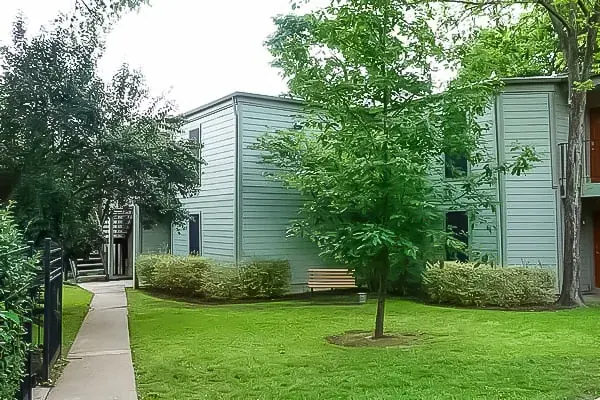
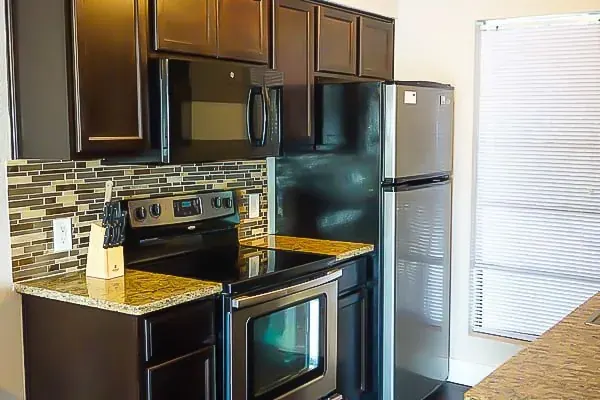
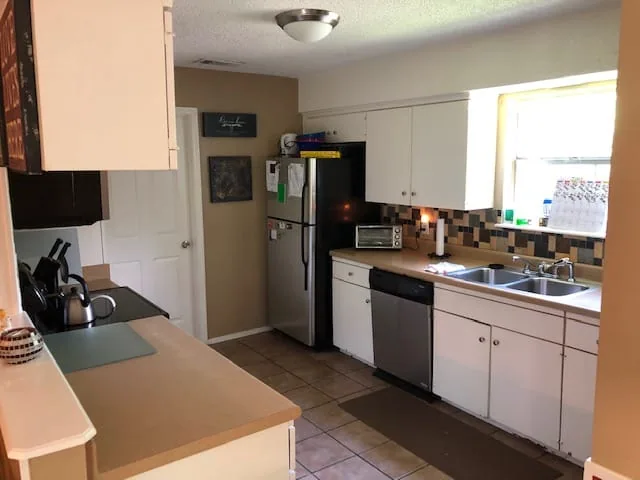
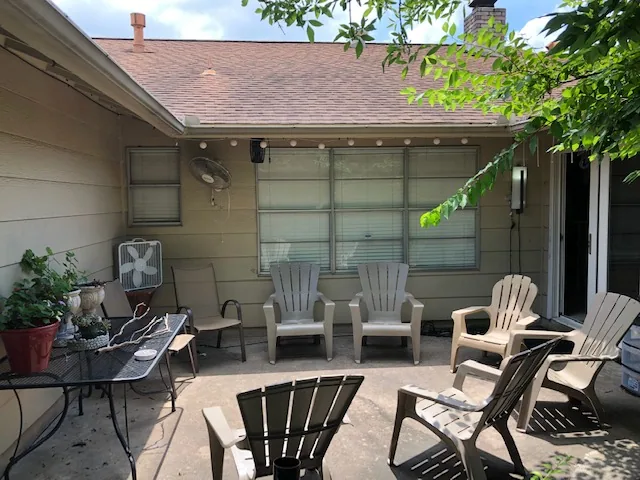
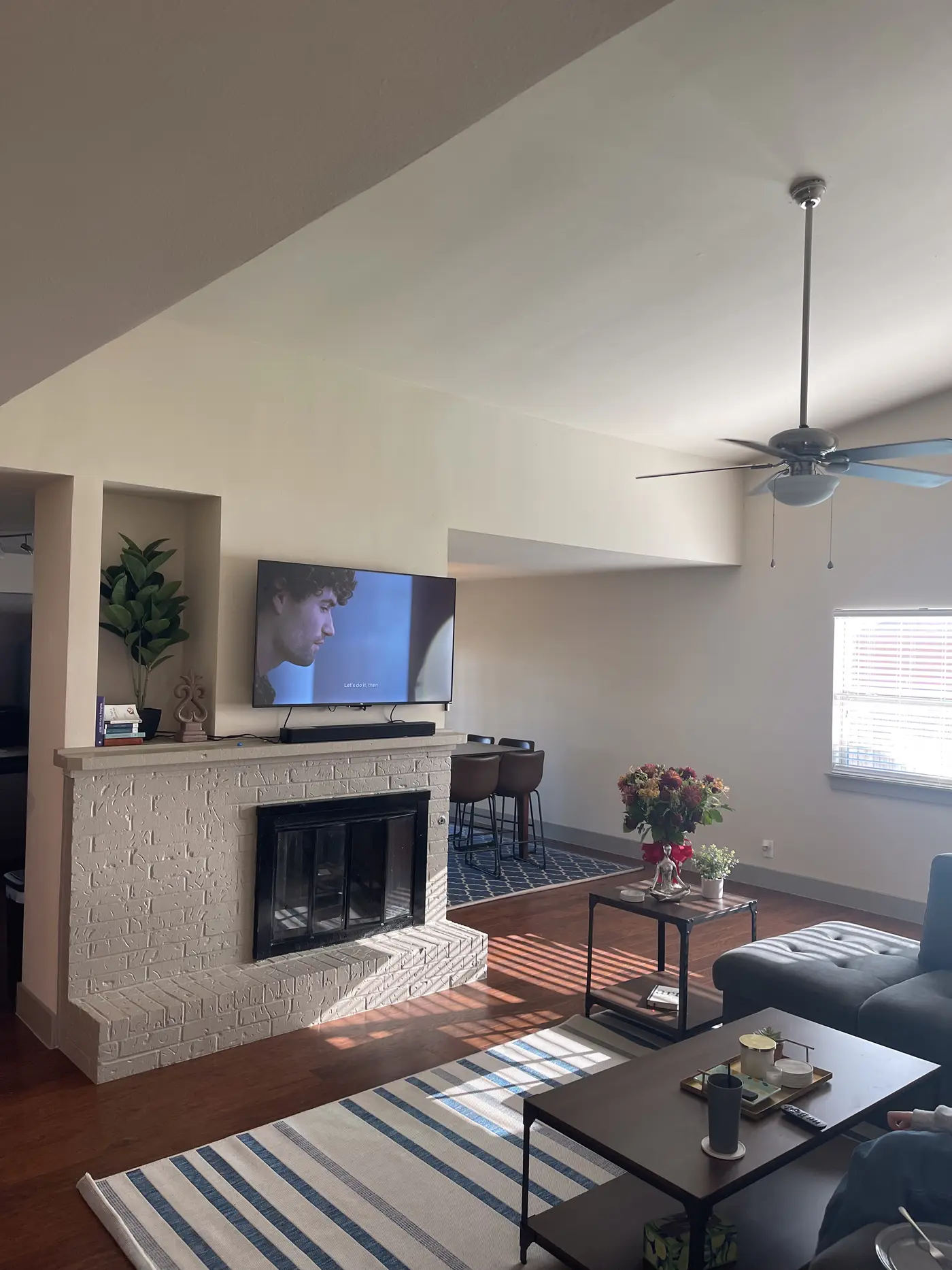
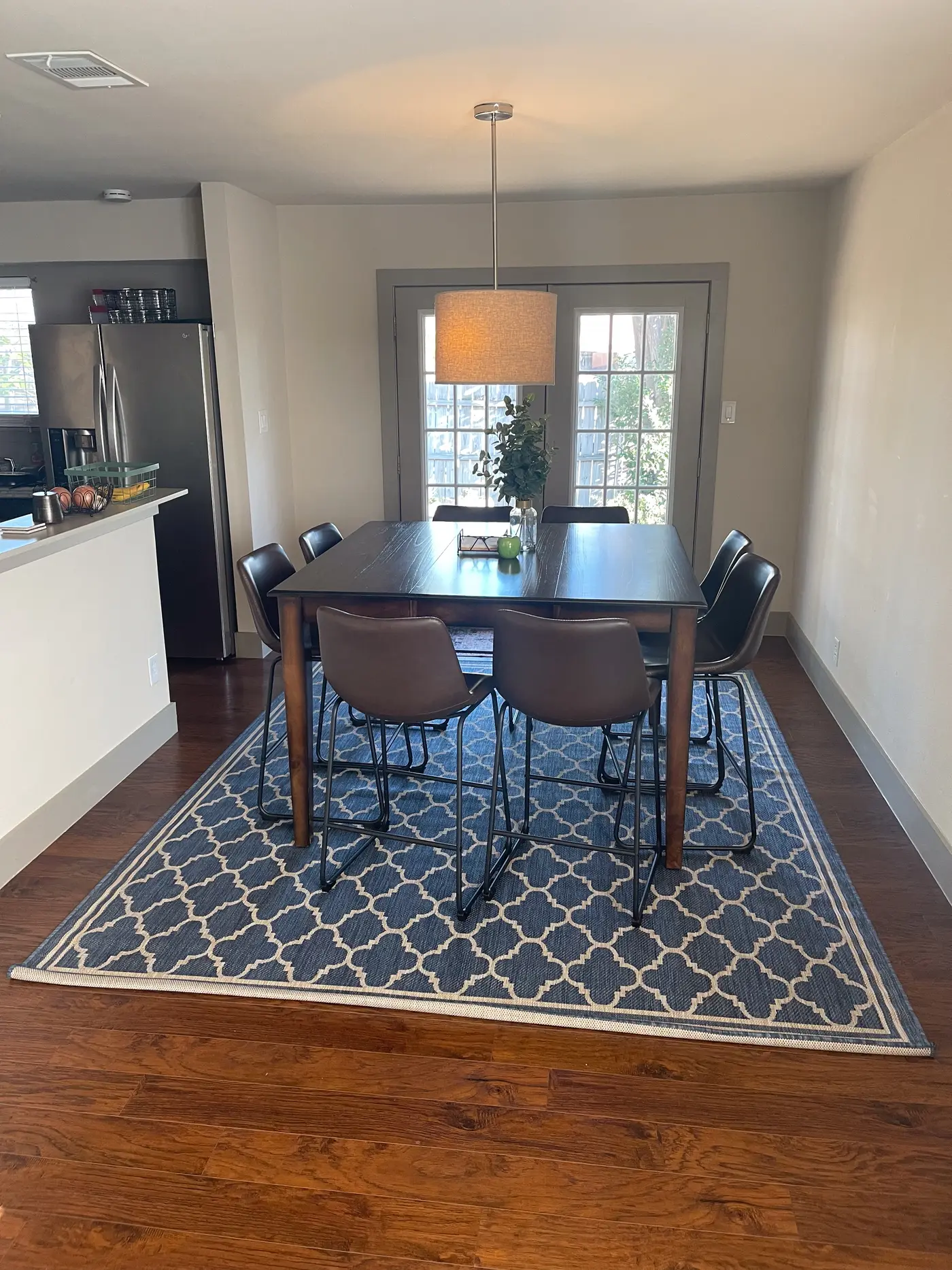
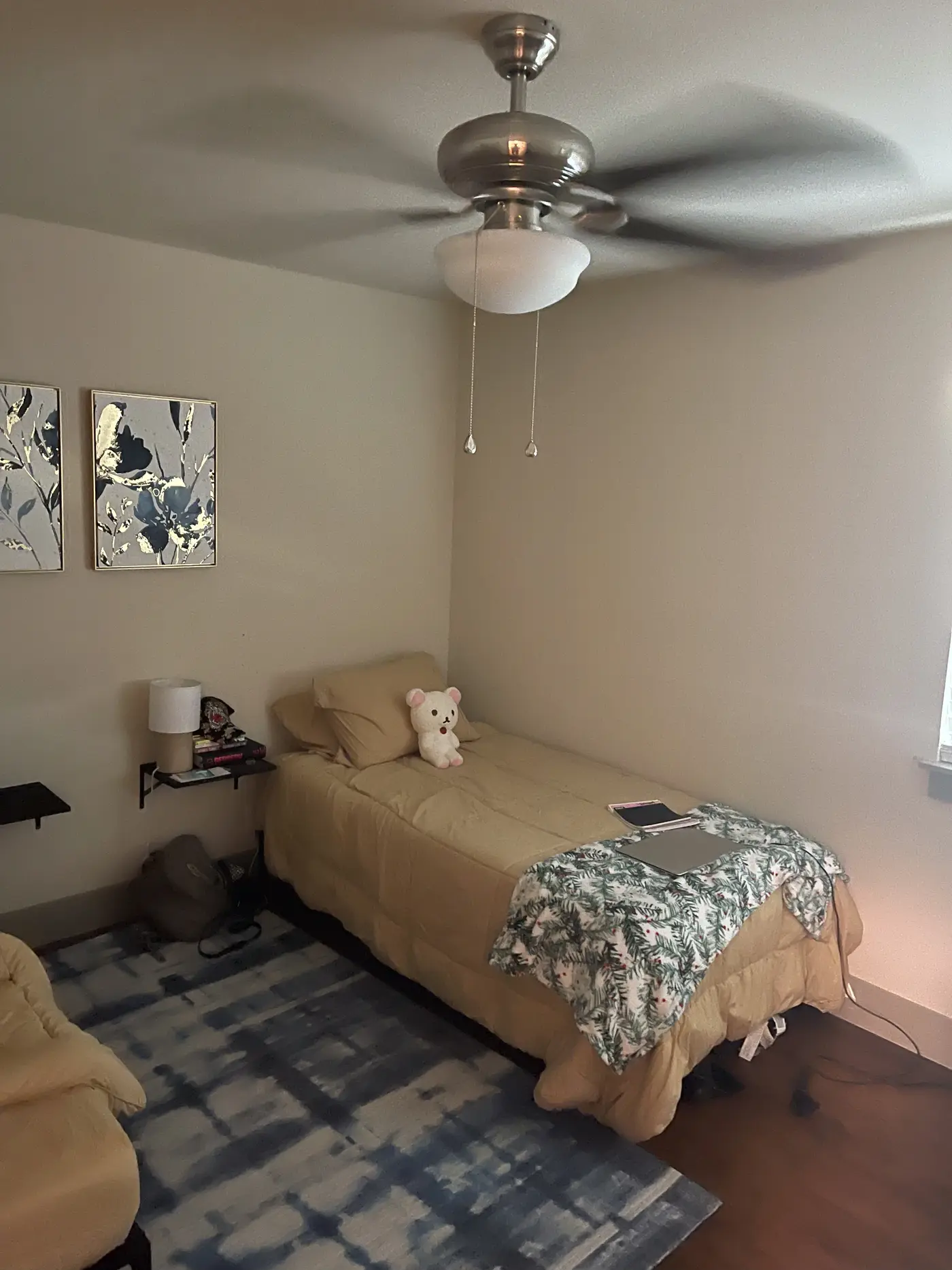
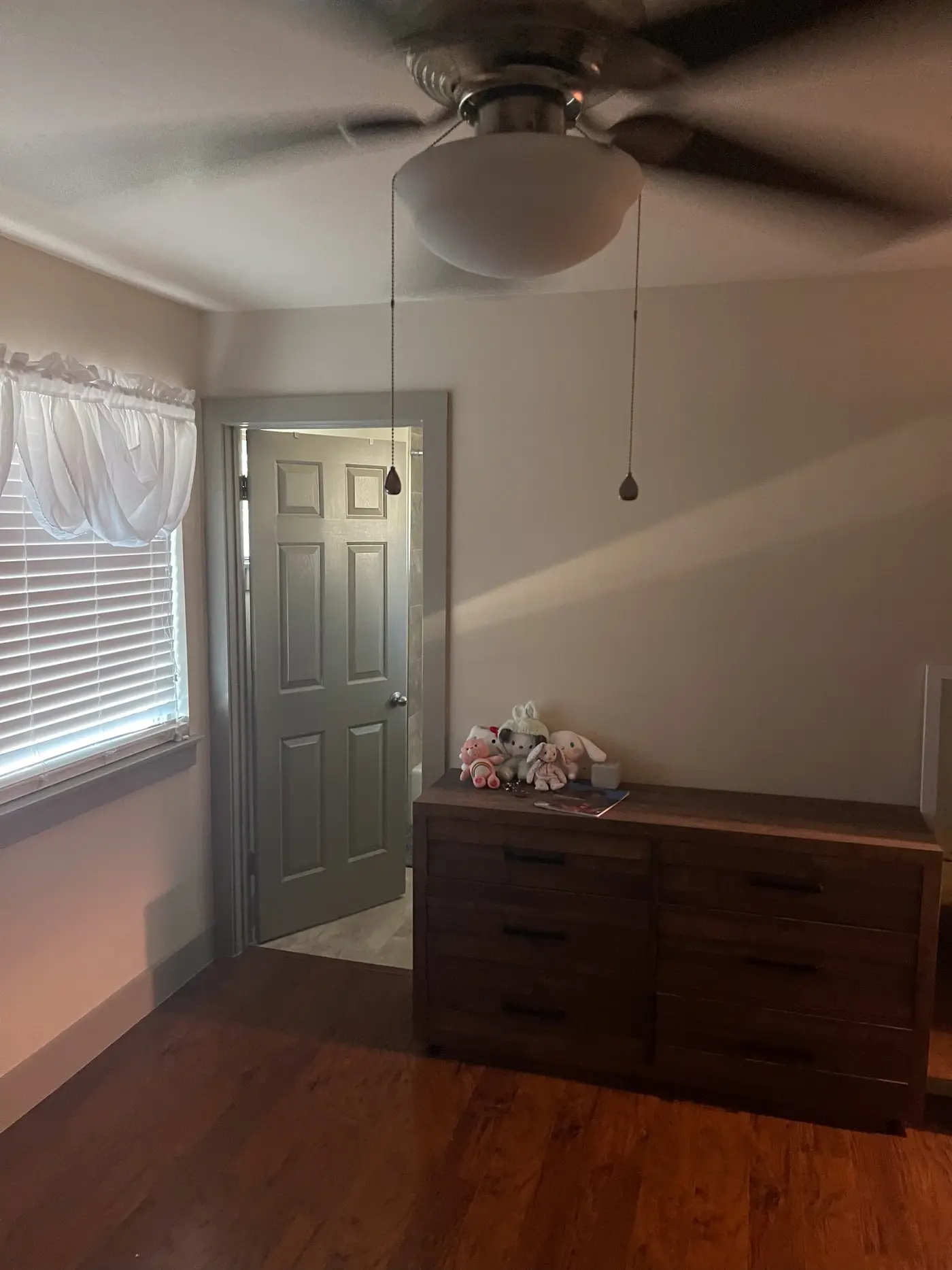
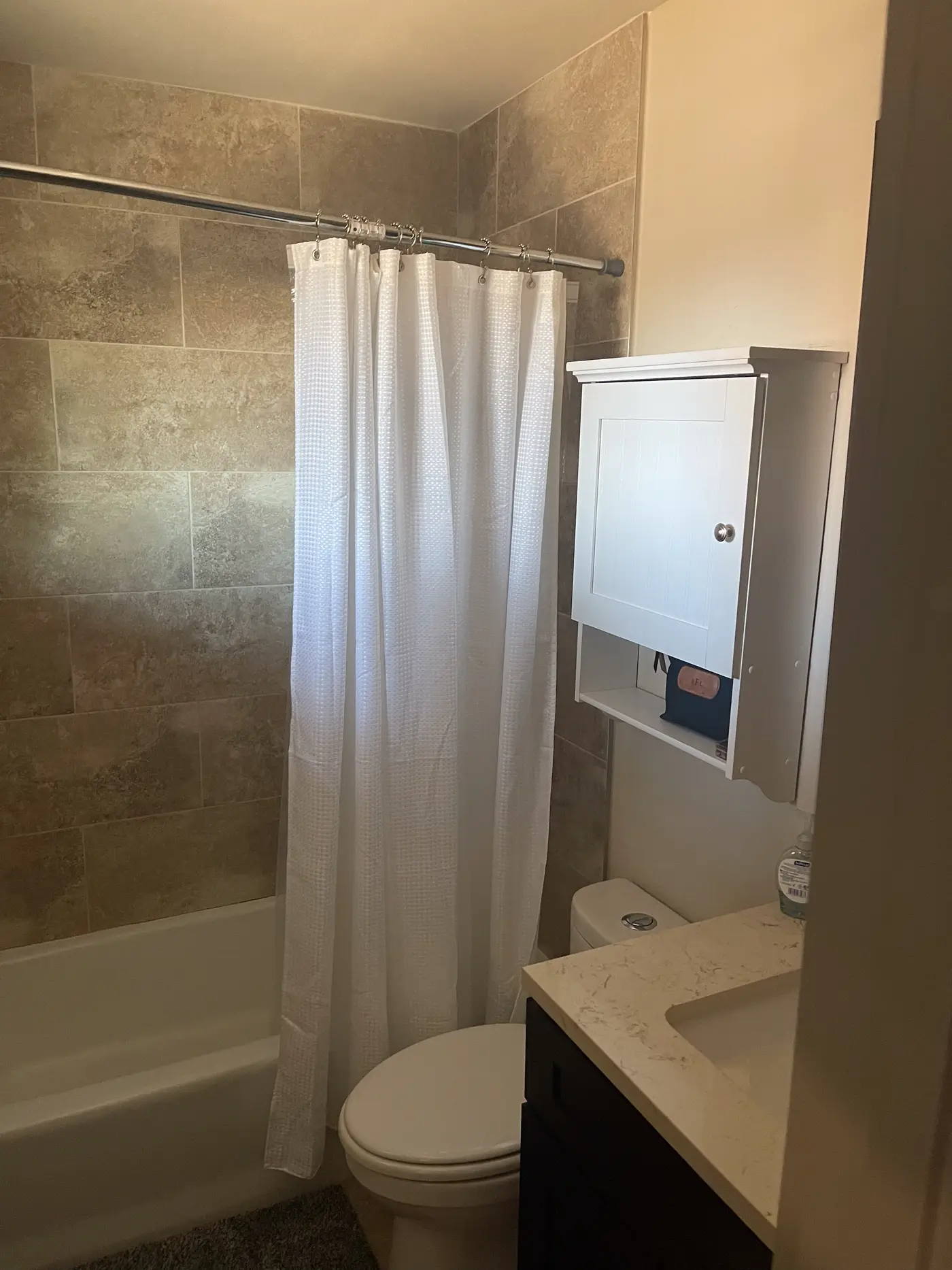
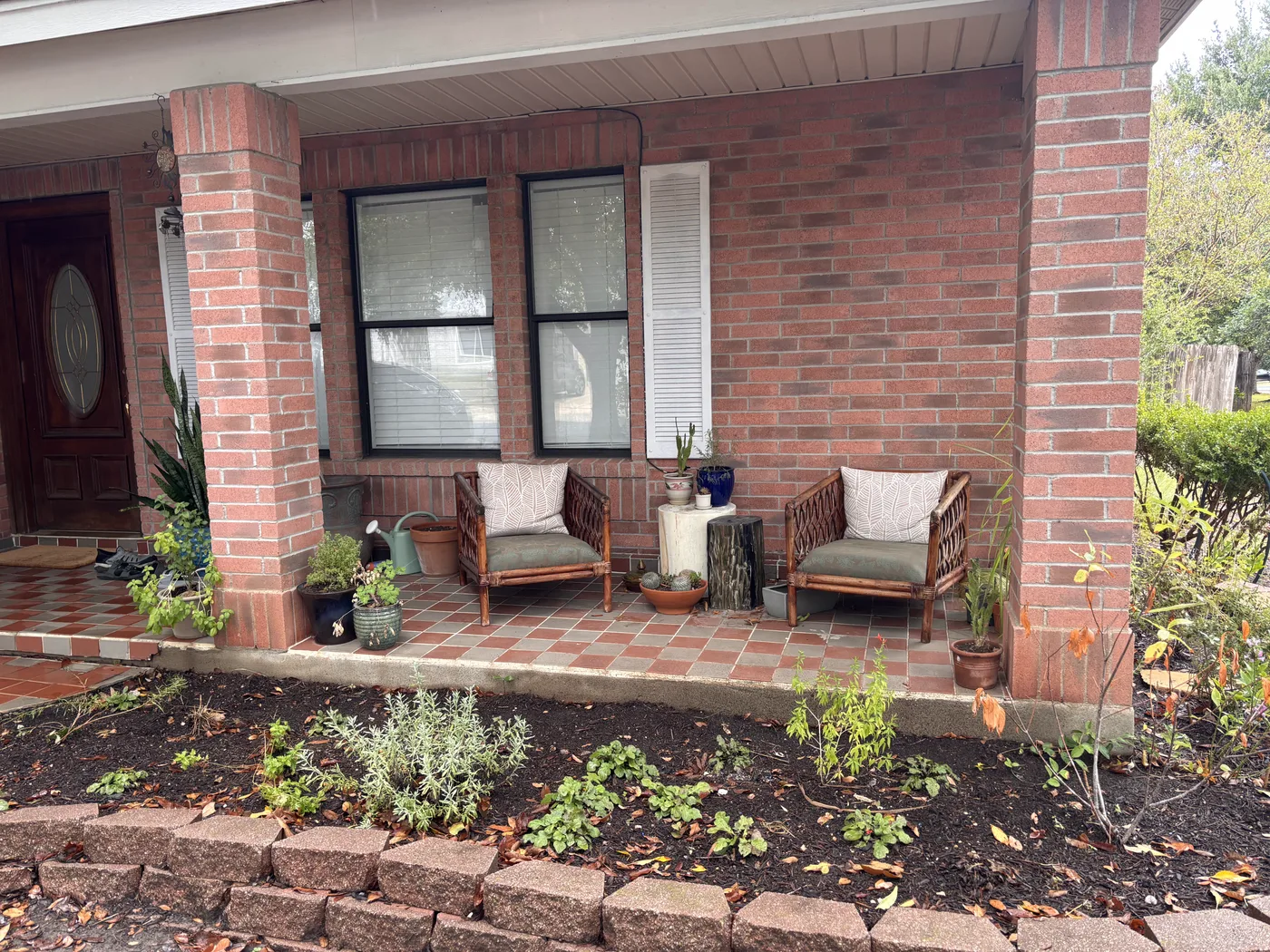
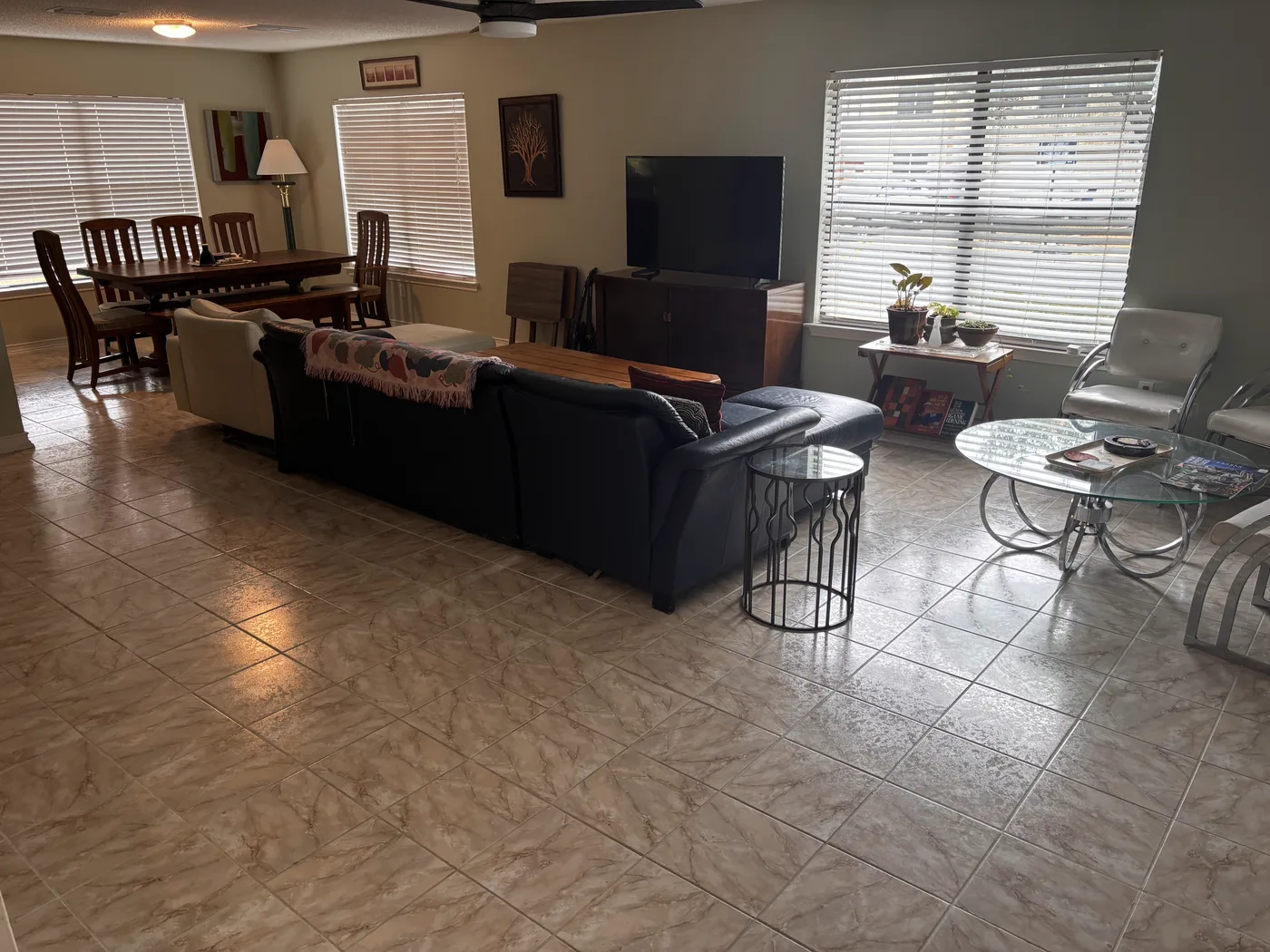
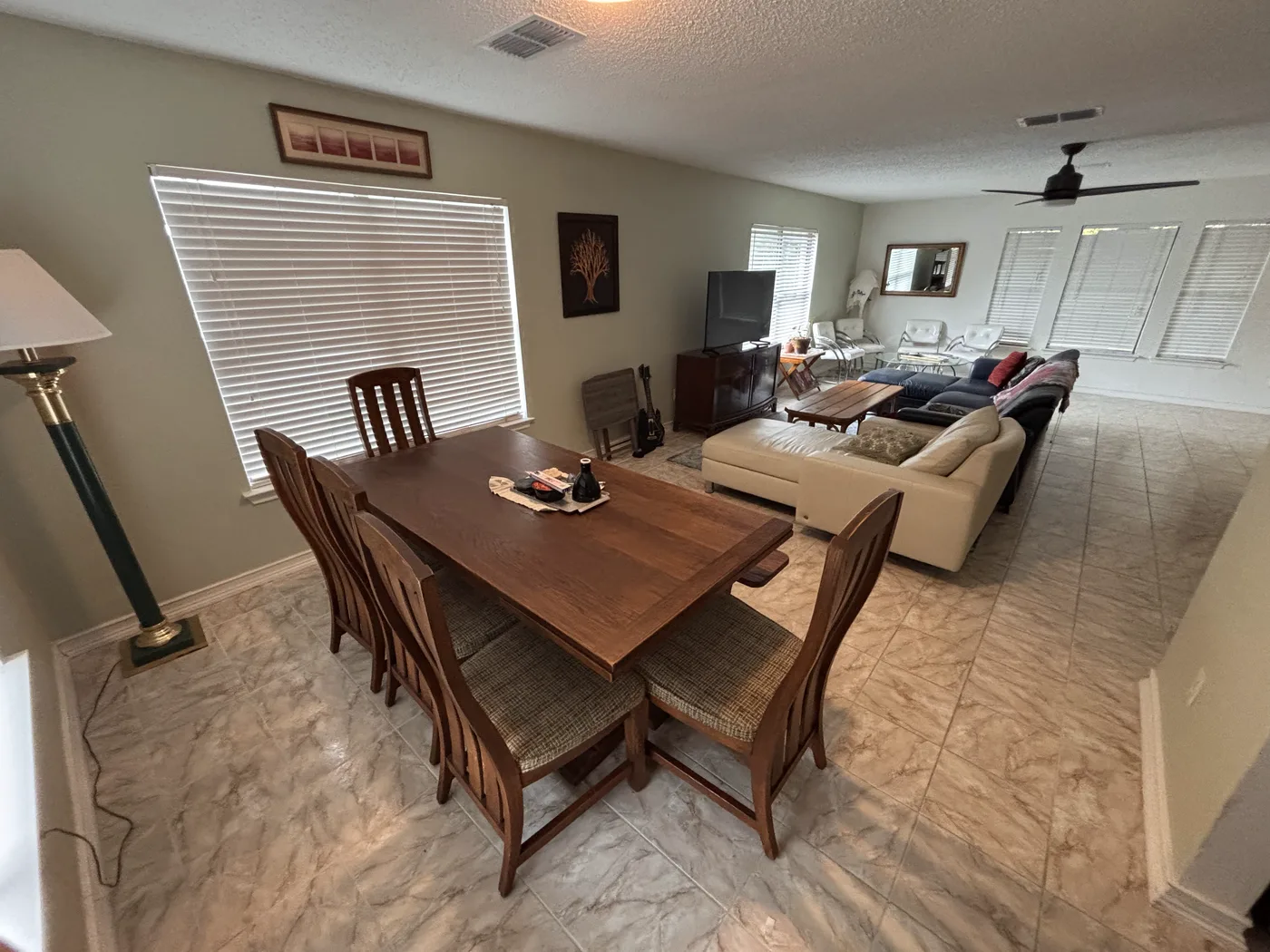
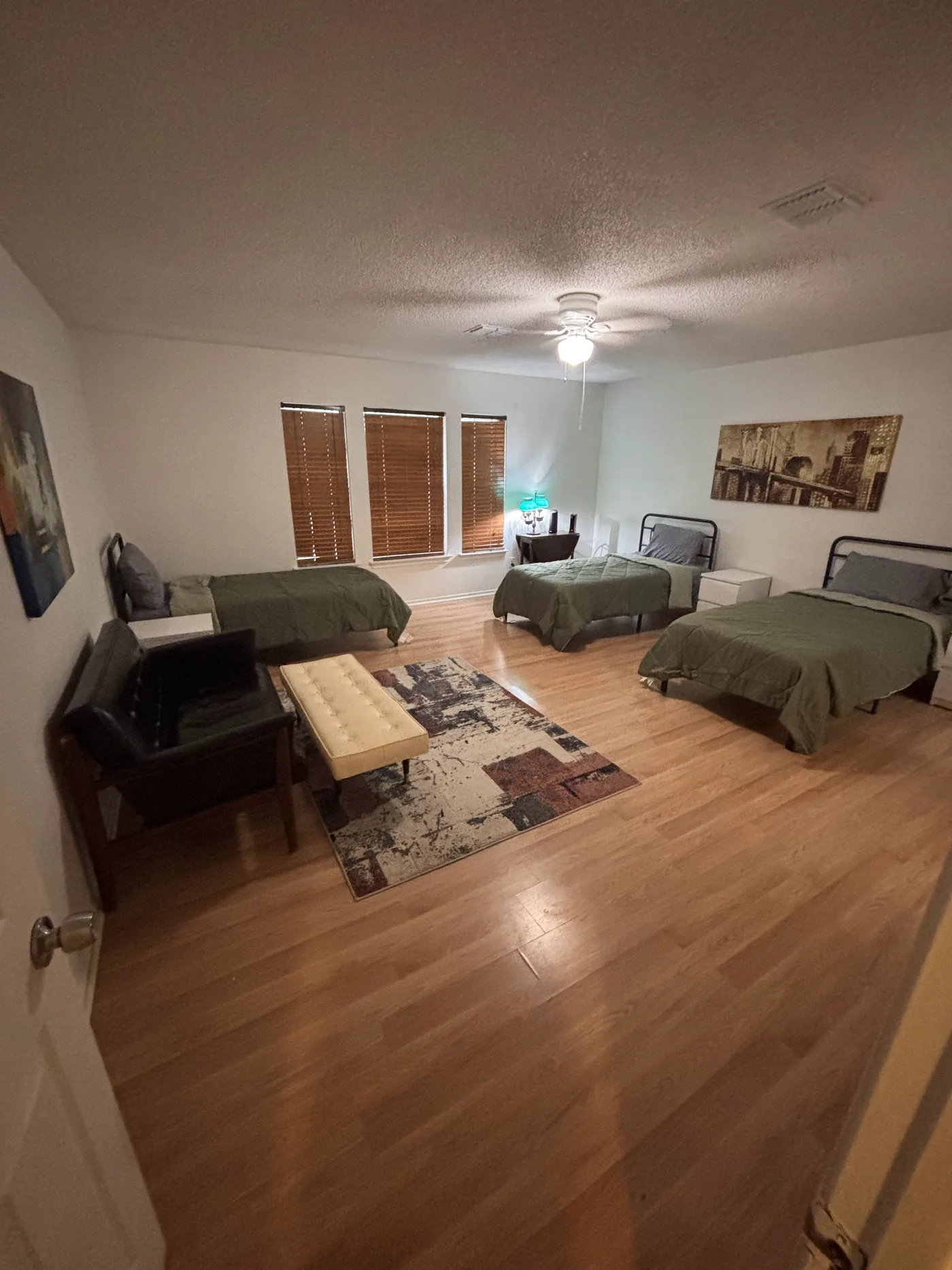
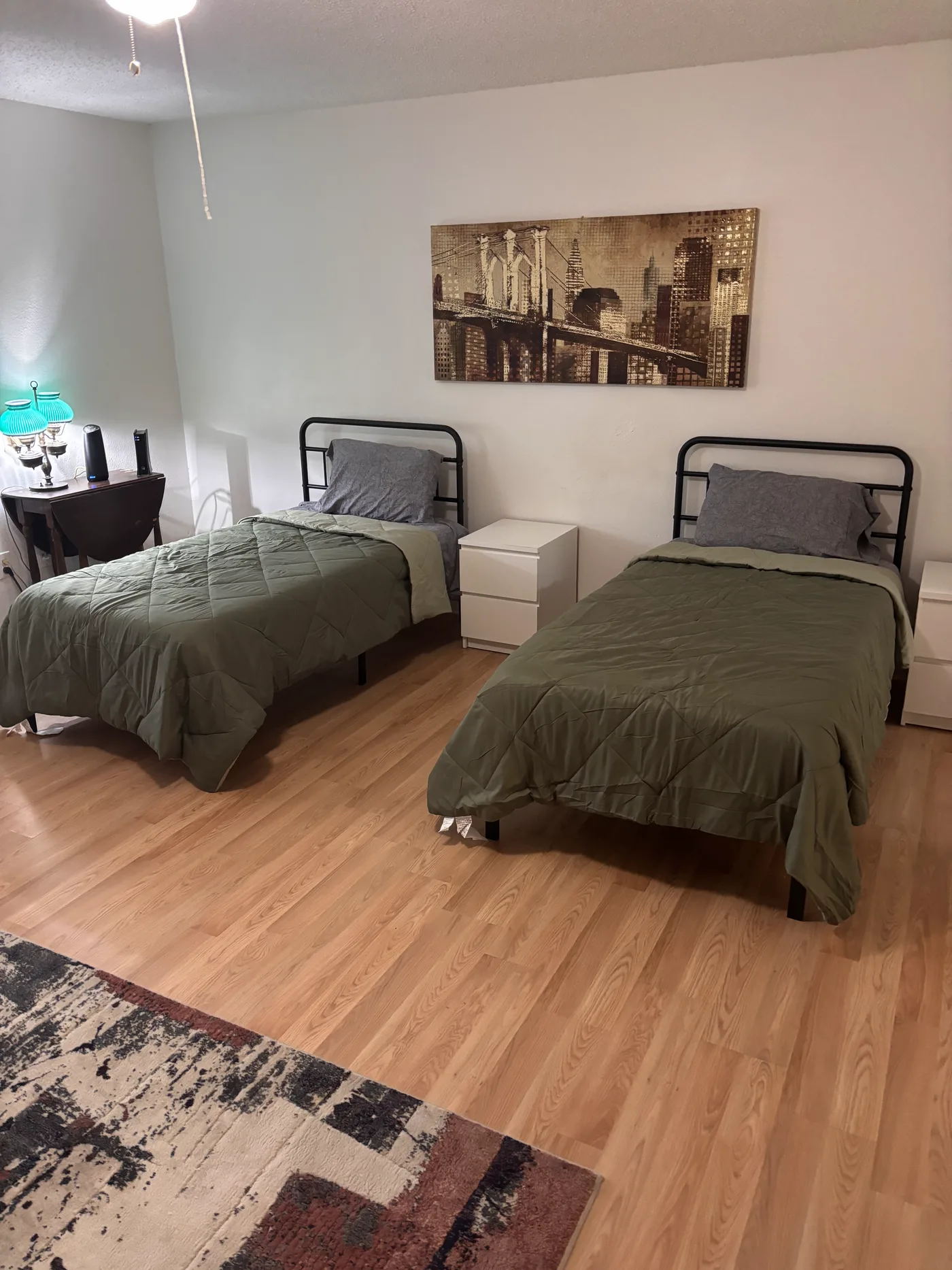
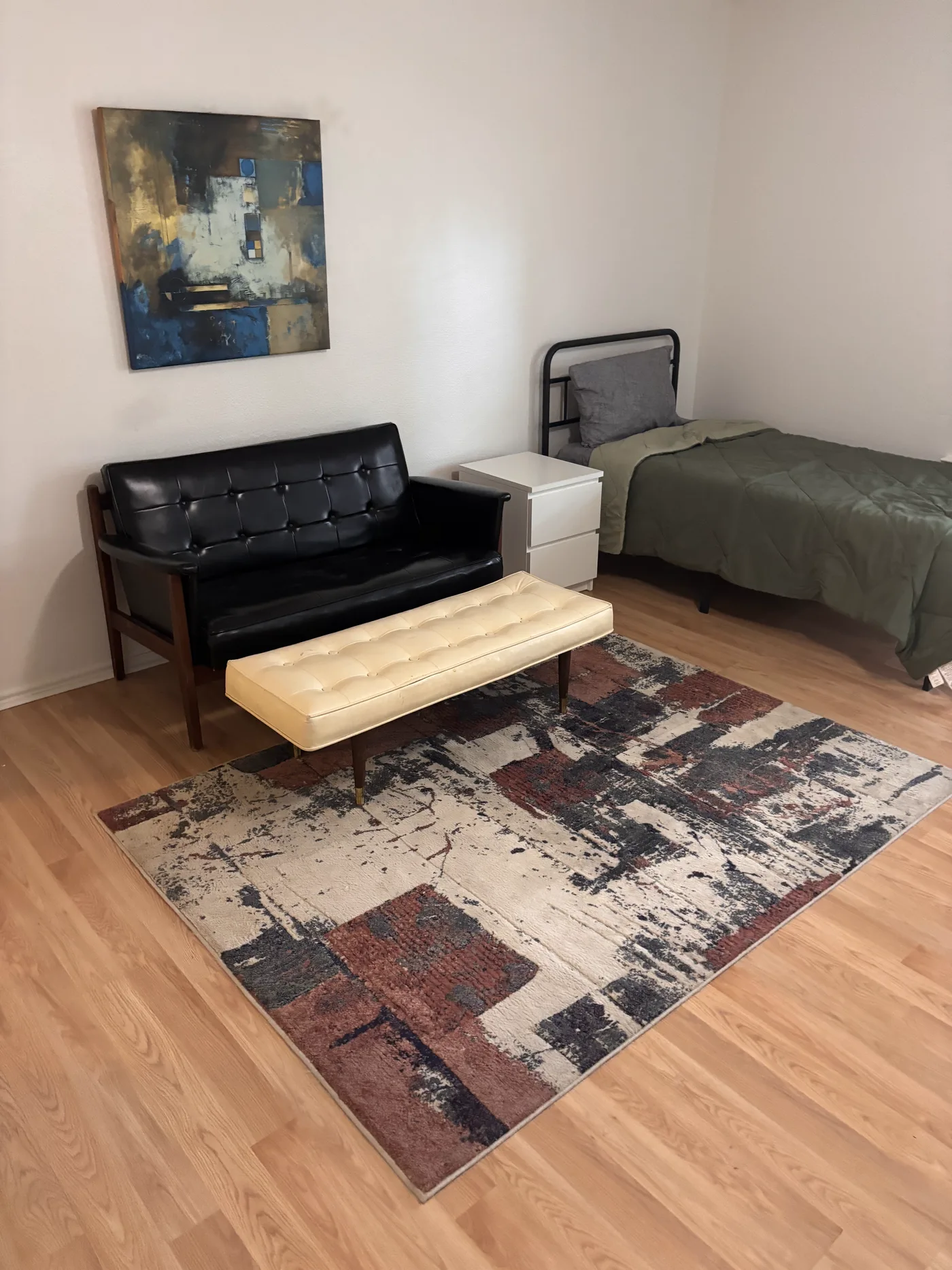
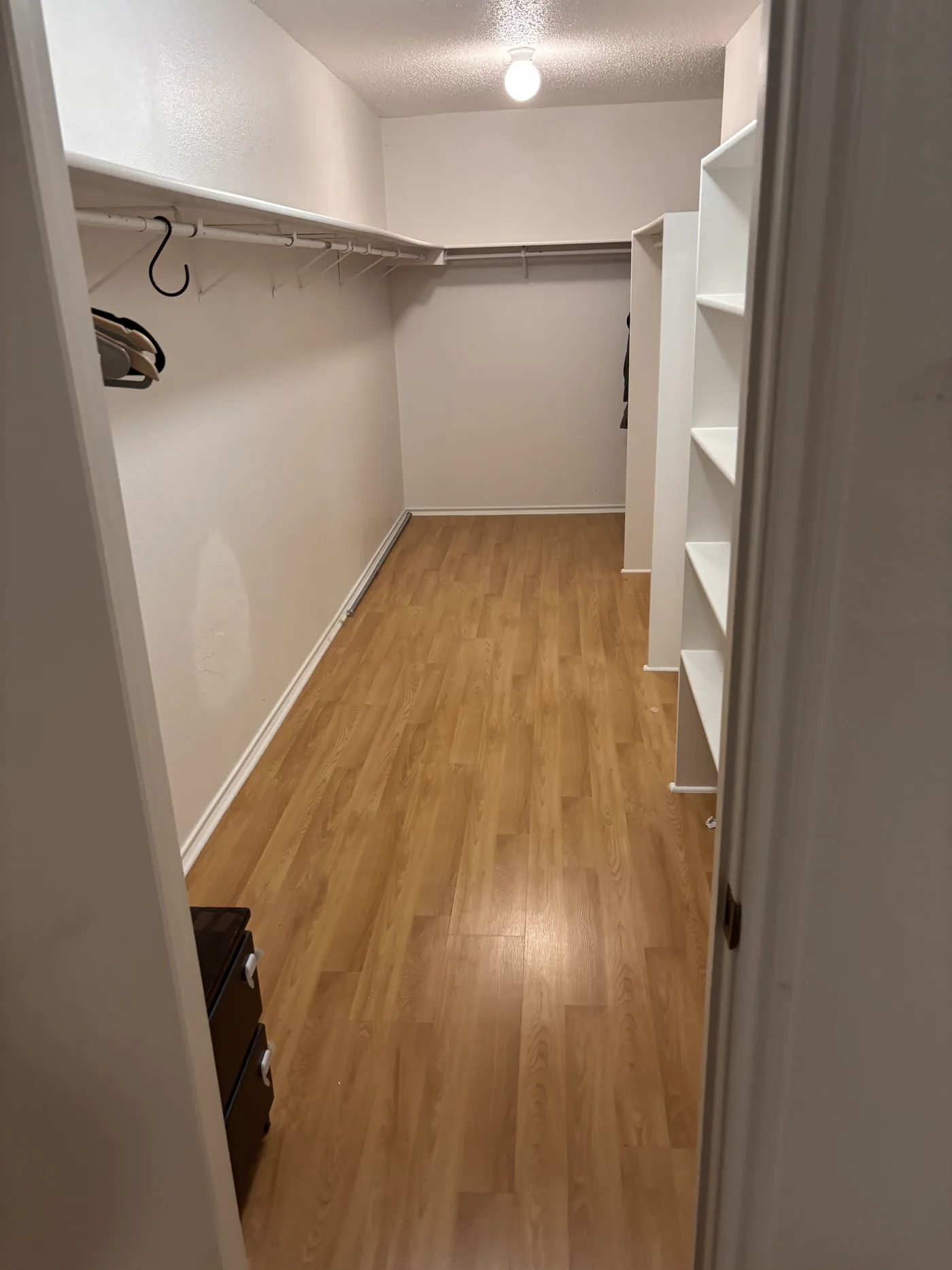
Inside the Austin homes










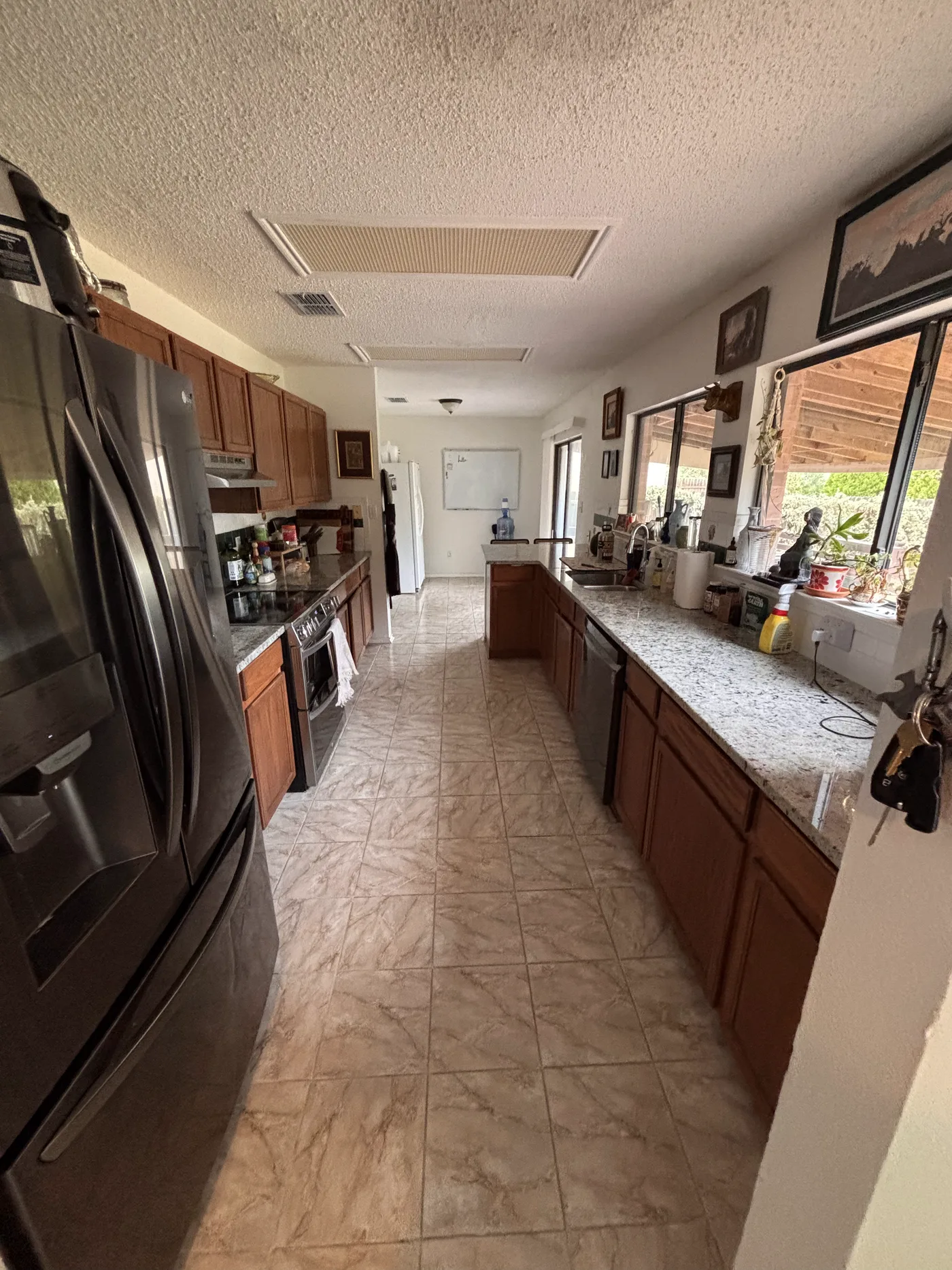
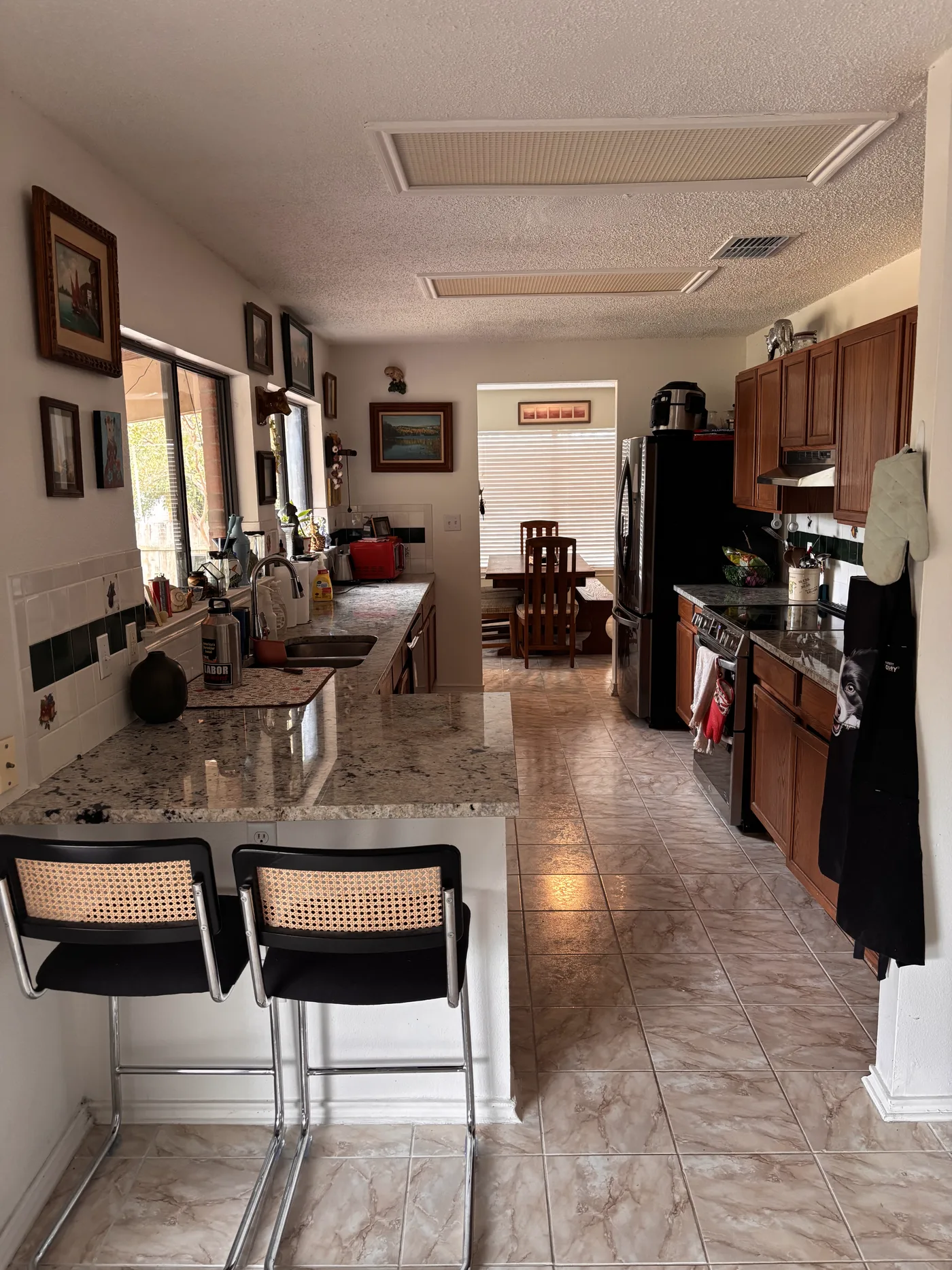
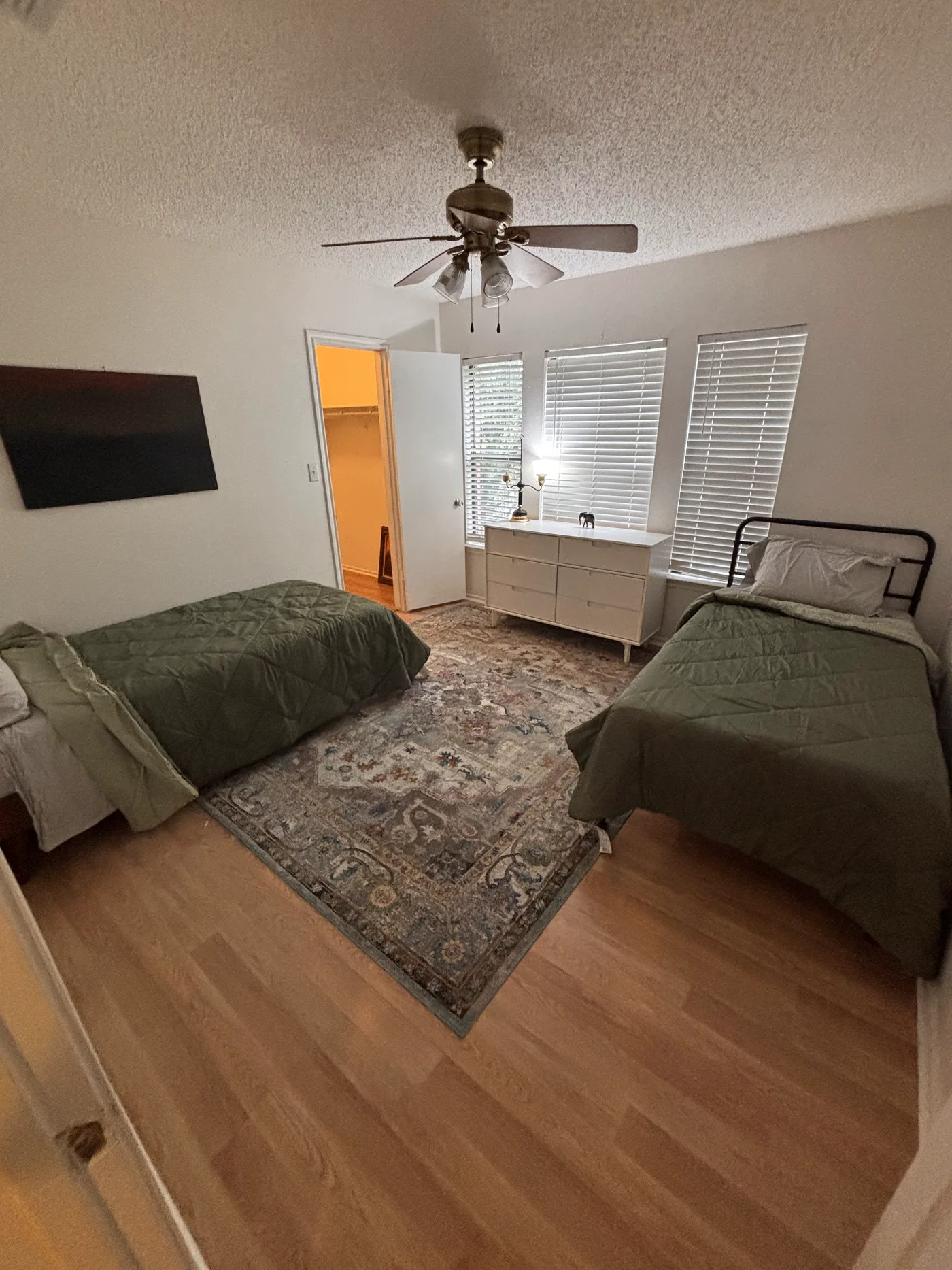
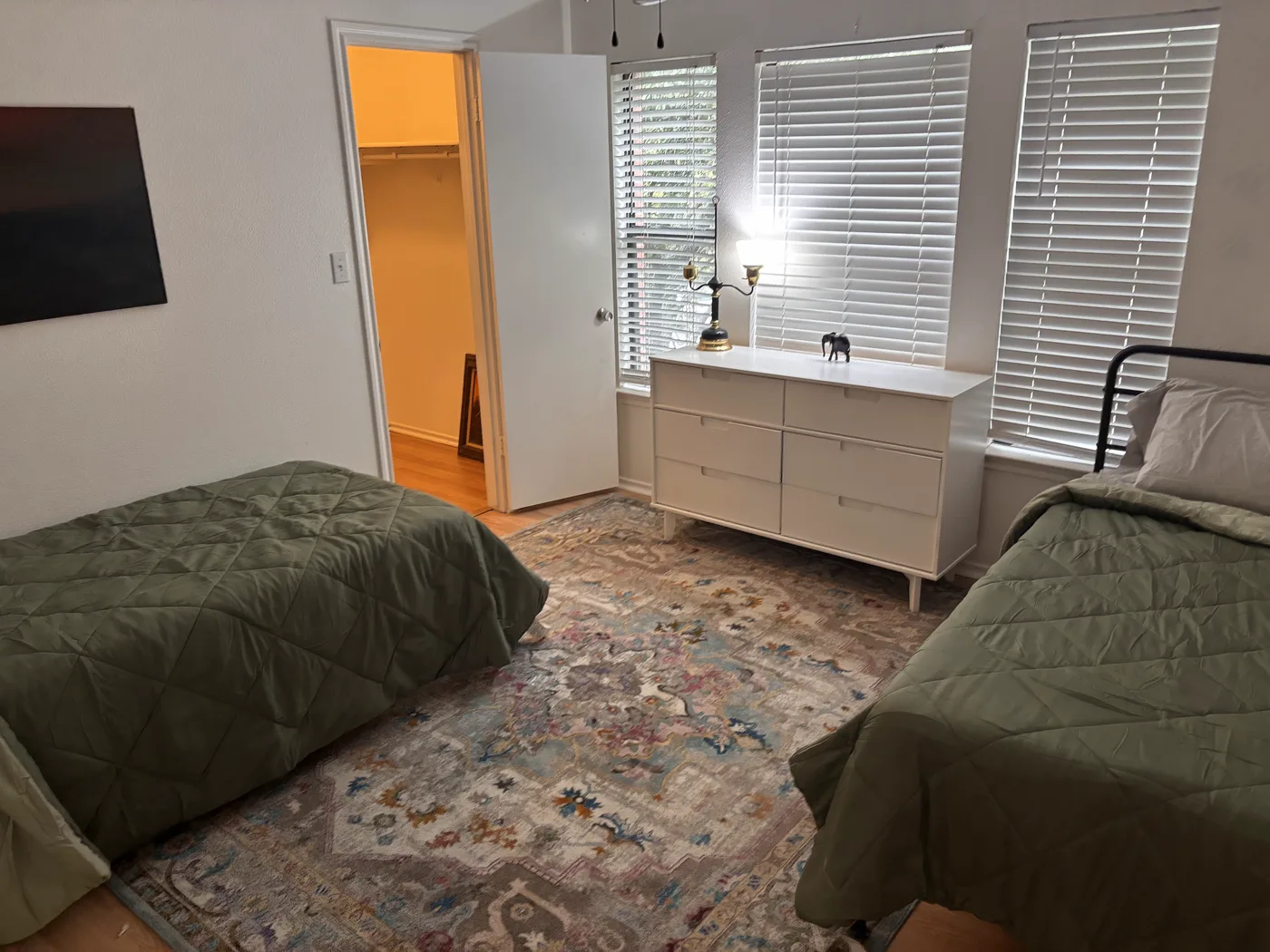
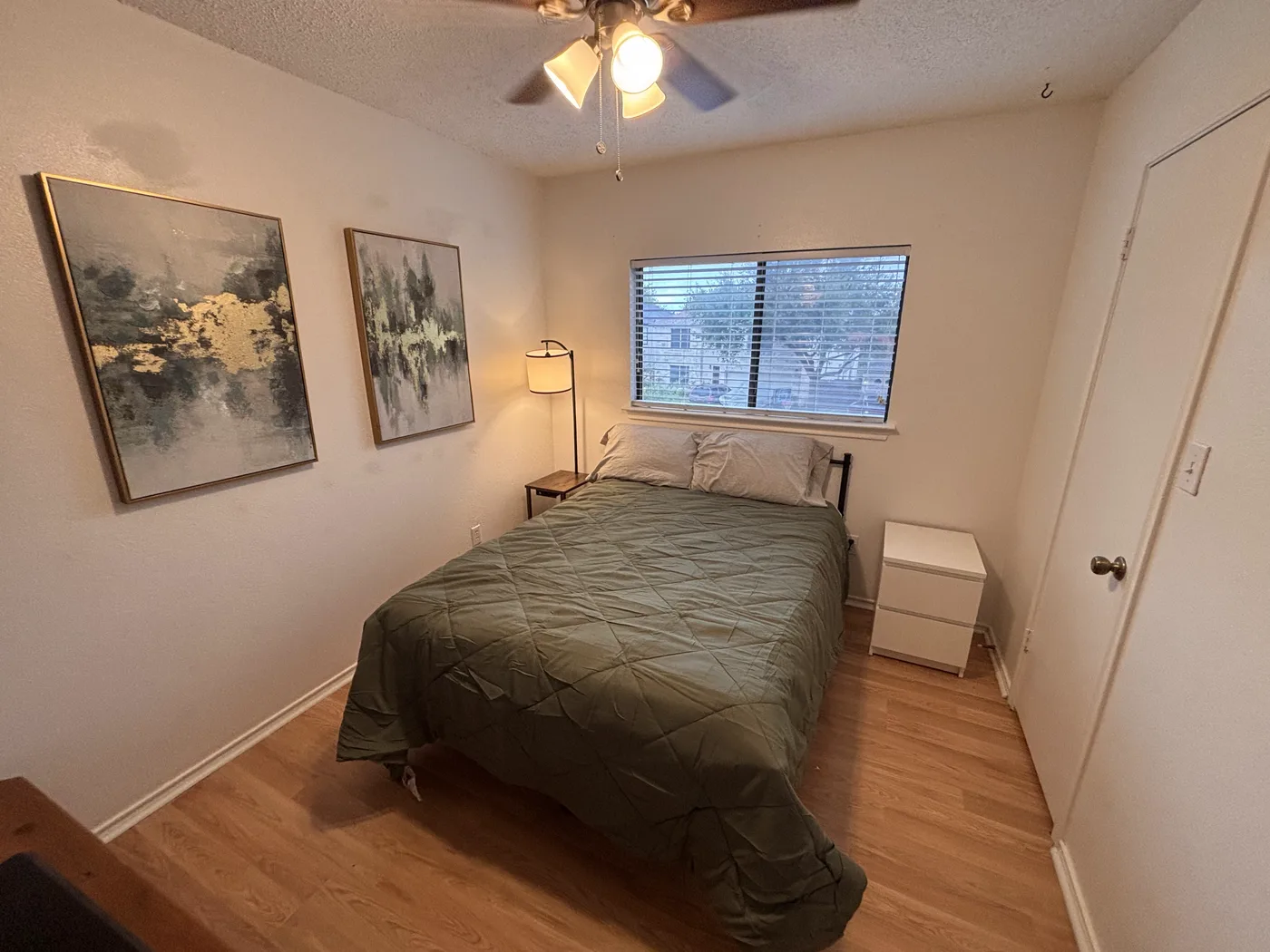
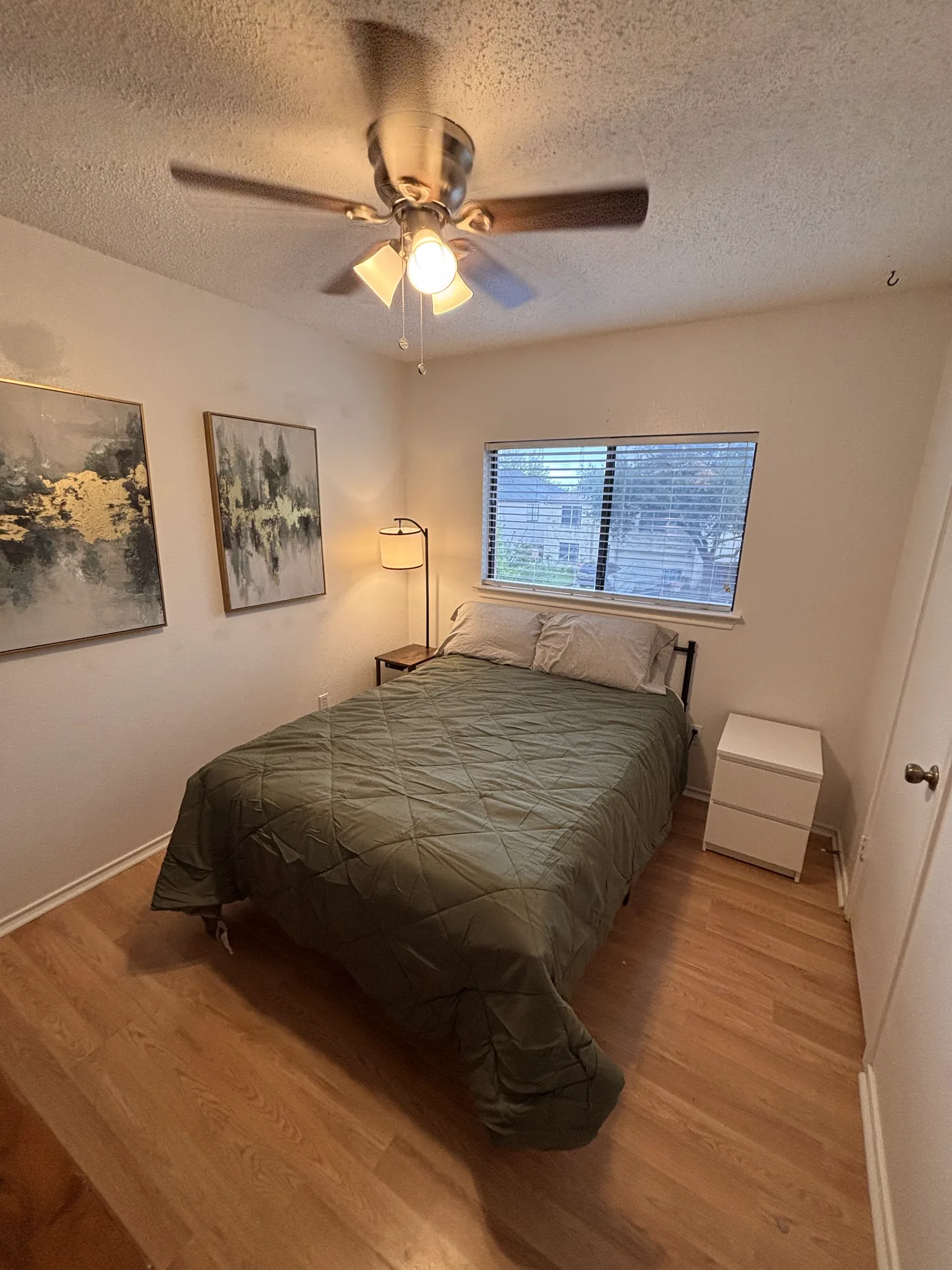
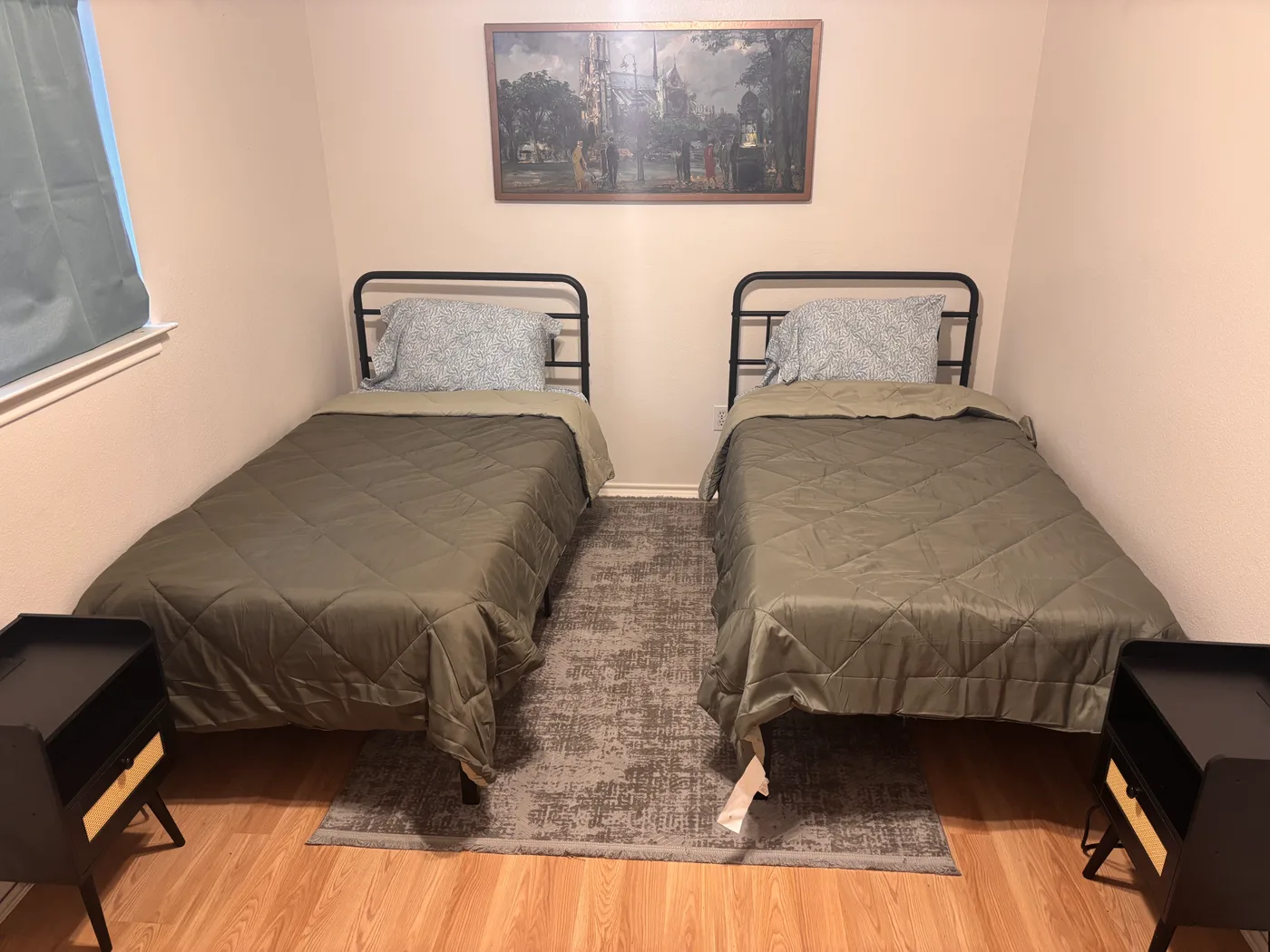
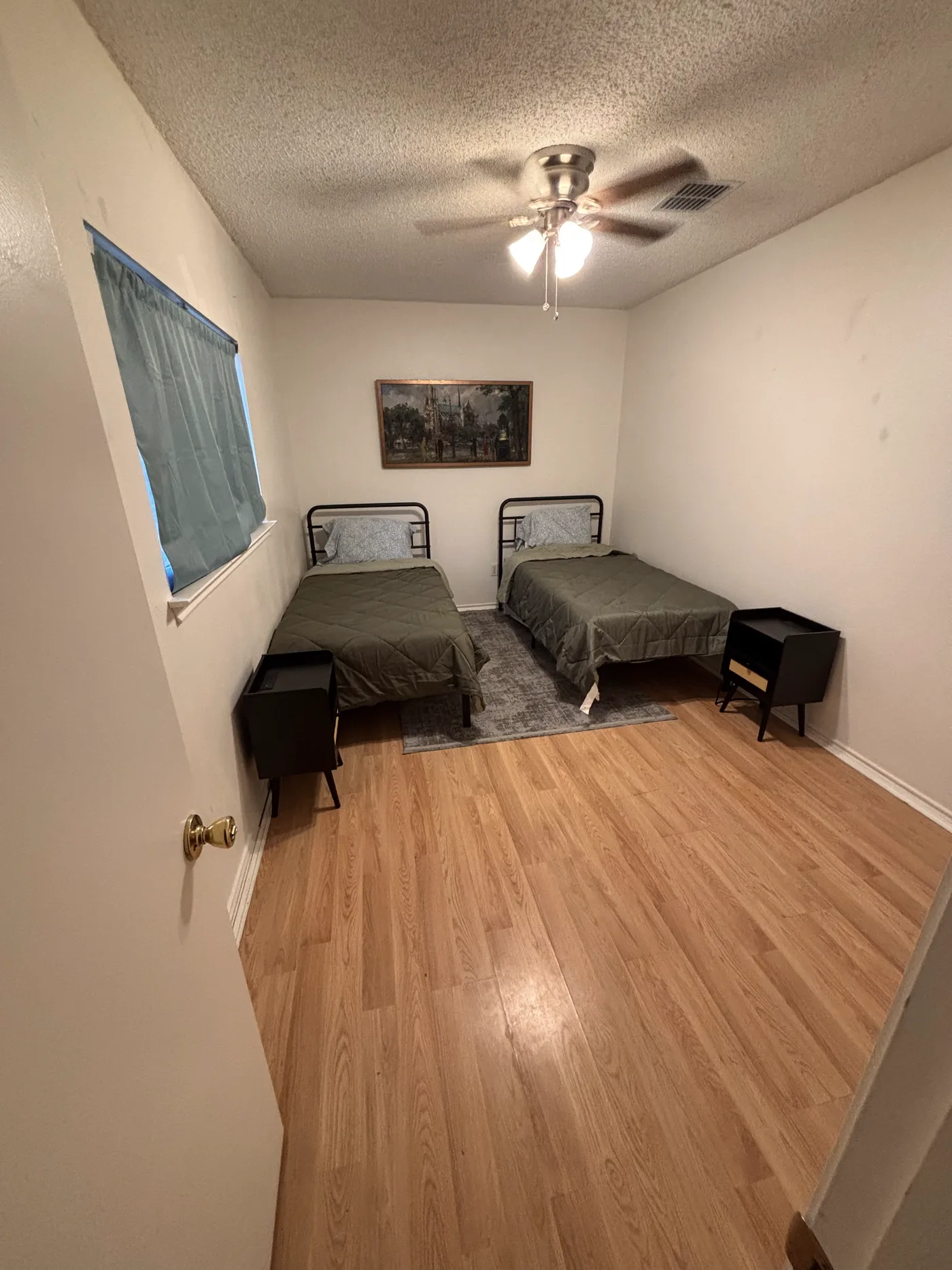
How Sober Living Homes in Austin Support Mental Health
Quality sober living homes don’t just provide a bed, they create an environment that actively supports your mental and emotional wellbeing. When you’re looking at quality sober living options in Austin, TX, pay attention to whether the home encourages or requires participation in outpatient mental health services as part of the house expectations.
Structured sober homes often require residents to be engaged in outpatient treatment, which may include therapy, IOP, or both. This isn’t just a rule for the sake of rules, it’s because homes that integrate structured treatment expectations have significantly better recovery outcomes for their residents.
Peer accountability also plays a role in mental health. Living alongside others who are committed to their sobriety creates a sense of community and belonging that combats isolation, one of the biggest mental health risk factors in early recovery. Shared meals, house meetings, and community activities all contribute to emotional resilience.
If you’re looking for a men’s program with this kind of structure, the structured men’s sober living in Austin, TX offered by Eudaimonia Recovery Homes is designed with exactly this philosophy in mind. For women seeking the same level of support, structured women’s sober living in Austin, TX provides a safe, supportive environment that encourages ongoing mental health treatment.
What to Look for When Choosing Mental Health Counseling in Recovery
Not all therapists are equally equipped to work with people in recovery. When you’re searching for counseling near your Austin sober living home, here are some key things to look for:
- Specialization in addiction or co-occurring disordersLook for credentials like LCDC (Licensed Chemical Dependency Counselor) or a therapist who lists addiction, trauma, or dual diagnosis as a specialty area.
- Trauma-informed approachMany people in recovery have experienced significant trauma. A trauma-informed therapist understands this and will work with you at a pace that feels safe.
- Familiarity with 12-step and other recovery frameworksA therapist who understands and respects 12-step work (or SMART Recovery, if that’s your path) can integrate those principles into your therapy rather than working against them.
- Insurance and sliding-scale optionsMental health care should be accessible. Ask upfront about accepted insurance, sliding-scale fees, or payment plans.
- Good therapeutic fitResearch shows that the quality of the therapeutic relationship is one of the strongest predictors of treatment success. It’s okay to try a few therapists before you find the right fit.
Integrating Mental Health Care Into Your Overall Recovery Plan
The most effective recovery plans treat the whole person: body, mind, and community. Mental health counseling doesn’t exist in isolation from your 12-step work, your sober living community, your physical health, and your sense of purpose and meaning. In fact, the word “eudaimonia” itself, the name our recovery homes bear, is an ancient Greek concept meaning flourishing and living well. That vision of recovery goes far beyond simply not drinking or using.
When you’re building your recovery plan in Austin, think about how all the pieces fit together:
- Where will you live, and does that environment support your mental health goals?
- Are you enrolled in an IOP or outpatient program that addresses co-occurring conditions?
- Do you have a therapist you trust who understands recovery?
- Are you engaged in peer support: whether that’s a 12-step group, SMART Recovery, or another community?
- Do you have a psychiatrist or prescriber if medication is part of your treatment?
For a deeper look at how to build this kind of comprehensive foundation, the Austin sober living guide from Eudaimonia Recovery Homes is a helpful starting point. And if you’re ready to explore your housing options specifically, you can review the top sober homes in Austin to find the environment that’s right for your stage of recovery.
Taking the Next Step Toward Whole-Person Recovery in Austin
You don’t have to choose between a stable place to live and access to the mental health services you need. In Austin, the recovery community has grown significantly, and there are more options than ever for people who want to address both their sobriety and their mental health at the same time. The right sober living home, paired with the right counseling and community support, can help you build a life in recovery that’s not just sober, but genuinely fulfilling.
If you’re ready to explore sober living homes in Austin that support your mental health journey, Eudaimonia Recovery Homes is here to help. Our team can answer questions about our programs, structure, and how we work with outpatient mental health providers. Call us today at (512) 240-6612 Or visit our website to learn more and start your application. Recovery, real, whole-person recovery, is possible, and it starts with the right environment and the right support.


