

Published May 18, 2026 · Updated May 19, 2026
On This Page · 13 Sections

Sober Living
Austin
10506 Parkfield Dr, Austin, TX 78758
If you’re living in a sober living home in Austin and searching for mental health support, you’re already doing something incredibly courageous. Recovery isn’t just about putting down substances, it’s about healing the whole person. And for many people, that means finding a therapist or mental health program that understands addiction, trauma, and what life in early recovery actually looks like. The good news is that Austin has a growing network of mental health services for sober living residents, including outpatient therapists, dual diagnosis programs, and community mental health clinics that welcome people exactly where they are.
This guide breaks down what to look for, where to start, and how to access affordable, quality mental health care while you’re living in a structured recovery environment in Austin, TX.
Why Mental Health Support Matters During Sober Living
Sober living homes provide the structure, accountability, and community that early recovery demands. But the emotional work of recovery, processing grief, managing anxiety, addressing past trauma, rebuilding relationships, often requires professional support beyond what a house manager or peer support network can offer.
Research consistently shows that people who address co-occurring mental health conditions during recovery have significantly better long-term sobriety outcomes. Conditions like depression, anxiety, PTSD, and bipolar disorder frequently co-occur with substance use disorders. When left untreated, these conditions dramatically increase relapse risk.
Whether you’re dealing with a diagnosed mental health condition or simply navigating the emotional turbulence that comes with early sobriety, connecting with a therapist who understands addiction can make a real difference. If you’re exploring your options for sober living in Austin, it’s worth factoring mental health support access into your decision from the very beginning.
What to Look for in a Therapist for People in Recovery
Not all therapists are equally equipped to support people in addiction recovery. When searching for therapists for people in recovery in Austin, here are qualities and credentials worth prioritizing:
- Experience with substance use disorders (SUD): Look for therapists who list addiction, co-occurring disorders, or dual diagnosis as a specialty.
- Familiarity with 12-step and other recovery frameworks: A therapist who understands AA, NA, SMART Recovery, and sober living culture will be a better ally in your recovery journey.
- Trauma-informed care: Many people in recovery have experienced significant trauma. Trauma-informed therapists use approaches like EMDR, somatic therapy, or trauma-focused CBT.
- Flexible scheduling: If you’re working or attending outpatient programming during the day, you’ll need a therapist with evening or weekend availability.
- Sliding scale fees or insurance acceptance: Affordability matters in early recovery. Ask about sliding scale rates or whether they accept Medicaid or marketplace insurance plans.
- Telehealth options: Many Austin therapists now offer virtual sessions, which can be especially helpful if transportation is a barrier.
Types of Mental Health Services Available in Austin for Recovery
Austin offers a wide range of mental health services that are well-suited to people living in sober living homes. Here’s a breakdown of the main options:
Individual Outpatient Therapy
One-on-one sessions with a licensed therapist (LPC, LCSW, or psychologist) are the cornerstone of mental health support in recovery. Sessions typically run 50 minutes and can be scheduled once or twice a week depending on your needs. Modalities commonly used in addiction recovery include Cognitive Behavioral Therapy (CBT), Dialectical Behavior Therapy (DBT), Motivational Interviewing (MI), and EMDR for trauma processing.
Intensive Outpatient Programs (IOP) with Mental Health Components
If you need more structured support than weekly therapy but don’t require inpatient care, a dual diagnosis outpatient program in Austin, TX May be the right fit. These programs typically meet three to five days per week for several hours per day and integrate both substance use and mental health treatment. Many IOPs are designed to work alongside sober living, you attend programming during the day and return home in the evening.
Call Now: (512) 240-6612Community Mental Health Clinics
Austin has several community mental health centers that offer low-cost or sliding-scale services for people who are uninsured or underinsured. Austin Travis County Integral Care (ATCIC) is the primary public mental health authority for Travis County and offers psychiatric services, therapy, case management, and crisis support. They serve individuals regardless of ability to pay and have experience working with people in recovery.
Peer Support Specialists
Texas has a robust peer support specialist program. Peer support specialists are people with lived experience in recovery who provide coaching, advocacy, and emotional support. They’re not therapists, but they offer a unique kind of understanding that clinical providers sometimes can’t. Many sober living programs and community organizations connect residents with peer support services.
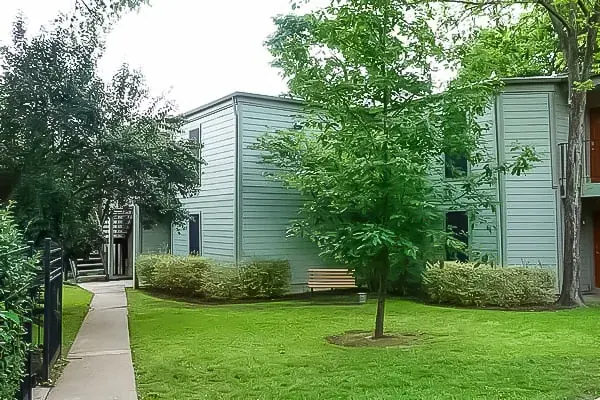
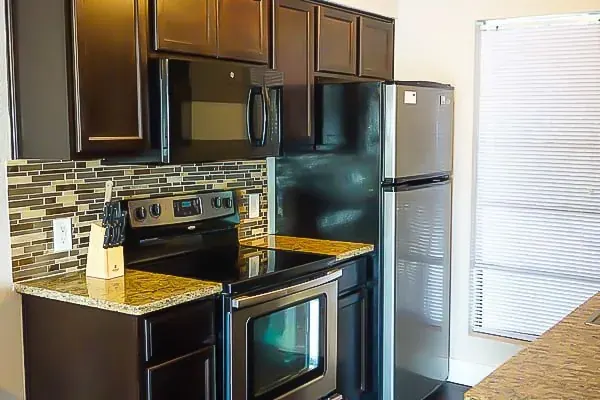
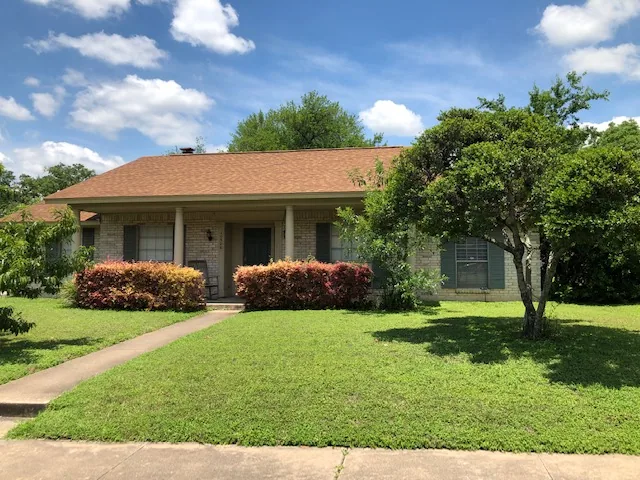
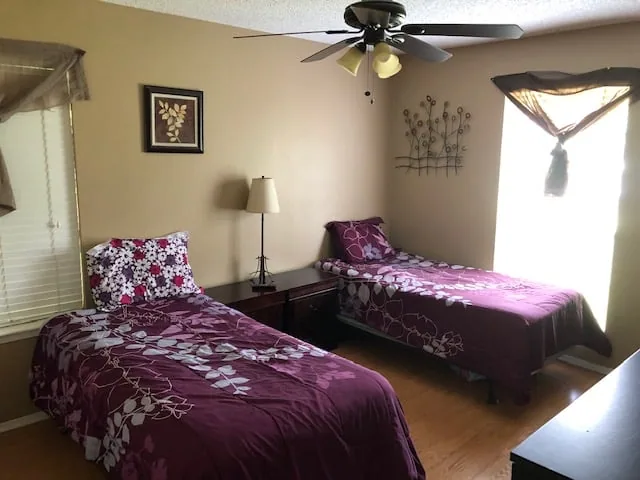
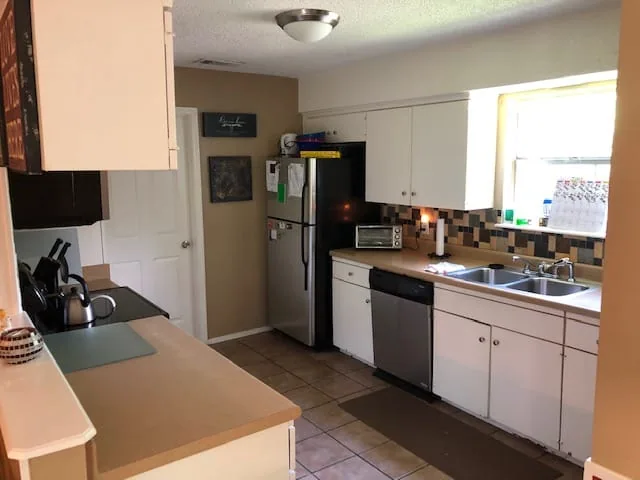
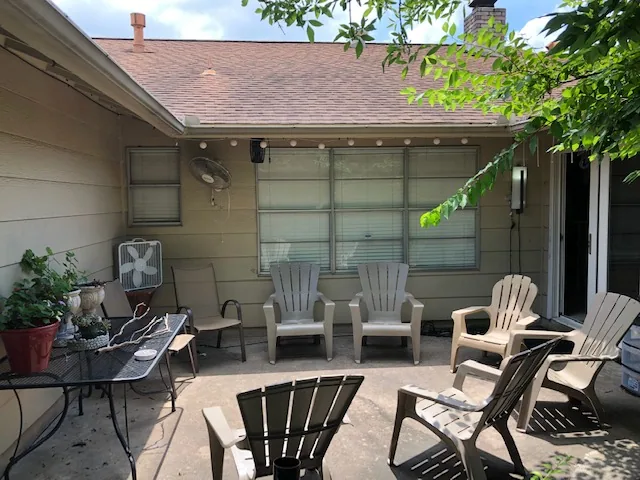
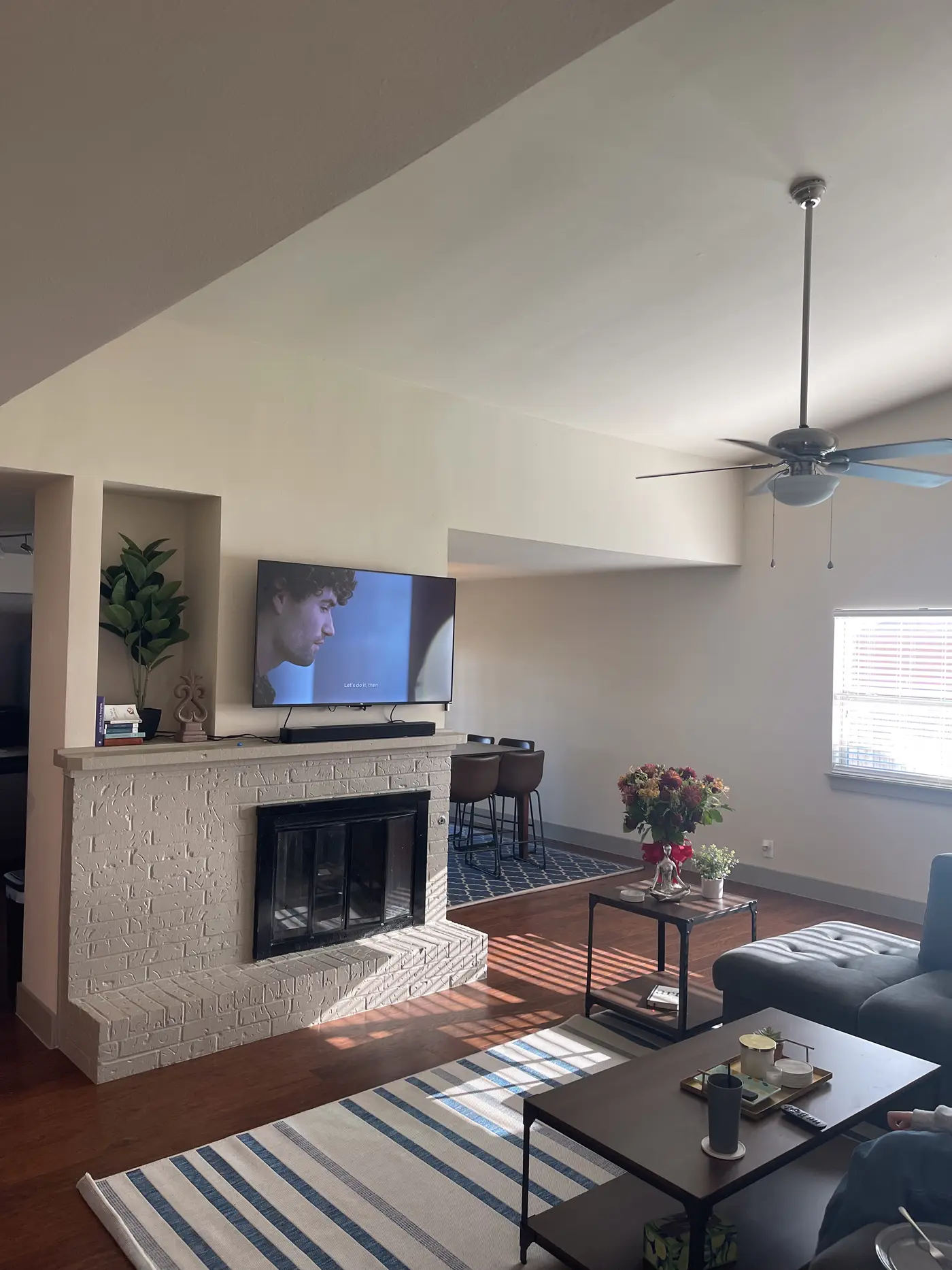
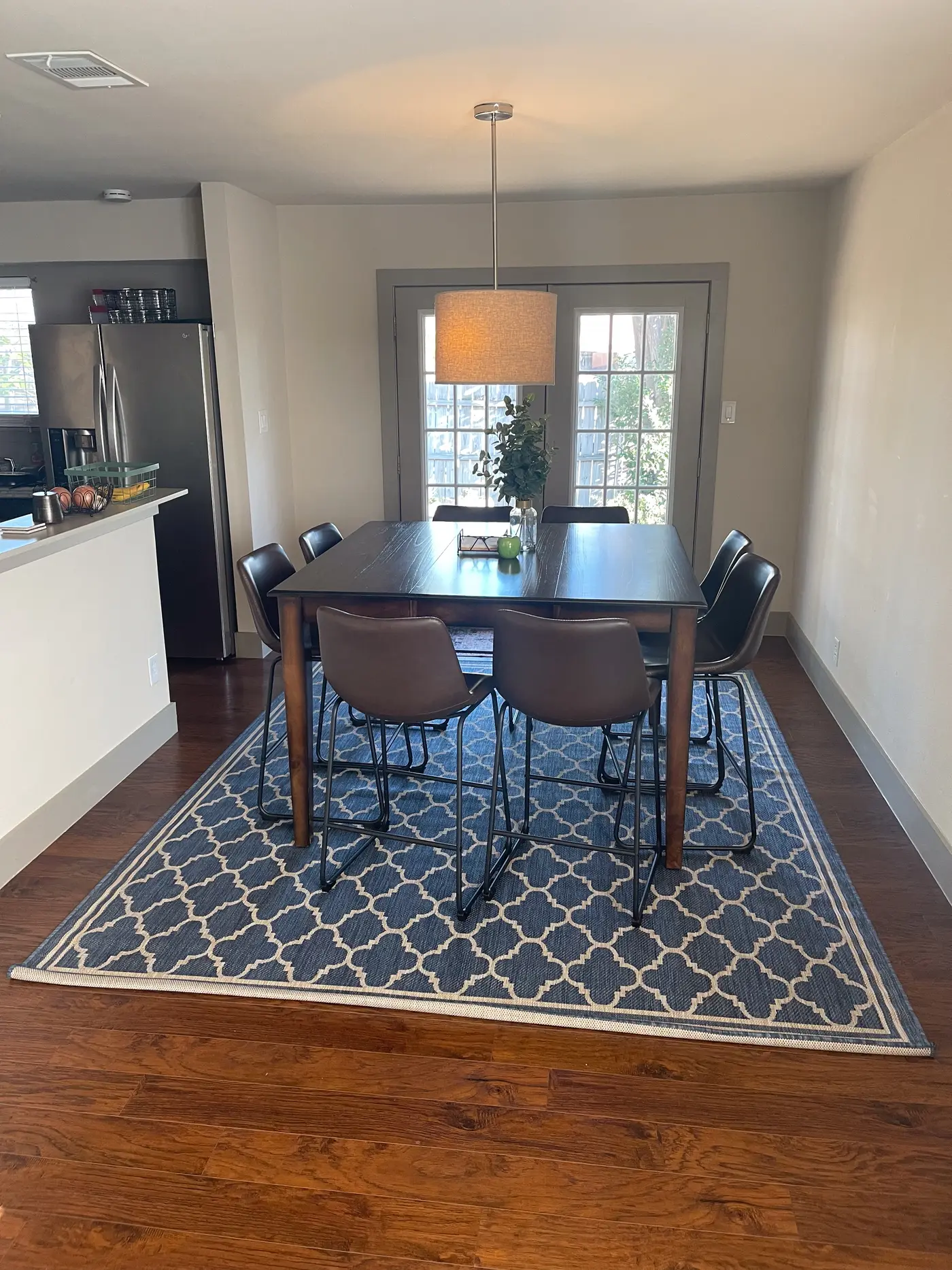
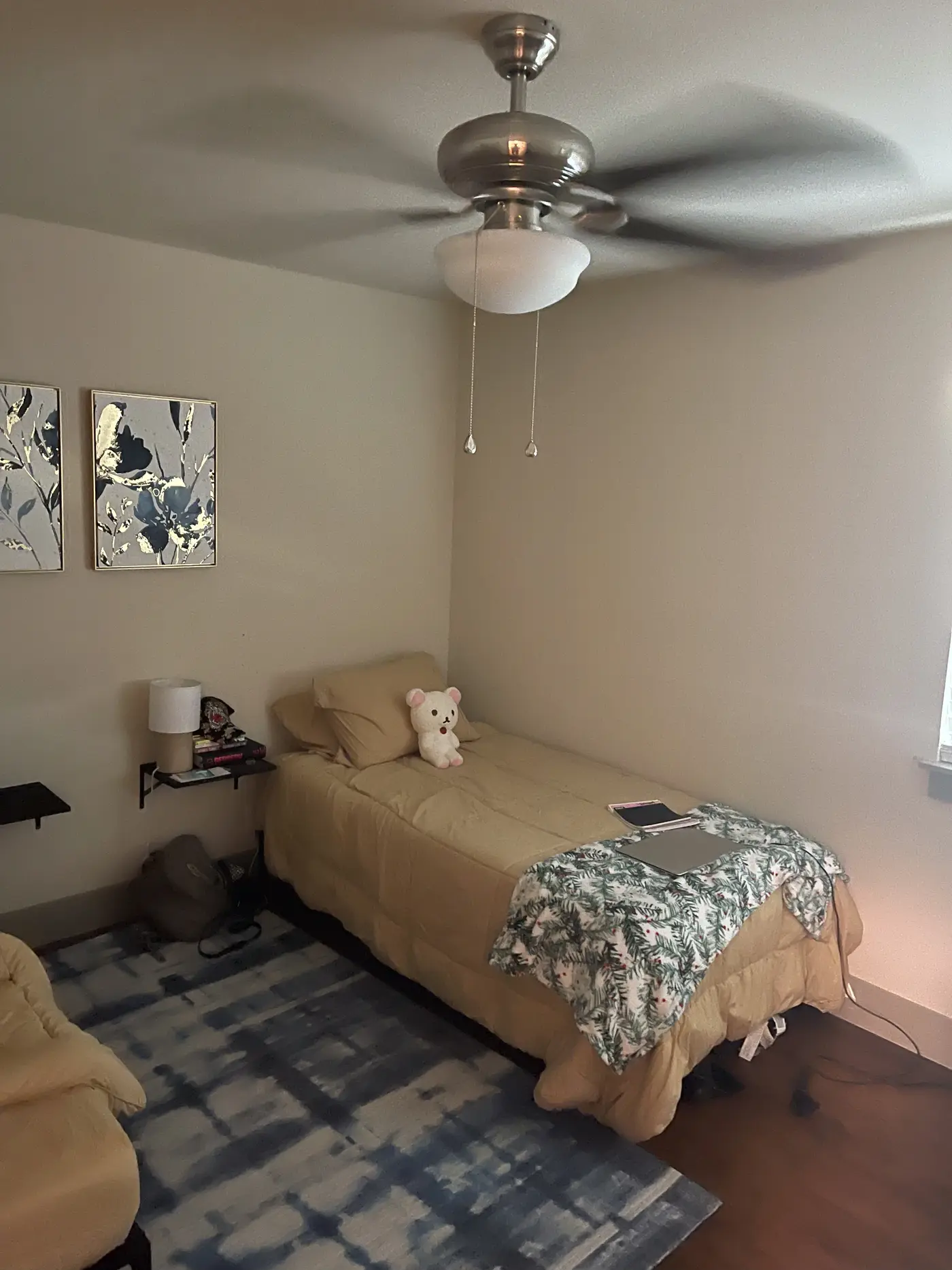
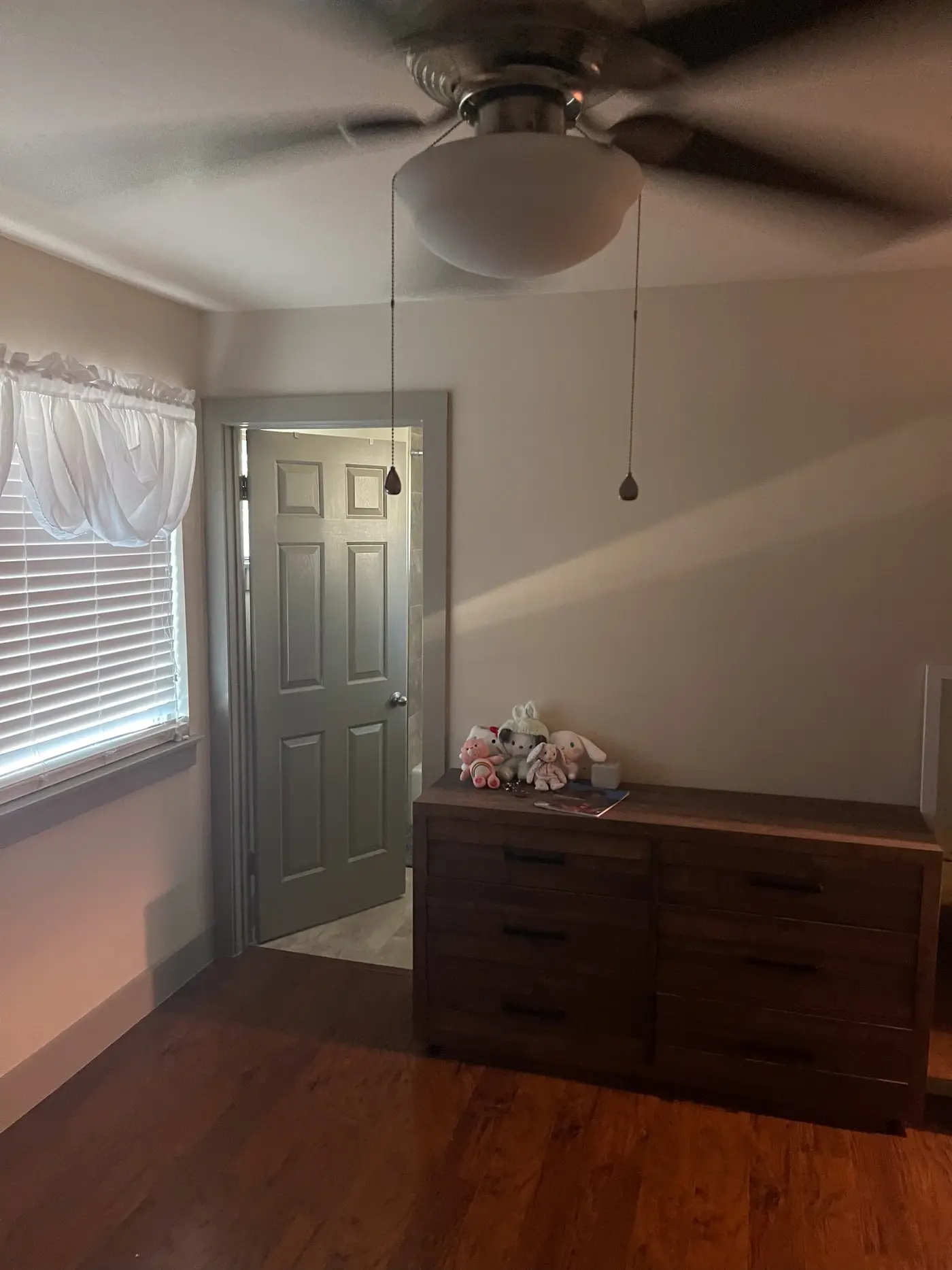
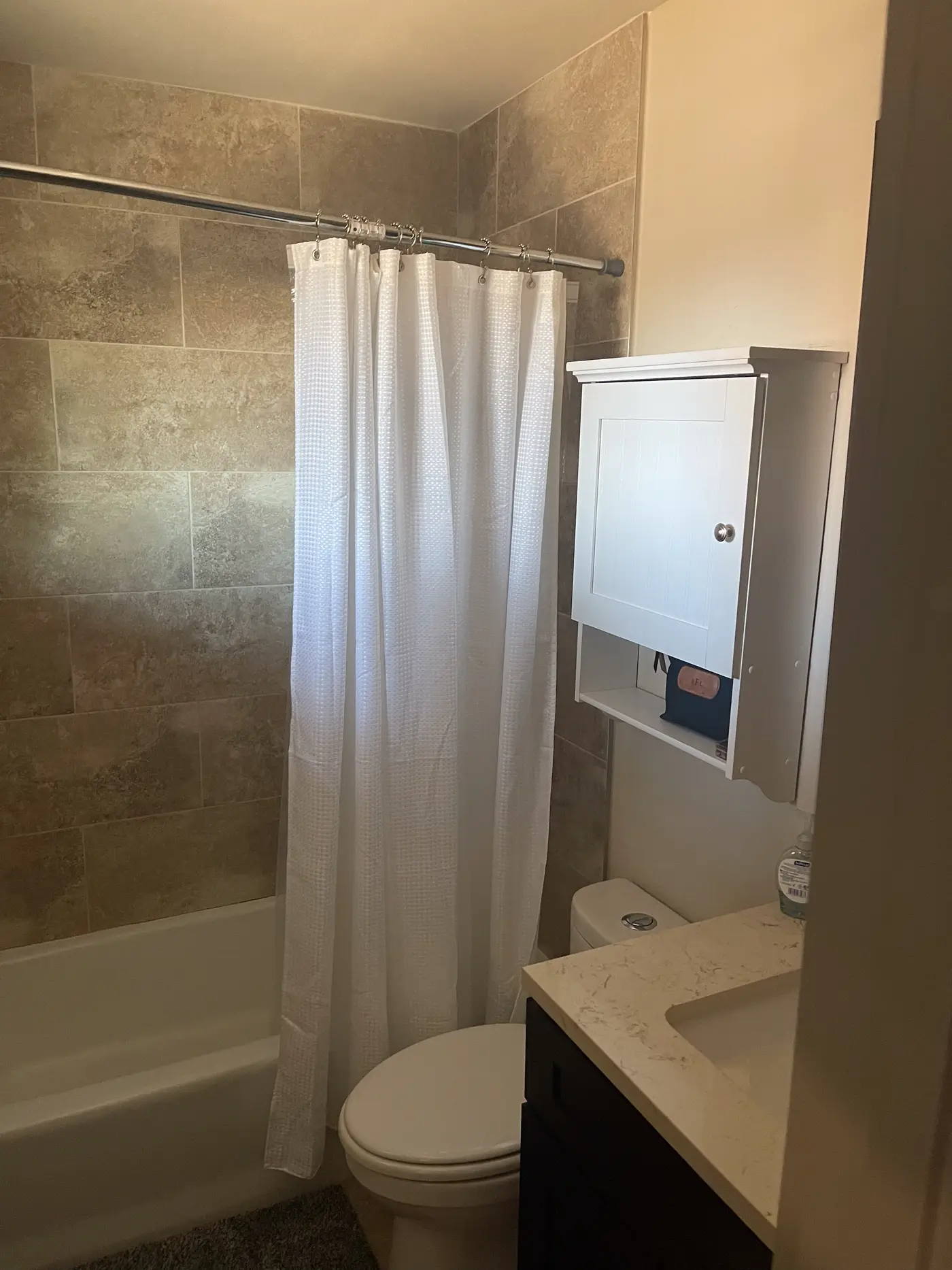
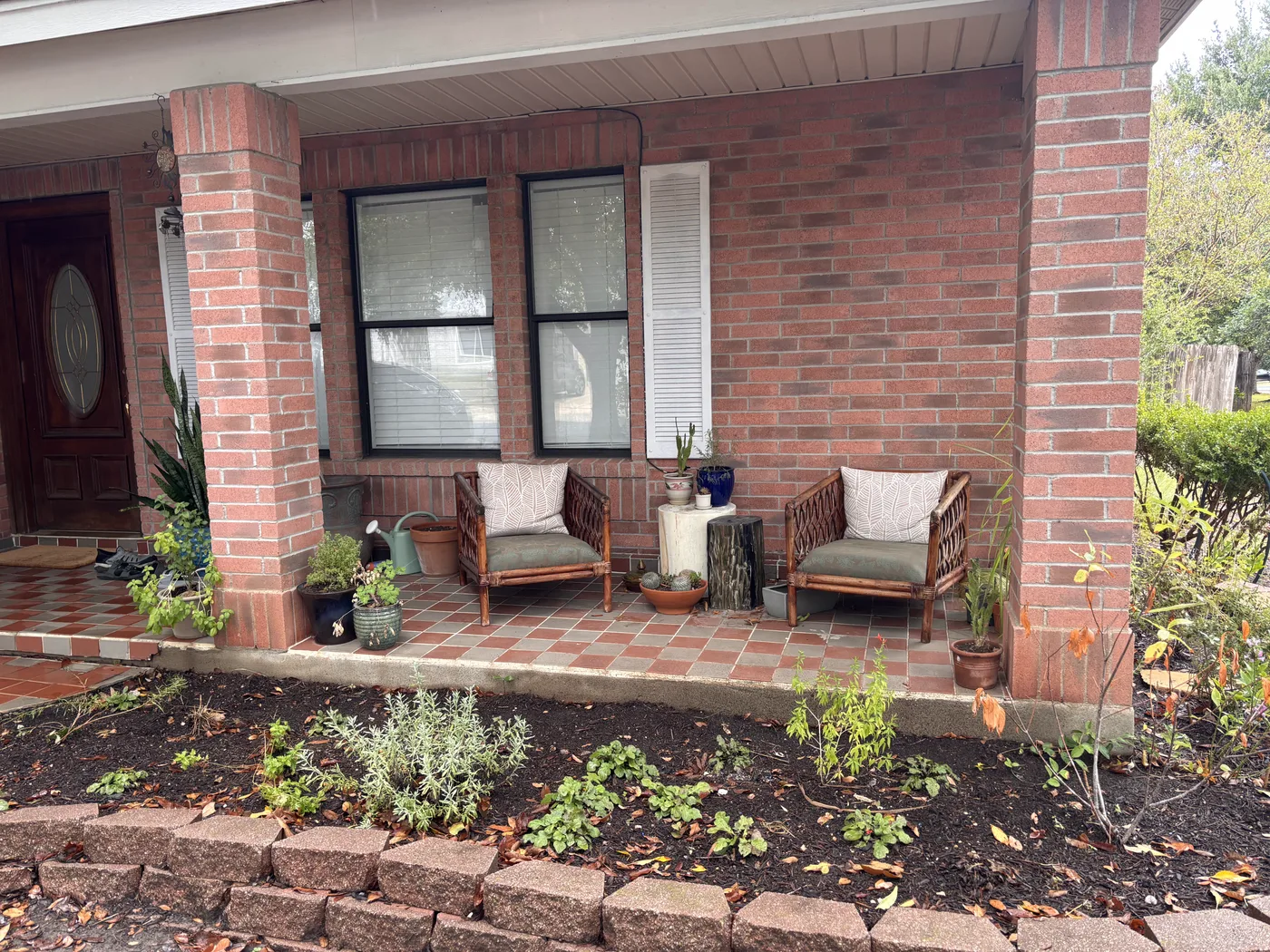
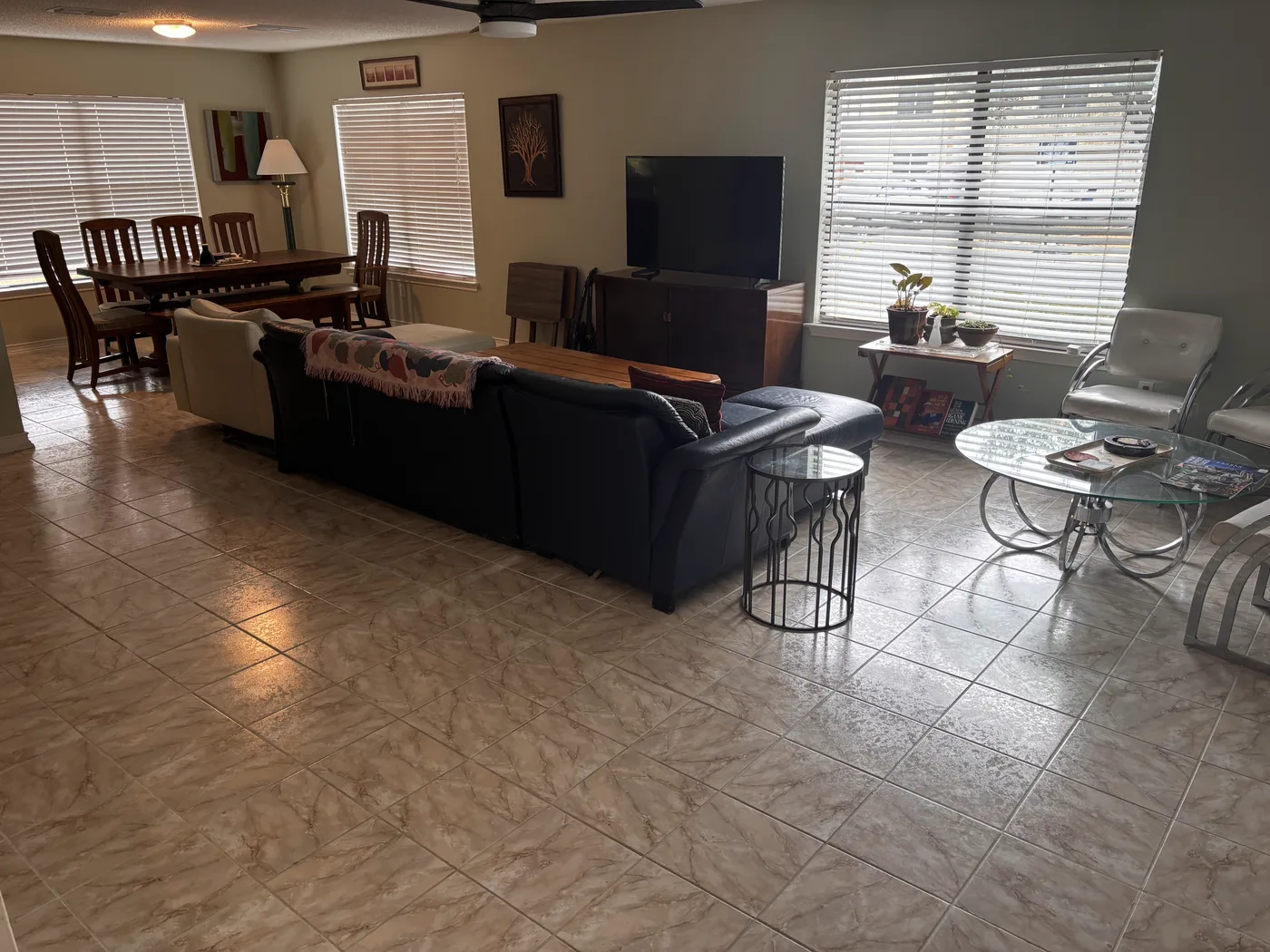
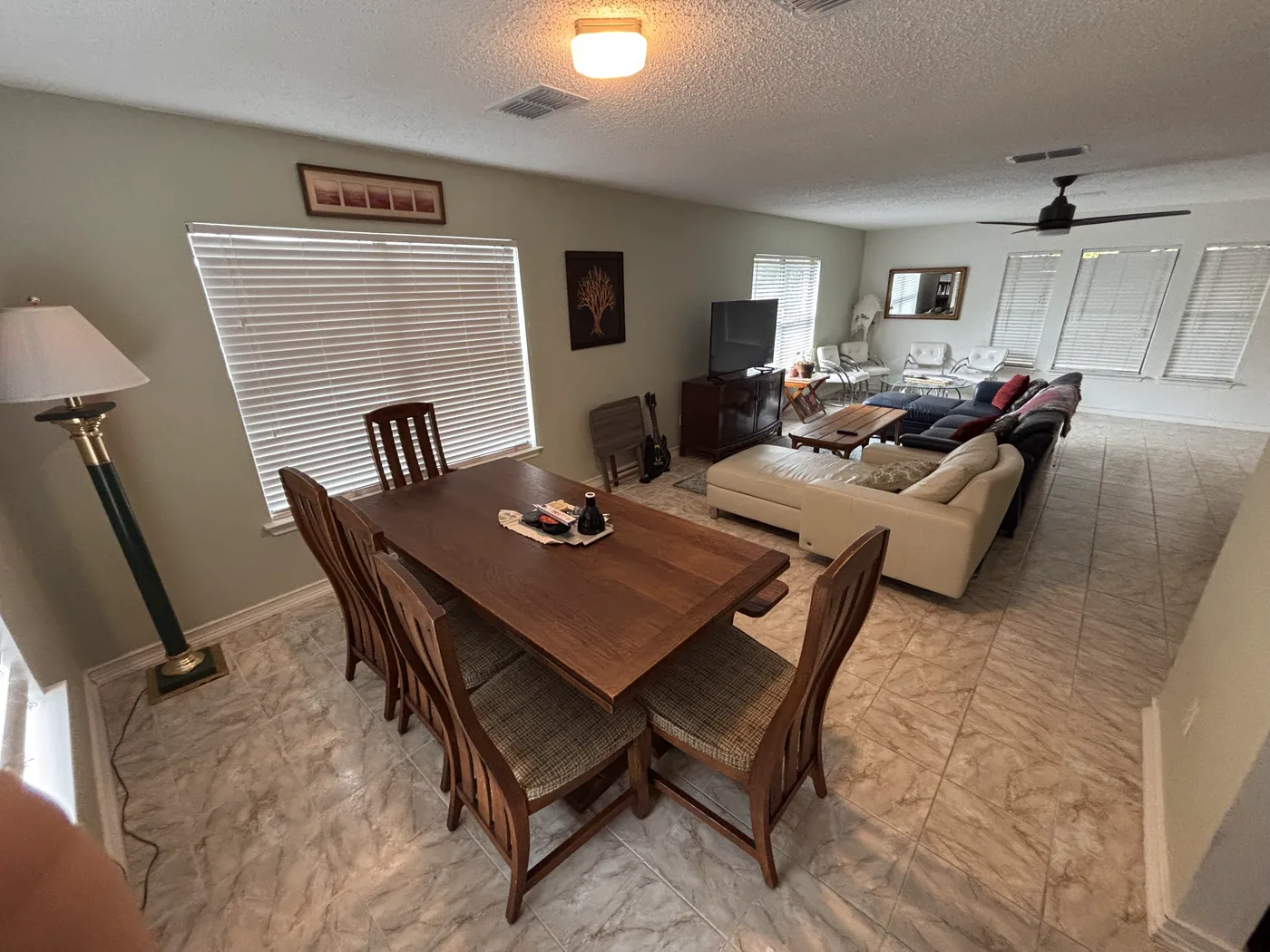
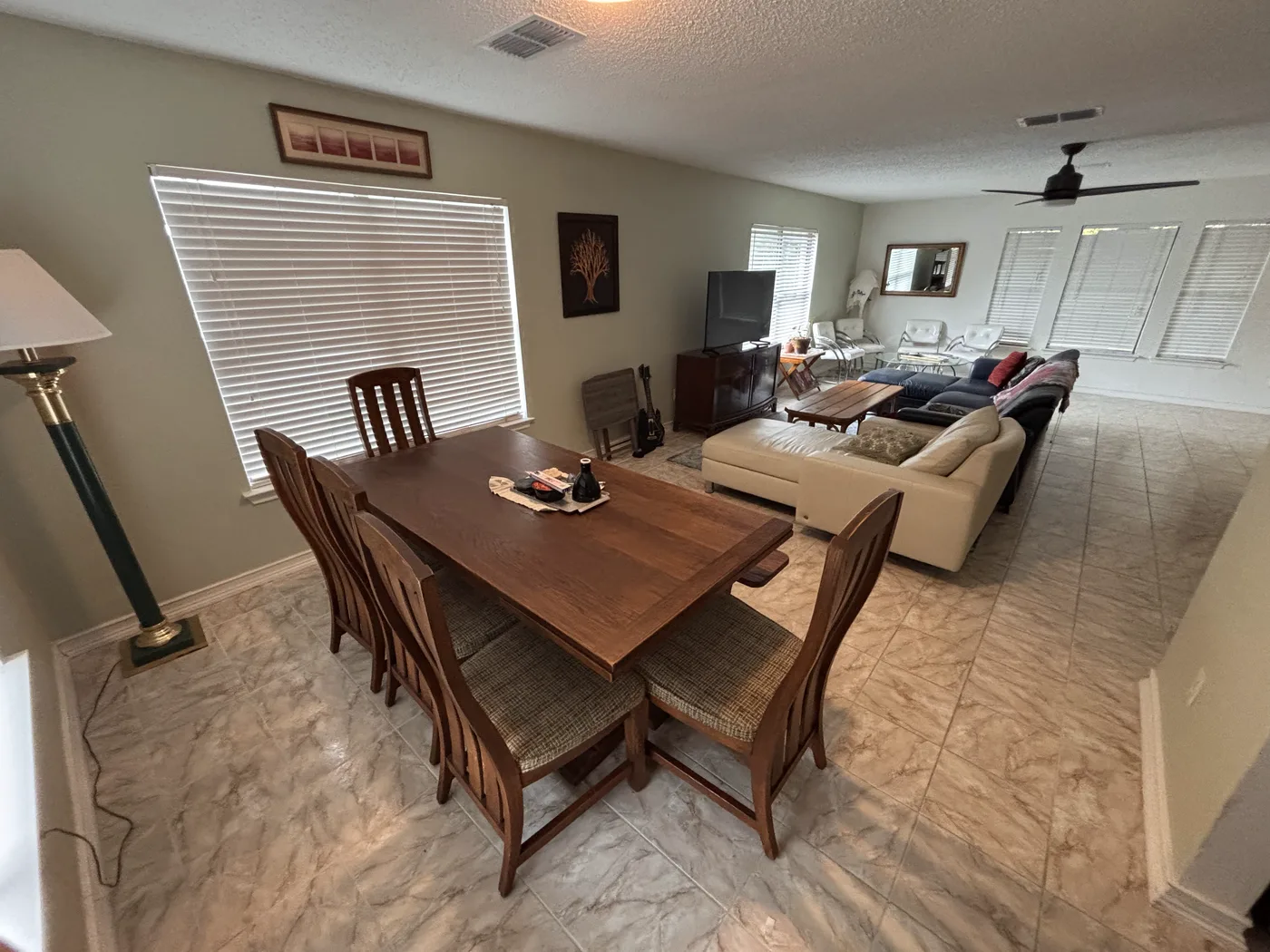
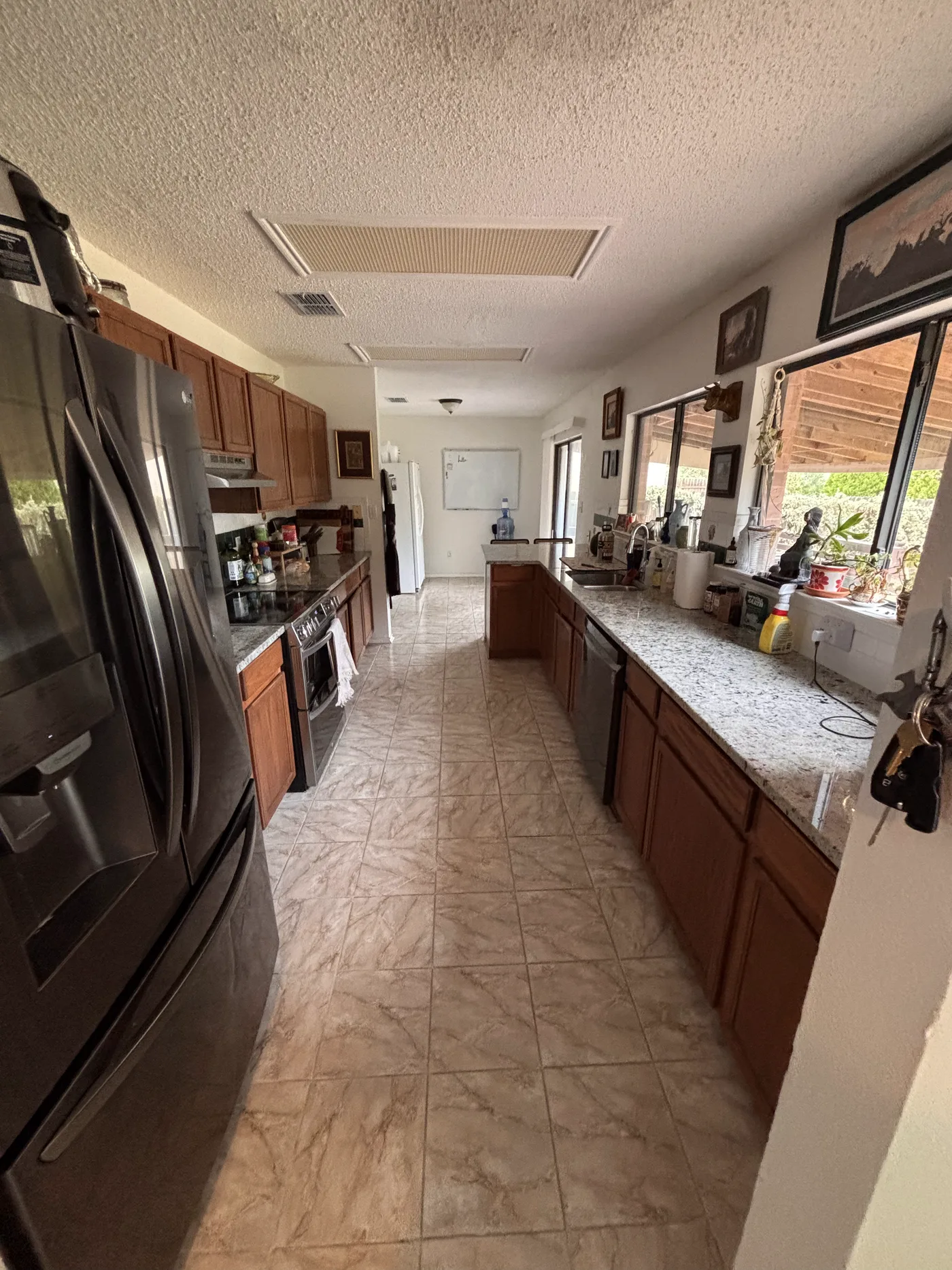
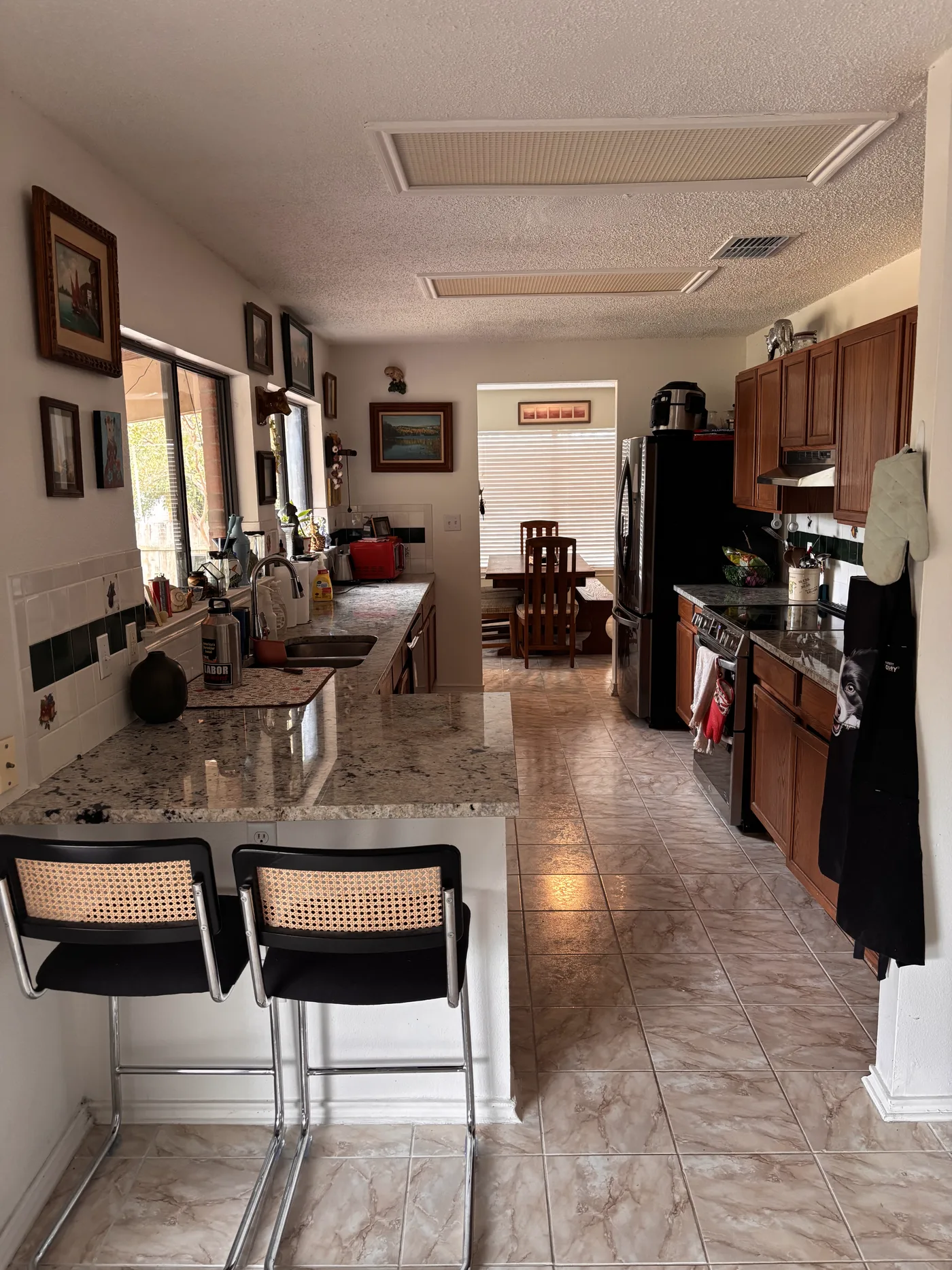
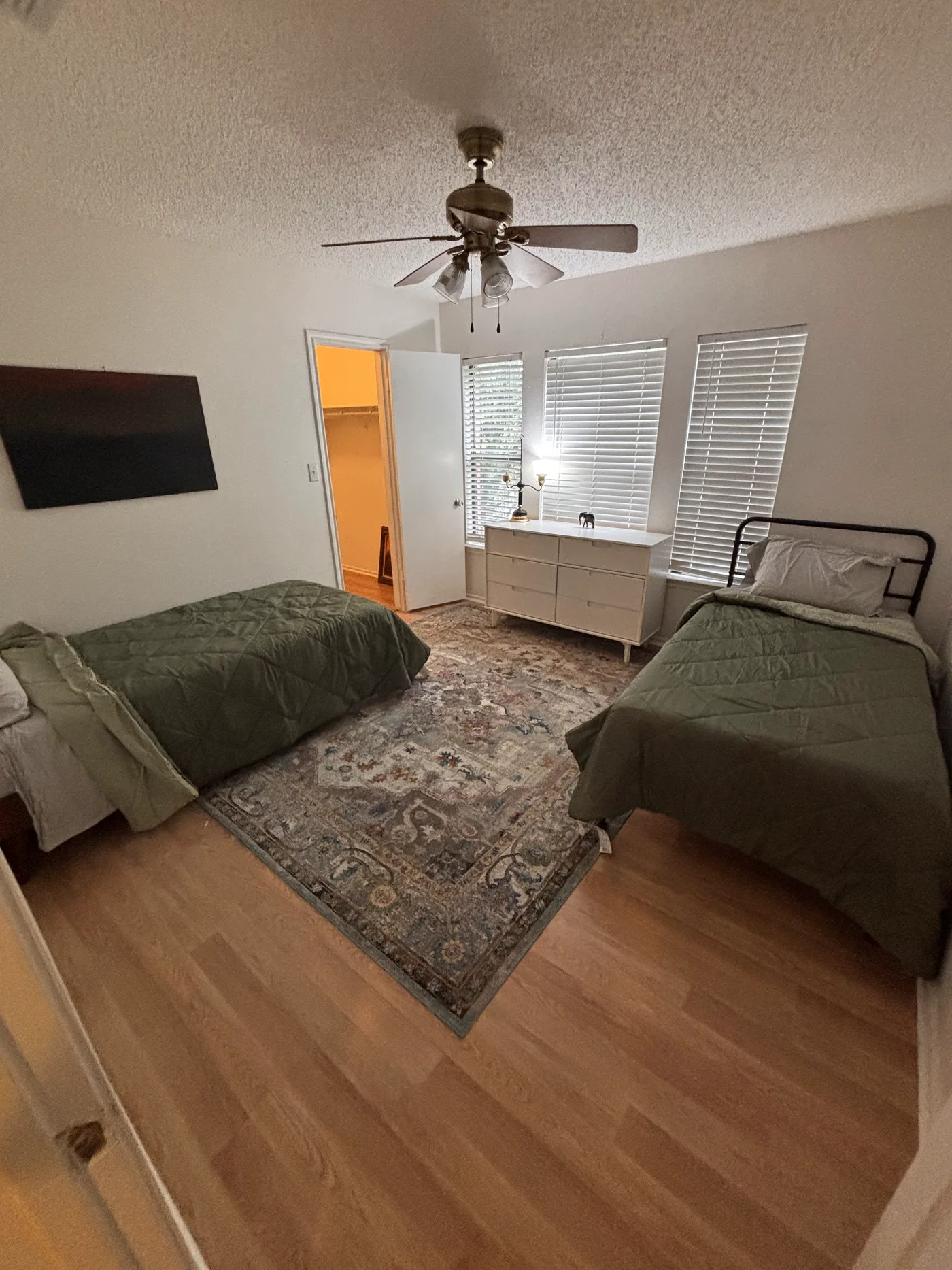
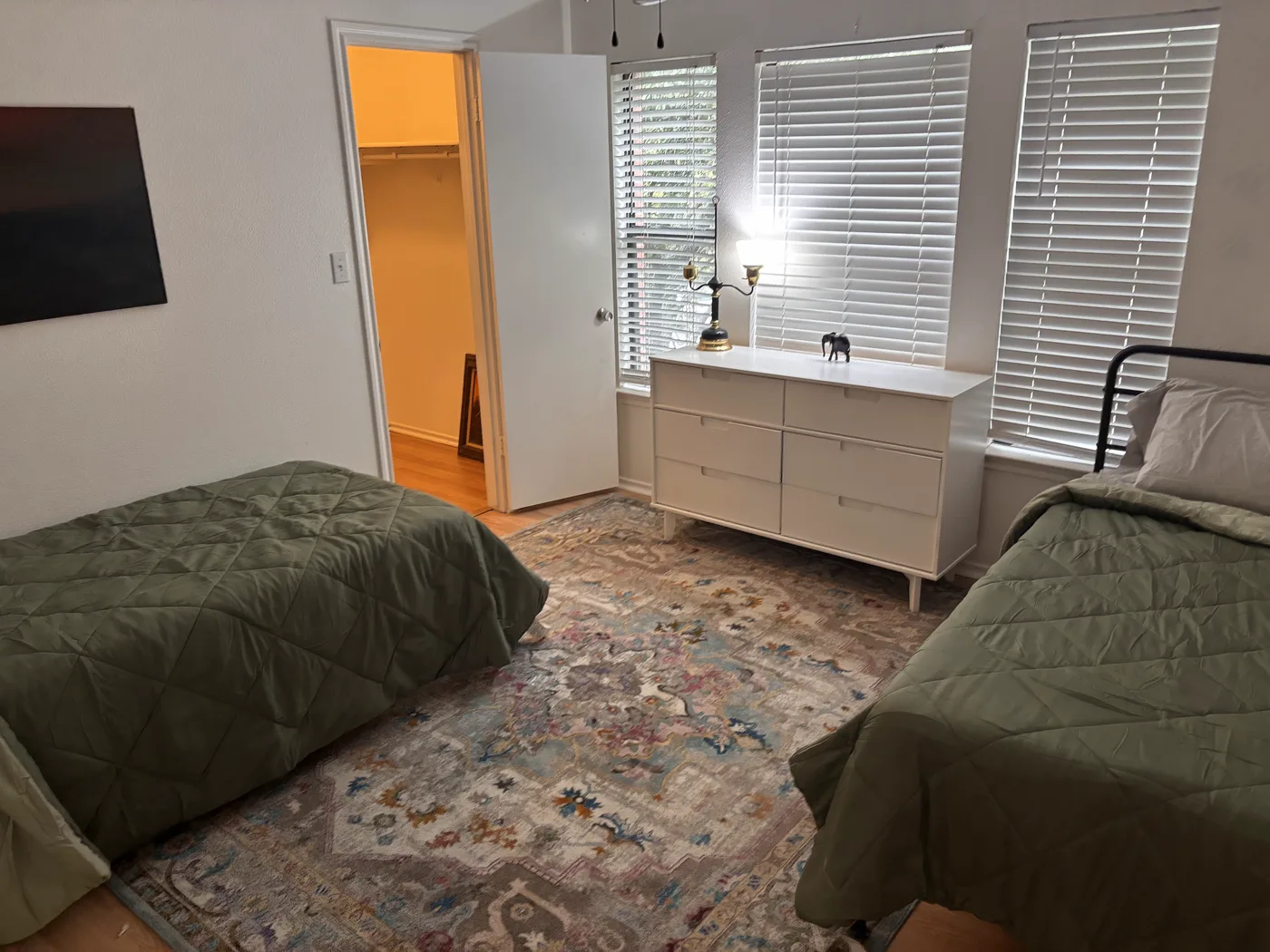
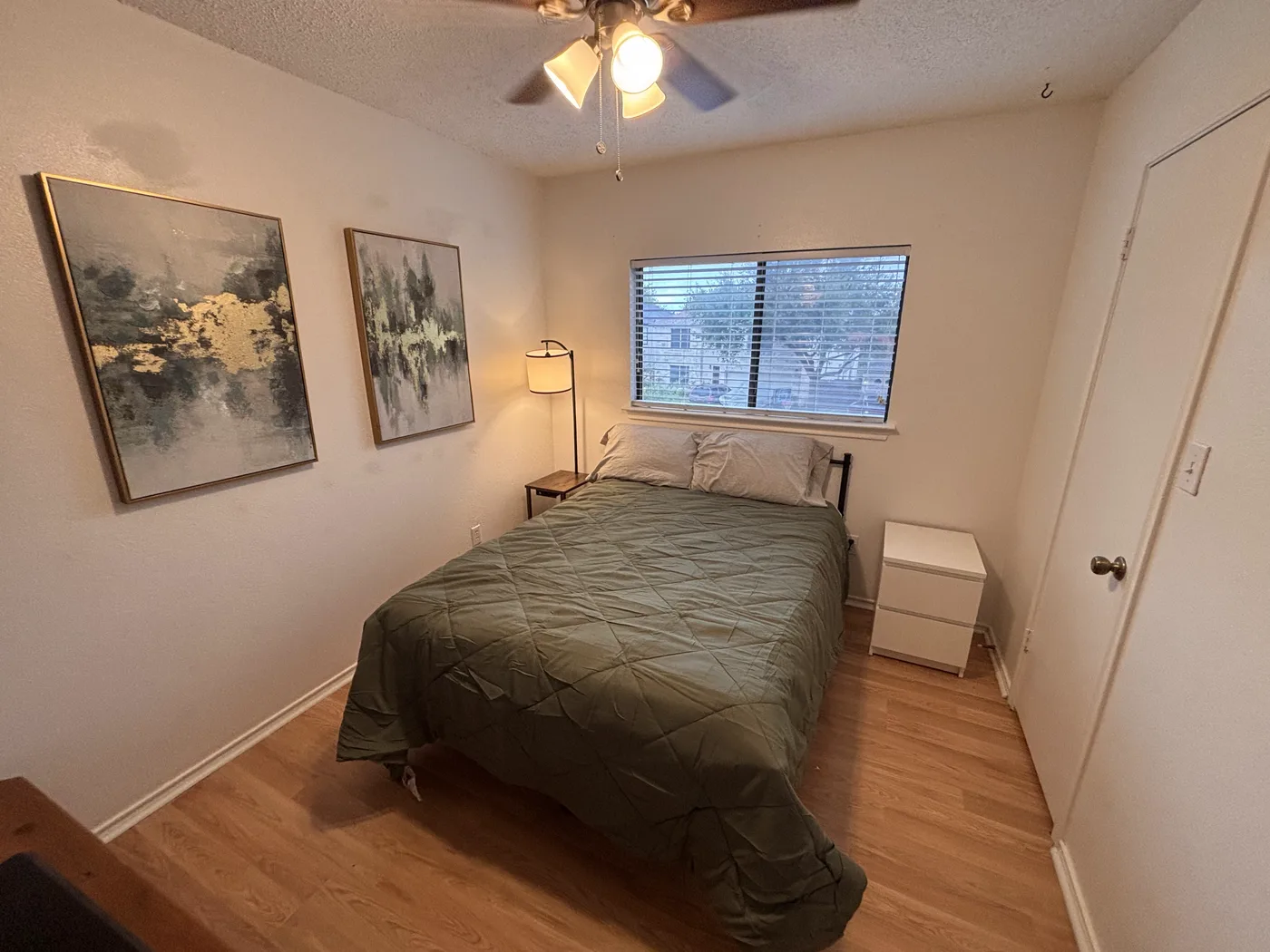
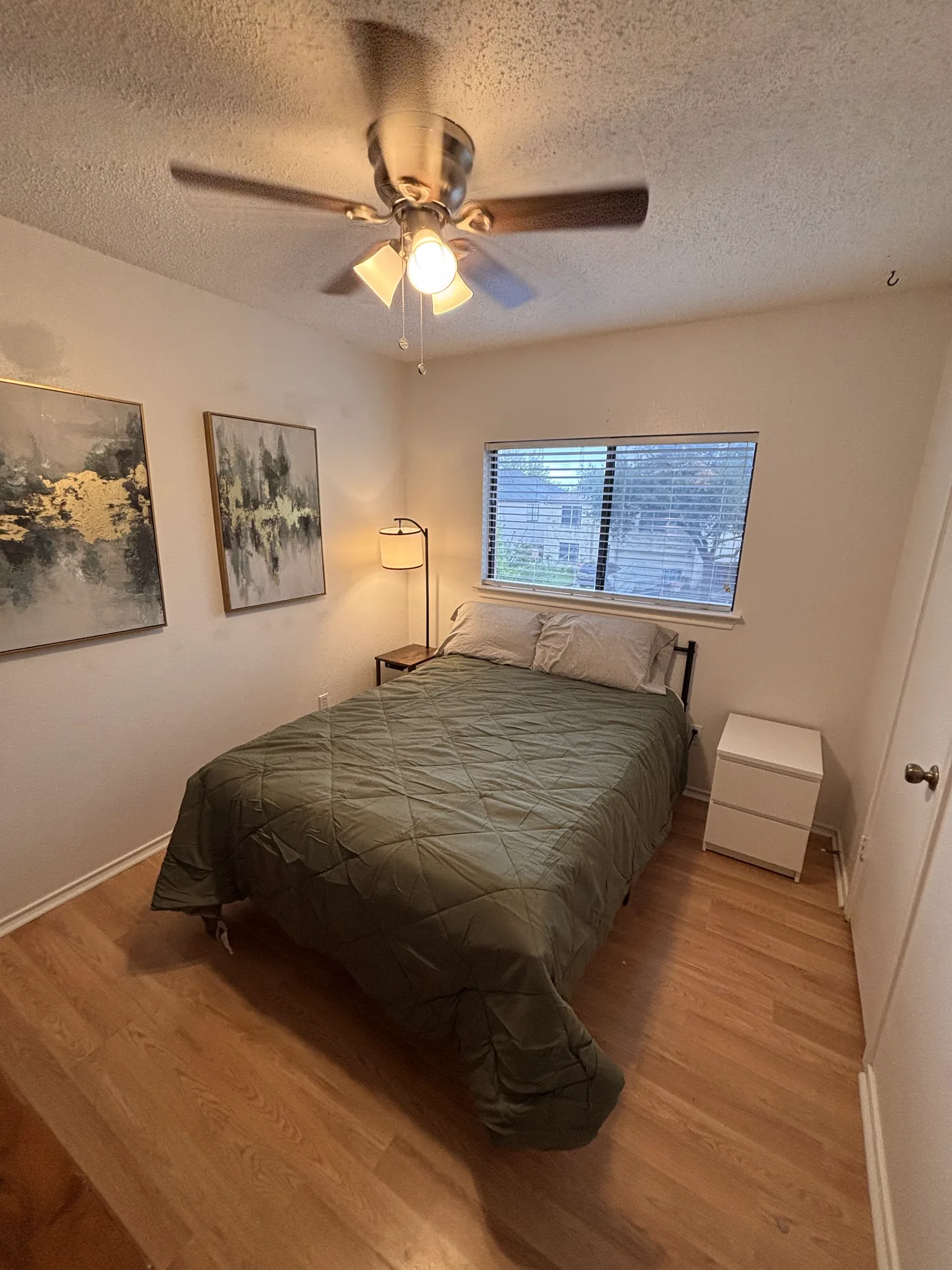
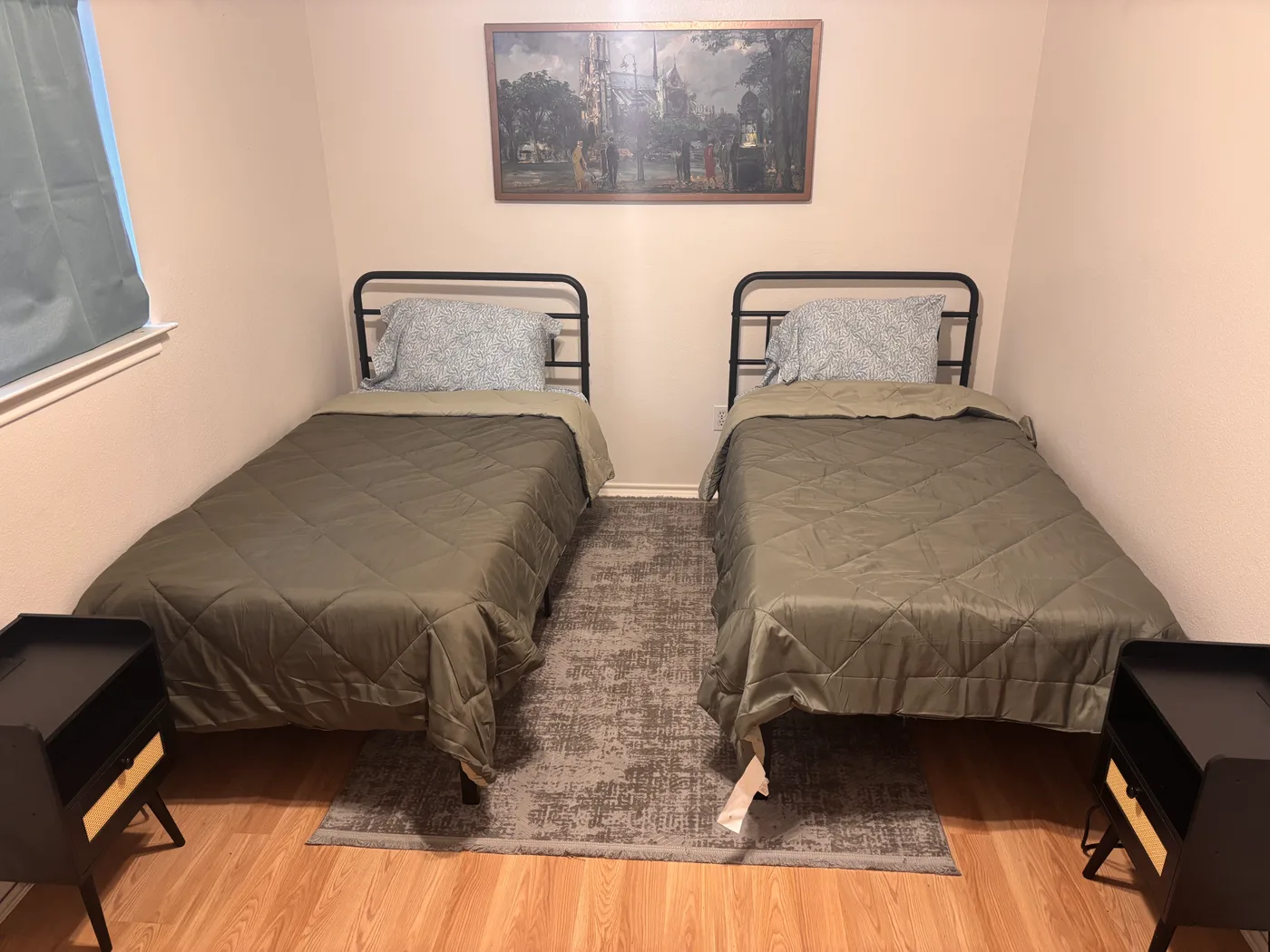
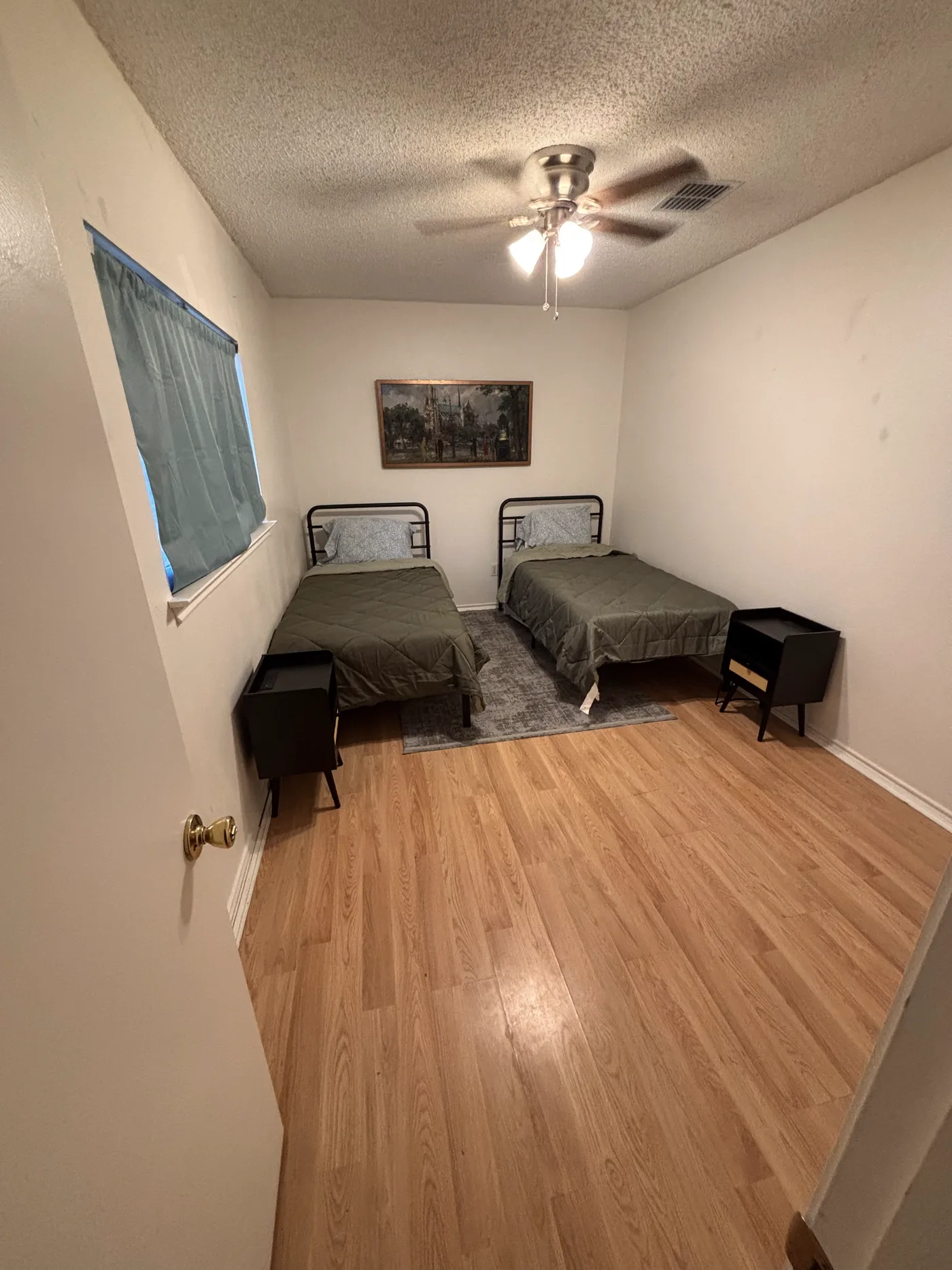
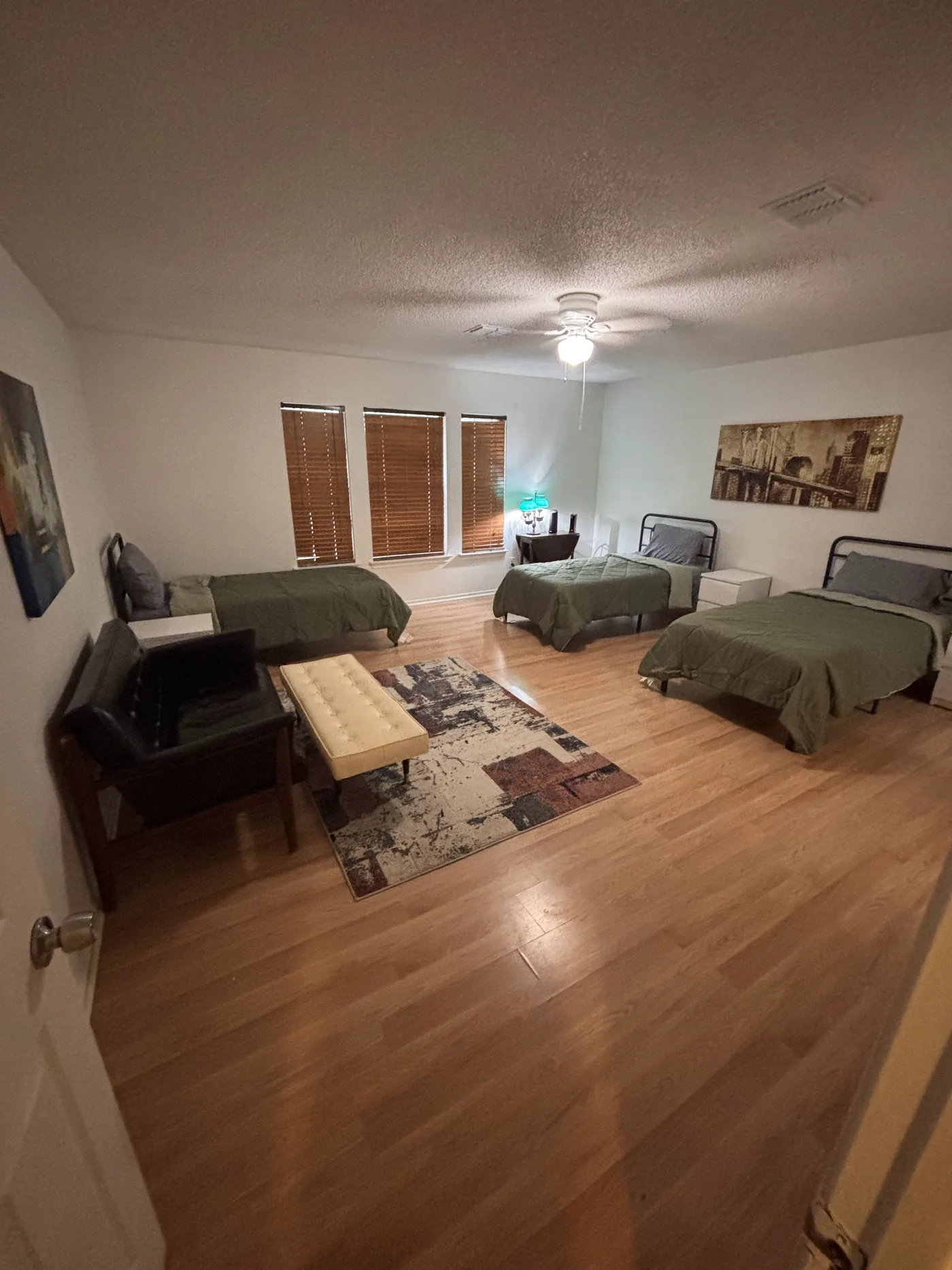
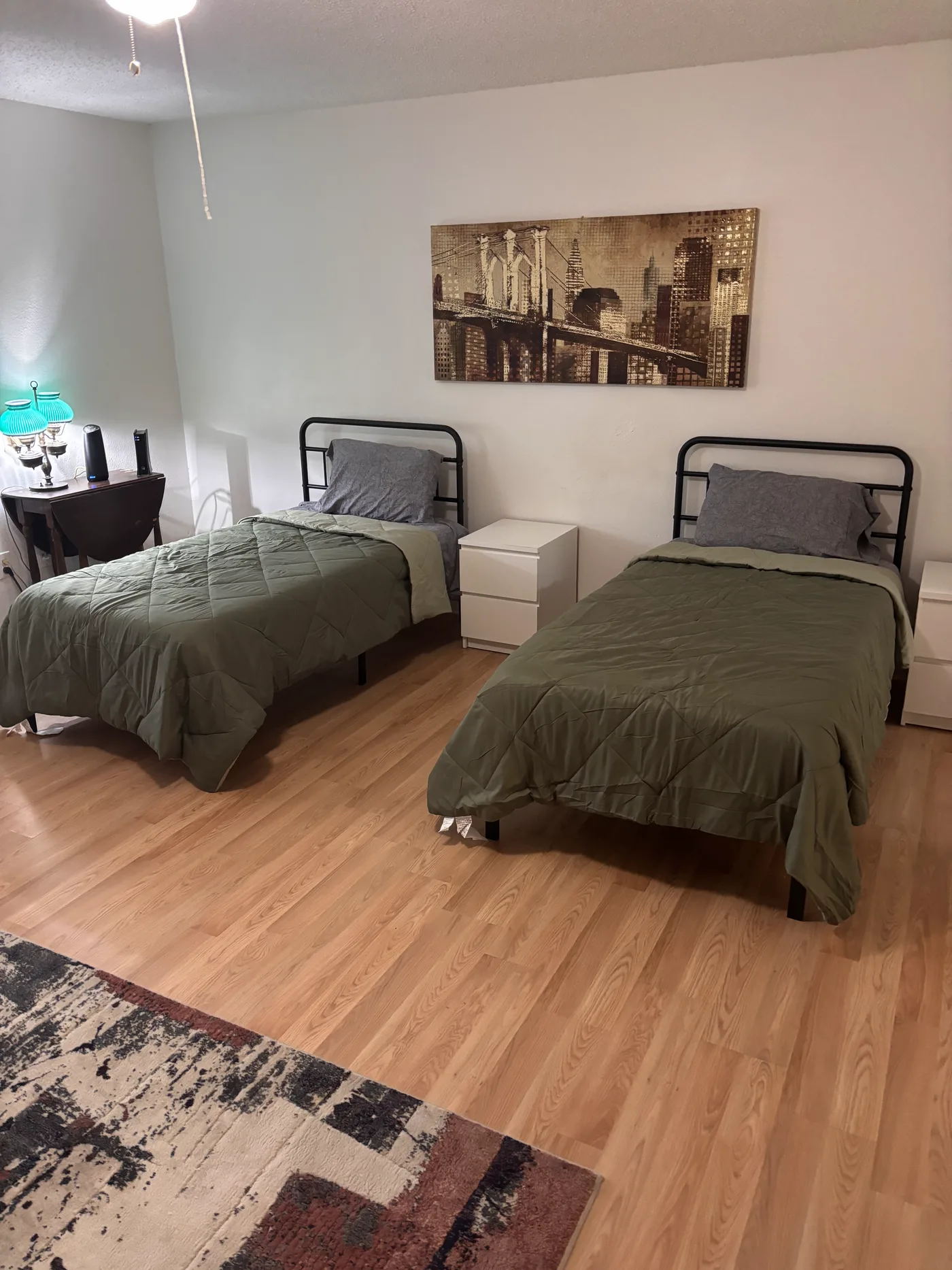
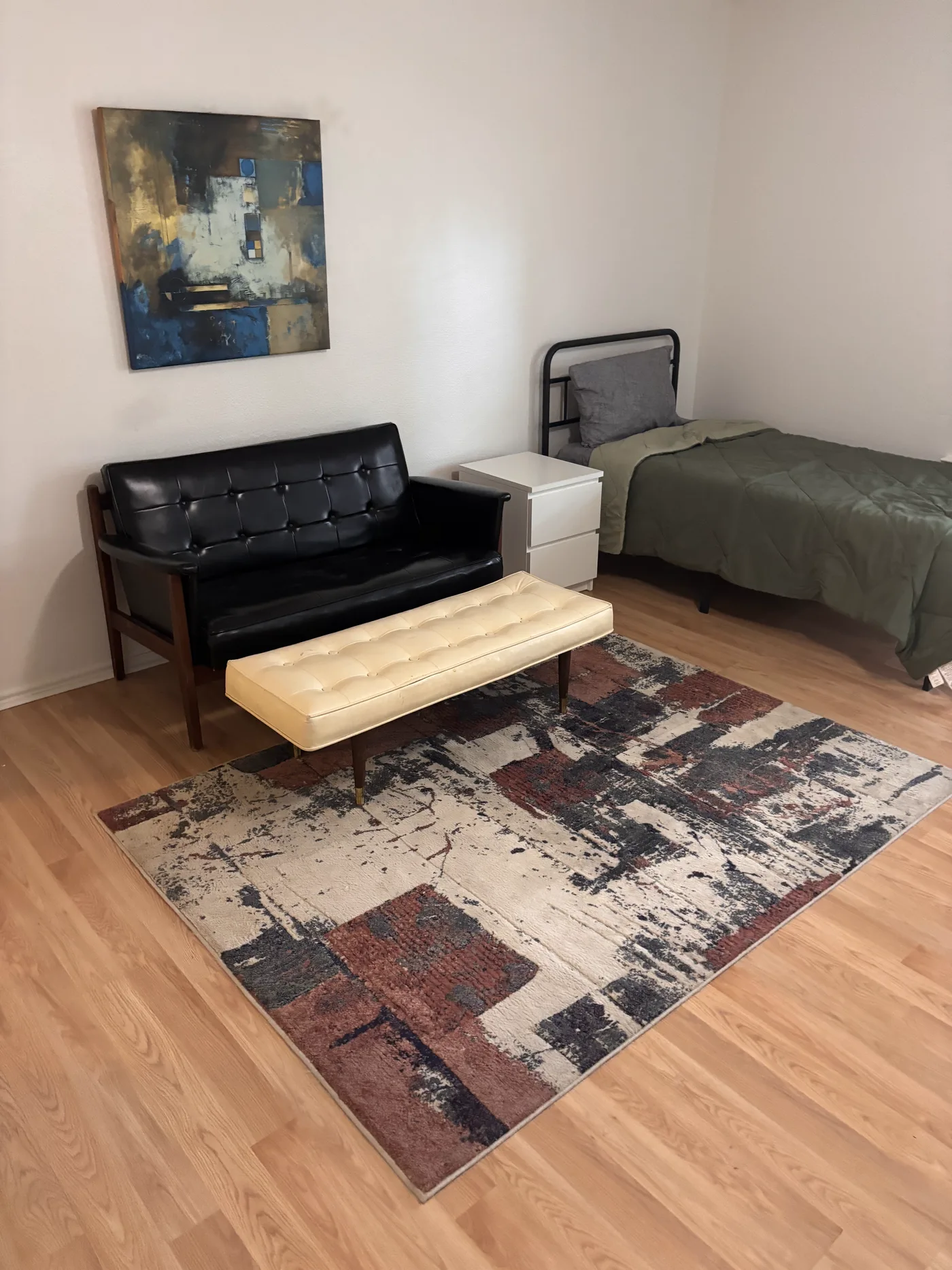
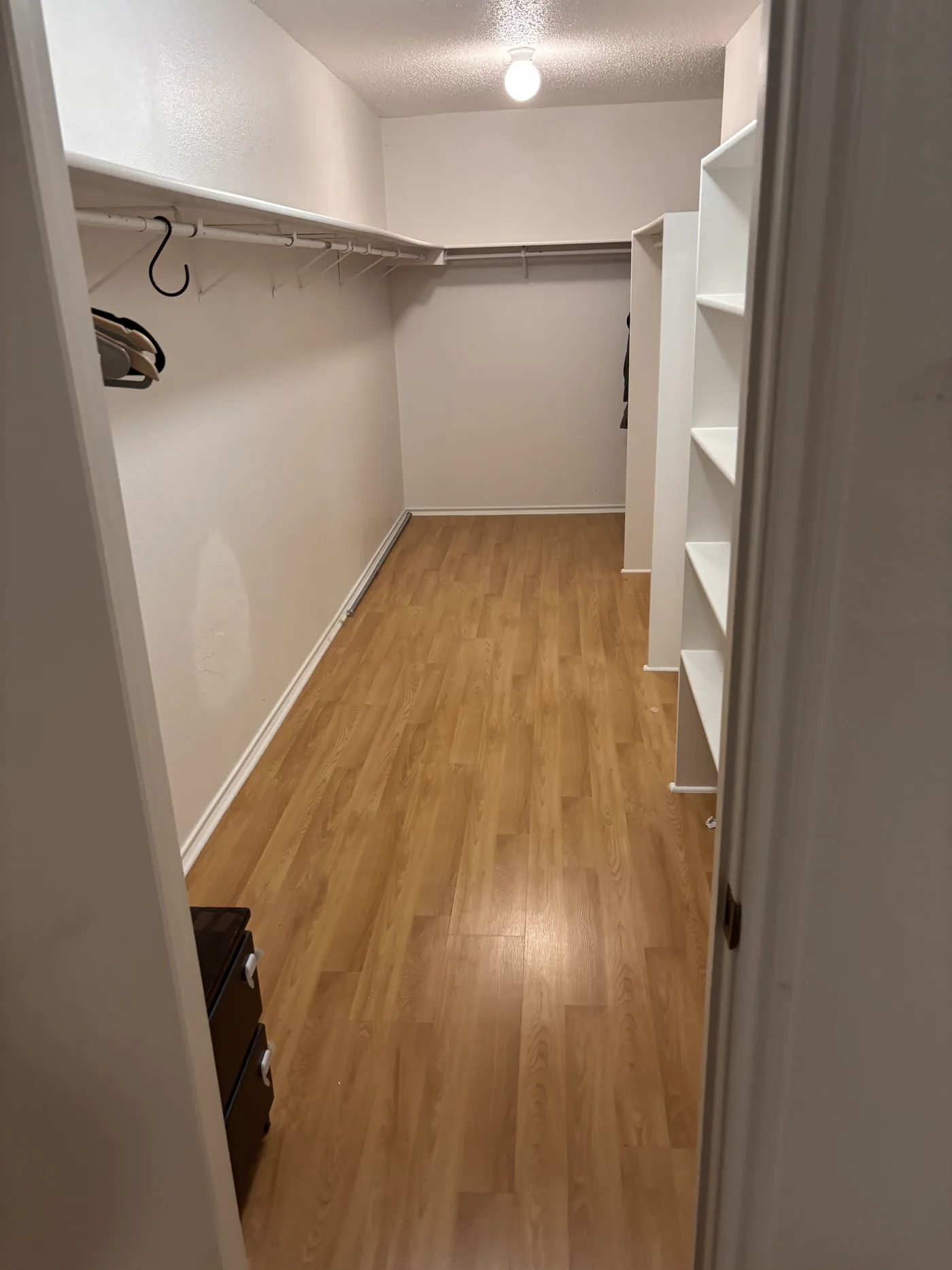
Inside the Austin homes







Psychiatric Services and Medication Management
If you’re managing a co-occurring condition that requires medication, such as depression, anxiety, ADHD, or bipolar disorder, you’ll want access to a psychiatrist or psychiatric nurse practitioner who is experienced in dual diagnosis care. Be transparent with your provider about your recovery status so they can make informed prescribing decisions with you.
Affordable Therapy Options for People in Recovery in Austin
Cost is a real concern in early recovery. Here are some resources that can help make affordable therapy for addiction recovery in Austin more accessible:
- Austin Travis County Integral Care (ATCIC): Offers a sliding fee scale based on income. Call their access line to get connected: (512) 472-4357.
- Open Path Collective: A national network of therapists offering reduced-rate sessions ($30, $80) for individuals in financial need. Many Austin therapists participate.
- University of Texas at Austin Community Mental Health Clinics: UT Austin’s training clinics offer supervised therapy at reduced rates.
- Medicaid and CHIP: If you qualify for Texas Medicaid, many outpatient therapists and IOPs in Austin accept it.
- Federally Qualified Health Centers (FQHCs): Clinics like CommUnity Care in Austin offer integrated behavioral health services on a sliding scale.
- Employee Assistance Programs (EAPs): If you’re working, check whether your employer offers an EAP, many provide 6, 12 free therapy sessions annually.
When you’re researching your housing options, it’s also worth looking at quality sober living options in Austin that are located near mental health resources and public transit routes, making it easier to attend regular appointments.
How Sober Living Homes in Austin Support Mental Health
A good sober living home doesn’t just provide a roof over your head, it creates an environment that actively supports your mental and emotional wellness. At top sober homes in Austin, residents are typically encouraged (and sometimes required) to engage in ongoing treatment, including outpatient therapy and 12-step or peer support groups.
Eudaimonia Recovery Homes takes a structured, whole-person approach to recovery. Residents are supported in building a life that includes mental health care, employment, community, and accountability. House managers and staff understand the intersection of mental health and addiction and can help connect residents with appropriate resources in the Austin area.
For women specifically, finding a safe and supportive environment where mental health needs are understood is especially important. Structured women’s sober living in Austin provides a space where residents can heal with others who share similar experiences, building the kind of trust that supports emotional recovery.
Men in early recovery also benefit from structured environments that encourage emotional growth and self-reflection. Whether you’re looking for structured men’s sober living in Austin or a home that can accommodate your pet during recovery, the right environment makes mental health work more sustainable.
Tips for Staying Consistent with Mental Health Treatment in Sober Living
Even when you’ve found a great therapist, staying consistent with mental health care while adjusting to sober living life can be challenging. Here are some practical strategies:
- Schedule appointments in advance and add them to your weekly recovery plan, treating them with the same priority as 12-step meetings.
- Be honest with your therapist about your recovery status, your sober living environment, and any triggers or stressors you’re navigating.
- Communicate with your house manager If you need schedule flexibility for therapy appointments, most sober living homes encourage treatment participation.
- Use telehealth when in-person isn’t possible. Many therapists offer video sessions that you can attend from your room.
- Build a mental health team, not just one provider. A combination of individual therapy, peer support, group therapy, and psychiatric care is often more effective than any single service alone.
- Track your mood and symptoms between sessions. Apps like Daylio or Woebot can help you notice patterns and give your therapist useful information.
Taking the First Step Toward Mental Health Support in Austin
Finding the right mental health services when you’re in early recovery may feel overwhelming, but you don’t have to figure it all out at once. Start with one call, one appointment, one honest conversation with your house manager or a peer. The Austin recovery community is remarkably well-connected, and people want to help you find what you need.
If you’re considering sober living as part of your recovery plan and want to know more about how Eudaimonia Recovery Homes supports residents’ mental wellness, we’d love to talk. Call us at (512) 240-6612 or visit eudaimoniahomes.com To learn more. You deserve a recovery that addresses your whole self, and we’re here to help you build it.


