
Published February 6, 2026
Key Takeaways
- Why some drinks work betterReplace ritual, texture, and timing, not just flavor.
- Label basics for zero alcohol“Non-alcoholic” and “alcohol-free” can mean different things.
- Everyday non alcoholic drinks listKeep low-calorie, low-sugar options ready for predictable cravings.
- Non alcoholic calming drinksUse warmth, aroma, and slow sipping to support sleep and stress recovery.
- 5-minute recipesSimple mocktails and savory options can replace the evening pour.
- Shots and NA spiritsUse guardrails, because cues can be triggering even without alcohol.
- Support for cravingsPair your drink with structure, skills, and professional help if needed.
On This Page · 18 Sections
When you’re used to ending the day with a drink, the hardest part of going without alcohol is often the ritual: the pour, the glass, and the “exhale” moment. The good news is that you can build that same pause with beverages without alcohol that still feel adult, satisfying, and supportive of recovery.
This guide focuses on calm, night‑friendly alcohol alternativesHealthy non alcoholic beverages, low calorie non alcoholic beverages, and sugar free alcohol free options that fit real life.
You’ll also find simple non alcoholic beverages recipes (including non alcoholic shots) and practical notes on NA liquor and other non alcoholic spirits, sometimes called “non alcoholic alcohol” products. This is not a shopping list; it’s a wind‑down plan you can repeat.
Quick take: For many people, the best alcohol alternative drinks for evenings are warm herbal tea, sparkling water with citrus and herbs, and a lightly sweet tart‑and‑spicy mocktail that keeps sugar low.
Why some drinks replace alcohol better than others
Alcohol alternatives work when they replace the job alcohol used to do. For many people, that job is not “taste” alone. It can be stress relief, a sleep signal, a social cue, or a way to quiet cravings fast.
A recovery‑friendly drink is a strong alcohol alternative when it does at least one of these things:
- Creates a clear “end of day” signal (warmth, aroma, and a slow sip).
- Feels satisfying in your body (fizz, bitterness, spice, or a richer texture).
- Protects sleep (low caffeine, not overly sweet, and not too large right before bed).
- Reduces decision fatigue by being easy to repeat.
One simple way to make alcohol alternatives feel “real” is to build a tiny ritual. Use a specific glass. Add a garnish. Sit down for two minutes before you sip. Those cues help your brain learn a new pattern.
If you’re in early recovery, consistency often matters more than novelty. A repeatable routine, like making the same non alc tea at the same time, can reduce the “now what?” feeling that shows up after work or after dinner. If you’re building structure in your first month, pair this with a daily plan like this 30‑day sober action plan.
Zero alcohol, “non-alcoholic,” and “alcohol-free”: read the label
Many people assume “non-alcoholic” means zero alcohol. In the U.S., that is not always true for products made to resemble beer or malt beverages.
Here is the practical takeaway for recovery: if you need zero alcohol, look for an explicit alcohol content statement and choose products labeled alcohol-free or clearly marked 0.0%. Federal labeling guidance explains that “non-alcoholic” malt beverages are tied to a “less than 0.5% alcohol by volume” statement, while “alcohol free” is reserved for products with no alcohol. You can review the language here: TTB malt beverage labeling terms.
Even trace alcohol can matter for some people. Sometimes the concern is alcohol content. Sometimes it is the cueThe smell, the packaging, or the familiar burn. If NA liquor, non alcoholic spirits, or non alcoholic beer feels activating or “too close,” it is okay to skip them and choose simpler beverages without alcohol instead.
Practical tip: If you live in recovery housing, sober living, or a halfway house, check house rules about NA products. Some homes allow only clearly alcohol‑free items, and some avoid look‑alike beverages altogether.
A practical non alcoholic drinks list for everyday cravings
Everyday options work best when they are easy to stock, low effort, and easy on your body. These choices also fit common goals like low calorie non alcoholic beverages and sugar free alcohol free routines.
- Sparkling water + citrus + a pinch of salt for a “cocktail” feel without sugar.
- Herbal tea (peppermint, chamomile, rooibos) for warmth and routine.
- Decaf iced tea with lemon or a splash of unsweetened juice.
- Ginger‑lime seltzer for bite and a “burn” sensation without alcohol.
- Electrolyte water (choose low‑sugar versions) after workouts or long days.
- Broth or miso when you want something savory instead of sweet.
If you want a quick “swap” list, here are common alcohol cravings and a close, recovery‑friendly alternative:
- If you miss wine: tart cherry seltzer in a stem glass with a citrus twist.
- If you miss beer: a very cold sparkling water with a salty snack and a lime wedge.
- If you miss a cocktail: a bitter‑leaning mocktail (citrus + herbs + fizz) served over ice.
- If you miss the burn: ginger, cinnamon, or chili (small amounts) in a fizzy drink.
If you’re aiming for healthy non alcoholic beverages, watch two common “surprises”: sugar (which can spike and crash energy) and caffeine (which can raise anxiety in the evening). For a lot of people, a “healthy” drink becomes less helpful if it keeps them up, makes them jittery, or triggers late‑night snacking.
About “non alcoholic alcohol”: products like NA wine, NA beer, NA liquor, and other non alcoholic spirits can help some people feel included. For others, they increase cravings. Consider your stage of recovery, your triggers, and what your support system recommends.
Eudaimonia's Success Stories – Real People, Real Freedom
Non alcoholic calming drinks that support sleep and stress recovery
Many people drink at night because they want their nervous system to slow down. The goal with relaxing non alcoholic drinks is to create that “downshift” feeling without replacing alcohol with sugar, caffeine, or another habit that backfires.
These calming categories tend to be practical and recovery‑friendly:
- Warm herbal tea (caffeine‑free) as a consistent bedtime cue.
- Warm milk or a dairy alternative with cinnamon or vanilla for a comforting texture.
- Tart cherry diluted with water or seltzer for a tart, wine‑like profile with less sugar per serving.
- Fresh ginger steeped in hot water for warmth and a slow‑down ritual.
- Decaf chai‑style spice blends when you miss complexity and aroma.
If you want a simple wind‑down routine, use a “3‑step downshift”:
- Warmth: choose a hot drink or a room‑temperature drink (cold can feel “stimulating” to some people).
- Sensory cue: add aroma (citrus peel, mint, cinnamon) to anchor the new habit.
- Slow sip: drink it seated, without scrolling, and notice your shoulders drop.
If sleep is a relapse risk for you, treat it like a recovery skill. Your drink routine should support sleep hygiene, not replace it. For more practical sleep tools in recovery, see sleep deprivation, substance use, and relapse prevention.
Important safety note: If you are stopping alcohol after heavy or long‑term use, withdrawal can be dangerous. Get medical guidance if you have symptoms like shaking, confusion, fever, or seizures. MedlinePlus explains alcohol withdrawal symptoms and risk factors here: alcohol withdrawal overview.
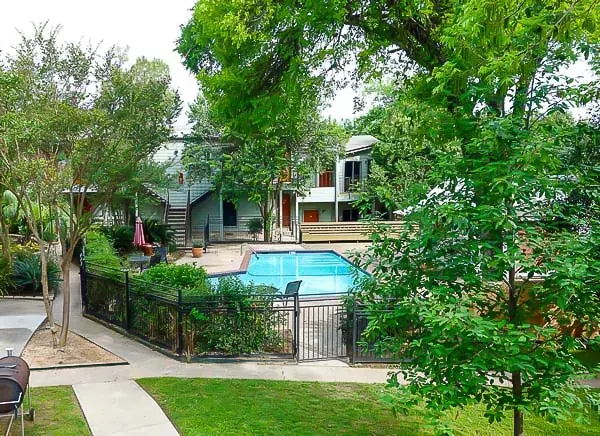
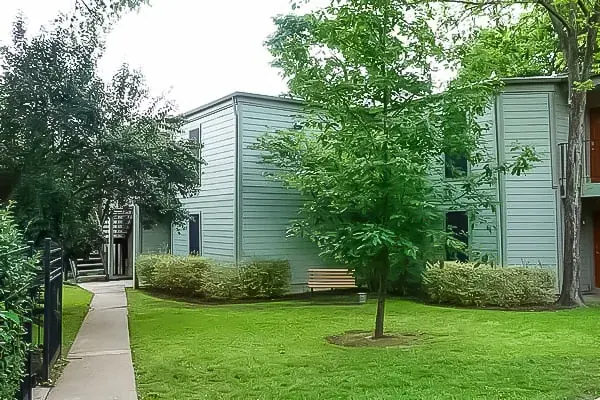
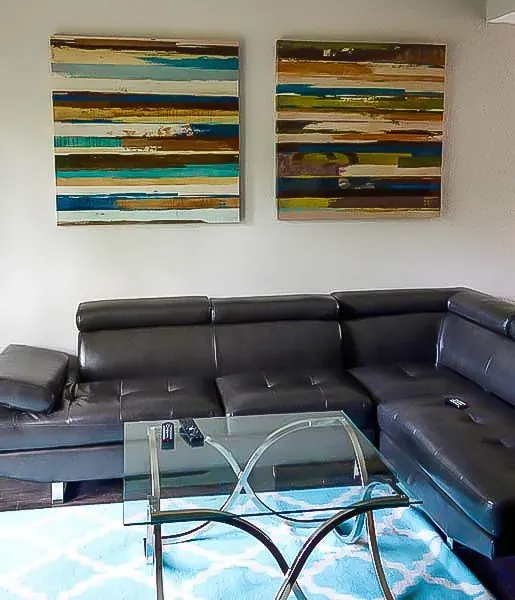
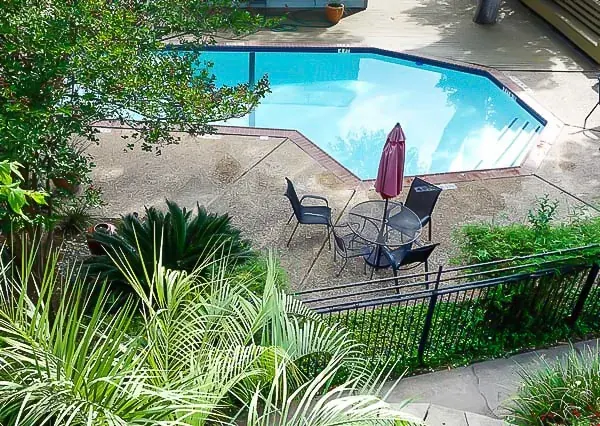
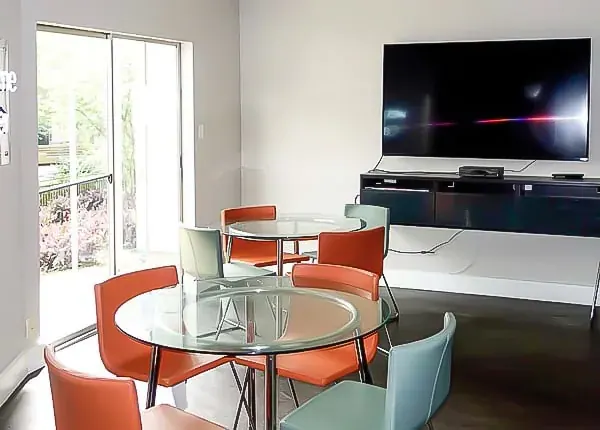
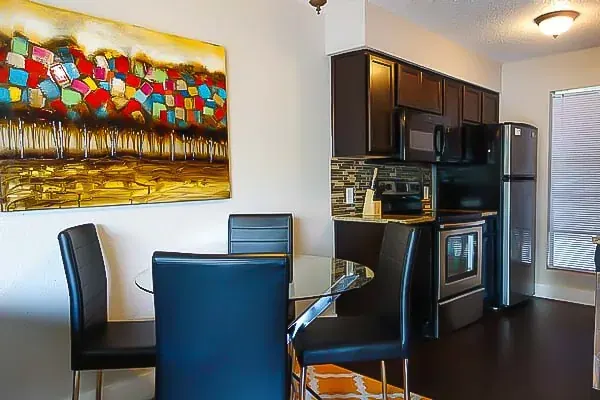
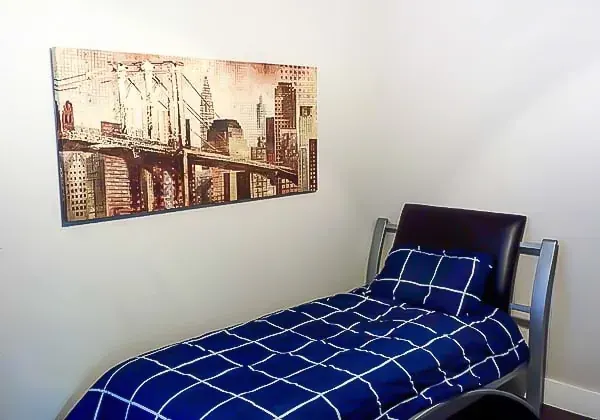
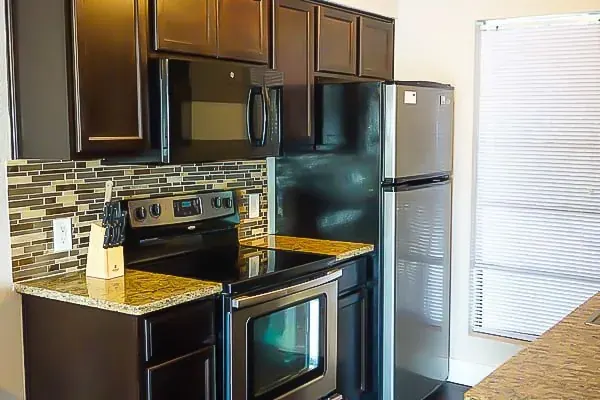
Inside Rustic Creek, our Austin flagship
Non alcoholic beverages recipes you can make in 5 minutes
These non alcoholic beverages recipes are designed for evenings: low effort, easy to repeat, and adjustable for low sugar or zero alcohol preferences.
1) Citrus‑Herb “Zero Proof” Spritz
- Fill a glass with ice and add sparkling water.
- Squeeze in lemon or lime and add a few torn mint leaves or a rosemary sprig.
- Add a small splash of unsweetened juice if you want sweetness, then stir.
2) Ginger‑Lime Calming Highball
- Pour ginger seltzer (or plain seltzer plus grated ginger) over ice.
- Add fresh lime and a pinch of salt for a balanced finish.
- If you want it sweeter, use a small amount of honey or a sugar‑free sweetener.
3) Warm Vanilla Rooibos
- Steep rooibos tea (naturally caffeine‑free) in hot water for 5–7 minutes.
- Add a splash of milk or a dairy alternative and a drop of vanilla.
- Sprinkle cinnamon on top and sip slowly.
4) Tart‑Cherry Seltzer Mocktail
- Add a small pour of tart cherry juice to a glass of ice.
- Top with seltzer and stir.
- Garnish with a citrus twist to make it feel special.
5) Cucumber‑Mint Cooler (low sugar)
- Muddle a few cucumber slices and mint leaves in the bottom of a glass.
- Add ice, then top with sparkling water and a squeeze of lime.
- Stir gently and taste before adding any sweetener.
6) Savory Nightcap Broth
- Warm a mug of broth (or miso prepared according to the label).
- Add a squeeze of lemon or a dash of ginger for brightness.
- Drink it like tea when you want “something” without sugar.
Notice the pattern: each recipe uses ritual (a glass or mug, a garnish, a slow sip) to replace the old habit loop. That’s often what makes alcohol alternatives stick.
Non alcoholic shots and NA spirits: how to use them safely
“Non alcoholic shots” can mean two different things, so it helps to be specific:
- Wellness shots (ginger, turmeric, lemon) that are meant to be swallowed quickly.
- Shot‑style mocktails that imitate the vibe of a “round,” without alcohol.
If you like the quick “reset” feeling of a shot, try a small ginger‑lemon shot made from fresh ingredients. Keep portions small, because acids and spices can irritate the stomach. If you are on medication, have reflux, or have liver concerns, check with a clinician before using concentrated herbs or extracts.
NA liquor and other non alcoholic spirits can also fit into a recovery plan, but they are not neutral for everyone. They often recreate the smell, flavor, and glassware cues linked to past drinking. If you choose to try them, consider these guardrails:
- Start in a low‑stress setting and avoid using them when you feel emotionally raw.
- Avoid pairing them with old drinking routines (same chair, same time, same playlist).
- Choose mixers that feel clearly different from your “go‑to” alcoholic drink.
- Stop quickly if cravings increase, even if the drink is technically alcohol‑free.
The goal is not to “white‑knuckle” through cravings with a look‑alike product. The goal is to build skills and routines that make alcohol less relevant over time.
When cravings hit: pair your drink with support
A calming drink can help, but cravings usually need more than a beverage. If urges spike at the same time every night, treat it like a pattern you can plan for. Many people use a quick check‑in: am I hungry, angry, lonely, or tired? Then they respond to the real need, not the urge.
Structure matters, too. In sober living, recovery homes, and halfway houses, routines are one of the biggest advantages because the environment supports your plan. If you want a refresher on how structure helps, see sober living meaning, benefits, and practical tools.
If you need more clinical support for cravings, mood, or relapse prevention, an intensive outpatient program (IOP) can help you practice coping skills while you live at home or in sober housing. If you’re trying to take the first step and feel stuck, this guide on how to get sober can help you map out next steps.
If you need help finding treatment or support right now, SAMHSA’s National Helpline is a free, confidential resource: SAMHSA’s National Helpline.
Bottom line: The best beverages without alcohol are the ones you can repeat, enjoy, and use as part of a bigger recovery routine, not a replacement addiction.
How Eudaimonia Recovery Homes Supports Alcohol Alternatives for a Stronger Alcohol-Free Routine
Eudaimonia Recovery Homes can support people who are exploring alcohol alternative drinks by providing the structure, accountability, and community that make alcohol-free routines easier to maintain. Instead of relying on willpower alone, residents can build a consistent daily rhythm that includes healthy non alcoholic beverages and relaxing non alcoholic drinks as part of an evening wind-down routine. Just as important, a supportive environment can help reduce triggers that often lead to impulsive drinking, especially during stress, boredom, or social pressure. Staff and peer support can also help you identify which alcohol alternatives feel genuinely calming versus which options might increase cravings.
Over time, this guidance can make it easier to choose beverages without alcohol that support better sleep, steadier mood, and healthier habits. In addition, living in a recovery-focused home often includes encouragement to use coping skills, attend recovery meetings, and follow a relapse prevention plan, which strengthens long-term consistency. When cravings spike, having people around you who understand the process can help you pause, regroup, and choose a safer routine, like a non alc drink and a quick check-in, rather than returning to old patterns. Ultimately, the goal is not just to swap beverages, but to build a stable lifestyle where alcohol alternatives fit into a bigger recovery plan that supports lasting change.
Your Future Is Waiting
Tell us what you are looking for and admissions will walk you through the houses, the phases, and what a room actually costs.