

Published January 12, 2026
Key Takeaways
- Why the first 30 days matterDefine early sobriety support and set realistic expectations for the first month.
- Safety first: alcohol withdrawal and urgent red flagsKnow when symptoms are normal and when to seek medical care.
- Build your 30-day support system in three layersSet up professional, peer, and practical supports that reduce relapse risk.
- Milestone check-ins: what to do from day 1 to day 30Use day-by-day prompts to stay steady from day 2 through day 30.
- Cravings, stress, and social pressure: tools that work in real momentsApply simple, repeatable tools for cravings and social situations.
- After 30 days: turn support into a longer-term recovery planPlan the next month so progress becomes sustainable.
On This Page · 25 Sections
Early sobriety can feel confusing, because you may be doing the “right” things and still struggling. That reaction is common while your nervous system recalibrates, your sleep shifts, and your daily routines are being rebuilt.
This guide is educational, not medical advice. If you are at risk for alcohol withdrawal, get medical guidance before you stop drinking suddenly.
Why the first 30 days matter
“Early sobriety support” means the practical help that keeps you safe and steady while new habits take root. In simple terms, support is the difference between trying harder and having a plan that still works when stress shows up.
If you are on sober day 1, the goal is not perfection or willpower. The goal is to build a manageable, repeatable system you can use tomorrow, even if today feels messy.
People often search “what does 30 days without alcohol do” because they want proof that change is real. Thirty days sober is a meaningful window for stabilizing routines, practicing coping skills, and reducing daily chaos. It is also long enough for cravings, emotions, and social triggers to form patterns you can name, discuss, and respond to.
In the first month, your brain is rebuilding reward expectations, so urges can feel urgent even when you logically want to stay sober. Many people also notice cognitive fog and emotional reactivity, which is why external structure is so useful. Support turns that intensity into something manageable and predictable.
If you want a detailed tracking guide for early sobriety milestones and daily check-ins, see Quitting Alcohol: What to Track, What to Expect.
What “support” looks like in practice
- Safety: knowing when symptoms are expected and when they are dangerous.
- Connection: people you can contact before you make a high-risk choice.
- Structure: a foundational daily routine that reduces decision fatigue and impulsive coping.
- Skills: tools for cravings, stress, sleep, and difficult social moments.
- Environment: fewer triggers and more accountability where you live and spend time.
Safety first: alcohol withdrawal and urgent red flags
For some people, stopping alcohol can trigger withdrawal. Withdrawal risk is higher with heavy daily use, past withdrawal episodes, or certain medical conditions, which is why self-assessment and guessing can be risky.
Alcohol withdrawal can include anxiety, shaking, sweating, nausea, and insomnia, and severe cases can involve confusion, hallucinations, or seizures. MedlinePlus summarizes common withdrawal symptoms and why they can become serious: Alcohol withdrawal (MedlinePlus).
If you want a practical timeline and a safety checklist, this guide explains what to watch for and when to get emergency care: How Long Do Alcohol Withdrawals Last?
When to seek urgent help
- Seizure, fainting, severe confusion, or inability to stay awake.
- Hallucinations with agitation, high fever, or chest pain.
- Uncontrolled vomiting, severe dehydration, or thoughts of self-harm.
Safety is the foundation that makes every other recovery skill usable. Once you are medically stable, the next step is building daily support so you do not have to rely on willpower alone.
Eudaimonia's Success Stories – Real People, Real Freedom
Build your 30-day support system in three layers
Many people try to “white-knuckle” the first month, especially when they want to prove they are serious. A steadier approach is to build three layers of support that cover different needs: professional, peer, and practical.
Layer 1: professional support
Professional support can include outpatient counseling, medication management when appropriate, and coordinated treatment planning. If alcohol use has been tied to anxiety, trauma, or depression, clinical care helps you treat the driver of drinking, not only the drinking itself.
If you want a neutral overview of evidence-based care options, NIAAA describes common approaches such as counseling, medications, and support groups: Treatment for Alcohol Problems: Finding and Getting Help (NIAAA).
Layer 2: peer support
Peer support reduces isolation and increases accountability, because you are no longer carrying the week alone. That can be a sponsor, a recovery coach, or a peer recovery support specialist. Eudaimonia’s MAP PRSS Support Program is one example of structured peer support that pairs encouragement with practical follow-through.
Layer 3: practical support
Practical support is the everyday pressure that relapses people: rides, childcare, work stress, conflict at home, money pressure, and an unstructured schedule. Choose two or three practical supports you can count on, even if they feel basic.
A simple contact plan you can write today
- One person you can call when cravings spike or your mood drops fast.
- One meeting, group, or check-in you will attend weekly, even on low-motivation days.
- One professional contact for mental health, medication, or medical questions.
- One backup option if your first person does not answer within ten minutes.
Support works best when it is specific, scheduled, and shared with at least one other person. “Text Alex at 6 pm” is more protective than “reach out more,” because the plan is already decided before stress arrives.
Milestone check-ins: what to do from day 1 to day 30
Early sobriety is not a straight line, and progress does not always feel good in real time. Your needs shift as your body settles and your mind becomes more alert. Use these milestone check-ins as prompts for support, not as pass-or-fail tests. When you feel emotionally flooded, self-regulation and decision-making get harder, so structure and contact matter.
Day 2 to day 5: stabilize and simplify
If you are on day 2 of sobriety, keep your plan very small: eat, hydrate, sleep, and ask for support. Focus on removing choices that lead back to drinking, especially late-day routines that used to end with alcohol.
By day 4 of sobriety, many people notice mood swings, restlessness, or frustration. If you are 4 days sober, on your 4th day sober, treat it like a high-risk day: avoid old routes, stay connected, and plan your evening hour by hour.
At five days sober, or 5 days without alcohol, your brain may push for a reward and a shortcut. Replace “treat yourself with a drink” with a concrete reward you can repeat, like a meal, a long shower, or a walk with someone safe.
Nine to 16 days: rebuild routines and handle the “now what?” phase
Nine days sober can bring a strange mix of pride and doubt, especially if you expected instant relief. This is a useful time to write down your top three triggers and one alternative action for each trigger.
At 10 days sober, tighten your routine: wake time, meals, movement, and one daily recovery action. Consistency matters more than intensity, because a simple plan is easier to repeat when you are stressed.
Many people report emotional swings around 14 days sober. If you feel irritable or flat, treat it as a signal to add support, not a sign that sobriety is not working.
At 15 days no alcohol, or 15 days sober, do an environment review. What still makes it too easy to slip, and what can you remove or change this week? If possible, remove alcohol from the home and limit high-pressure social settings.
At 16 days no alcohol, or 16 days sober, add one “future” task that builds stability: a doctor appointment, a therapy intake, a legal follow-up, or a budget check.
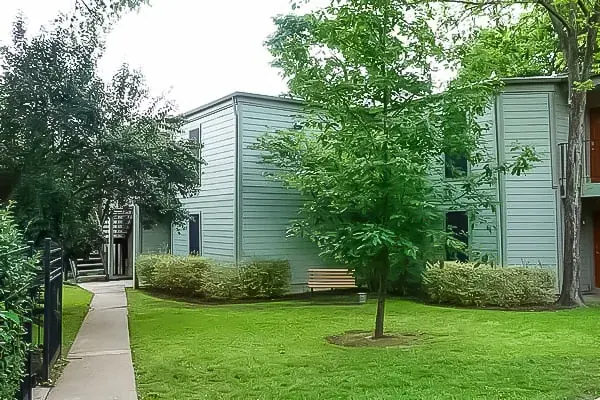
Inside Rustic Creek, our Austin flagship







18 to 21 days: practice social skills and stress tolerance
At 18 days sober and 19 days sober, confidence often rises, and that can be helpful. It can also lead to testing yourself too soon, so avoid “proof” situations like bars, parties, or friends who pressure you to drink.
Day 20 no alcohol can feel like you should be “over it,” but you are not behind. Early recovery is a training phase, and training requires repetition, repair, and honest feedback.
At 21 days sober, or 21 days of sobriety, check your honesty loop. Ask yourself: who knows the truth about my week, including cravings and anger? If the answer is “no one,” add a daily check-in with a peer, sponsor, or support person.
25 to 30 days: protect momentum and plan the next month
At 25 days no alcohol, your brain may bargain: “I proved I can stop, so I can handle one.” That thought is a relapse plan in disguise, and it gets weaker when you say it out loud to someone supportive.
When you reach 30 days alcohol free, you may want a “30 days no alcohol before and after” picture that shows obvious change. Sometimes the biggest before-and-after is quieter: fewer lies, calmer mornings, better sleep, and more follow-through.
No booze for 30 days is also a chance to answer the bigger questions people ask online: what happens after 30 days of no alcohol, and what happens when you stop drinking alcohol for 30 days? For many people, the answer is that real life returns, and you need a plan for stress, boredom, and celebration.
If you are at 30 days sober, celebrate the work. Then build a next-step plan for days 31–60, so a streak becomes a stable lifestyle.
Cravings, stress, and social pressure: tools that work in real moments
Cravings are not a moral failure. They are a learned response, and they rise and fall like a wave. The goal is to change what you do during the peak, because your actions train your brain over time and strengthen emotional regulation.
Use a three-step craving plan
- Pause for 90 seconds and breathe slowly, because you are buying time.
- Change your state: stand up, drink water, or step outside for air and movement.
- Connect: call, text, or go where sober people are, even if you feel awkward.
One evidence-informed skill many people use is urge surfing. If you want a simple explanation and a step-by-step practice, read Urge Surfing: How to Surf the Urge.
Plan for social situations before they happen
Social pressure is a common relapse trigger, especially when people expect you to “just have one.” Prepare a short script, keep it neutral, and do not over-explain your personal history.
- “No thanks, I’m not drinking today.”
- “I feel better without alcohol, so I’m sticking with it.”
- “I’ve got an early day tomorrow, so I’m good.”
If you want more wording options and boundary tips, this guide can help: How To Tell People You Don’t Drink.
Protect sleep, because sleep protects sobriety
Sleep problems are common in early recovery, and they can amplify cravings and irritability. Keep your sleep plan unexciting and consistent: same bedtime, dim lights, no scrolling in bed, and caffeine only early in the day. If insomnia is severe, talk with a clinician instead of self-medicating.
After 30 days: turn support into a longer-term recovery plan
Thirty days is a milestone, not a finish line. The risk of relapse can rise when people feel better and stop doing the habits and appointments that created stability.
Your environment also matters, because people are influenced by what is around them and who is nearby. Many people do better with structure, accountability, and a drug- and alcohol-free living space. Learn how recovery housing works here: Sober Living Homes.
If you need immediate help finding support or treatment resources, SAMHSA’s National Helpline is available 24/7: SAMHSA’s National Helpline.
If you return to drinking, treat it as information for your relapse-prevention strategy, not as a verdict about your character. Re-engage support quickly, review what happened, and adjust your environment before shame turns into isolation.
A simple “next 30 days” plan
- Keep one daily recovery action (meeting, check-in, or journaling) to maintain momentum.
- Schedule one weekly support appointment (therapy, coaching, or group) and protect it like work.
- Choose one health habit that supports mood (walks, meals, or sleep) and track it briefly.
- Review triggers monthly and adjust your environment before stress piles up.
The first month teaches you what you need. The next months are where you practice the system until it feels normal.
How Eudaimonia Recovery Homes Supports Your First 30 Days Sober
Early sobriety support is often hardest during the first 30 days sober, when cravings, sleep changes, and daily stress can feel unpredictable. Eudaimonia Recovery Homes helps by providing sober living environments that are alcohol- and drug-free, so your home life supports recovery instead of triggering relapse. Their structured approach, clear house expectations, accountability, and regular screening, can reduce the “gray areas” that sometimes lead to slips early on.
Living with others focused on recovery can add steady peer encouragement, especially on tough milestones like day 2 of sobriety or when you reach 15 days no alcohol and emotions feel intense. For added guidance, Eudaimonia offers access to peer recovery support specialists through its MAP PRSS support program, which can help you build routines, work through triggers, and stay accountable to your goals.
This kind of layered support is especially helpful if you’re aiming for 30 days alcohol free and want practical tools for handling weekends, social pressure, and cravings that come in waves. Their admissions team can also help you understand options and next steps, so you can focus on stability instead of trying to manage everything alone. If you are concerned about alcohol withdrawal or medical risk, it’s still important to consult a healthcare professional, but a stable recovery home and consistent support can make the first month safer and more sustainable.
Your Future Is Waiting
Tell us what you are looking for and admissions will walk you through the houses, the phases, and what a room actually costs.