

Published June 25, 2026
On This Page · 10 Sections
Natural ways to manage chronic pain in recovery without using opioids or other addictive medications include physical therapy, acupuncture, mindfulness meditation, regular exercise, massage therapy, cognitive behavioral therapy, proper nutrition, and heat or cold therapy. These evidence-based approaches help individuals in sober living address pain while protecting their recovery, offering sustainable relief without the risk of relapse or dependence that comes with prescription painkillers.
Why Pain Management Matters in Sober Living
Chronic pain affects nearly one in five adults, and the rate is even higher among people in recovery. Many residents entering sober living homes have histories with prescription opioids that began with legitimate pain management but spiraled into addiction. When pain persists after detox and treatment, it becomes one of the most significant relapse triggers if not addressed properly.
At recovery housing environments across Austin, Houston, San Antonio, Colorado Springs, Philadelphia, and Baton Rouge, residents frequently ask about managing old injuries, back pain, migraines, or conditions like fibromyalgia without compromising their sobriety. The challenge is real: you need relief, but you cannot risk your recovery.
The good news is that research over the past decade has validated numerous non-pharmacological approaches that can significantly reduce pain levels. These methods work by addressing inflammation, retraining pain signals, strengthening the body, and calming the nervous system, all without introducing addictive substances.
Physical Therapy and Movement-Based Approaches
Physical therapy stands as one of the most effective natural ways to manage chronic pain in recovery without using opioids or other addictive medications. A licensed physical therapist can assess your specific pain patterns and create a customized program that addresses muscle imbalances, joint dysfunction, and movement restrictions that contribute to ongoing discomfort.
Many sober living residents have found that consistent physical therapy yields better long-term results than medication ever did. The work strengthens supporting muscles, improves range of motion, and teaches proper body mechanics that prevent pain from recurring. Sessions typically include hands-on manual therapy, targeted exercises, and education about posture and ergonomics.
Beyond formal physical therapy, regular low-impact exercise plays a crucial role. Walking, swimming, cycling, and yoga all promote the release of endorphins, the body’s natural pain relievers. These activities also improve sleep quality, reduce inflammation, and boost mood, creating a positive cycle that makes pain more manageable.
Mind-Body Techniques for Pain Relief
The connection between mind and body profoundly influences pain perception. Chronic pain is not just a physical phenomenon; it involves neural pathways, emotional responses, and learned patterns that can amplify or diminish discomfort. Mind-body techniques interrupt these patterns and help retrain how your brain processes pain signals.
Mindfulness meditation has robust scientific support for chronic pain management. Studies show that regular meditation practice can reduce pain intensity by 27% and pain unpleasantness by 44%. The practice teaches you to observe pain without judgment or resistance, which paradoxically reduces its impact. Even ten minutes daily can make a measurable difference.
Cognitive behavioral therapy (CBT) specifically adapted for pain management helps identify and change thought patterns that worsen pain. Many people catastrophize pain, assuming the worst or believing it will never improve. CBT provides practical tools to challenge these thoughts and develop healthier coping strategies that reduce both pain and the emotional distress surrounding it.
Deep breathing exercises activate the parasympathetic nervous system, which counteracts the stress response that intensifies pain. Techniques like diaphragmatic breathing or the 4-7-8 method can be practiced anywhere and provide immediate relief during pain flares.
Hands-On Therapies and Alternative Treatments
Acupuncture, an ancient Chinese medicine practice, has gained mainstream medical acceptance for pain management. Research demonstrates that acupuncture can effectively treat back pain, neck pain, osteoarthritis, and headaches. The practice involves inserting thin needles at specific points to stimulate the nervous system and promote natural pain relief mechanisms.
Massage therapy offers another proven option for managing chronic pain naturally. Regular massage reduces muscle tension, improves circulation, decreases stress hormones, and triggers the release of serotonin and dopamine. For residents in recovery housing, massage provides a healthy way to relax and care for the body without substances.
Chiropractic care focuses on spinal alignment and nervous system function. While controversial for some conditions, evidence supports its effectiveness for lower back pain, neck pain, and certain types of headaches. Many people in recovery find that addressing spinal misalignments reduces pain that had persisted for years.
Heat, Cold, and Topical Applications
Simple temperature therapies often provide significant relief without any medication. Heat therapy relaxes muscles, increases blood flow, and reduces stiffness. Heating pads, warm baths, or heat wraps work well for chronic muscle pain, arthritis, and tension.
Cold therapy reduces inflammation and numbs acute pain. Ice packs or cold compresses are especially helpful for injuries, joint inflammation, or pain flares. Alternating heat and cold can be particularly effective for some conditions.
Topical treatments like capsaicin cream (derived from chili peppers) or menthol-based products provide localized relief by affecting pain receptors in the skin. These products are non-addictive and available over the counter, making them safe options for people in recovery.
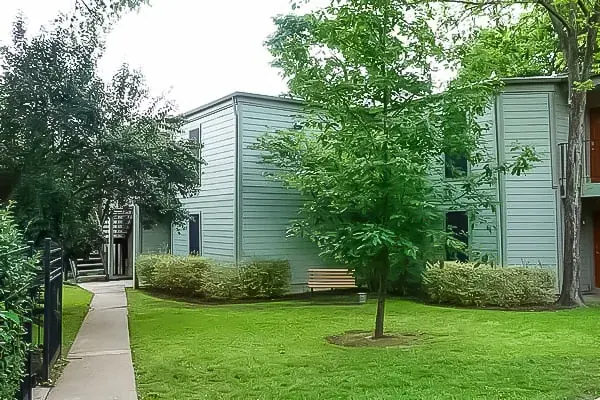
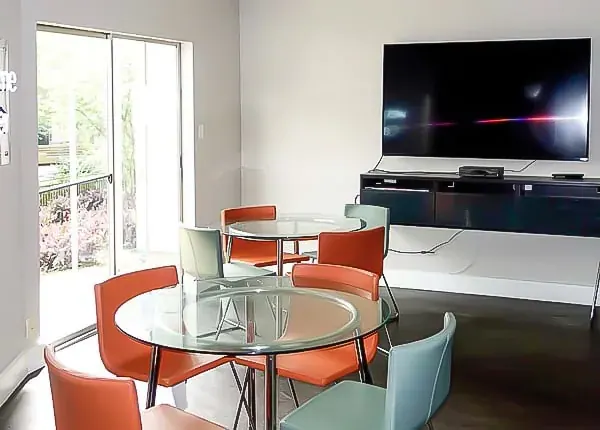
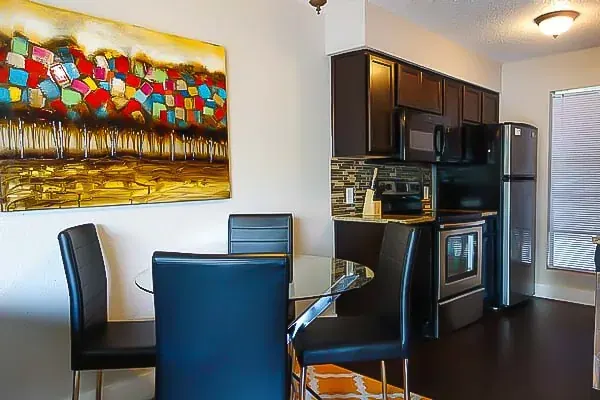
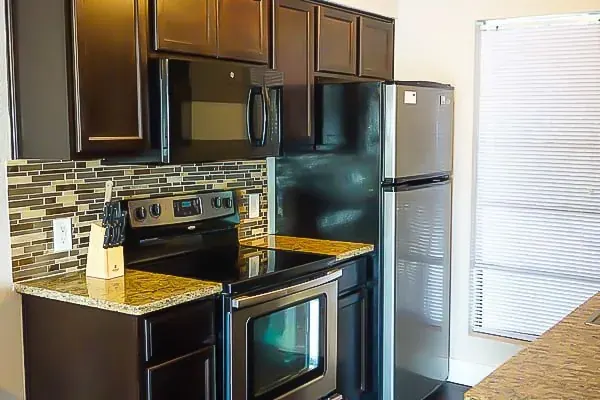
Inside Rustic Creek, our Austin flagship




Nutrition and Lifestyle Factors in Pain Management
What you eat directly impacts inflammation levels and pain. An anti-inflammatory diet rich in omega-3 fatty acids, colorful vegetables, fruits, whole grains, and lean proteins can significantly reduce chronic pain over time. Foods to emphasize include fatty fish, berries, leafy greens, nuts, seeds, and olive oil.
Conversely, certain foods promote inflammation and worsen pain. Processed foods, refined sugars, trans fats, and excessive alcohol consumption all increase inflammatory markers. Many residents in sober living homes discover that improving their diet not only supports recovery but also reduces long-standing pain issues.
Adequate hydration matters more than most people realize. Dehydration can intensify pain, particularly headaches and muscle aches. Aiming for eight glasses of water daily helps maintain proper joint lubrication and muscle function.
Sleep quality and pain exist in a bidirectional relationship, poor sleep worsens pain, and pain disrupts sleep. Prioritizing good sleep hygiene, maintaining consistent sleep schedules, and creating a comfortable sleep environment all contribute to better pain management.
Building a Comprehensive Pain Management Plan in Recovery
Effectively managing chronic pain without addictive medications requires a multi-modal approach. No single technique works perfectly for everyone, and combining several strategies typically yields the best results. Start by working with healthcare providers who understand addiction recovery and can recommend appropriate non-opioid options.
Many insurance plans cover physical therapy, acupuncture, chiropractic care, and mental health services including CBT. Verifying your benefits and exploring in-network providers makes these natural pain management approaches more affordable and accessible during your time in sober living.
Consistency matters more than intensity. Small daily practices, a fifteen-minute walk, ten minutes of meditation, regular stretching, accumulate into significant pain reduction over weeks and months. Recovery housing provides the structure and accountability that helps residents stick with these beneficial habits.
Track your pain patterns and what helps or hinders relief. Keeping a simple journal helps identify triggers, recognize progress, and communicate effectively with healthcare providers. You might notice that certain activities, foods, stress levels, or weather patterns influence your pain, allowing you to adjust accordingly.
Creating Accountability and Support
One advantage of sober living environments in cities like Austin, Houston, San Antonio, Colorado Springs, Philadelphia, and Baton Rouge is the built-in community support. Share your pain management strategies with housemates and hold each other accountable for attending therapy appointments, maintaining exercise routines, and practicing meditation.
Pain can feel isolating, especially when you are navigating it without the medication you once relied on. Connecting with others who understand both chronic pain and recovery reduces that isolation. House meetings, recovery groups, and one-on-one conversations with peers provide opportunities to exchange what works and encourage each other through difficult days.
Be honest with your support network when pain intensifies. Keeping pain struggles private increases relapse risk because you are more likely to consider risky solutions when suffering alone. Transparency allows others to support you and helps you stay accountable to your recovery commitments.
When Pain Management Requires Medical Intervention
Natural approaches should be your first line of defense, but some situations require medical intervention. Work with addiction-informed physicians who can prescribe non-addictive pain medications when necessary. Options include certain antidepressants, anti-seizure medications, muscle relaxants, and NSAIDs that carry no addiction potential.
Interventional pain management procedures like nerve blocks, steroid injections, or radiofrequency ablation can provide relief for specific conditions without addictive medications. These procedures are typically administered by pain management specialists and can significantly improve quality of life for people with severe chronic pain.
Never compromise your recovery by taking opioids or other controlled substances without full transparency with your recovery support network and explicit approval from addiction medicine specialists. If a provider prescribes something that concerns you, seek a second opinion from a doctor who understands addiction.
The structured environment of recovery housing helps residents implement and maintain natural pain management strategies during the vulnerable early months of sobriety. If you are working to manage chronic pain while building a foundation for long-term recovery, Eudaimonia Recovery Homes offers supportive sober living environments where you can focus on healing without compromising your sobriety.
Ready to take the next step?
Eudaimonia Recovery Homes provides structured sober living and recovery support in Philadelphia, PA. Call (713) 818-2361 to speak with our team today.