

Published June 25, 2026
On This Page · 9 Sections
Yes, having a pet can significantly help with your recovery and sobriety by providing emotional support, establishing daily routines, reducing stress and anxiety, and creating a sense of purpose and responsibility. Pets offer unconditional companionship during the vulnerable early months of sobriety, helping residents in recovery housing maintain structure and combat feelings of loneliness. The benefits of pet ownership in recovery extend from improved mental health to increased physical activity and social connection within your sober living community.
The Emotional Benefits of Pets in Recovery
One of the most powerful ways pets help with recovery and sobriety is through emotional regulation and mental health support. When you’re navigating the challenges of sober living, a pet provides consistent, nonjudgmental companionship that can be difficult to find elsewhere. Dogs, cats, and other animals don’t care about your past, they respond to who you are in the present moment.
Pets naturally reduce cortisol levels and increase oxytocin production in your brain, which helps lower stress and promote feelings of calm and bonding. In recovery housing environments across Austin, Houston, San Antonio, Colorado Springs, Philadelphia, and Baton Rouge, residents who bring approved pets often report feeling more grounded and less anxious during their transition. The simple act of petting a dog or hearing a cat purr can interrupt rumination and negative thought patterns that might otherwise lead to relapse.
Animals also help combat the isolation that many people feel after completing detox or treatment. While sober living homes provide community and peer support, there are still quiet moments, early mornings, late evenings, or difficult days, when having a pet to care for makes all the difference. That warm presence reminds you that you’re not alone and that something depends on you showing up each day.
Building Structure and Routine Through Pet Care
Can having a pet help with my recovery and sobriety by establishing better daily habits? Absolutely. Pets thrive on routine, and that need for consistency becomes a powerful recovery tool. When you commit to feeding, walking, grooming, and playing with a pet at regular times, you’re building the kind of structured lifestyle that supports long-term sobriety.
In sober living homes, structure is everything. House meetings, accountability check-ins, employment or volunteer commitments, and mutual support activities all create a framework for success. A pet fits naturally into this framework and reinforces it. You can’t sleep until noon when your dog needs a morning walk. You can’t skip self-care when your cat depends on you for clean water and food. These small acts of responsibility compound over time into the discipline necessary for lasting recovery.
Many residents find that caring for a pet gives them practice in caring for themselves. If you struggled with self-neglect during active addiction, learning to meet another creature’s needs consistently can rebuild your capacity for self-compassion and personal responsibility. The routine of pet care becomes a meditation on showing up, being present, and following through, skills that translate directly to maintaining your sobriety.
Physical Health and Activity Benefits
The connection between physical health and sustained recovery cannot be overstated, and pets, especially dogs, naturally encourage more movement and outdoor activity. Regular walks provide exercise, fresh air, and a change of scenery that can interrupt cravings or negative moods before they escalate.
Whether you’re walking your dog through neighborhoods in South Austin, finding trails near Colorado Springs, or exploring parks in Philadelphia, that daily physical activity releases endorphins and improves sleep quality. Better sleep and regular exercise both reduce the likelihood of relapse by stabilizing mood and energy levels throughout the day.
Beyond structured exercise, pets encourage play and spontaneous movement. Throwing a ball, wrestling with a puppy, or even cleaning a fish tank gets you moving in ways that don’t feel like work. This playfulness is something many people in early recovery have lost touch with, and animals have a unique ability to reconnect us with joy and lightheartedness without substances.
Accountability and Purpose in Sober Living
Can having a pet help with my recovery and sobriety by giving you a reason to stay sober? Many residents in recovery housing say their pet became one of their strongest motivations to maintain their commitment. When you’re responsible for another living being, relapse isn’t just about harming yourself, it’s about failing someone who depends entirely on you.
This sense of purpose is particularly valuable during difficult transitions. Maybe you’re rebuilding relationships with family members, searching for employment, or dealing with legal consequences from your past. Your pet doesn’t judge any of that. They need you regardless, and that unconditional need can pull you through moments when your own recovery feels less important.
In sober living communities, pets can also increase accountability to your housemates. If house rules include pet care standards, cleaning up after your animal, keeping noise levels reasonable, maintaining vaccinations, you’re practicing the kind of community responsibility that strengthens everyone’s recovery. Your commitment to your pet demonstrates your commitment to the shared environment.
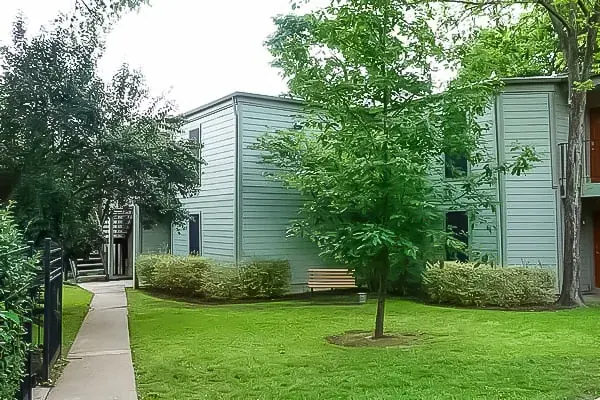
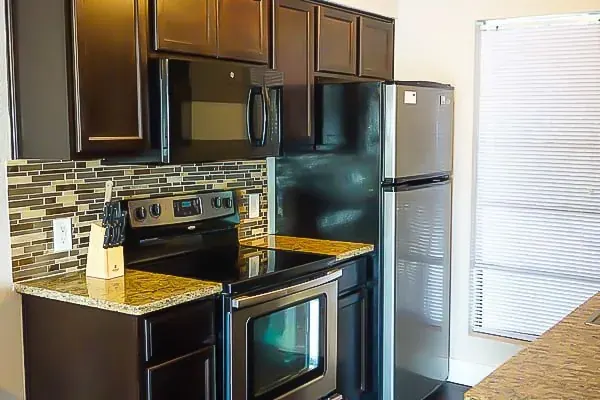
Inside Rustic Creek, our Austin flagship






Social Connection and Community Building
Pets are natural conversation starters and community builders. When you walk a dog around your neighborhood or bring a cat to a pet-friendly common area, you create opportunities for positive social interaction. These low-pressure conversations with neighbors, other pet owners, or housemates help rebuild social skills that may have atrophied during active addiction.
In sober living homes across Houston, Baton Rouge, San Antonio, and other Eudaimonia locations, residents with pets often find that their animals help break the ice with new housemates. Sharing stories about your pets, asking for pet-sitting help when you have appointments, or simply bonding over funny animal behavior creates connection points that deepen house community.
Social isolation is one of the biggest relapse risk factors, and pets provide a bridge back to healthy relationships. The connections you make through pet ownership, whether at dog parks, veterinary offices, or pet supply stores, expand your sober support network organically. You’re building a life where recovery is the foundation, and your pet is part of that architecture.
What to Consider Before Getting a Pet in Recovery
While the benefits are substantial, it’s important to approach pet ownership thoughtfully when you’re in sober living. Not every stage of recovery is the right time to take on this responsibility, and not every person or living situation is suited for every type of pet.
First, check your recovery housing’s pet policy. Some sober living homes welcome pets with certain restrictions: size limits, breed restrictions, additional deposits, or requirements for vaccinations and training. Other homes may not allow pets at all due to allergies among residents or property limitations. Always get clear written approval before bringing an animal into your recovery housing.
Second, honestly assess your stability and readiness. If you’re still in the first 30-60 days after detox or treatment, you might benefit from focusing entirely on your own recovery before adding pet care responsibilities. Many counselors recommend waiting until you’ve established consistent sobriety, employment, and daily routines before introducing a pet.
Consider the financial commitment as well. Pets require food, veterinary care, supplies, and sometimes unexpected emergency expenses. If your budget is tight while you’re rebuilding your life, a pet might add stress rather than relief. Some residents find that volunteering at animal shelters or pet-sitting for others provides many of the benefits without the full financial responsibility.
Choosing the Right Pet for Your Recovery Journey
Can having a pet help with my recovery and sobriety if you choose the wrong animal for your situation? Probably not. The type of pet matters significantly. Dogs offer companionship and encourage outdoor activity but require substantial time, training, and attention. Cats are more independent but still need daily care and interaction. Smaller animals like fish, birds, or reptiles can provide calming routine without the demands of a mammal.
Think about your lifestyle and living situation. If you work long hours or travel for employment, a high-energy dog might not be realistic. If you have limited outdoor space at your sober living home in urban areas like Philadelphia or Houston, a large breed might be challenging. Match the pet’s needs to what you can consistently provide.
Many people in recovery find success with adult rescue animals rather than puppies or kittens. Older pets are often calmer, already trained, and deeply appreciative of a second chance, something that resonates with the recovery experience. The parallel between rescuing an animal and rebuilding your own life can be profoundly meaningful.
Creating a Pet-Inclusive Recovery Plan
If you decide that having a pet will help with your recovery and sobriety, integrate that decision into your broader recovery plan. Discuss it with your sponsor, therapist, or house manager. Consider how pet care fits with your existing commitments to meetings, therapy, work, and house responsibilities.
Build a support system around your pet ownership. Identify housemates or friends who can help with pet care if you have an emergency, an appointment, or simply need a break. Create a budget that accounts for regular expenses and emergency veterinary funds. Research pet-friendly resources in your area, dog parks, walking trails, affordable veterinary clinics, so you know where to turn when you need them.
Remember that your pet’s wellbeing depends on your continued sobriety. Use that responsibility as motivation, not pressure. On days when recovery feels hard, your pet’s need for you can be the anchor that keeps you grounded in your commitment. The routine of caring for them reminds you why you’re doing this work in the first place.
If you’re living in one of our sober living communities and wondering whether a pet might support your recovery journey, we’re here to discuss your situation and help you make the best decision for your long-term sobriety. Reach out to Eudaimonia Recovery Homes to learn more about our pet policies and how we support residents in building fulfilling, stable lives in recovery.
Ready to take the next step?
Eudaimonia Recovery Homes provides structured sober living and recovery support in Philadelphia, PA. Call (713) 818-2361 to speak with our team today.