

Published January 11, 2026
Key Takeaways
- AA’s role in quitting alcoholHow meetings and accountability support change.
- Safety-first quitting planHow to assess withdrawal risk and build support.
- 2 days no alcoholWhat the first 48 hours can look like and what to do next.
- Before-and-after trackingSimple markers that show progress beyond feelings.
- Benefits and effects of quittingExpected wins and uncomfortable adjustments.
- Tips to quit drinking with AA toolsDaily actions that make sobriety repeatable.
- Helping someone quit drinkingSupport that helps without taking over.
- Next steps and ongoing supportOptions that help quitting alcohol stick long-term.
On This Page · 35 Sections
Quitting alcohol can feel simple in theory and brutally hard in real life. If you are searching “how do i quit drinking,” “stop drinking now,” or “how to quit booze,” you are not alone. Many people also search for “before and after stopping alcohol” because they want proof that leaving alcohol is worth it.
This guide explains how Alcoholics Anonymous (AA) can support quitting alcohol, what to expect when you quit drinking, and what changes you can track in the first weeks, and it is educational rather than medical advice.
If you drink heavily or have had withdrawal before, talk with a clinician before you stop drinking suddenly.
- Short definitions that make each section easy to scan.
- A safety-first view of the first 48 hours (2 days no alcohol).
- A practical “before and after” dashboard for the effects of quitting drinking.
- Tips for quitting alcohol that use AA tools without relying on willpower alone.
Alcoholics Anonymous and quitting alcohol: the role AA can play
Alcoholics Anonymous is a peer-led recovery fellowship where people support each other in staying sober. In plain terms, AA gives you a place to show up, tell the truth, and stay connected when cravings or stress hit.
AA is not medical treatment or a detox program, but it can support quitting alcohol by adding routine, accountability, and a steady sense of belonging. If you want a deeper overview of how meetings work, you can read this explanation of AA basics.
People use many phrases for the same goal: giving up alcohol, quitting alcohol, leaving alcohol, or stopping drinking. AA often focuses on one practical idea: stay sober today, then repeat tomorrow. That mindset matters because long timelines can feel impossible when your nervous system is still adjusting.
Quick definition: what AA is (and what it is not)
- AA is a mutual-support program built around meetings and shared experience.
- AA is not a substitute for medical care, therapy, or supervised detox when needed.
- AA can be one part of a plan that also includes counseling, medication, or sober housing.
Why AA can help when you are trying to stop drinking
- Meetings reduce isolation, which can lower risk during early change.
- Shared stories can normalize what you are feeling after you stop drinking alcohol.
- Sponsorship can create a simple accountability loop between meetings.
- A set of repeatable actions can support change when motivation drops.
AA is also not the only path, and some people quit drinking using therapy, medication, family support, or a mix of approaches. The best plan is the one you will follow consistently.
How do i quit drinking safely? Start with withdrawal risk and support
Before you focus on benefits of quitting drinking alcohol, it helps to address safety first. Alcohol withdrawal can be dangerous for some people, especially after heavy, long-term drinking, and symptoms can range from mild anxiety and insomnia to severe complications that require urgent care.
If you are unsure whether stopping alcohol is safe for you, learn the common warning signs and talk with a medical professional. MedlinePlus has a clear overview of alcohol withdrawal symptoms and when to seek help: Alcohol withdrawal (MedlinePlus).
Red flags that need urgent medical attention
- Seizures, fainting, or severe confusion.
- Hallucinations, extreme agitation, or uncontrolled shaking.
- High fever, chest pain, or trouble breathing.
- Inability to keep fluids down or signs of severe dehydration.
If any of these are present, do not try to “white-knuckle” it alone, because emergency care can be lifesaving and can also prevent complications that make recovery harder.
Build a quitting alcohol plan that is realistic
- Pick a start point: today, this weekend, or a planned date with support.
- Remove easy access: clear alcohol from your home if that is safe for you.
- Tell one safe person: secrecy increases risk when cravings spike.
- Decide what you will do instead: food, sleep, a walk, a meeting, a call.
- Plan for nights: evenings are a common trigger for many drinkers.
In practice, quitting alcohol is less about willpower and more about reducing friction for your healthy choice. You are building guardrails, not proving toughness.
2 days no alcohol: what happens in the first 48 hours
The phrase “2 days no alcohol” often means you are in the hardest stretch of the change. For many people, the first two days include sleep disruption, mood swings, and strong cravings. Some people also notice sweating, shakiness, or a racing heart, especially if they were drinking daily.
People often type “what happen when you stop drinking alcohol” because the first 48 hours can feel uncertain. In that window, your body is recalibrating, because alcohol affects stress hormones, sleep cycles, and brain signaling, and your system can swing the other way before it stabilizes.
What you might notice when you stopped drinking
- Restless or fragmented sleep, even if you feel exhausted.
- Anxiety that rises in waves, often peaking at night.
- Irritability, low patience, or feeling emotionally “raw.”
- Cravings tied to a time of day, place, or specific emotion.
If you are searching “what i noticed when i stopped drinking,” it often comes down to this: your body notices the absence before your mind enjoys the benefits. That gap is normal, and it is one reason support matters early.
A “stop drinking now” plan for the next 60 minutes
- Drink water and eat something with protein or complex carbs.
- Change your setting: step outside, shower, or move to a new room.
- Text or call someone: connection disrupts the craving spiral.
- Do one recovery action: a meeting, a reading, or a short journal entry.
- Set a timer for 20 minutes and ride the urge without negotiating.
This is not a magic trick; it is a way to get through a craving without feeding it.
When the first 48 hours feel “easy”
Some people feel surprisingly fine at first and then struggle later, so if you feel confident early, keep your plan anyway. Early comfort is not a guarantee that withdrawal risk is zero, and it is not a signal to test yourself.
Eudaimonia's Success Stories – Real People, Real Freedom
Before and after stopping alcohol: track the changes that matter
Many articles list the effects of quitting alcohol as a timeline. Timelines can help, but they can also feel vague. A more motivating approach is to track “before and after stopping alcohol” markers that you can actually see.
Tracking does two things: it shows progress when feelings are messy and helps you notice patterns that lead to relapse, and you only need a few consistent signals you can check in five minutes.
Your baseline (before you quit drinking)
- Sleep: average hours and how rested you feel in the morning.
- Mood: anxiety, irritability, and overall emotional stability.
- Energy: afternoon crash, brain fog, or steady focus.
- Health: blood pressure, heart rate, reflux, headaches, and appetite.
- Function: missed work, forgotten tasks, late mornings, or avoidable conflict.
- Cost: money spent, time lost, and next-day “cleanup” burdens.
Your check-ins (after you stop drinking alcohol)
- Day 2: Can you eat, hydrate, and rest? Are cravings becoming predictable?
- Day 7: Is sleep still rough, or are you getting longer stretches?
- Day 14: Are mornings less anxious? Is your digestion settling?
- Day 30: Is your mood steadier? Are you more reliable with plans?
These are common patterns, not guarantees. The effects of stopping alcohol depend on how much you drank, your health, and your support system. Your “before and after” will be personal.
A simple tracking template you can copy
- Cravings (0–10): write the highest number you felt today and what triggered it.
- Sleep quality (0–10): include bedtime and wake time, not just hours in bed.
- Mood (0–10): track anxiety and low mood separately if you can.
- One win: a meeting, a walk, a hard conversation, or a craving you rode out.
- One risk: a person, place, or feeling that made drinking seem tempting.
If you do this for two weeks, you will start to see patterns. That pattern awareness is one of the most useful effects of quitting drinking and the effects of stopping alcohol, because it turns cravings into information you can act on.
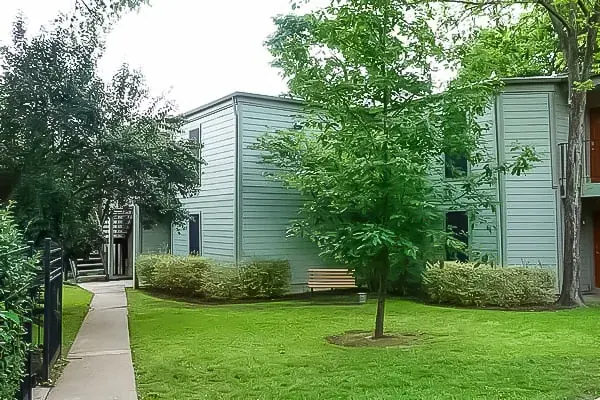
Inside Rustic Creek, our Austin flagship







Benefits of quitting drinking alcohol and the uncomfortable effects of quitting drinking
Once the body settles, quitting alcohol benefits often show up in small, practical ways. Many people expect a dramatic transformation. More often, the “before and after stopping alcohol” change looks like fewer crises and more quiet competence.
Benefits of quitting drinking
- More predictable sleep and fewer 3 a.m. wake-ups.
- Lower baseline anxiety and less emotional whiplash.
- Better digestion and fewer nausea or reflux episodes.
- Improved focus, fewer mistakes, and more follow-through.
- Less conflict in relationships and more trust over time.
- More money and more time for things that matter to you.
Effects of quitting alcohol that can feel uncomfortable
- Cravings that spike at predictable times or in certain social settings.
- Awkwardness while you learn how to socialize without alcohol.
- Emotions you used to numb: grief, anger, regret, or loneliness.
- Boredom, especially when drinking was your main “reward” at day’s end.
If you are wondering “what happens after you stop drinking” or “what happens after you stop drinking alcohol,” a useful answer is this: your coping system becomes visible. That visibility is uncomfortable, but it also gives you a chance to build new skills.
People also ask, “what happens to you when you quit drinking,” “what happens when you quit drinking alcohol,” and “what happens when you quit alcohol,” because they want a clear picture of the effects of stopping drinking over time.
What happens when you quit alcohol in social situations
Many people relapse because they do not plan for social pressure. That is why “how to give up drinking” is often really a question about communication. If you want practical scripts you can use at parties, dinners, or work events, this guide on telling people you don’t drink can help you plan ahead.
When people ask “why quit drinking,” they often mean “why change if it costs me connection?” In reality, many relationships get calmer when alcohol is out of the center. Some relationships may change. That is painful, but it can also be honest.
Tips to quit drinking using AA tools
AA works best when you use it as a set of daily actions, not a vague idea. The following tips to quit drinking are simple on purpose. Complexity often collapses under stress.
1) Build a meeting routine you can repeat
In early sobriety, people sometimes attend frequent meetings because routine replaces chaos. If in-person meetings feel intimidating, start with any format you will attend. What matters is showing up consistently while your brain is relearning reward.
2) Use connection as a craving intervention
Cravings tend to grow in silence. Calling someone, sending a text, or speaking in a meeting changes your state. If you want a structured coping skill, urge surfing is a technique for riding out cravings without acting on them.
3) Shrink the goal to “today”
Many people relapse because their goal is too big: “never again.” AA’s daily approach is a way to keep quitting alcohol manageable. When you think “what happens when u quit drinking,” remember that the first win is not a year. The first win is one day done well.
4) Plan for your top three triggers
- Time: after work, weekends, or late nights.
- Emotion: stress, anger, loneliness, or celebration.
- Place: certain bars, friends’ houses, or “drinking” routines at home.
Write one alternative action for each trigger and keep it visible. This is one of the most practical effects of quitting alcohol and the effects of stopping drinking: you learn what your mind uses alcohol to solve.
5) Decide how you will handle slips
Some people avoid support after a slip because they feel ashamed. A better plan is to decide in advance: if you drink, you will tell someone within 24 hours and return to support. That is accountability, not punishment.
6) Know when more than AA is needed
AA can be a strong support, but some people also need clinical care. Alcohol use disorder is a medical condition, and treatment can include therapy, medication, and higher levels of support. NIAAA offers a clear overview here: Understanding alcohol use disorder (NIAAA).
How to help someone quit drinking without taking over their recovery
If you are reading for a loved one, your role matters, but you cannot do the work for them. The best support combines empathy with clear boundaries. That balance protects both of you.
What helps most
- Ask what they want: “Do you want encouragement, help finding support, or practical logistics?”
- Remove friction: offer rides to meetings, child care, or help with meals.
- Praise follow-through, not promises: notice actions, not speeches.
- Protect your home: set clear limits around drinking, conflict, and safety.
What usually backfires
- Threats that you do not intend to follow through on.
- Monitoring or policing that replaces their responsibility.
- Arguing about labels instead of focusing on safety and next steps.
If you are searching “how to help someone quit drinking,” remember that support can also mean encouraging medical care when withdrawal risk is high. Your goal is not to win a debate. Your goal is to reduce harm and increase connection.
If they refuse help
You can still set boundaries, seek your own support, and avoid enabling. Many families find it helpful to talk with a counselor about safety planning and communication. Even if the person keeps drinking, you can protect stability in your home.
Next steps after giving up alcohol: support that makes quitting stick
Quitting alcohol is a decision, and staying quit is a lifestyle shift. Many people need more than meetings, especially if their home environment is unstable or full of triggers. Recovery housing and structured programs can add daily accountability while you rebuild routines.
If you want to explore structured sober support, you can apply for sober living and talk with a team member about fit and timing.
If you need help finding treatment resources near you, the Substance Abuse and Mental Health Services Administration has a free, confidential helpline: SAMHSA’s National Helpline.
Many people also search “why i stopped drinking alcohol” when they are looking for a reason that feels strong enough to hold, and a practical answer is to focus on what you are trying to protect: your health, your relationships, your career, or your peace. You do not have to feel perfectly ready; you have to take the next right step.
Whether you are aiming for your first 2 days no alcohol or you are rebuilding after a relapse, the next right step is the one you can take today.
How Eudaimonia Recovery Homes Supports Quitting Alcohol and AA-Based Recovery
Eudaimonia Recovery Homes can support quitting alcohol by providing a stable, recovery-focused living environment that reduces daily triggers and supports consistent routines. For many people, early sobriety is hardest when stress, isolation, or old habits are still present at home, and structured sober living can help create safer momentum. Residents often benefit from built-in accountability, clear expectations, and a community that understands what it’s like to stop drinking and rebuild day by day. Just as important, a supportive home setting can make it easier to attend Alcoholics Anonymous meetings regularly and follow through on recovery goals when motivation dips.
Eudaimonia Recovery Homes also helps people strengthen practical life skills, including time management, healthy coping strategies, and relapse prevention planning. Over time, this structure can support the benefits of quitting drinking by reinforcing healthier sleep patterns, improved mood stability, and more reliable daily functioning. If someone has tried giving up alcohol before but struggled to maintain progress, sober living can provide the extra support needed to stay consistent. The goal is not just to stop drinking, but to build a lifestyle that makes long-term sobriety realistic and sustainable.
Your Future Is Waiting
Tell us what you are looking for and admissions will walk you through the houses, the phases, and what a room actually costs.