
Published June 22, 2026 · Updated June 23, 2026
On This Page · 11 Sections
Practicing self-care while living in a sober living home means building consistent daily routines around sleep, nutrition, physical activity, and emotional wellness while leaning into the structure and community your recovery housing provides. Self-care in this environment isn’t solitary. It happens through house meetings, accountability partnerships, shared meals, and respecting the boundaries that keep everyone safe. The combination of personal wellness habits and community support creates the foundation for maintaining your recovery long-term.
Why Self-Care Looks Different in Sober Living Homes
When you move into sober living after detox or treatment, you’re stepping into a structured environment designed to support your recovery. Self-care here isn’t about bubble baths and face masks, though those can be part of it. It’s about showing up for yourself and your housemates every single day.
At Eudaimonia Recovery Homes in Austin, Houston, San Antonio, Colorado Springs, Philadelphia, and Baton Rouge, residents quickly learn that self-care and community care are intertwined. When you practice self-care while living in a sober living home, you’re also contributing to the health of everyone around you. Taking care of yourself means coming home sober, attending house meetings, doing your chores, and being honest when you’re struggling.
The structure of recovery housing removes many of the daily stressors that can derail early sobriety: finding safe housing, worrying about who you’re living with, navigating complete isolation. This frees up mental and emotional energy to focus on the fundamentals of self-care that actually support long-term recovery.
Building a Daily Self-Care Routine in Recovery Housing
Consistency is everything in early recovery. The house schedule at sober living homes provides a framework, but within that structure, you need to build personal routines that support your physical and mental health.
Start with the basics: sleep, food, and movement. Going to bed and waking up at consistent times helps regulate your nervous system, which is still healing from substance use. Eating regular, nutritious meals, often shared with housemates, stabilizes your mood and energy. Physical activity, whether it’s hitting the gym, going for a run, or just walking around the neighborhood, helps manage stress and anxiety.
Many residents find that morning routines set the tone for the entire day. This might include meditation, journaling, reading recovery literature, or attending an early 12-step meeting. The key is making these practices non-negotiable, just like drug testing and curfew are non-negotiable parts of sober living.
Essential Daily Self-Care Practices
- Consistent sleep schedule: Aim for 7-9 hours, same bedtime and wake time daily
- Three balanced meals: Don’t skip breakfast; share dinner with housemates when possible
- Physical movement: 30 minutes minimum, whether structured exercise or a walk
- Recovery meeting or check-in: Daily connection with your support system
- Quiet reflection time: Meditation, prayer, journaling, or reading
- House responsibilities: Completing chores builds self-respect and discipline
Using Community as a Self-Care Tool
One of the biggest shifts in thinking about self-care while living in a sober living home is recognizing that isolation isn’t self-care, it’s a relapse risk. Connection is medicine in recovery.
House meetings aren’t just administrative; they’re opportunities to practice showing up, being present, and contributing to something larger than yourself. When you share honestly about your week, listen to others without judgment, and participate in problem-solving, you’re engaging in emotional self-care.
The accountability structures at places like Eudaimonia Recovery Homes, random drug testing, curfews, mandatory meetings, might feel restrictive at first. But many residents come to see them as forms of self-care. They remove the burden of constant decision-making and provide external structure while you’re building internal discipline.
Building genuine friendships with housemates creates a support network that understands what you’re going through. Going to meetings together, cooking shared meals, celebrating sobriety milestones, and being there for each other during difficult moments. This is self-care through community care.
Managing Stress and Emotions in Shared Living
Living with multiple people in recovery means you’re navigating your own emotions while being exposed to everyone else’s. This requires intentional emotional self-care strategies.
Having healthy boundaries is essential. You can be supportive without taking on everyone’s problems. It’s okay to say no to a conversation when you’re not in the right headspace. Your room can be a sanctuary when you need time alone, but extended isolation should be a red flag to share with your house manager or accountability partner.
Developing a toolkit of coping skills helps you manage difficult emotions without using substances. This might include calling your sponsor, going for a walk, using breathing exercises, attending an extra meeting, or talking to a housemate who understands. The key is identifying what works for you and actually using these tools when stress hits.
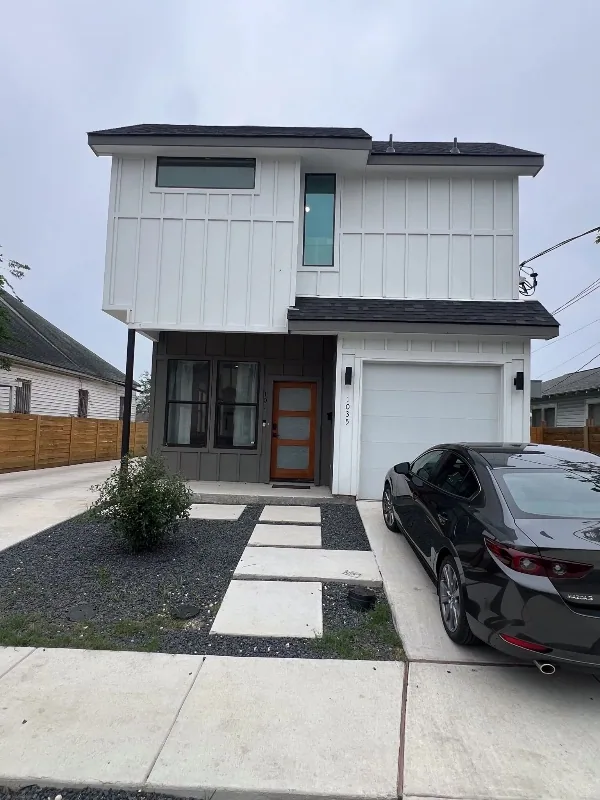
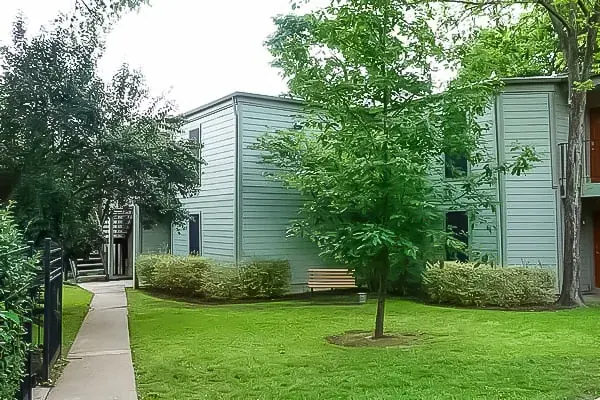
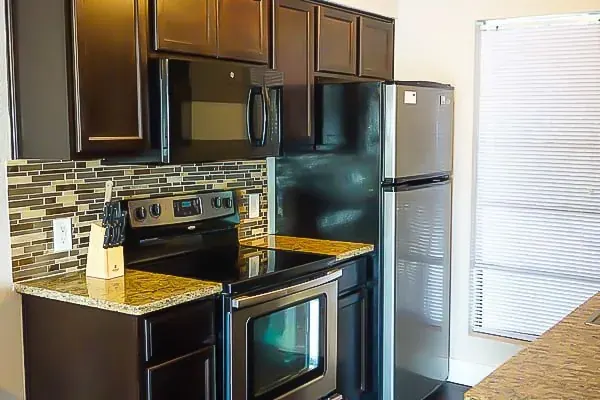
Inside Rustic Creek, our Austin flagship






Healthy Ways to Process Emotions in Recovery Housing
- Call your sponsor or accountability partner before emotions spiral
- Use house-provided therapy or counseling resources
- Attend process groups or therapy sessions regularly
- Journal about difficult feelings instead of bottling them up
- Practice grounding techniques: deep breathing, cold water on face, going outside
- Ask for a house meeting check-in when you’re struggling
- Respect your need for alone time while avoiding isolation
Physical Wellness Beyond Just Staying Sober
Your body is healing from the damage of active addiction. Physical self-care while living in a sober living home means supporting that healing process intentionally.
Nutrition matters more than many people realize in early recovery. Sugar cravings are common as your brain adjusts to life without substances, but a diet heavy in processed foods can impact mood stability. Focus on whole foods, lean proteins, fruits, vegetables, and staying hydrated. Many sober living homes have shared kitchens where residents can cook together, take advantage of this.
Regular medical and dental care is self-care. Many people in active addiction avoided doctors and dentists for years. Getting checkups, addressing health issues, and taking prescribed medications as directed are all part of showing up for yourself in recovery.
Sleep hygiene becomes crucial. Your room might not be a palace, but you can make it conducive to rest: keep it clean, use blackout curtains or a sleep mask, limit screen time before bed, and maintain that consistent schedule. Quality sleep dramatically impacts your ability to handle stress and make good decisions.
Balancing Recovery Work with Self-Compassion
There’s a lot expected of you in sober living: maintaining sobriety, attending meetings, working the steps, going to therapy, holding down a job or returning to school, completing house chores, showing up for community. It can feel overwhelming.
Self-care includes knowing your limits and communicating them. If you’re feeling burned out, talk to your house manager about it. Most sober living communities, including those operated by Eudaimonia Recovery Homes across Austin, Houston, San Antonio, Colorado Springs, Philadelphia, and Baton Rouge, would rather help you adjust your load than watch you relapse from stress.
Recovery isn’t linear, and self-care means being gentle with yourself on the hard days. You don’t have to be perfect; you just have to keep showing up. Celebrate small wins: 30 days sober, completing your chores for a week straight, having a difficult conversation you’d been avoiding, going to bed on time for three nights in a row.
Creating Sustainable Self-Care for Long-Term Recovery
The self-care practices you build in sober living need to be sustainable beyond your time in recovery housing. You’re not just getting through early recovery; you’re building a life.
This means developing habits that don’t depend on perfect circumstances. You won’t always have housemates to cook with or built-in accountability. But if you’ve learned to prioritize sleep, nutrition, movement, connection, and emotional processing while in sober living, you’ll carry those tools with you.
Financial self-care matters too. Saving money while in sober living, learning to budget, paying your rent and fees on time. These are all forms of self-care that set you up for stability when you transition to independent living. Many residents find that sober living provides the structure they need to get financially organized for the first time in years.
Spiritual self-care looks different for everyone. For some, it’s a 12-step program and a higher power. For others, it’s meditation, nature, creative expression, or service work. Whatever connects you to something larger than yourself and gives your life meaning, nurture that practice while you’re in the supportive environment of recovery housing.
When Self-Care Means Asking for Help
Perhaps the most important self-care skill you can develop in sober living is knowing when to ask for help and actually doing it. This goes against everything active addiction taught you about having to manage everything alone.
If you’re struggling with cravings, mental health symptoms, conflict with housemates, work stress, or anything else that threatens your recovery, speak up. Talk to your house manager, your sponsor, your therapist, or a trusted housemate. The sober living environment is designed to support you, but people can’t help if they don’t know you’re struggling.
Self-care isn’t always comfortable. Sometimes it means having difficult conversations, setting boundaries with family members, ending unhealthy relationships, or addressing trauma in therapy. The structure and support of recovery housing gives you a safe place to do this hard work.
If you’re looking for a sober living home that emphasizes both individual wellness and community support, Eudaimonia Recovery Homes provides structured recovery housing where you can practice meaningful self-care while building a foundation for long-term sobriety.
Ready to take the next step?
Eudaimonia Recovery Homes provides structured sober living and recovery support in Philadelphia, PA. Call (713) 818-2361 to speak with our team today.