
Published November 19, 2024 · Updated July 20, 2026
On This Page · 16 Sections
Sober Living
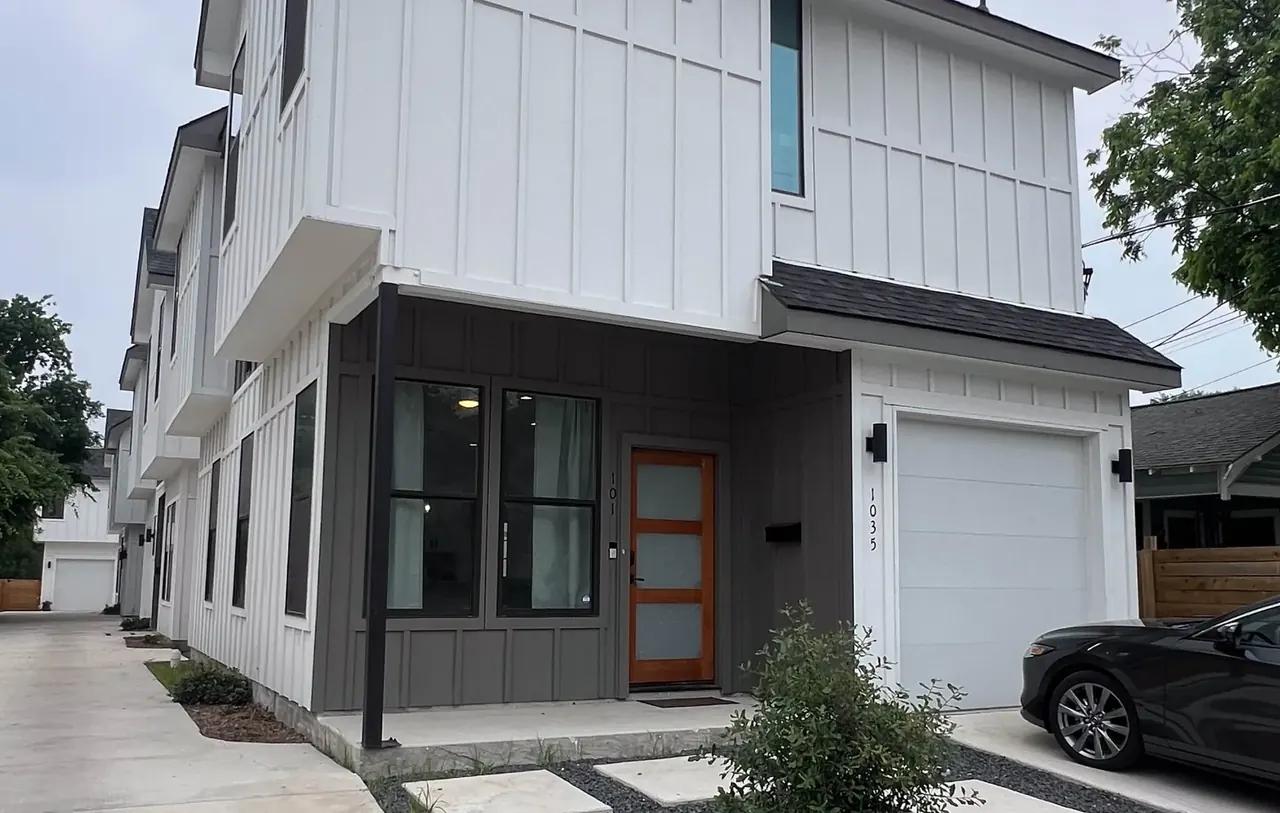
San Antonio
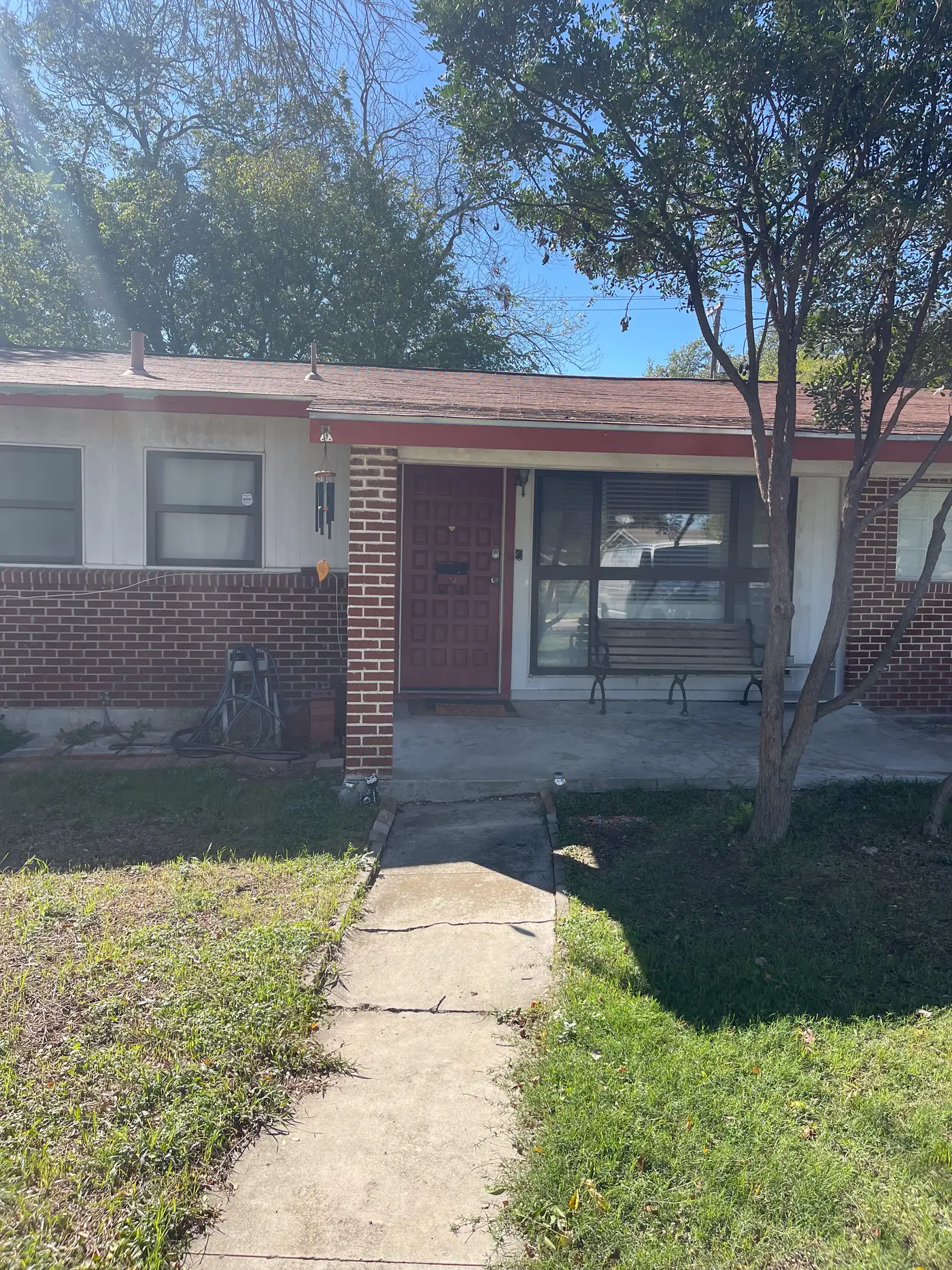
1035 S Pine St, Unit 101, San Antonio, TX
Stress can be a significant challenge, especially during the recovery journey. It often acts as a trigger for relapse, making stress management an essential component of maintaining sobriety. Whether you’re transitioning to independent living or working through the early stages of recovery, developing effective stress-busting techniques can help you stay focused and maintain a healthy, sober lifestyle.
At Eudaimonia Recovery Homes, we believe in empowering individuals with tools to manage stress effectively. Here are eight stress-busting techniques you can incorporate into your daily routine to enhance your well-being and support your recovery.
1. Practice Mindful Breathing
One of the simplest yet most effective ways to reduce stress is through mindful breathing. This technique involves focusing on your breath, inhaling deeply through your nose, and exhaling slowly through your mouth.
Mindful breathing helps activate the parasympathetic nervous system, which calms the body and mind. Even a few minutes of deep breathing can lower your heart rate and create a sense of relaxation.
Try This: Spend five minutes each morning practicing mindful breathing. Over time, it can become a powerful tool for managing daily stress.
2. Engage in Regular Physical Activity
Exercise is a proven stress reducer. Physical activity releases endorphins, the body’s natural “feel-good” chemicals, which improve mood and reduce anxiety. Whether it’s a brisk walk, yoga, or strength training, regular exercise can help clear your mind and keep stress levels low.
For those in recovery, staying active can also help rebuild physical health and promote a sense of accomplishment. At Eudaimonia Recovery Homes, residents are encouraged to participate in fitness activities as part of their holistic recovery plan.
Pro Tip: Choose an activity you enjoy to make exercise a consistent part of your routine.
3. Connect with a Support Group
Isolation can increase stress, while connection can help alleviate it. Building a support network is crucial for anyone in recovery. Whether through a sober living community like Eudaimonia Recovery Homes or a local support group, having people who understand your journey can make a significant difference.
Sharing your feelings and experiences with others not only reduces stress but also strengthens your commitment to recovery.
Take Action: Attend a weekly support meeting to stay connected and grounded.
4. Practice Gratitude
Gratitude is a powerful tool for shifting focus away from stressors. Taking a moment each day to reflect on what you’re grateful for can improve your mental health and create a positive outlook on life.
Consider starting a gratitude journal where you jot down three things you’re thankful for every evening. Over time, this practice can reframe your mindset and reduce the impact of daily stress.
5. Adopt a Healthy Sleep Routine
Lack of sleep often exacerbates stress and can hinder your ability to cope with challenges. Prioritizing quality rest is essential for both physical and mental recovery. Establish a calming bedtime routine, avoid caffeine in the evening, and limit screen time before bed.
At Eudaimonia Recovery Homes, we emphasize the importance of sleep hygiene as part of a comprehensive recovery approach.
Remember: A well-rested mind is better equipped to handle stress effectively.
6. Try Meditation or Mindfulness Practices
Meditation and mindfulness are excellent tools for managing stress. These practices involve focusing on the present moment and letting go of worries about the past or future.
Apps like Headspace or Calm can guide you through meditation exercises, making it easy to incorporate mindfulness into your day. Even five minutes of meditation can help reduce stress and improve your mental clarity.
Start Small: Set aside time each morning or evening to practice mindfulness and notice how it impacts your stress levels.
7. Fuel Your Body with Nutritious Foods
What you eat plays a significant role in how you feel. A balanced diet rich in whole foods can stabilize your mood and provide the energy needed to handle stress. Avoid excessive sugar and processed foods, which can lead to energy crashes and irritability.
At Eudaimonia Recovery Homes, we encourage residents to focus on nourishing their bodies with wholesome meals as part of a holistic recovery process.
8. Set Realistic Goals and Prioritize Tasks
Stress often arises when you feel overwhelmed by too many responsibilities. Breaking down your goals into manageable steps and prioritizing tasks can help you regain control. Using tools like to-do lists or planners can make your daily routine more structured and less chaotic.
Remember to celebrate small victories along the way, they’re an essential part of maintaining motivation and reducing stress.
Why Stress Management Matters in Recovery
Stress is one of the most common triggers for relapse, but it’s also manageable with the right strategies. By incorporating these techniques into your routine, you can build resilience and create a foundation for long-term sobriety.
At Eudaimonia Recovery Homes, we provide more than just a place to stay. We offer a supportive environment where individuals can learn life skills, connect with others, and develop tools for managing stress effectively. Our holistic approach focuses on the mind, body, and soul to ensure a complete recovery journey.
Take the Next Step Toward a Stress-Free, Sober Life
If you’re navigating the challenges of recovery and looking for a structured, supportive community, Eudaimonia Recovery Homes is here to help. With our comprehensive care and evidence-based treatment, you’ll have the resources you need to manage stress and maintain your sobriety.
Get Help Today
- See Availability Today
- Confidential Availability Check
Don’t let stress hold you back from living the life you deserve. Contact us now to take the first step toward lasting recovery.
Eudaimonia Can Help Keep You on the Path to Recovery
Eudaimonia offers excellent recovery programs with tailored care. In these programs, individuals can develop positive coping skills with the tools necessary to maintain sobriety. Eudaimonia even provides tailored care based on gender and orientation. We also include supervised, short-term housing to provide support for newly sober individuals.
But no matter where you are in your recovery, Eudaimonia Sober Living Homes can provide support every step of the way. We have facilities for sober living in Austin, Houston, and Colorado Springs ready to assist you in living your sober lifestyle. Call Eudaimonia Sober Living Homes at (512) 363-5914 for more information on the admissions process and current room availability.
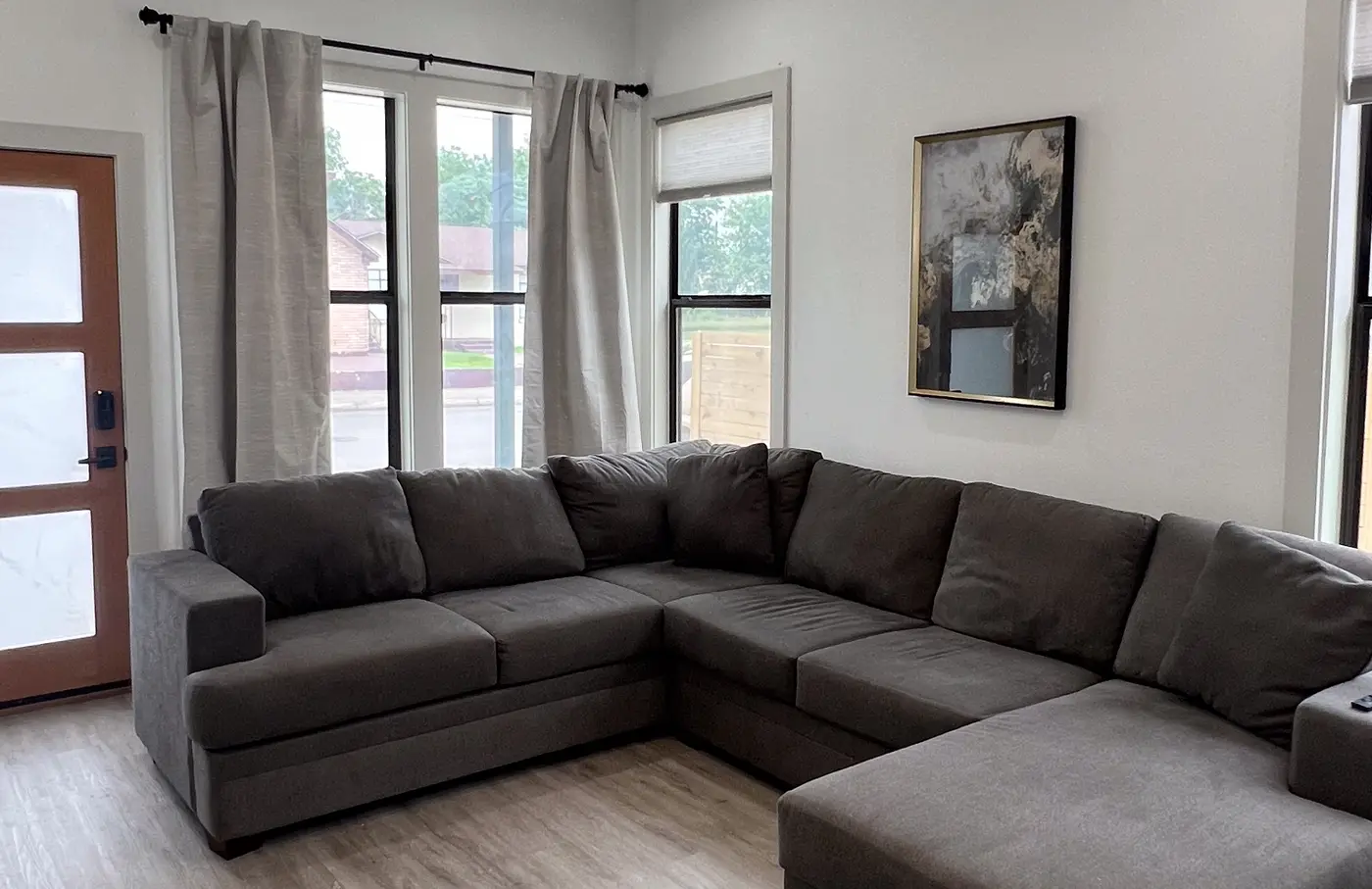
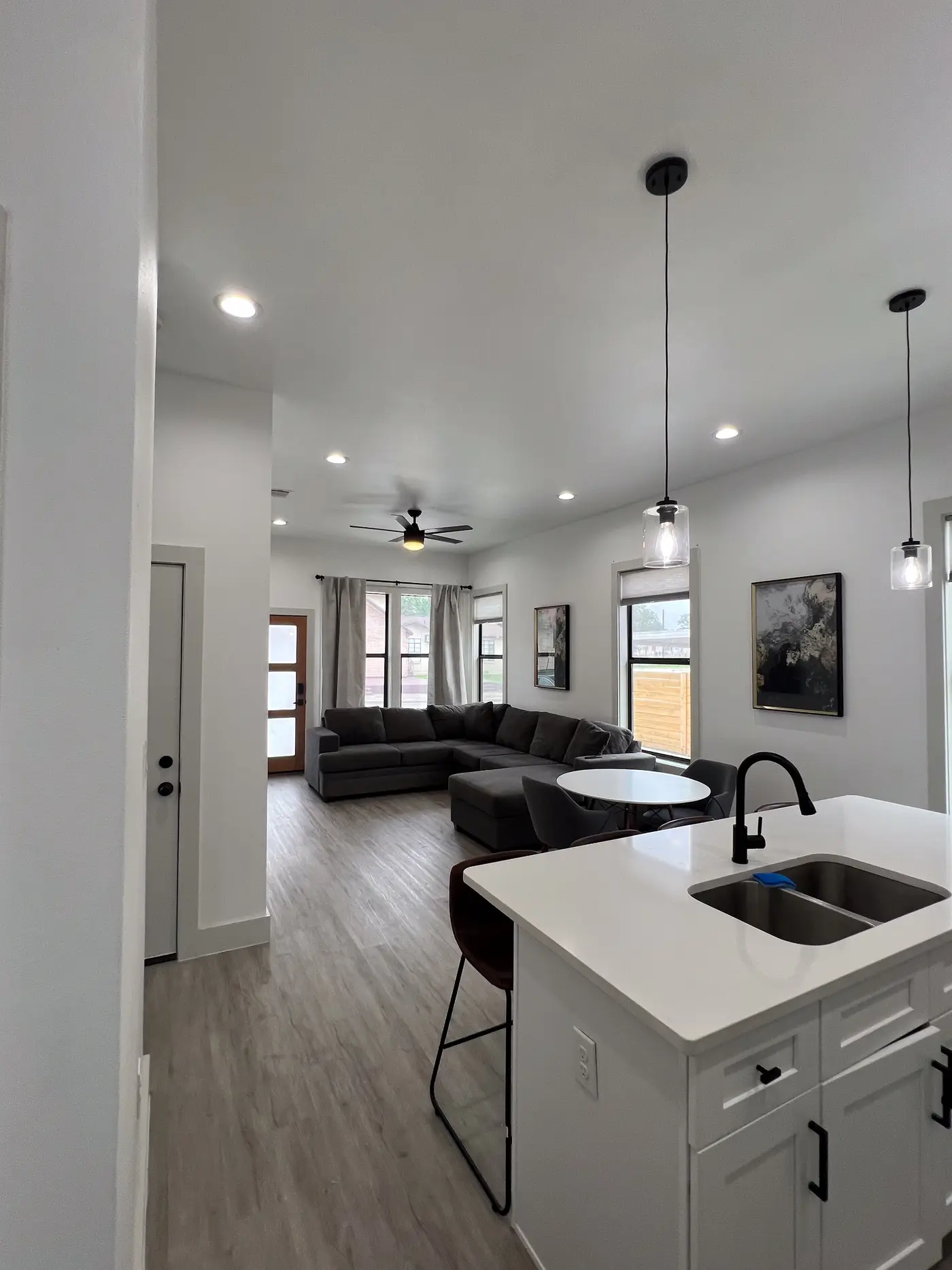
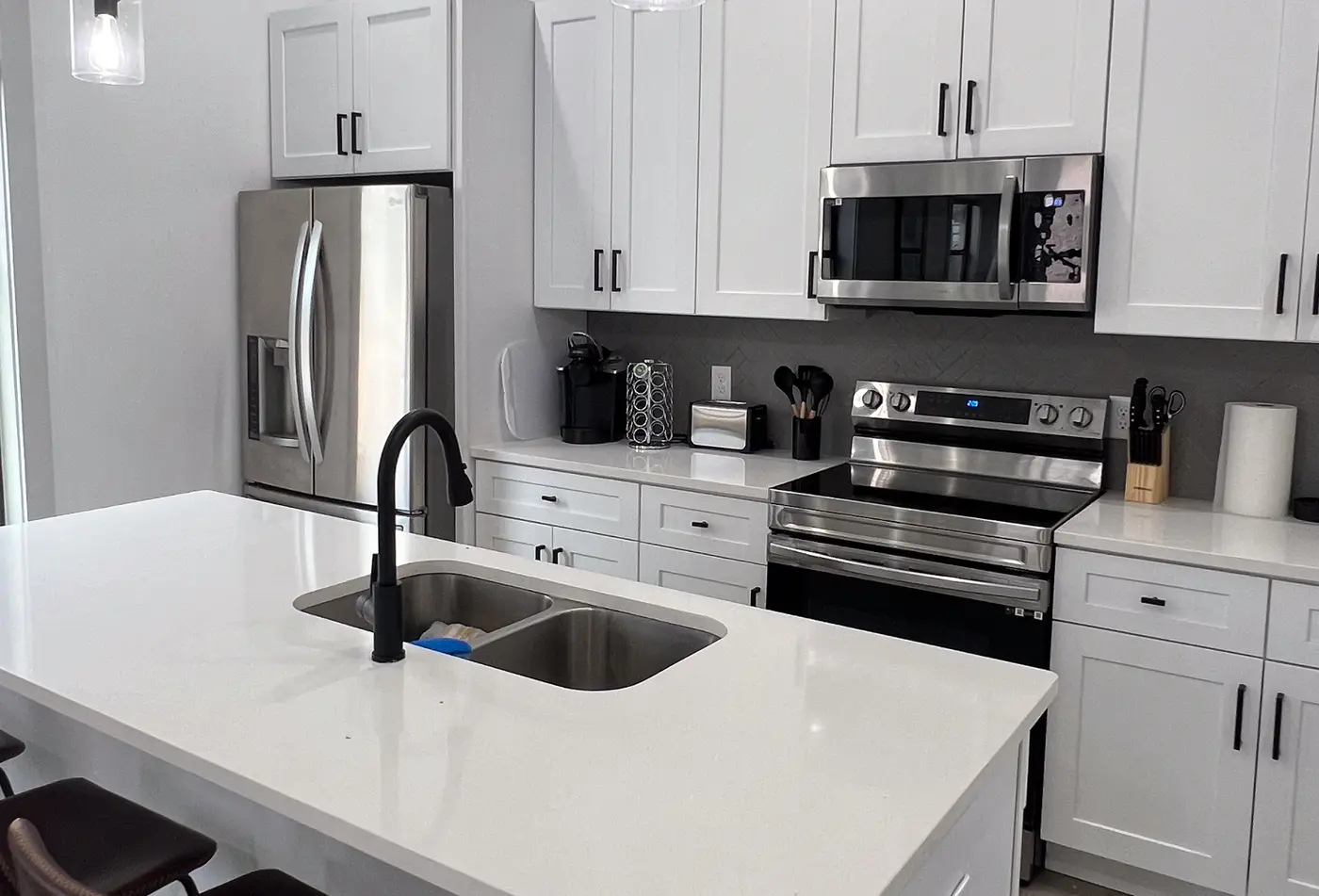
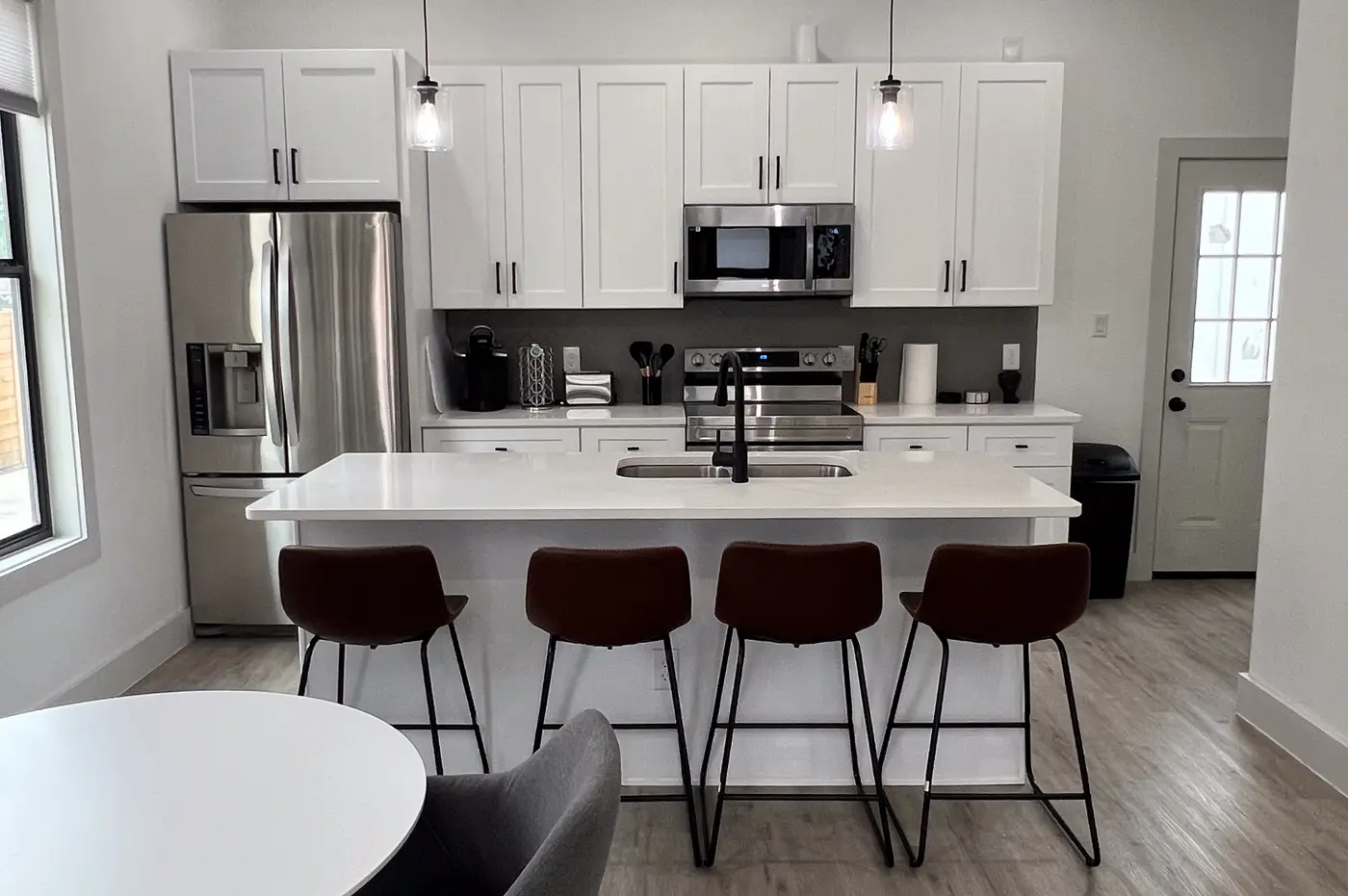
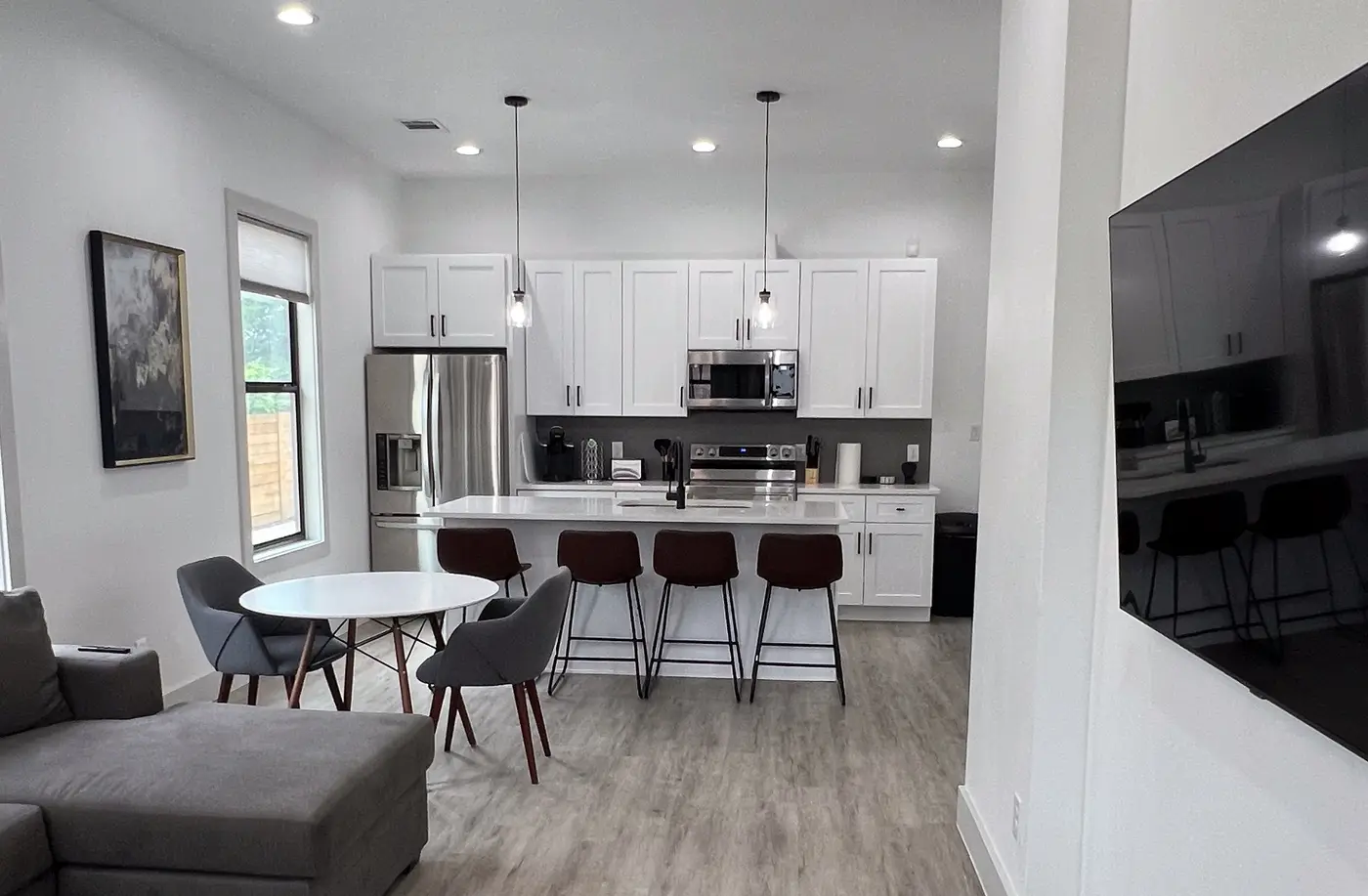
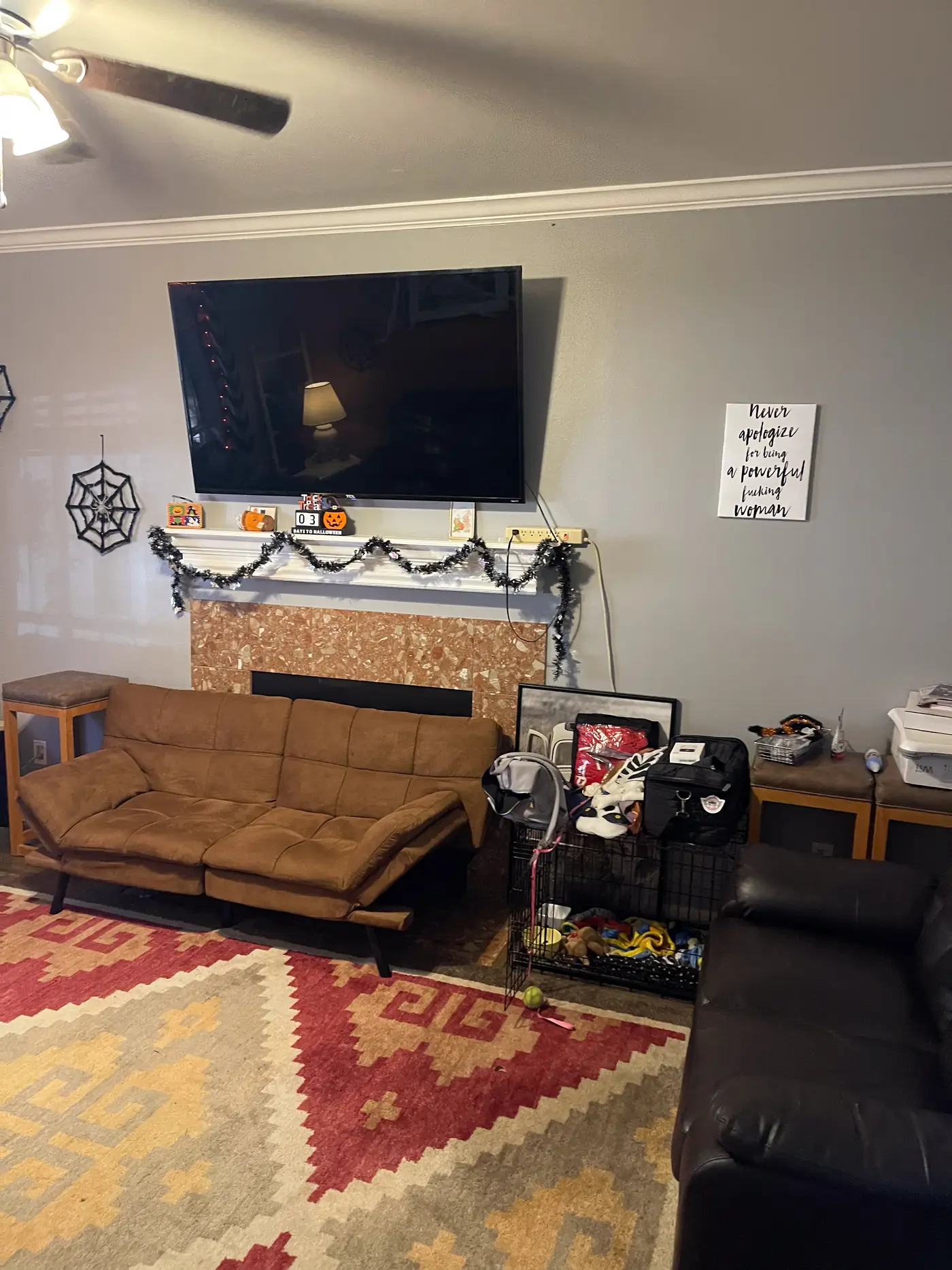
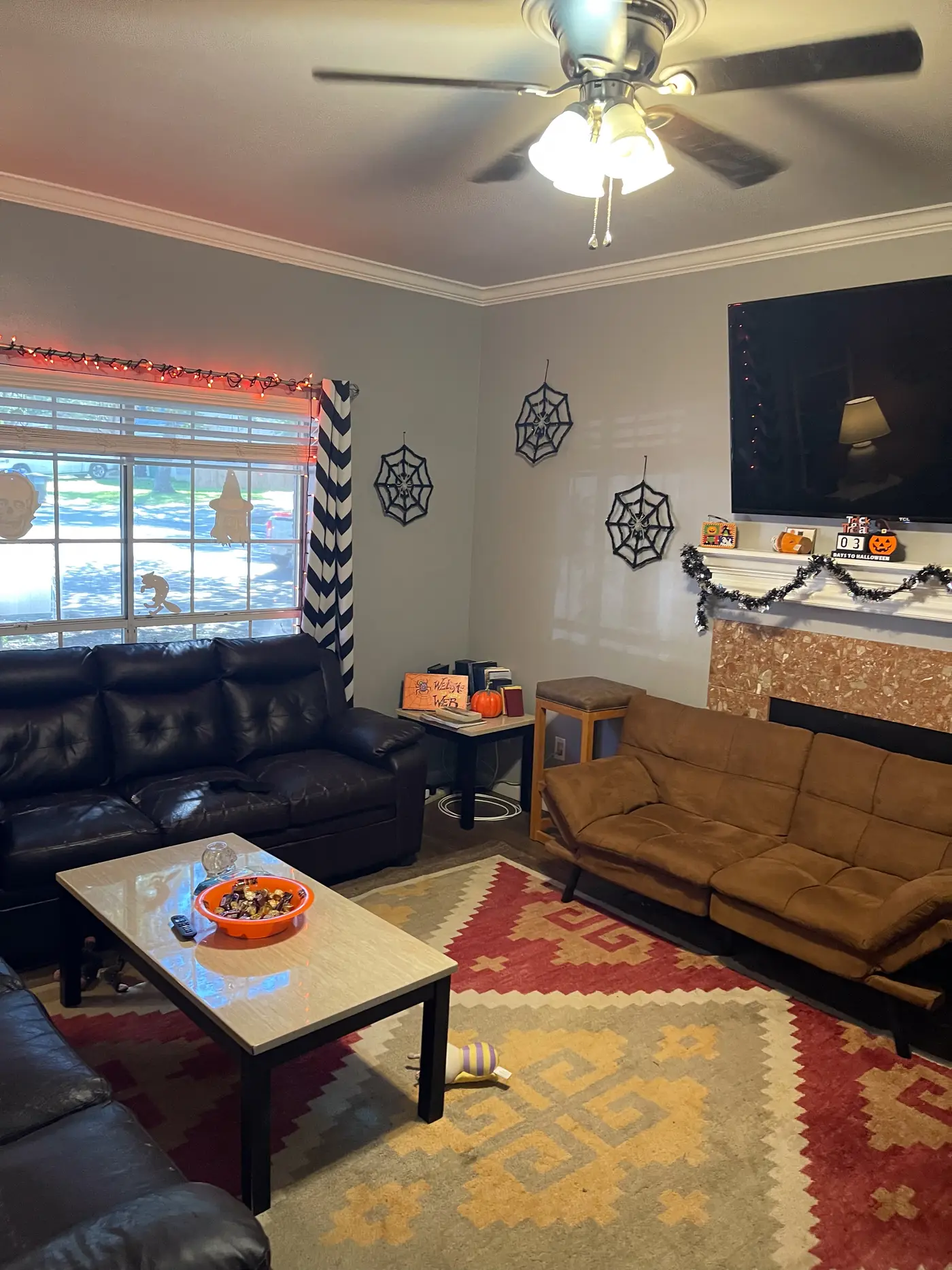
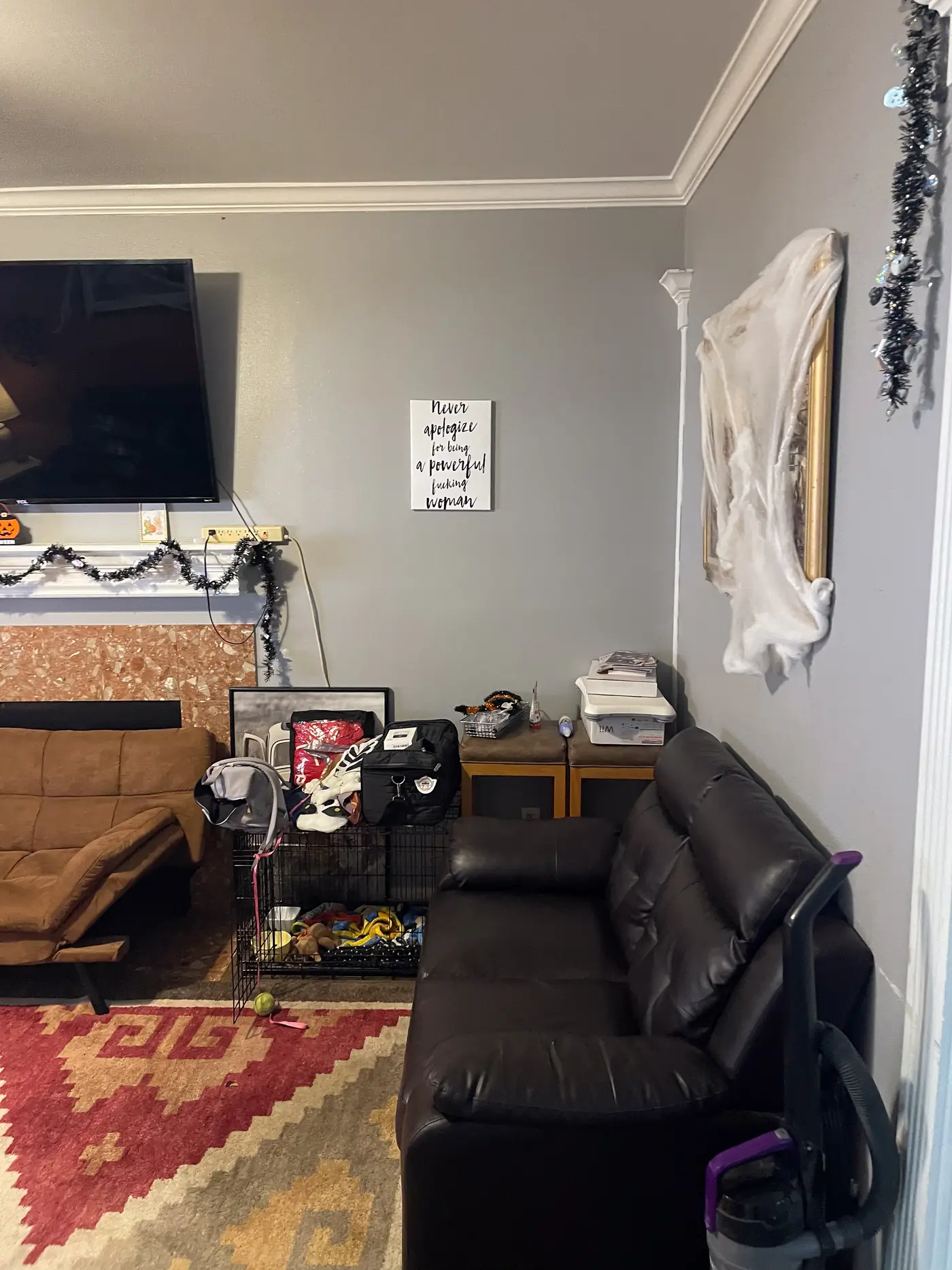
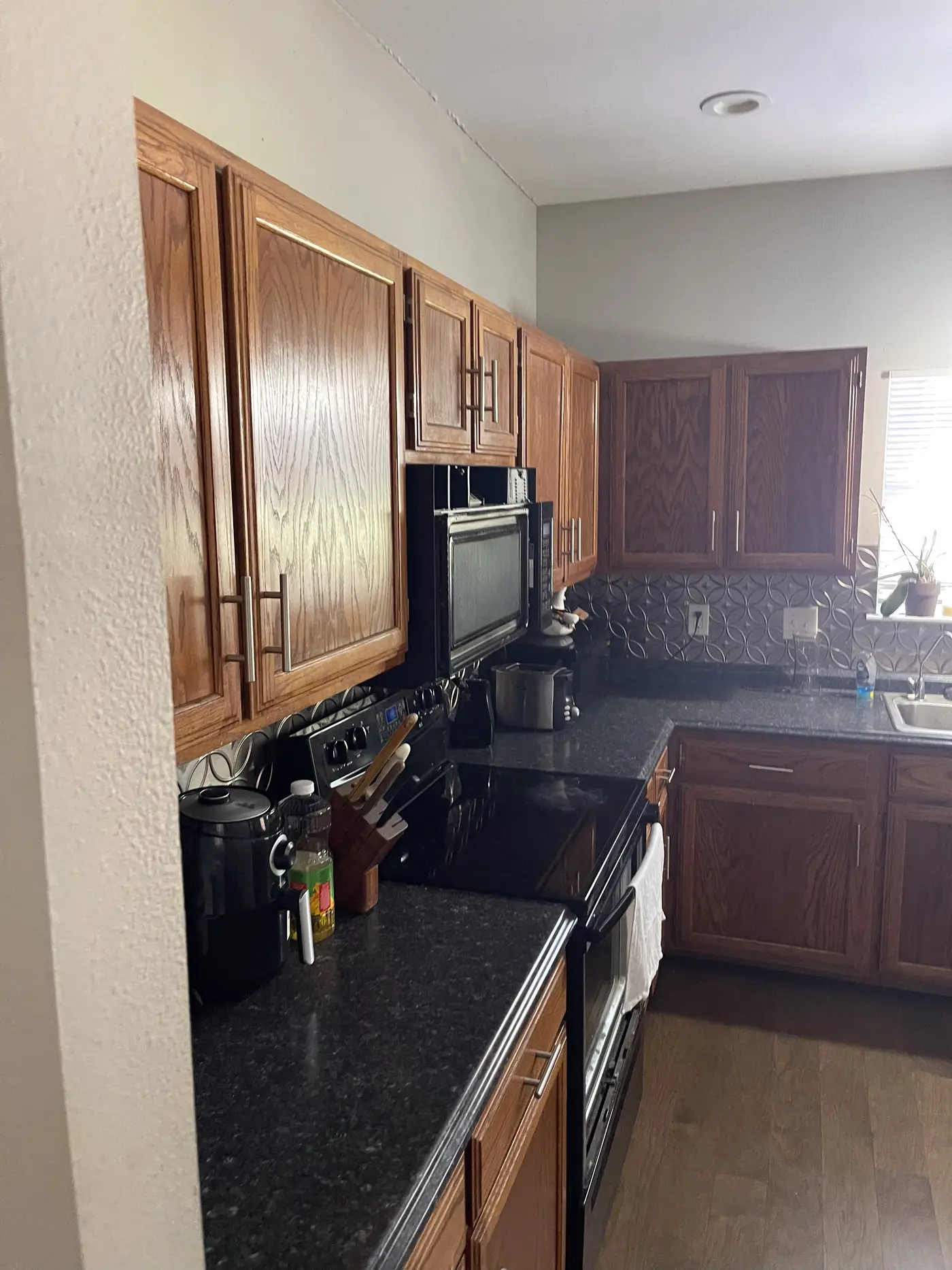
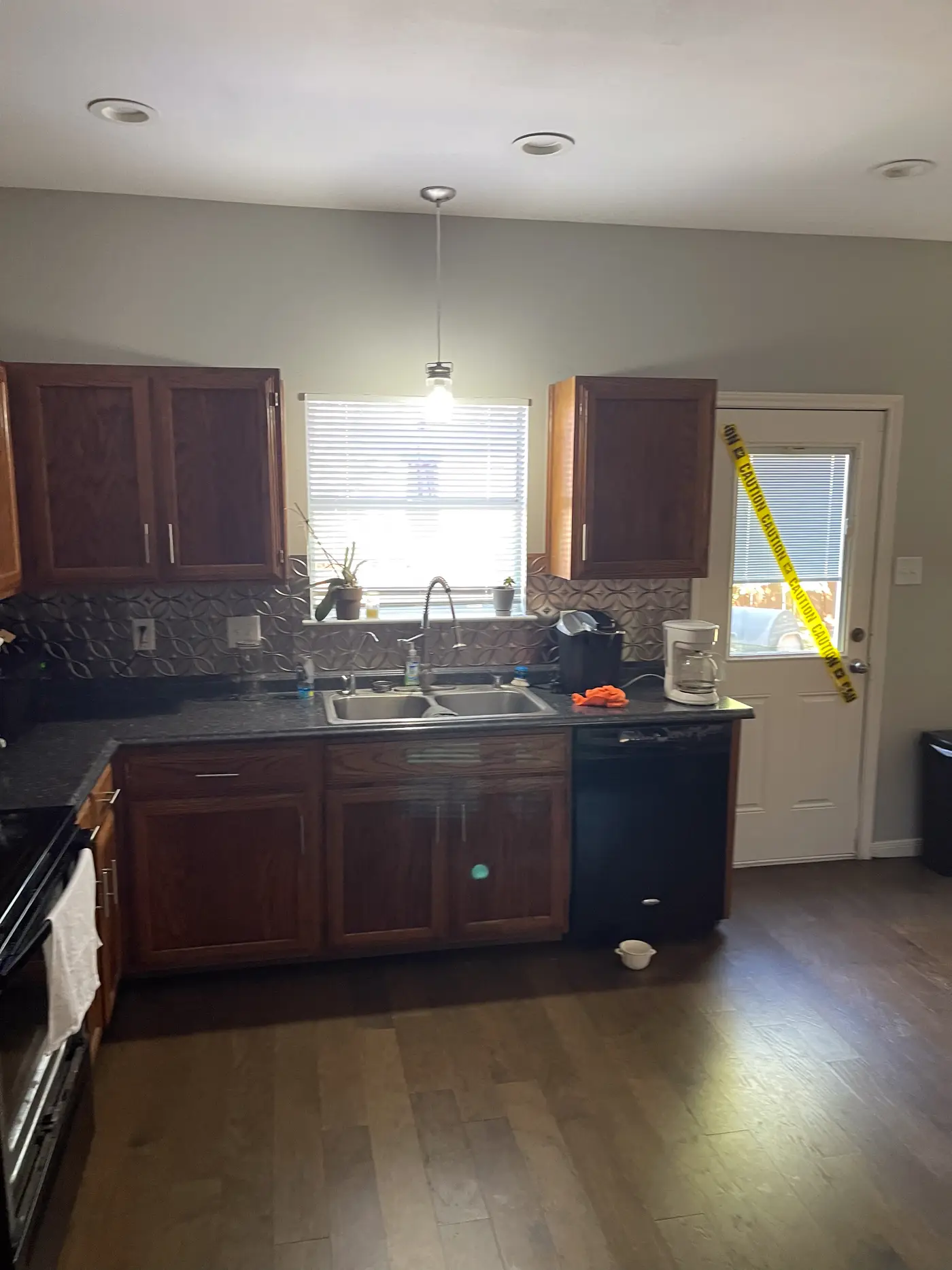
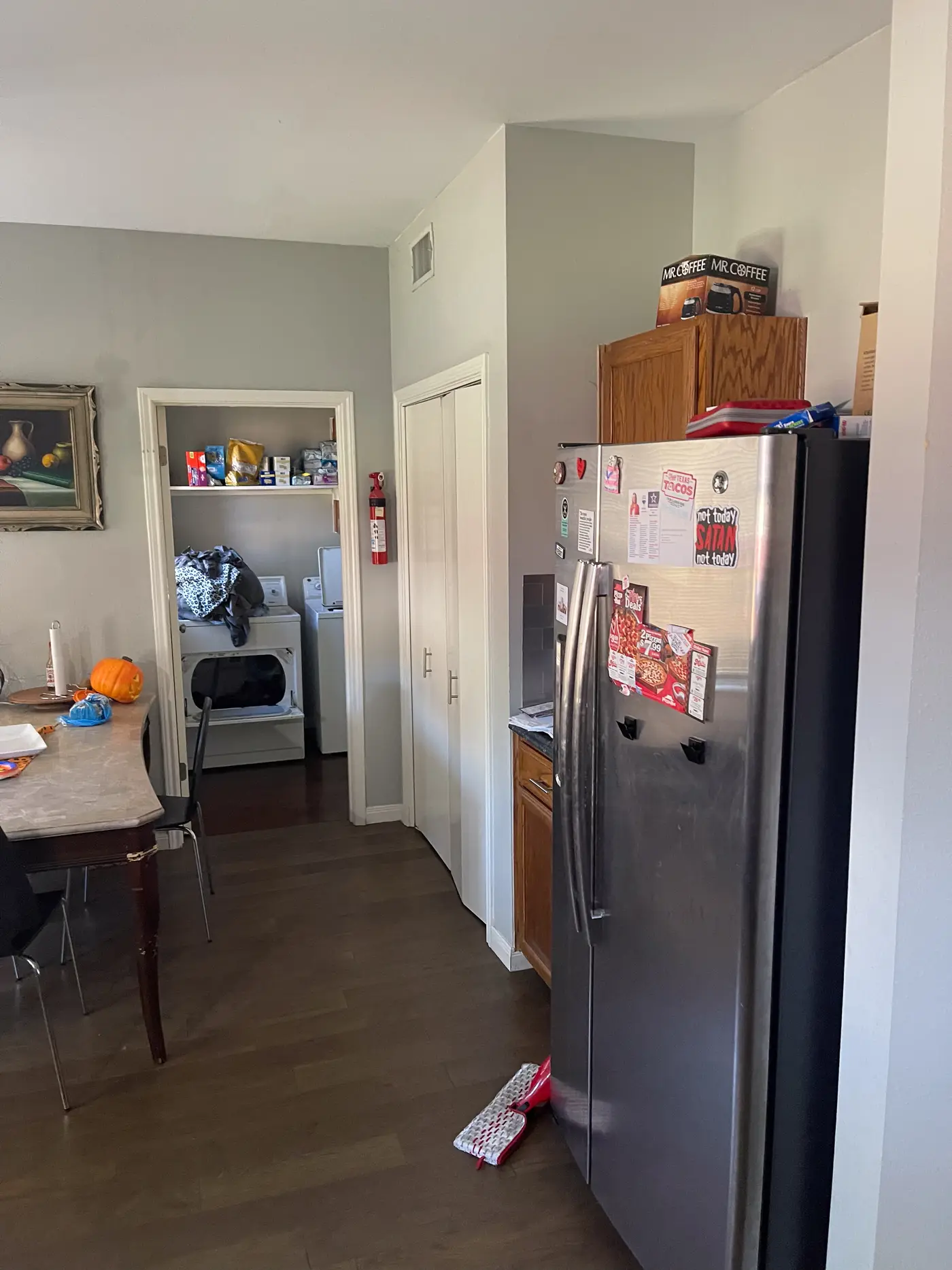
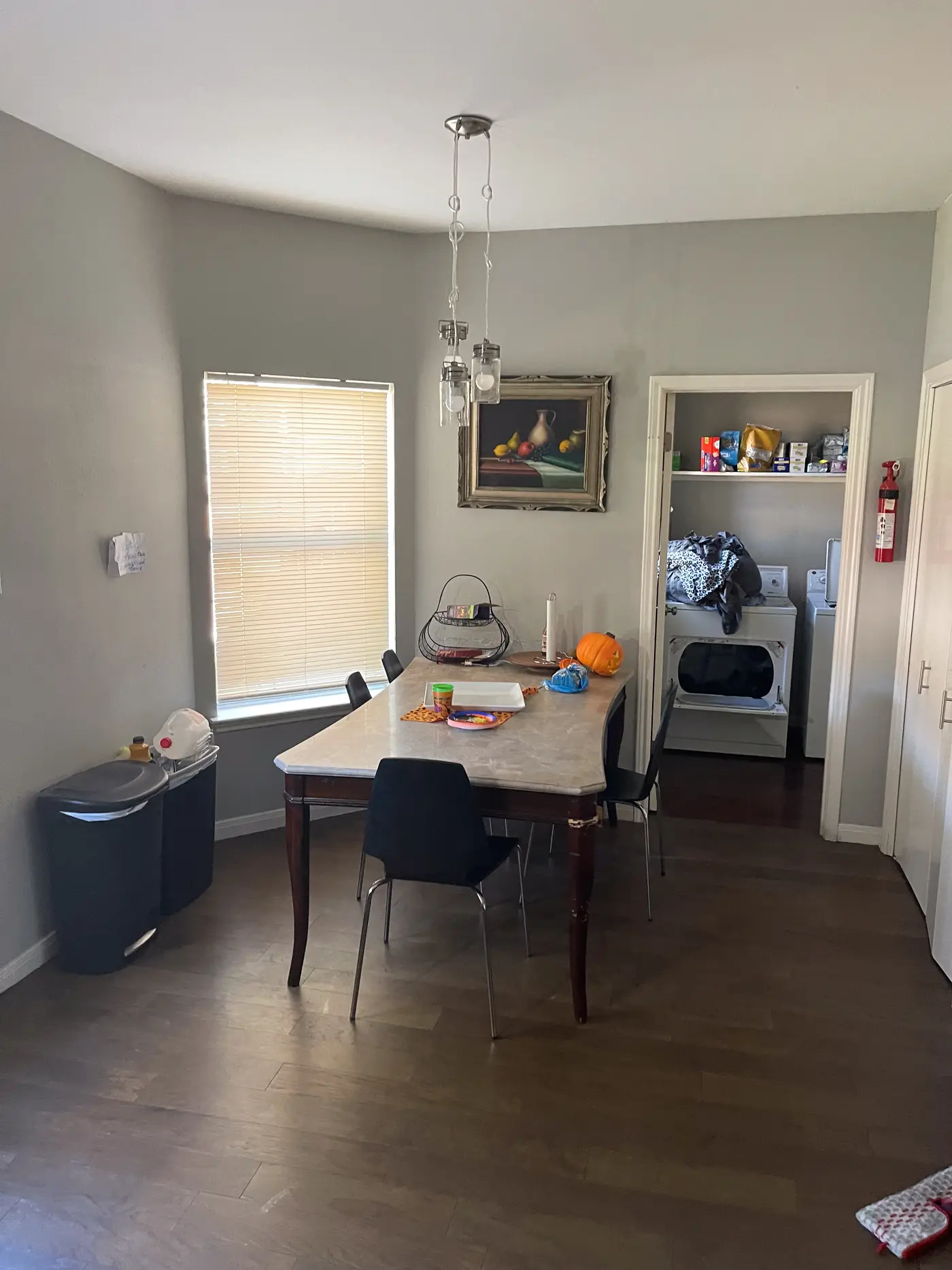
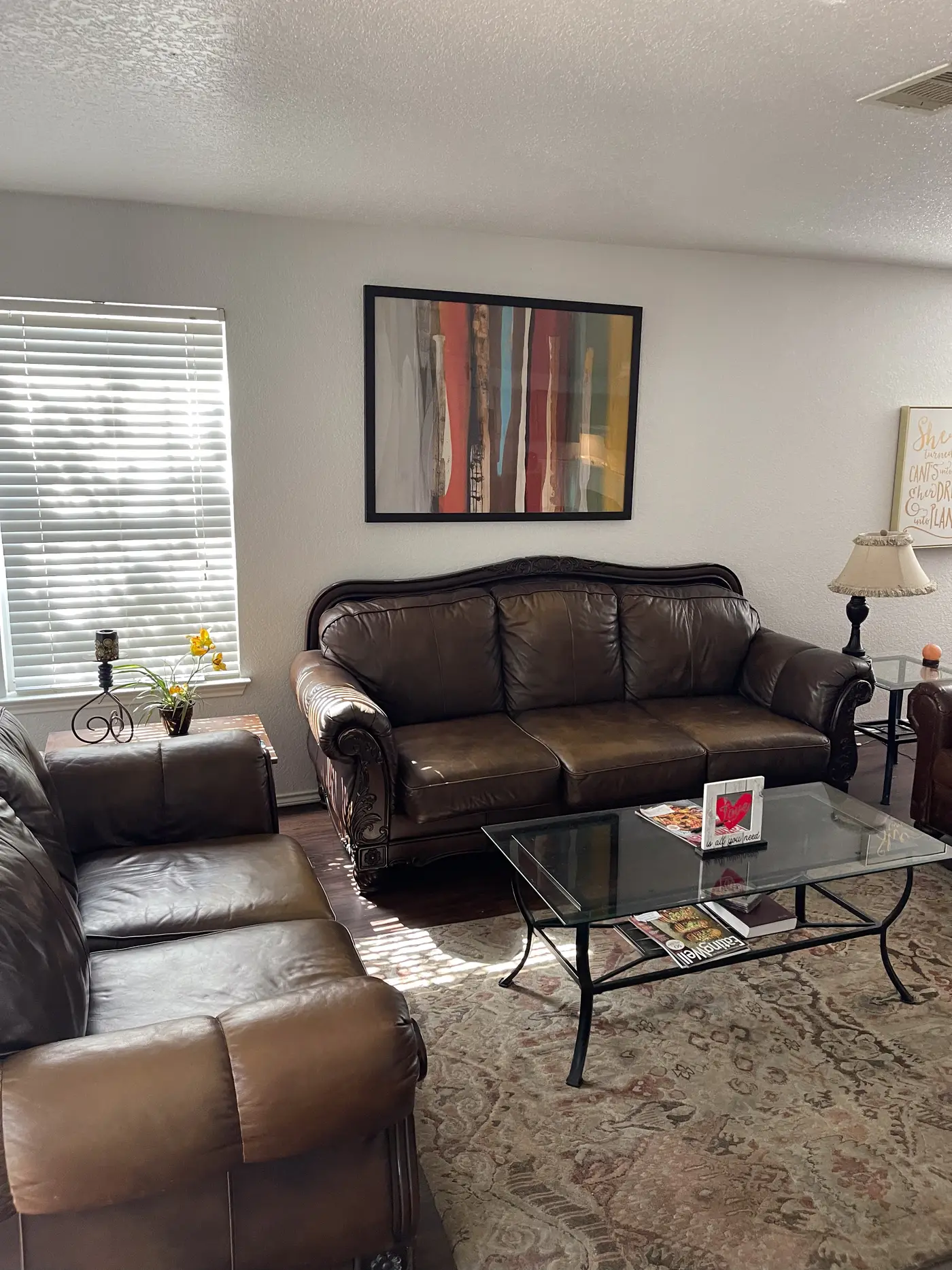
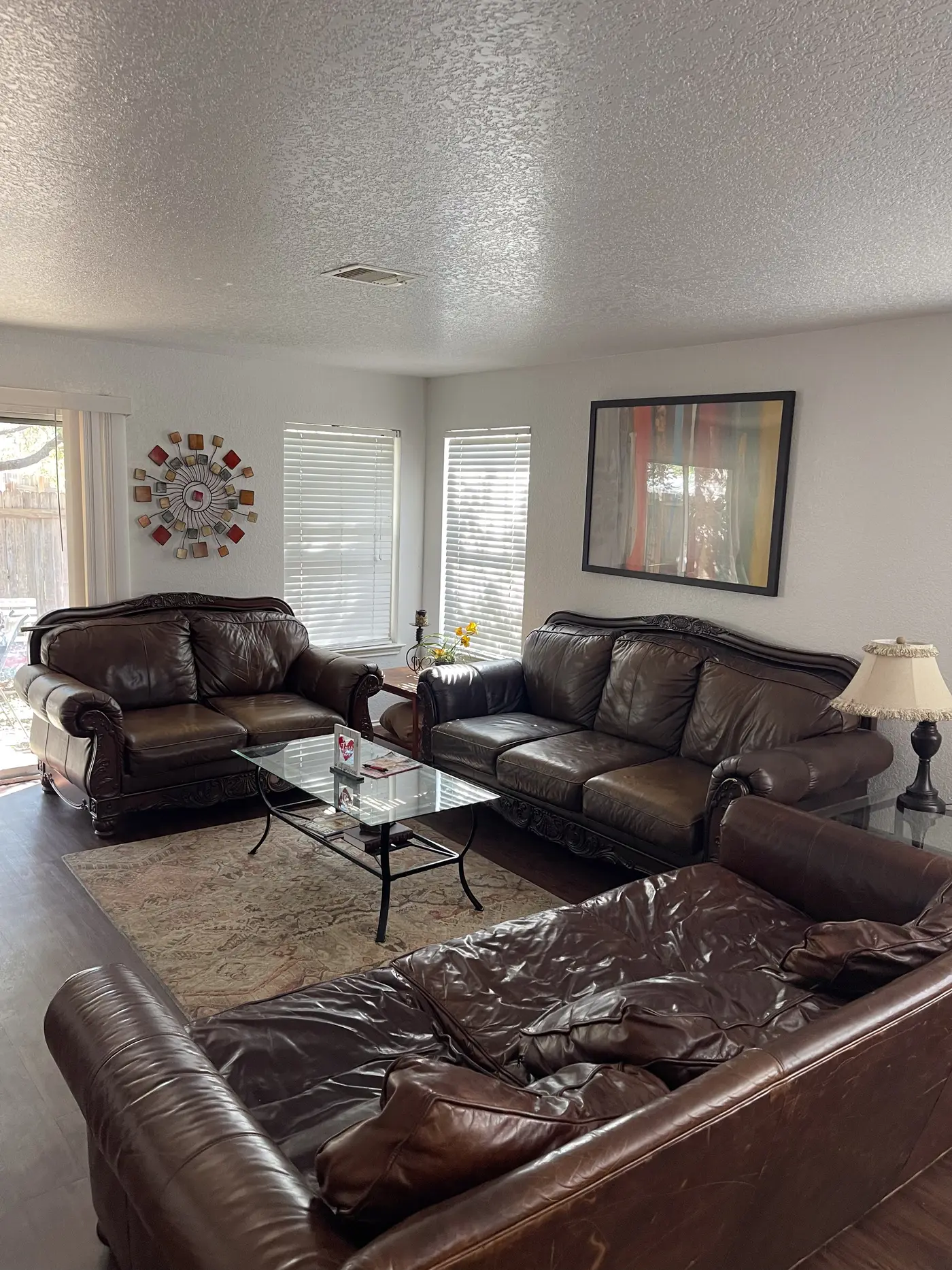
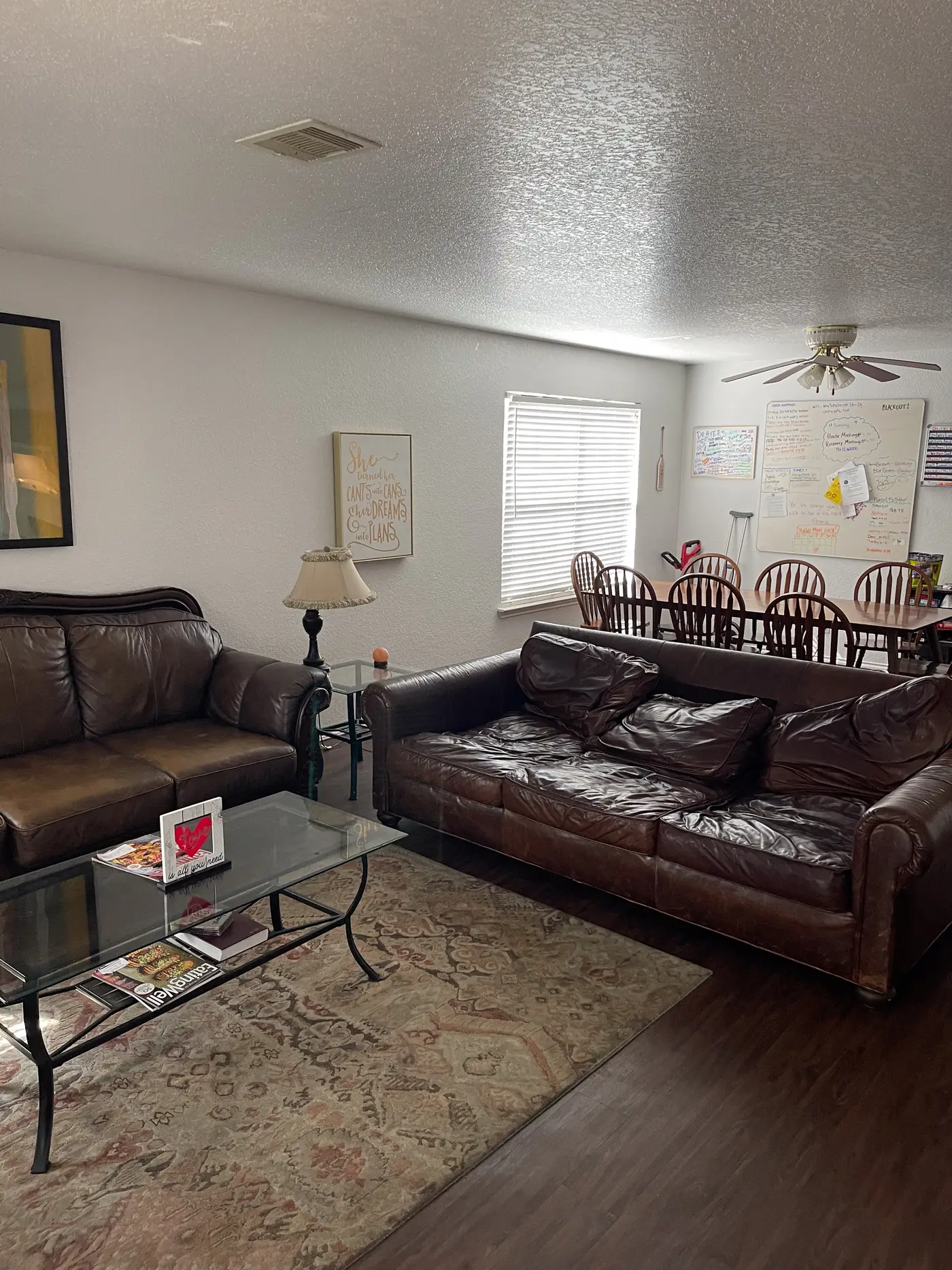
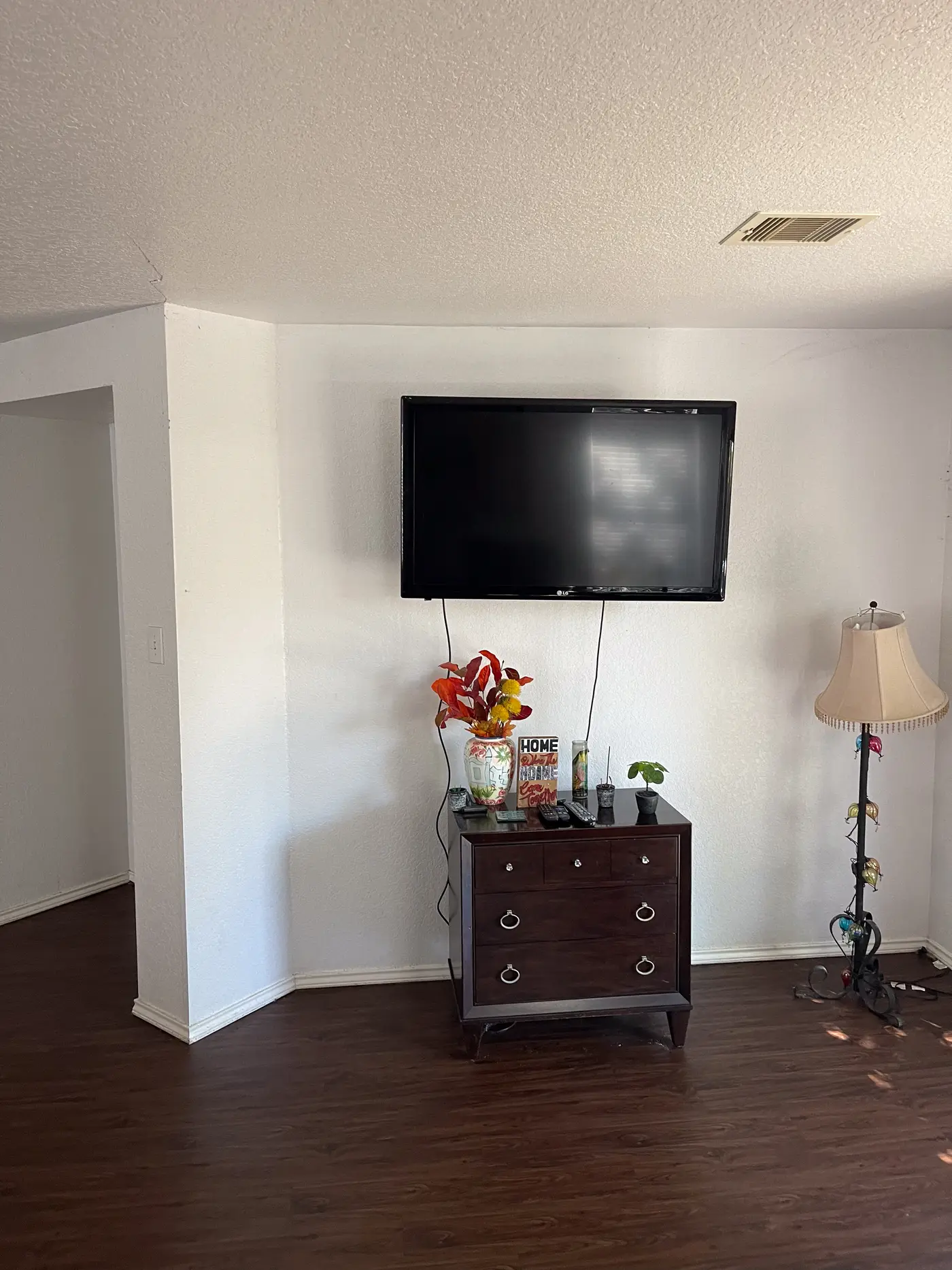
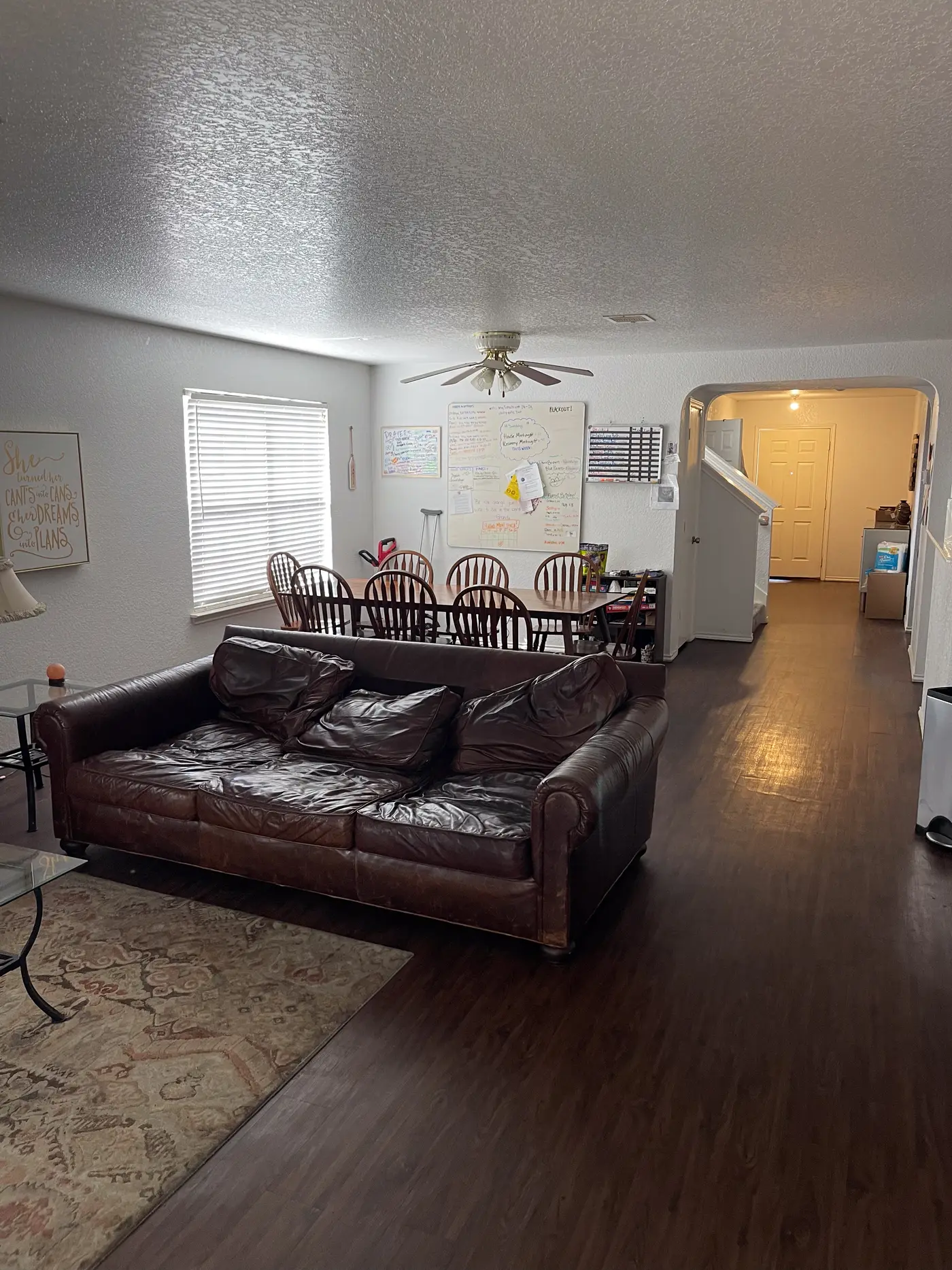
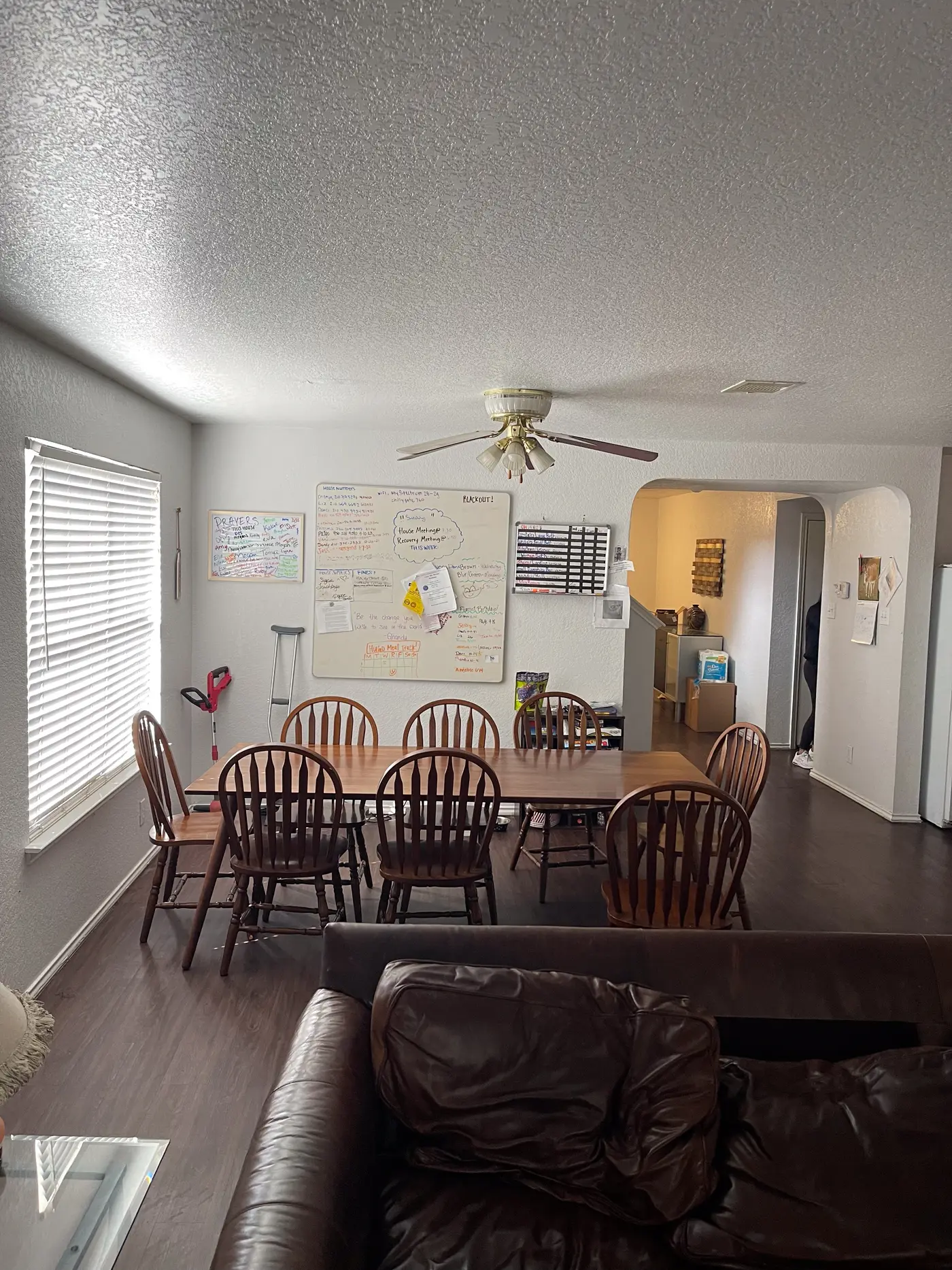
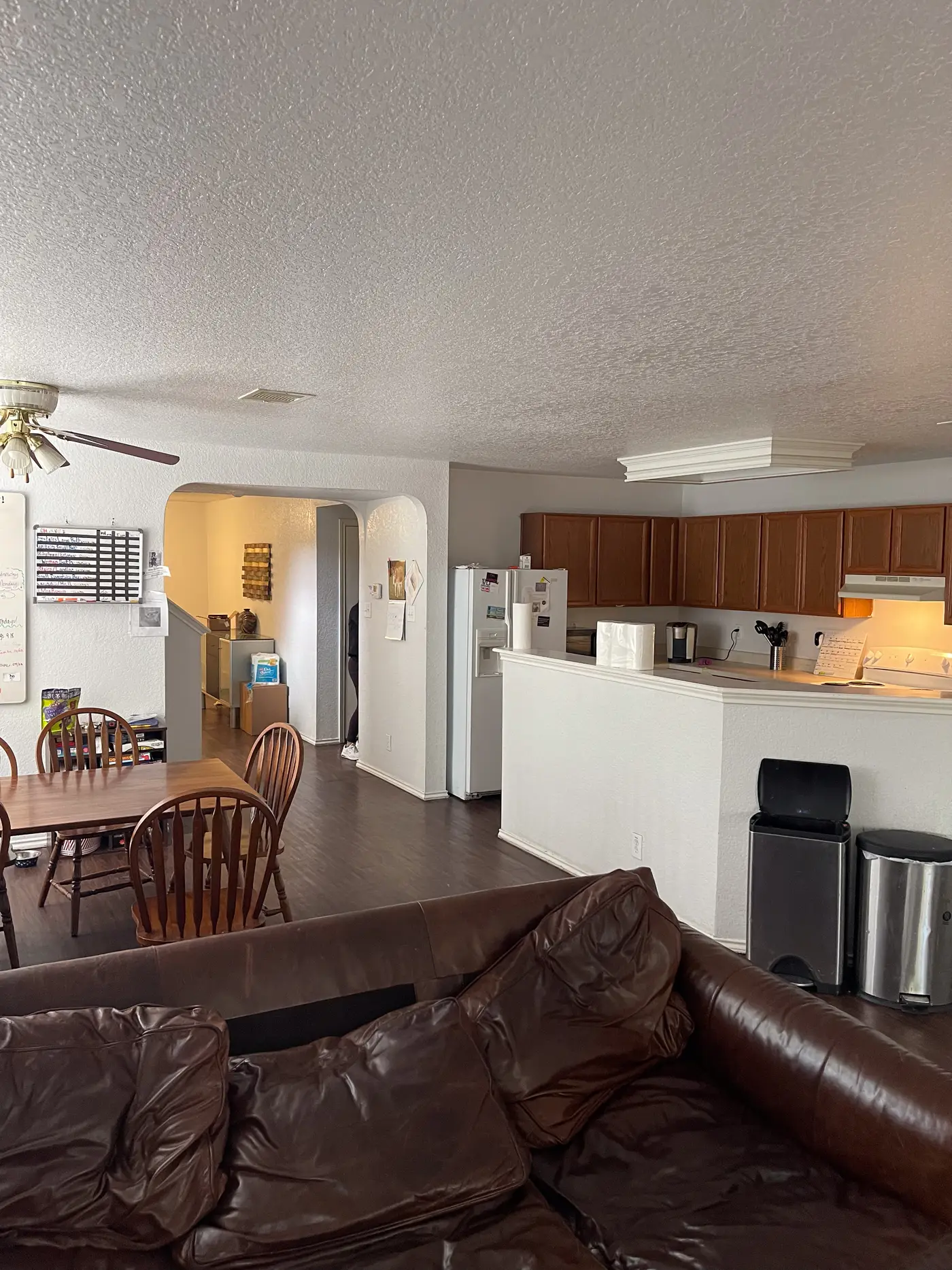
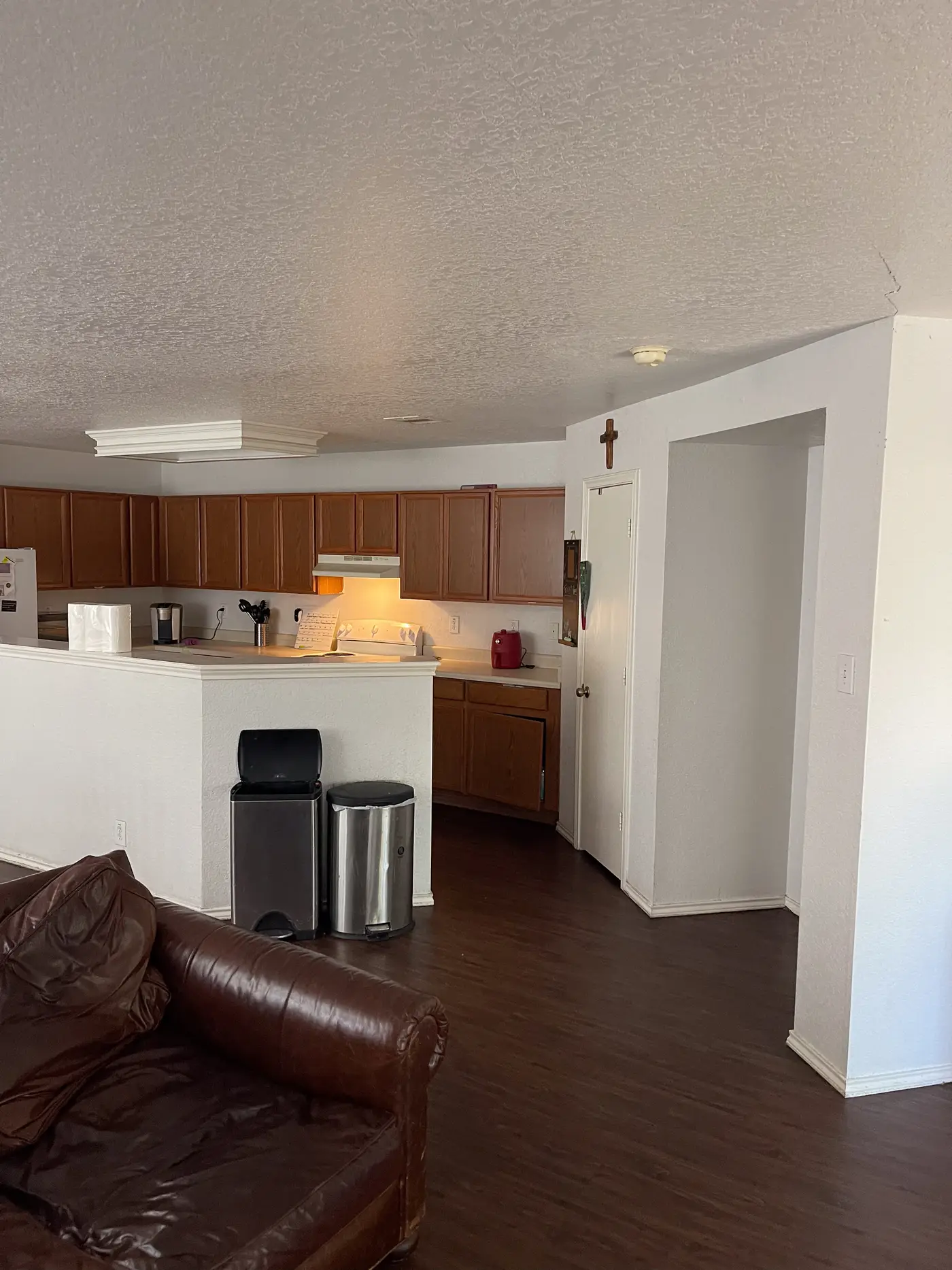
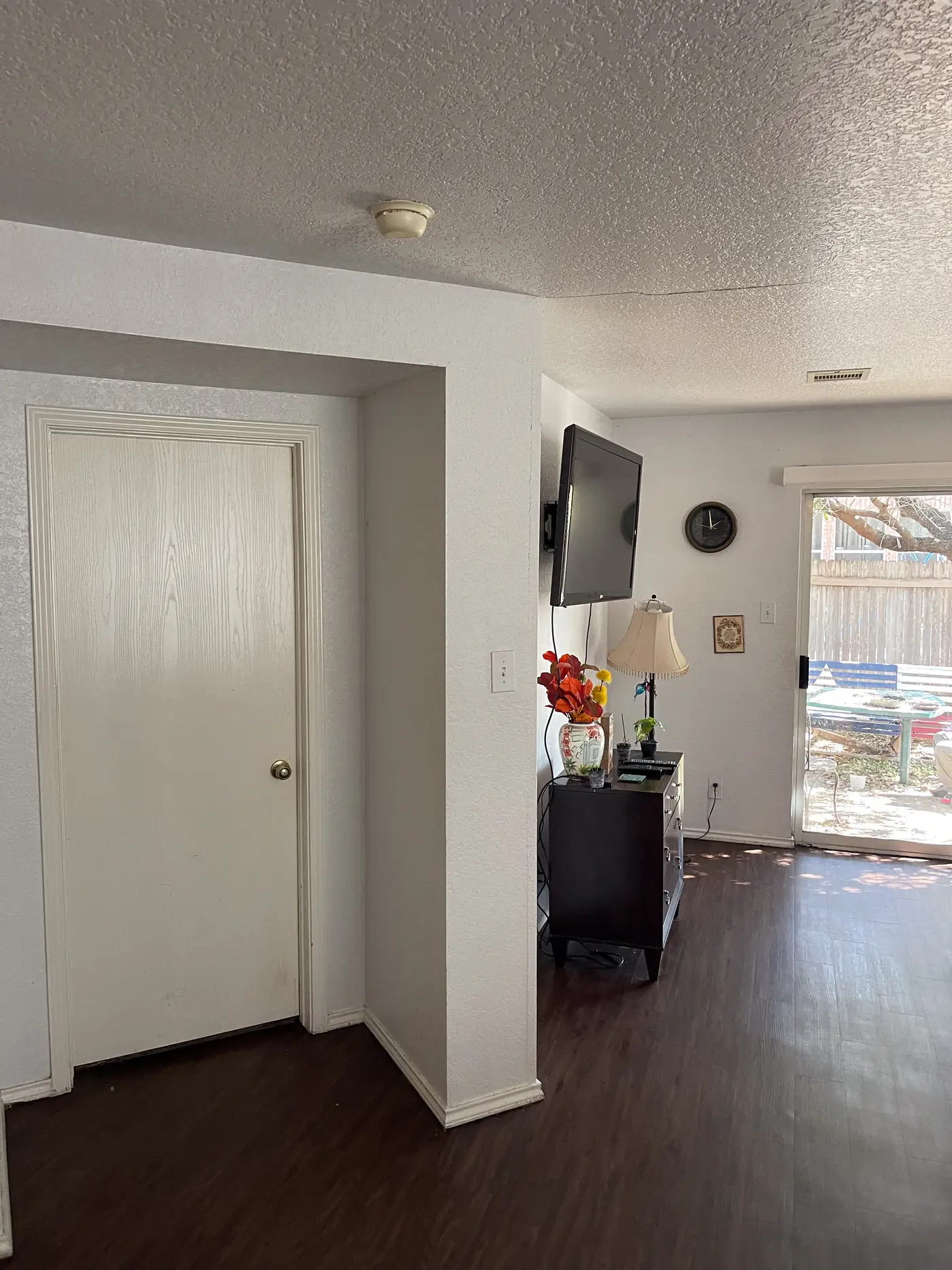
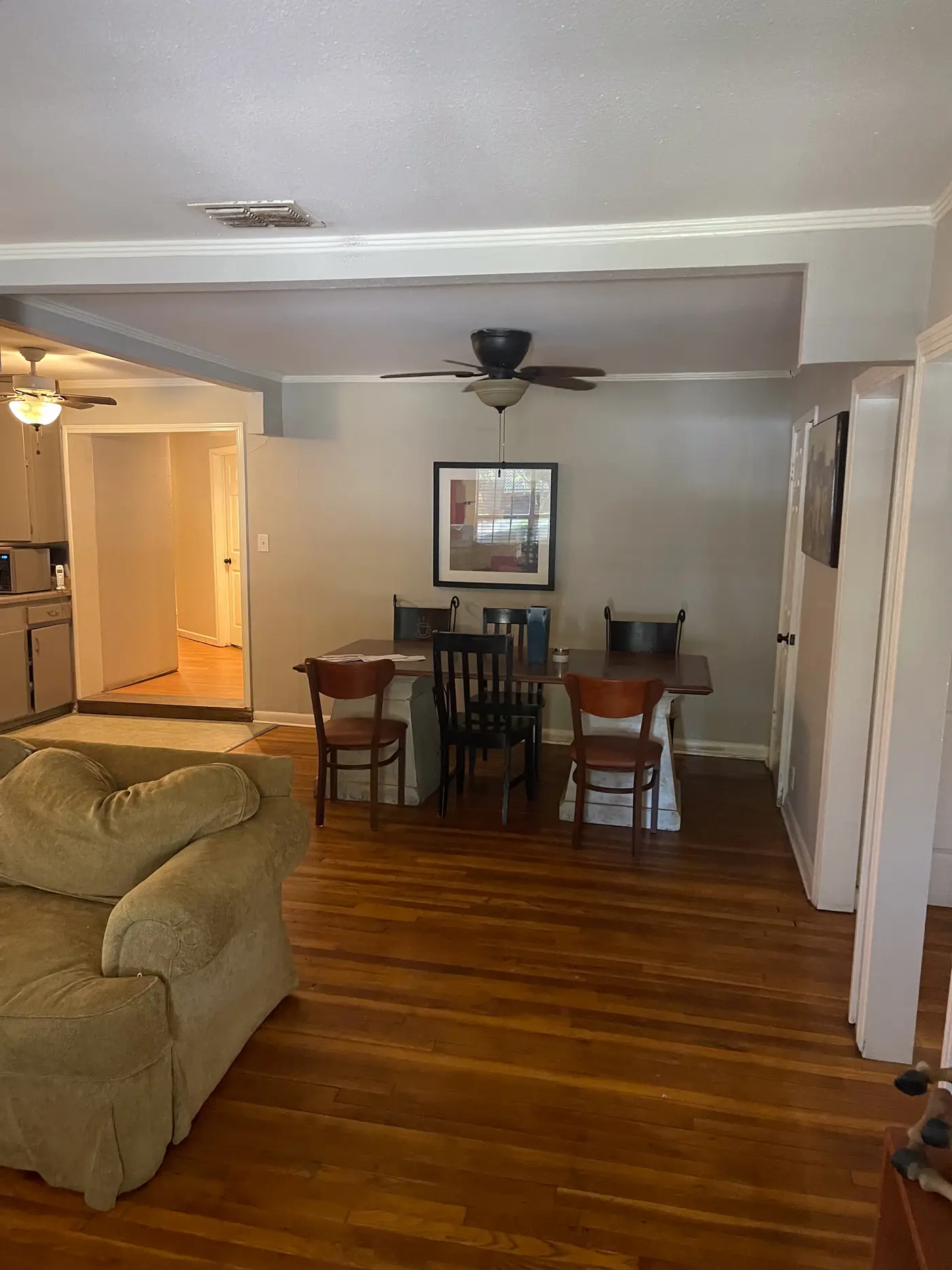
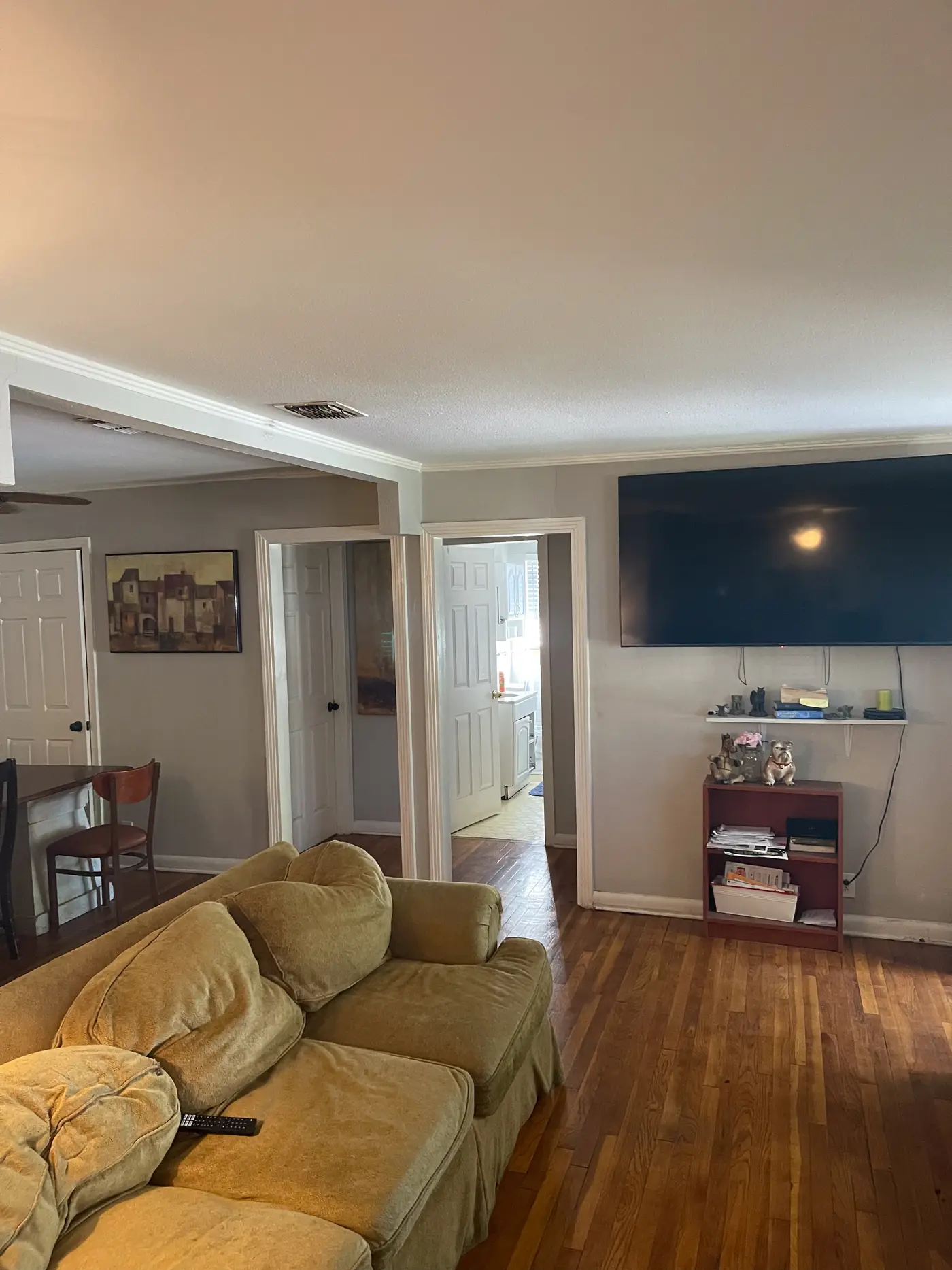
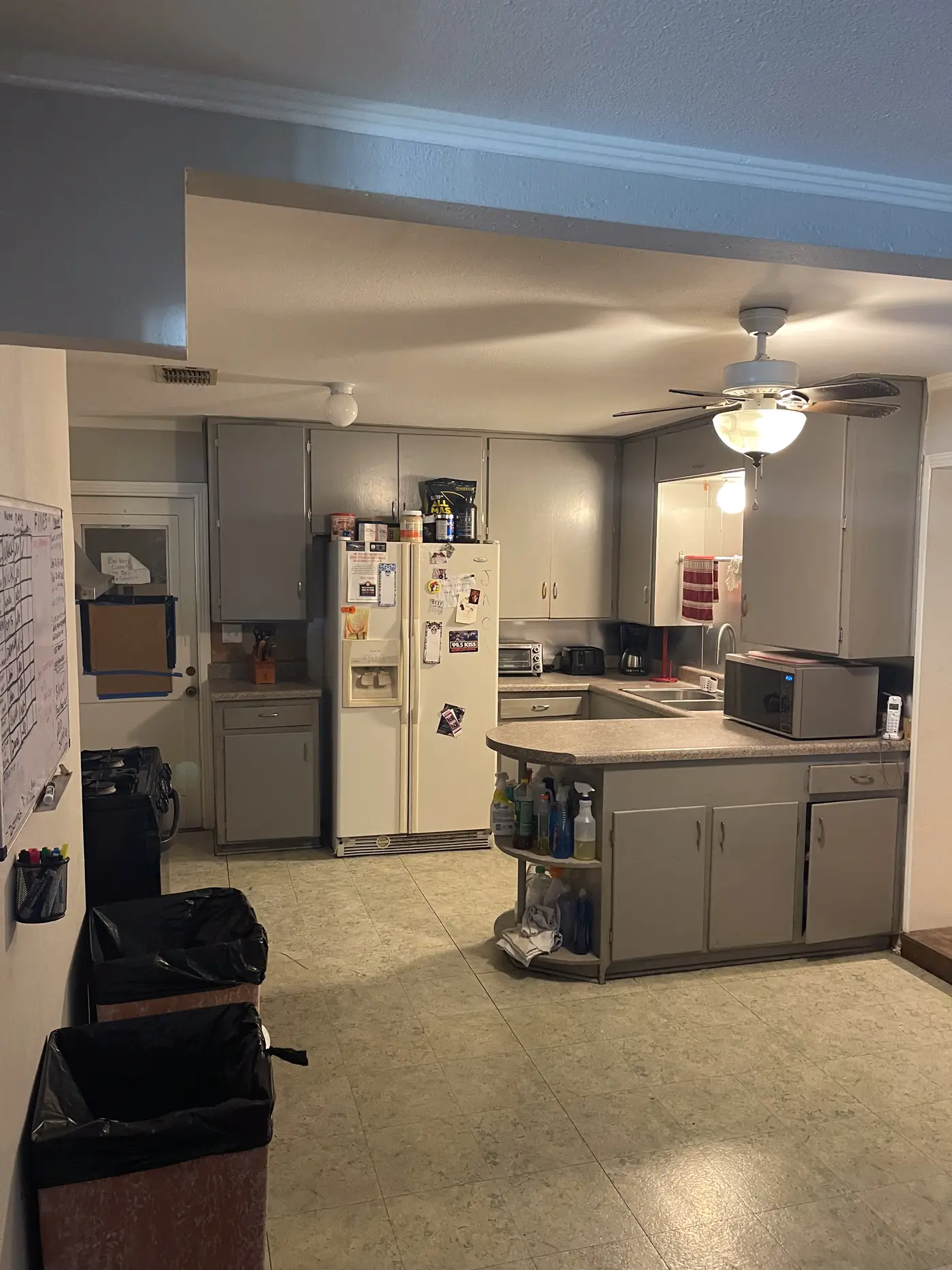
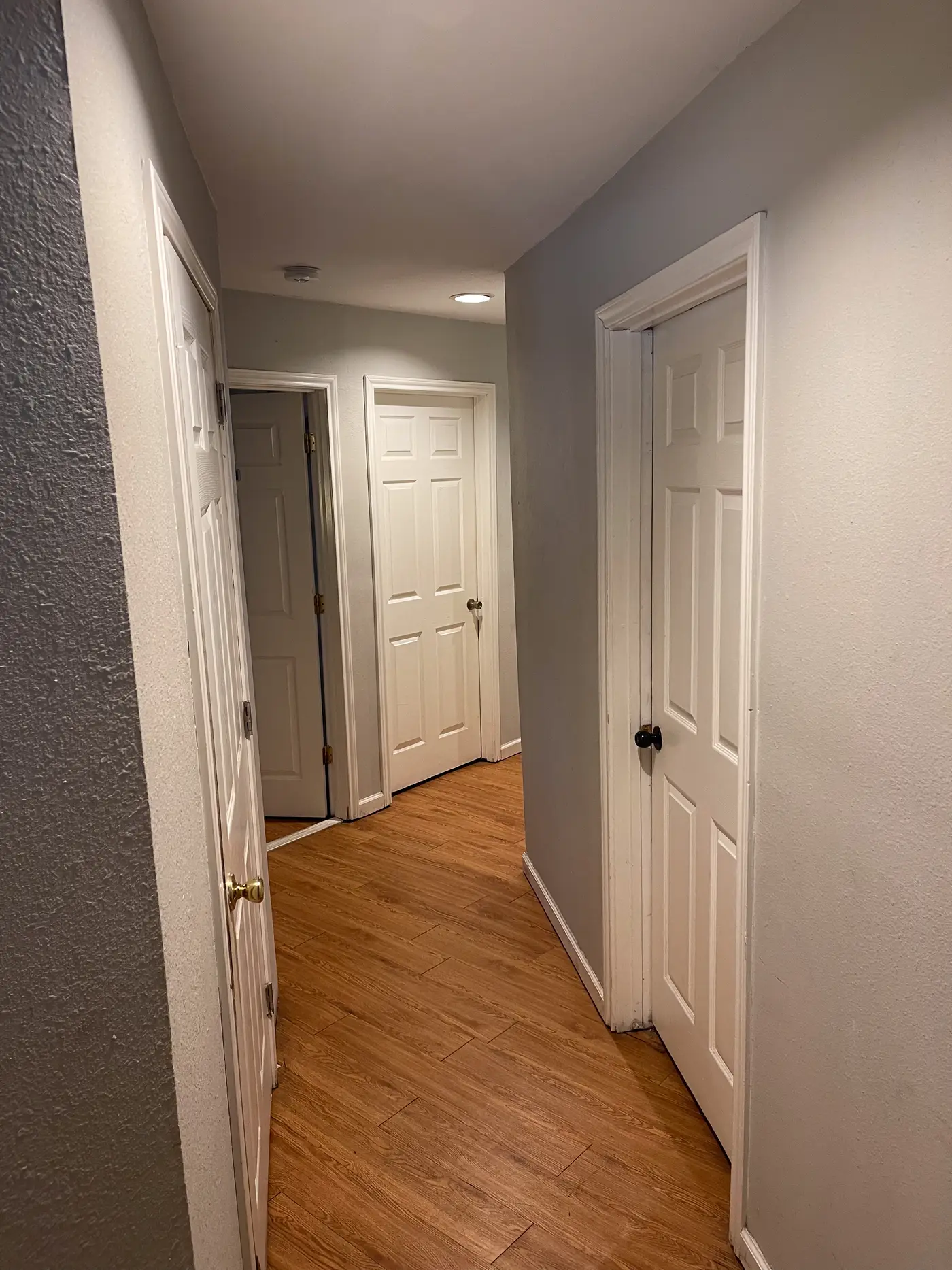
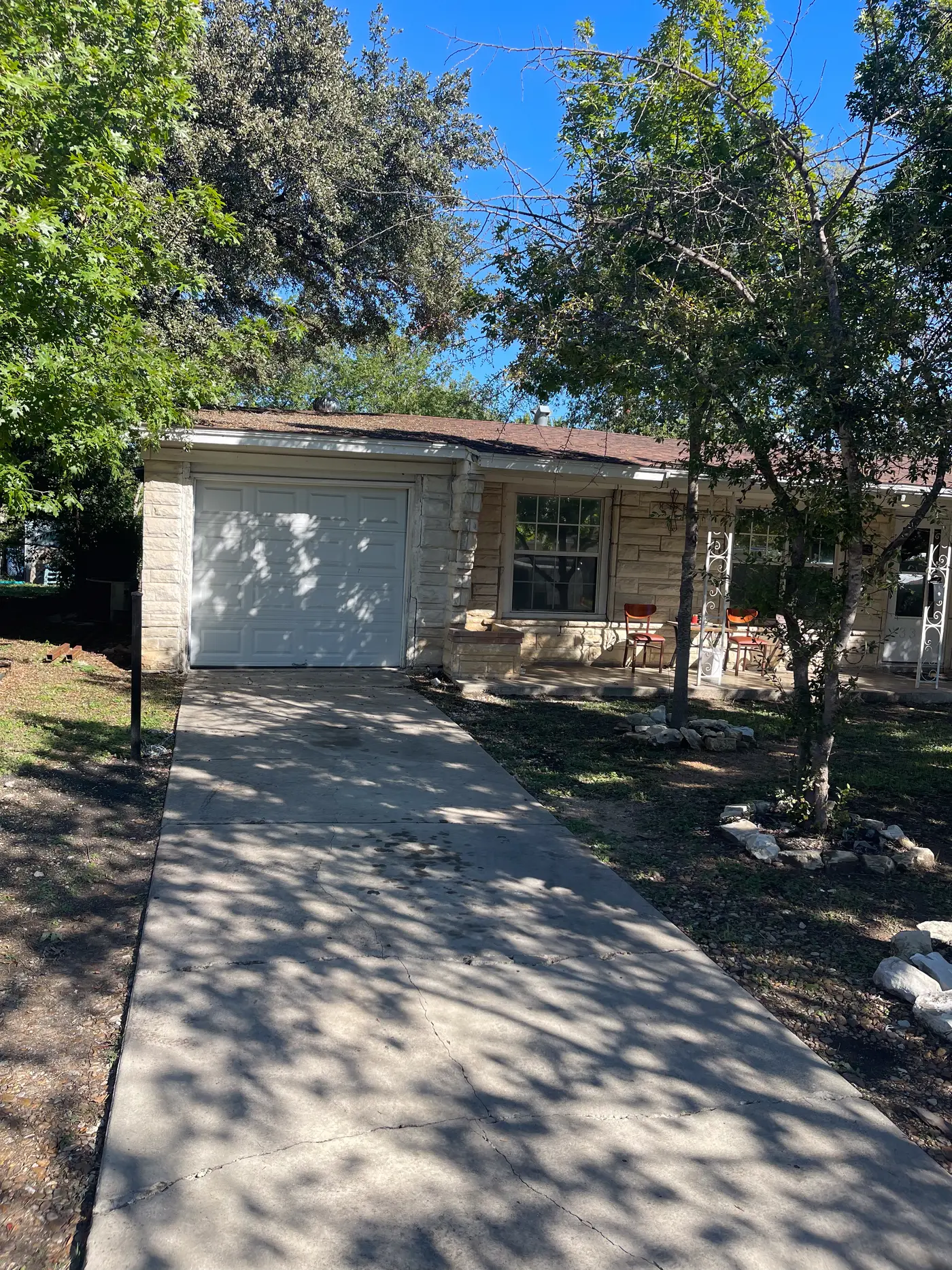
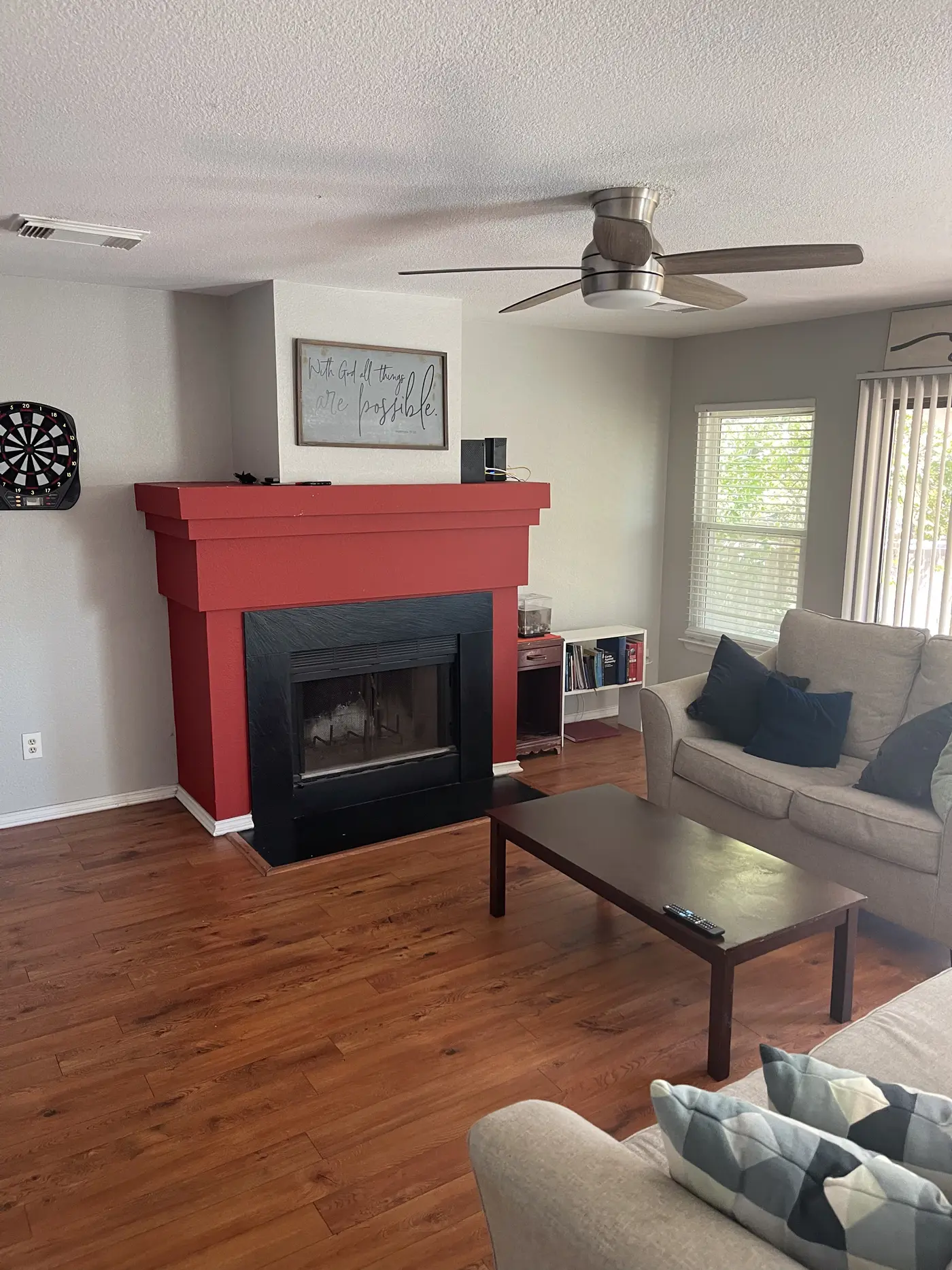
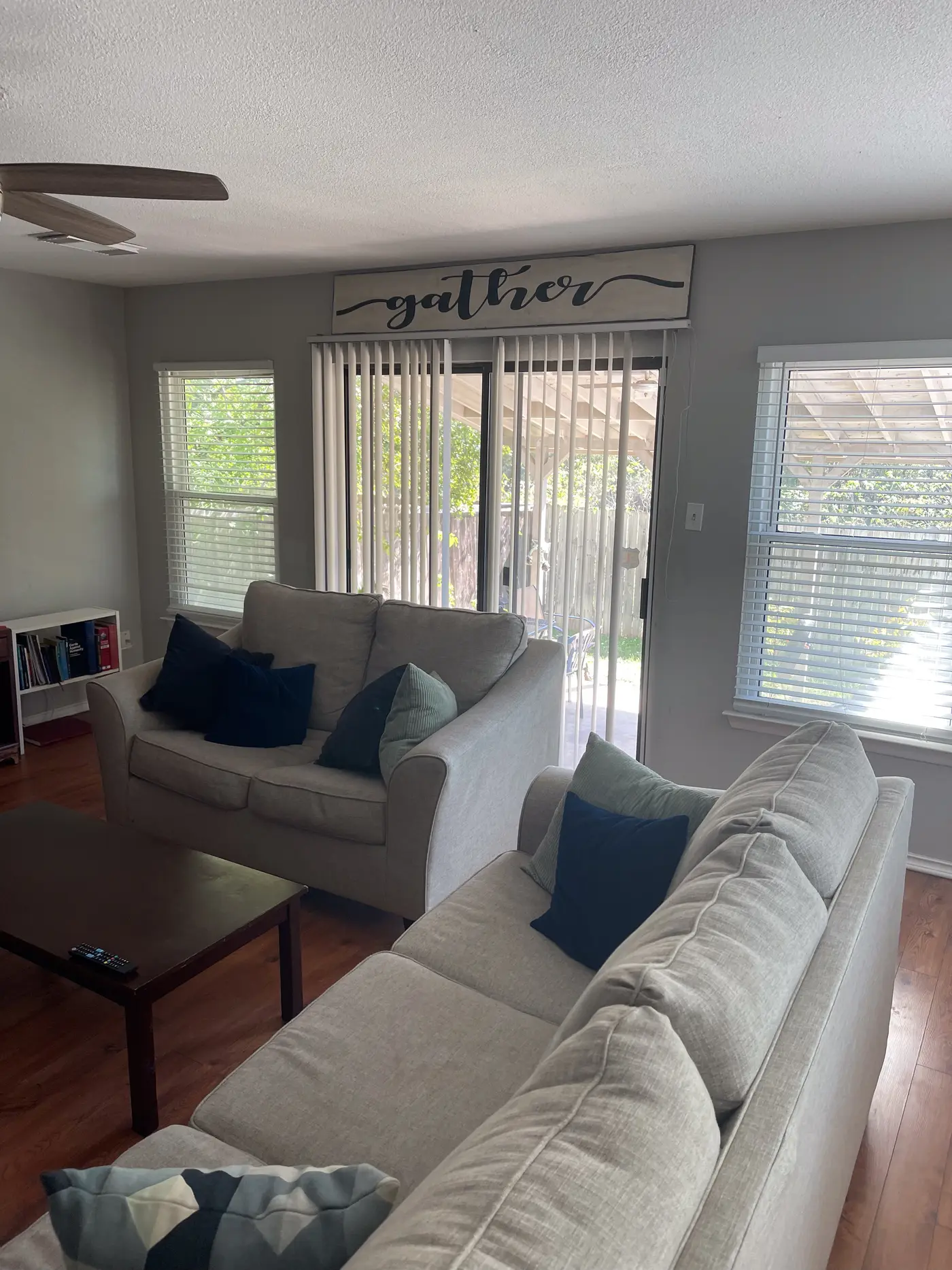
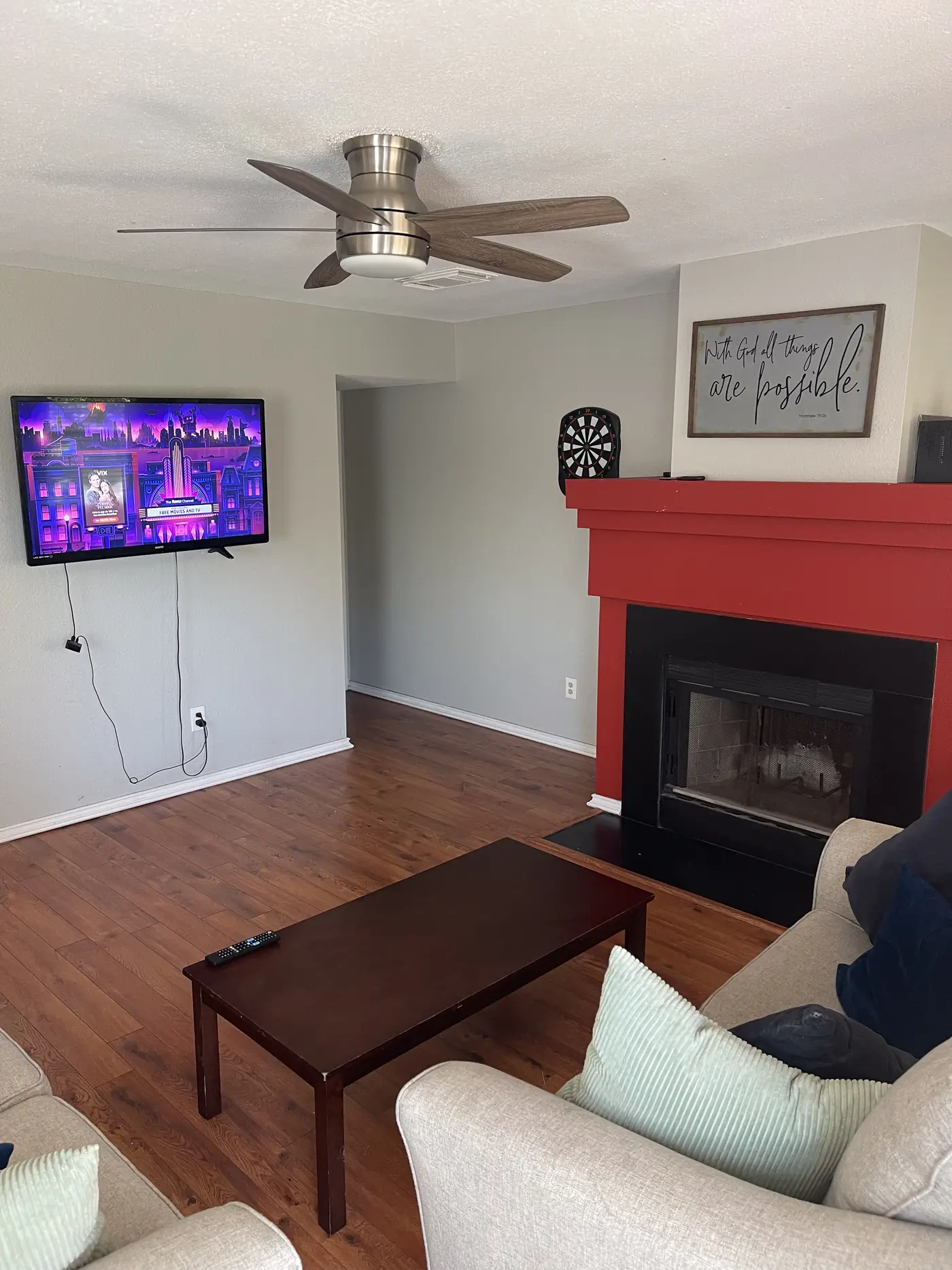
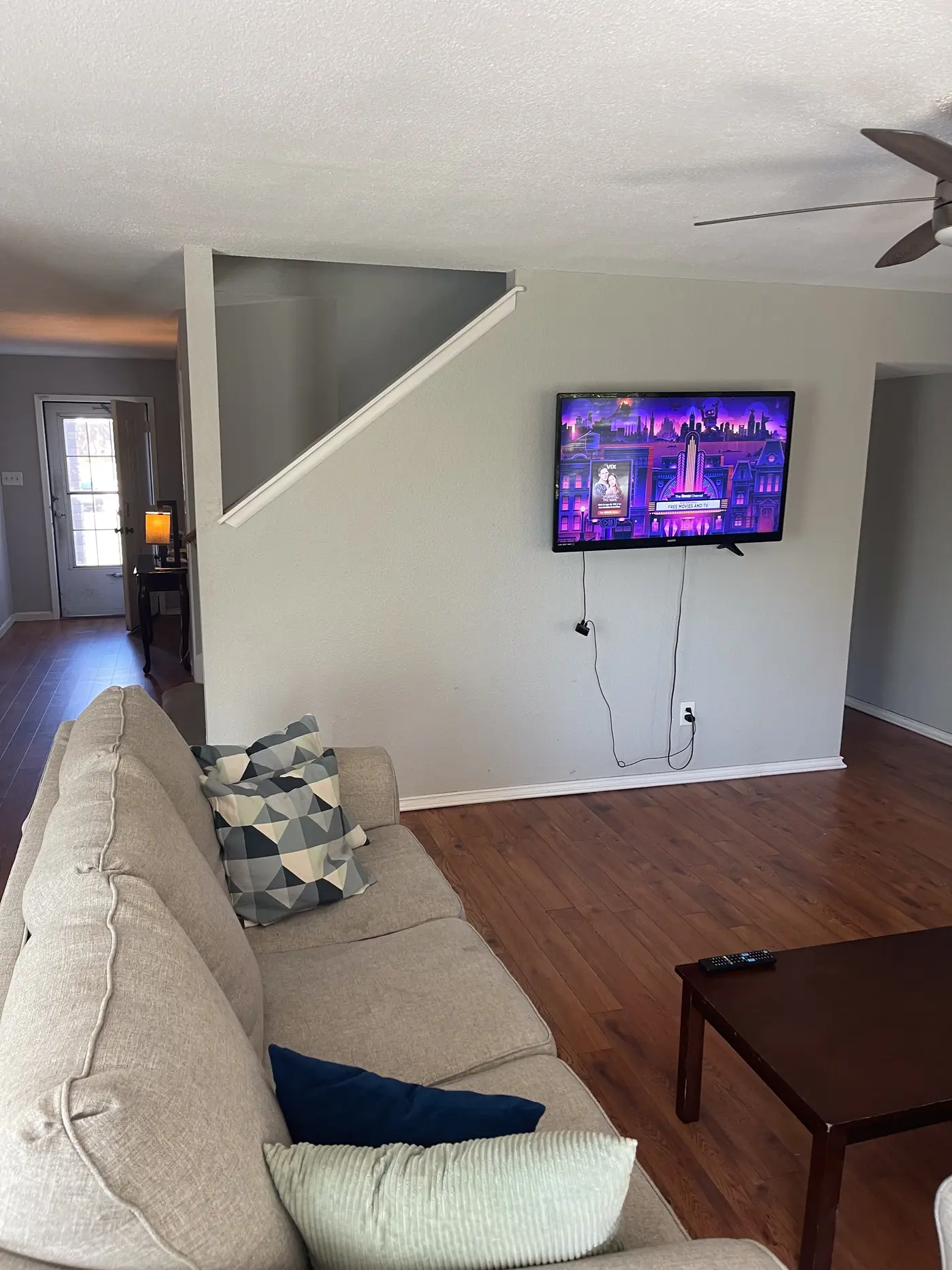
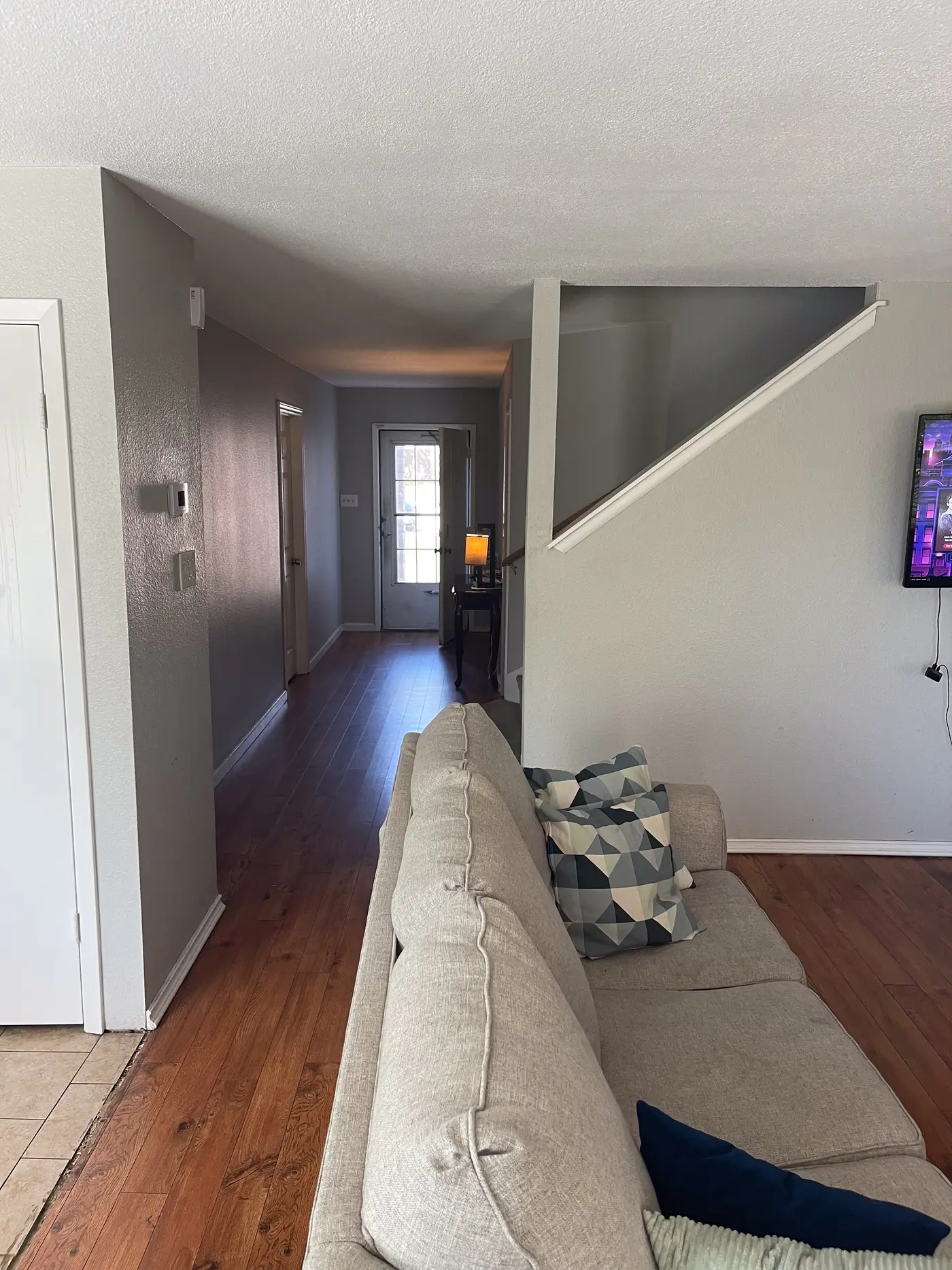
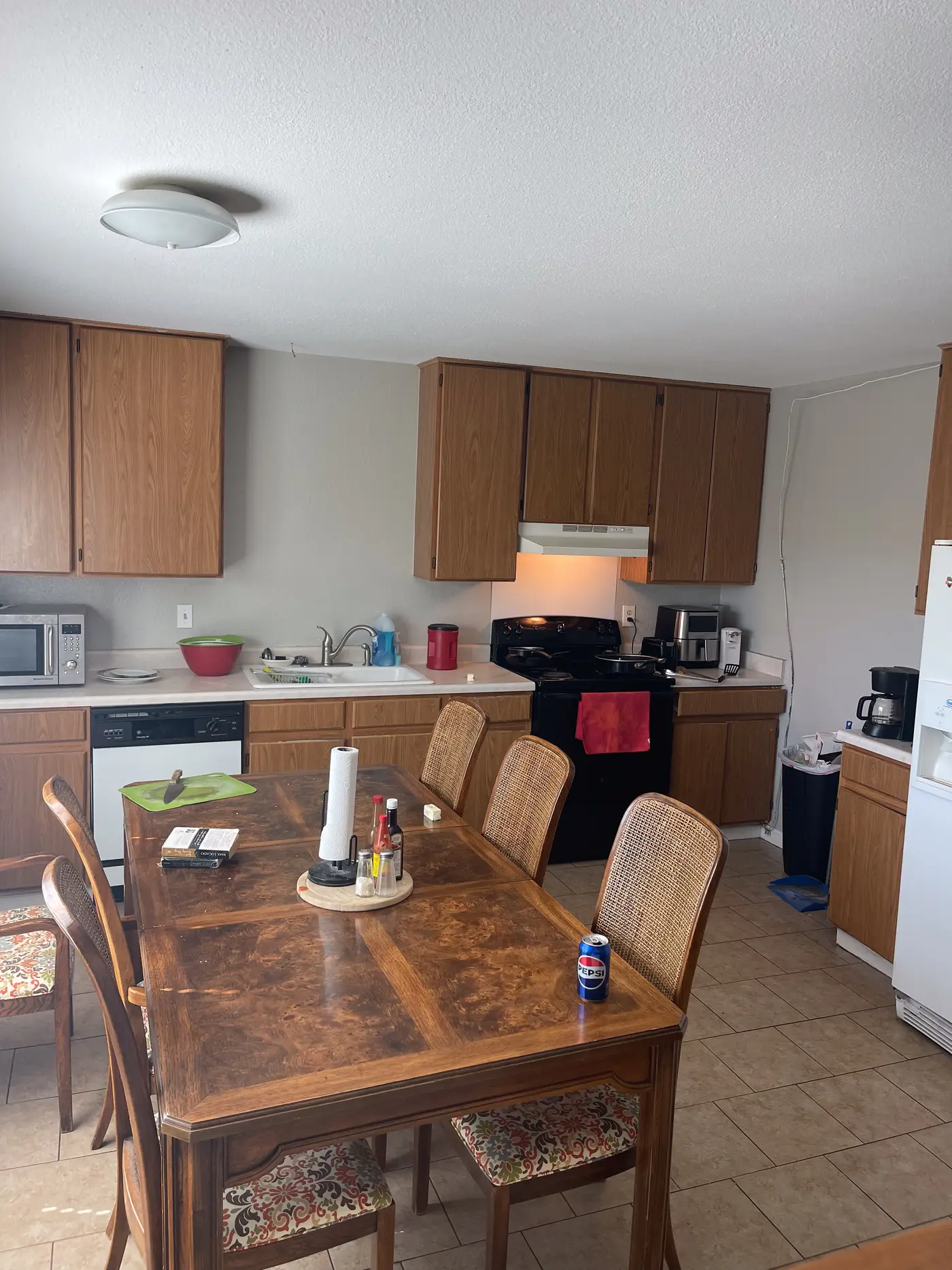
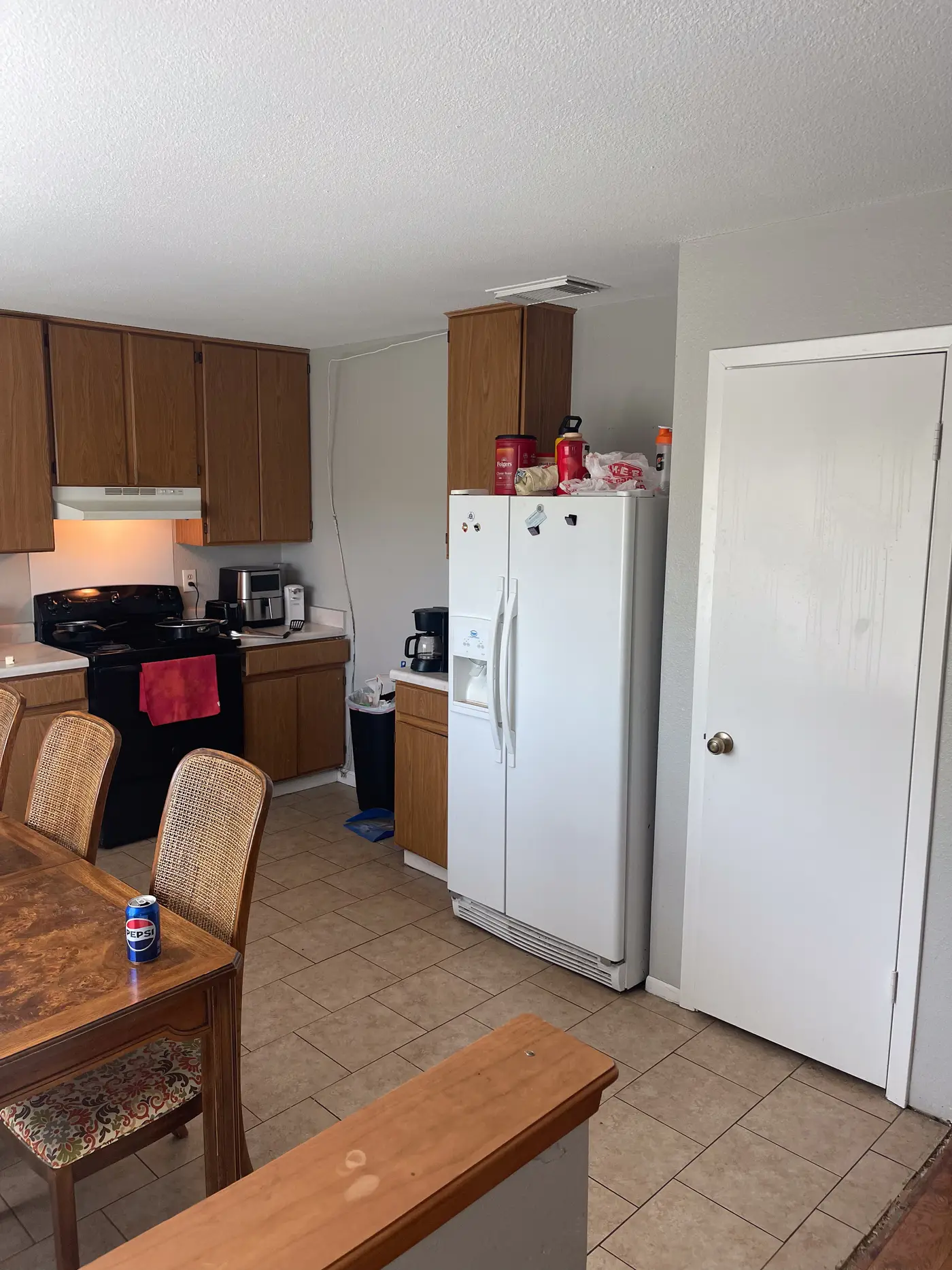
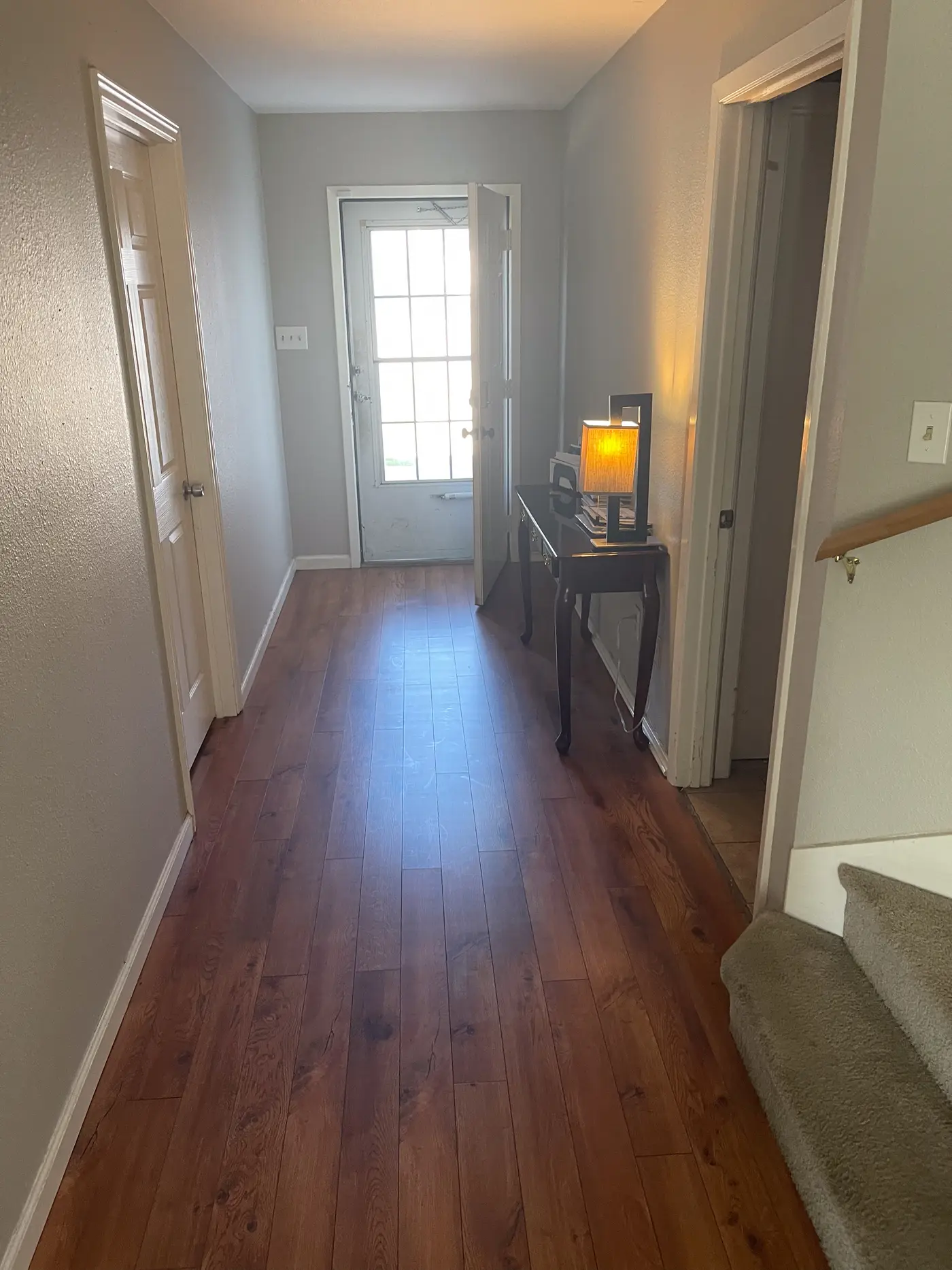
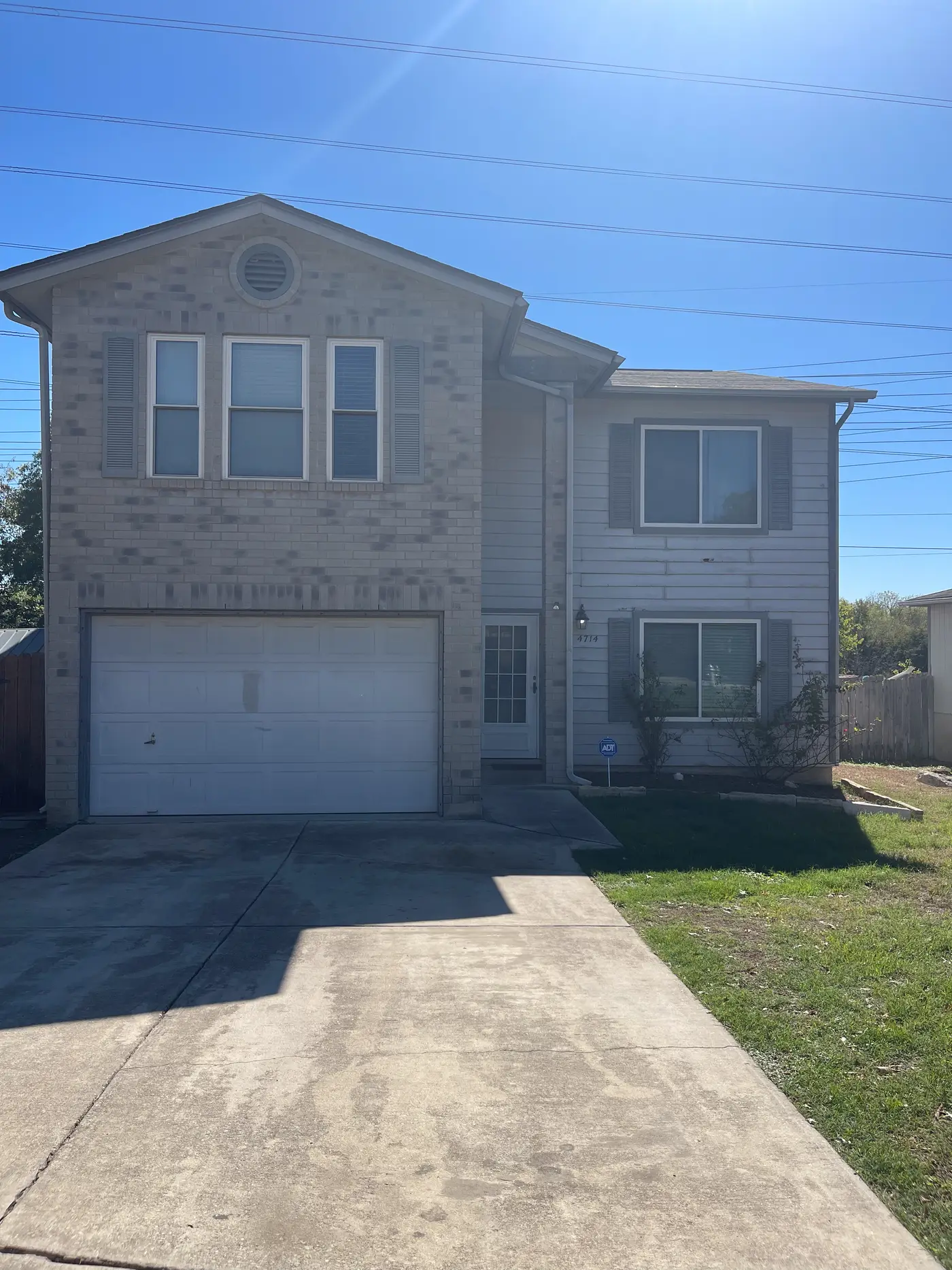
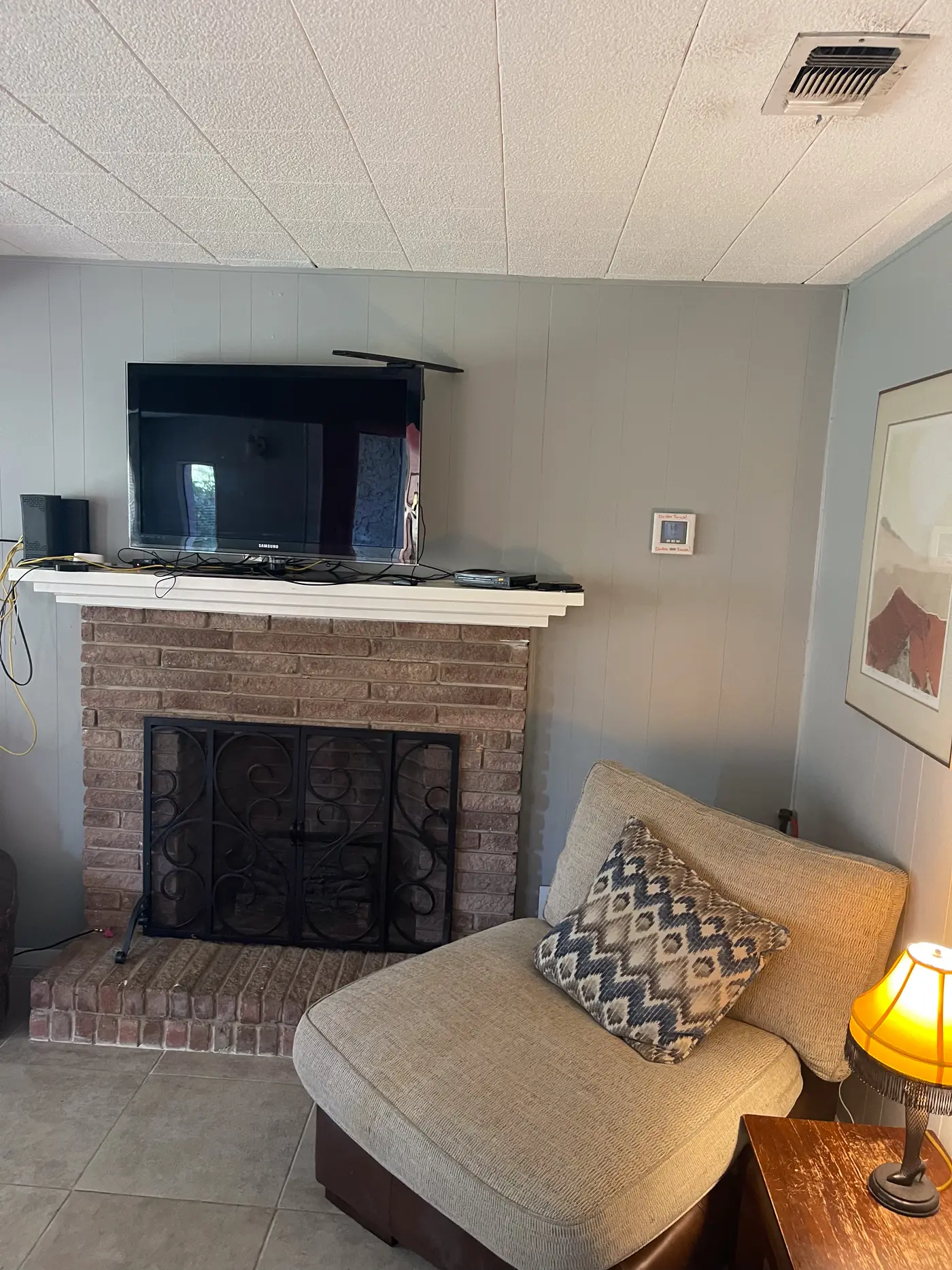
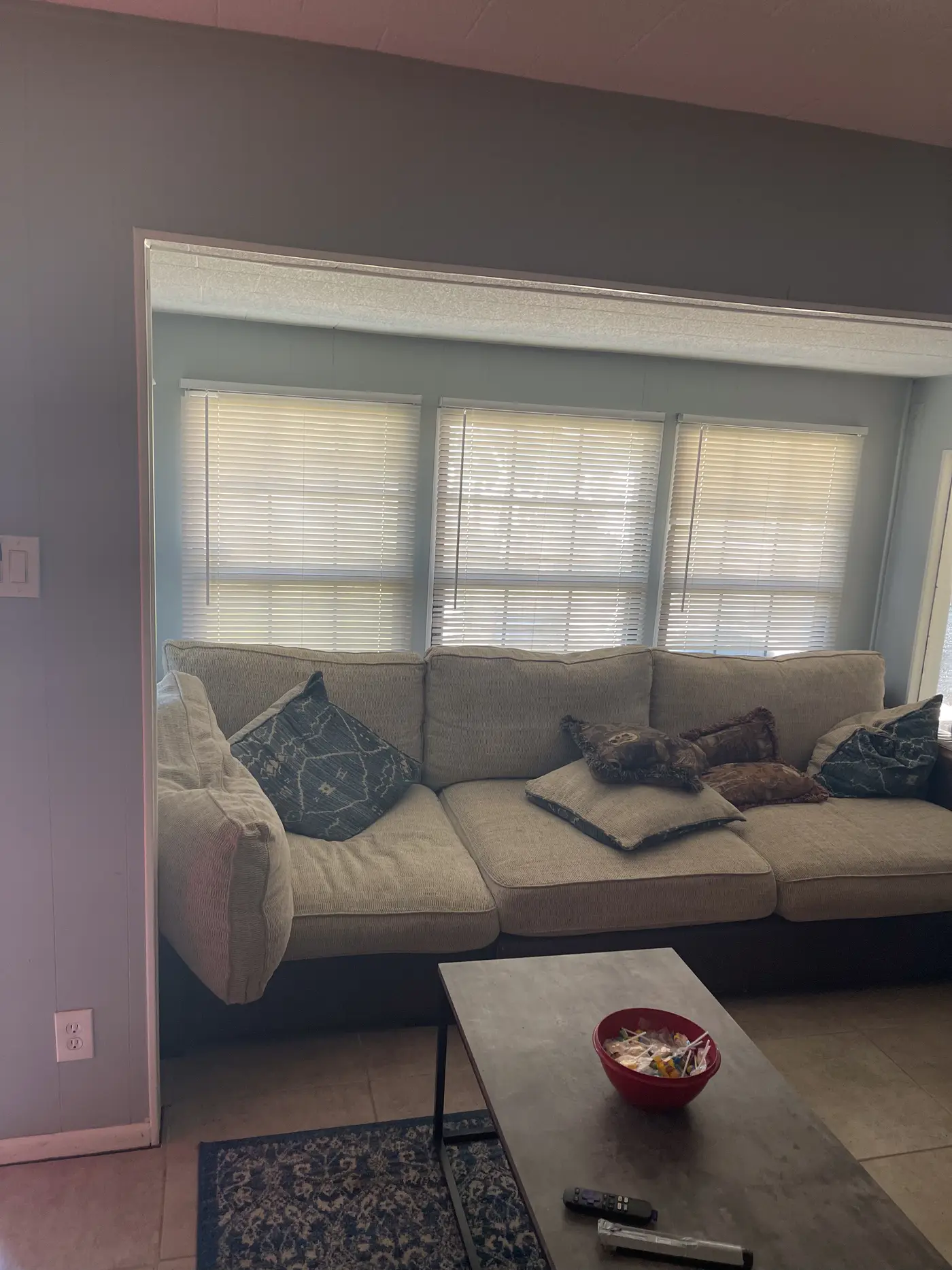
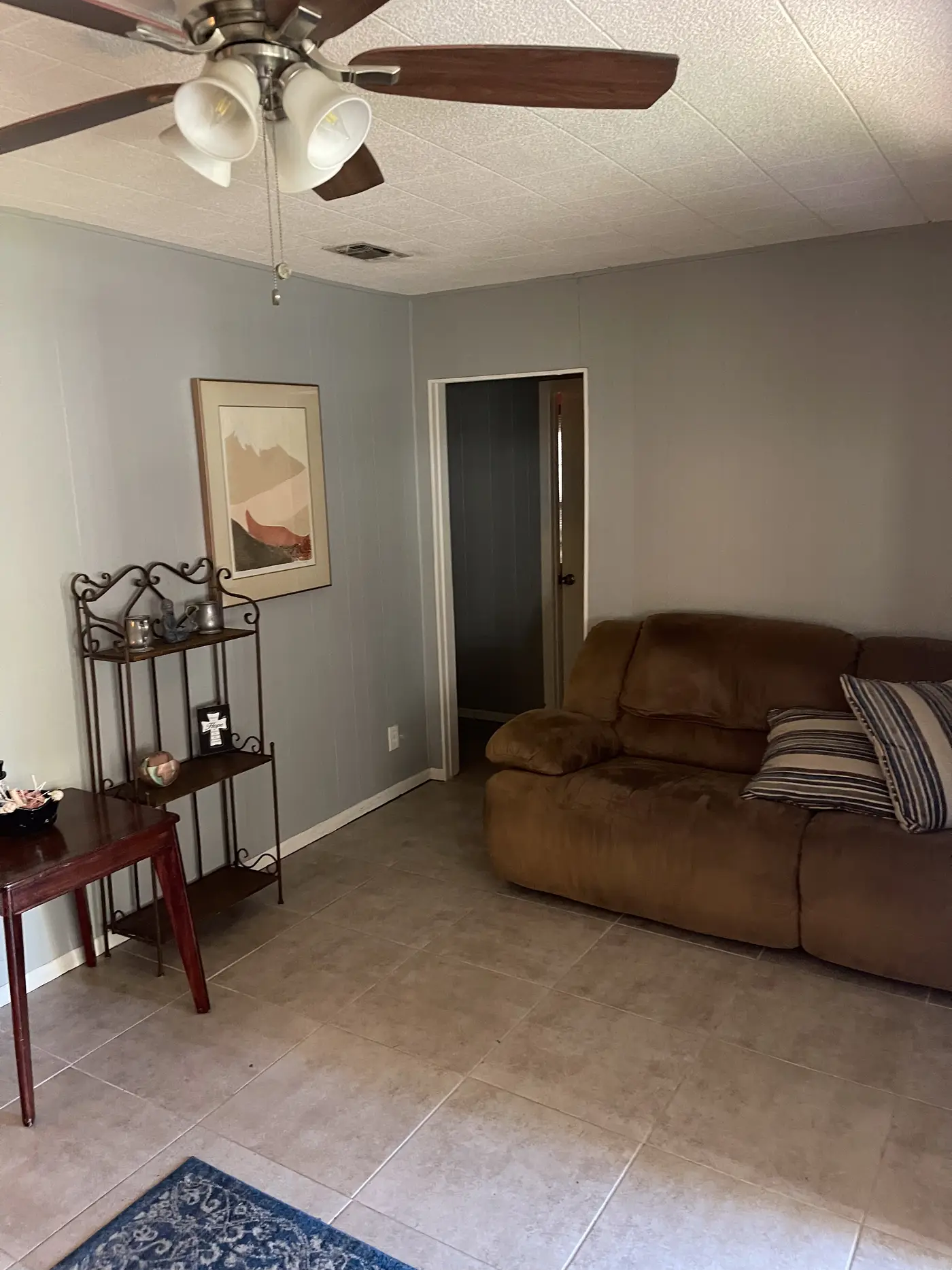
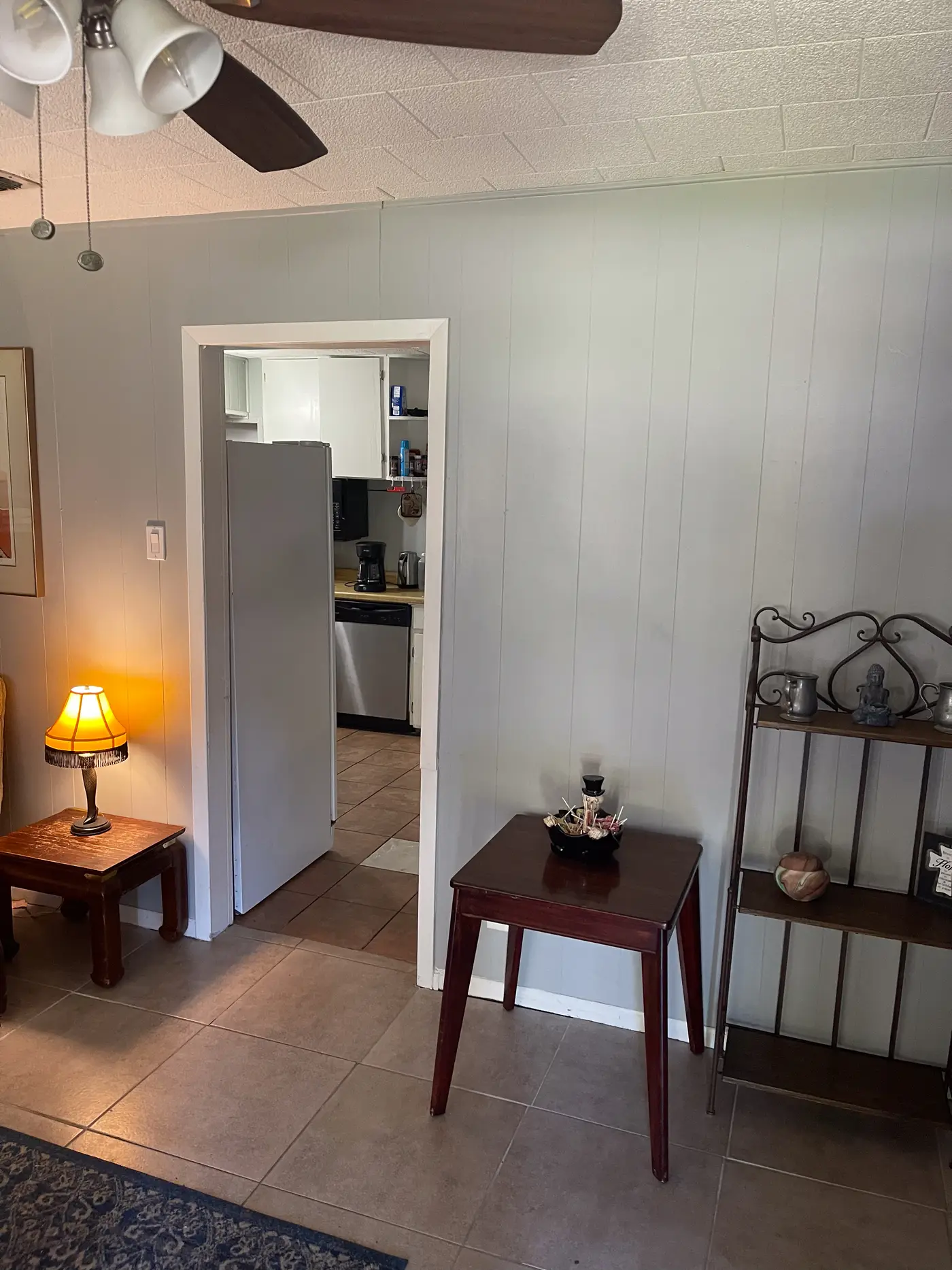
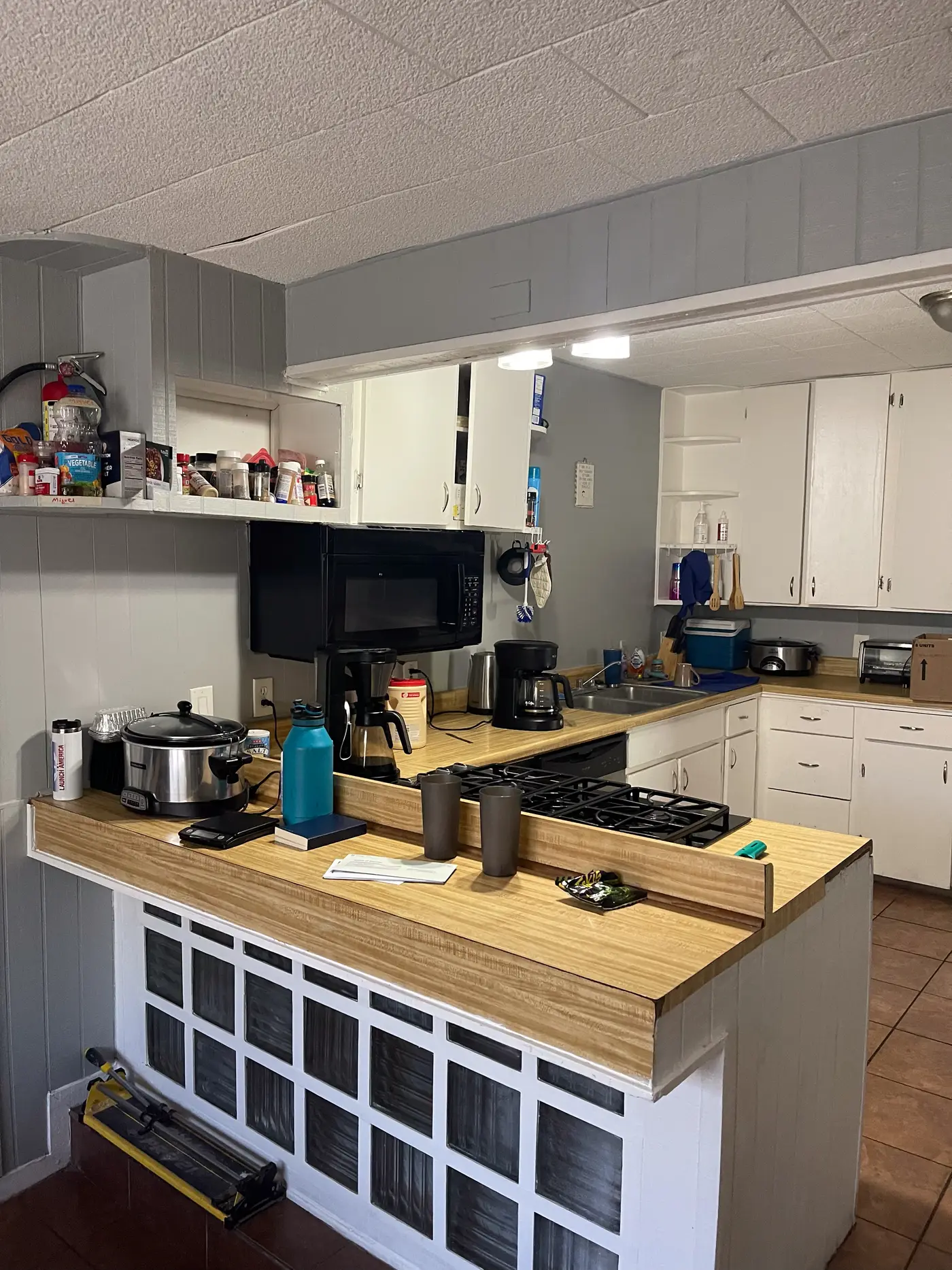
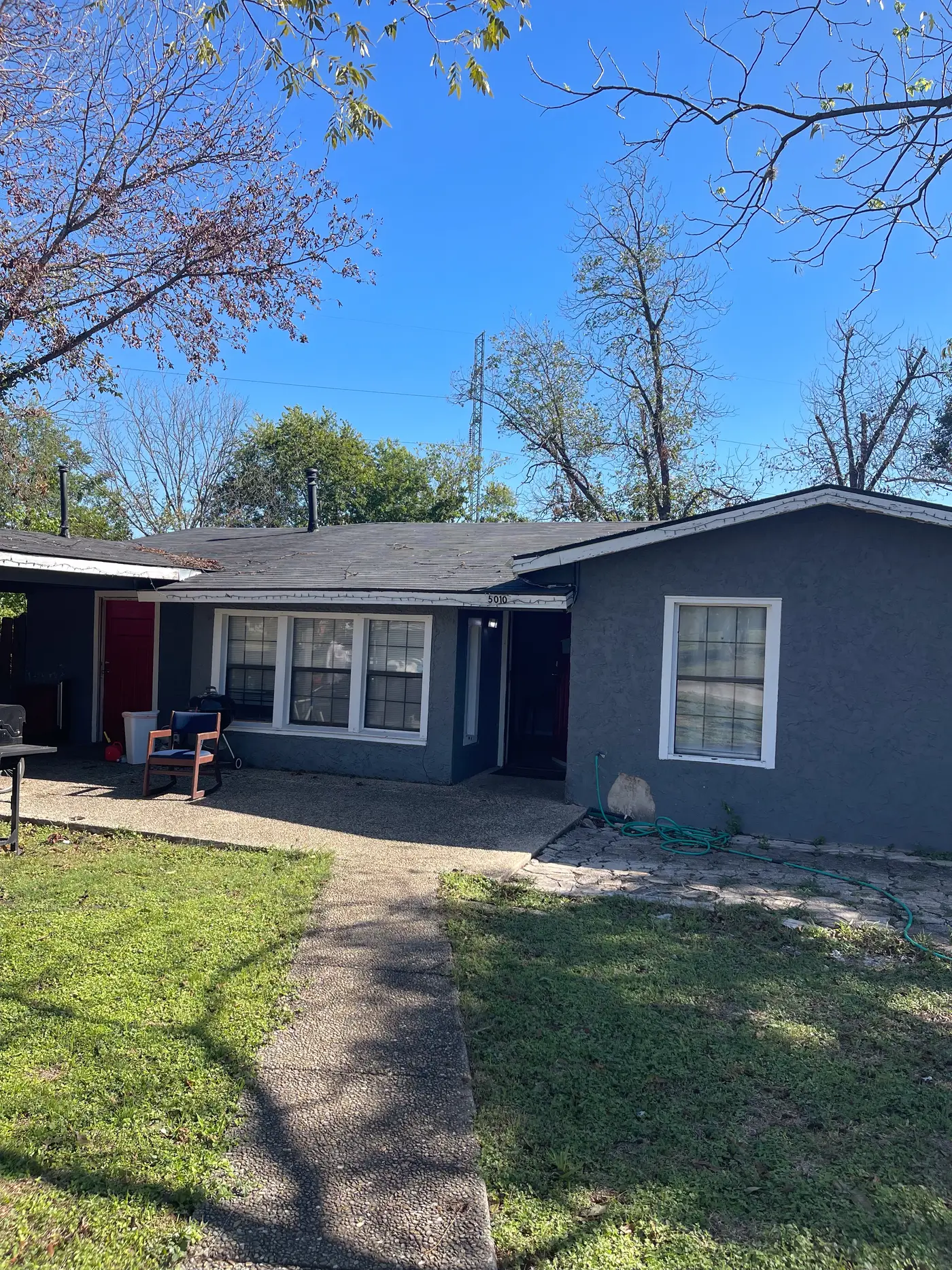
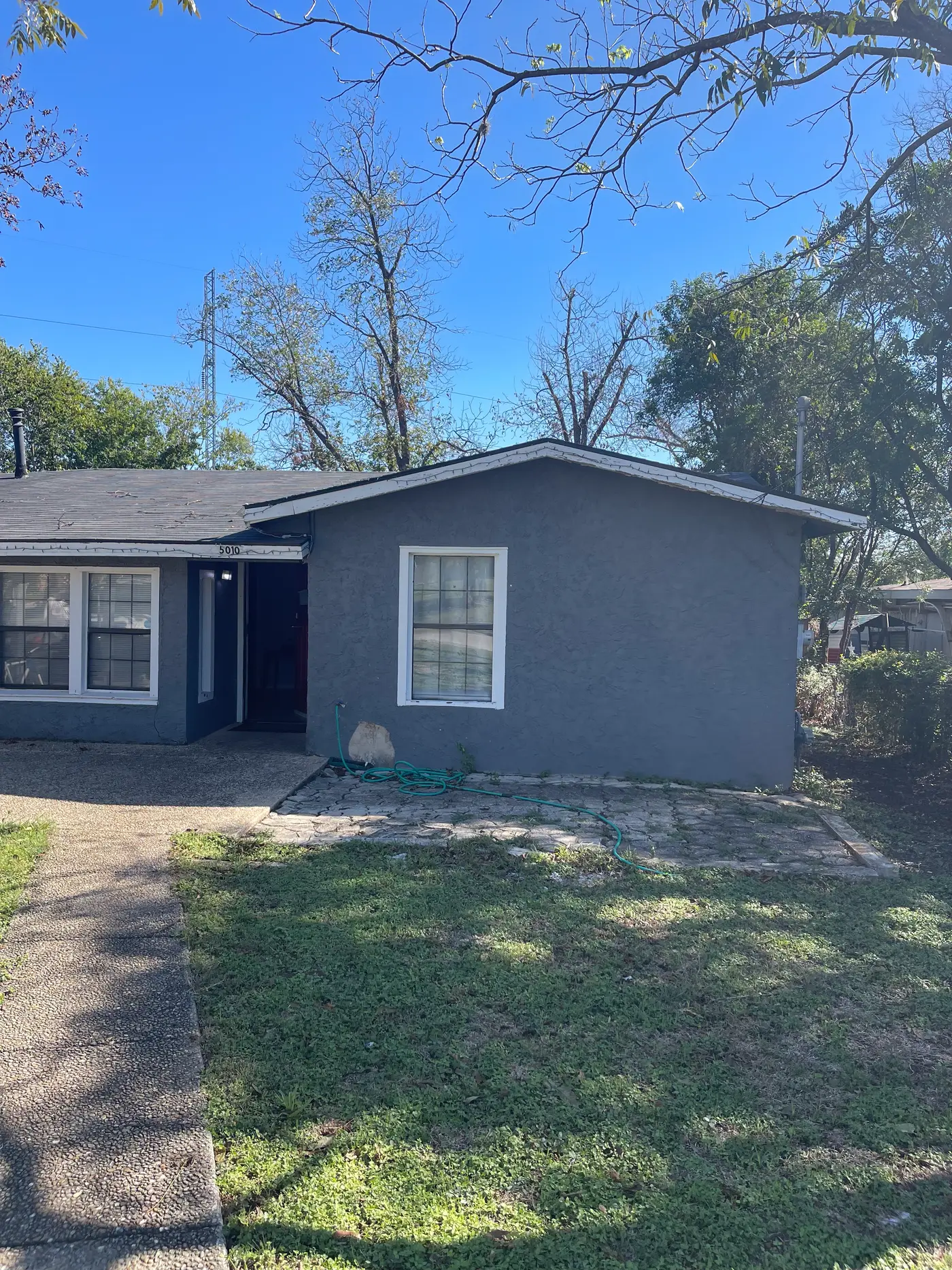
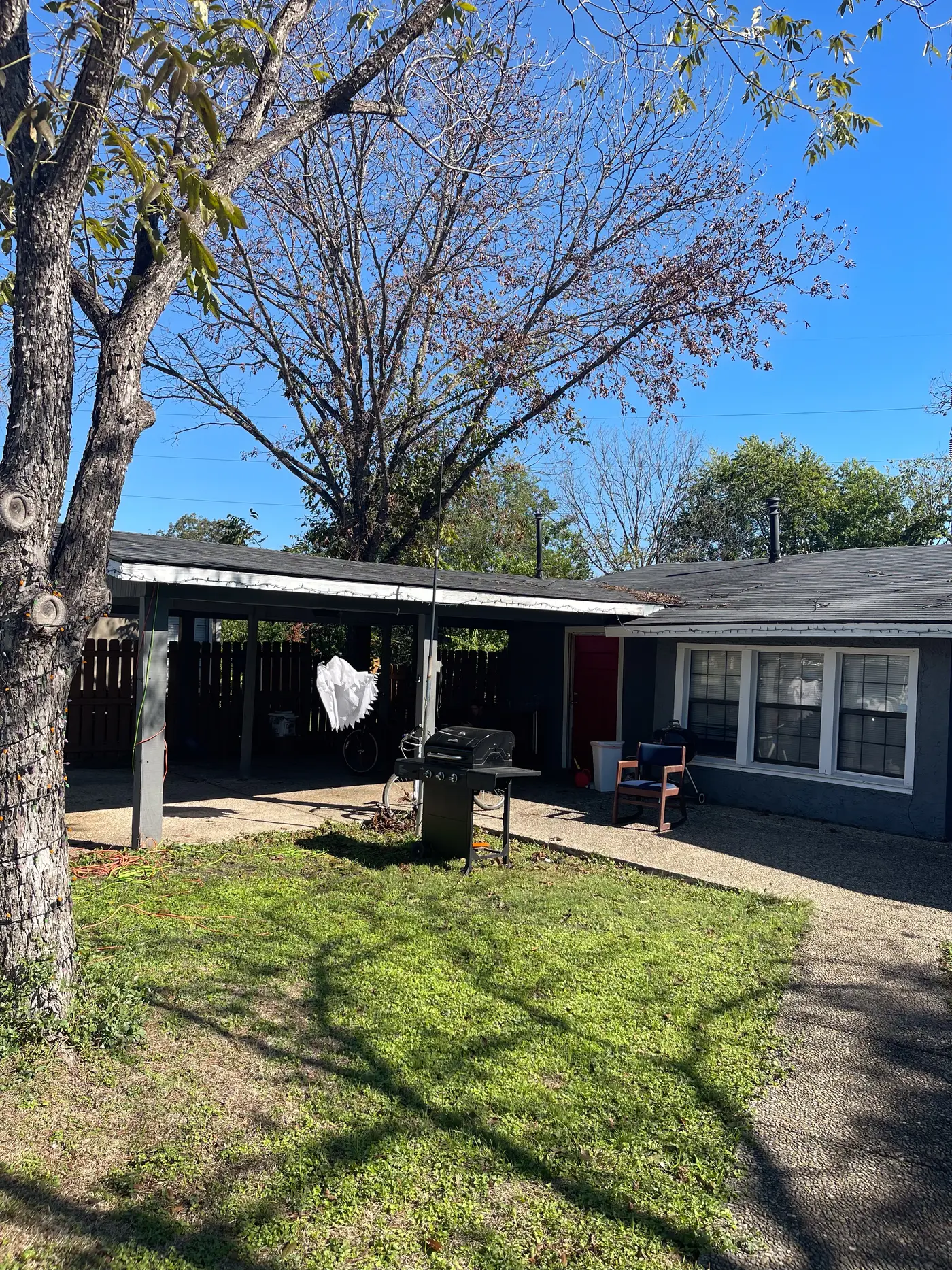
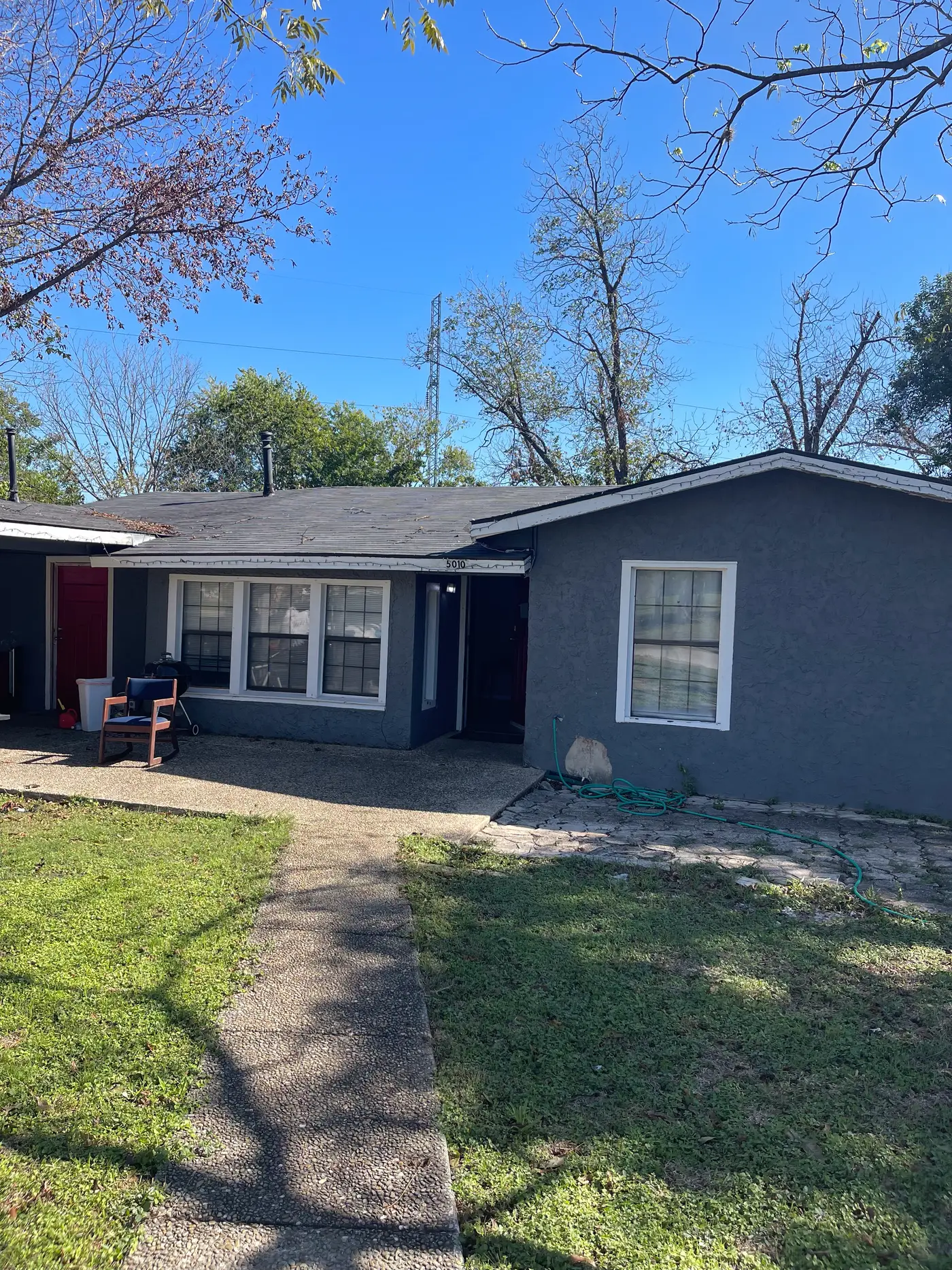
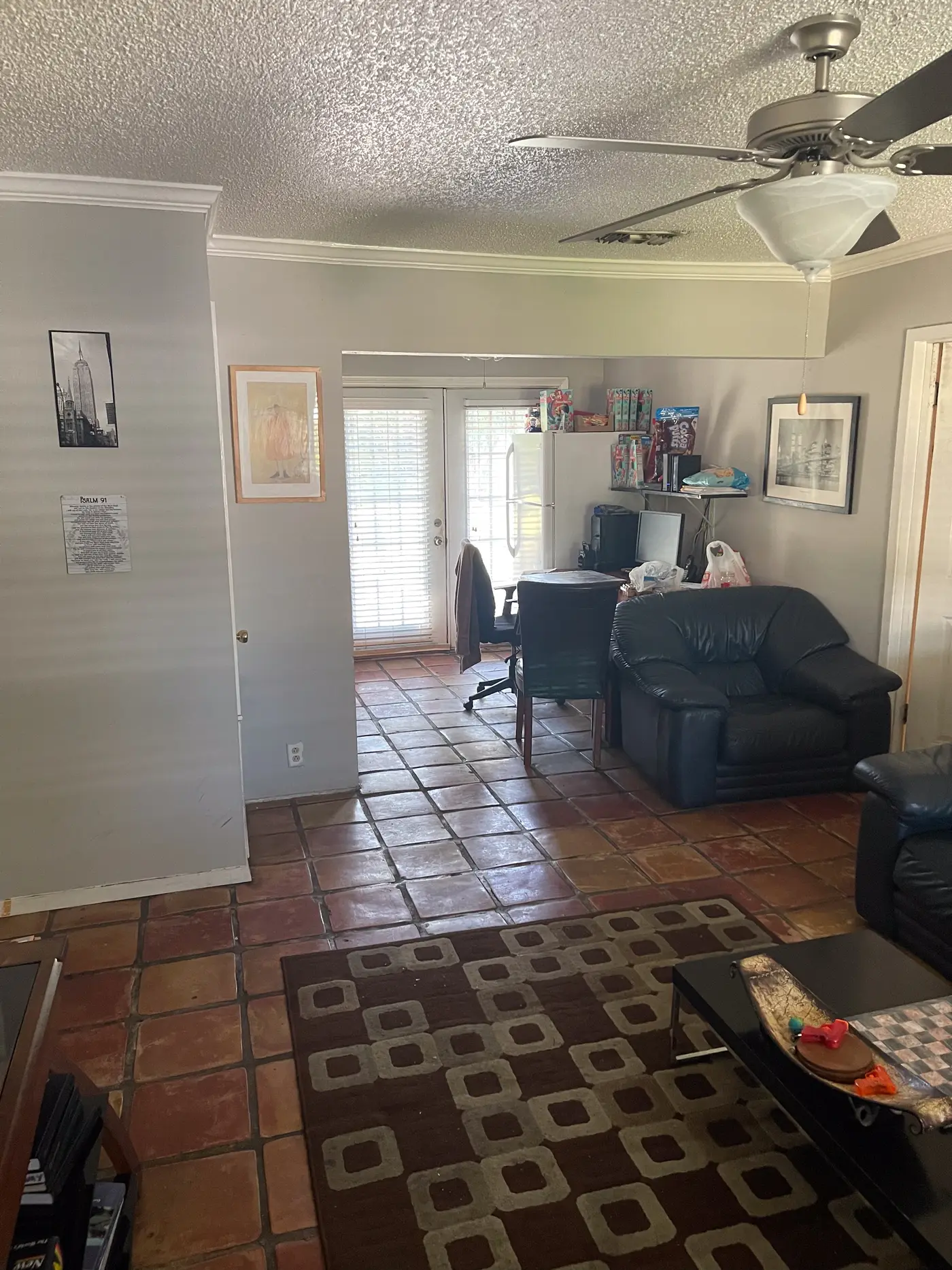
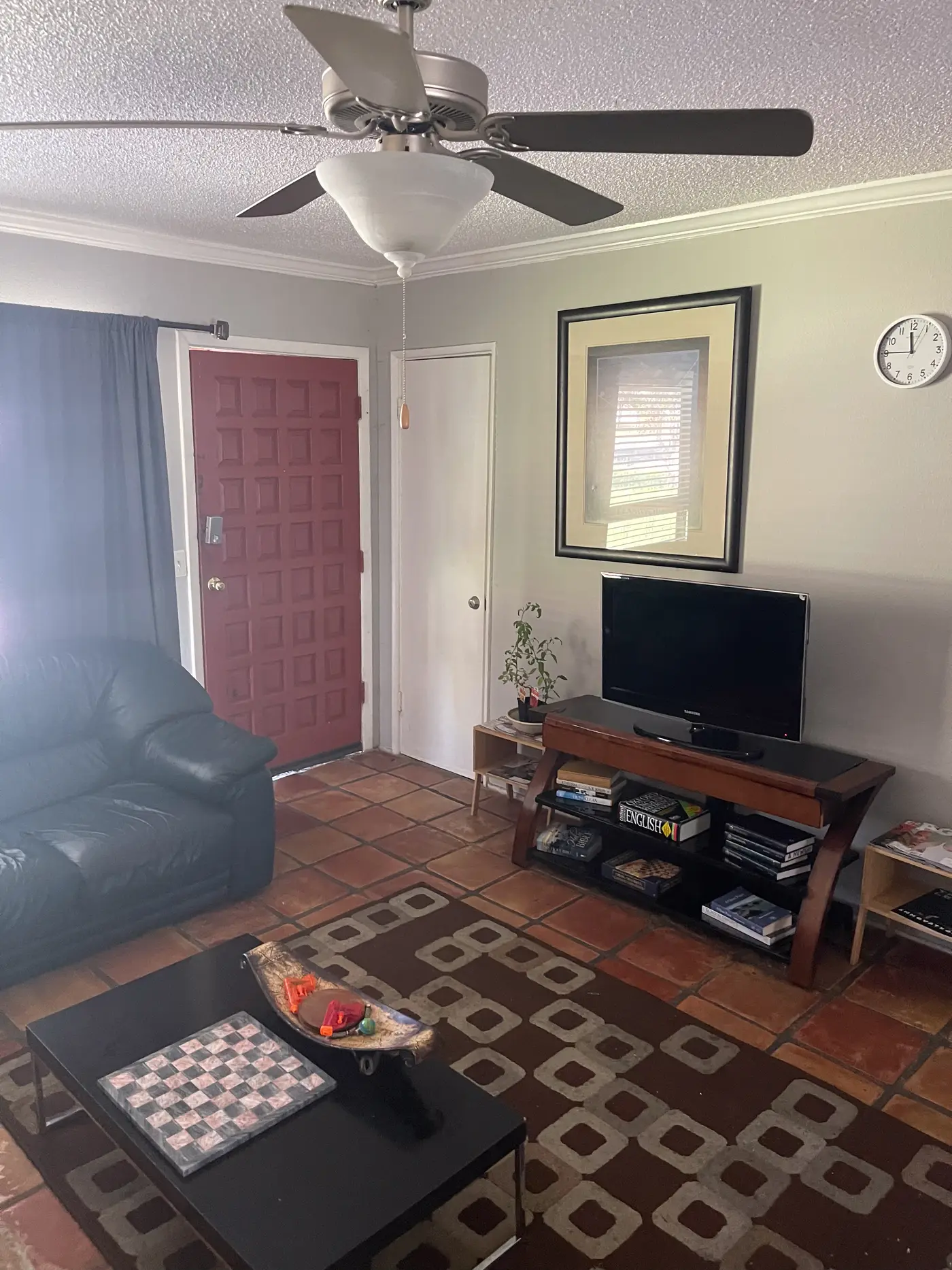
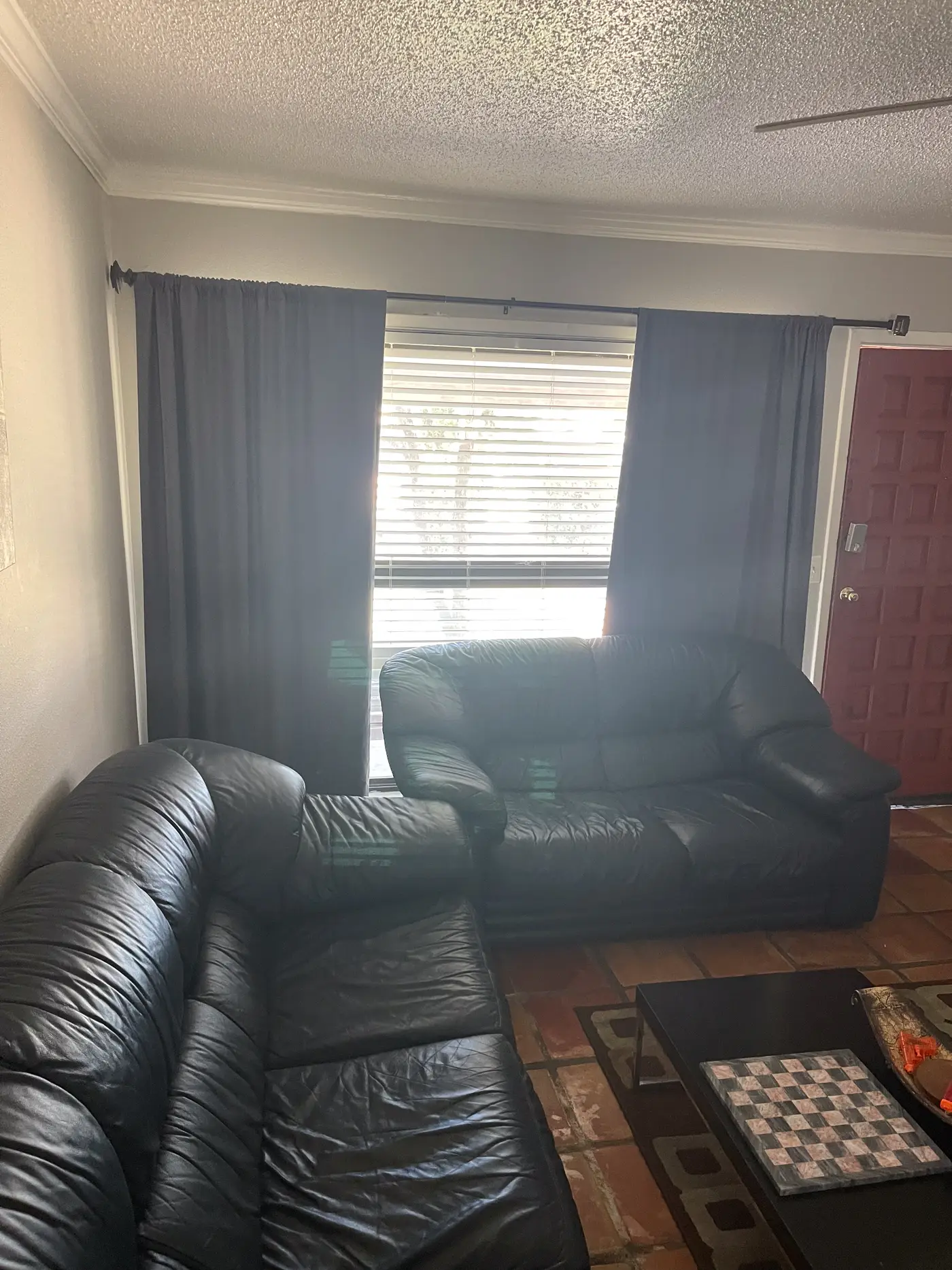
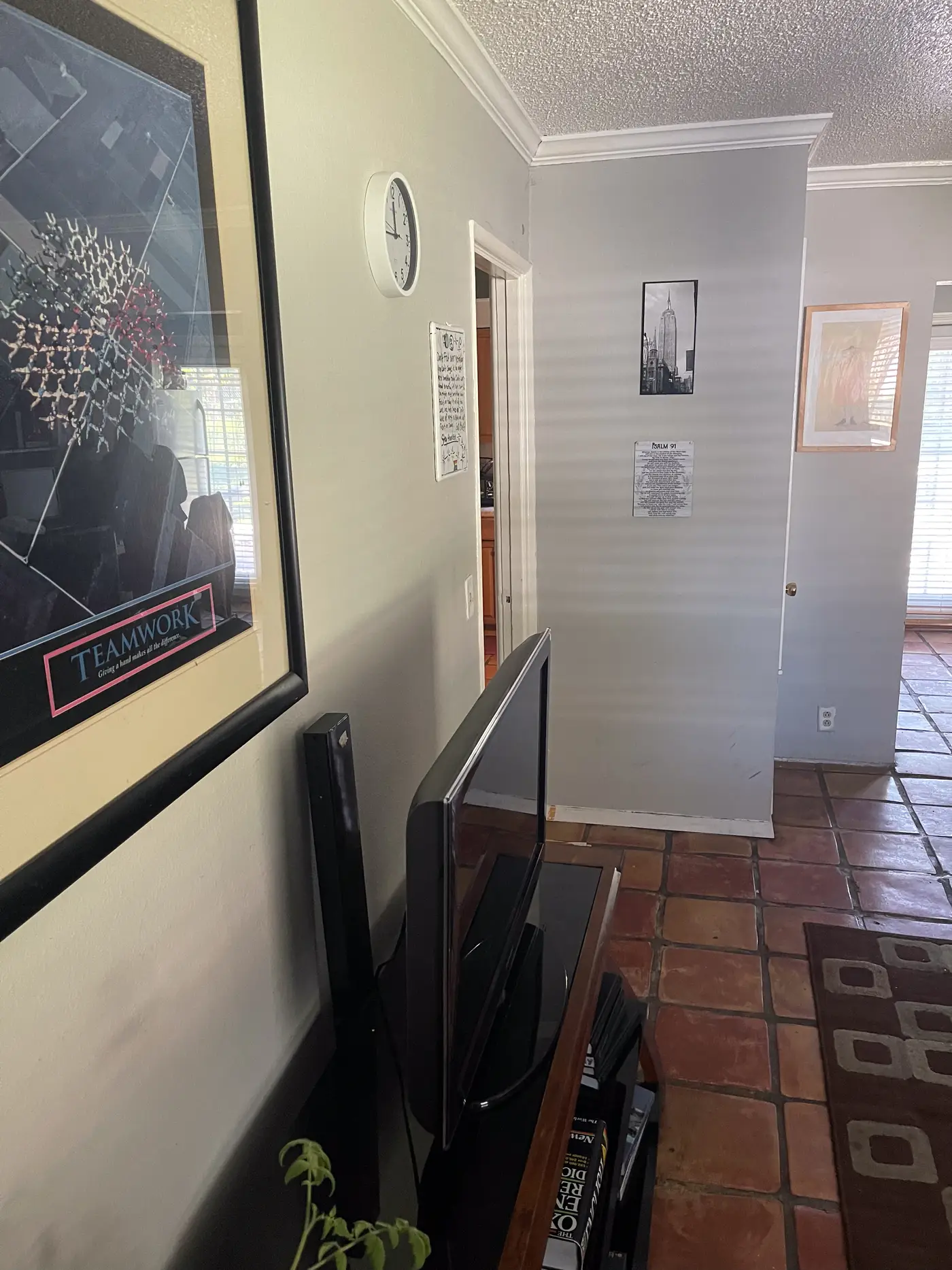
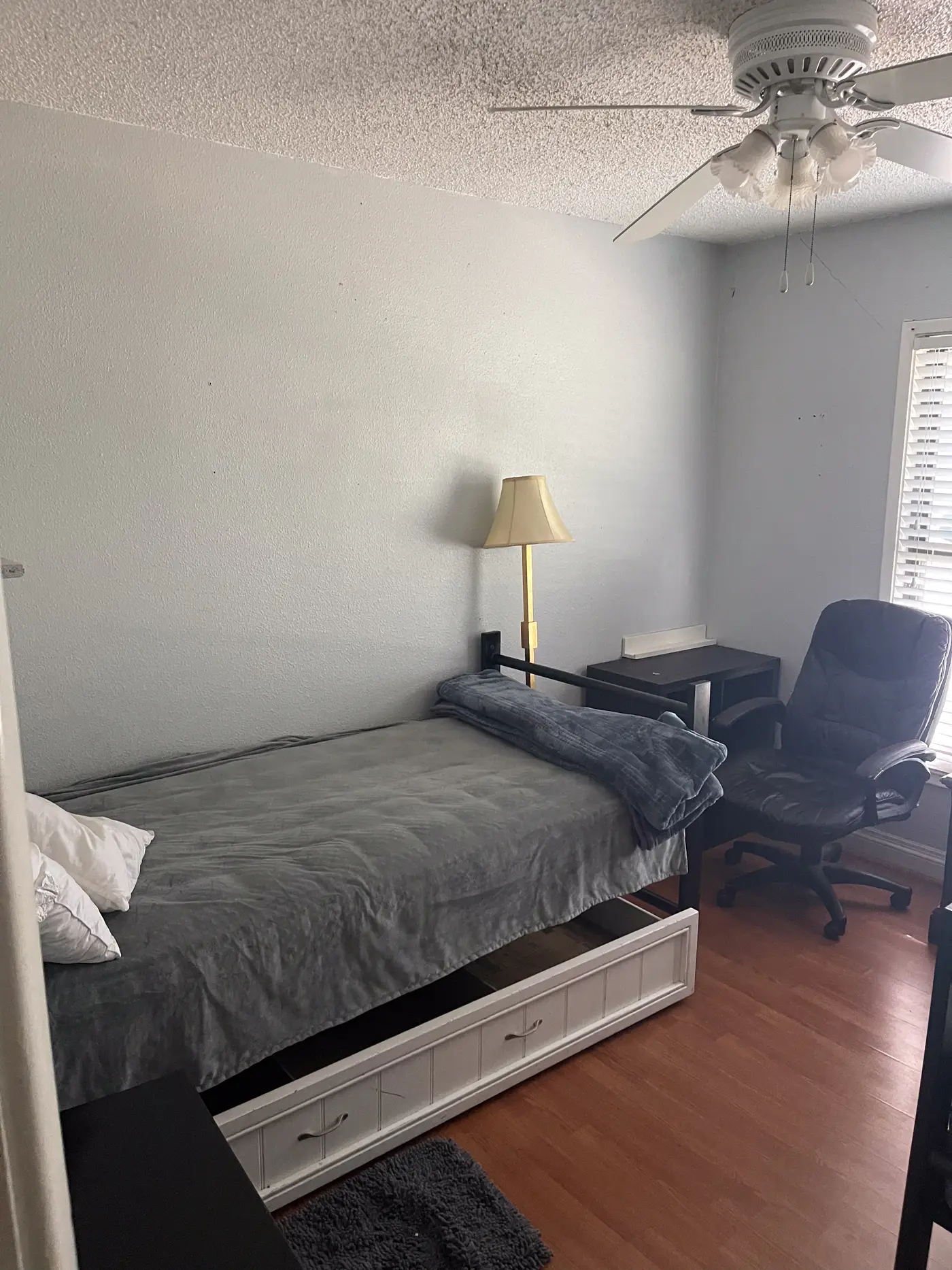
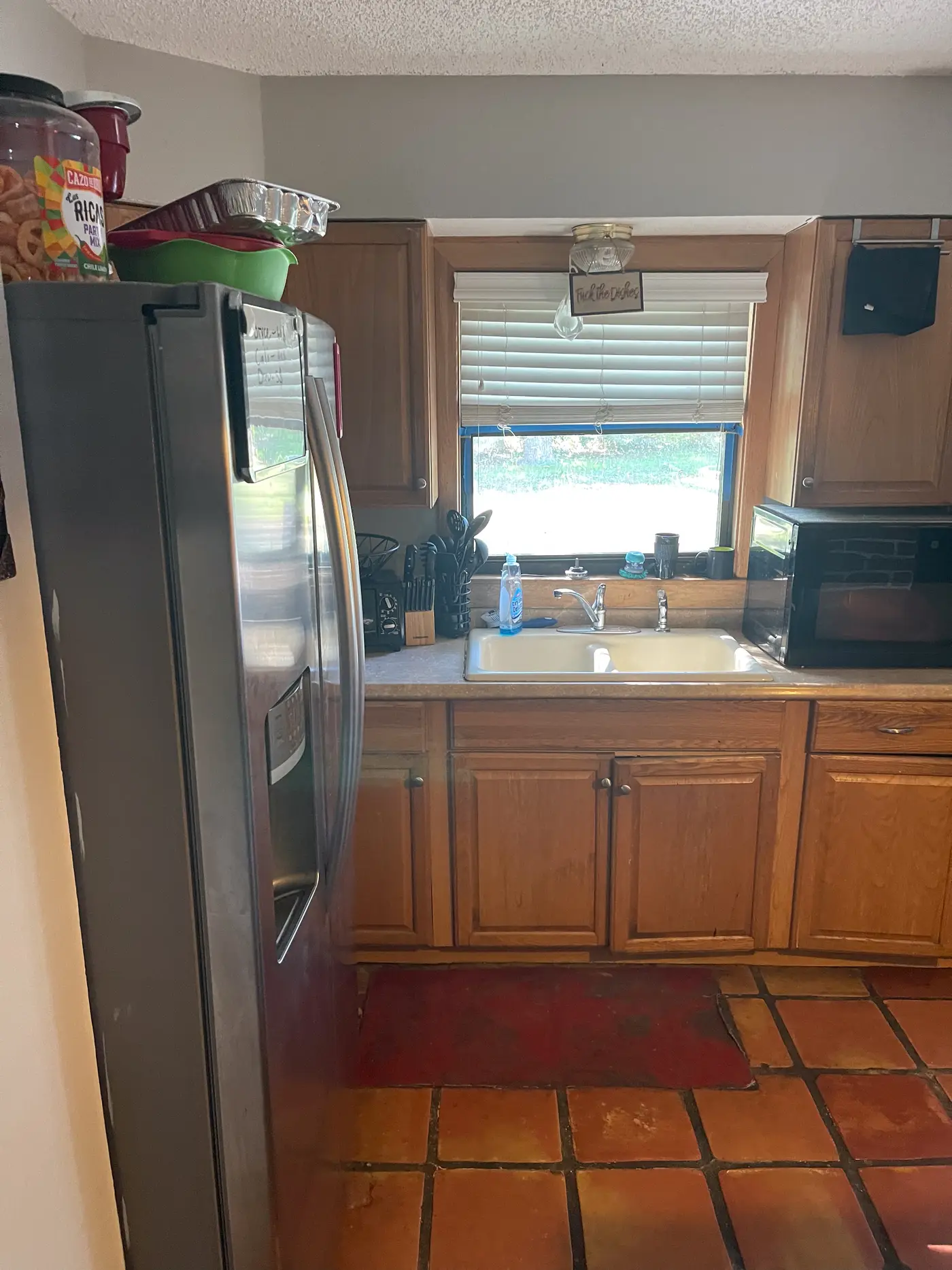
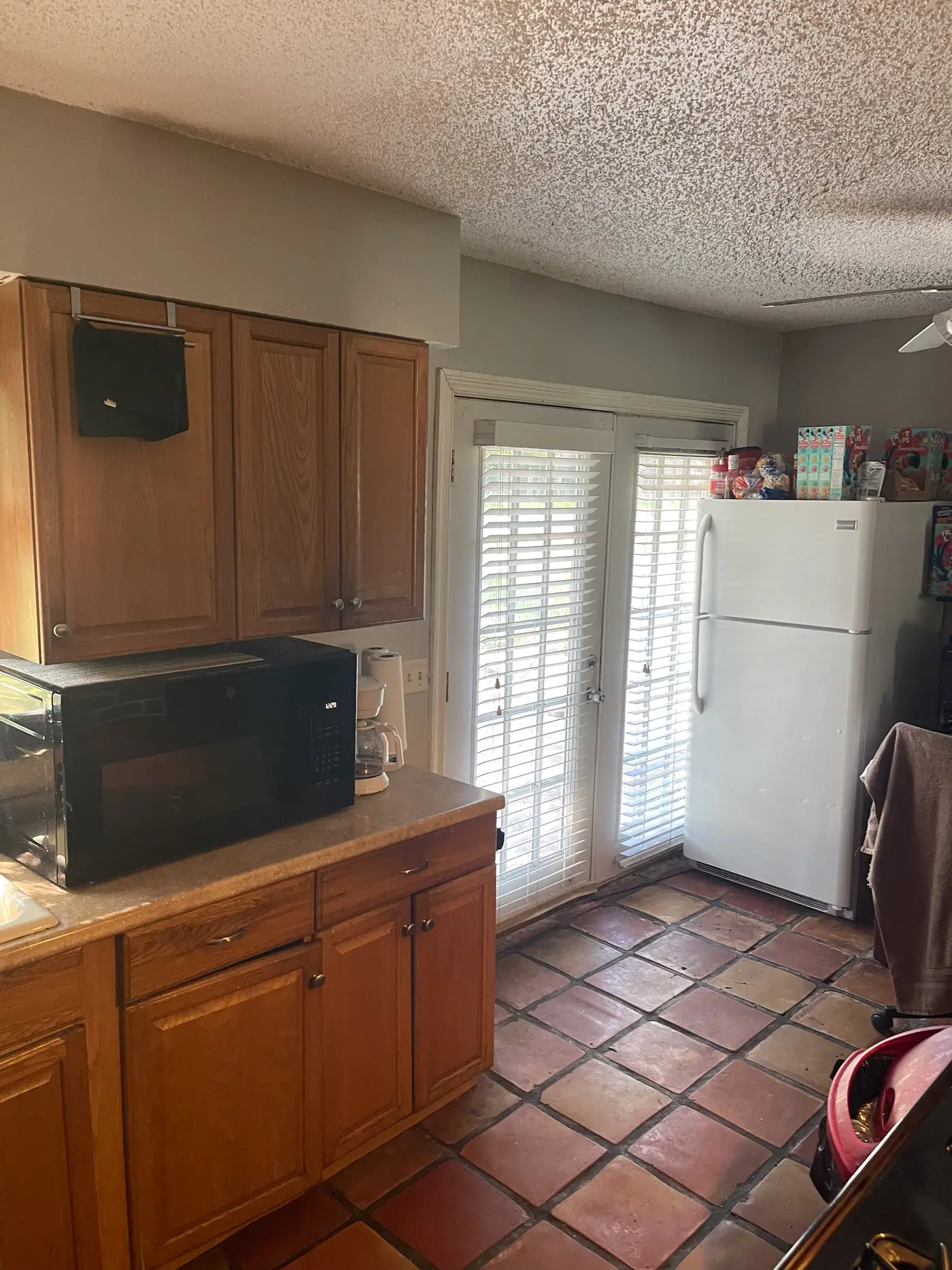
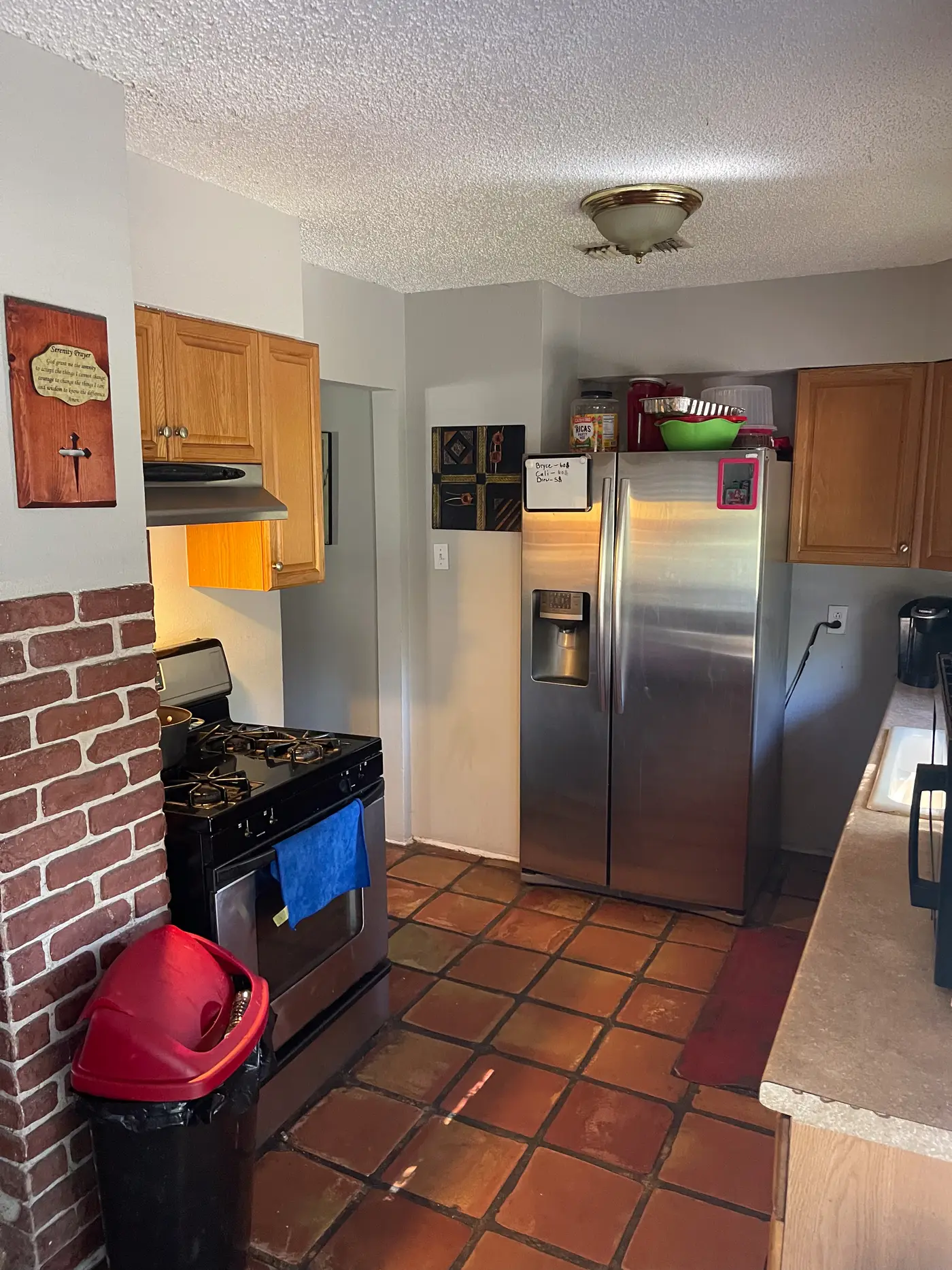
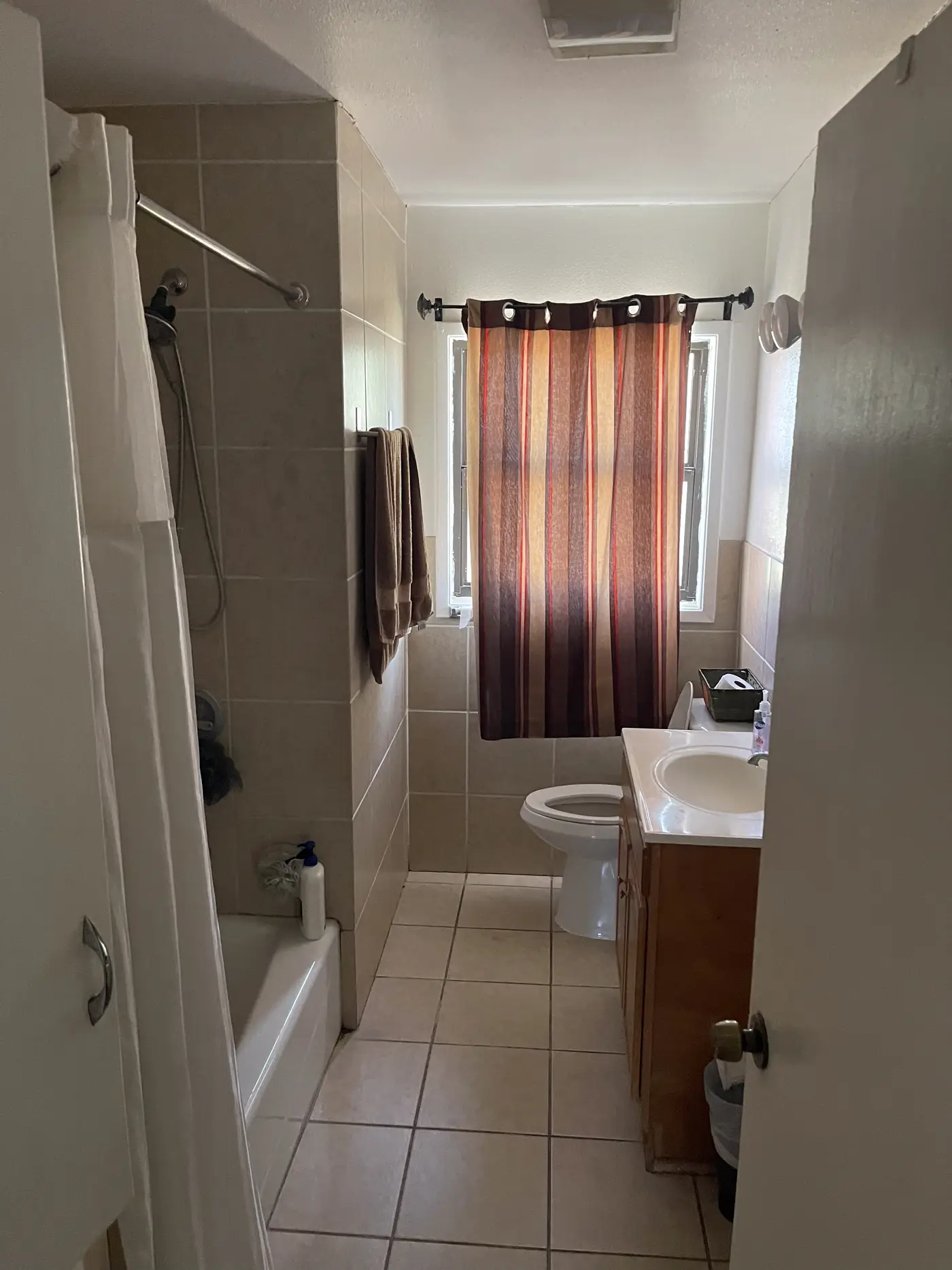
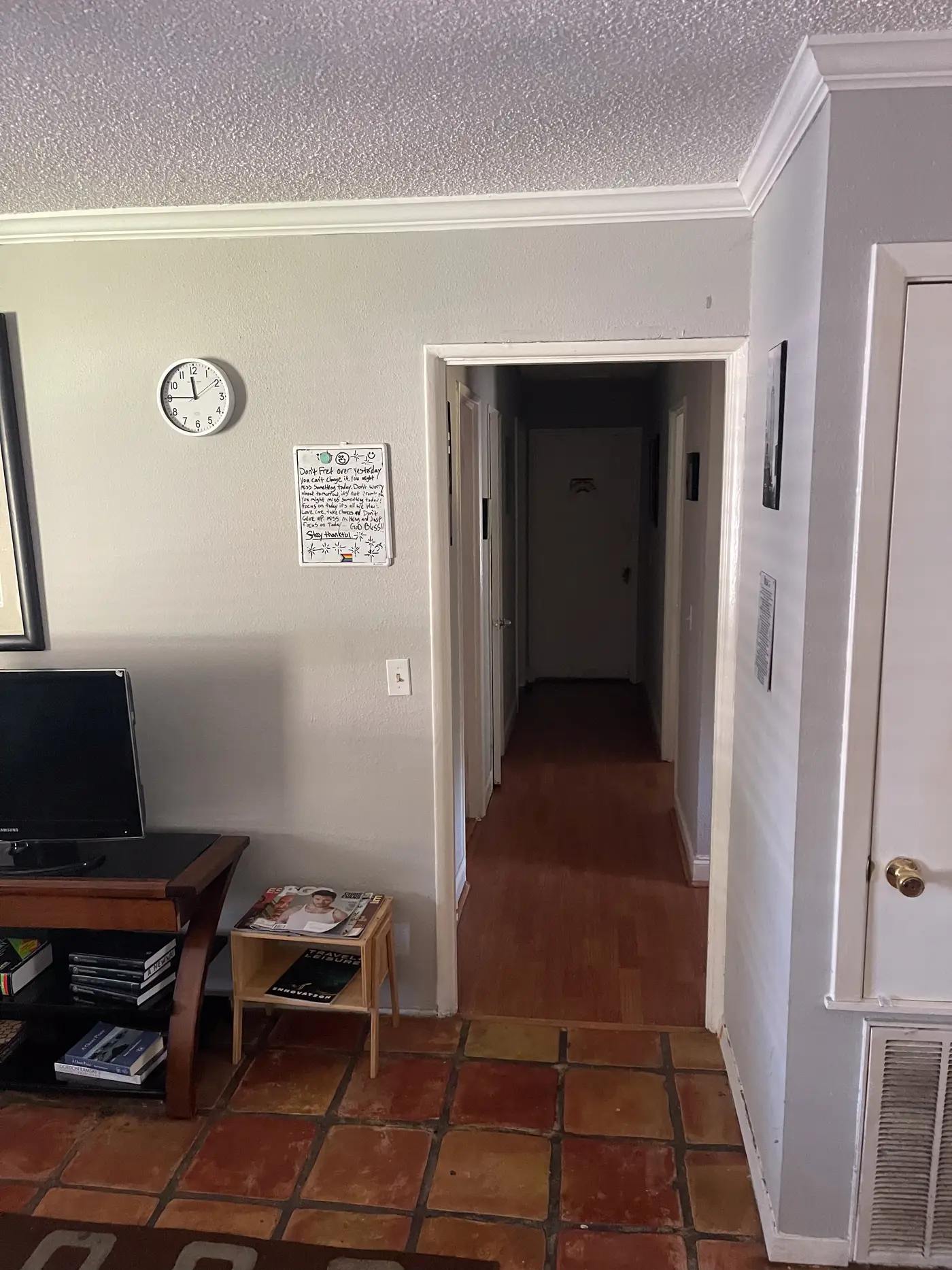
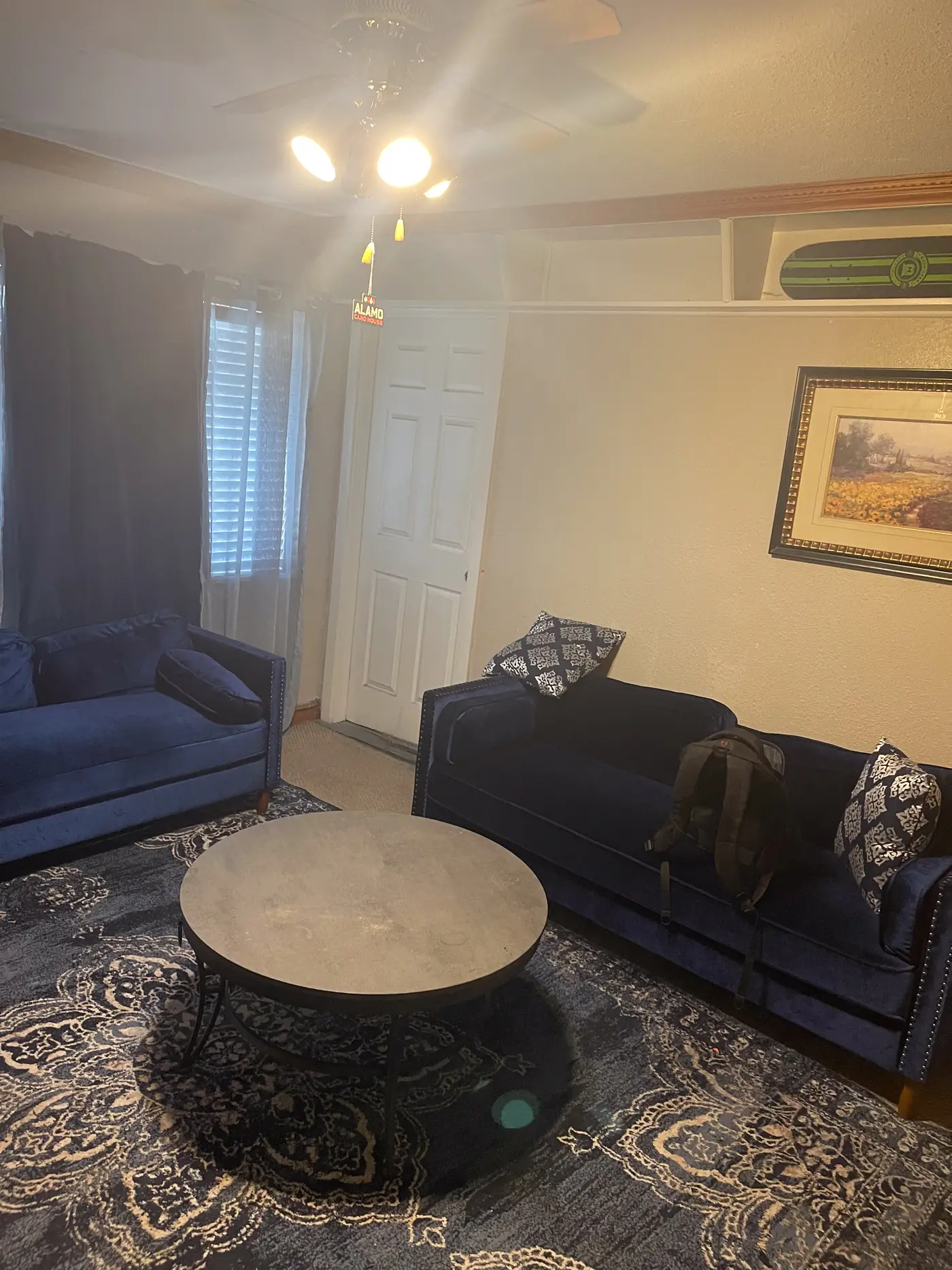
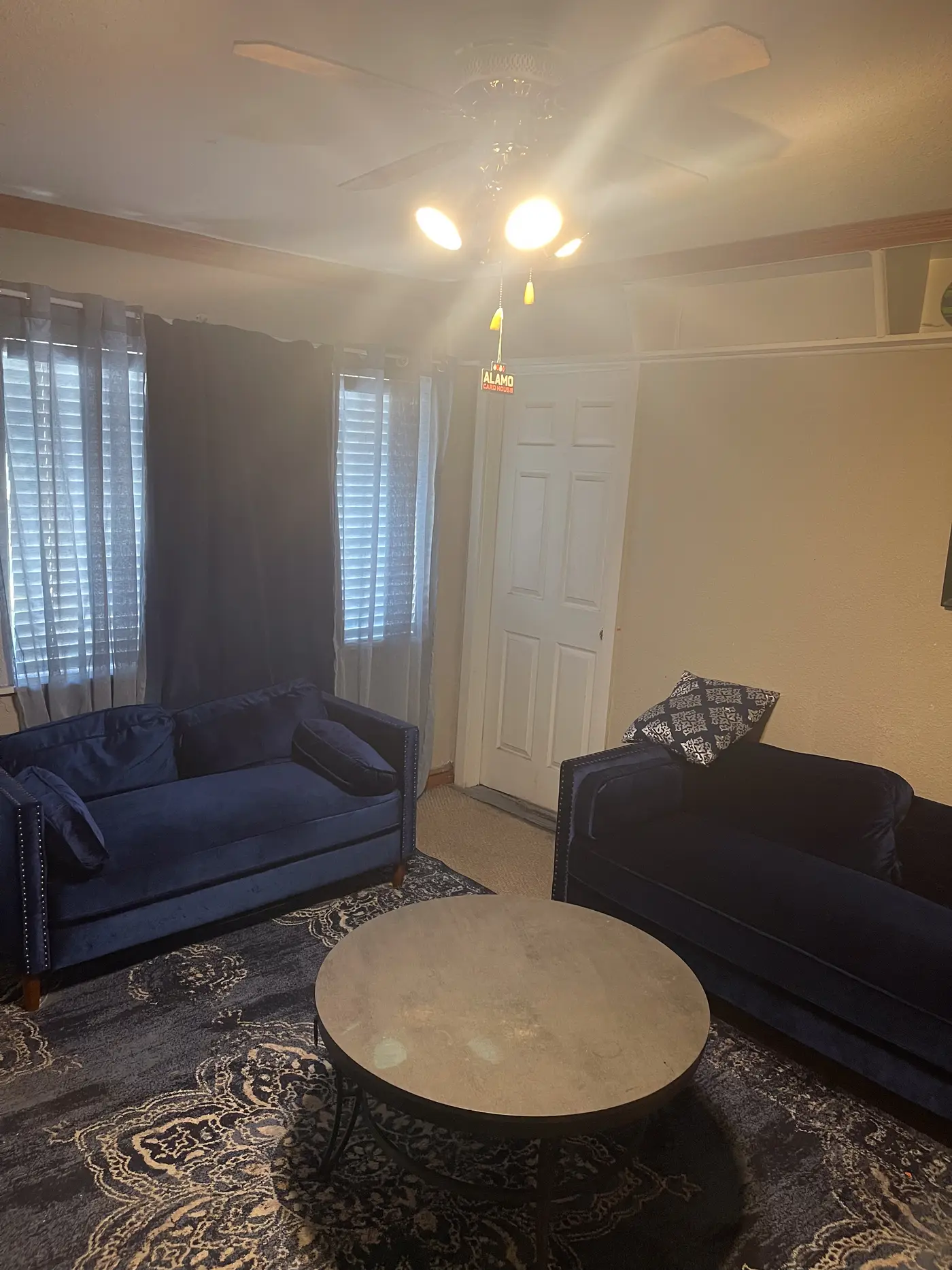
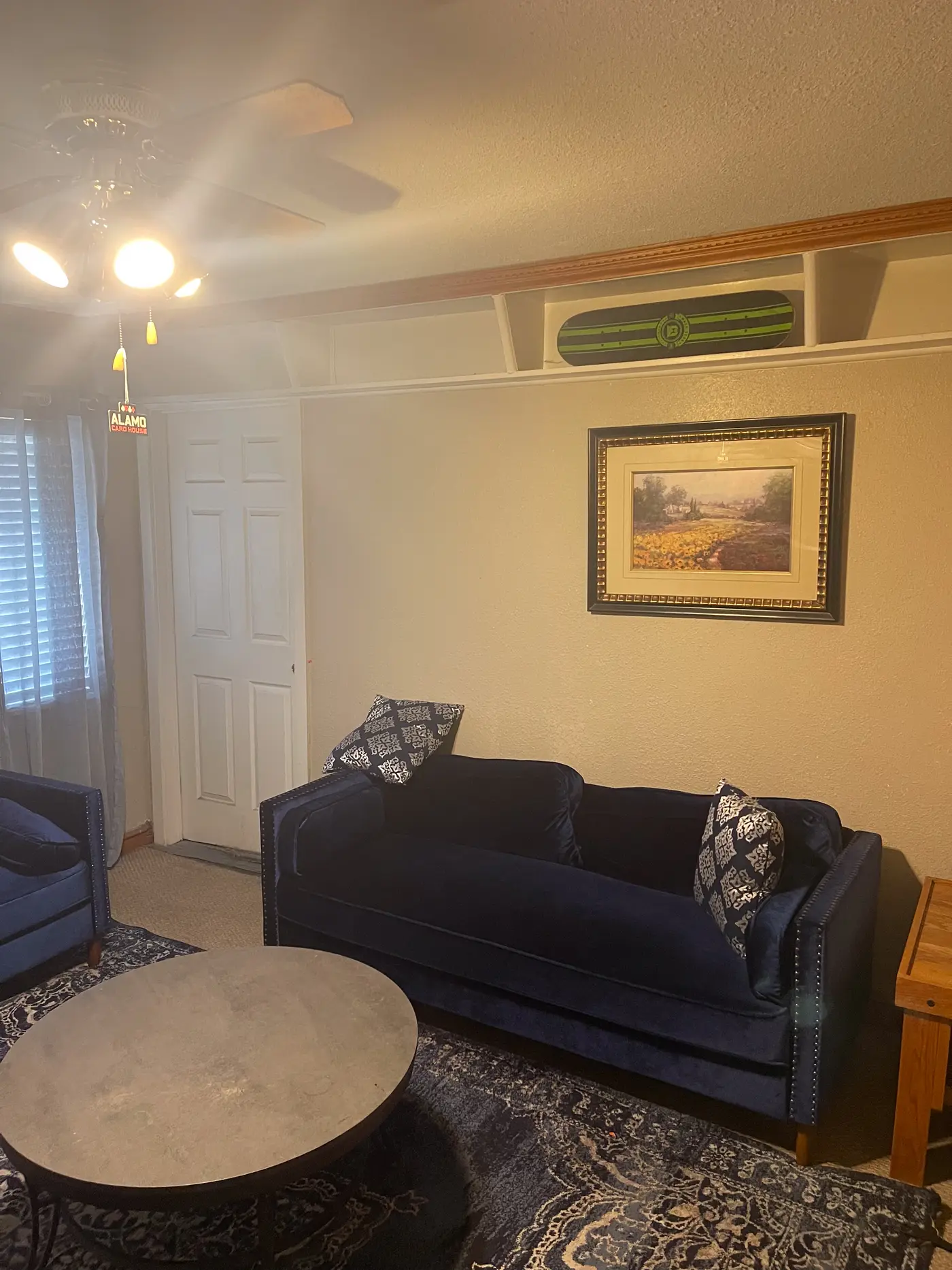
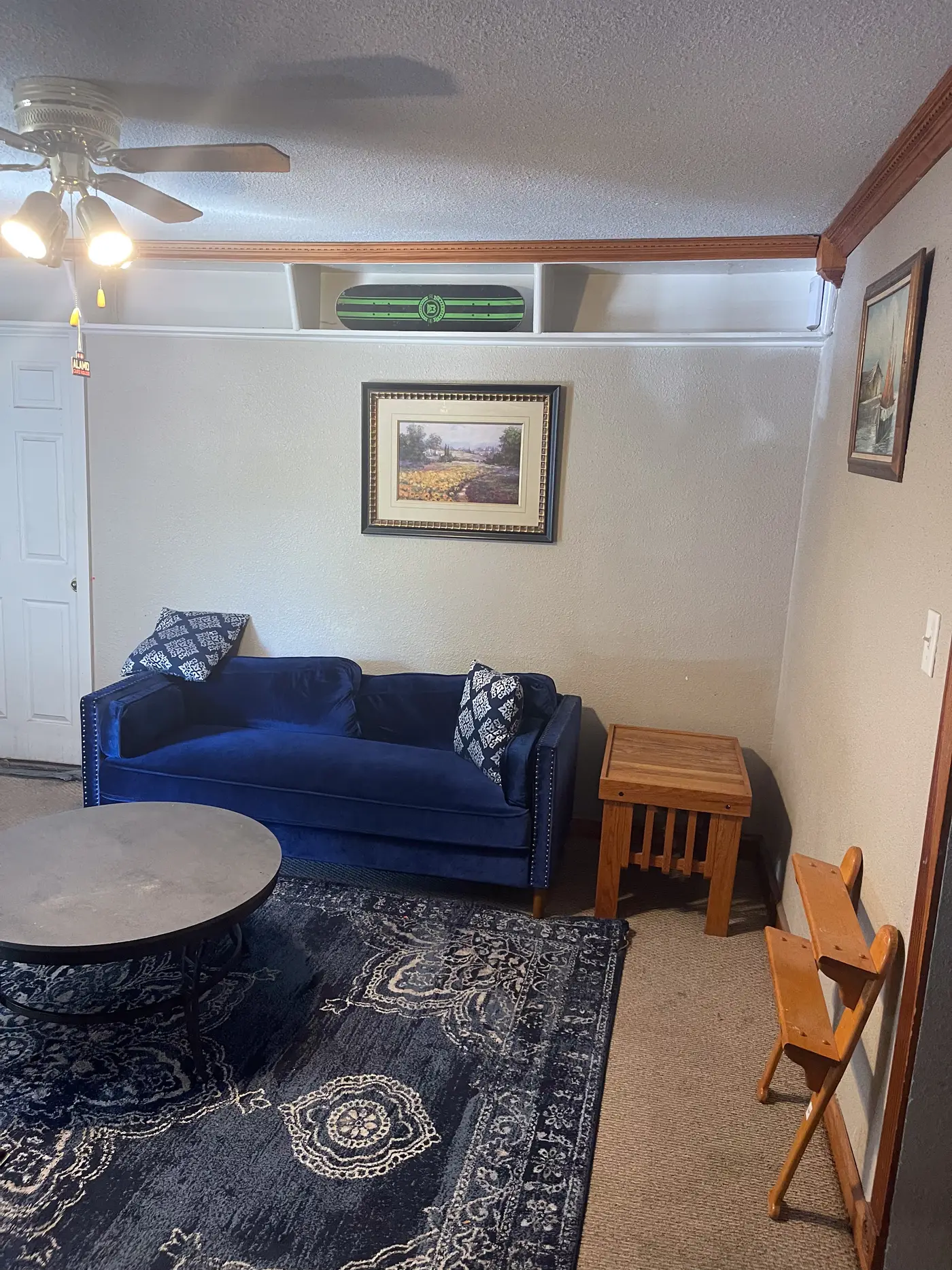
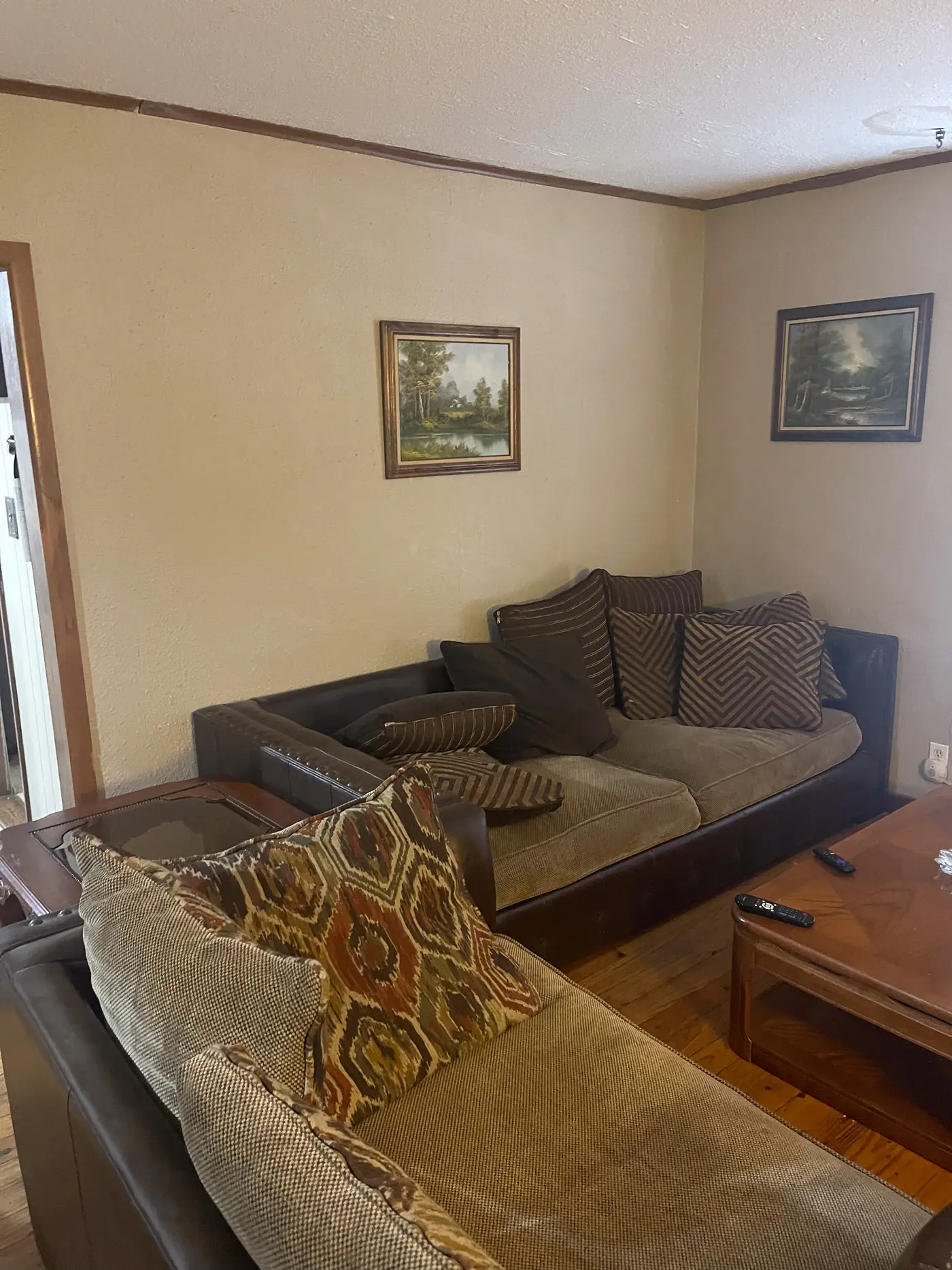
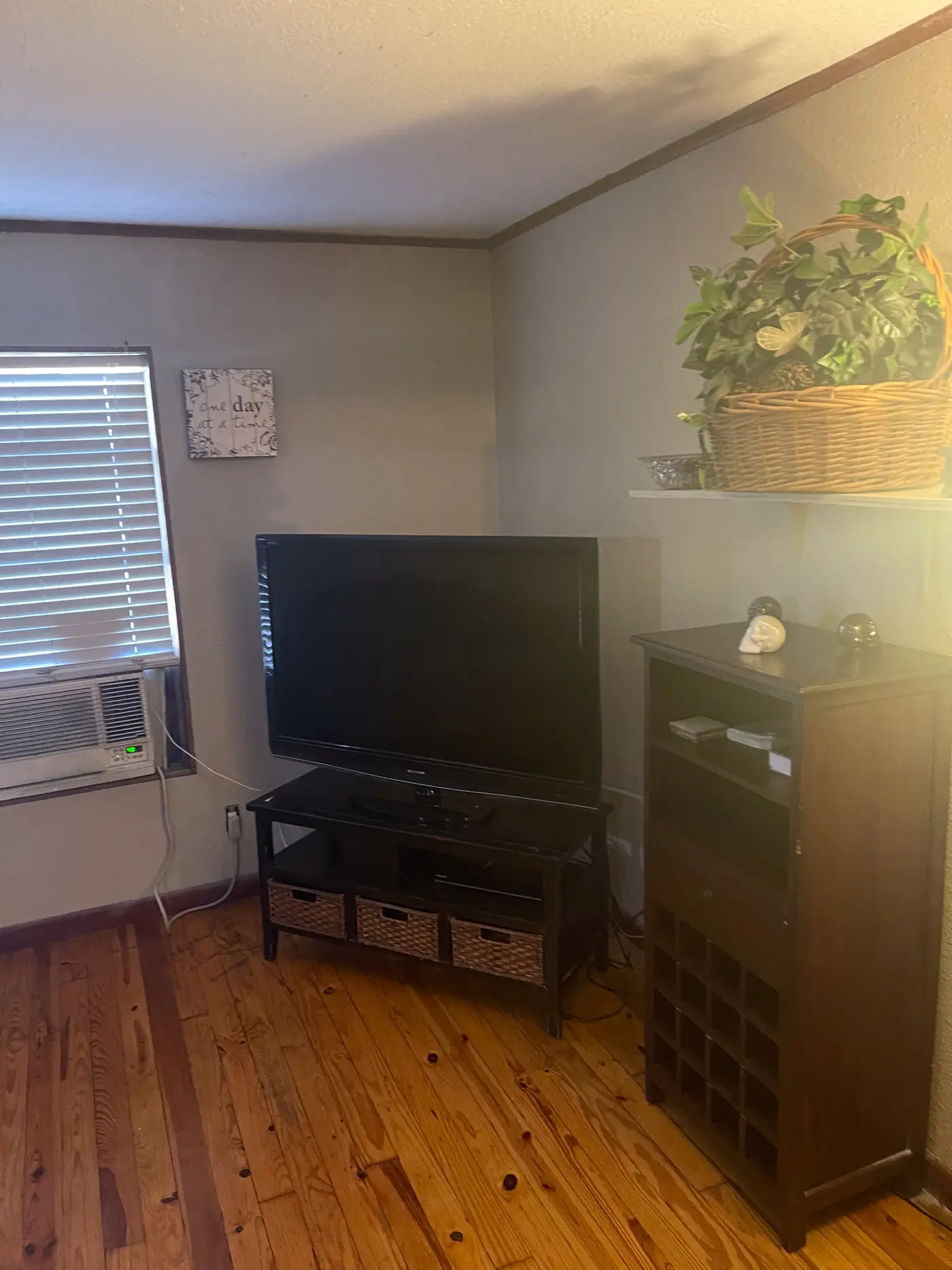
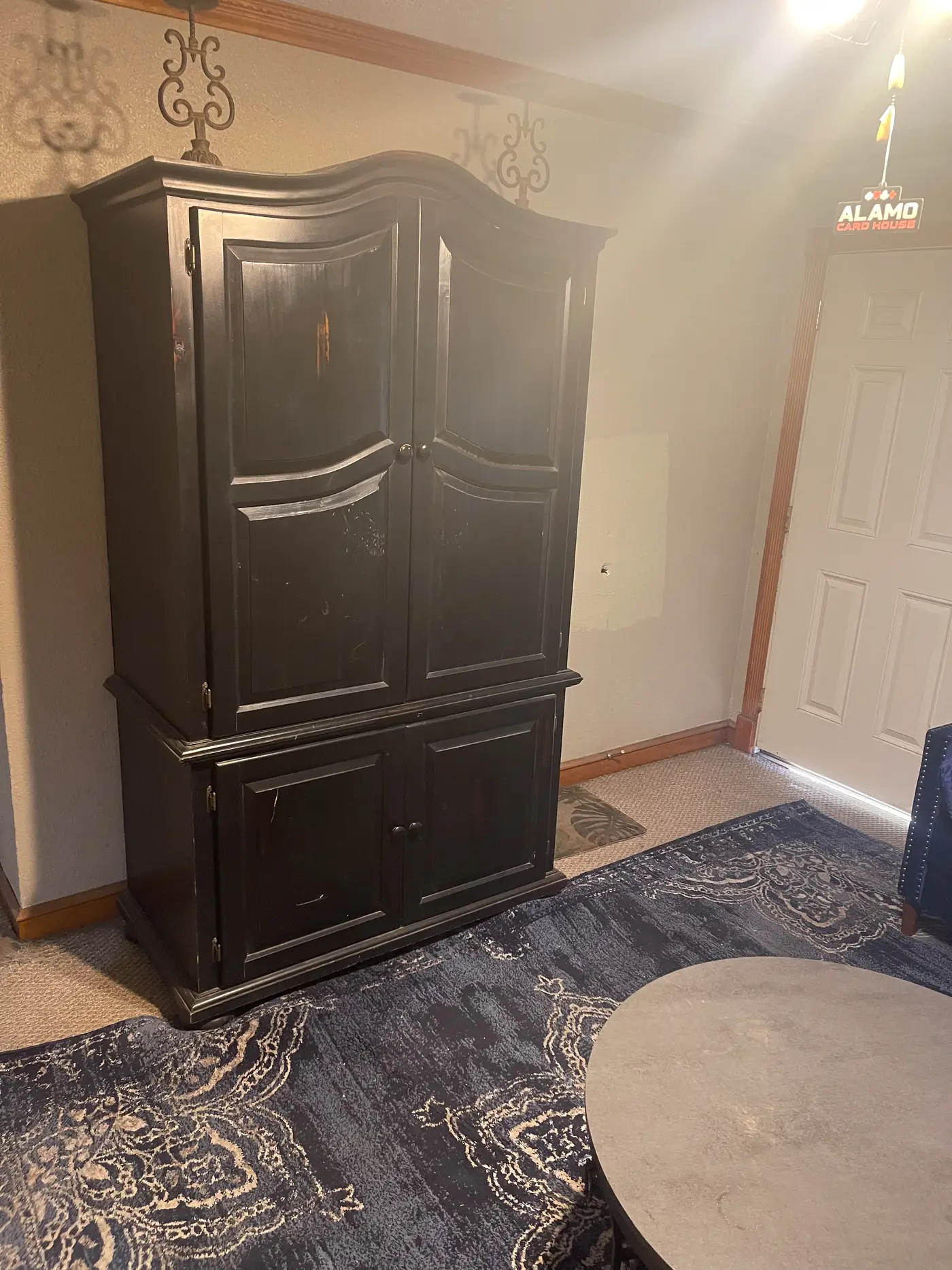
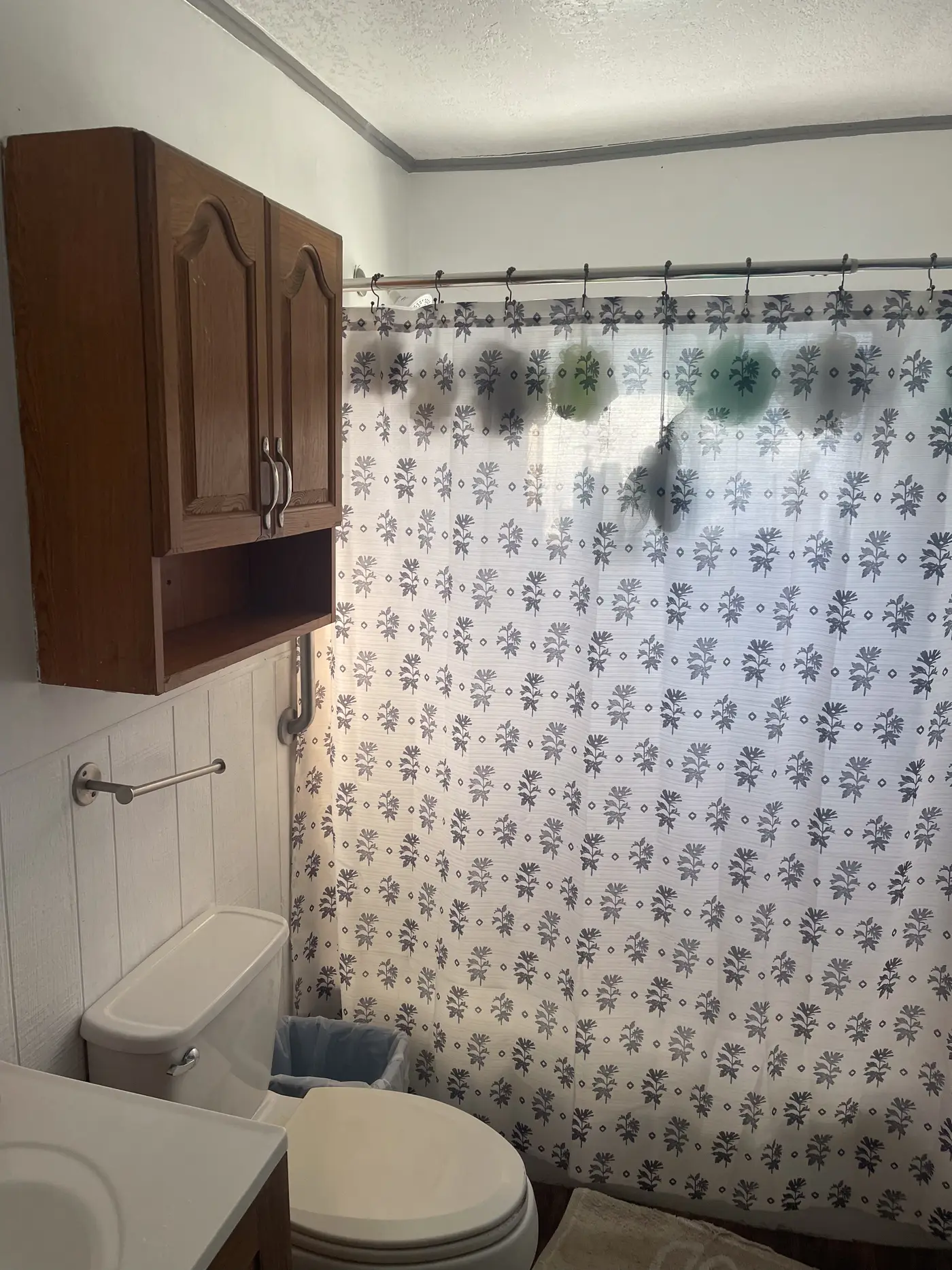
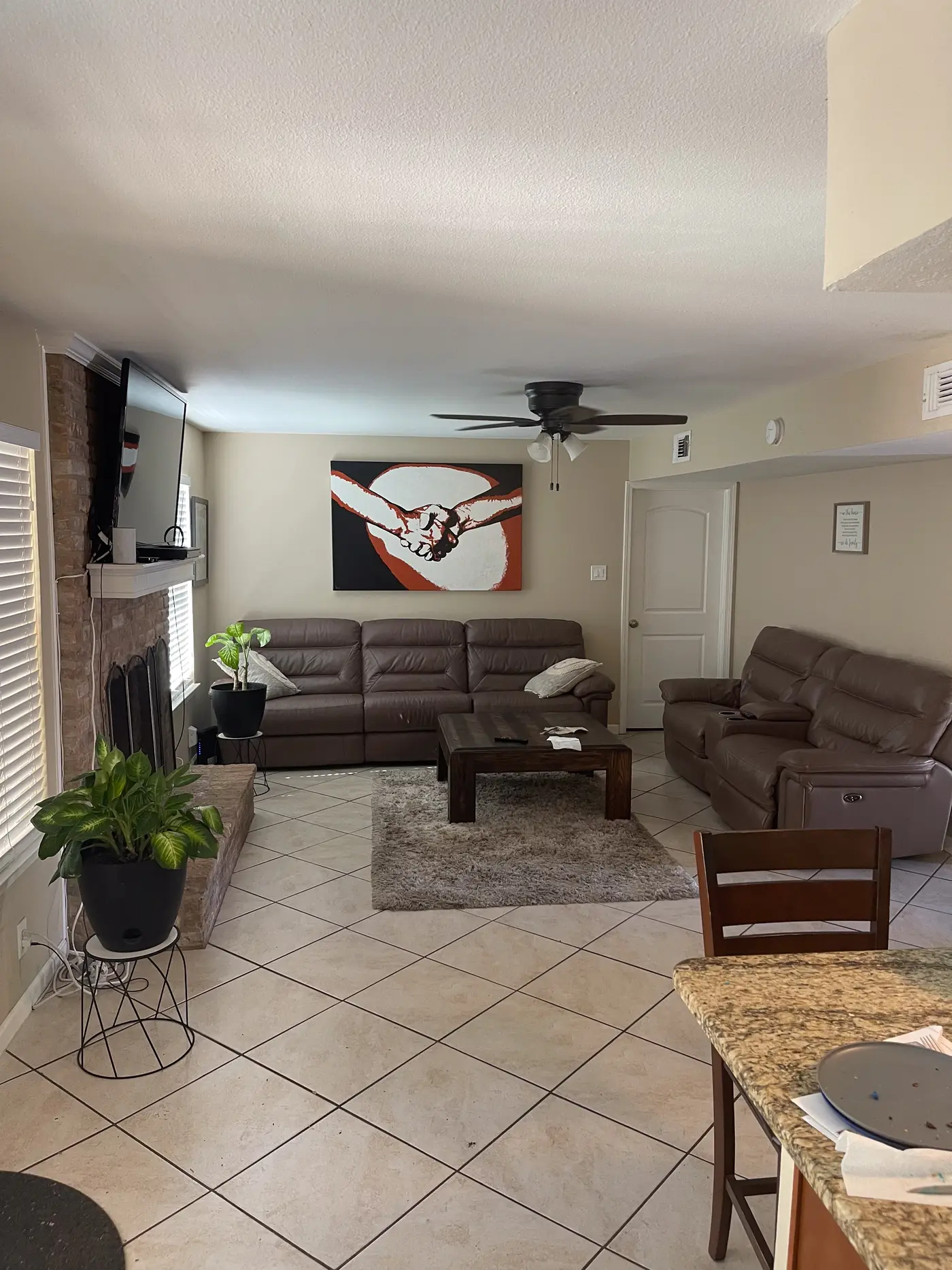
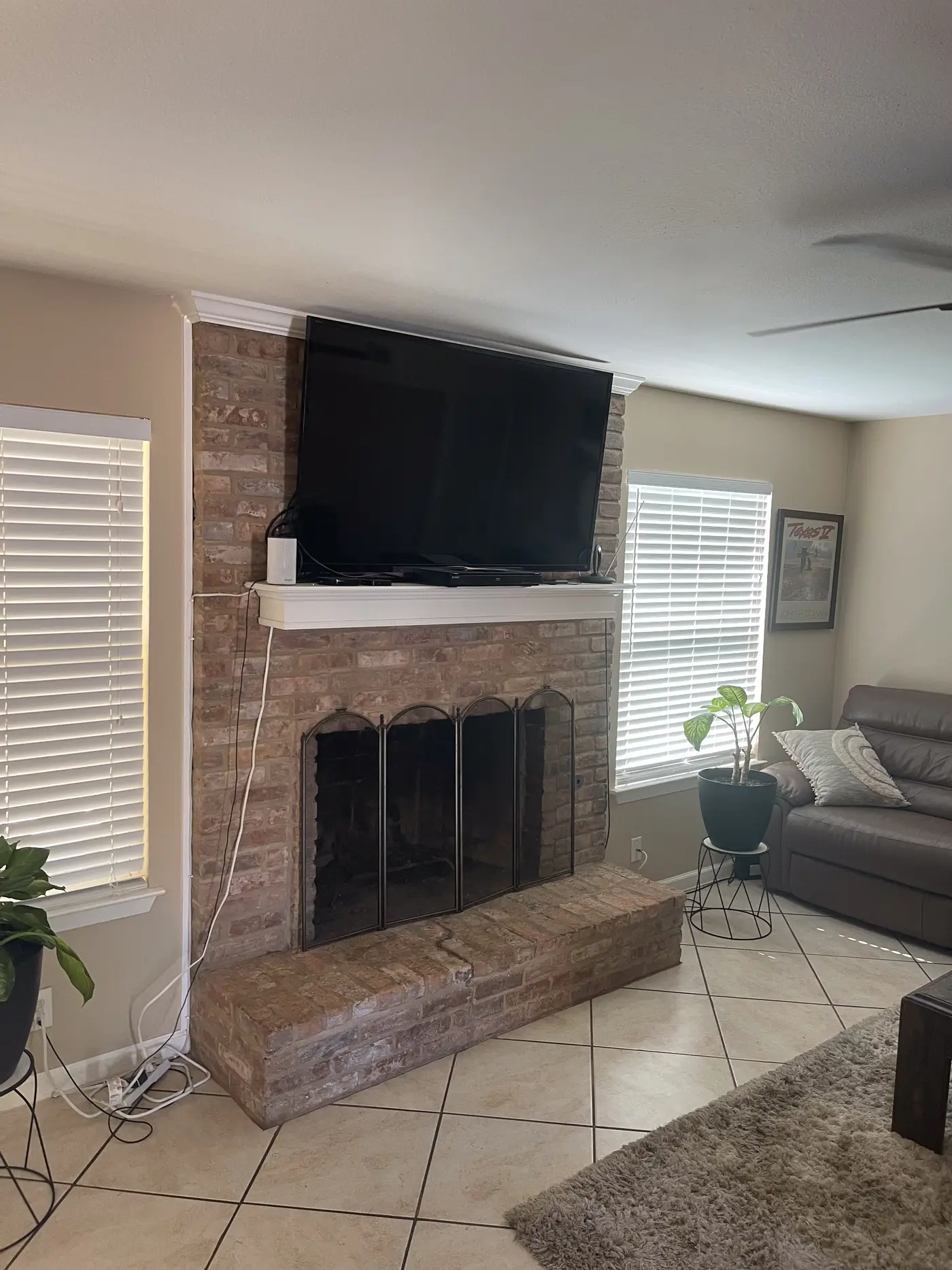
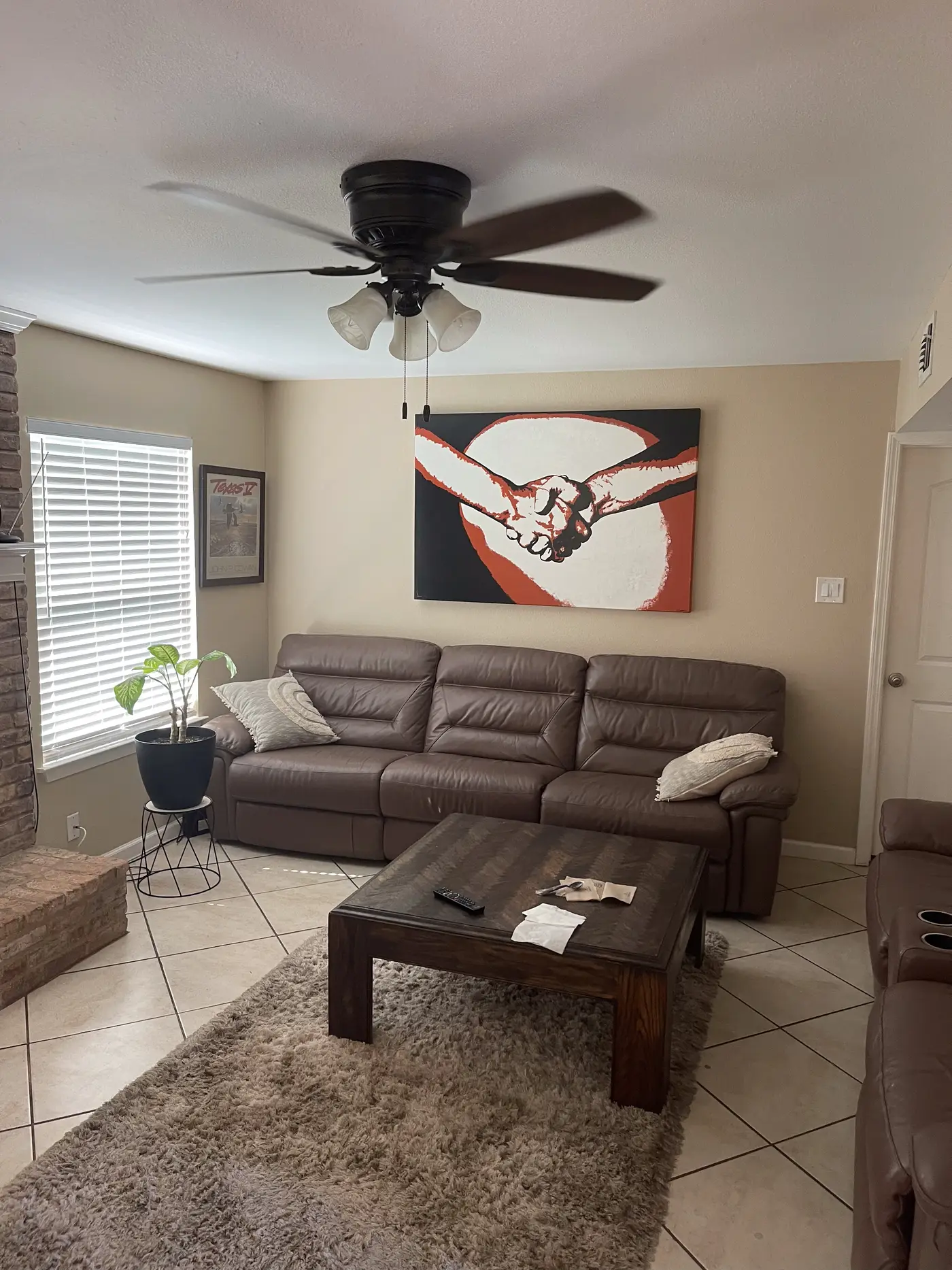
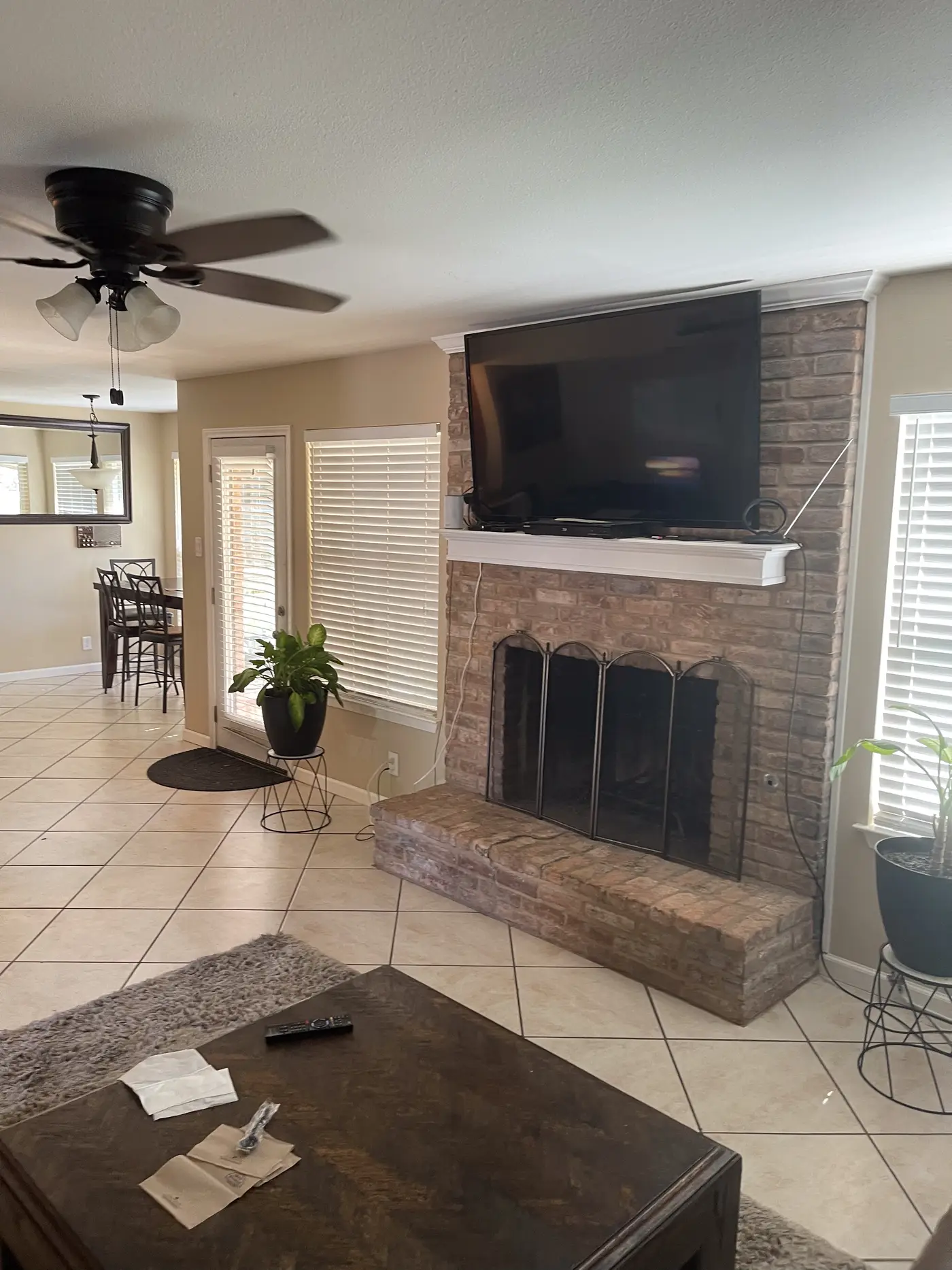
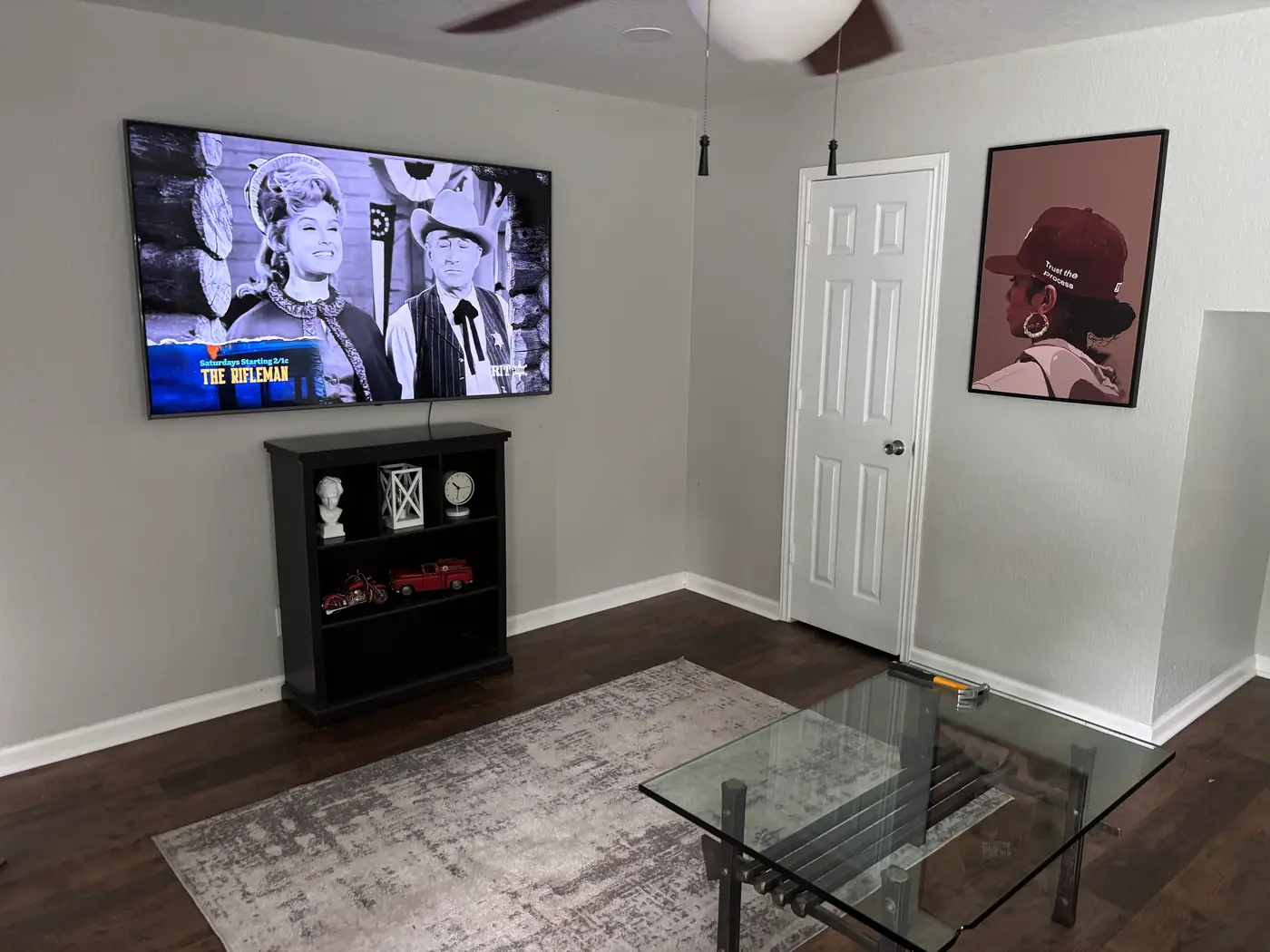
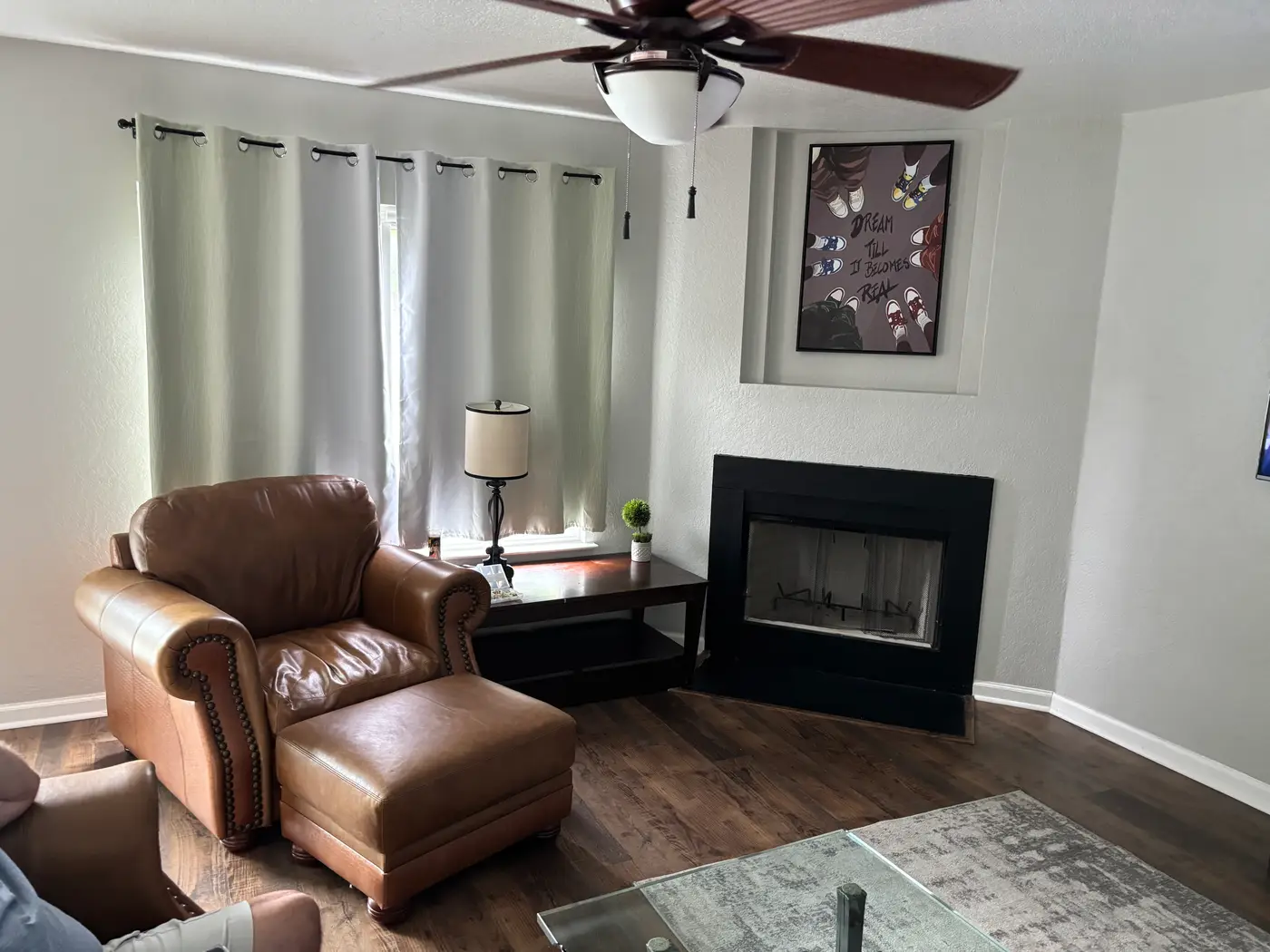
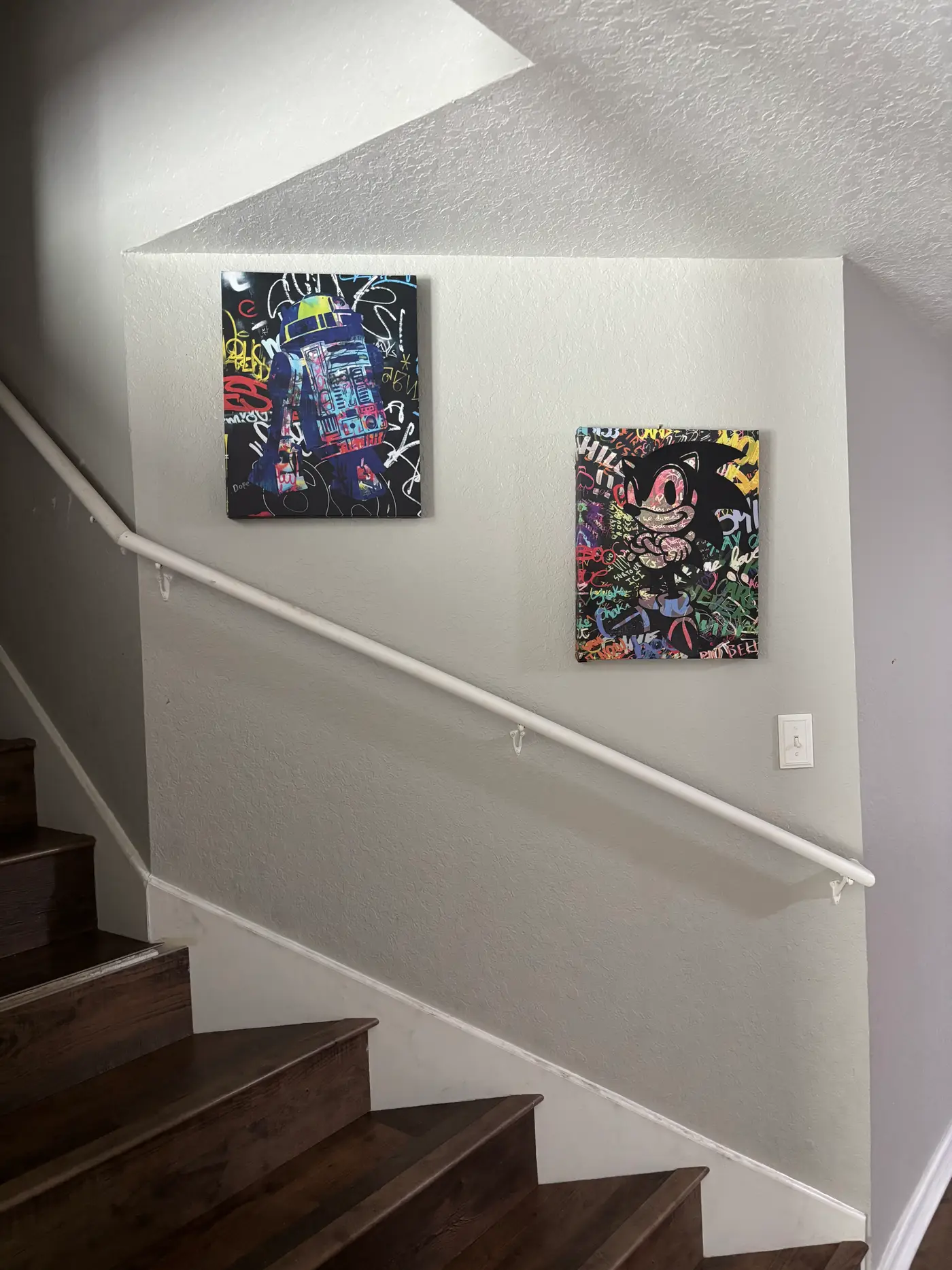
Inside the San Antonio homes











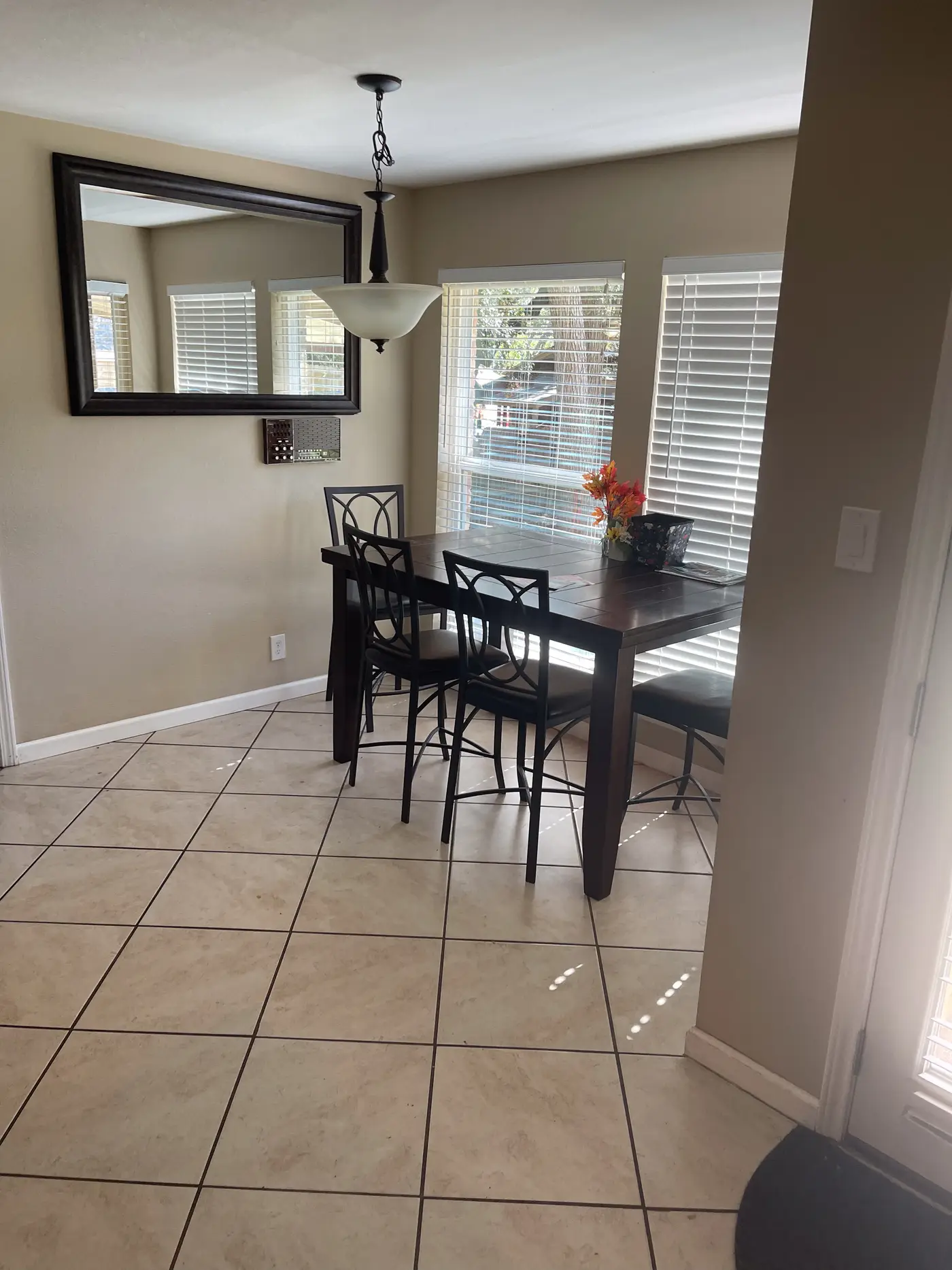


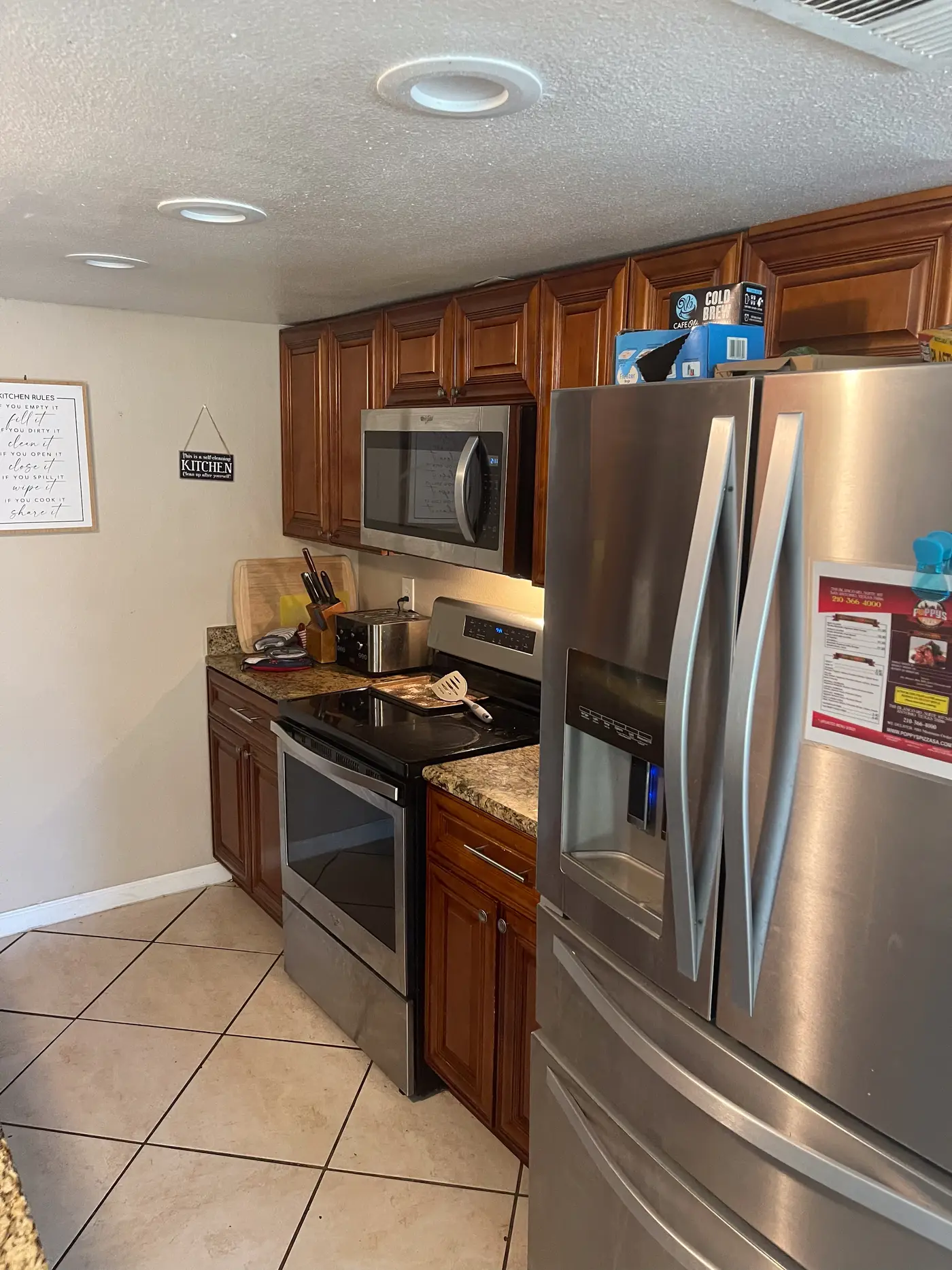

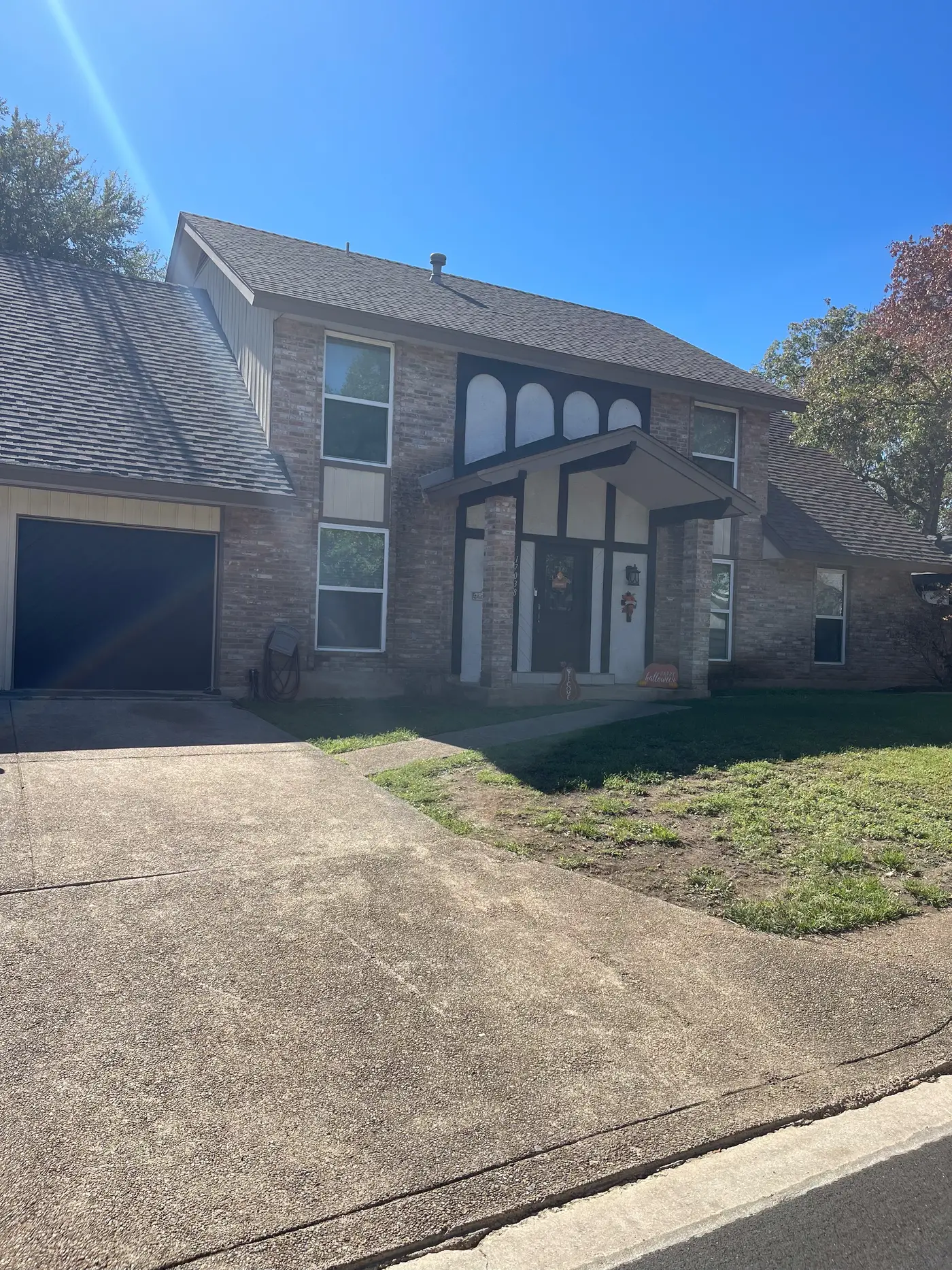
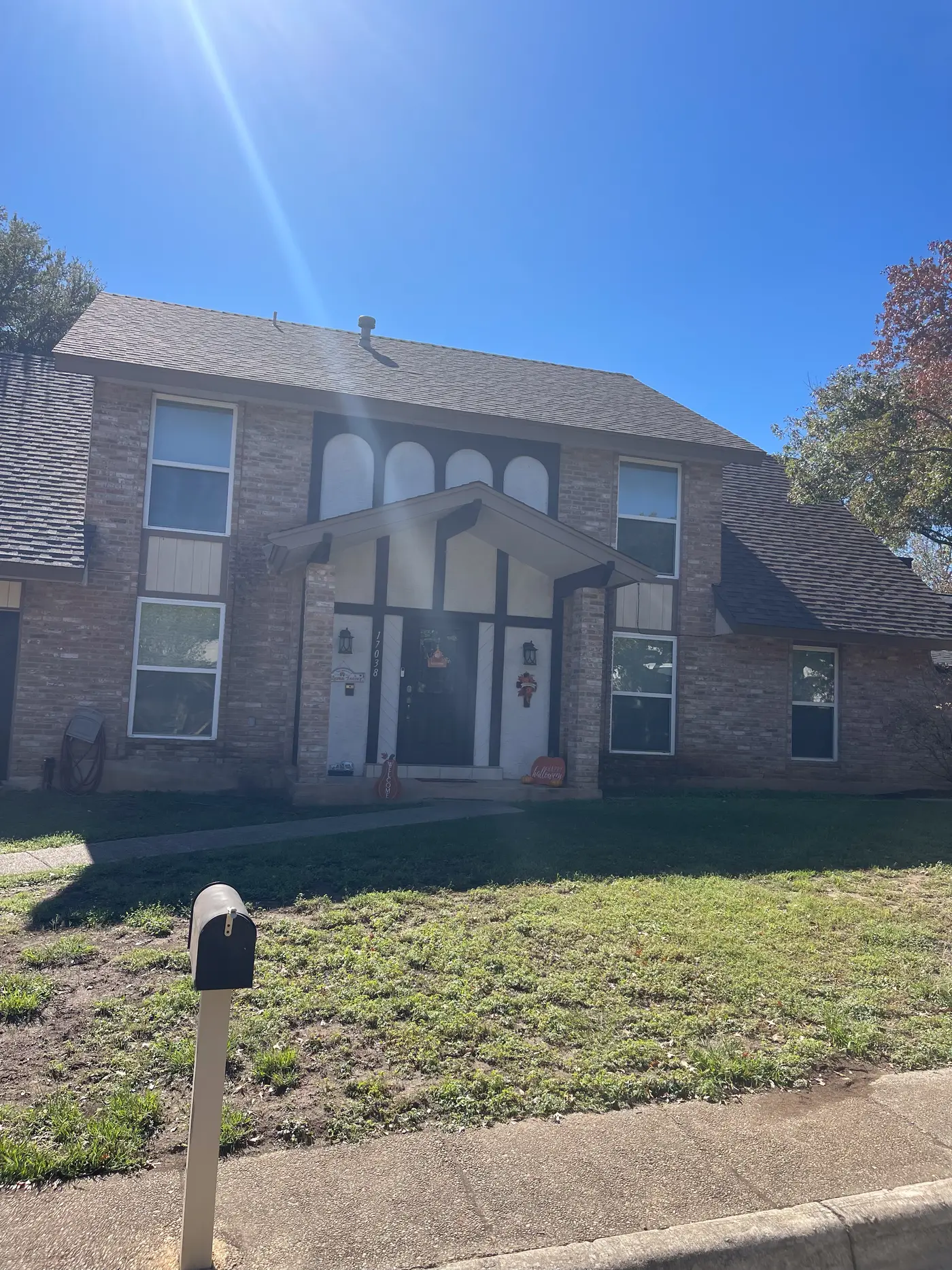
Sober Ways to Cope with Stress During Finals Week for College Students in Recovery
Direct Answer: College students in recovery can manage finals stress without substances by using evidence-based techniques: structured study schedules with regular breaks, mindfulness and breathing exercises, physical activity (even 10-minute walks between study sessions), peer support through recovery meetings or sober friends, adequate sleep (7-8 hours), healthy nutrition, and reaching out to campus counseling or a recovery coach when overwhelmed. These strategies protect sobriety while improving academic performance.
Finals week presents unique challenges for college students in recovery. The combination of academic pressure, sleep deprivation, and campus culture around stimulants or alcohol can create serious relapse risk. At Eudaimonia Recovery Homes, we support young adults navigating college and early recovery with structured sober living environments in Austin, TX, Colorado Springs, CO, and other locations near major universities.
Evidence-Based Stress Management Techniques for Sober Students
- Time-blocking and the Pomodoro Technique: Study in 25-minute focused intervals with 5-minute breaks. This prevents burnout and reduces the urge to use stimulants for extended cramming sessions.
- Movement breaks: Physical activity reduces cortisol. Take a 10-minute walk, do jumping jacks, or use campus gym facilities between study blocks.
- Mindfulness and box breathing: The 4-4-4-4 breathing pattern (inhale 4 counts, hold 4, exhale 4, hold 4) activates the parasympathetic nervous system and can be done anywhere: in the library, before an exam, or in your dorm.
- Connect with your recovery community: Attend a campus recovery meeting, call your sponsor, or study with sober friends. Isolation increases relapse risk during high-stress periods.
- Protect your sleep: Even during finals, prioritize 7 hours minimum. Sleep deprivation impairs cognitive function more than moderate stress and dramatically increases relapse vulnerability.
- Nutrition over caffeine: While coffee is fine in moderation, fuel your brain with protein, complex carbs, and hydration rather than energy drinks or skipping meals.
- Use campus resources: Most colleges offer free counseling, academic coaching, extended testing time for students in recovery programs, and quiet study spaces. Advocate for your needs.
- Reframe perfectionism: A passing grade in sobriety is better than an A earned at the cost of relapse. Your recovery is the foundation for all future success.
When Finals Stress Threatens Your Sobriety
If you’re experiencing intrusive cravings, sleep disruption beyond normal finals stress, or thoughts of “just this once” to get through exams, reach out immediately. This is not weakness, it’s smart recovery management. Contact your sober living house manager, campus recovery program, therapist, or a trusted peer. At Eudaimonia Recovery Homes, our residents have 24/7 support and accountability, which is especially critical during high-risk periods like finals, spring break, or summer transition.
For college students in the Austin area seeking structured sober living that supports academic success, call us at (512) 363-5914. Our homes provide the stability, community, and accountability that make it possible to thrive in both recovery and school.
Frequently Asked Questions: Sober Stress Management for College Students
- Can I use prescribed ADHD medication during finals if I’m in recovery?
- This is a medical decision between you and your prescriber. Many people in recovery successfully use prescribed stimulants under close monitoring, while others find non-stimulant alternatives or accommodations work better. Never use someone else’s medication or take more than prescribed, that’s relapse. Discuss your concerns openly with your doctor and recovery support team.
- What if everyone around me is drinking or using study drugs during finals?
- Campus culture can normalize substance use during high-stress periods, but you don’t have to participate. Seek out the campus recovery community, collegiate recovery programs, or sober students. Study in the library or recovery-friendly spaces rather than dorms or fraternity houses. Your sobriety is non-negotiable, and real friends will respect that boundary.
- How do I explain to professors that I’m in recovery and need support?
- You’re not required to disclose your recovery status, but many students find that selective disclosure helps. You can say, “I’m managing a health condition and would benefit from [specific accommodation]—extended time, a quiet testing room, flexibility on deadlines.” Campus disability services can formalize accommodations confidentially. Most professors are supportive when approached professionally.
- Is it okay to take a semester off if finals stress is overwhelming my recovery?
- Yes. There is no shame in prioritizing your health and sobriety. Many successful people in recovery have taken medical leaves, reduced course loads, or attended part-time while stabilizing. A semester off is far better than relapse followed by academic suspension. Consult with your academic advisor, treatment team, and family to make an informed decision.
- What are signs that my stress has crossed into relapse risk?
- Warning signs include: obsessive thoughts about using, contacting old dealers or using friends, skipping recovery meetings or therapy, severe sleep disruption (under 5 hours for multiple nights), isolating from sober supports, romanticizing past use, or feeling that “nothing else will work.” If you notice these, reach out for help immediately, before using, not after.


