

Published July 26, 2026
On This Page · 9 Sections
Sober Living
San Antonio
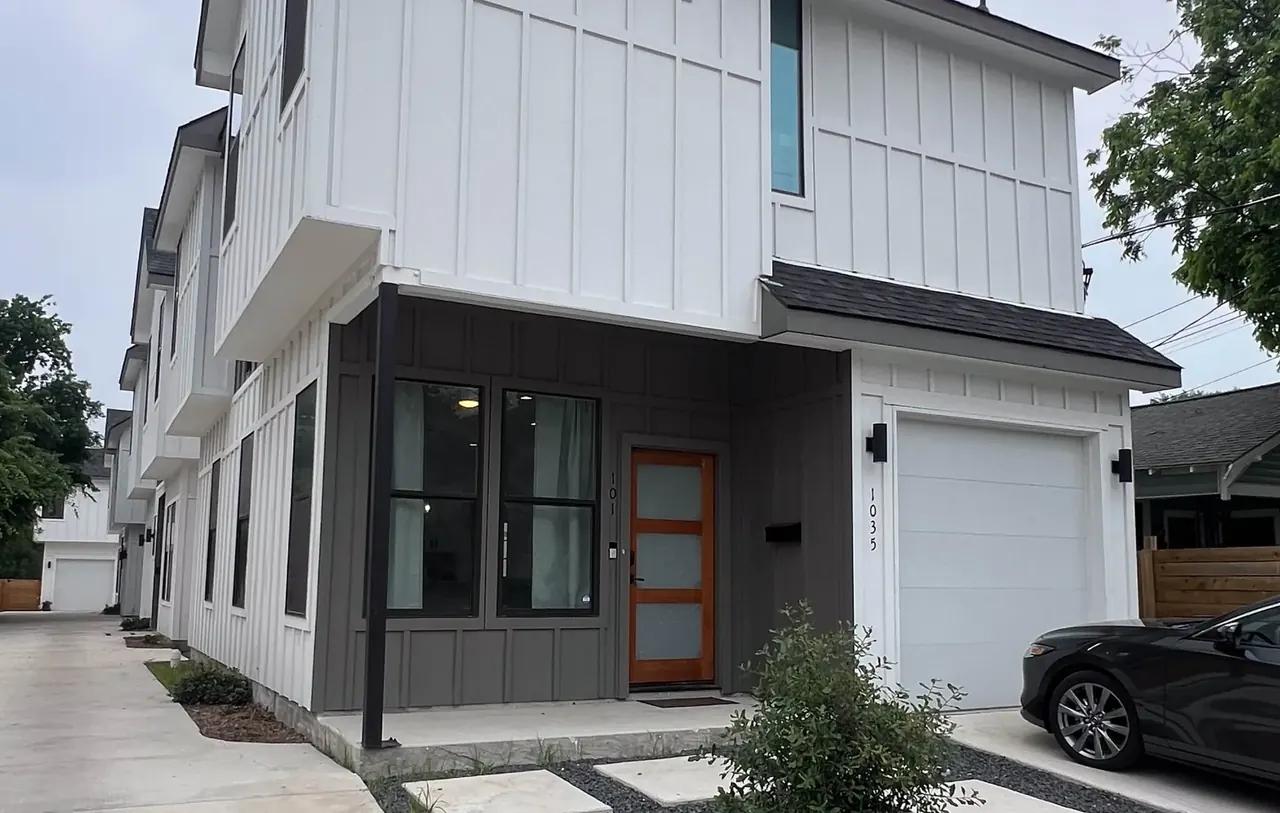
1035 S Pine St, Unit 101, San Antonio, TX
The difference between sober living and a halfway house in San Antonio comes down to structure, oversight, and freedom. Halfway houses are typically court-ordered, government-funded transitional facilities for people leaving incarceration or mandated treatment, with strict supervision and time limits. Sober living homes are voluntary, private residences where people in recovery live together in a supportive community with house rules, peer accountability, and the freedom to work, attend school, and rebuild their lives on their own timeline.
Understanding Halfway Houses in San Antonio
Halfway houses serve a specific purpose in the criminal justice and court-ordered treatment systems. These facilities act as a bridge between incarceration or mandated inpatient treatment and independent living. In San Antonio and across Texas, halfway houses are often government-contracted or state-funded programs designed to monitor residents closely during their transition back into society.
Residents typically don’t choose to live in a halfway house: they’re placed there by a judge, parole officer, or court order. The environment reflects this: curfews are rigid, movement is monitored, and staff members track compliance with legal requirements. Random drug testing, mandatory meetings, and scheduled check-ins are standard.
Time limits are another defining feature. Most halfway house placements last 90 to 180 days, determined by the court or corrections system rather than the resident’s recovery needs. Once that time expires, residents must move on whether they feel ready or not.
What Makes Sober Living Different in San Antonio
Sober living homes operate on an entirely different philosophy. These are private recovery residences where people choose To live while building a foundation for long-term sobriety. At Eudaimonia Recovery Homes in San Antonio, residents come voluntarily, often after completing detox or inpatient treatment, because they recognize they need more support before living independently again.
The structure exists, but it’s designed to empower rather than restrict. House rules focus on maintaining sobriety and accountability: regular drug and alcohol testing, participation in recovery activities, contribution to household responsibilities, and respectful community living. But within that framework, residents have genuine freedom.
You can work full-time, pursue education, maintain family relationships, and participate in the recovery activities that resonate with you. Whether that’s 12-step meetings, therapy, faith-based support, or other evidence-based approaches, the choice is yours. The goal isn’t surveillance, it’s creating an environment where sobriety becomes your new normal.
Freedom and Flexibility: A Critical Distinction
The freedom difference between sober living and a halfway house in San Antonio affects every aspect of daily life. In a halfway house, your schedule is predetermined. You might need permission to visit family, stay late at work, or attend a friend’s wedding. Staff approval is required for basic life decisions.
Sober living offers autonomy within accountability. You’re free to come and go for legitimate purposes: work, 12-step meetings, therapy appointments, family time, and social activities. The expectation is that you’re building a recovery-centered life, not serving time. This freedom helps you practice making healthy decisions in real-world situations while you still have a supportive community to return to each night.
That distinction matters tremendously for long-term recovery. Learning to navigate the real world while staying sober, managing triggers, setting boundaries, building healthy routines, requires practice in increasingly independent settings. Sober living provides that practice ground.
Who Lives in Each Type of Housing
The resident population differs significantly between halfway houses and sober living homes. Halfway houses primarily serve people fulfilling legal obligations: parolees, people on probation, or those completing court-mandated substance abuse programs. Many residents wouldn’t be there if not for the legal requirement.
Sober living attracts people who are genuinely committed to recovery and recognize they need peer support and structure. Residents at Eudaimonia Recovery Homes in San Antonio typically arrive after completing medical detox or residential treatment, understanding that jumping straight back into their old environment puts their sobriety at risk.
This creates a fundamentally different community culture. When everyone chooses to be there and shares the common goal of sustained sobriety, peer accountability becomes powerful. Housemates understand what you’re going through because they’re on the same journey. That shared experience builds bonds that often extend far beyond someone’s time in the house.
Length of Stay and Financial Considerations
Halfway houses operate on fixed timelines, usually three to six months, dictated by the criminal justice system or treatment court. When your time is up, you leave, regardless of whether you’ve built a stable foundation for sobriety.
Sober living allows you to stay as long as you need. Some residents spend a few months getting back on their feet after treatment. Others stay a year or more, using that time to complete education, build career momentum, repair relationships, and develop a robust recovery support network. The decision is driven by your readiness and recovery goals, not arbitrary deadlines.
Financially, these housing models also differ. Halfway houses are often government-funded or subsidized, though residents may still face fees. Because they’re tied to the criminal justice system, costs might be covered through probation, parole, or court-ordered programs.
Sober living homes are private residences with monthly fees that cover rent, utilities, and the structure of a recovery-focused environment. Many residents use insurance benefits to help cover costs, as some insurance plans include sober living coverage. Others use savings, family support, or income from employment. Payment plans and benefit verification can help make sober living accessible, and working with our admissions team in San Antonio can clarify what your specific insurance may cover.
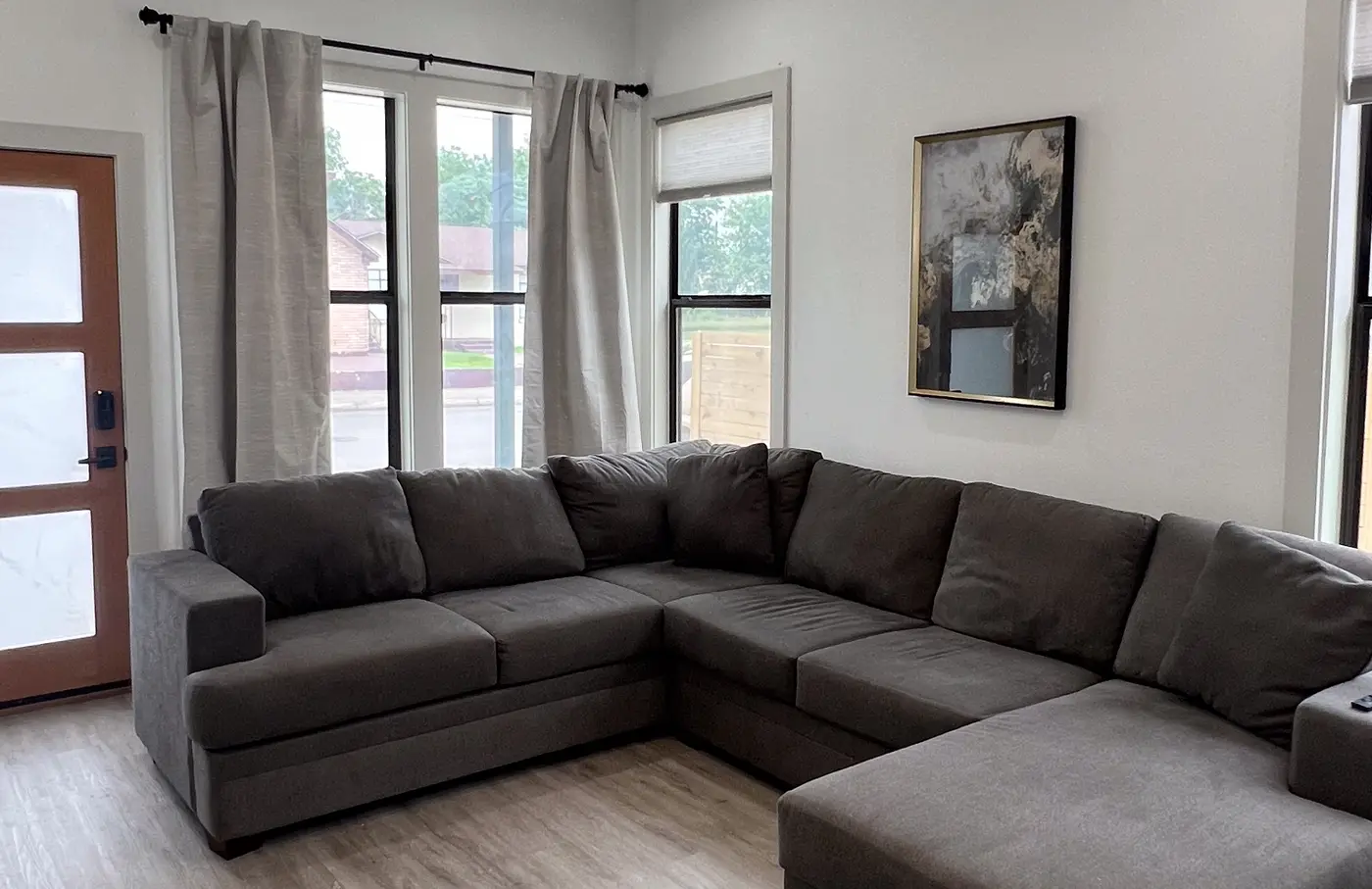
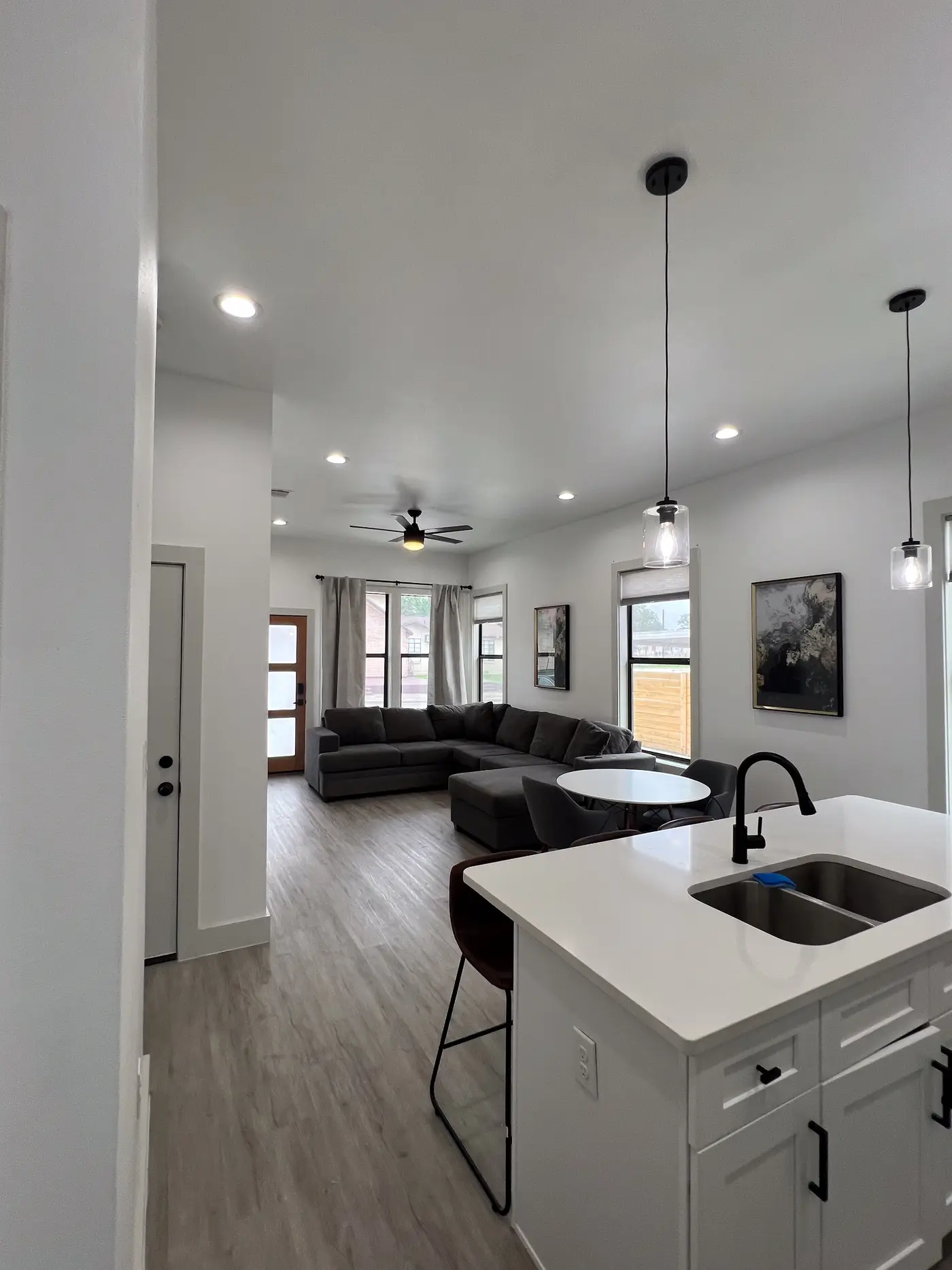
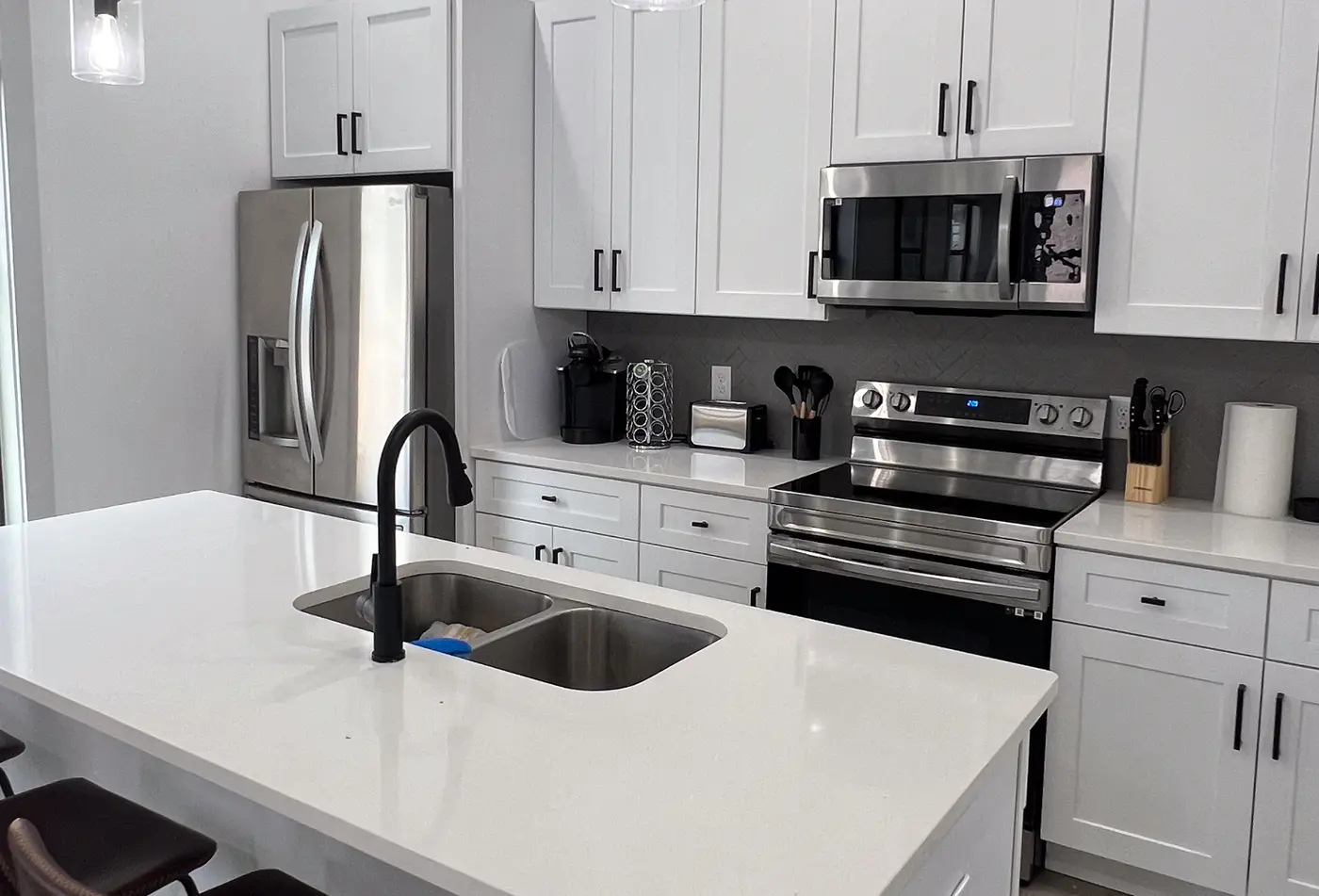
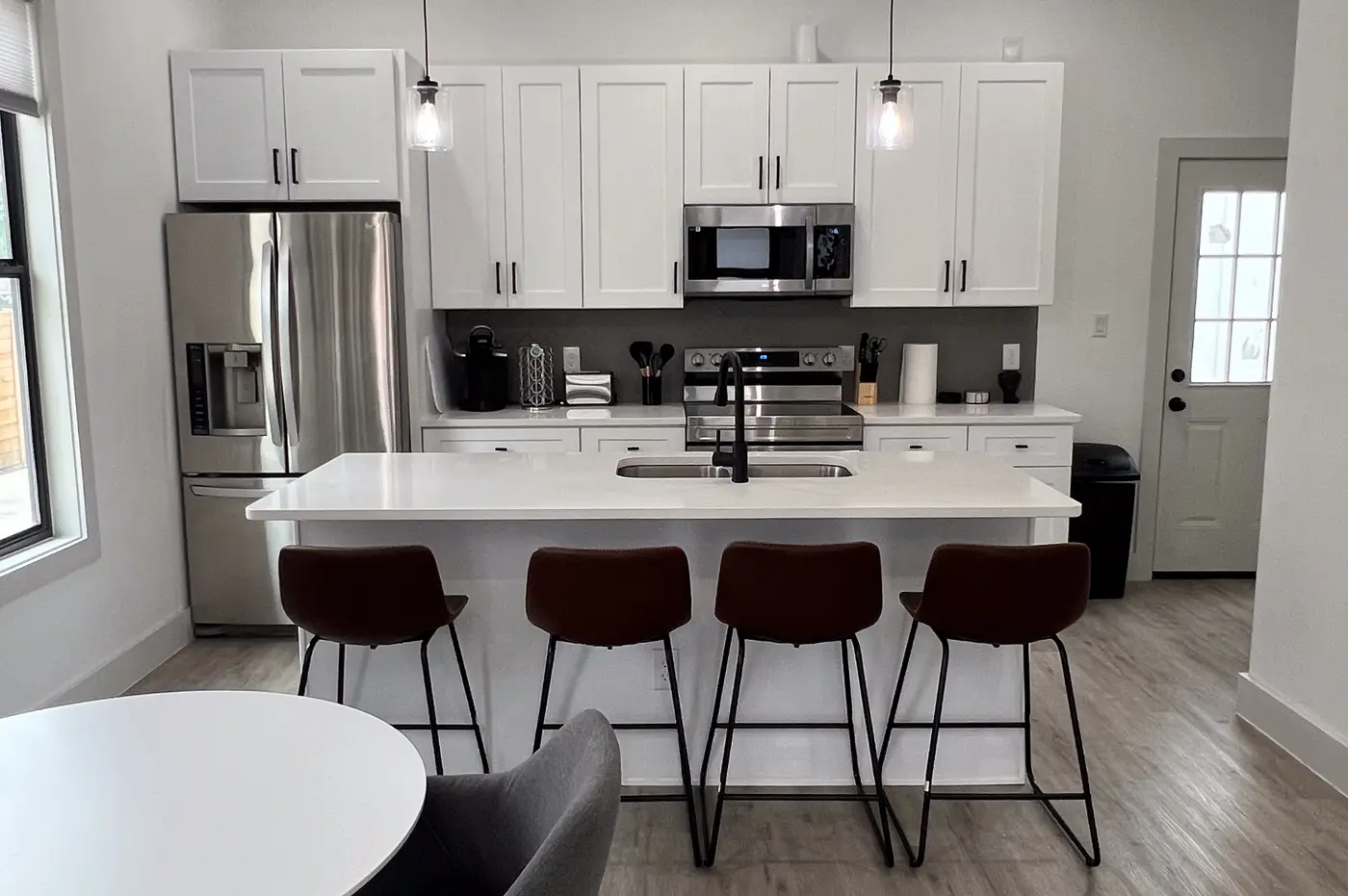
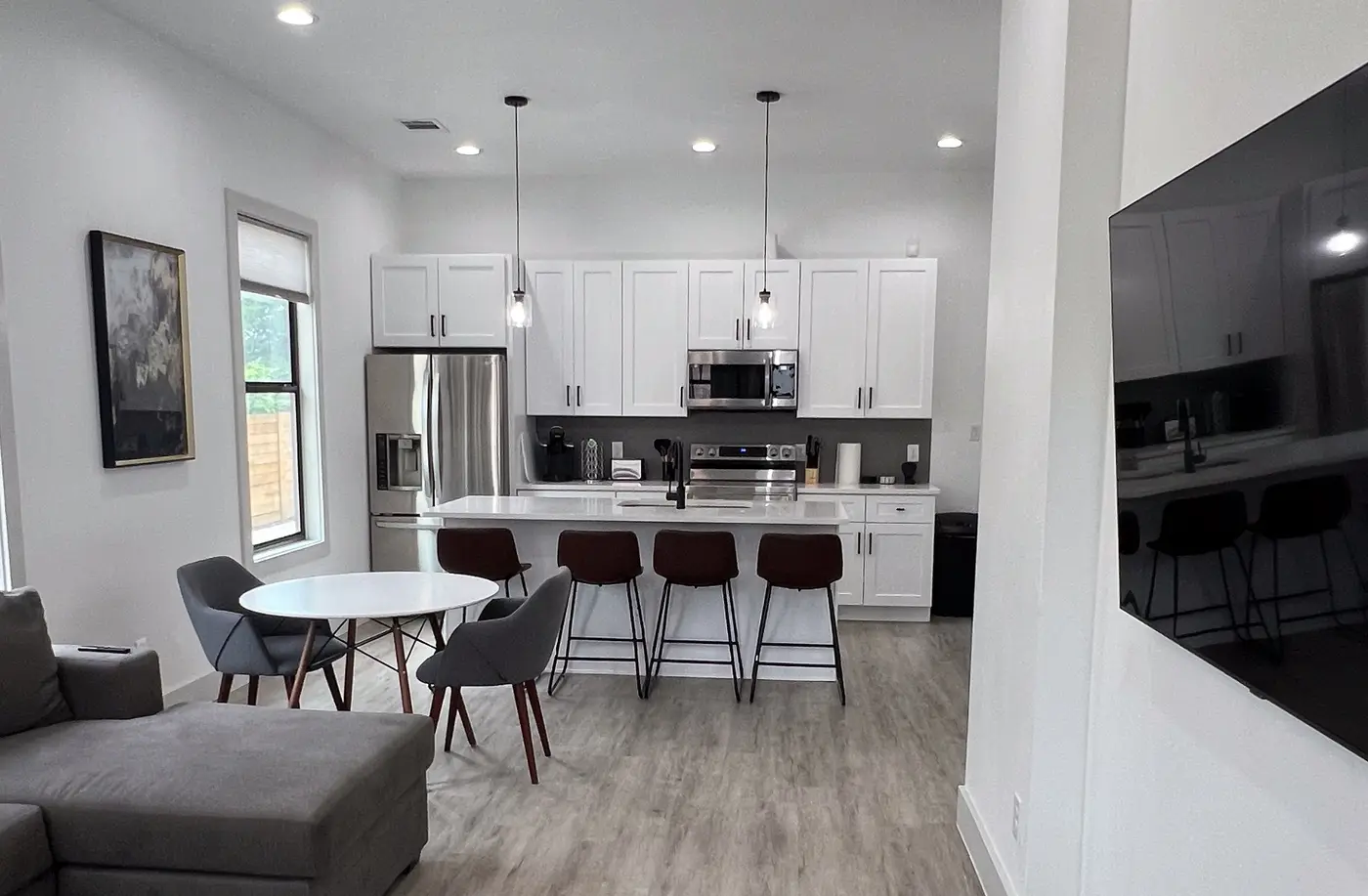
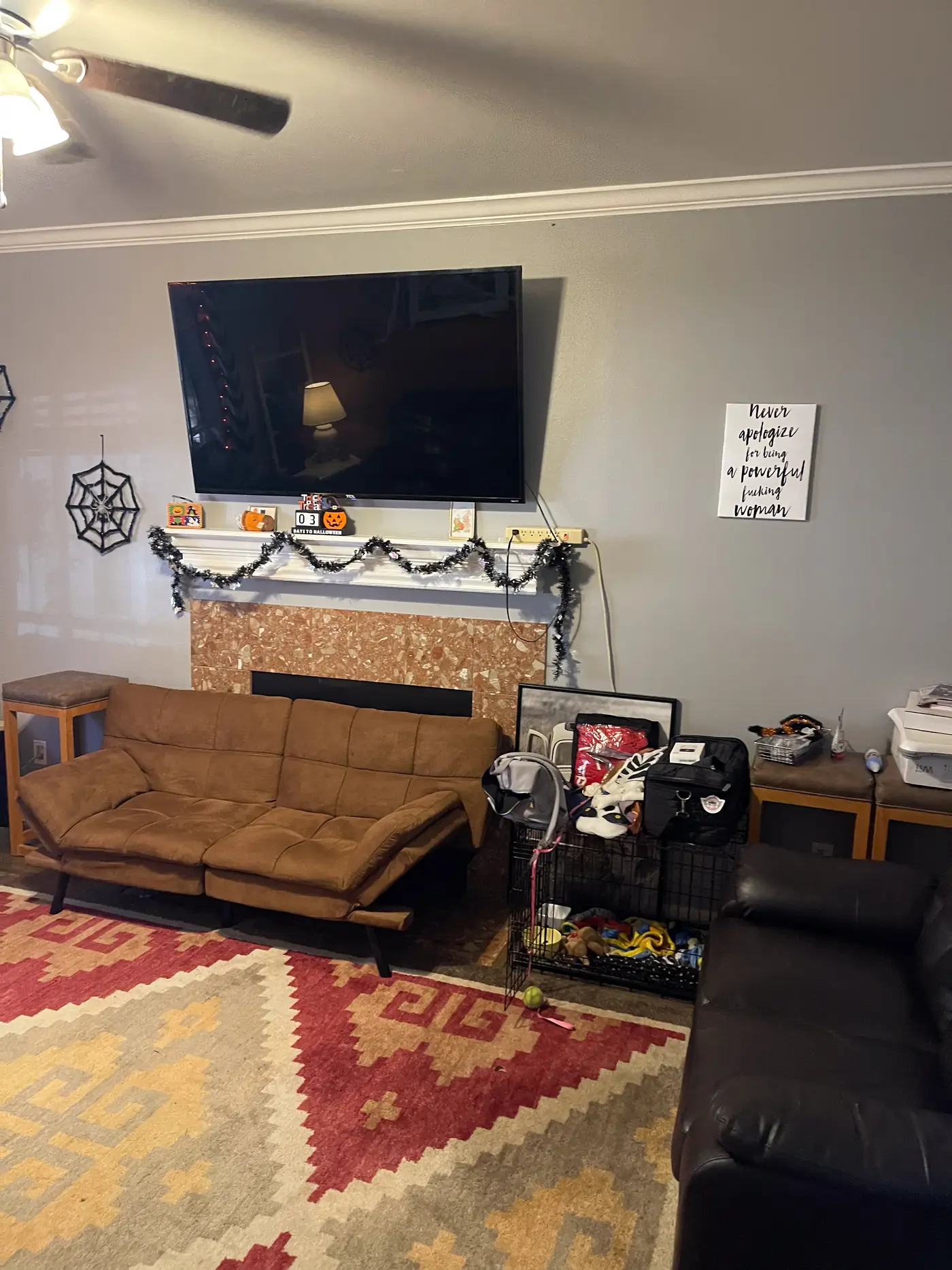
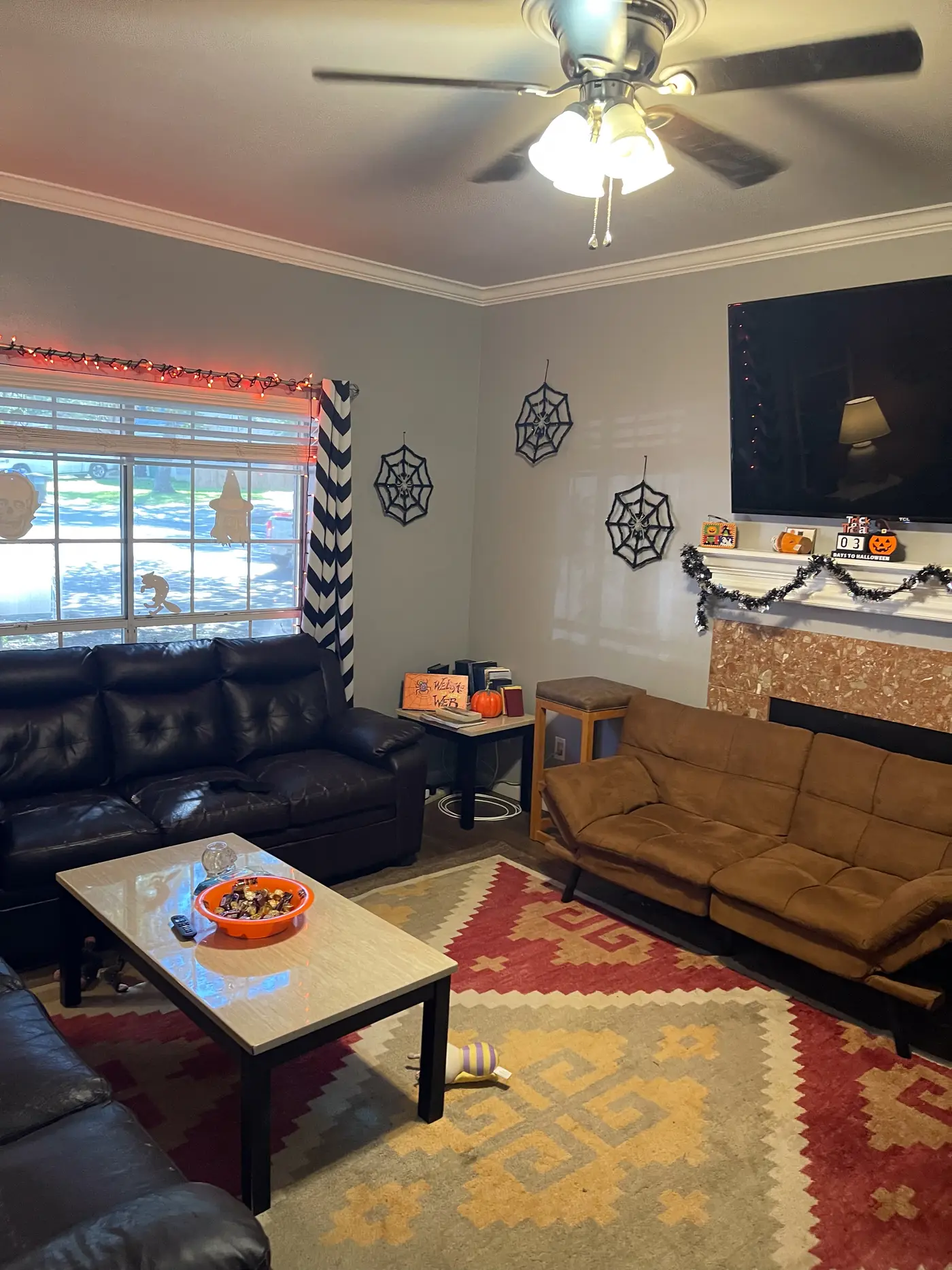
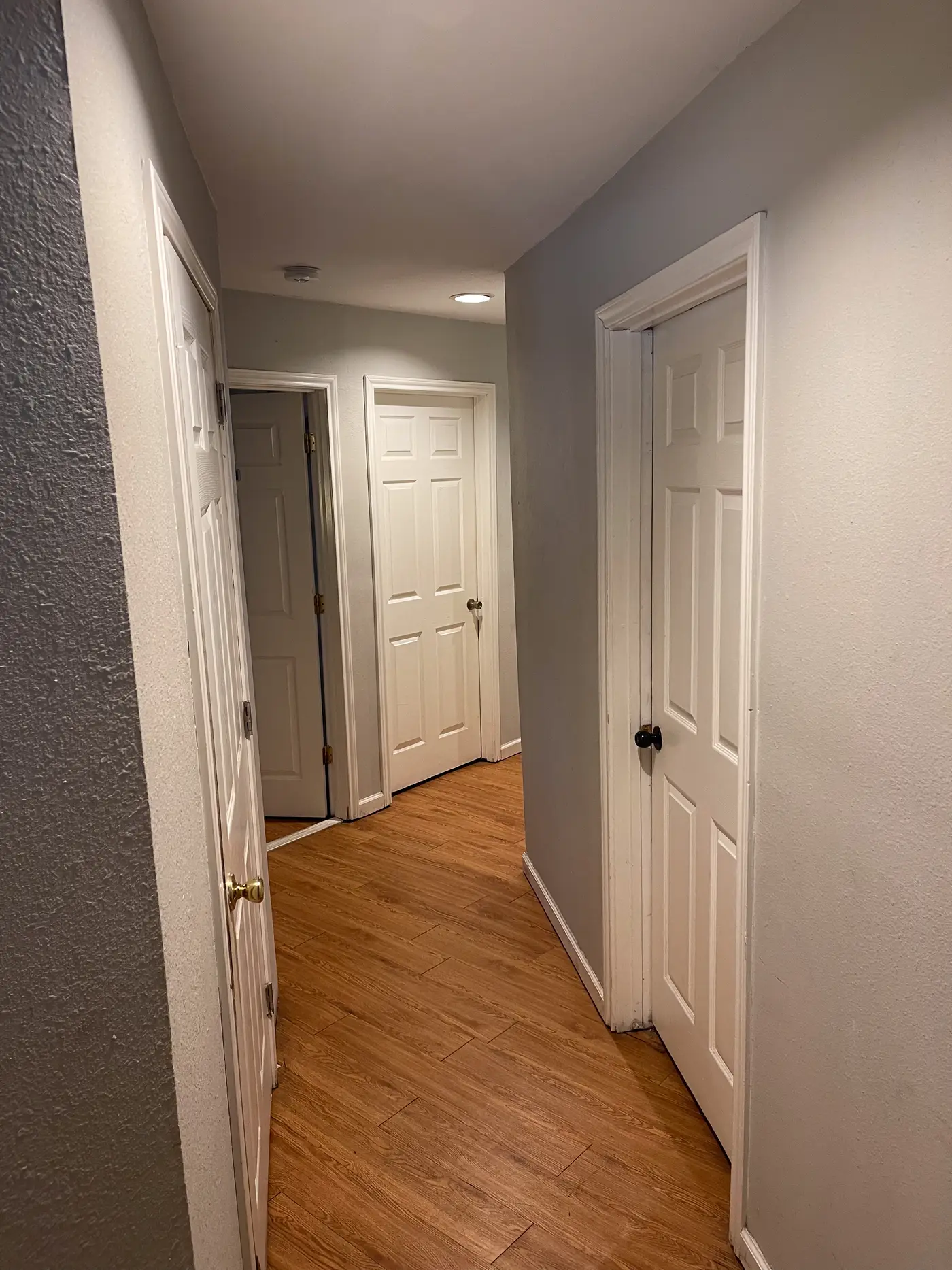
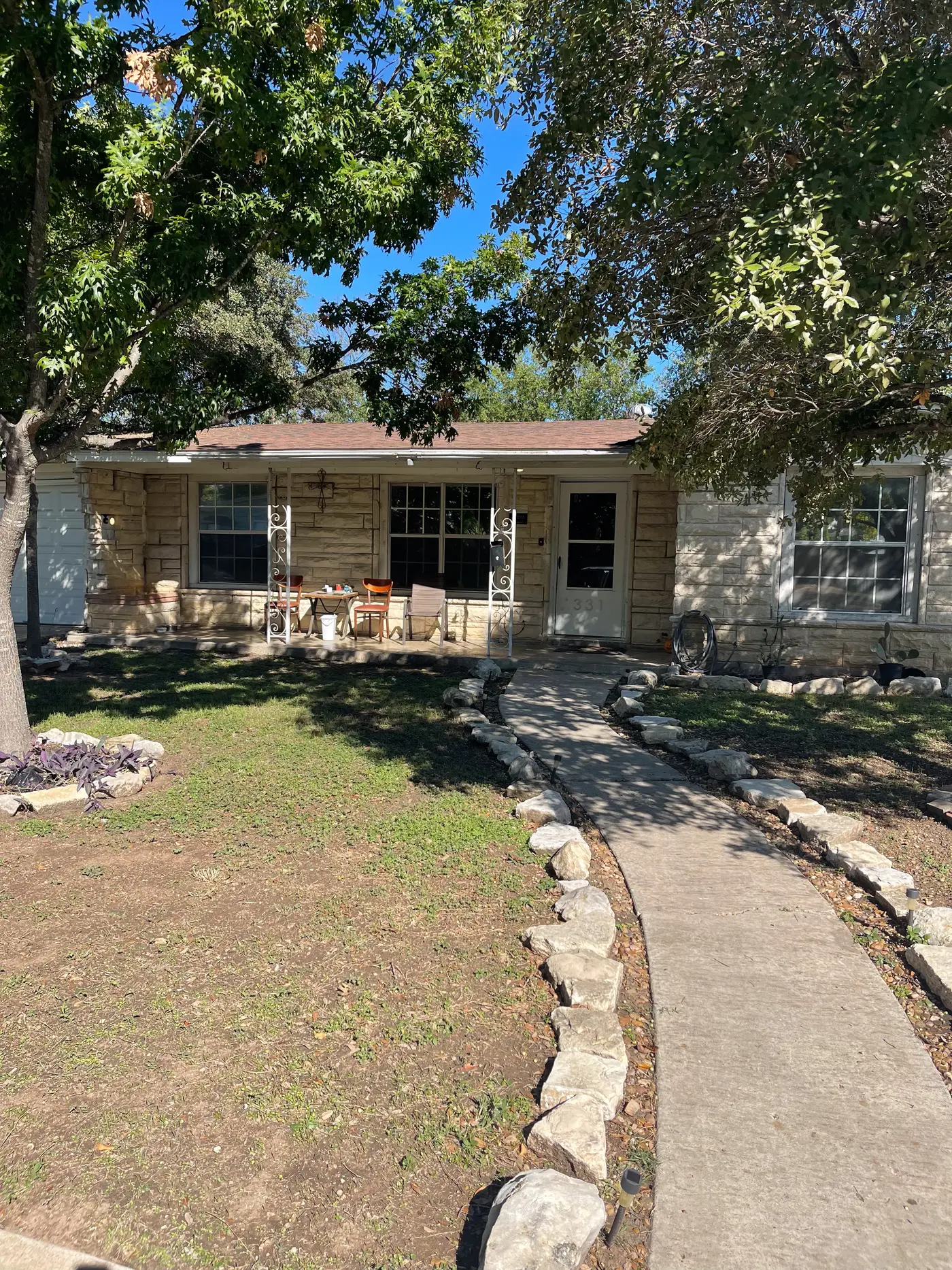
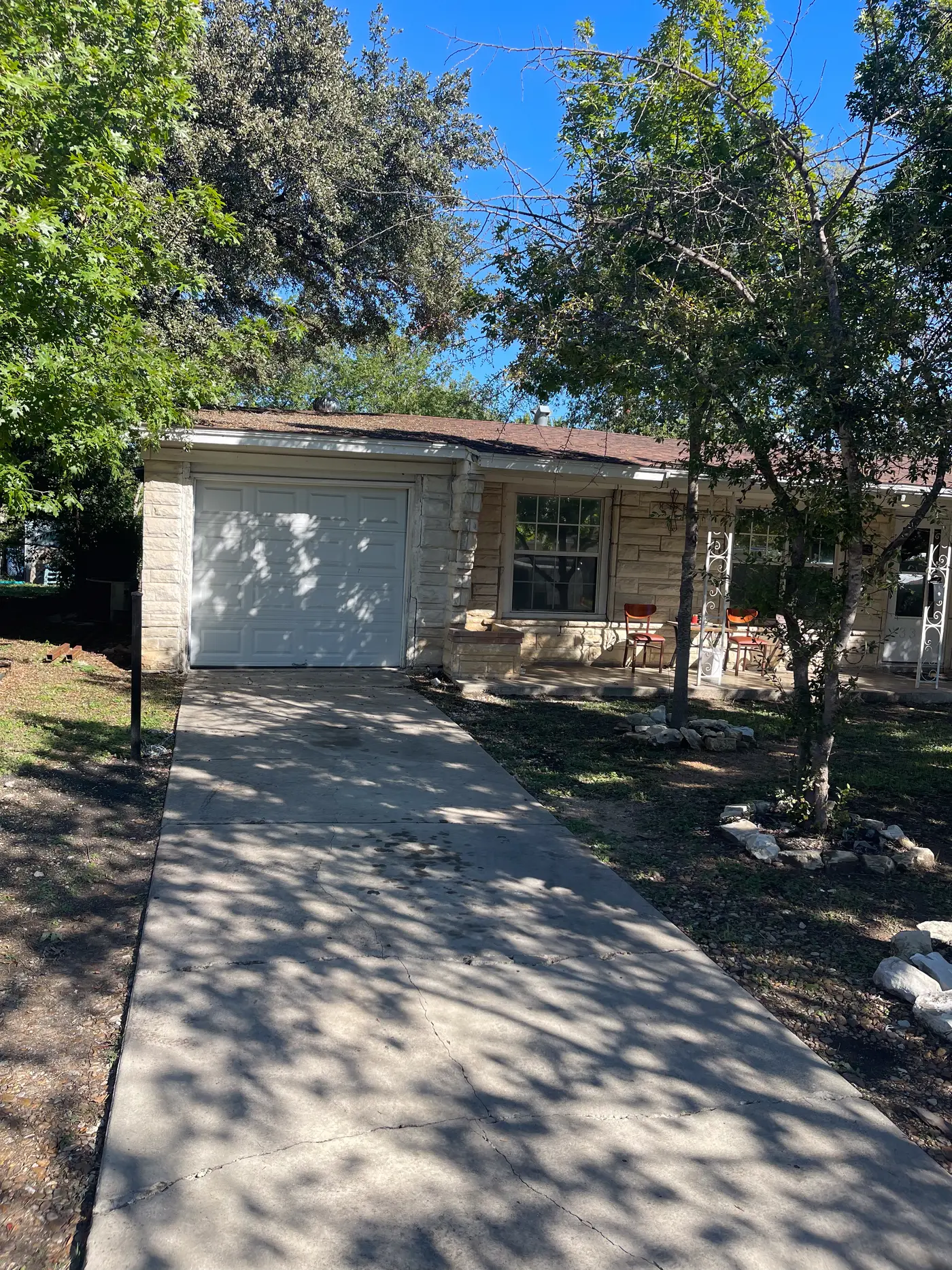
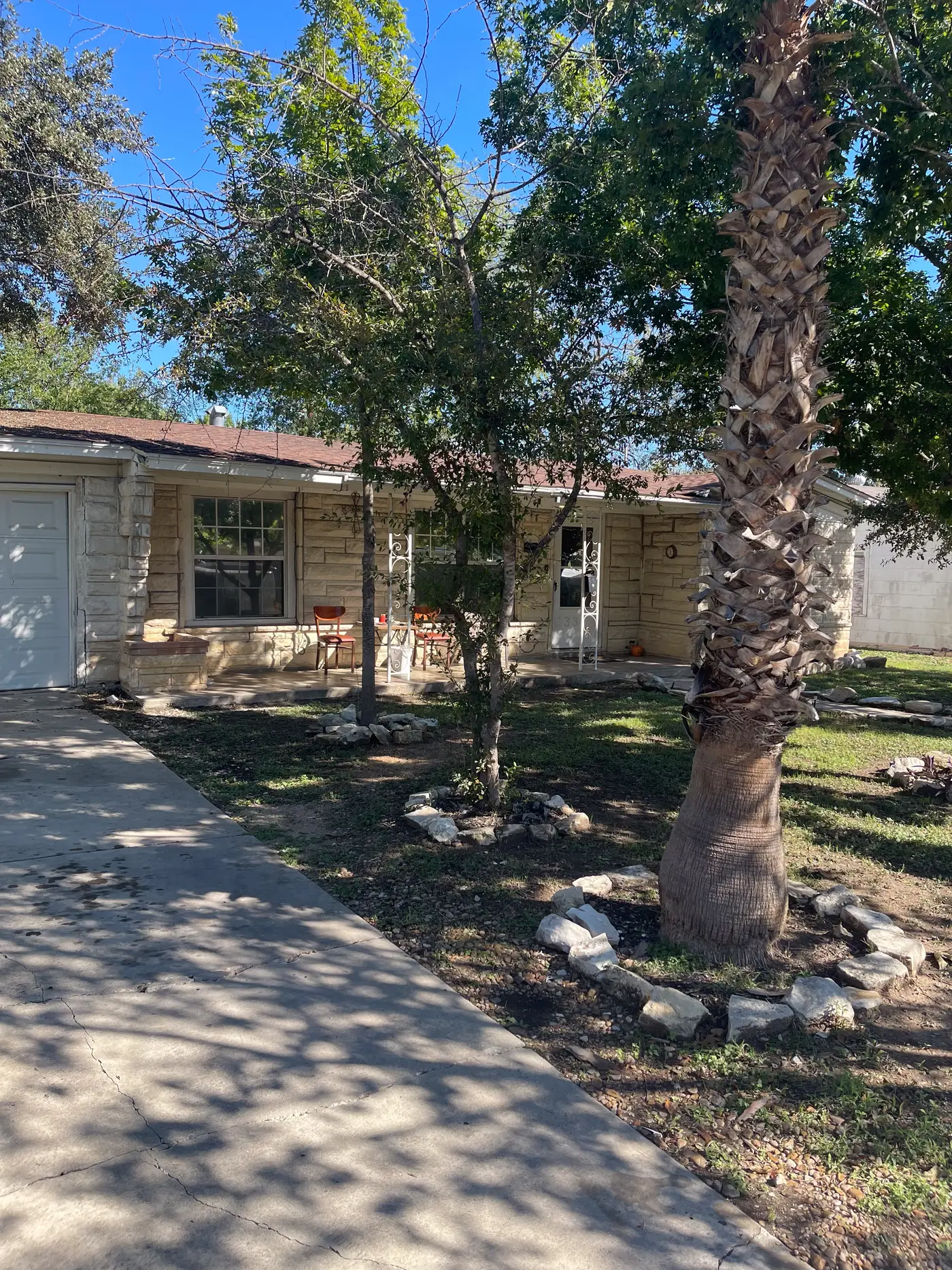
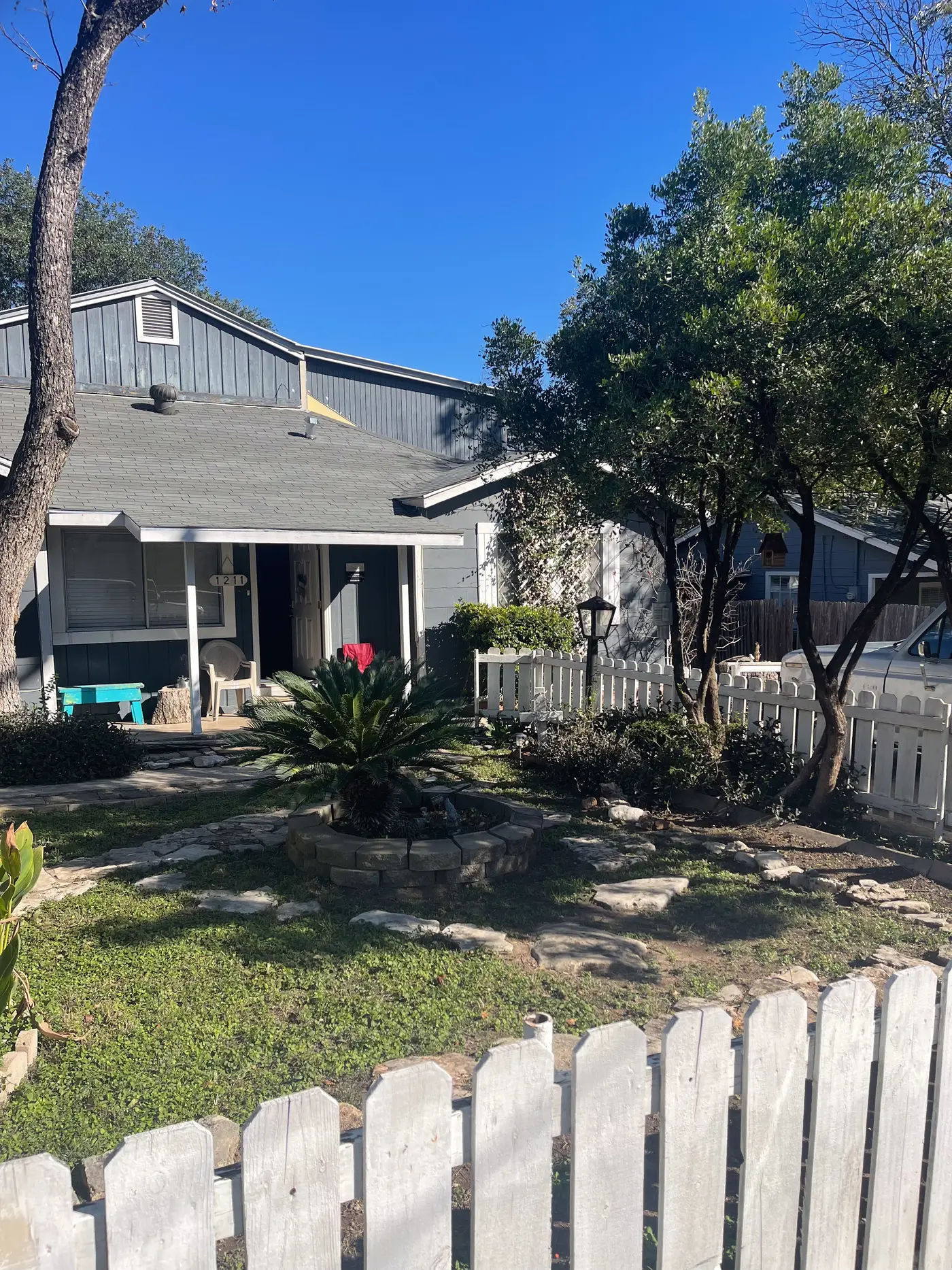
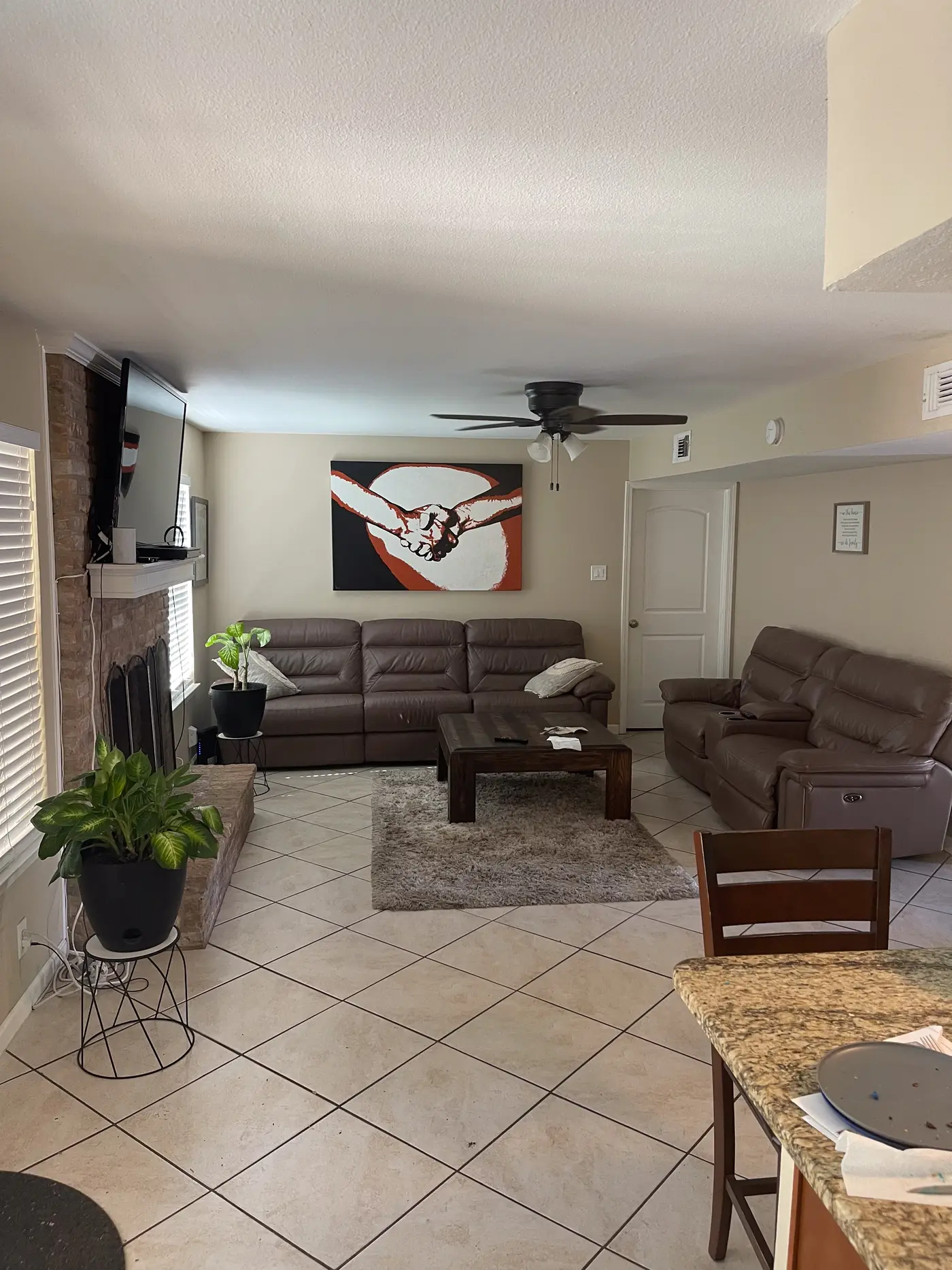
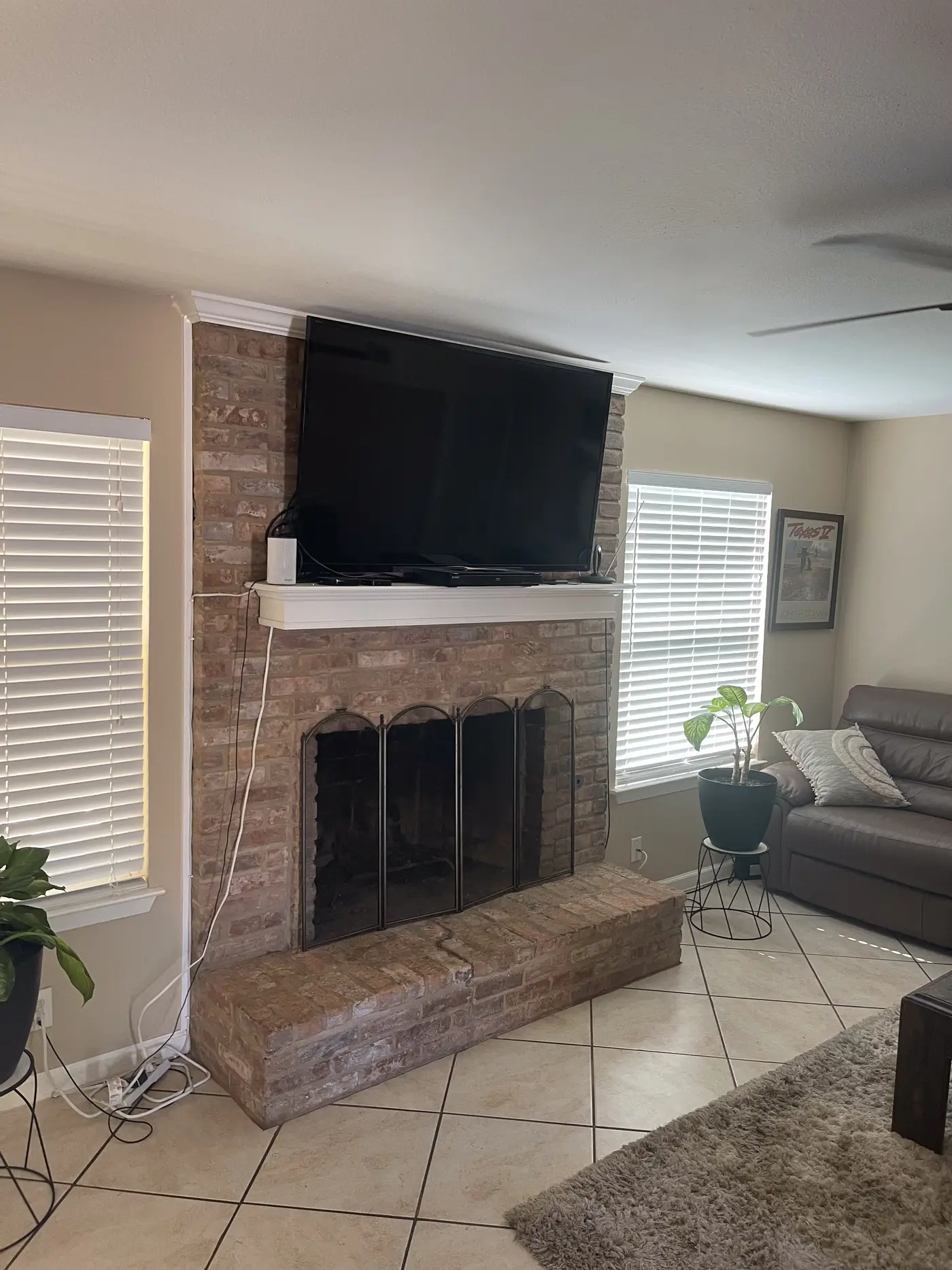
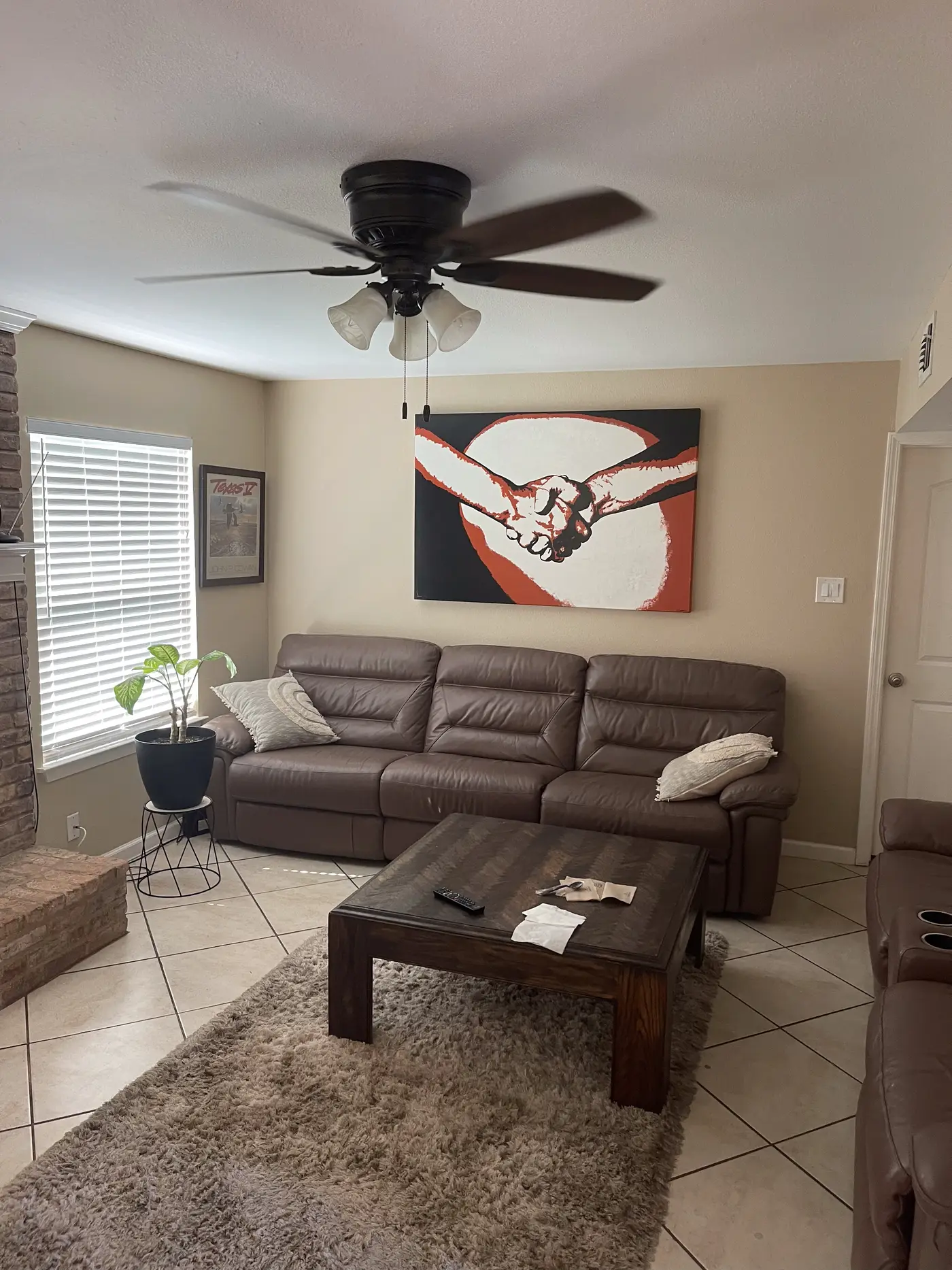
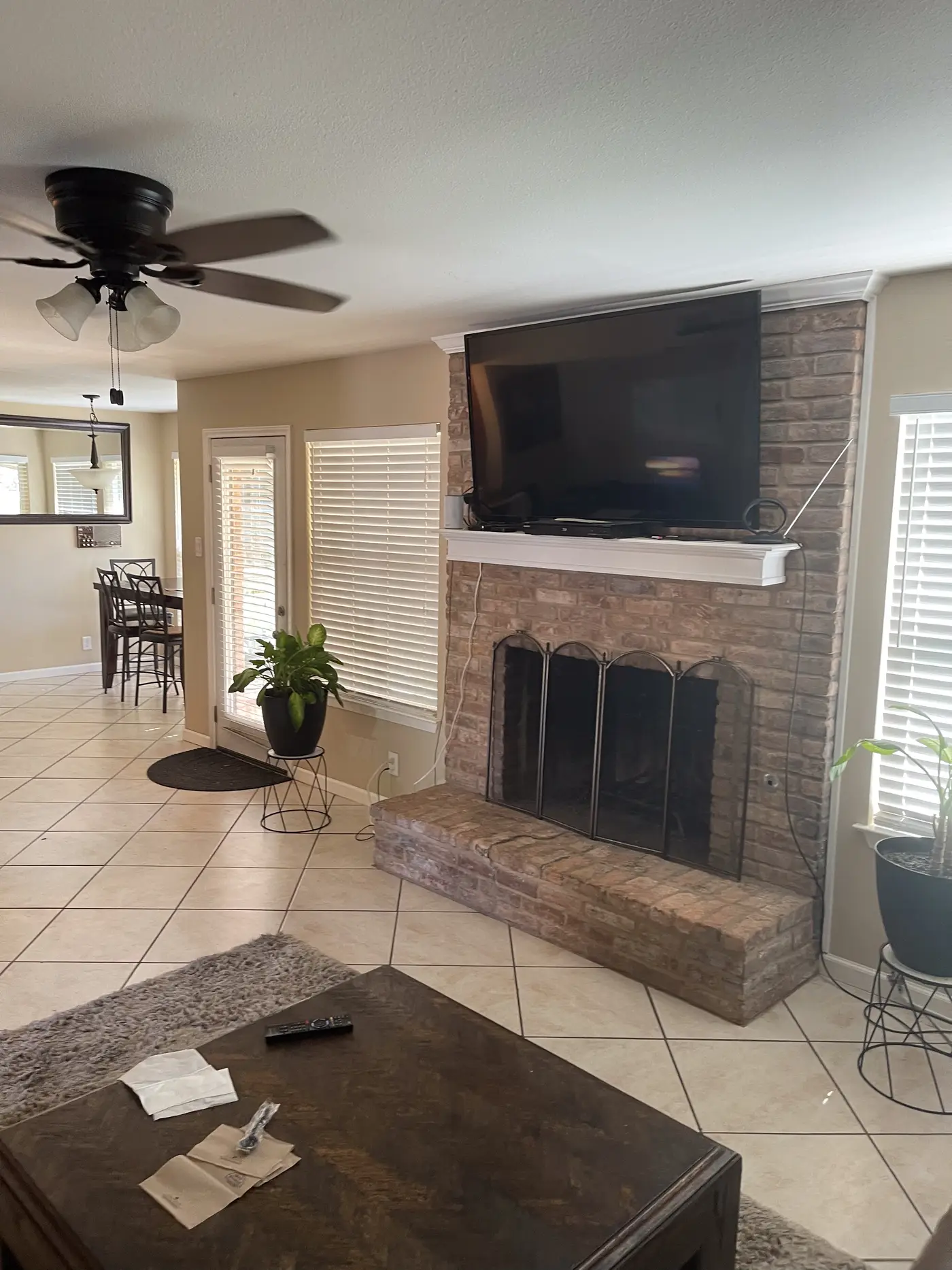
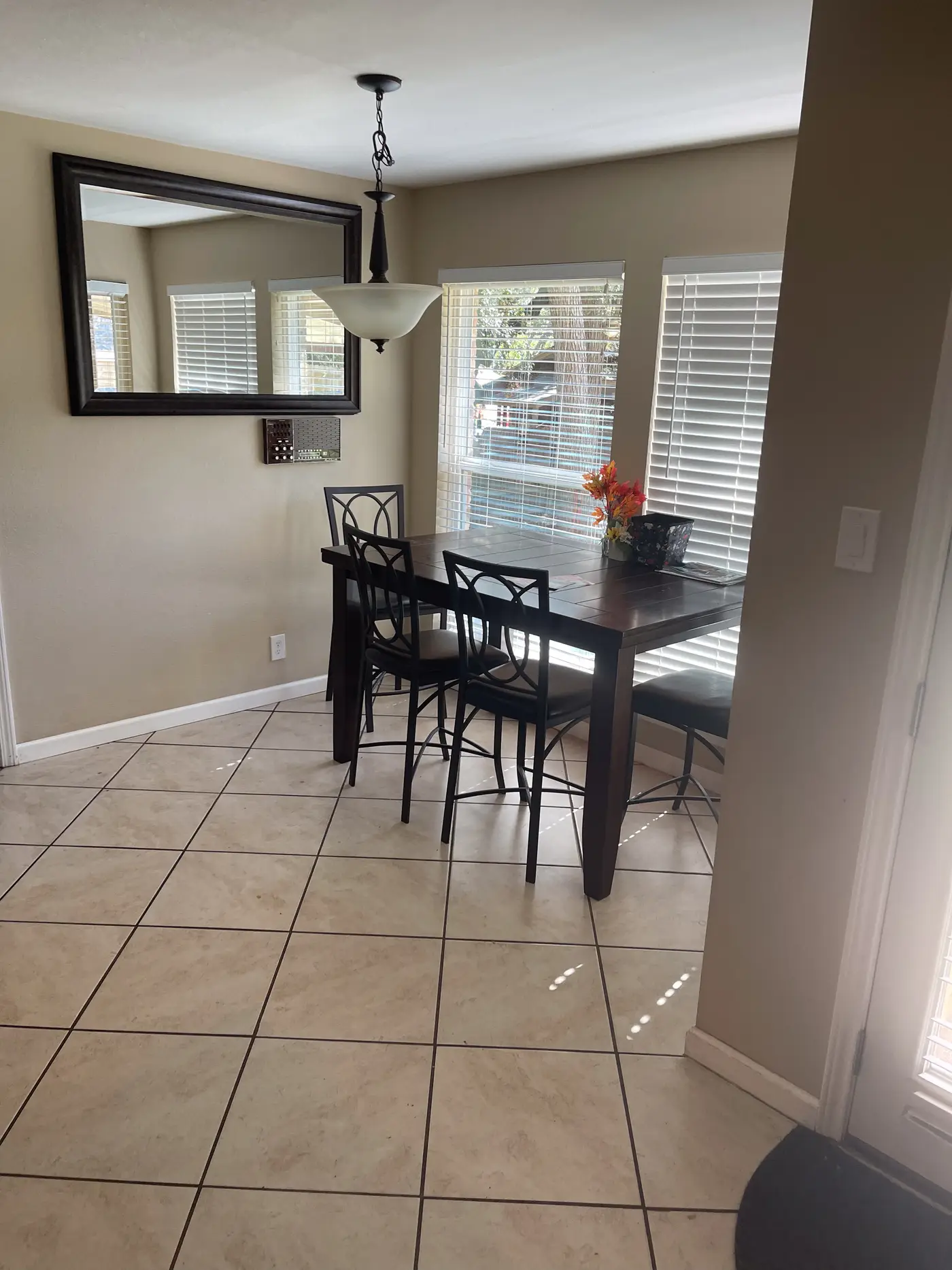
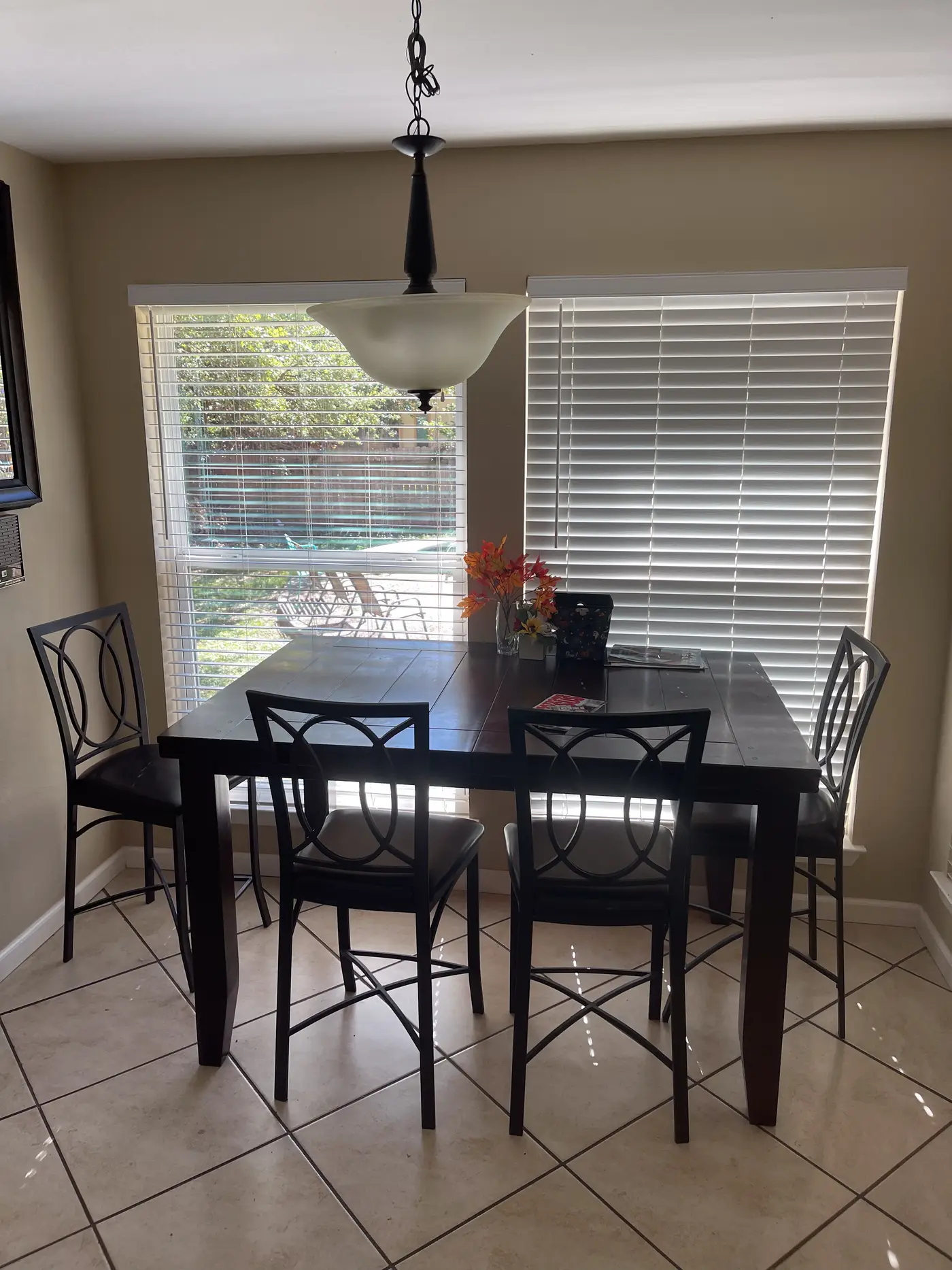
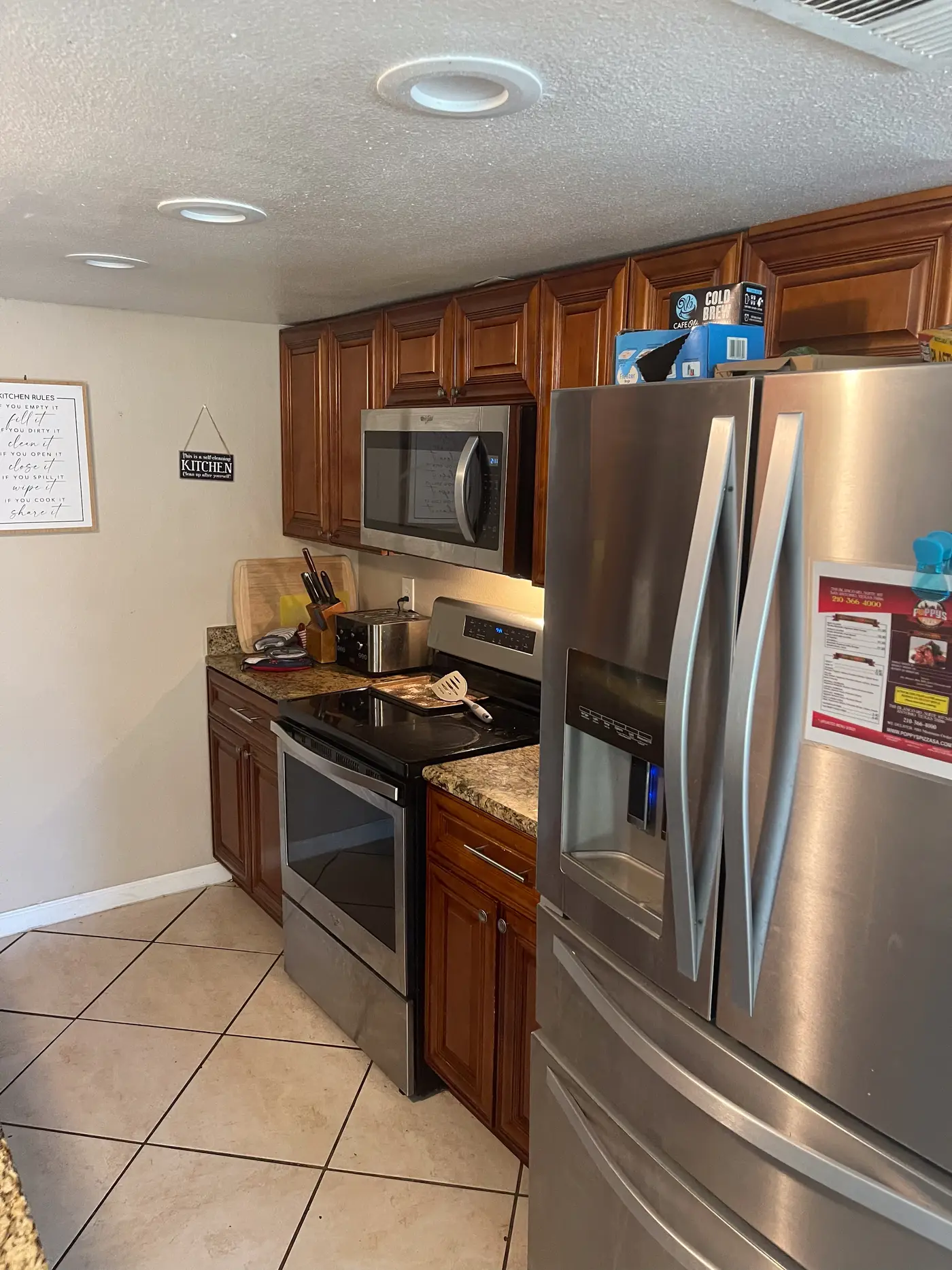
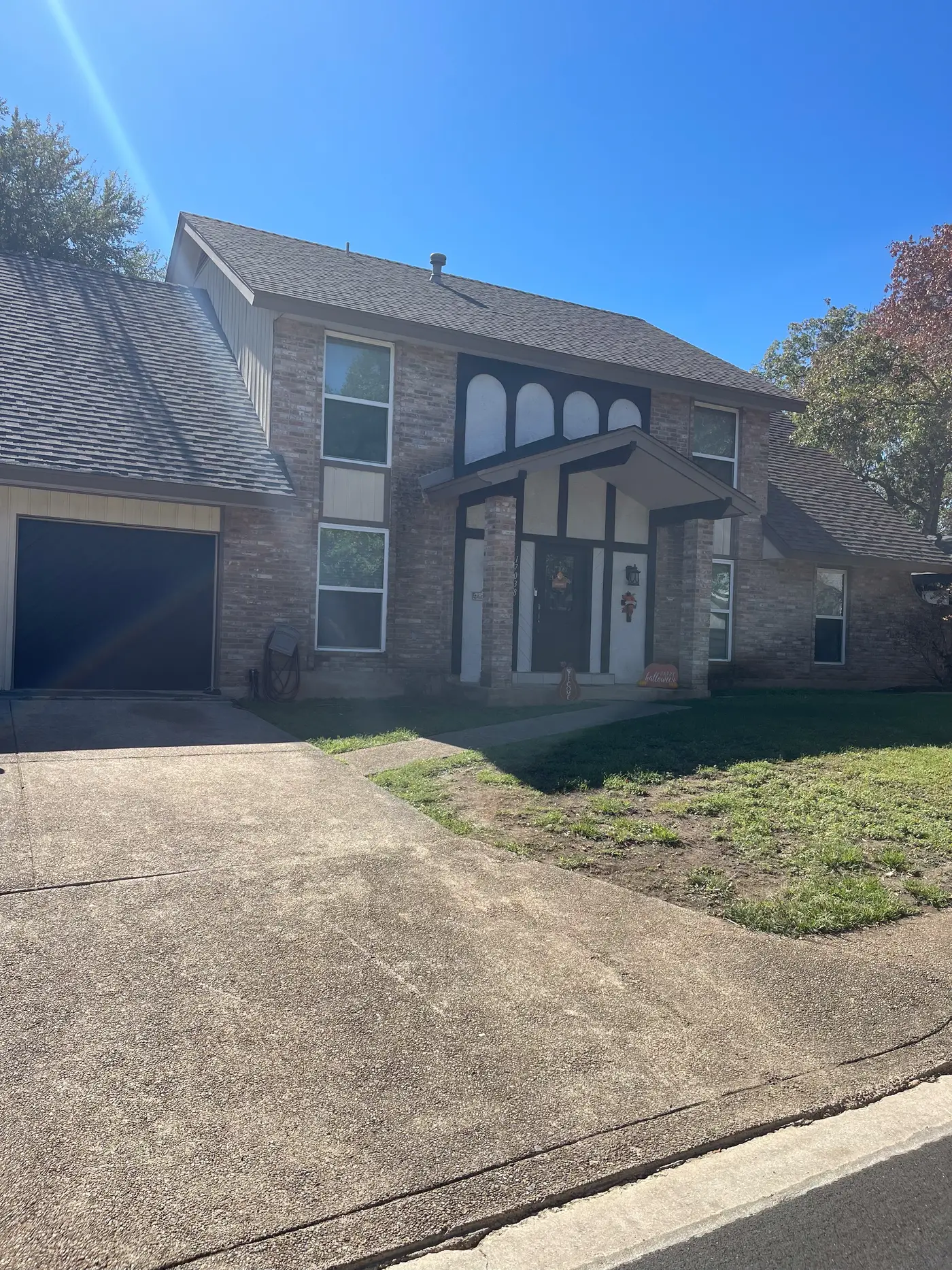
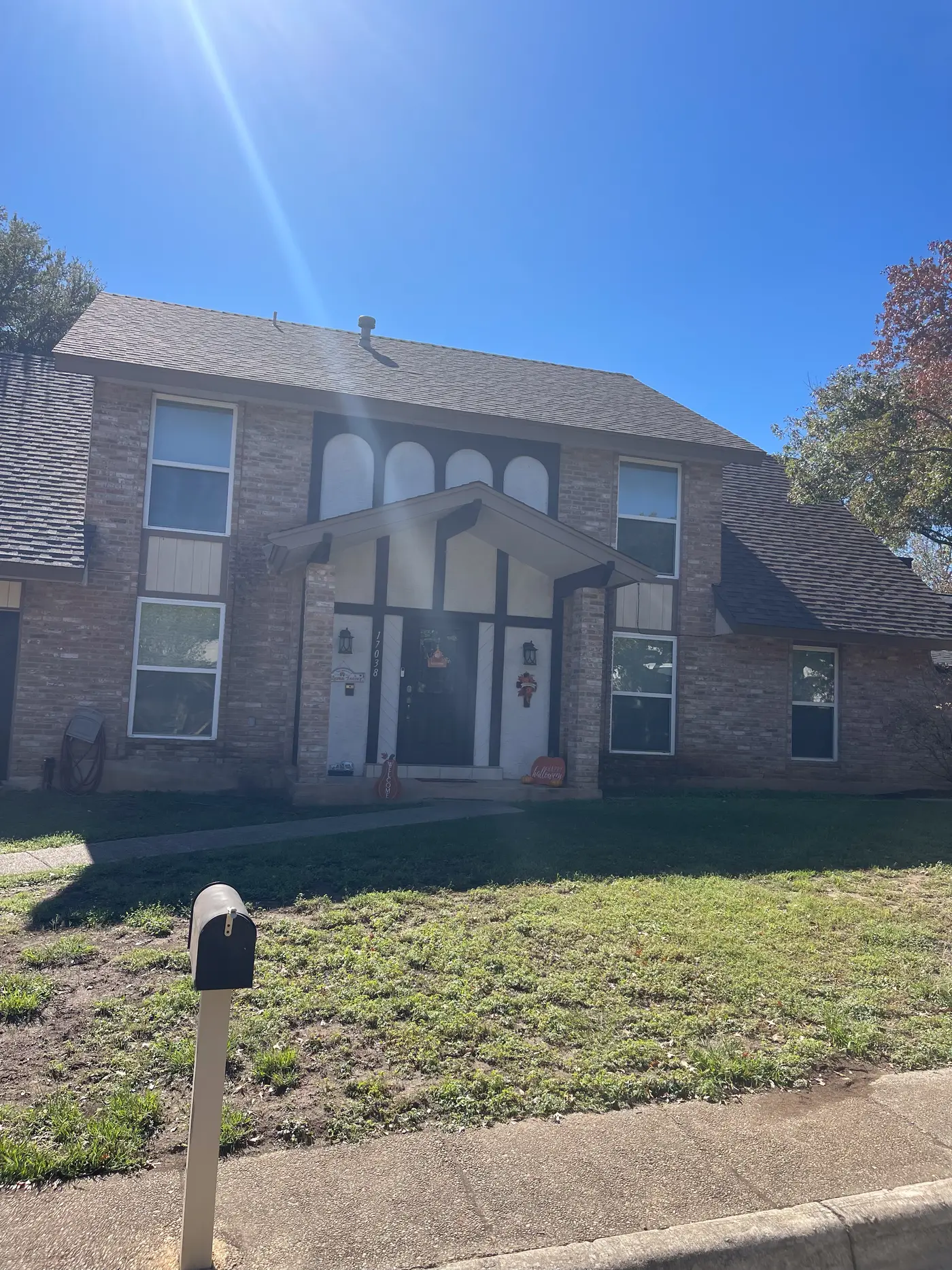
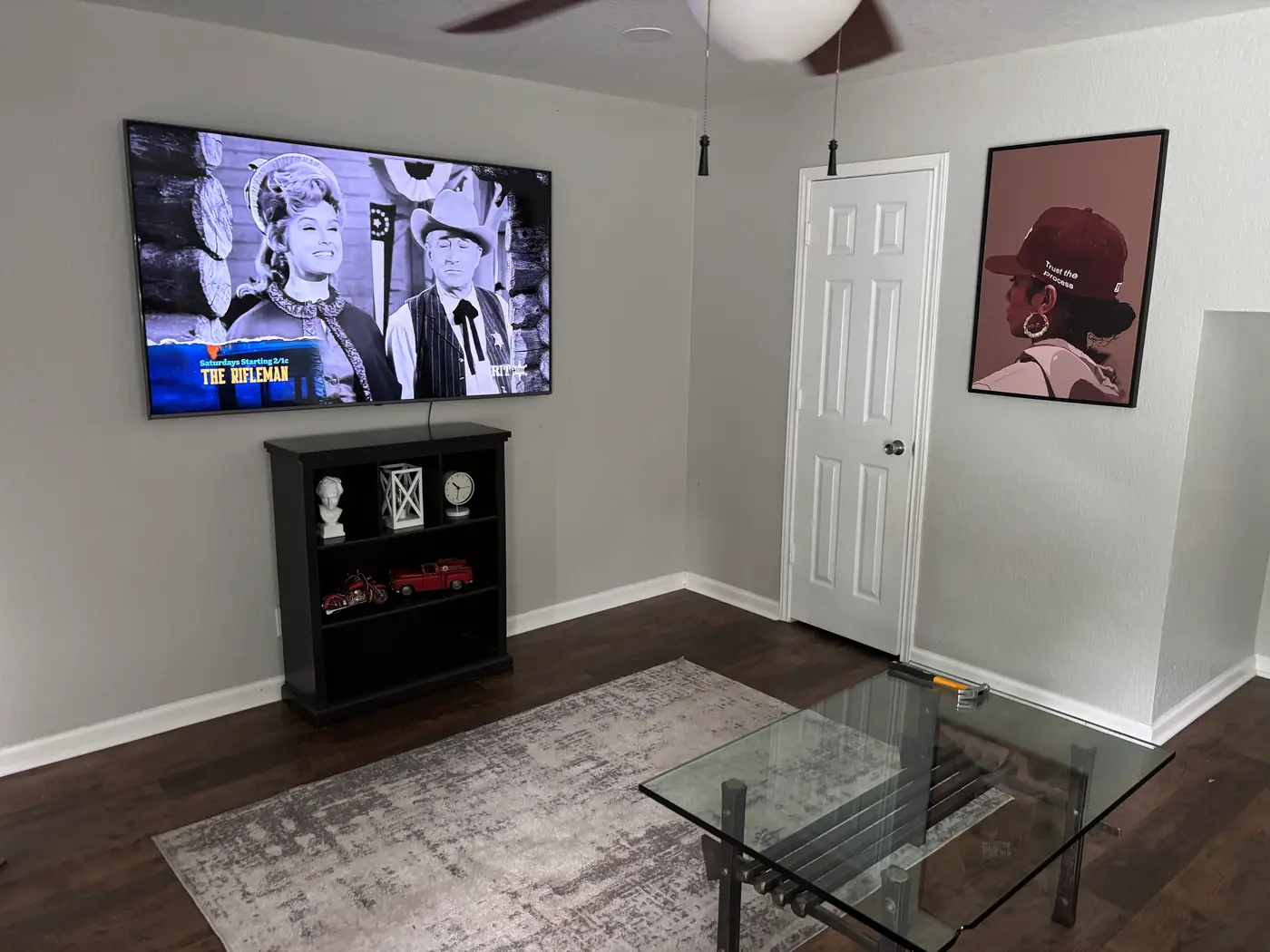
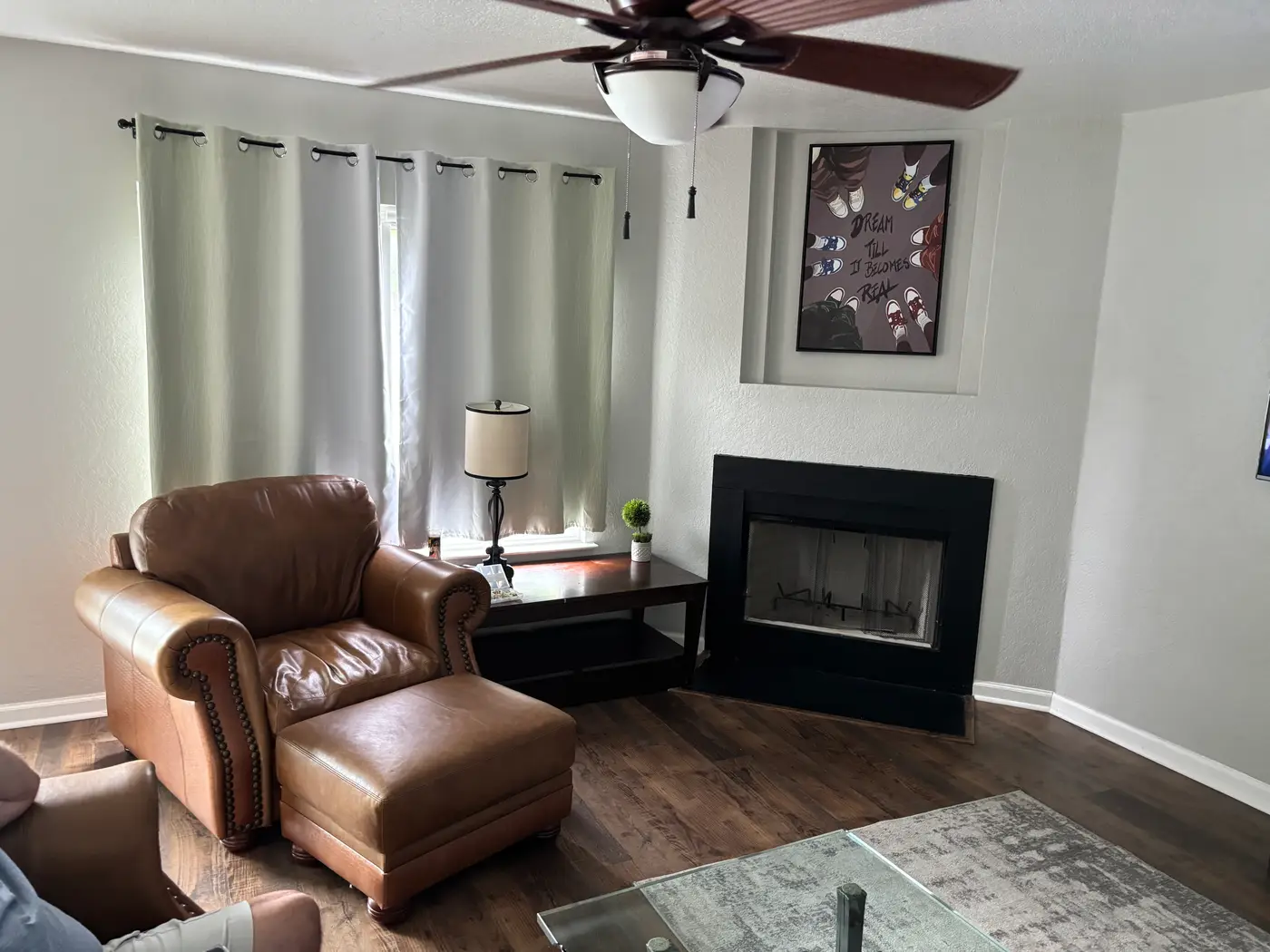
Inside the San Antonio homes


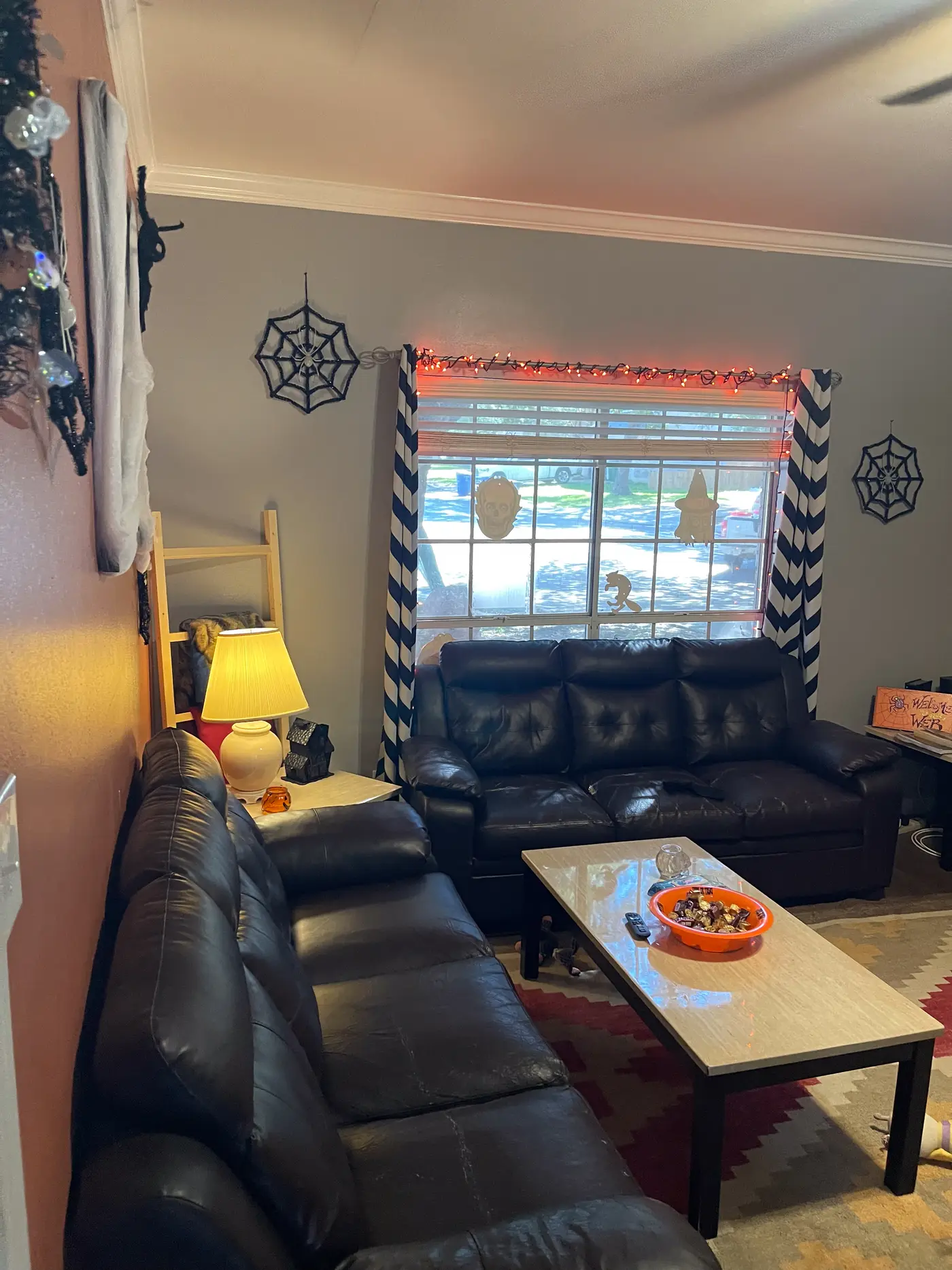
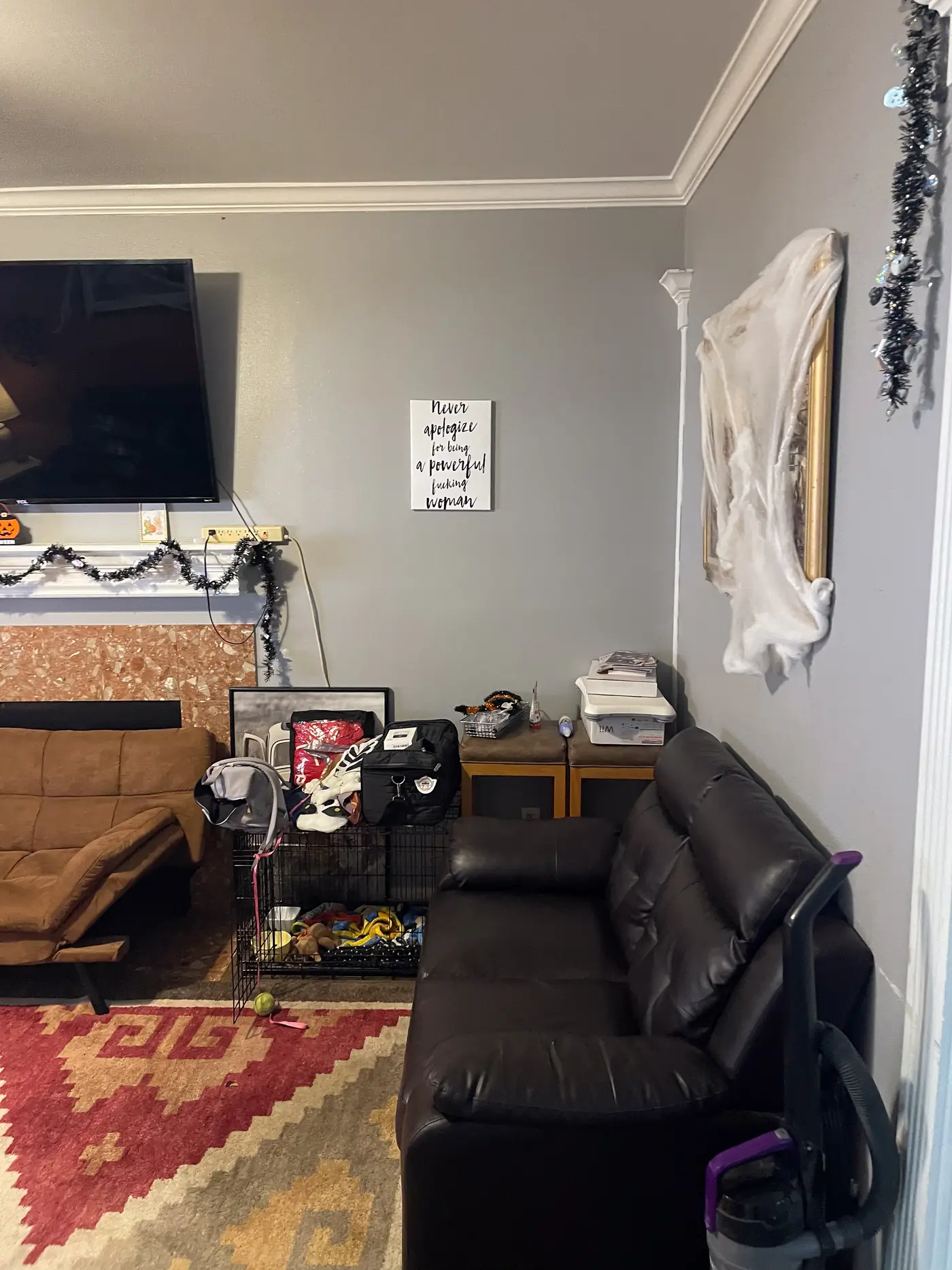
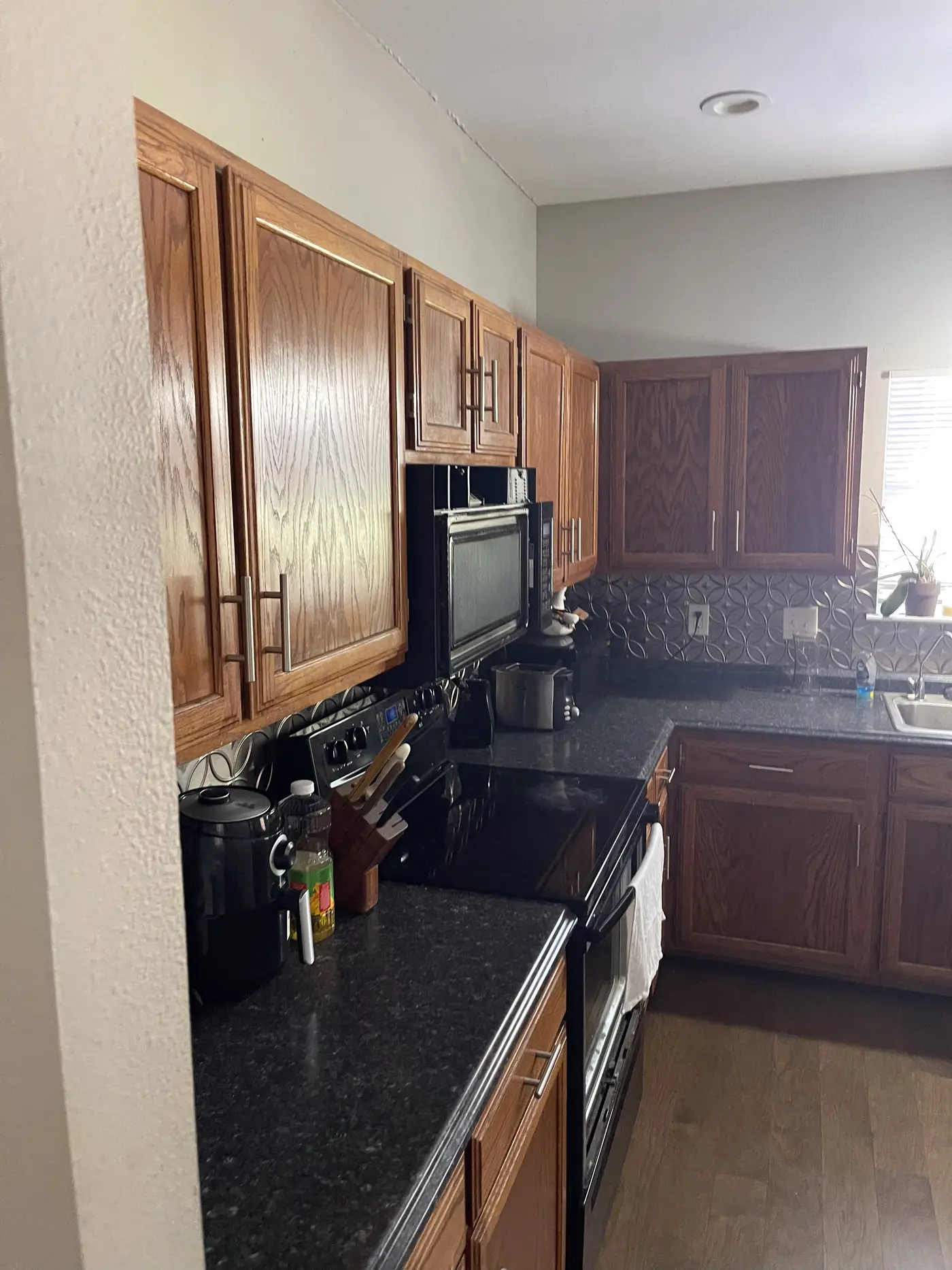
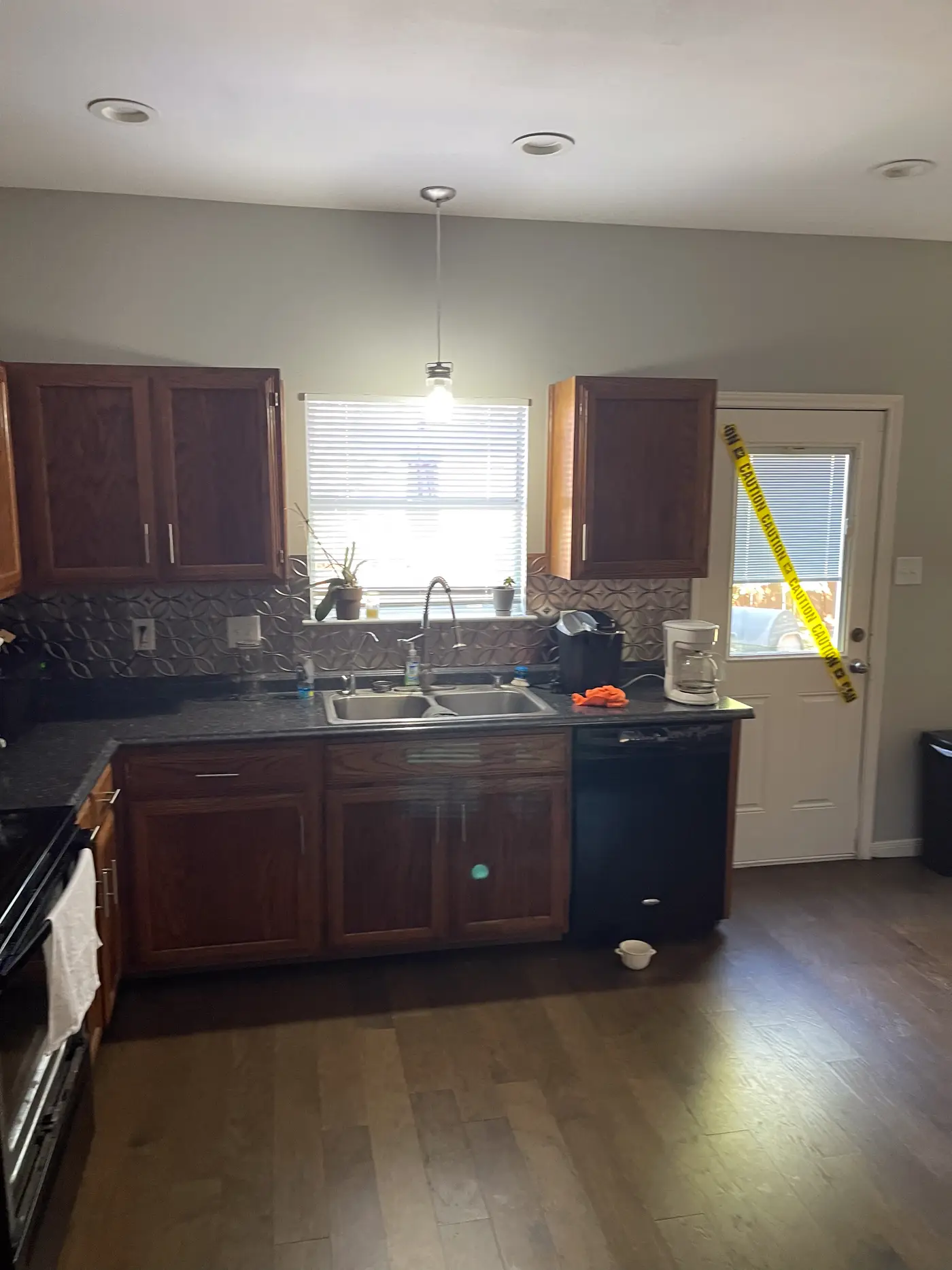
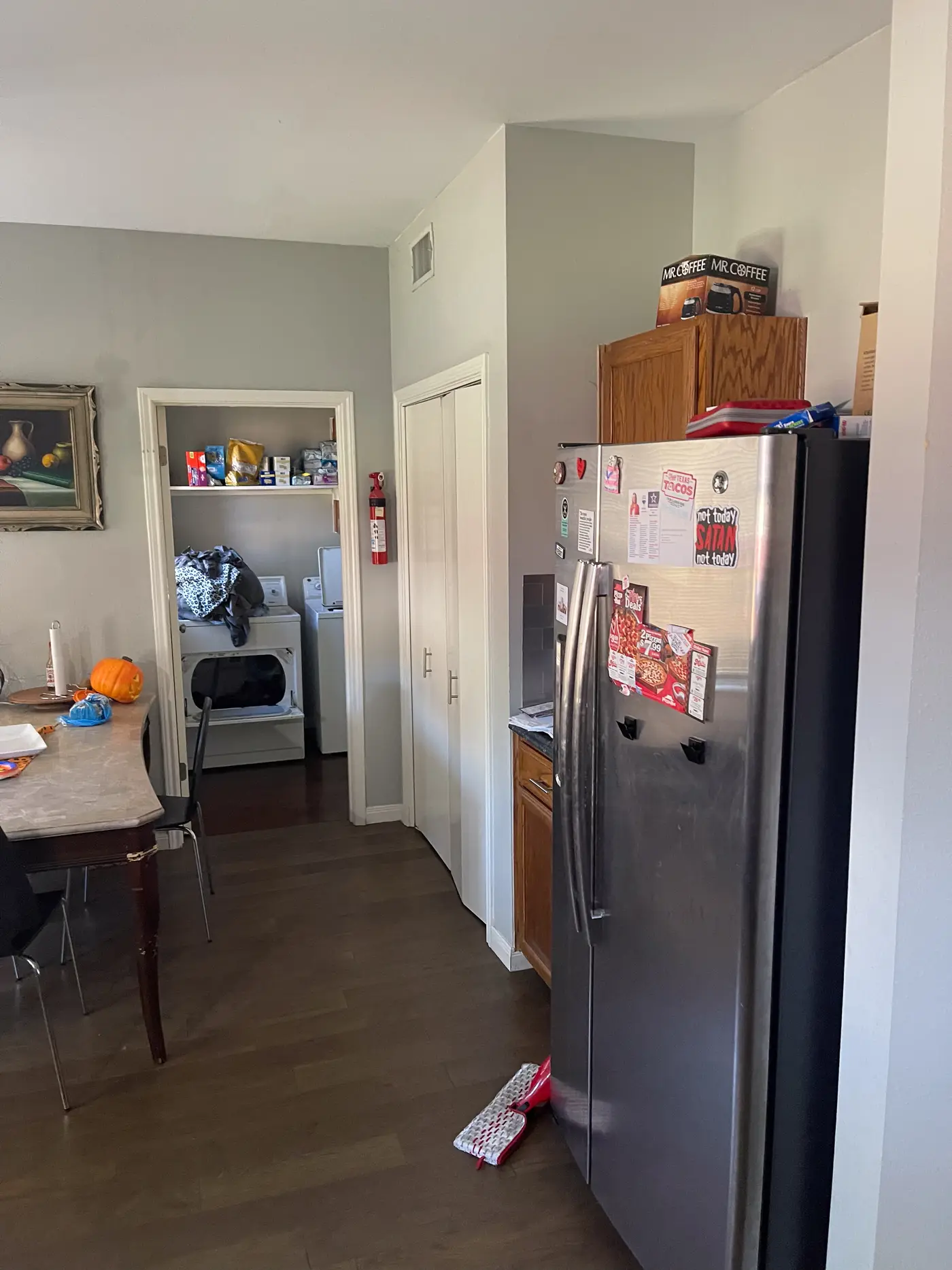
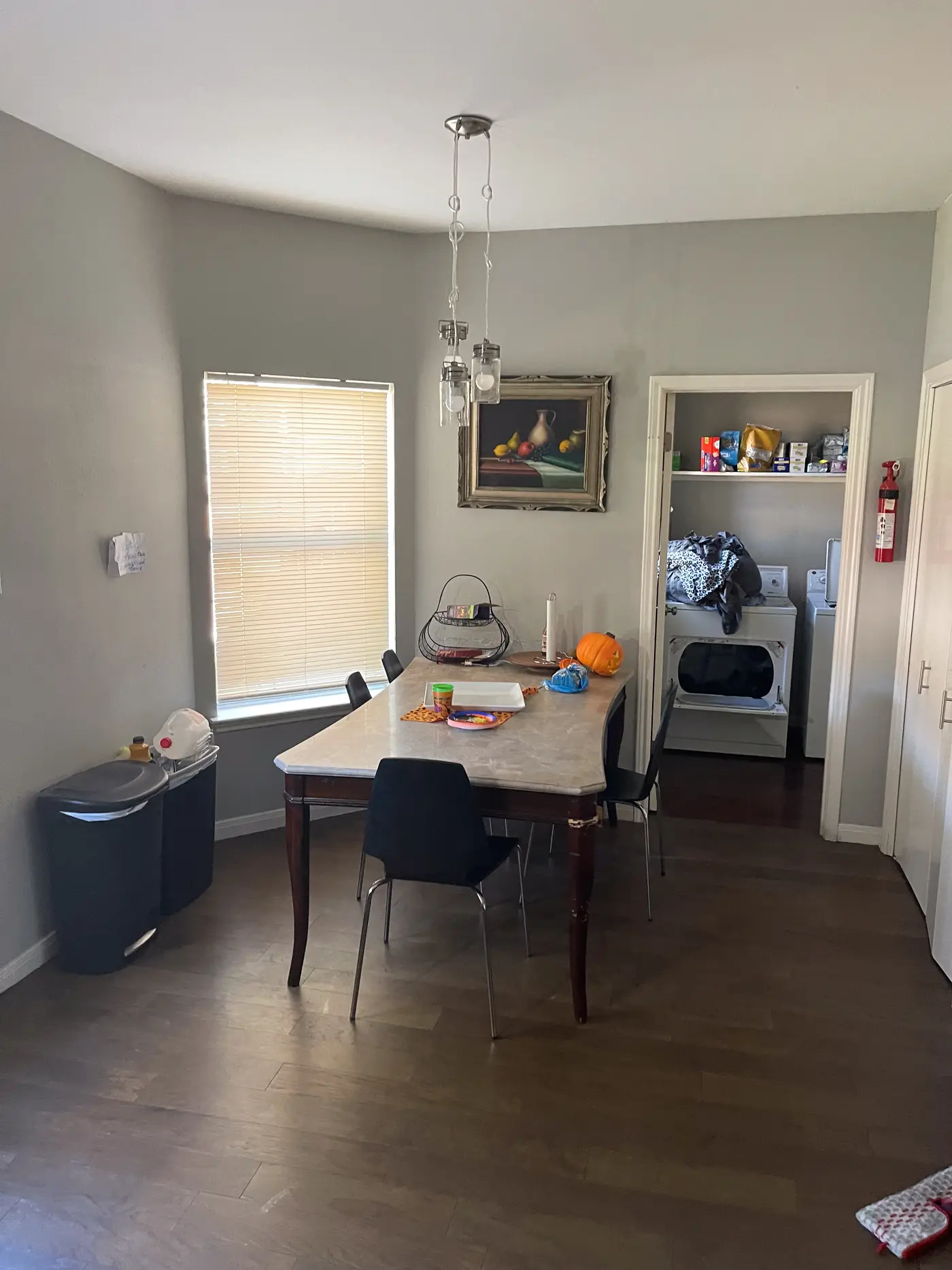
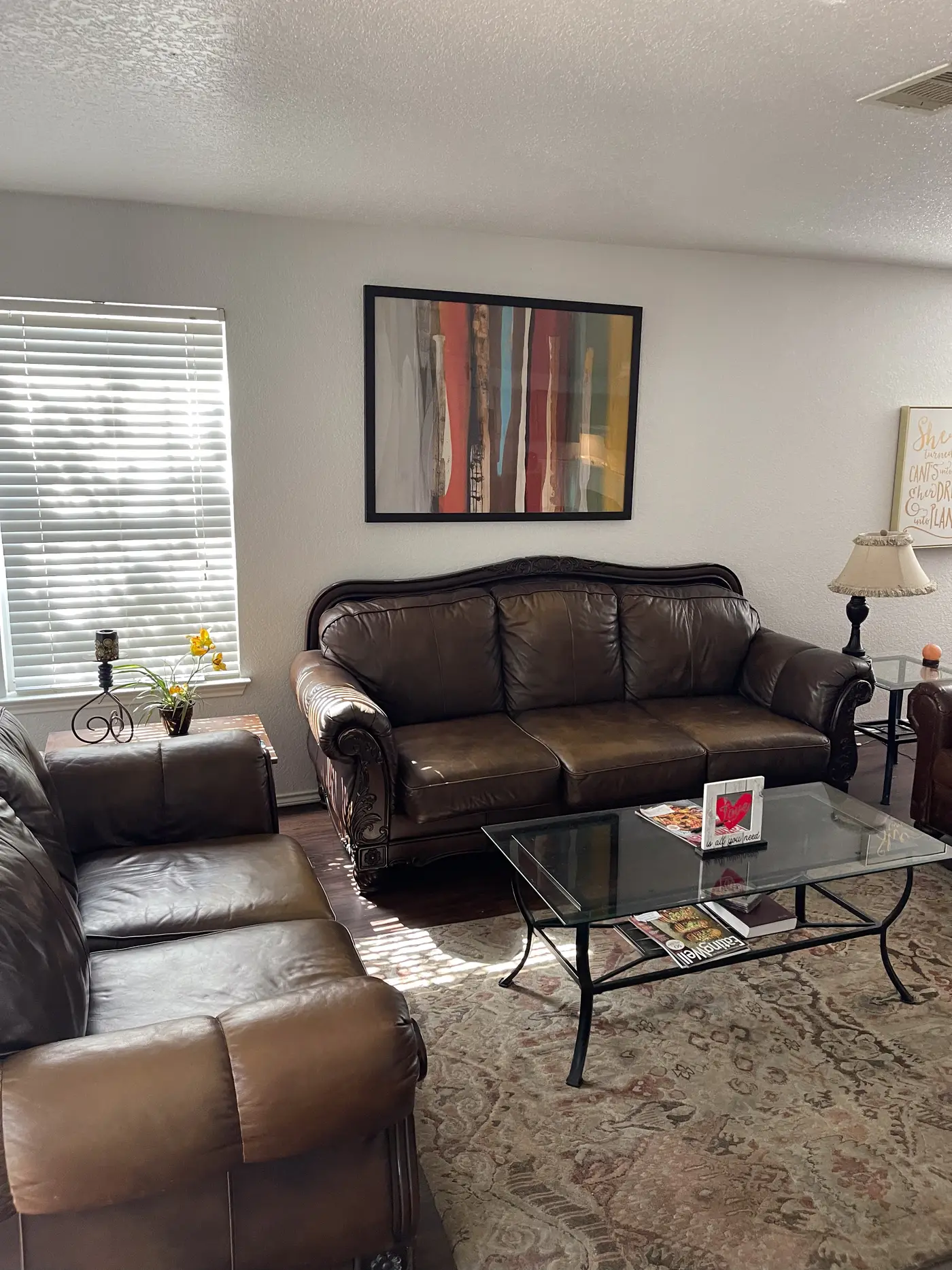
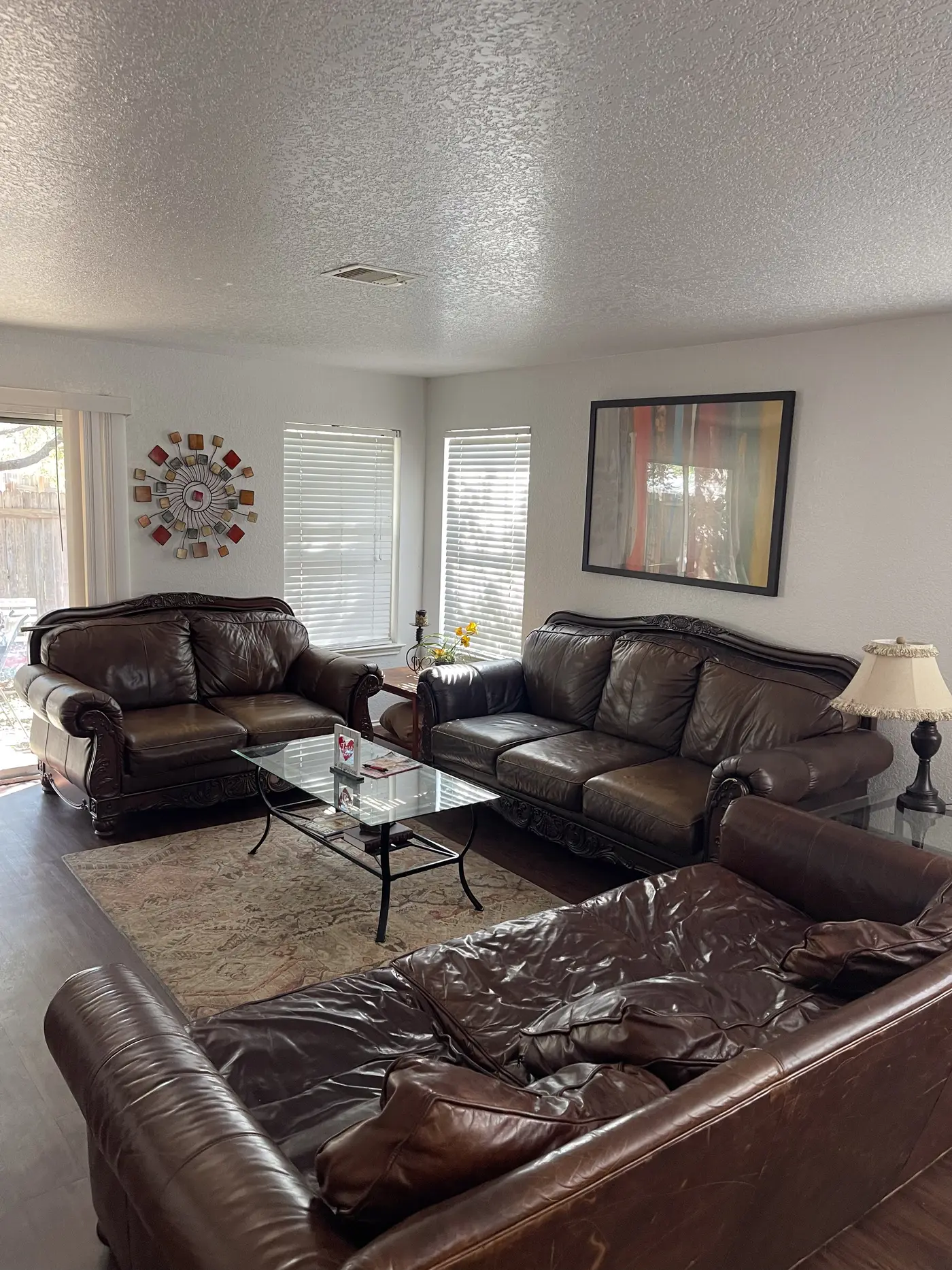
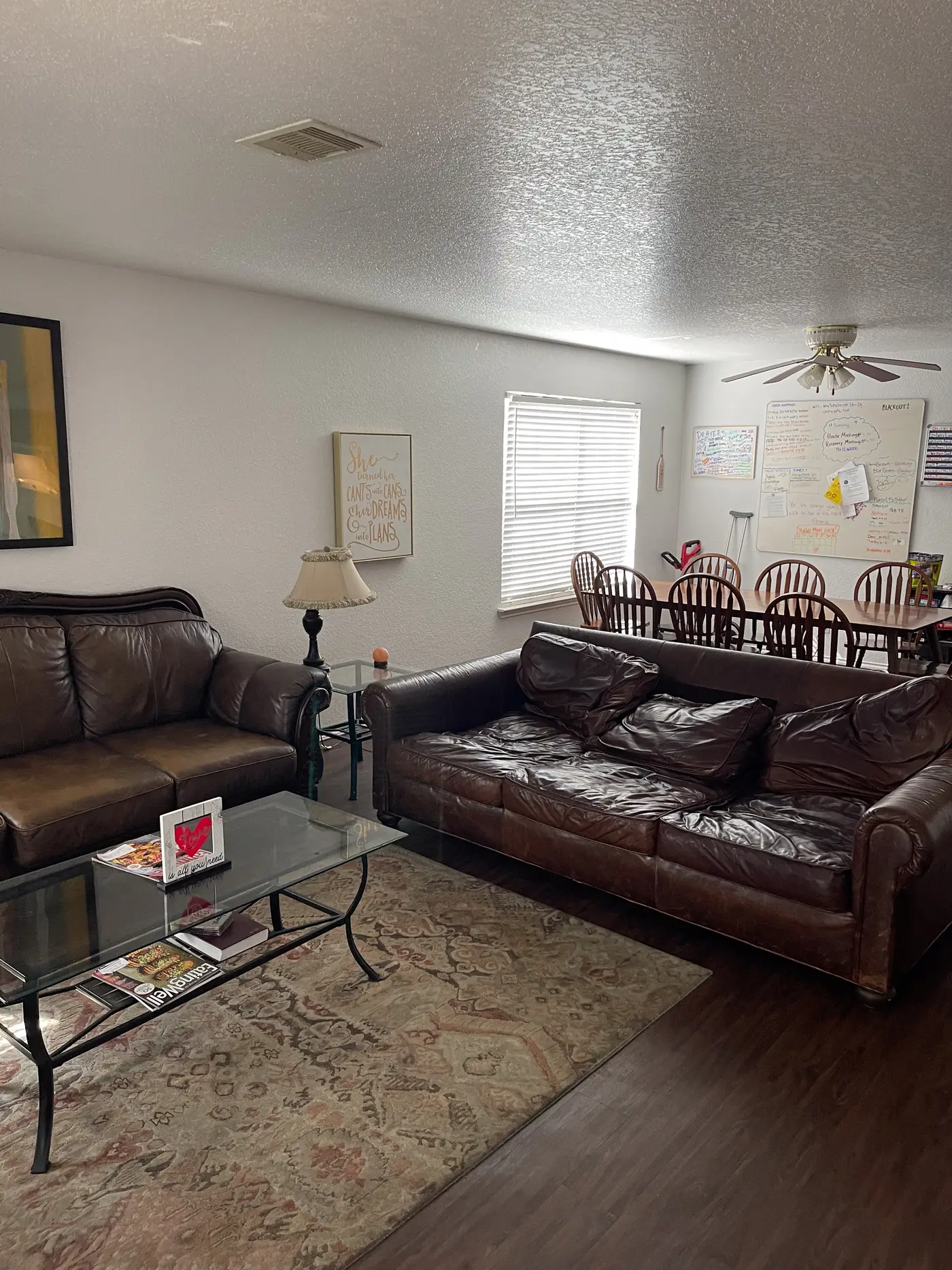
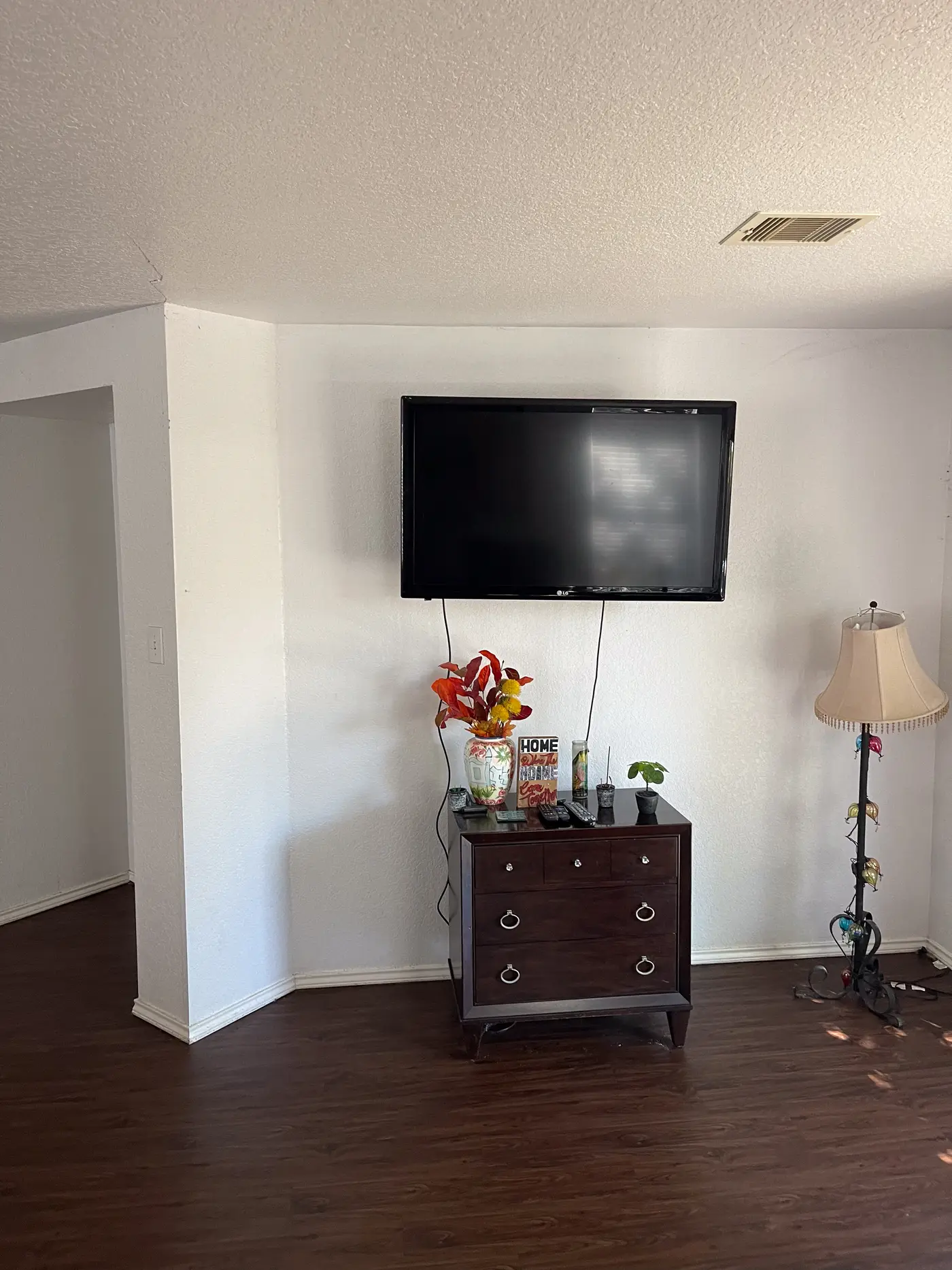
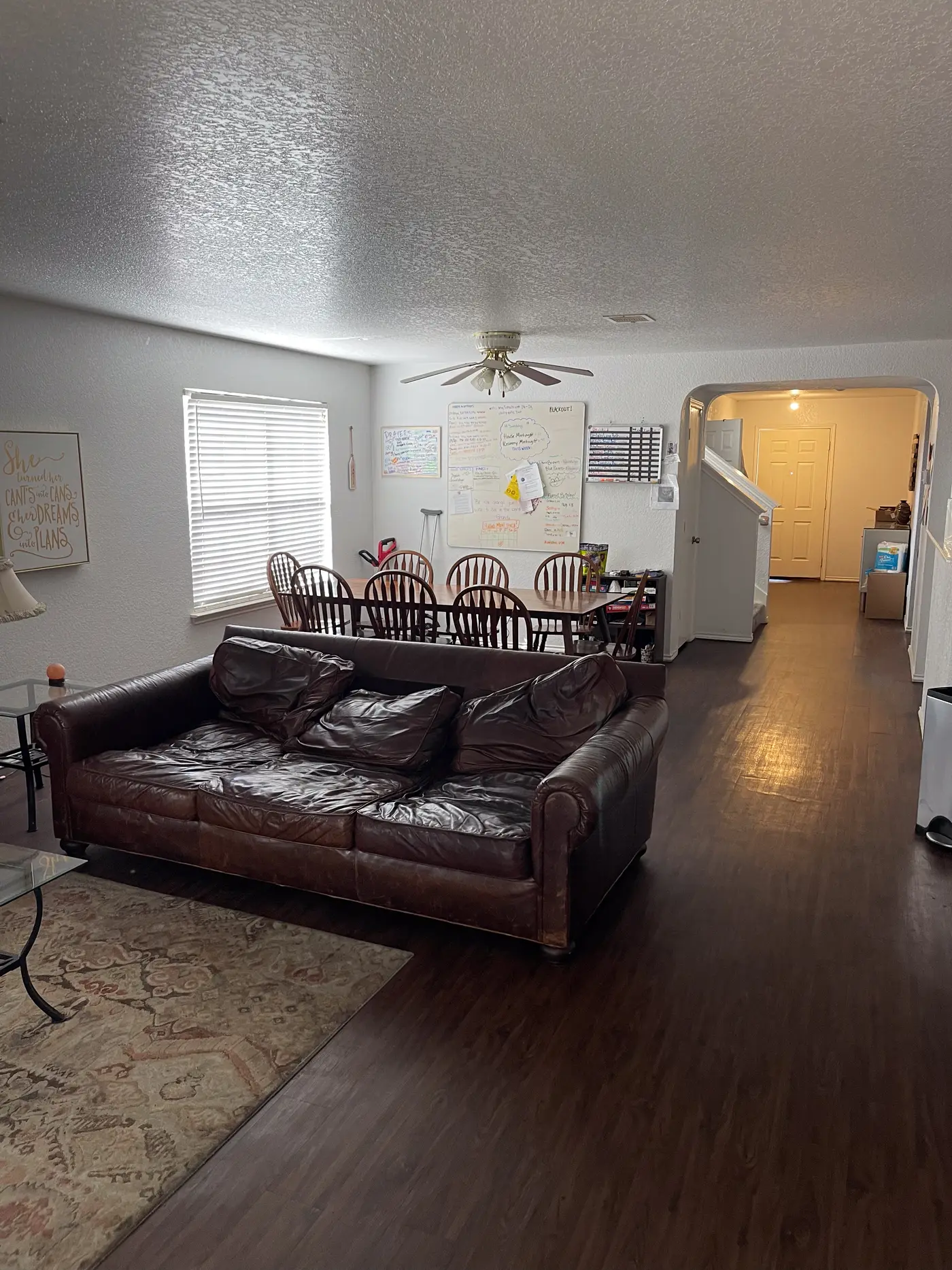
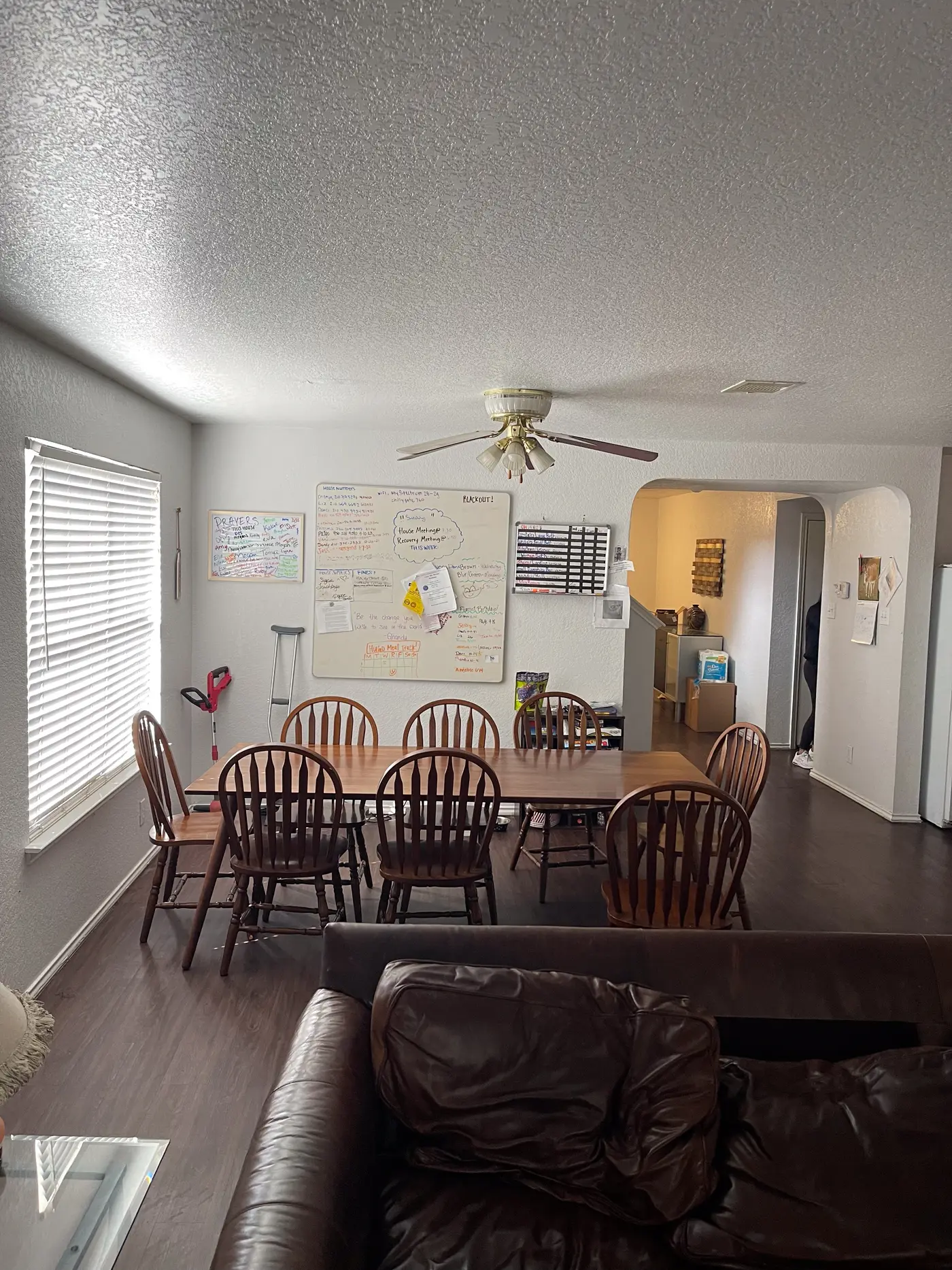
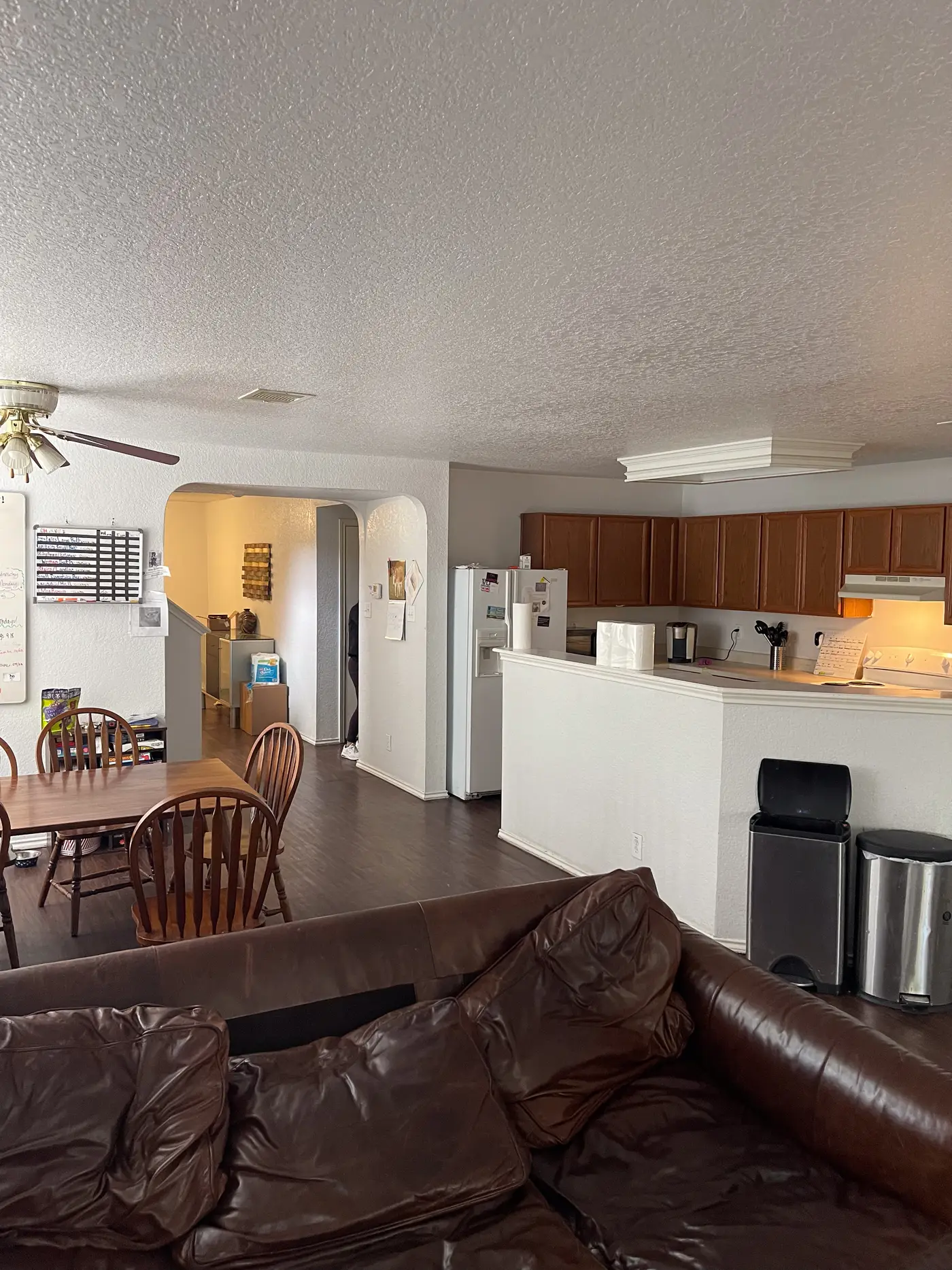
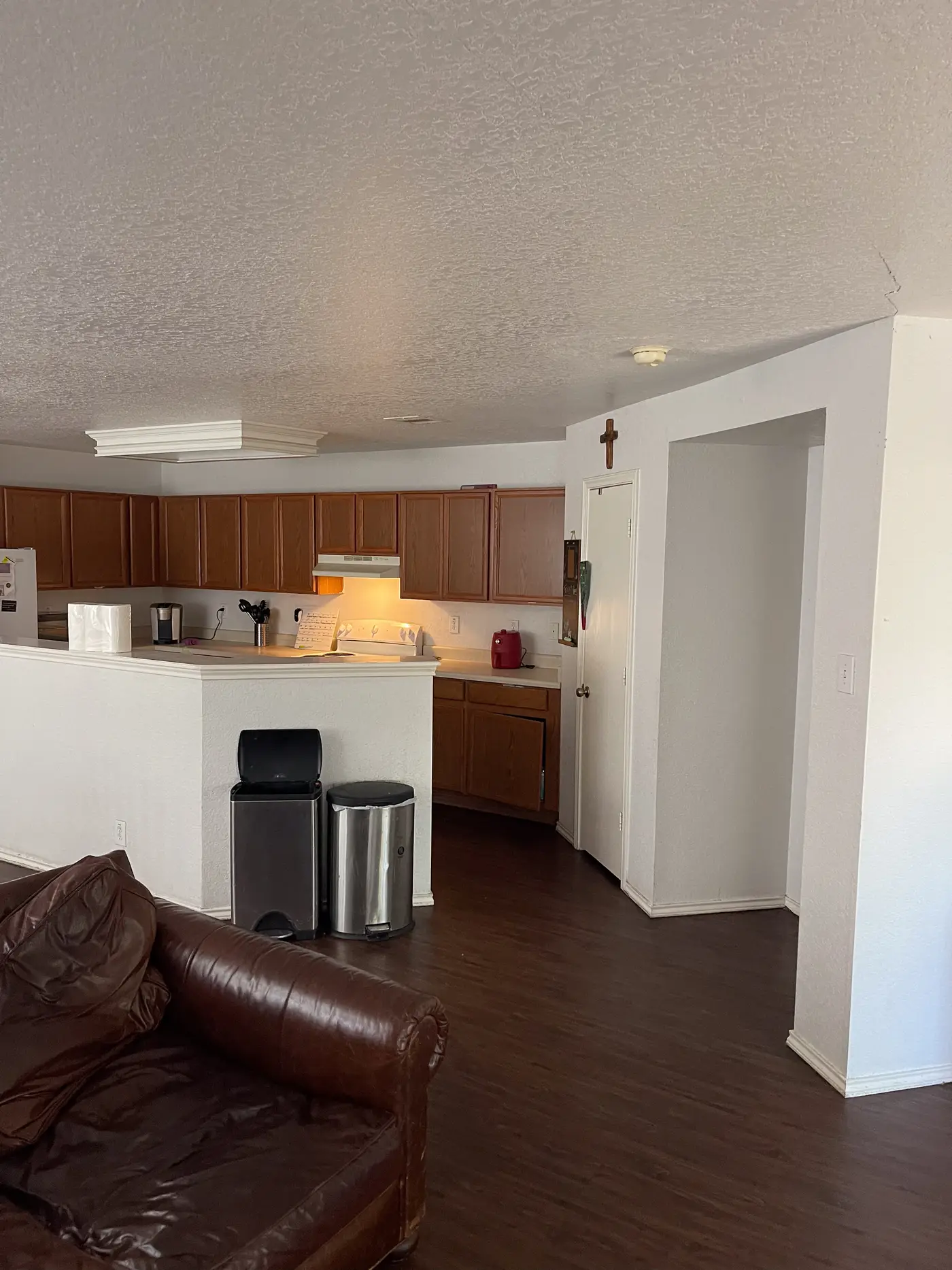
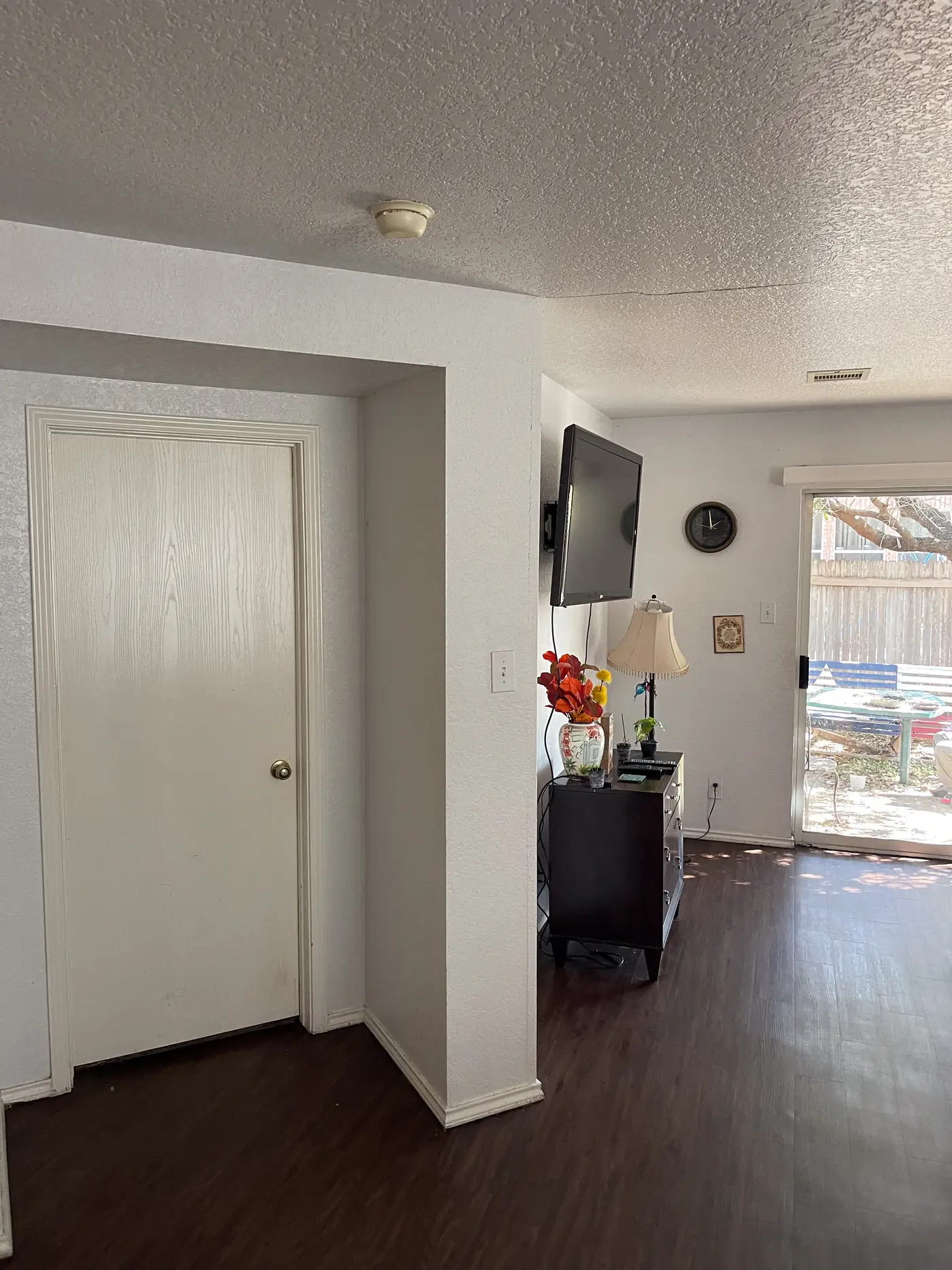
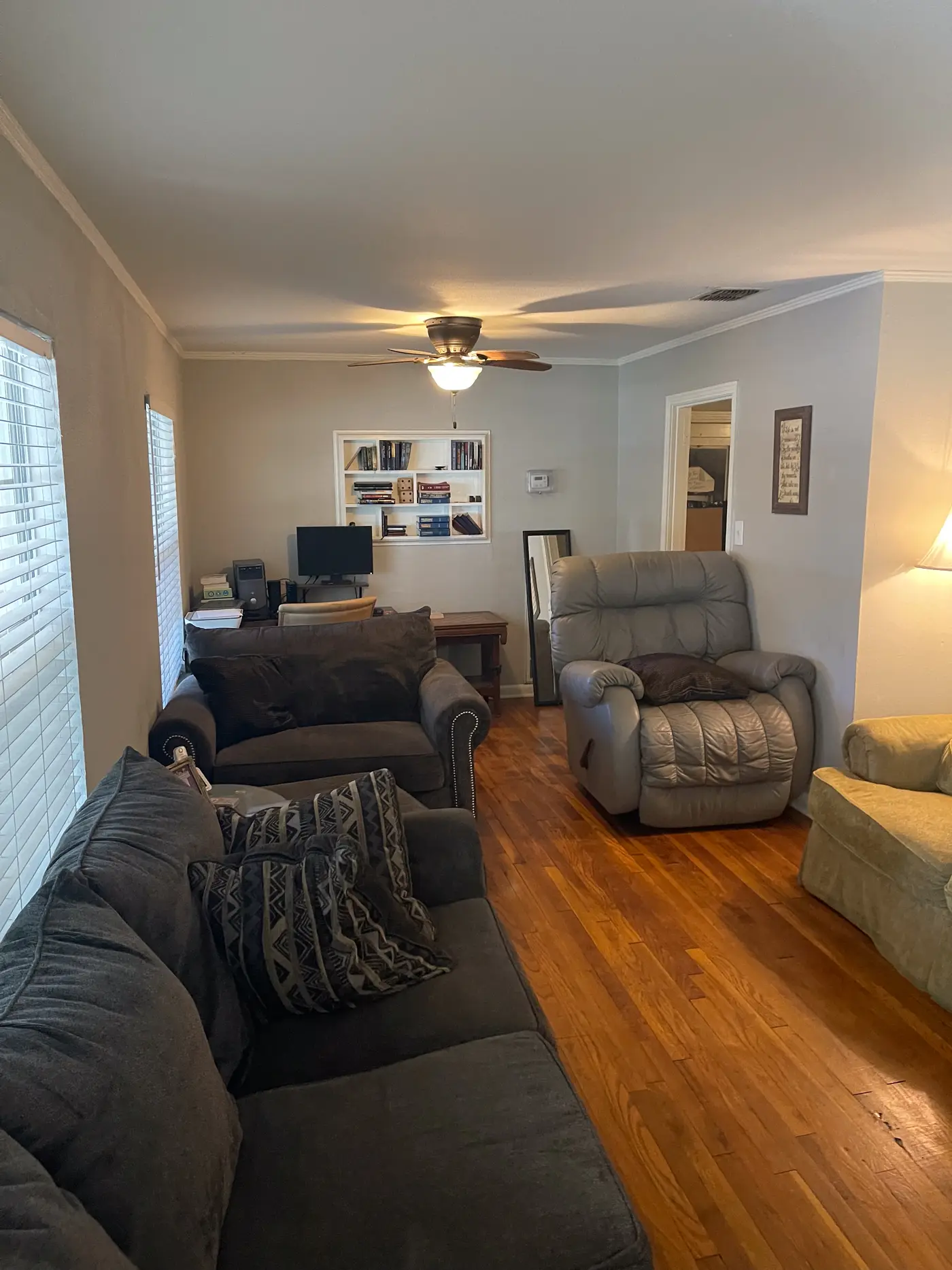
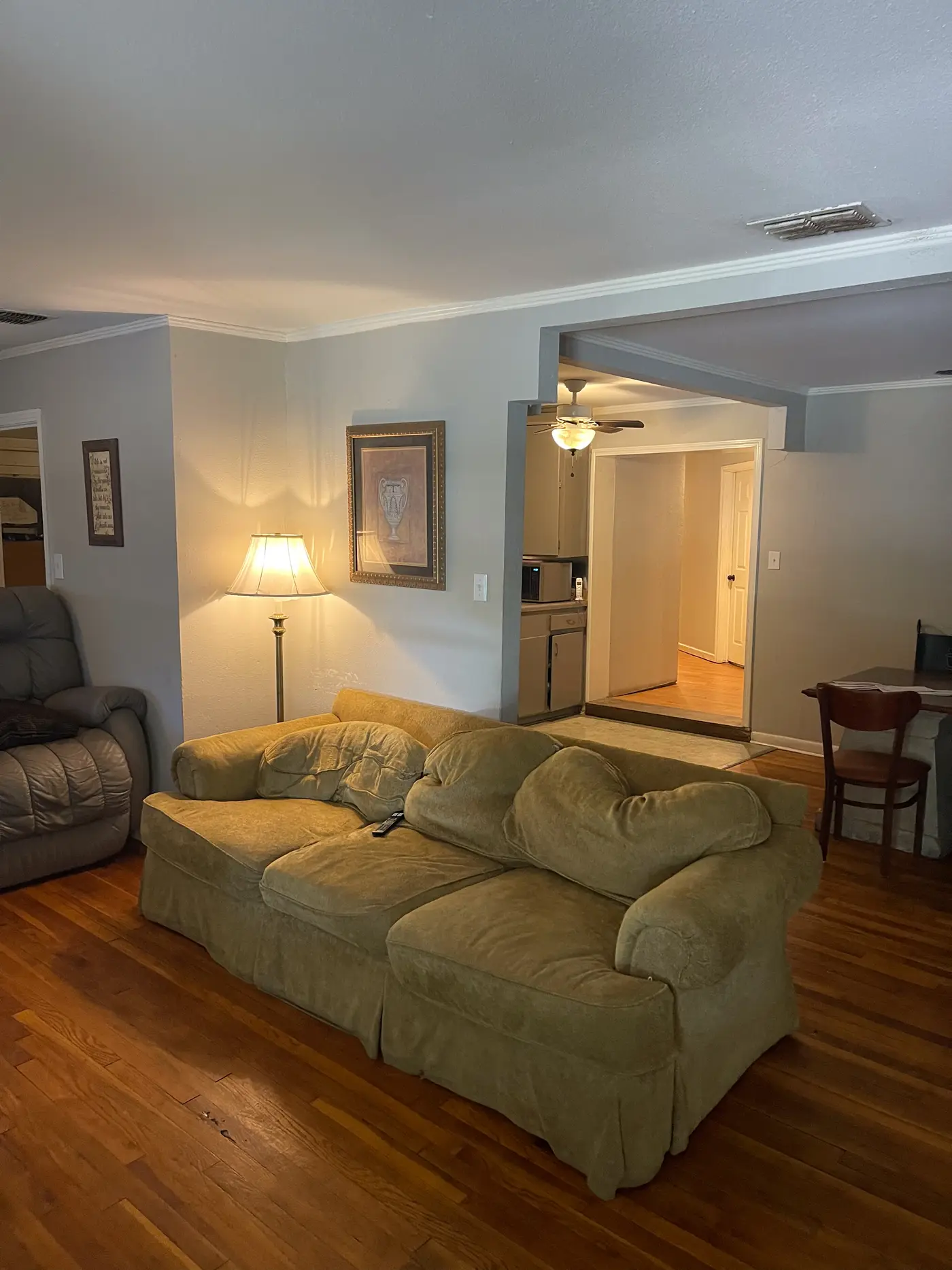
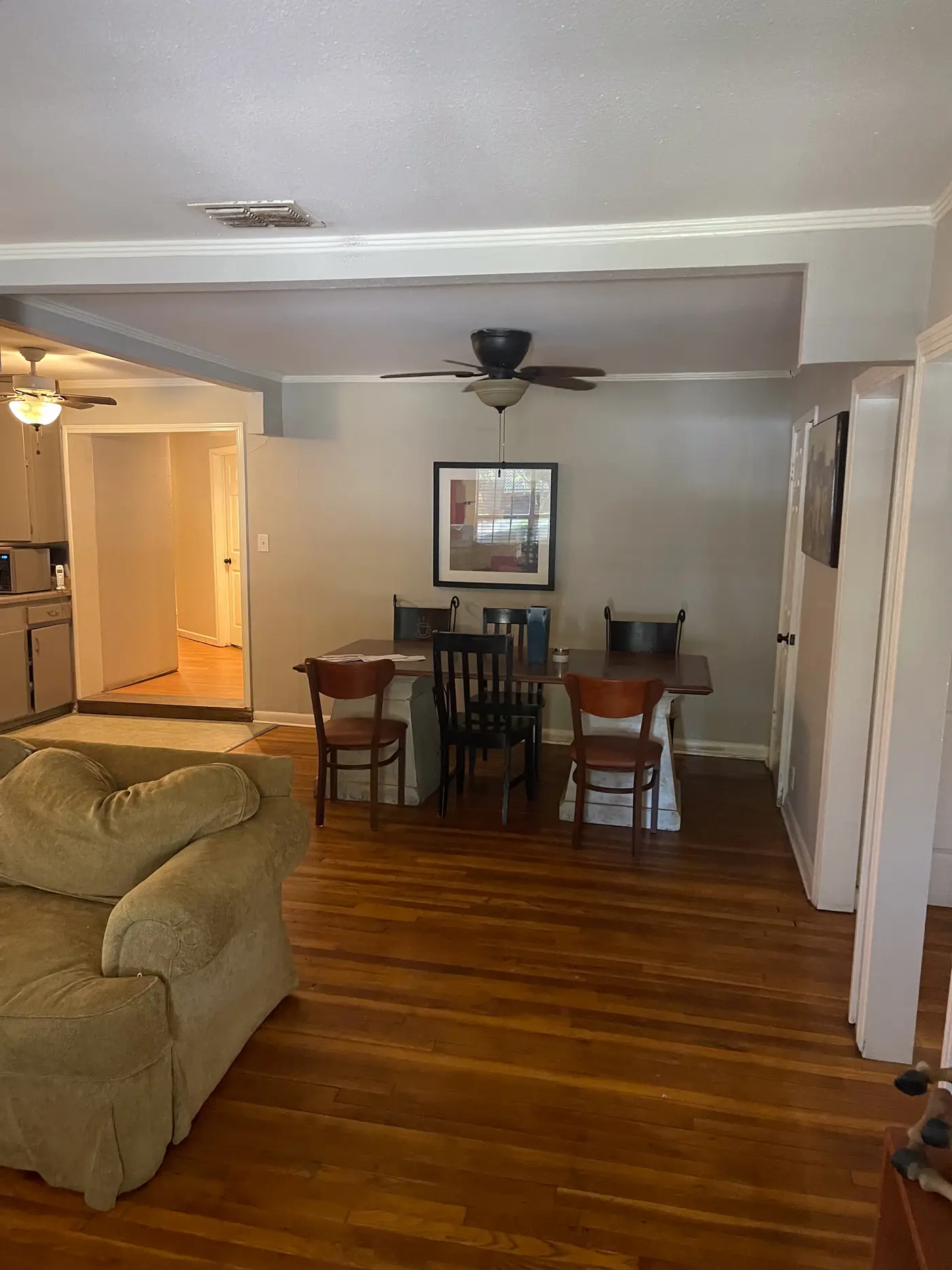
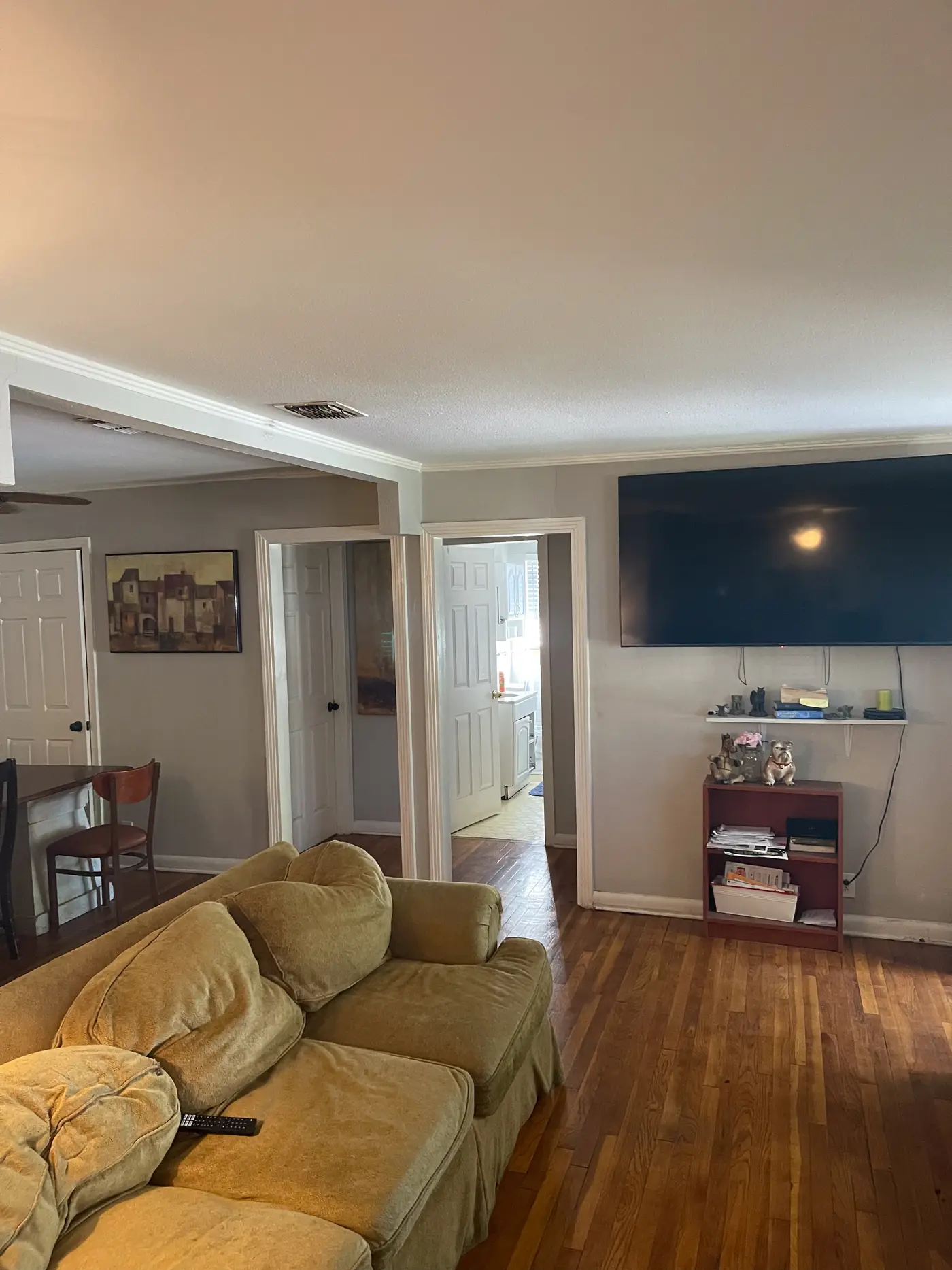
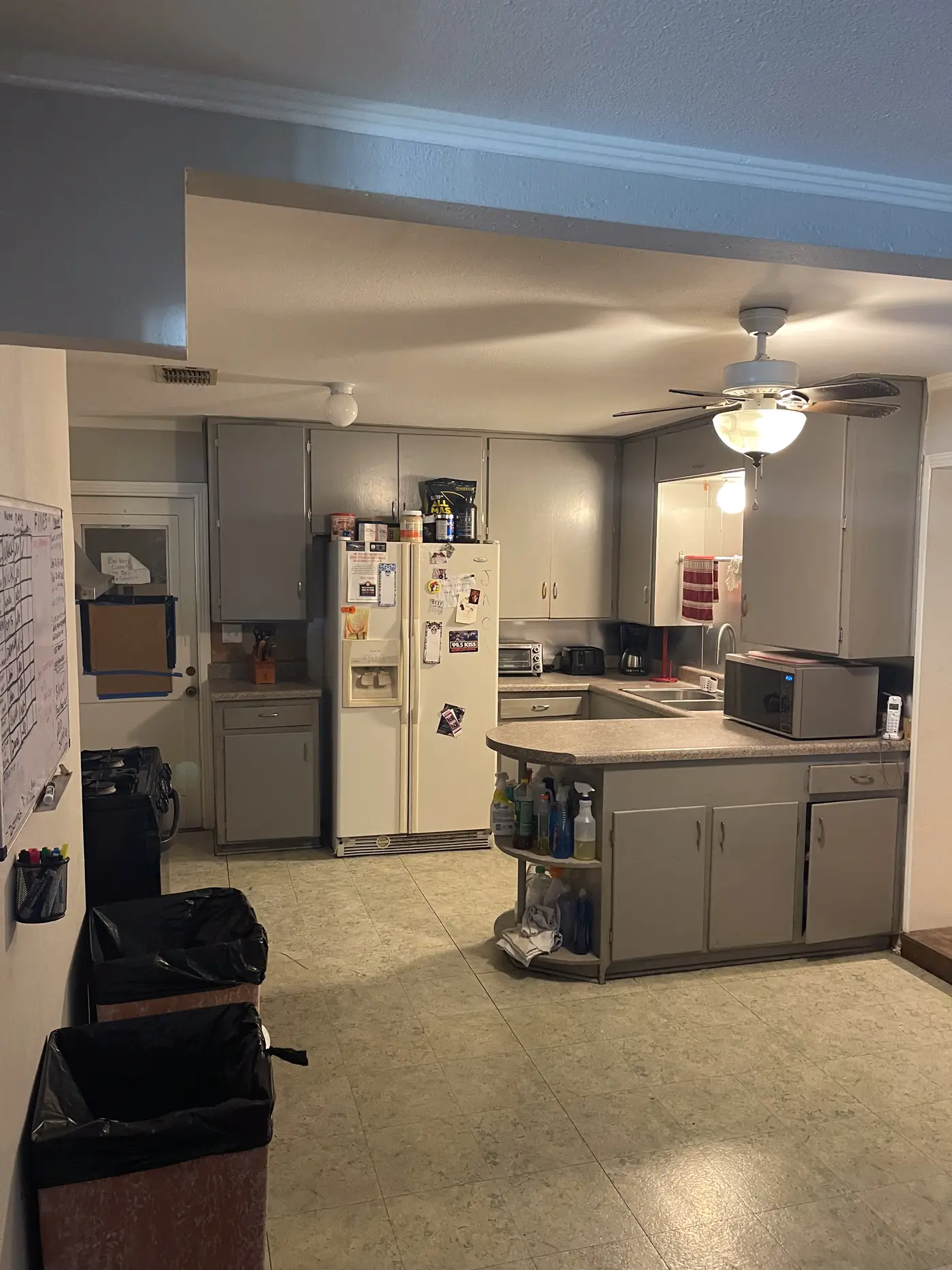
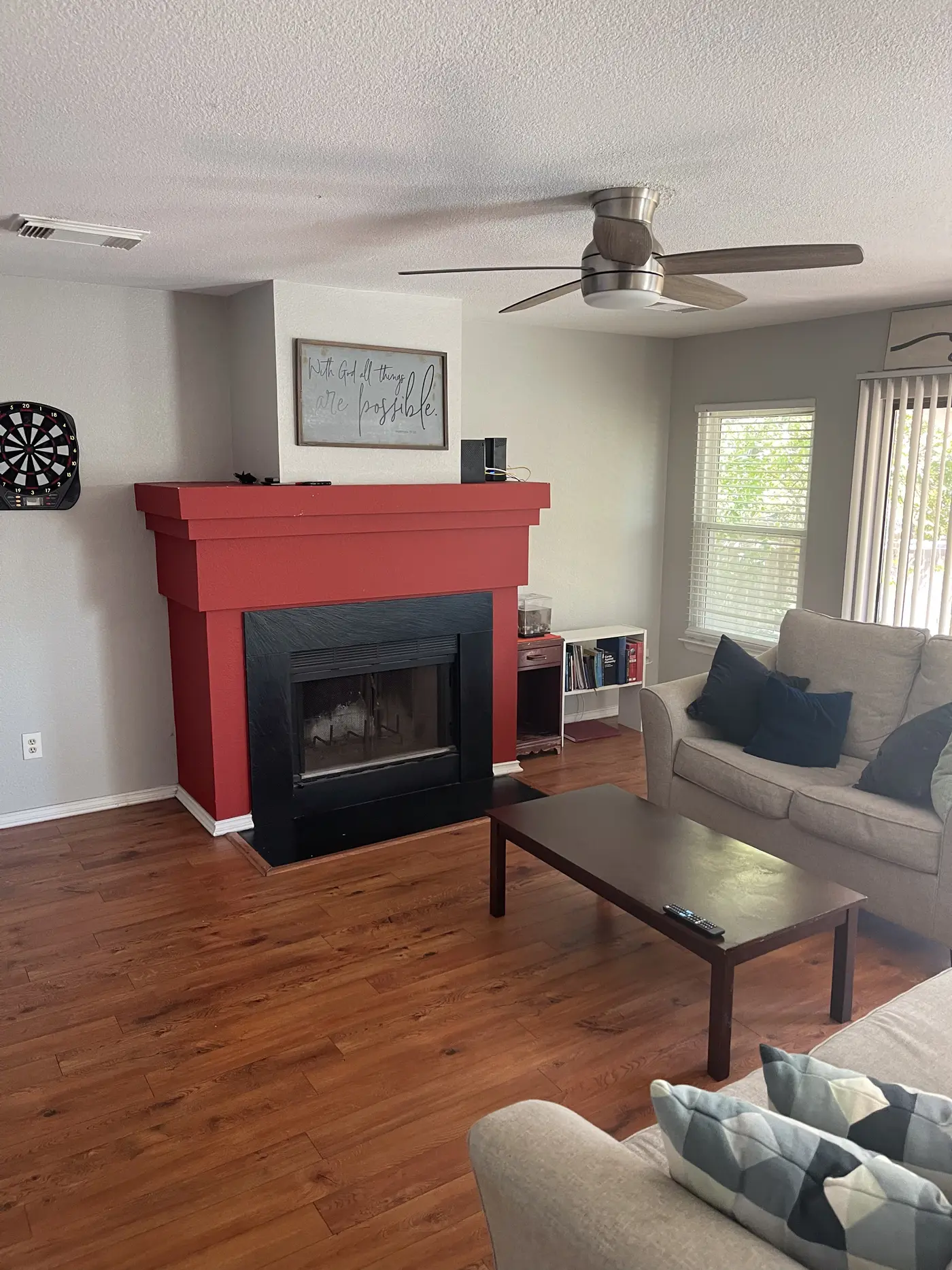
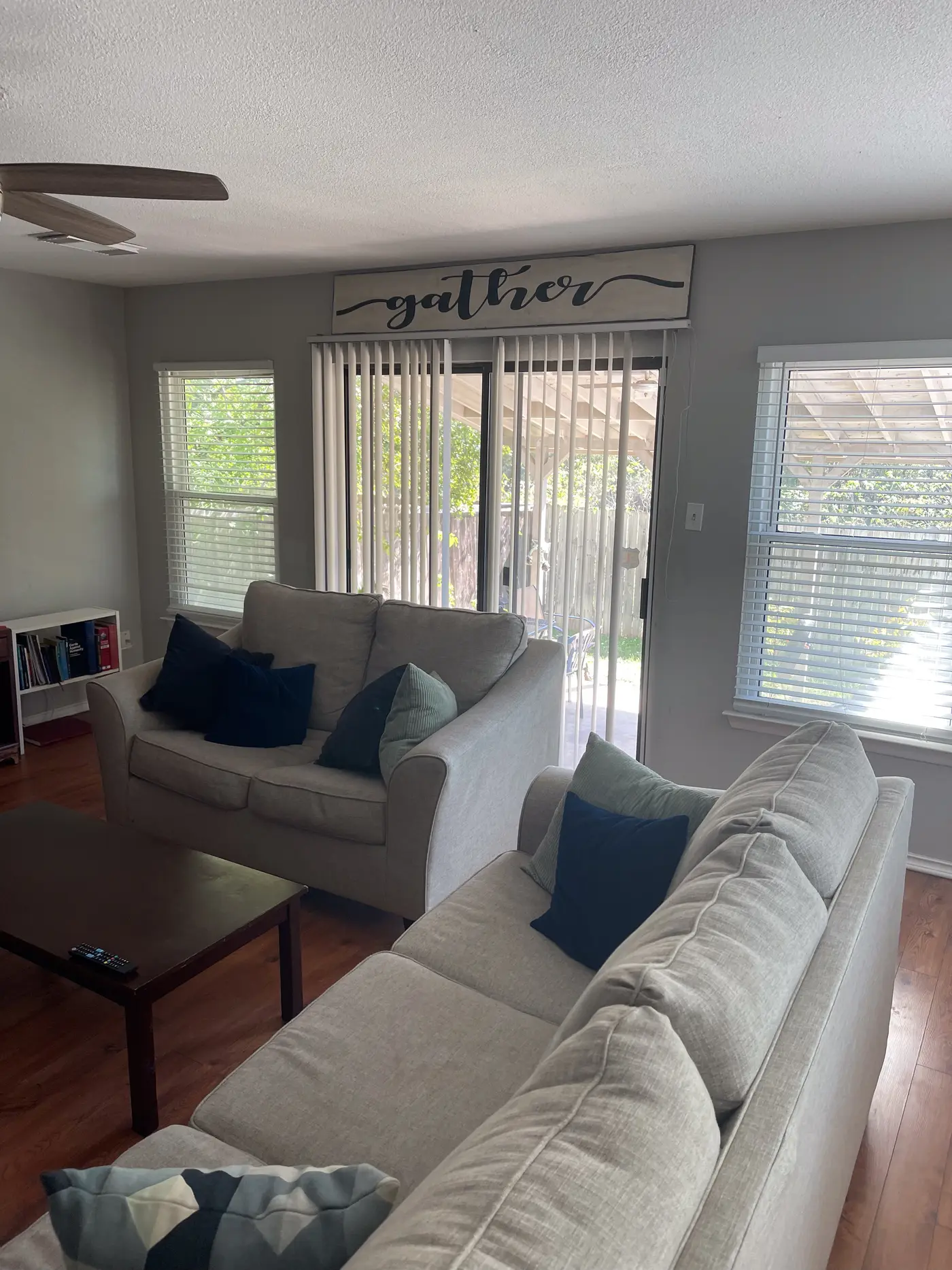
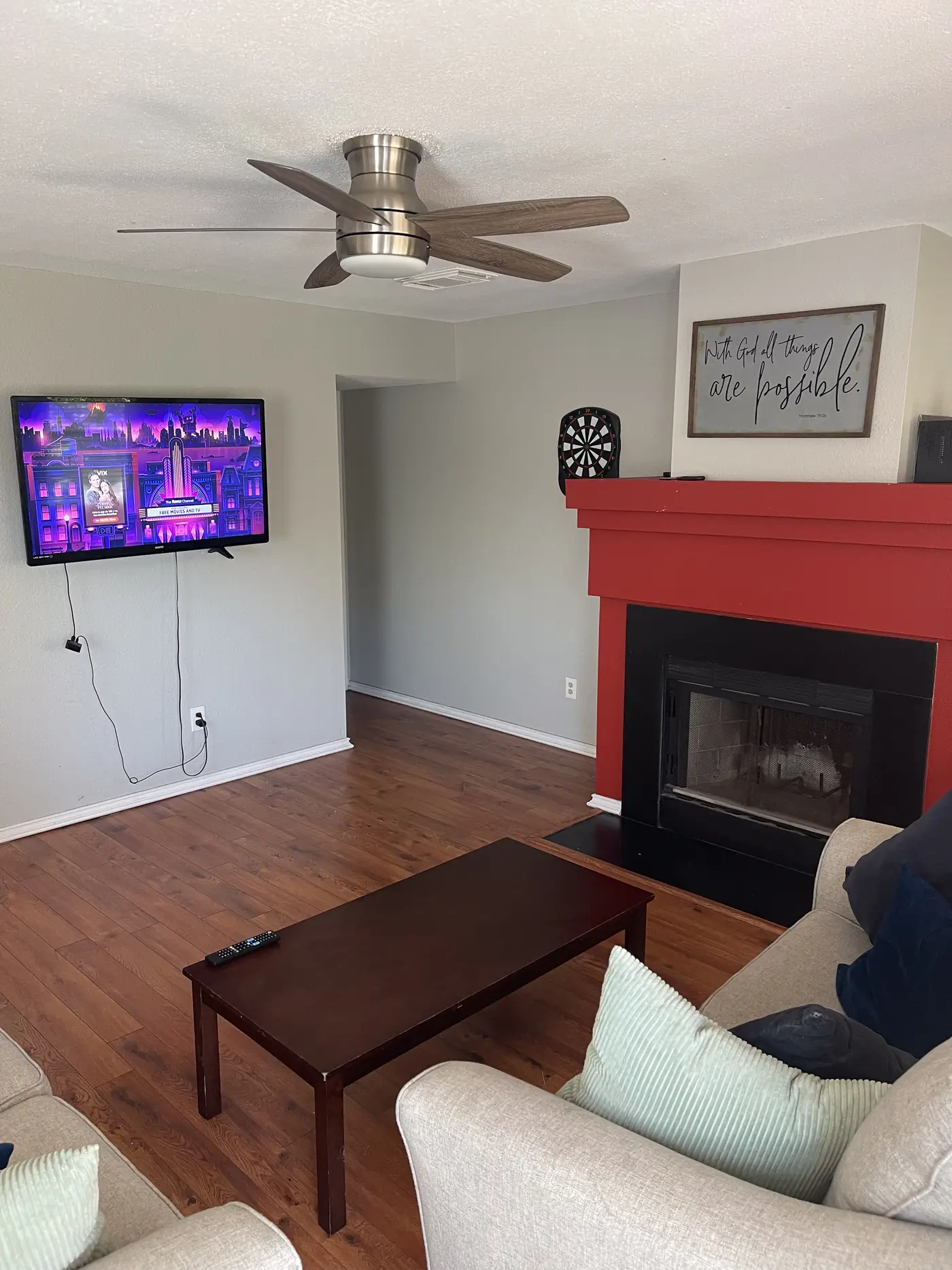
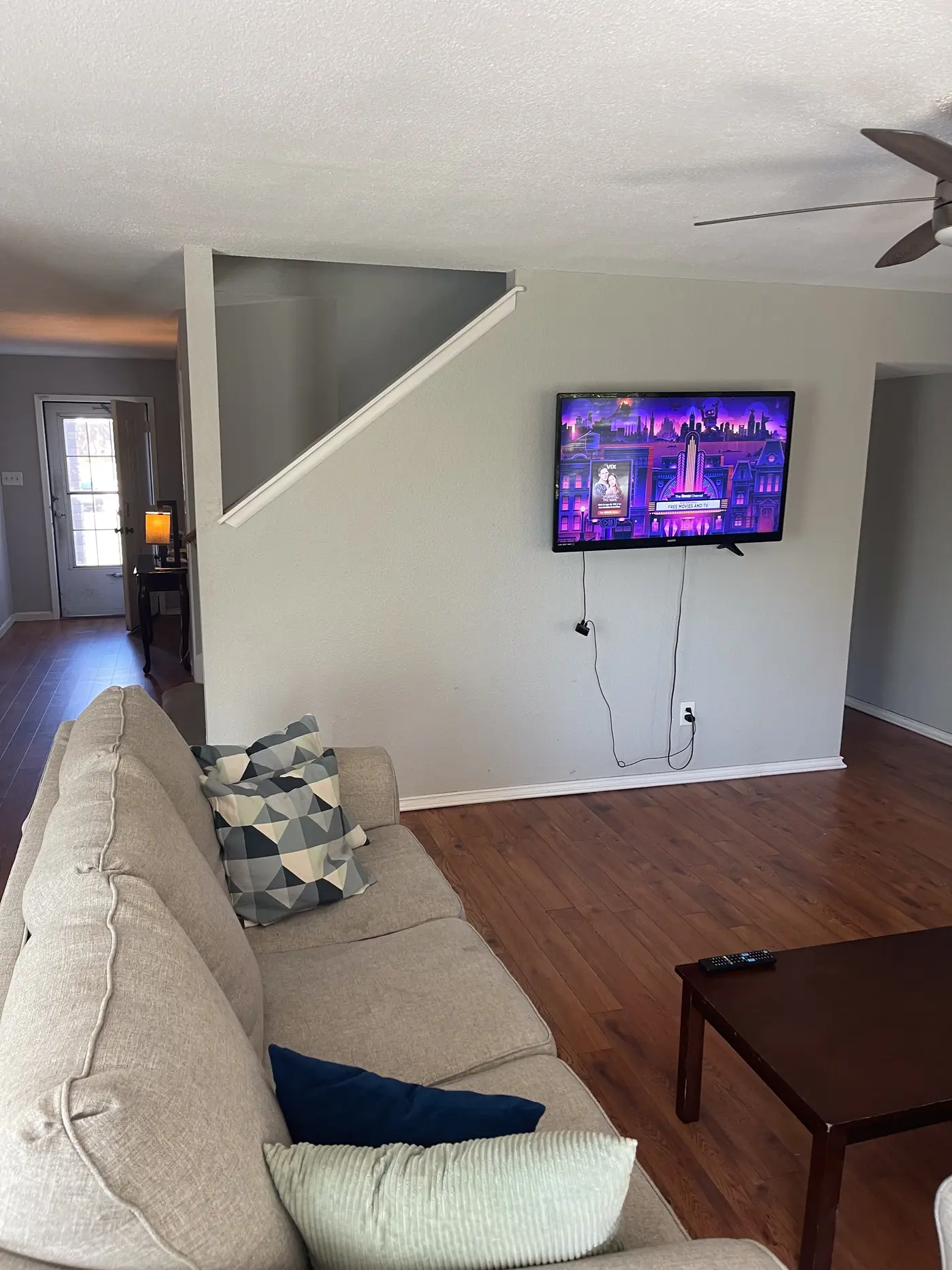
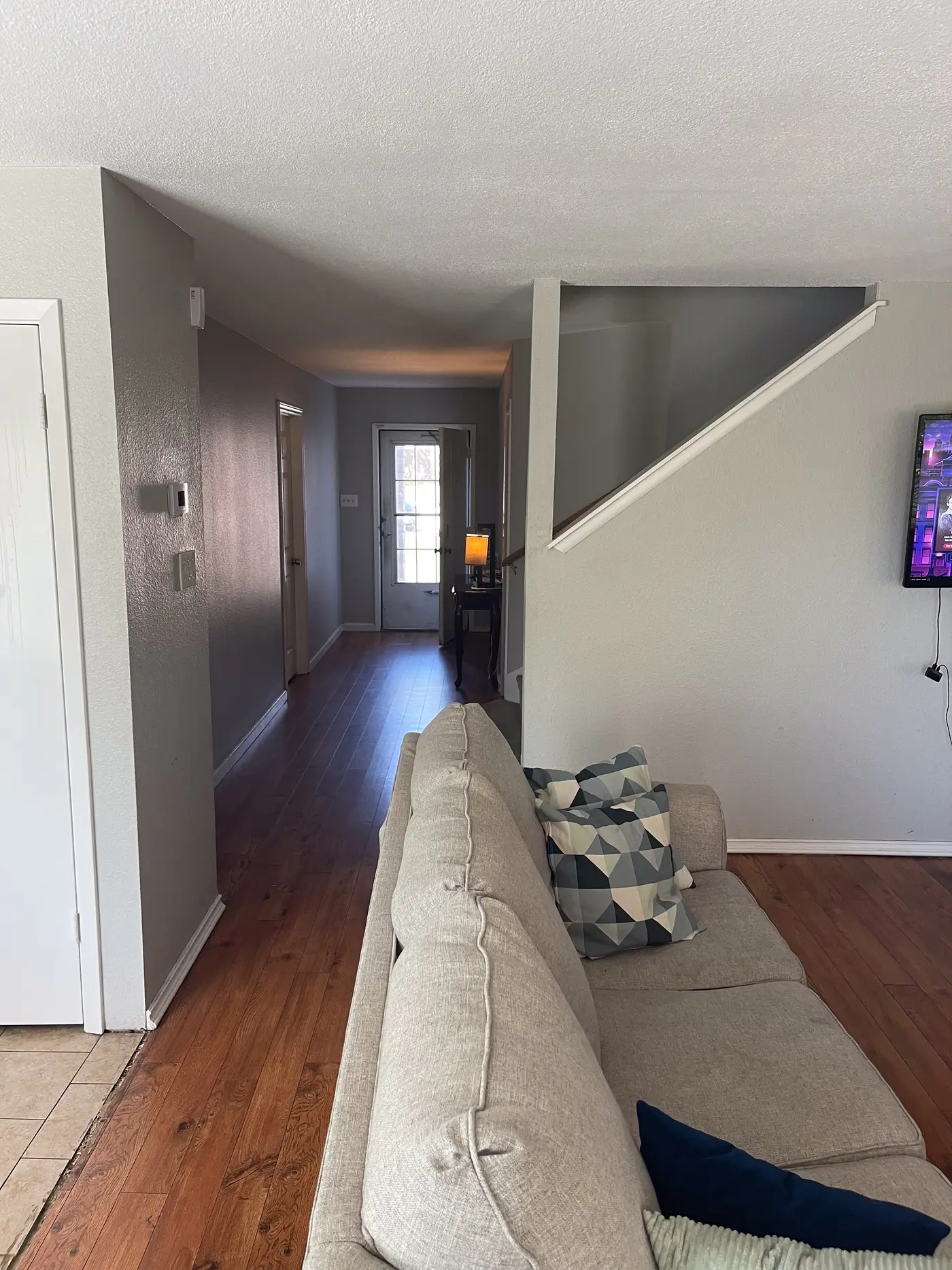
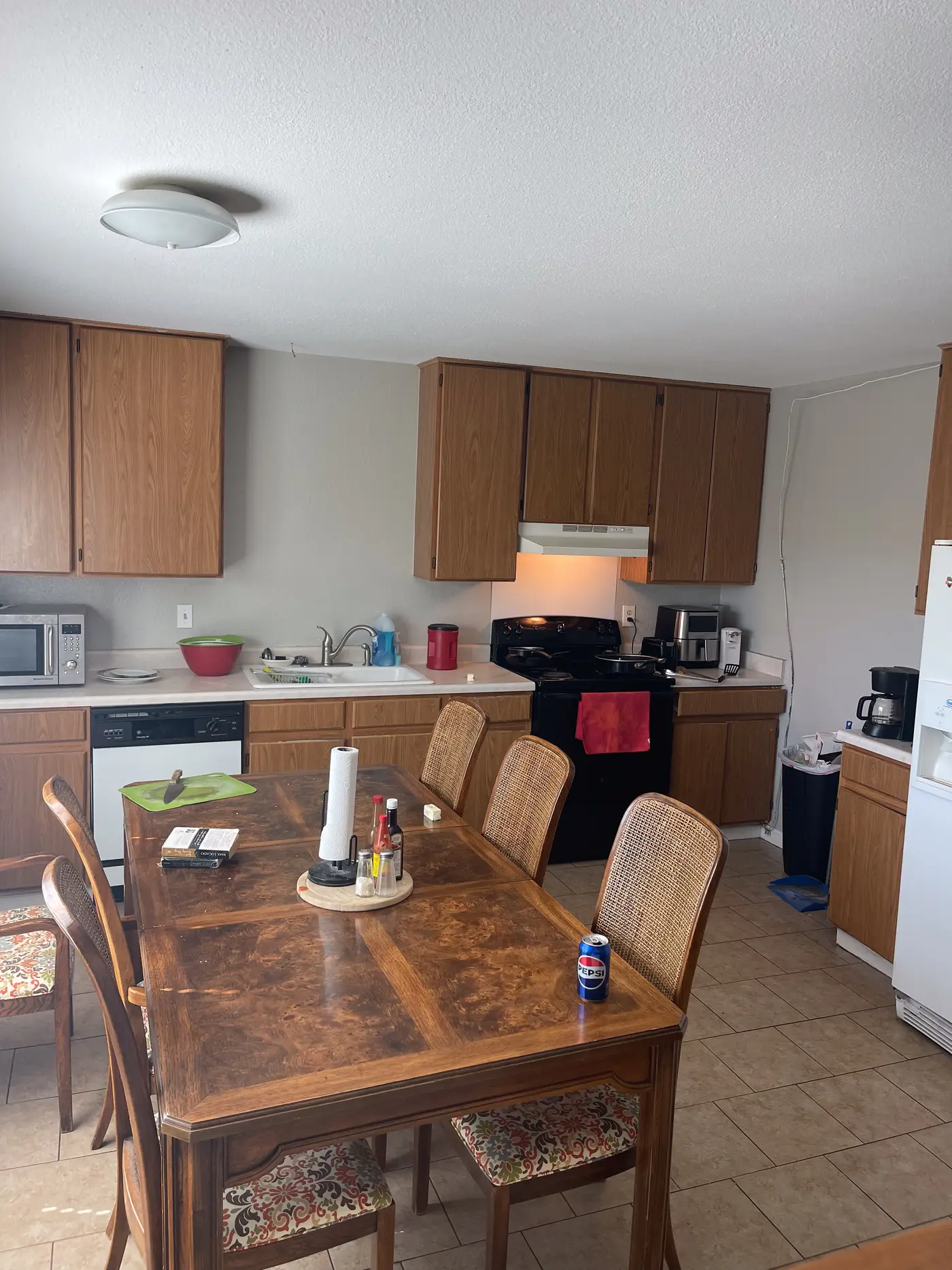
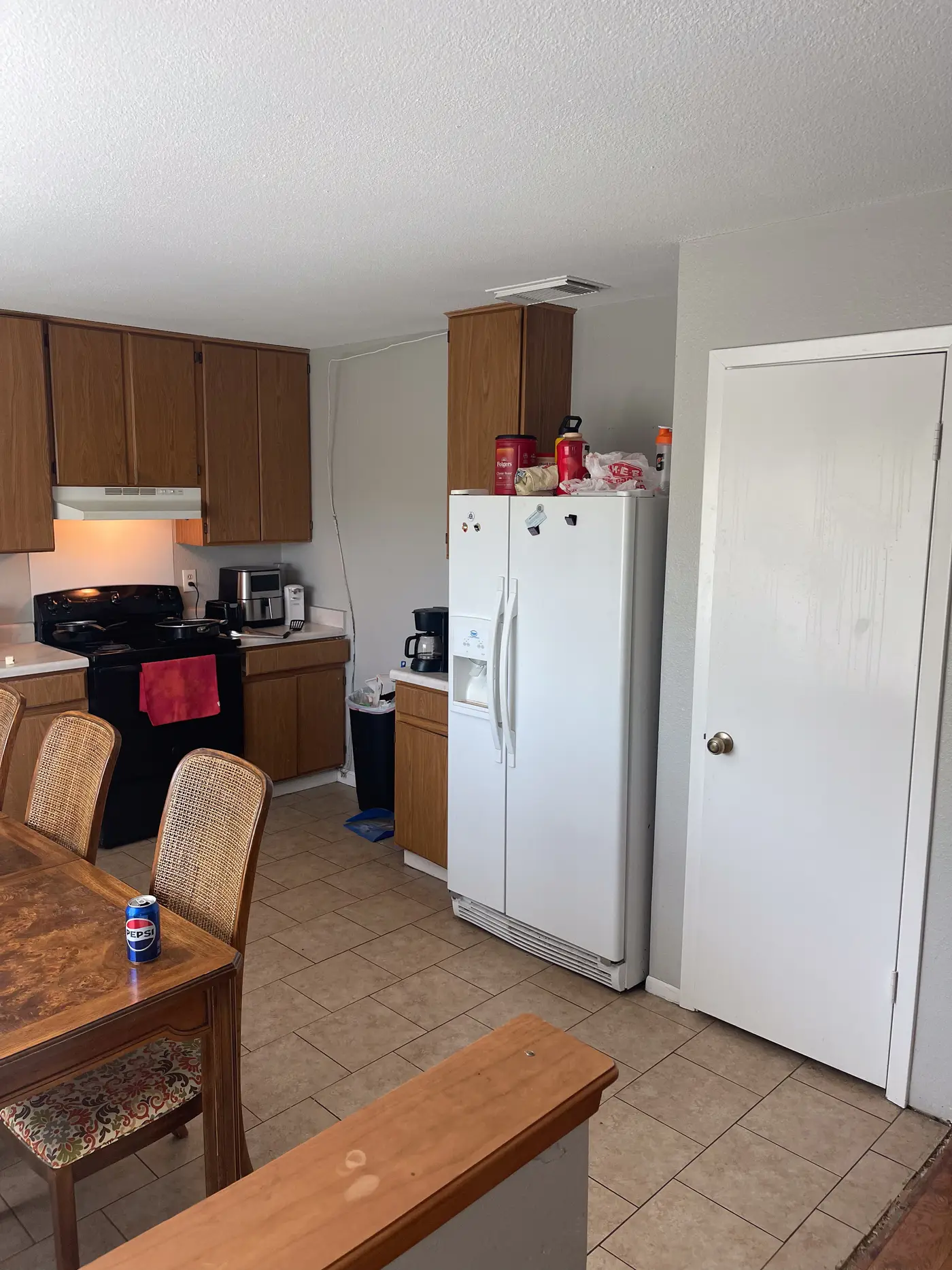
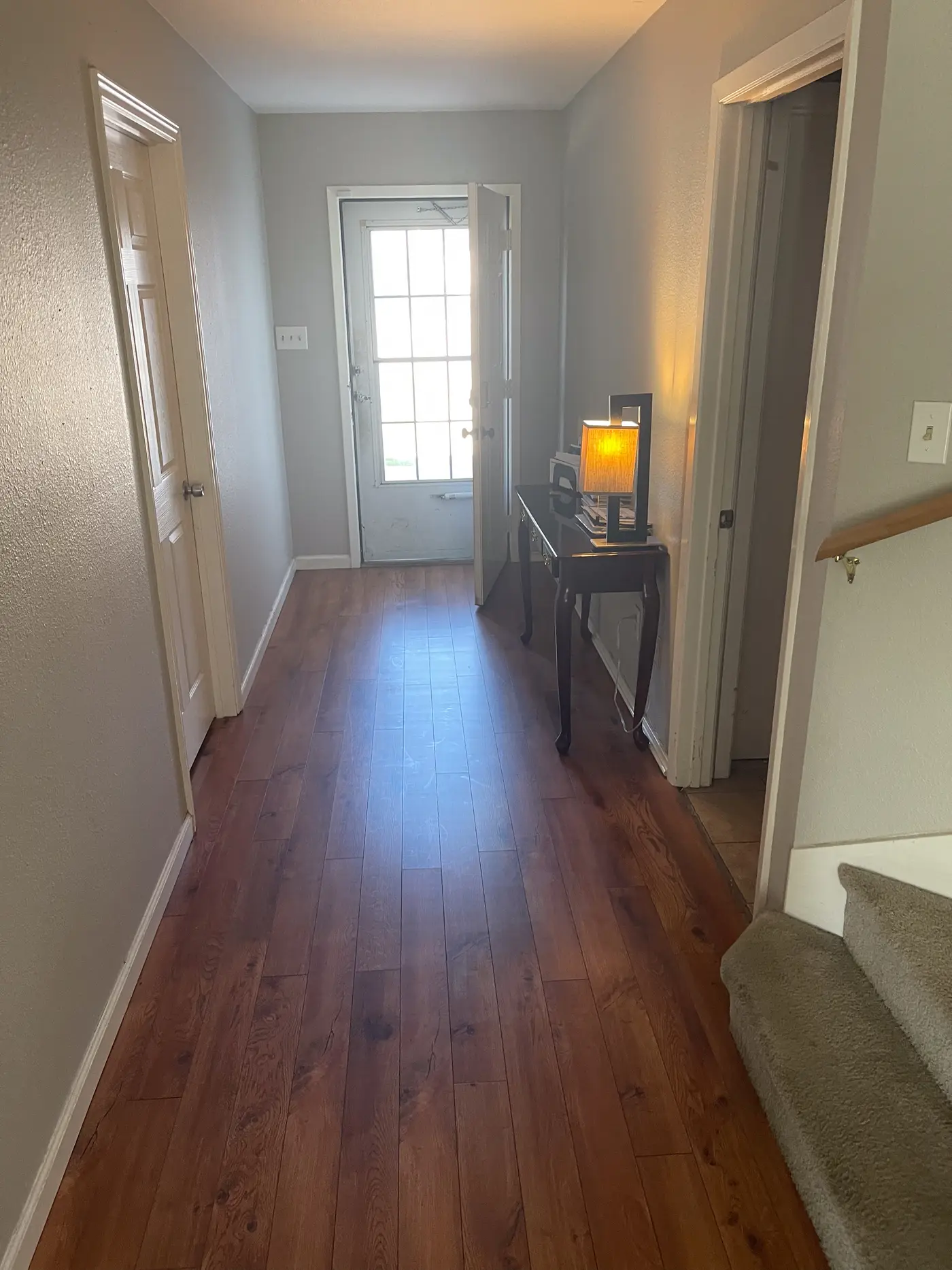
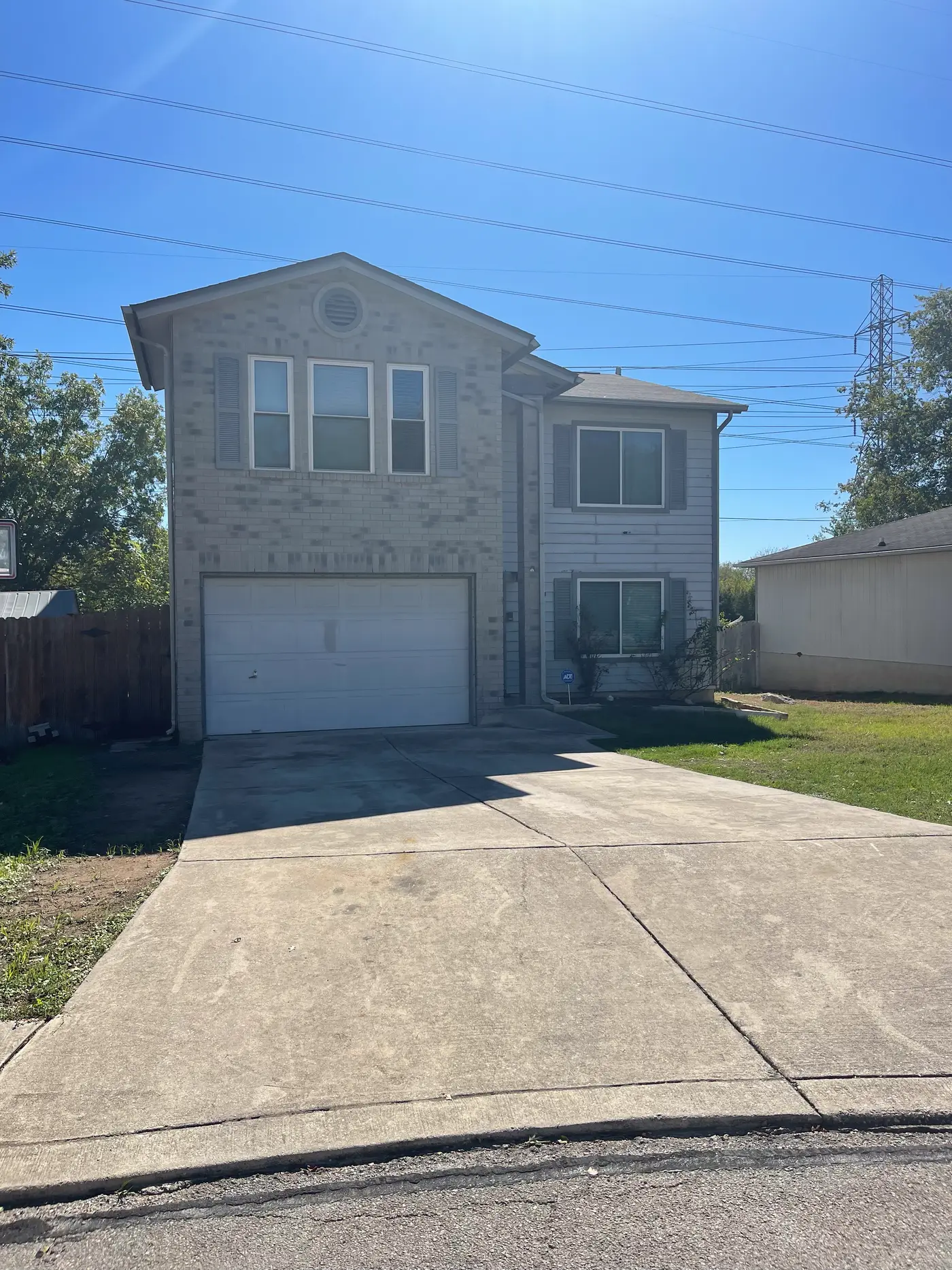
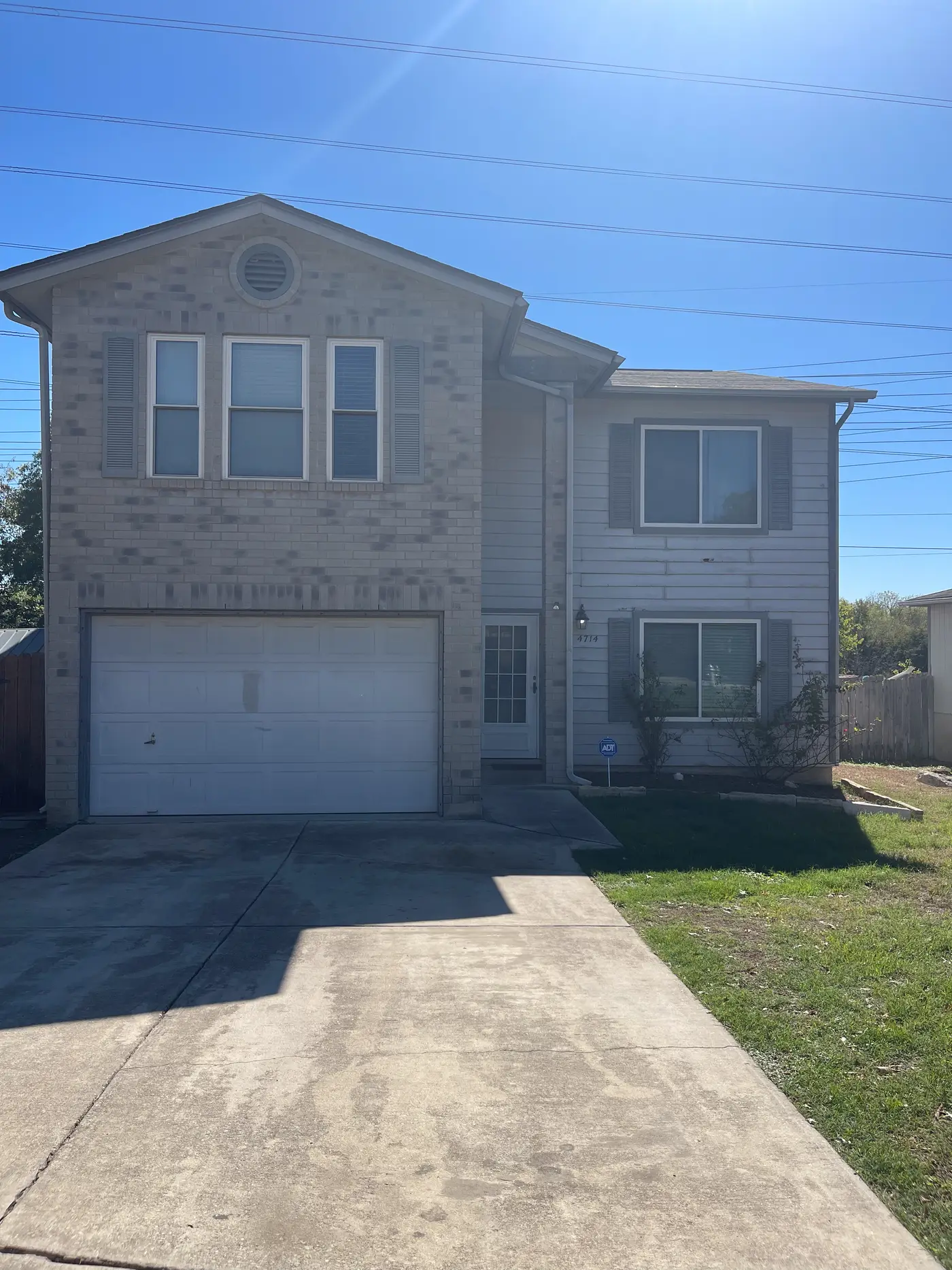
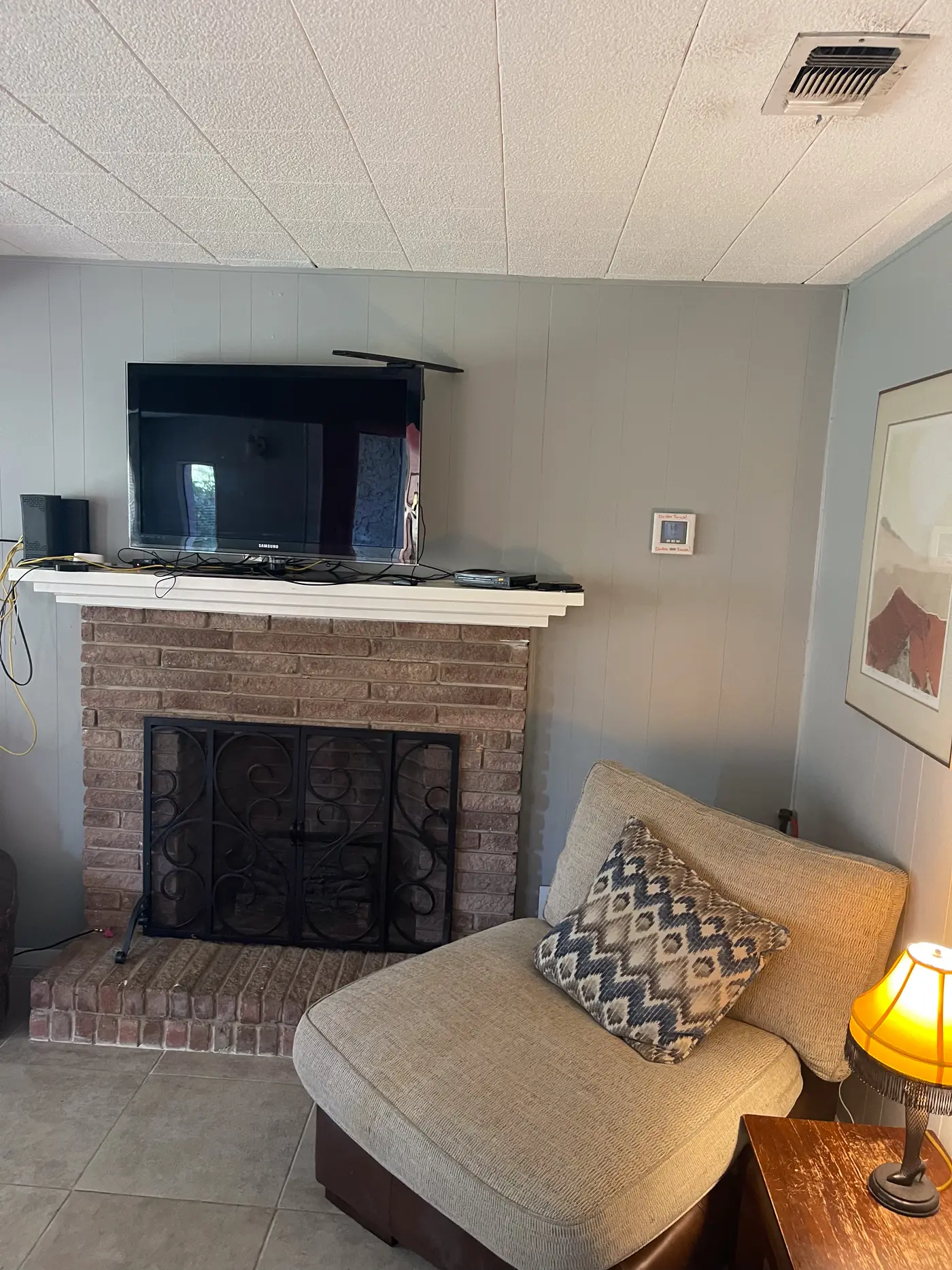
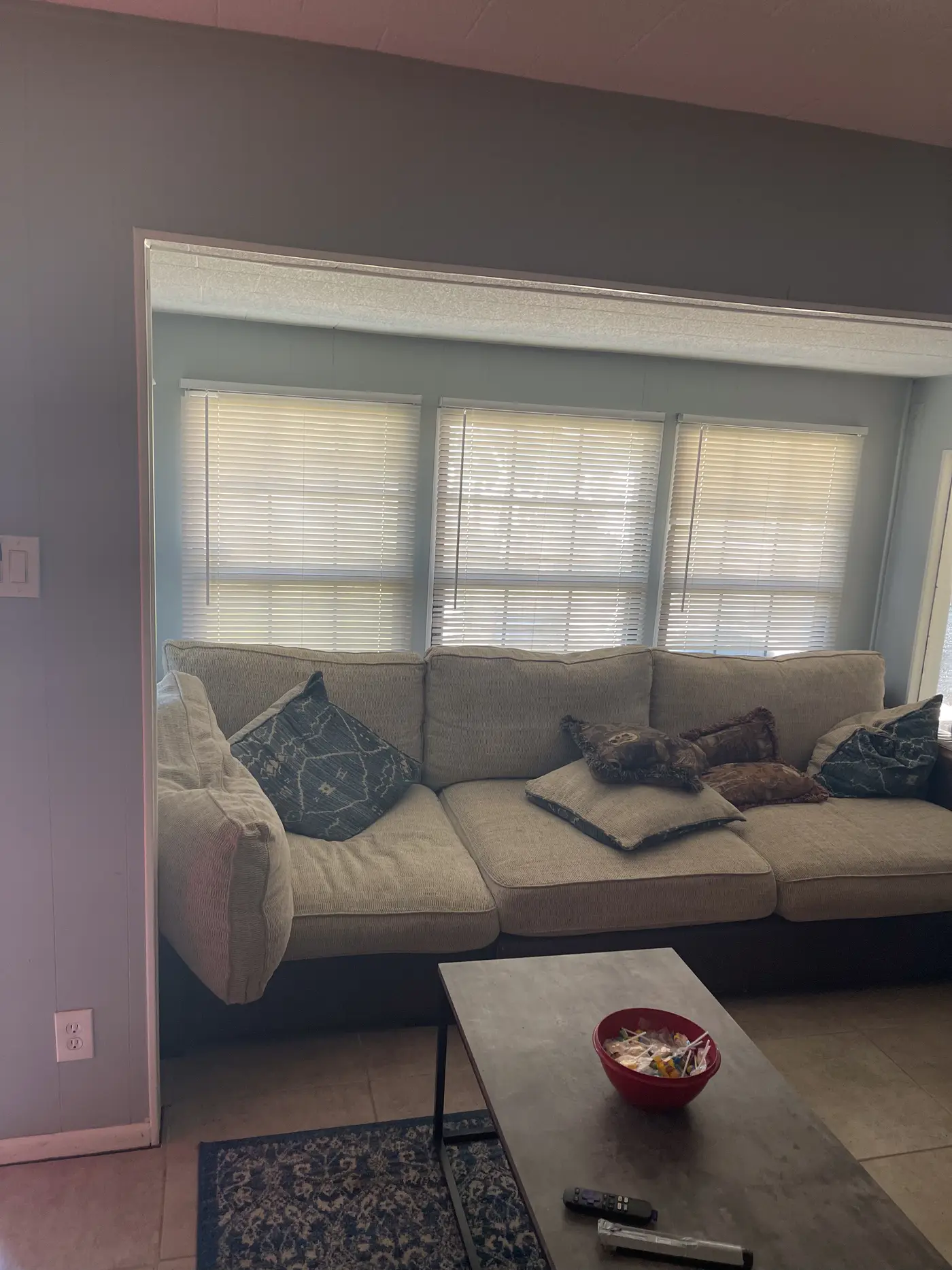
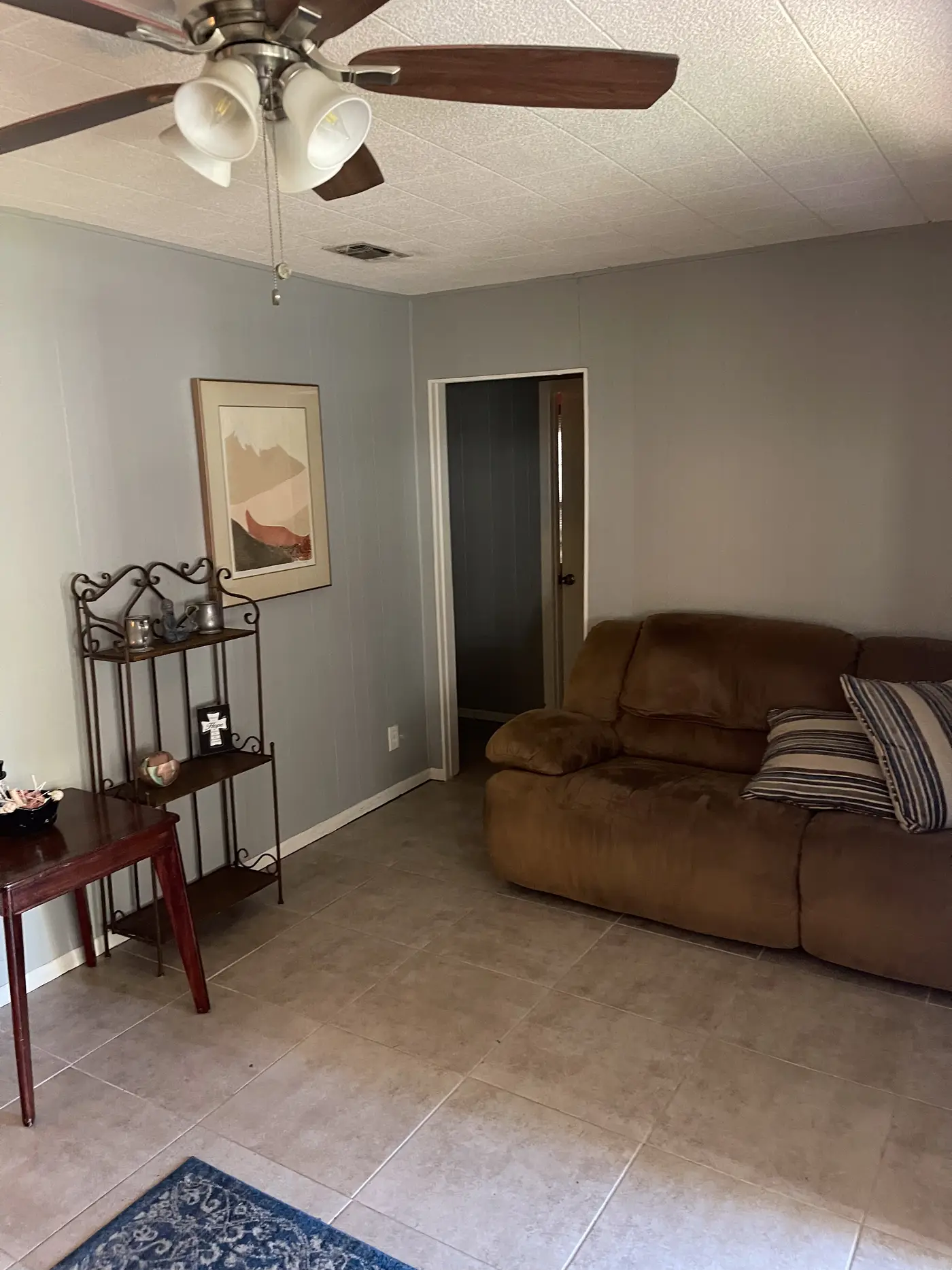
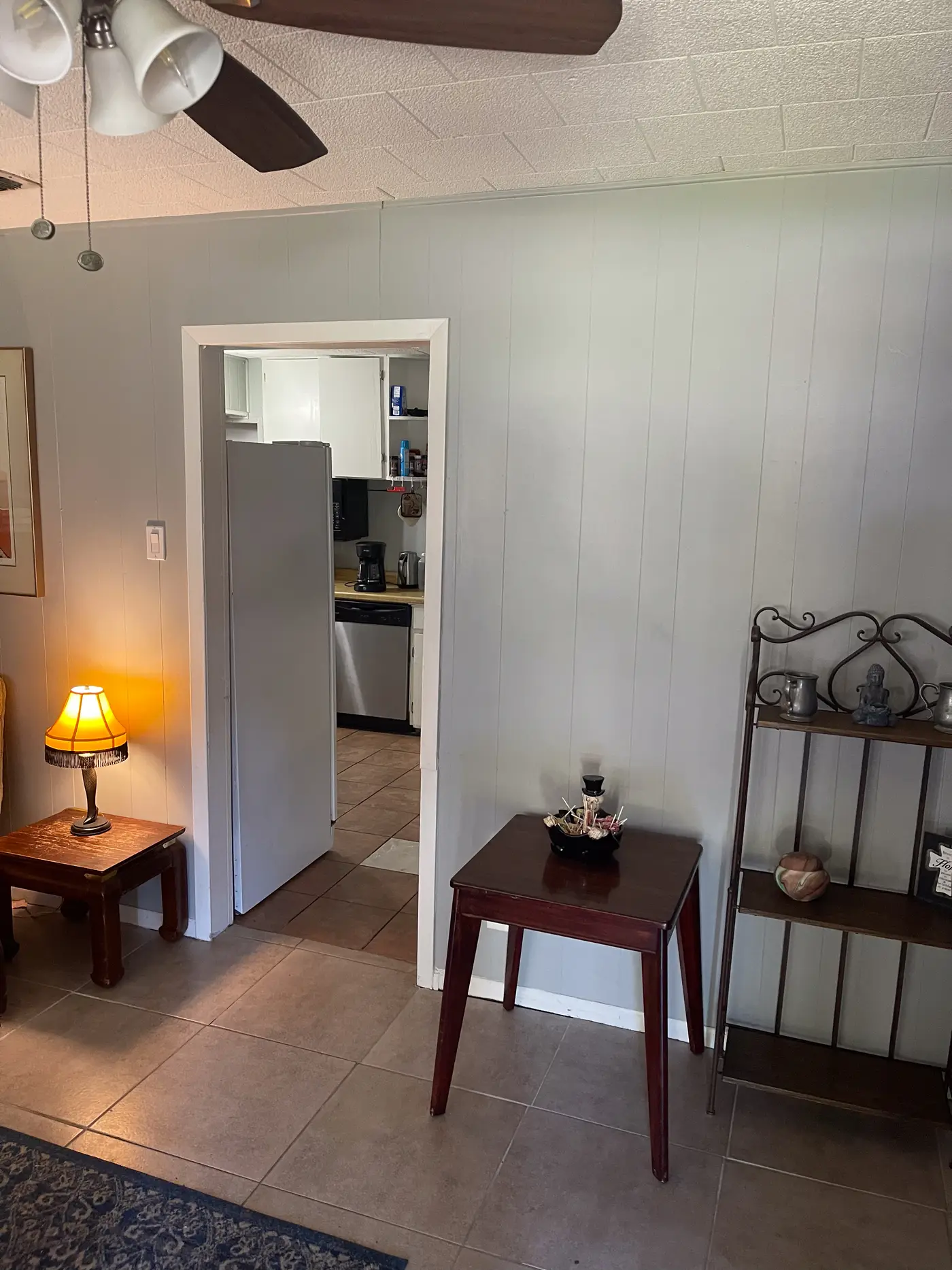
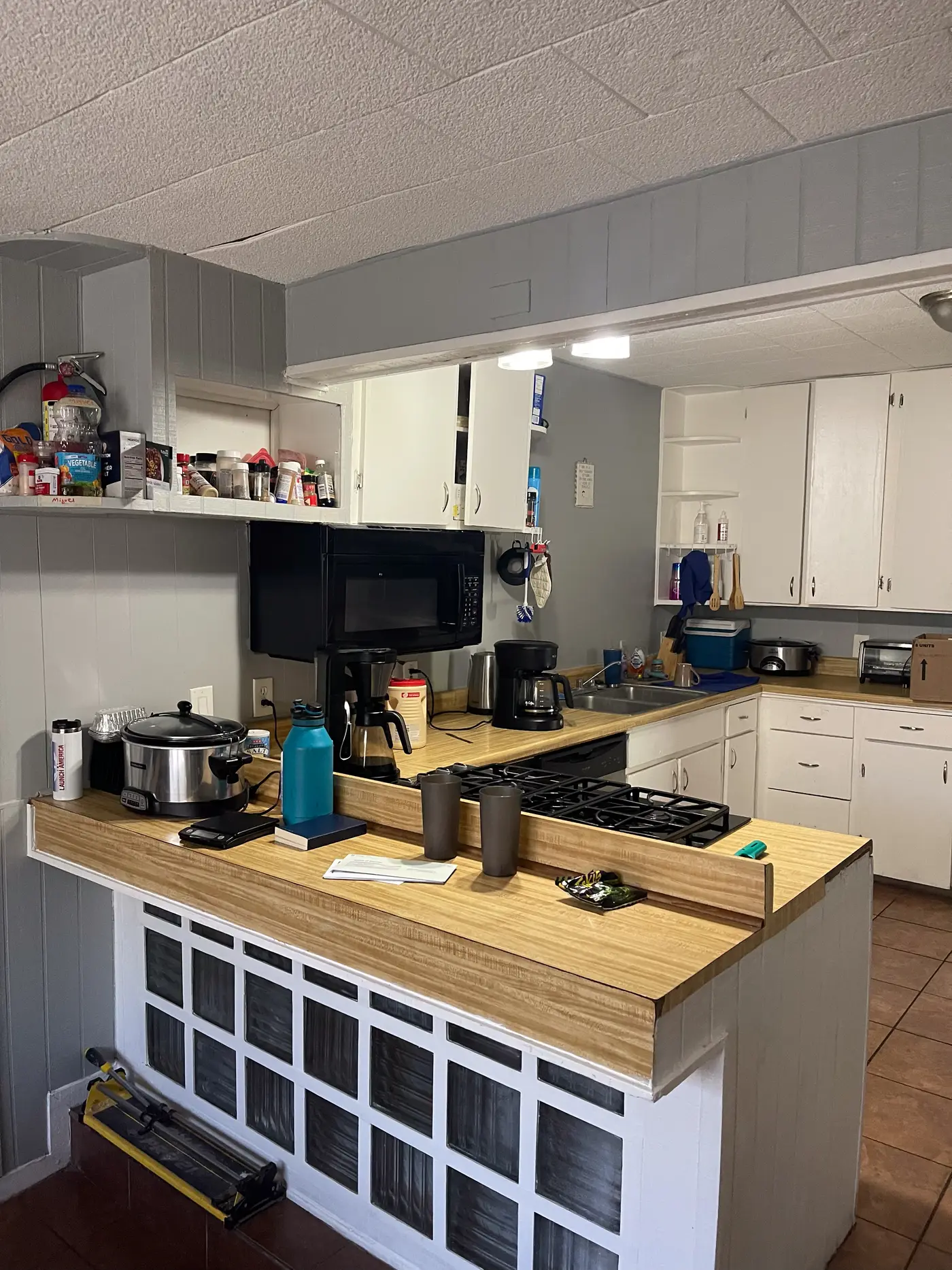
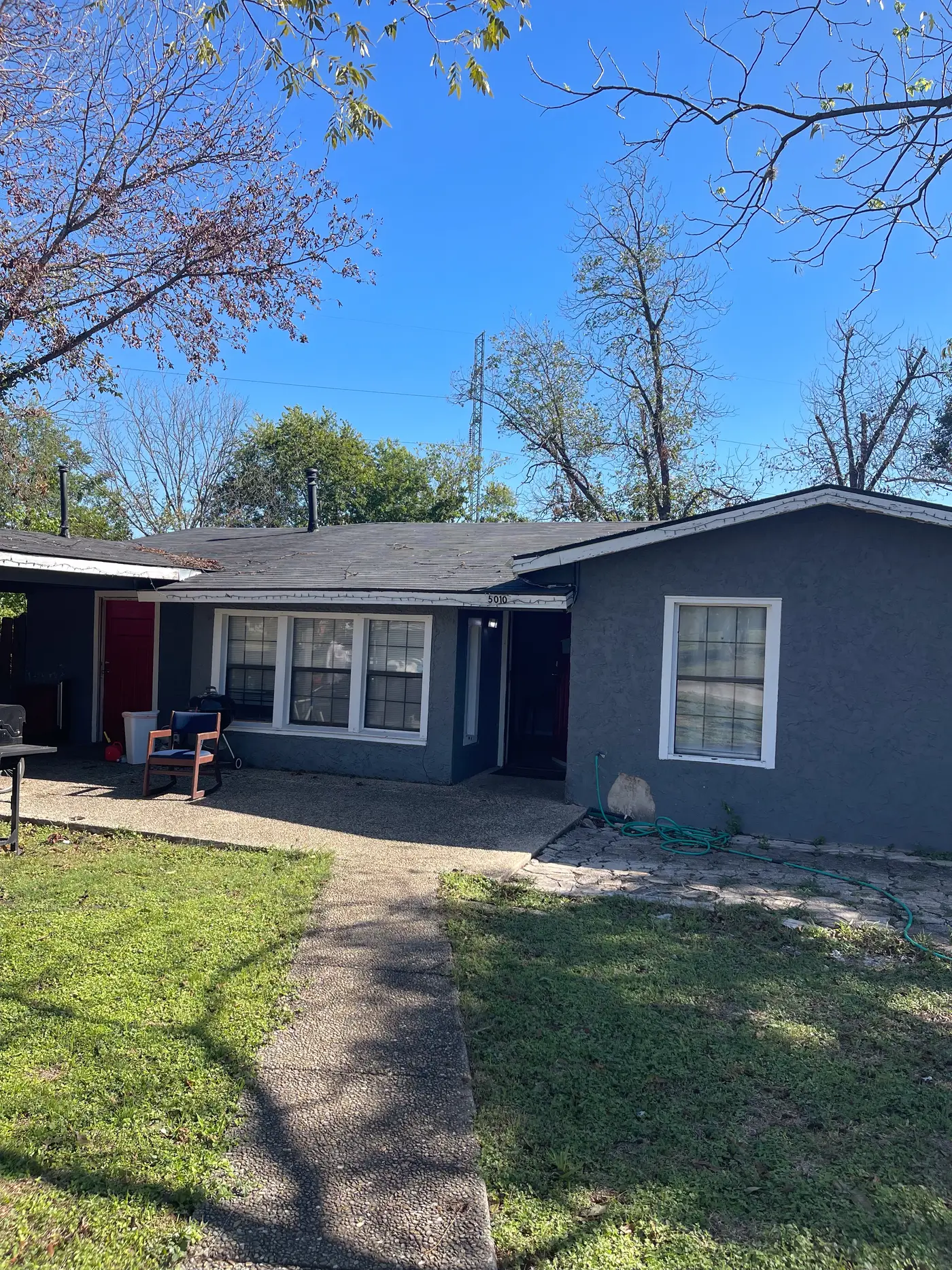
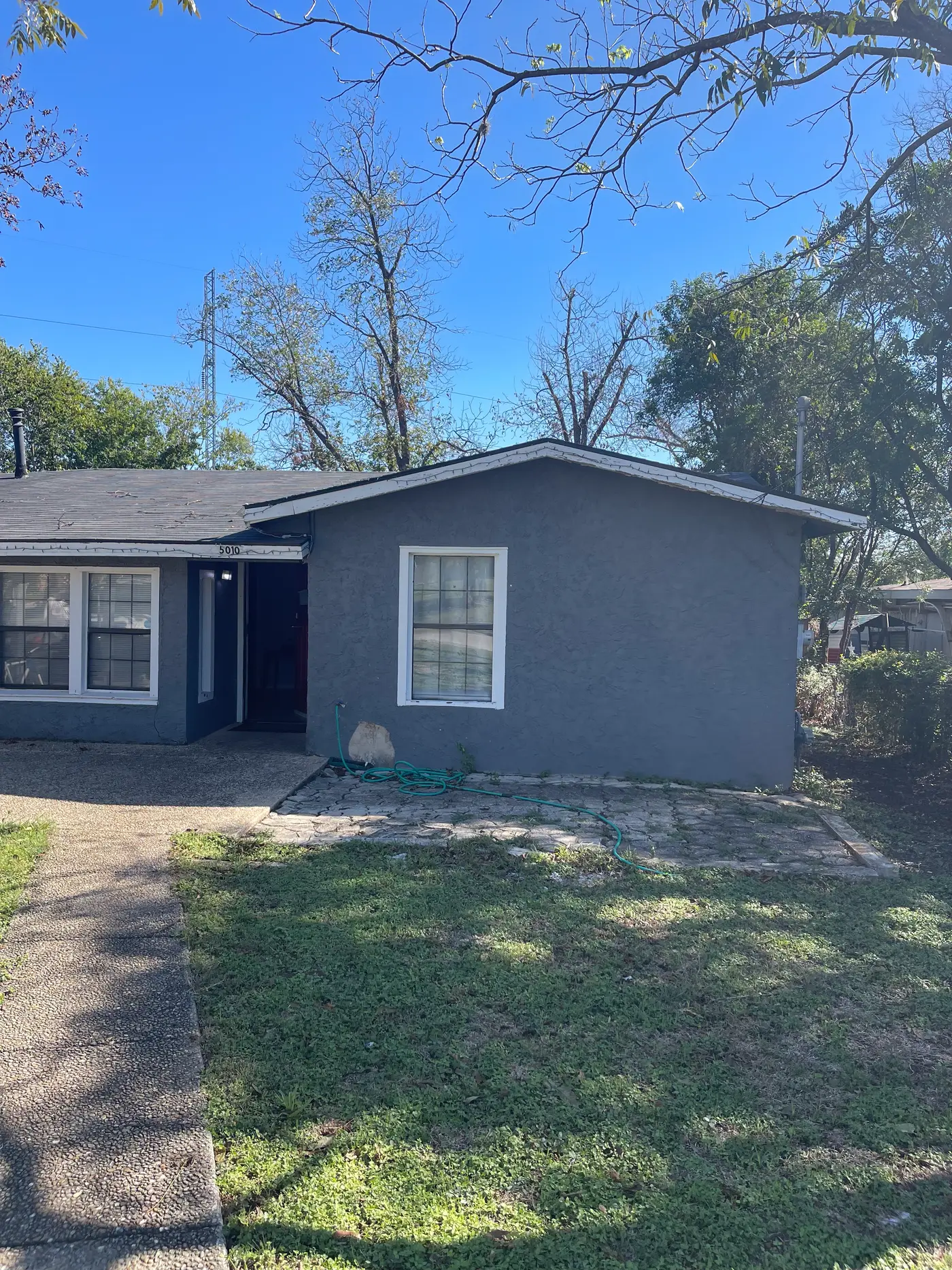
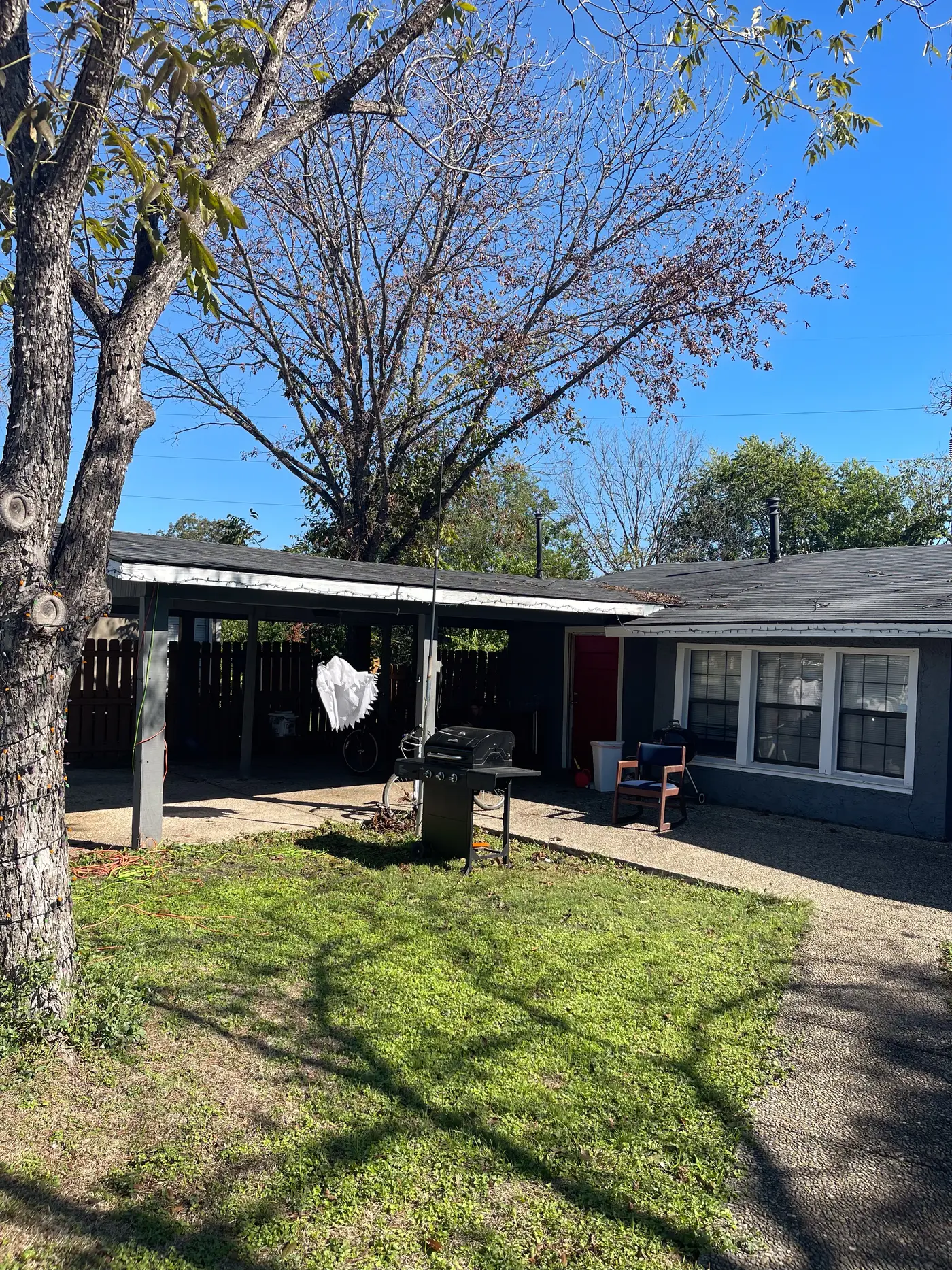
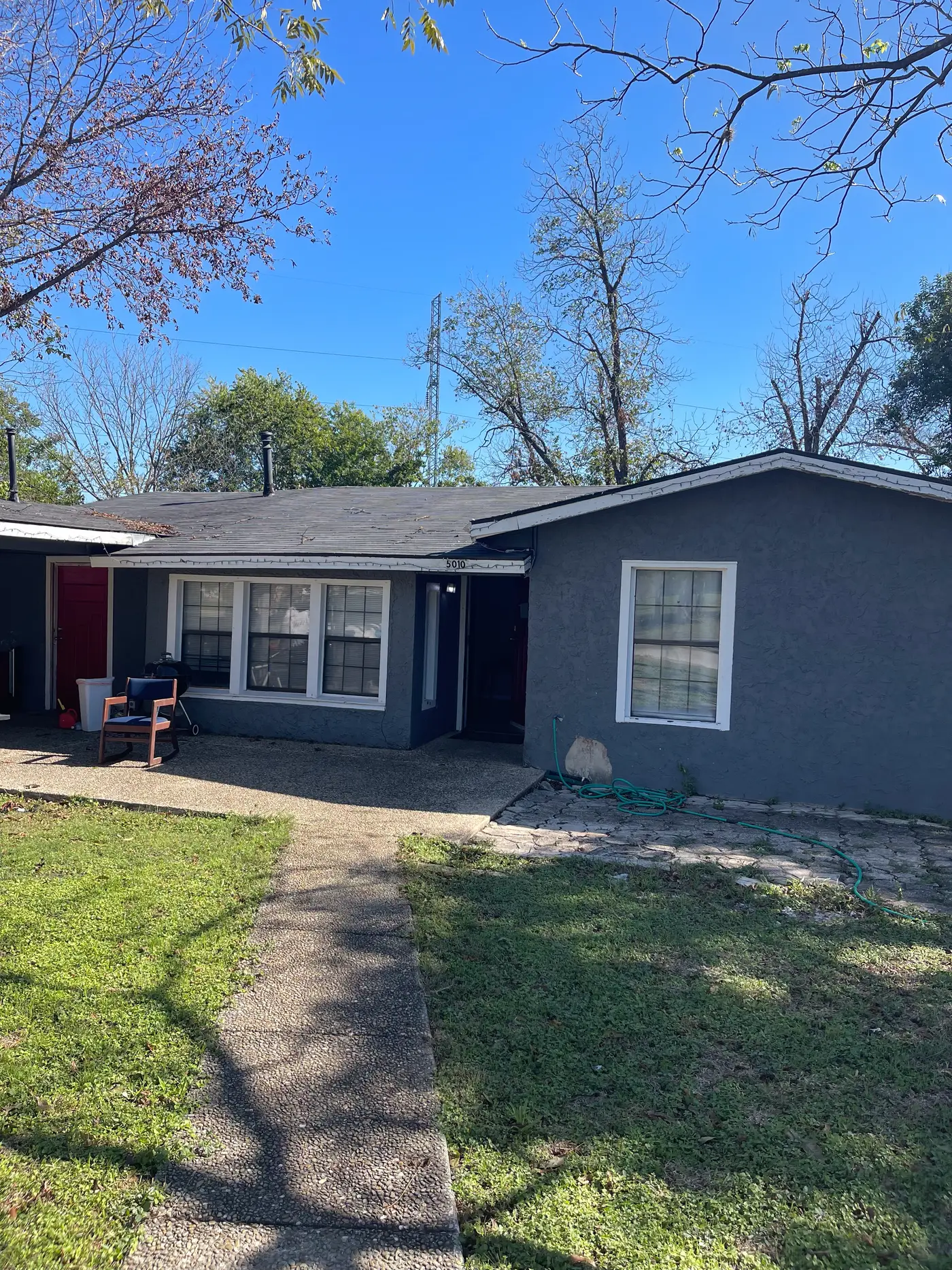
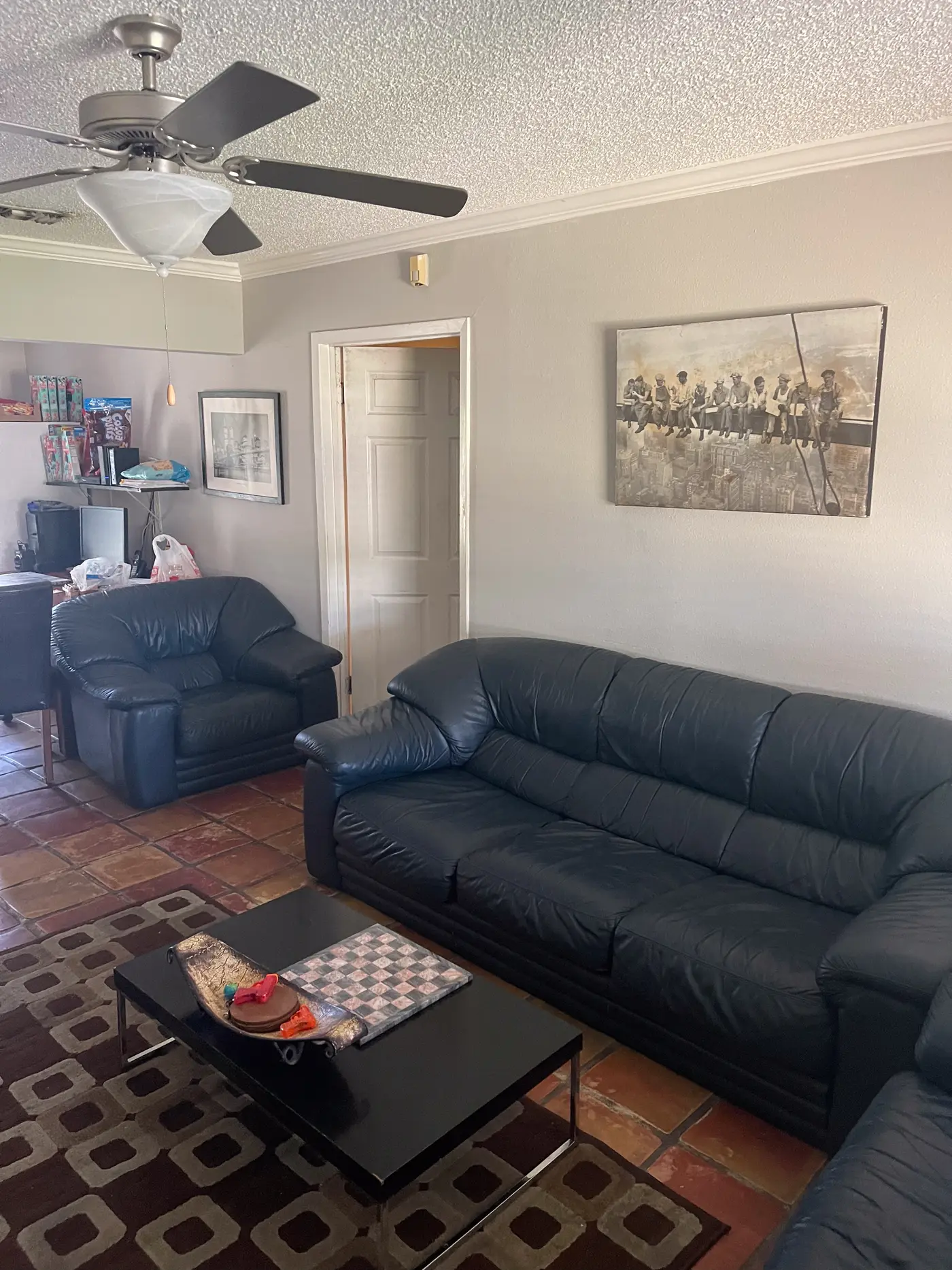
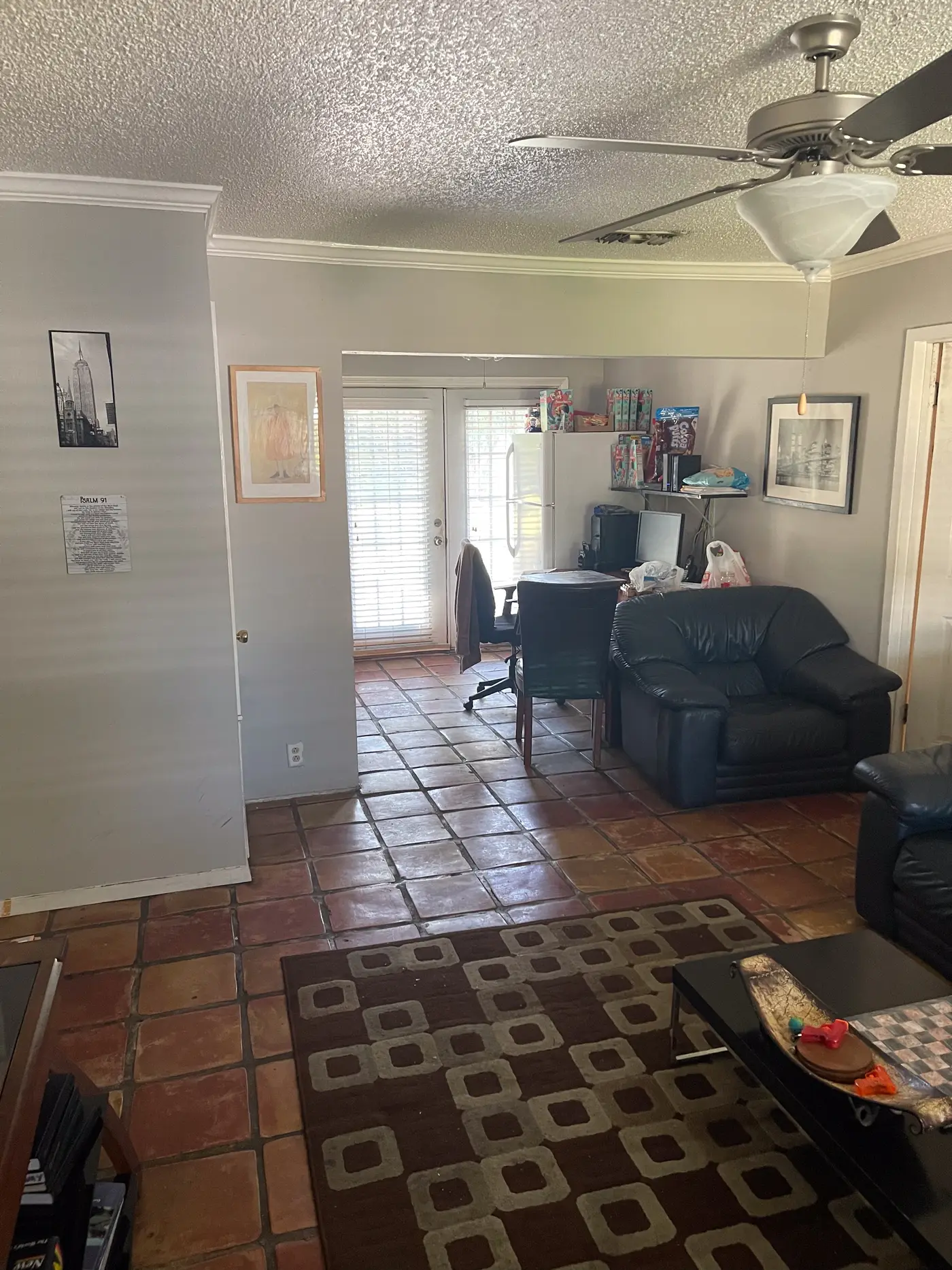
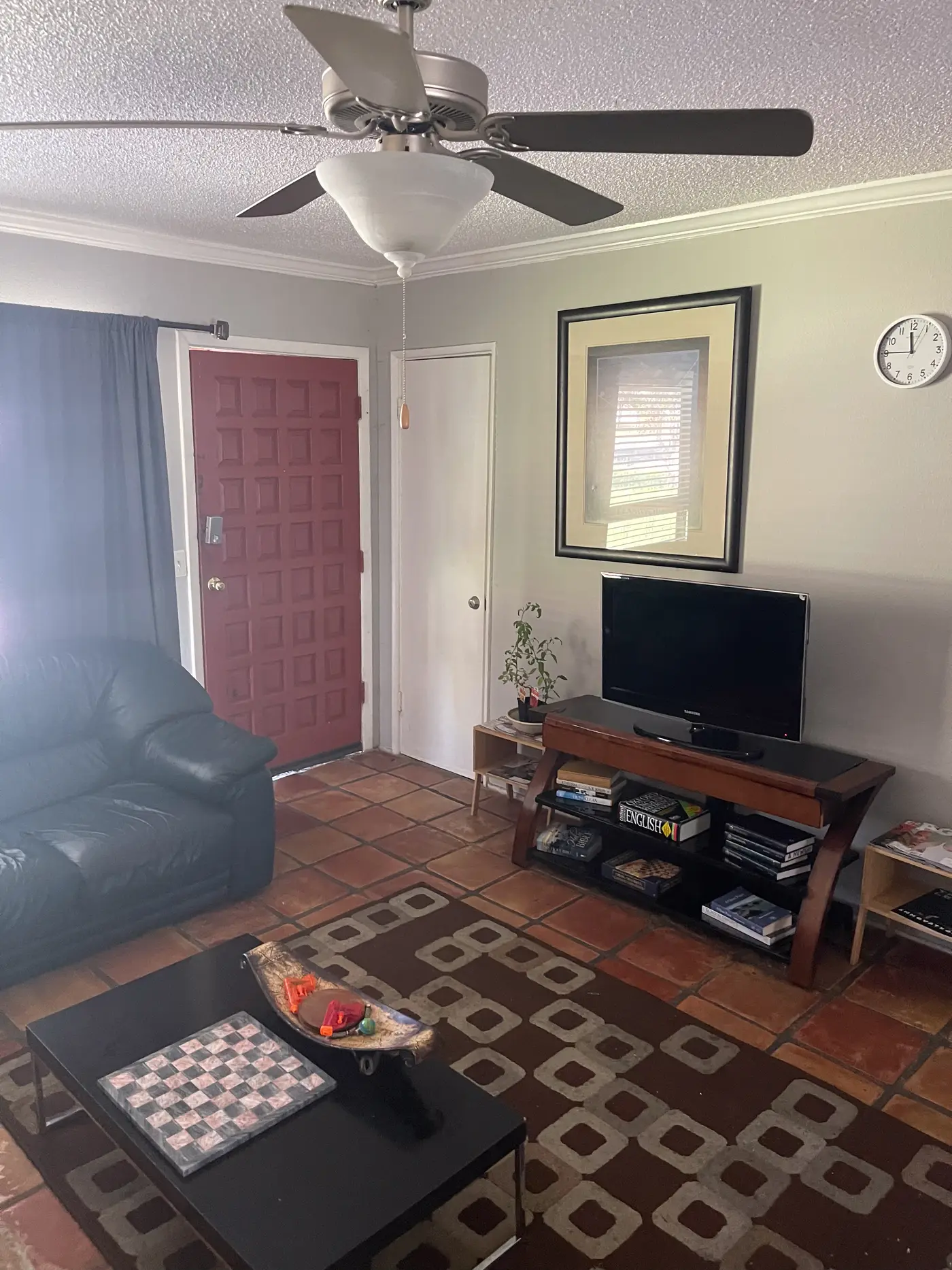
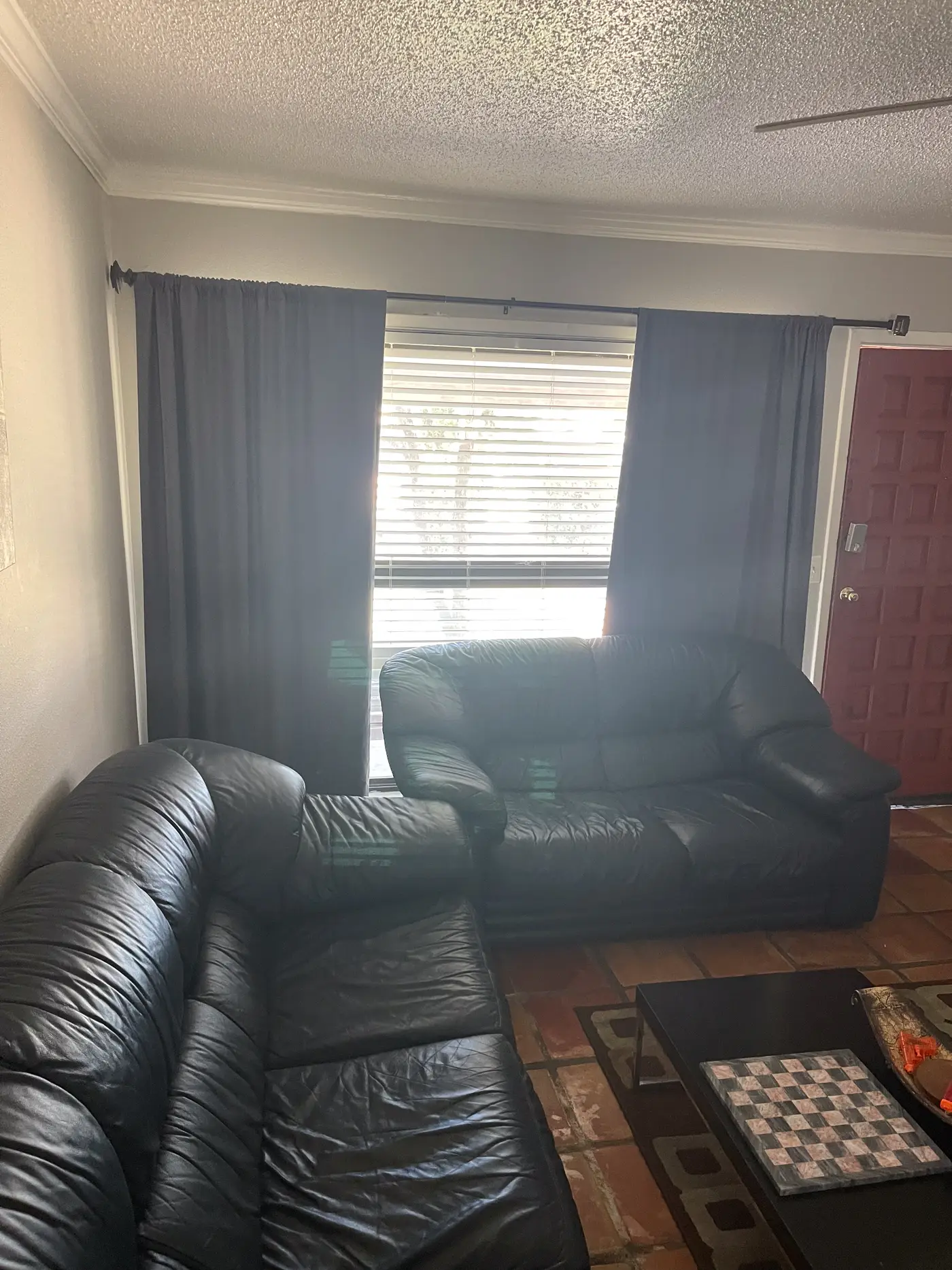
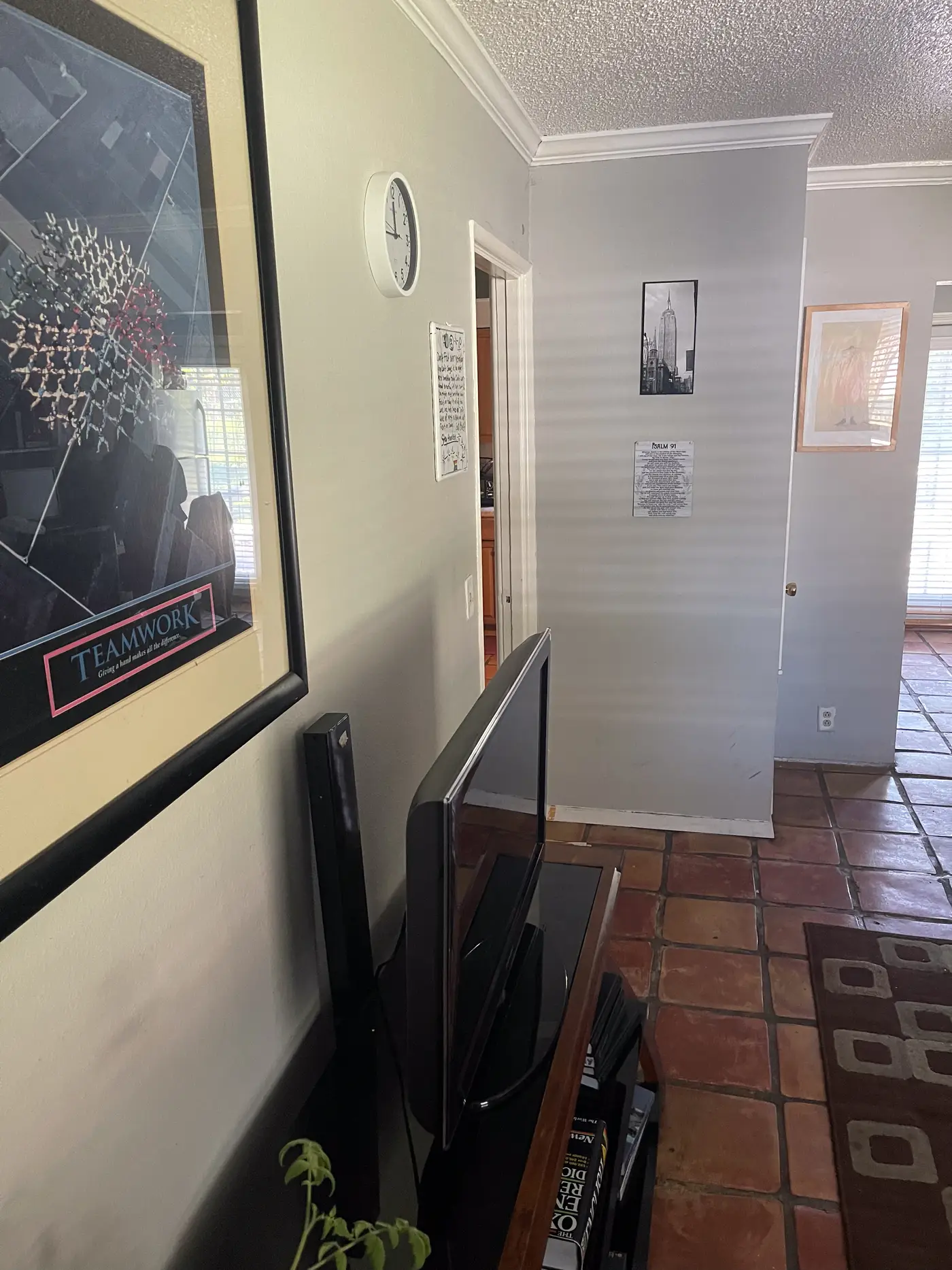
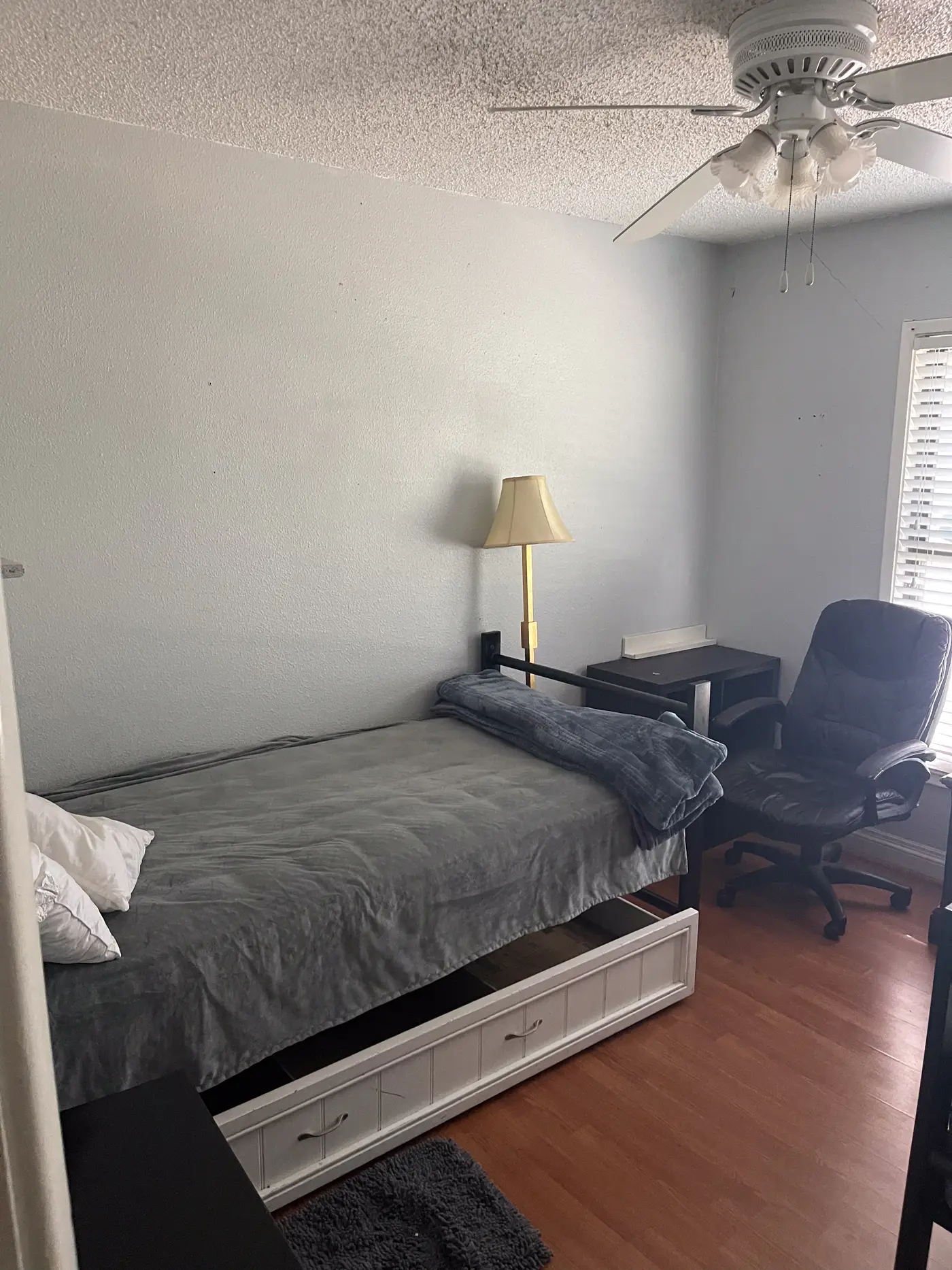
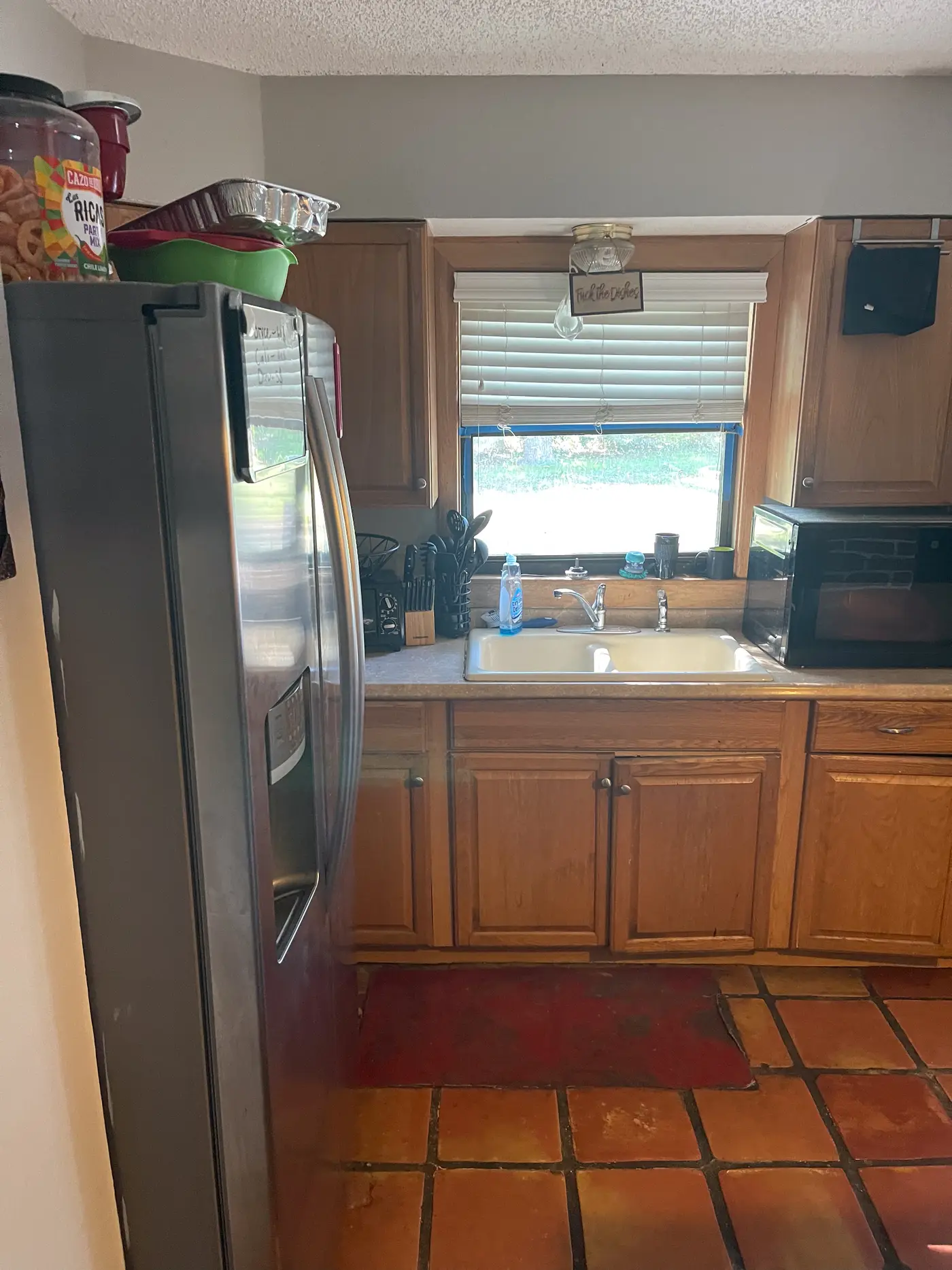
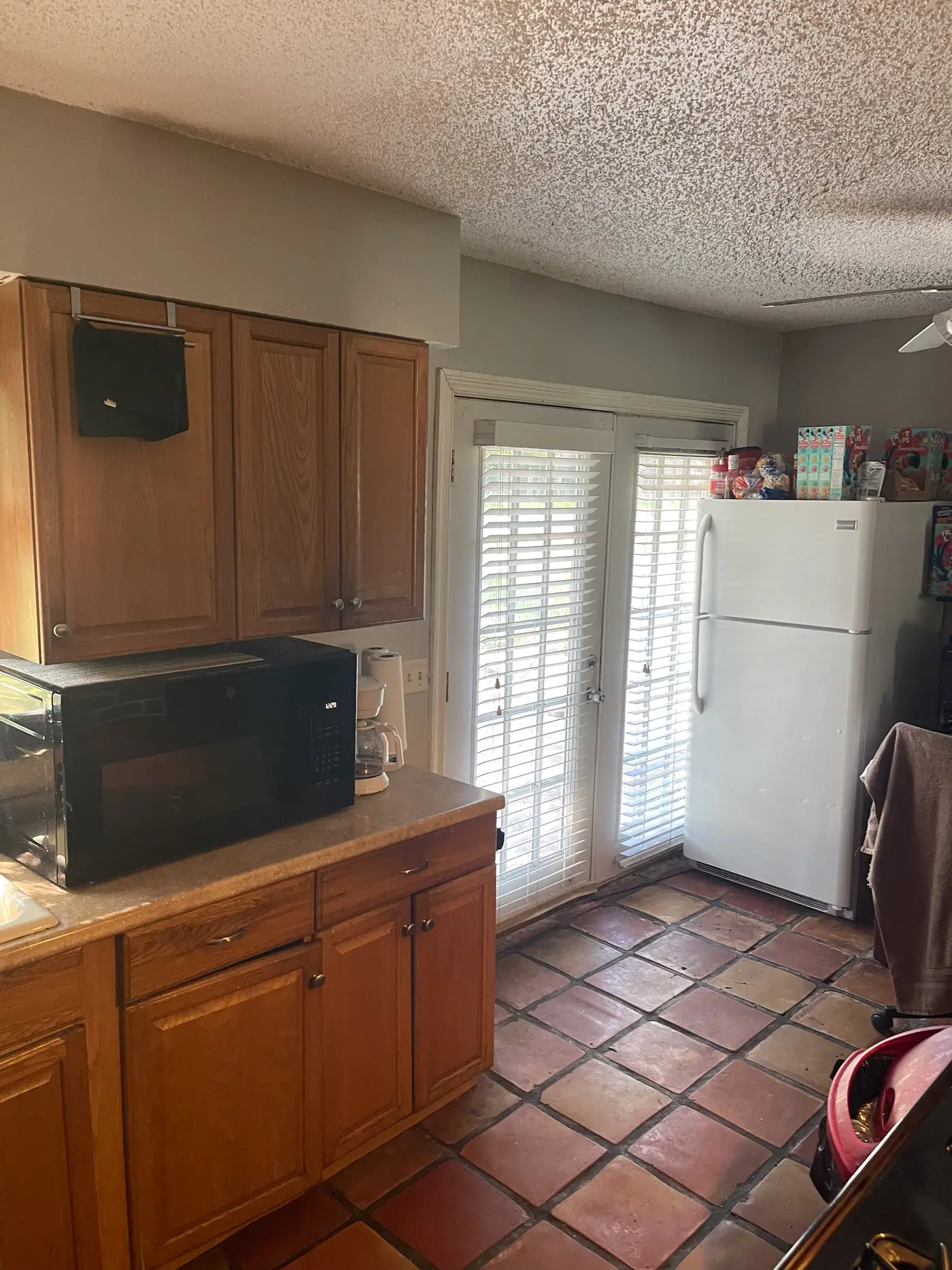
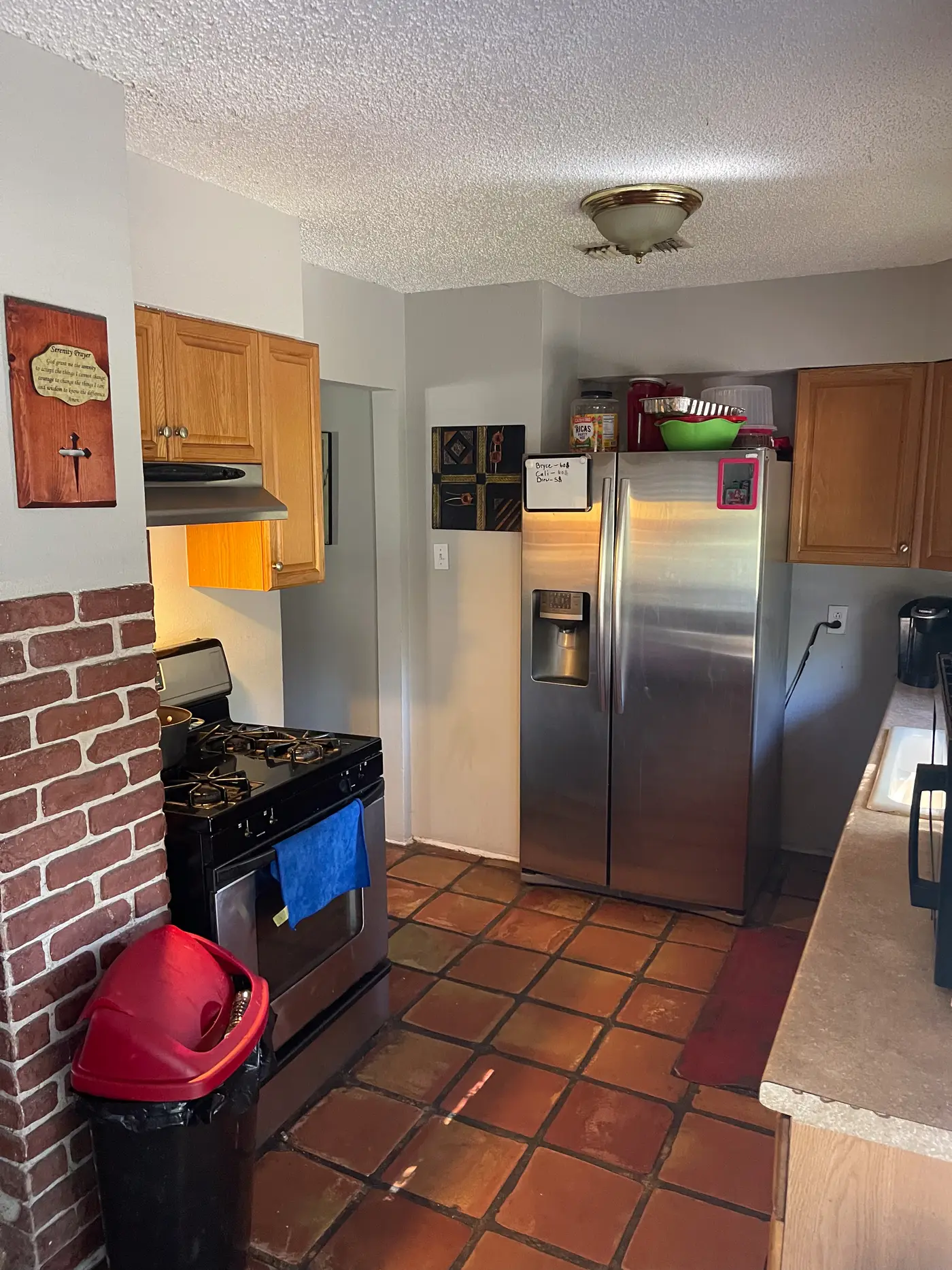
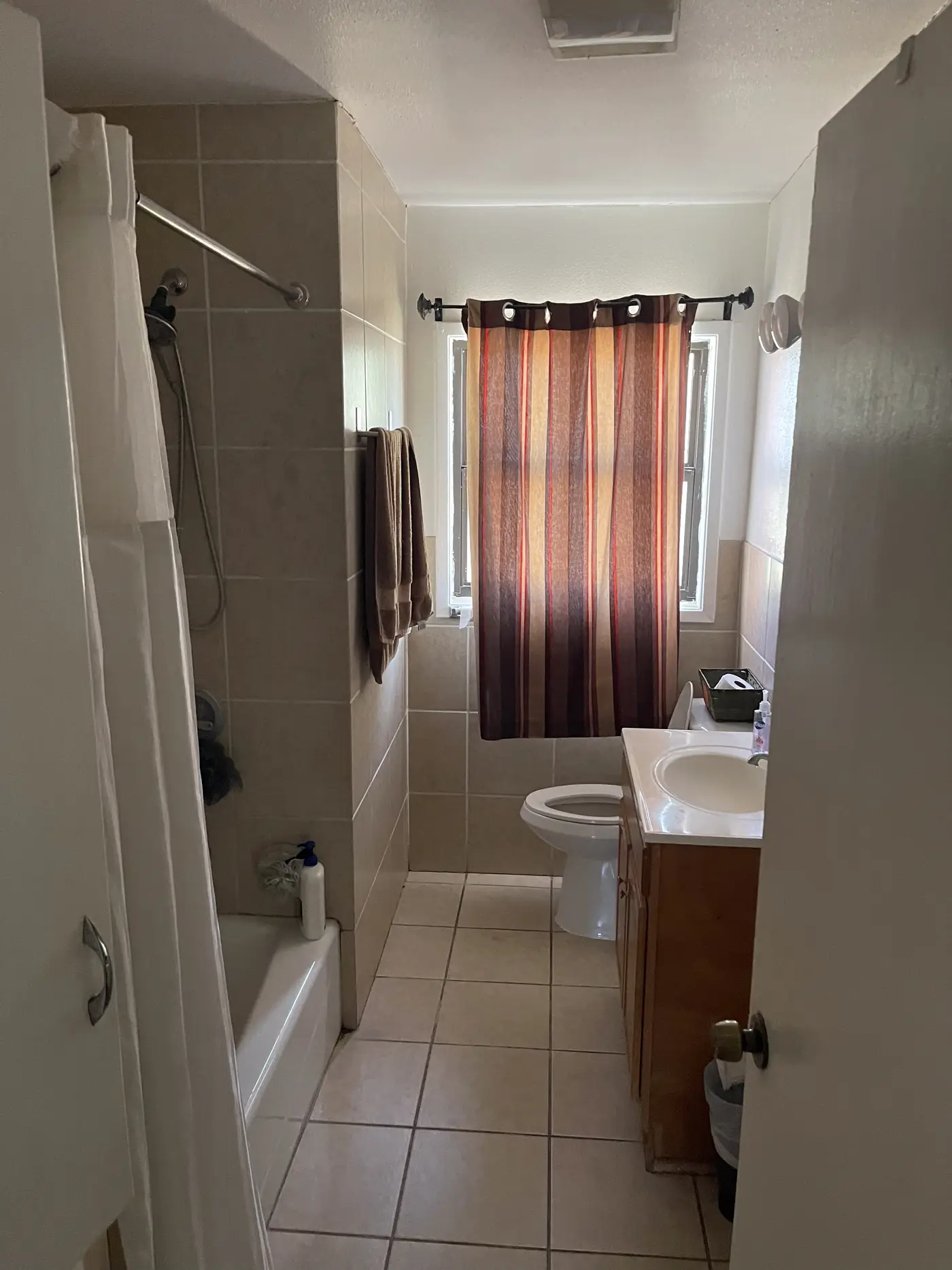
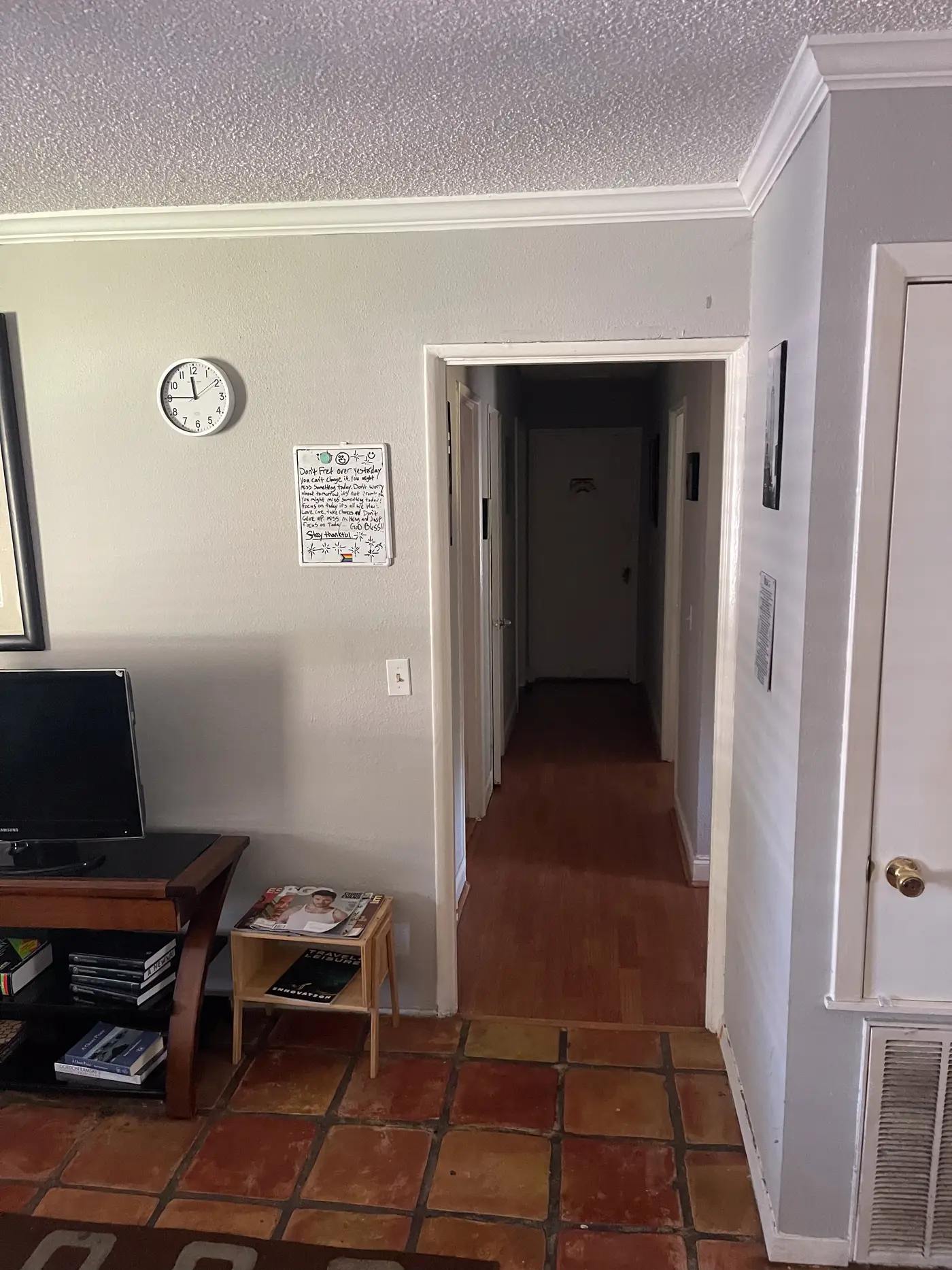
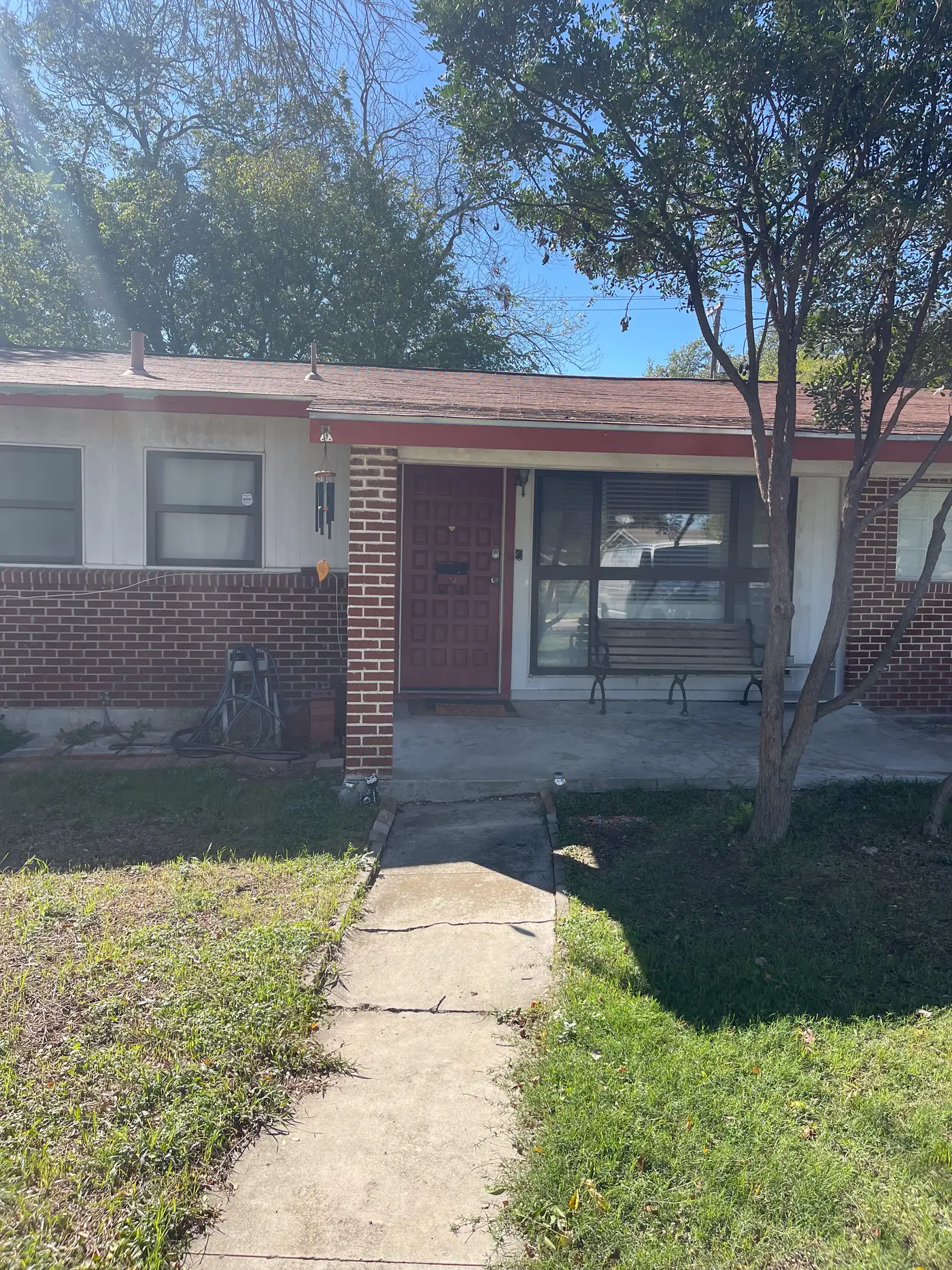
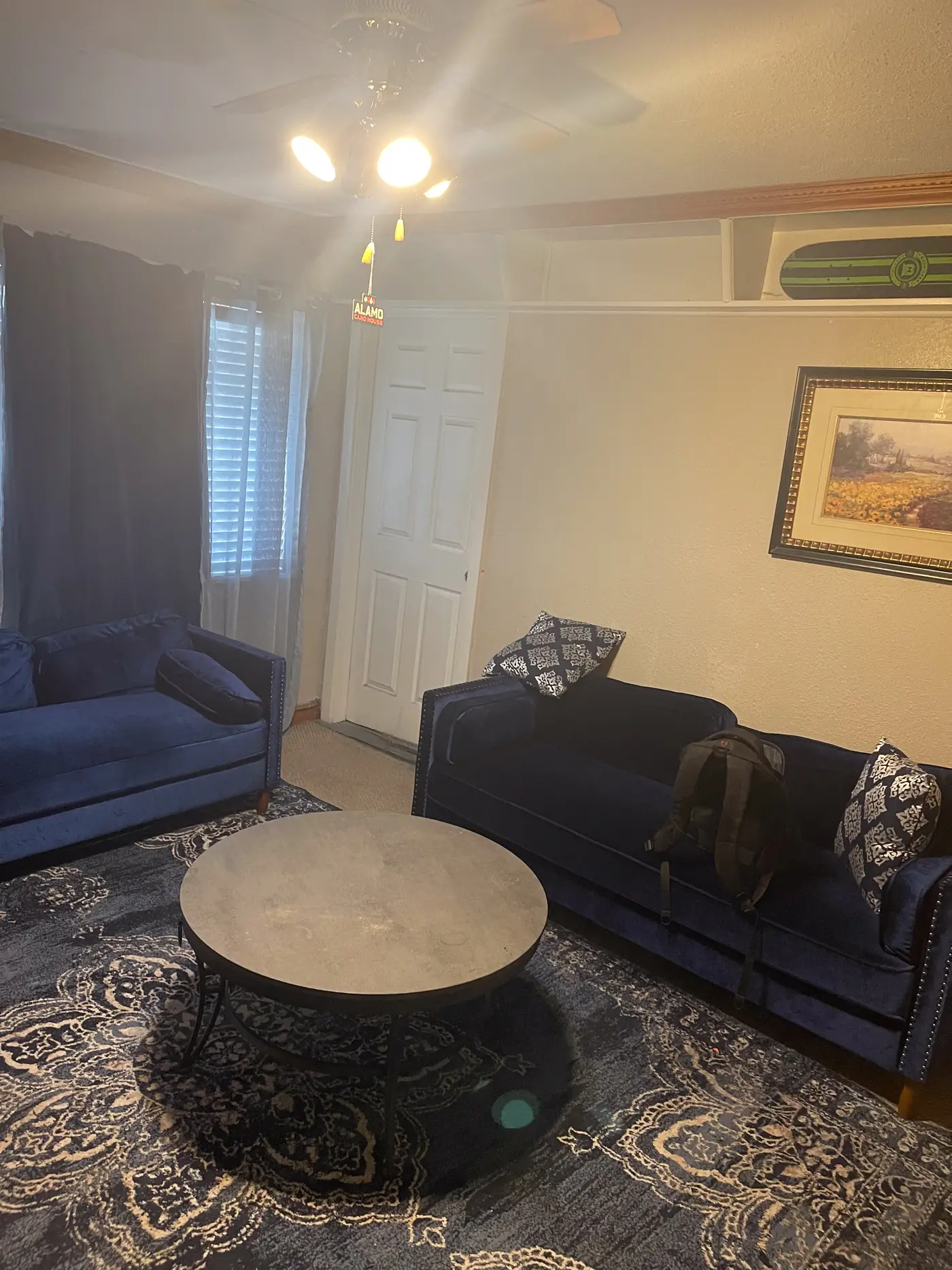
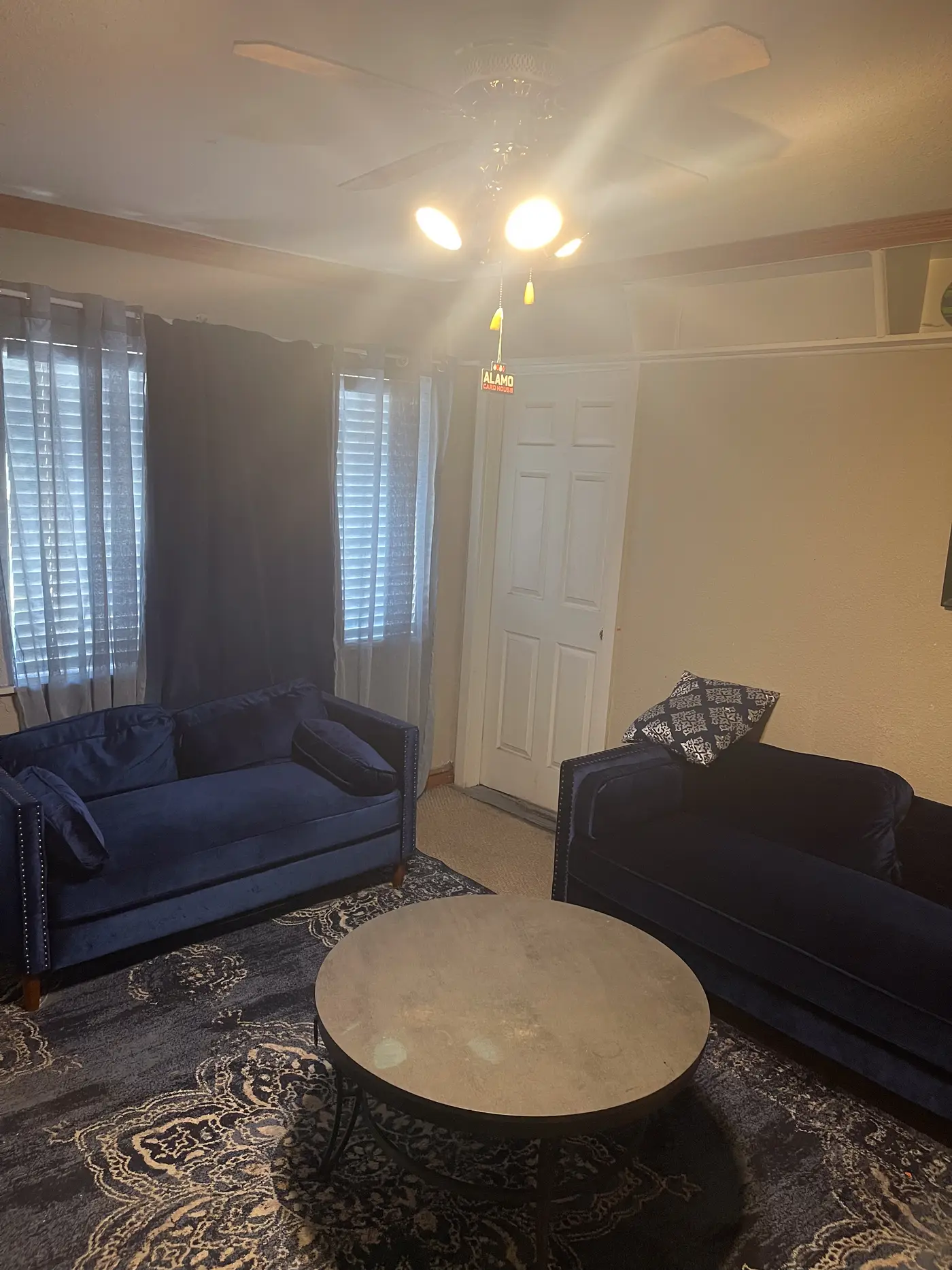
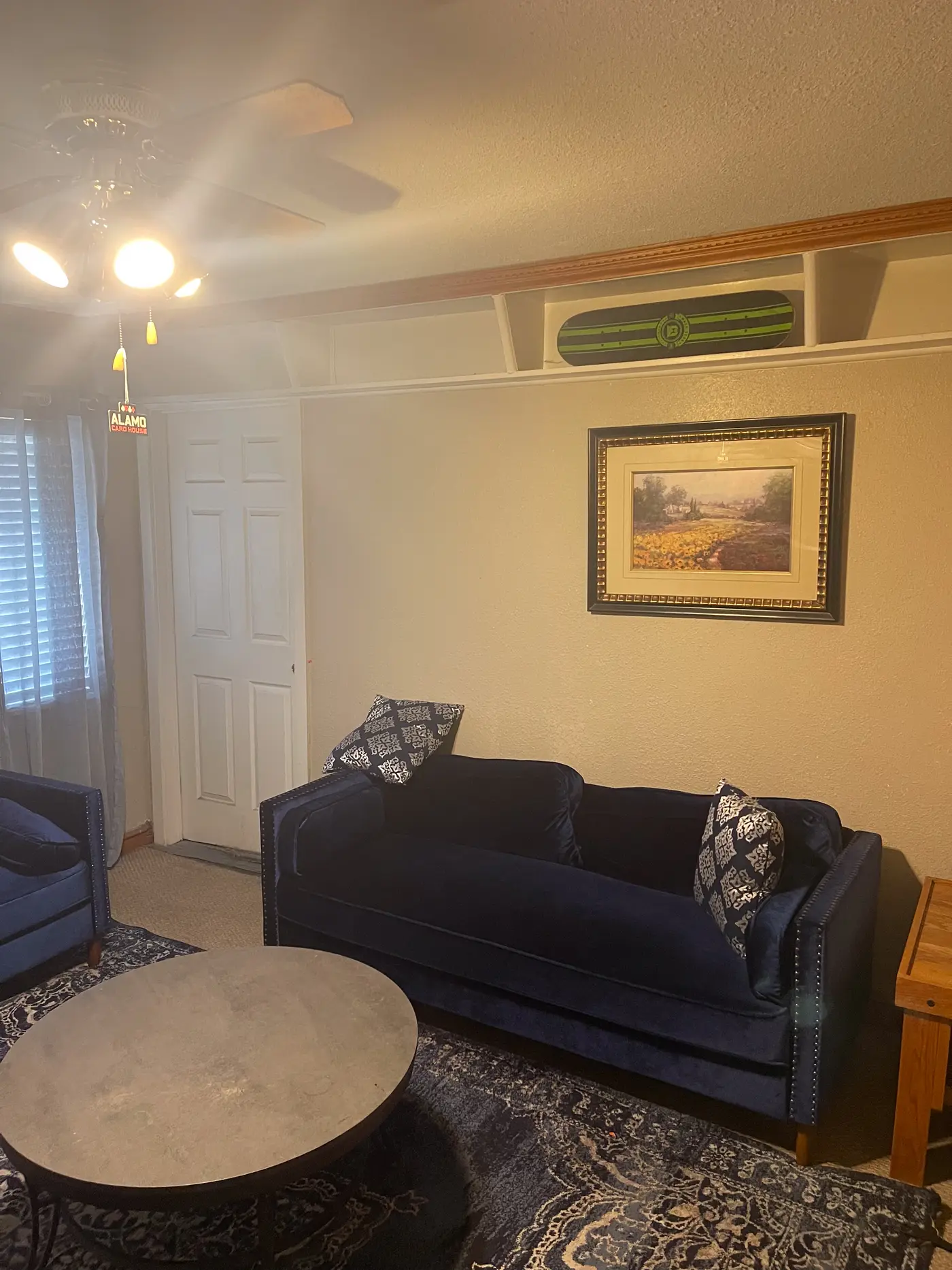
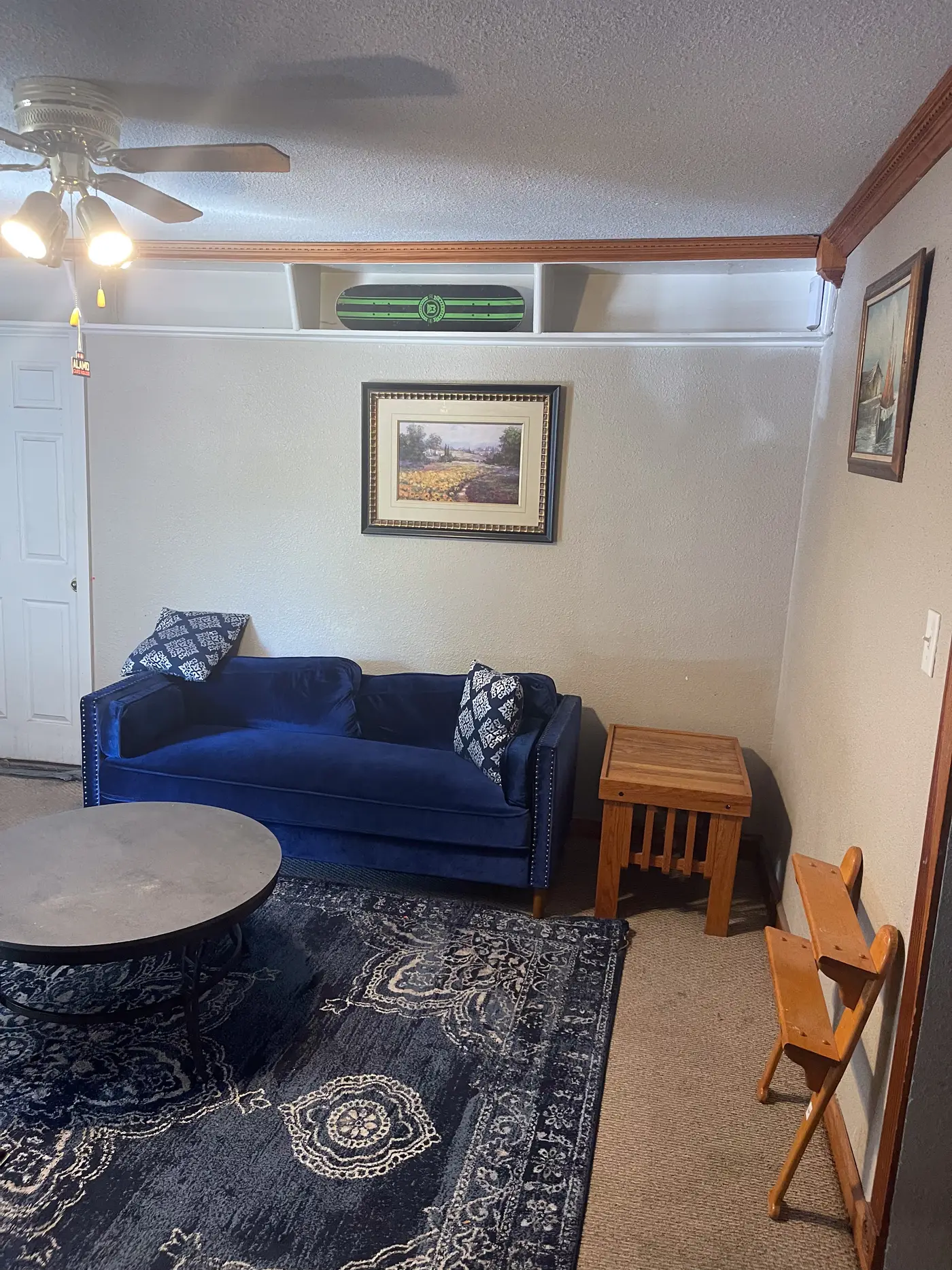
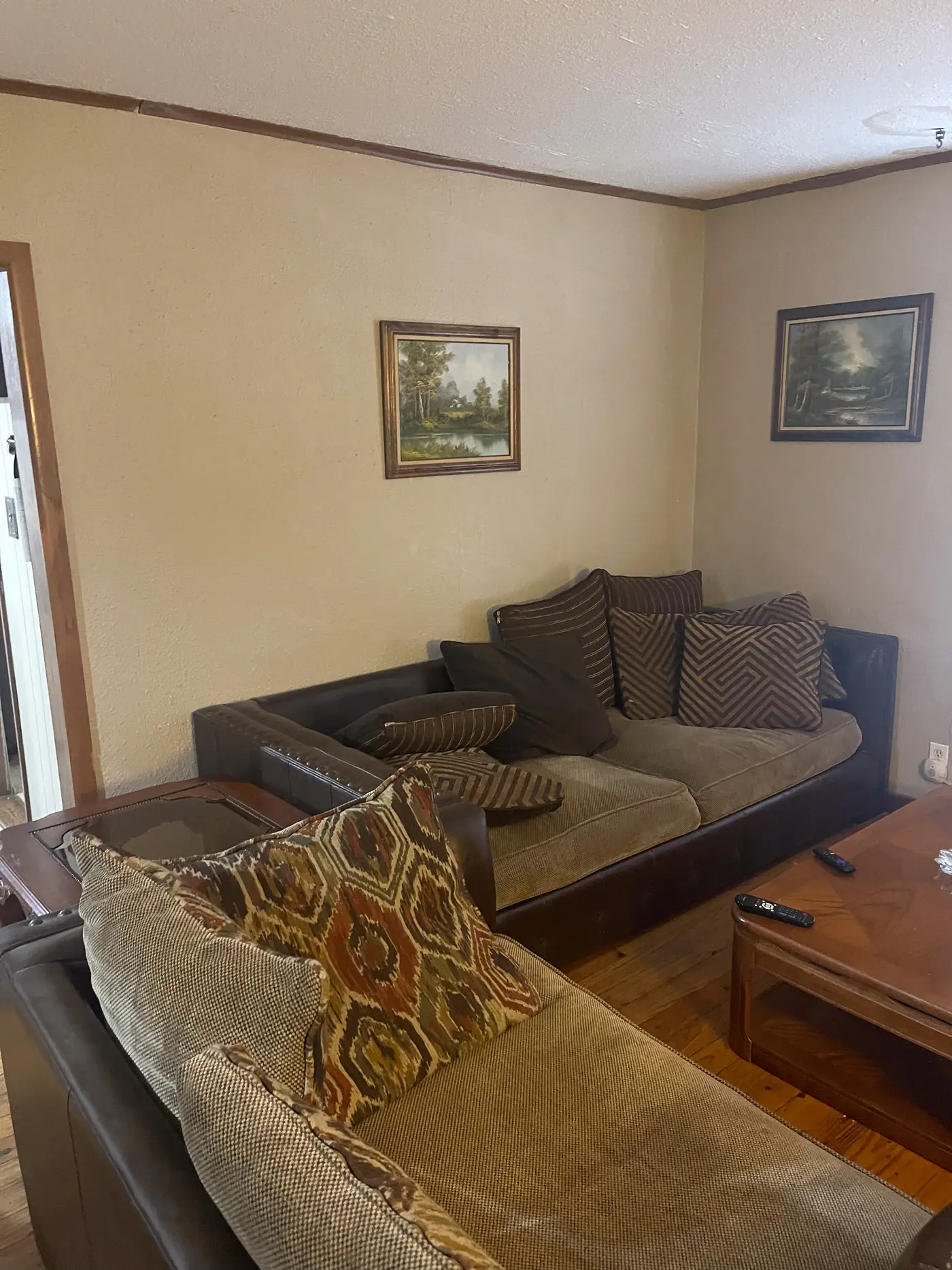
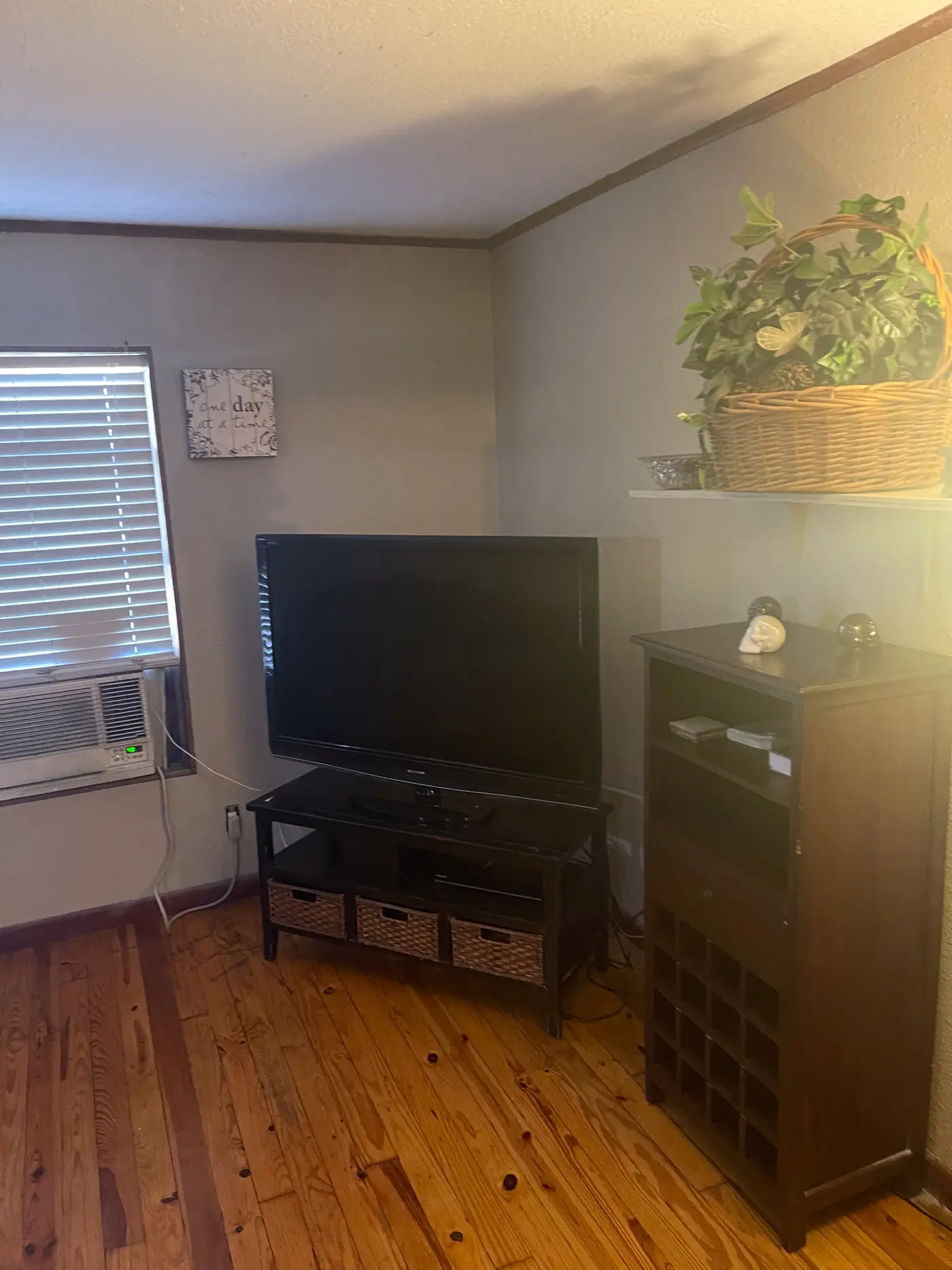
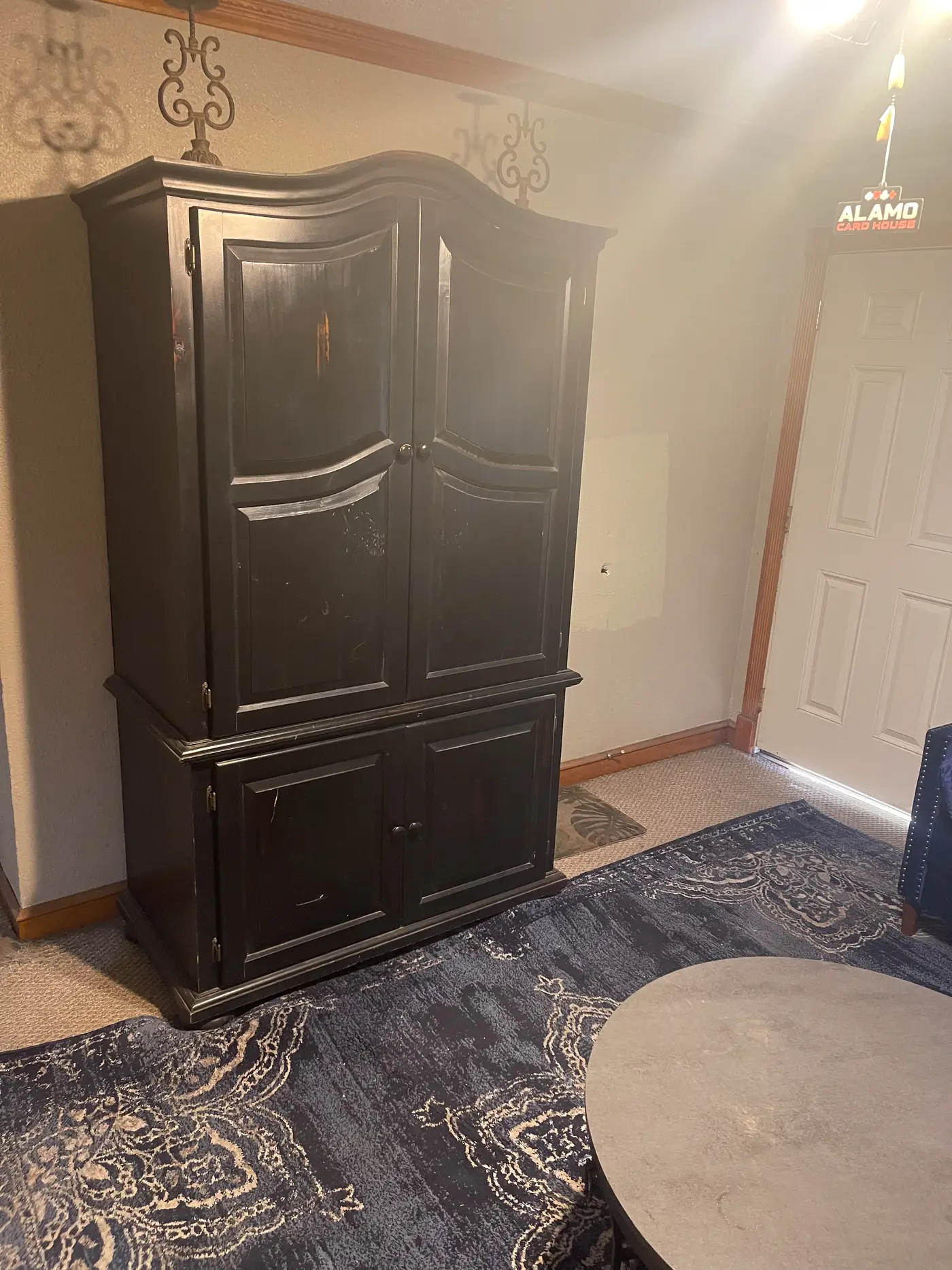
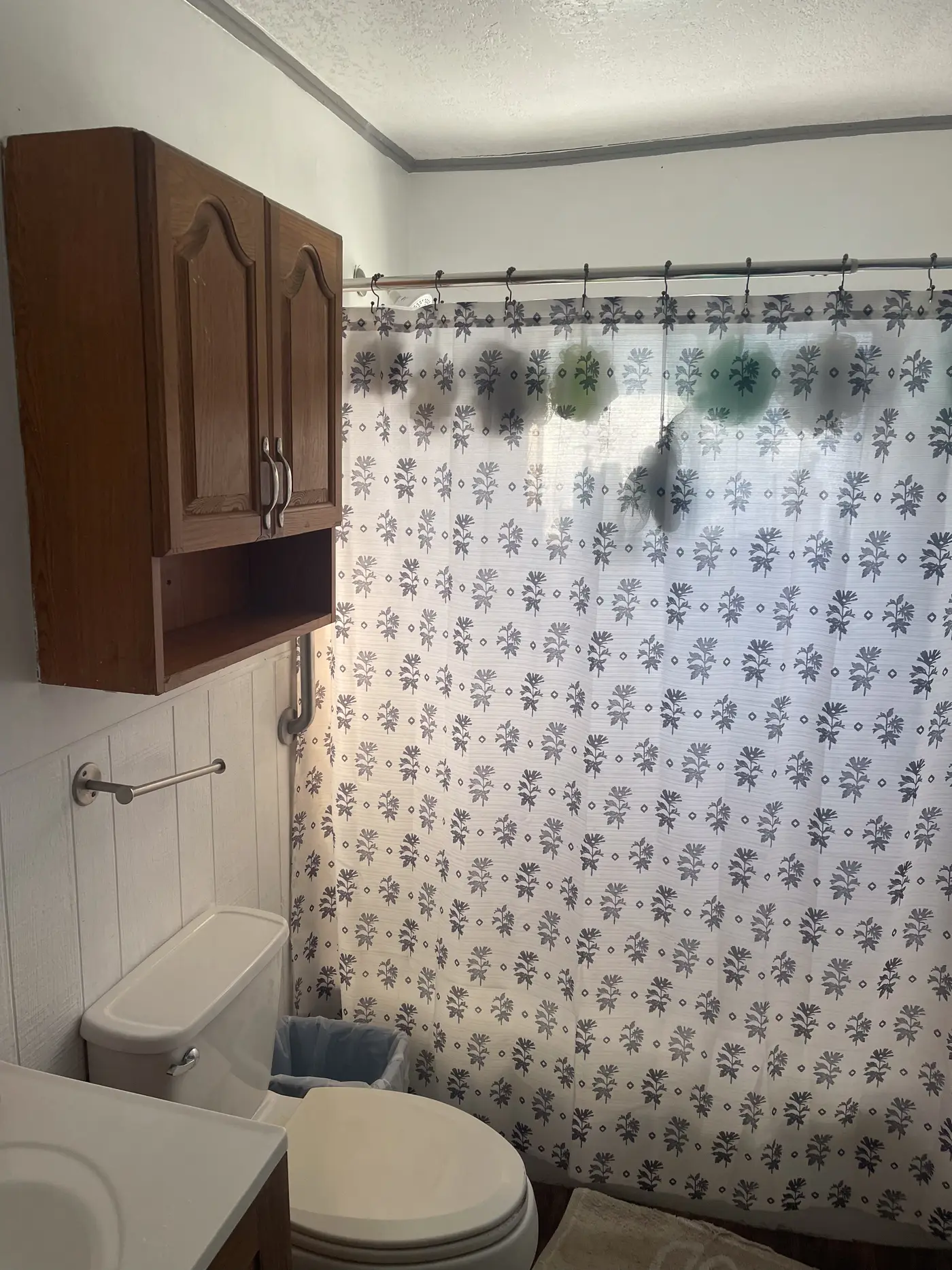
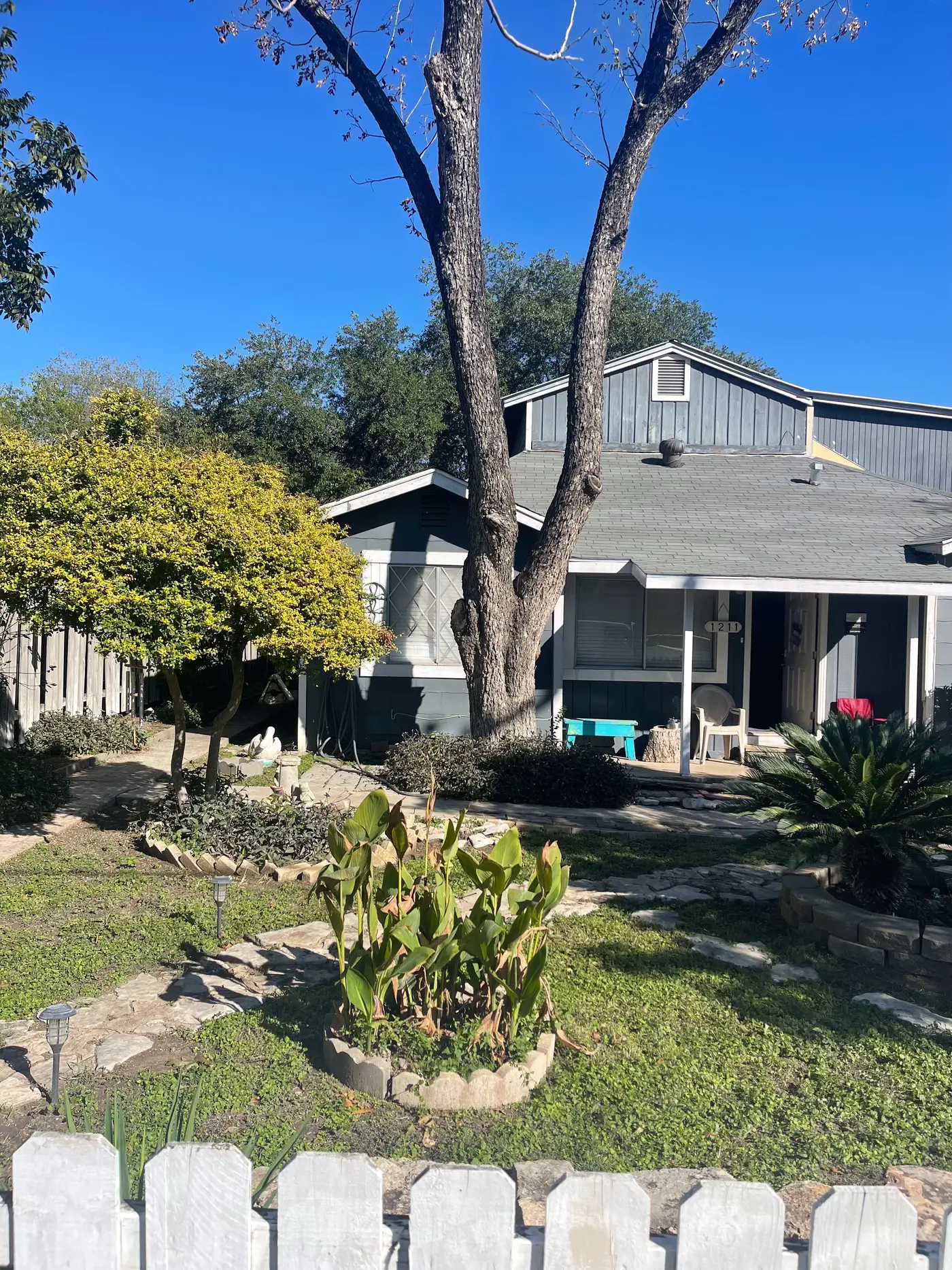


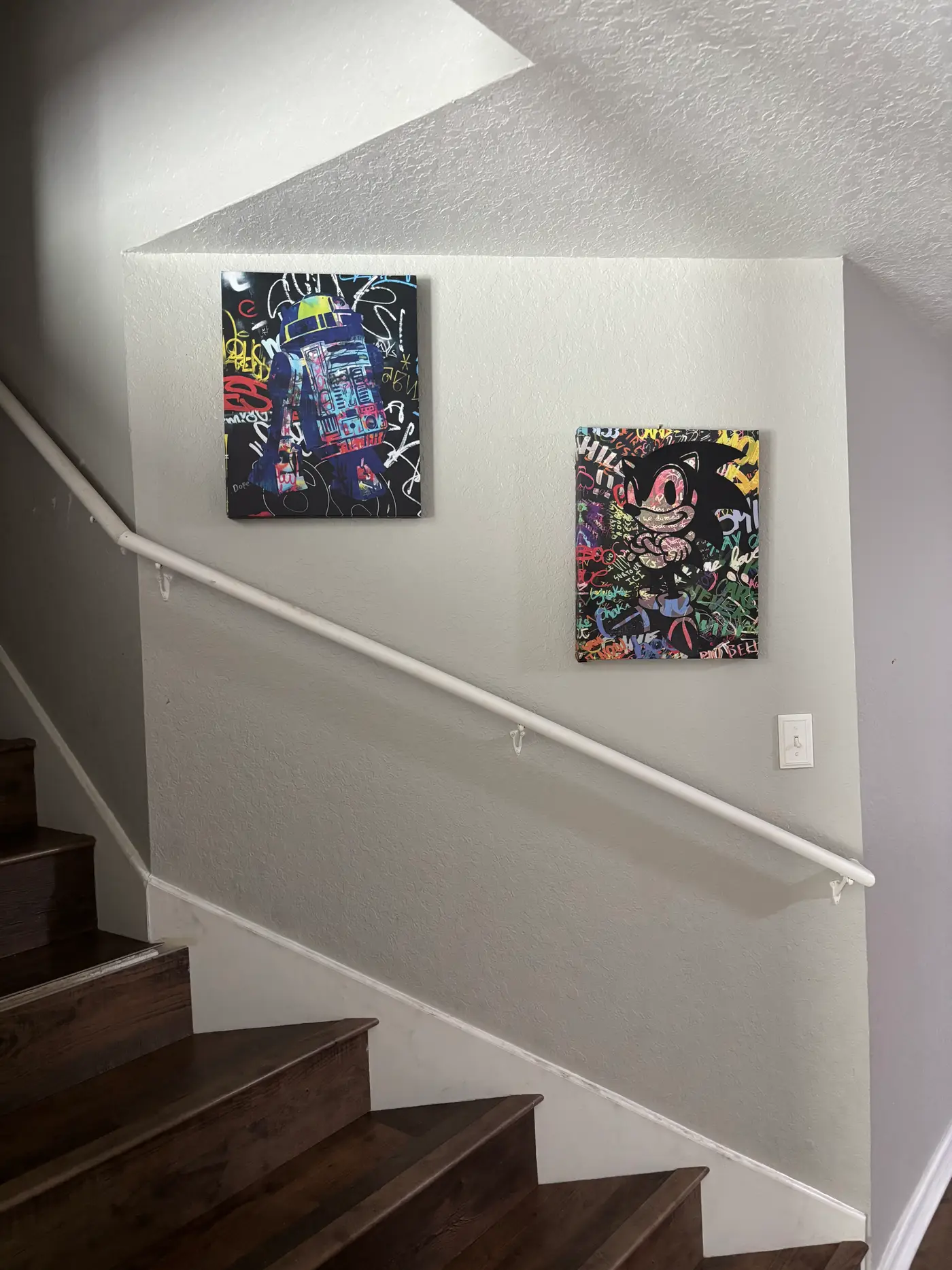
Structure, Rules, and Daily Life in San Antonio
Both halfway houses and sober living homes maintain rules, but the purpose and enforcement differ significantly. Halfway house rules focus on legal compliance and security: mandatory sign-ins and sign-outs, restricted visitors, strict curfews, limited personal freedom. Violations can result in return to incarceration or extended supervision.
Sober living rules center on supporting recovery and respecting the community. At Eudaimonia Recovery Homes, house guidelines typically include maintaining sobriety (verified through regular testing), participating in recovery activities, contributing to household chores, respecting housemates, and attending house meetings. These aren’t punitive measures, they’re the framework that helps everyone stay focused on recovery.
Consequences for rule violations reflect the voluntary nature of sober living. Persistent problems or relapse might result in discharge from the house, but the goal is always to support recovery, not to punish. Many houses work with residents who slip up, connecting them with additional treatment resources and helping them get back on track.
Common Concerns About Sober Living Homes
People often wonder about potential problems with sober living homes. Legitimate concerns include house quality, proper licensing and certification, staff training, and whether the environment truly supports recovery. That’s why choosing an accredited, well-established sober living provider matters.
Eudaimonia Recovery Homes maintains high standards across all our San Antonio locations. Houses are safe, comfortable, and well-maintained. Staff members understand recovery because many have lived it themselves. We’re not a three-quarter house, an unregulated, sometimes exploitative housing model, but rather a structured sober living environment committed to resident wellbeing and long-term recovery success.
Another common concern is isolation. Will living in a sober house cut you off from family and normal life? The opposite is actually true in quality sober living. The structure and accountability help you rebuild those connections in healthier ways. You’re free to maintain family relationships, pursue work and education, and engage with your community, all while living with peers who understand and support your recovery.
Making the Right Choice for Your Recovery in San Antonio
Understanding the difference between sober living and a halfway house in San Antonio helps you make informed decisions about your recovery path. If you’re completing inpatient treatment or detox and know you’re not ready to return to your old environment, sober living offers the bridge you need. If you’re fulfilling a court order, a halfway house might be your assigned option.
For people who have the choice, sober living provides advantages that support long-term success: voluntary participation, peer community, flexible timelines, real-world freedom with accountability, and an environment designed around recovery rather than surveillance. These elements help you develop the skills, routines, and support networks that make lasting sobriety possible.
The San Antonio recovery community is strong, with numerous 12-step meetings, therapy resources, and sober activities available throughout the city. Living in a structured sober environment connects you to this broader network while providing daily support from people who genuinely understand what you’re going through.
If you’re considering sober living in San Antonio after treatment, Eudaimonia Recovery Homes offers the structure, community, and freedom you need to build a strong recovery foundation. We’re here to answer your questions and help you determine if our sober living environment is the right fit for your recovery journey.
Ready to take the next step?
Eudaimonia Recovery Homes provides structured sober living and recovery support in San Antonio, TX. Call (512) 363-5914 to speak with our team today.


