

Published July 27, 2026
On This Page · 11 Sections
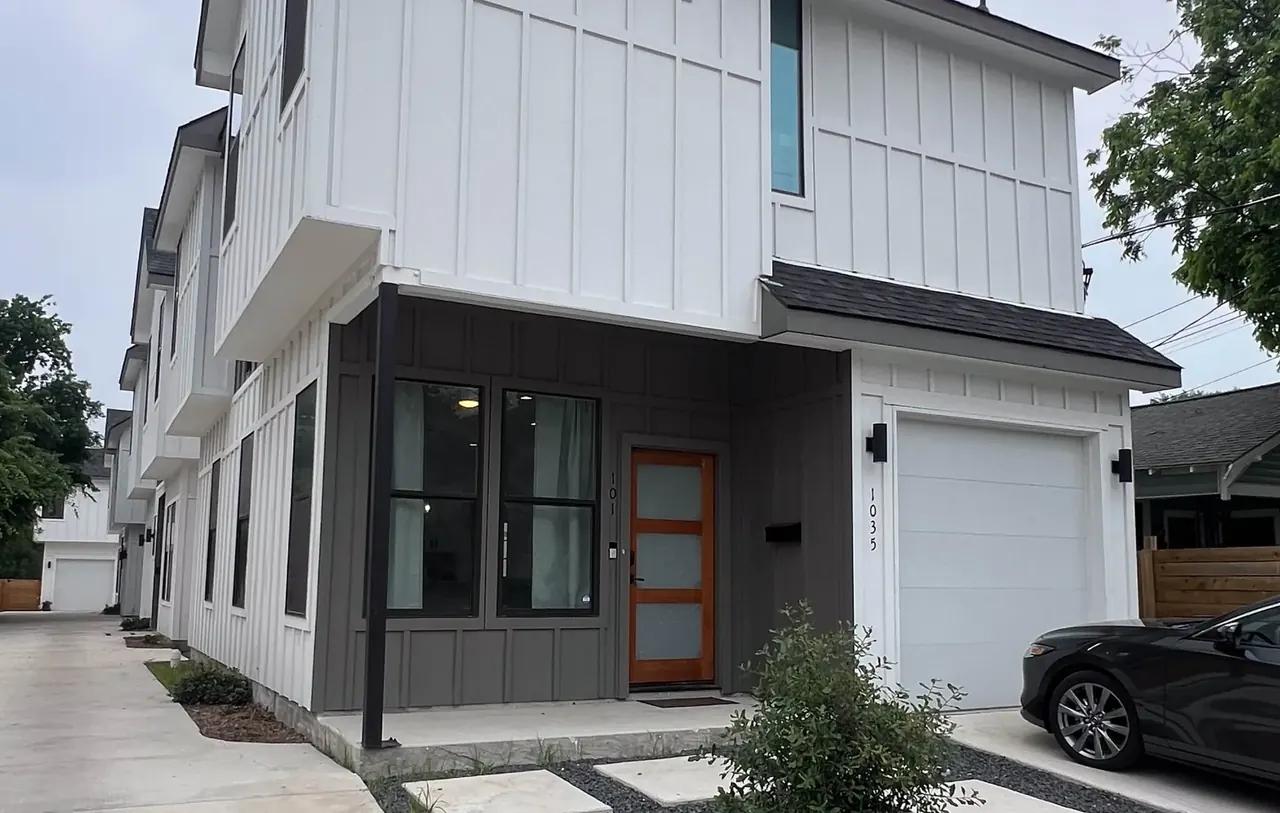
Sober Living
San Antonio
1035 S Pine St, Unit 101, San Antonio, TX
Yes, there are gender-specific sober living homes for women in San Antonio. These women-only recovery residences provide safe, supportive environments designed specifically for women rebuilding their lives after addiction treatment. Gender-specific sober living homes address the unique challenges women face in recovery, from trauma and co-occurring mental health conditions to family responsibilities and past relationships, within a community of peers who understand those experiences firsthand. At Eudaimonia Recovery Homes in San Antonio, women find structured, accountability-focused housing that supports long-term sobriety in an environment free from the distractions and triggers that co-ed settings can sometimes introduce.
Why Gender-Specific Sober Living Matters for Women in Recovery
Recovery looks different for women than it does for men. Research consistently shows that women enter treatment with different trauma histories, relationship dynamics, and physiological responses to substances. Women’s sober living homes in San Antonio recognize these differences and create space for residents to process their experiences without the complications that can arise in mixed-gender environments.
In a women-only setting, residents often feel more comfortable discussing sensitive topics like domestic violence, sexual trauma, parenting challenges, and body image issues. The absence of romantic distractions allows women to focus entirely on their own healing rather than seeking validation or falling into familiar relationship patterns that may have enabled their substance use in the past.
Gender-specific homes also tend to foster deeper peer accountability. Women in recovery housing hold each other to high standards while offering empathy rooted in shared experience. That balance of compassion and accountability becomes the foundation for lasting sobriety.
What Makes Women's Sober Living Homes Different
Women’s sober living homes in San Antonio offer more than just separation by gender. They create programming, structure, and community norms tailored to women’s recovery needs. House meetings often address topics like healthy relationships, self-worth, parenting in recovery, and rebuilding trust with family members, issues that resonate deeply with women working to repair the damage addiction caused.
The physical environment in women’s recovery housing also tends to feel different. Many residents describe a sense of safety and comfort they didn’t find in co-ed settings. Without the pressure to present themselves a certain way or navigate romantic attention, women can relax into the vulnerable work of early sobriety.
Daily life in gender-specific sober living includes:
- Structured schedules with accountability for work, meetings, and house responsibilities
- Random drug and alcohol testing to maintain a substance-free environment
- Peer support from housemates navigating similar challenges
- House meetings focused on recovery topics relevant to women
- Connection to local 12-step meetings, therapy, and outpatient programs
Gender-Specific Sober Living Homes for Women in San Antonio
San Antonio offers several options for women seeking gender-specific recovery housing. Eudaimonia Recovery Homes operates sober living residences throughout San Antonio that provide structured, supportive environments where women can focus on building the life skills and recovery habits that support long-term sobriety.
These homes serve as the bridge between intensive treatment and independent living. After completing detox or residential rehab, many women aren’t ready to return to the environments where their addiction thrived. Sober living provides time and space to practice new coping skills, build a recovery network, find employment, and establish routines, all while living with other women committed to the same goals.
The structure varies by home, but most women’s sober living residences in San Antonio require residents to attend a minimum number of recovery meetings per week, participate in house duties, maintain employment or education, submit to random testing, and follow a curfew. These expectations aren’t punitive, they’re protective. They create the external accountability that supports internal change during the vulnerable early months of sobriety.
Who Benefits Most from Women-Only Recovery Housing
While any woman in early recovery can benefit from gender-specific sober living, certain populations find these homes particularly helpful. Women with trauma histories often feel safer in women-only spaces where they can heal without the presence of men, especially if their trauma involved male perpetrators.
Mothers in recovery appreciate environments where they can discuss the unique guilt and grief that comes with addiction’s impact on their children. Other residents understand the pain of missed birthdays, custody battles, and the long road to rebuilding trust with kids. That shared understanding creates powerful healing.
Young women in their first recovery attempt often thrive in women’s sober living because they avoid the romantic entanglements that derail so many early recovery efforts. The guidance that comes from more experienced women in the house, those who’ve navigated relationships, careers, and life’s challenges sober, proves invaluable.
Women leaving abusive relationships find gender-specific homes offer a fresh start in an environment free from male attention or pressure. The breathing room allows them to discover who they are outside of relationships, often for the first time in their adult lives.
The Role of Community in Women's Sober Living Homes
The real power of gender-specific sober living lies in community. Women living together in recovery create bonds that often last years beyond their time in the house. They celebrate each other’s milestones, hold each other accountable during struggles, and model what healthy female friendships look like for women who may have never experienced them.
House residents learn to navigate conflict without substances, communicate needs directly, and ask for help, skills many women never developed before getting sober. The daily practice of showing up for yourself and others builds self-esteem in ways that lectures and therapy alone cannot.
In San Antonio’s recovery community, alumni of women’s sober living homes often remain connected through meetings, social events, and informal support networks. That extended community becomes a protective factor against relapse long after women move into their own apartments.
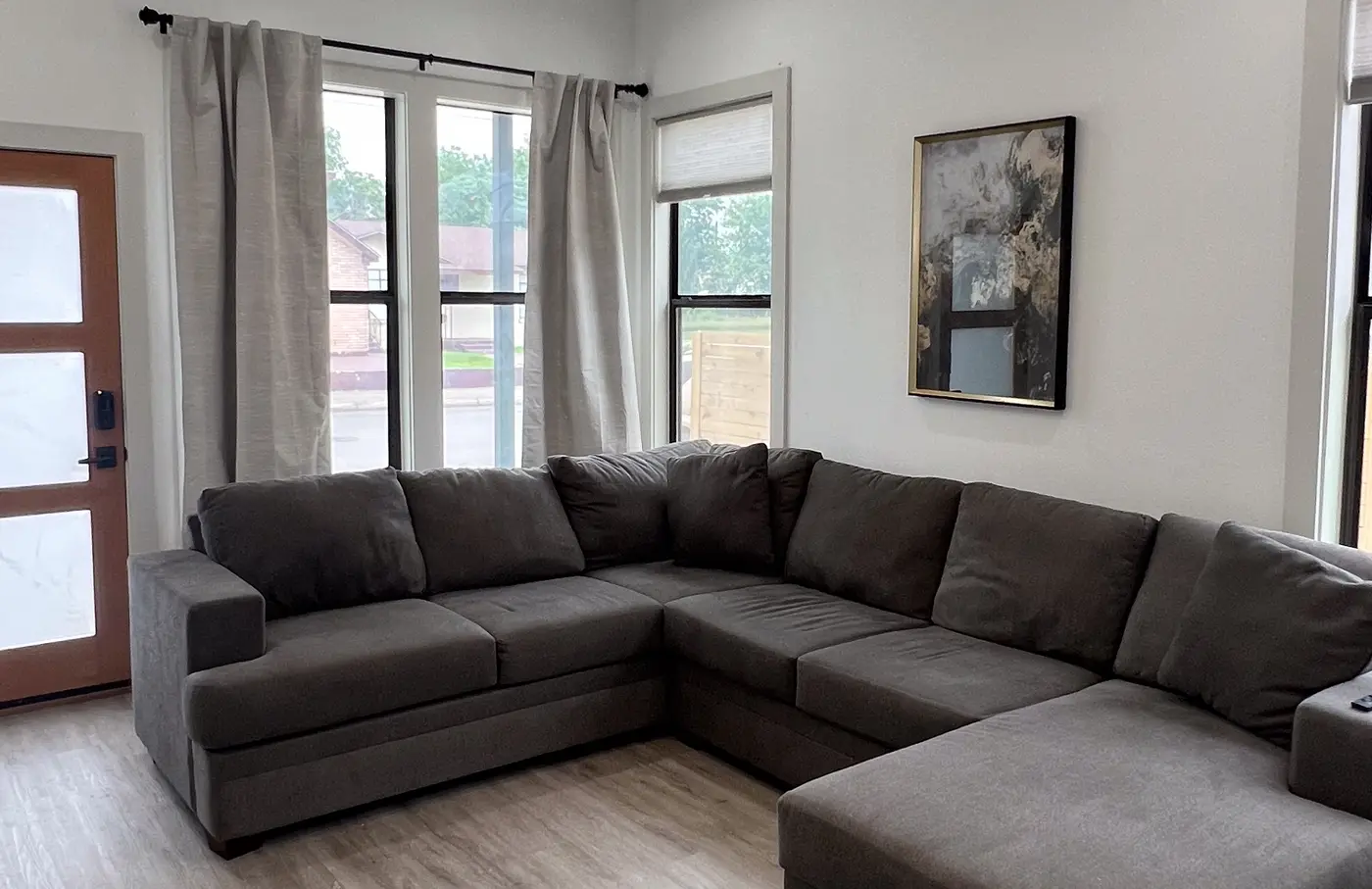
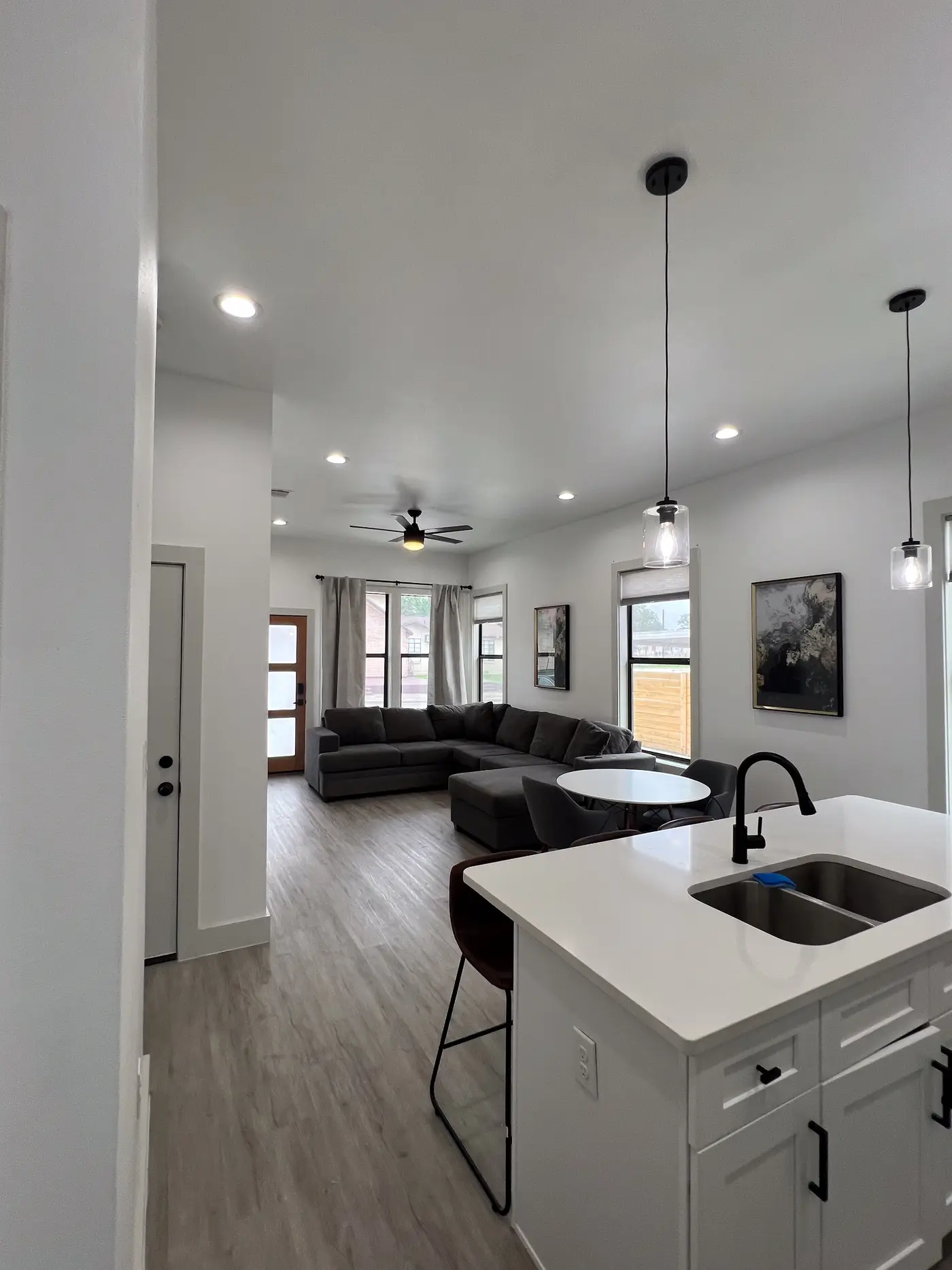
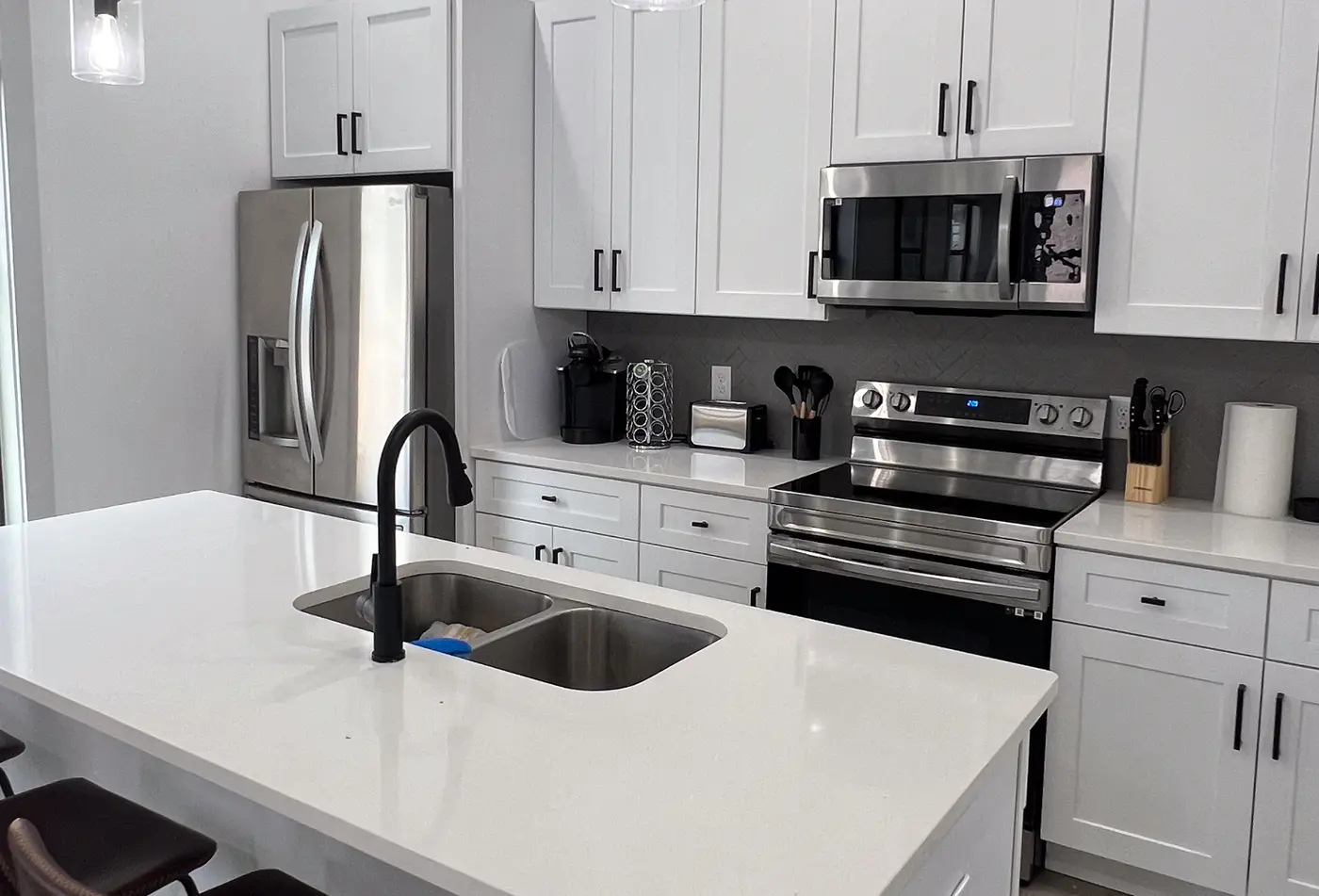
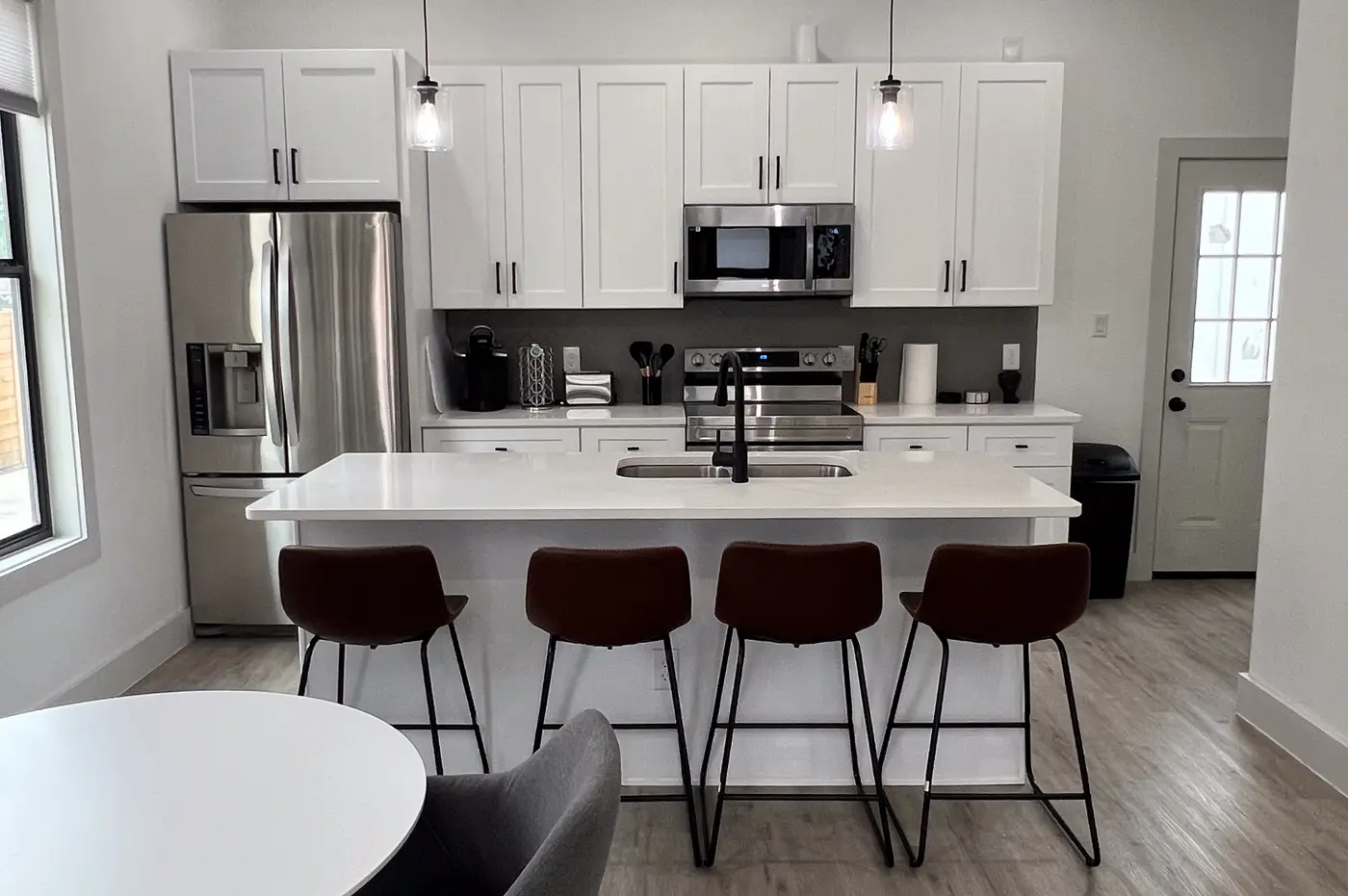
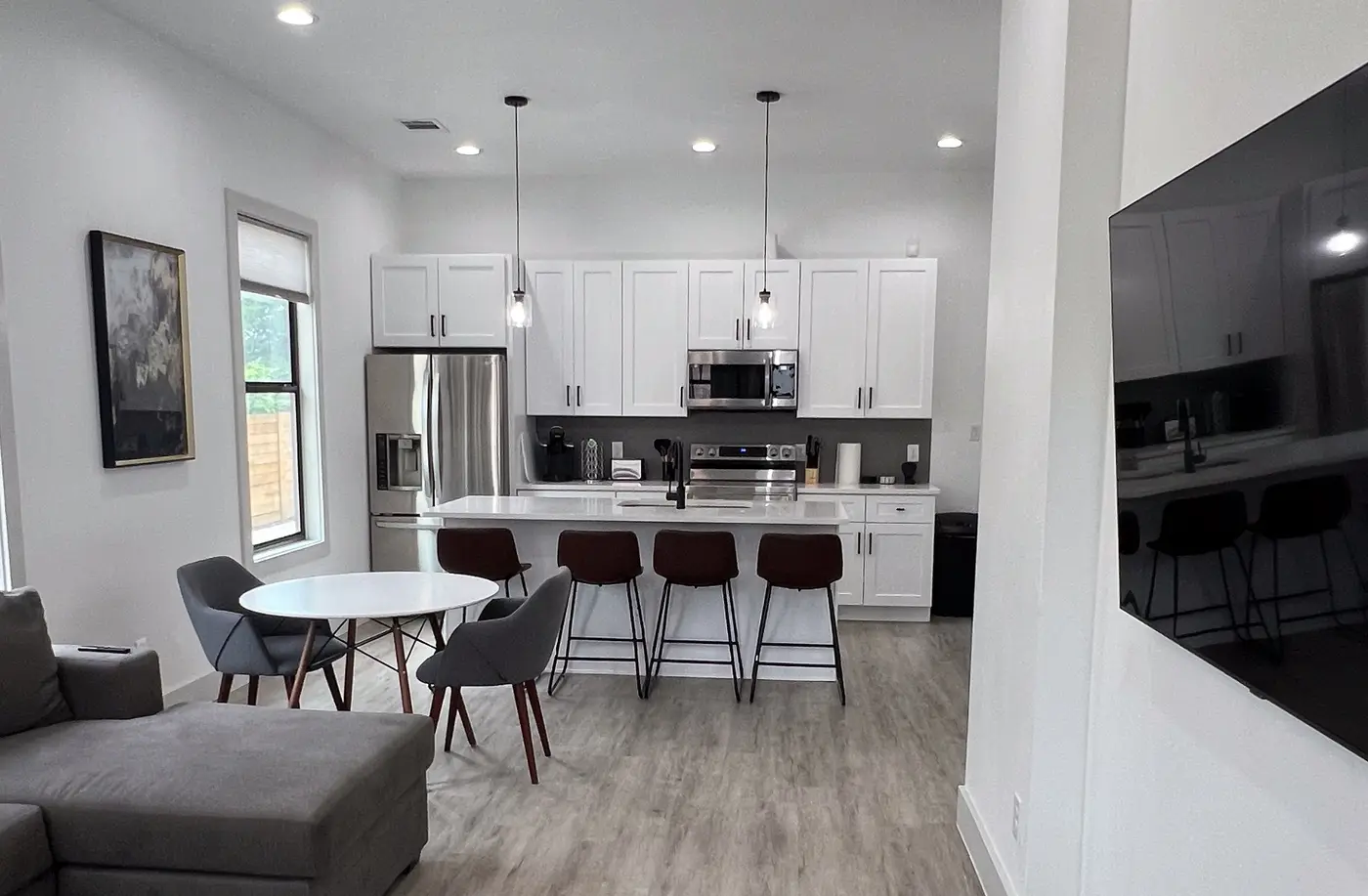
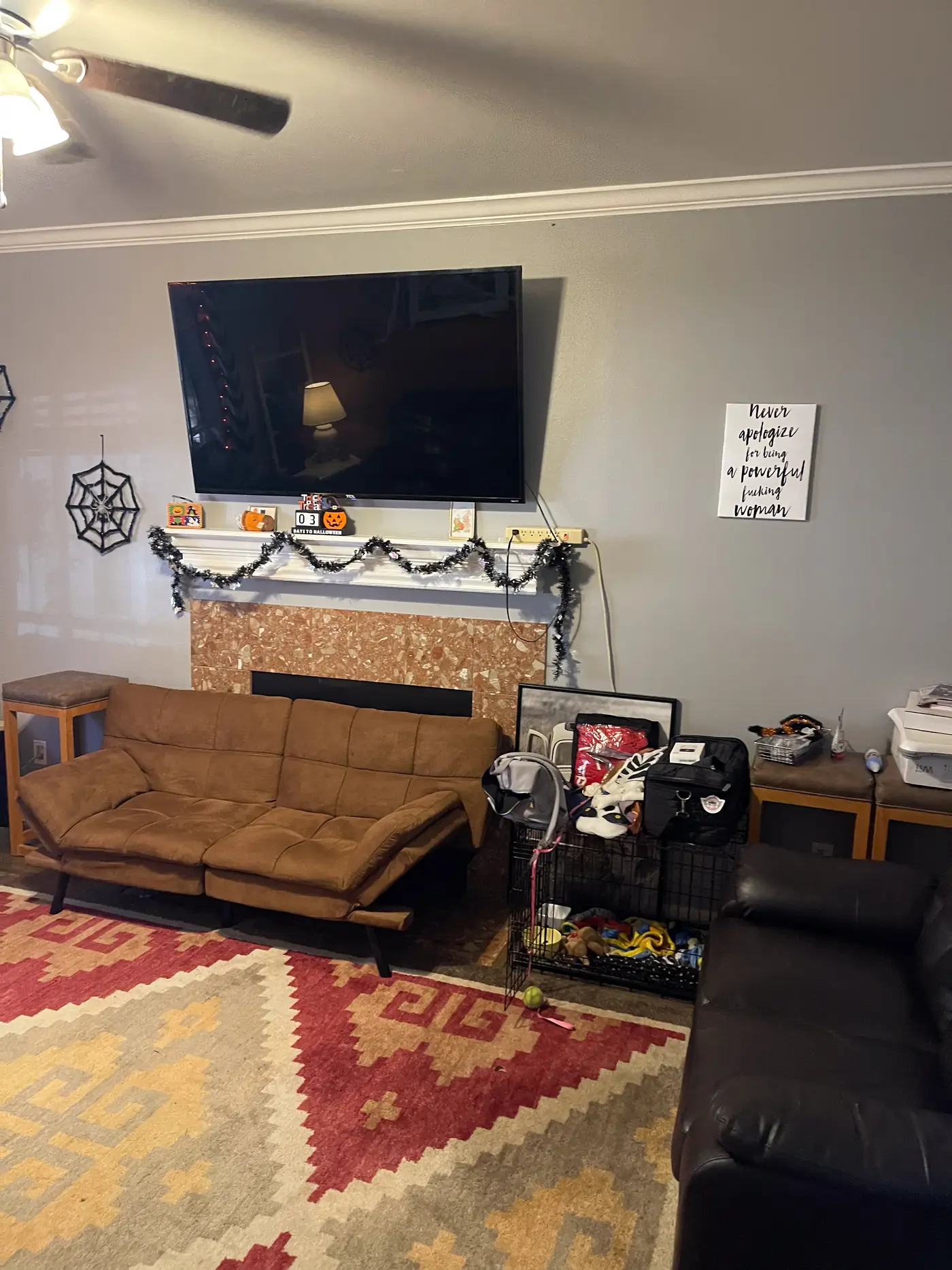
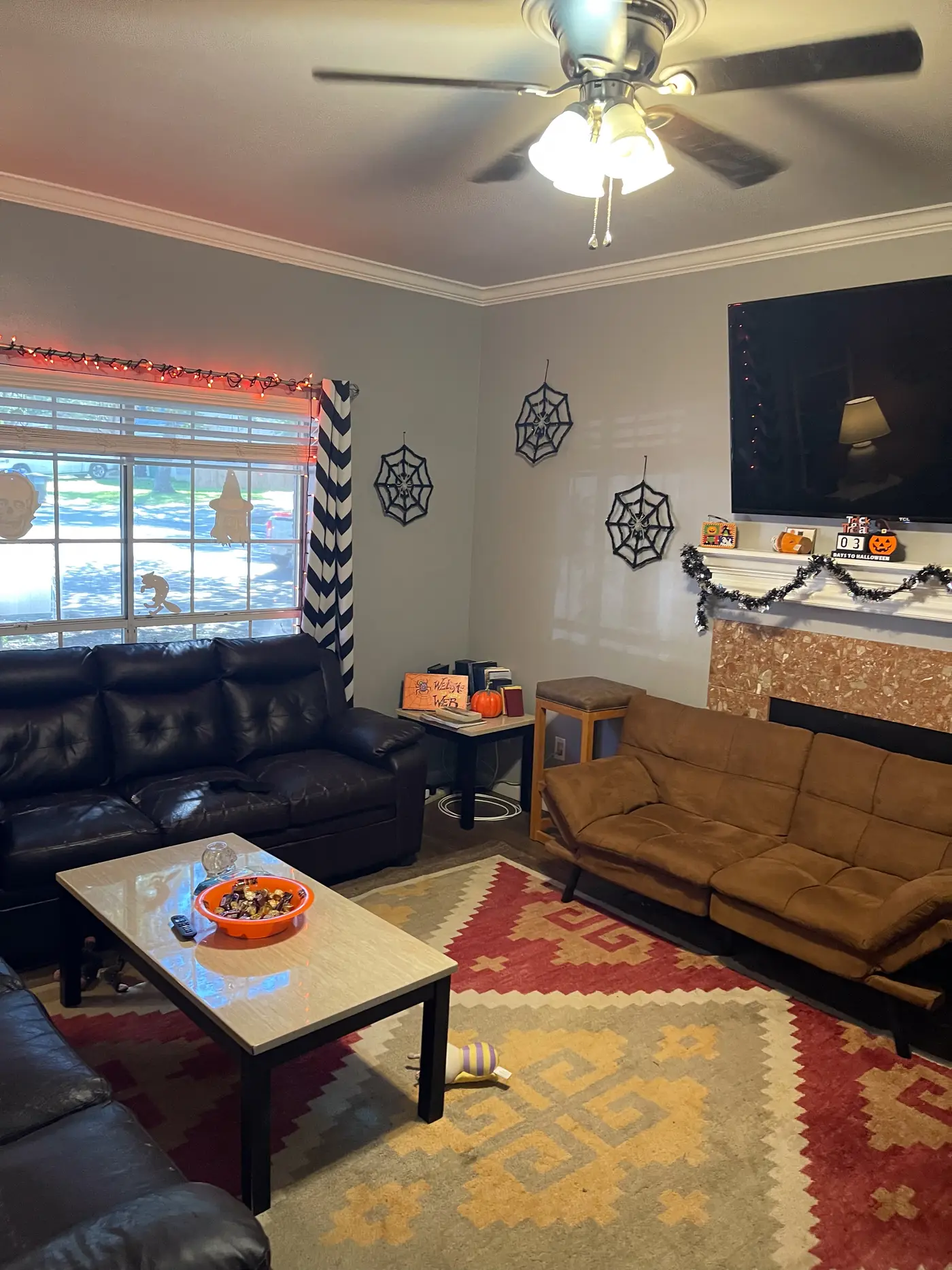
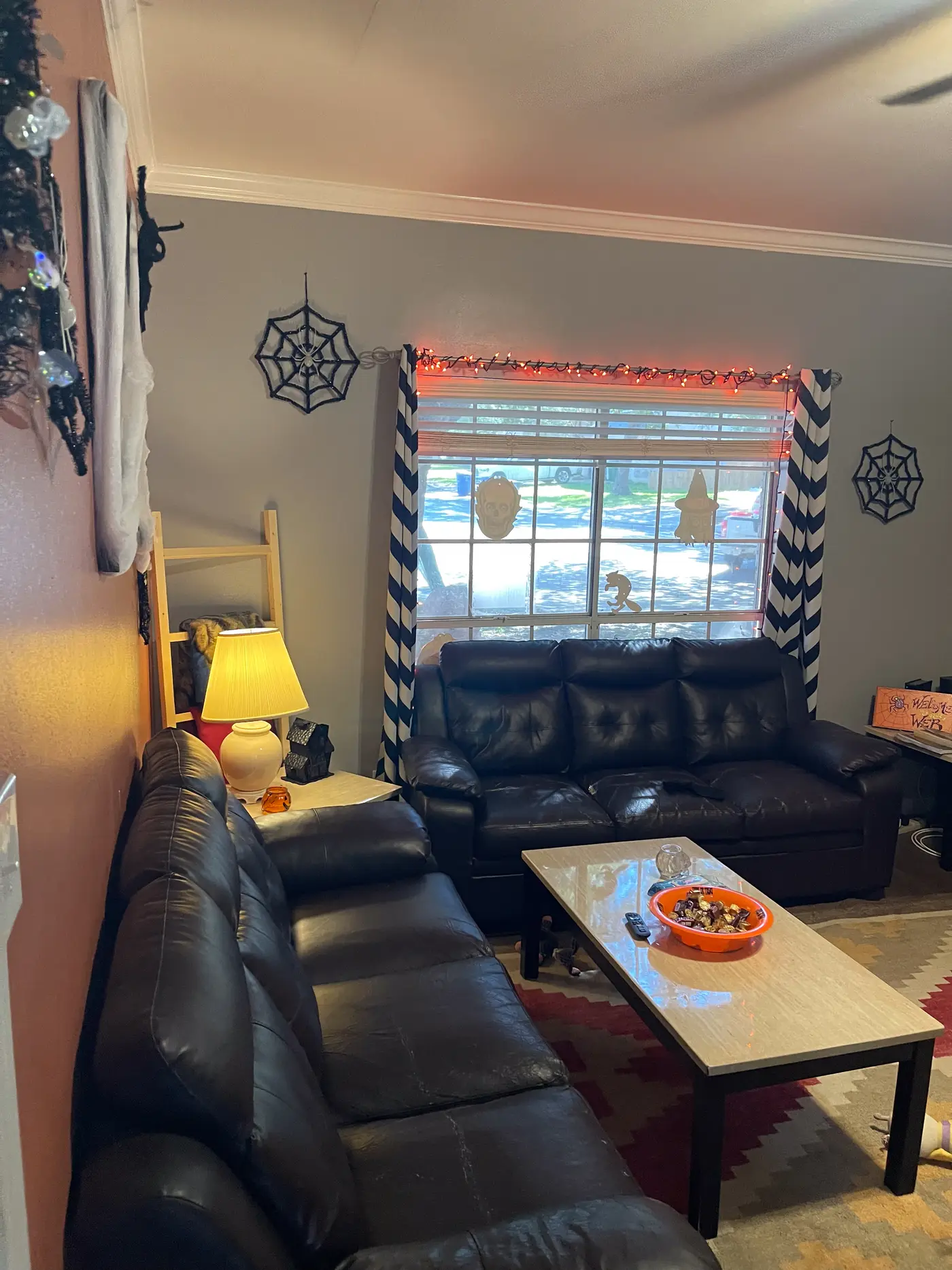
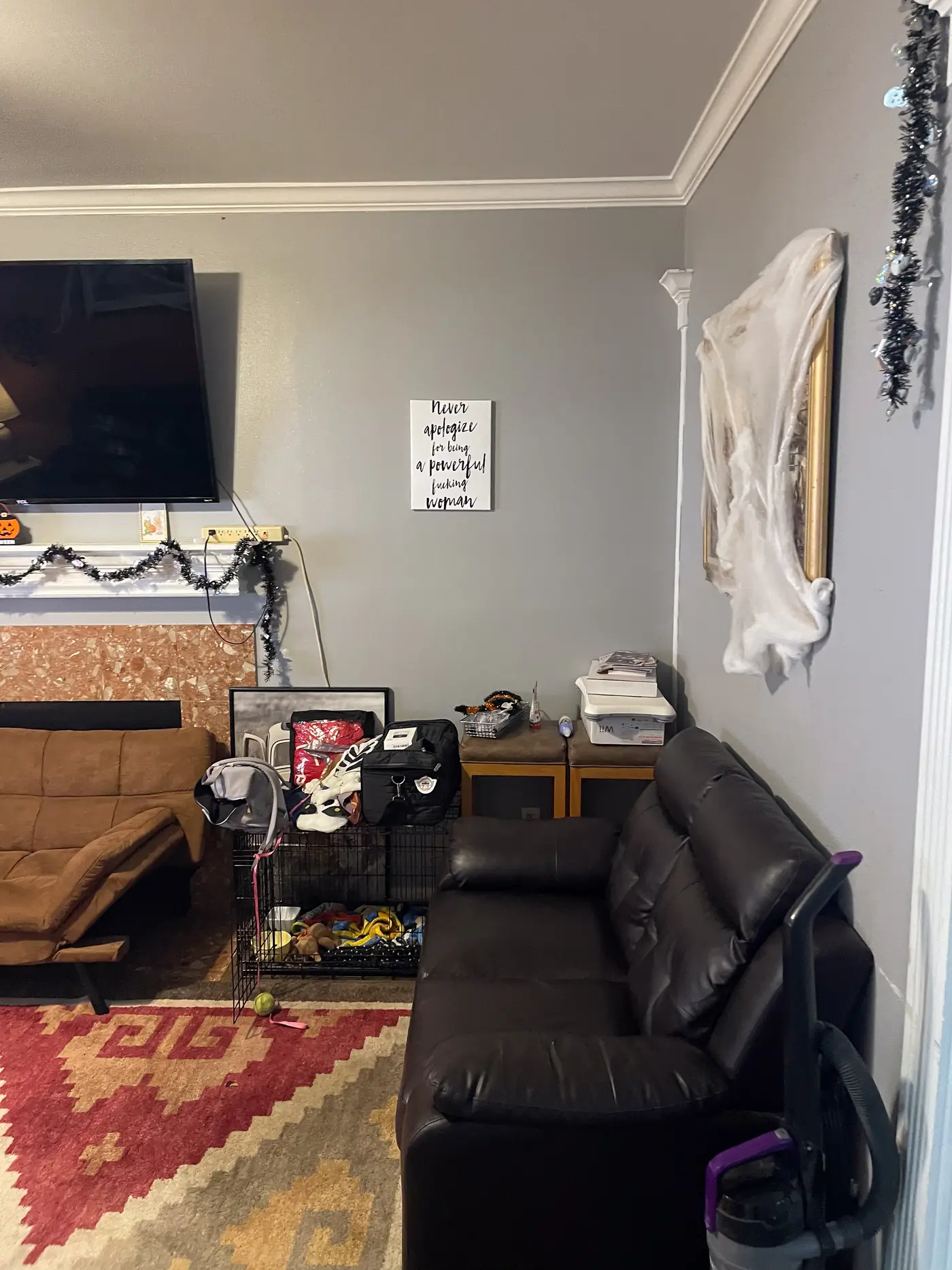
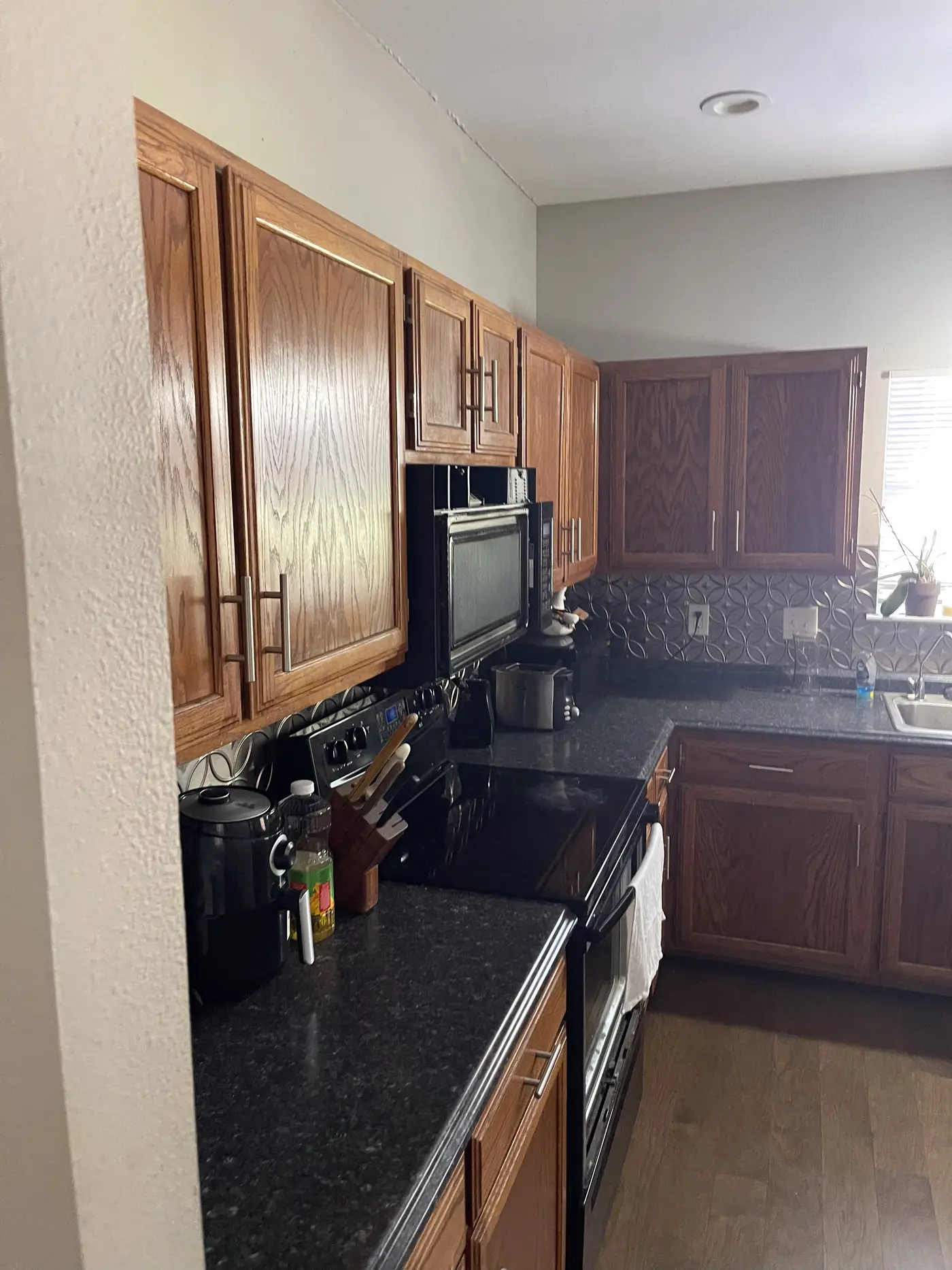
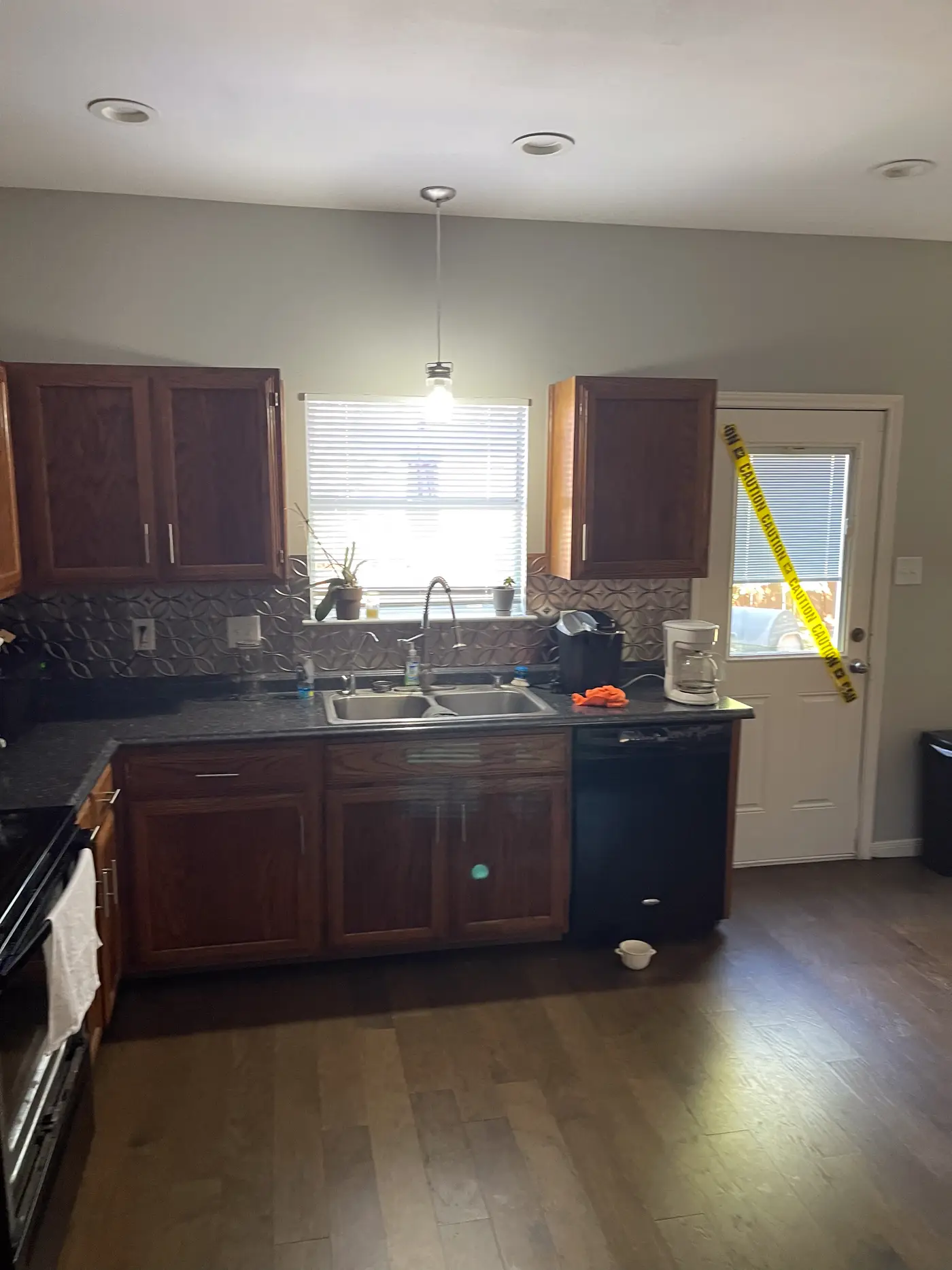
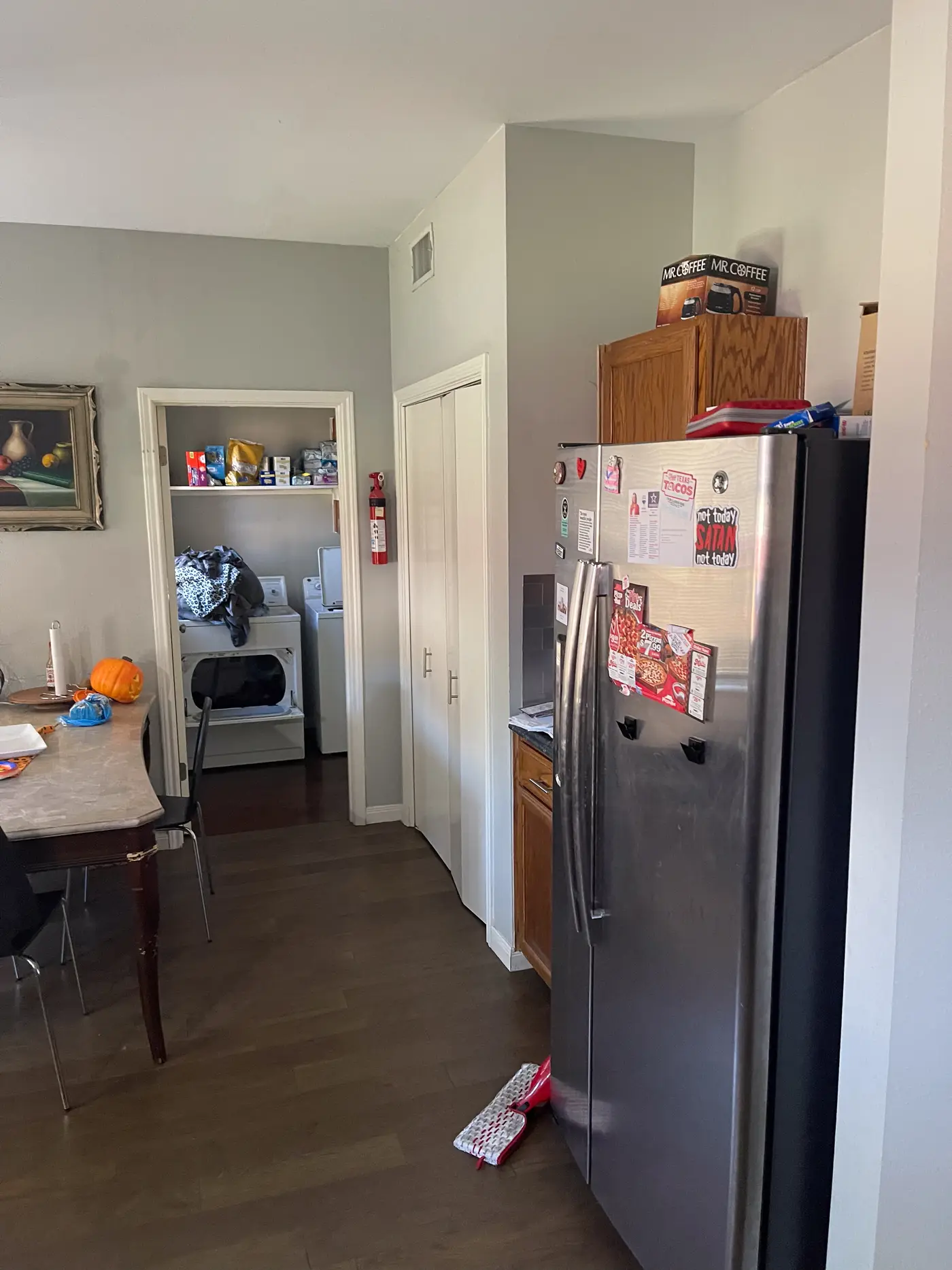
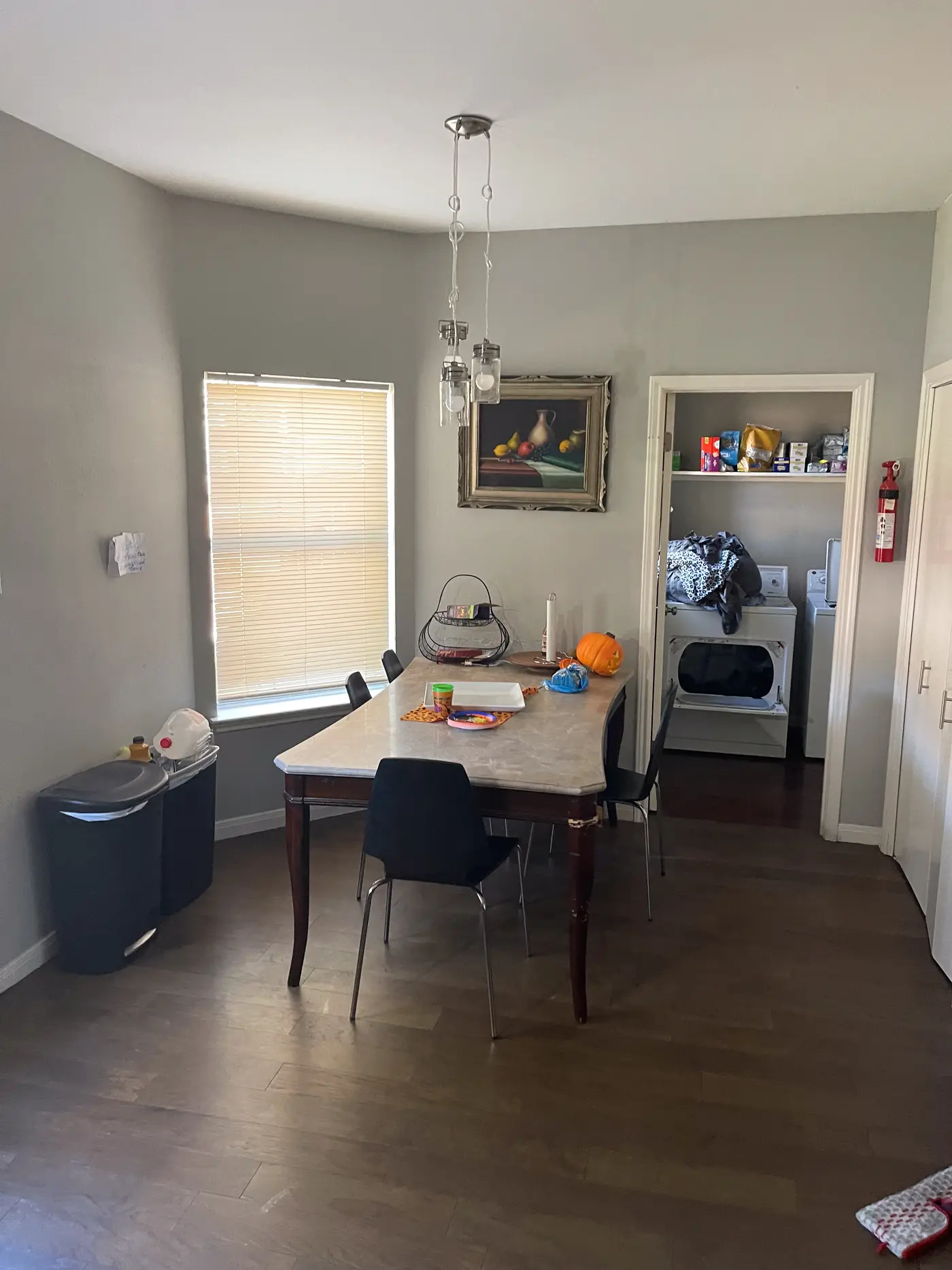
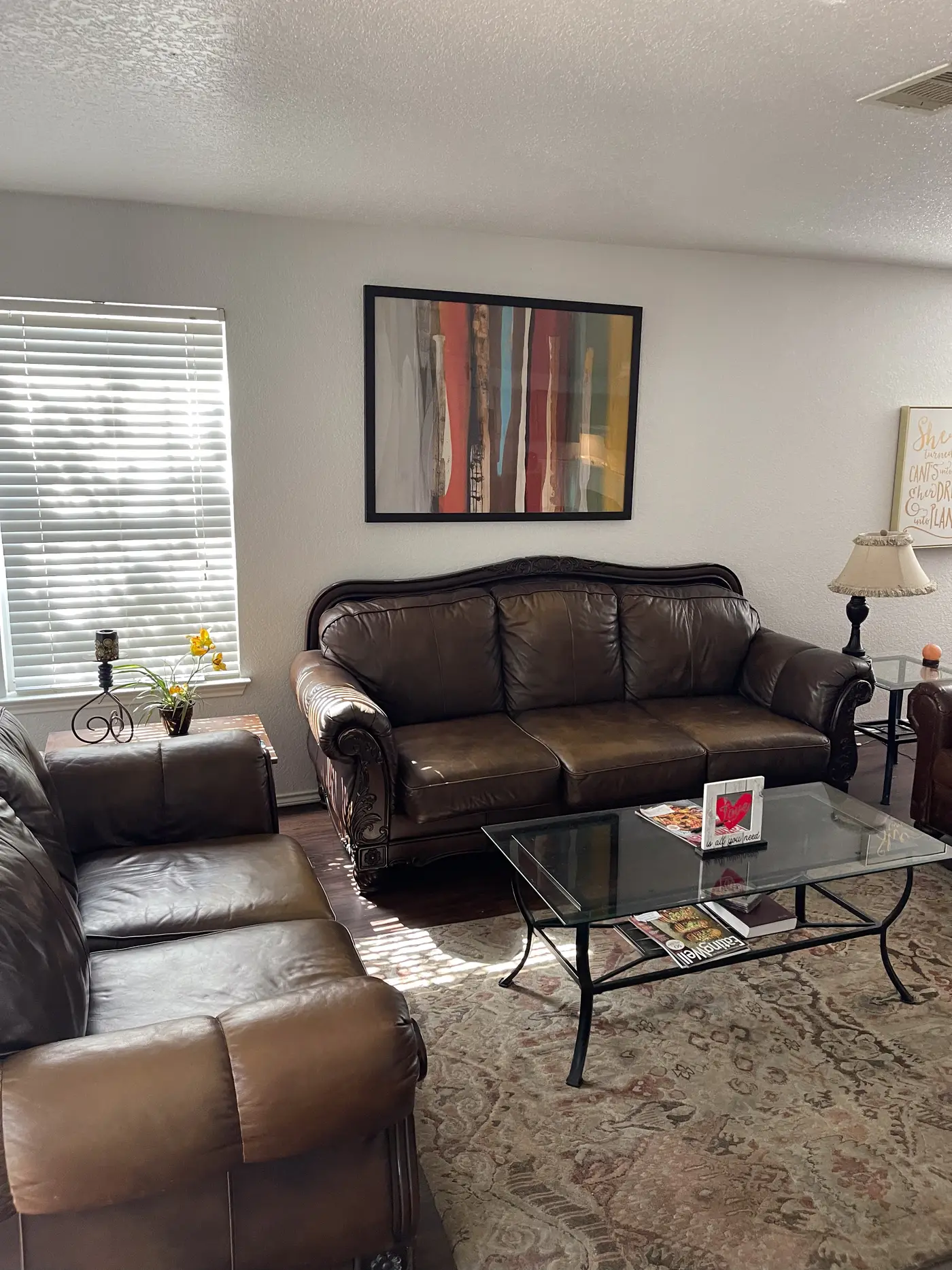
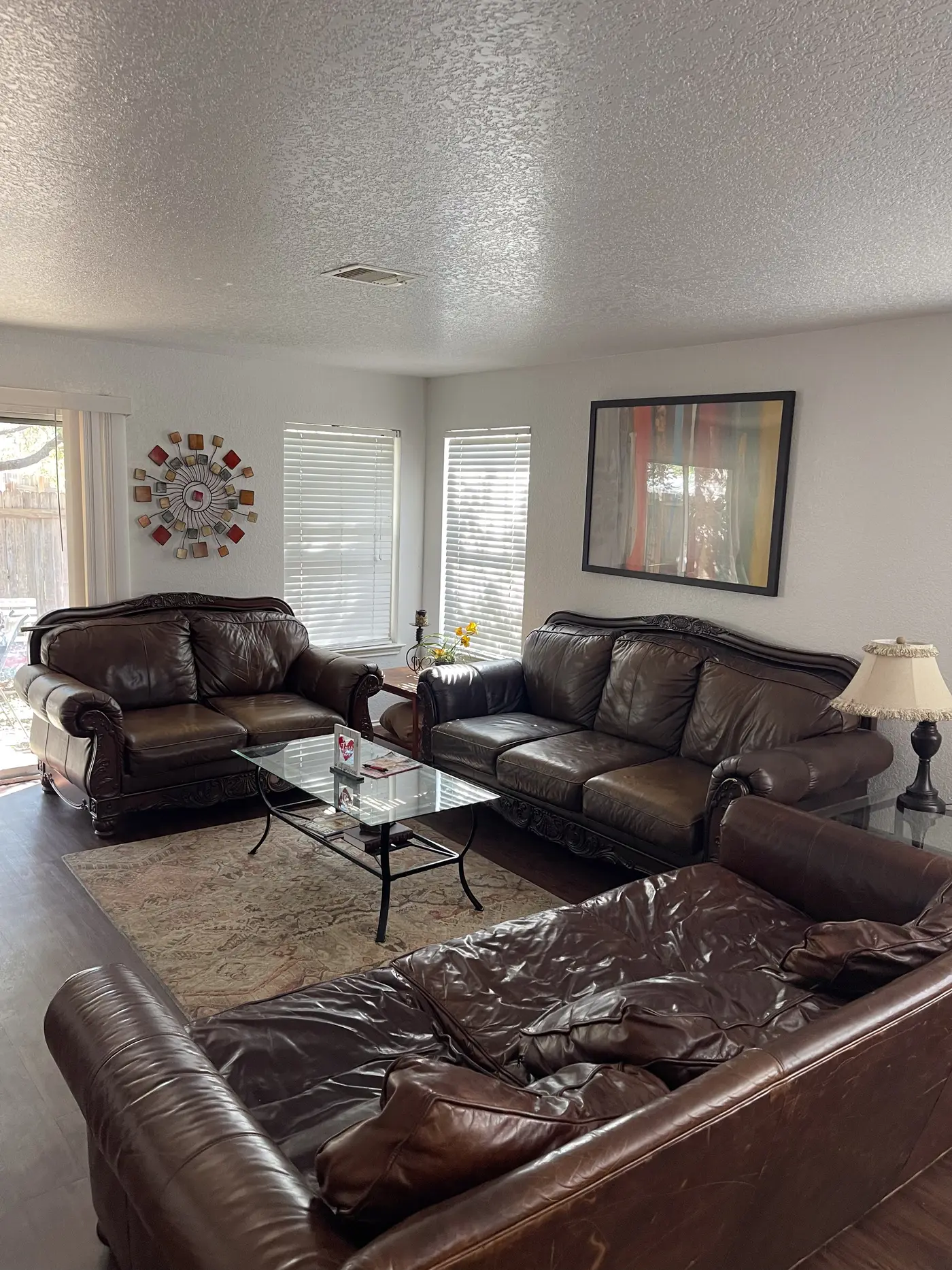
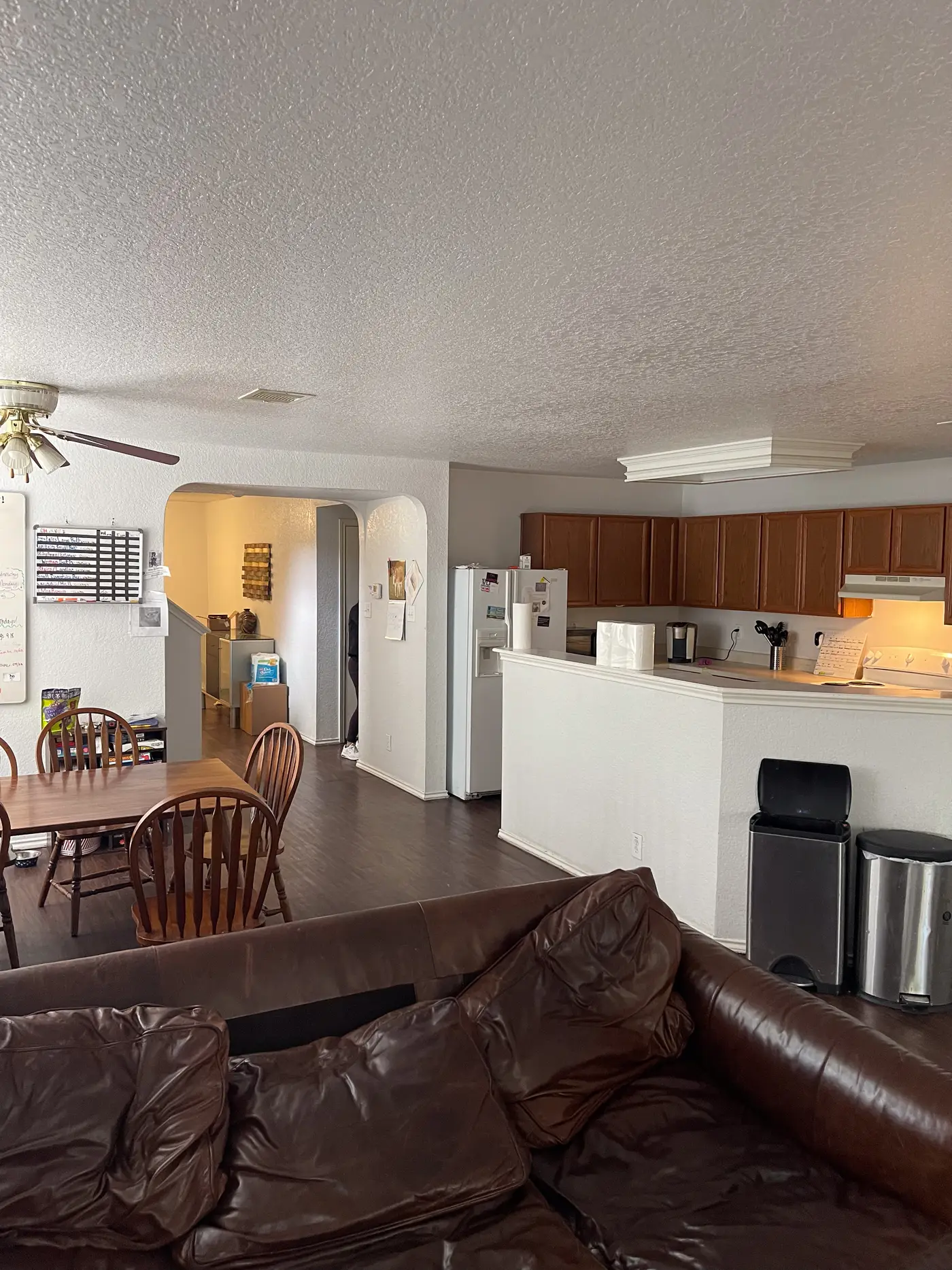
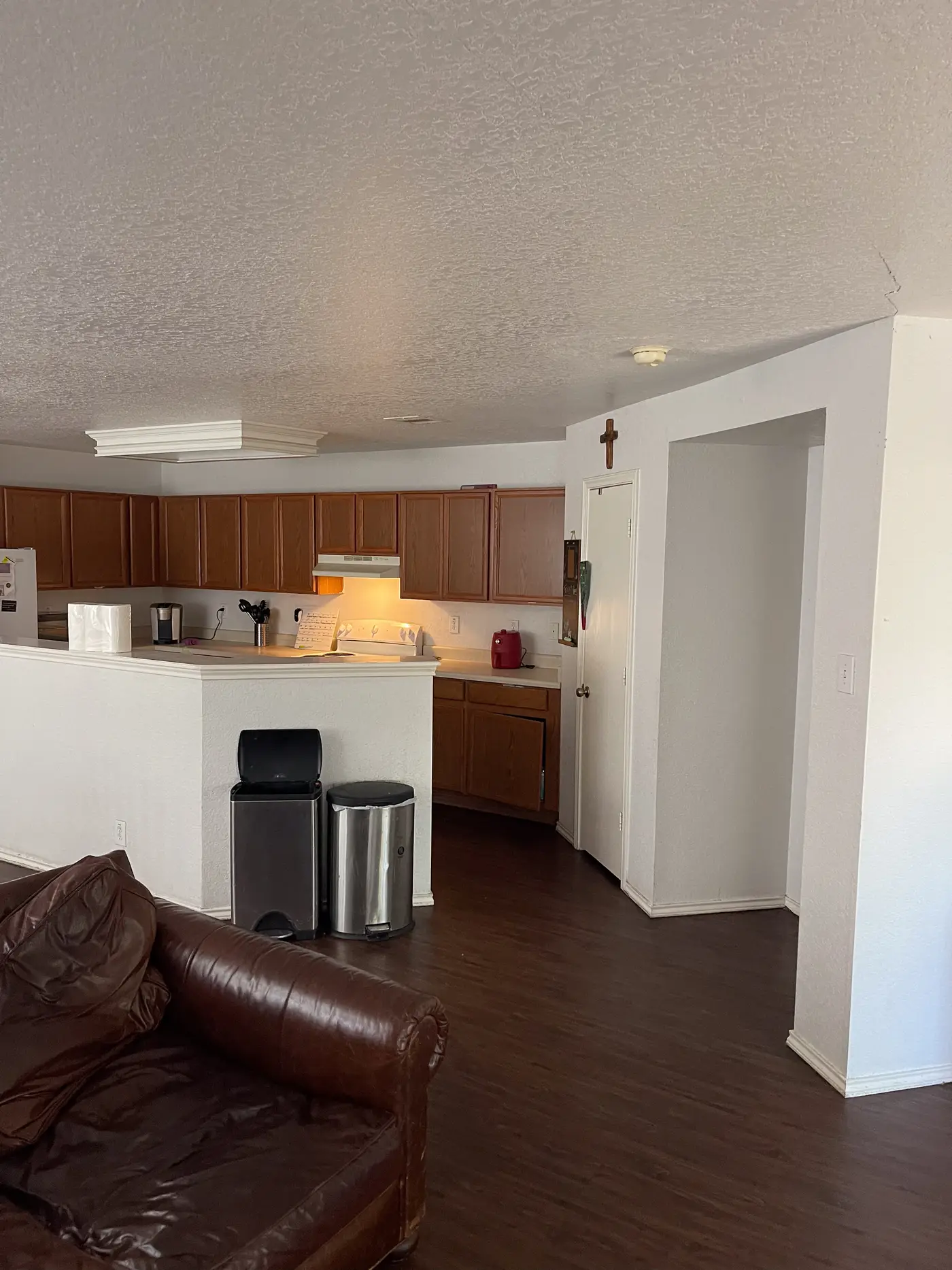
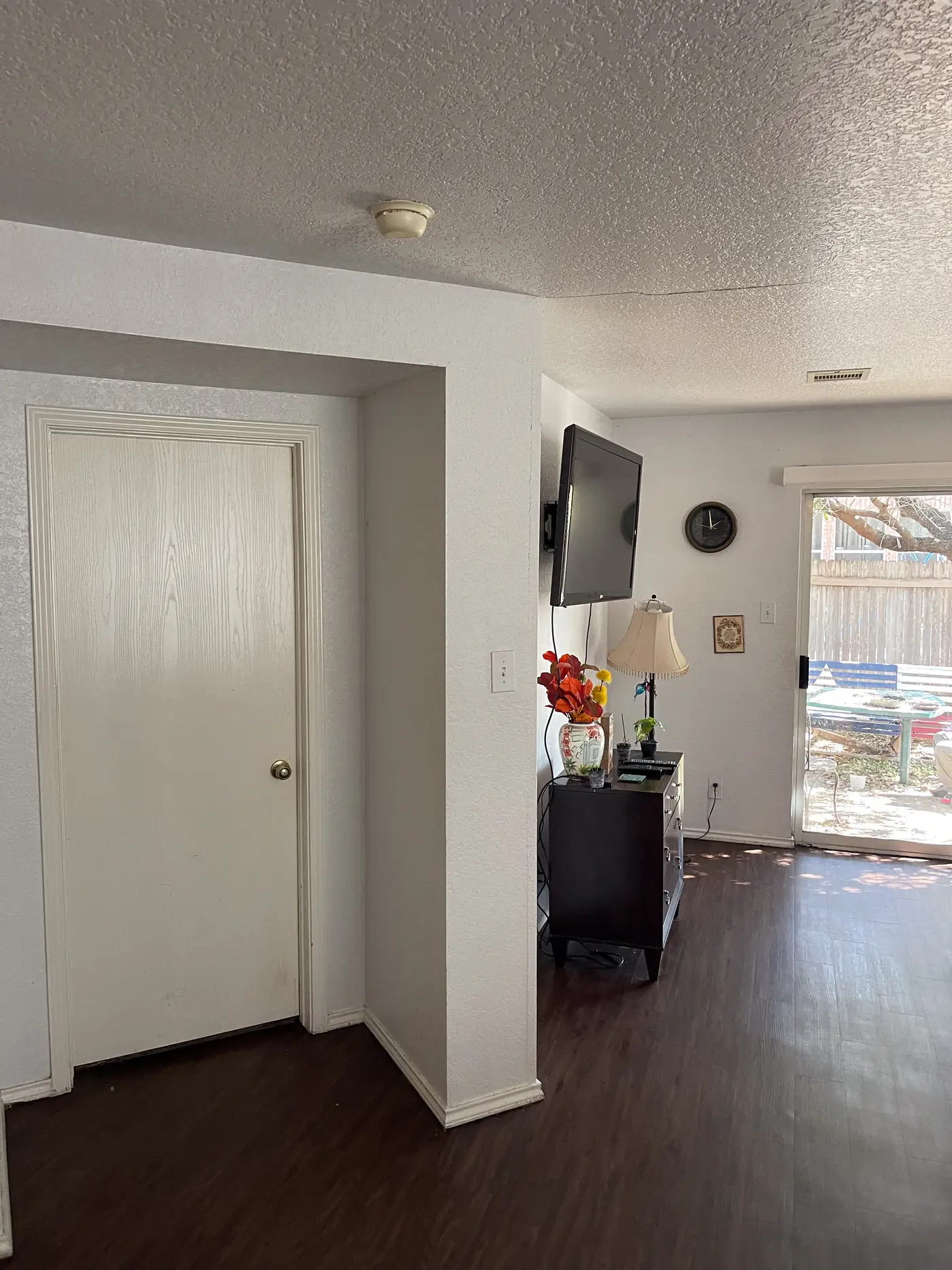
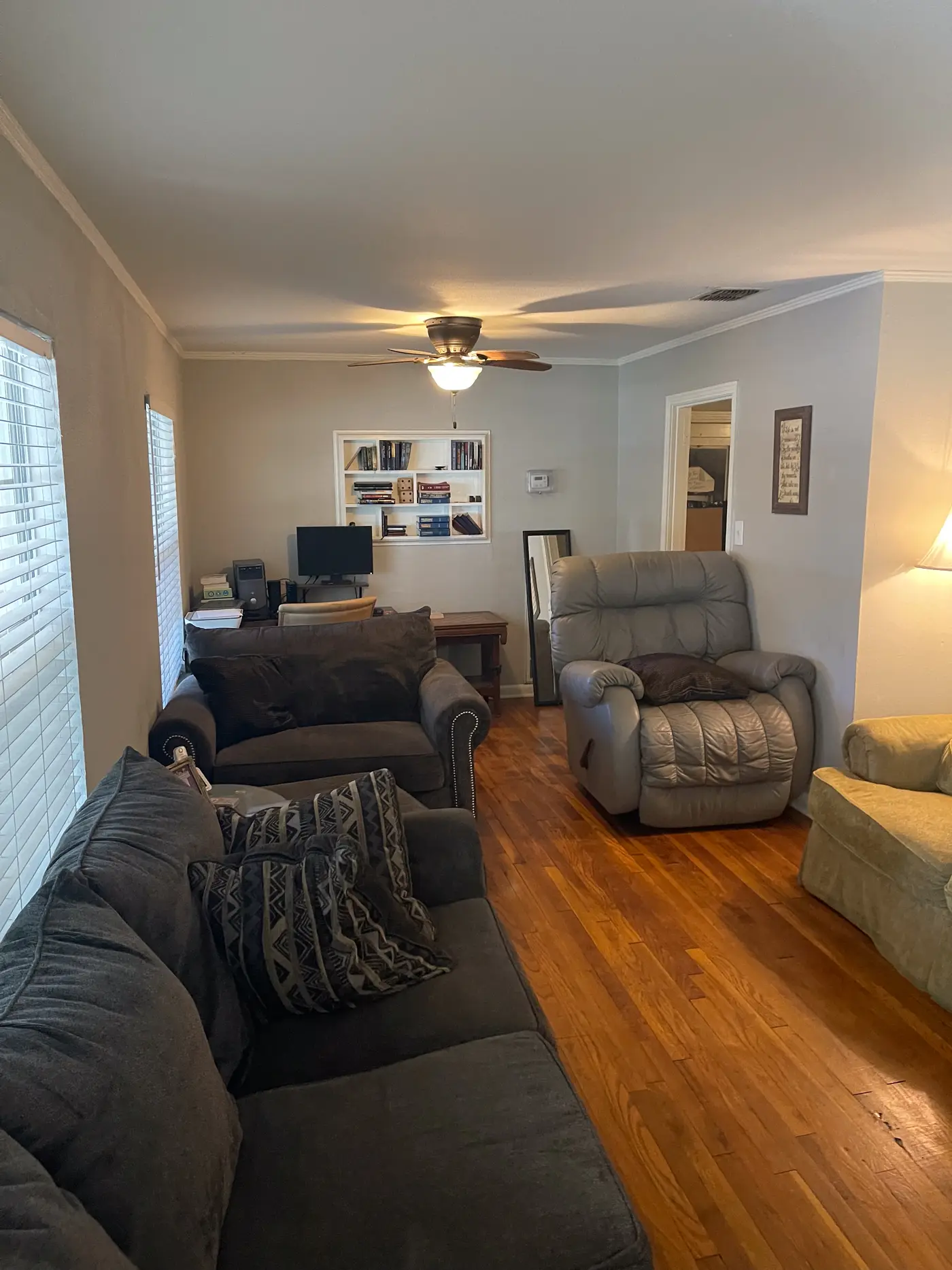
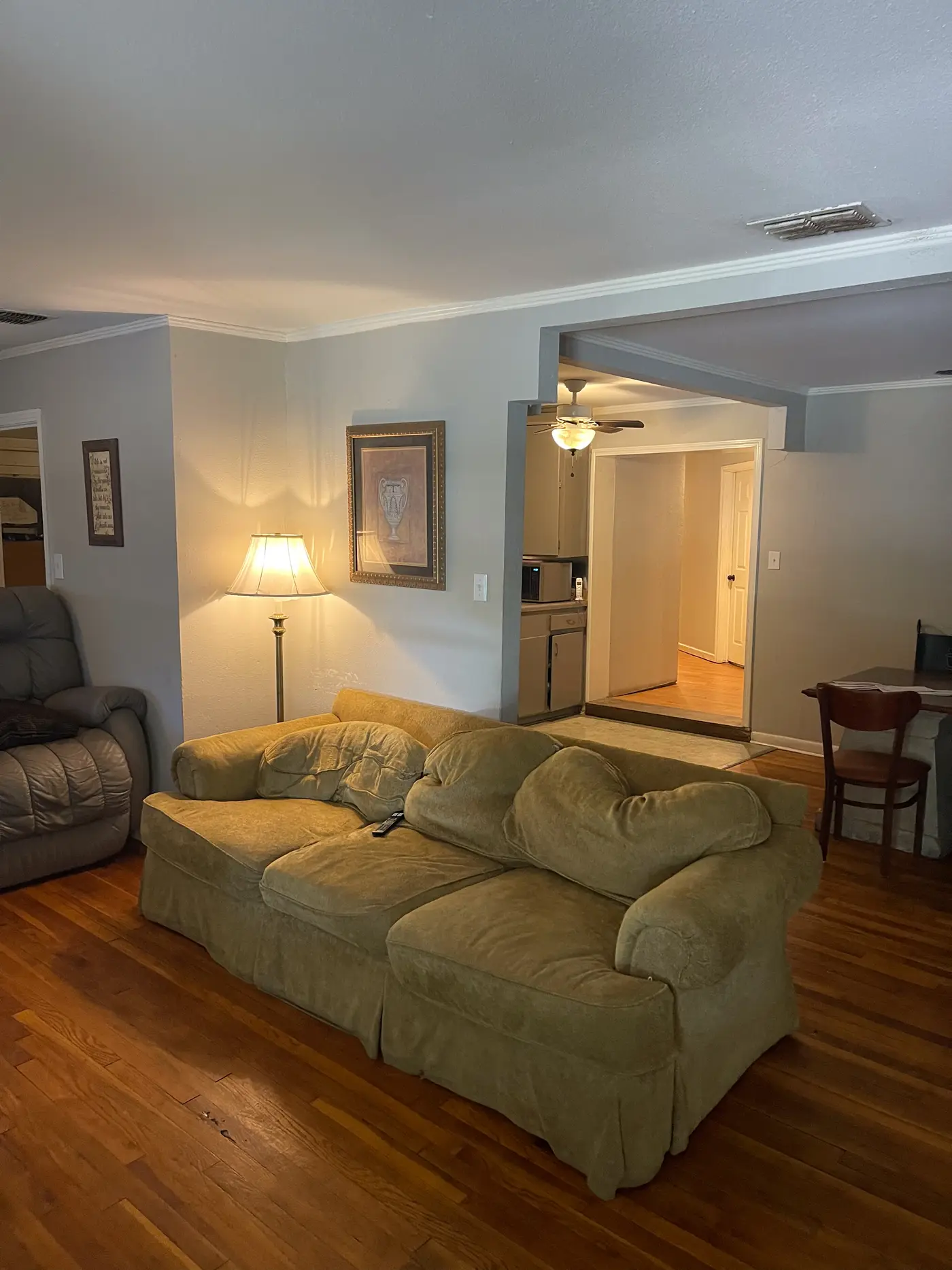
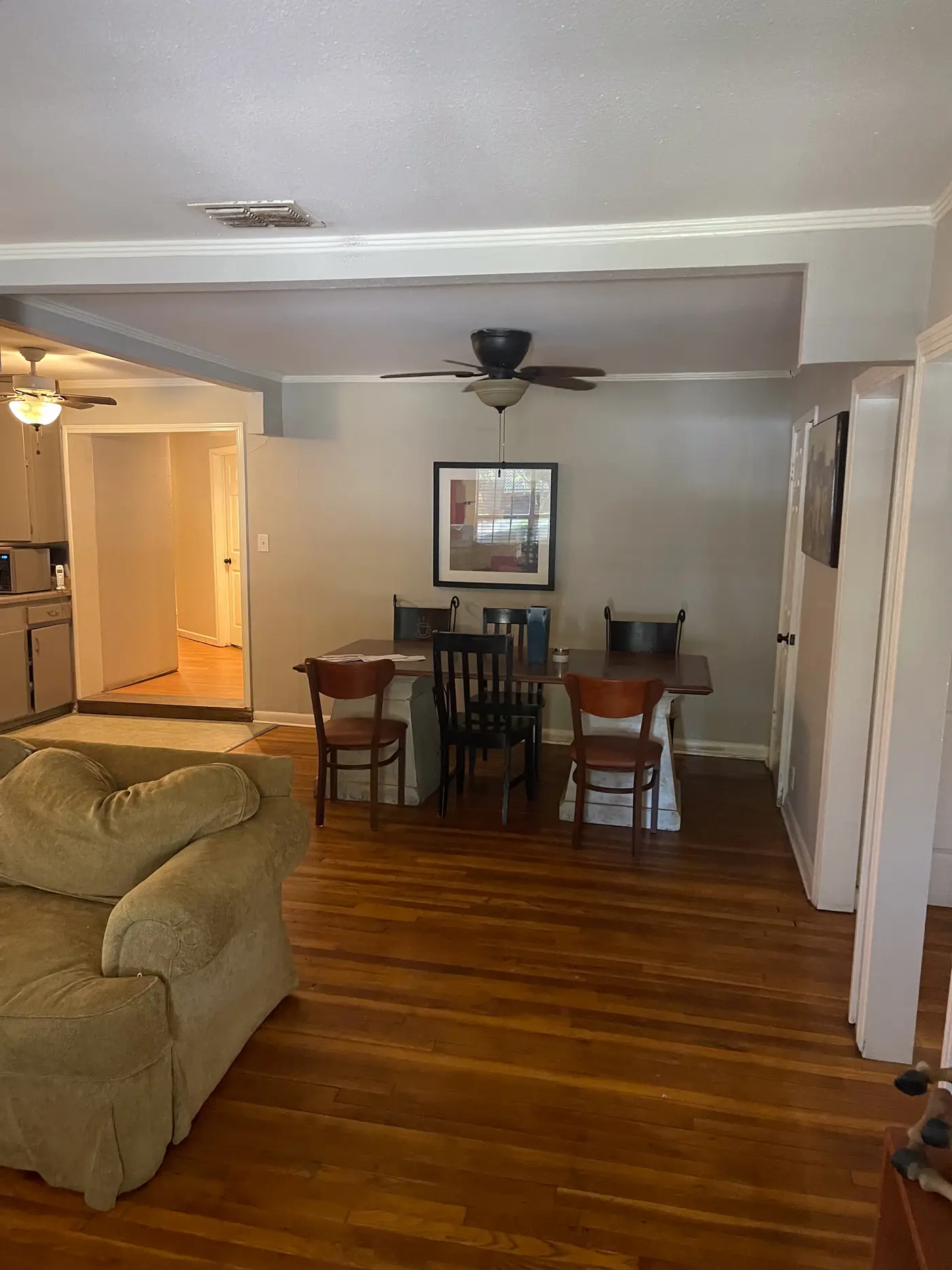
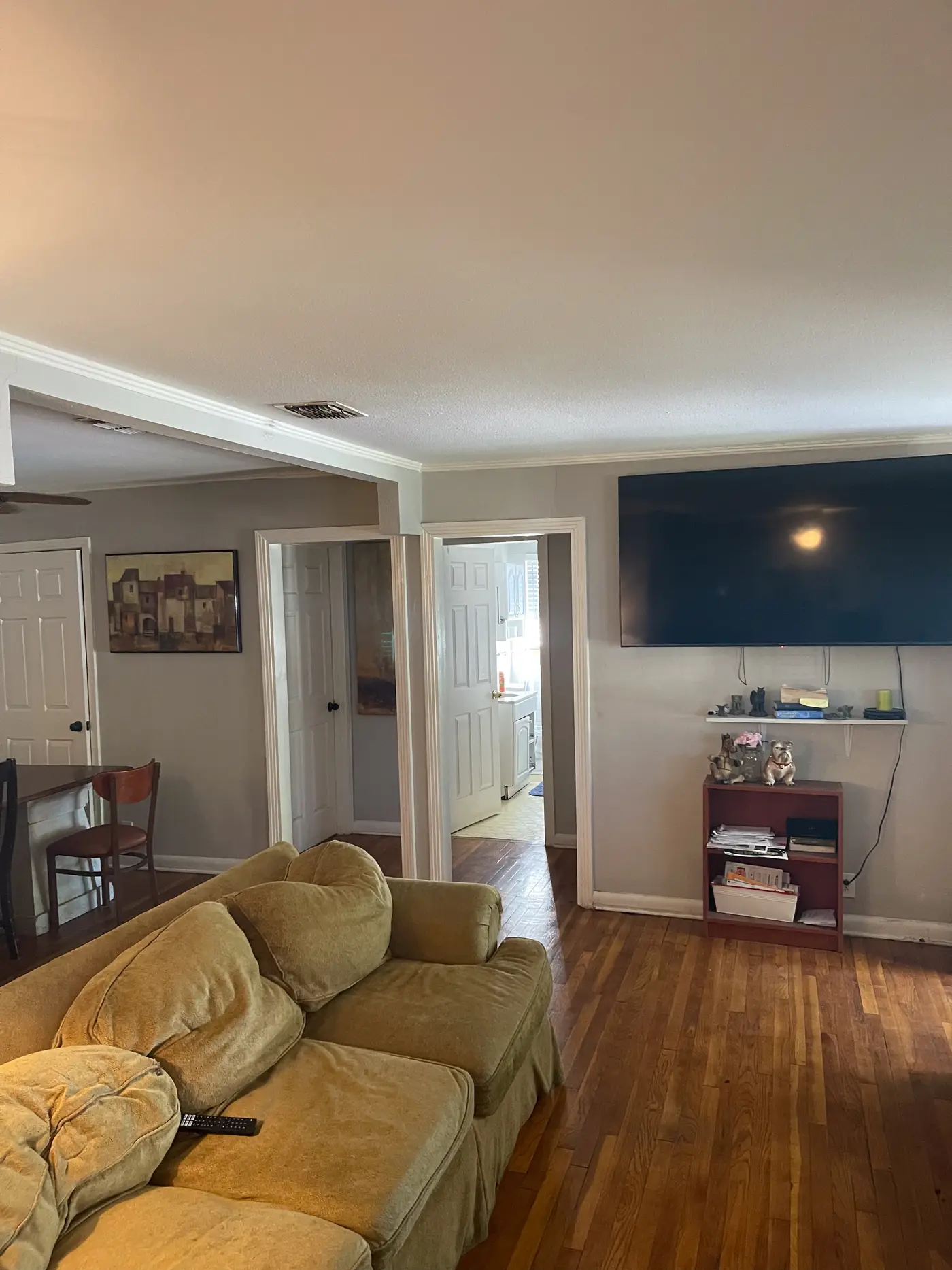
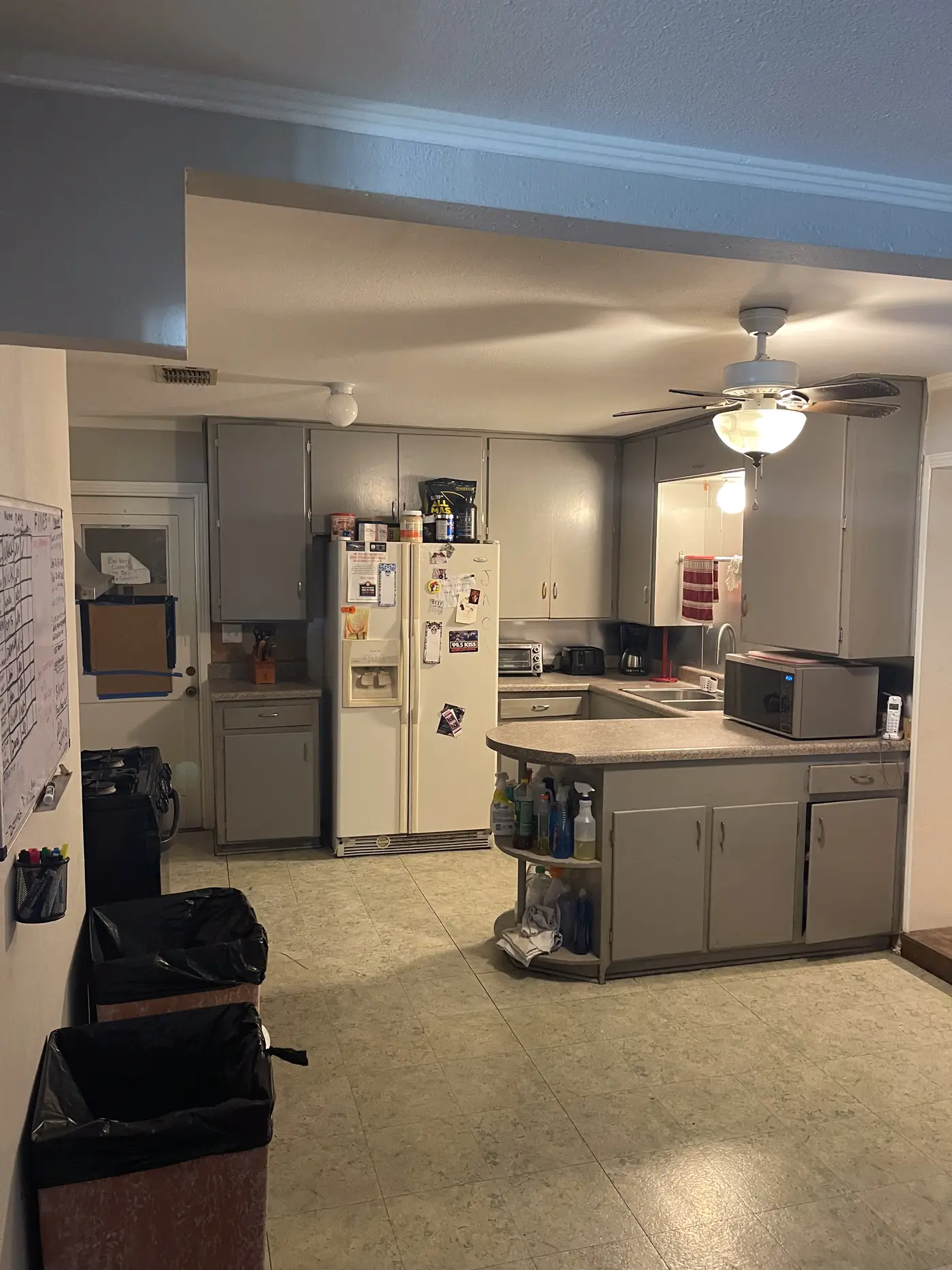
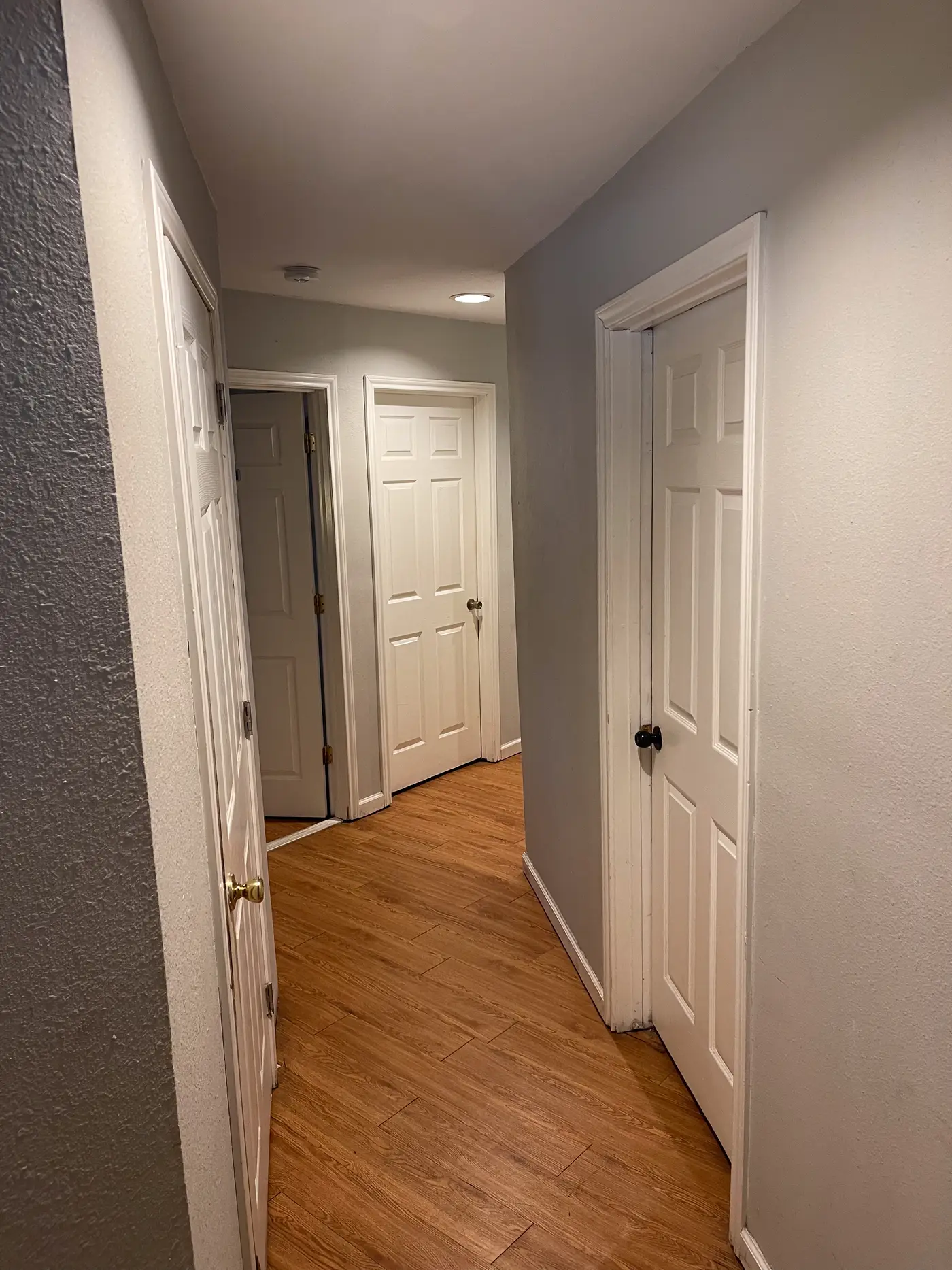
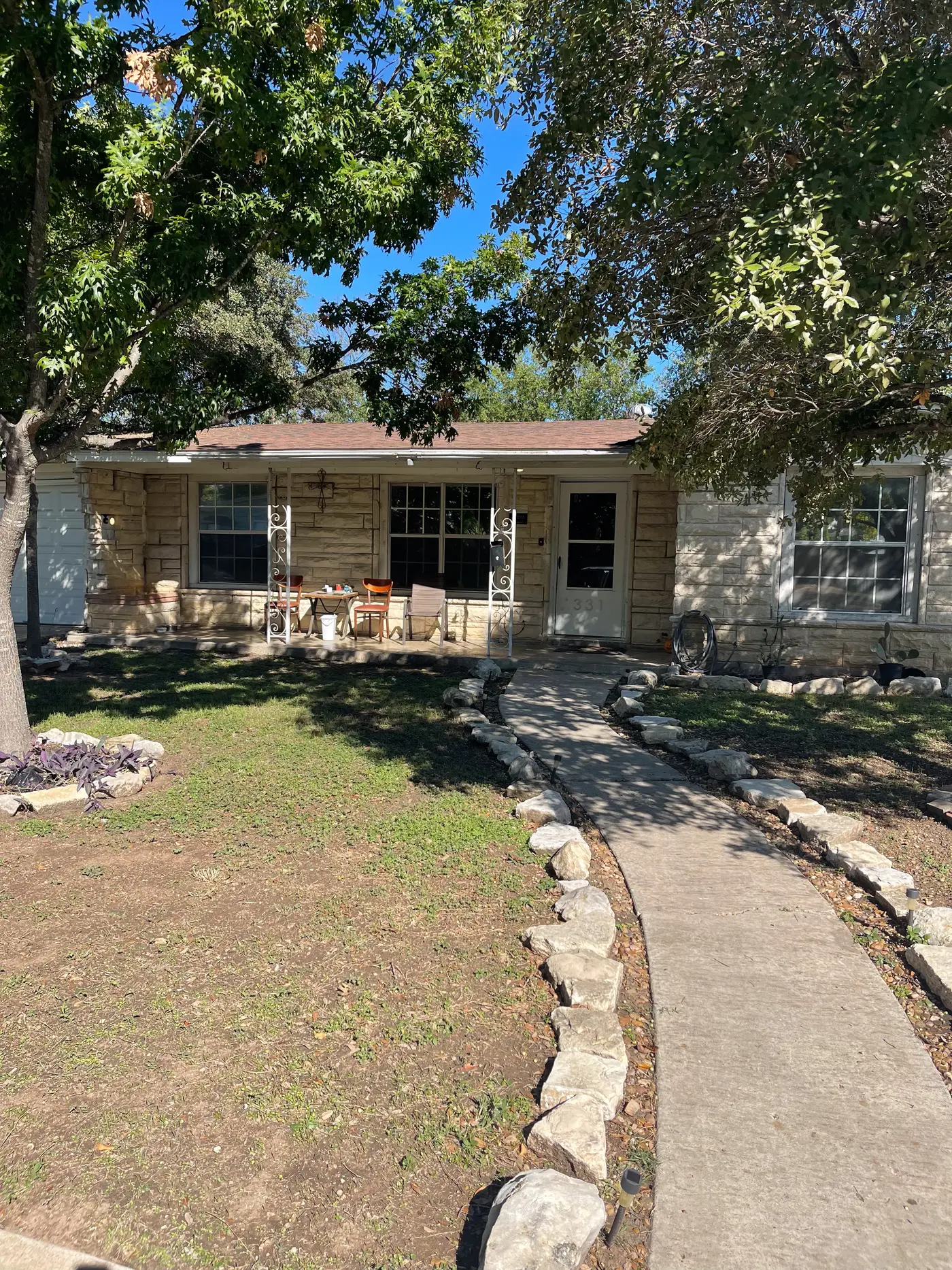
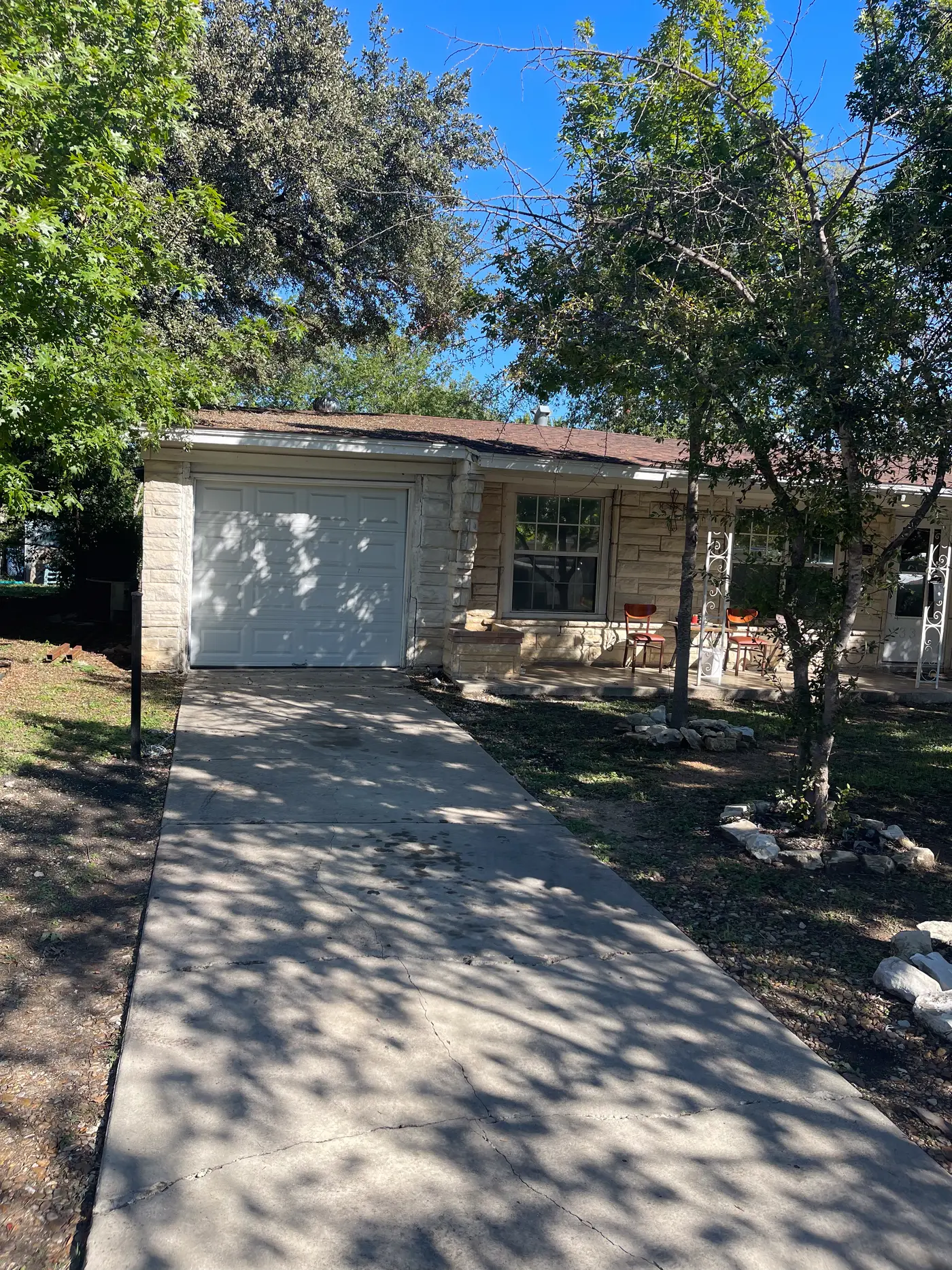
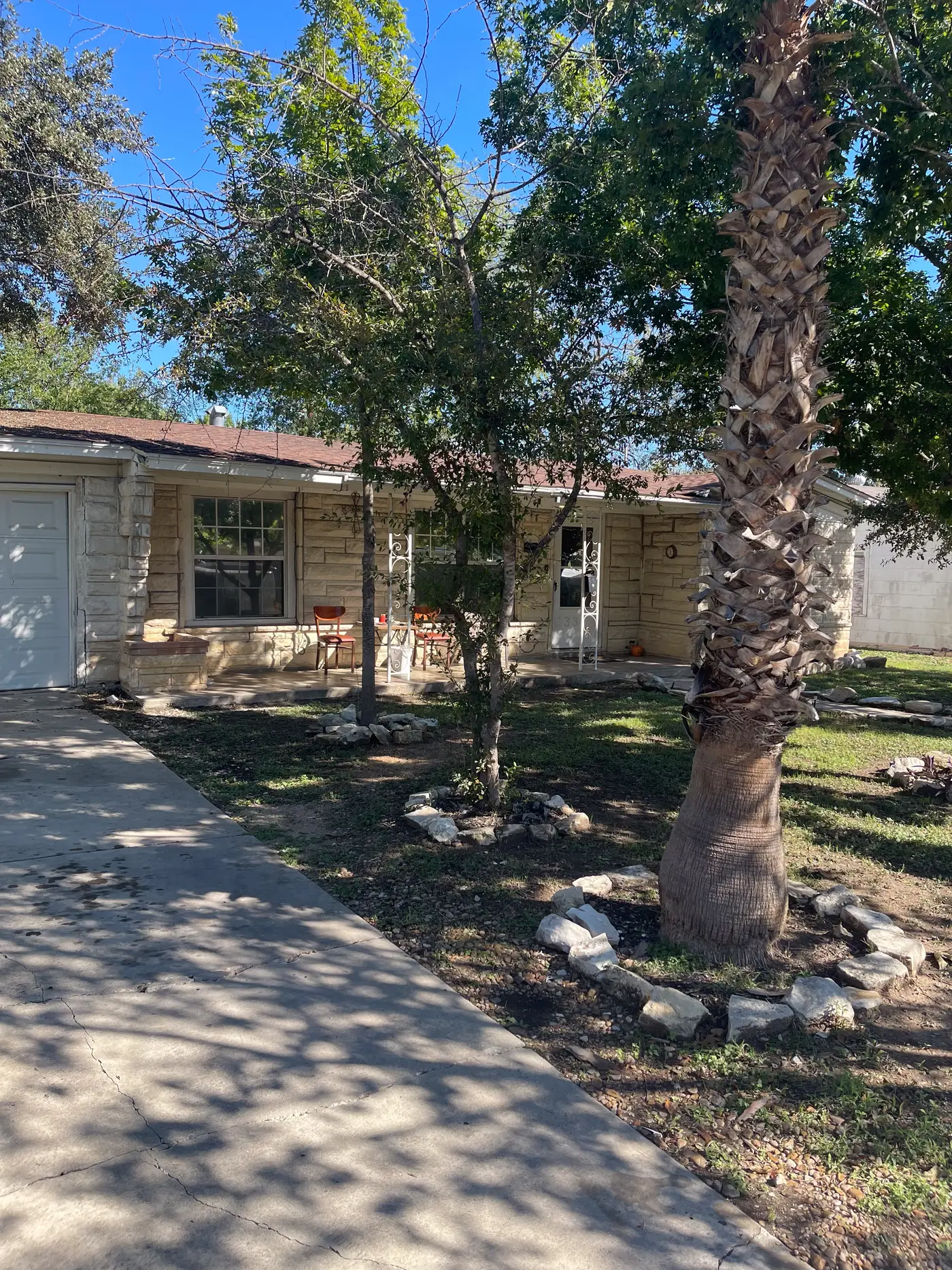
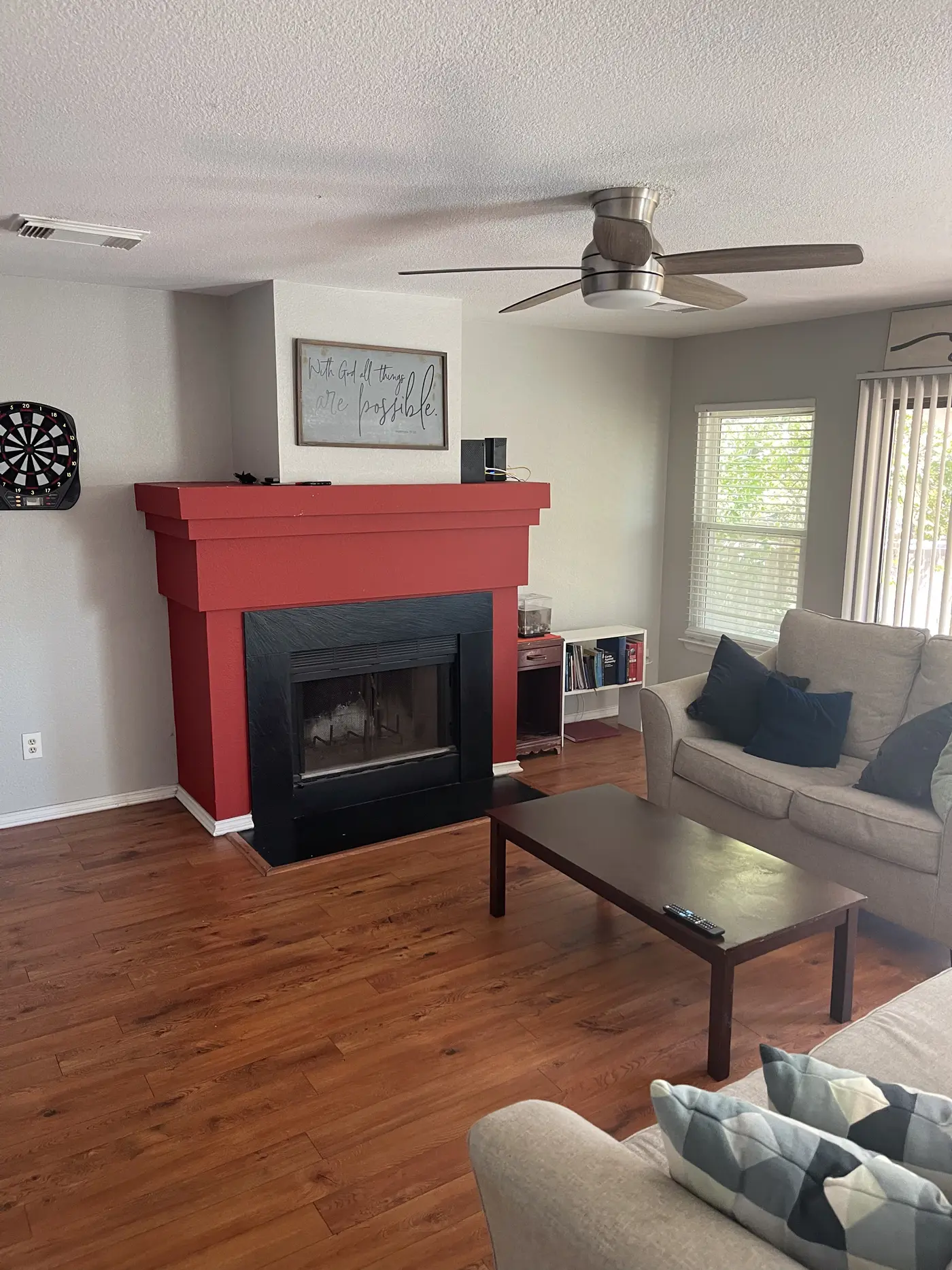
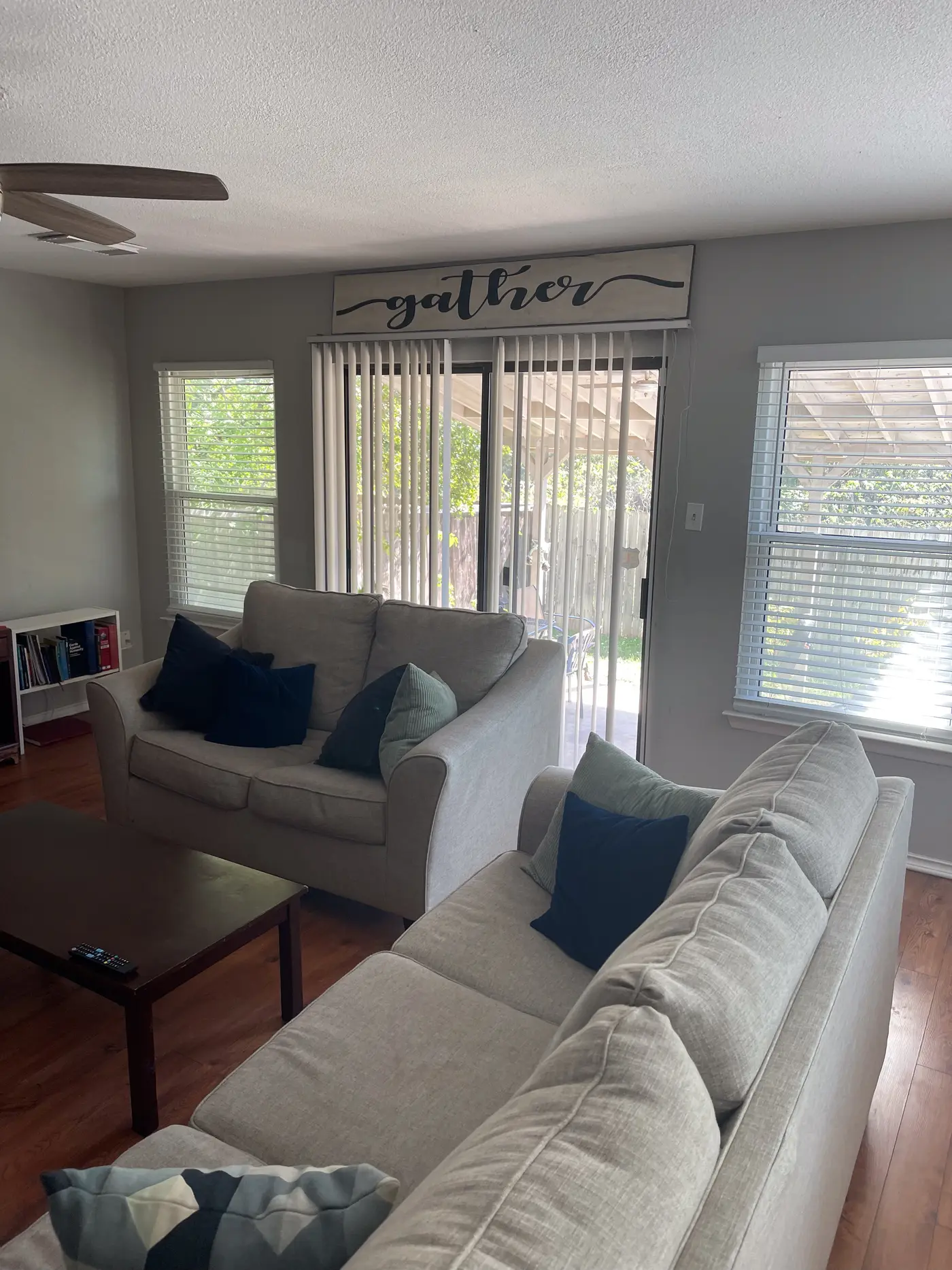
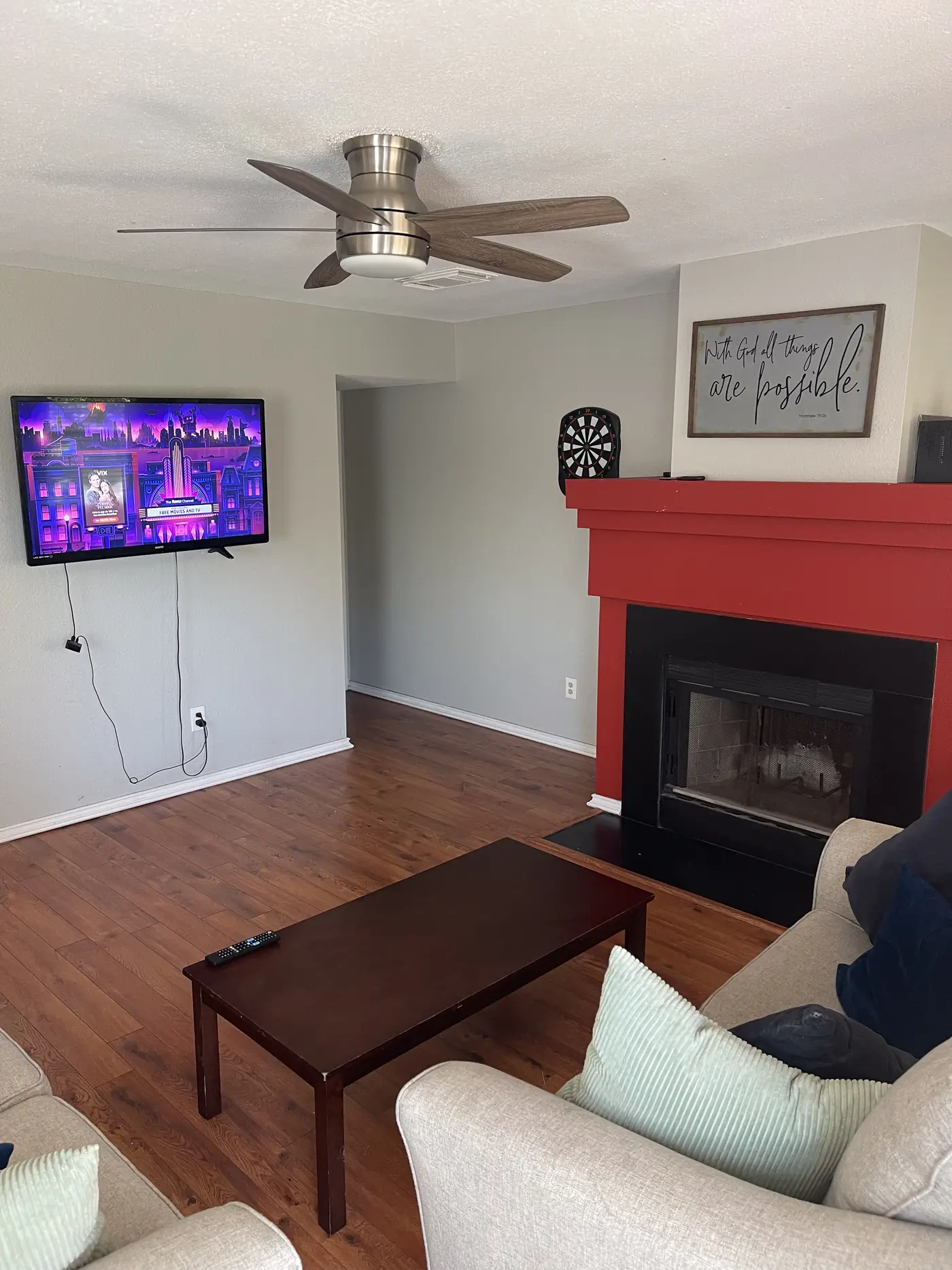
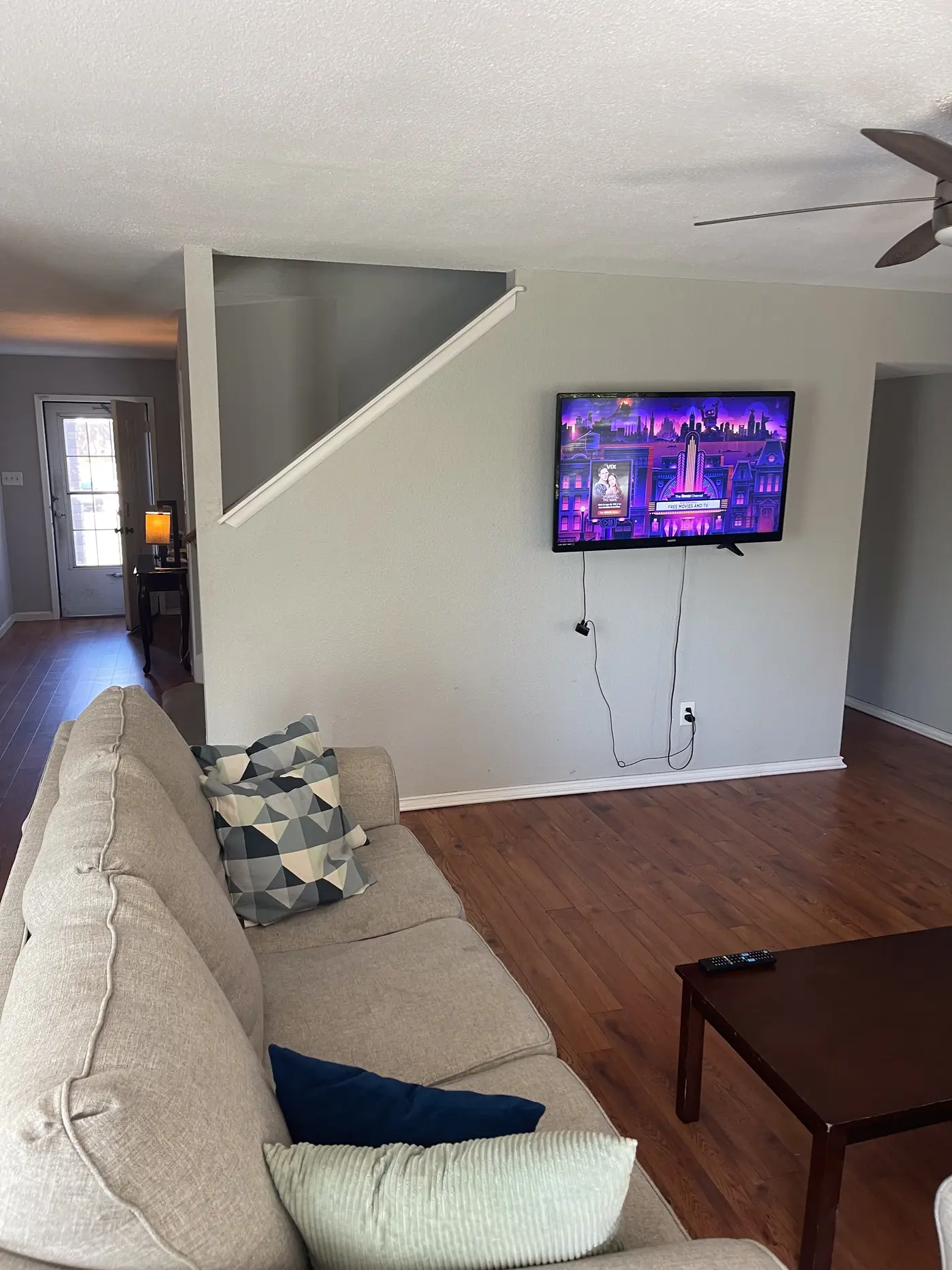
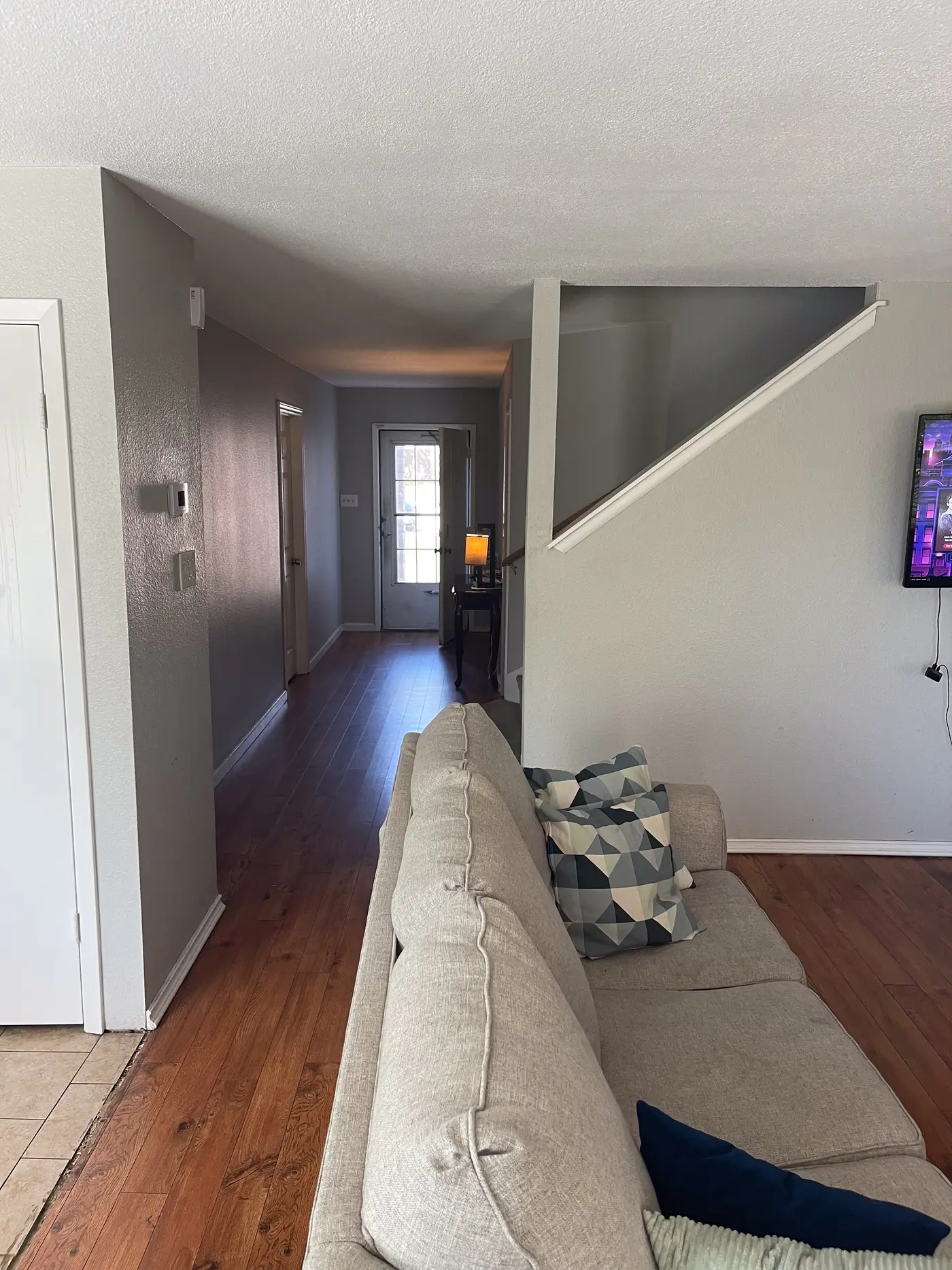
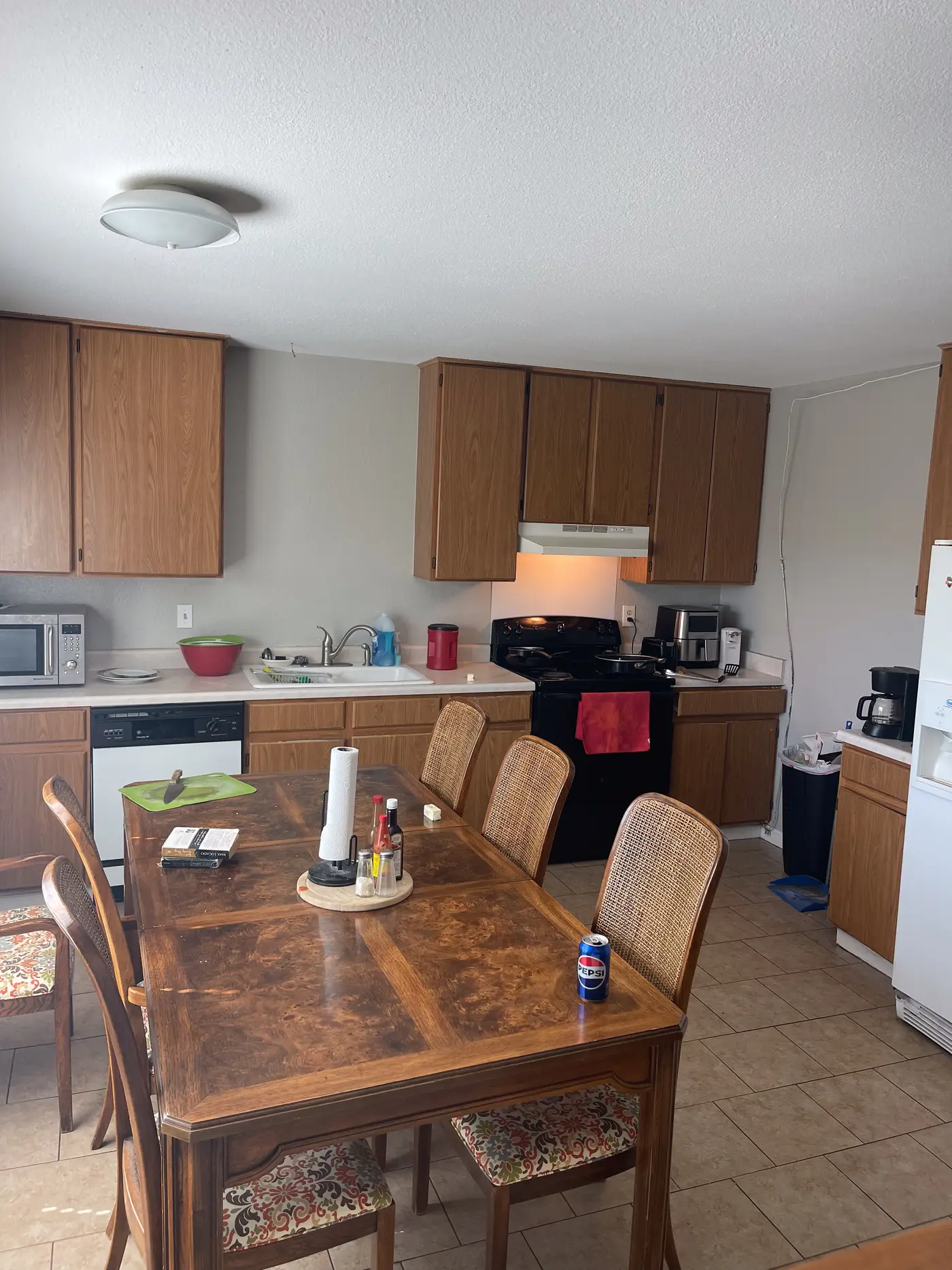
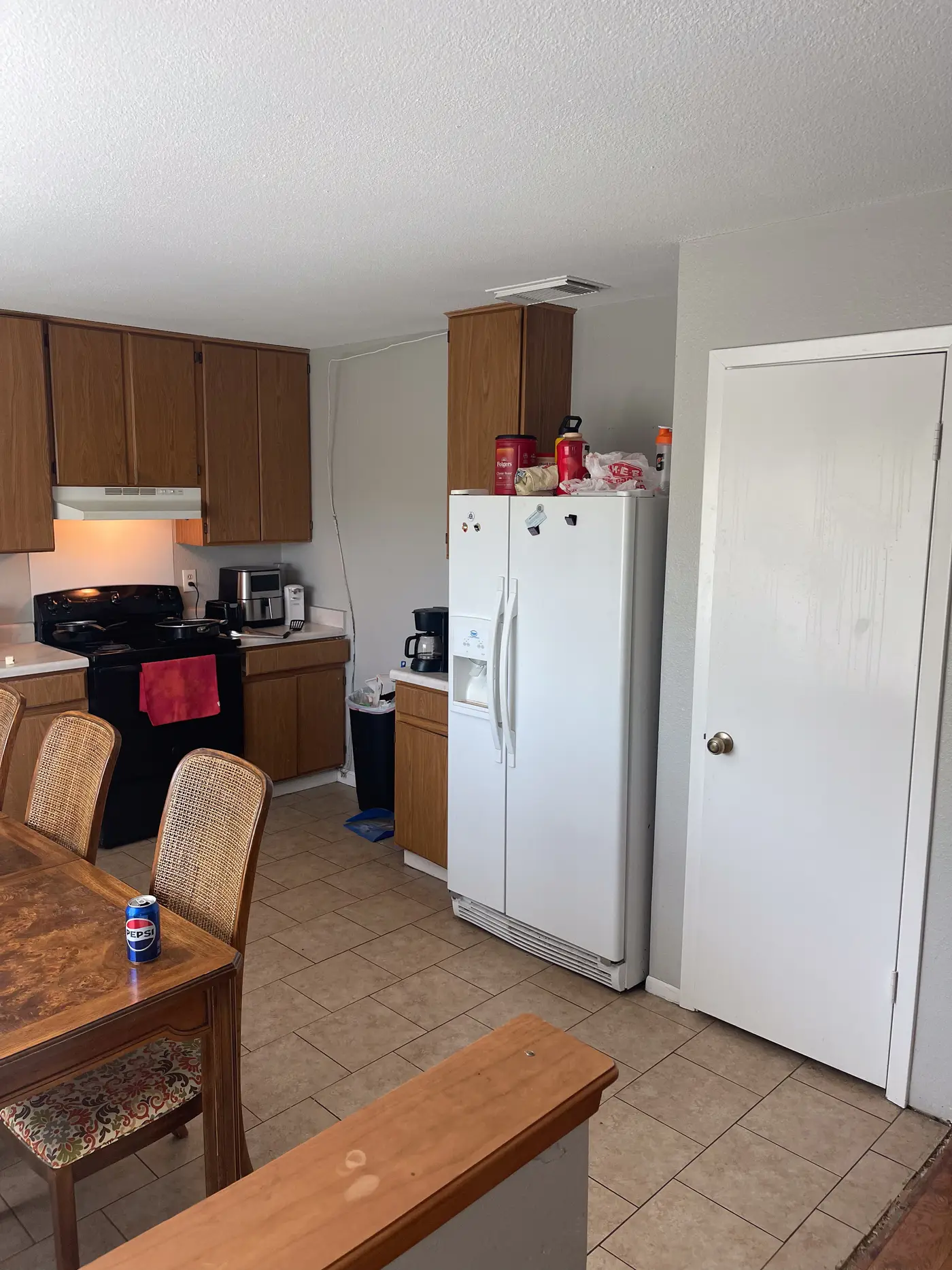
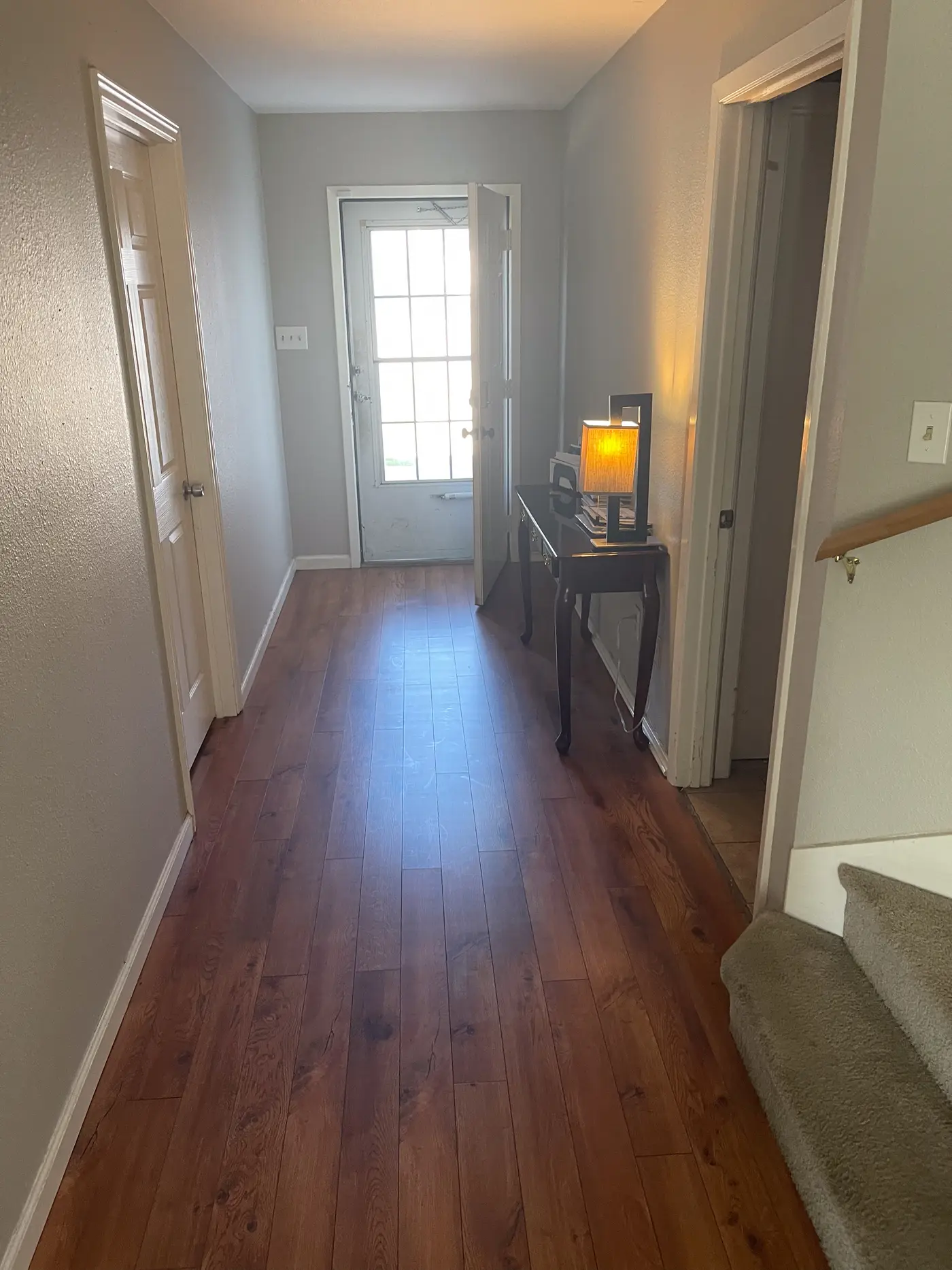
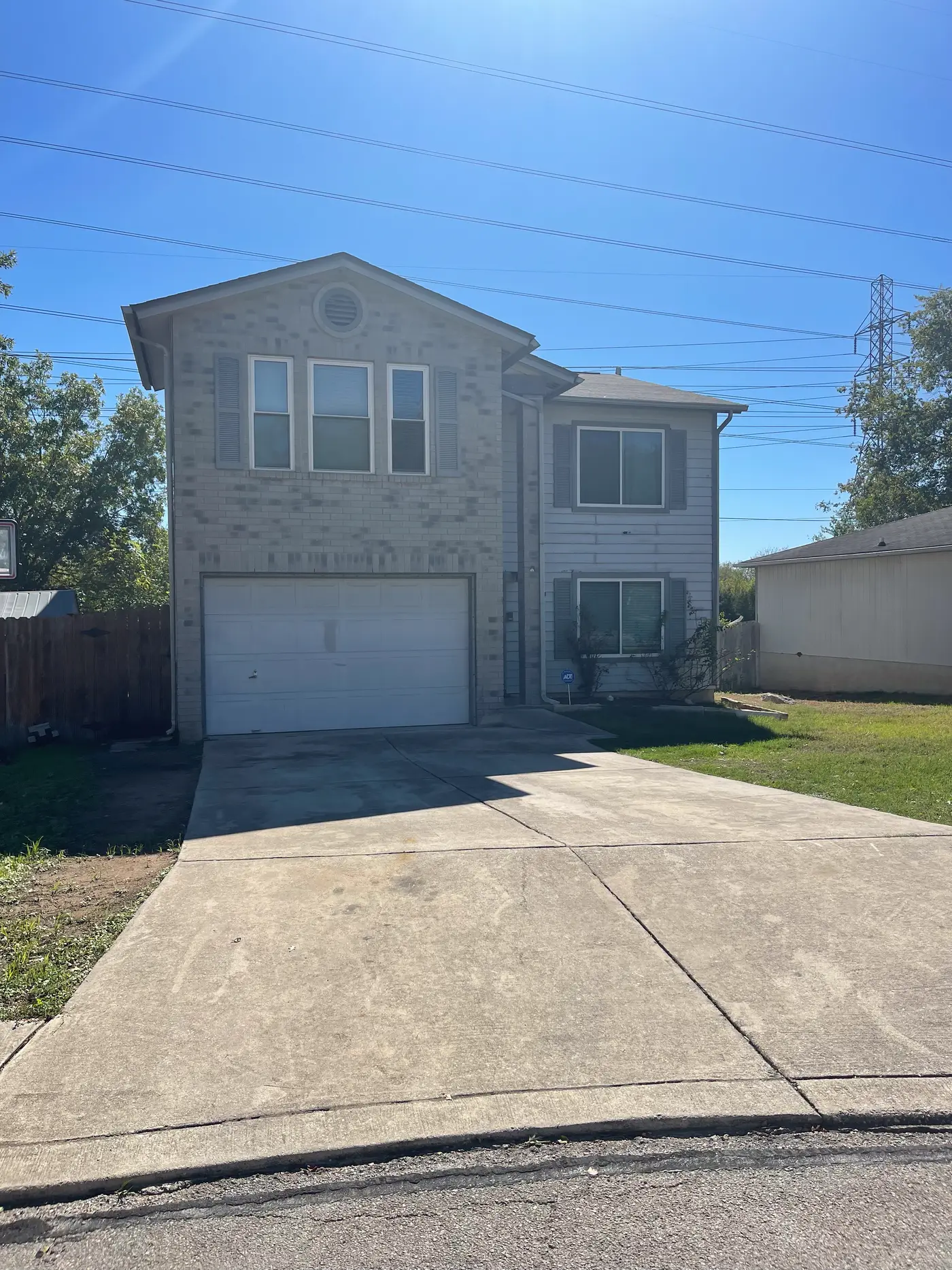
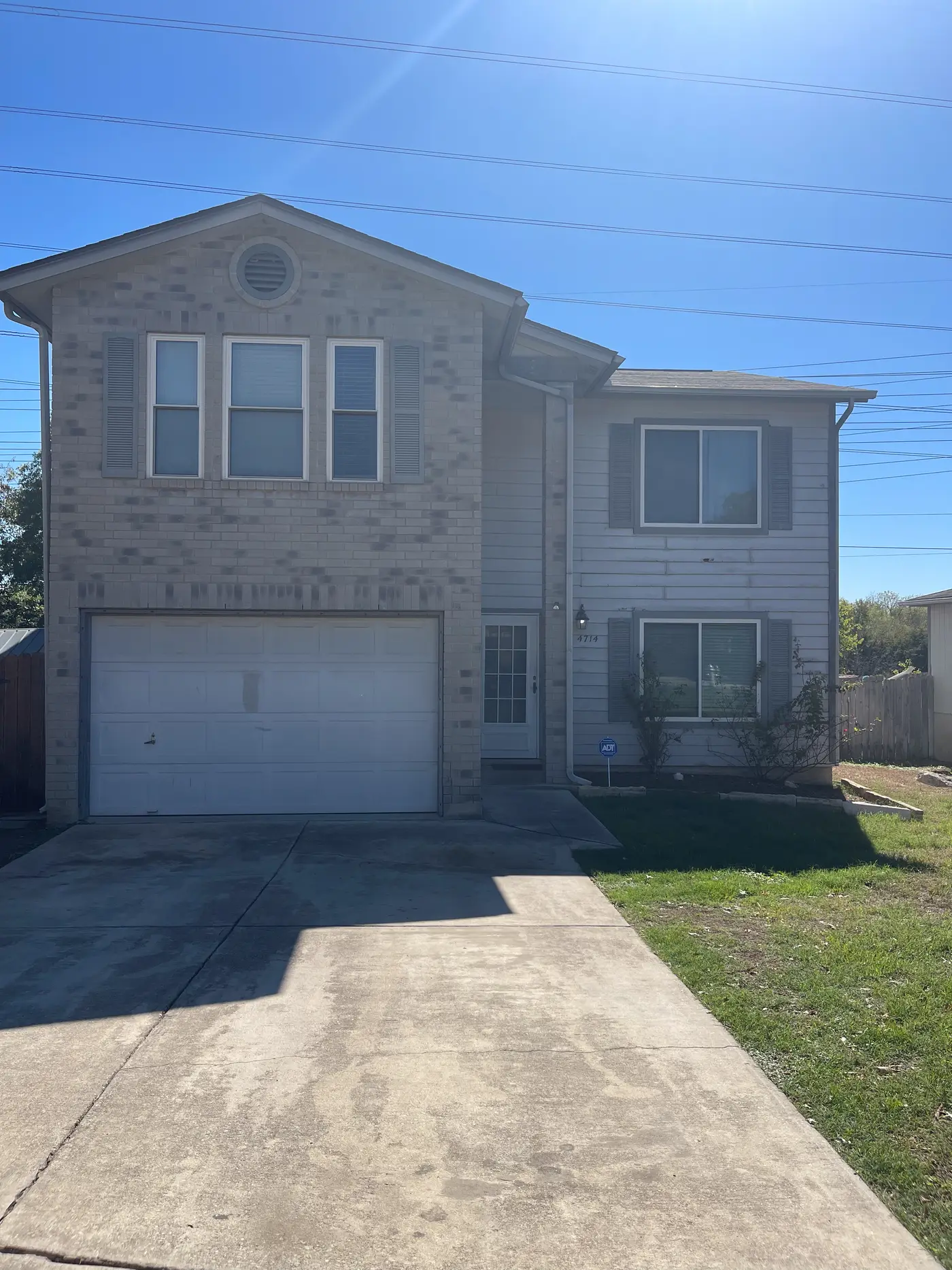
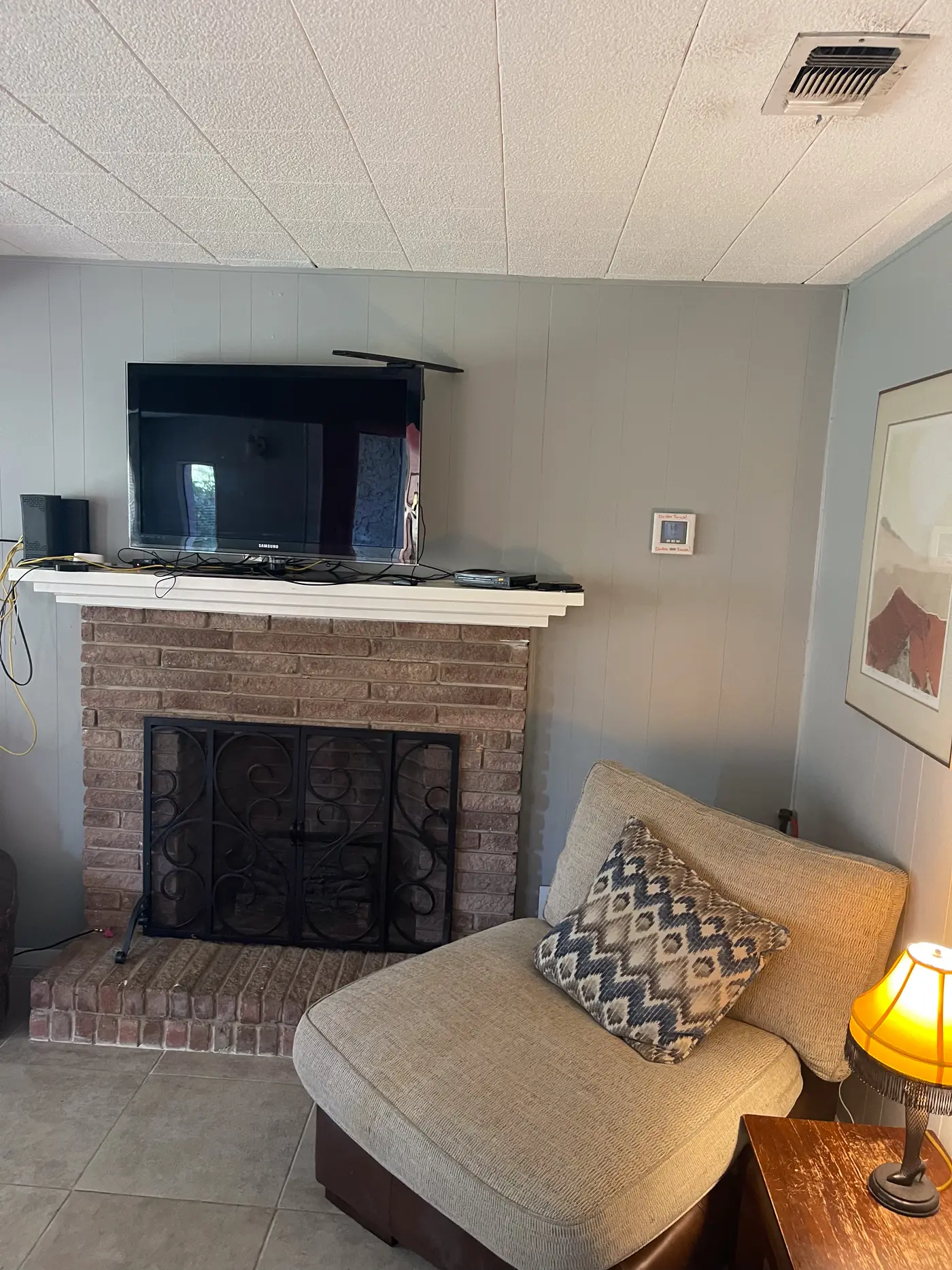
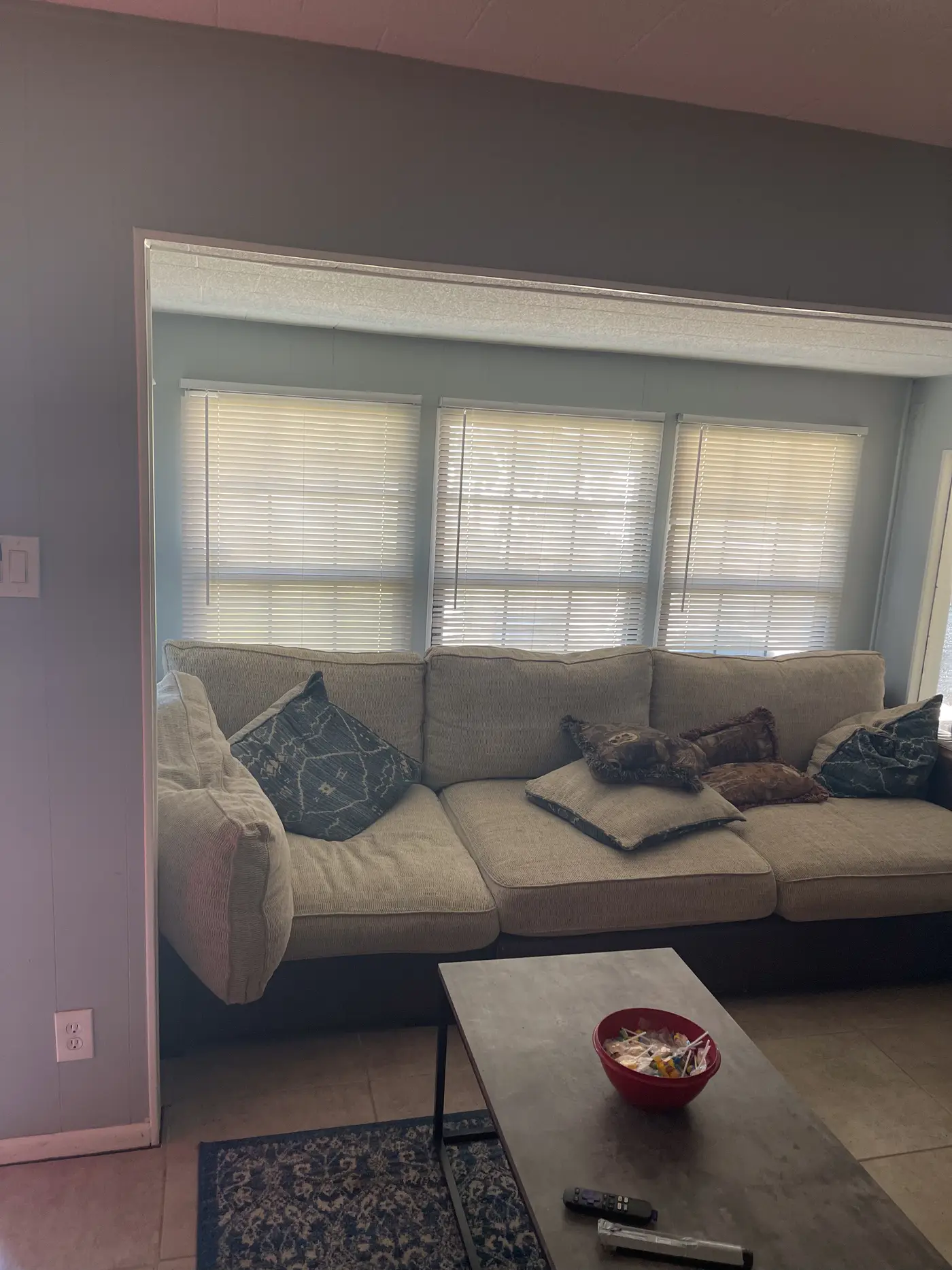
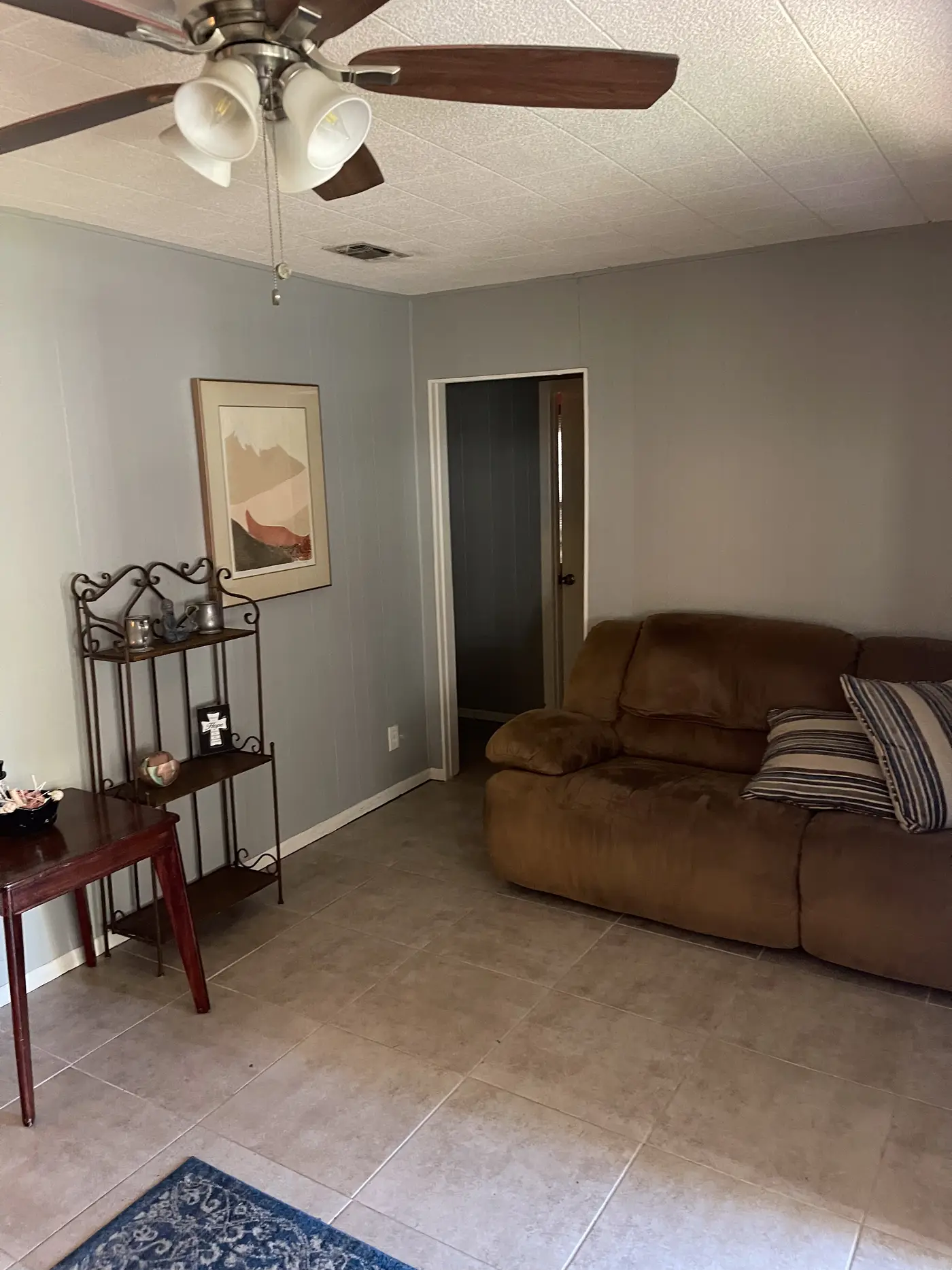
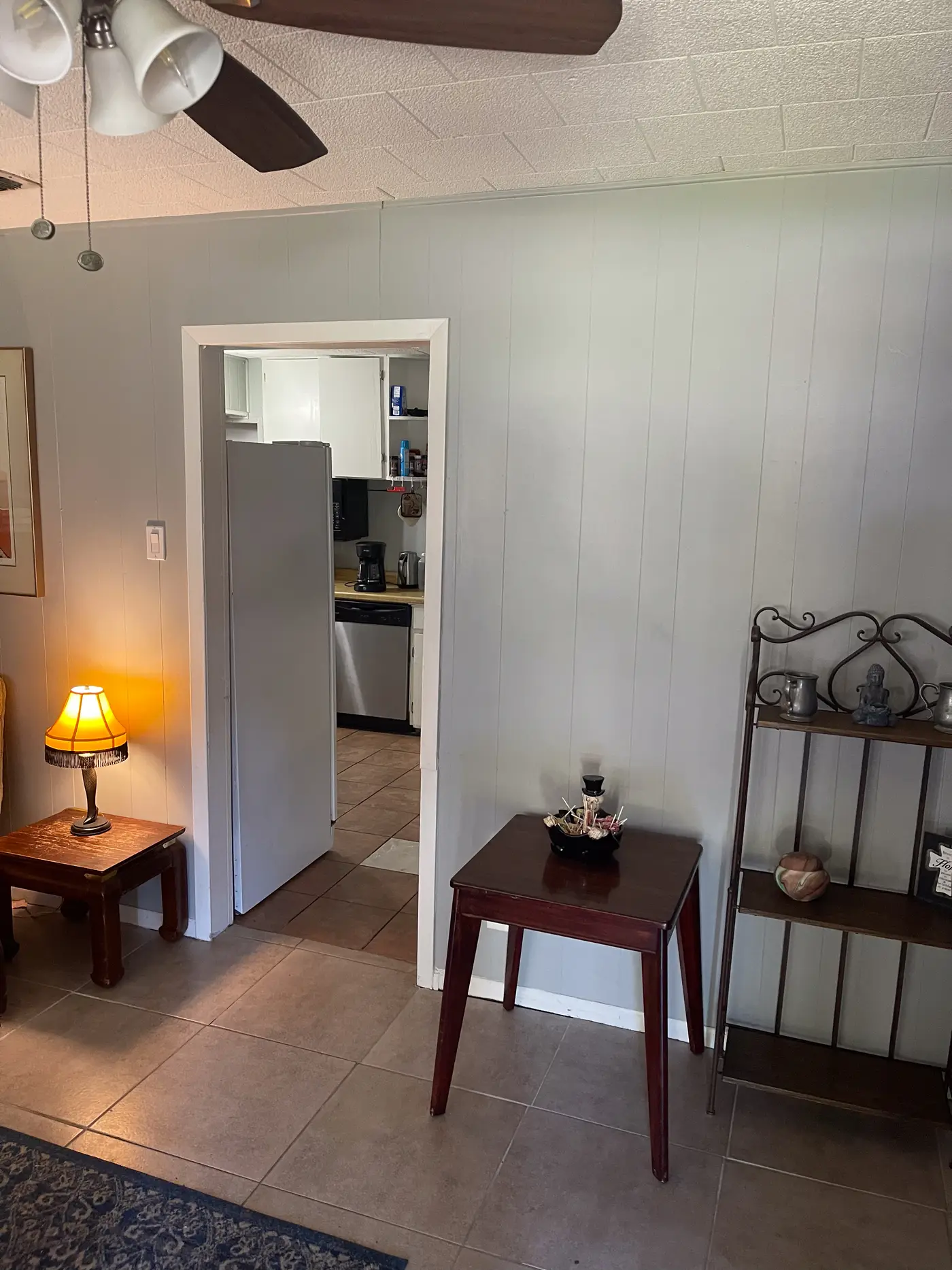
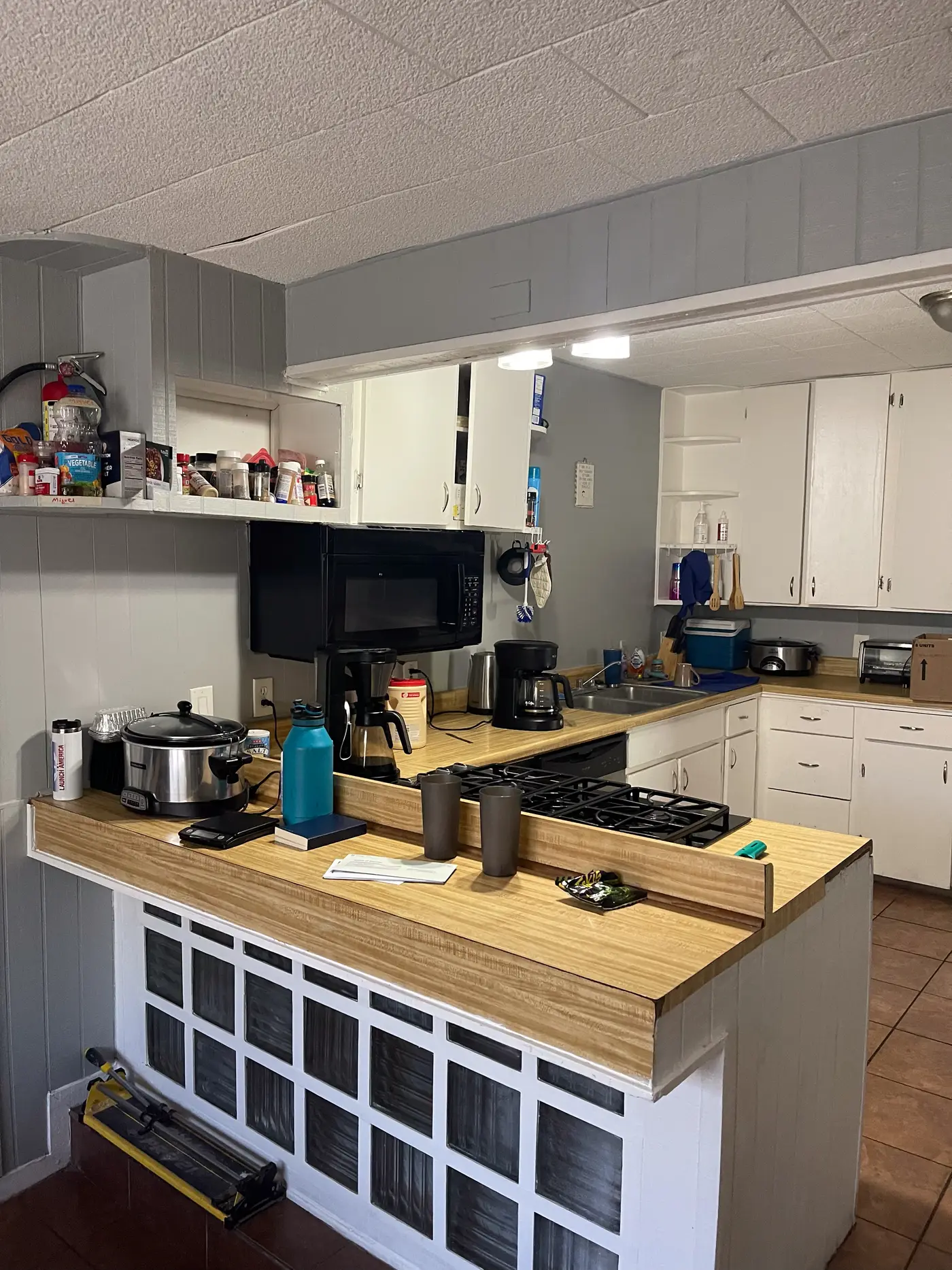
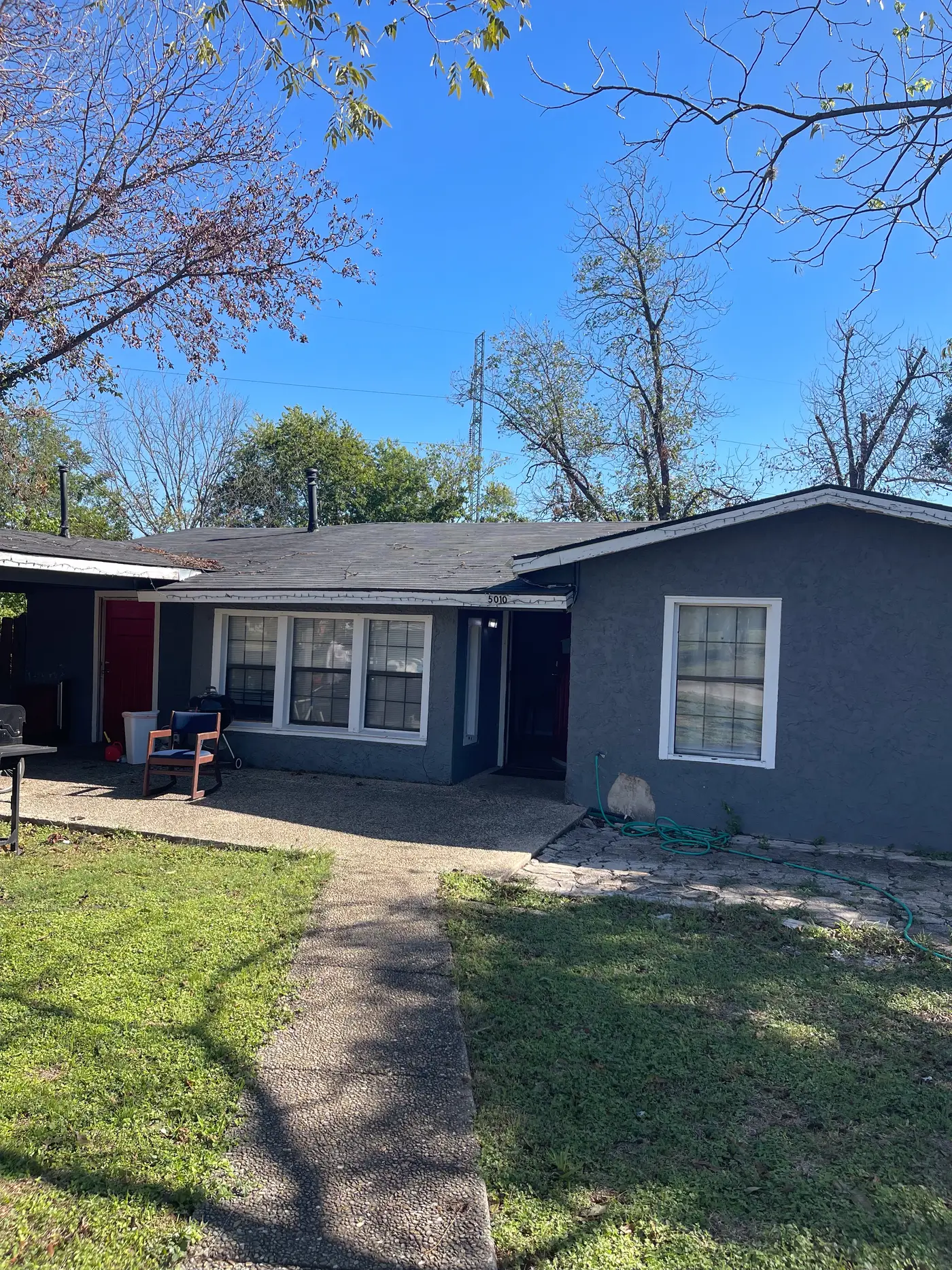
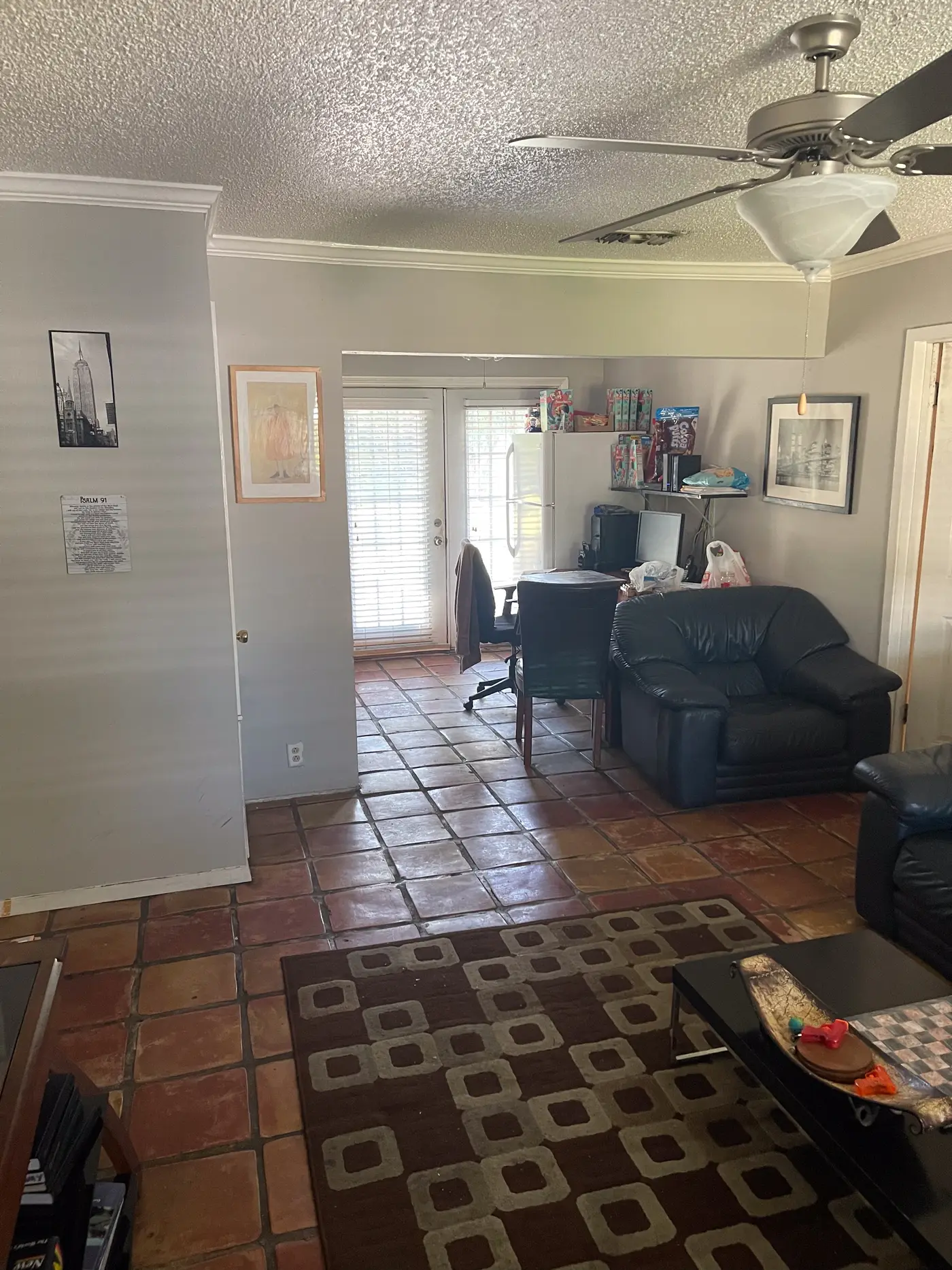
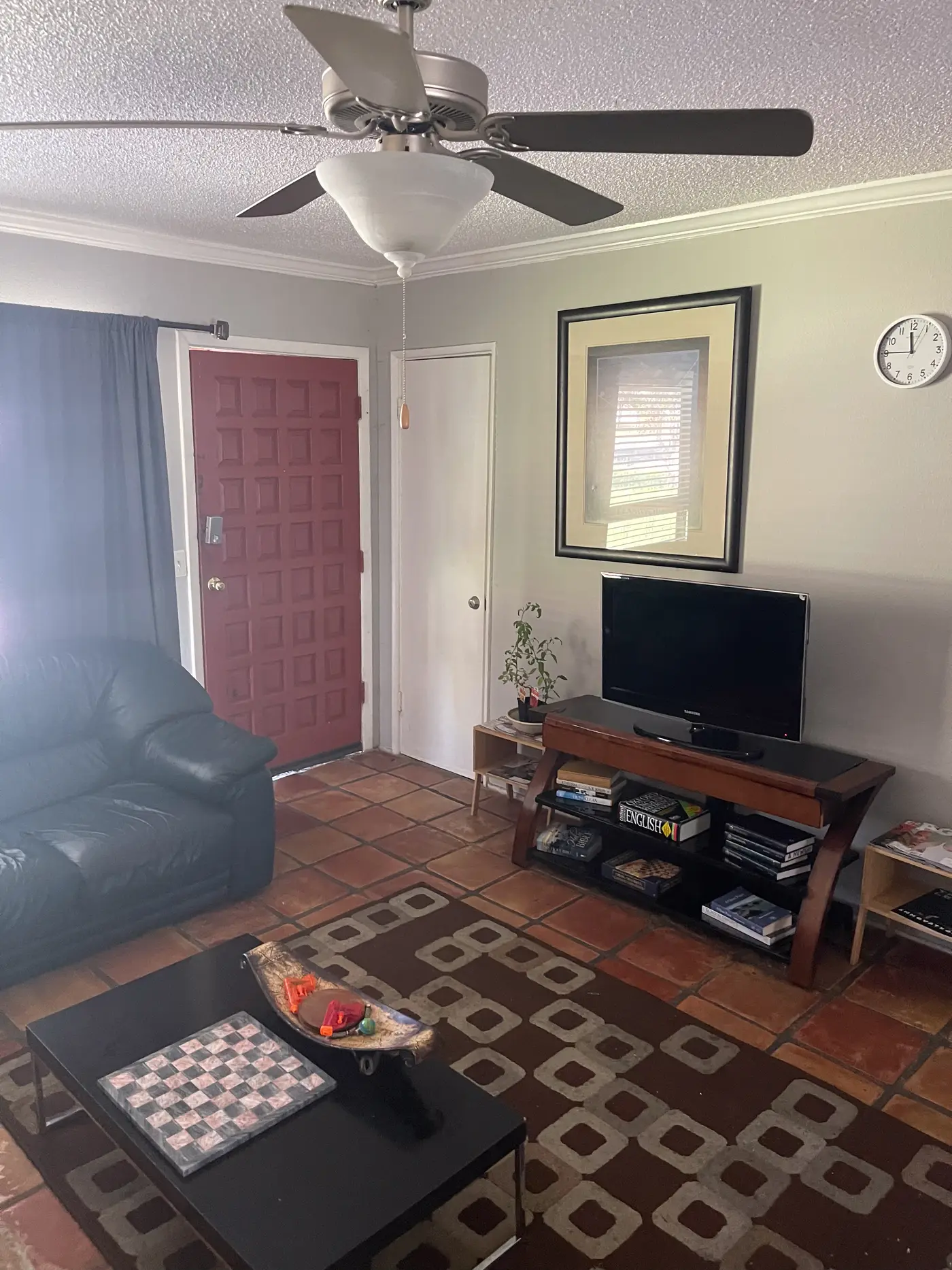
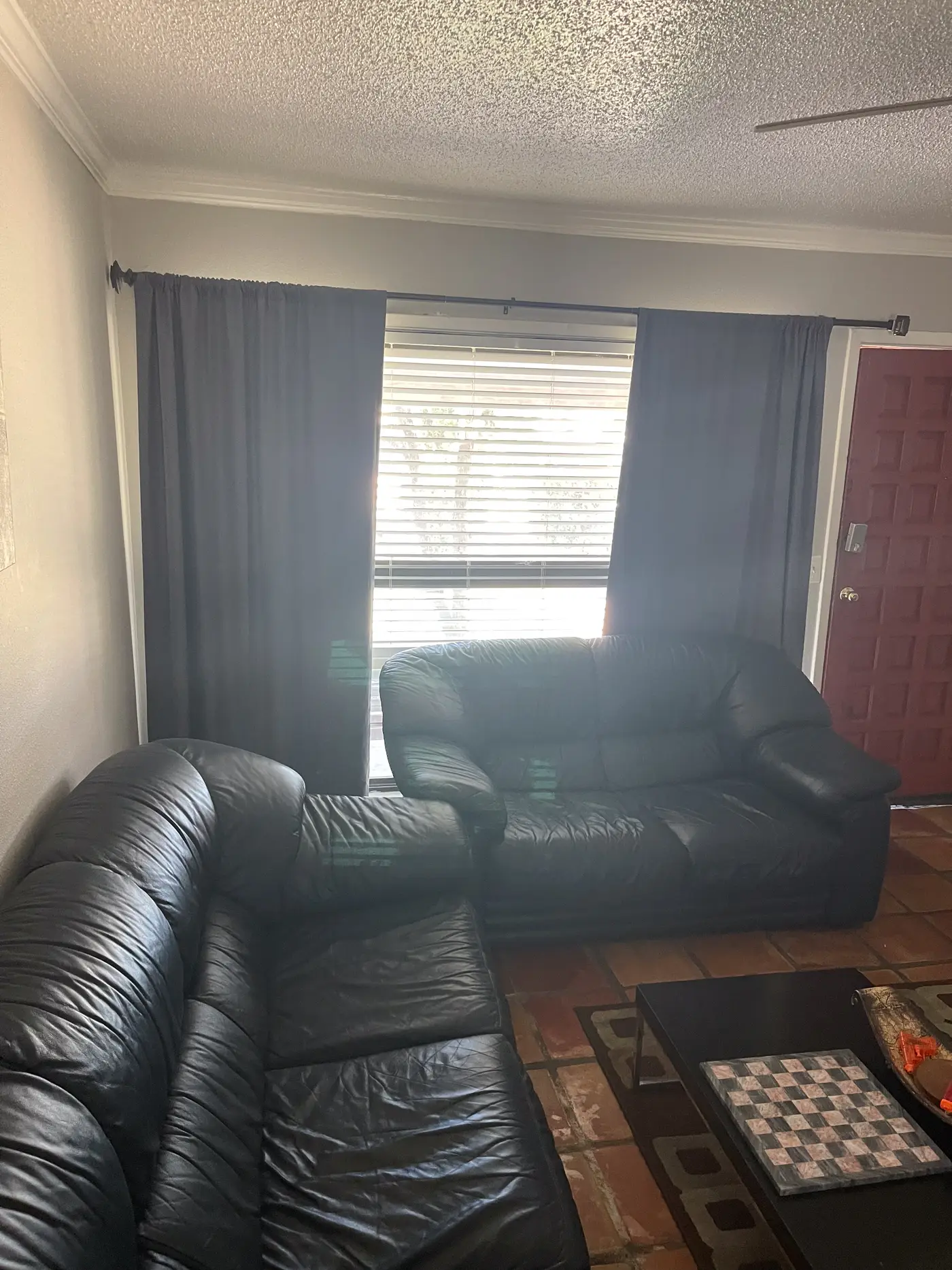
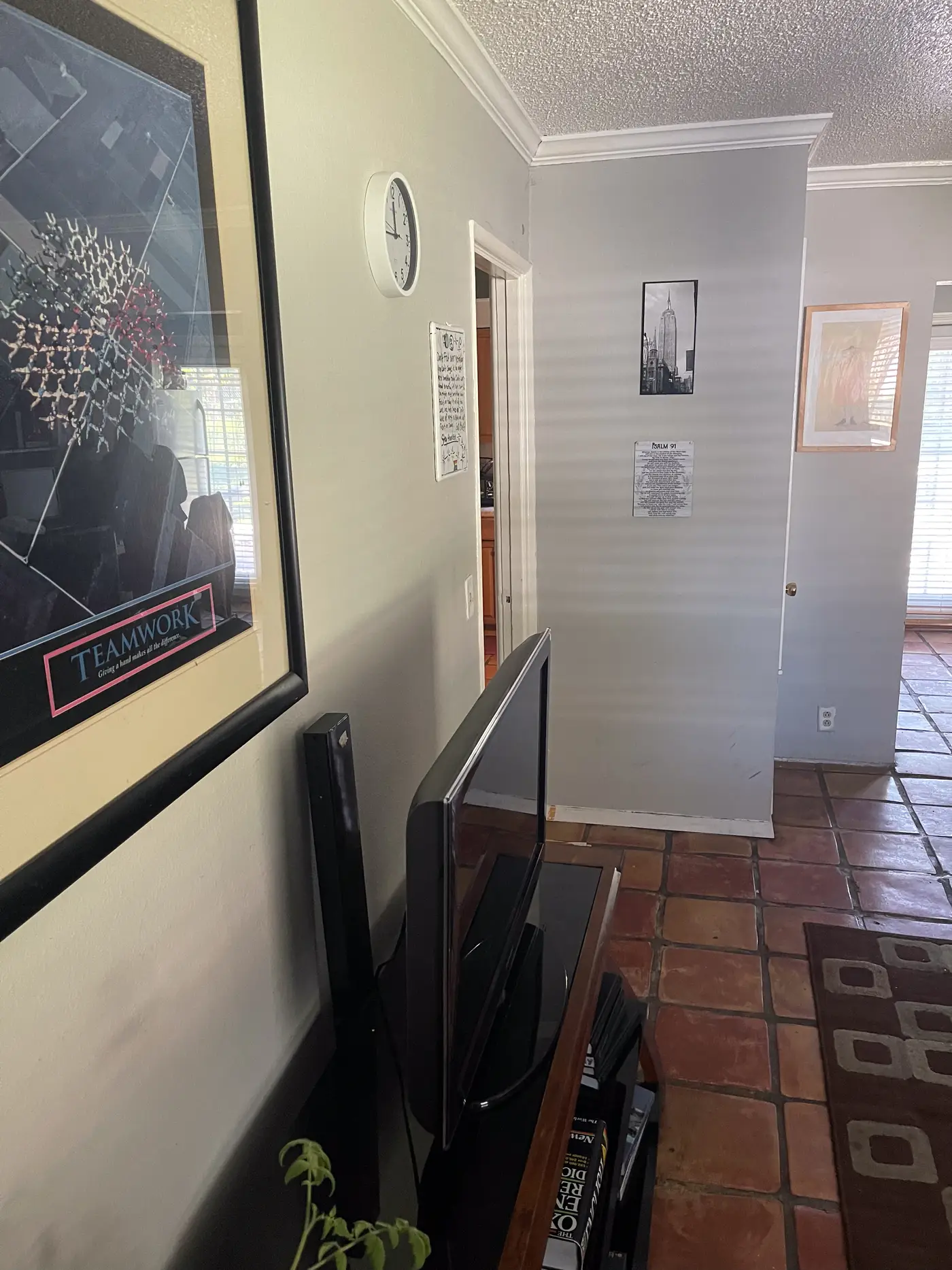
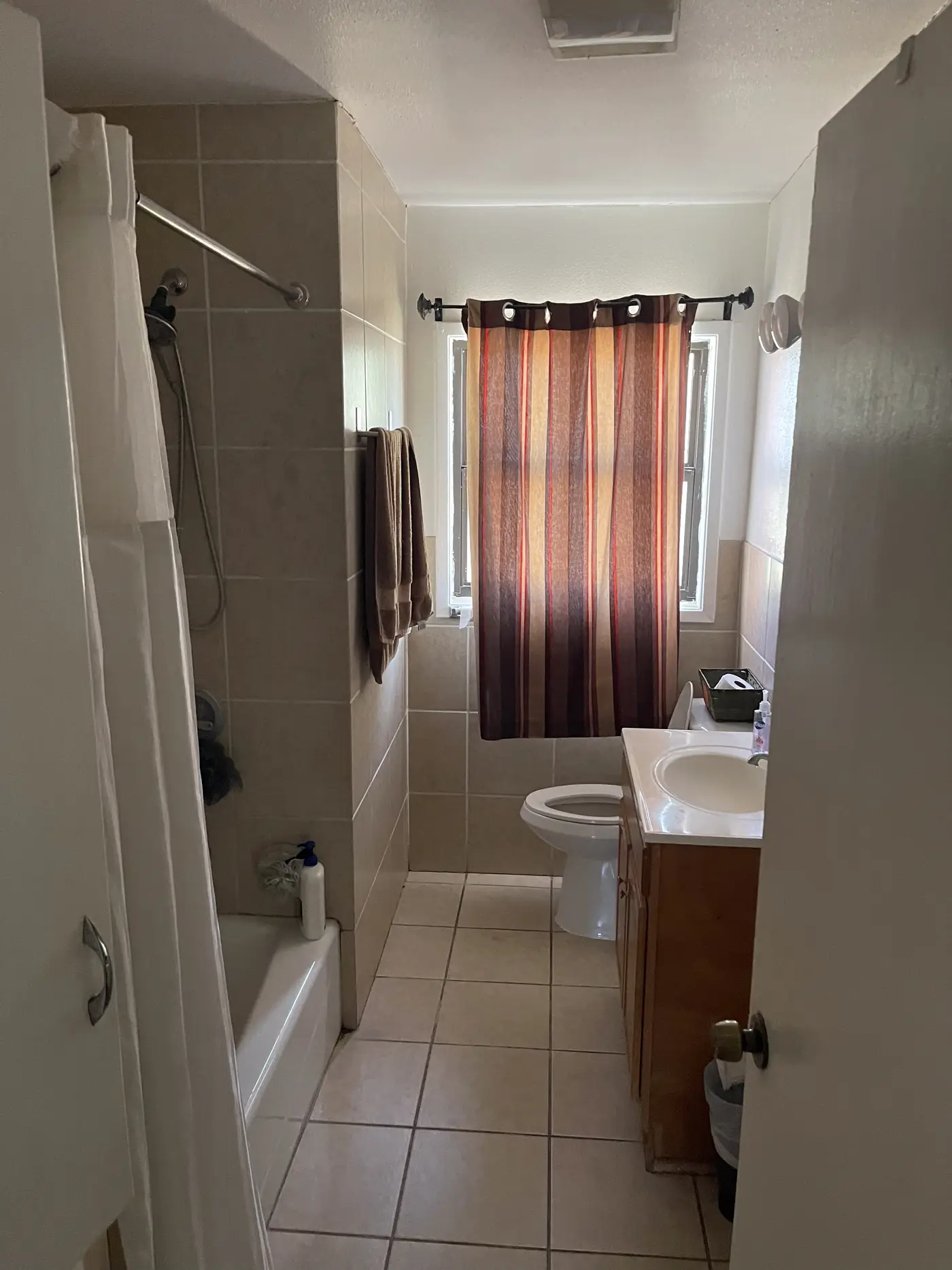
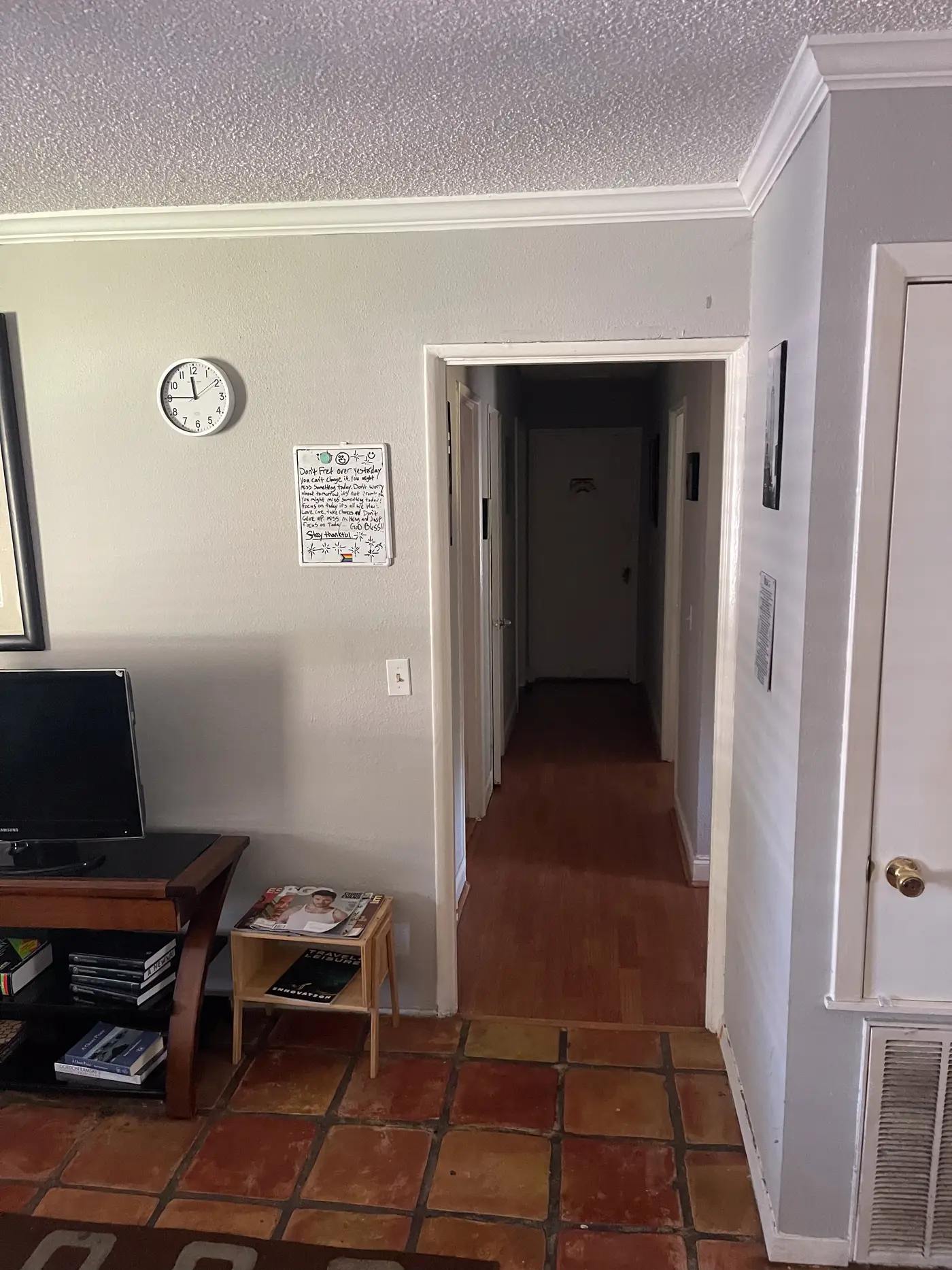
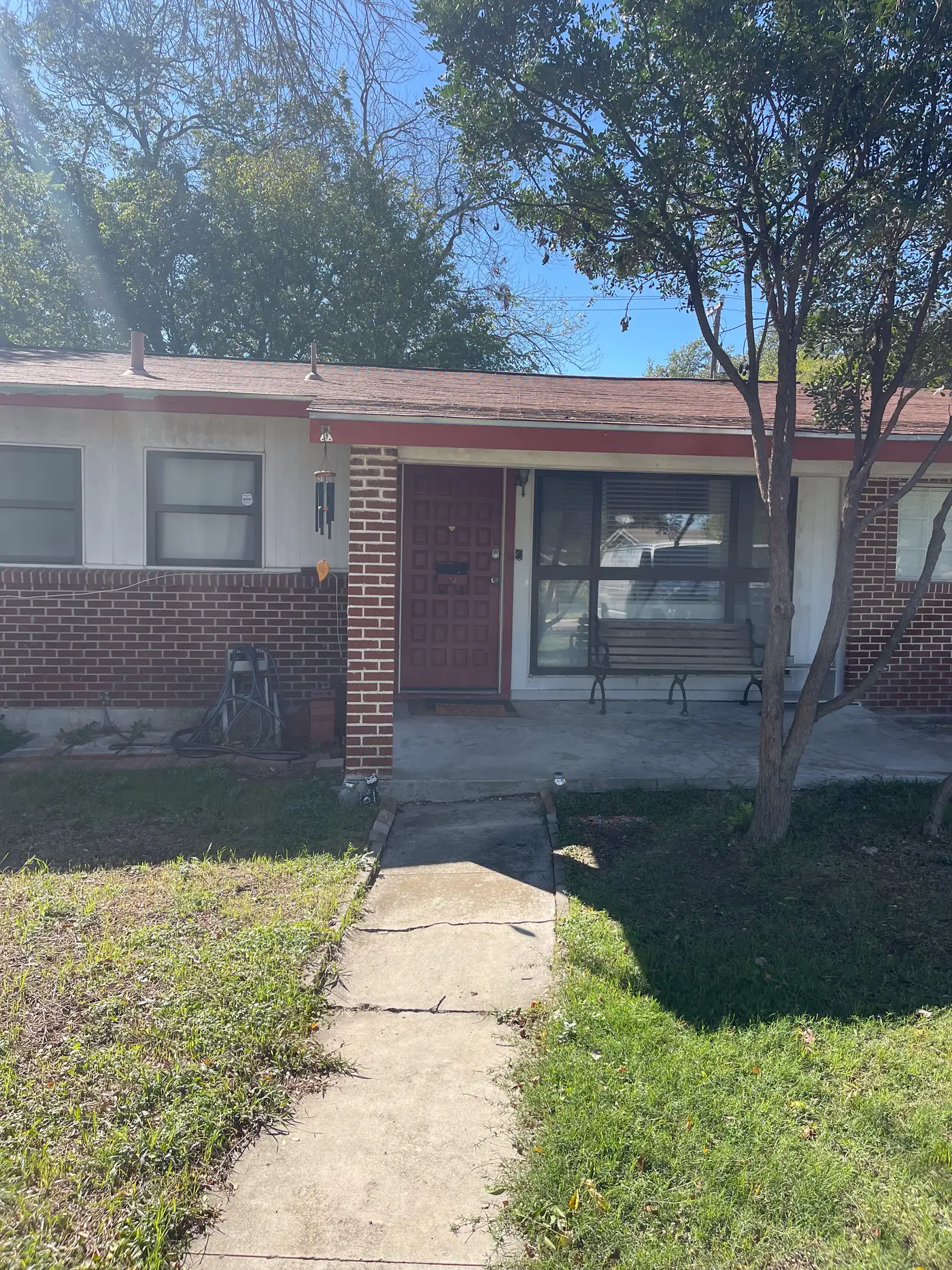
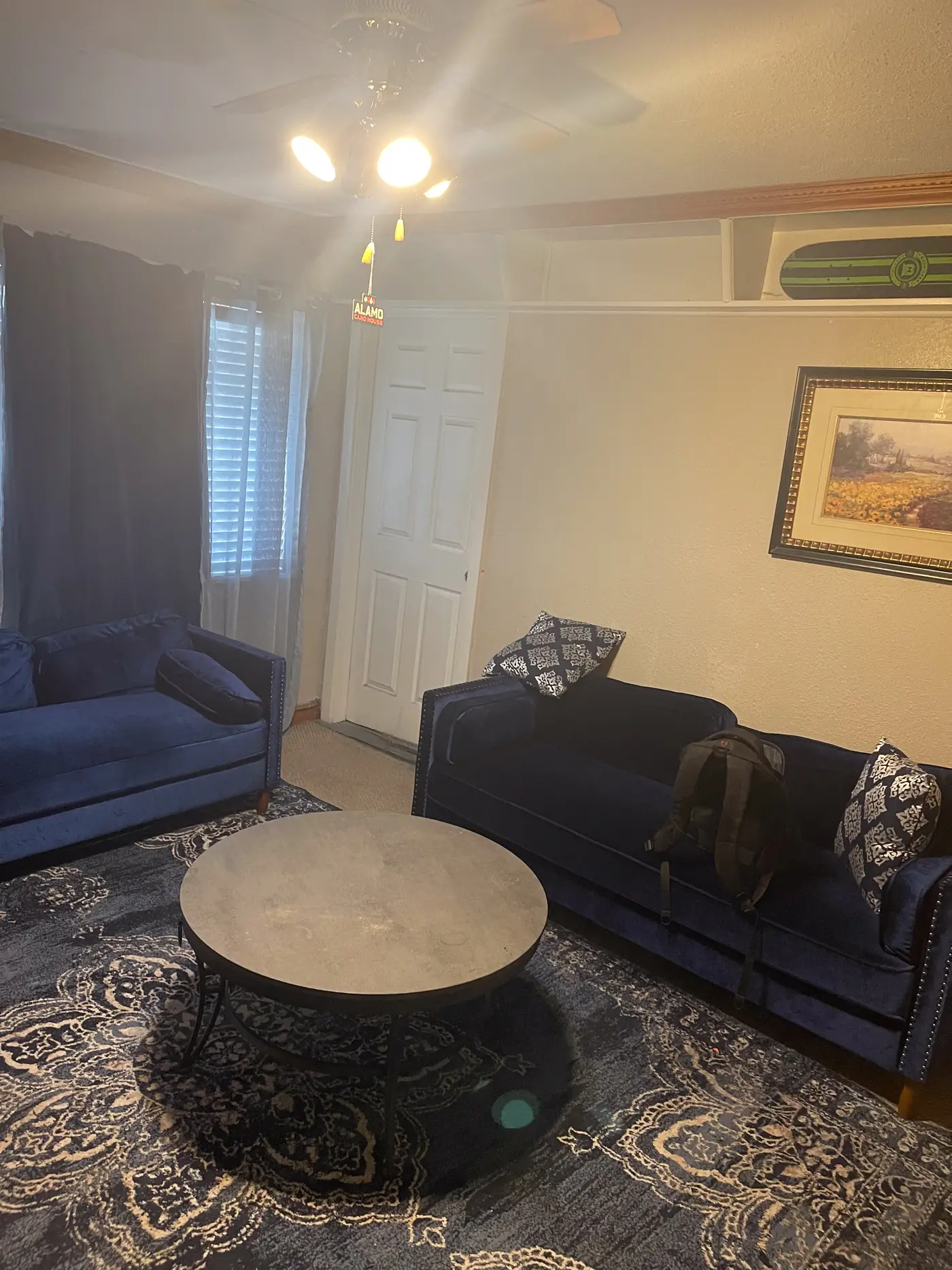
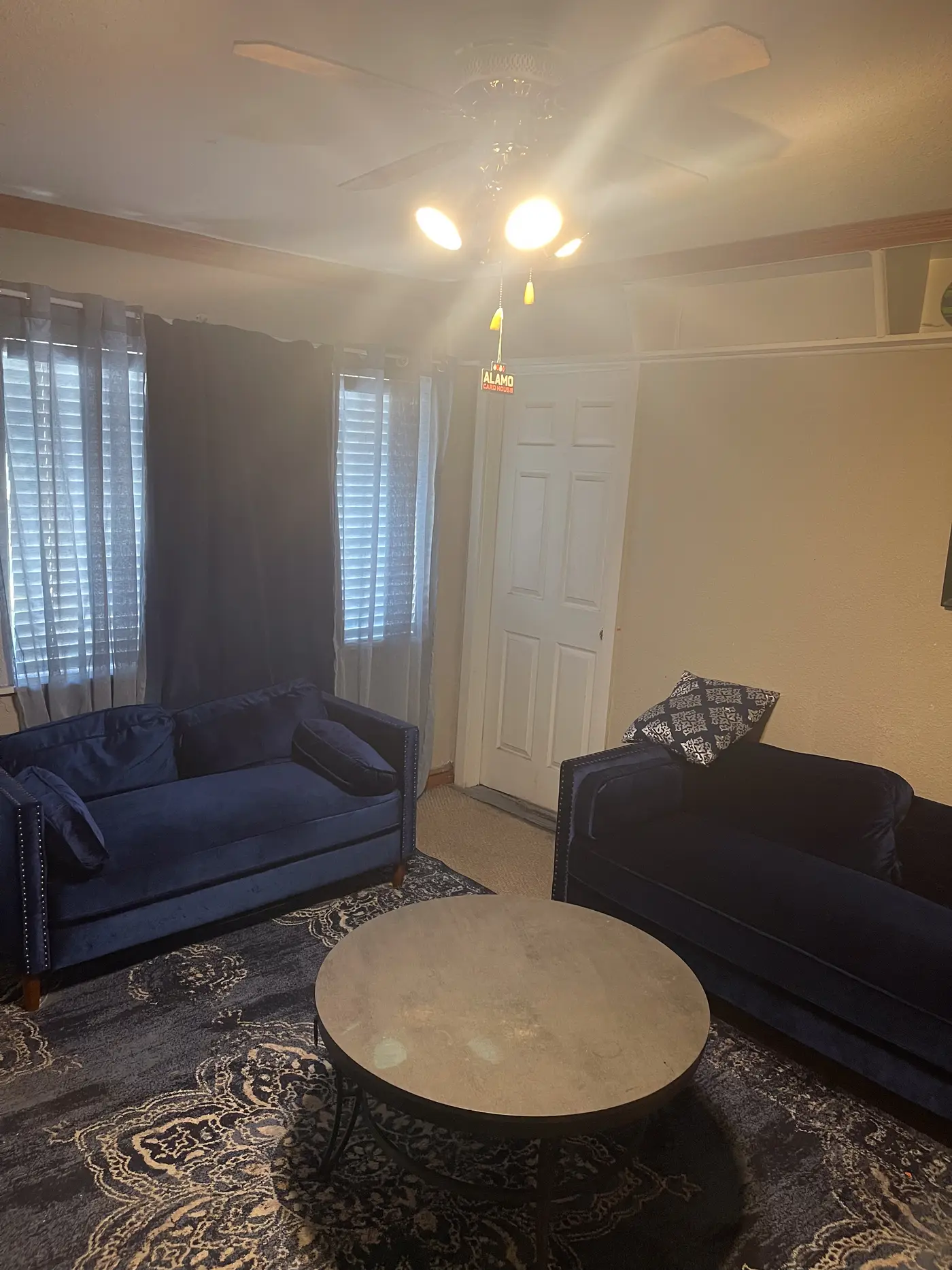
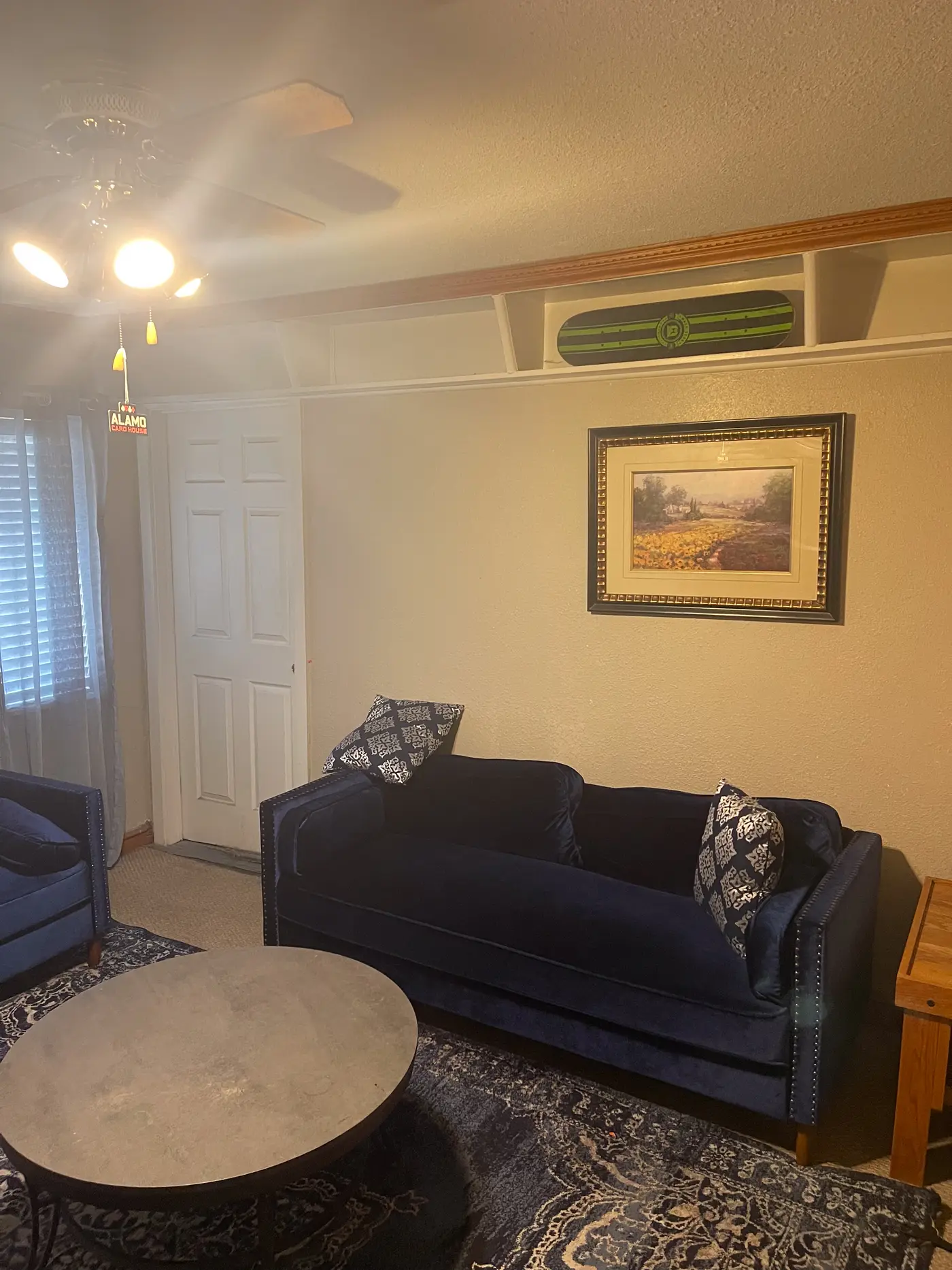
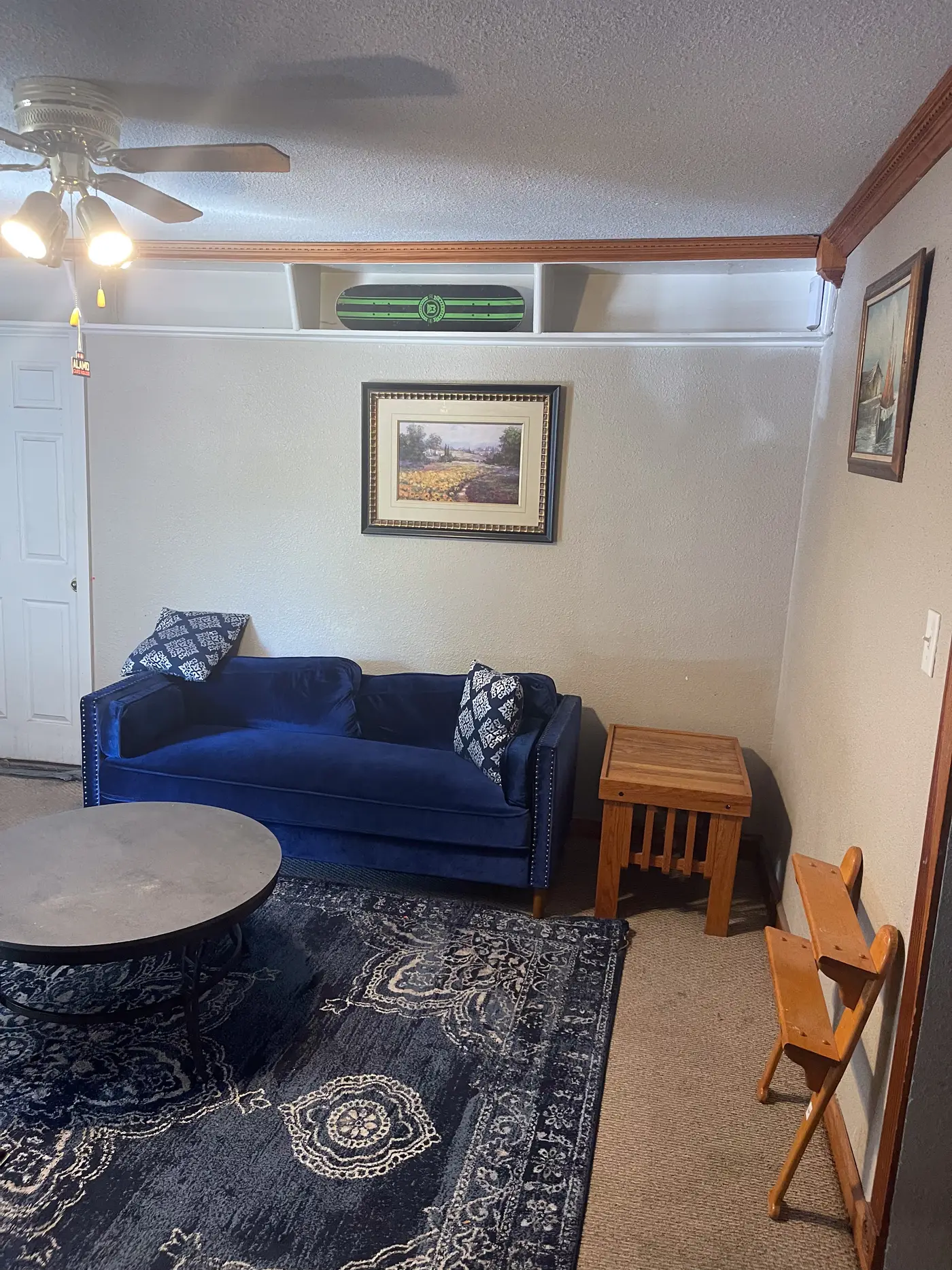
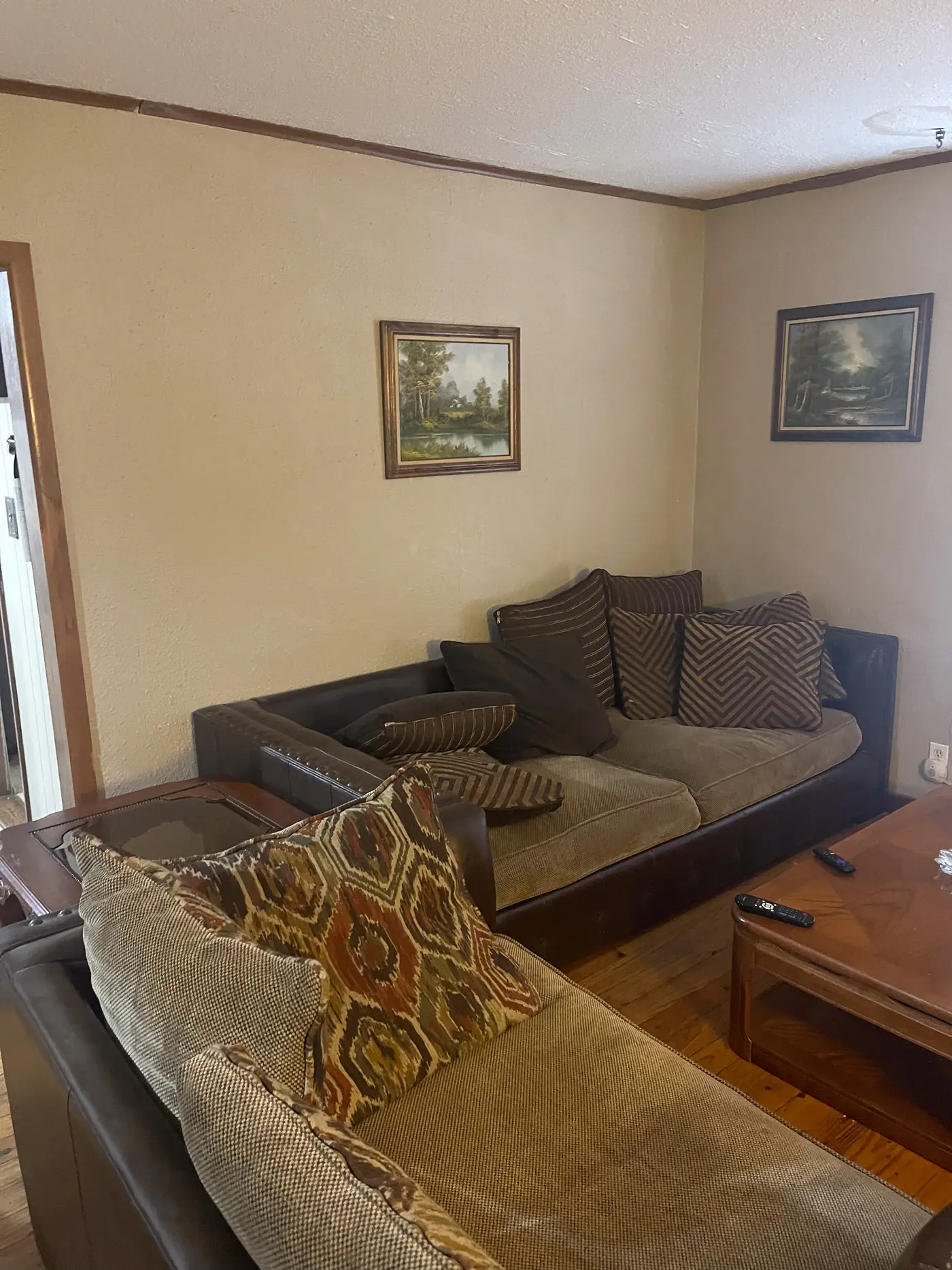
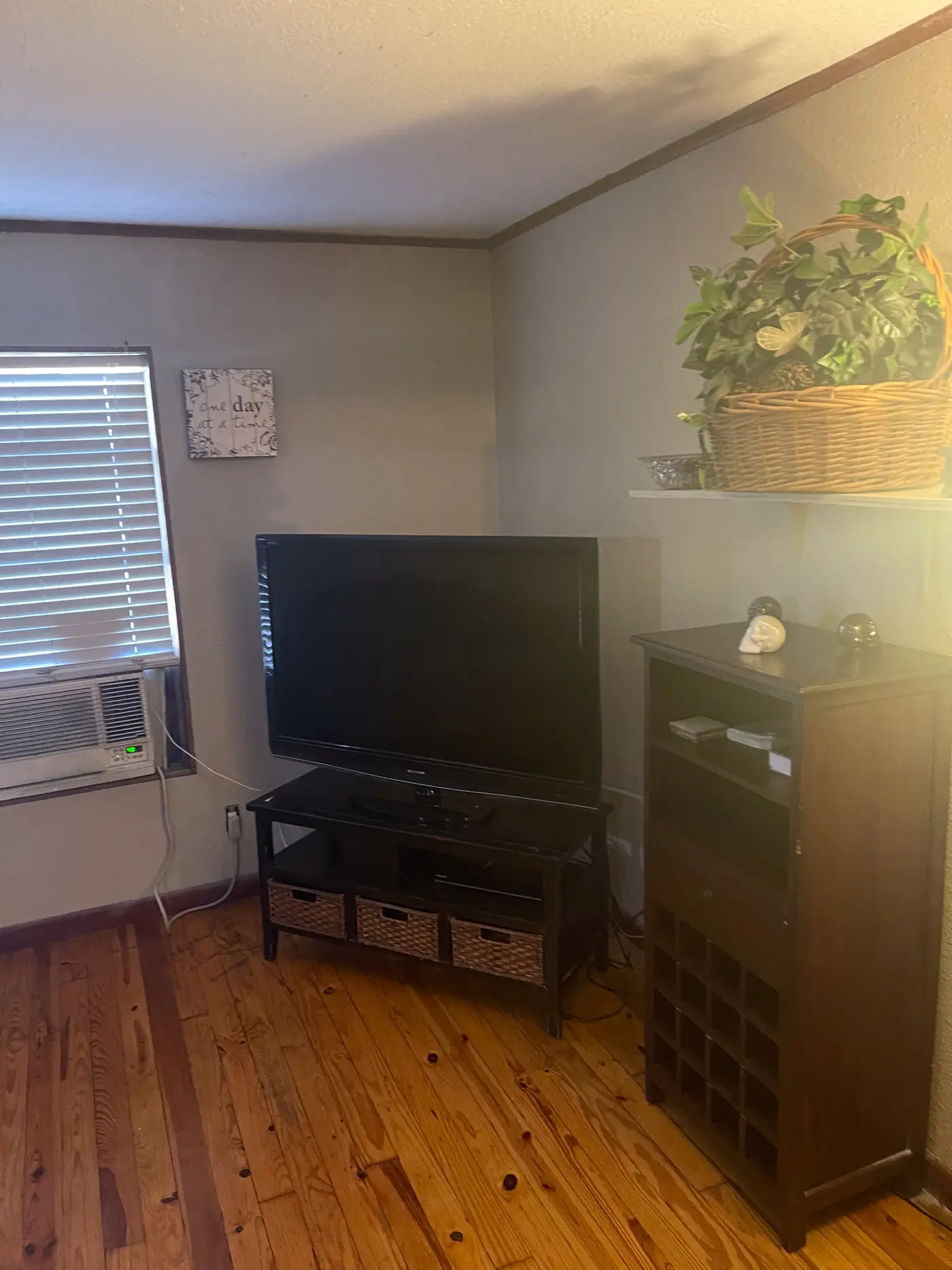
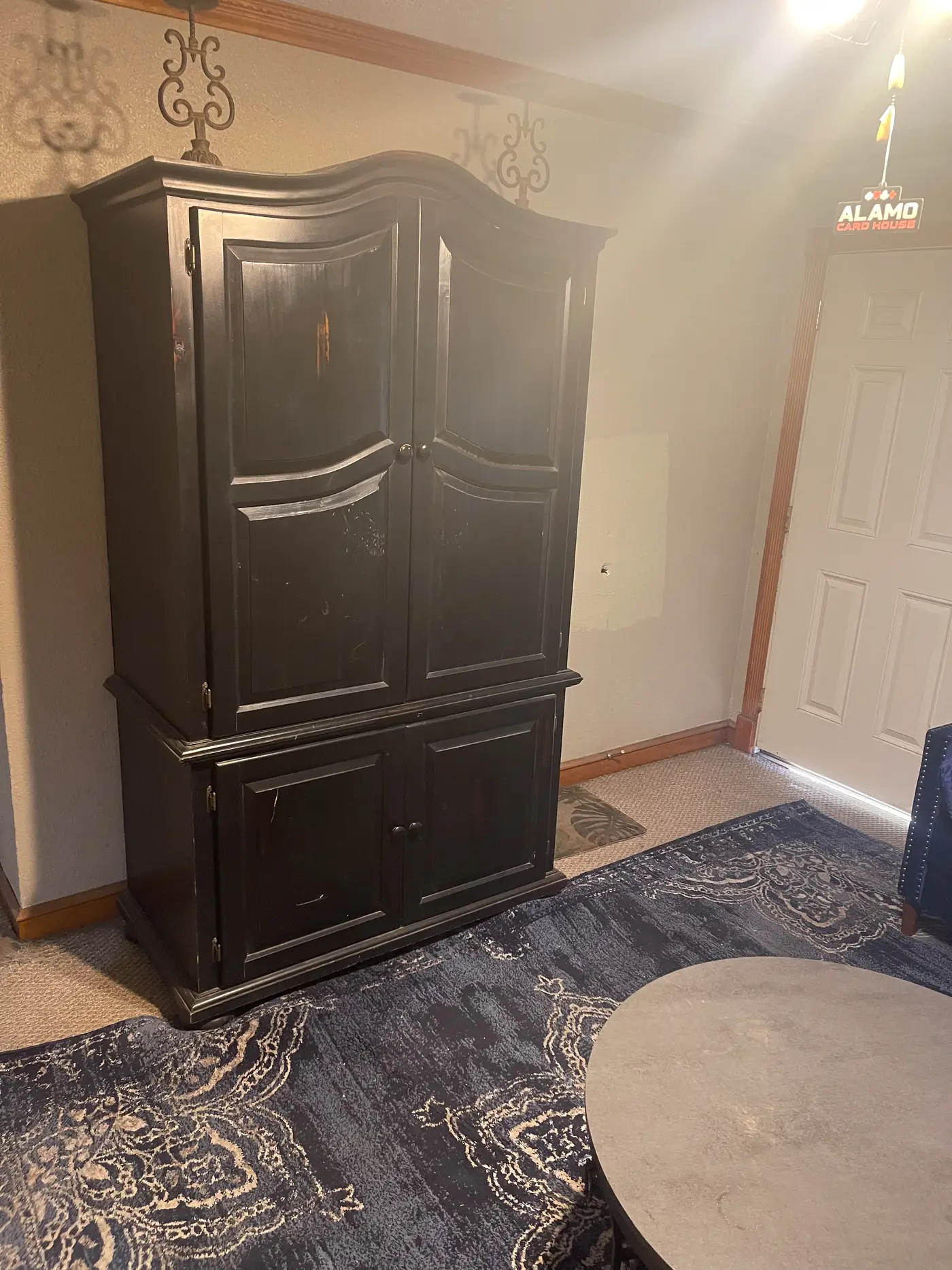
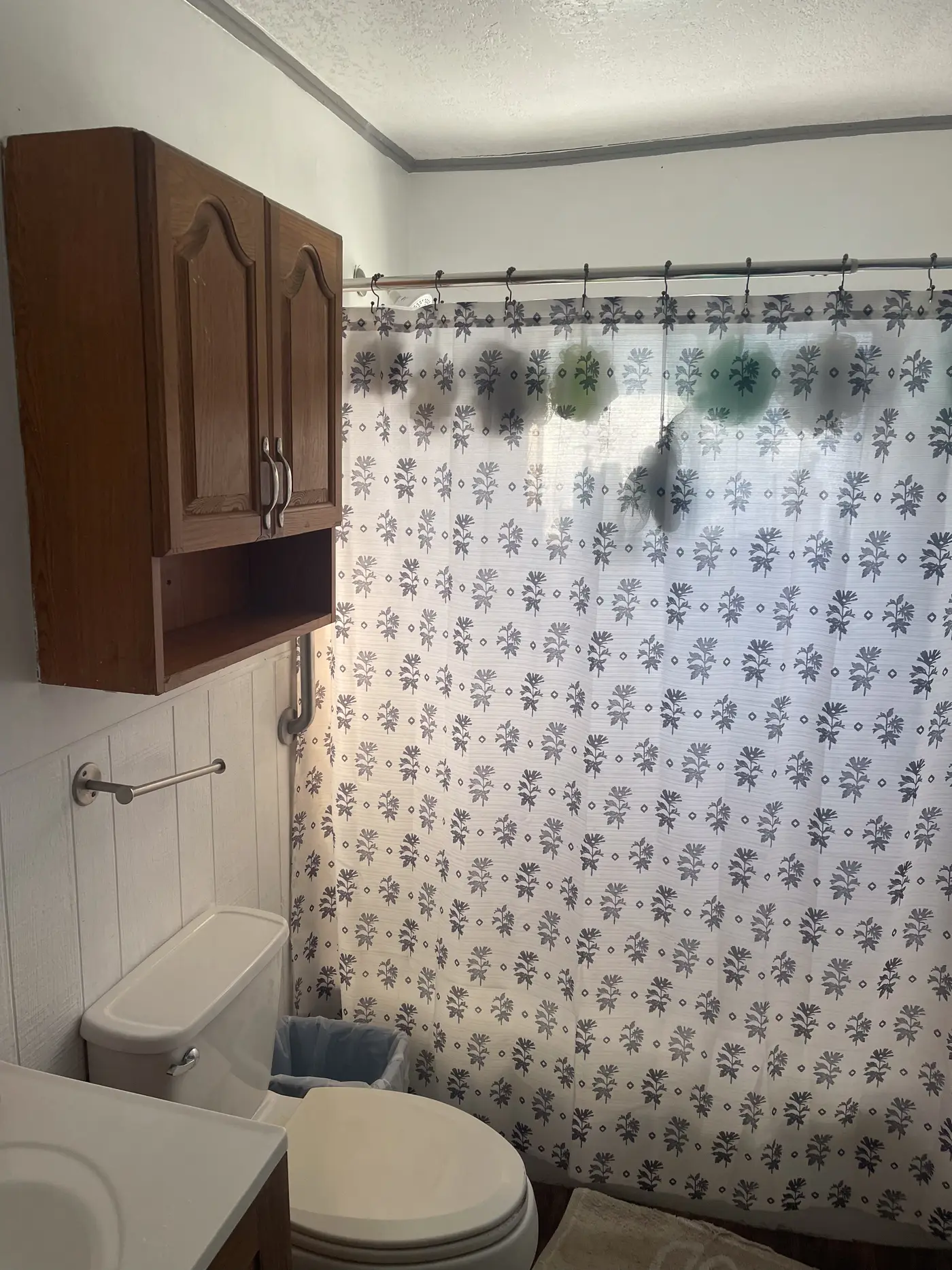
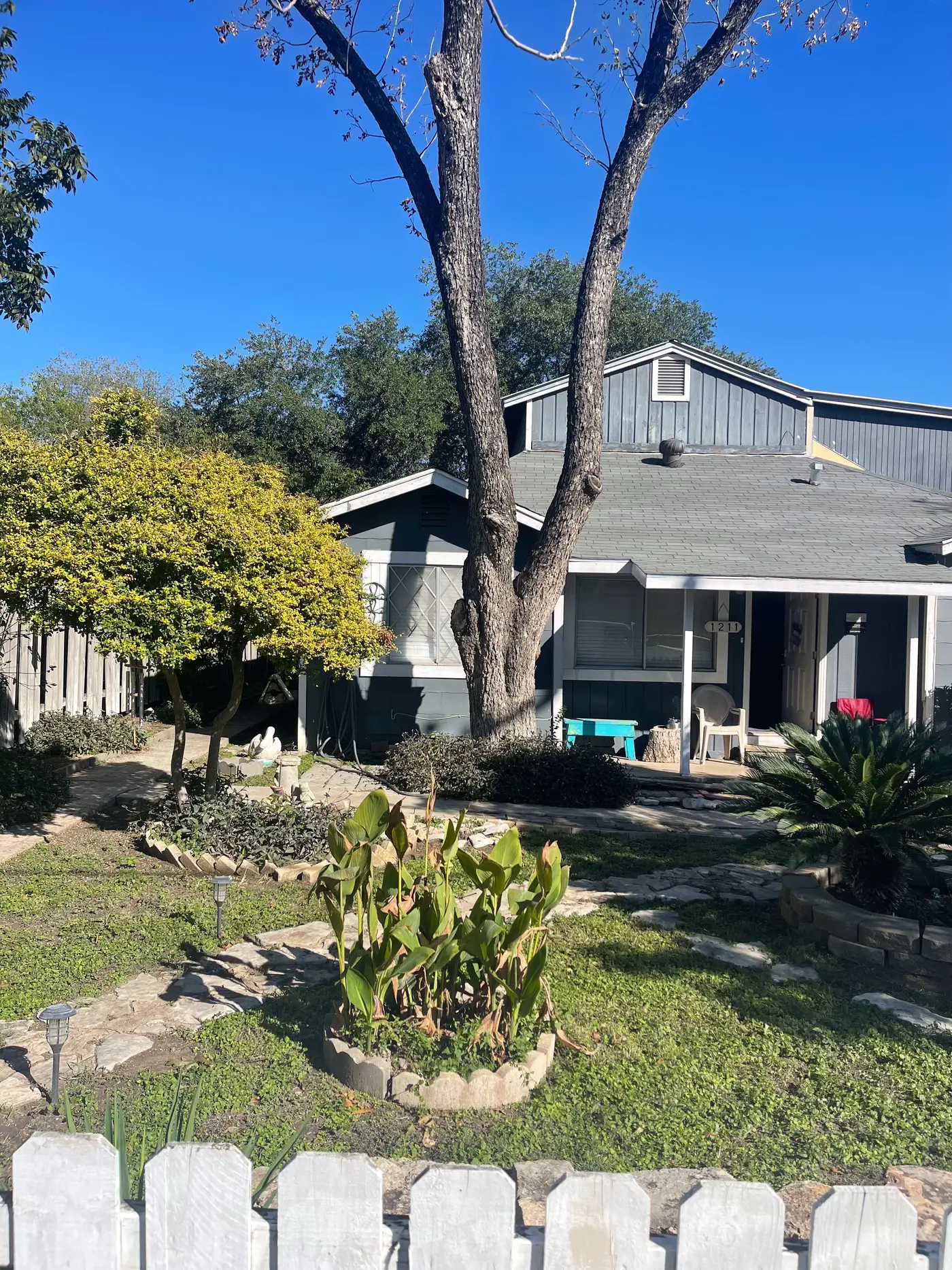
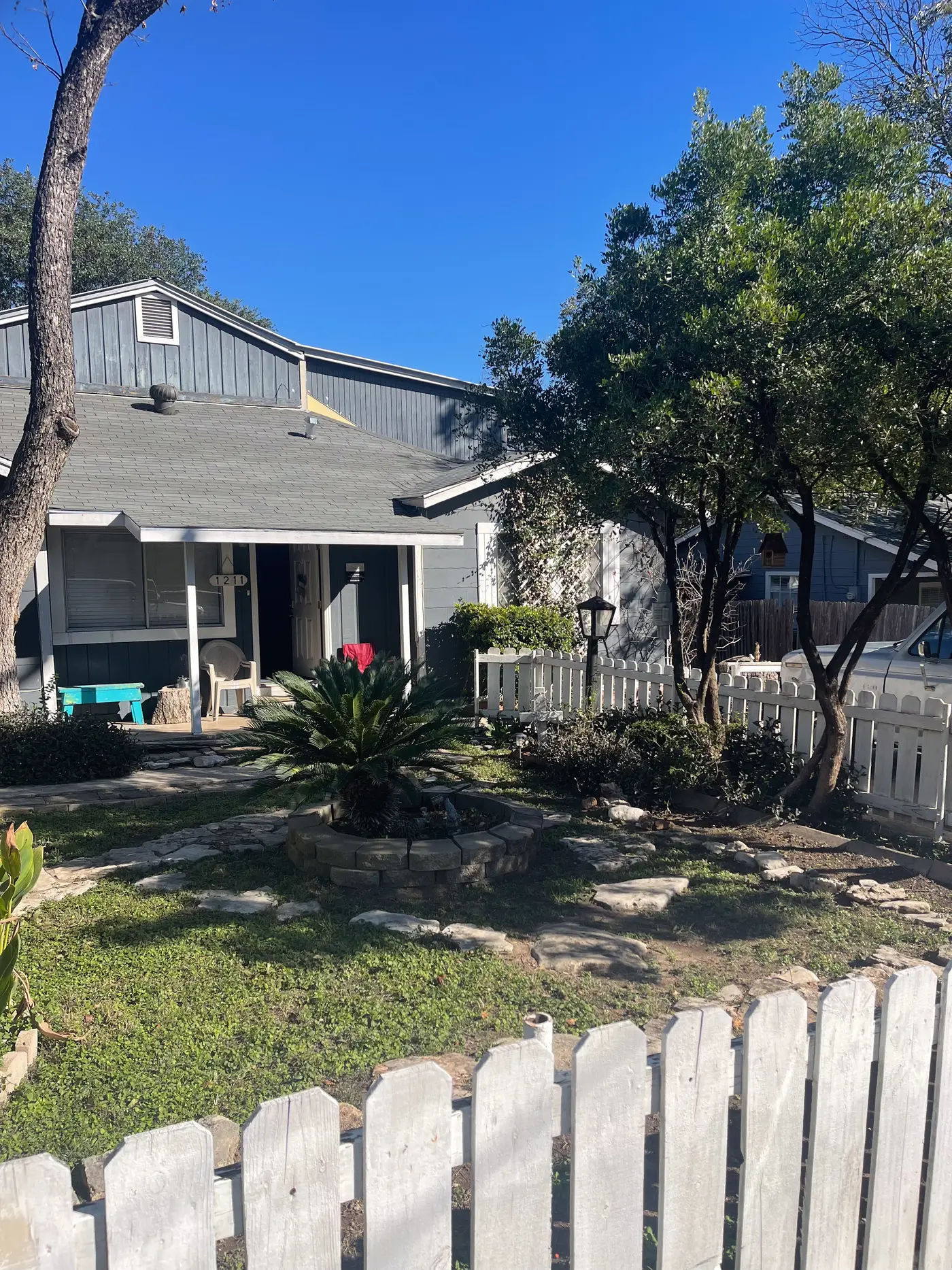
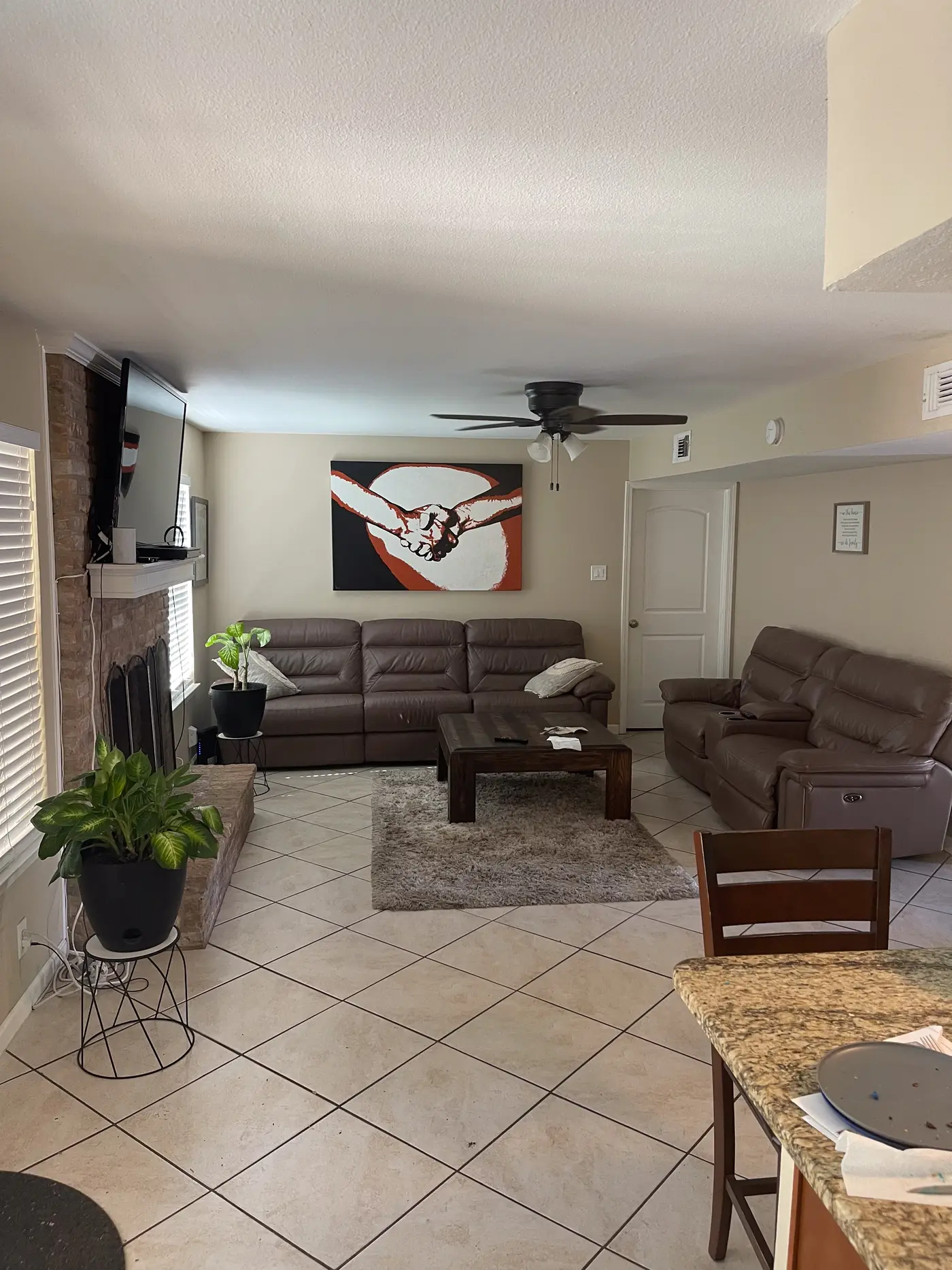
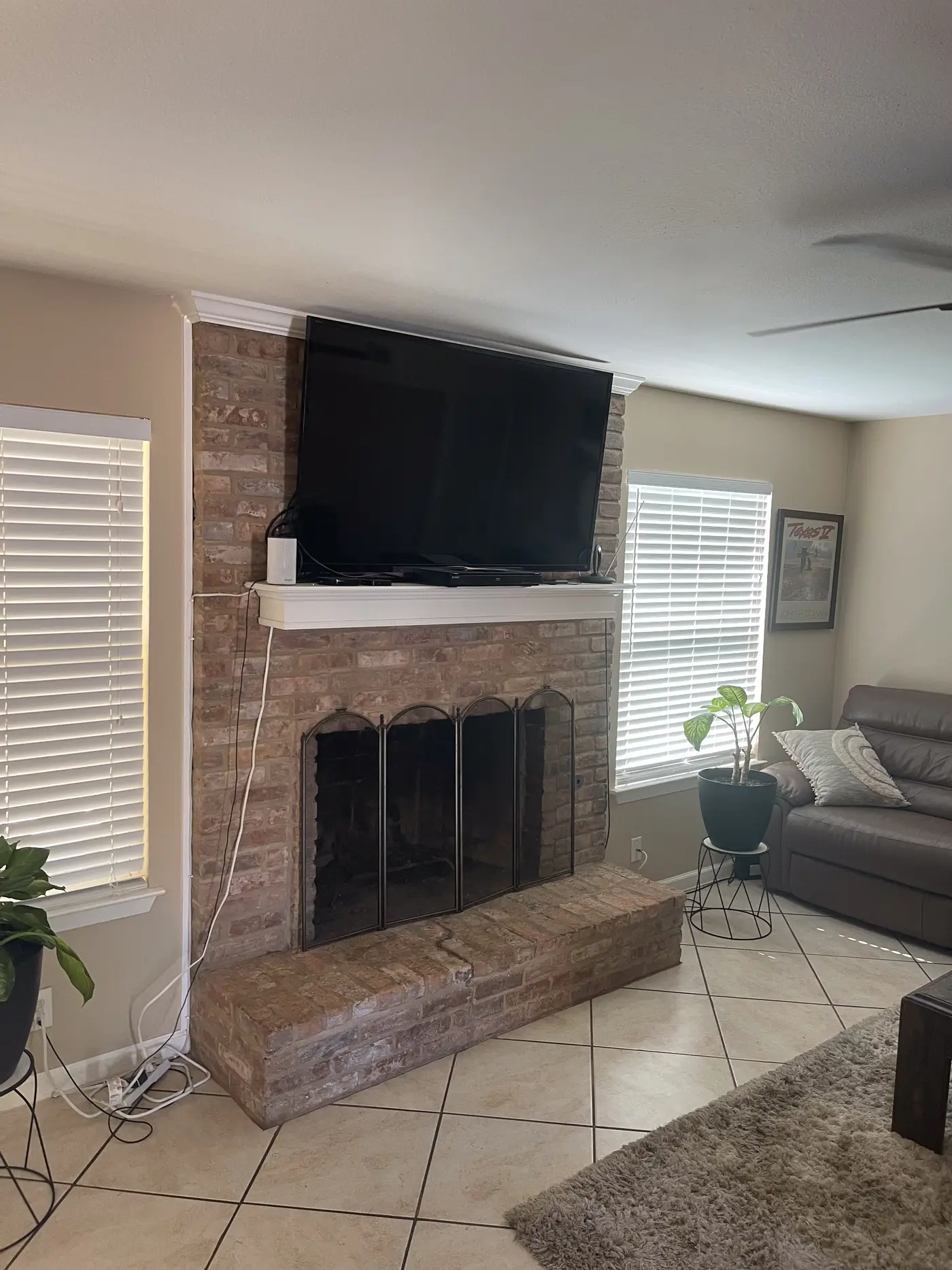
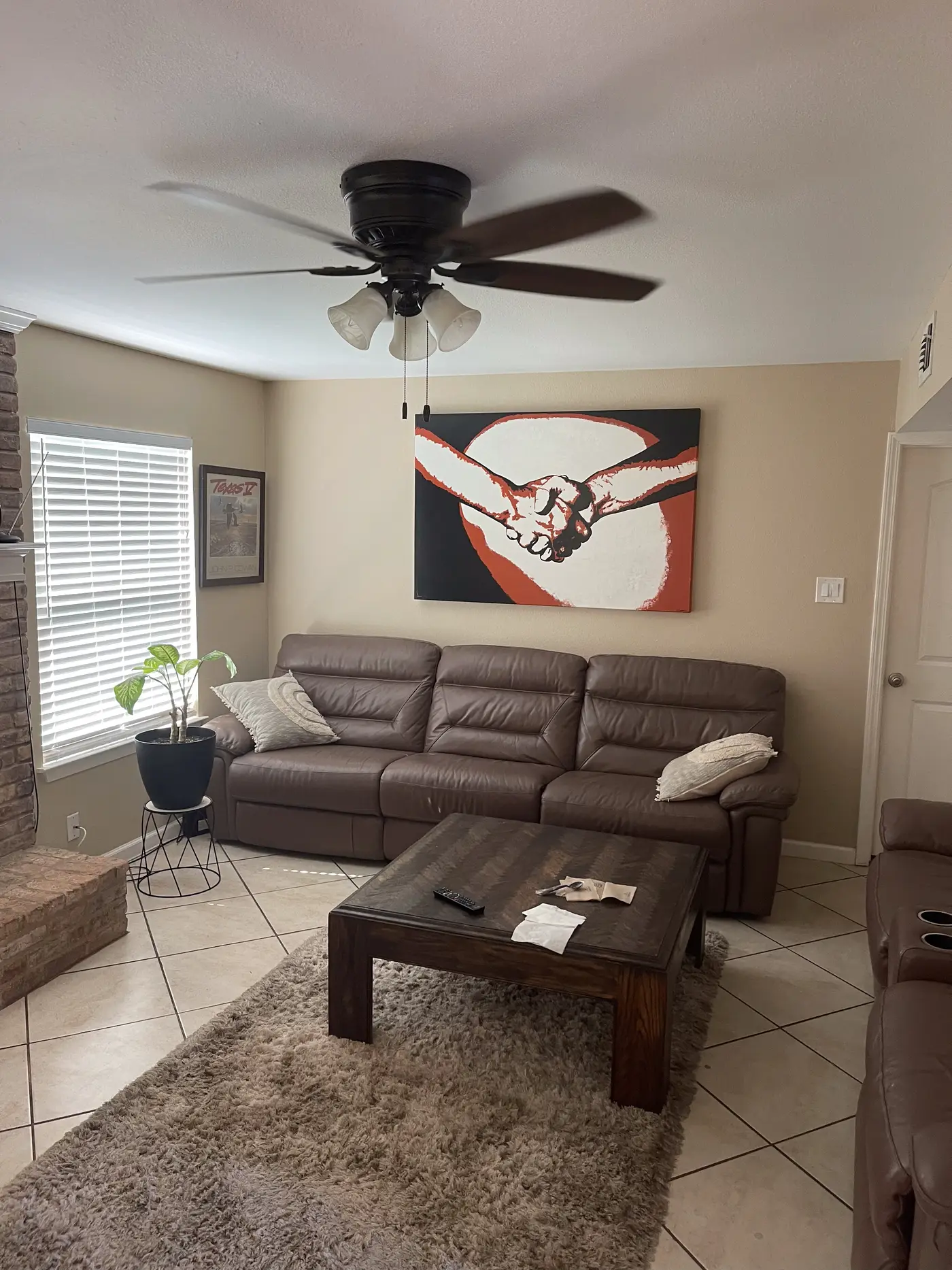
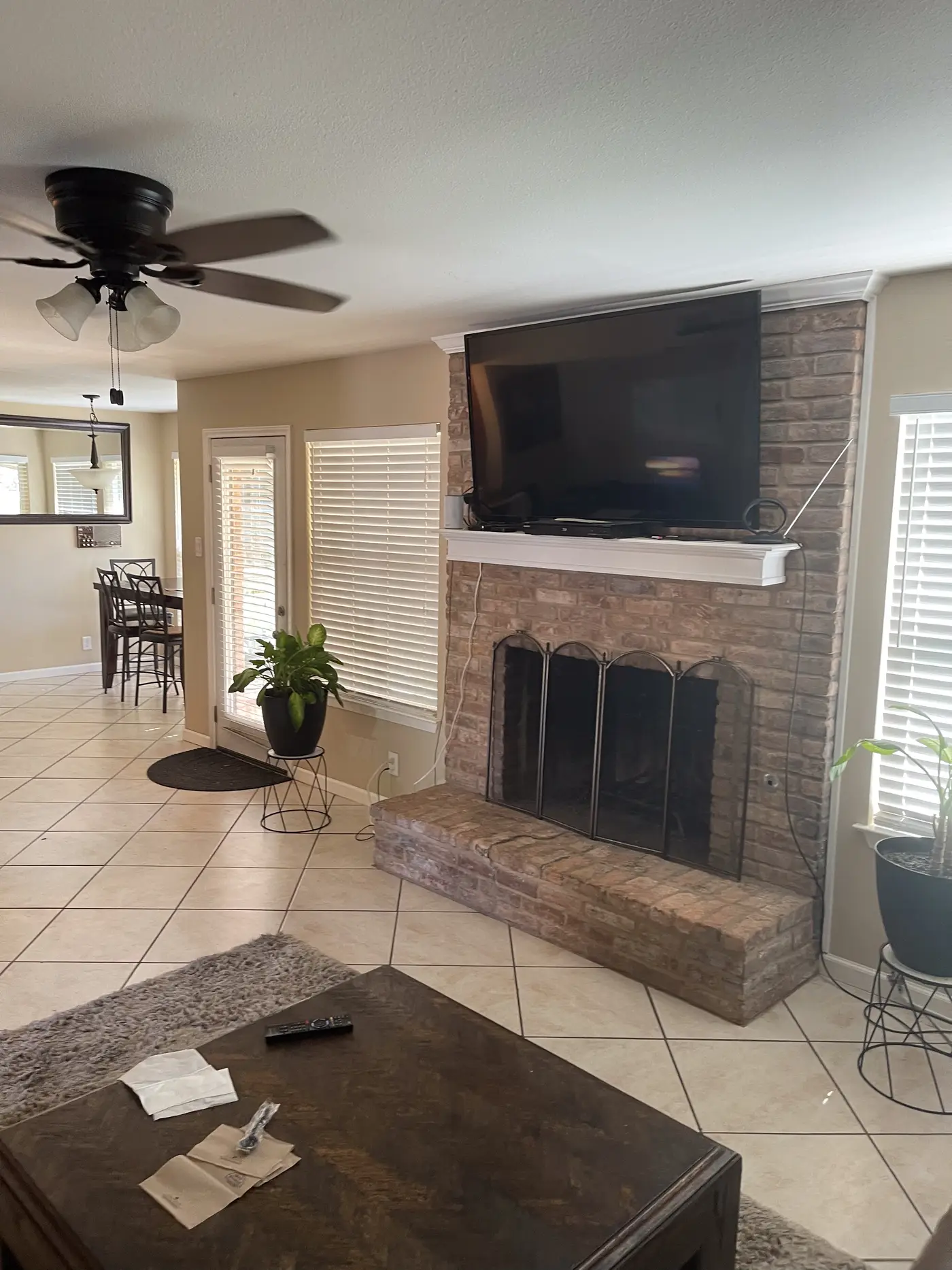
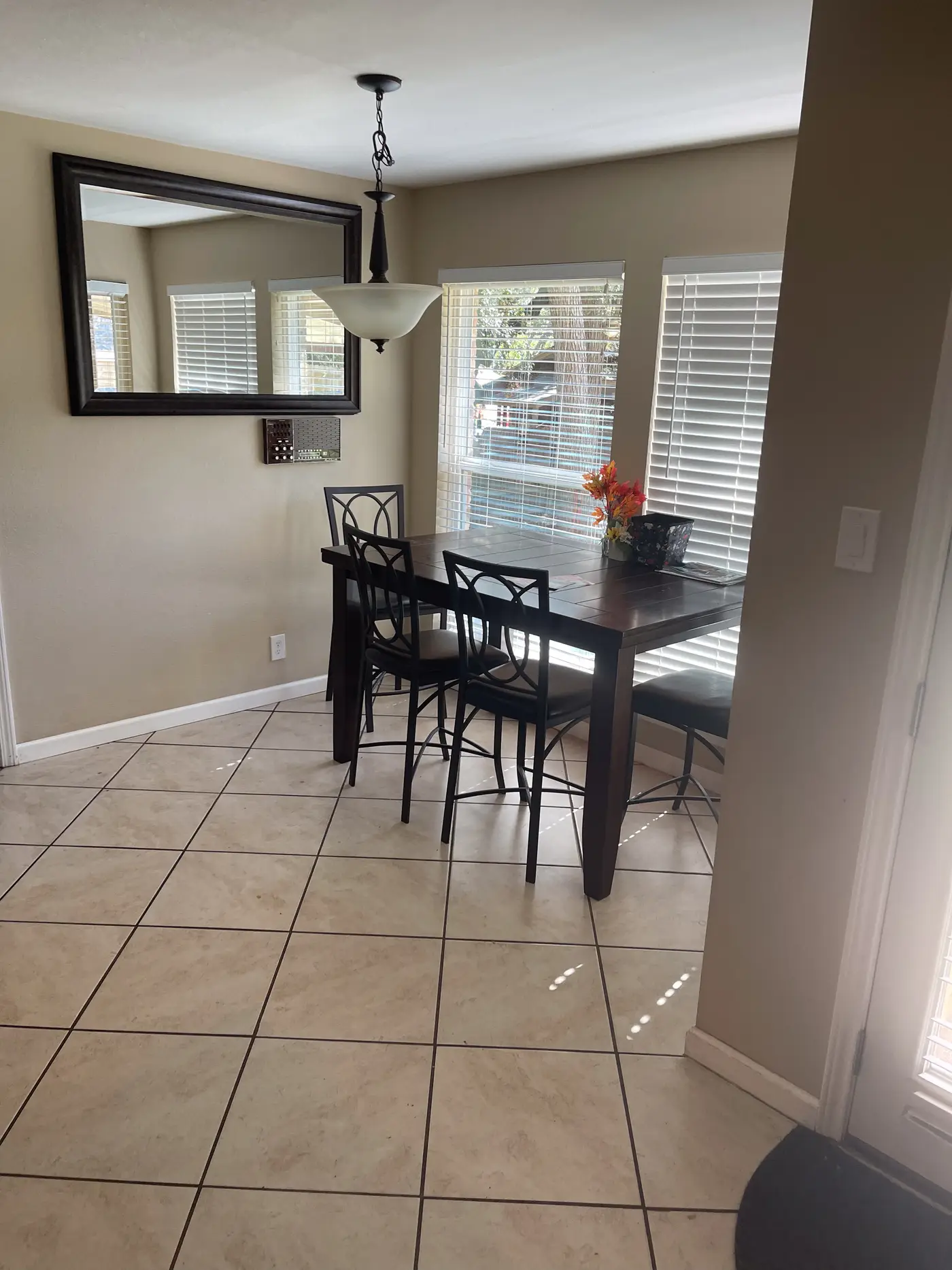
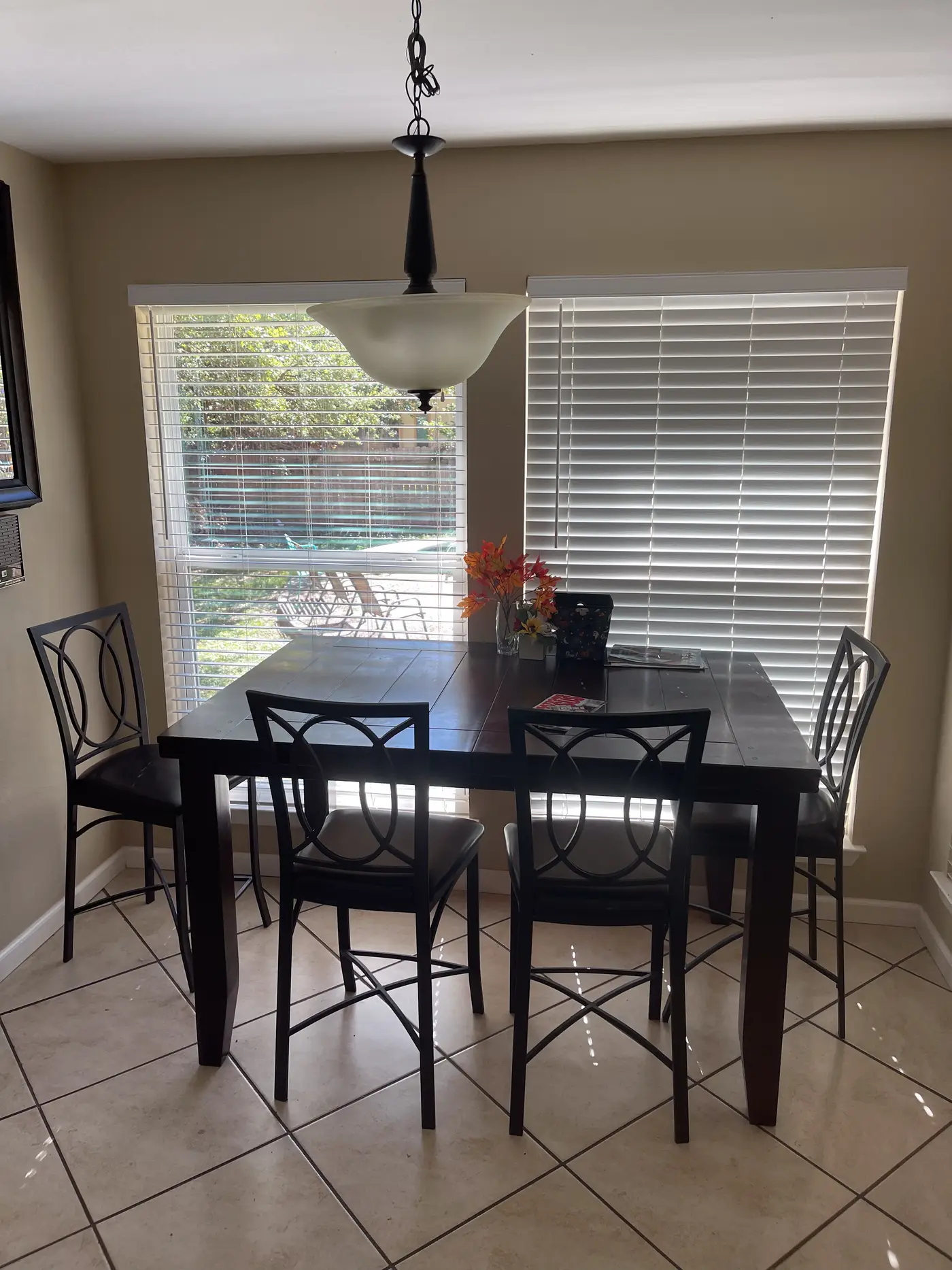
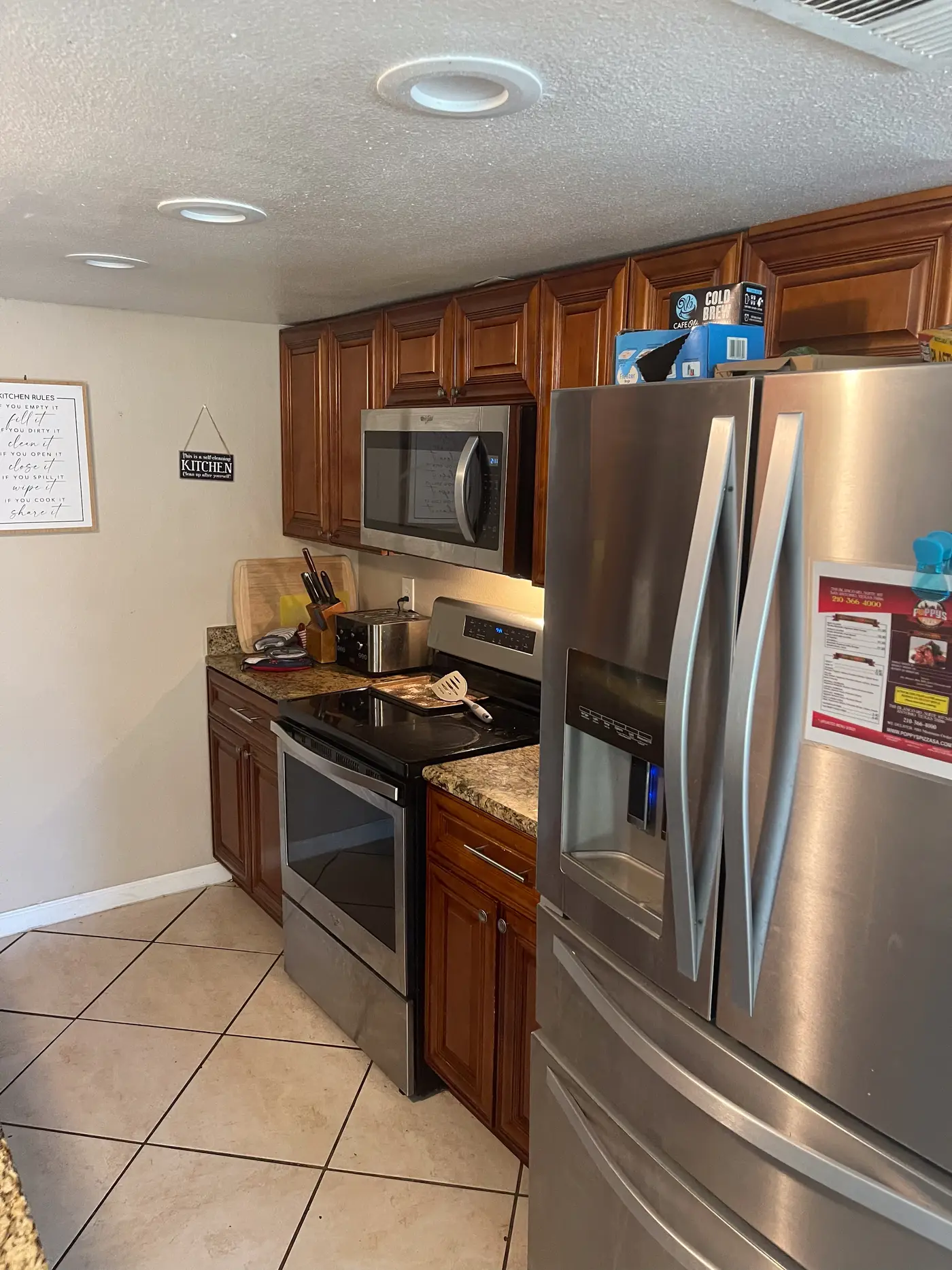
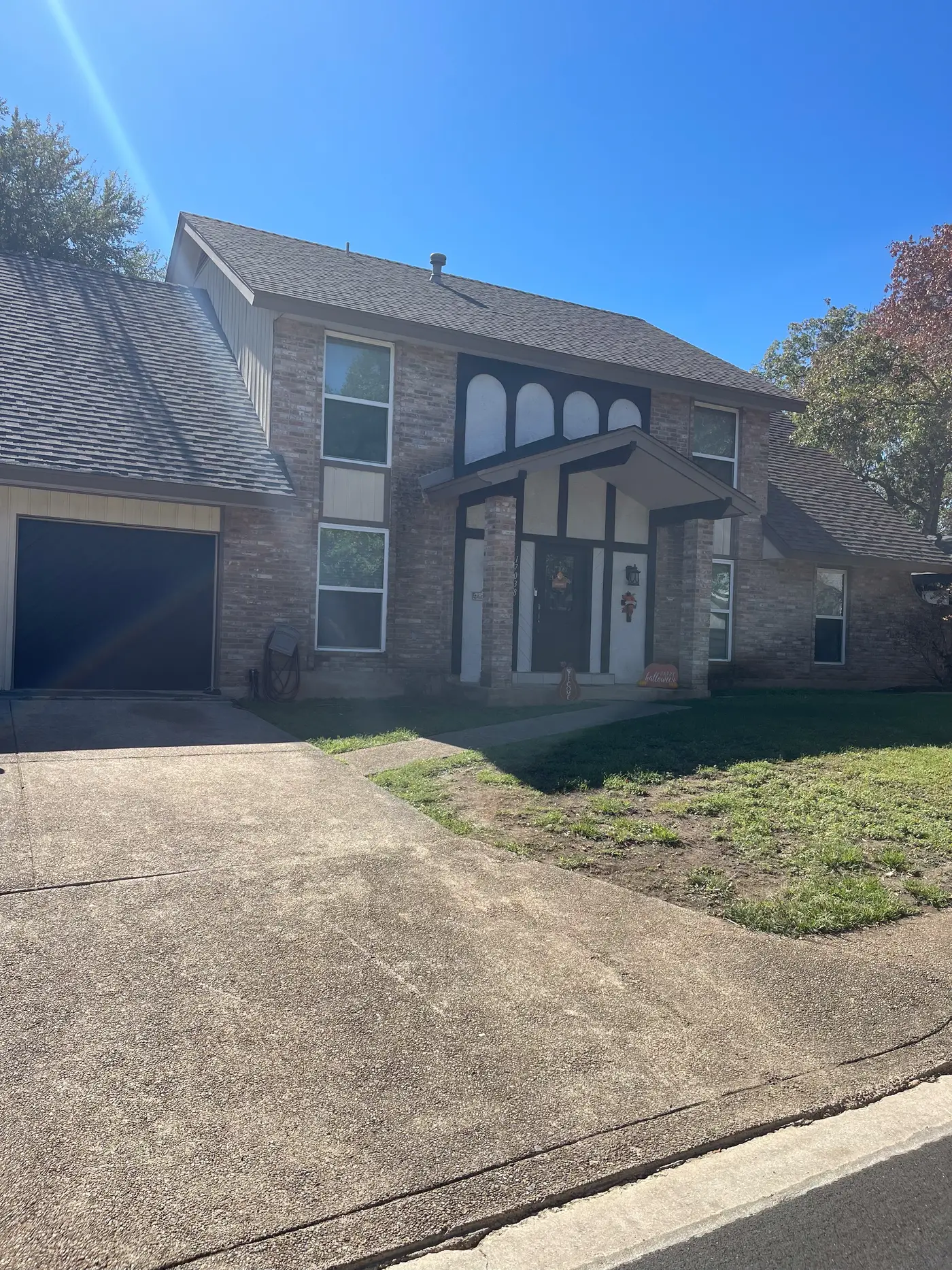
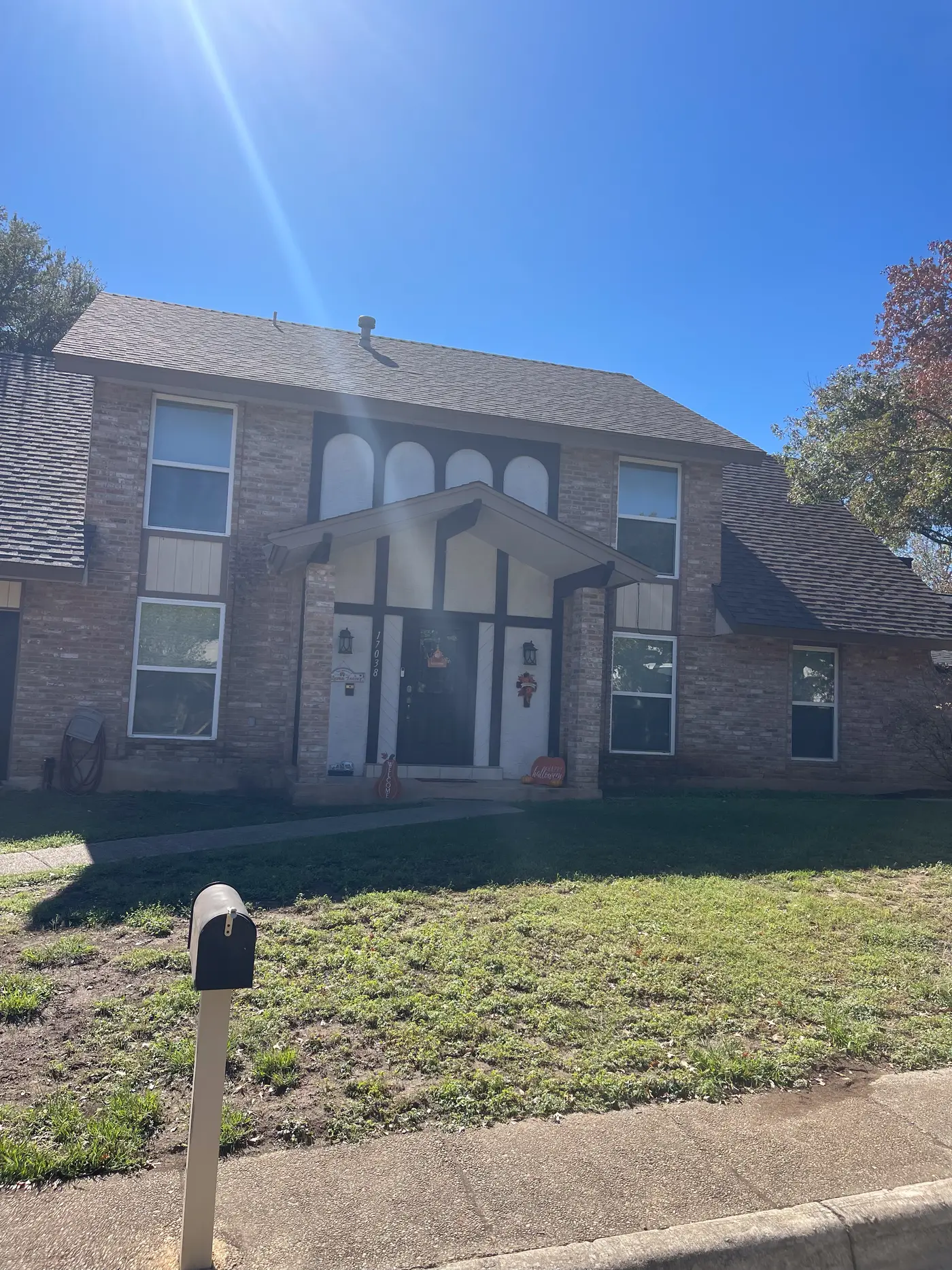
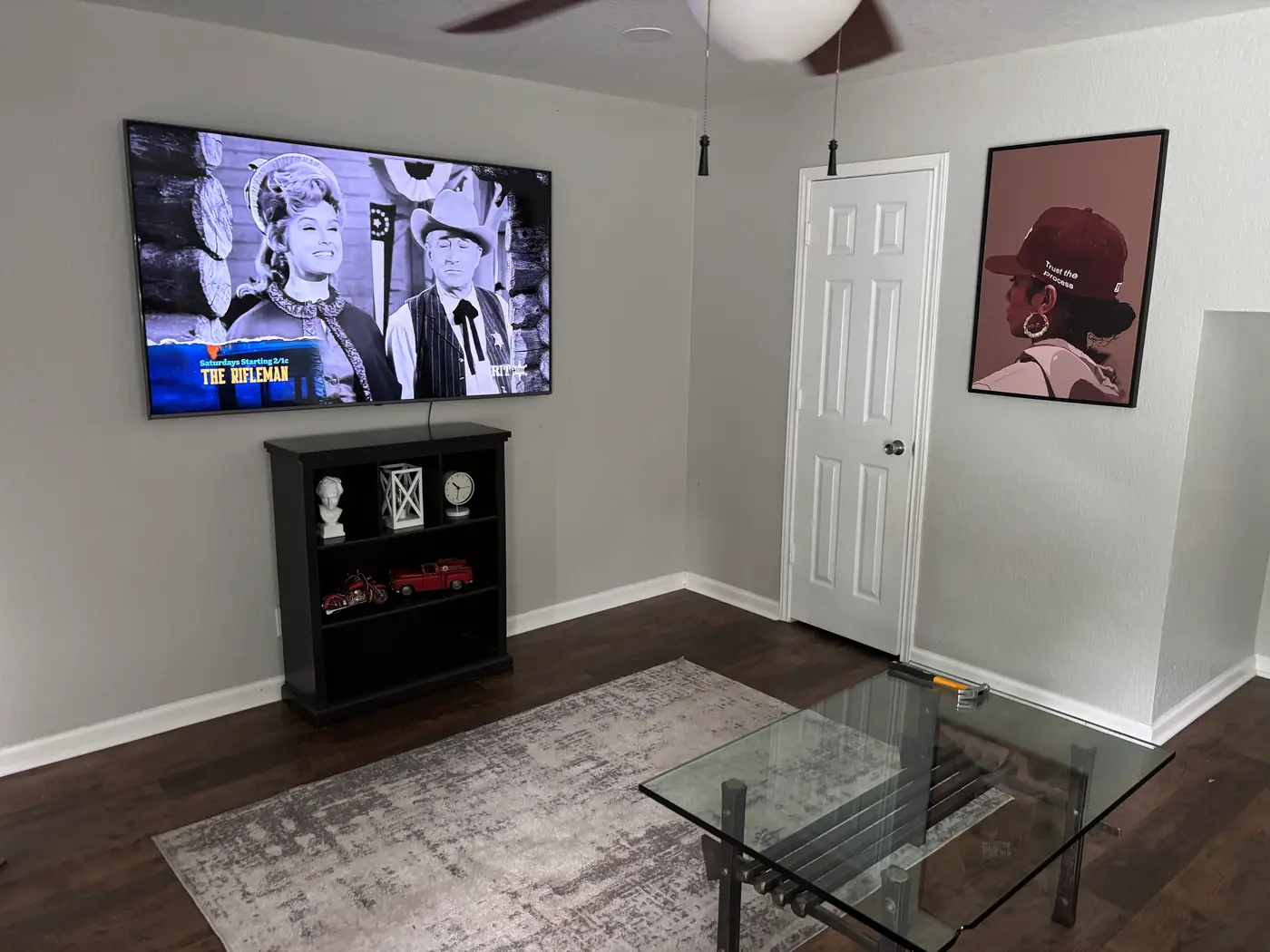
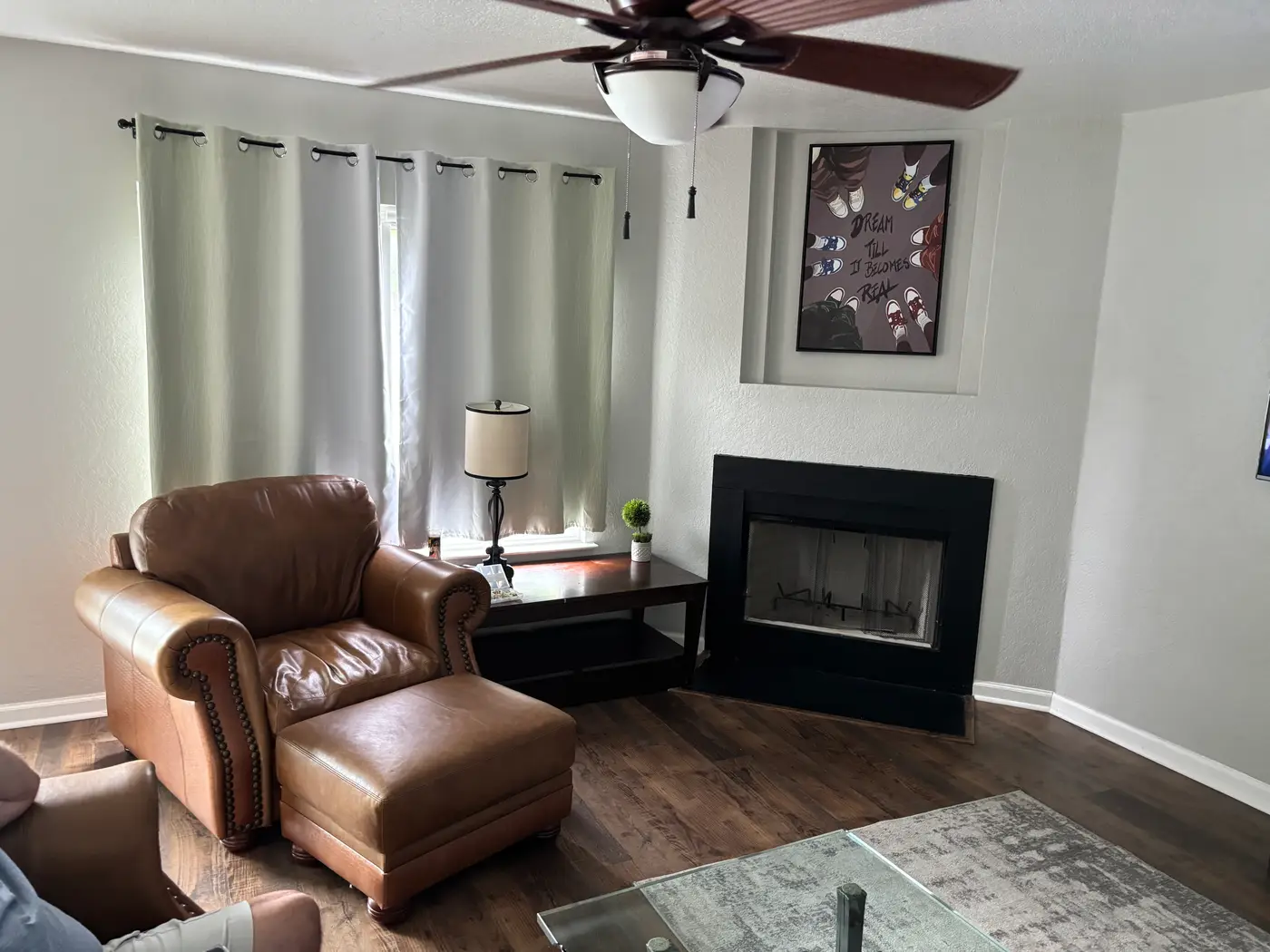
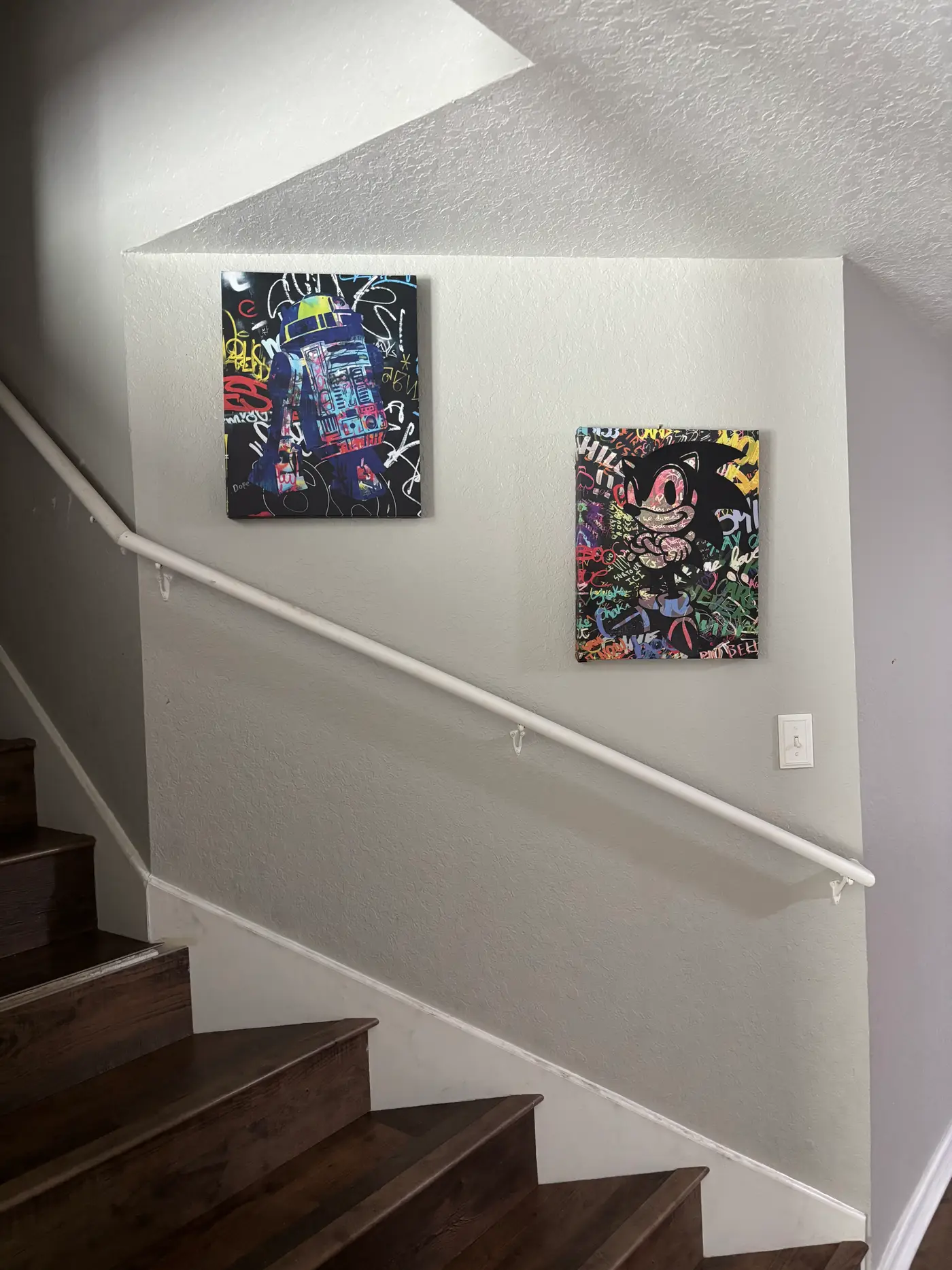
Inside the San Antonio homes


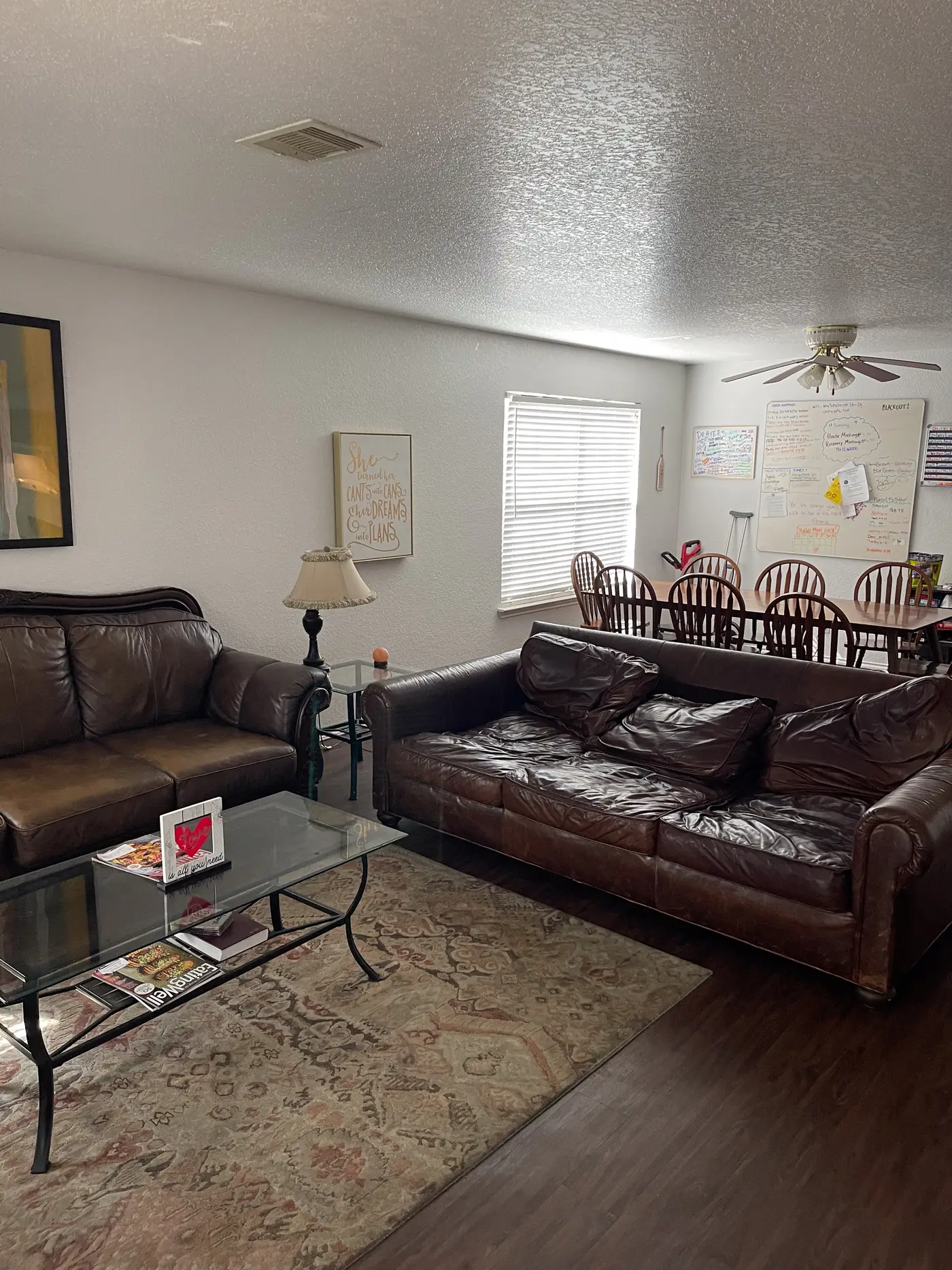
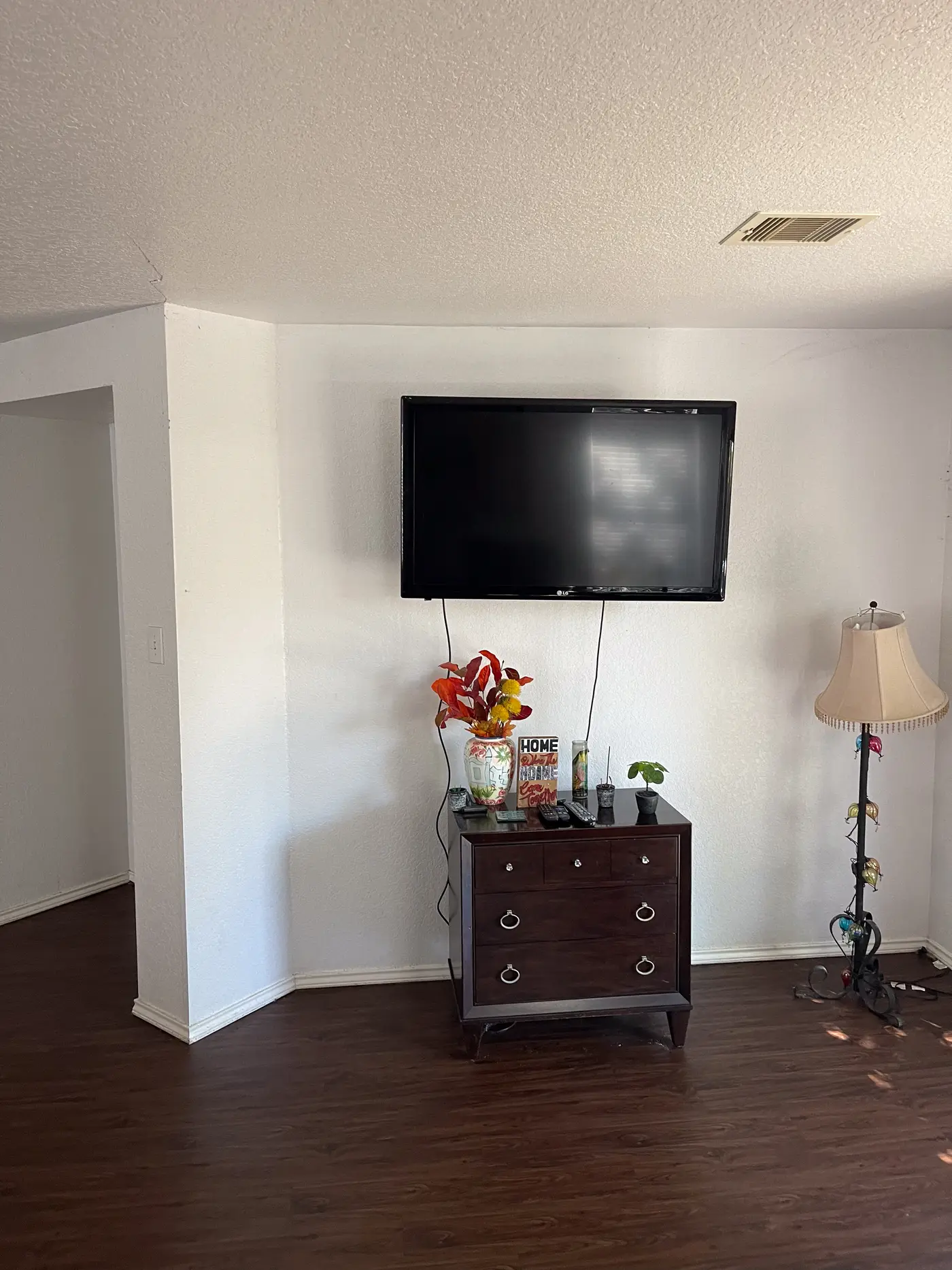
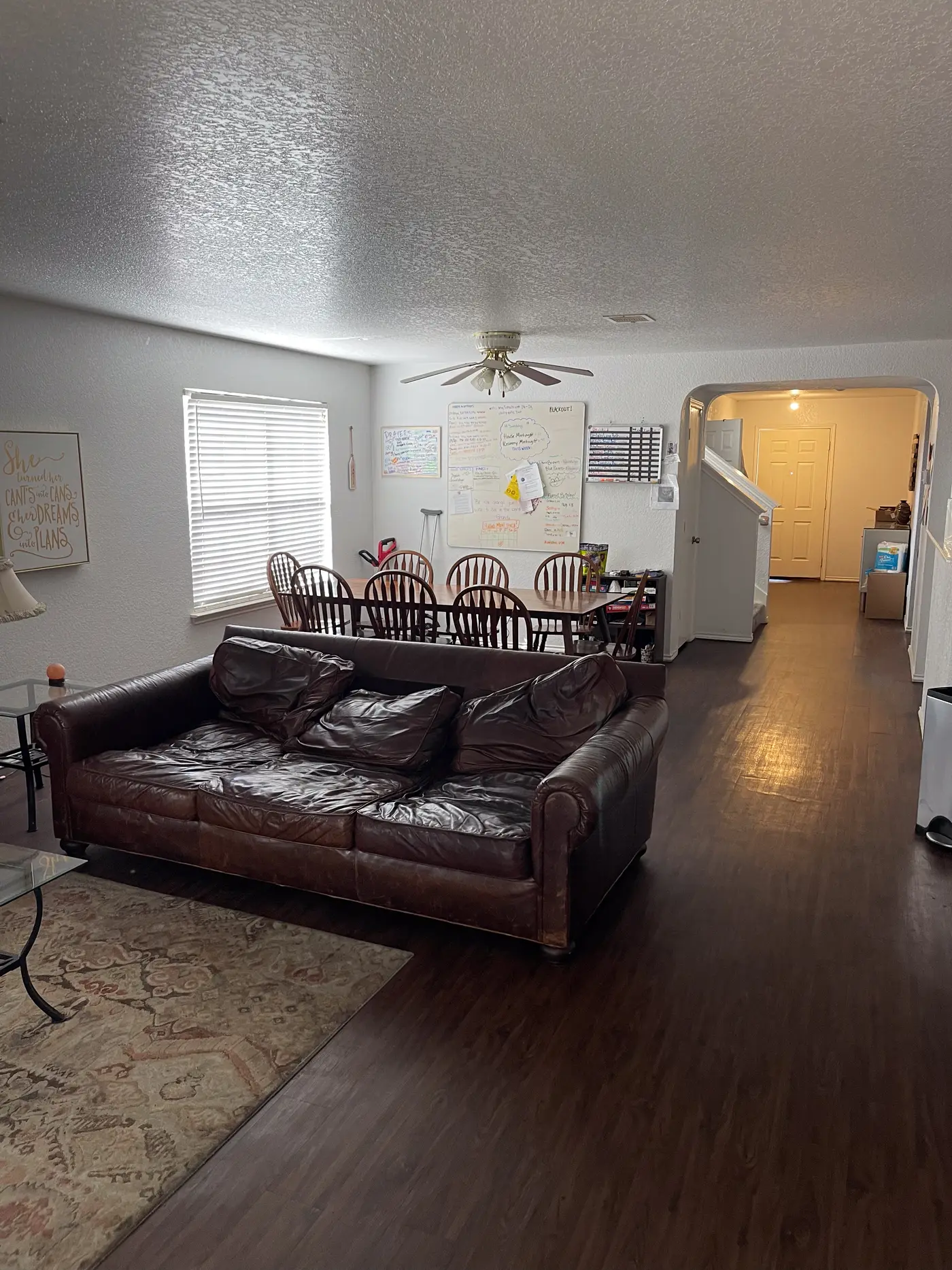
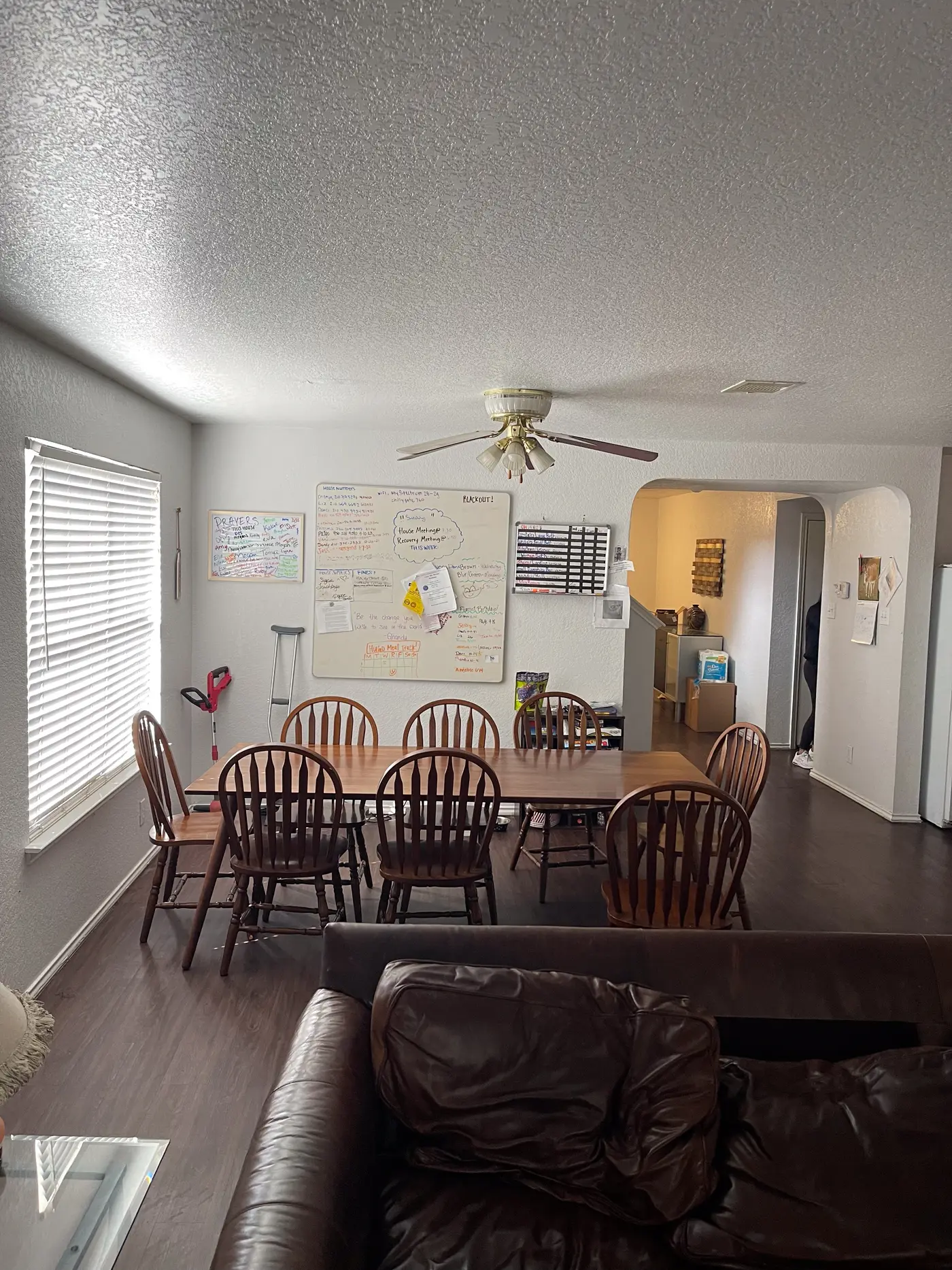
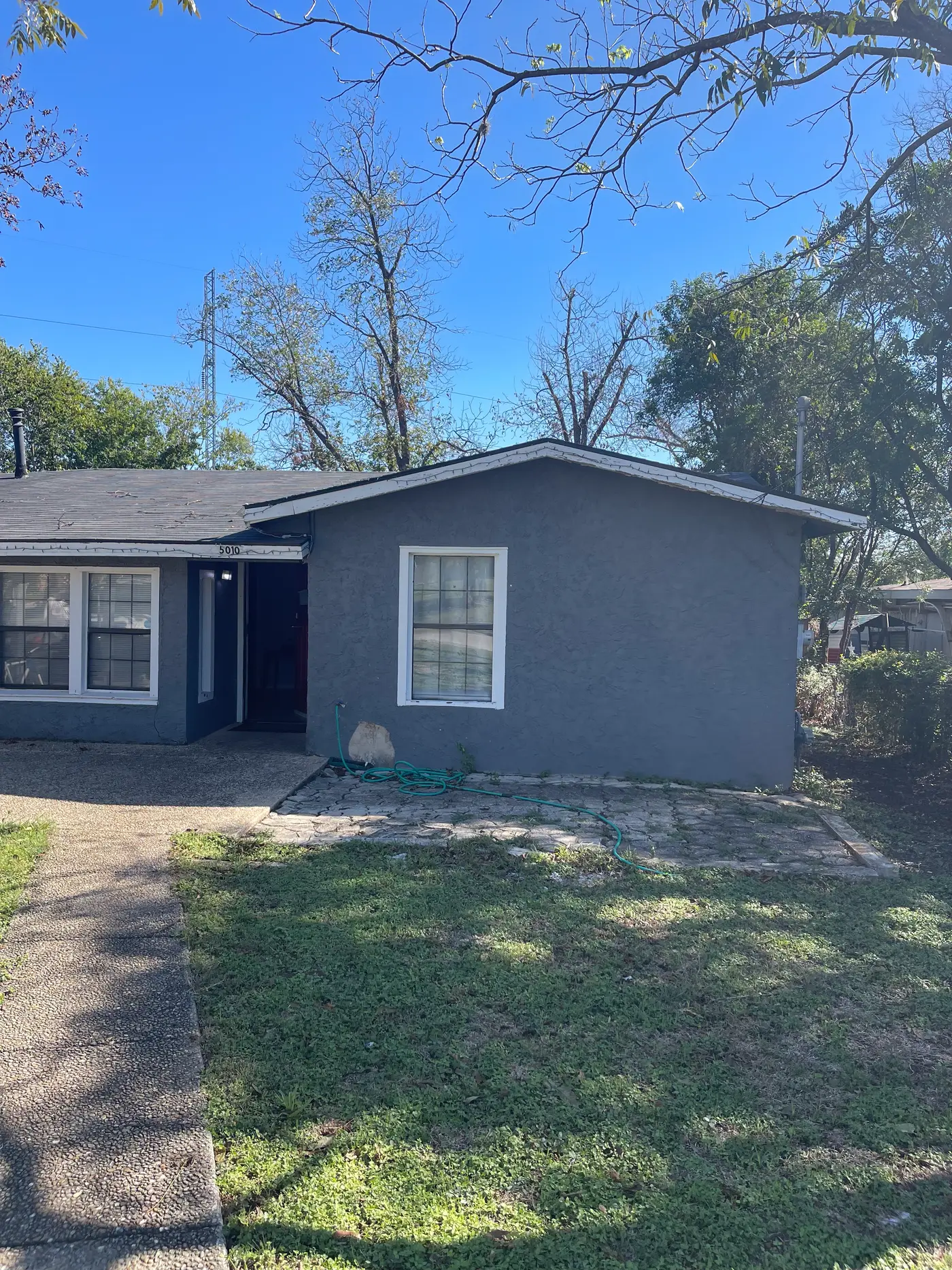
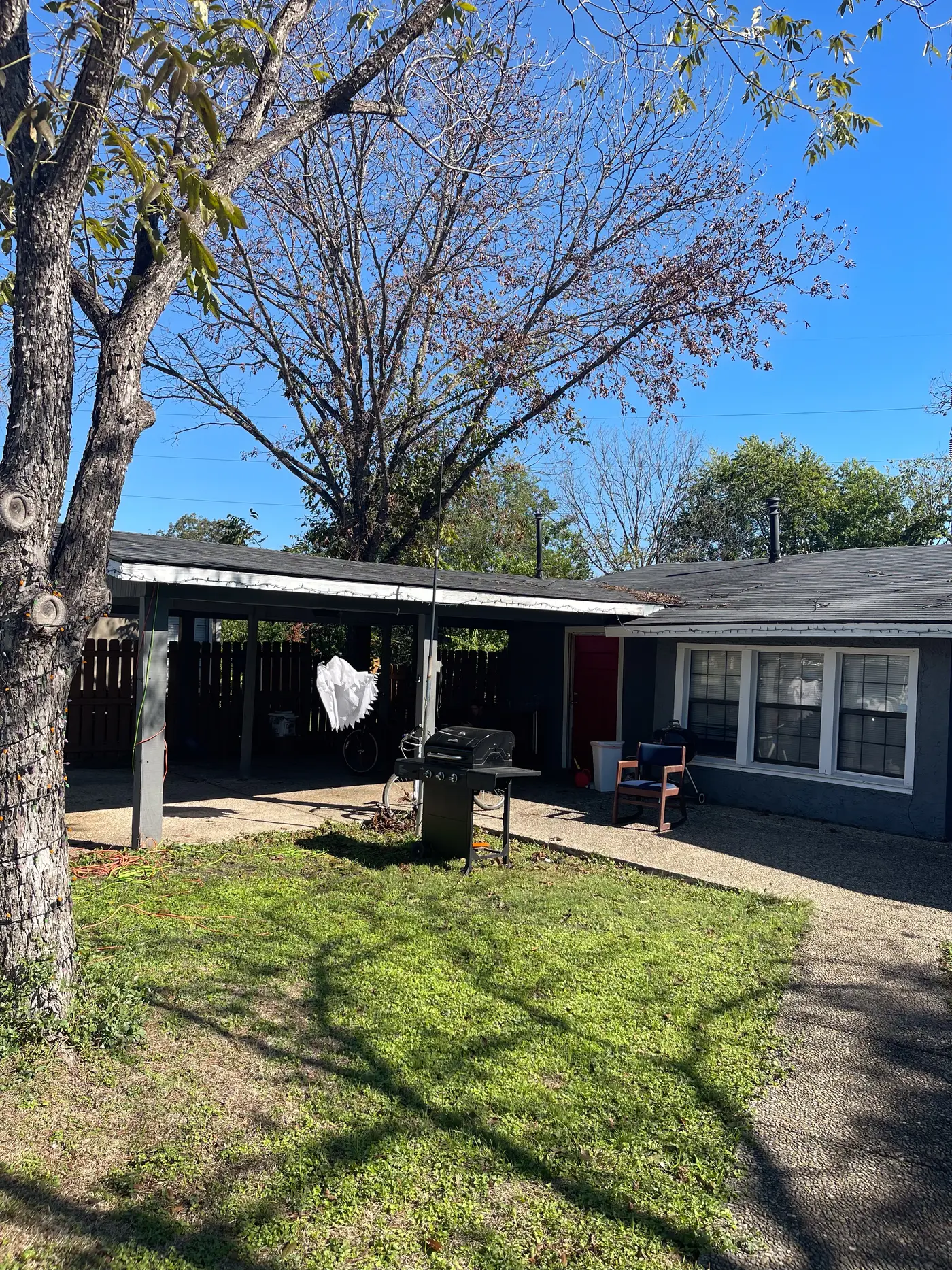
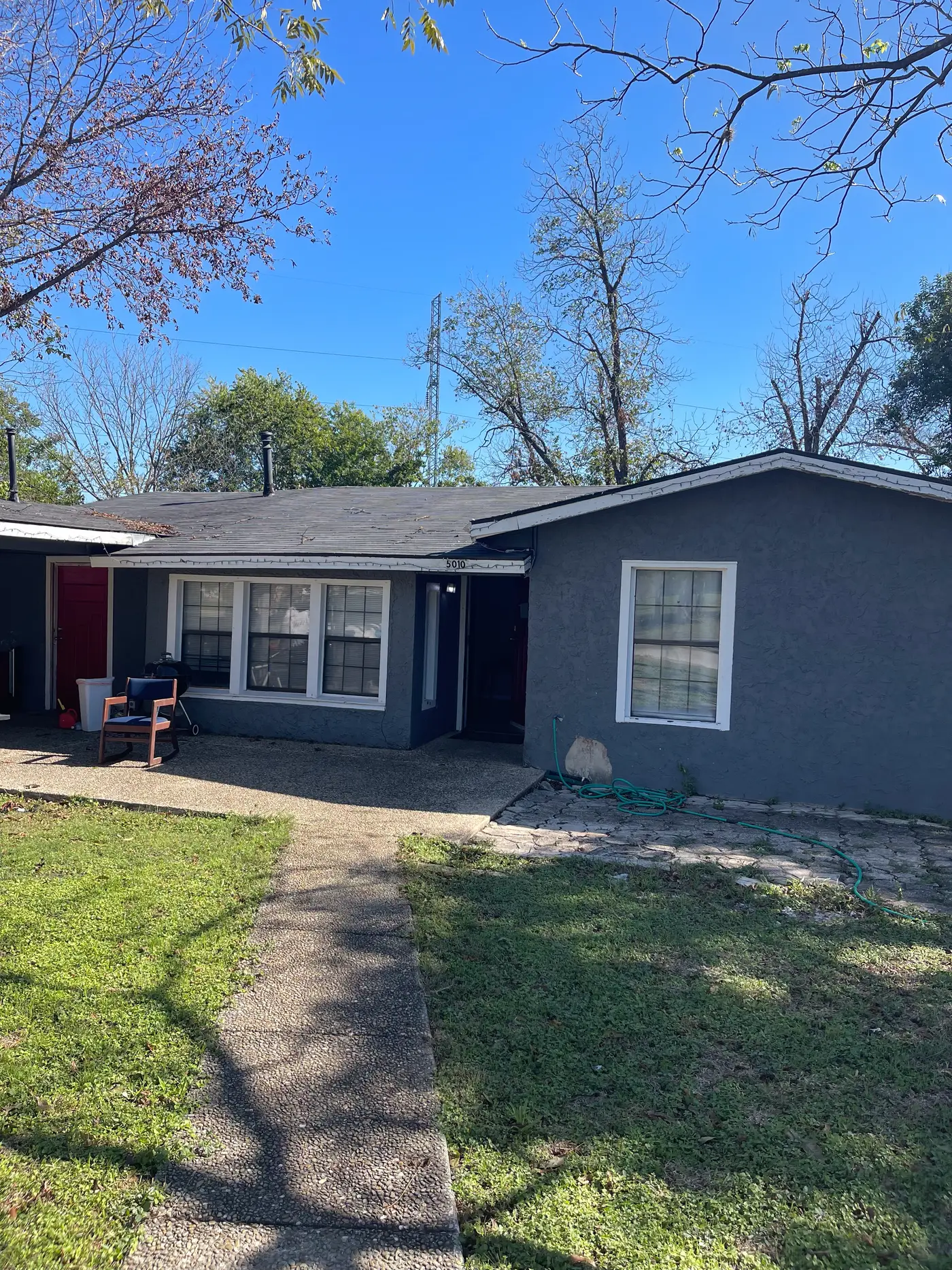
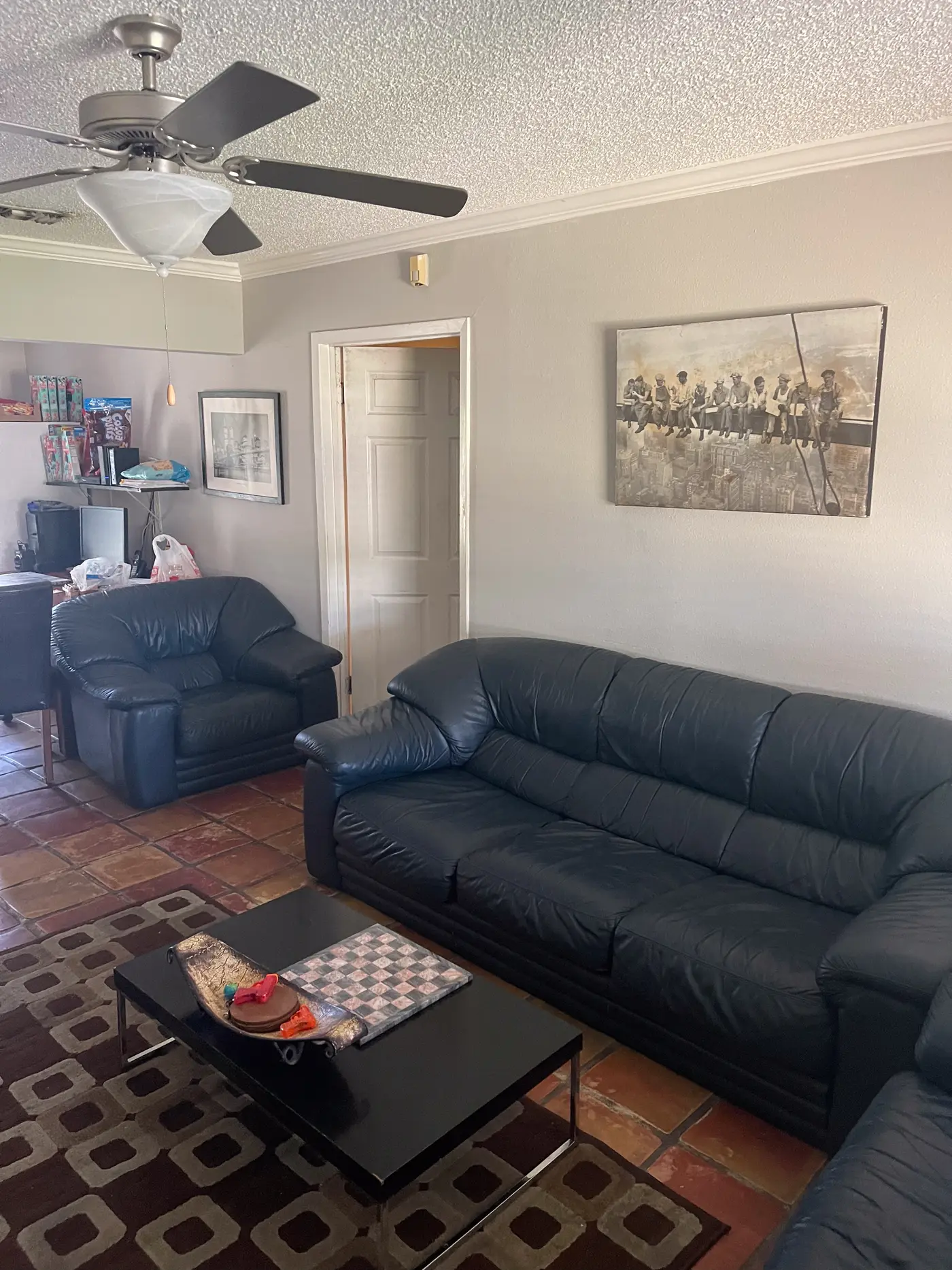
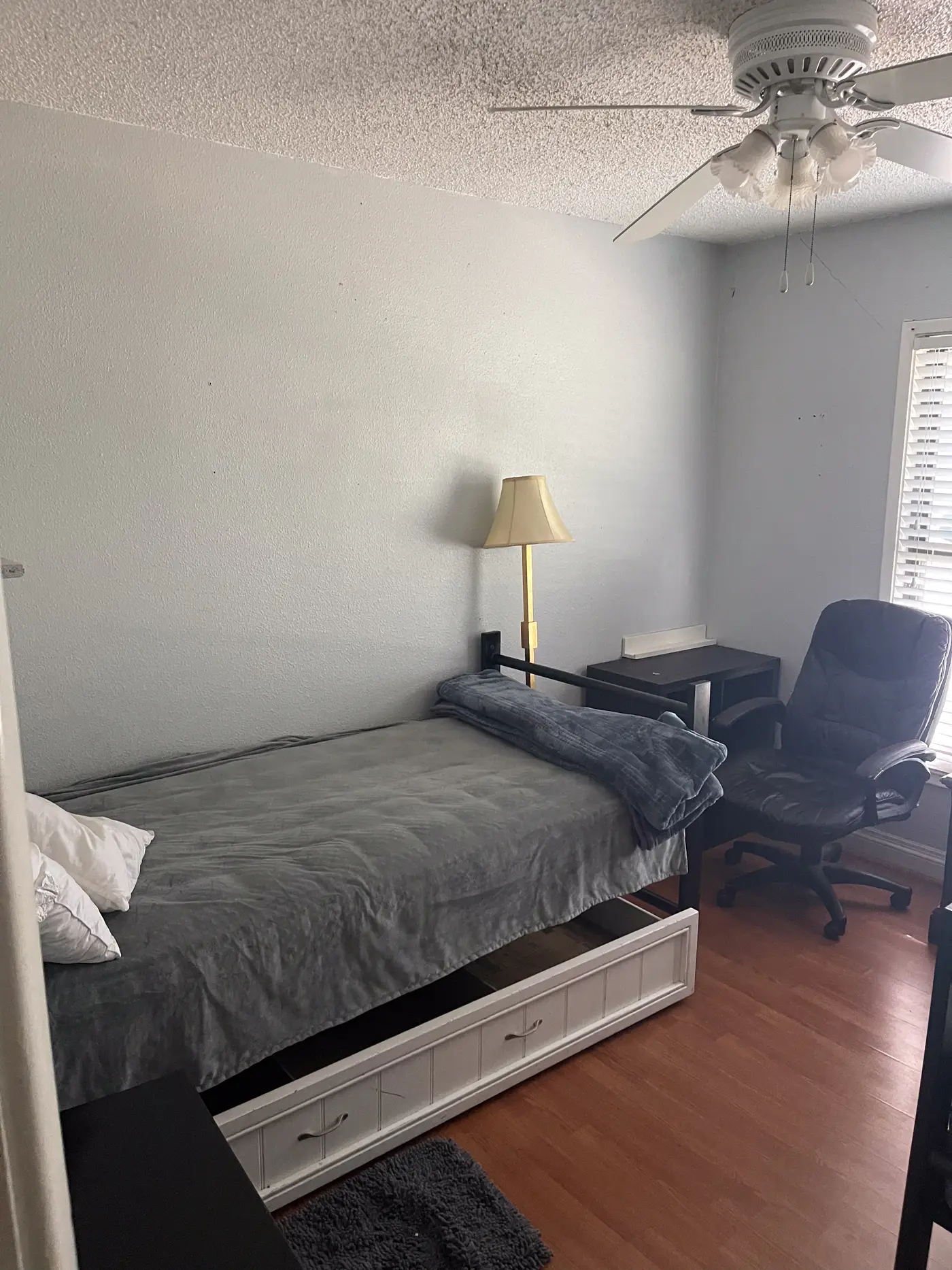
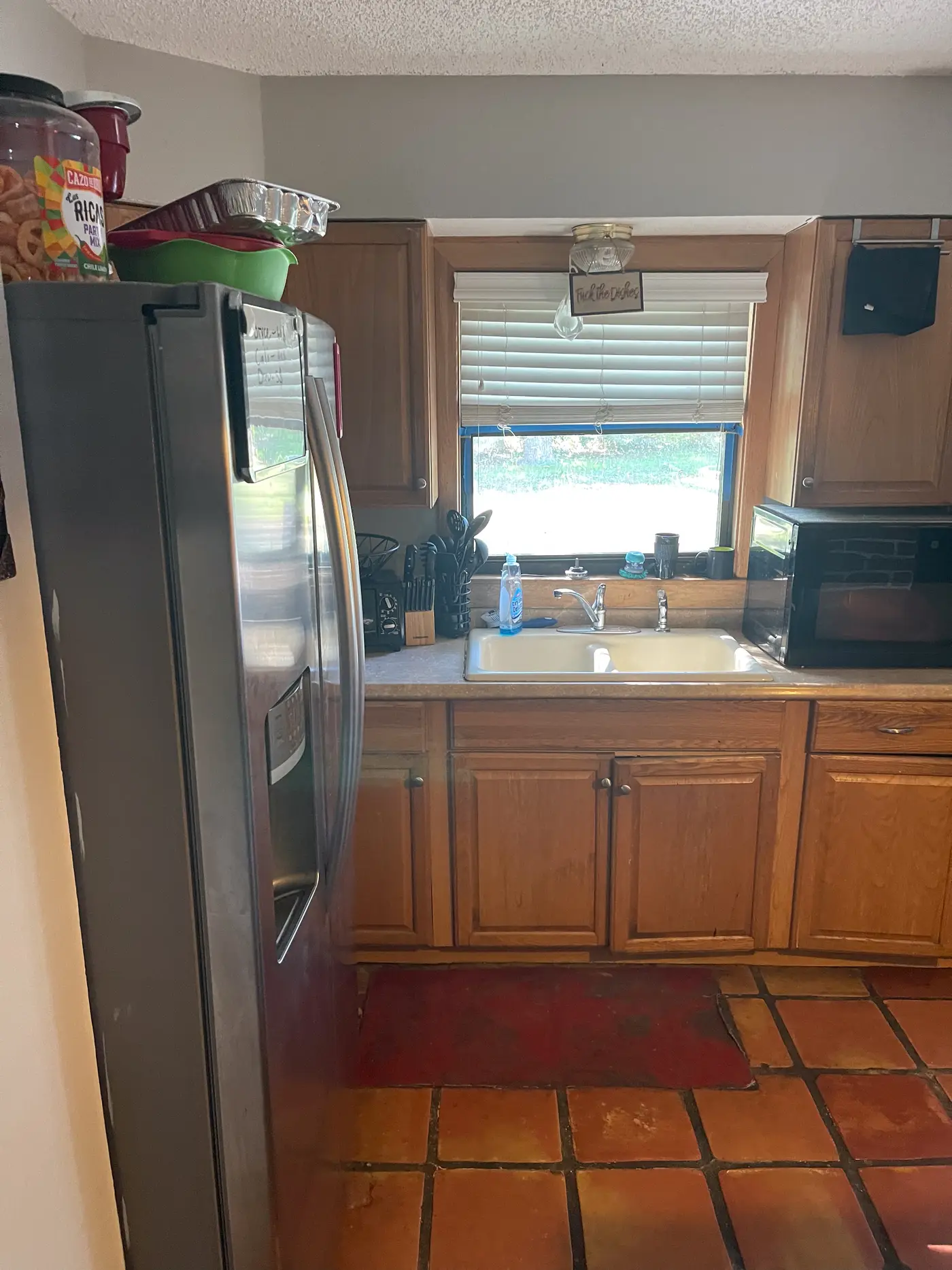
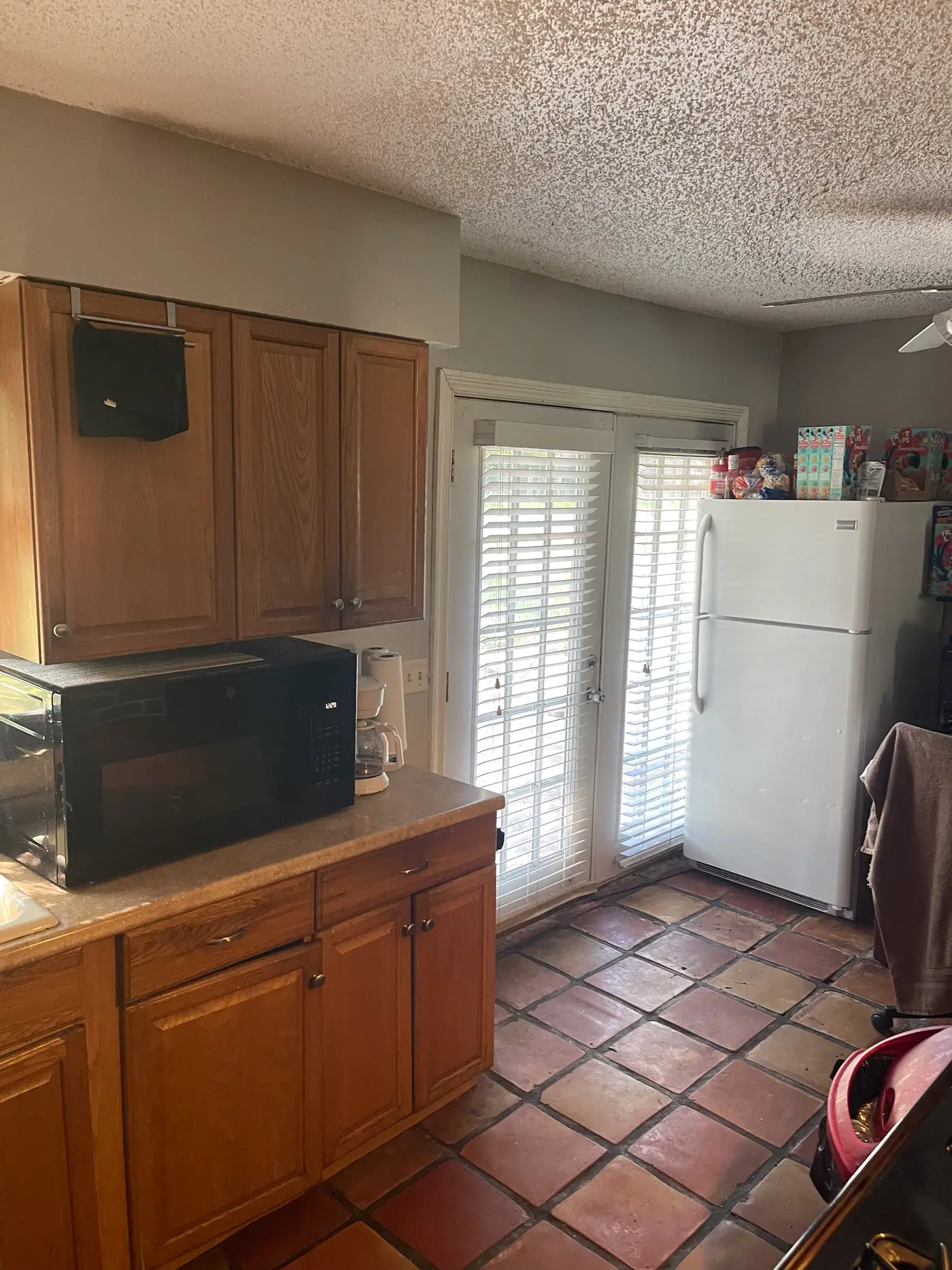
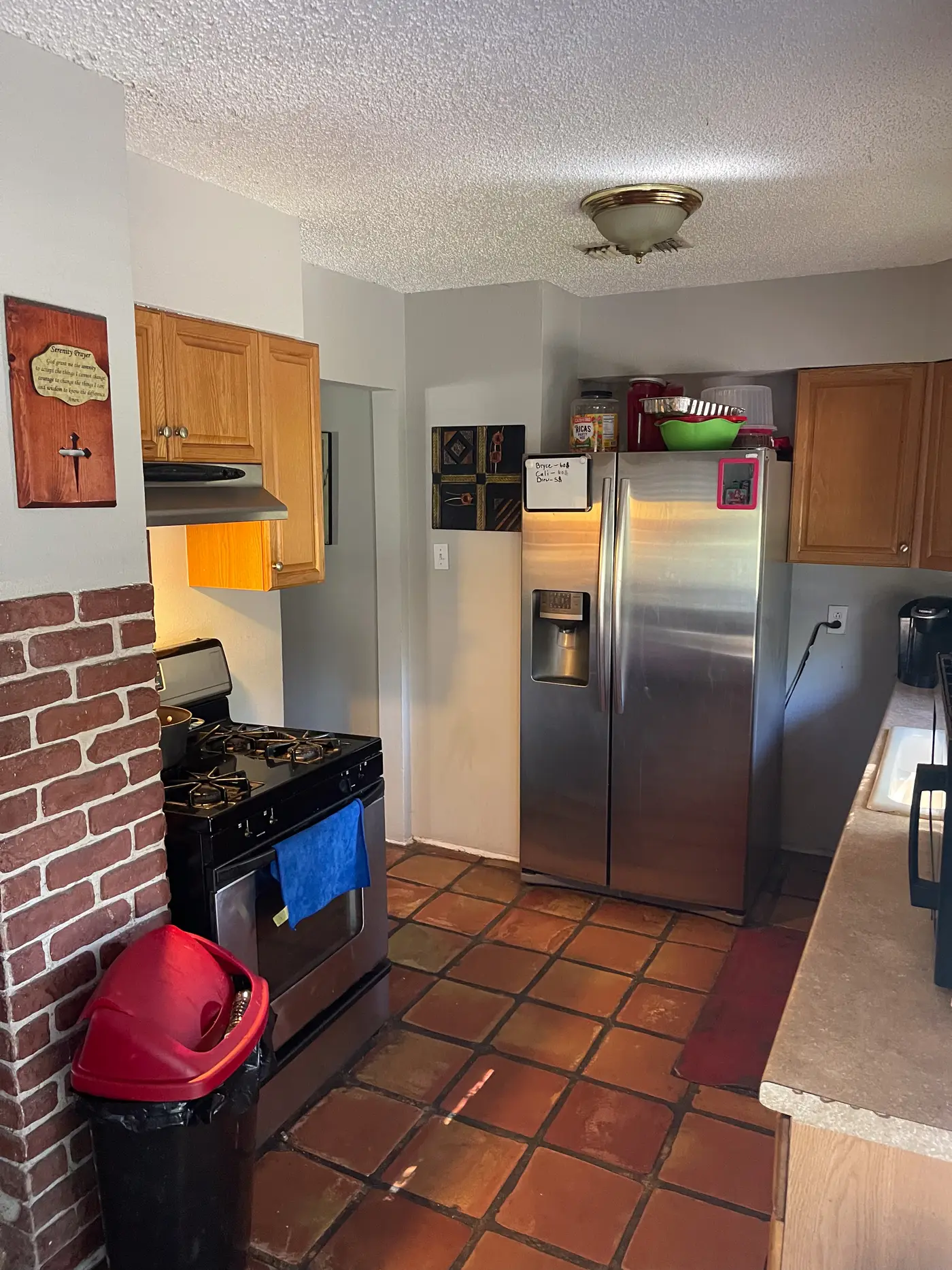


How Gender-Specific Sober Living Differs from Transitional Housing
People sometimes confuse sober living homes with transitional housing, but they serve different purposes. Transitional housing typically focuses on individuals experiencing homelessness and may not require sobriety or recovery participation. Women’s sober living homes in San Antonio specifically serve people committed to abstinence-based recovery.
Sober living residents must maintain sobriety, participate in recovery activities, and follow house rules designed to support lasting change. The focus isn’t just housing, it’s creating an environment where recovery becomes the foundation for everything else. Accountability measures like drug testing, meeting attendance requirements, and structured schedules distinguish sober living from other housing options.
Understanding Payment Options for Women's Sober Living in San Antonio
One of the most common questions women ask about gender-specific sober living homes concerns payment. Eudaimonia Recovery Homes works with many insurance providers to help cover the cost of recovery housing. Many insurance plans include benefits for sober living as part of their substance use disorder coverage, though the extent of coverage varies by plan.
The best way to understand your specific coverage is to verify your insurance benefits directly. Eudaimonia’s admissions team can help determine what your plan covers and explain any out-of-pocket costs. Some residents also use payment plans to make sober living affordable while they establish employment and financial stability.
The investment in quality sober living often proves less expensive than the alternative. Relapse frequently leads to legal costs, medical bills, lost employment, and damaged relationships, consequences that far exceed the cost of recovery housing. Women who complete sober living report better employment outcomes, stronger family relationships, and lower relapse rates than those who transition directly from treatment to independent living.
What to Expect in the First Month at a Women's Sober Living Home
The first month in gender-specific sober living often presents the biggest challenges. Women arrive with different lengths of sobriety, various treatment backgrounds, and unique personal circumstances. The adjustment to communal living, structured schedules, and constant accountability can feel overwhelming at first.
Most residents report that the hardest part isn’t following the rules, it’s sitting with uncomfortable emotions without the option to numb them. Early sobriety brings grief, anxiety, shame, and fear to the surface. Living with other women who understand those feelings and refuse to let you isolate makes the difference between pushing through and giving up.
By the end of the first month, most women find their rhythm. They’ve established routines, built initial connections with housemates, and begun participating in San Antonio’s recovery community. The structure that felt restrictive starts to feel supportive. The accountability that seemed invasive becomes comforting.
How Long Should Women Stay in Sober Living
Length of stay varies based on individual needs, but research suggests longer stays produce better outcomes. Many women benefit from at least 90 days in sober living, though stays of six months to a year aren’t uncommon. The goal isn’t to rush back to independence, it’s to build a foundation strong enough to support lifelong recovery.
Women who leave sober living prematurely often struggle. They haven’t had time to practice recovery skills, build sufficient support networks, or develop the financial stability that reduces stress and relapse risk. The women who thrive after sober living typically stayed until they felt genuinely ready, not just eager to leave.
Eudaimonia Recovery Homes encourages women to work with sponsors, therapists, and house staff to determine appropriate timelines. The decision to transition out should be based on recovery progress, not arbitrary time limits or external pressure.
Finding the Right Women's Sober Living Home in San Antonio
Not all gender-specific sober living homes operate the same way. When evaluating options in San Antonio, consider factors like house rules, recovery philosophy, location, amenities, and the existing community. Some homes follow strict 12-step models, while others take more flexible approaches to recovery programming.
Visit potential homes if possible. Talk to current residents about their experiences. Ask about daily schedules, accountability measures, and how the house handles challenges like conflict between residents or mental health crises. The right fit matters. You want a home that feels both structured enough to keep you accountable and flexible enough to meet your individual needs.
Eudaimonia Recovery Homes in San Antonio prioritizes creating environments where women feel safe, supported, and challenged to grow. The combination of structure, community, and clinical connection helps women build lives they don’t want to escape from, the ultimate relapse prevention.
If you’re considering gender-specific sober living for yourself or a loved one, Eudaimonia Recovery Homes can help you understand your options and determine whether our San Antonio women’s recovery housing is the right next step in your journey.
Ready to take the next step?
Eudaimonia Recovery Homes provides structured sober living and recovery support in San Antonio, TX. Call (512) 363-5914 to speak with our team today.


