

Published August 4, 2026
On This Page · 9 Sections
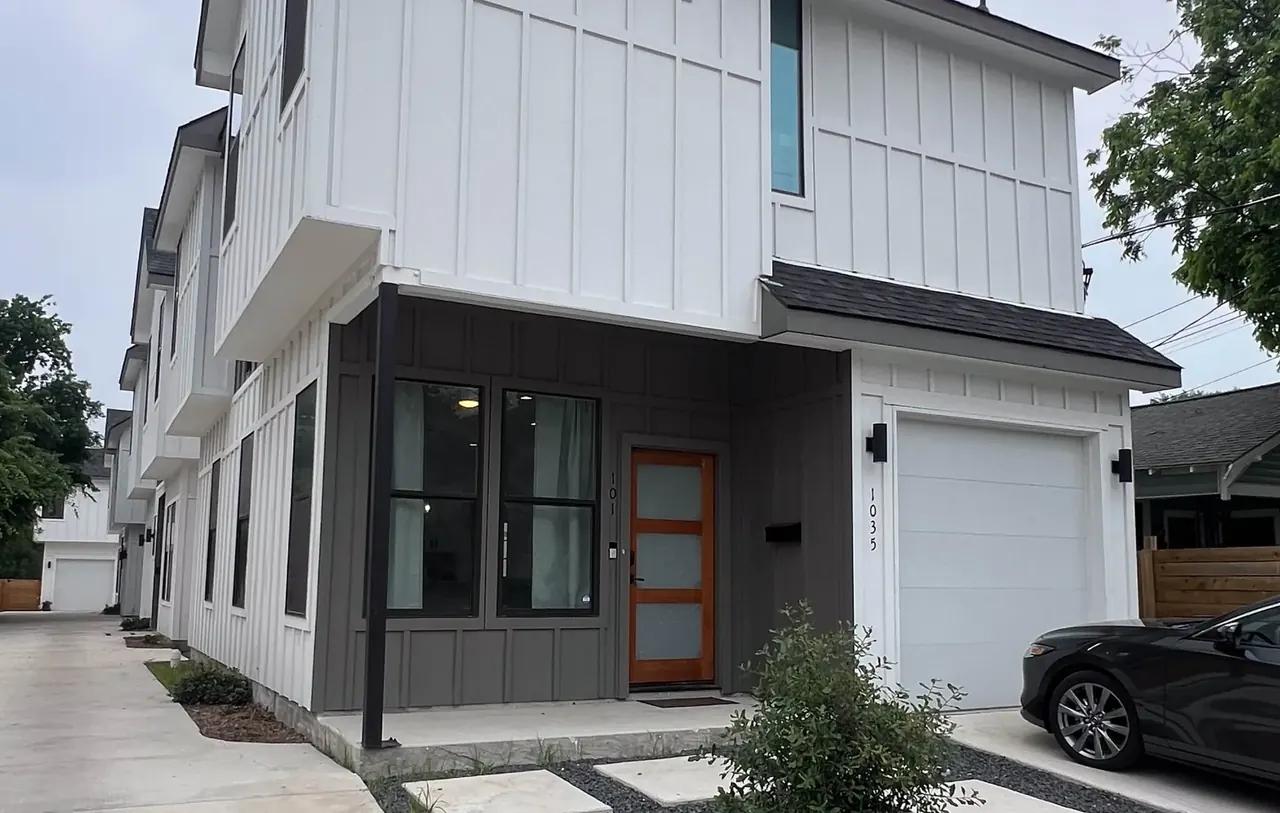
Sober Living
San Antonio
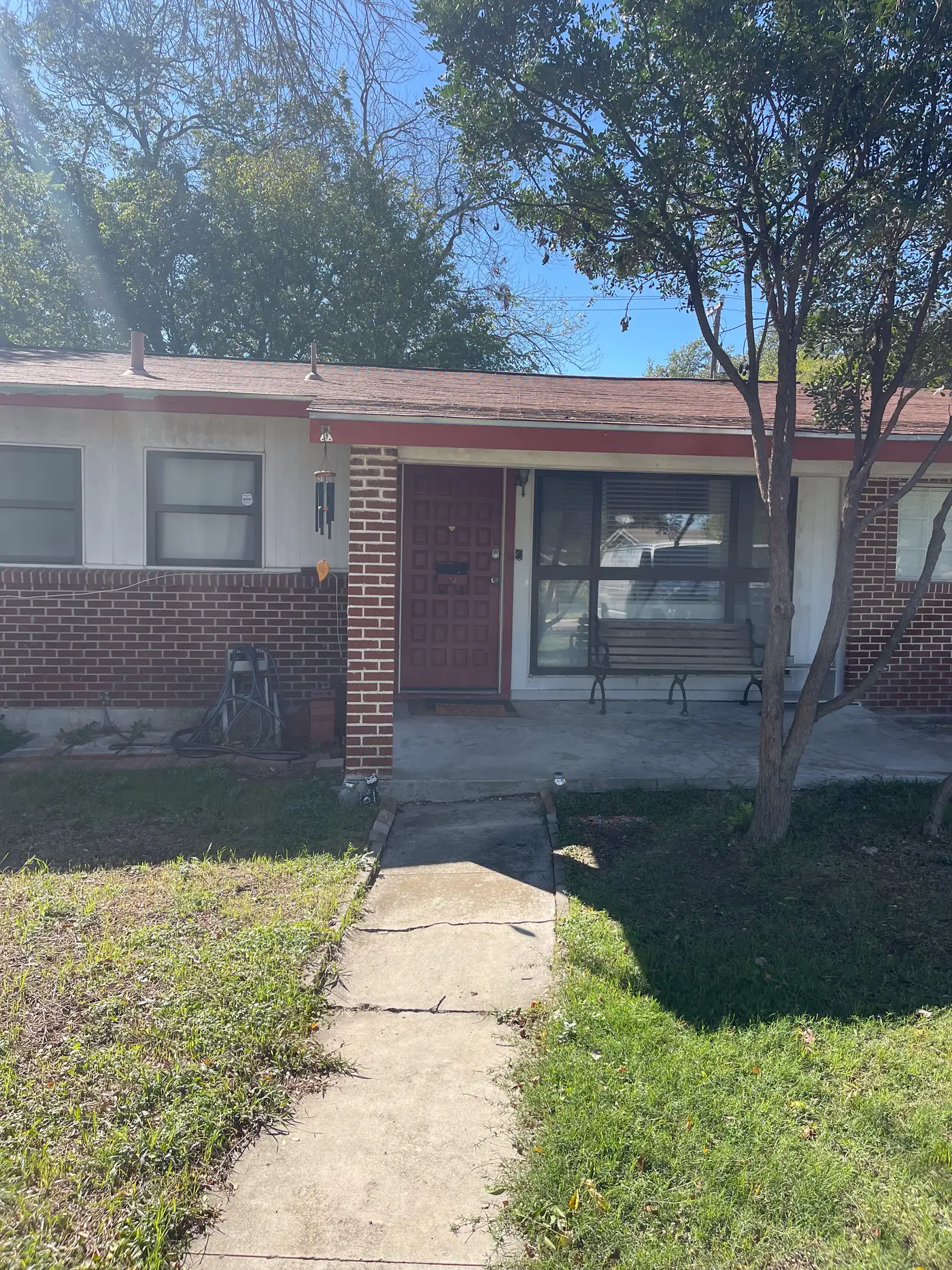
1035 S Pine St, Unit 101, San Antonio, TX
The main difference between a halfway house and a sober living home in San Antonio comes down to funding, oversight, and flexibility. Halfway houses are typically government-funded or court-ordered transitional housing for people leaving incarceration or mandated treatment, with strict rules, curfews, and case management. Sober living homes are private residences where residents pay rent, follow house guidelines, and build independent recovery skills in a peer-supported community without court involvement or mandated programs. Understanding these distinctions helps you choose the right environment for sustainable sobriety after detox or inpatient treatment.
If you or someone you love needs more than detox, Eudaimonia Recovery Homes also provides sober living san antonio.
Eudaimonia Recovery Homes’s structured sober living program provides medically supervised, evidence-based care.
What Is a Halfway House?
A halfway house serves as a bridge between incarceration or institutional treatment and independent living. These facilities are often run by or contracted through correctional systems, parole boards, or county agencies. Residents are usually assigned to a halfway house rather than choosing it themselves.
The structure is institutional. You’ll find mandatory check-ins, scheduled case management meetings, drug testing protocols, and strict curfews. Many residents are there because a judge, parole officer, or treatment court ordered it as part of their sentence or probation terms.
Halfway houses typically don’t charge rent directly to residents. Instead, government agencies or the criminal justice system covers the cost. Some facilities may collect a portion of residents’ income if they’re working, but the funding model is fundamentally different from private sober living.
What Is a Sober Living Home?
A sober living home is a private residence where people in recovery live together voluntarily. Residents pay monthly rent, share household responsibilities, and commit to staying sober while building the life skills that support long-term recovery.
The focus is on peer accountability and community rather than institutional oversight. You’re not assigned to a sober living home by a court or probation officer. You choose to live there because you want structured support as you transition from treatment back to work, school, and everyday responsibilities.
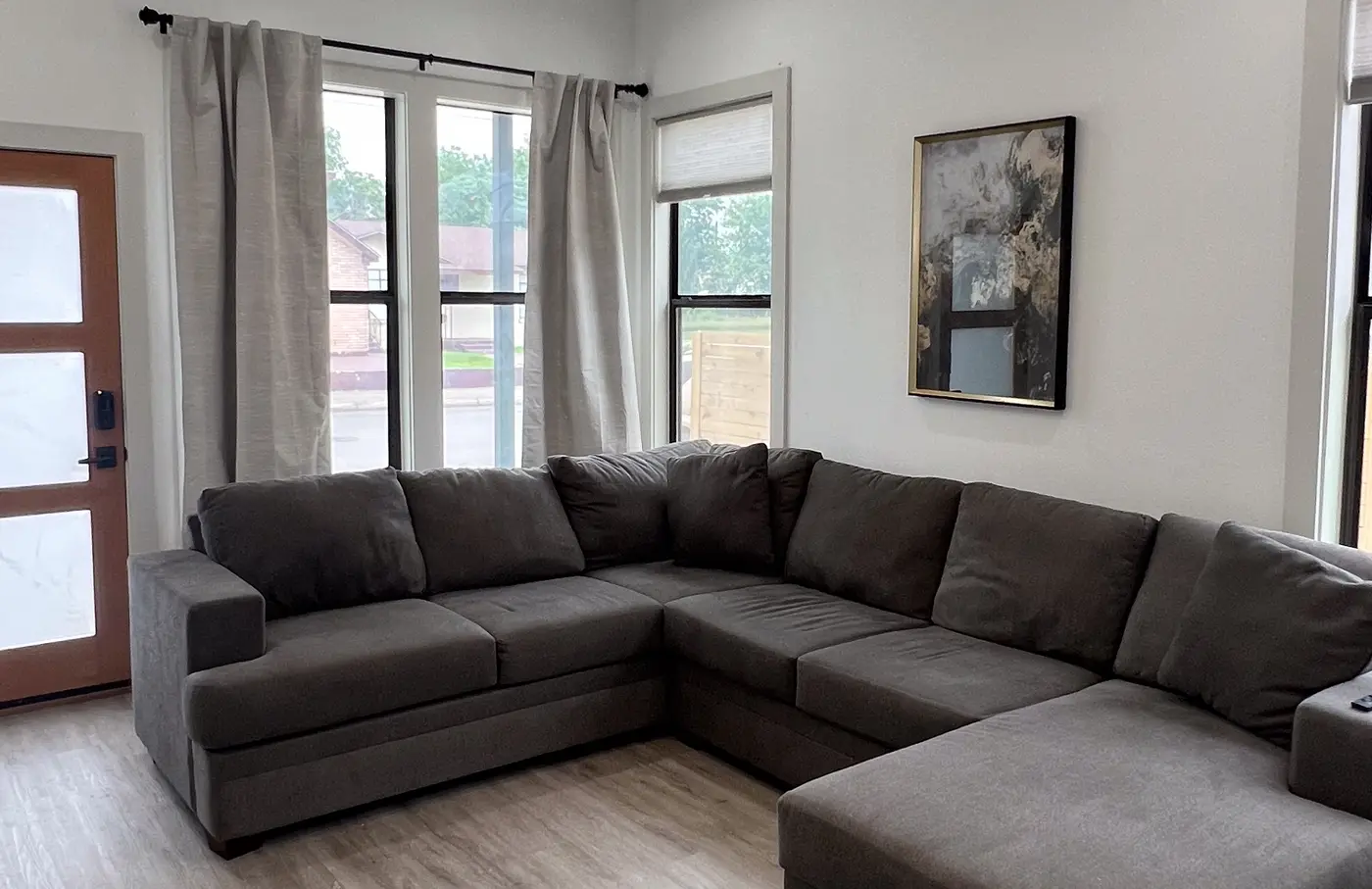
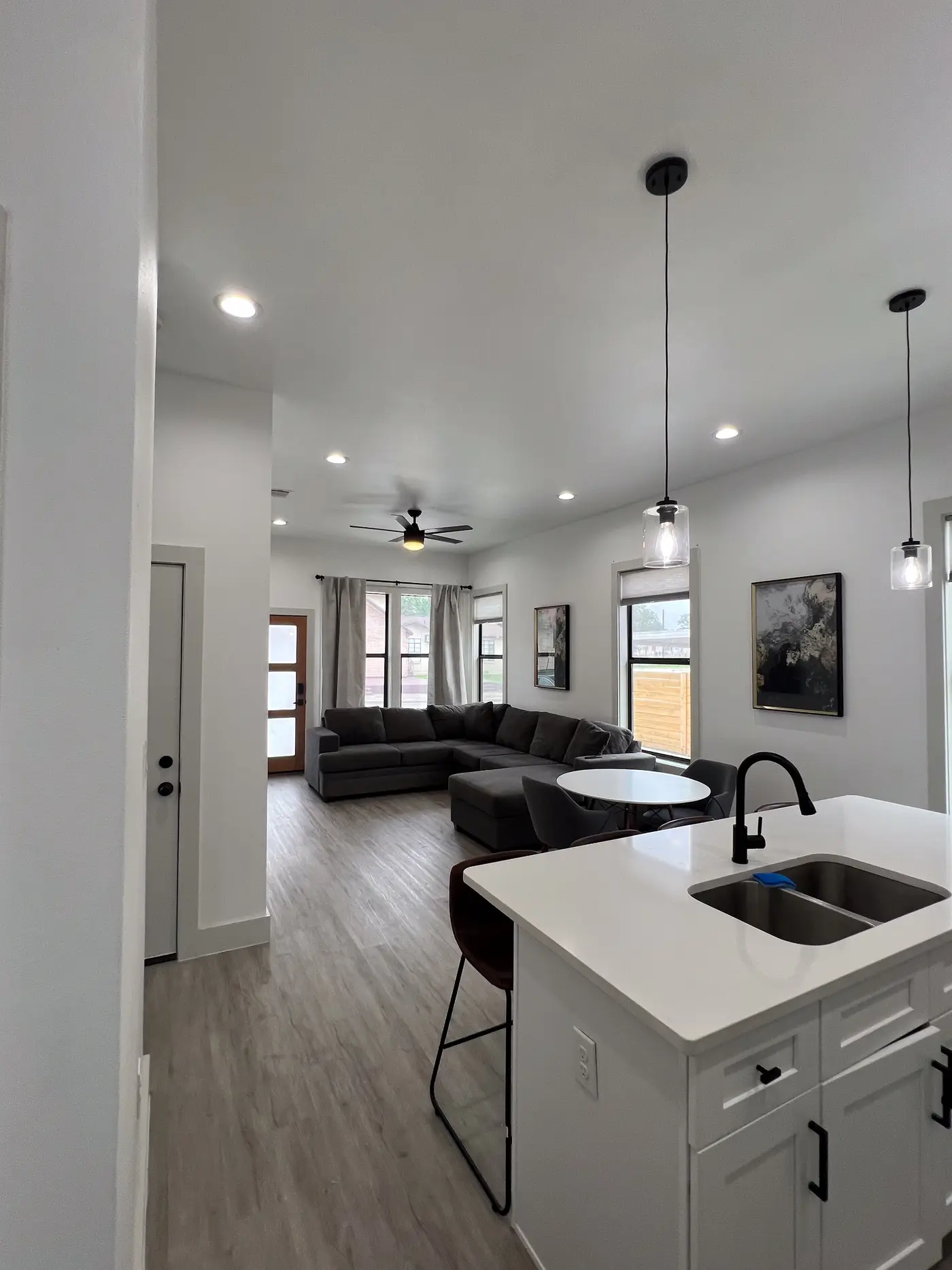
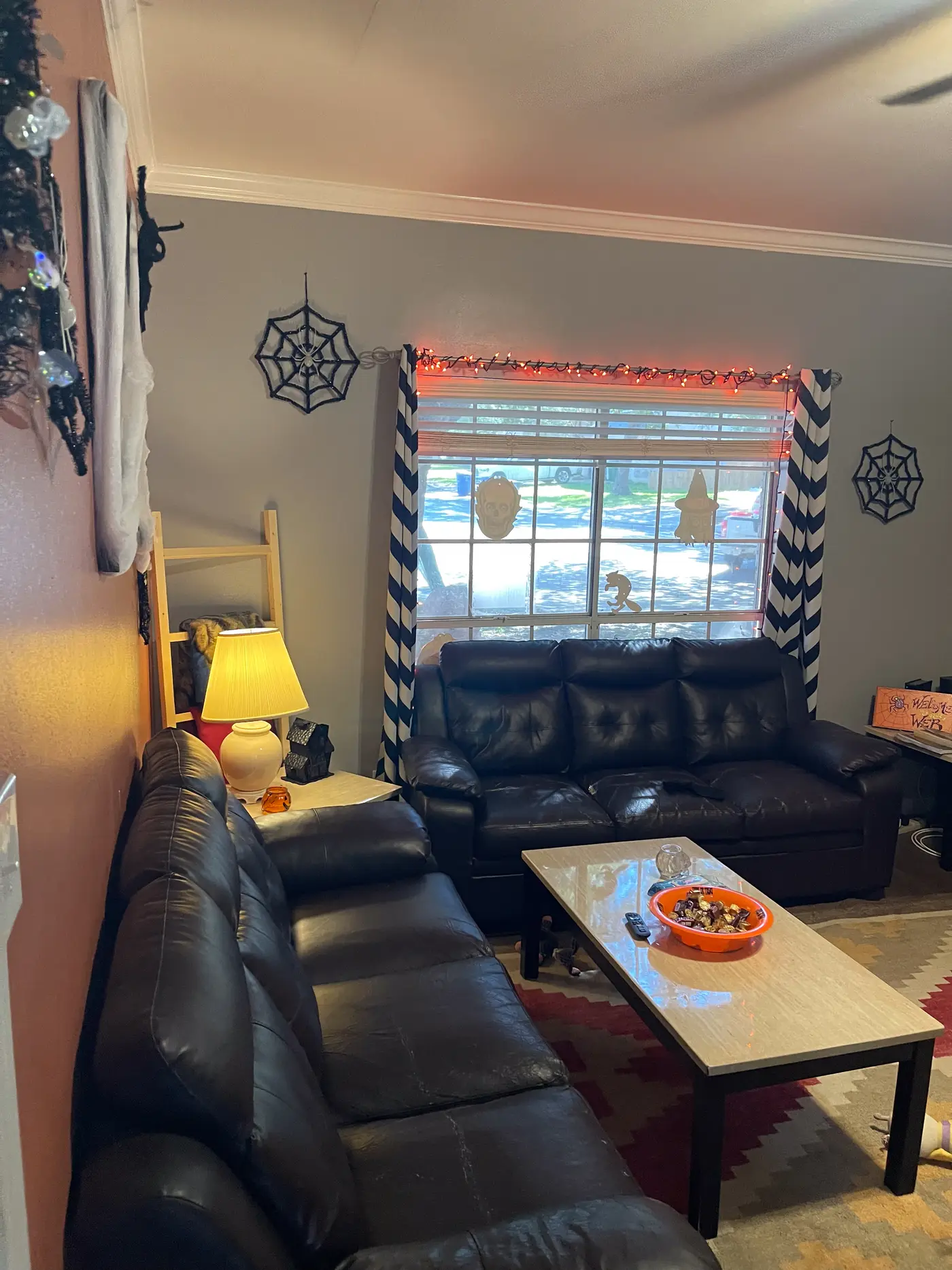
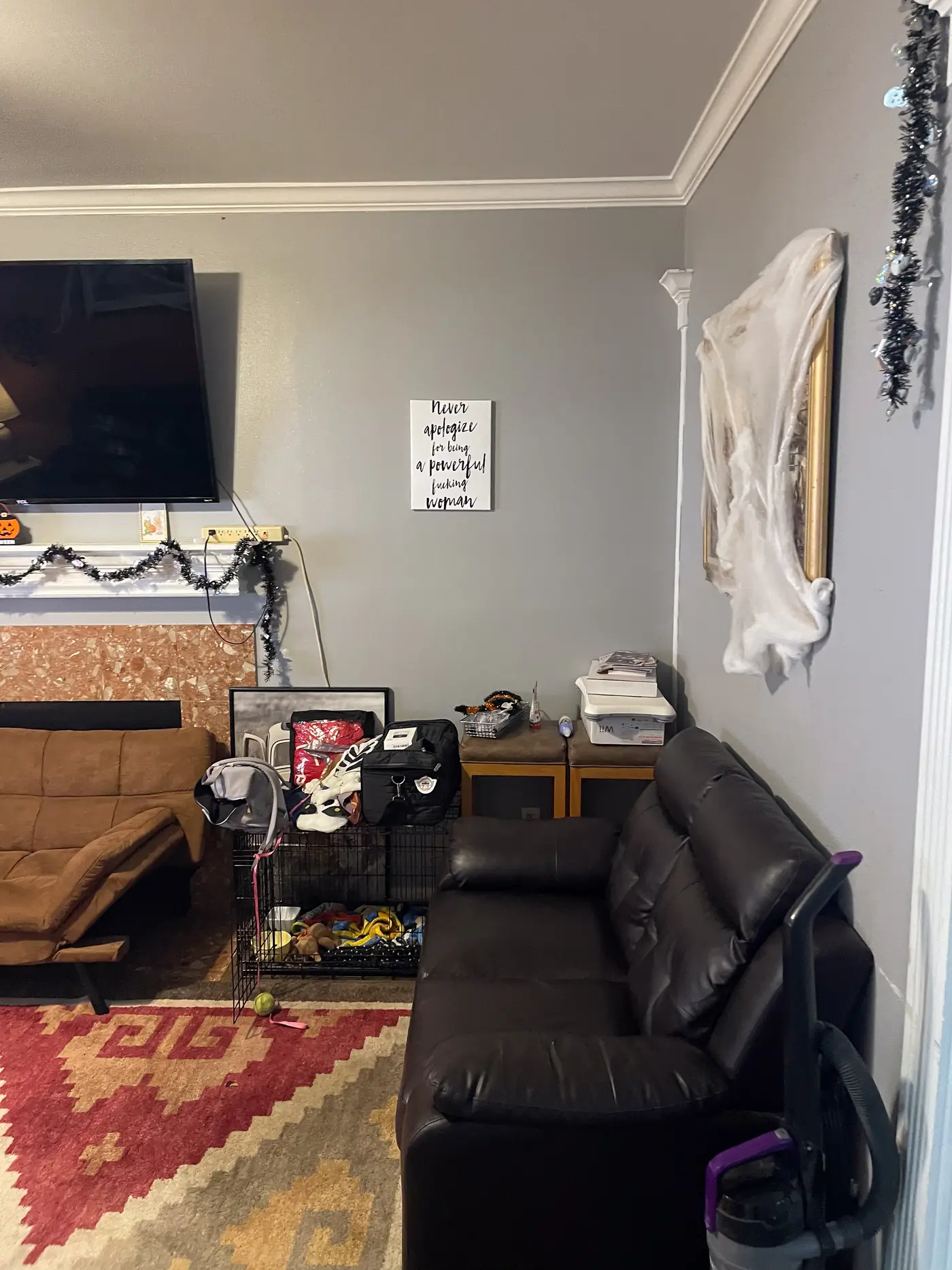
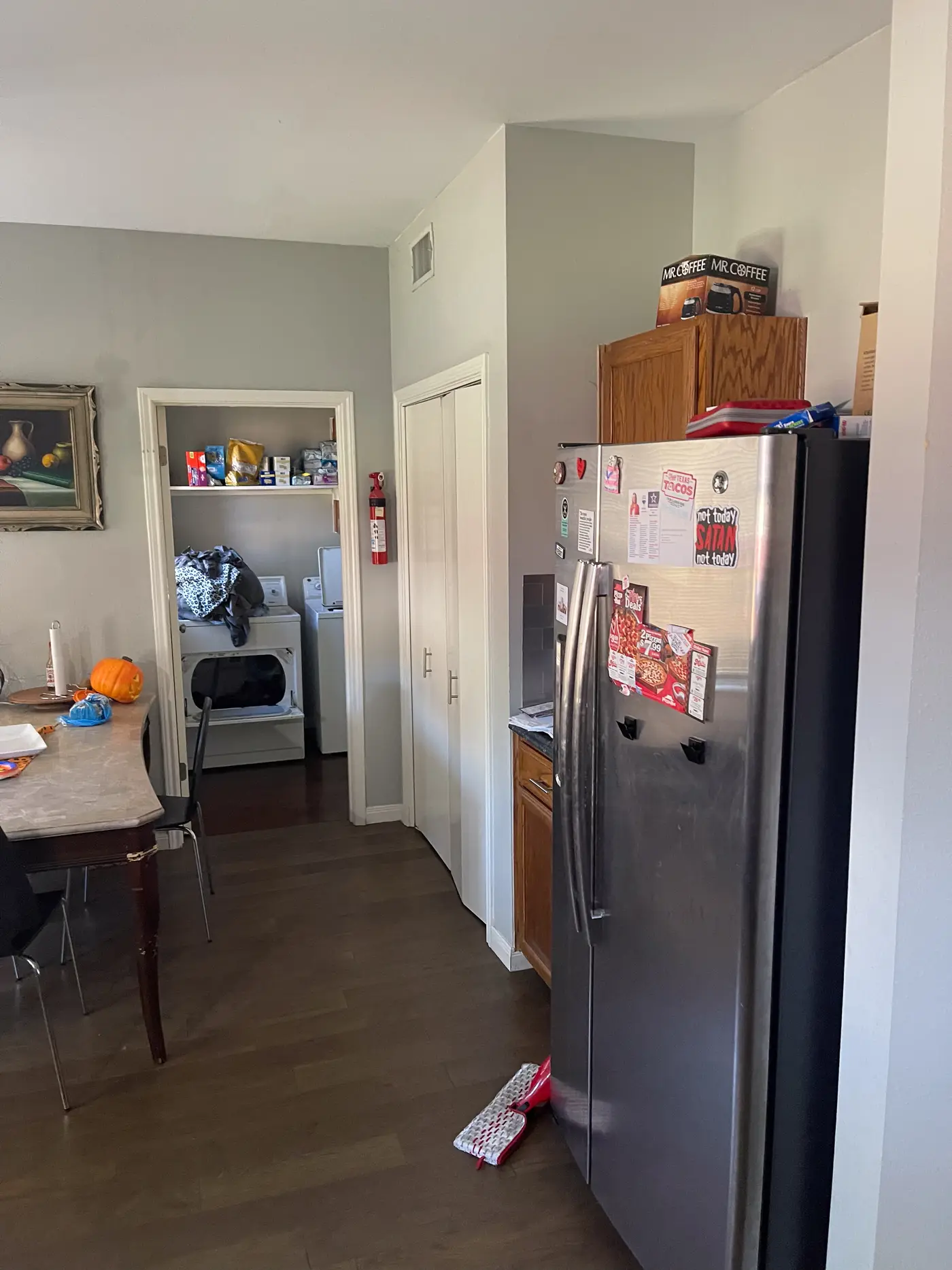
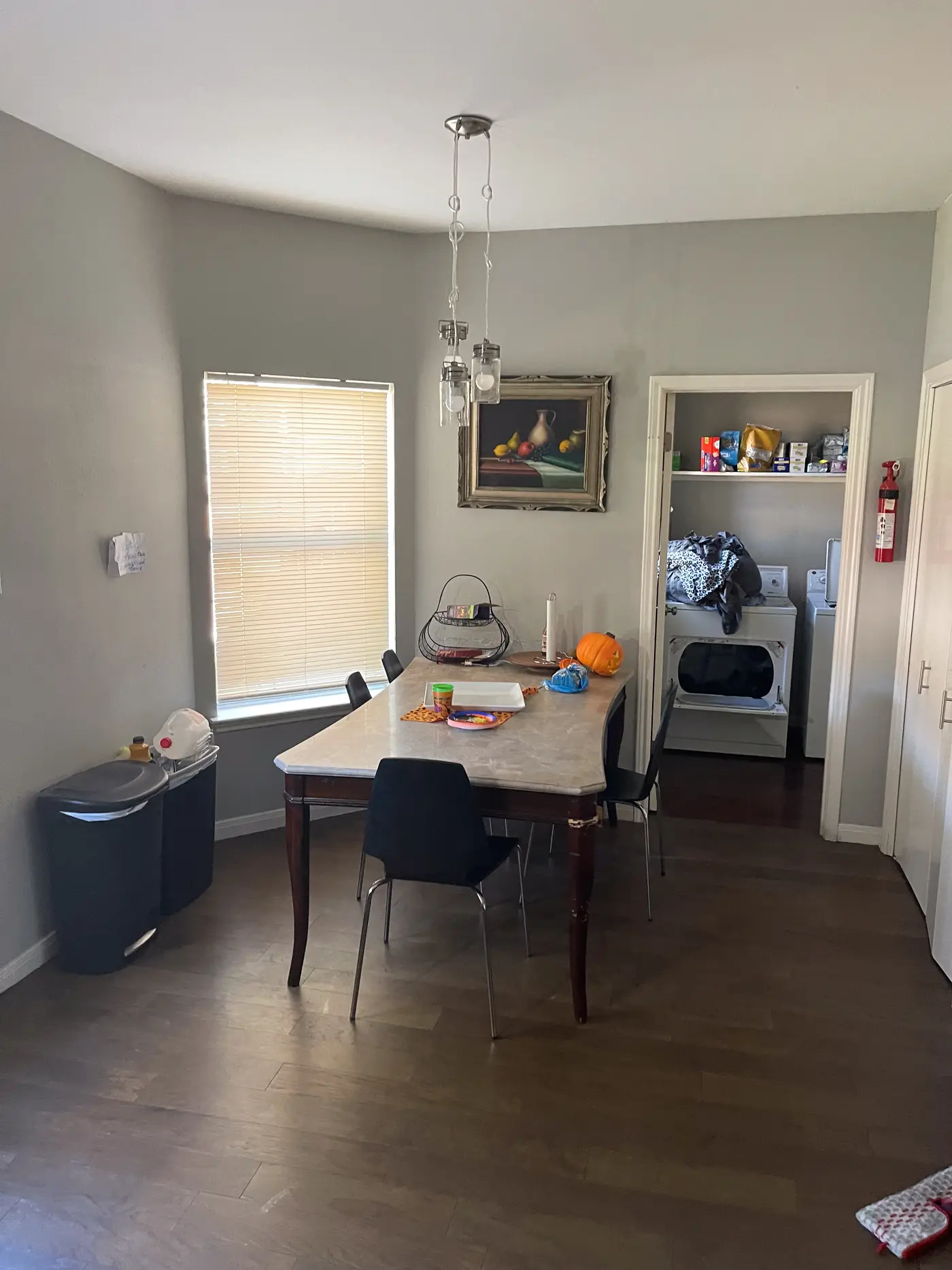
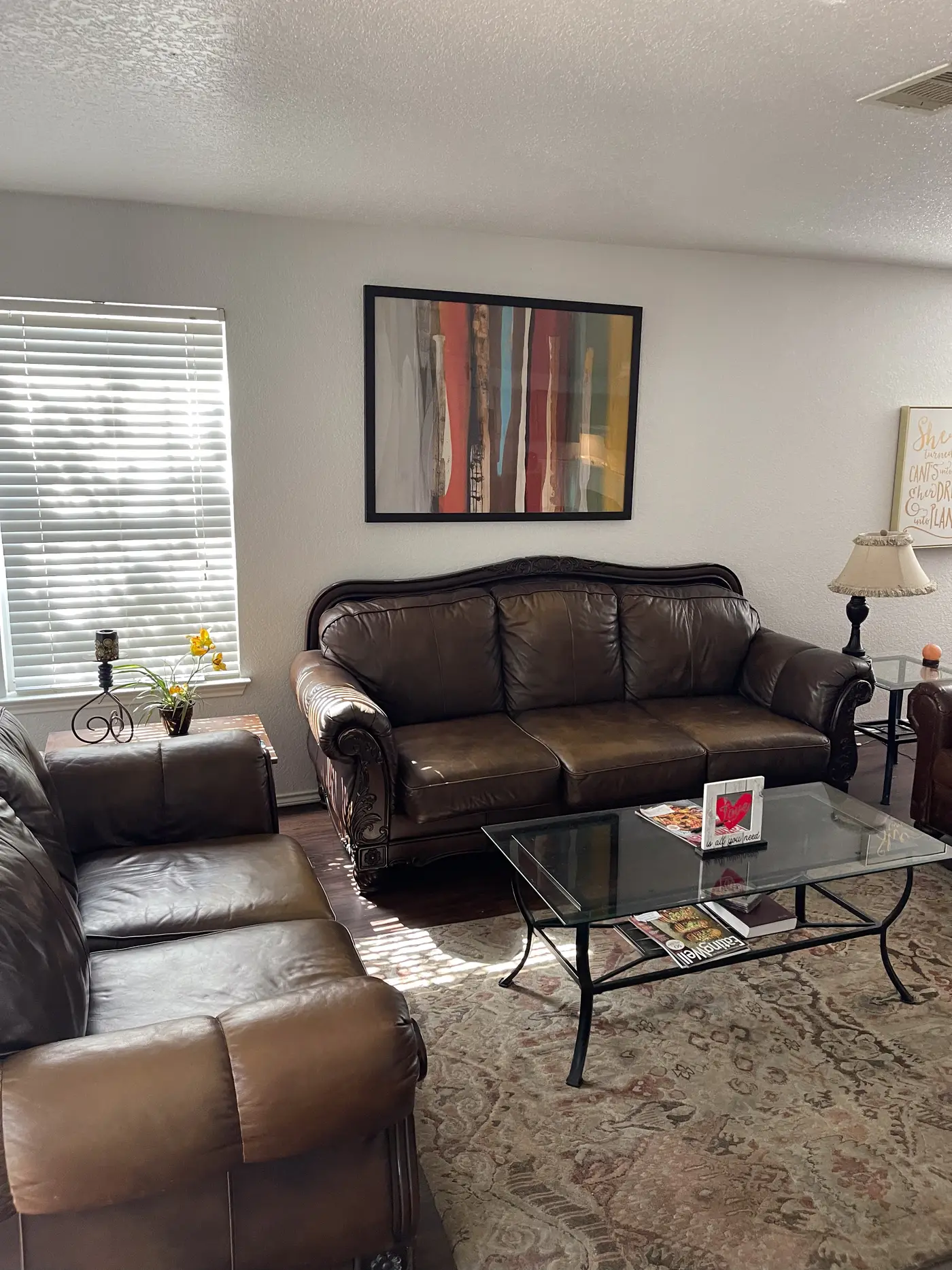
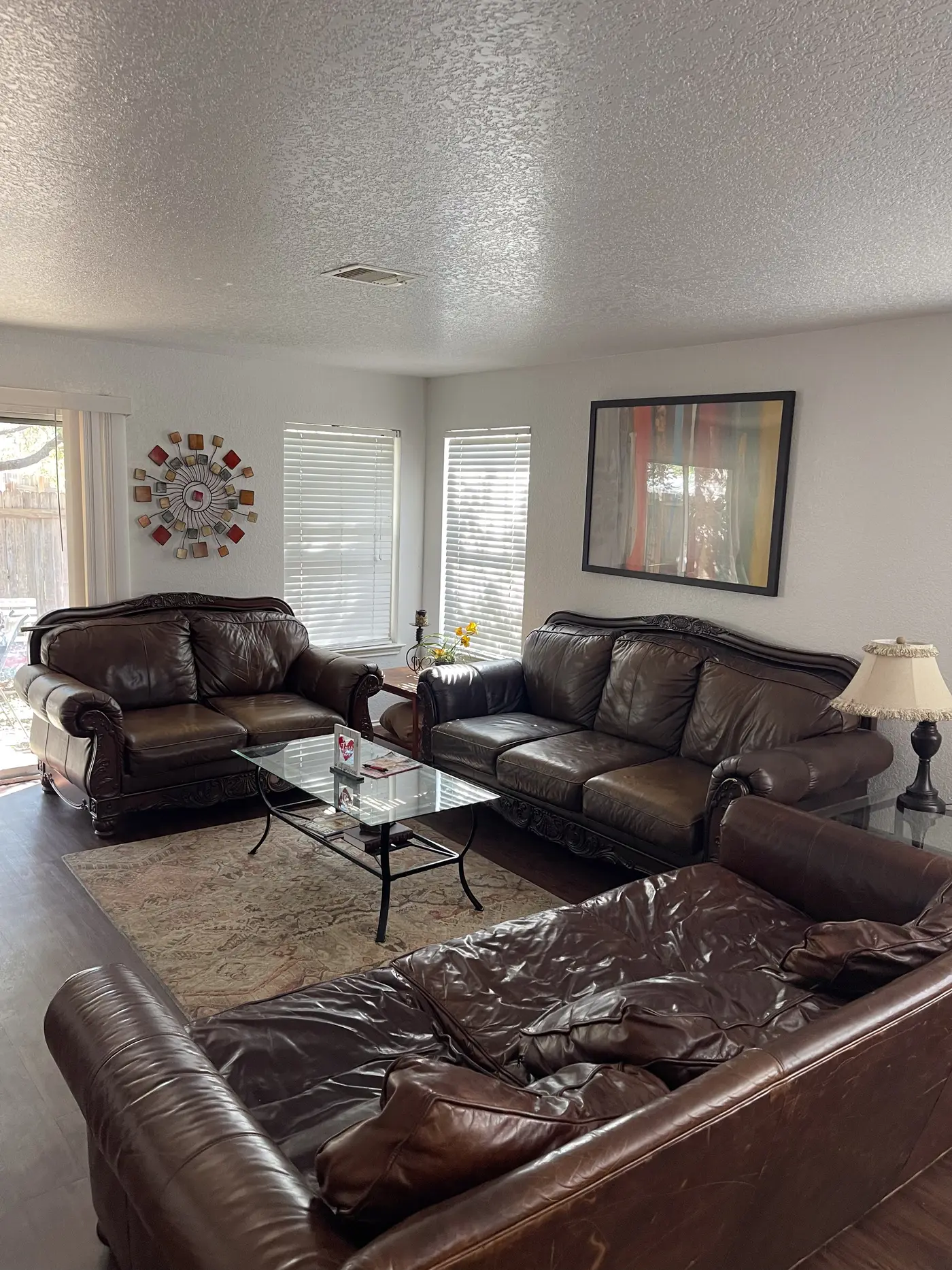
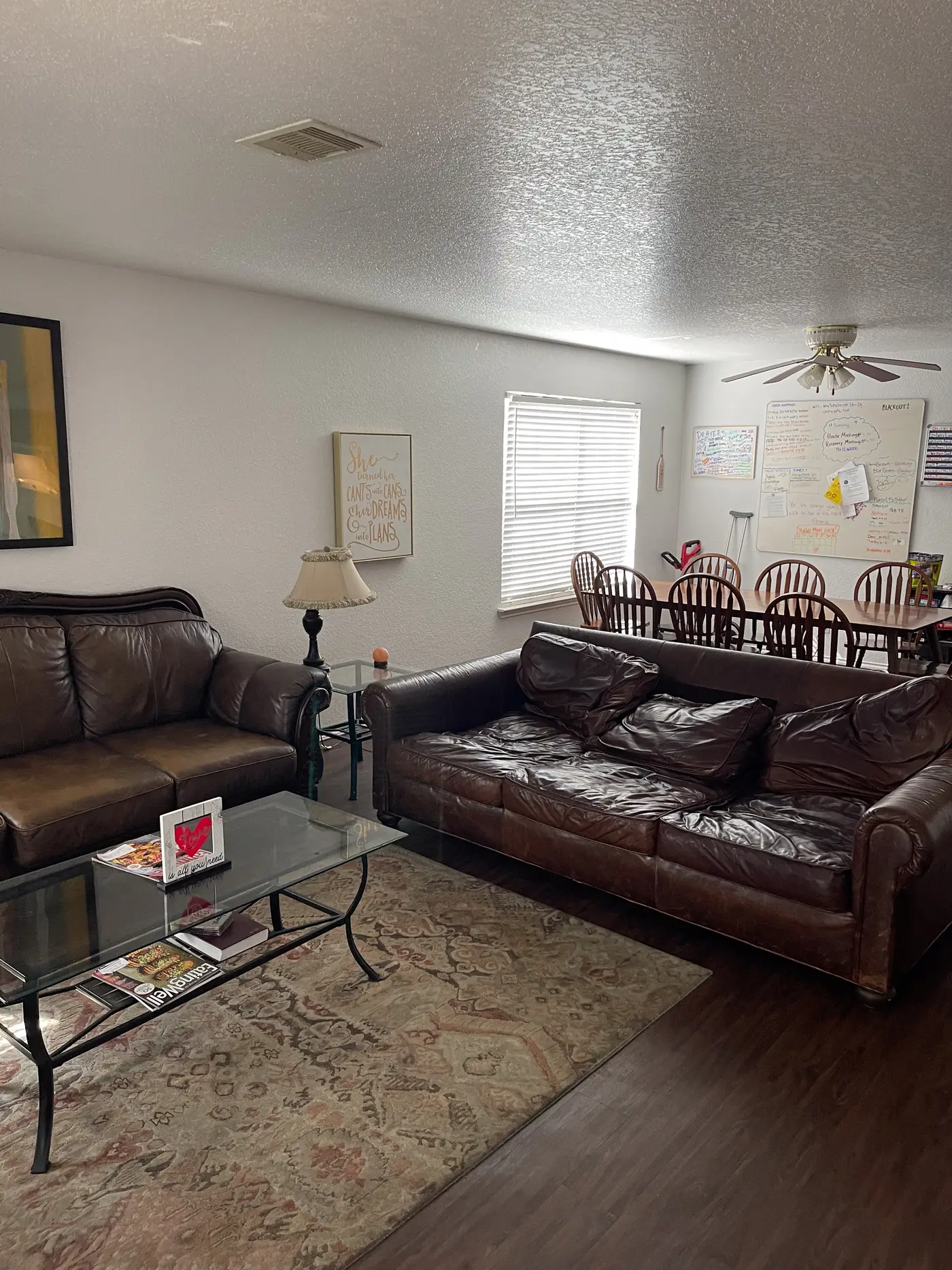
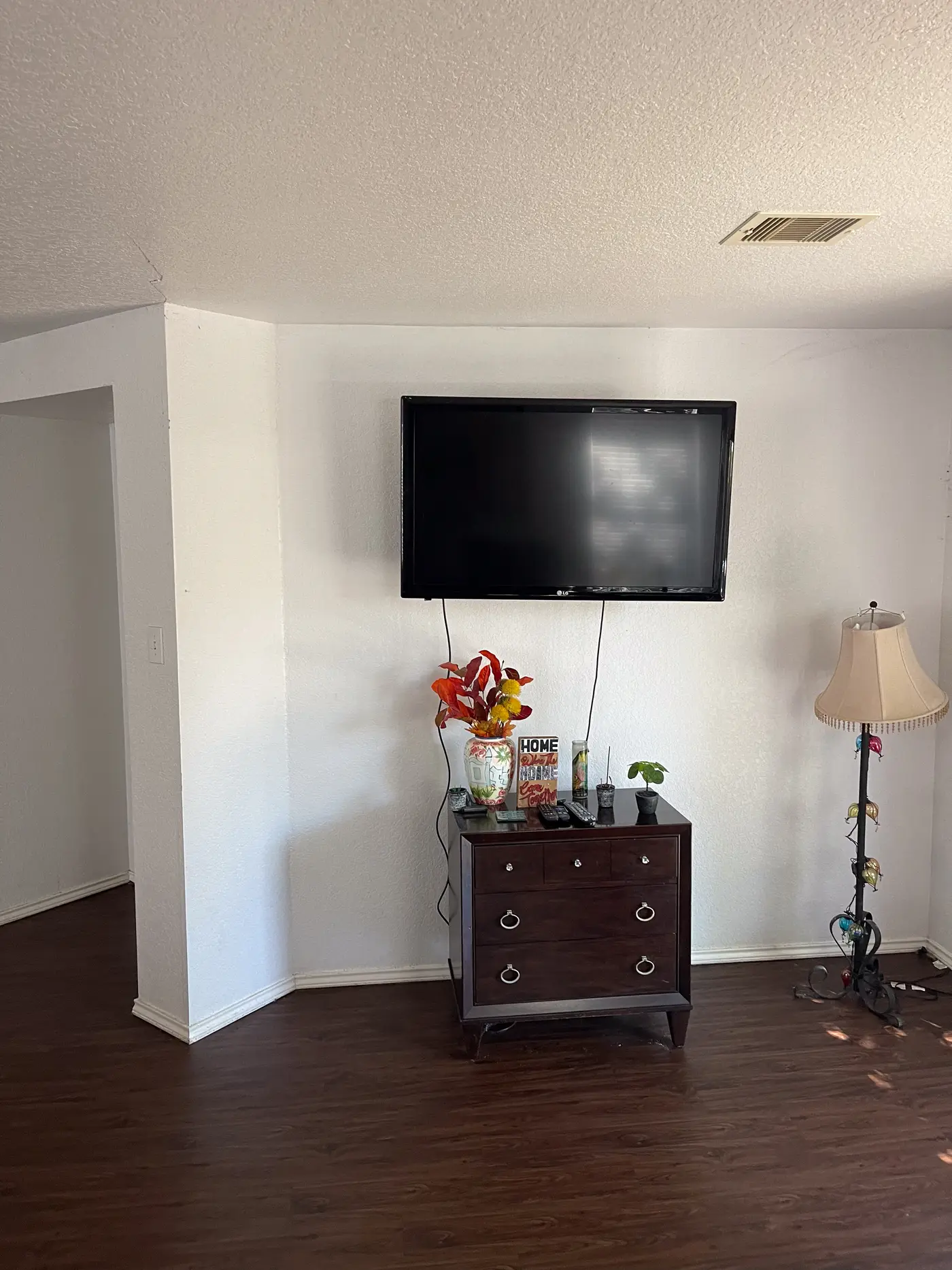
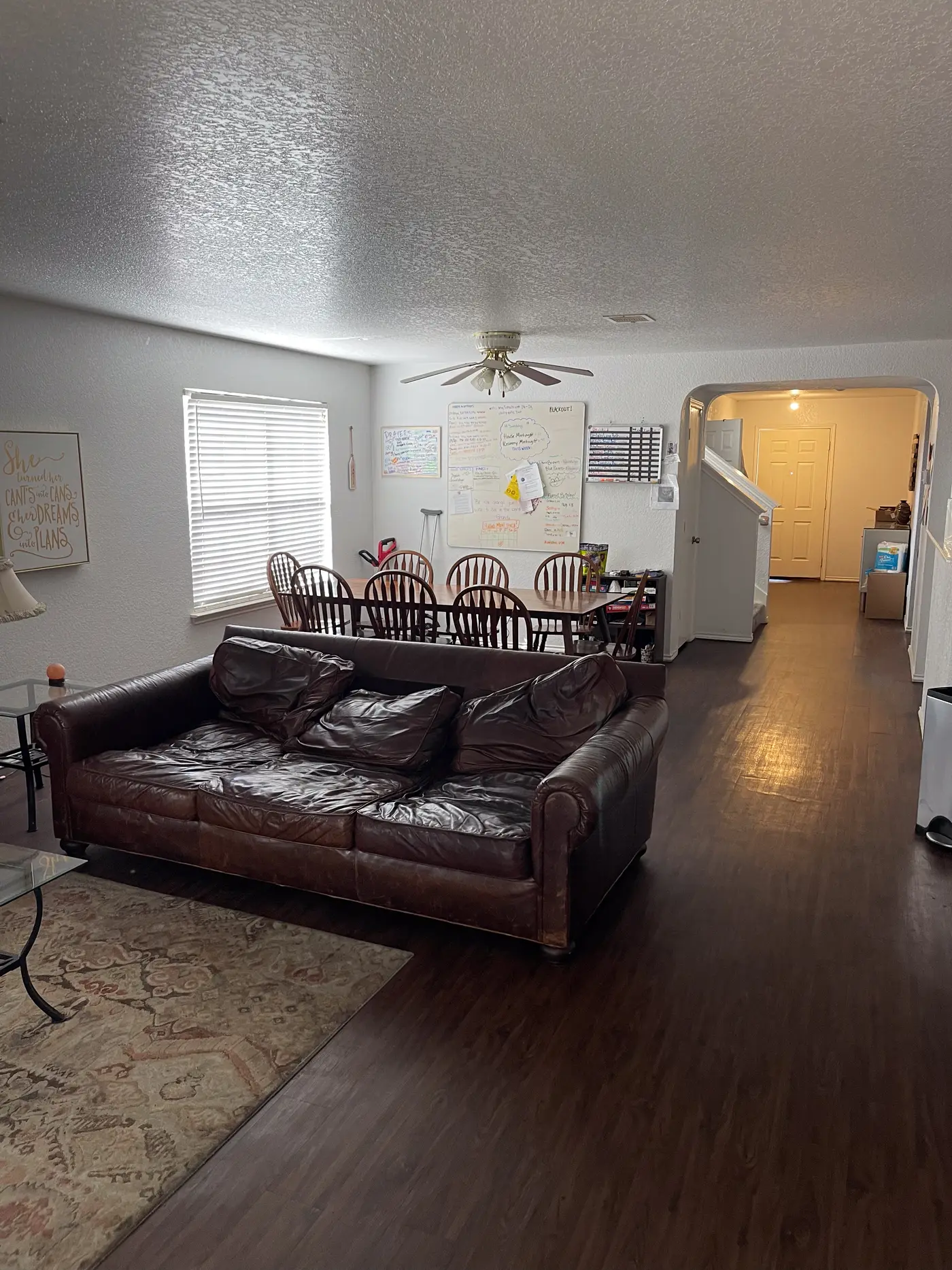
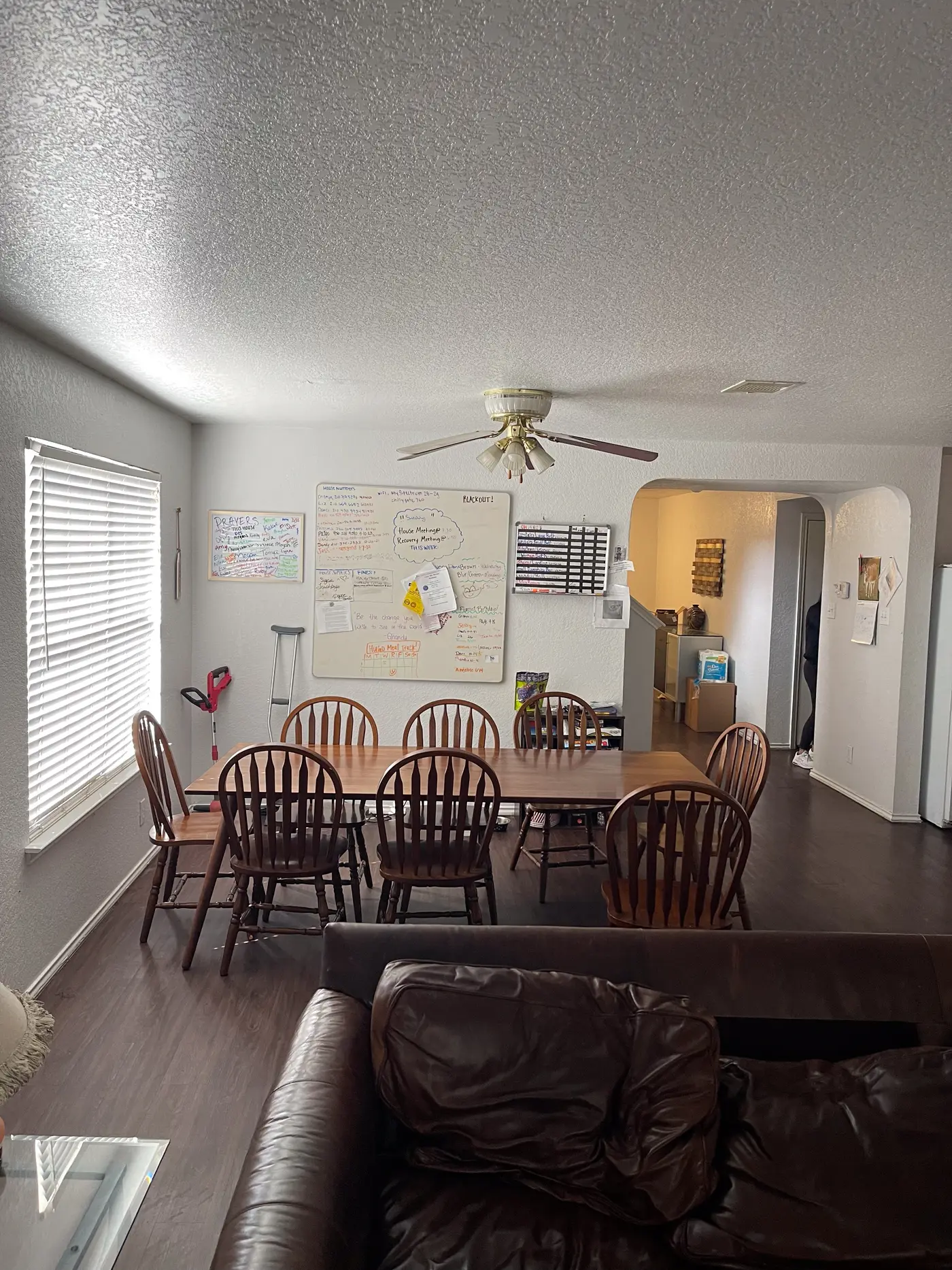
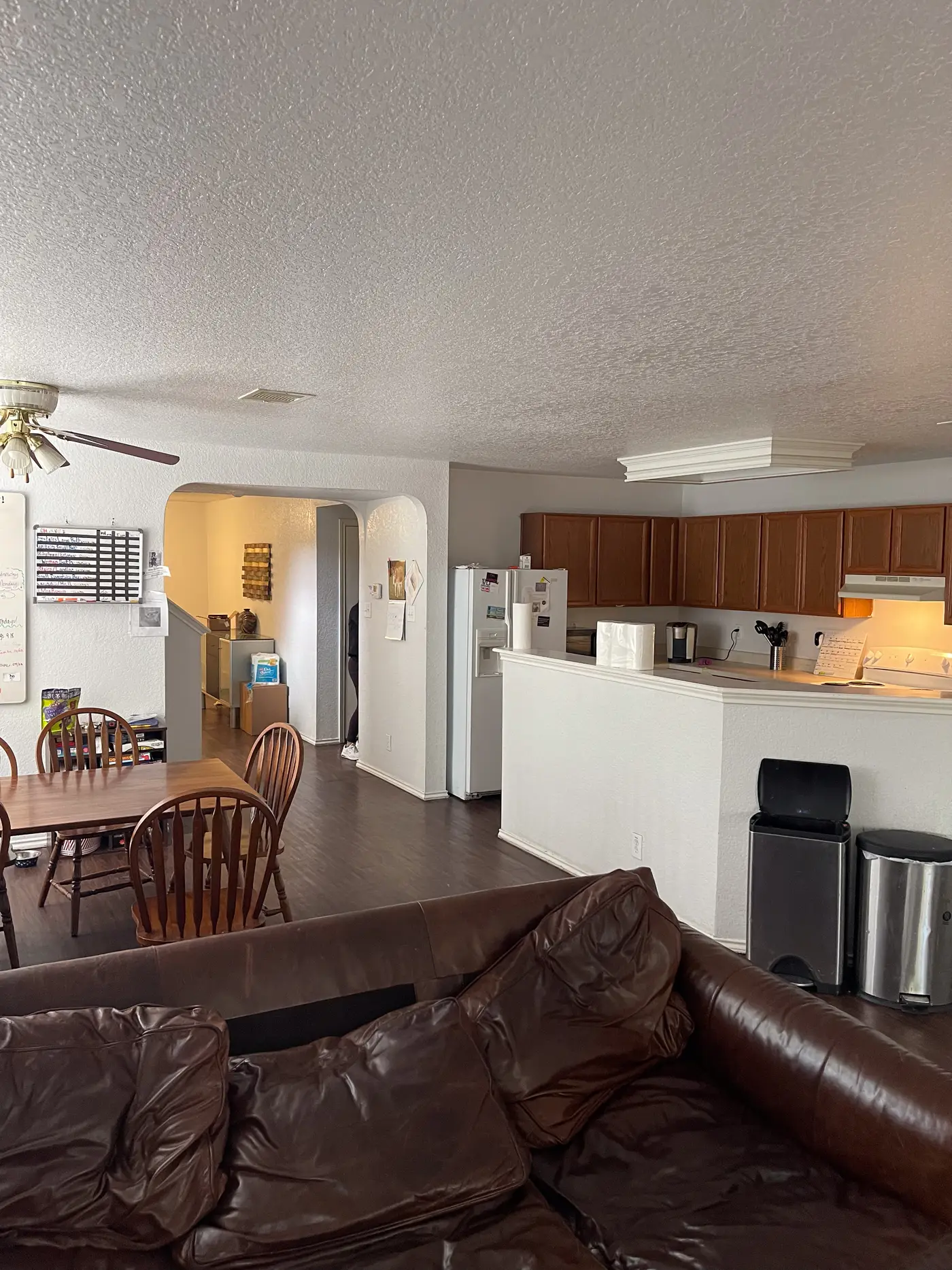
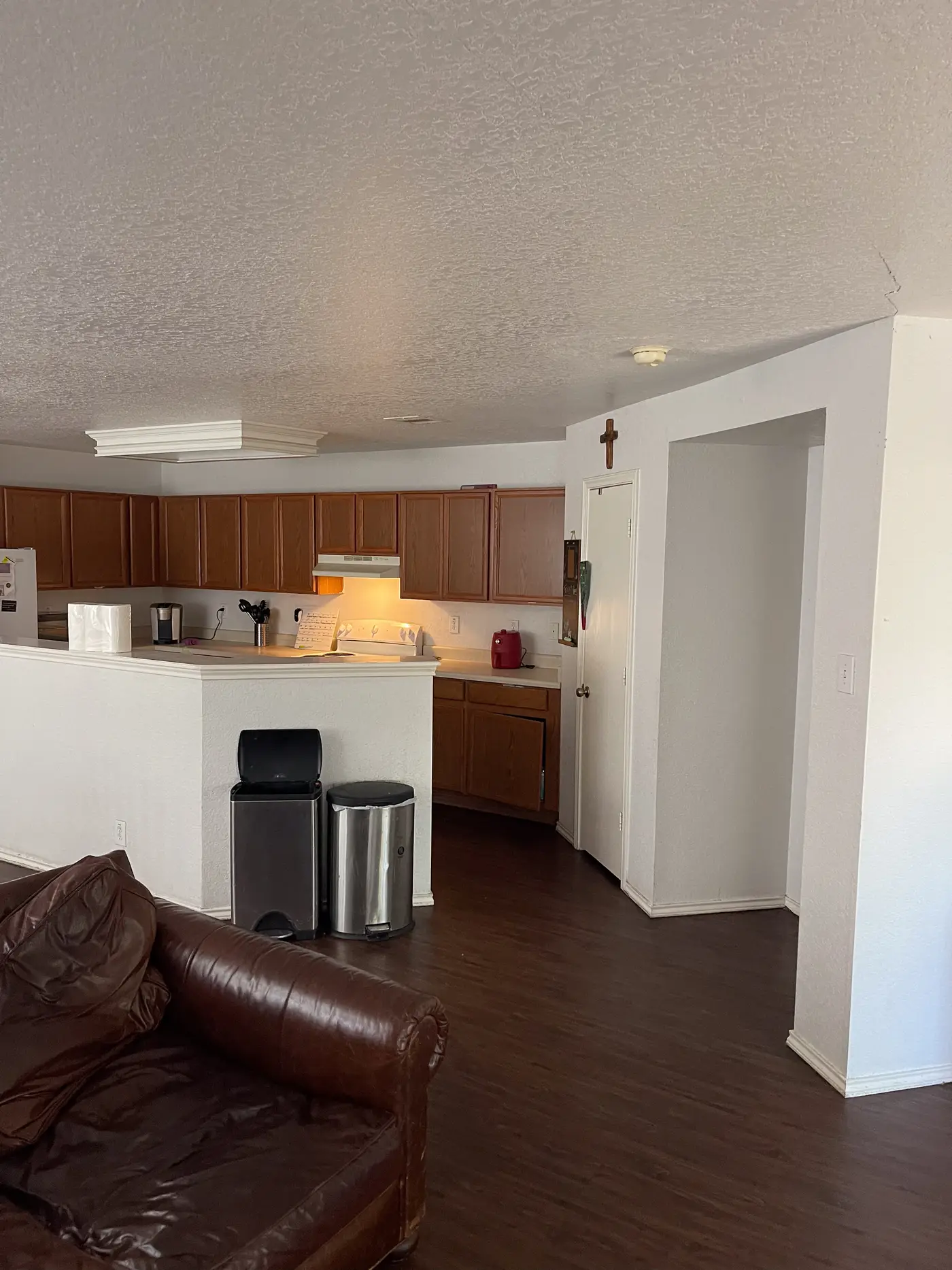
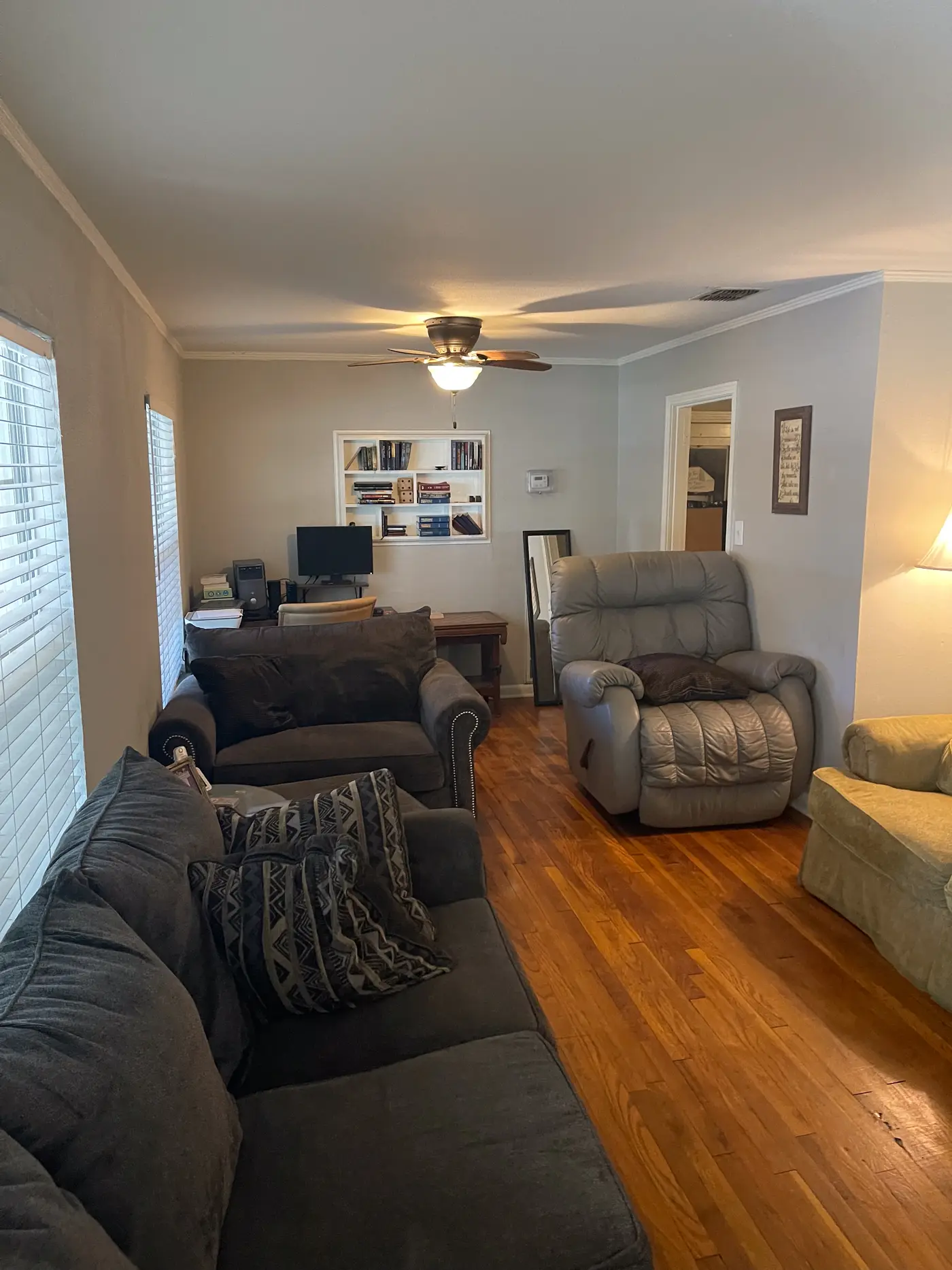
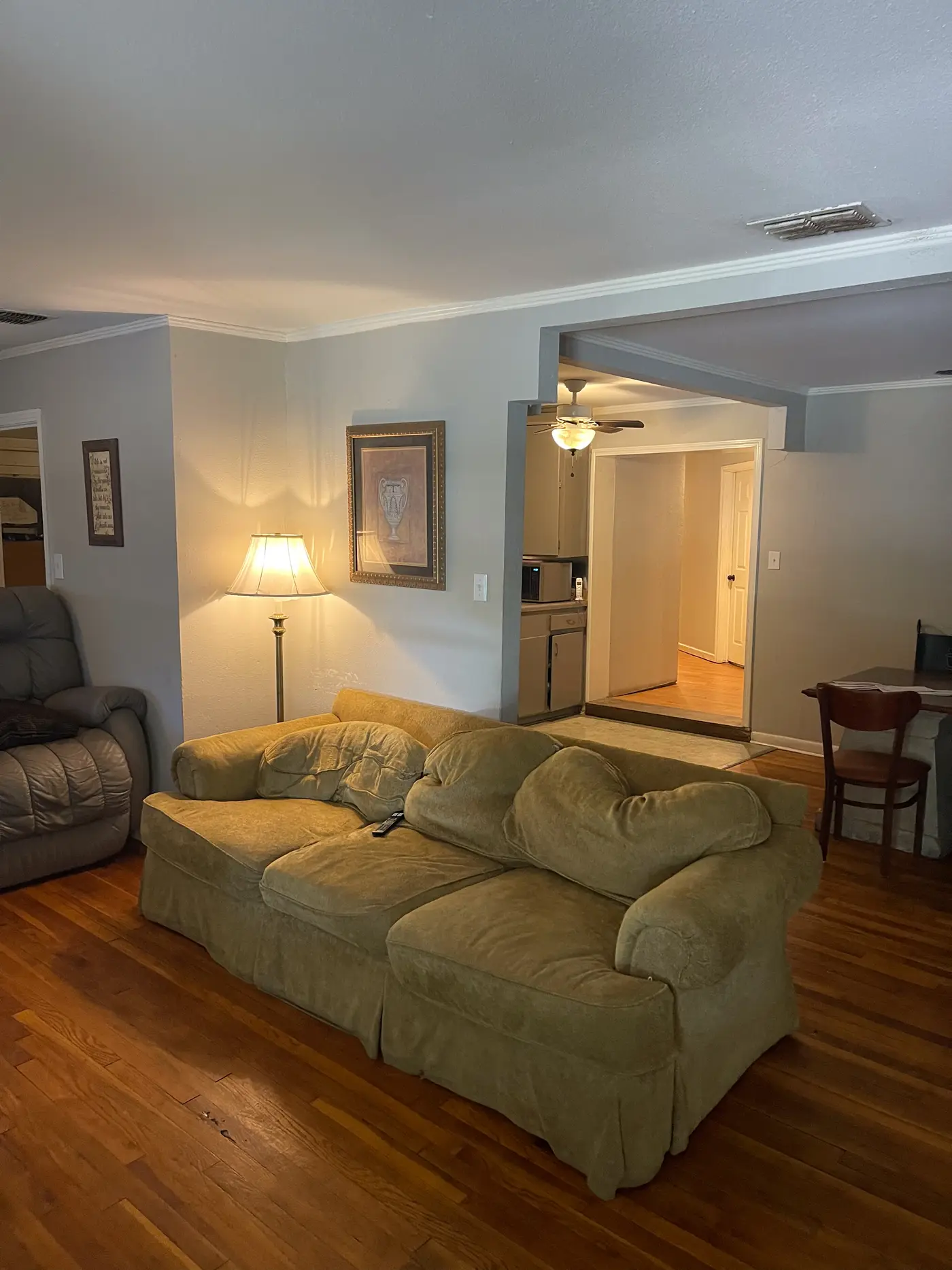
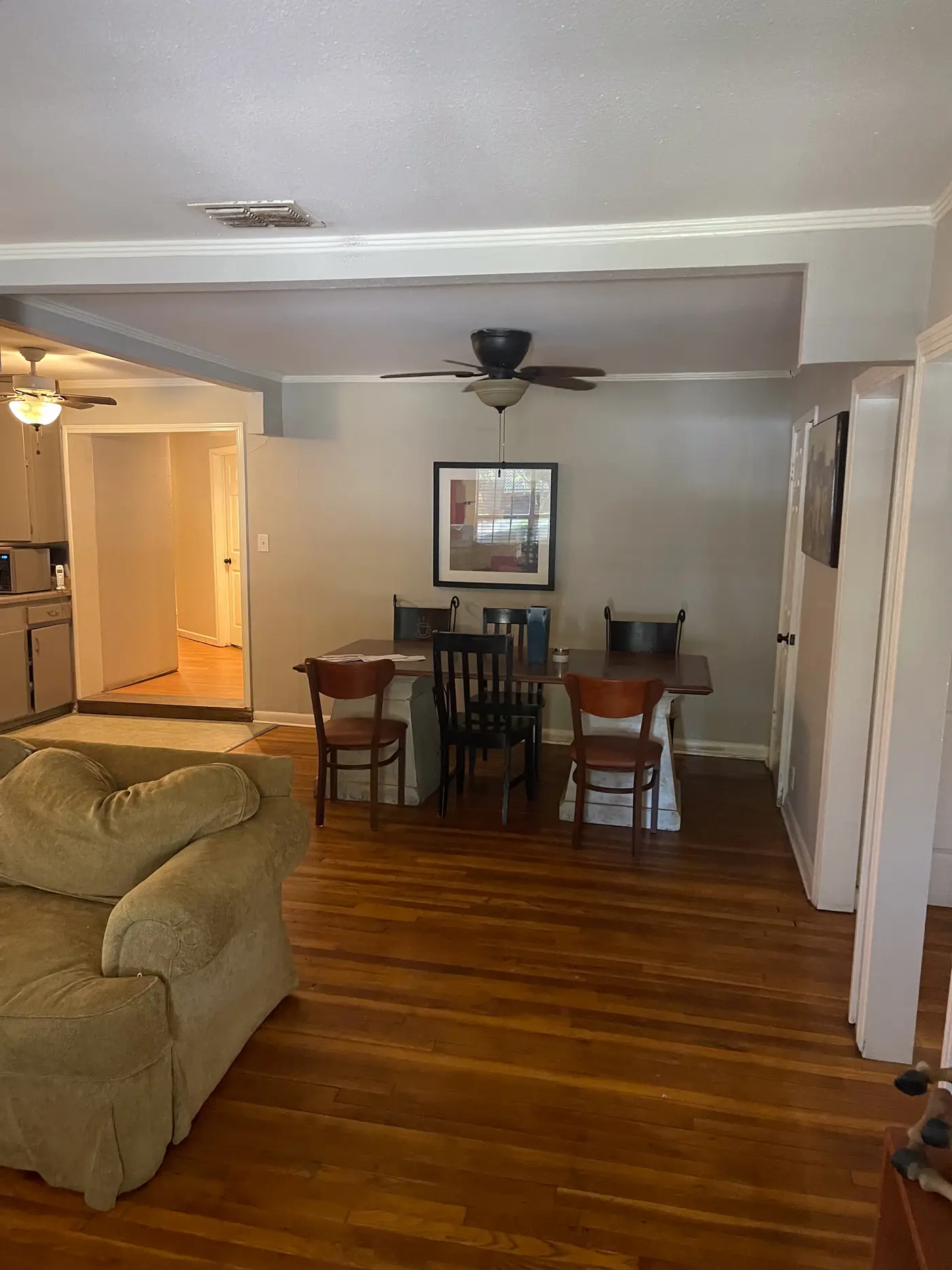
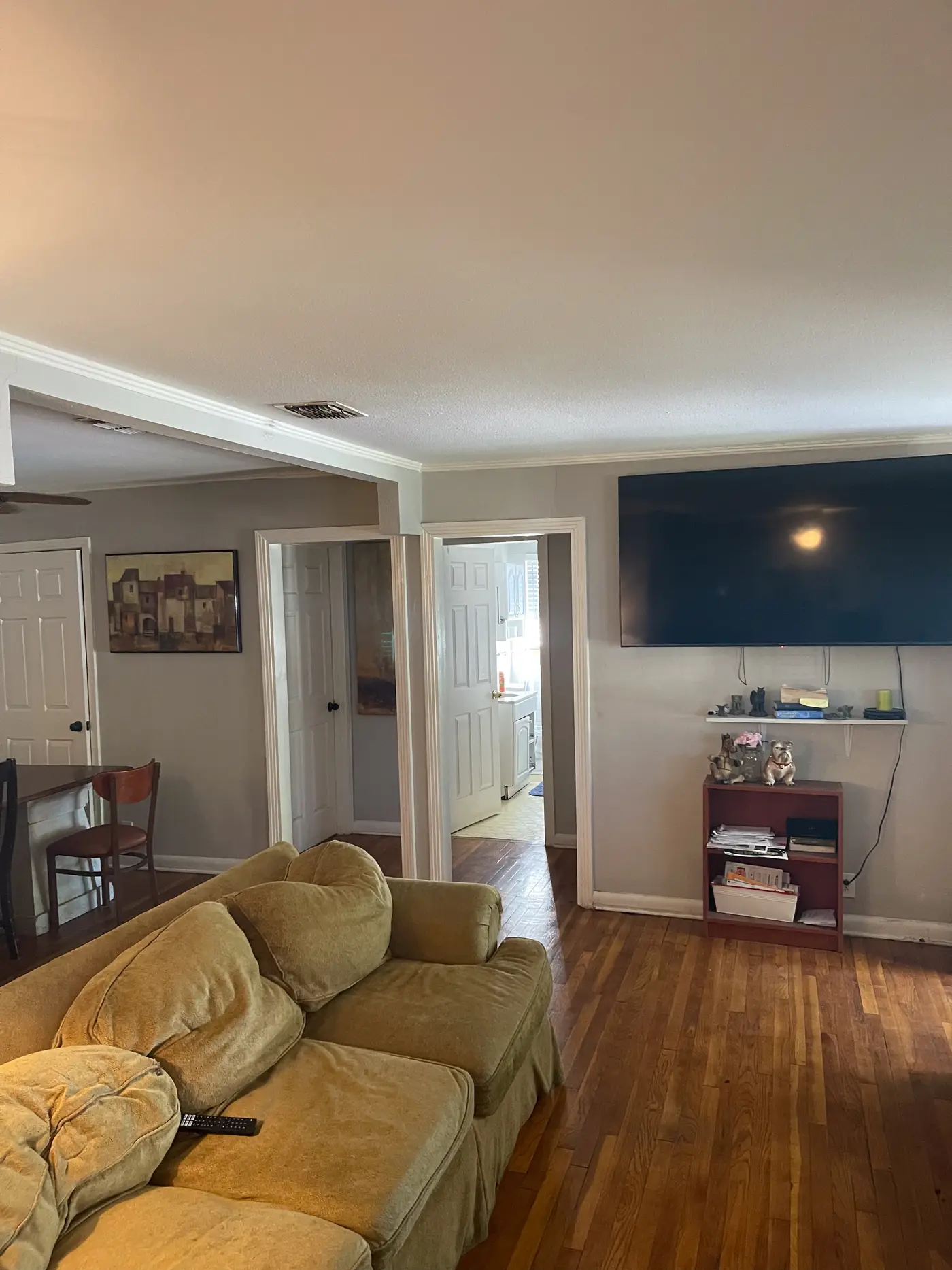
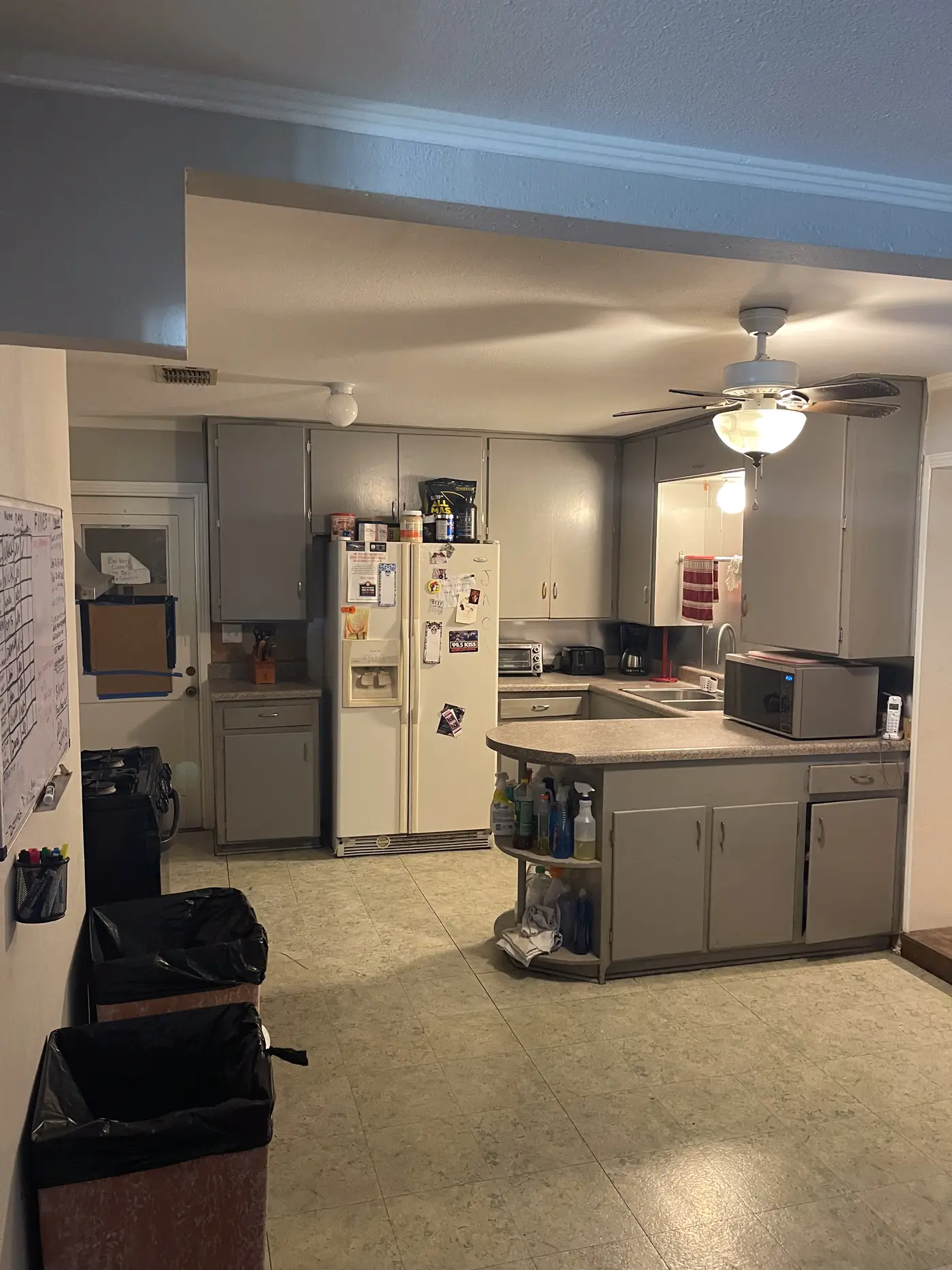
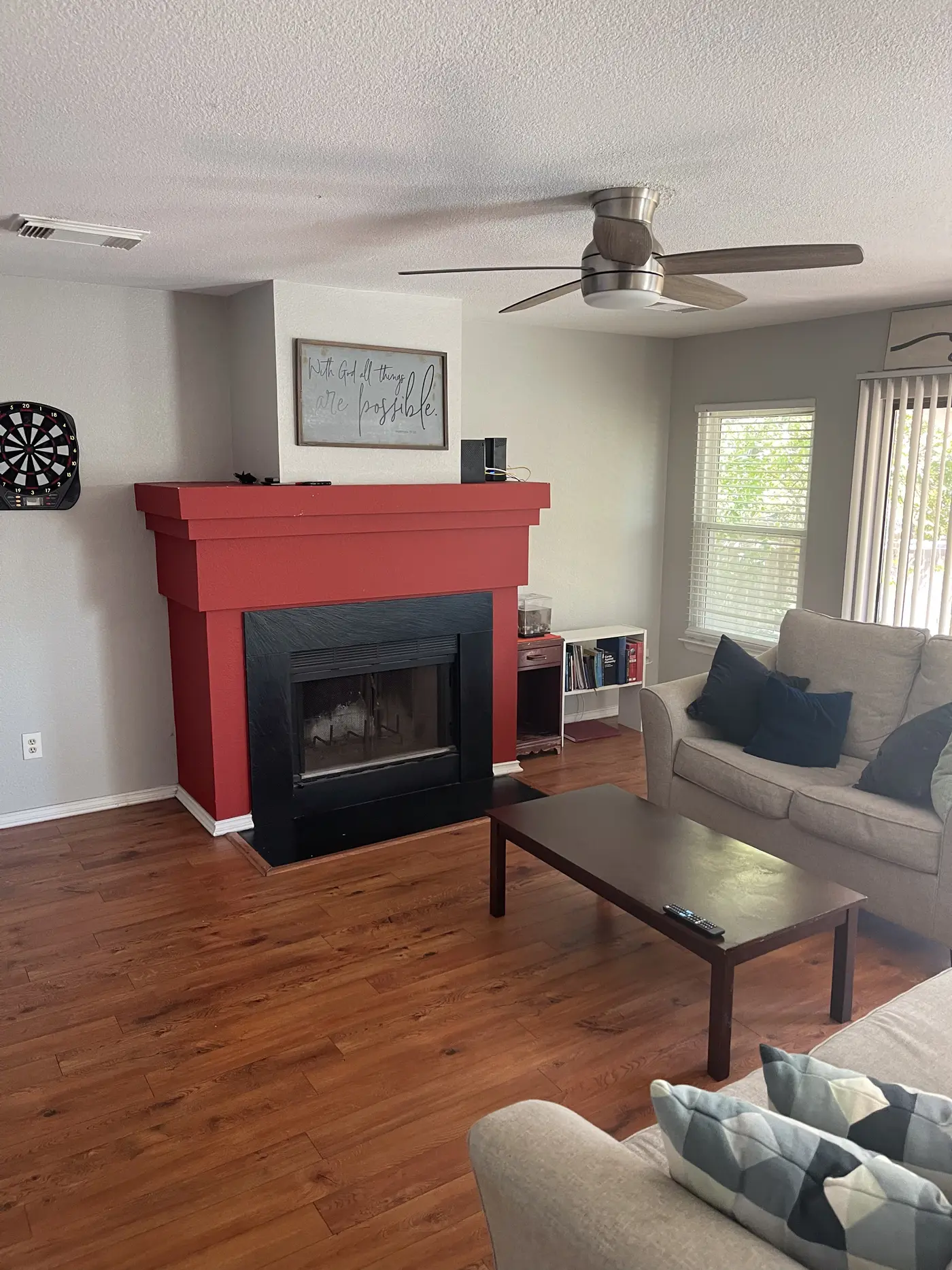
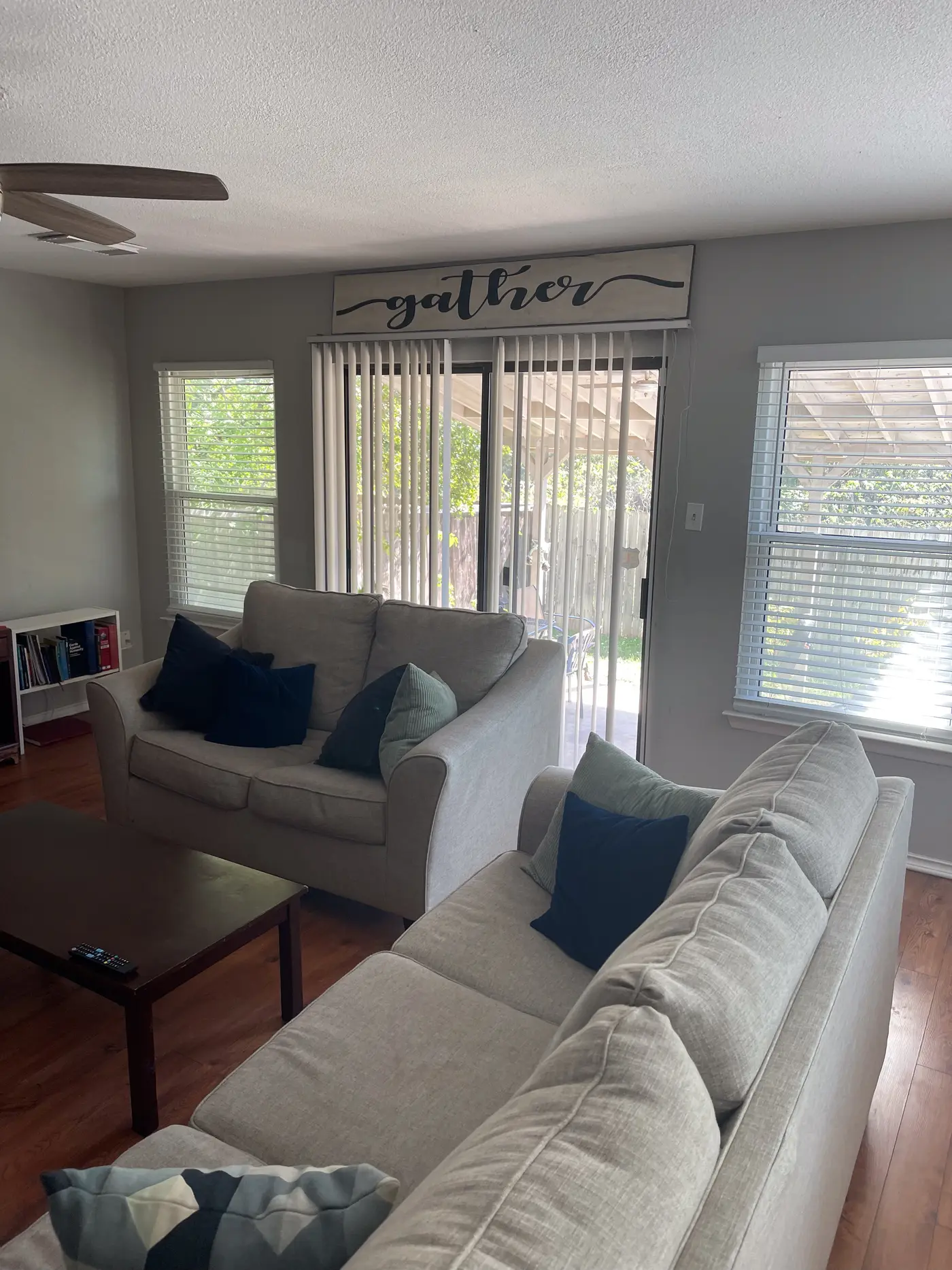
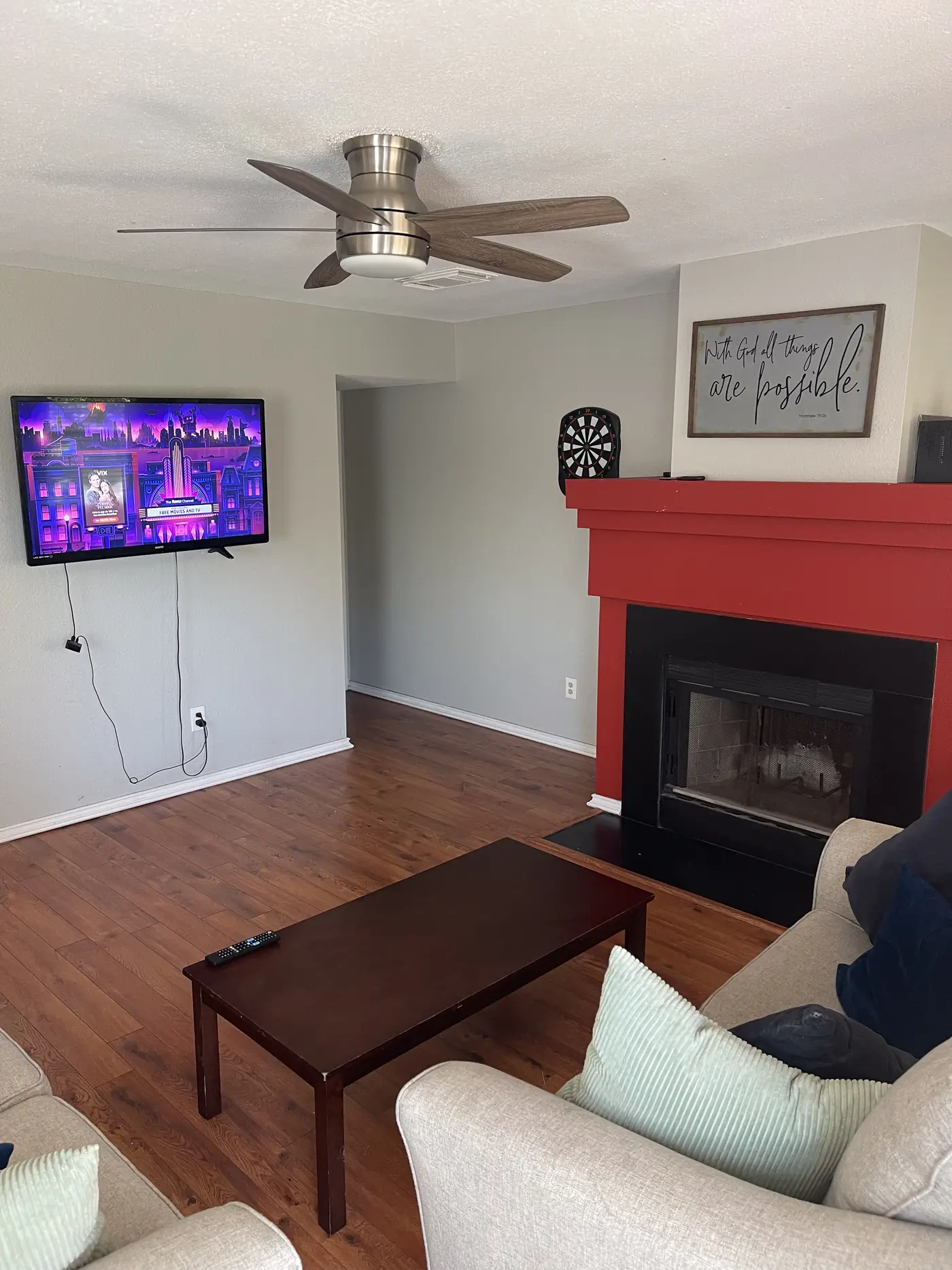
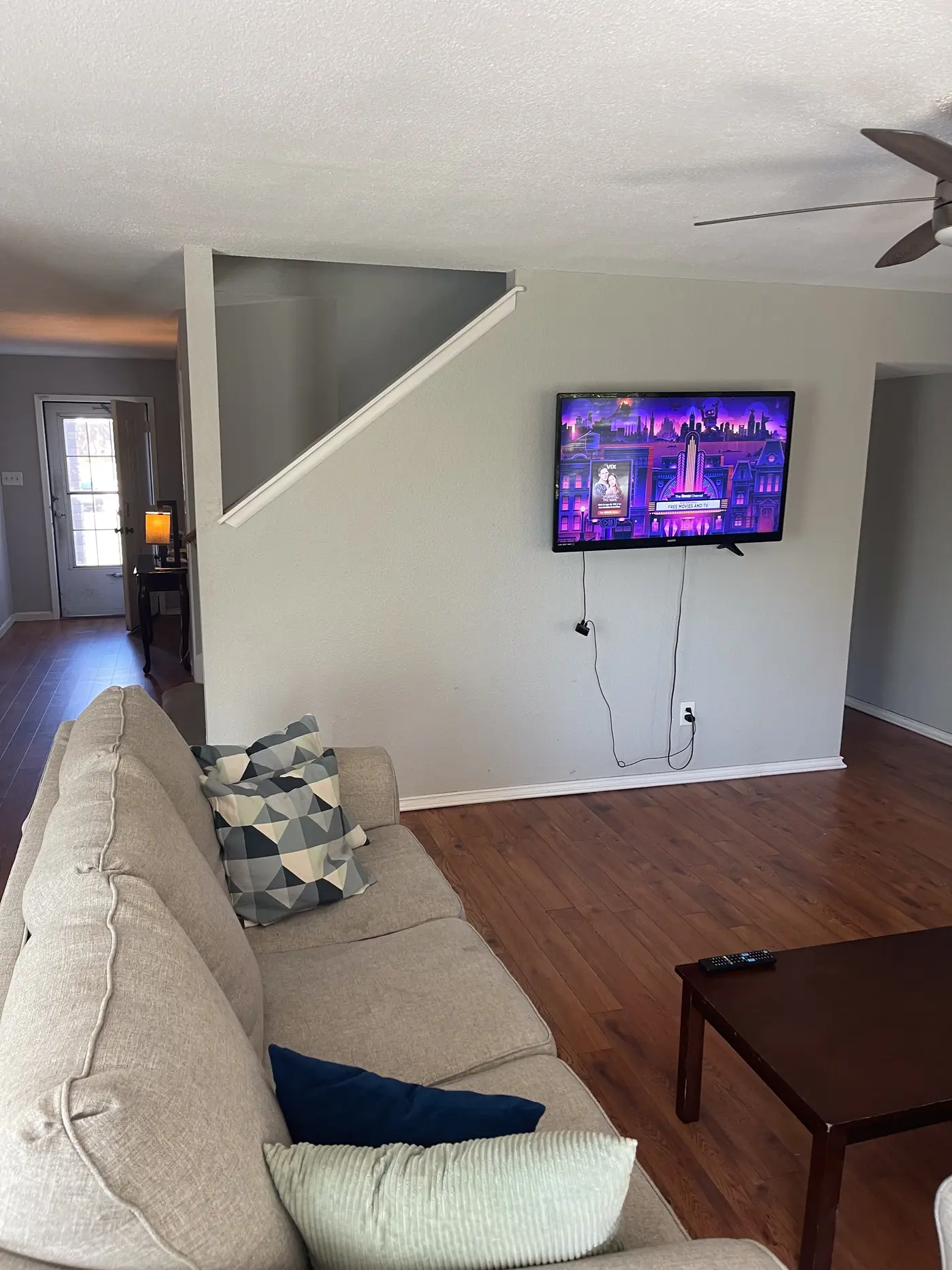
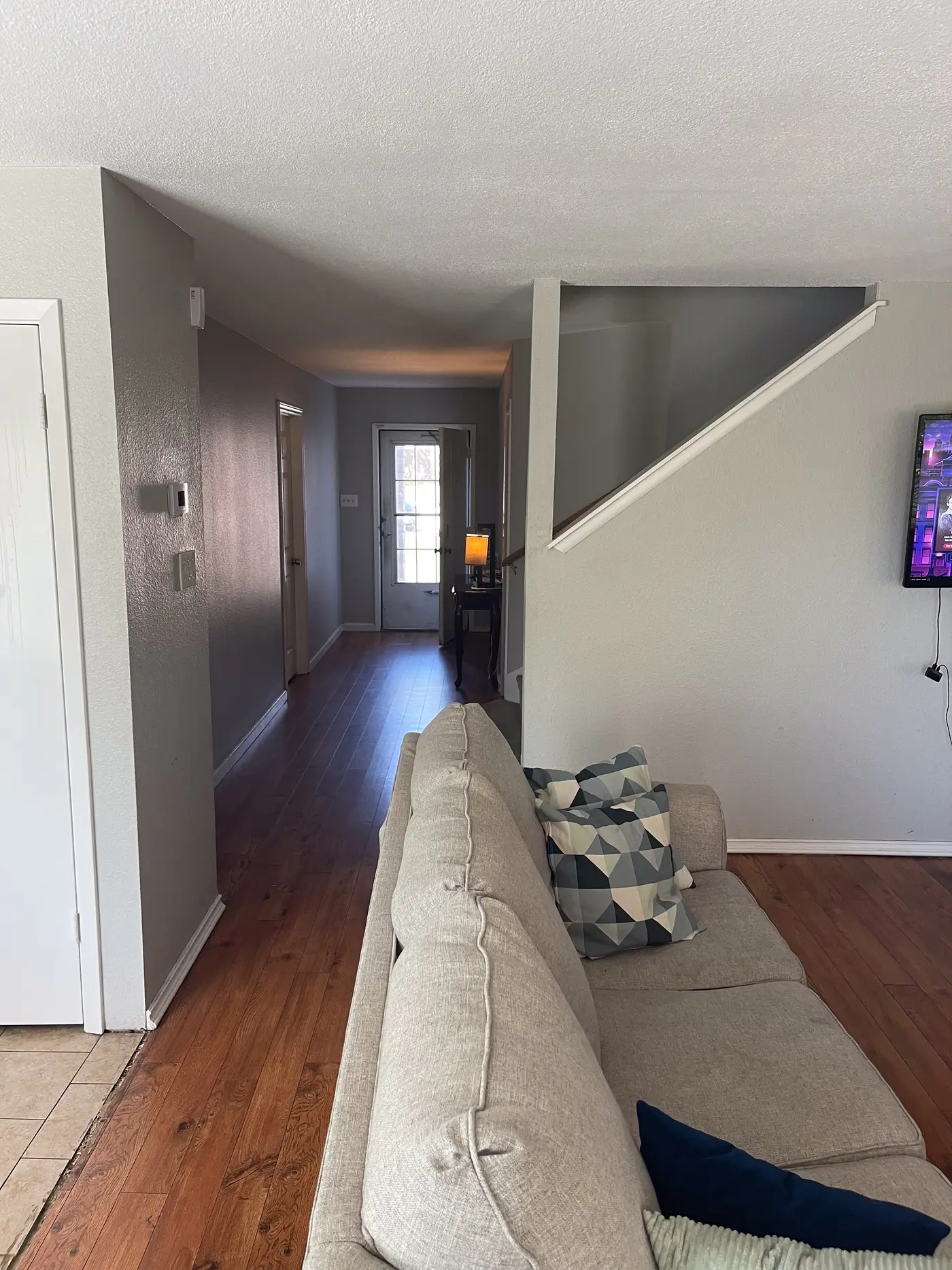
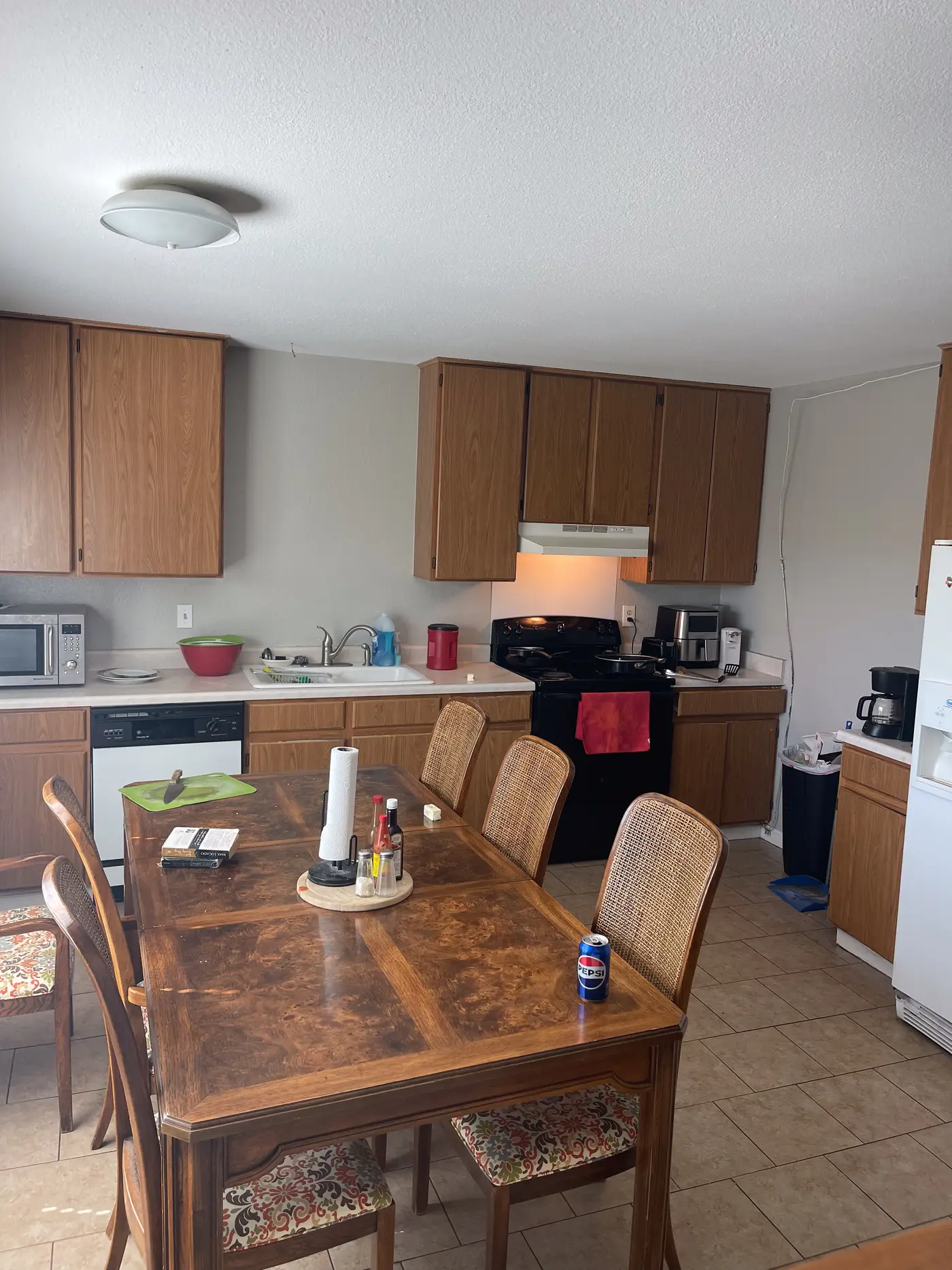
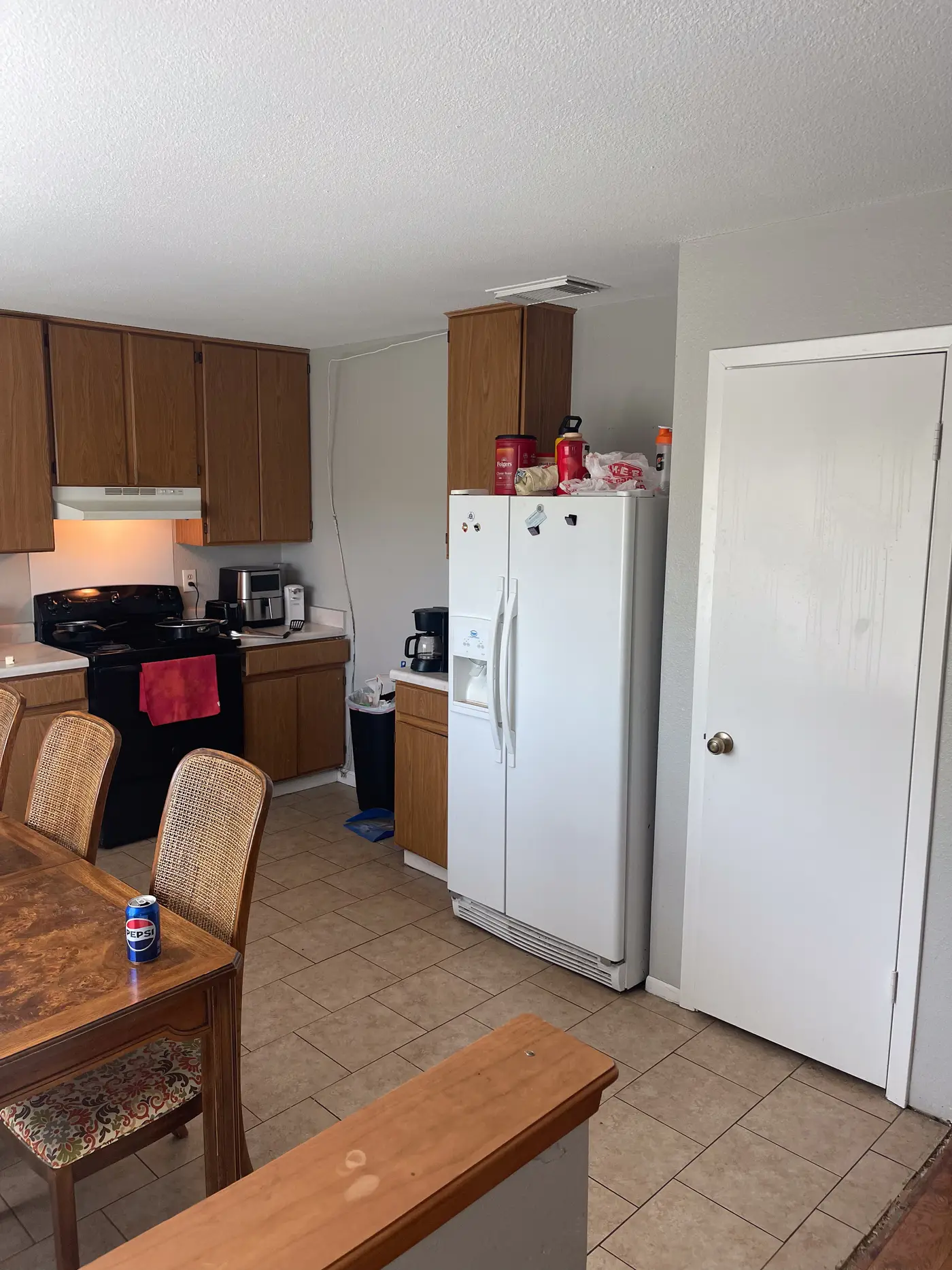
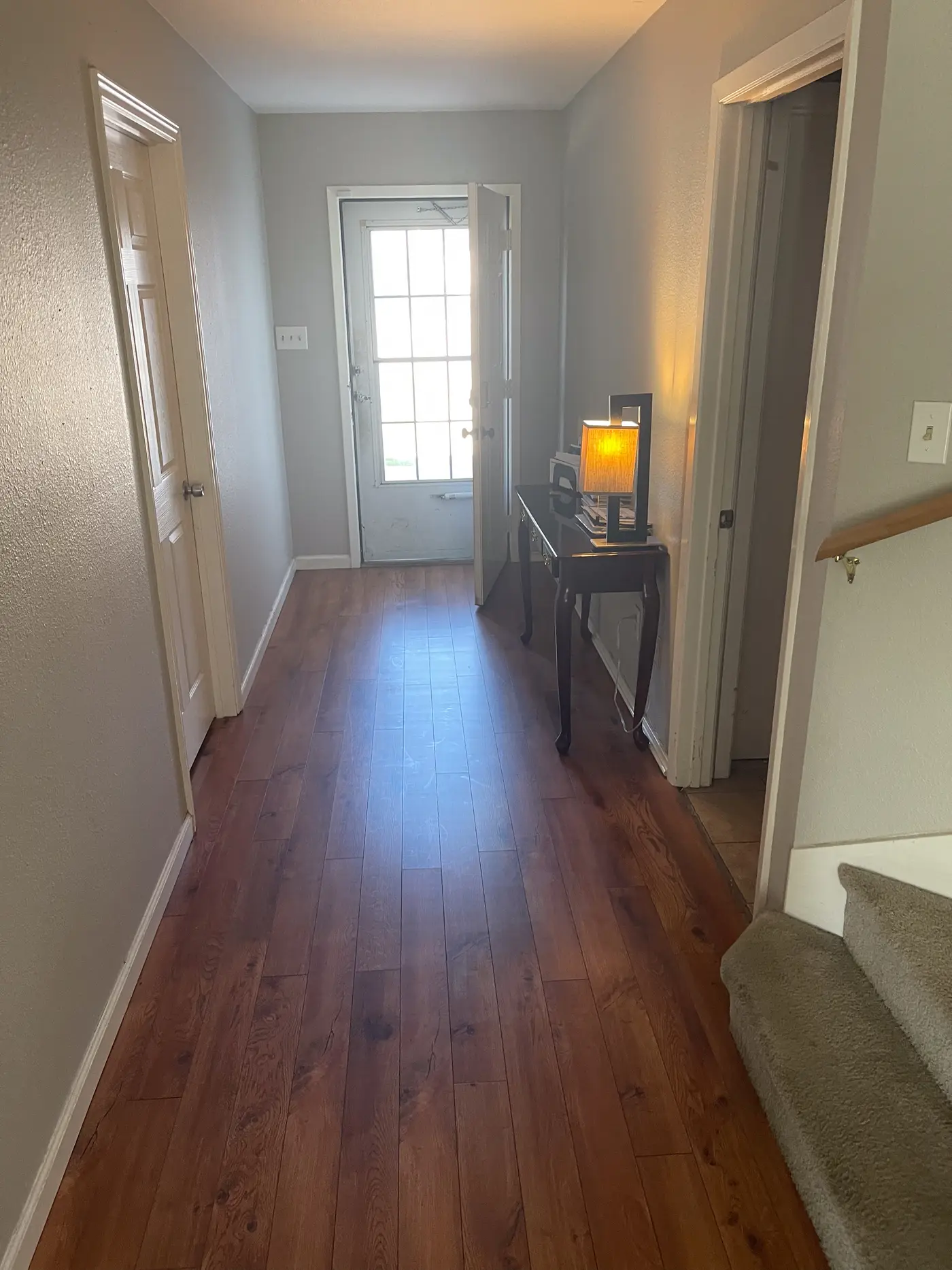
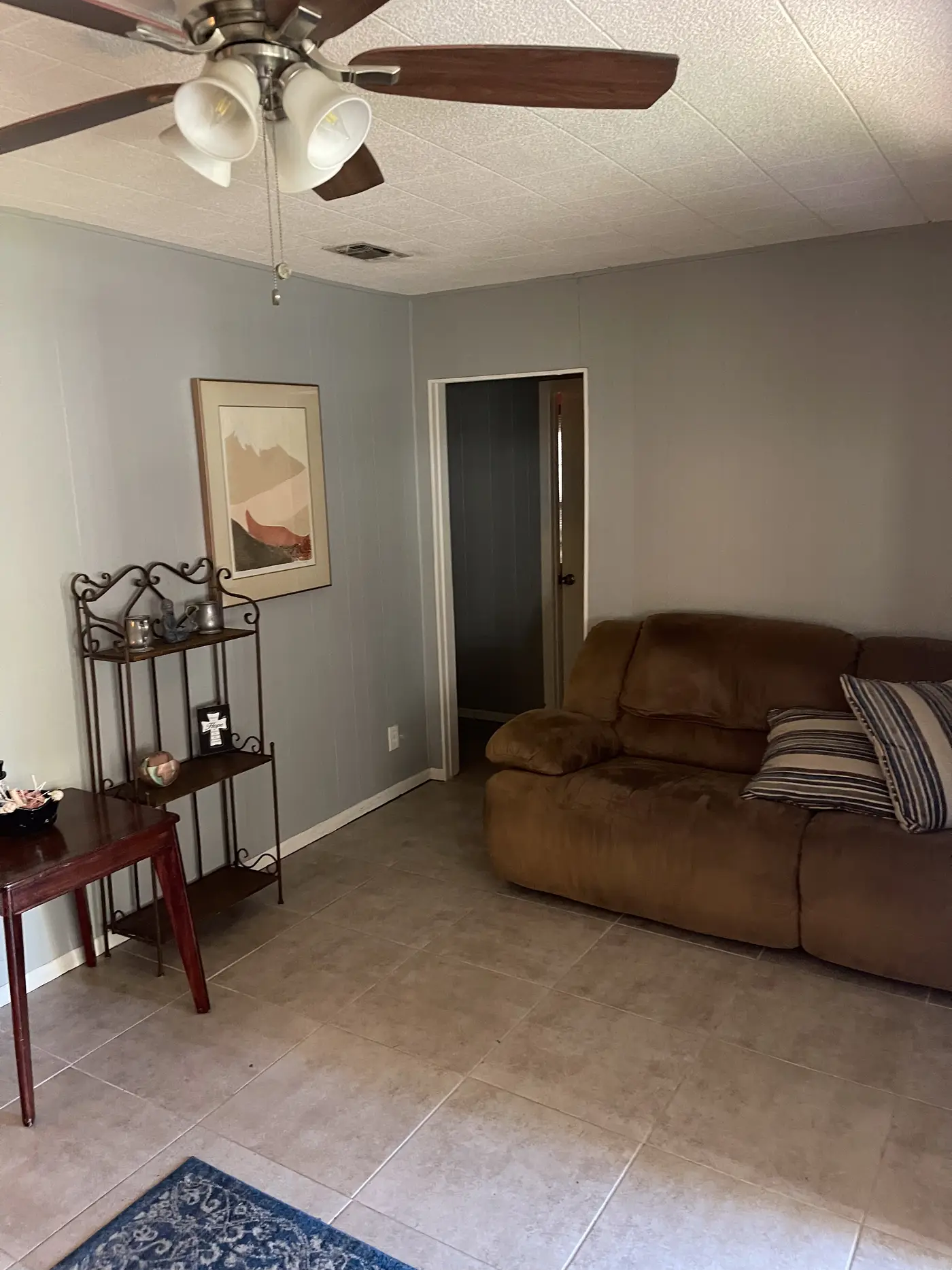
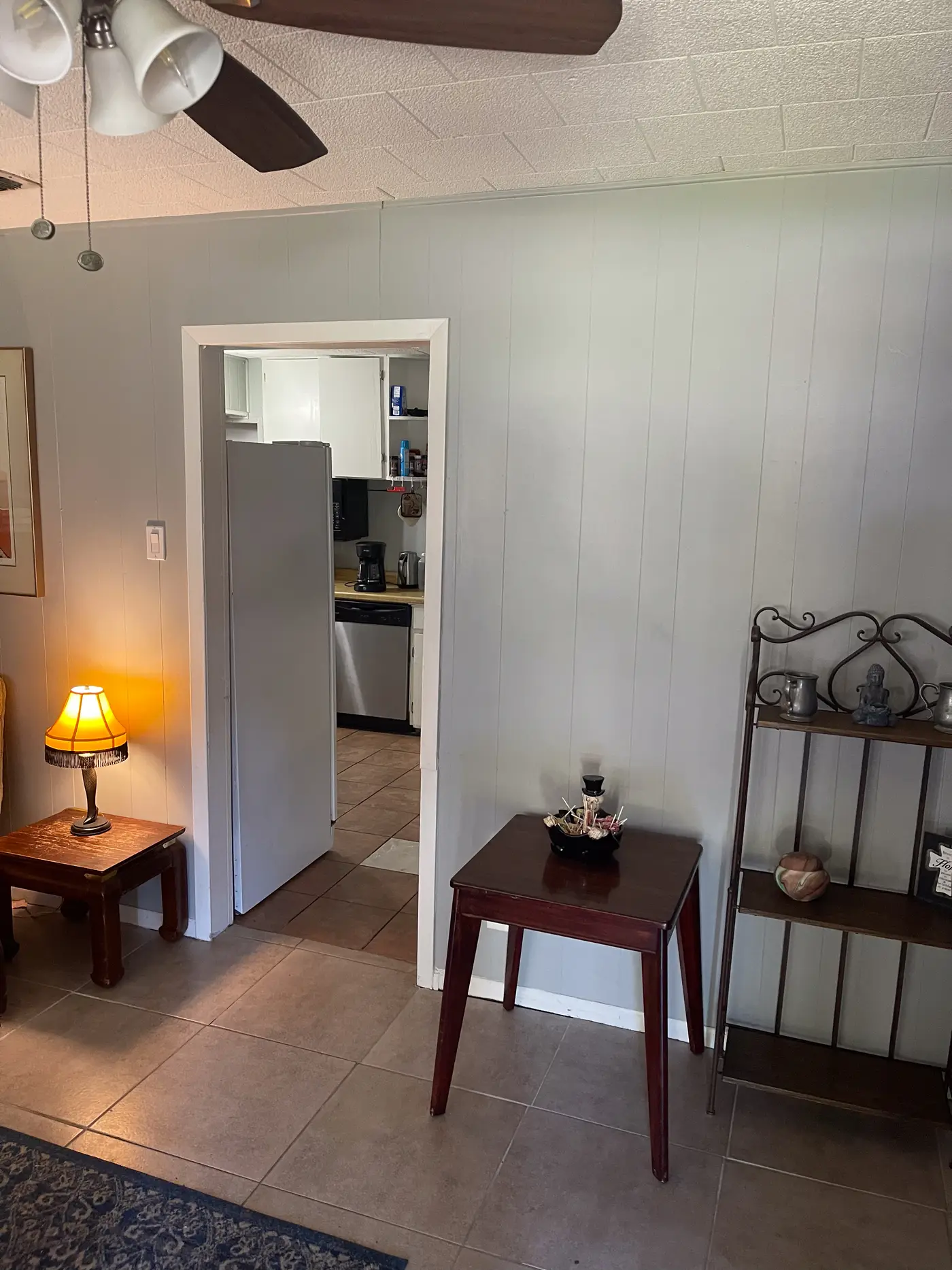
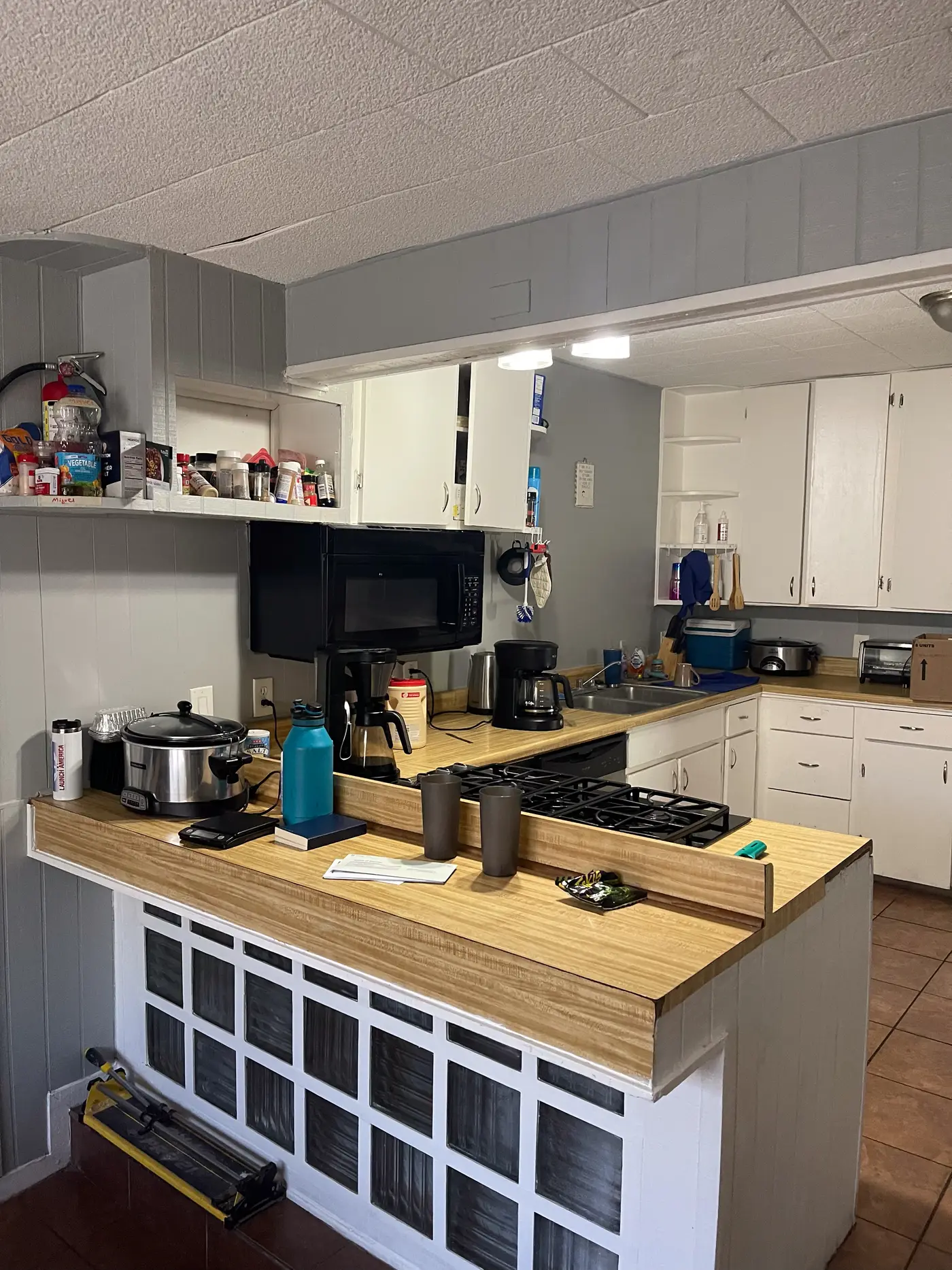
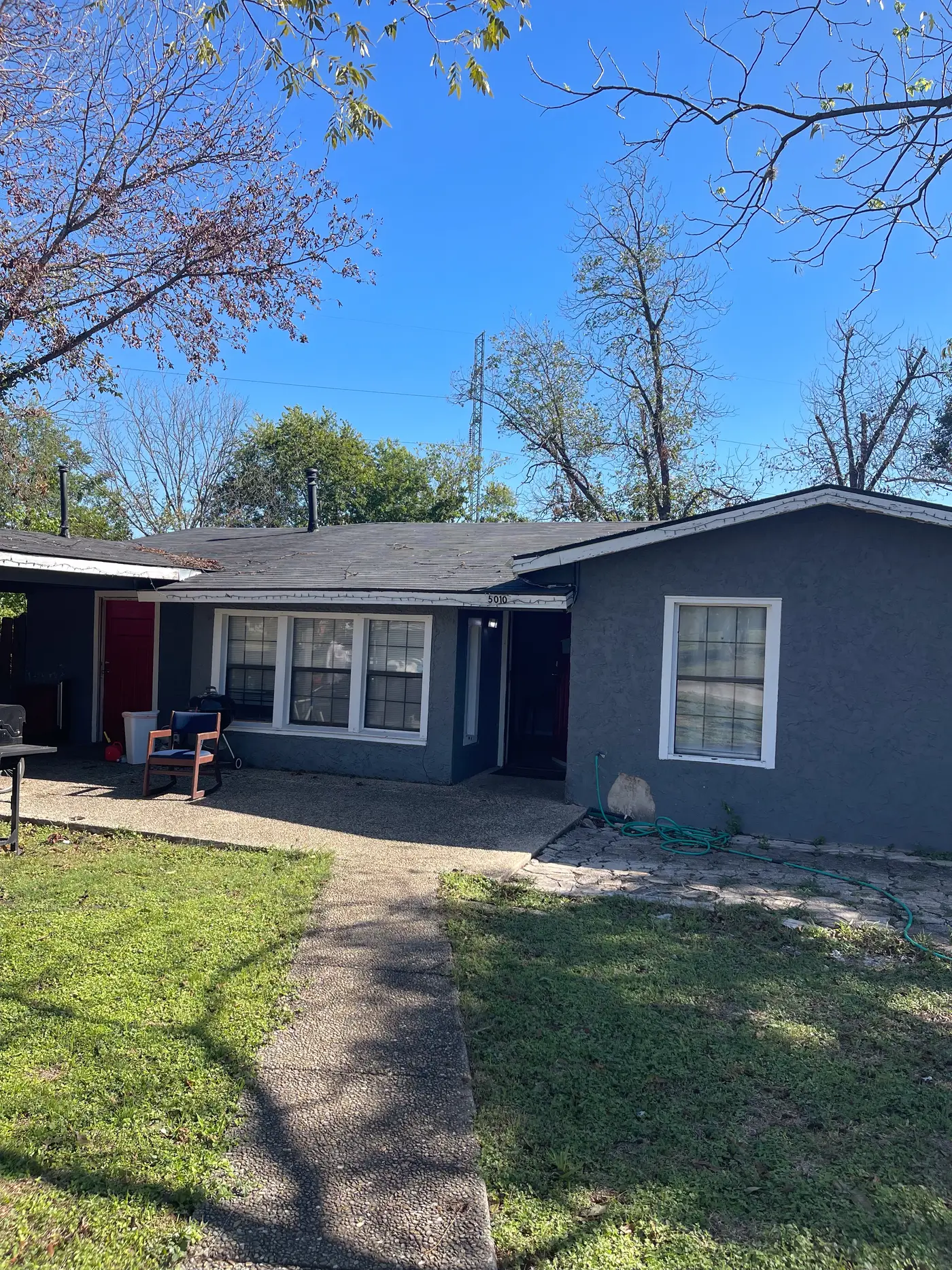
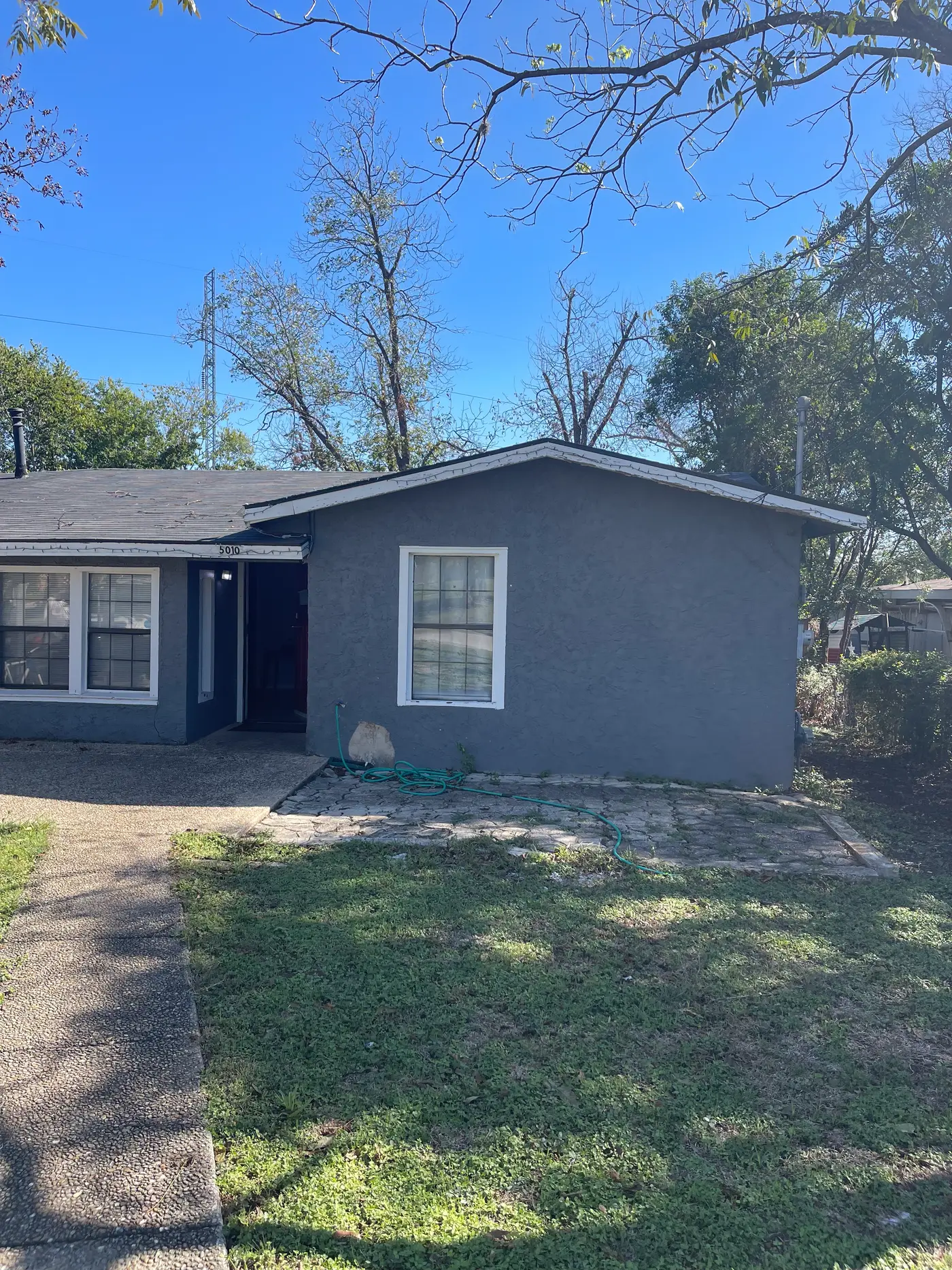
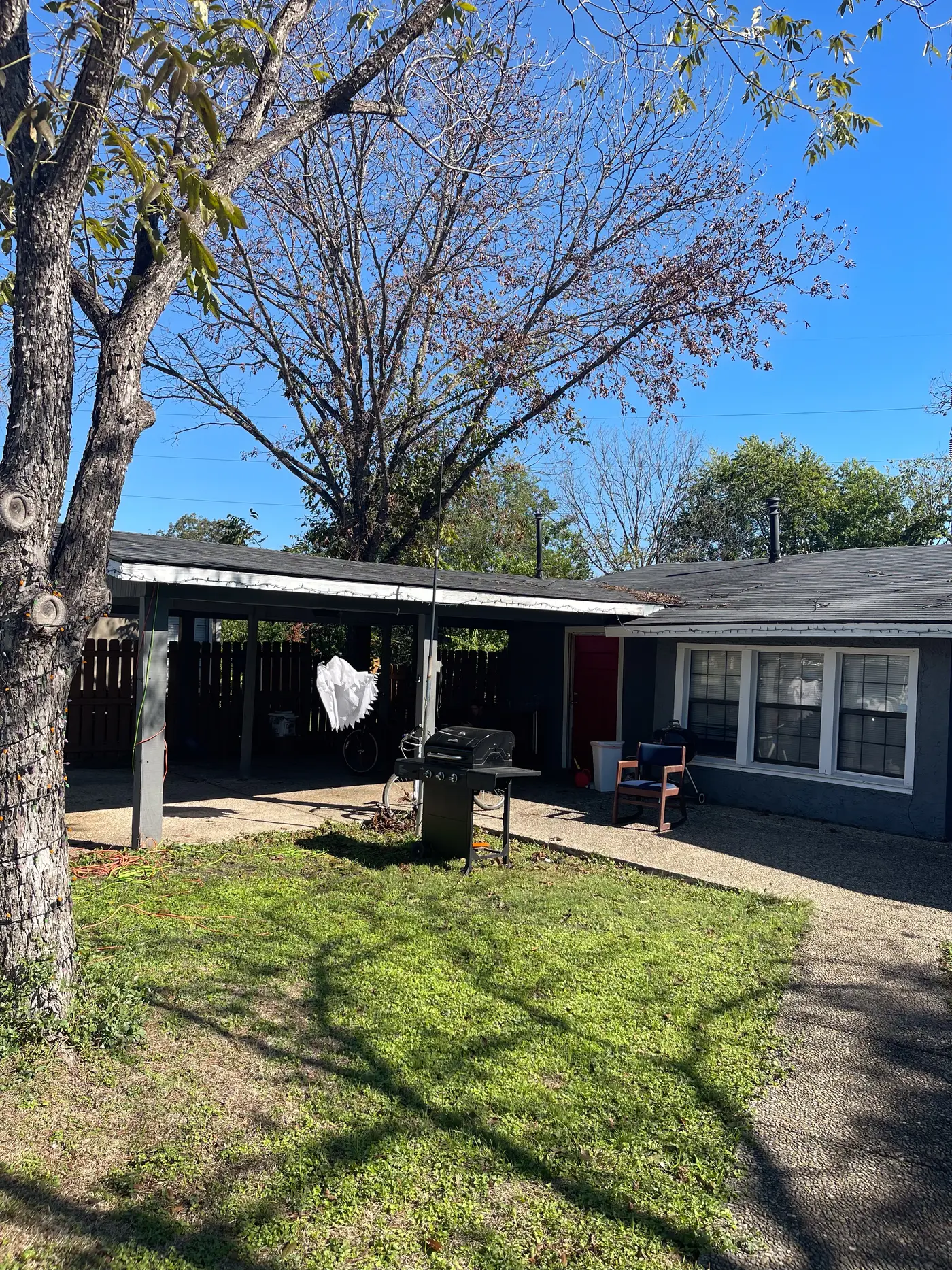
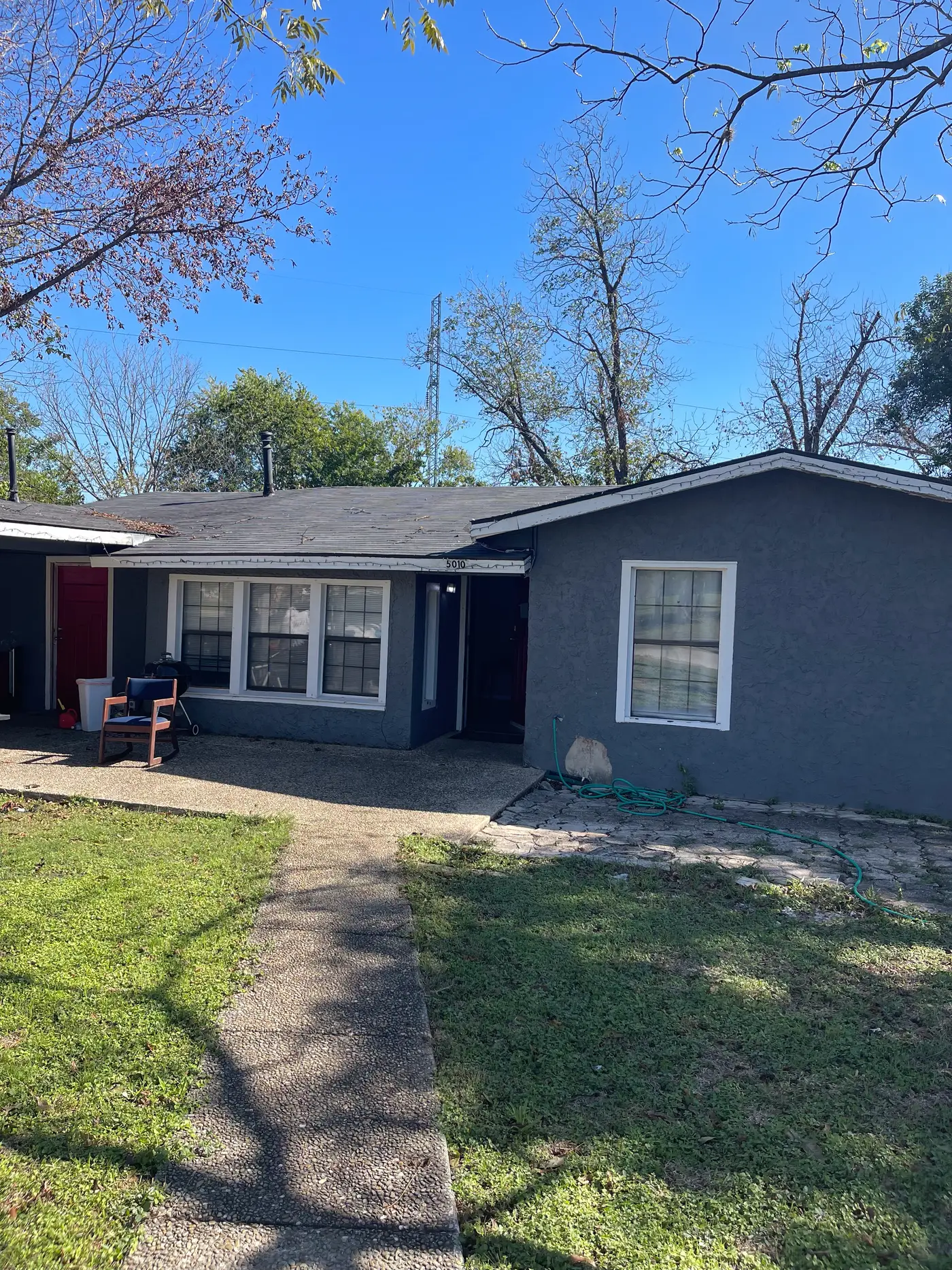
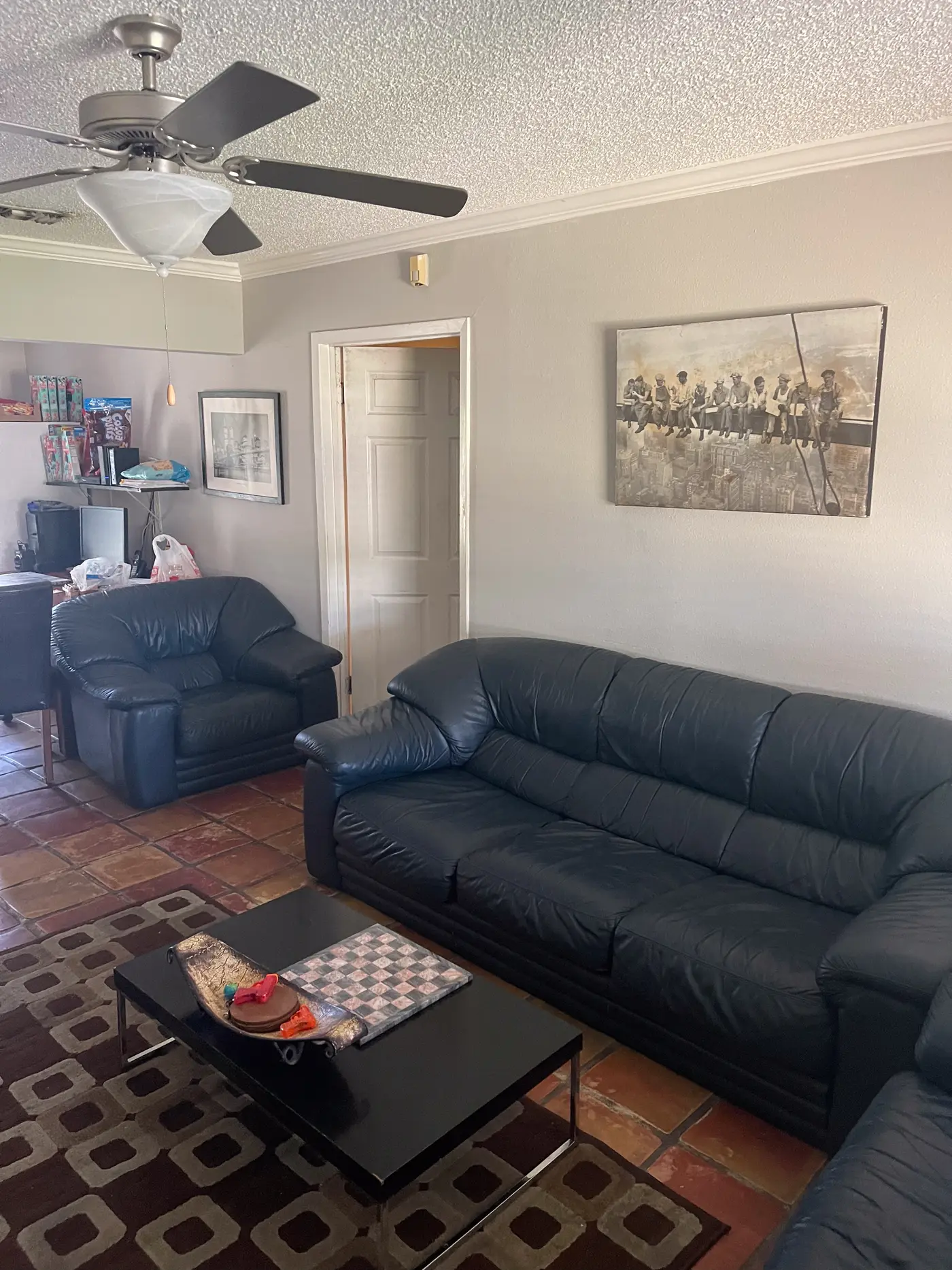
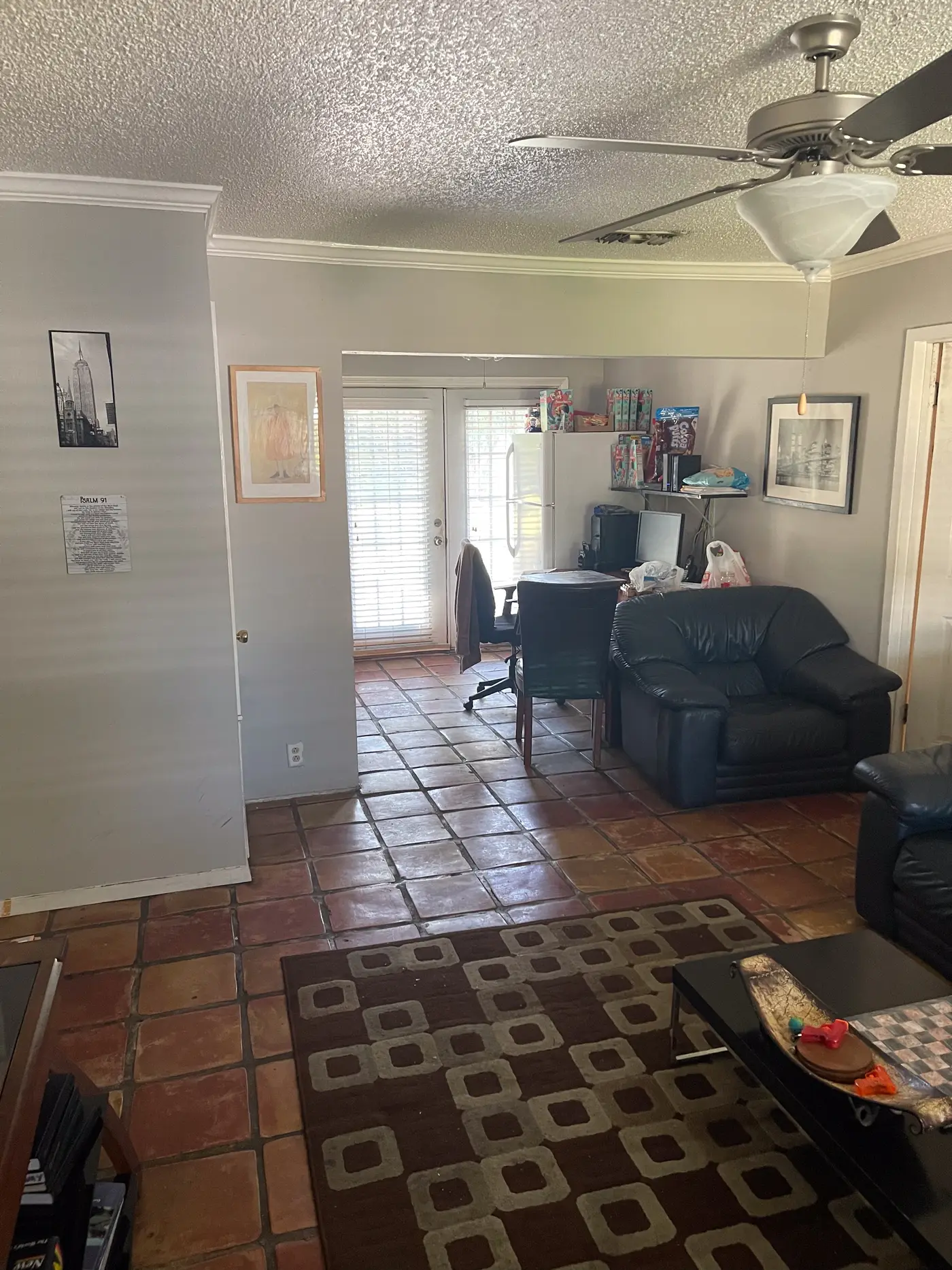
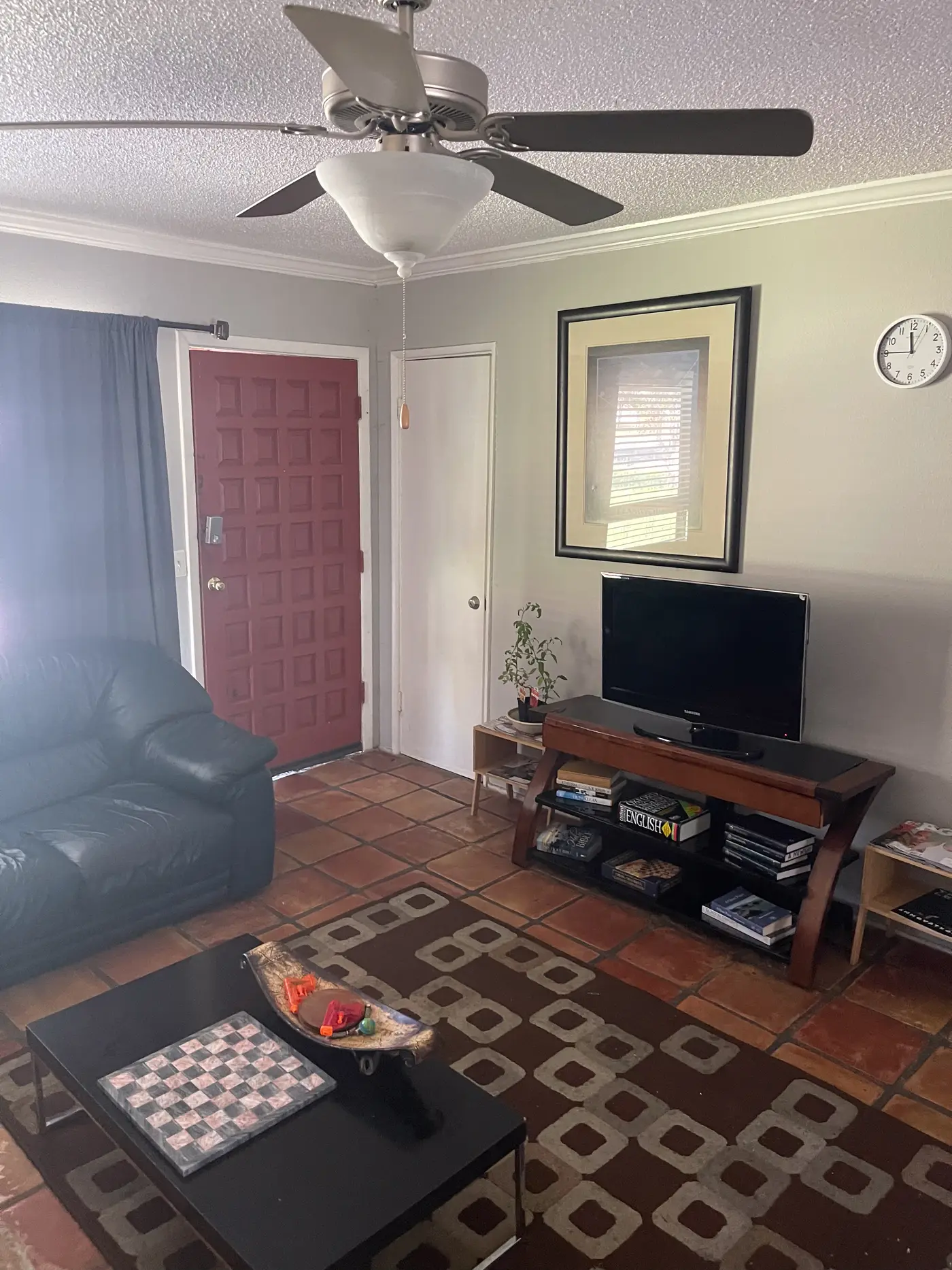
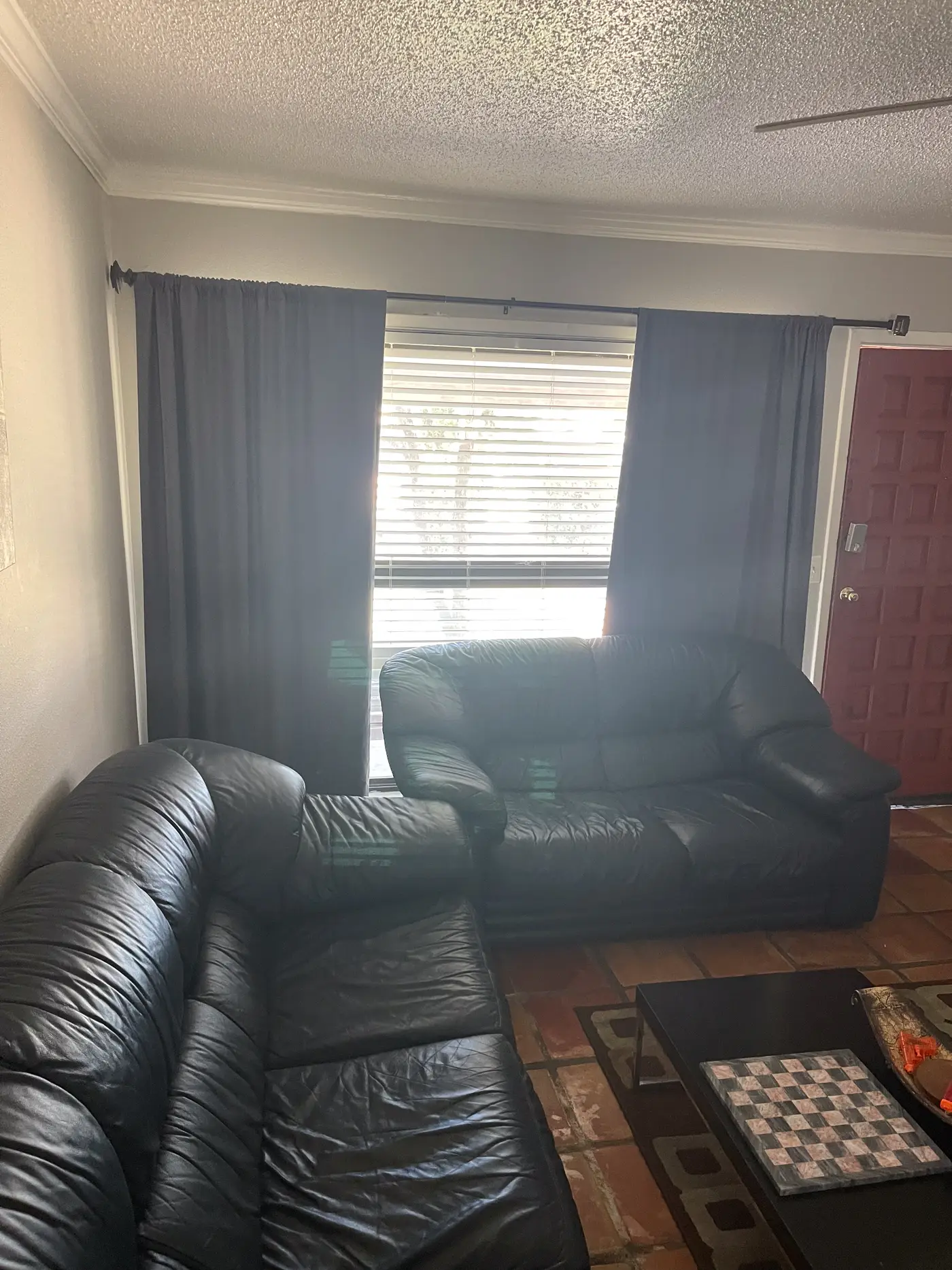
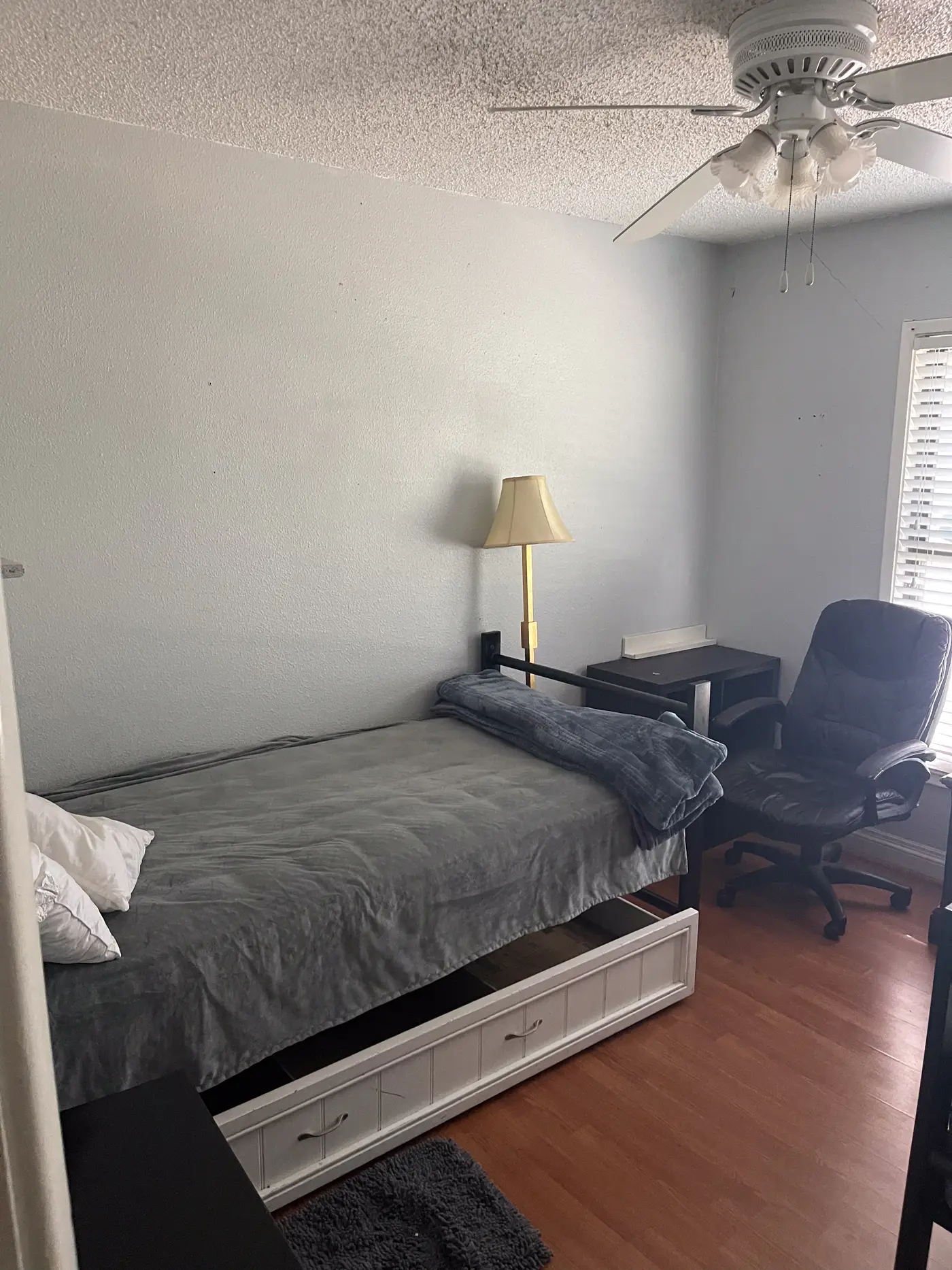
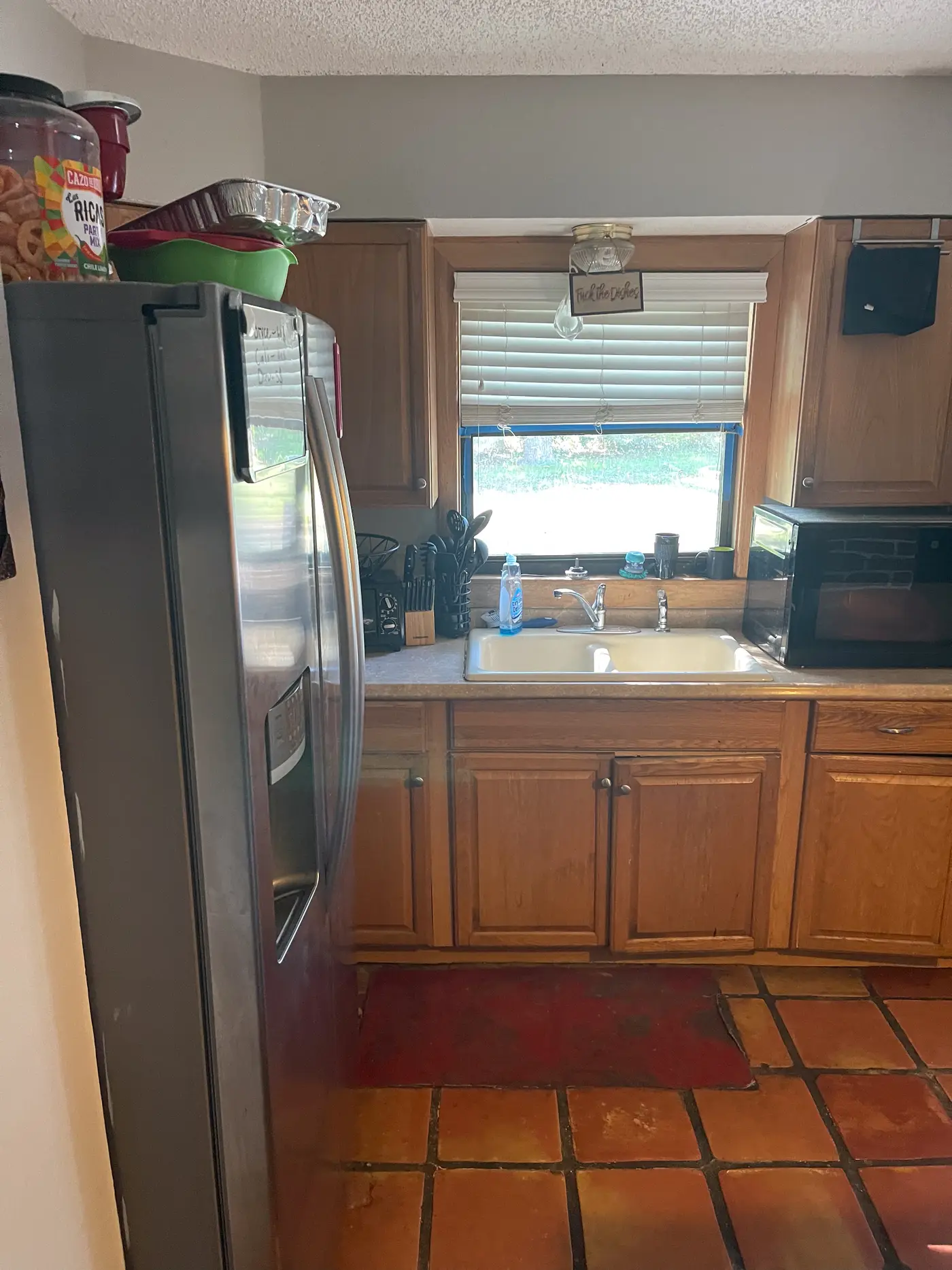
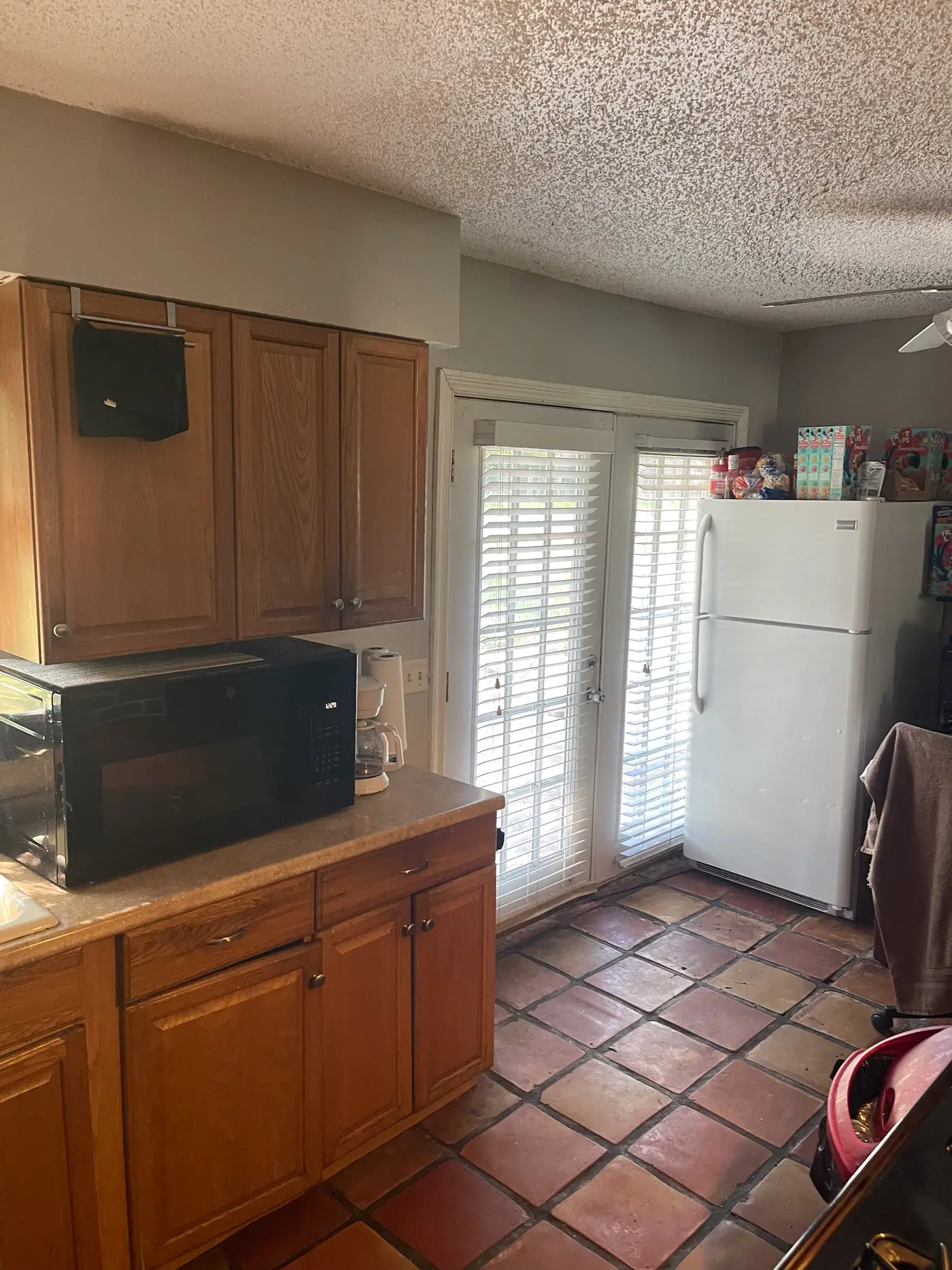
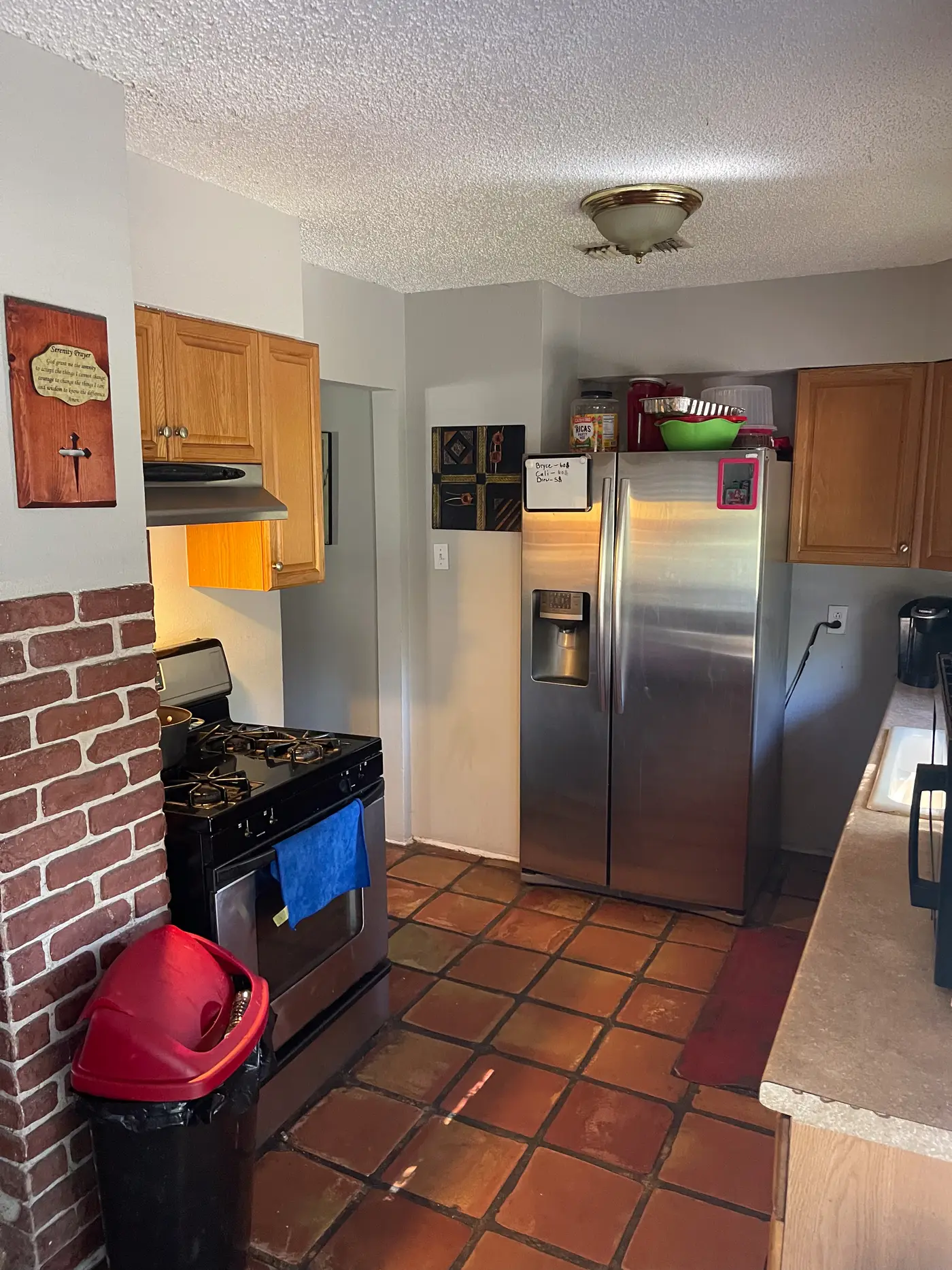
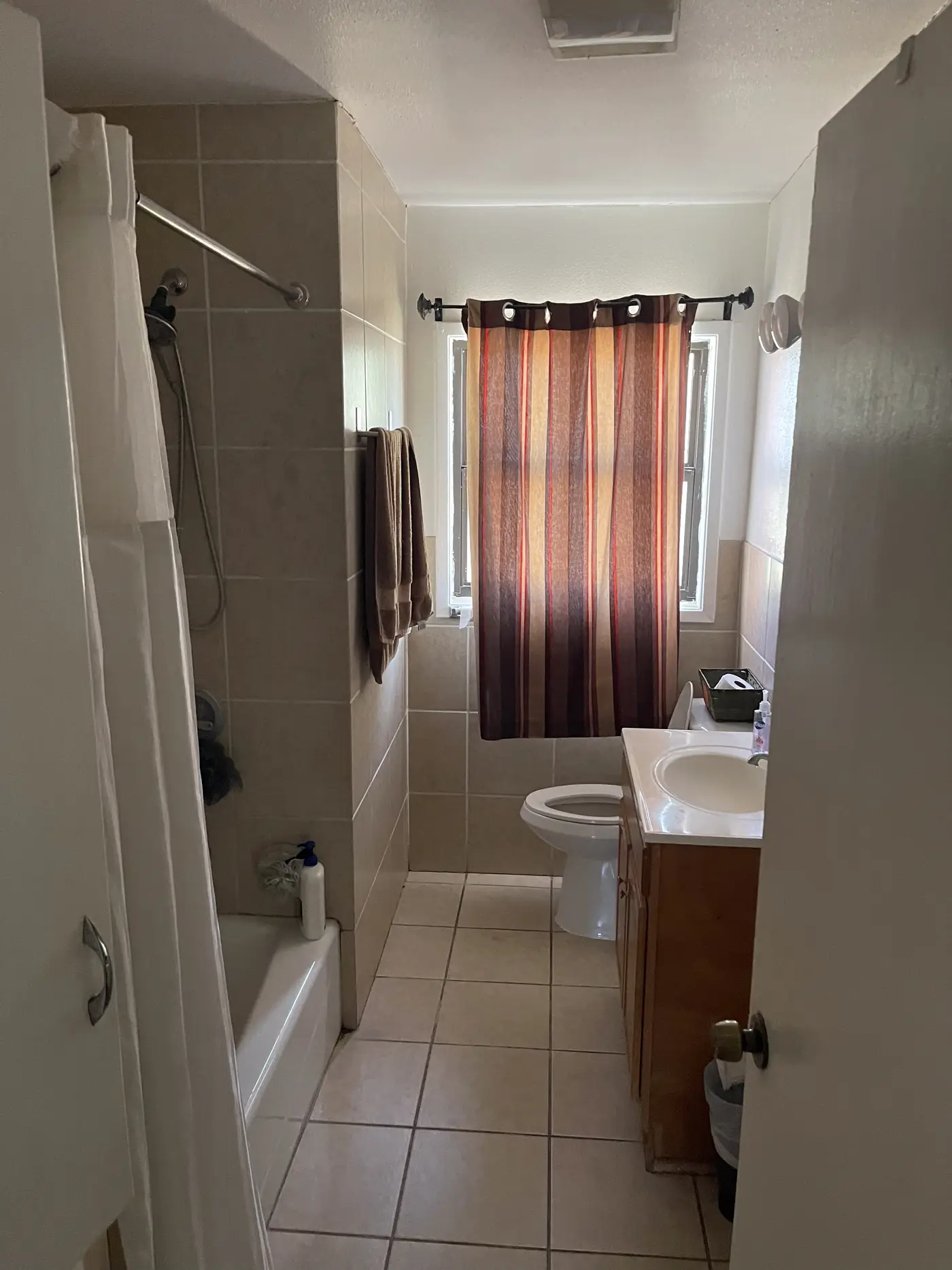
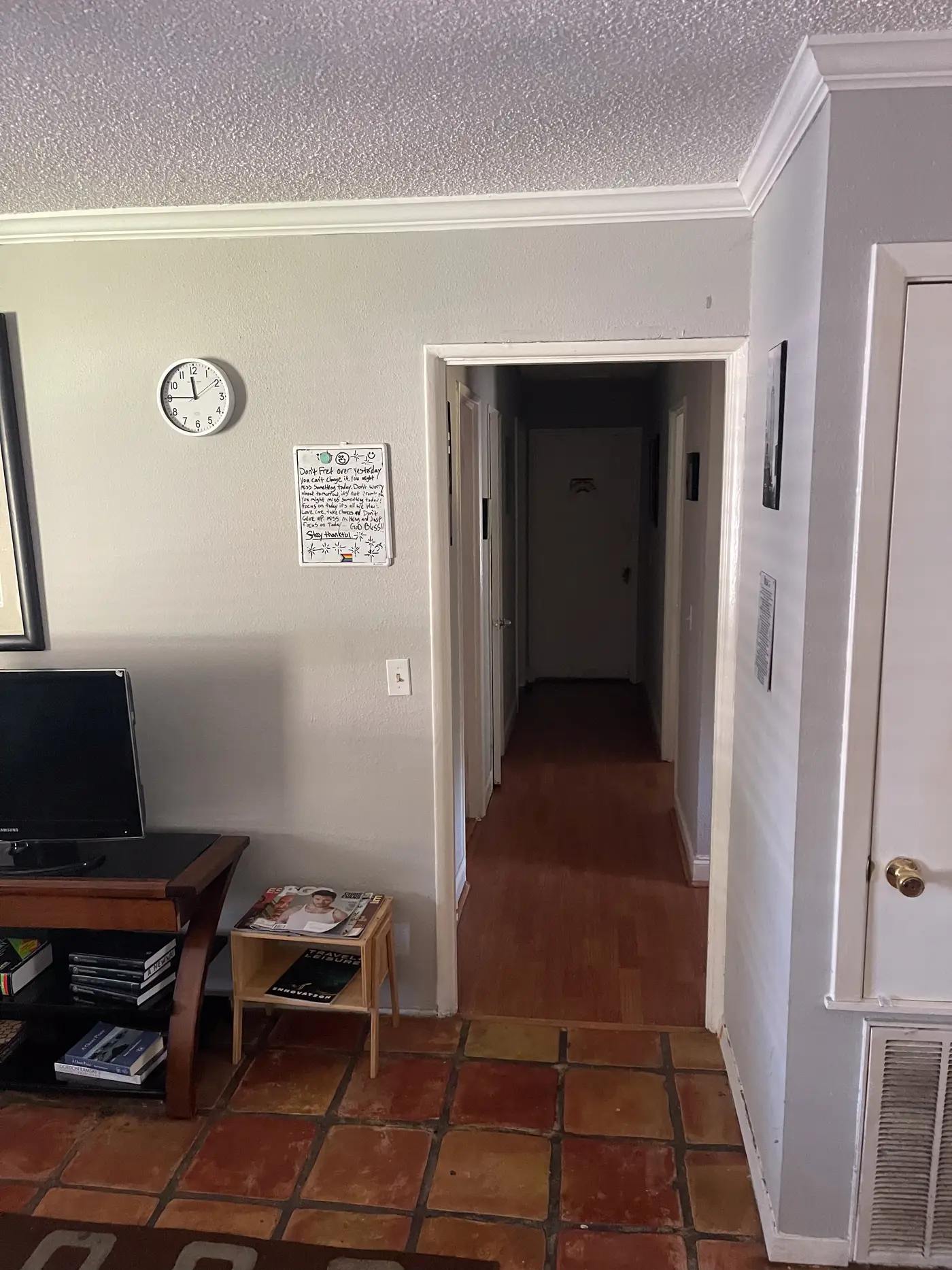
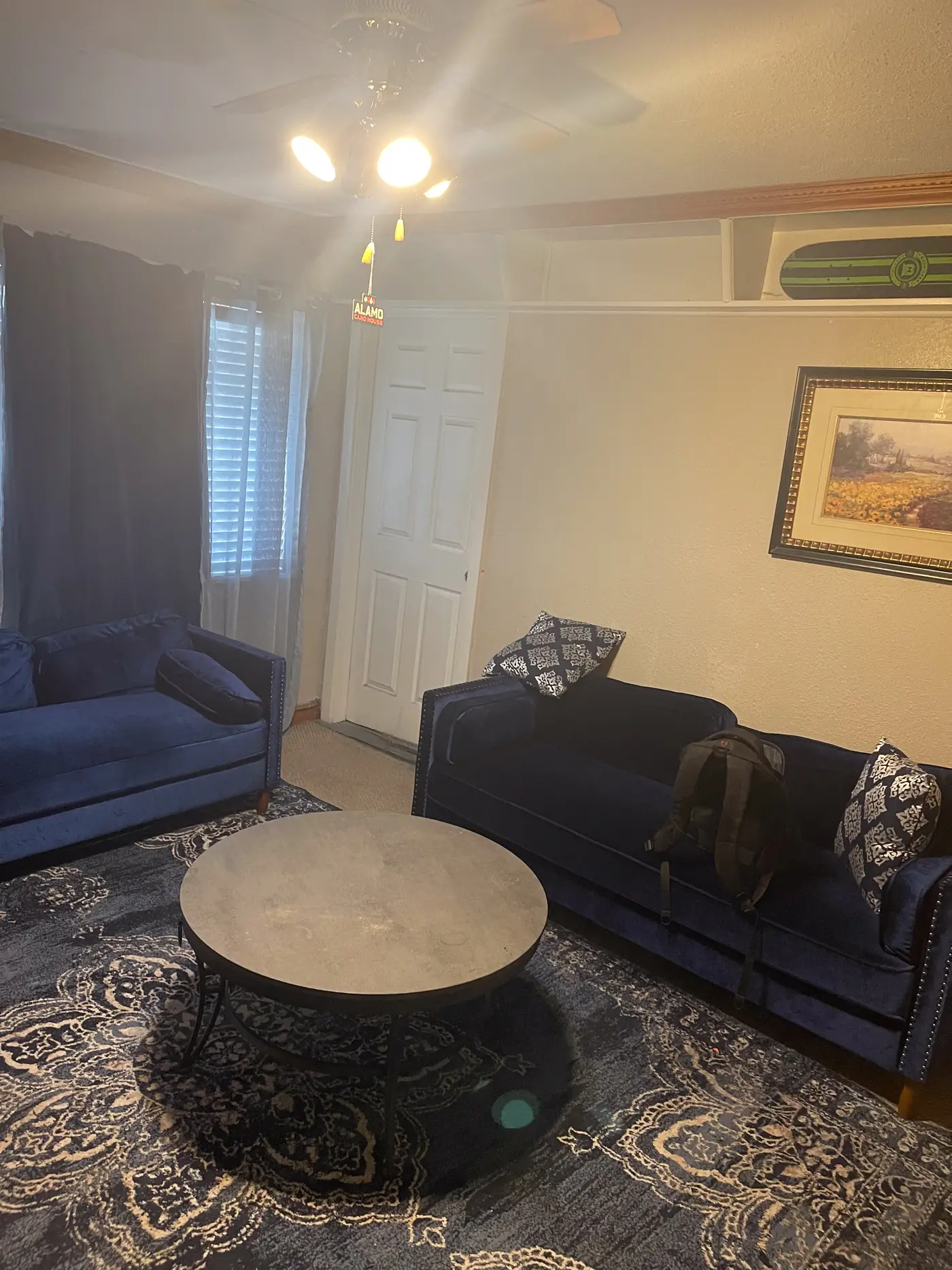
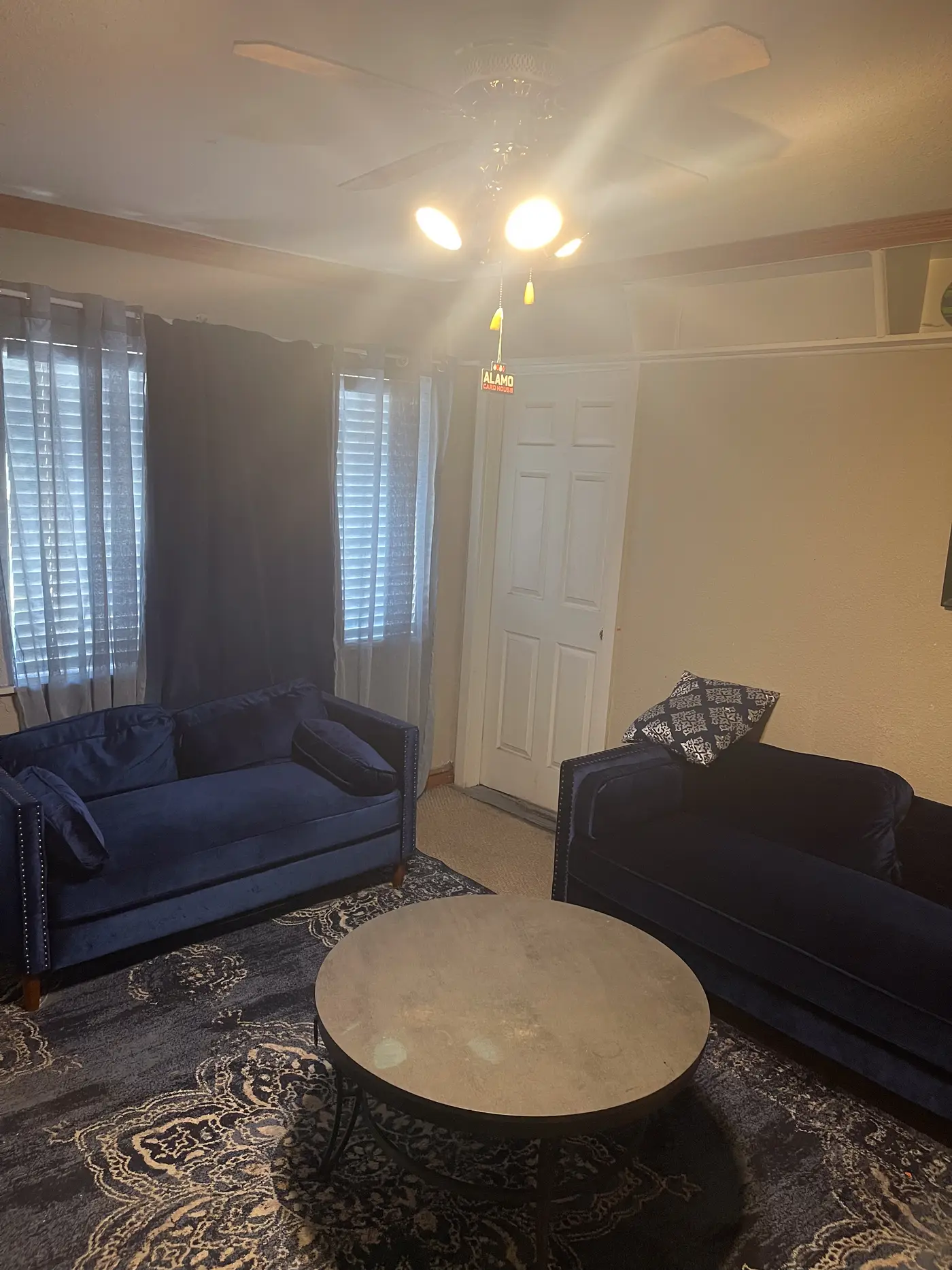
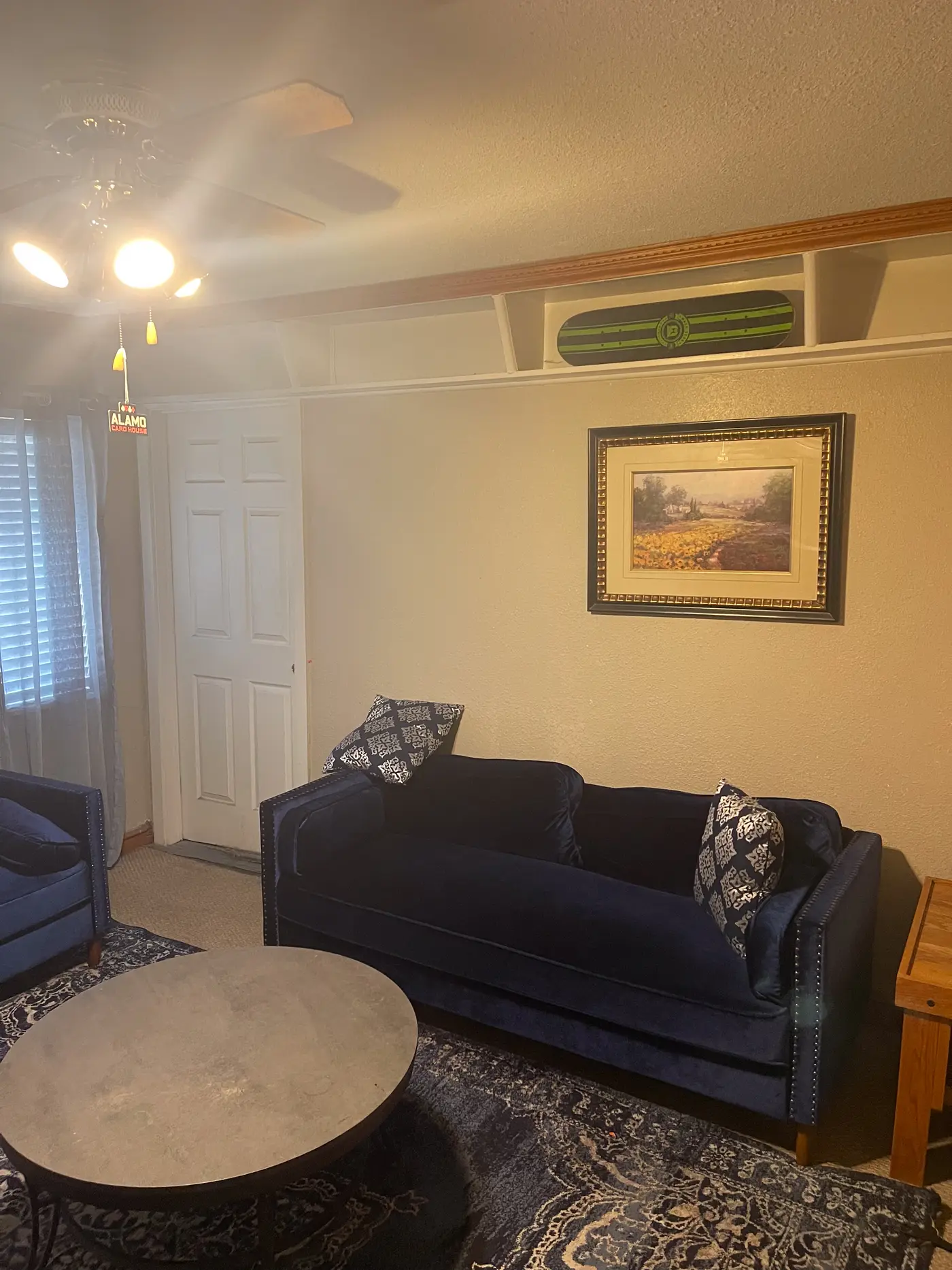
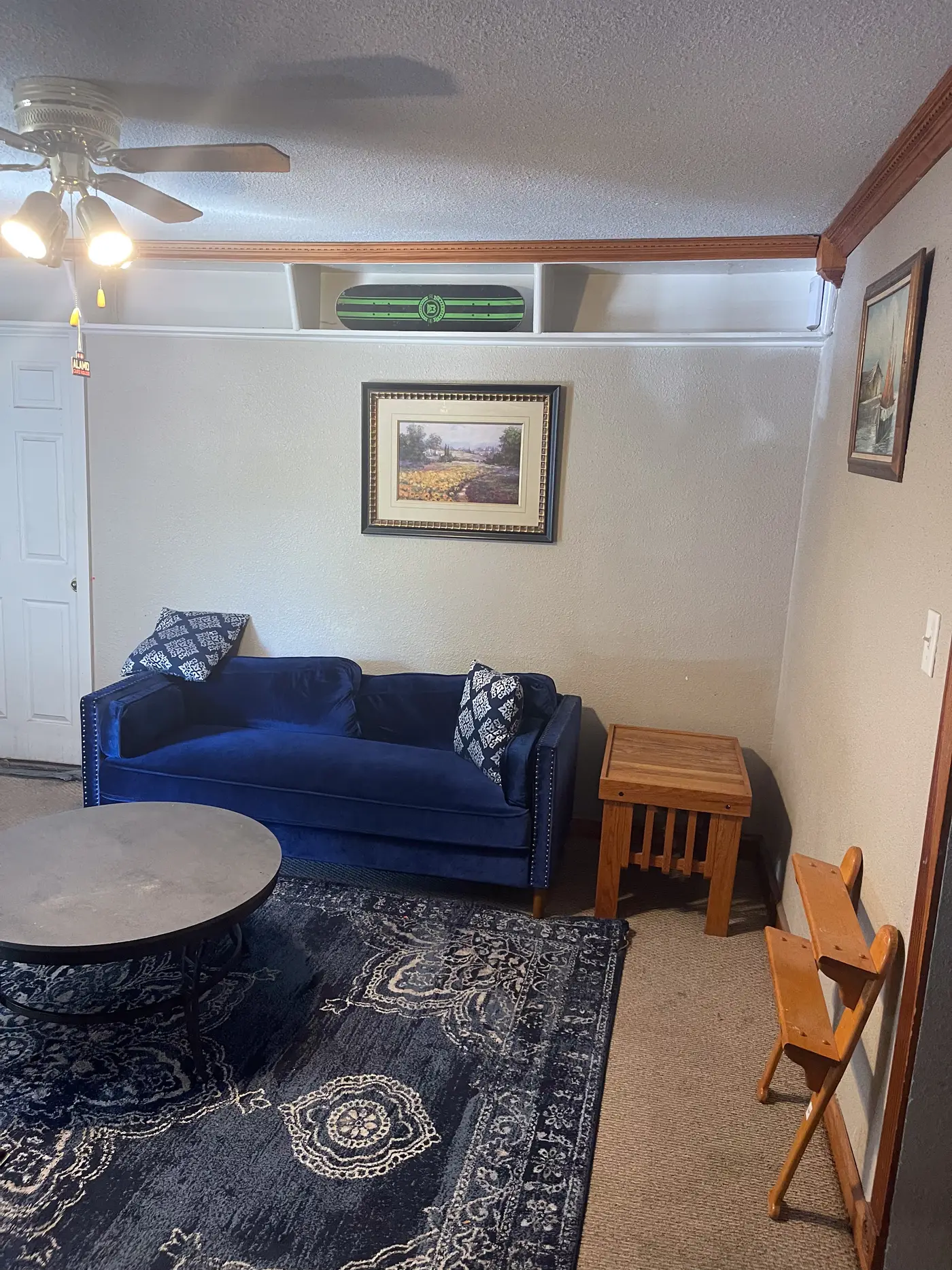
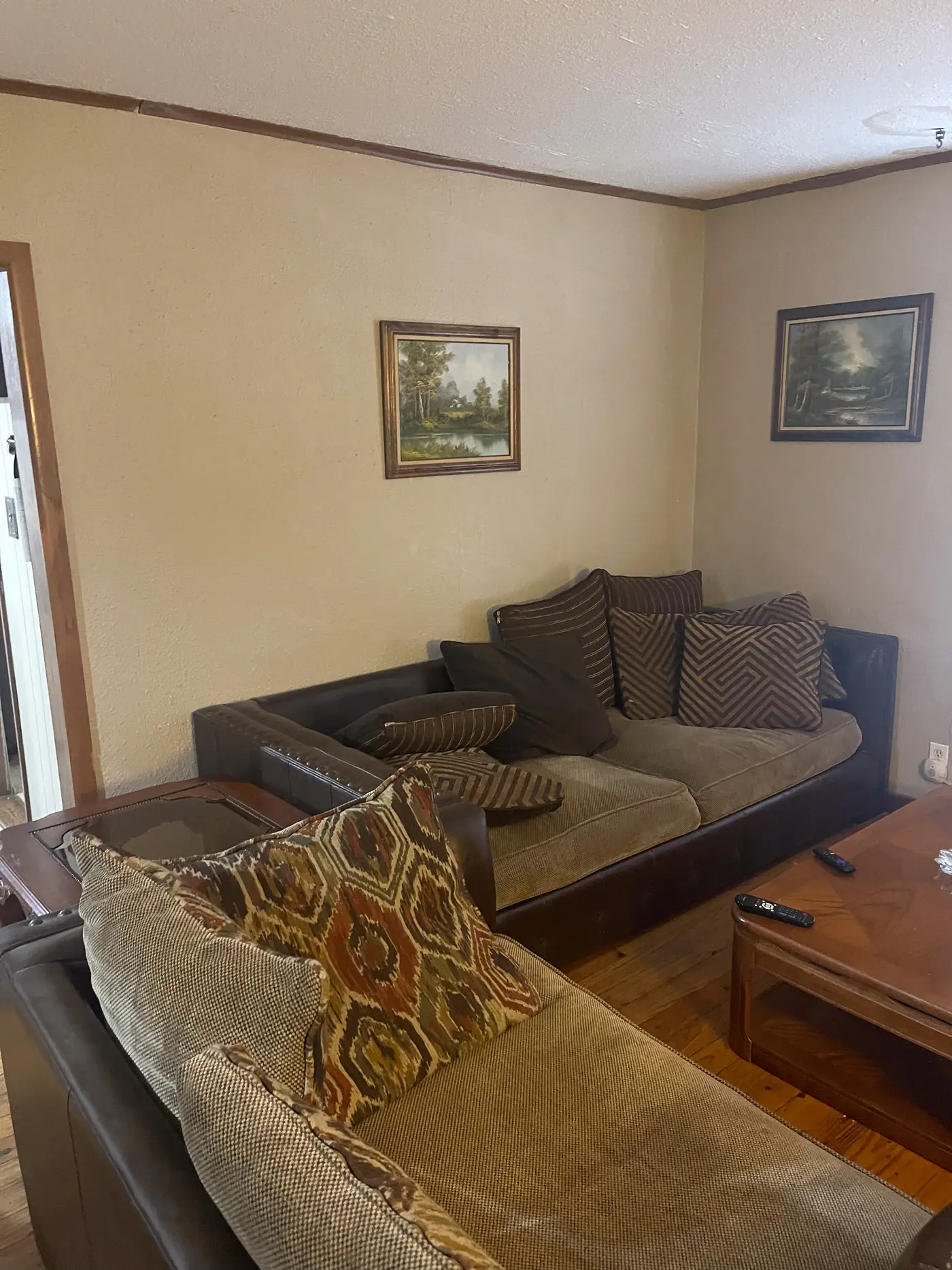
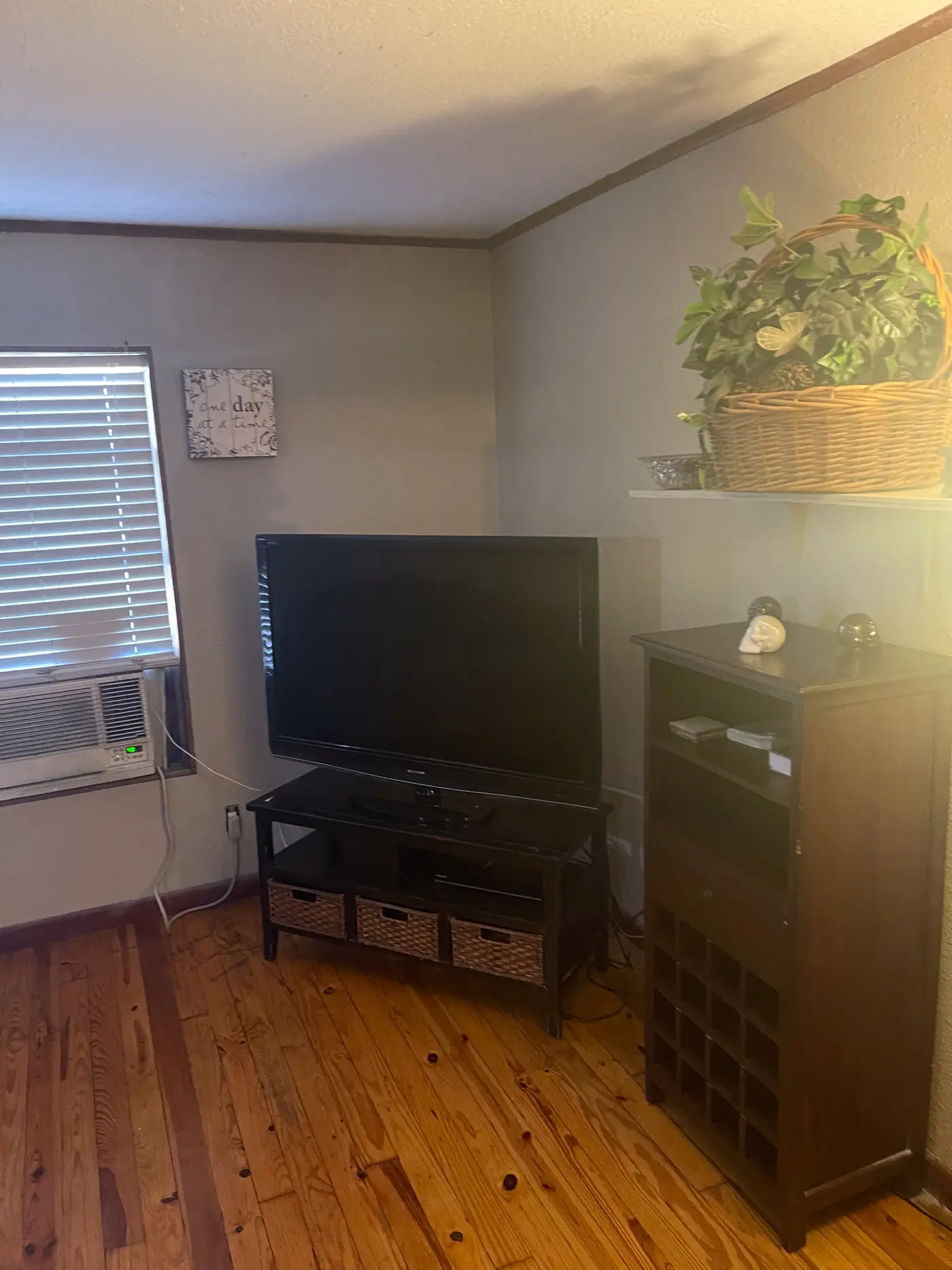
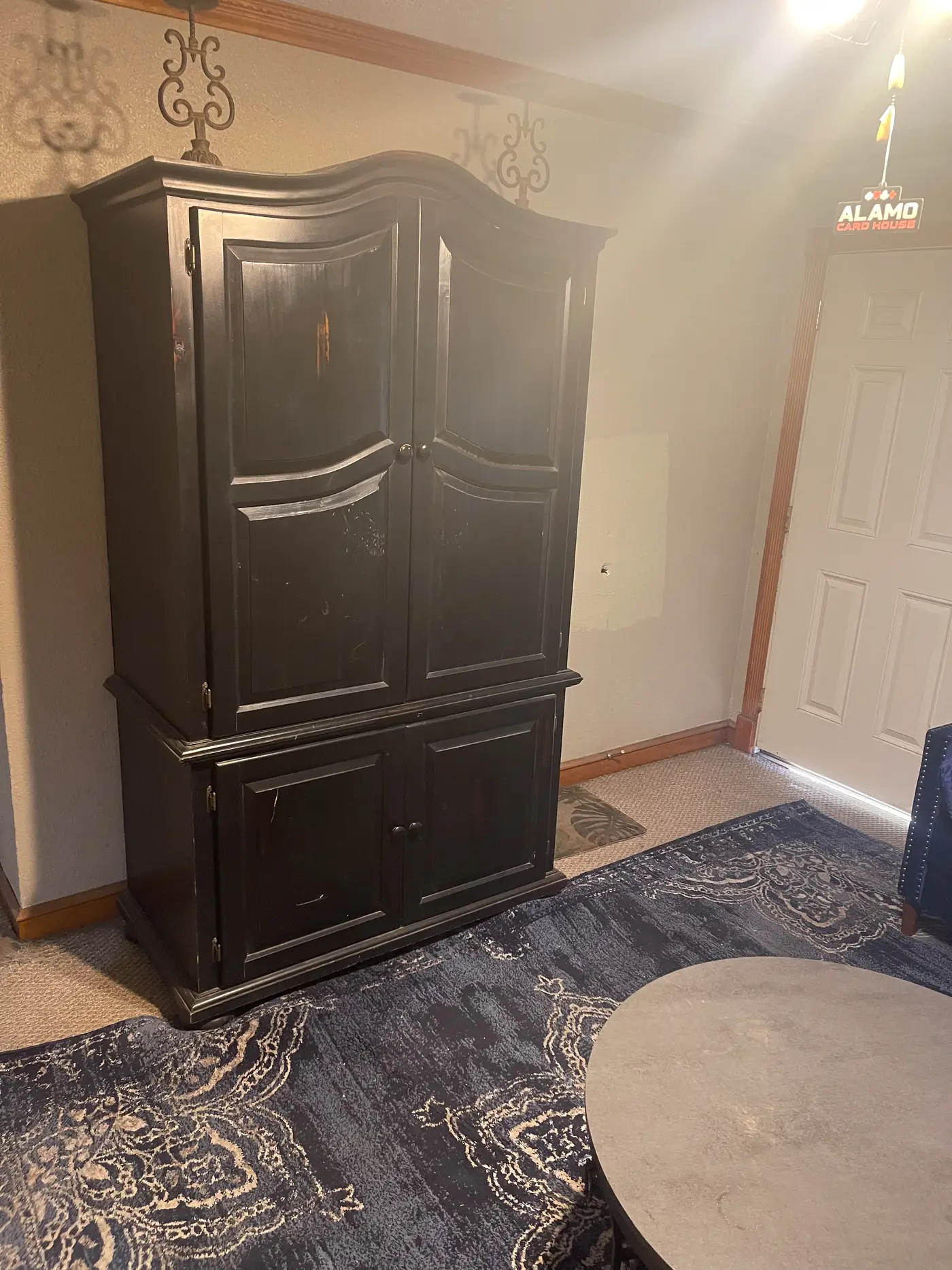
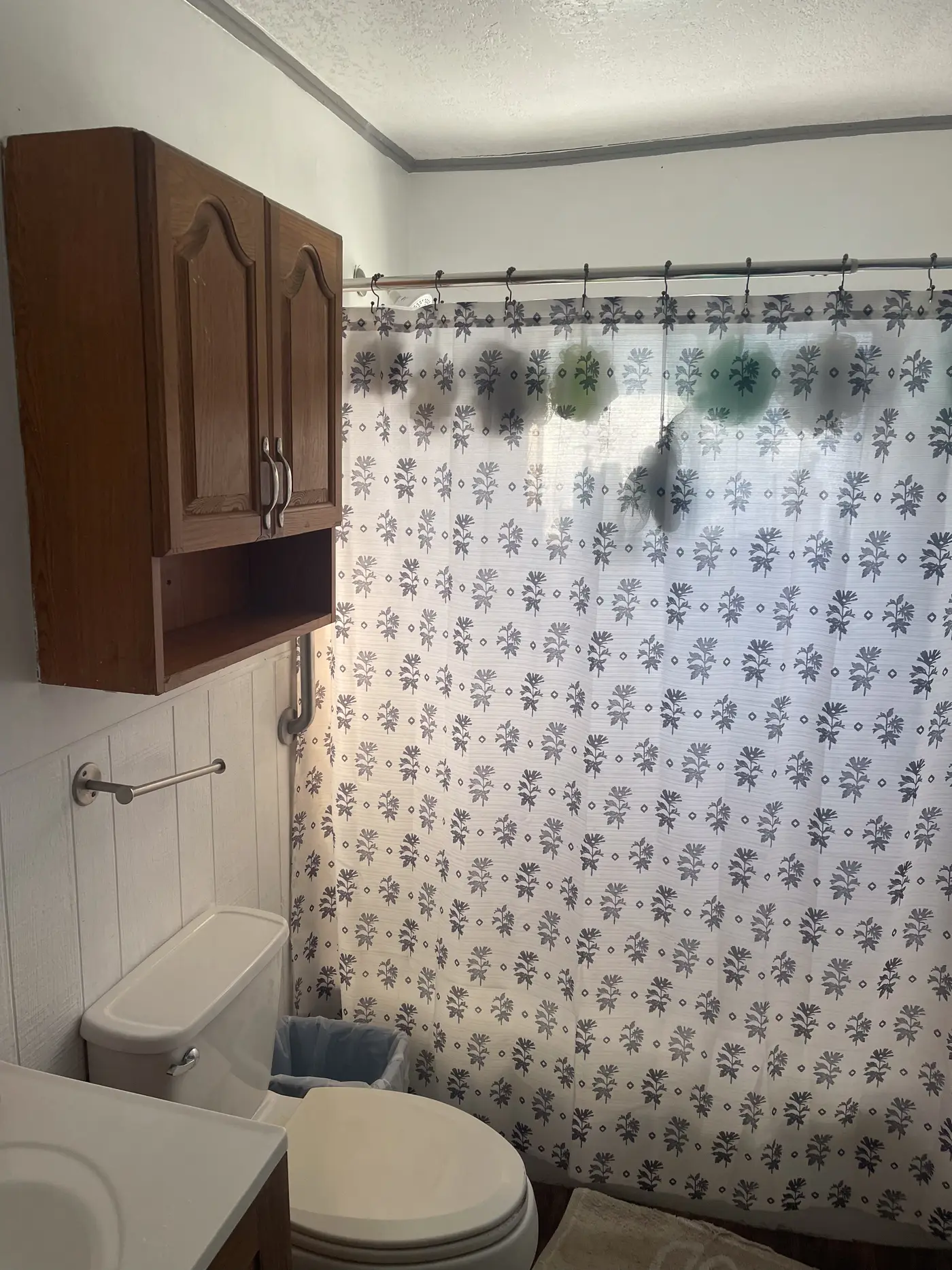
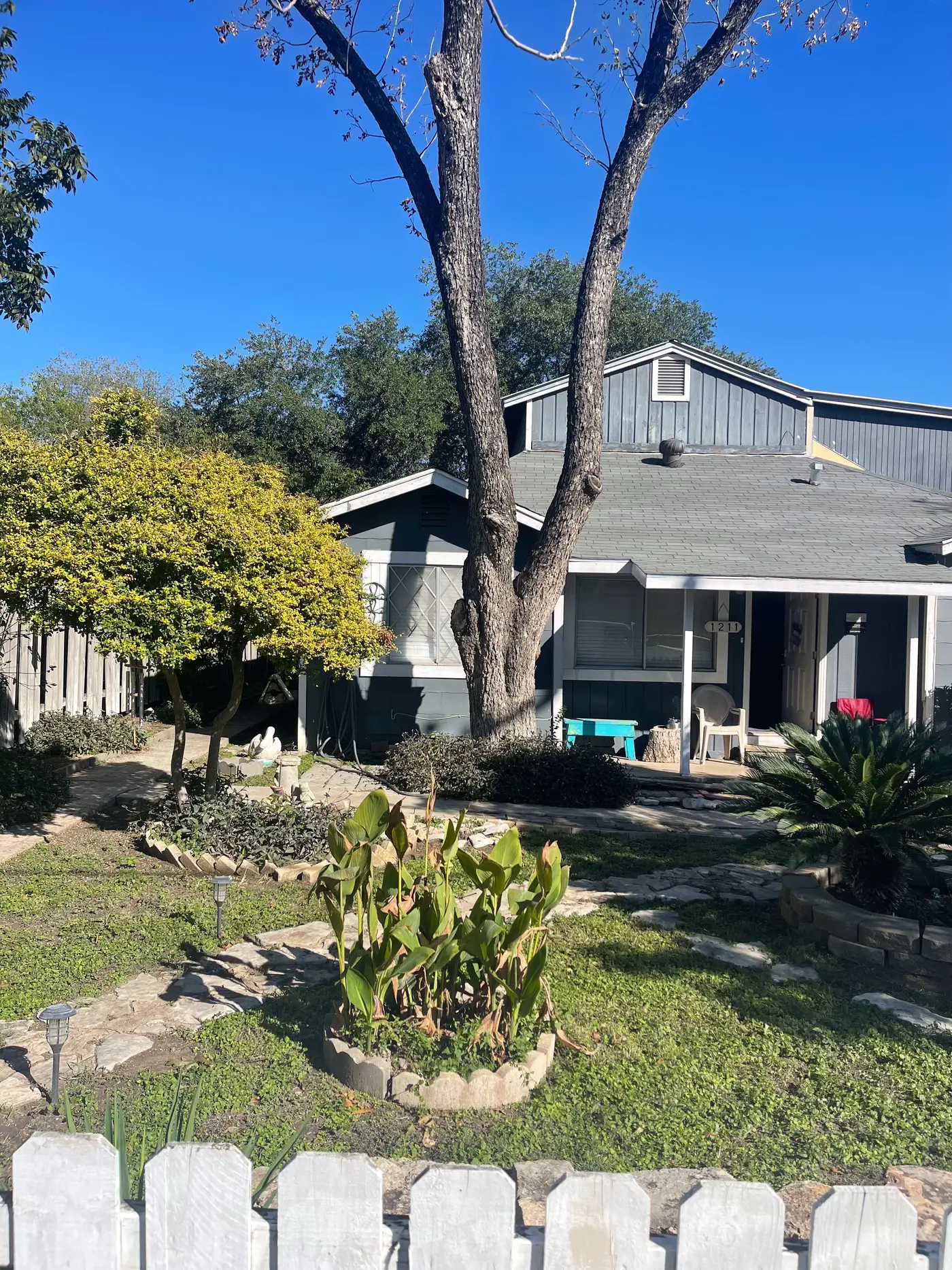
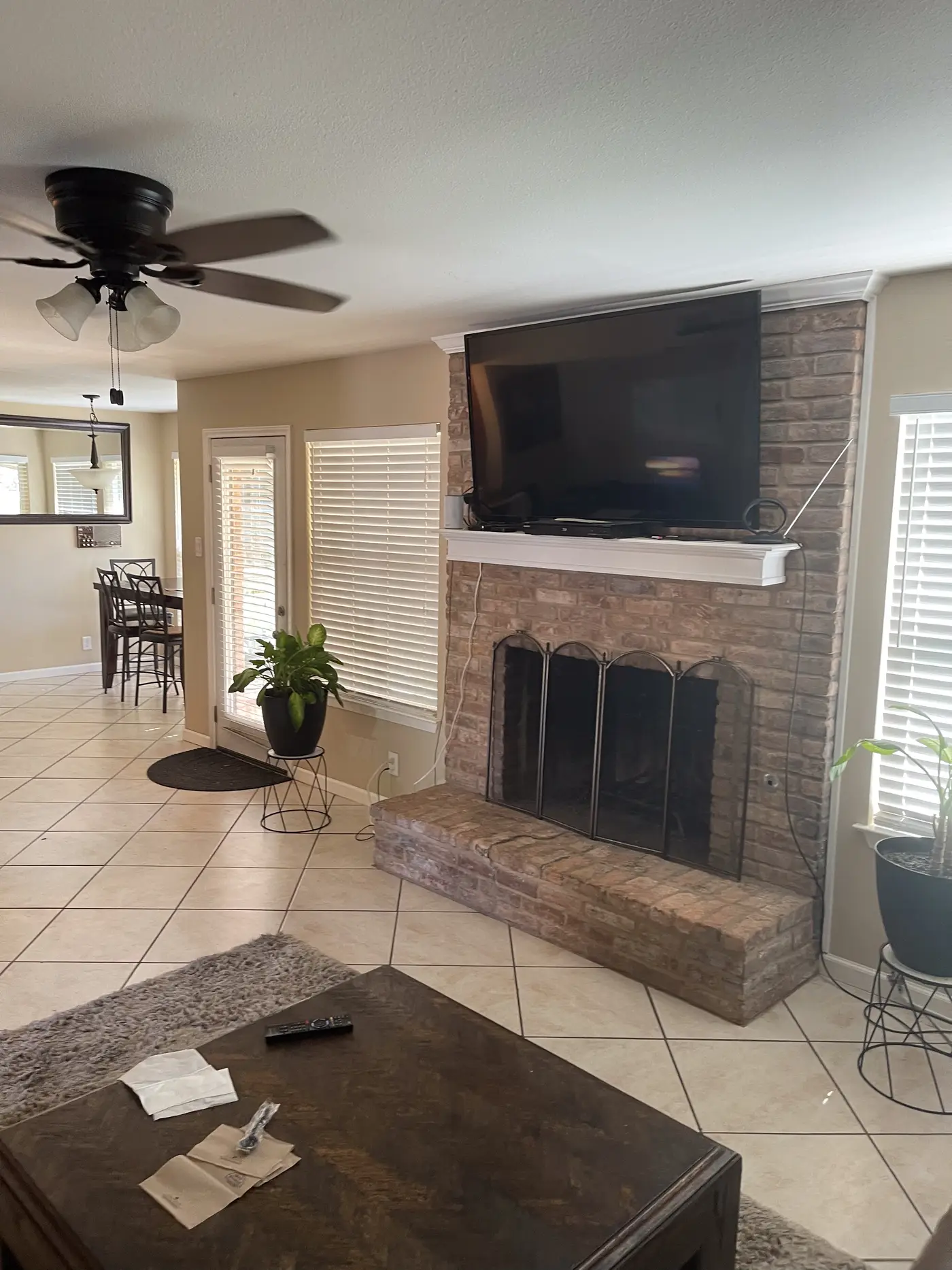
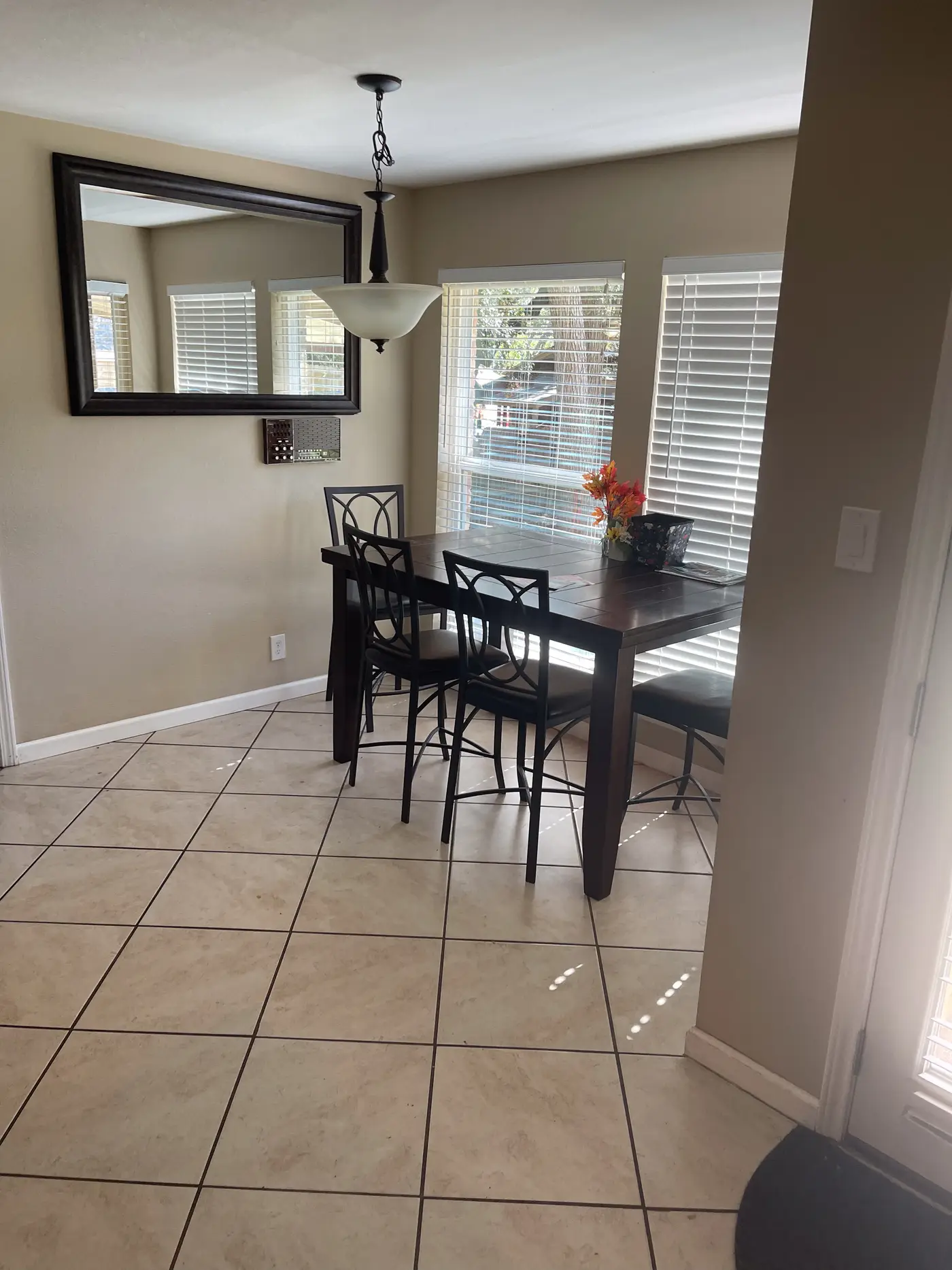
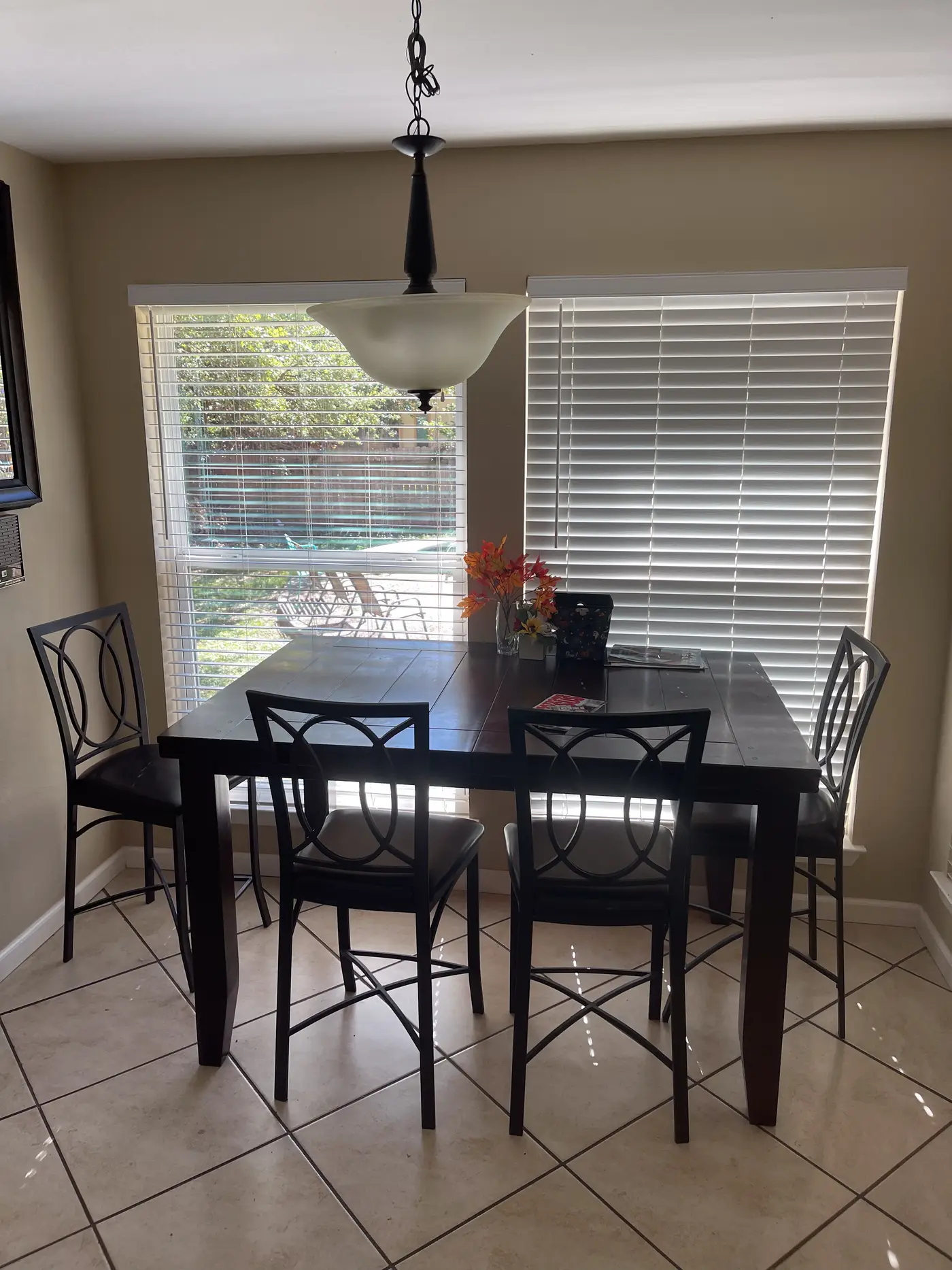
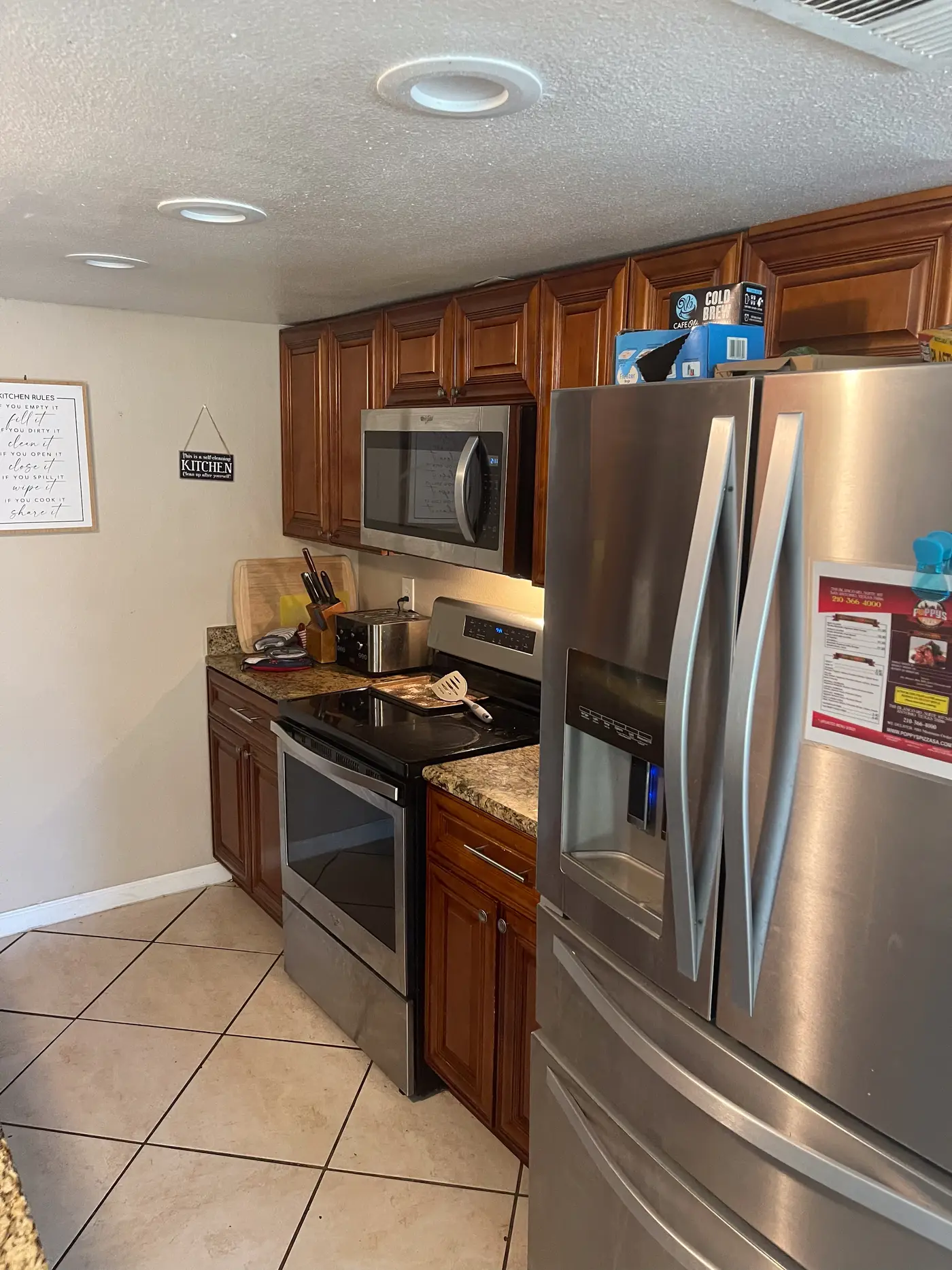
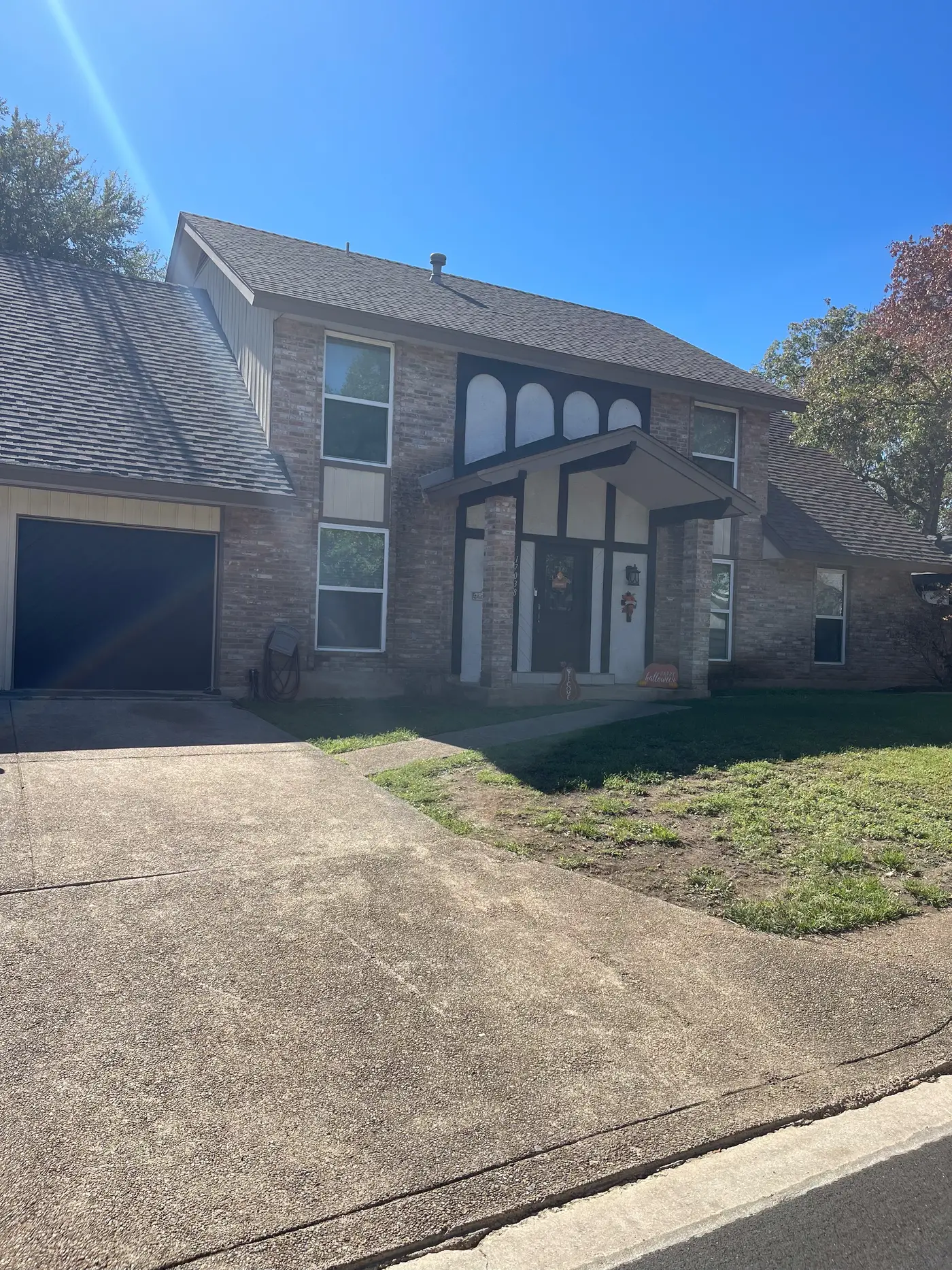
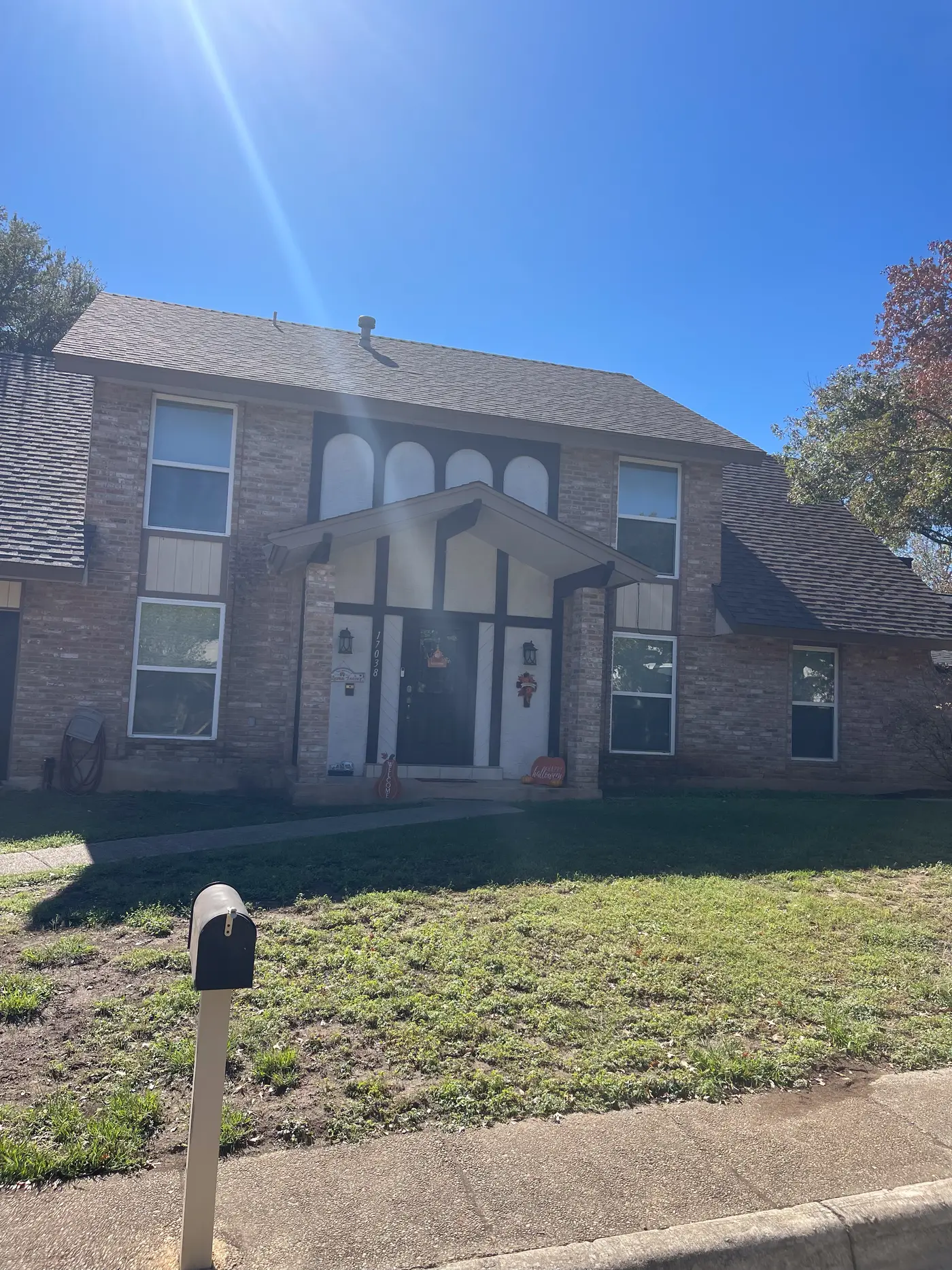
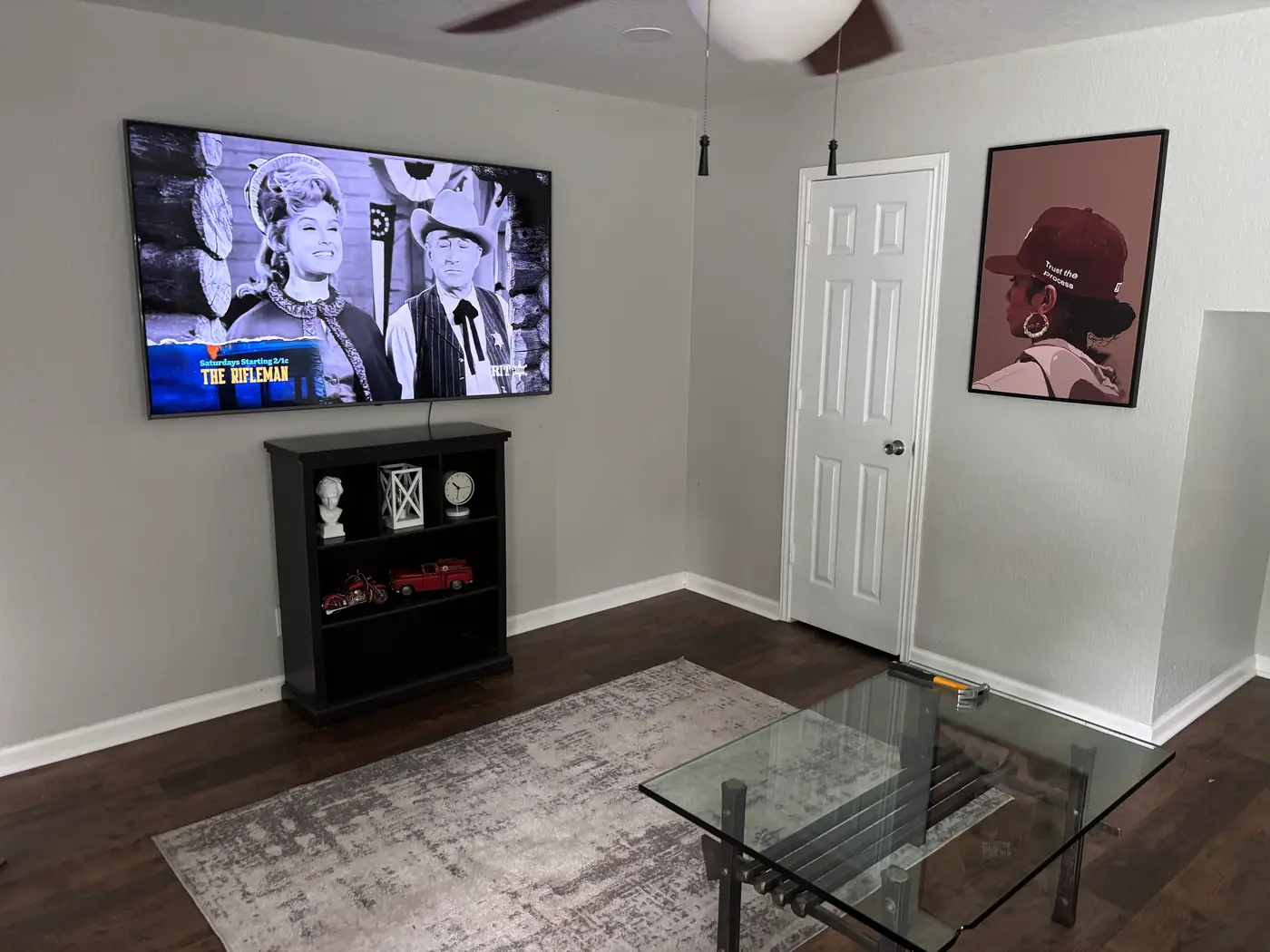
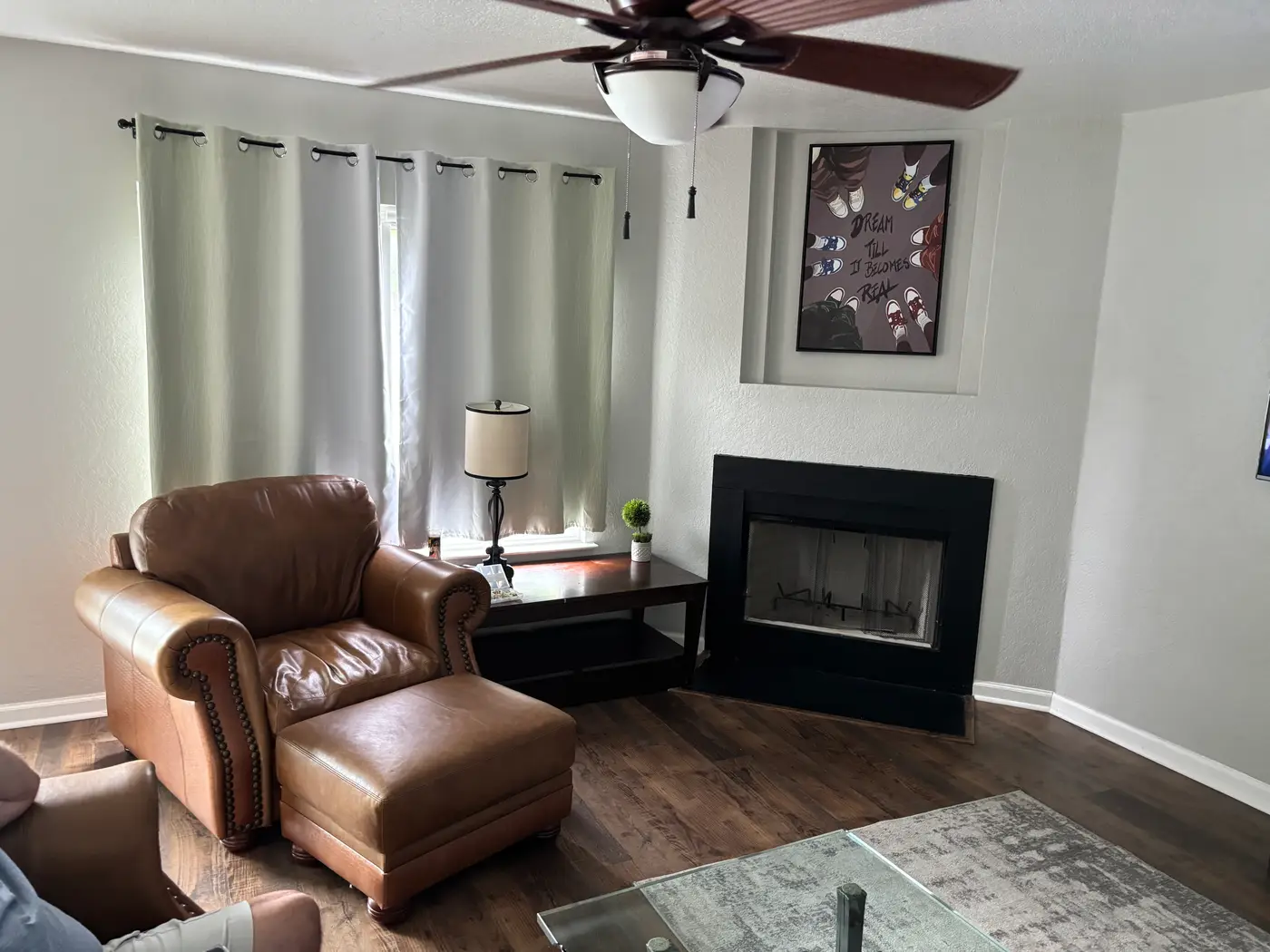
At Eudaimonia Recovery Homes in San Antonio, residents participate in house meetings, complete chores, follow a house schedule, and support one another’s sobriety. There’s no case manager telling you what to do, but there are house rules everyone agrees to follow. The environment is more like a shared home than a facility.
Who Pays for Each Type of Housing?
Halfway house costs are typically covered by government funding, probation departments, or correctional budgets. If you’re court-ordered to a halfway house, you usually won’t pay out of pocket, though some programs collect a percentage of your wages once you’re employed.
Sober living homes operate as private businesses. Residents pay rent, just like any other housing arrangement. At Eudaimonia Recovery Homes, many residents use insurance benefits to help cover the cost, especially if sober living is part of a continuing care plan after treatment. We work with residents to verify insurance coverage and explore payment options that fit their situation.
Some people wonder whether Medicaid or government programs pay for sober living. Coverage varies by state and plan. Medicaid doesn’t typically cover room and board, but some managed care plans include recovery housing benefits. It’s worth verifying your specific benefits to understand what support is available.
Differences in Rules and Restrictions
Halfway houses enforce strict, non-negotiable rules because they’re accountable to the justice system. Curfews are common, often 9 or 10 p.m. On weeknights. You may need permission to leave the house outside scheduled work or program hours. Visitors are restricted or prohibited. Phone use may be limited or monitored.
Sober living homes have house rules, but they’re designed to support recovery rather than supervise compliance with a court order. At Eudaimonia Recovery Homes in San Antonio, residents follow guidelines like maintaining sobriety, attending house meetings, completing chores, and respecting quiet hours. But you’re free to come and go for work, 12-step meetings, or family time. You keep your phone, manage your own schedule, and make daily decisions like an independent adult.
The goal in sober living is to practice real-world responsibility in a supportive setting. You’re learning to stay sober while working a job, paying bills, and rebuilding relationships, not checking boxes for a probation officer.
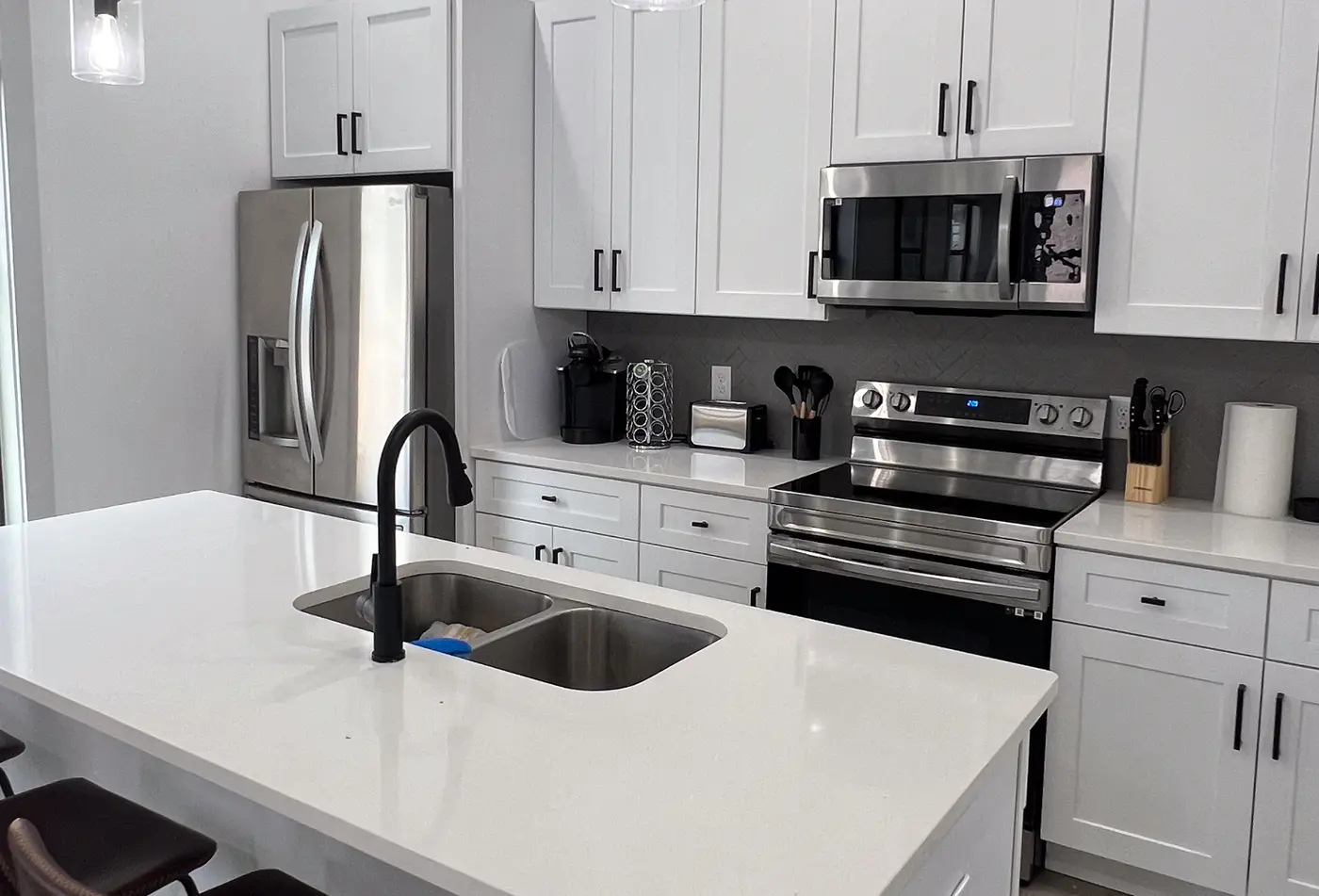
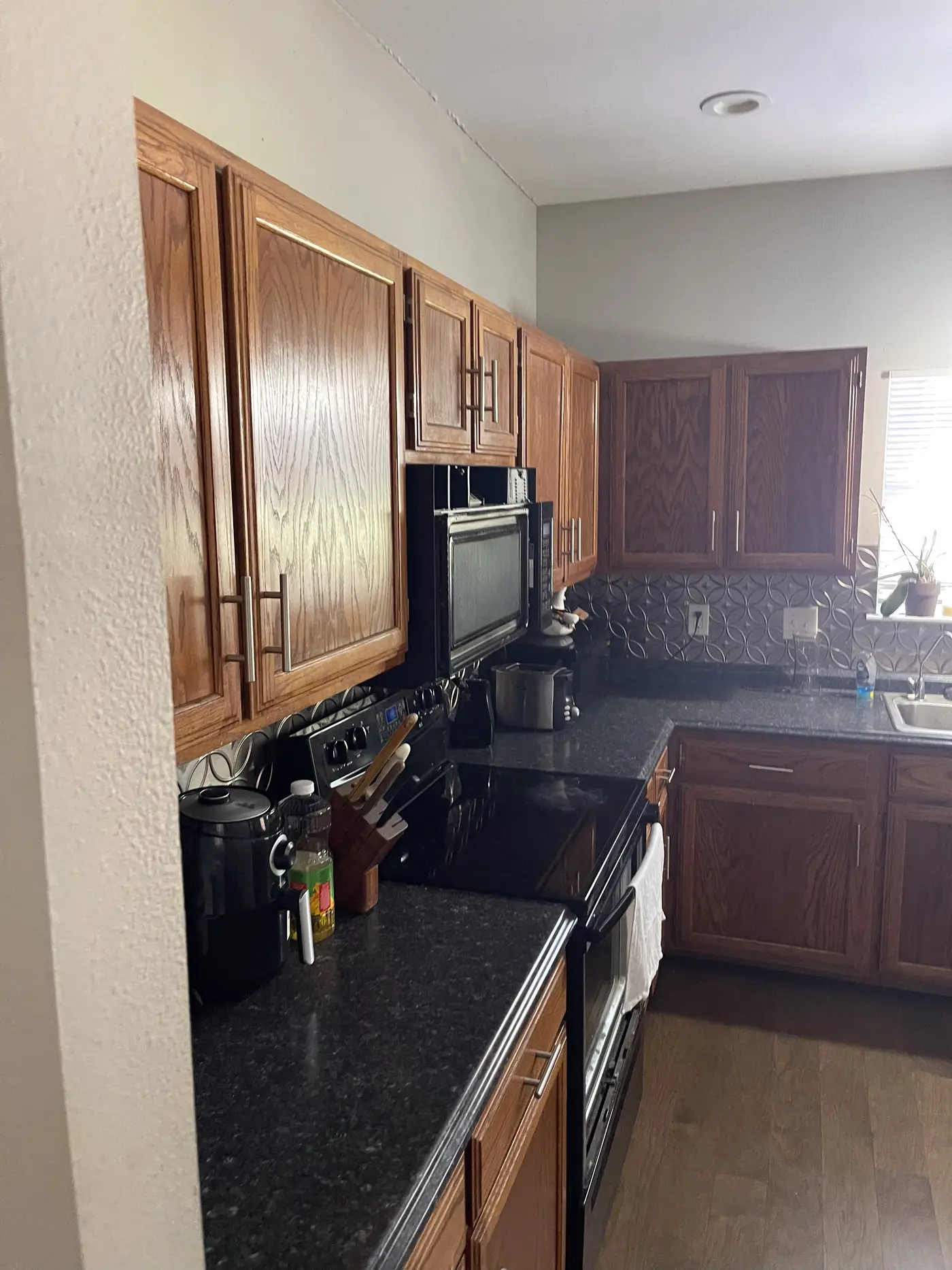
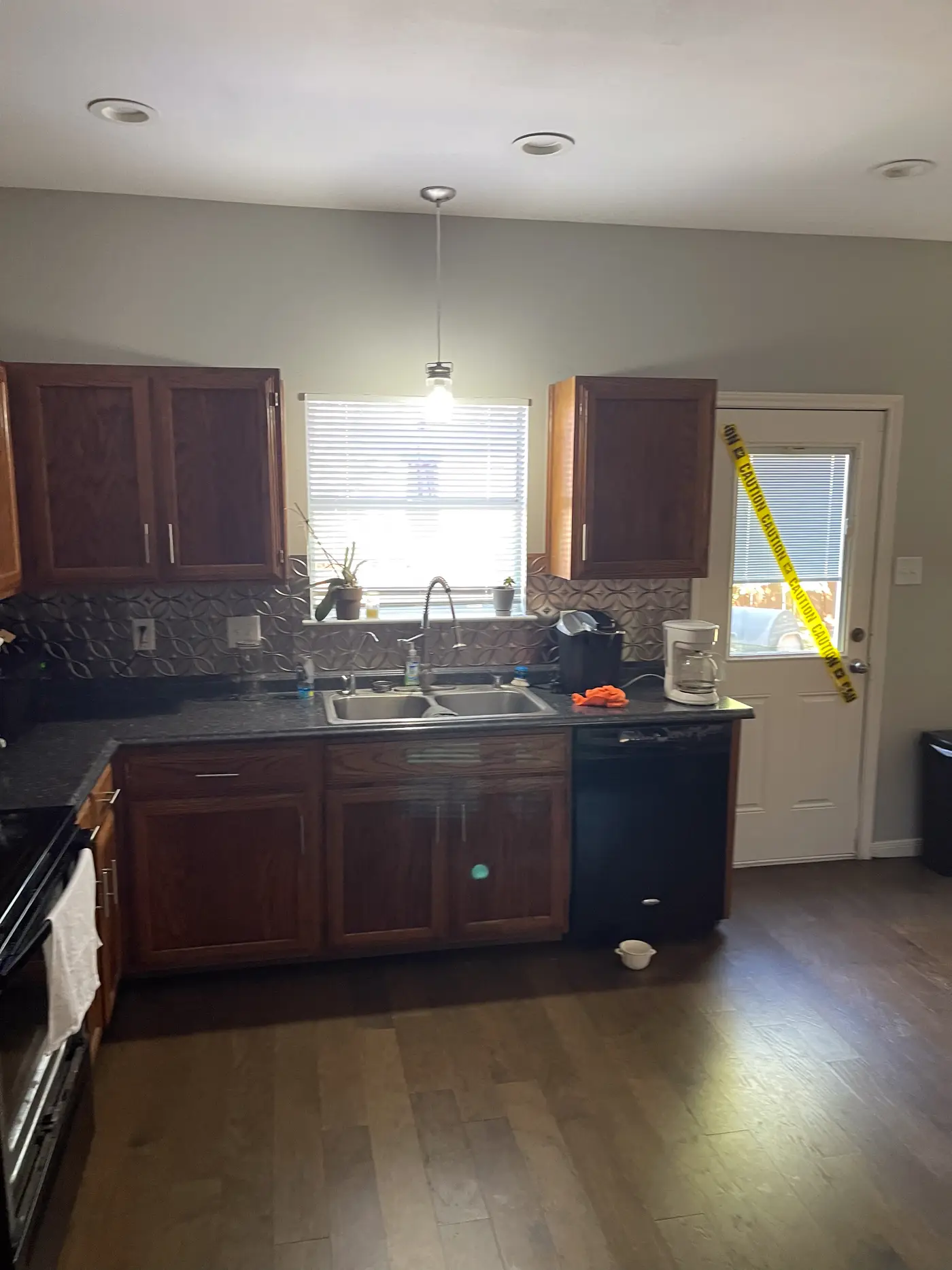
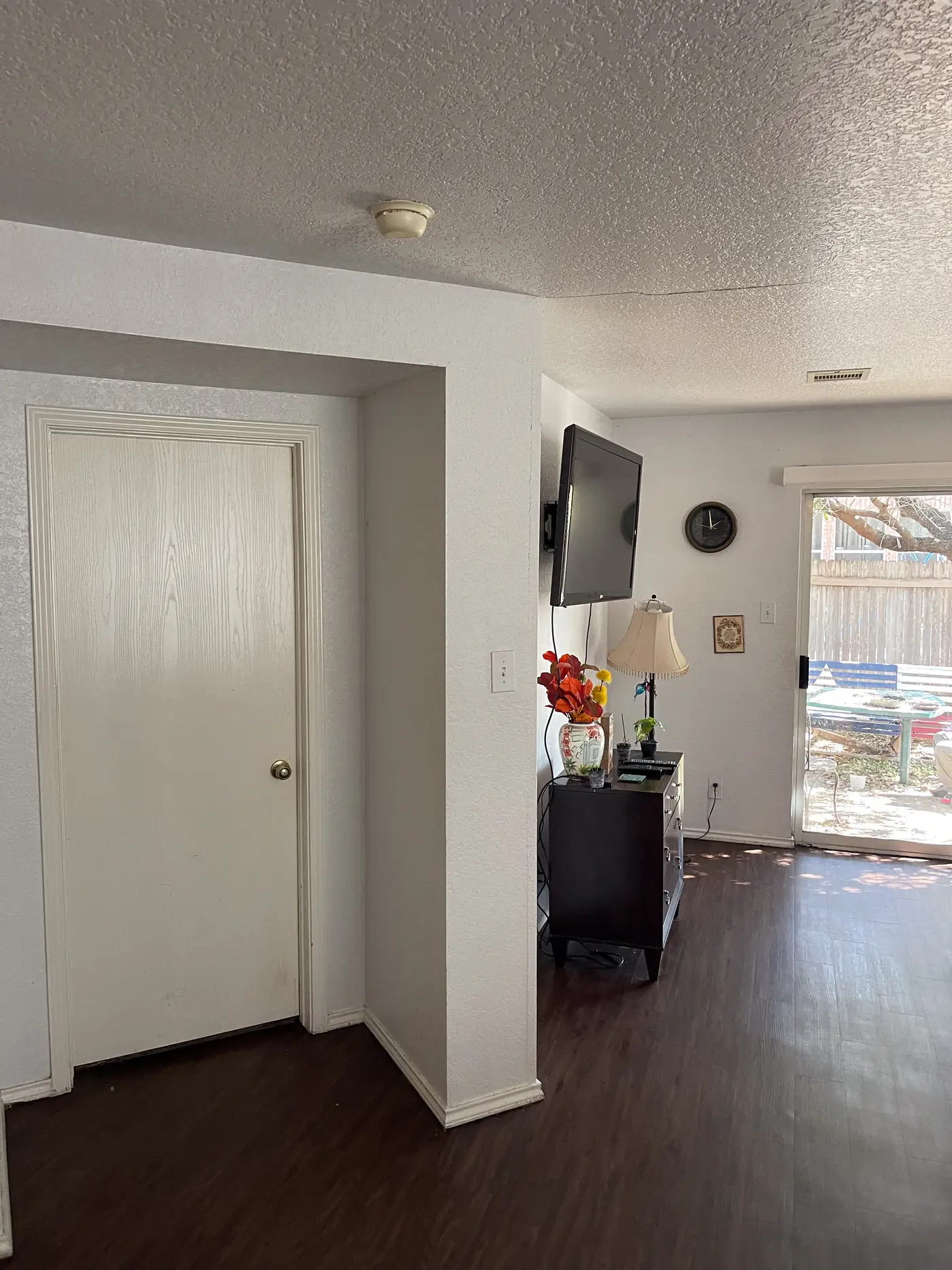
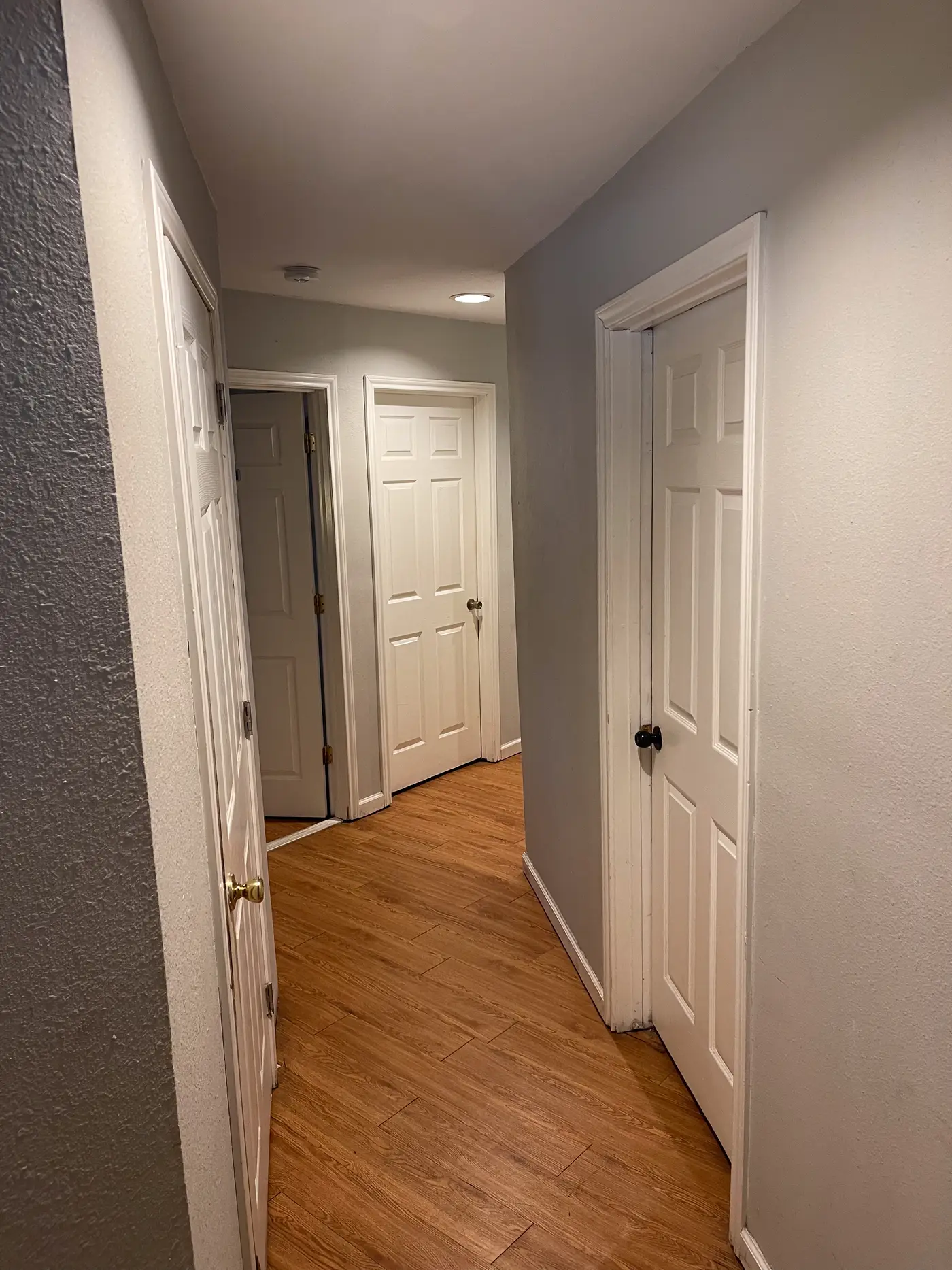
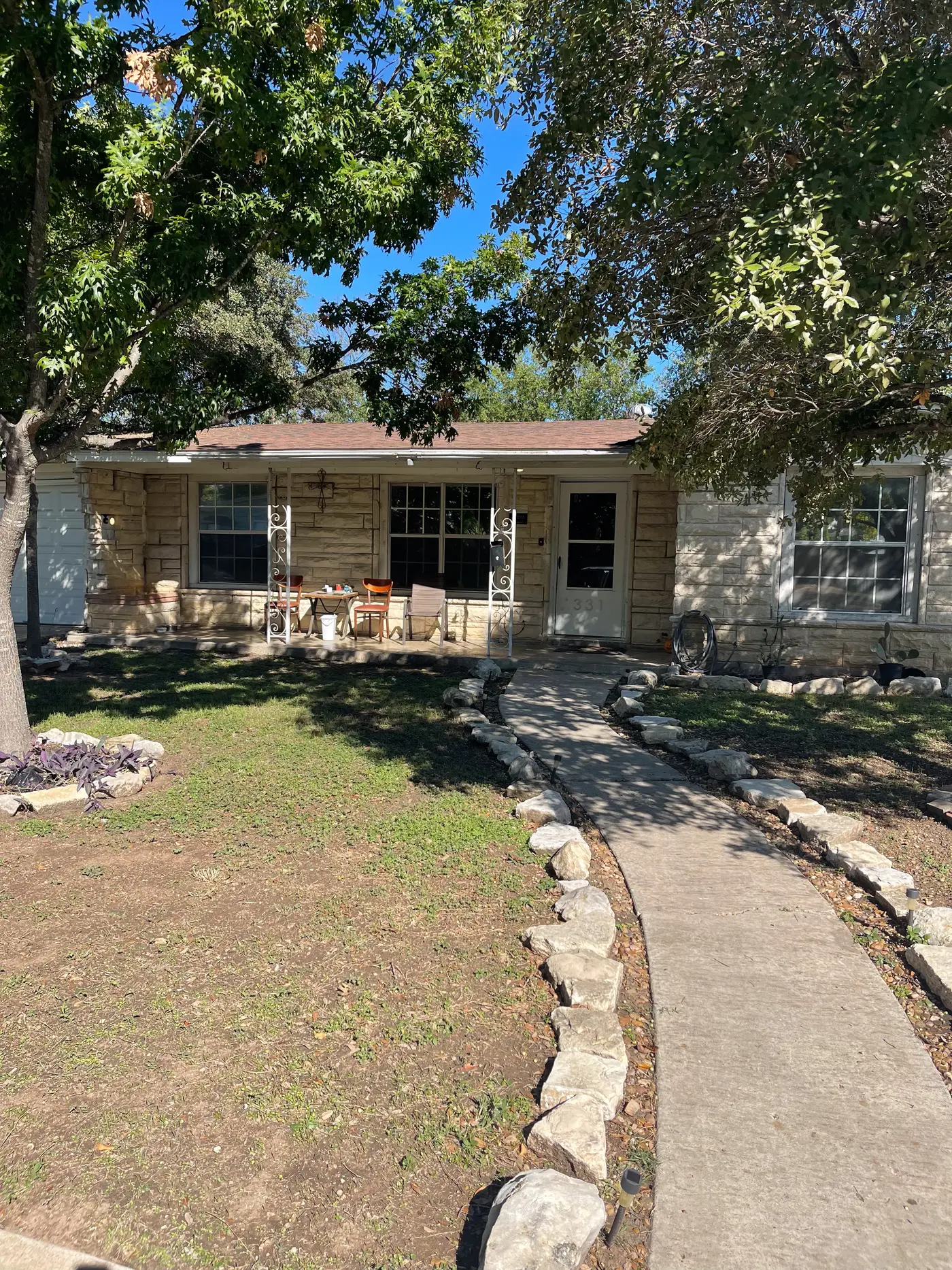
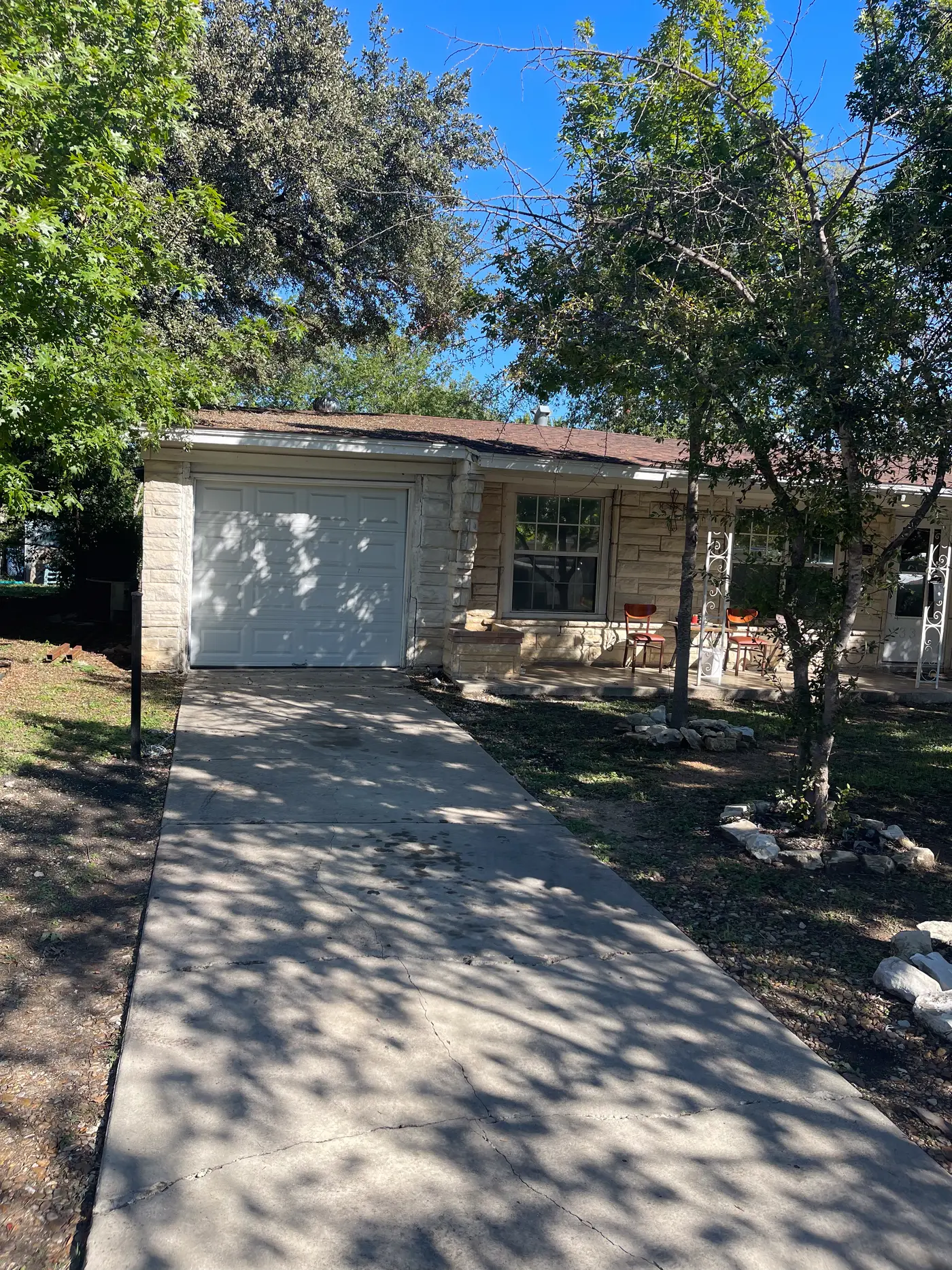
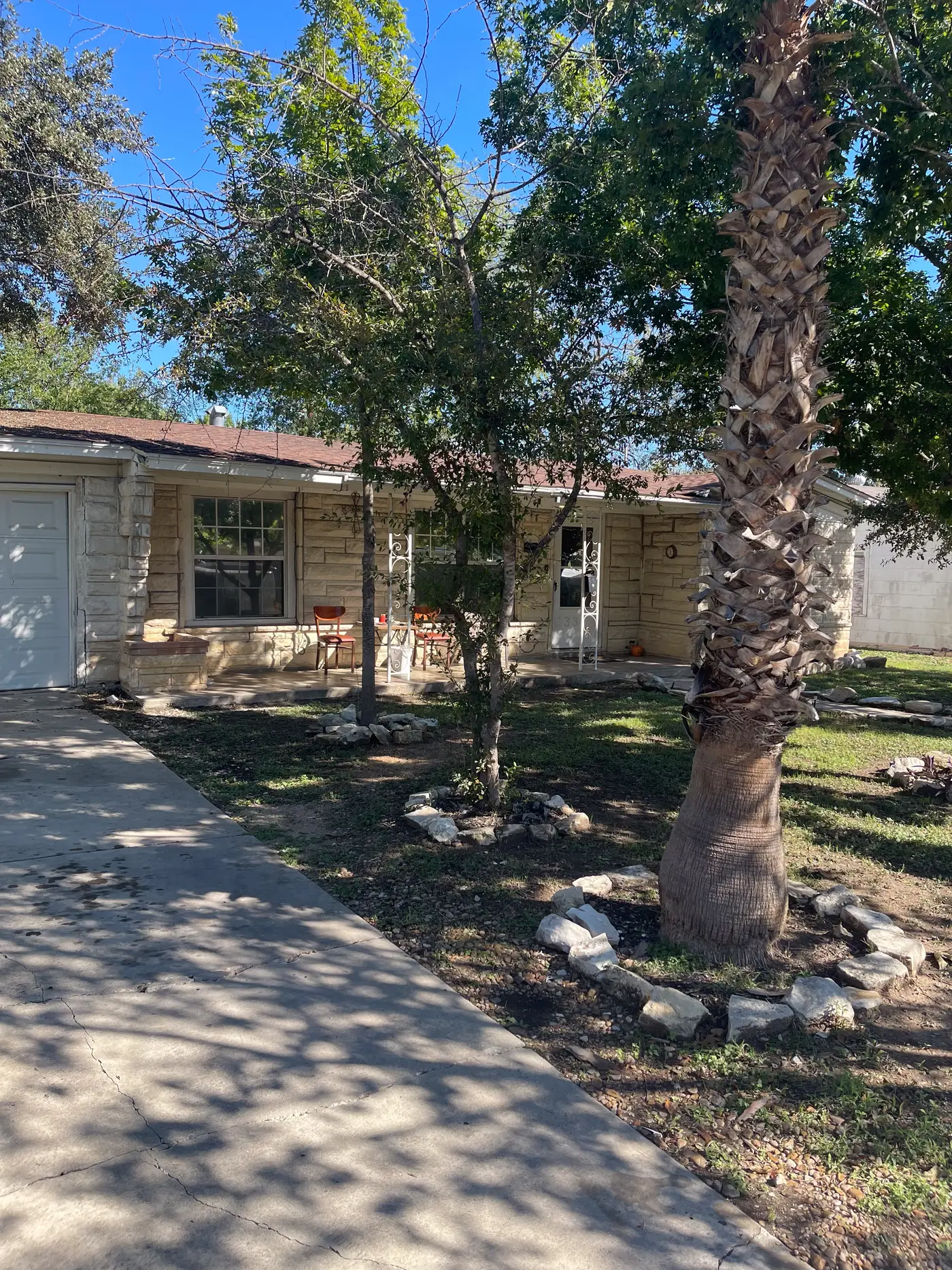
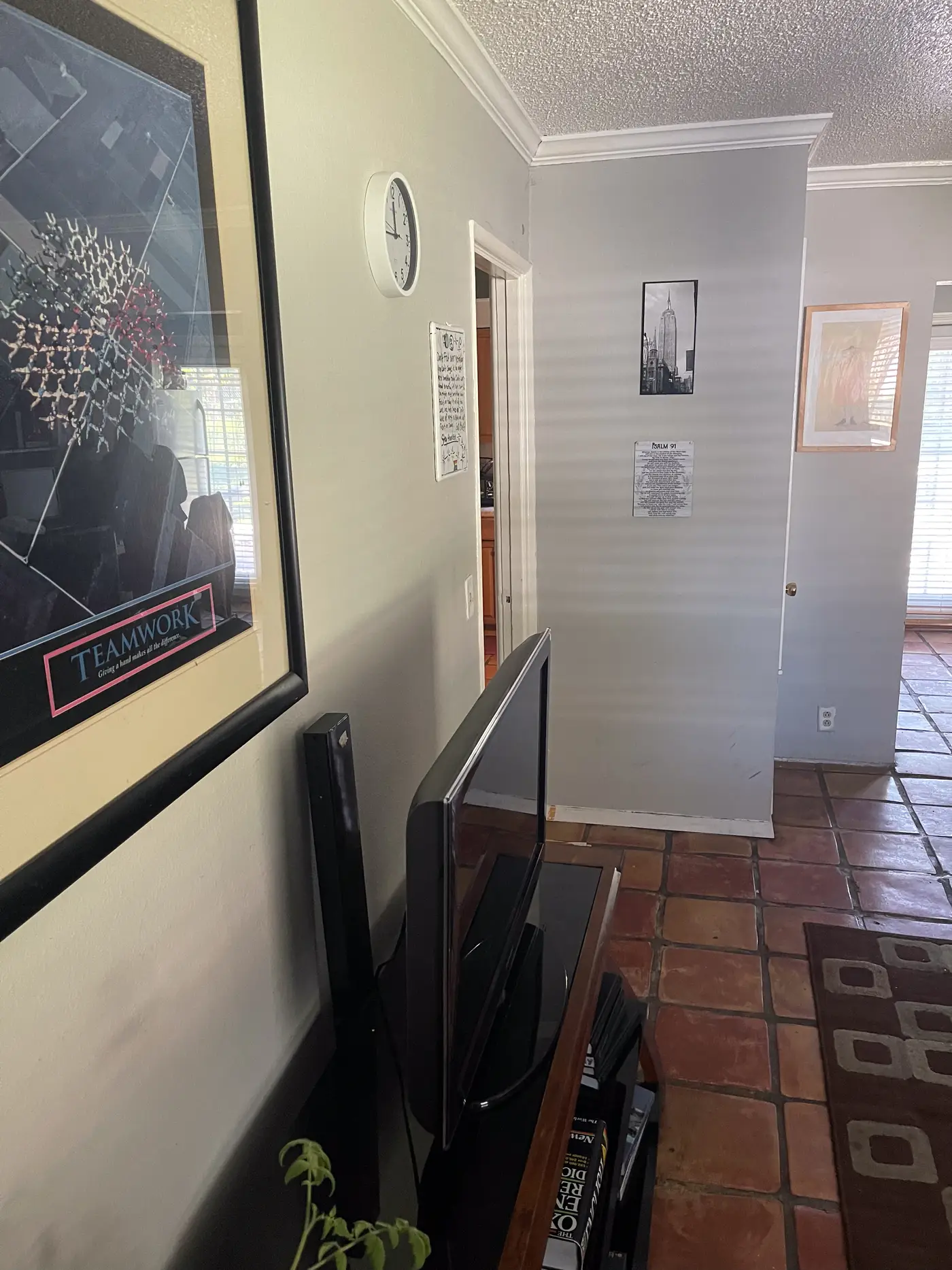
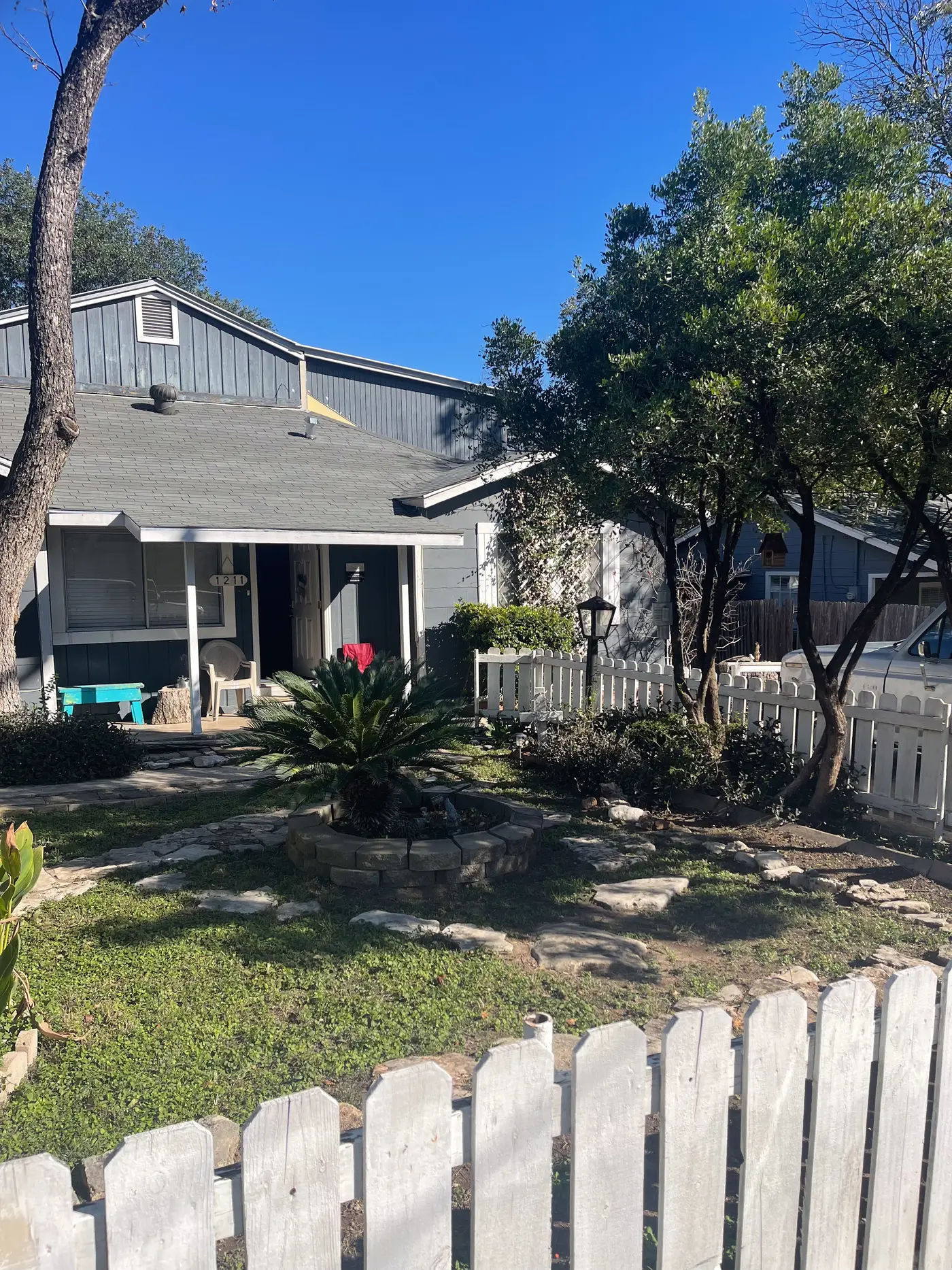
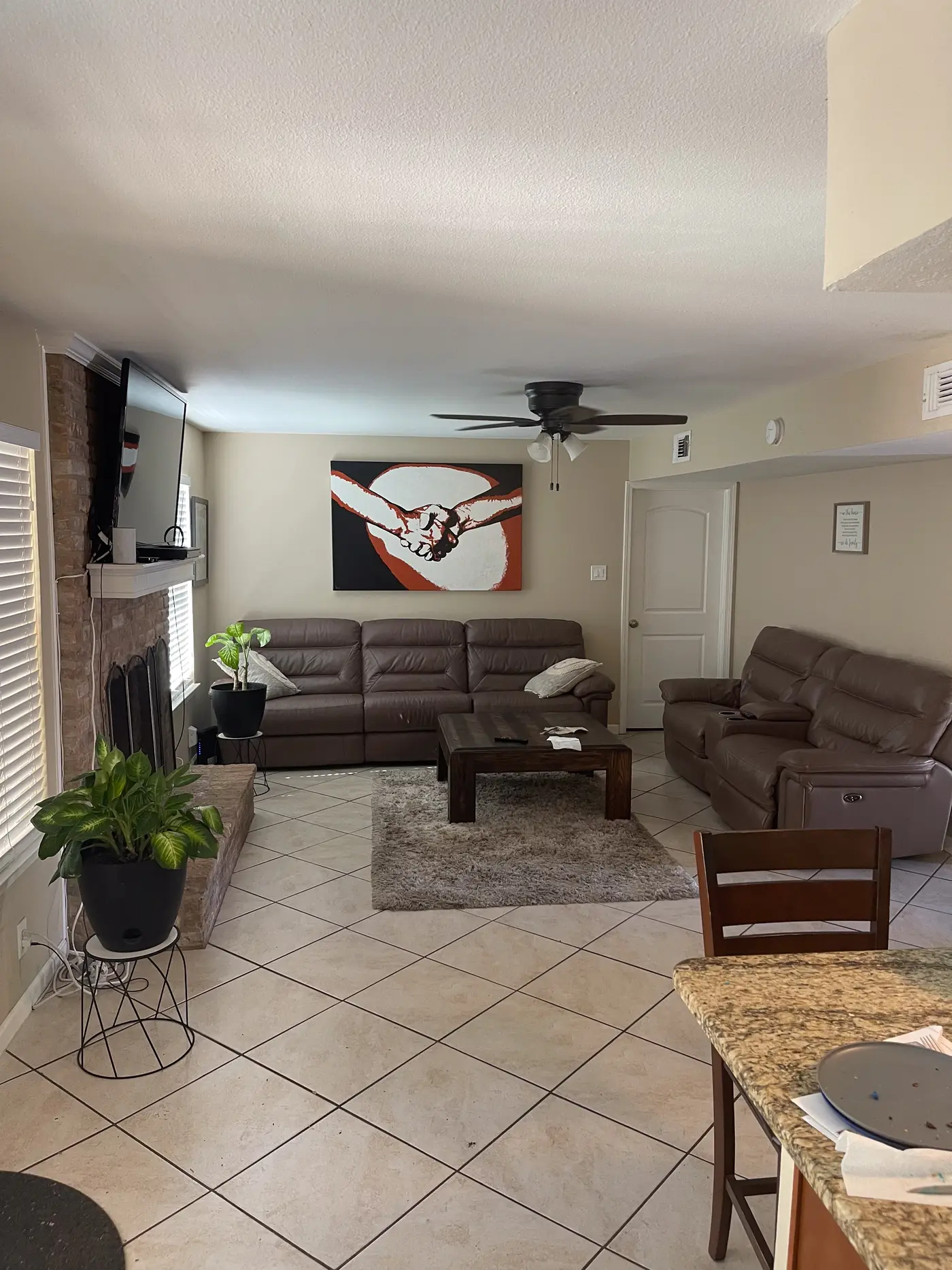
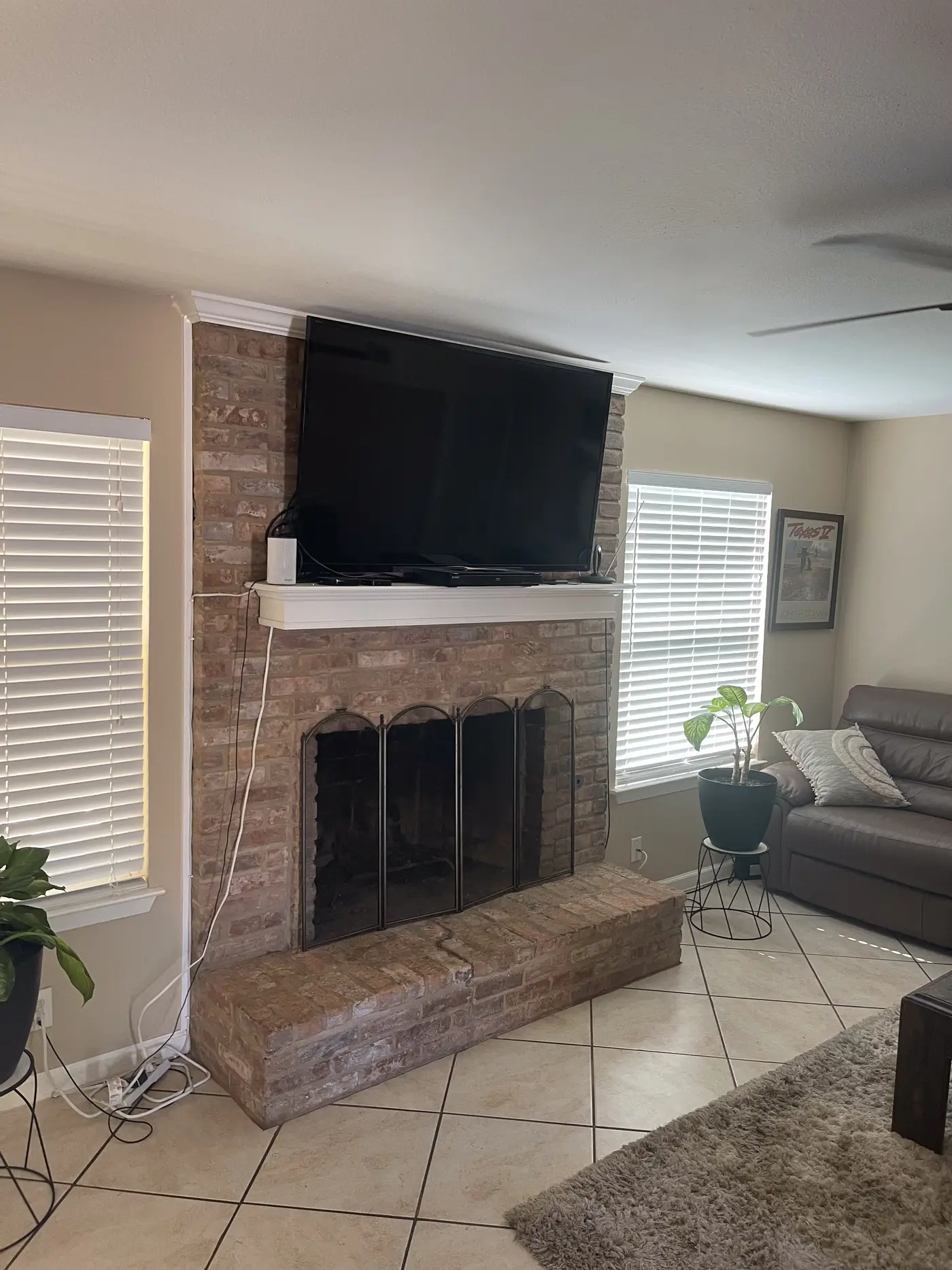
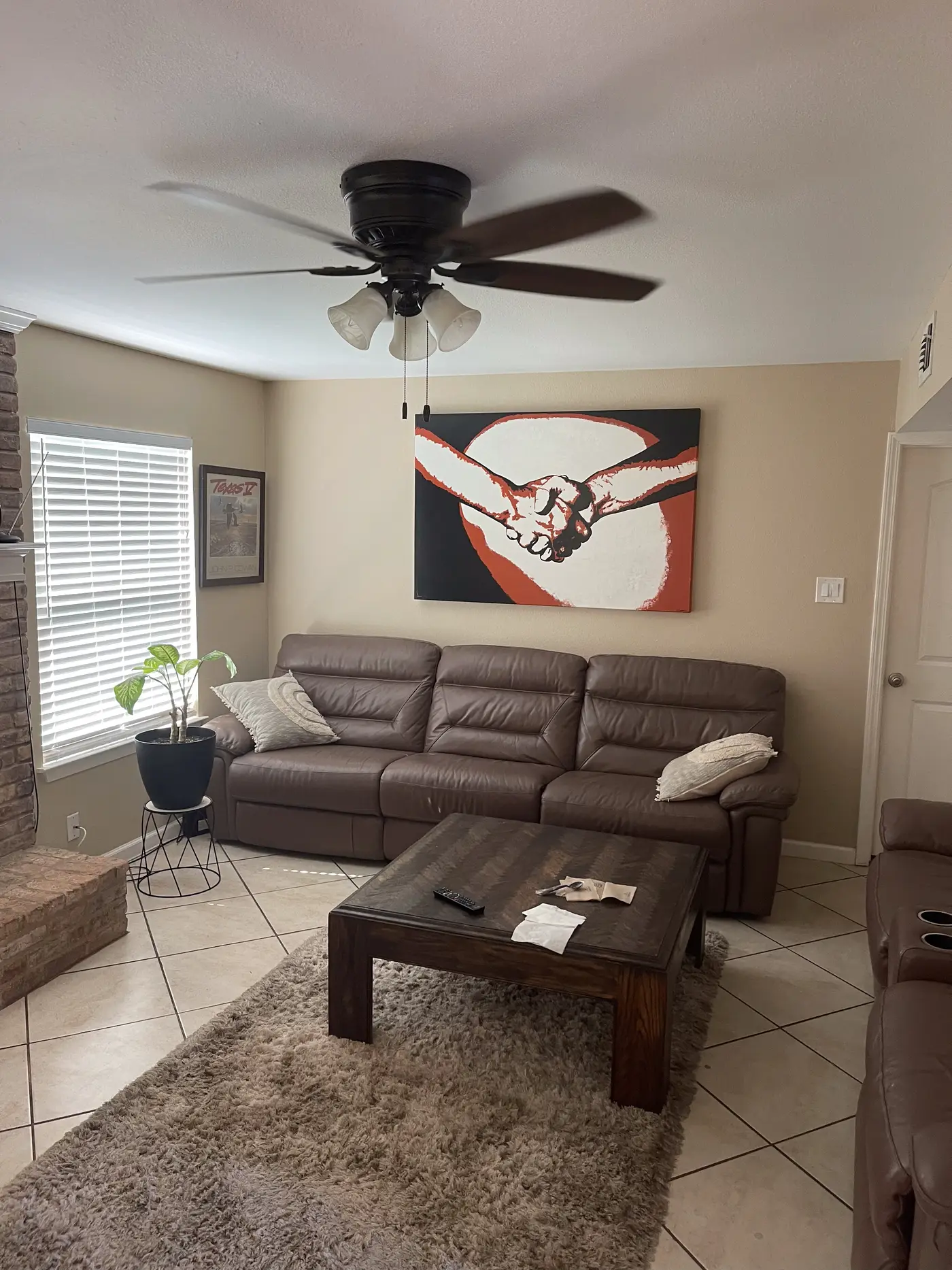
Inside the San Antonio homes
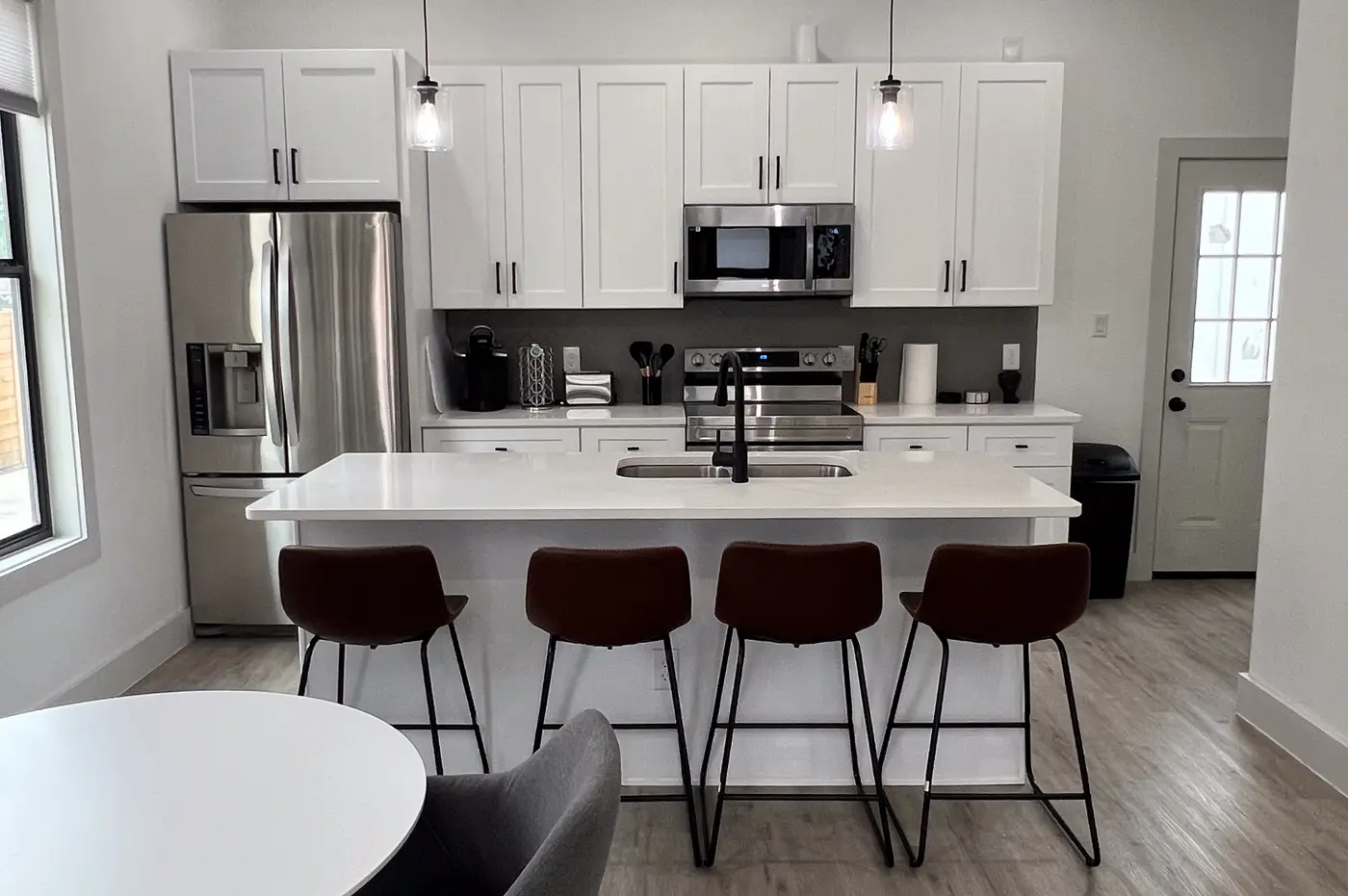
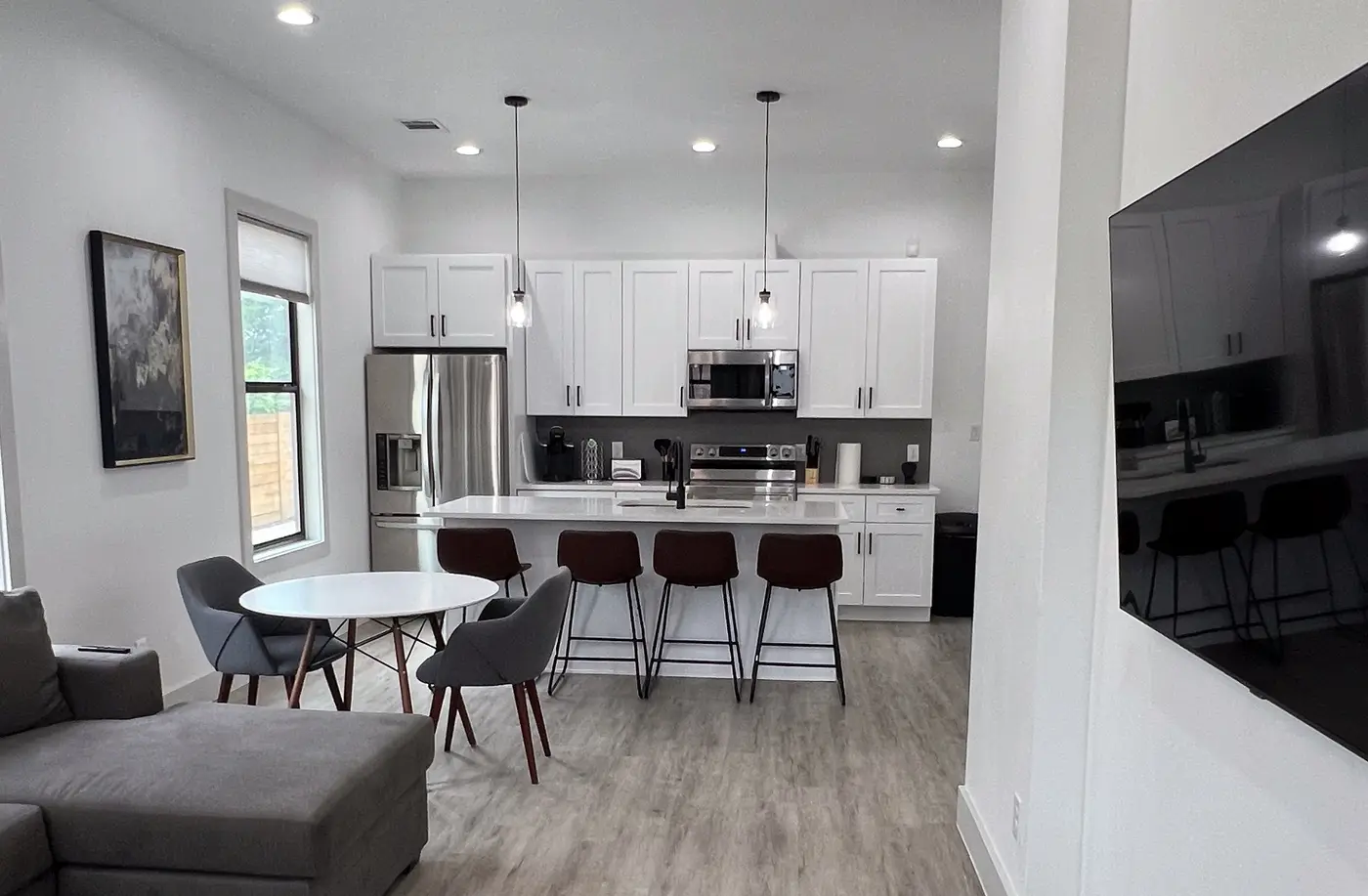


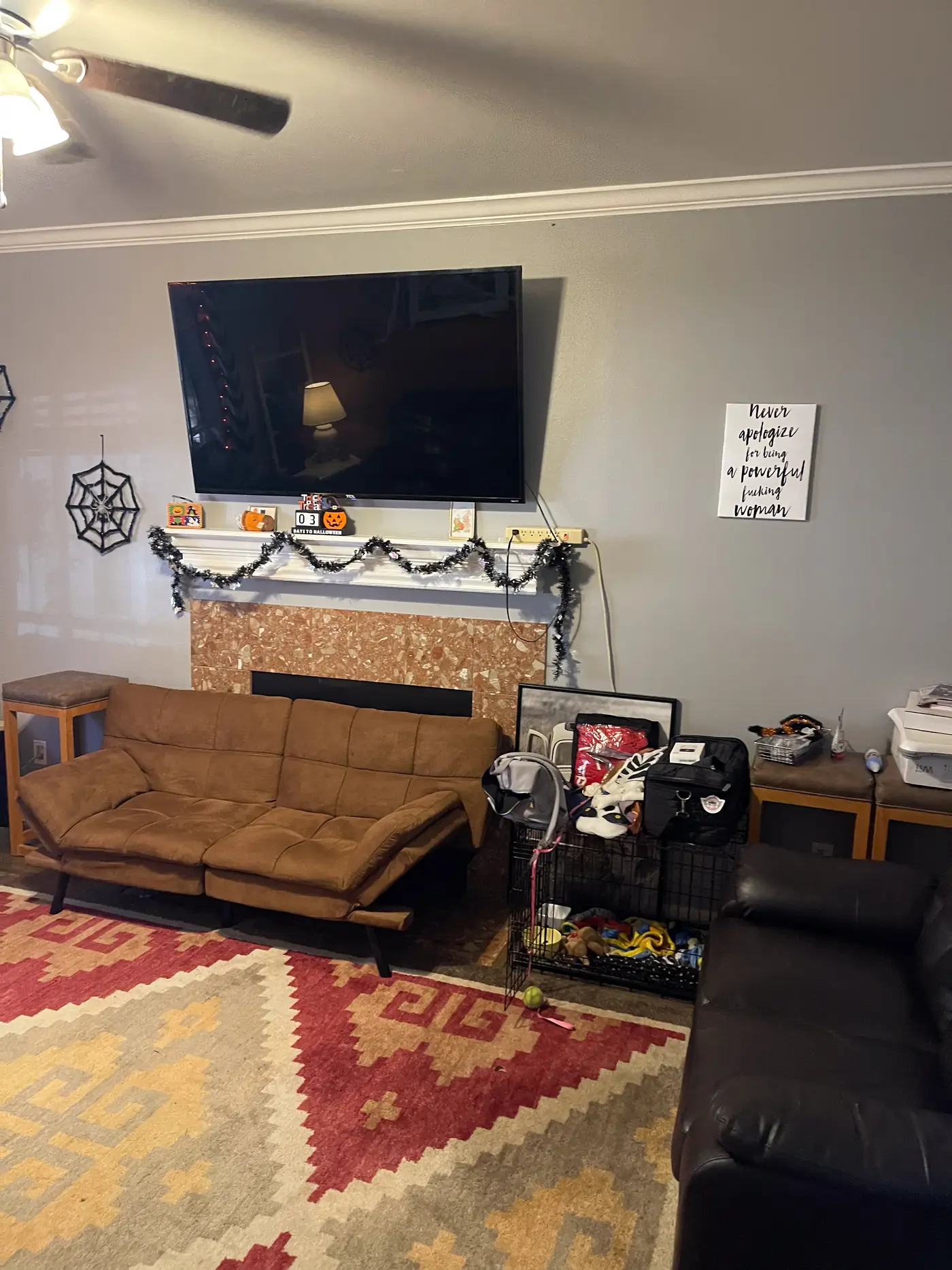
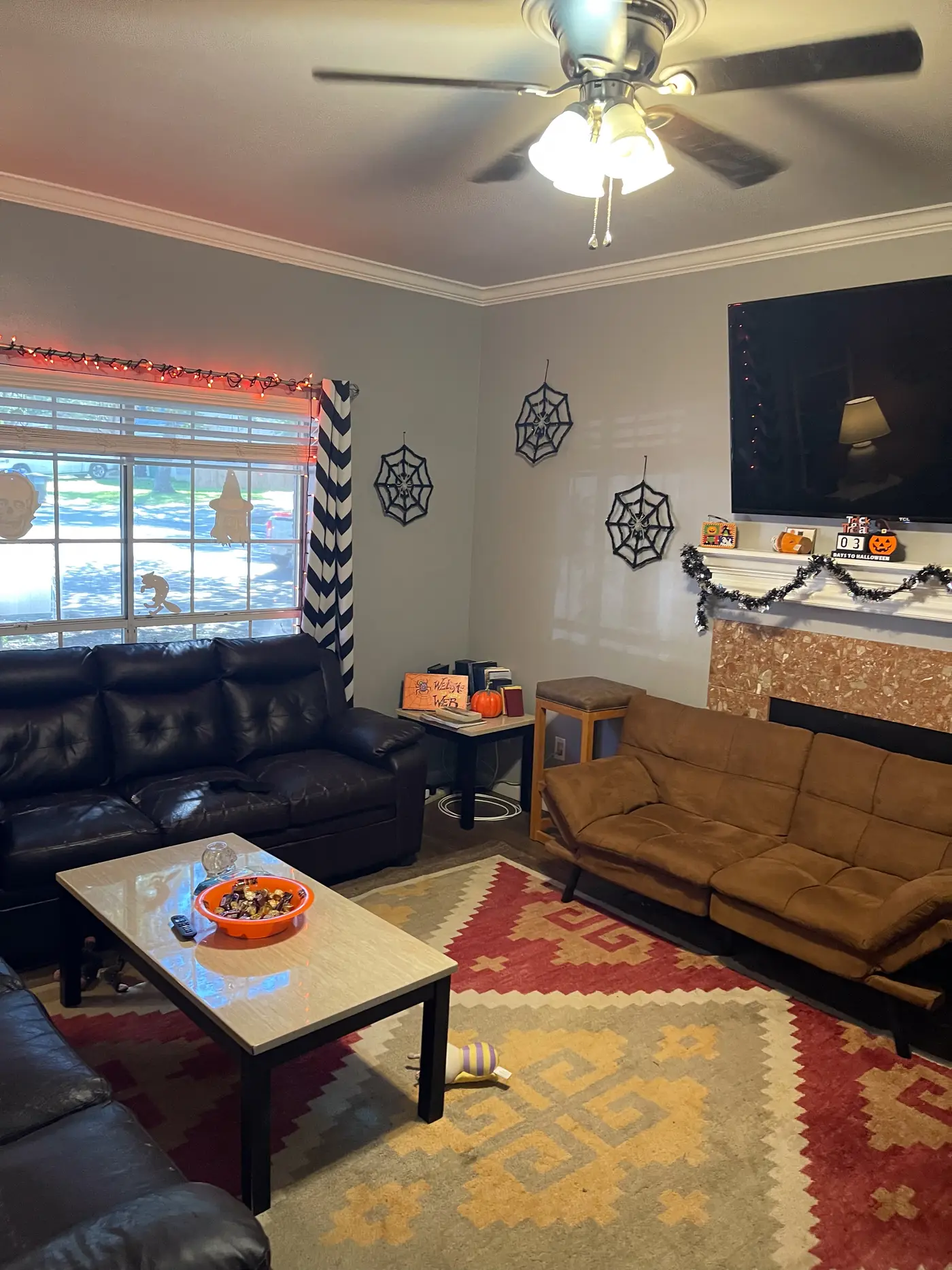
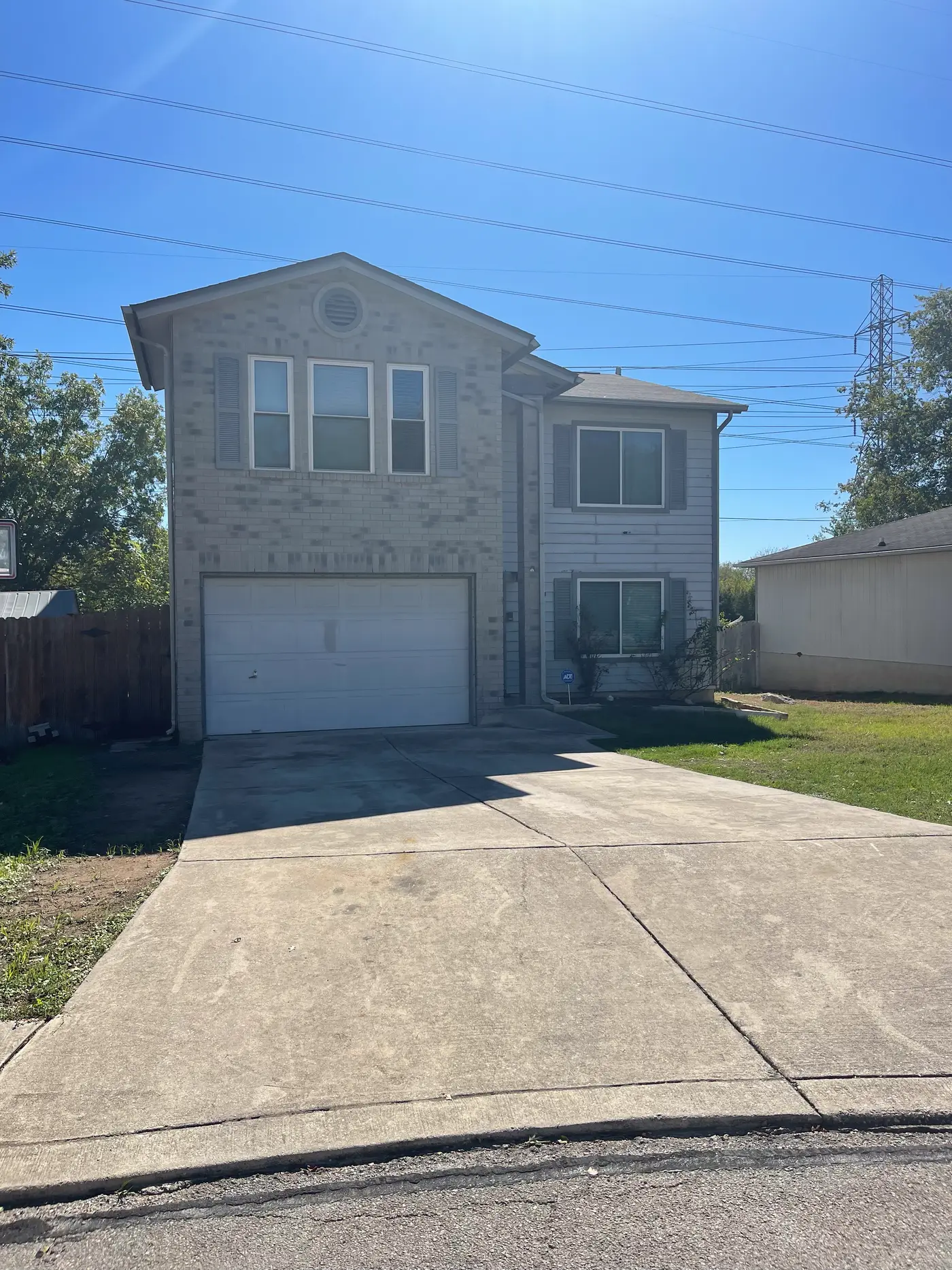
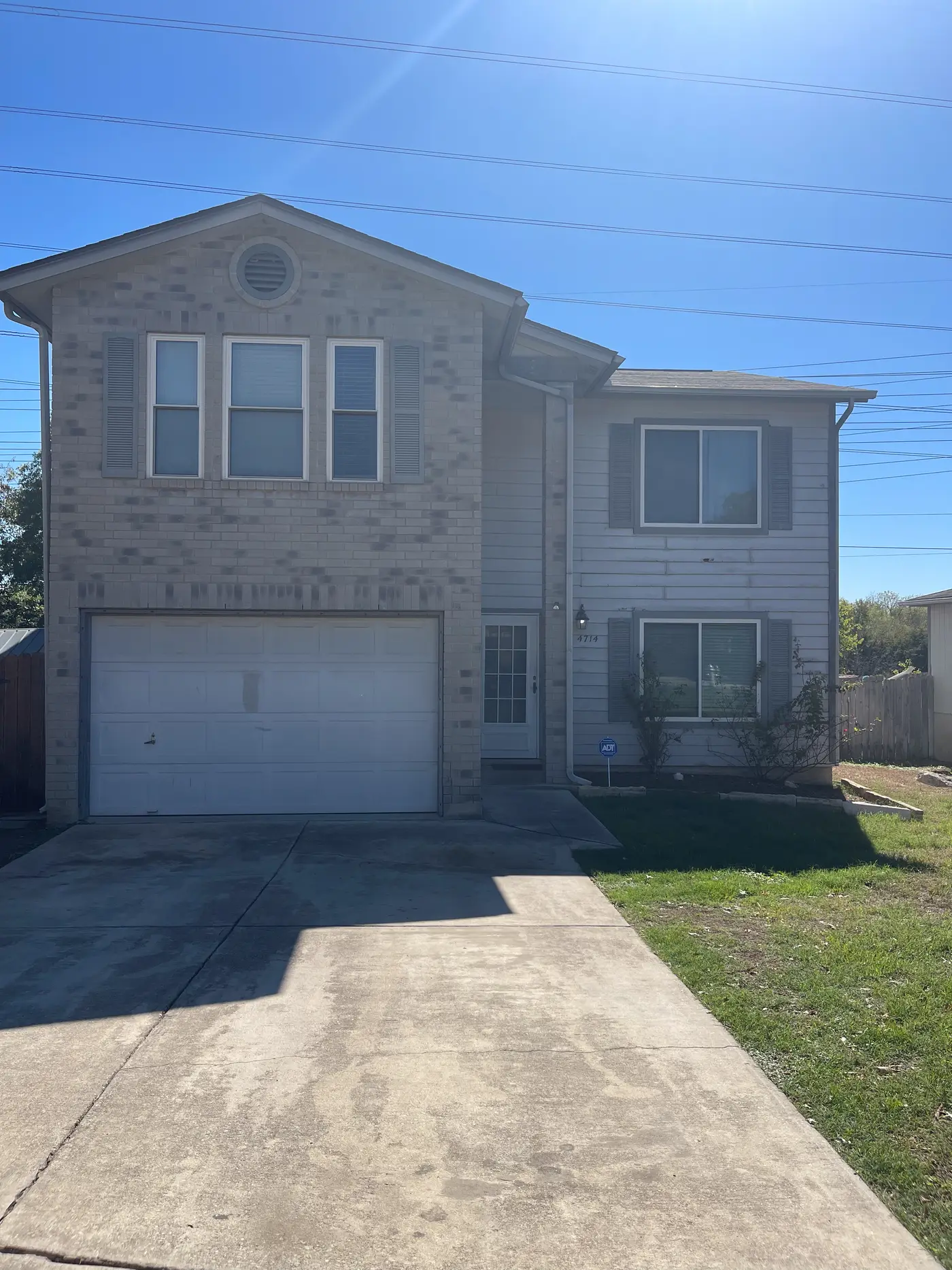
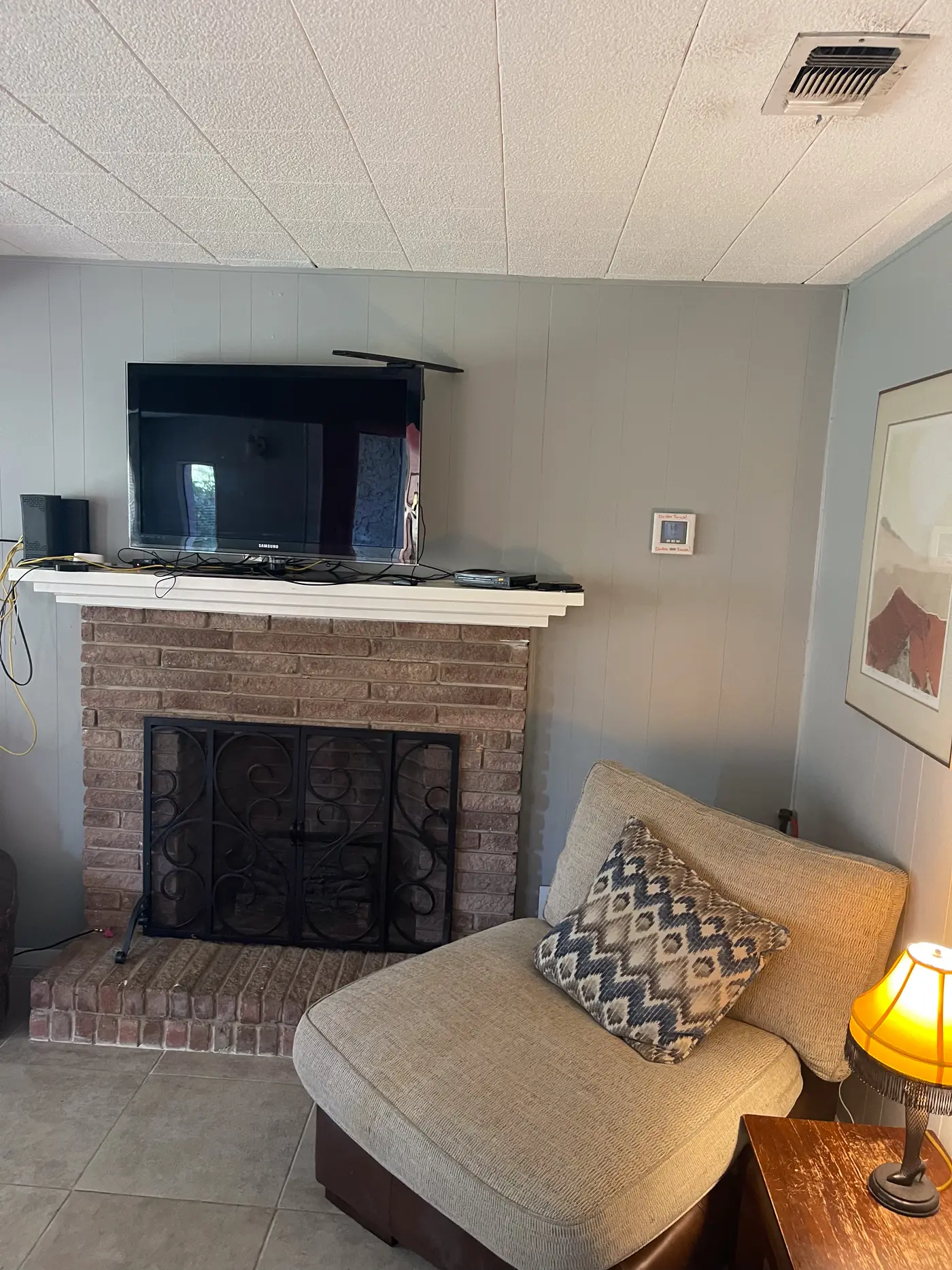
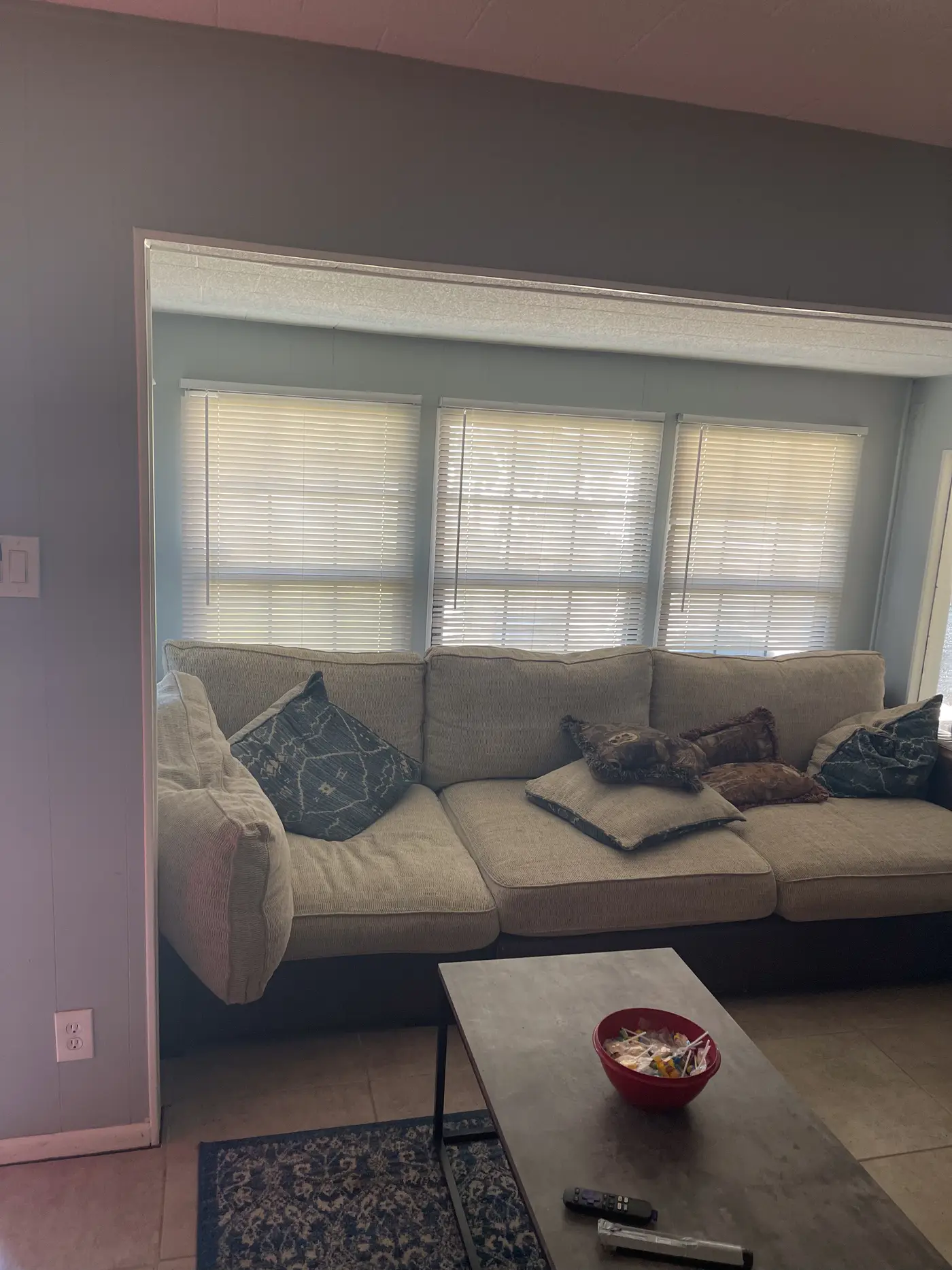


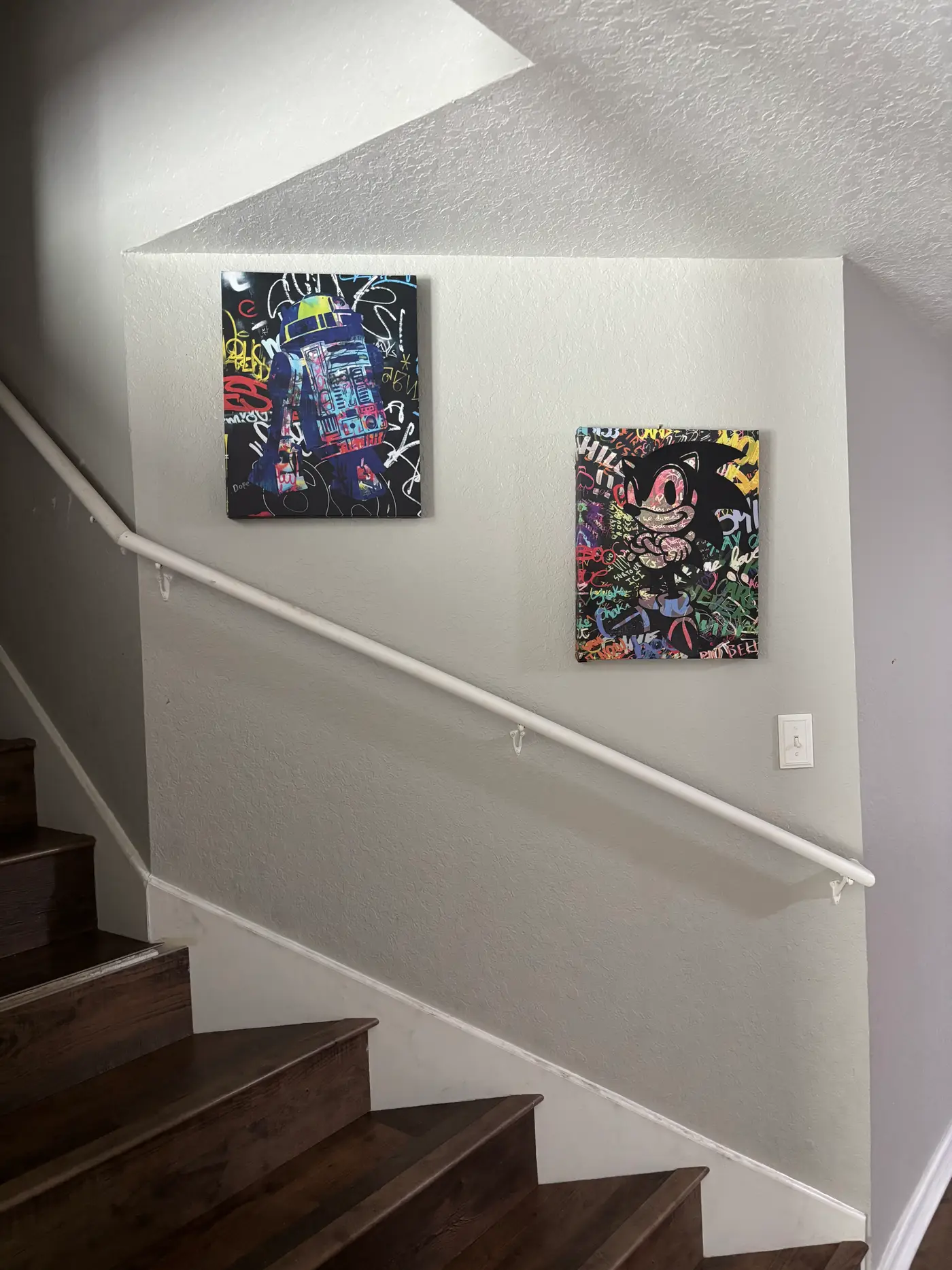
Length of Stay and Flexibility
Halfway house stays are determined by external authorities. A judge or parole board sets the timeline, often 90 to 180 days. You leave when your sentence or probation terms are satisfied, not when you feel ready.
Sober living offers flexibility. Most residents stay three to six months, but there’s no hard deadline. Some people need a few months to stabilize after treatment. Others stay longer to build a stronger foundation before living independently. At Eudaimonia, you and your support network decide when you’re ready to transition out, based on your progress and confidence in maintaining sobriety.
This flexibility matters because recovery timelines vary. Rushing out of structured housing before you’re ready increases relapse risk. Sober living lets you move at the pace that serves your long-term success.
Who Qualifies for Each Option?
Halfway house placement is typically reserved for people involved in the criminal justice system. You might be assigned to a halfway house if you’re finishing a prison sentence, on parole, completing drug court requirements, or diverted from incarceration into treatment. Qualification is determined by a court, probation officer, or reentry program, not by you.
Sober living homes accept anyone committed to sobriety who can follow house guidelines. There’s no court order or criminal history requirement. Many residents come to Eudaimonia Recovery Homes in San Antonio after completing detox or inpatient treatment and want a safe, structured environment while they rebuild their lives. Others may be stepping down from intensive outpatient programs or simply need accountability during early recovery.
The main qualification is a genuine commitment to staying sober and contributing to the house community.
Community and Peer Support
Halfway houses serve a population with mixed motivations. Some residents are committed to recovery; others are simply fulfilling a court order. The environment can feel transactional or institutional rather than supportive.
Sober living homes cultivate intentional community. Everyone is there by choice, working on the same goal: long-term sobriety. At Eudaimonia Recovery Homes, residents share meals, attend recovery meetings together, and hold one another accountable in ways that build genuine connection. The peer support you get from housemates who understand your struggle is one of the most powerful tools in early recovery.
This sense of belonging and mutual accountability often makes the difference between sustained sobriety and relapse after leaving structured treatment.
Which Option Is Right for You in San Antonio?
If you’re mandated by the court or a probation officer to live in transitional housing, a halfway house may be your only option. But if you’re choosing recovery voluntarily and want a supportive, flexible environment to practice sobriety skills, a sober living home offers more freedom and community.
Eudaimonia Recovery Homes in San Antonio provides structured sober living that bridges the gap between treatment and independent life. You’ll live with peers who share your commitment to recovery, build accountability, and develop the routines and relationships that sustain sobriety long-term.
If you’re finishing treatment or looking for a stable environment to support your recovery journey, reach out to Eudaimonia Recovery Homes to learn more about our San Antonio sober living community and how we can support your transition.
Ready to take the next step?
Eudaimonia Recovery Homes provides structured sober living and recovery support in San Antonio, TX. Call (512) 363-5914 to speak with our team today.


