Published February 21, 2018 · Updated July 27, 2026
On This Page · 9 Sections
Music is something we experience on a daily basis. Whether it’s listening to the radio on the way to work or hearing a new song in the soundtrack of a movie. It’s no doubt that music is a pleasurable experience for most (if not all) of us, but did you know it also has therapeutic and psychological benefits for people in addiction recovery?
What Role Does Music Play in Addiction Recovery, and How Can I Use It as a Recovery Tool?
Music plays a powerful supporting role in addiction recovery: it can regulate emotions, reduce stress and cravings, process difficult feelings, and create connection with others in recovery, all without substances. Research and clinical practice show music can lower anxiety, lift mood, and give people a healthy outlet for emotions that once drove substance use.
To use music as a recovery tool, build it intentionally into your routine: create playlists that match or shift your mood, use calming music for stress and cravings, play or learn an instrument as a focus and confidence builder, attend live music sober, and use uplifting or meaningful songs to reinforce your recovery identity. The goal is to make music a reliable, healthy coping tool you can reach for instead of old habits.
The Therapeutic Value of Music in Addiction Recovery
Music has been recognized as an effective form of therapy for a long time, according to the American Psychological Association. Researchers have also recently discovered that music improves the body’s immune system function, increases the amount of dopamine that is produced in the brain and reduces stress by decreasing the amount of cortisol your body produces. It has even been shown to be more effective than prescription drugs in reducing anxiety before surgery.1
Additionally, musical interventions such as playing an instrument, listening to music, or discussing the lyrics of a song can provide healing for patients suffering from all sorts of medical conditions, addiction, or trauma.
Music therapy itself is a therapeutic tool that can help facilitate physical, emotional, cognitive, and social change and growth. When used to treat clients in addiction recovery, it provides a wealth of benefits, including:
- Recognizing and accepting difficult emotions
- Reducing stress and providing an outlet for relaxation
- Promoting self-awareness
- Improving self-esteem
- Providing an outlet for self-expression
One study even found that music therapy is positively related to a willingness to participate in addiction treatment and is more motivating for clients to fully engage in their treatment.2
In addition to the physical benefits, music also provides a connection to one’s inner spirituality, which is another important aspect of addiction recovery. It has the same qualities of life: rhythm, tension, and release, and when people fully experience music, they also experience these qualities, which allows them to connect to their innermost feelings and heal from emotional scars, shame, and trauma.3
Psychological Benefits of Music
Not surprisingly, music also offers some psychological benefits that can be helpful to individuals who are enrolled in drug rehab or sober living programs. Scientific research surrounding the effects of music on human behavior, health, and wellness has shown that music provides the following psychological benefits.4
- It improves memory and cognitive performance.
- It helps people manage pain.
- It improves sleep quality.
- It can improve motivation.
- It reduces symptoms of depression and improves mood.
- It boosts workout performance.
Using Music as a Recovery Tool
There are many different ways you can incorporate music into your own sober living experience as a recovery tool, such as taking a group music class, creating playlists to keep yourself motivated, or writing and/or performing your own original music.
Even after you move out of your sober living home, music can still continue to be an important part of your recovery process. Here’s what one of our alumni has to say about the importance of music in her own personal recovery.
Megan Minasi – Guitarist and Vocalist
“Music has always been a part of my life. I’ve always had a strong appreciation for it and an emotional connection with it. While I was in recovery, I was in a treatment center that had this rhythm class for young adults. The guitar instructor would help us learn to play guitar, and I just fell in love watching all the people learn how to play and work together as a group without even trying.
After that, I got a guitar from one of my roommates in sober living and started learning how to play songs I liked with YouTube. I would never put [the guitar] down. Every free waking moment I had, I spent learning new songs. It was the best feeling in the world.
While I was in treatment at Nova [Recovery Center], I started writing my own songs. The first song I wrote was my third step prayer song called “When the Smoke Clears.” It just came so easily to me. Then I wrote another song about the toxic relationships I’ve gone through in addiction.
When I got out, others at the treatment center encouraged me to do something with my music so I connected with some other musicians in recovery. I also work for a nonprofit organization, going to schools and nursing homes to bring music to people. I still get nervous, but I keep doing it.
Recovery inspires my music much more than addiction does. When I went to Nova, I was really broken. I had been to treatment nine times, but them letting me have my guitar in rehab was great. If I hadn’t had music, it wouldn’t have been the experience that it was.”
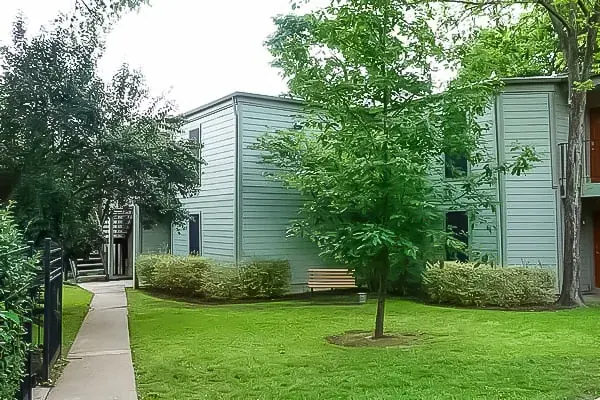
Inside Rustic Creek, our Austin flagship







Nick LaRocca – Guitarist
“I got out of treatment about a month ago, but music has always been a big part of my life from a young age. I play guitar, a little piano, harmonica, mess around on the drums … but mainly guitar.
During treatment, anytime I was able to hear or listen to music was great for me. Even before [treatment], music has always been there for me. It’s something that makes me feel better. If I’d be having a hard day or something, I’d just listen to my favorite song and everything would feel okay.
When my fiancé broke up with me, I was still using at the time, but music also helped me get through that. Writing songs and playing with my band really helped. My [songwriting] inspiration comes from what I’ve been through. My songs aren’t very topical, they’re just about what’s going on with me and what I’ve been through.
I went to Nova [for rehab] and am at the Eudaimonia apartments in Austin now. This is my first time going to rehab and being in recovery. I’ve never tried to get sober before. But to be able to have music therapy in treatment centers is great. I think that’s very beneficial because music connects people.
It was also beneficial for me because I was struggling to accept a higher power. My whole life I’ve been an atheist and that was something I had to deal with. At first, the only thing I was able to be comfortable with was music. Music is always in my head. I have it in my mind all the time. My higher power is music and I have my own perception of it. Even the music you can’t hear … the vibrations of the universe too. If I ever doubt having a higher power, I just come back to music. It’s greater than myself … It changes the way I feel.”
References:
- https://www.apa.org/monitor/2013/11/music.aspx
- https://www.ncbi.nlm.nih.gov/pmc/articles/PMC4268880/
- https://www.secretenergy.com/news/music-and-spirituality/
- https://www.verywell.com/surprising-psychological-benefits-of-music-4126866
Related Recovery Resources at Eudaimonia Recovery Homes
Music therapy is just one of many evidence-based approaches that support long-term sobriety in a structured sober living environment. At Eudaimonia Recovery Homes, we integrate multiple wellness modalities to help residents build sustainable recovery skills and find joy in their sober journey.
Explore More Recovery Tools and Insights
- The Benefits of Art Therapy in Sober LivingDiscover how creative expression complements music and other therapeutic activities in recovery housing.
- Can Meditation Help Recovery?Learn about mindfulness practices that work alongside music therapy to reduce stress and cravings.
- Healthy Habits for Thriving in RecoveryBuild a holistic daily routine that incorporates music, movement, and community support.
- 7 Essential Elements of a Successful Sober Living ExperienceUnderstand the full spectrum of tools and structure that make recovery housing effective.
- Creating a Structured Routine: 5 Activities to Support Your Sober Living JourneySee how music fits into a balanced weekly schedule in sober living.
If you’re ready to explore how music therapy and other proven recovery tools can support your journey, contact Eudaimonia Recovery Homes in Austin, TX at (512) 240-6612. Our structured sober living programs offer the community, accountability, and holistic support you need to thrive in long-term recovery.