
Published July 25, 2026
On This Page · 9 Sections
Yes, you can go directly from detox to a sober living house without completing a full rehab program first. Many people choose this path, especially those who have completed outpatient treatment previously, have strong support systems, or need structured housing while attending outpatient programming. However, the best sequence depends on your individual clinical needs, substance use history, and recovery goals. Sober living homes like Eudaimonia Recovery Homes welcome residents at various points in their recovery journey, whether they’re transitioning from detox, stepping down from residential treatment, or entering from outpatient care.
Understanding the Continuum of Care: Detox, Rehab, and Sober Living
Recovery isn’t one-size-fits-all, and the pathway you take depends on where you’re starting and what level of support you need. The continuum of care typically includes detox, treatment (inpatient or outpatient), and sober living, but not everyone follows the same linear progression.
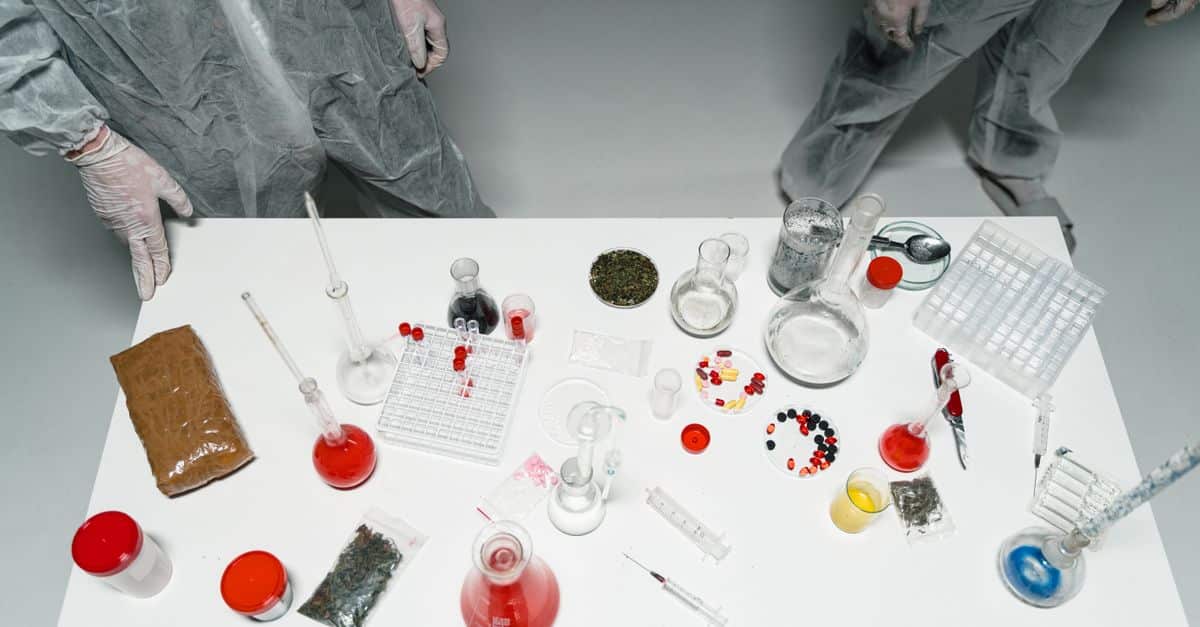
Detox is the medical process of safely withdrawing from substances. It addresses the physical dependence and manages withdrawal symptoms under clinical supervision. Detox typically lasts 3-10 days, depending on the substance and your individual physiology.
Rehab or residential treatment addresses the psychological, behavioral, and social aspects of addiction. This is where you learn coping skills, explore underlying trauma, participate in therapy, and build a foundation for long-term recovery. Residential programs usually run 30, 60, or 90 days.
Sober living provides a structured, substance-free environment where you can practice recovery skills in real-world settings. It bridges the gap between intensive treatment and independent living, offering accountability, community, and ongoing support while you rebuild your life.
When Going Directly From Detox to Sober Living Makes Sense
Several scenarios make the detox-to-sober-living path appropriate and effective. If you’ve already completed a residential treatment program in the past and have relapsed, you may not need another 30-day rehab stay. Instead, you might benefit most from the structured accountability and peer support that sober living provides.
Some people choose to attend intensive outpatient programming (IOP) or partial hospitalization (PHP) while living in a sober living house. This combination offers clinical treatment during the day and a safe, supportive home environment at night. You get the therapeutic benefit of structured programming without the isolation of residential treatment.
Others have strong outpatient support already in place: a therapist they trust, a solid 12-step or recovery group, and a treatment plan that’s working. For these individuals, the primary need is housing. If your current living situation is unstable, triggering, or simply not conducive to sobriety, moving directly from detox to sober living can remove environmental barriers to recovery.
Financial and logistical factors also play a role. Residential treatment is significantly more expensive than sober living, and not everyone’s insurance covers extended inpatient stays. Going from detox to sober living while engaging in outpatient treatment can be a more affordable and equally effective option.
When You Should Consider Rehab Between Detox and Sober Living
For many people, especially those new to recovery, completing a full rehab program between detox and sober living is the safer, more effective path. If this is your first time seeking treatment, you likely haven’t yet developed the coping skills, relapse prevention strategies, and self-awareness needed to navigate early sobriety without intensive clinical support.
Certain substances and usage patterns also warrant more structured care. If you’ve been using heavily for years, have co-occurring mental health conditions like severe depression or PTSD, or have experienced multiple relapses, the clinical intensity of residential treatment gives you the best chance at sustainable recovery.
Residential treatment provides 24/7 clinical oversight, which is crucial if you’re still medically fragile after detox or if your risk of relapse is high. The immersive environment removes you from triggers, unhealthy relationships, and the chaos that often surrounds active addiction. You get time and space to focus entirely on healing.
Think of it this way: detox clears the substance from your body, rehab teaches you how to live without it, and sober living lets you practice those lessons in a supportive setting. Skipping the middle step can work for some, but for others, it’s like trying to run before you’ve learned to walk.
What Sober Living Homes Actually Require for Admission
Can you go directly from detox to a sober living house? The answer often depends on the house’s admission criteria. At Eudaimonia Recovery Homes, we welcome residents from various points in their recovery journey, but there are some baseline expectations.
Most sober living homes require that you’ve completed medical detox and are physically stable. You can’t be actively withdrawing or in need of medical monitoring when you move in. This protects both you and the community.
You’ll need to be committed to sobriety and willing to follow house rules, which typically include random drug testing, curfews, participation in house meetings, and engagement in some form of recovery programming: whether that’s outpatient treatment, 12-step meetings, therapy, or another structured support system.
Some homes require proof of enrollment in outpatient treatment or a discharge plan from detox. Others are more flexible, allowing you to arrange outpatient services after you move in. Either way, the expectation is clear: sober living is not a passive experience. You’re expected to actively work on your recovery.
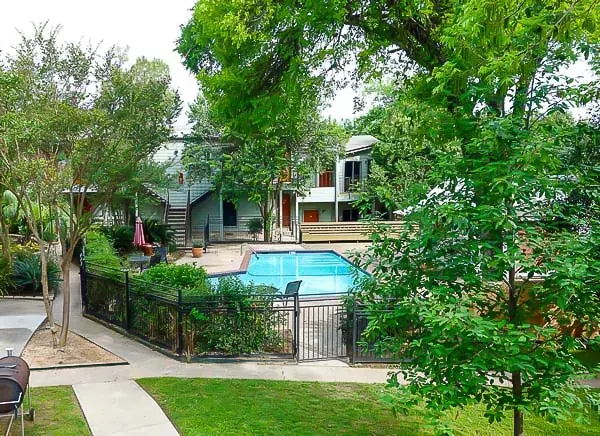
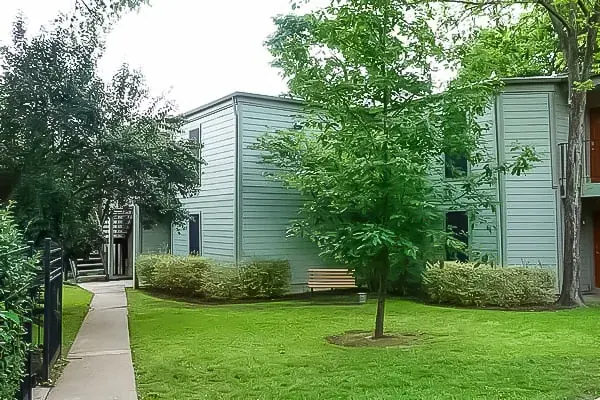
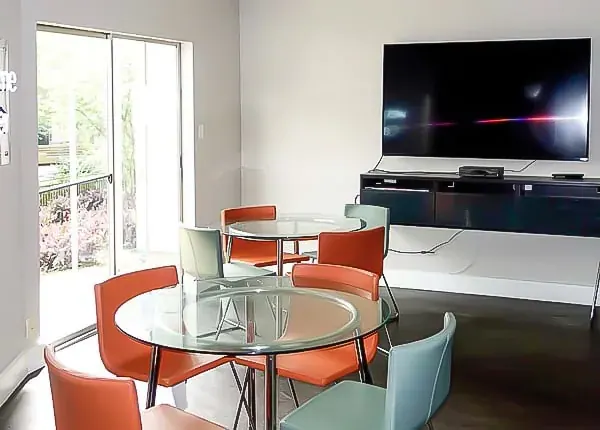
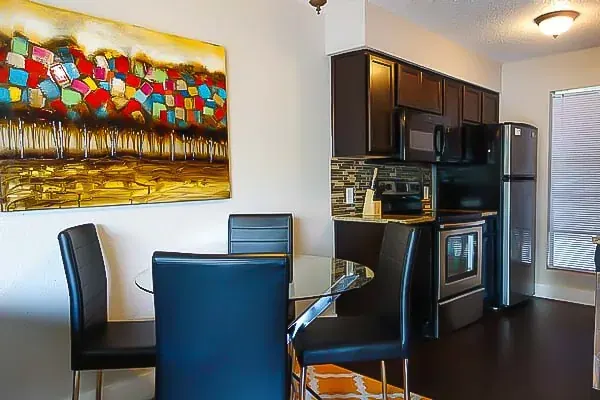
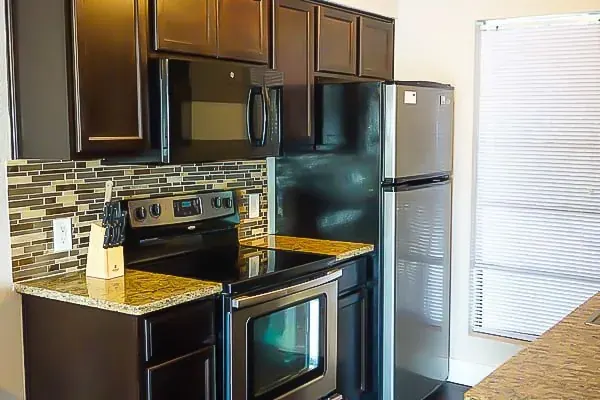
Inside Rustic Creek, our Austin flagship



The Role of Outpatient Treatment in the Detox-to-Sober-Living Pathway
If you choose to go directly from detox to sober living without completing residential rehab, outpatient programming becomes essential. This isn’t optional, it’s the clinical backbone of your recovery plan.
Intensive outpatient programs (IOP) typically run 9-12 hours per week, spread across three or four days. You attend group therapy, individual counseling, and educational sessions while living at home, or in this case, in a sober living house. Partial hospitalization programs (PHP) are even more intensive, running 5-6 hours per day, five days a week.
These programs provide the clinical structure and therapeutic support you’d get in residential treatment, but with the flexibility to practice recovery skills in real time. You learn a coping strategy in group therapy on Tuesday, then apply it when you face a craving on Wednesday night. You process a difficult emotion with your therapist on Thursday, then navigate it in your sober living community that evening.
Living in a sober living house while attending outpatient treatment creates a powerful synergy. The house provides accountability, structure, and peer support. The outpatient program provides clinical expertise, therapeutic intervention, and evidence-based treatment. Together, they address both the clinical and community aspects of recovery.
What to Expect in the First Weeks After Detox
Whether you go to rehab or move directly into sober living, the first few weeks after detox are vulnerable. Your body is still adjusting, your emotions are raw, and cravings can be intense. Understanding what to expect can help you prepare.
Physically, you may still feel tired, irritable, or generally unwell even after detox is complete. Post-acute withdrawal syndrome (PAWS) can linger for weeks or months, causing mood swings, sleep disturbances, and difficulty concentrating. This is normal, and it will improve with time and support.
Emotionally, many people experience what’s called the “pink cloud”—a period of euphoria and optimism in early sobriety, followed by a crash when reality sets in. Others feel overwhelmed, anxious, or depressed from day one. Both experiences are valid, and both require support.
This is why community matters so much. Living in a sober living house means you’re surrounded by people who understand what you’re going through because they’ve been there themselves. You’re not white-knuckling it alone in an apartment; you’re part of a recovery community that holds you accountable and lifts you up.
How Eudaimonia Recovery Homes Supports Various Recovery Pathways
At Eudaimonia Recovery Homes, we understand that recovery pathways are as unique as the people walking them. Whether you’re coming directly from detox, stepping down from residential treatment, or transitioning from outpatient care, we meet you where you are.
Our homes in Austin, South Austin, Houston, San Antonio, Colorado Springs, Philadelphia, and Baton Rouge provide structured, supportive environments designed to help you build a life in recovery. We emphasize community, accountability, and real-world skill-building. You’ll live with others in recovery, participate in house meetings, maintain employment or education, and engage in ongoing treatment or support groups.
We don’t require that you’ve completed a full rehab program before moving in, but we do require that you’re committed to sobriety and willing to actively participate in your recovery. That might mean attending IOP while living with us, going to 12-step meetings, working with a therapist, or engaging in other structured support.
Our staff can help you coordinate care, connect with local outpatient providers, and develop a recovery plan that makes sense for your situation. We verify insurance benefits and work with you to understand your payment options, making sober living accessible regardless of which path you’re taking.
Making the Right Decision for Your Recovery Journey
So can you go directly from detox to a sober living house, or do you need to complete a full rehab program first? The honest answer is: it depends on you. Your substance use history, clinical needs, support system, past treatment experience, and personal circumstances all factor into the decision.
If you’re uncertain, talk to the clinical team at your detox facility. They can assess your needs and recommend the appropriate level of care. Be honest about your history, your triggers, and your living situation. The goal isn’t to take the easiest path, it’s to take the path that gives you the best chance at long-term recovery.
Remember that recovery is not a linear process, and there’s no shame in needing more support than you initially thought. Some people go from detox to sober living, realize they need more clinical structure, and step back into intensive outpatient or even residential care. That’s not failure, that’s self-awareness and course correction.
What matters most is that you’re committed to the journey and willing to ask for help when you need it. Whether that means going directly from detox to sober living or completing a full rehab program first, the important thing is that you’re taking action toward recovery.
If you’re navigating these decisions and wondering what pathway makes sense for you, Eudaimonia Recovery Homes is here to help. Reach out to discuss your situation, verify your insurance benefits, and learn more about how our sober living communities can support your recovery journey.
Ready to take the next step?
Eudaimonia Recovery Homes provides structured sober living and recovery support in Philadelphia, PA. Call (713) 818-2361 to speak with our team today.