
Published August 10, 2026
On This Page · 8 Sections
The difference between IOP and sober living comes down to clinical treatment versus housing. Intensive Outpatient Programs (IOP) provide structured therapy sessions, typically 9-12 hours per week, where you continue working on your recovery with counselors and peers. Sober living homes offer a safe, substance-free place to live with others in recovery, providing accountability, community, and daily structure. Most people benefit from combining both after inpatient rehab: IOP addresses ongoing therapeutic needs while sober living creates the stable environment you need to practice what you’re learning. Together, they bridge the gap between the controlled setting of rehab and the independence of living fully on your own.
If you or someone you love needs more than detox, Eudaimonia Recovery Homes also provides sober living in austin.
Eudaimonia Recovery Homes’s structured sober living program provides medically supervised, evidence-based care.
Understanding What IOP Really Is
Intensive Outpatient Programs are clinical treatment programs, not housing. When you participate in IOP, you attend scheduled therapy sessions several days per week, usually three to five times, for three to four hours each session. These programs include group therapy, individual counseling, relapse prevention education, and sometimes family sessions.
The key word is “outpatient.” You don’t live at the IOP facility. You go home after each session, which means you need somewhere safe and sober to return to. That’s where the confusion often starts for people fresh out of inpatient treatment: IOP gives you the clinical support, but it doesn’t solve the question of where you’ll sleep or who you’ll be around during the other 21 hours of your day.
IOP is less intensive than inpatient rehab or Partial Hospitalization Programs (PHP), but it’s still serious treatment. You’re working through core issues, building coping skills, and learning to identify triggers. The program typically lasts six to twelve weeks, though some people step down gradually or extend their participation based on progress.
What Sober Living Homes Provide
Sober living is fundamentally about housing and community. At Eudaimonia Recovery Homes, we provide a structured, alcohol- and drug-free living environment where residents support each other in maintaining sobriety. You have your own space, housemates who understand what you’re going through, and house rules designed to protect everyone’s recovery.
The structure matters. Random drug and alcohol testing keeps everyone accountable. House meetings create space to talk through challenges. Curfews and chore responsibilities might sound restrictive, but they rebuild the daily rhythms that addiction disrupted. You’re learning, or relearning, how to manage a household, hold down a job, pay bills on time, and navigate relationships without substances.
Unlike IOP, sober living doesn’t have a set end date tied to a clinical curriculum. Some residents stay for three months; others need six, nine, or twelve months to build the foundation they need. The timeline depends on your goals, your progress, and what you’re building toward: whether that’s reuniting with family, saving money for your own place, or establishing yourself in a new career.
Why the Difference Between IOP and Sober Living Matters After Rehab
When you complete inpatient treatment, you’ve done the hard work of getting sober in a protected environment. But leaving rehab to go straight home, especially if home means old triggers, using friends, or family dynamics that contributed to your addiction, is a setup for relapse. The clinical side of your recovery needs to continue, and your living situation needs to support that work, not undermine it.
This is where understanding the difference between IOP and sober living becomes practical, not just theoretical. IOP continues your therapy and skill-building. Sober living provides the daily environment where you actually practice those skills. One is treatment; the other is a lifestyle framework. Neither replaces the other.
Imagine learning relapse prevention strategies in IOP on Tuesday afternoon, then going home to a house where your roommate is drinking or your family is in crisis. The therapy is valuable, but the environment is constantly working against you. Sober living removes that conflict. You come back from IOP to a house where everyone is working on the same goal, where someone notices if you’re isolating, and where the refrigerator doesn’t hold beer.
Do I Need Both IOP and Sober Living After Rehab?
For most people, the answer is yes. The transition out of inpatient treatment is one of the highest-risk periods for relapse. You’re leaving 24/7 clinical support but you’re not yet ready to manage complete independence. IOP and sober living together create a middle ground, enough structure to keep you safe, enough freedom to rebuild your life.
Think of it as a continuum of care. Inpatient rehab provides maximum structure and clinical intensity. IOP steps that down while maintaining therapeutic support. Sober living steps down the restrictions on your daily life while maintaining a recovery-focused environment. The combination lets you gradually increase independence without losing the safety net.
There are exceptions. If you’re returning to a completely sober, supportive home environment, a rarity, but it happens, you might be able to do IOP without sober living. Conversely, some people have completed their clinical work and just need the stable housing and peer support that sober living offers. But for the majority of people leaving inpatient treatment, especially those in early recovery, both pieces are essential.
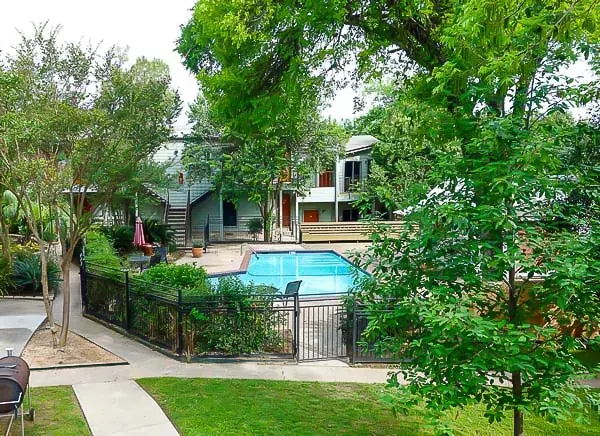
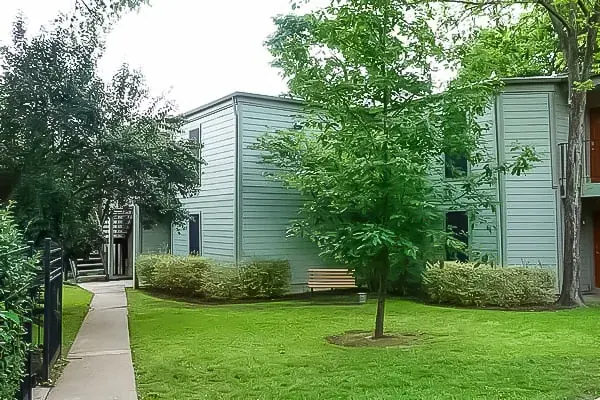
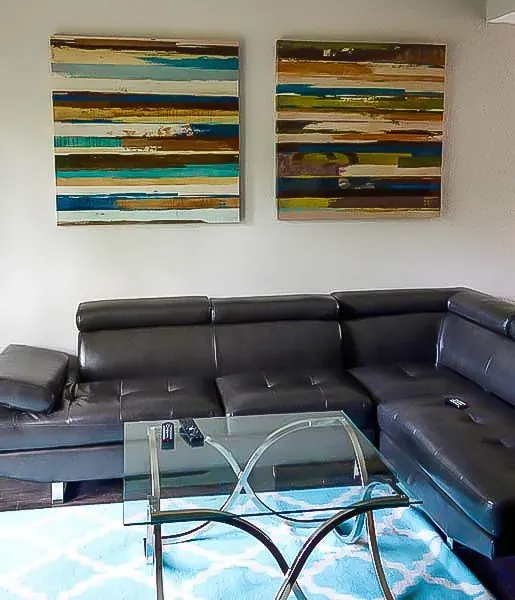
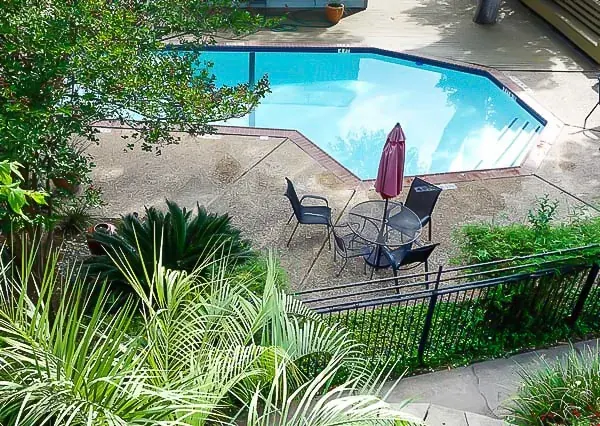
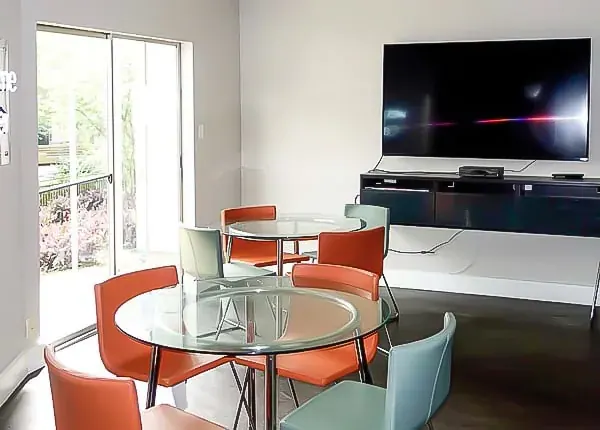
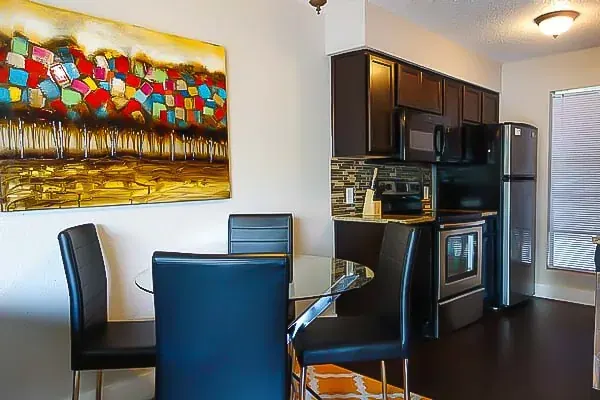
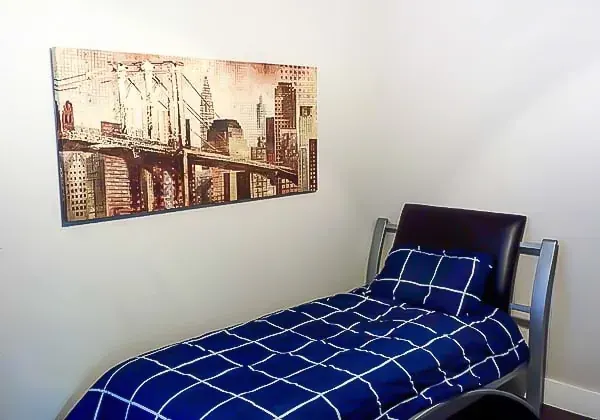
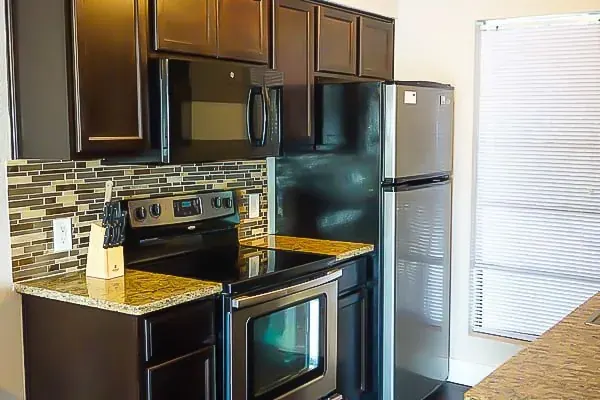
Inside Rustic Creek, our Austin flagship
How IOP and Sober Living Work Together in Practice
The practical reality looks like this: You wake up in your sober living home, maybe attend a house meeting or morning meditation with your housemates. You go to work or school. Three afternoons a week, you attend IOP sessions for three hours. You come back to the sober living house, have dinner, do your chores, maybe hit a 12-step meeting with someone from the house. Weekend might include a house activity, personal time, and continuing to build the routines that support your recovery.
The two programs reinforce each other. Your IOP counselor might work with you on conflict resolution; that same week, you practice it when there’s a disagreement over house chores. You learn about triggers in group therapy; your housemates help you identify and avoid them in real time. The clinical insights become lived experience, which makes them stick.
At Eudaimonia Recovery Homes, we’ve seen this combination work across our locations in Austin, South Austin, Houston, San Antonio, Colorado Springs, Philadelphia, and Baton Rouge. Residents attending IOP while living in our sober homes have the stability to actually engage with their treatment. They’re not worried about where they’ll sleep or whether they’ll face substances at home. That mental space lets therapy do its work.
Timeline: How Long for Each After Rehab?
IOP typically runs six to twelve weeks, with sessions gradually decreasing in frequency as you progress. Some programs offer a step-down to a less intensive outpatient level after IOP, extending your clinical support while reducing the time commitment.
Sober living is more variable. Three to six months is common, but many people stay longer. The research consistently shows that longer stays, closer to a year, correlate with better long-term outcomes. You’re not just staying sober; you’re building an entirely new life. That takes time.
Often, your IOP will end while you’re still in sober living. That’s not only okay, it’s ideal. You get to practice life without active clinical treatment while still having the structure and accountability of the sober living environment. It’s another step down in intensity, another proving ground before full independence.
Making the Decision That's Right for Your Recovery
The question isn’t really whether IOP or sober living is better, it’s understanding what each offers and whether you need one or both. If you’ve just completed inpatient treatment and you’re asking this question, the safe bet is both. The clinical work keeps you progressing in your recovery skills, and the sober environment keeps you safe while you apply them.
Talk to your treatment team before you discharge from inpatient rehab. Ask about IOP referrals in the area where you’ll be living. If you’re considering sober living, tour the homes, ask about their structure, find out whether they support residents attending IOP and other outpatient programs. Most quality sober living homes not only allow it, they expect it and build their house schedules around it.
Your insurance may cover IOP, and many plans also provide some coverage for sober living or transitional housing, though coverage varies significantly. Verifying your benefits before you leave inpatient treatment helps you plan the next phase without financial surprises. Payment plans and in-network options can make both IOP and sober living accessible even when insurance doesn’t cover everything.
Recovery is built in layers: clinical treatment to address the addiction itself, a safe living environment to practice new behaviors, peer support to remind you that you’re not alone, and time to let all of it become your new normal. IOP and sober living each provide distinct, essential layers. When you’re stepping out of the intensity of inpatient rehab, having both gives you the best chance at lasting sobriety.
If you’re finishing inpatient treatment and trying to figure out your next step, Eudaimonia Recovery Homes can help you understand how sober living fits into your recovery plan. We’re here to answer questions about our homes and how we support residents who are also participating in IOP and other outpatient programs.
Ready to take the next step?
Eudaimonia Recovery Homes provides structured sober living and recovery support in Philadelphia, PA. Call (713) 818-2361 to speak with our team today.