
Published January 21, 2019 · Updated June 25, 2026
On This Page · 12 Sections
If you are recovering from opioid addiction, pain management in recovery can be a complex challenge. This is especially true if you are enrolled in a sober living program, as most sober living homes do not allow residents to use any narcotics or medications that could potentially be abused.
The slide back into addiction is a slippery slope, so many people in recovery choose to avoid prescription medications like opioids. However, dealing with chronic pain daily can make sobriety difficult and relapse more likely.
What Are Natural Ways to Manage Chronic Pain in Recovery Without Using Opioids or Other Addictive Medications?
Managing chronic pain in recovery without opioids starts with working closely with a doctor who knows your recovery history: many non-addictive options exist, both medical (physical therapy, non-opioid medications, nerve blocks, interventional procedures) and lifestyle-based (gentle exercise and movement, mind-body practices like yoga and tai chi, mindfulness meditation, acupuncture, heat and cold therapy, sleep and nutrition improvements, and cognitive-behavioral therapy for chronic pain). The most effective approach is usually a combination, addressing pain on multiple fronts rather than relying on any single method.
Chronic pain in recovery is genuinely difficult, and going it alone isn’t the answer. A care team that includes your physician, recovery support, and ideally a pain specialist or therapist familiar with addiction can build a plan that protects your sobriety while taking your pain seriously. Be honest about your recovery history with every provider so they can choose approaches that won’t put your sobriety at risk.
Natural Pain Relief for People in Recovery
Often when we go to the doctor, the first option for pain relief is medication. However, this may not be the best option for people who are recovering from severe addiction and the benefits of using opioids for pain relief may not outweigh the risks.
Fortunately, there are many different natural pain relief methods and treatments that are just as effective as medication, without all the harmful side effects or potential for relapse.
“Natural” pain relief methods for people in recovery are holistic treatment methods that do not involve prescription medication like opioids, antidepressants, or other over-the-counter medications that could potentially be abused.
7 Natural Ways to Manage Chronic Pain in Recovery
If you struggle with chronic pain and you’re in recovery, there are several different types of holistic or natural pain management methods that may help you adjust to a life of sobriety without pain medication.1 Here are seven effective ones.
1. Yoga
According to Harvard Health, yoga practice can improve both physical and mental well-being.2 There are countless variations of yoga that can be used in addiction recovery to manage chronic pain conditions such as migraines, fibromyalgia, and low back pain, among many others. Not only does yoga help relieve pain, but it can also help people in recovery connect to a place of peace, well-being, and inner connection with the spiritual principles of the 12-Step Program.
2. Massage Therapy
When massage therapy is provided by a trained professional, it can help relieve tension, stress, and muscle and joint pain. It can even help people in recovery get better sleep.3 A massage therapist can tailor their massage treatment in a way that best addresses your condition and symptoms while preventing any further aggravation of them. Depending on the level of pain and the type(s) of pain you’re experiencing, experts have found massage therapy may be helpful for lower back pain, shoulder pain, headaches, fibromyalgia, neck pain, and carpal tunnel.4
3. Physical Therapy
According to the Centers for Disease Control and Prevention (CDC), physical therapy is highly effective and often a much better option for treating chronic pain than opioid drugs.5,6 If you’re recovering from addiction and you suffer from chronic pain, working with a physical therapist can be very beneficial to reduce that pain and improve physical health. A physical therapist may also combine physical therapy with exercise therapy or heat and cold application to help you get the most benefits from your treatment.
4. Mindfulness Meditation
A study on the efficacy of mindfulness meditation for pain relief found people who practiced meditation experienced more pain relief, lower levels of anxiety and depression, and improved mental health than those who didn’t.7 Meditation is something that is commonly practiced in drug and alcohol rehab programs as well, so continuing the practice while enrolled in IOP, sober living, or an aftercare program may also be an easy way to relieve pain while maintaining a consistent and healthy routine in recovery.
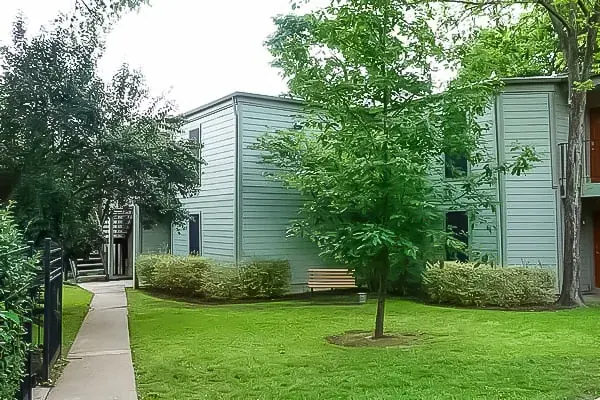
Inside Rustic Creek, our Austin flagship







5. Acupuncture
Acupuncture is an ancient Chinese form of alternative medicine that was primarily used for pain relief. Although research is unclear whether acupuncture helps with various medical conditions, it is effective in managing pain, especially back and neck pain, arthritis pain, and headaches. It works by using small, thin needles to stimulate nerves in the body, which send signals to the brain to release beta-endorphins. These beta-endorphins are the body’s natural form of pain relief and they lower a person’s pain threshold.8 People in recovery may benefit greatly from regular acupuncture treatments if they suffer from certain types of pain.
6. Individual and Group Counseling
Emotional trauma and physical pain are strongly connected. One study found that 97.1 percent of people with chronic pain had experienced at least one instance of physical or emotional trauma prior to their chronic pain.9 Individual and group counseling can reduce feelings of isolation and reinforce the idea that a person experiencing chronic pain in recovery is not alone. In fact, many people struggling with addiction experience chronic pain (about 60 percent).9 Counseling can also provide education about mindfulness exercises that can help a person adjust the way they perceive their pain and reduce negative thoughts associated with that pain.
Emotional pain can intensify physical pain, so if a person in recovery can work through their trauma and internal pain, they may also begin to see some improvements in physical pain management as well.
7. Exercise
Many different studies have demonstrated the pain-relieving power of daily exercise. When we exercise, our bodies produce endorphins, which interact with receptors in the brain to change our perception of pain and increase pain threshold.10 As a result, exercise can help reduce almost any pain condition. However, that doesn’t mean people in recovery need to become “gym rats” to manage their pain (unless they want to). Research shows combining several different simple forms of exercise can provide effective pain relief for people in recovery. These exercises include stretching exercises, strengthening exercises like squats or wall push-ups, and cardio like walking, swimming, or biking. Many fun outdoor activities can serve as exercise therapy for people in recovery.
Some herbal supplements are also touted for their abilities to relieve pain, but many of these claims have not been scientifically proven. Additionally, some herbal supplements that are said to relieve pain may also be habit-forming, which could have a negative impact on a person who is recovering from a substance use disorder.
Additional Lifestyle Tips for Pain Management in Addiction Recovery
In addition to using holistic treatment methods for pain, people in recovery can also learn how to manage their pain better by making a few simple lifestyle changes and prioritizing self-care in recovery. These lifestyle changes may include:
- Eating healthy, well-balanced, and nutritious meals
- Getting adequate amounts of sleep each night
- Trying alternative therapies like pet therapy, art therapy, or music therapy
- Attending 12-Step Program meetings regularly
- Enrolling in an extended care program such as IOP or sober living
All of these things will help improve mental health and ensure that the body can function at peak performance to combat fatigue, illness, and chronic pain in recovery.
If you’re ready to take the next step in your recovery but you need additional support to succeed, consider enrolling in an Intensive Outpatient Program (IOP) or a sober living program. Eudaimonia Recovery Homes offers IOP and sober living for men and women in recovery, with safe and welcoming sober living homes located in Austin, Houston, and Colorado Springs.