
Published December 17, 2018 · Updated July 27, 2026
On This Page · 5 Sections
Mindfulness is a buzzword these days, but what does it mean and how do we practice mindfulness on a daily basis? More importantly, what does it have to do with sobriety?
Practicing mindfulness in your everyday life isn’t as easy as it sounds, but it can have powerful benefits for people in recovery. Regardless of how long you’ve been sober or how many times you’ve relapsed, here are some of the core benefits of mindfulness and a few practical ways to practice mindfulness in addiction recovery.
For many people, sober living in Austin supports mindfulness by reinforcing routine, reducing chaos, and creating space for healthier daily habits.
If you’re exploring this option, sober living homes can offer a recovery-focused setting where mindfulness practices become easier to maintain consistently.
What is Mindfulness?
Psychologists, experts, and health and wellness gurus all define the word “mindfulness” differently, but in short, mindfulness is the act of being fully present in each moment, observing your feelings and thoughts without being overly critical or emotional in response, and allowing yourself to feel those things without self-judgment.1
Mindfulness opposes addiction in every way, as drug and alcohol abuse pull you away from yourself and ultimately serve as a distraction to keep you from facing the things that really matter.
In a nutshell, the key to practicing mindfulness is developing and maintaining an internal balance that allows you to recognize what’s going on inside yourself, around you, and in the world. In calmly reflecting on those things, you can react with clarity and make a decision to behave a certain way.
Benefits of Mindfulness in Recovery
There are many great benefits of mindfulness, especially for people in recovery. According to the American Psychological Association, here are some of the scientifically proven benefits of mindfulness.2
- Less rumination – Instead of dwelling on negative thoughts and emotions, practicing mindfulness in addiction recovery can help you fight off depression and feelings of isolation. It can also improve your ability to process emotions.
- Reduced stress – Stress can be detrimental to your recovery and may even lead to relapse. Reducing stress and learning how to cope with stress are both critical aspects of maintaining long-term sobriety.
- Improvements to working memory – Your working memory is what guides reasoning, decision-making, and behavior, all of which are essential for relapse prevention and sobriety maintenance.
- Improved focus – Having the ability to focus and clear your mind of distracting thoughts and ideas is also helpful when you’re faced with tempting situations, thoughts, or cravings for alcohol or drugs.
- Better emotional control – When you let your emotions get out of control, you’re less prepared to cope with triggers. Practicing mindfulness can help you learn how to feel your emotions without being controlled by them. Practicing mindfulness can also help you be aware of temporary feelings of happiness and euphoria caused by the pink cloud and better deal with reality once the pink cloud clears.
- Better ability to adapt – Research also suggests that mindfulness increases cognitive flexibility, which is the ability to face new, unexpected changes in one’s environment. As a person in recovery, this is especially beneficial, especially when you’re first learning how to live sober.
- Higher satisfaction with relationships – Practicing mindfulness can help you respond to relationship stress without overreacting and communicate your emotions in a way that is both productive and respectful.
These benefits of mindfulness in addiction recovery can help you build and maintain healthy relationships, clearly communicate your emotions, and prevent relapse as you transition into a brand new lifestyle.
How to Practice Mindfulness in Sobriety: 4 Ways
Although learning to be mindful in sobriety sounds great, what does that look like on a daily basis? If you’re enrolled in a sober living program, aftercare program, or just completed rehab, you may be searching for ways to bolster your sobriety and sustain it, despite the temptations, stressors, and triggers of everyday life. Mindfulness practices can compliment your sober living or aftercare program and act as another helpful tool in your sobriety toolbox.
Here are four ways to practice mindfulness in sobriety daily.
- Journaling – A mindfulness journal, whether it’s a brief exercise or a daily ritual, can help you establish a dialogue with yourself about your inner thoughts, emotions, and the things going on around you. It’s also a great way to gain some clarity when you feel uncertain, confused or frustrated about something that’s going on in your personal life.3
- Meditating – Mindfulness meditation is as simple as setting aside a few minutes each day, observing the present moment, recognizing when your mind has wandered off, and practicing gently returning it to the current moment.4 Just like any other skill, mindfulness meditation takes practice, but you will see results over time the more you practice.
- Reading mindfulness books – Learning mindfulness is an important life skill in recovery, but over time, you can master it with repetition, practice, and studious habits. Reading books about mindfulness is a great way to discover even more about the subject and how it relates to your life of sobriety. Mindfulness books may also help keep you from getting stuck in a rut of boredom, dissatisfaction, or frustration when you’re newly sober.
- Taking time to pause every day – As we discussed earlier, the basic idea of mindfulness is to pause and be present in the moment. The best way to become more mindful in sobriety is to do this every day. Even if it’s just for a moment, pause, acknowledge how you feel and what you’re thinking, and accept it without judgment or criticism. Although it sounds like an easy thing to do, it’s actually quite difficult. However, the more you do it, the easier it will become and the more benefits you’ll reap from it.
Colorado Springs is home to some of the most breathtaking natural settings in the country, places like Garden of the Gods and Palmer Park are ideal for mindfulness practice, and sober living in Colorado Springs puts these calming environments right at your doorstep.
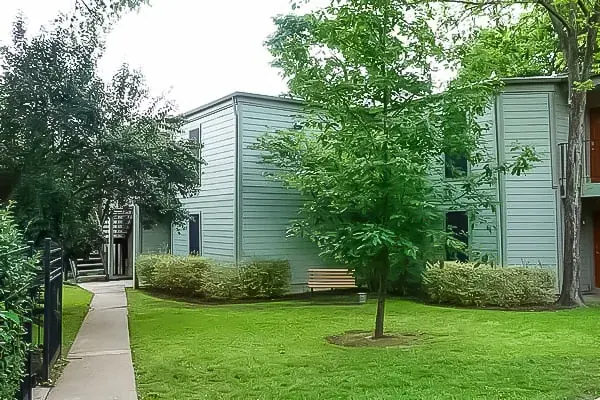
Inside Rustic Creek, our Austin flagship







Additional Recovery Support Services
Mindfulness is a great skill to have, regardless of how long you’ve been sober. However, it is no substitute for continued treatment after rehab. Research continues to support the idea that peer support is key to sustaining long-term recovery from addiction5 and professional treatment offers that accountability and peer support to meet the needs of sober people in all stages of recovery.
At Eudaimonia Recovery Homes, we support men and women in recovery by providing reputable, safe, and clean sober living homes in Houston, Austin, and Colorado Springs. We also provide additional recovery support services including:
- Peer recovery support program
- Regular drug testing
- Tiered recovery programming
- Personal sober coaches
- Employment, education, and volunteer assistance
If you’re searching for help to maintain your sobriety, contact Eudaimonia Recovery Homes today. We can provide the appropriate level of support you need to ensure your continued success in recovery.
References:
- https://positivepsychologyprogram.com/what-is-mindfulness-definition/
- https://www.apa.org/monitor/2012/07-08/ce-corner.aspx
- https://buddhaimonia.com/blog/mindful-journal-mindfulness-practice
- https://www.mindful.org/meditation/mindfulness-getting-started/
- https://www.bhevolution.org/public/peer_support_research.page
A structured environment with built-in recovery support gives you the stability and consistency needed to make mindfulness a genuine daily practice rather than an occasional afterthought.
Related Resources for Your Sober Living Journey
Mindfulness is just one tool in building a strong foundation for lasting sobriety. Explore these additional resources from Eudaimonia Recovery Homes to support every aspect of your recovery:
- Mastering Emotional Regulation in Sober LivingLearn how to identify triggers and manage emotions effectively during your recovery journey in Austin.
- The Power of Journaling for Mental HealthDiscover how daily journaling practices complement mindfulness and strengthen mental health in recovery.
- Harnessing the Power of VisualizationCombine mindfulness with visualization techniques to stay motivated and focused on your sobriety goals.
- Positive Self-Talk in Sober LivingTransform negative thought patterns with mindful self-talk strategies that support long-term recovery.
- The Benefits of Art TherapyExplore creative, mindful expression as a powerful complement to traditional recovery practices.
If you’re ready to begin your sober living journey in a supportive, structured environment where mindfulness and recovery thrive together, call Eudaimonia Recovery Homes today at (713) 818-2361. Our Austin-based team is here to help you build the skills and community you need for lasting sobriety.