Published August 3, 2018 · Updated August 5, 2026
On This Page · 8 Sections

Sober Living
Austin
10506 Parkfield Dr, Austin, TX 78758
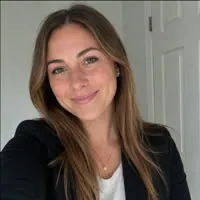
Jacob Groomer’s yoga practice is a very personal one. Although he got sober nearly eight years ago, yoga still plays an important role in his ongoing sobriety. In addition to practicing on his own, Jacob is also a certified yoga instructor in Austin, teaches yoga at Nova Recovery Center every Sunday, and is passionate about bringing the practice of yoga to people in 12-step recovery.
Although his previous space to teach recovery yoga is no longer available, Jacob is actively searching to locate another space in Austin that is convenient for people in recovery.
What Role Does Yoga Play in Addiction Recovery, and Are There Yoga Programs in Austin for People in Recovery?
Yoga supports addiction recovery by helping people reconnect with their bodies, manage stress and cravings, regulate difficult emotions, and build mindfulness, all skills that strengthen long-term sobriety. It pairs physical movement with breathwork and present-moment awareness, which can ease the anxiety, restlessness, and emotional dysregulation common in early recovery. Recovery-focused yoga differs from a typical class by creating a trauma-informed, judgment-free space designed specifically for people healing from addiction.
Yes. Austin has a growing recovery-yoga community, and this page features a conversation with a local recovery-yoga teacher about how the practice supports sobriety and how to get involved. If you’re in recovery in Austin and curious about yoga, connecting with a recovery-specific class or a sober community that incorporates mindfulness practices is a great place to start.
Can you tell me a little bit about your personal experience with addiction?
Answer: “I started using at a really young age, like 10 or 11 years old. By 14, I had a lot of consequences from it. I was on felony probation, lost friends, and had a lot of depression, anxiety, and traumatic experiences. I didn’t really want to do it anymore but continued because at that age, it’s a difficult time. I ended up moving from New Orleans to Houston where drugs were cheaper and more plentiful. Things got really dark out there. I didn’t fit into Houston culture. I got really into selling drugs and doing a lot of drugs, and I ended up moving back to Louisiana.
I tried to get out of it and hold jobs, but the drinking got worse. And then I started doing heroin. When I began doing heroin in 2009, I didn’t have any money or a job. It bottomed me out pretty quickly. I consider myself a heroin addict because that’s the only drug that really worked for me.
I got sober at 24 on October 17, 2010. I did a state-funded rehab and a detox in Louisiana and ended up in a halfway house in Baton Rouge. I was at a meeting and this guy came and spoke. Something told me to go talk to him, so I did, and he said he’d meet with me and show me some stuff out of the Big Book. We met up the next day and he sat down with me and took me through the first four chapters of the book and helped me have what’s known as a ‘first step experience.’
He taught me what I have to do to survive and told me I need to go to Austin, Texas. He gave me a phone number to a sober home in Austin known as Eudaimonia.”
Did yoga play a part in your recovery?
Answer: “I had a lot of insecurity just practicing yoga in the beginning, which was good because it let me work through those insecurities. And having to do it without drugs was a healthy growing experience. I was about six months sober living at a Eudaimonia house when one of the guys there invited me to a yoga class downtown. I didn’t know what it was, but I had been taught through the 12 steps to keep an open mind to anything spiritual, so I went. It felt good and I liked it. I decided to make it a Sunday thing and it just kind of grew into what it is now.”
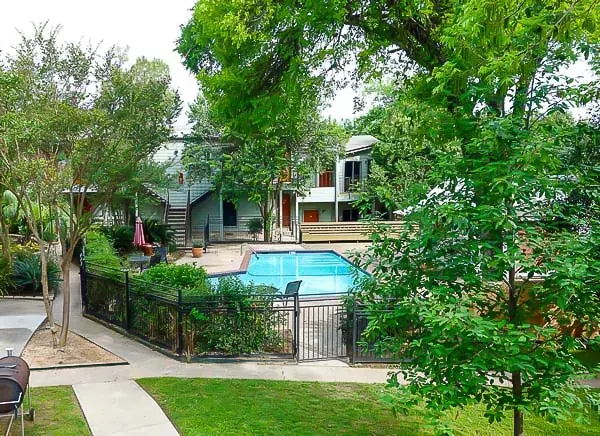
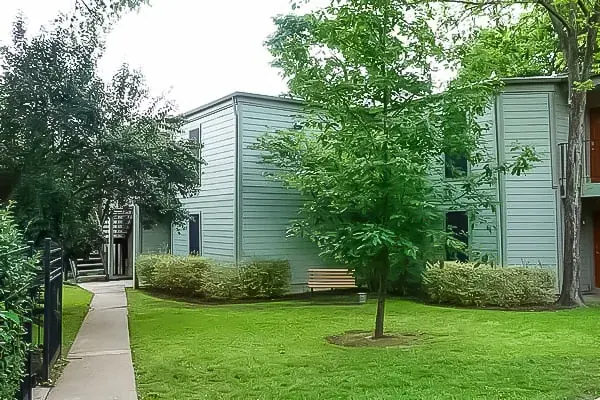
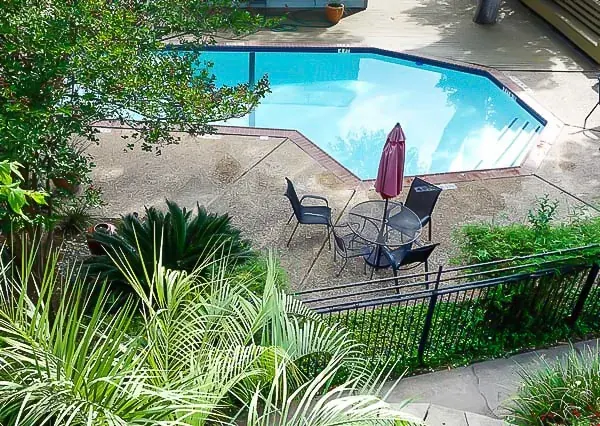
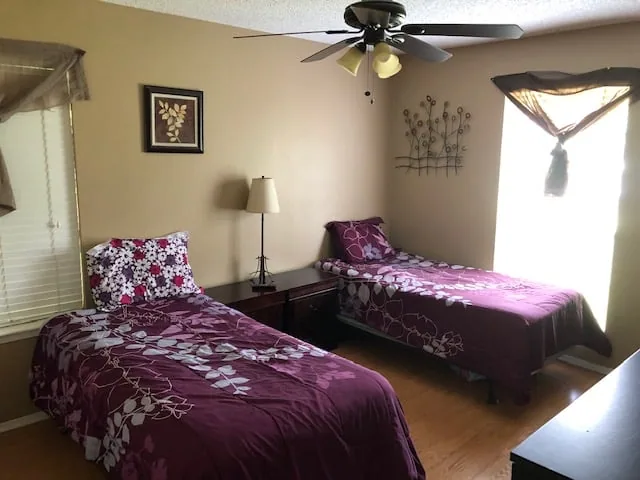
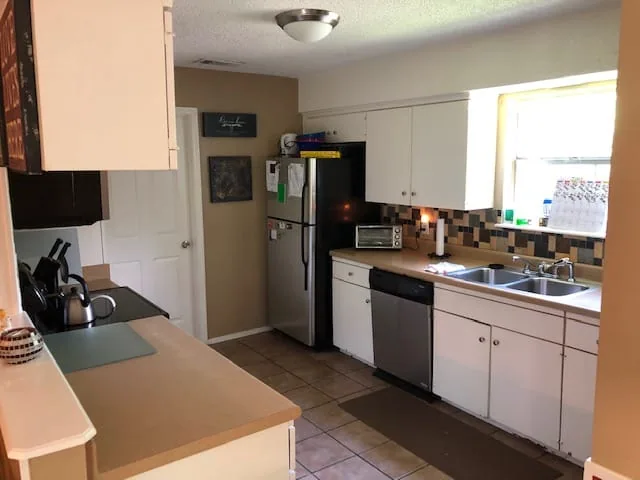
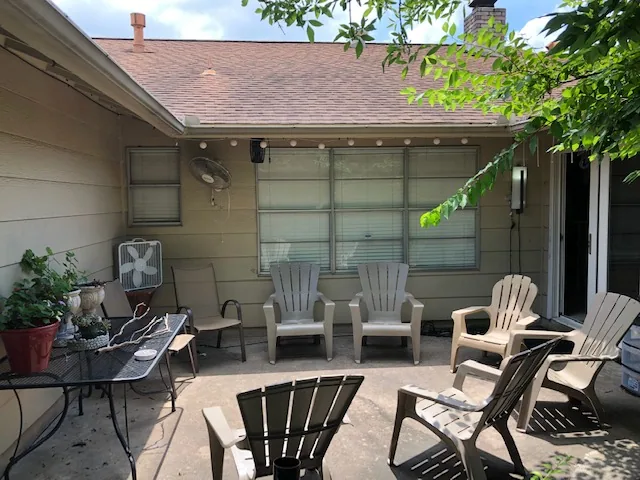
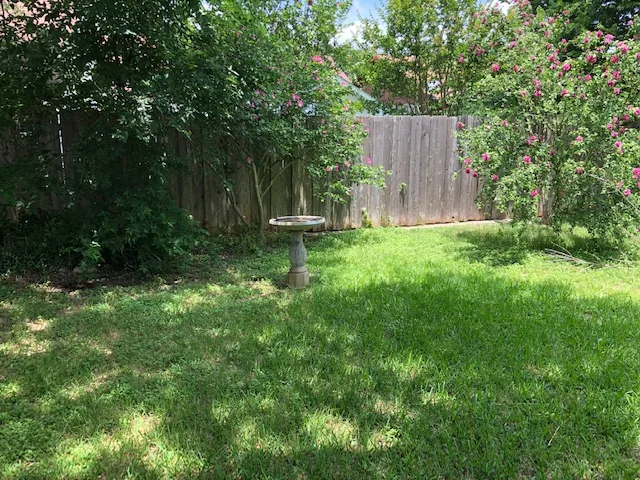
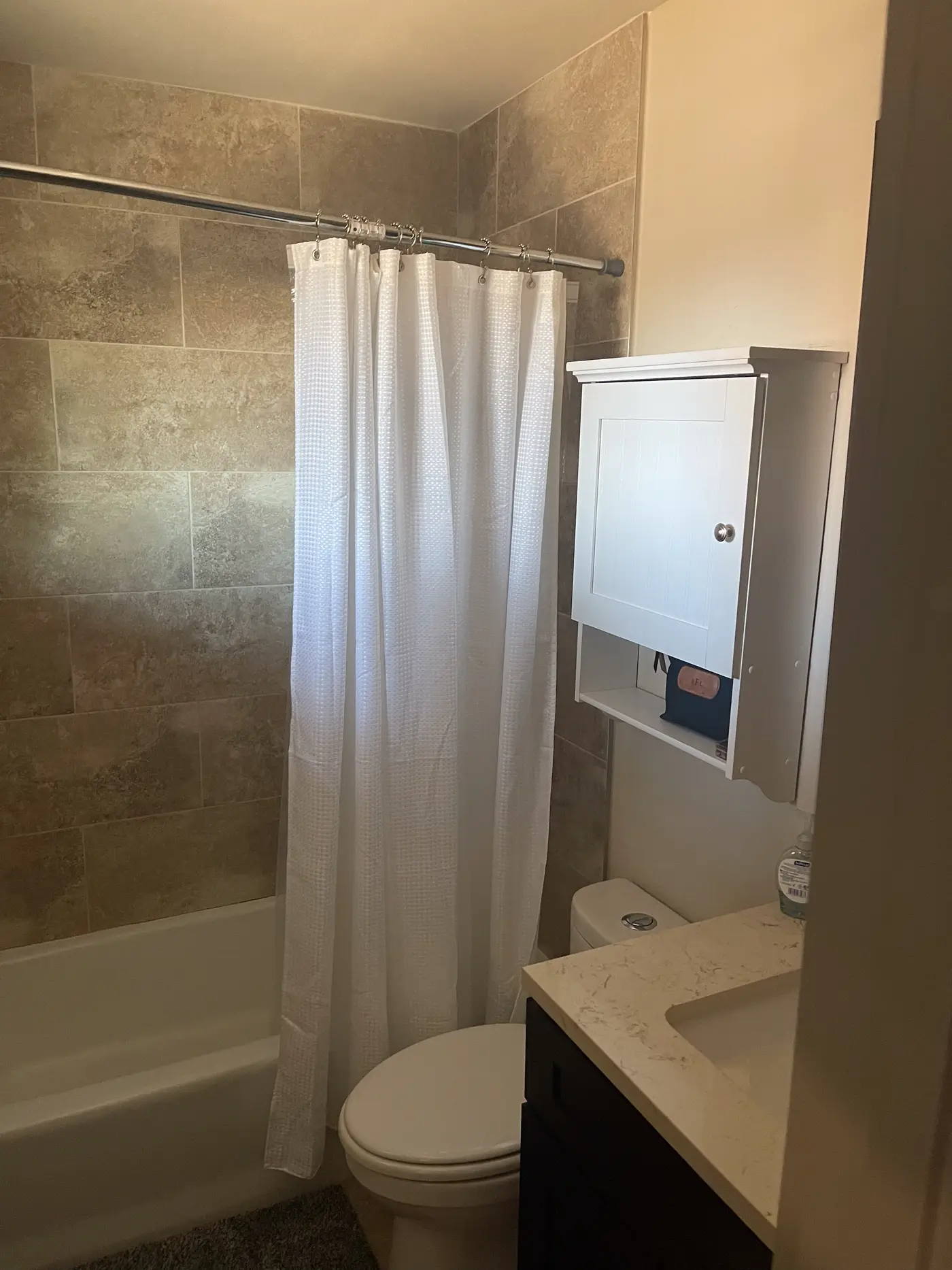
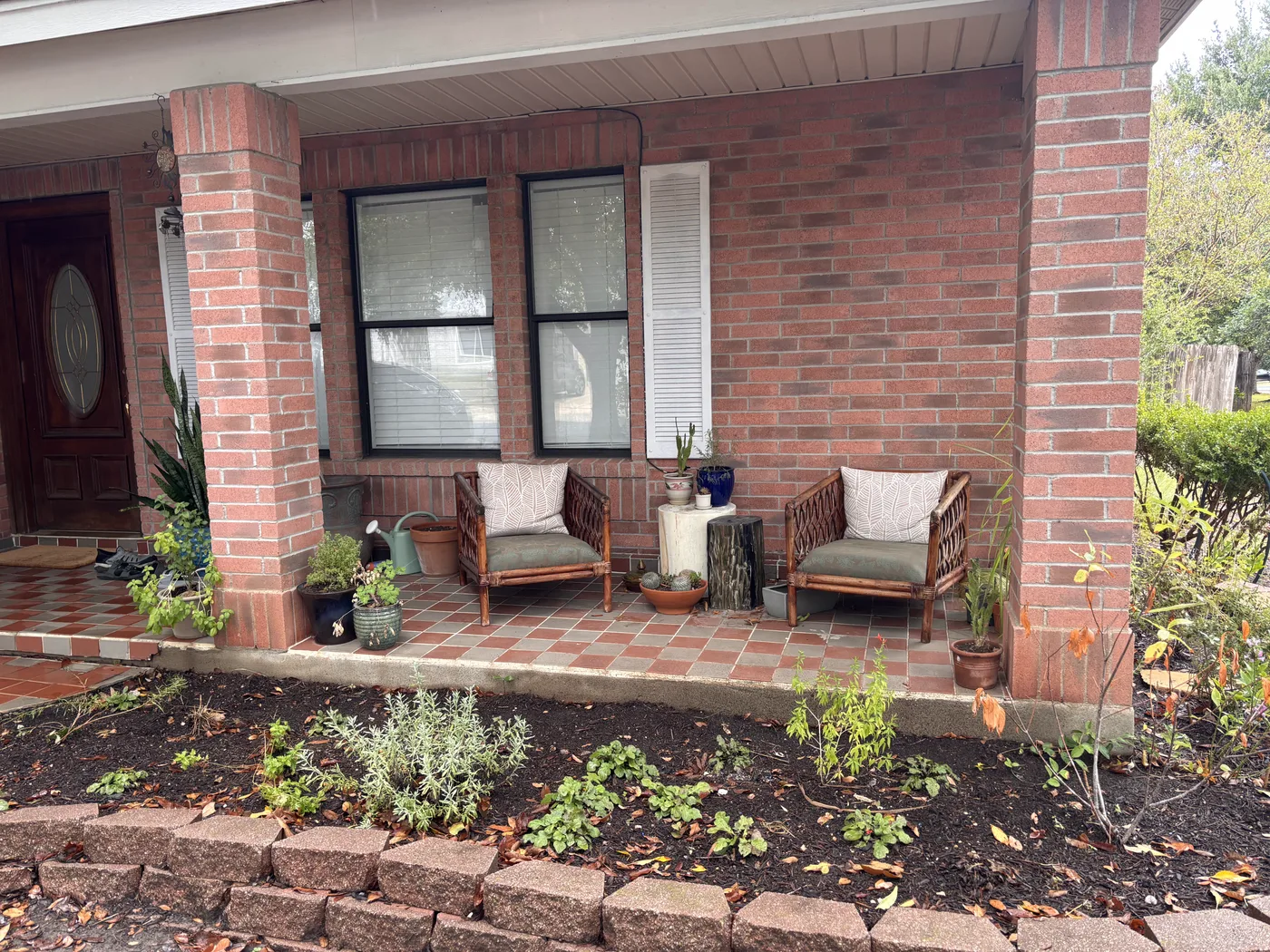
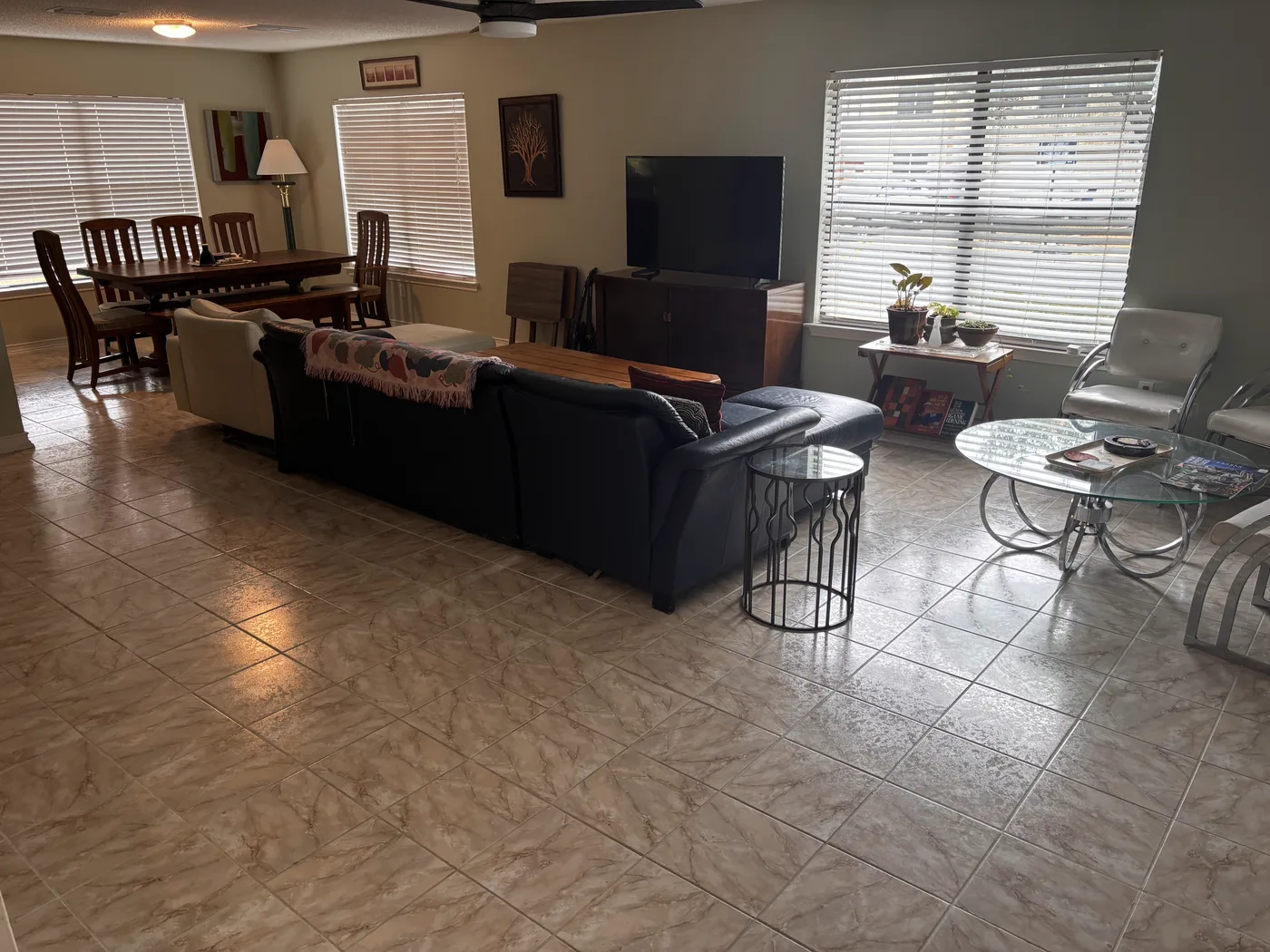
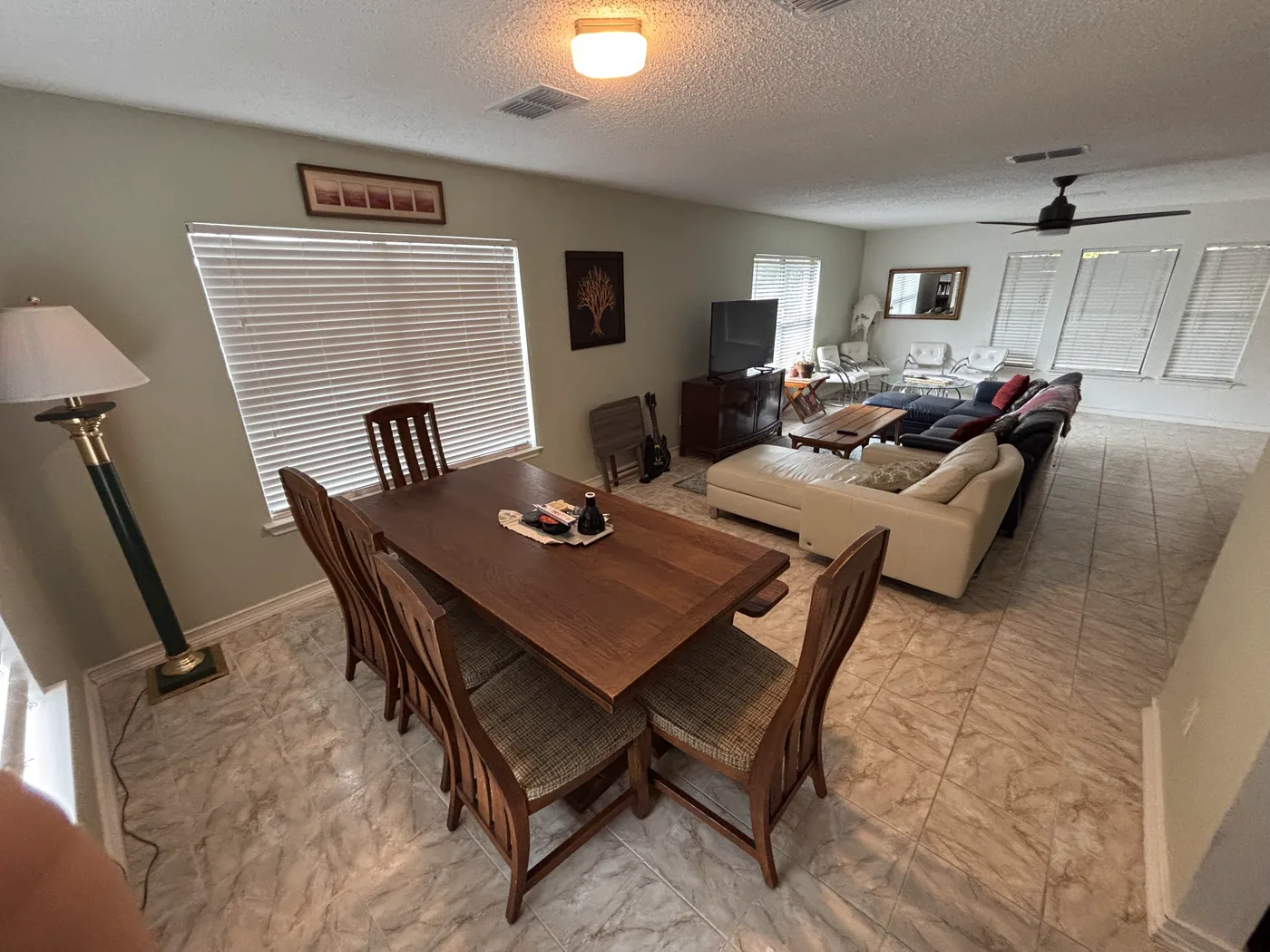
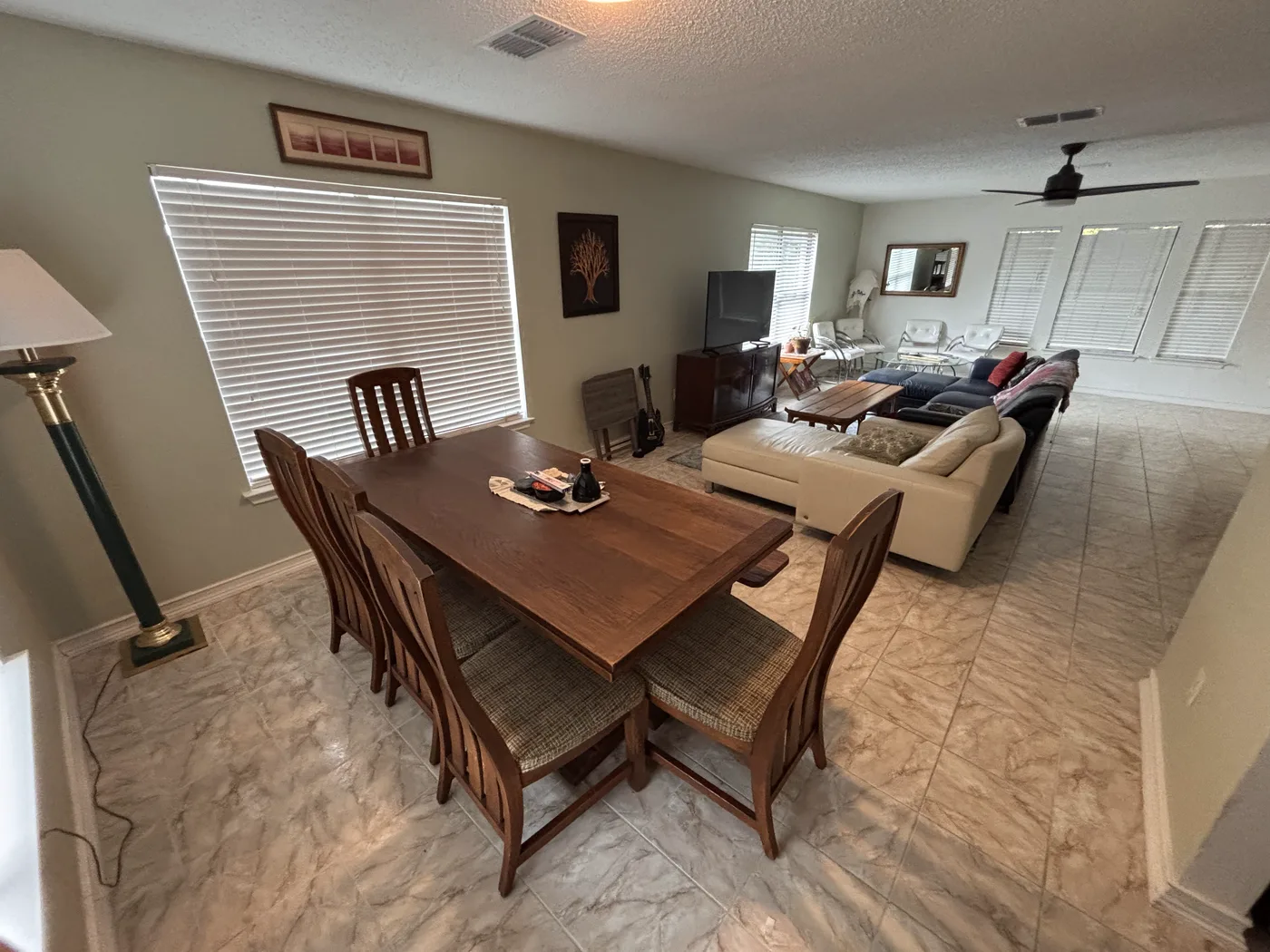
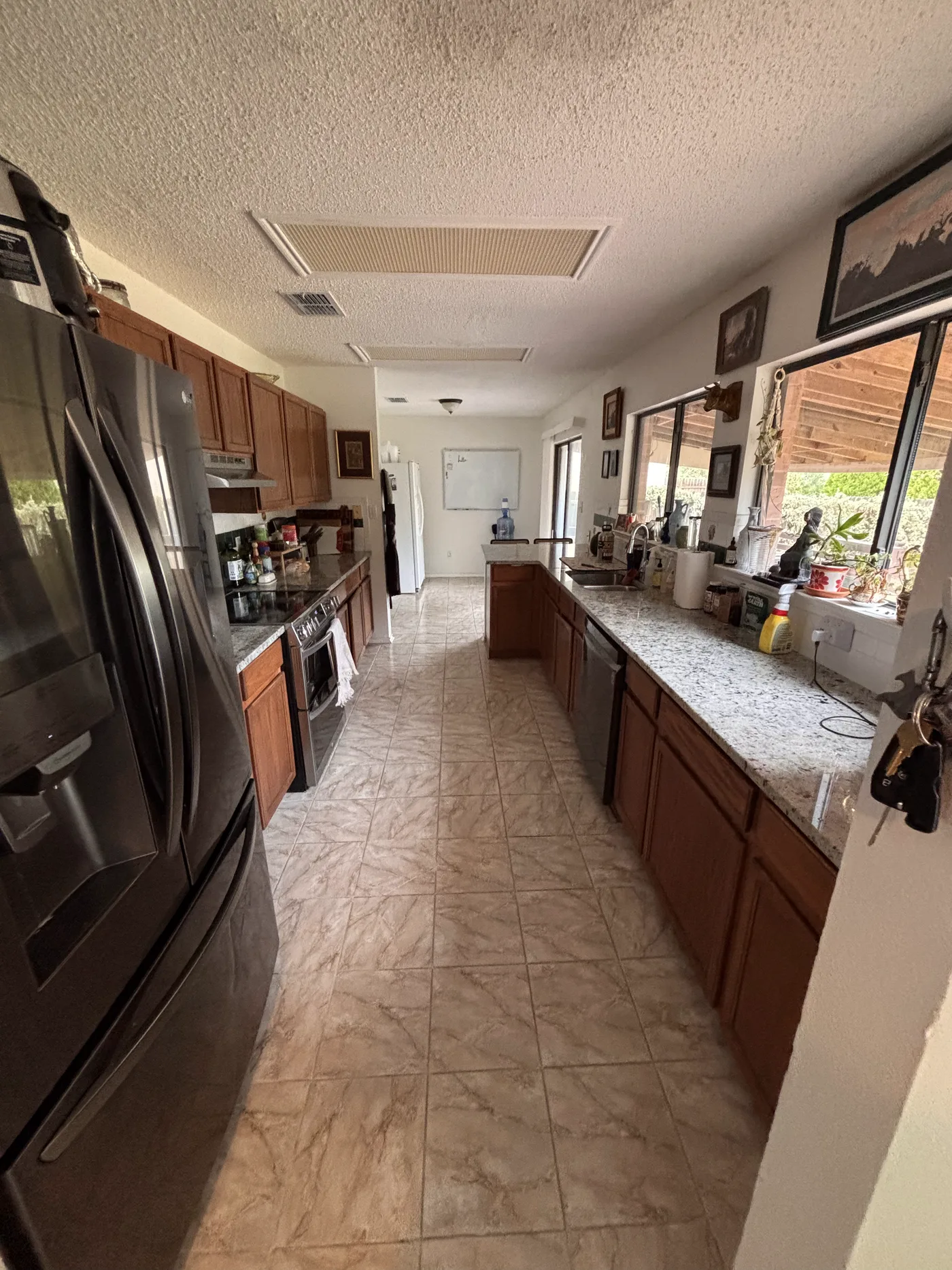
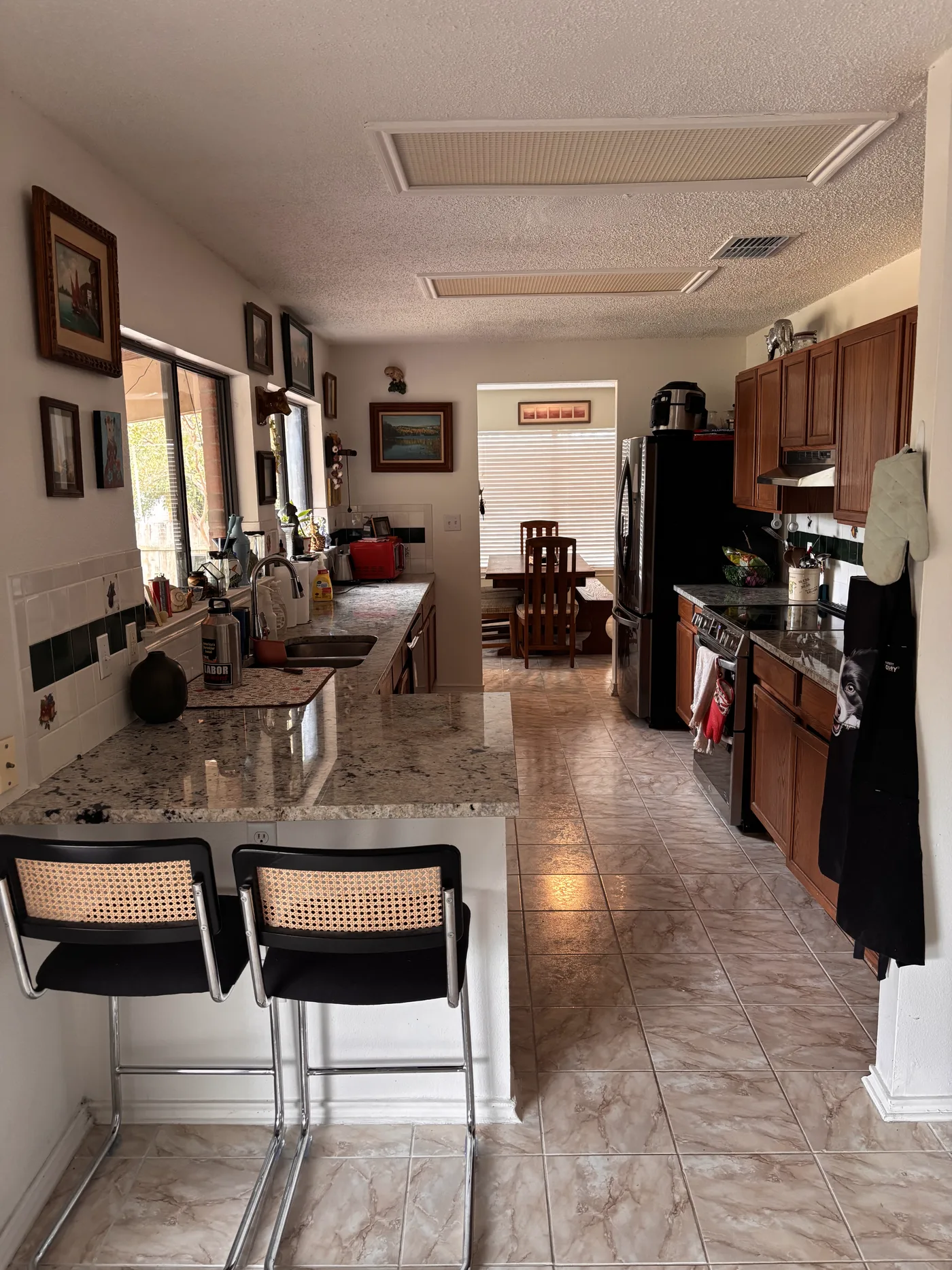
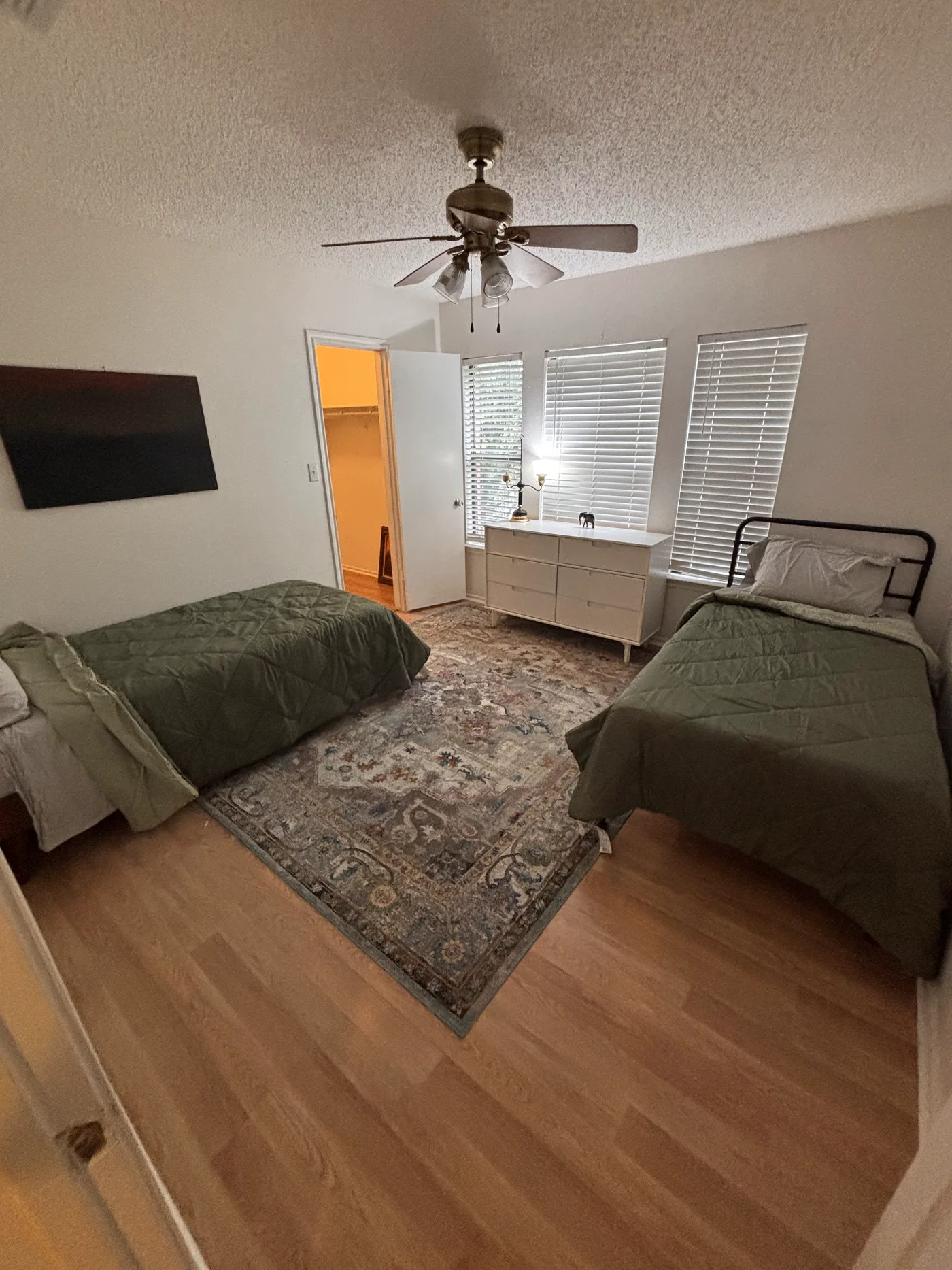
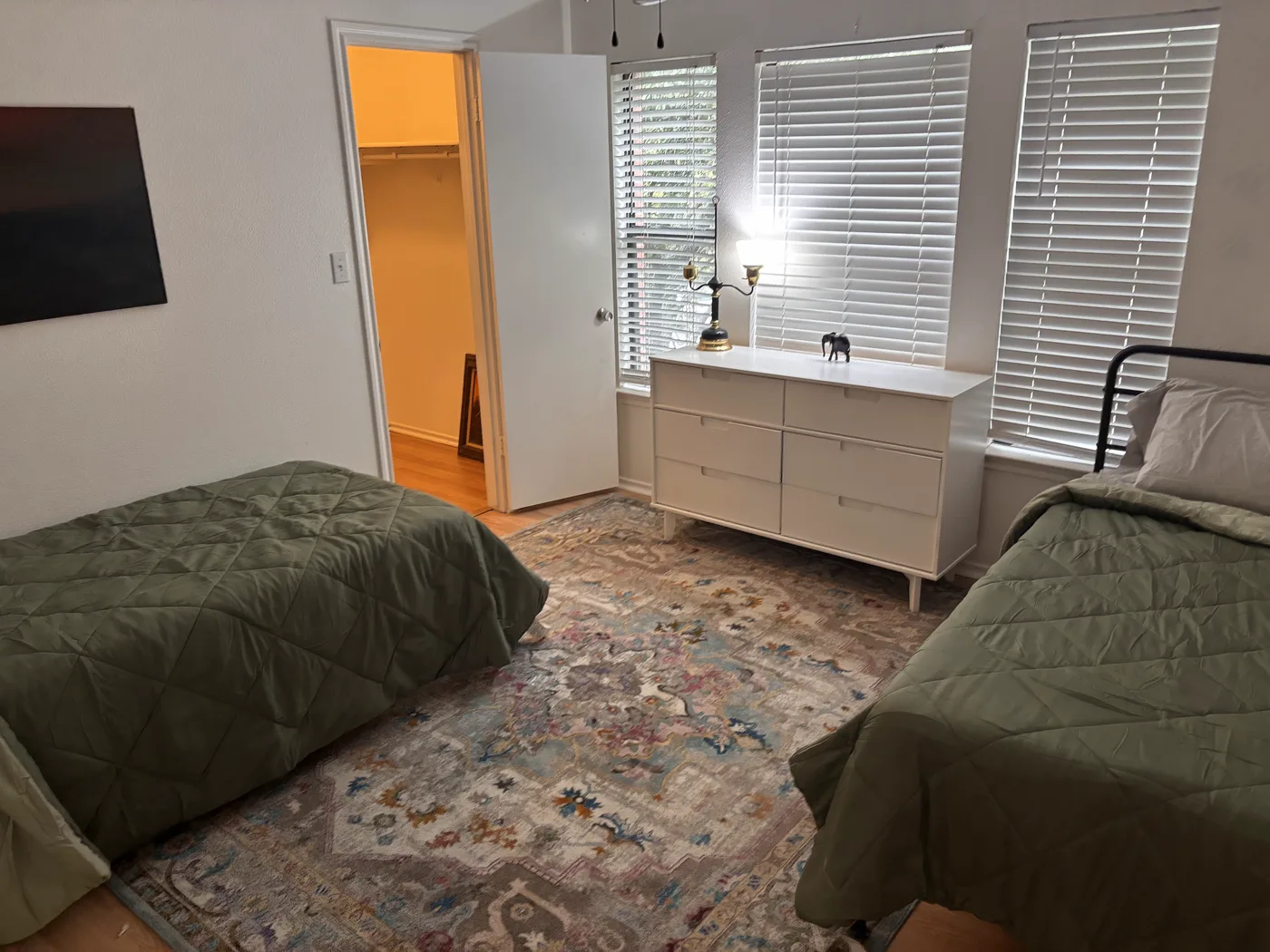
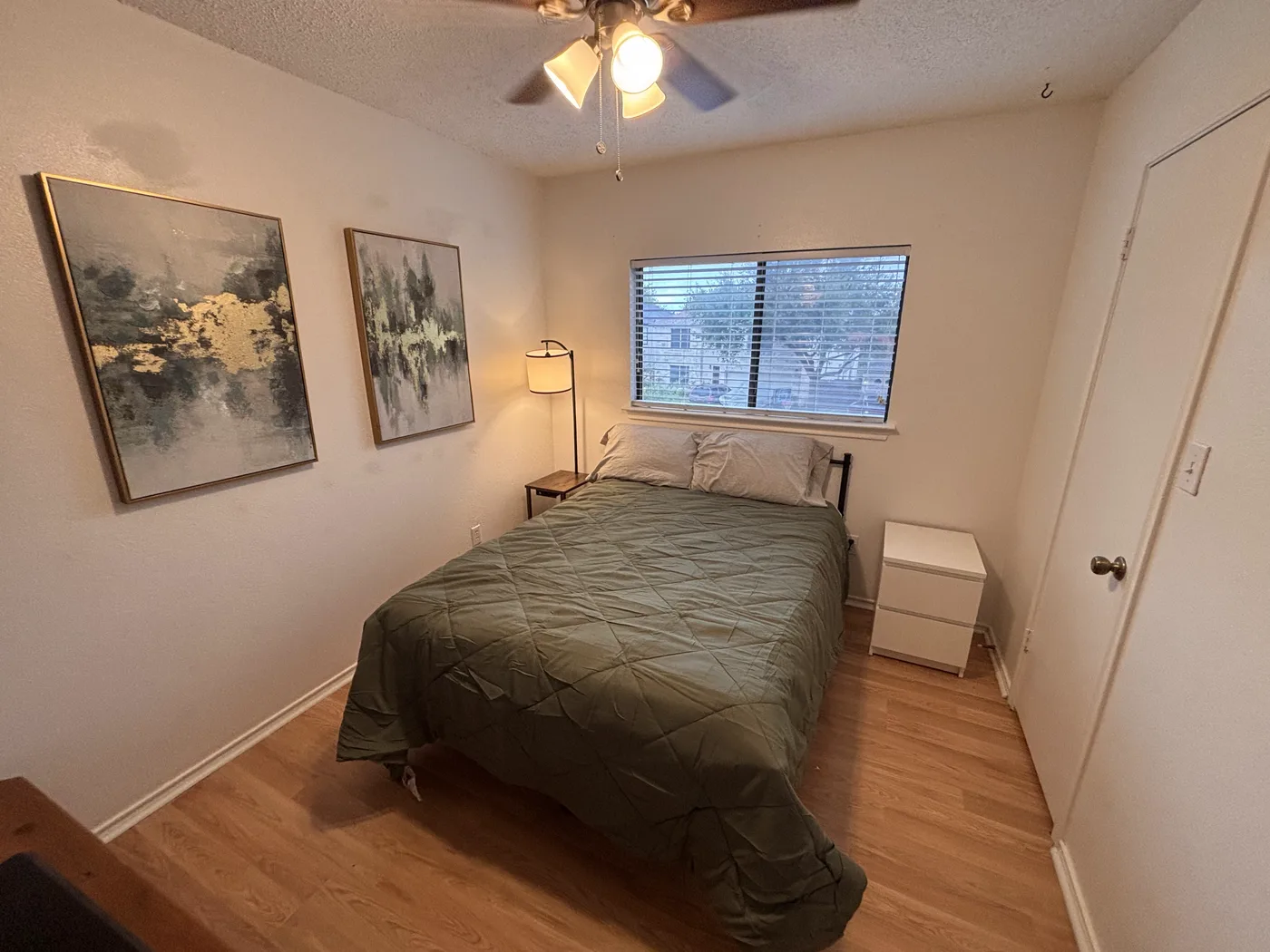
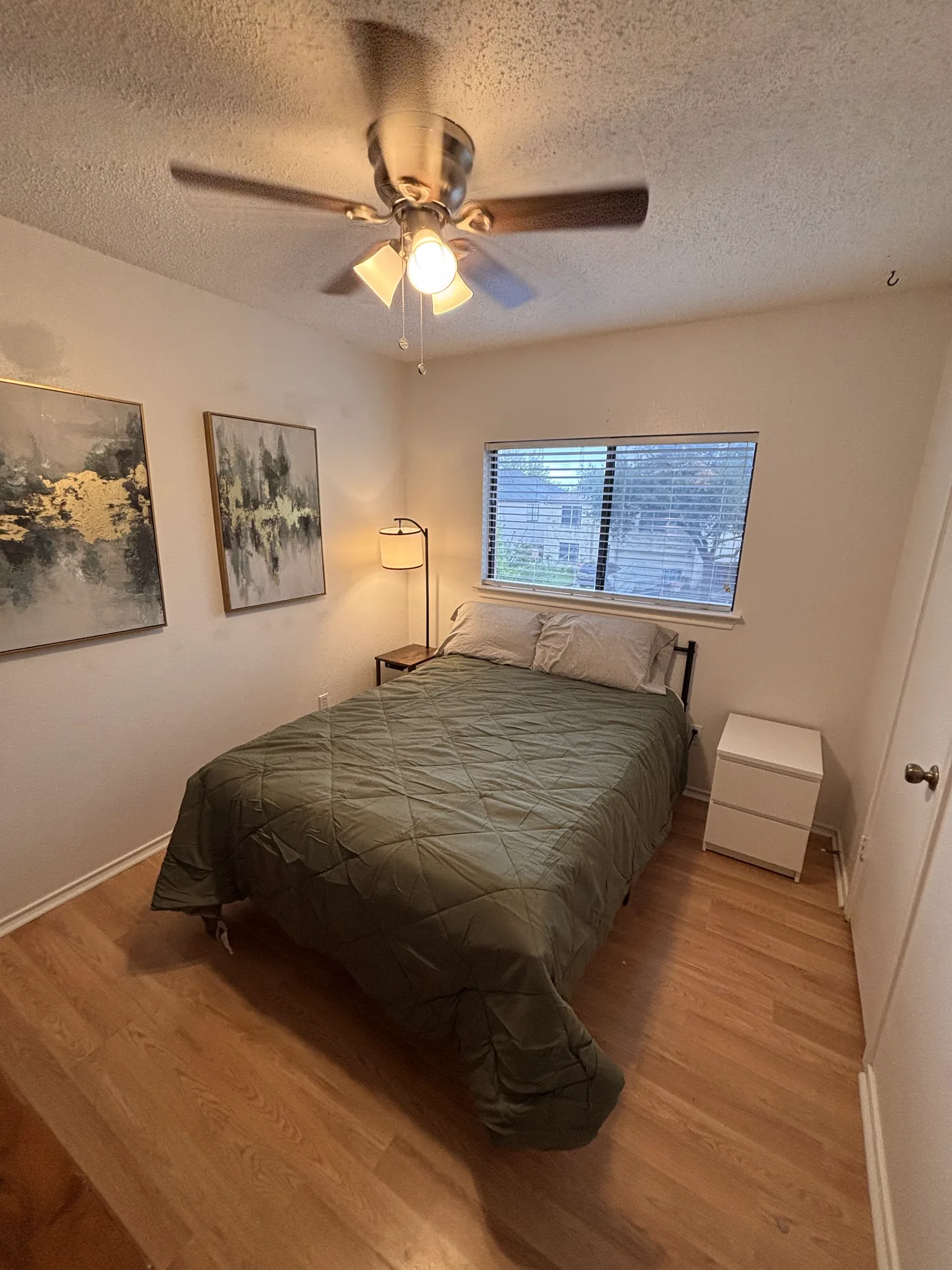
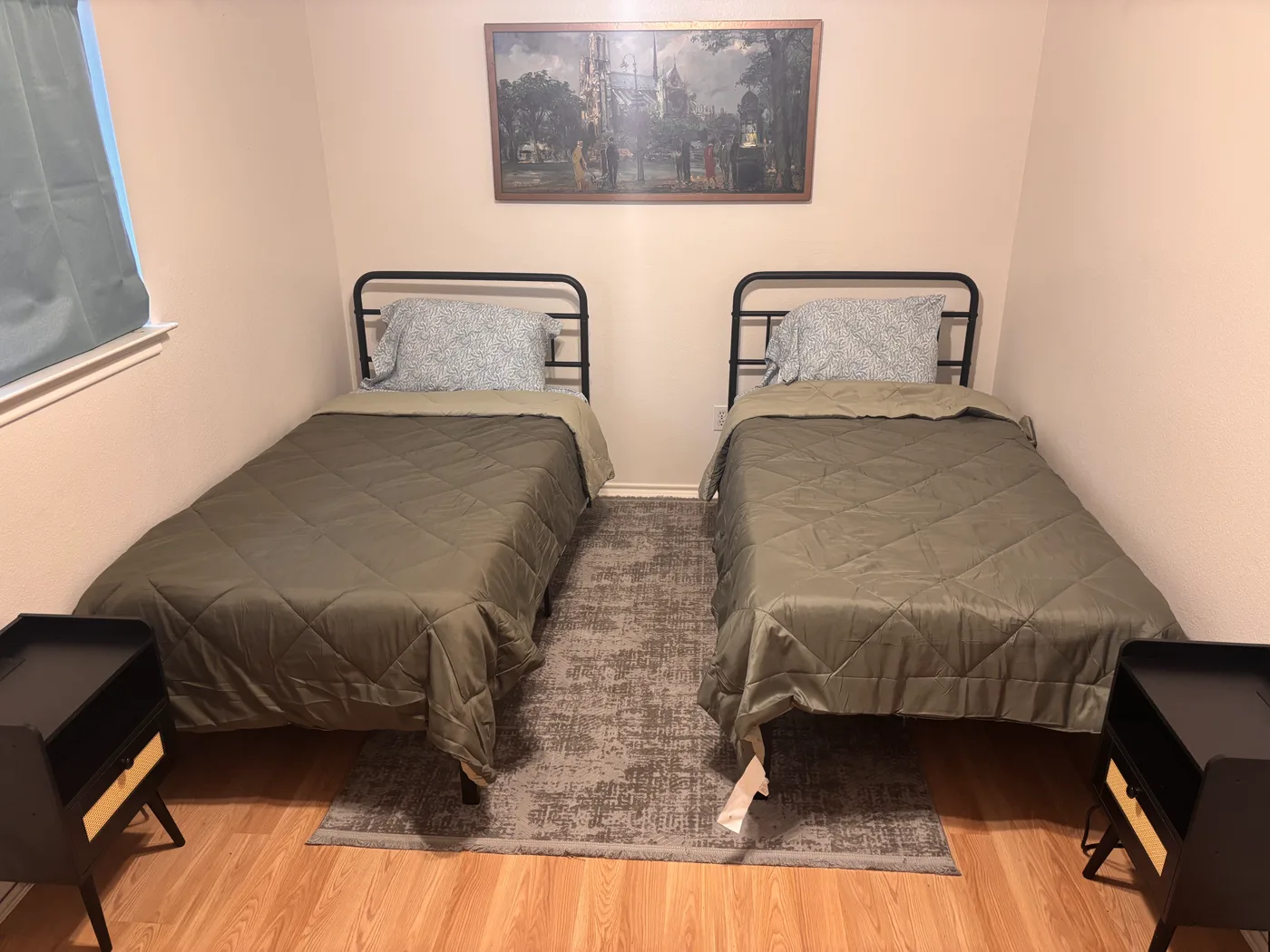
Inside the Austin homes

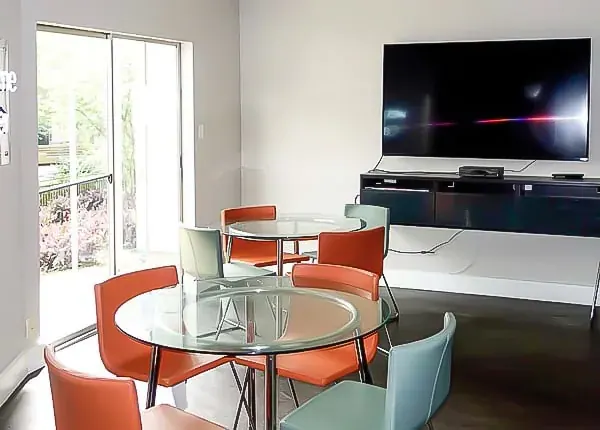
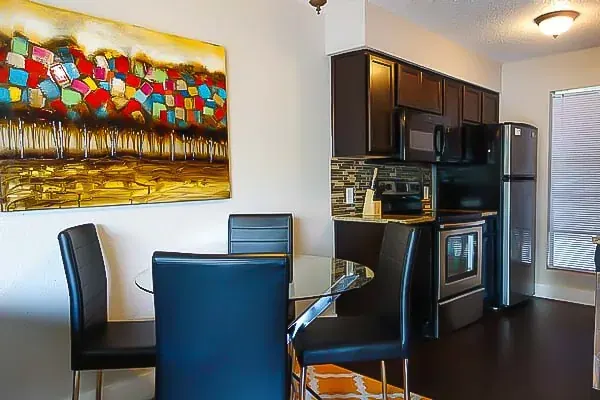

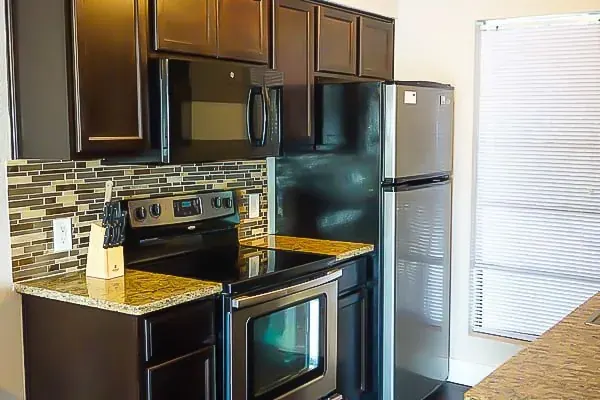
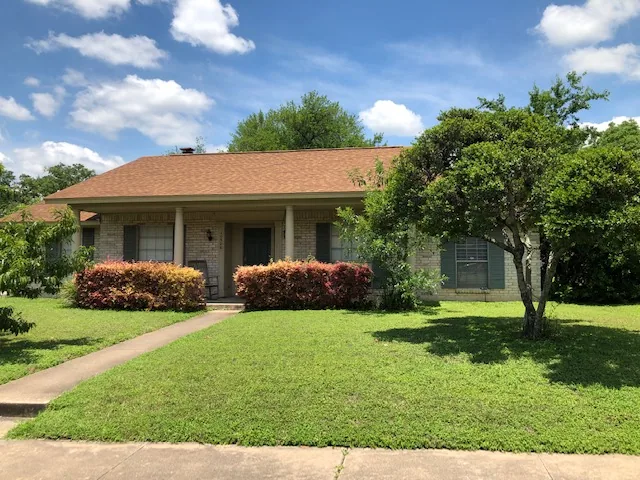
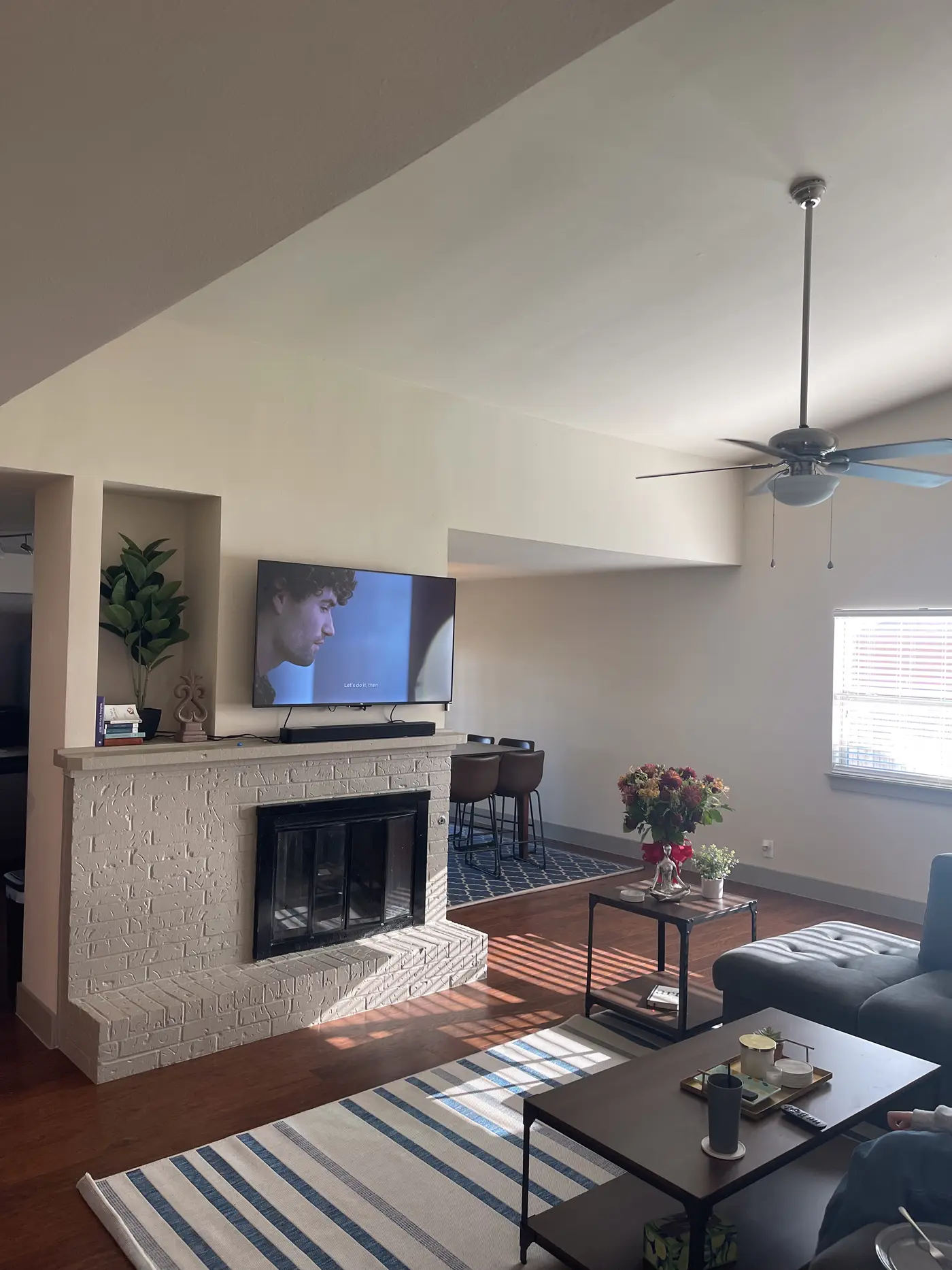
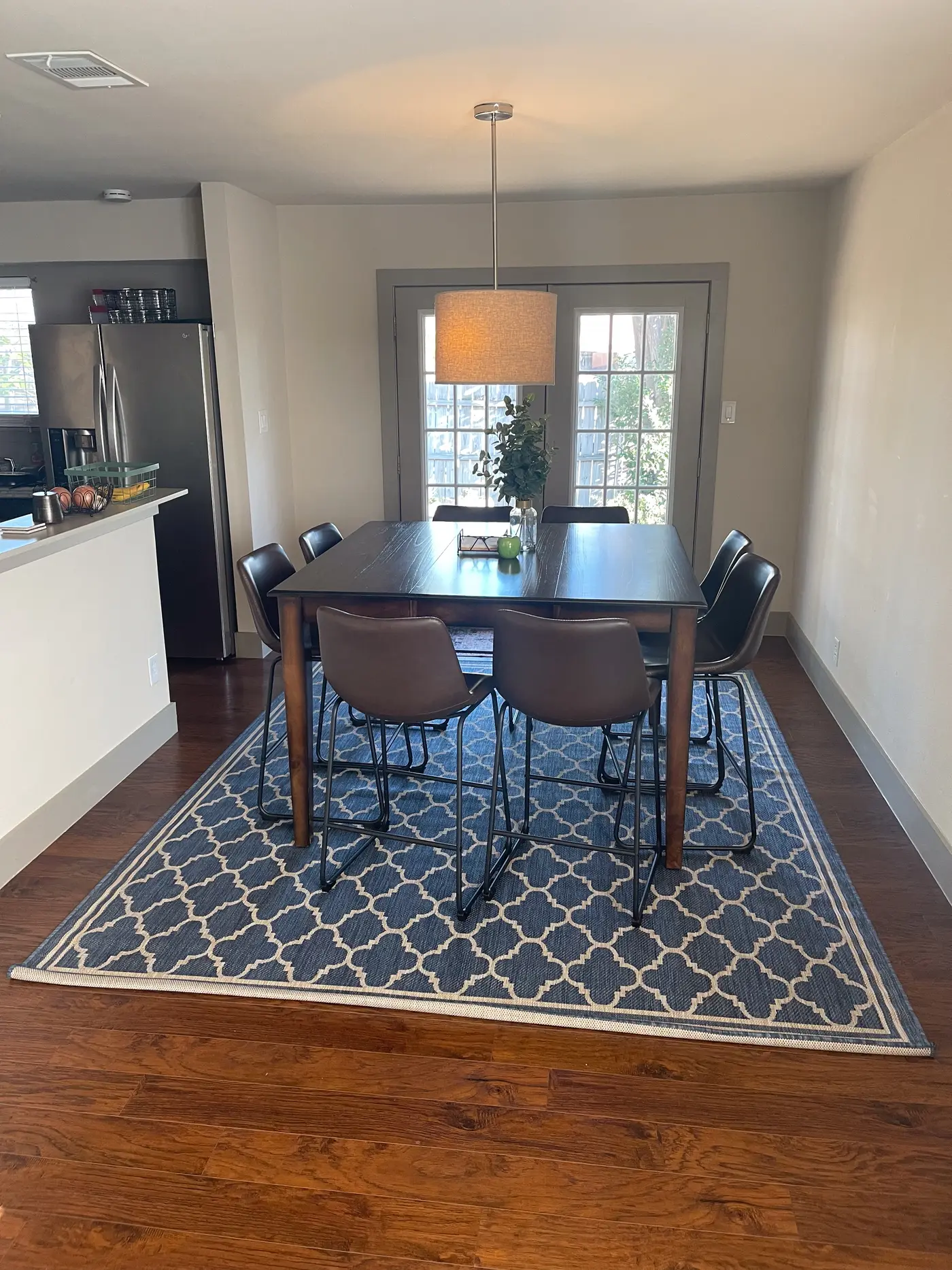
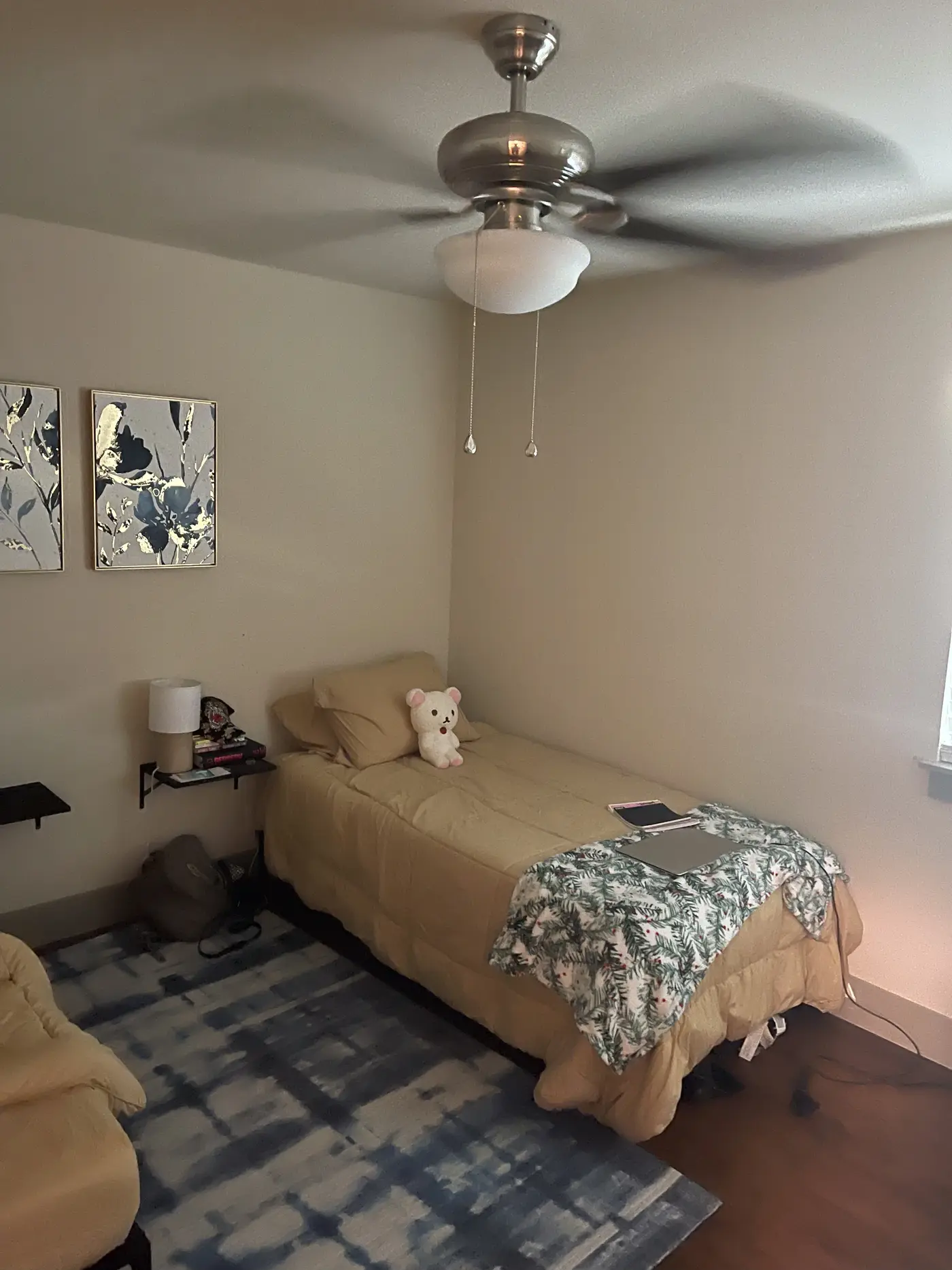
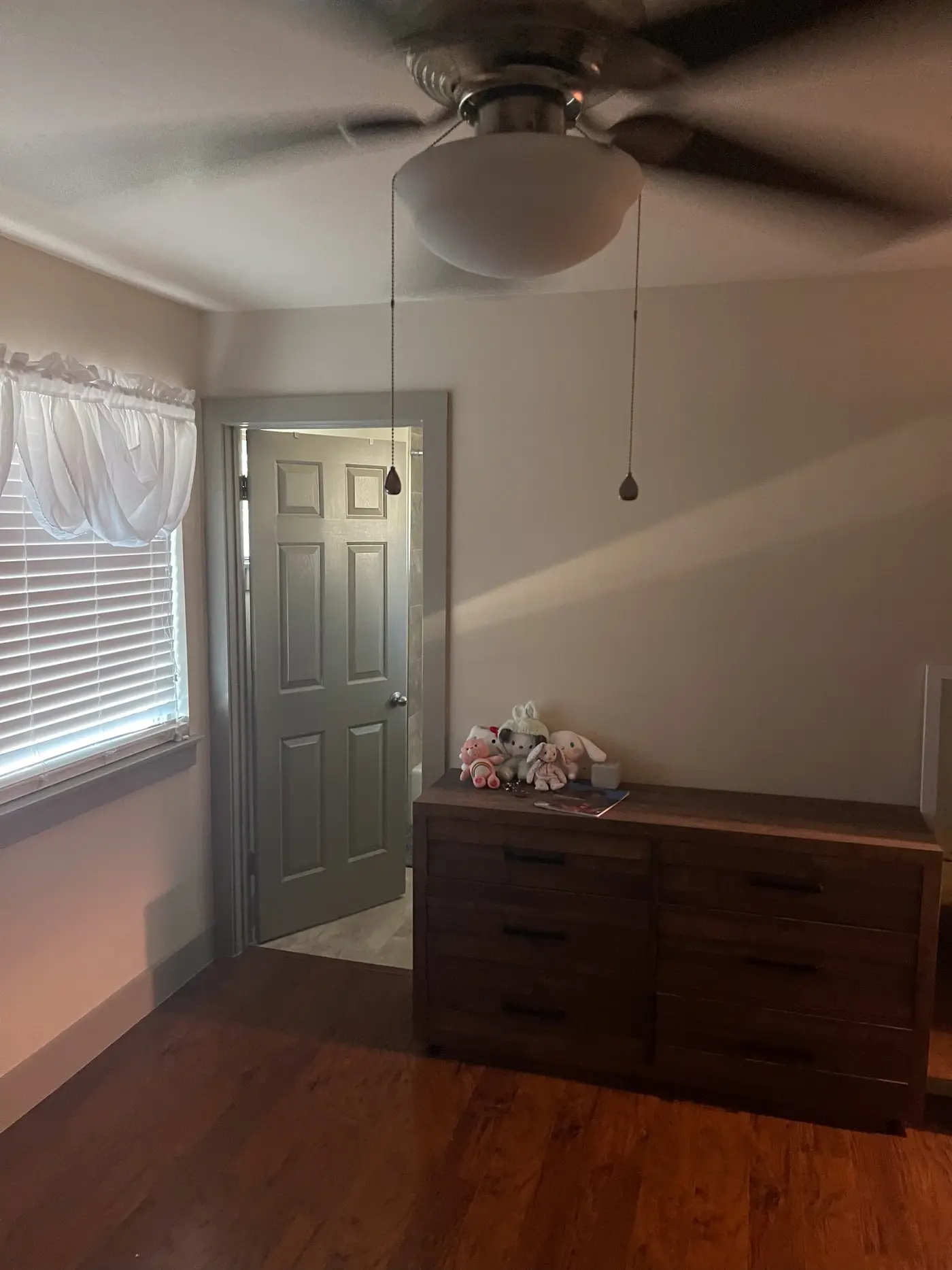
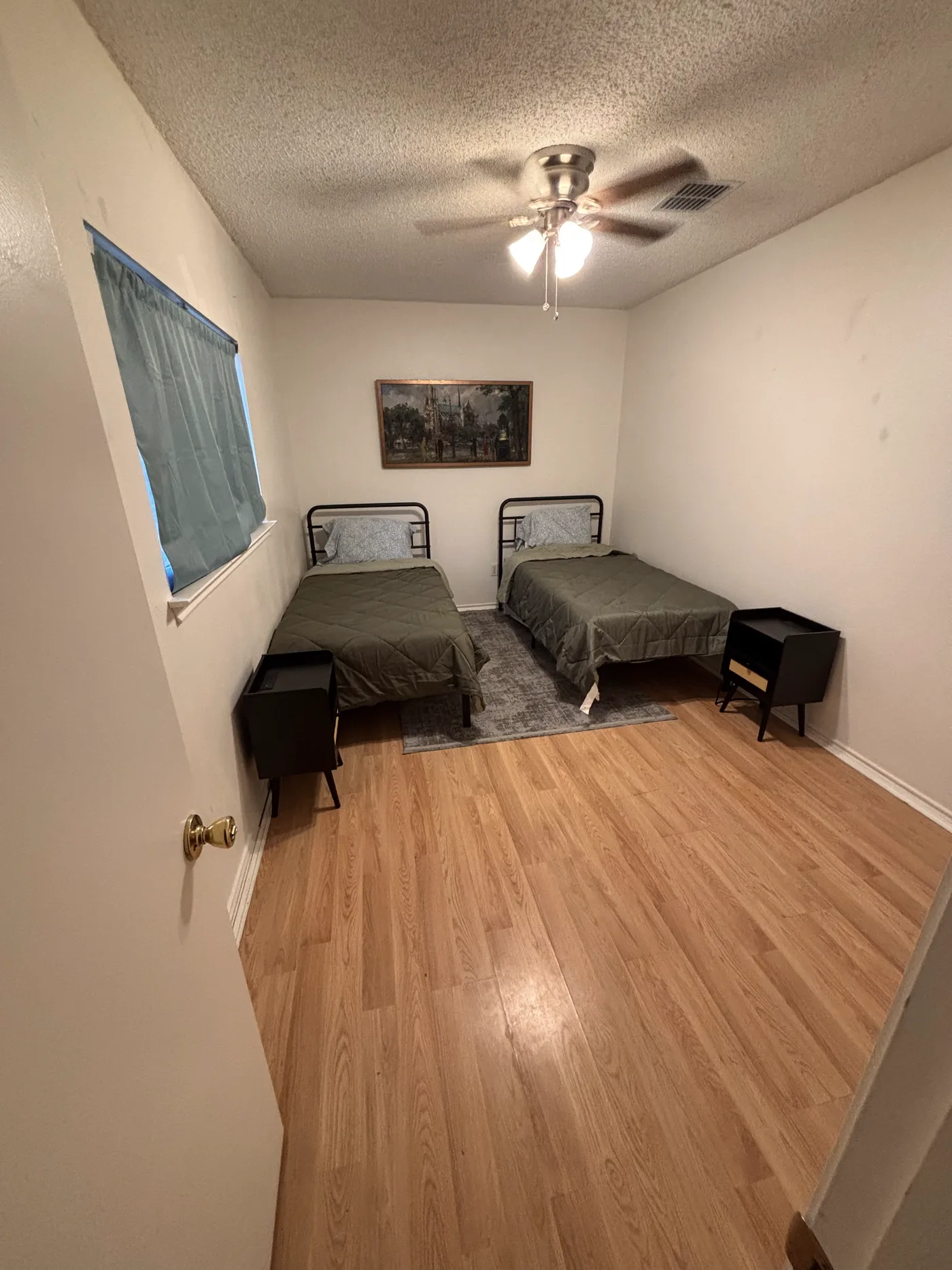
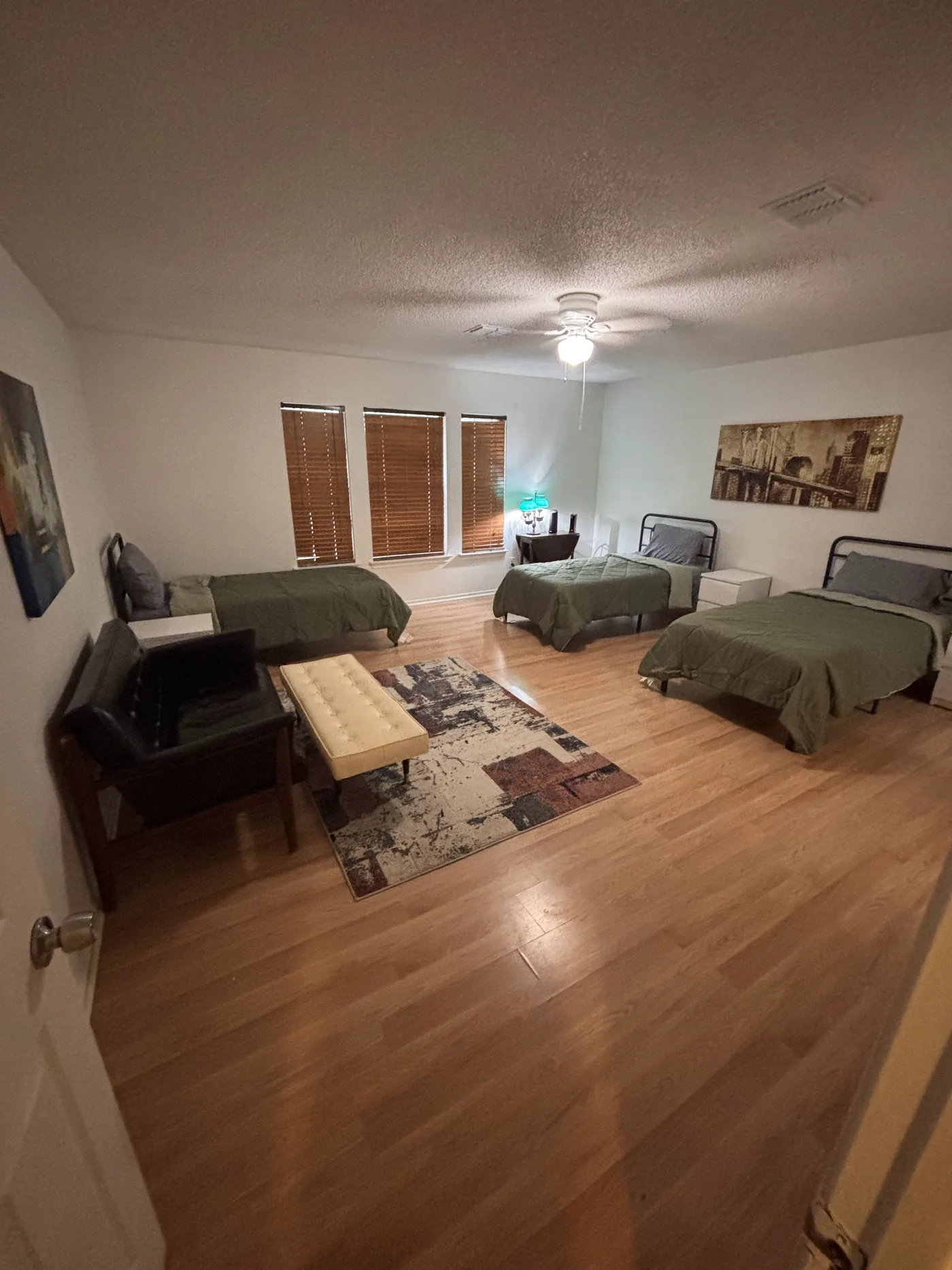
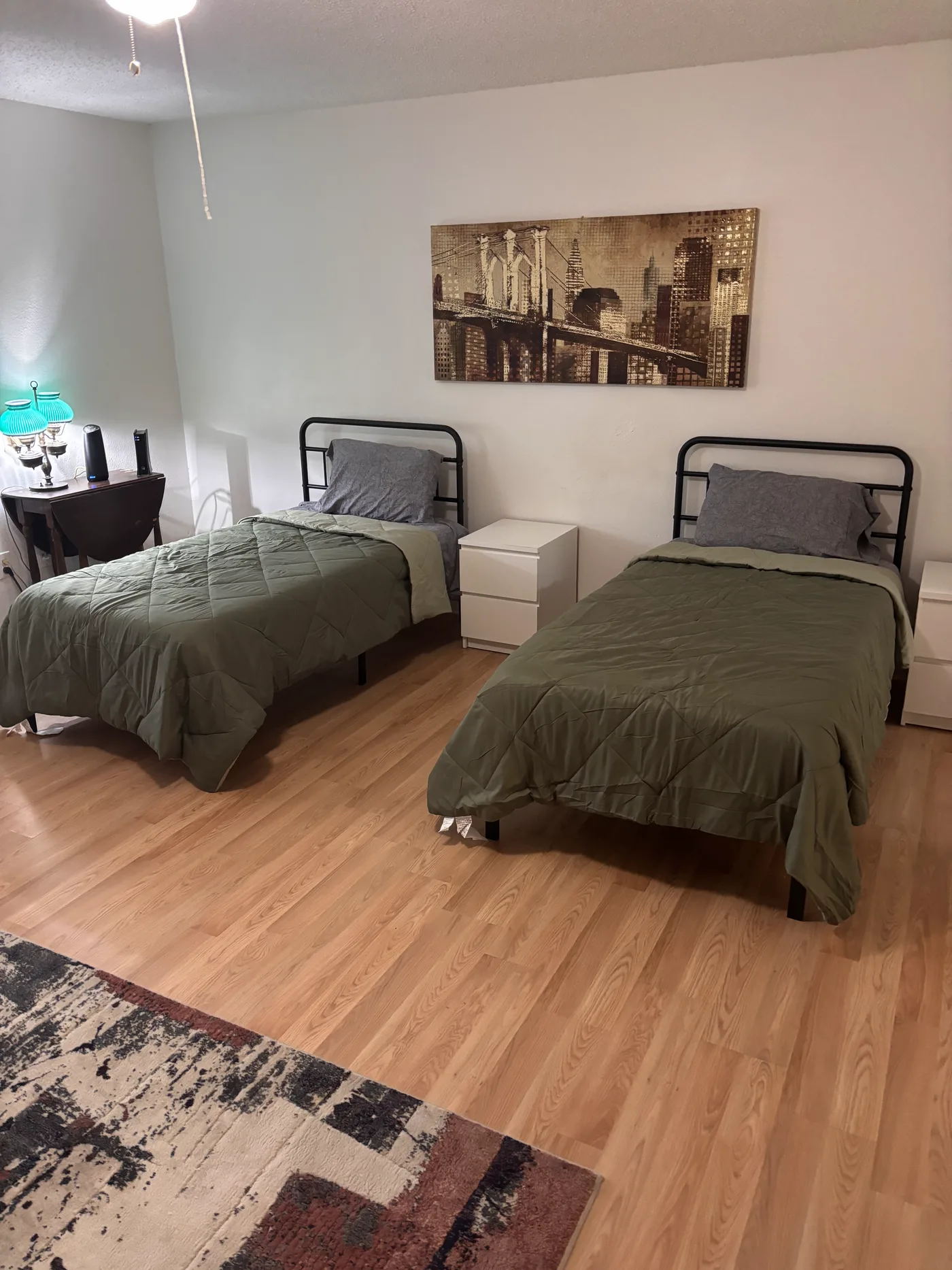
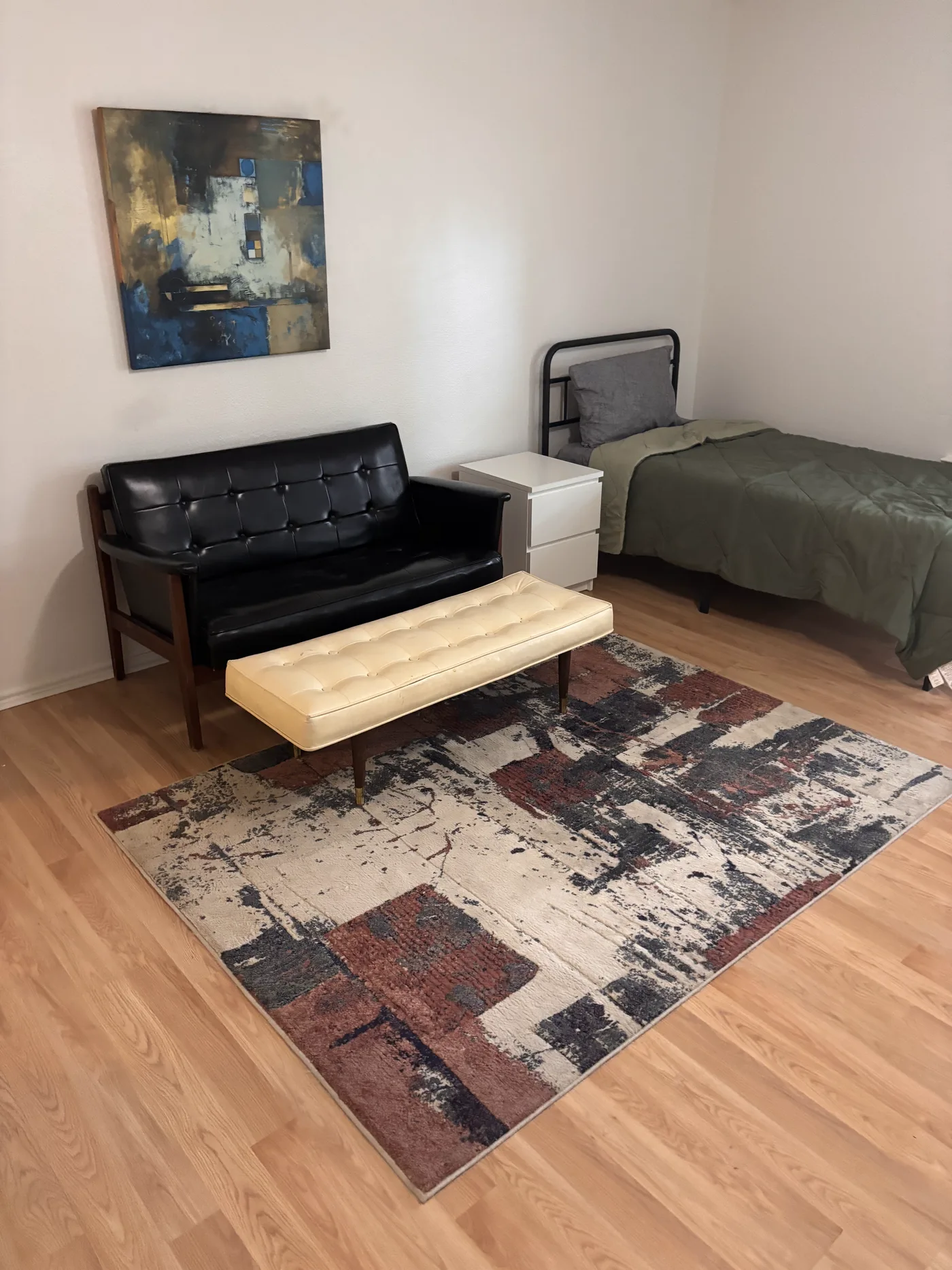
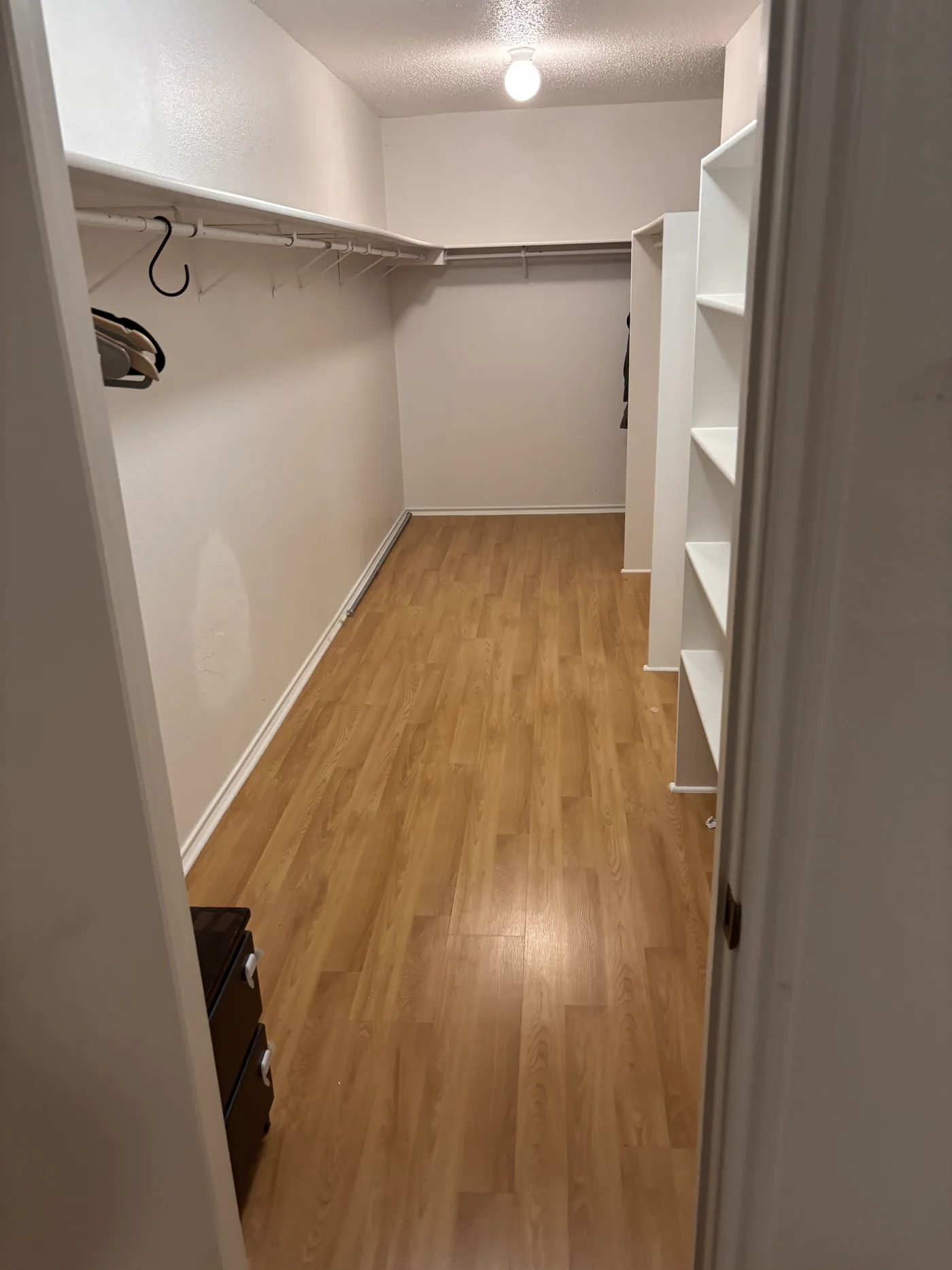
What is the primary goal of recovery yoga and how does it differ from a typical yoga class?
Answer: “My goal with the recovery yoga was mainly to bring the practice to people in 12-step recovery. Trauma-informed yoga is what we call it, and it’s all about working breathing, meditation and yoga poses to help with traumatic experiences. Not the actual memory of the experience, but the physical feeling left over from it.
What I gain most from yoga is a community of people. We go, we meet, and afterward, we go out to eat. People will come to a yoga class before they’ll go to a 12-step meeting. Actually, people will pretty much do anything before they do a meeting. I’ve been sober for almost eight years now and there are all kinds of ways that people get better from addiction, but my experience is strongly 12-step based, and even more so, it’s based in the principles of the 12 steps. The true philosophy of yoga is pretty much the same as the principles of the 12 steps. They are very complimentary. Once you have the foundation from the 12 steps, you can practice the yoga poses and meditation to go deeper.”
In your opinion, what aspects of traditional and recovery yoga can people in recovery benefit from on a daily basis?
Answer: “Mindfulness is really good for people in addiction to learn. Any yoga practice that is grounding and puts you in the body is good. Kundalini yoga is more breathing and kind of gets you out of your body, almost like a high. It alters your state of consciousness. But people in addiction are pretty used to that. What’s harder for me, personally, isn’t getting high and checking out or changing the way I feel, it’s being present and not running away from what I’m feeling. There’s nothing wrong with Kundalini yoga because you need that too sometimes to process feelings.
For me personally, the work that I do is [yoga asana] and all about how to be here, how to be in society, and how to deal with the pain of being a human being. In the 12-step program we call it, dealing with life on life’s terms.”
If someone was interested in taking one of your classes, how should they go about doing that?
Answer: “I teach a class at 10:30 a.m. on Tuesdays at Practice Yoga [in Austin]. It’s just a standard yoga class. My recovery yoga space has moved and I’m working on finding a new place to get that going. It’s on standby. But there are a lot of great opportunities in Austin to practice for free.”
To learn more about addiction recovery and yoga, read 10 Reasons to Add Yoga to Your Daily Routine.
For more information on Eudaimonia transitional living programs and sober living houses, please call (512) 240-6612 today to speak with an admissions specialist.
Related Recovery Resources in Austin
Yoga is one of many holistic practices that support lasting sobriety. Explore these additional resources to strengthen your recovery journey at Eudaimonia Recovery Homes:
- The Benefits of Art Therapy in Sober LivingDiscover how creative expression complements mindfulness practices in recovery.
- Navigating Early Recovery in AustinEssential strategies for building a strong foundation in your first months of sober living.
- Healthy Habits for Thriving in RecoveryNutrition, exercise, sleep, and other pillars of wellness in sober living.
If you’re ready to build a sustainable, wellness-centered recovery in Austin, call Eudaimonia Recovery Homes today at (512) 240-6612 to learn how our structured sober living environment supports your whole-person healing.


