Published October 13, 2017 · Updated July 8, 2026
On This Page · 5 Sections
Early sobriety is a time full of challenges, adjustments, milestones, and change, which can all be very exciting and advantageous, but also overwhelming.This time period often referred to as “early sobriety” includes your first 90 days of sobriety in rehab and may continue for weeks, months, or even a year after that. The sobriety journey is different for everyone, but all people in recovery will face various challenges and obstacles as they learn to adopt a new sober lifestyle.
How Do I Cope With Depression While Living in Recovery and Maintaining My Sobriety?
Coping with depression in recovery starts with recognizing that depression and addiction often go hand in hand, and that professional support is important, you don’t have to manage it alone. Helpful strategies include working with a therapist or doctor, staying connected to your support network and recovery community, keeping a consistent routine, prioritizing sleep, nutrition, and exercise, and using healthy coping tools like mindfulness rather than turning back to substances. Because untreated depression can threaten sobriety, addressing it directly with mental-health professionals is one of the most protective things you can do for your recovery.
If your depression feels persistent or overwhelming, please reach out to a mental-health professional or your doctor: treatment, including therapy and sometimes medication, is effective. If you are ever having thoughts of harming yourself or of suicide, call or text the 988 Suicide and Crisis Lifeline (call or text 988) right away, or contact emergency services. You deserve support, and help is available.
Prevalence of Depression in Early Sobriety
According to the 2016 National Survey on Drug Use and Health, among the 19 million adults with a substance use disorder, about 43.3 percent of them also suffered from mental illness.1 The presence of both a substance use disorder and a mental illness is called a co-occurring disorder.2 Co-occurring disorders are common, and people with substance use disorders are more likely to suffer from mental illness.
In early sobriety, it is not uncommon for people to struggle with mental illness, such as anxiety and depression. In fact, mood and anxiety disorders are the most common type of mental illness diagnosed alongside substance use disorders.3 While mental illness may be present all throughout the recovery journey, depression is common in the days, weeks, and months following the completion of a drug and alcohol rehab program.
Typically, in drug and alcohol rehab, both the mental illness and the substance use disorder are treated simultaneously with a blend of clinical and medical evidence-based treatment methods. After rehab, individuals enrolled in a sober living program should continue to address both disorders with therapeutic resources, continued medication regimens, and peer support groups such as 12-step group meetings. This is highly important, as the co-existence of a mental disorder and a substance use disorder is associated with higher rates of relapse.3
Common Signs of Depression
Some individuals in recovery may have never experienced depression before entering into a life of sobriety. The transition into a sober living home can be difficult and symptoms of depression may be misconstrued as stress or growing pains as the adjustment is made.
If you believe that you or a loved one may be suffering from depression, there are several telltale signs that may indicate you are correct. Here are some of the most common signs of depression:4
- Extreme loss of energy – We all get tired sometimes, but if you find that even the simplest tasks such as getting ready for the day or completing your household chores at your sober living home are extremely taxing for you, this may signify extreme fatigue.
- Frequently feeling sad or empty – While it is normal to feel sad sometimes, feeling down in the dumps, empty, or depressed nearly every single day is not healthy or normal.
- Disinterest in hobbies and activities – If you never feel like doing the things you used to enjoy, such as playing sports, going to the movies, or painting, this sudden lack of interest in things that used to bring you pleasure is a red flag.
- Insomnia or sleeping too much – Getting too much or too little sleep is often a sign of depression.
- Lack of concentration – If you find that you are consistently unable to concentrate, have difficulties remembering things or find it very difficult to make decisions, you may be suffering from depression.
- Suicidal thoughts and/or actions – If you regularly think about death, plot suicide attempts, or actually engage in a suicide attempt you need to seek help immediately.
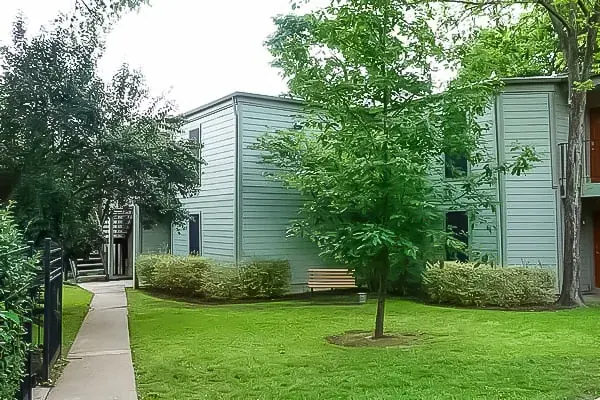
Inside Rustic Creek, our Austin flagship







How to Cope with Depression in Sobriety
It’s important that sober living clients understand that depression in early sobriety is normal and it is nothing to be ashamed of. Many people feel like they lack purpose or have a void to fill after giving up their addiction. Others may miss doing drugs or drinking alcohol and feel excessively guilty about those feelings. These are all normal experiences and many of the other people in your transitional home may even be feeling the same way.
Even with the support resources provided by Eudaimonia’s transitional living programs, men and women who are suffering from depression in early recovery may still need to dedicate some extra time and effort to manage their depression. The following coping strategies may help those who are struggling.
- Exercise regularly – Although high-intensity exercise releases endorphins that make us feel good, low-intensity exercise that is sustained over time produces a release of proteins called neurotrophic or growth factors, which cause nerve cells to grow and make new connections. Research has shown that the hippocampus (the part of the brain that regulates mood) in depressed people is smaller, but exercise supports nerve cell growth in the hippocampus, which improves brain function and relieves depression.5
- Meditate – 47 different studies analyzed in JAMA Internal Medicine determined that meditation helps people manage anxiety, depression, and pain.6 In rehab, clients learn the importance and the practice of meditation but in a transitional living program, it’s up to them to keep the practice going. Maintaining a regular time for meditation each day can help people in recovery manage and reduce feelings of depression.
- Continue attending group meetings – In most sober living programs (such as Eudaimonia), this is a requirement, but it’s also extremely healthy to continue attending group support meetings. These meetings not only provide accountability during a very vulnerable time, but they also provide mental, spiritual, and interpersonal support from peers in recovery. Community support is essential for lasting sobriety.
- Make time to have fun – Although residents of sober living houses have responsibilities to uphold such as attending meetings, managing their finances, and maintaining employment, it’s also important to make time for fun. People in recovery, especially those suffering from depression, should spend some amount of time every day doing something they enjoy. Whether it’s writing in a journal or going for a hike, these activities give purpose and value to life.
- Don’t be afraid to ask for help – In some cases, a sober living resident may feel completely consumed by their depression. It’s okay to ask for help. At Eudaimonia, house managers, program coordinators, and sober living peers are all available to discuss personal issues. Eudaimonia also provides therapeutic services to those who need it on a case by case basis.
Transitioning from rehab into a transitional housing program is not always easy. If you are struggling to manage your depression, just remember that you are not alone and there are many people available to help you. Get in touch with your sponsor, house manager, or program coordinator today to get help.
References:
- https://www.samhsa.gov/data/sites/default/files/NSDUH-FFR1-2016/NSDUH-FFR1-2016.htm#mde
- https://www.samhsa.gov/disorders
- https://link.springer.com/article/10.1007/s11469-017-9784-5
- https://psychcentral.com/disorders/depression/depression-symptoms-major-depressive-disorder/
- https://www.health.harvard.edu/mind-and-mood/exercise-is-an-all-natural-treatment-to-fight-depression
- https://www.npr.org/sections/health-shots/2014/01/07/260470831/mindfulness-meditation-can-help-relieve-anxiety-and-depression