
Published April 9, 2019 · Updated February 6, 2026
On This Page · 6 Sections
What’s the difference between a sober living home and group therapy?
A sober living home provides safe and sober group housing to help people reintegrate back into society after completing addiction treatment or following a relapse. On the other hand, group therapy consists of group sessions facilitated by a therapist or counselor. The discussions address the emotional aspects of addiction to encourage personal growth and modify negative attitudes and behaviors related to substance abuse.
Many people in recovery enroll in a sober living program after rehab to achieve sustained sobriety and to begin establishing roots within a sober community outside of rehab. Sober living homes go by many names, including ¾ homes, halfway houses, and transitional homes, so it’s no wonder some people aren’t clear about exactly what they are and what they offer.
While sober living programs and group therapy are complimentary, the two are not the same and they both serve different purposes in recovery from addiction. If you’re confused about the distinction between the two, here’s an explanation of both and how they’re different.
What is Group Therapy for Addiction Recovery?
Group therapy for addiction recovery refers to a group session in which an addiction counselor leads a discussion among a group of sober people in a safe and controlled, clinical environment. The group discusses common issues related to addiction to gain a deeper understanding of their substance abuse issues while also supporting one another in recovery.
Group therapy often occurs once or several times a week as a part of an addiction treatment plan. Clients also simultaneously participate in other treatment methods such as educational lectures, 12-step groups, H&I meetings, and a regular fitness regimen, among other treatment modalities.
Group therapy is often synonymous with behavioral therapy when referencing addiction treatment. The National Institute on Drug Abuse defines behavioral therapy for addiction as a therapeutic approach that:
- Helps people engage in substance abuse treatment
- Provides incentives for people to remain sober
- Modifies people’s attitudes and behaviors related to substance abuse
- Increases people’s life skills and ability to handle high-stress circumstances and situations that may trigger cravings and lead to relapse1
Since addiction affects the physical, psychological, and social well-being of a person, medical treatment is not enough to help them overcome it. Behavioral therapy and group therapy are an essential part of treatment that attends to multiple needs of the person, not just their physical addiction.2 For this reason, group therapy often continues long after rehab is over and it can be very effective to help a person in recovery deal with ongoing co-occurring disorders like anxiety, depression, or PTSD.
Is All Group Therapy the Same?
The short answer to this question is no, not all group therapy is the same. There are many different types of group therapies for addiction that can be used in various situations for addiction recovery, depending on the client’s needs.
Common types of group therapy for addiction include:
- Contingency management
- Cognitive behavioral therapy
- Motivational interviewing
- Couples/family therapy
- Rational emotive behavioral therapy
- Art therapy
- Music therapy
- Pet therapy
- Psychodrama
- Community 12-step meetings (or similar recovery program meetings)3,4
Most often, these types of group therapy sessions are offered in residential rehab centers and/or IOP programs, but they are not always continued after rehab.
Talk to a Treatment Expert – (713) 818-2361 FREE INSURANCE VERIFICATION & CONSULTATIONInside Rustic Creek, our Austin flagship
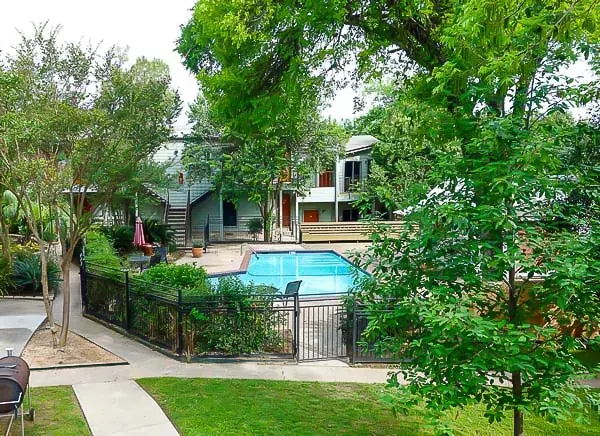
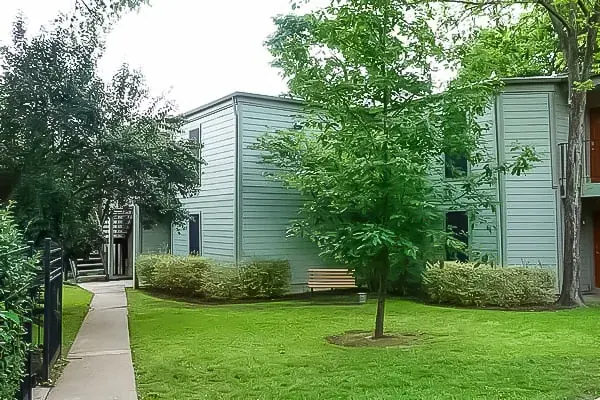





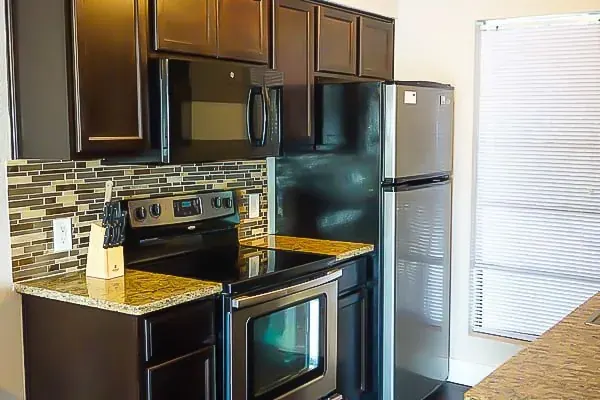
Sober Living vs. Group Therapy: What’s the Difference?
Unlike group therapy, a sober living program isn’t designed to help clients process emotions related to their addiction or to modify attitudes associated with substance abuse. Instead, the goal of a sober living program is to provide safe, sober, group housing and individual support so that clients can successfully reintegrate back into society as healthy and sober individuals.
A person generally enrolls in a sober living program only after completing a higher level of care, such as drug detox, drug rehab, or IOP. They may also enroll in sober living several months or years after completing rehab if they recently relapsed and need help getting back on track.
In contrast, group therapy often occurs in the treatment stages of early recovery, such as detox and rehab, although clients can continue to attend group or individual therapy after detox and rehab are over if they choose to.
Benefits of Group Therapy and Sober Living Programs in Recovery
Although a sober living program is not the same thing as group therapy, both types of care provide essential benefits for a life in recovery.
| Benefits of sober living programs in recovery: | Benefits of group therapy in recovery: |
|
|
How to Get Well-Rounded Recovery Support After Rehab
As a person in recovery, you can get well-rounded recovery support after rehab by attending group therapy sessions while you are enrolled in a sober living program. That way, you get the best of both worlds.
Many sober living programs, including those operated by Eudaimonia Recovery Homes, will require that residents attend community recovery meetings, such as Alcoholics Anonymous (AA), Narcotics Anonymous (NA), or Smart Recovery while they are living at the sober living home.
Otherwise, clients who are seeking additional behavioral therapy outside of their sober living program can always attend private behavioral counseling sessions with a therapist or enroll in family or couples therapy with a private counselor. Often times health insurance benefits will provide some coverage for behavioral therapy, which can also make it more affordable for clients in recovery.
Although sober living programs and group therapy sessions are distinctly different, people in recovery can greatly benefit from both. If you’re interested in learning more about our sober living program and sober living homes in Austin, Houston, and Colorado Springs, please call the Eudaimonia Recovery Homes admissions team. We are waiting and ready to answer your questions and help you enroll today!
Find Your New Home Today – (713) 818-2361 REQUEST MORE INFORMATIONReferences:
- https://www.drugabuse.gov/publications/principles-drug-addiction-treatment/evidence-based-approaches-to-drug-addiction-treatment/behavioral-therapies
- https://www.drugabuse.gov/publications/principles-drug-addiction-treatment-research-based-guide-third-edition/principles-effective-treatment
- https://www.ncbi.nlm.nih.gov/pmc/articles/PMC3633201/