

Published March 1, 2026 · Updated April 14, 2026
Key Takeaways
- Relapse prevention basics focus on recognizing risk early and responding with planned steps.
- Include key plan details like triggers, warning signs, coping skills, and support contacts.
- Use daily strategies to reduce stress load and make cravings easier to manage.
- Start with a sample relapse prevention plan example, then personalize it to your risks.
- Aftercare supports matter and can include outpatient care and sober living structure.
- Act fast at high risk by changing location, contacting support, and reducing access.
- FAQ clarifies details people often ask when building a relapse prevention plan.
On This Page · 31 Sections
A relapse prevention plan is a written, personal guide for staying in recovery when cravings, stress, or pressure show up. It brings together your warning signs, your relapse prevention strategies, and the support you will use. It is meant to help you act early, before a slip turns into a return to regular use.
Many people create a plan near discharge from treatment, but it can also be built in outpatient care and updated over time.
A structured sober living in Austin can provide the accountability framework that reinforces your relapse prevention plan and helps you follow through on daily commitments.
What relapse prevention means
Relapse prevention refers to skills and supports that lower risk and help a person respond early. A plan turns those ideas into clear steps.
Relapse can develop in stages
Many clinical models describe relapse as a process rather than one sudden event. Changes in mood, thinking, and behavior may show up before a person uses again. That creates time to intervene while choices are still flexible.
Lapse, relapse, and “return to use”
Some people use “lapse” for a brief episode and “relapse” for a longer pattern, while others prefer “return to use.” The term matters less than the response.
A SAMHSA Treatment Improvement Protocol hosted in the NCBI Bookshelf distinguishes a lapse as a brief return to use and a relapse as a more prolonged episode, and it emphasizes building a relapse prevention plan with coping strategies and support (NCBI TIP guidance on lapse vs. relapse).
If you want a clearer, practical definition, see our guide on what is considered a relapse.
Why transitions can raise risk
Moving from a program back to daily life can bring new pressures, more freedom, and more contact with old cues. Early recovery is often treated as a time to add prevention support and to adjust care intensity when needed.
What to include in a relapse prevention plan
Plans vary, but good ones are clear enough to guide action in real moments.
The U.S. Department of Veterans Affairs notes that relapse prevention plans often include support contacts, internal and external triggers, coping skills, and specific steps to take when triggers are activated.
Reasons for recovery and near-term goals
Start with a few reasons that still matter on a hard day, such as health, family, work, or legal needs. Add one to three short-term goals that match your stage of recovery. Clear goals support better decisions when motivation drops.
Personal warning signs
Warning signs are the changes that tend to show up before risk spikes. Examples include poor sleep, irritability, skipping meetings, isolating, or getting stuck in “nothing will help” thinking. The plan works best when it lists your own patterns and the earliest signs you can catch.
Triggers and high-risk situations
Triggers can be internal (anxiety, shame, anger) or external (people, places, events). Some are avoidable, like certain bars or contacts, and others are not, like work stress. The plan should name your top triggers and include a realistic response for each.
Coping skills you will use first
List coping tools you have practiced, not just tools you have heard about. Common options include grounding, paced breathing, short exercise, journaling, and cognitive coping (writing down a thought and testing it).
Some people also add mindfulness skills to their plan; our overview of mindfulness-based relapse prevention explains how it fits into aftercare.
Support contacts and professional care
Write down who to contact when risk is rising: a sponsor or peer, a trusted friend, a therapist, and any prescriber involved in care. Include meeting options and crisis resources. The plan is stronger when it states what you will say, such as “I’m having cravings and I need help staying safe today.”
Your living environment and daily structure
Daily structure reduces decision fatigue. Many people lower risk by choosing a sober environment with clear rules, especially after treatment. Options can include a sober living home, sober living apartments, recovery apartments, or other transitional sober living homes. If someone is searching for “sober living near me” or “clean and sober housing near me,” it can help to ask how the house supports routines and handles conflict. It also helps to ask what kind of follow-through is expected, not only whether substances are banned.
Our guide on how sober living homes help prevent relapse explains how structure and accountability can support follow-through.
Eudaimonia's Success Stories – Real People, Real Freedom
Relapse prevention strategies to build into daily life
Relapse prevention strategies work best when they match the situations that raise risk for you.
Basic self-checks
A simple self-check can catch risk early, especially when cravings feel sudden. Many people review hunger, anger, loneliness, and tiredness, then address the basic need first. This is not a cure, but it can reduce intensity enough to use the next step of the plan.
For practical ideas you can apply day to day, read daily relapse prevention tips.
Craving management steps
Cravings often rise and fall, even when they feel urgent. A plan can include a short sequence, such as: delay, change location, contact support, and do one clear task. Templates used in therapy settings often remind clients that cravings pass and that risky choices can start with returning to high-risk situations.
Thought patterns that increase risk
Risk often increases when thinking becomes rigid, hopeless, or “all-or-nothing.” Cognitive approaches help people notice these thoughts and replace them with more accurate statements.
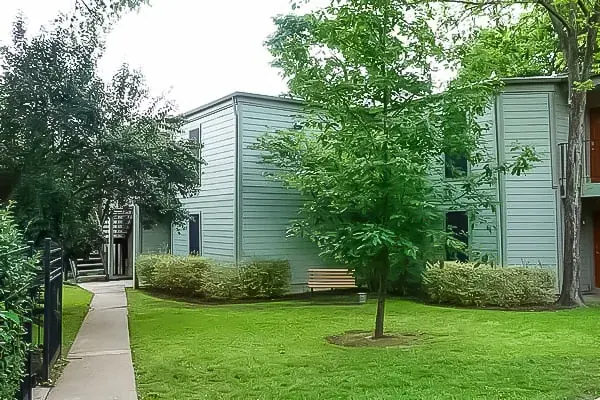
Inside Rustic Creek, our Austin flagship







Stress, sleep, and mental health care
Stress can reduce judgment and increase impulsive choices. A plan can include sleep protections, medication adherence if prescribed, and an agreement to contact a clinician if symptoms worsen. The focus is early action, before coping narrows.
Sample relapse prevention plan
This relapse prevention plan example is a starting point. It can be revised with a clinician, sponsor, or support team.
Sample relapse prevention plan example
- My reasons for recovery: health; stable housing; work; family relationships.
- My top warning signs: poor sleep; isolating; skipping care; irritability; romanticizing past use.
- My highest-risk situations: conflict at home; unstructured weekends; celebrations with alcohol; contact with active use.
- My first-line coping skills: leave the situation; call support; attend a meeting; grounding or breathing; short walk; write down the thought and an alternative.
- My support list: sponsor/peer; trusted friend; therapist/case manager; family member who supports recovery.
- Safe places: meeting location; trusted home; community space in a sober living community.
- If I am close to using: do not stay alone; change location; ask for a ride; increase support that day; consider a higher level of care if recommended.
- If I have a slip: tell a safe person the same day; stop use as soon as possible; avoid driving; seek medical care if there is overdose risk; schedule an urgent clinical check-in; return to meetings or counseling within 24 hours.
How to personalize a sample relapse prevention plan
Make each step measurable. Replace “avoid stress” with a clear action, such as “leave the argument, take a 20-minute walk, and call my sponsor.” If cost affects housing choices, include what helps most when comparing sober living house cost or halfway house cost, such as house rules, support services, and access to transportation.
If cost planning is a barrier, our sober house cost breakdown outlines common pricing factors and what may be included.
Using your relapse prevention plan in aftercare and sober living
A plan is most useful when it is reviewed and used, not stored away.
In outpatient care and step-up supports
After discharge, people may use weekly counseling, group therapy, or intensive outpatient programming. If warning signs increase, stepping up care can be part of relapse prevention rather than a “failure.”
If outpatient care is part of your plan, you can learn more about intensive outpatient programs and how they can fit alongside sober living.
In sober living and transitional housing
Housing often shapes daily risk. Structured, substance-free settings can reduce exposure and create routines that make coping skills easier to use. People may search for “sober living programs near me,” “men’s sober living homes near me,” or “women’s sober living houses near me,” and a plan can help clarify which supports matter most. Some people also compare location and sober living cost. It is also reasonable to compare what recovery supports are included.
For a more detailed walkthrough, see our article on relapse prevention plans in sober living.
Review and update
A relapse prevention plan is a living document.
The University of Washington AIMS Center describes a relapse prevention plan as a self-management tool that helps people keep using what works, track warning signs, and know when to ask for more support (relapse prevention plan template (UW AIMS Center)).
What to do when risk is high
A plan should include simple steps for the highest-risk moments.
Immediate steps
- Move to a safer place.
- Contact a support person and describe the risk clearly.
- Attend an in-person or virtual meeting the same day.
- Reduce access to substances, cash, or triggering contacts.
- Seek urgent medical or emergency help if there is overdose risk.
Use the event to update the plan
When the moment passes, review what happened with support. Identify the earliest warning sign, what was missing, and what change would reduce risk next time. This approach treats relapse prevention as skill-building.
If you want added structure and support, Apply for sober living to get started.
How Eudaimonia Recovery Homes can help with Relapse Prevention Plan: Strategies and Example
Eudaimonia Recovery Homes can help by providing a sober living home setting where relapse prevention strategies can be practiced in real life. A consistent routine and clear expectations can make it easier to notice warning signs early and to follow a written plan. For many people, a sober environment reduces day-to-day exposure to alcohol and drugs while coping skills are still being strengthened. Residents can align their plan with outpatient care, peer support, and scheduled check-ins, which can support accountability without relying on willpower alone.
For someone comparing clean & sober transitional living options or searching for sober living near me, it can be useful to ask how the home supports planning, handles conflict, and connects residents to recovery resources. Eudaimonia can also be relevant for people considering recovery apartments or sober living apartments who want more structure than living alone. Cost is often part of the decision, and people may compare sober living cost across settings, but support services and house culture can also affect risk. For those who benefit from longer support, long term sober living communities can provide time to keep using the plan until routines feel more stable.
Your Future Is Waiting
Tell us what you are looking for and admissions will walk you through the houses, the phases, and what a room actually costs.