

Published January 27, 2026
Key Takeaways
- What is considered a relapse?Use a pattern-based approach to separate lapse vs relapse and choose a safer response.
- Why does an addict relapse?Understand stress, isolation, and cue-driven cravings so you can intervene earlier.
- When you feel “I want to relapse”Follow a 20-minute plan that reduces risk and buys time.
- When you think “I just relapsed”Take safety-first steps in the first 24 hours to limit harm and restart support.
- Relapse prevention strategies that help you stop relapsingPair coping skills with systems that make recovery easier.
- A relapse recovery plan you can write todayCopy a simple plan that guides fast actions and next-day steps.
On This Page · 20 Sections
Relapse and recovery rarely look like a straight line, even for people who are committed and doing many things right; cravings, stress, and life pressure can stack up before anyone notices. If you are feeling stuck, you are not alone, and you are not “back at zero.”
This guide answers a common, stressful question: what is considered a relapse? It also covers what to do if you are thinking “i want to relapse” or “i just relapsed,” with practical relapse prevention strategies that can help you stay safe and get back on track.
What is considered a relapse?
How to think about lapse vs relapse
Definition: In addiction and relapse conversations, a relapse usually means a return to alcohol or drug use after a period of reduced use or sobriety, especially when the return becomes a pattern that pulls you back into old behaviors. A lapse is often used to describe a brief, one-time, or short return to use that stops quickly and is followed by a rapid return to recovery actions.
People define these terms differently depending on their goals, their medical risk, and their support plan, so it helps to focus on function and pattern rather than a single label.
- Lapse: a short episode that ends quickly, followed by disclosure and a return to support, structure, and safer choices.
- Relapse: repeated use, loss of control, or a slide back into the routines that kept the addiction going, such as isolation, secrecy, and missing treatment or meetings.
- Recurrence: some clinicians use this term for symptoms returning in a chronic condition, which can lower shame and keep the focus on adjusting care.
Quick guide for the moment you are unsure
If it stopped quickly and you reached for help, treat it like a serious warning sign and respond early.
If it continued, stayed secret, or changed your routine for days, treat it like a relapse and increase support fast.
If you are not sure, act as if the risk is real and choose the safer response anyway.
Whether it is relapse alcohol or a drug relapse, the most important question is not the label; the most important question is what support is needed right now to reduce harm and rebuild stability.
Evidence-based sources describe relapse as common in recovery and similar to flare-ups in other chronic health conditions. For example, the National Institute on Drug Abuse notes relapse rates for substance use disorders are similar to rates for other chronic illnesses. NIDA: Understanding Drug Use and Addiction
Why does an addict relapse?
Relapse is usually a process, not a single moment
People do not relapse because they suddenly “stop caring.” Relapse tends to happen when stress rises, support drops, and coping skills to prevent relapse are not available in the moment; in other words, the brain reaches for the fastest learned relief.
Common drivers include cue-based learning (your brain links people, places, and feelings with use), chronic stress and sleep loss (which raise impulsivity and lower planning), untreated mental health symptoms or pain (which increase distress), and isolation (which removes the “speed bumps” that stop a craving from becoming action).
Another common driver is all-or-nothing thinking: “I blew it, so it doesn’t matter now.” That thought can turn a lapse into a full drug addiction relapse because it encourages secrecy and continued use, instead of a fast return to support.
Alcohol relapse and drug relapse can carry different risks
Alcohol relapse can carry extra medical risk. Returning to heavy drinking after a break can increase the chance of dangerous withdrawal cycles, injuries, and risky decisions. The National Institute on Alcohol Abuse and Alcoholism describes relapse to drinking as common and emphasizes adjusting the plan rather than giving up. NIAAA: Understanding Relapse
Drug abuse relapse can be dangerous for a different reason: tolerance can drop during abstinence, so a “usual” amount can become an overdose risk, especially with opioids or when substances are mixed.
Eudaimonia's Success Stories – Real People, Real Freedom
When you feel “I want to relapse”
A 20-minute plan to interrupt the urge
Wanting to relapse can feel scary, but it is also a signal you can work with; an urge is not a decision, and you can buy time until the wave passes. The goal is not to win a debate in your head, but to change the conditions around you so the urge has less power.
- Delay for 20 minutes and make no big decisions until the timer ends, because urges usually peak and fade.
- Change location fast by moving your body into a safer setting, ideally around people or in a public place where using is less likely.
- Name the need underneath the urge by asking what you are trying to escape or soothe, such as hunger, anger, loneliness, exhaustion, physical pain, or shame.
- Reduce access by creating distance from alcohol or drugs, and ask for help removing them if you cannot do it alone.
- Use support immediately by calling, texting, or walking into a meeting, even if you feel embarrassed or “not ready.”
In AA relapse and NA recovery and relapse conversations, people often describe speed as the key: re-enter support quickly instead of disappearing. If you do not have a group yet, start with one simple goal for today: do not be alone with the urge.
If you need more structure than peer support alone, consider stepping up care. Options can include outpatient counseling, group therapy, and structured sober housing. Eudaimonia offers outpatient treatment that can add consistent clinical support when cravings are frequent.
If your home or social environment makes substance use too easy, a structured setting can reduce exposure while you rebuild routines. Learn more about how a sober living program can support avoiding relapse with accountability, routine, and community.
When you think “I just relapsed”
First 24 hours checklist
First, take a breath. A relapse does not erase the work you did before it happened, but the next 24 hours matter because quick action can limit harm and shorten the detour. If you are searching for how to recover from a relapse, the steps below are a clear starting point.
Use these steps as a relapse prevention method in reverse: stabilize first, then rebuild; the goal is to stop the bleed and return to support quickly.
- Get medically safe. If you used opioids, mixed substances, or someone may overdose, call emergency services. If you have been drinking heavily, do not push through withdrawal alone, because alcohol withdrawal can be dangerous.
- Tell one safe person. Secrecy fuels spirals, so choose someone supportive and be clear about what happened and what you need.
- Stop the bleed. Get rid of remaining alcohol or drugs, leave high-risk people and places, and cancel plans that increase risk.
- Restart support within 24 hours. Attend a meeting, contact a counselor, or connect with a peer recovery group, even if it feels uncomfortable.
- Do a quick review. Identify what changed in the days before the relapse, such as sleep disruption, conflict, isolation, money stress, or missed appointments.
This is also the moment to be honest about severity. If the relapse includes daily use again, repeated binge drinking, dangerous withdrawal symptoms, or a return to high-risk behaviors, a higher level of care may be safer than trying to “tough it out.”
To rebuild support, consider adding consistent meetings and a structured schedule. If you want help finding meetings and planning the next week, Eudaimonia’s recovery meetings resource can help you map a simple routine.
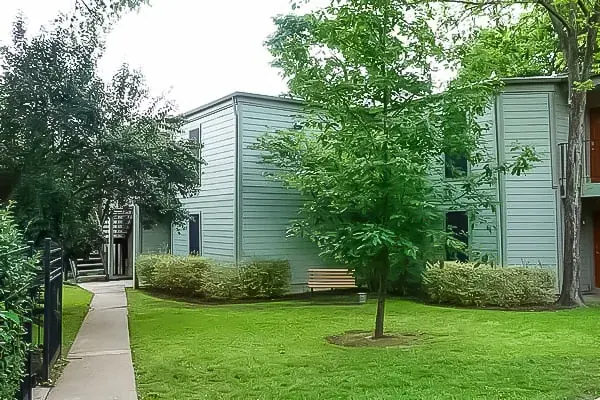
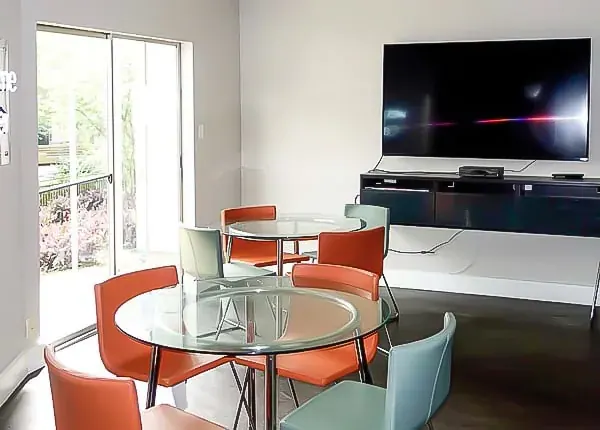
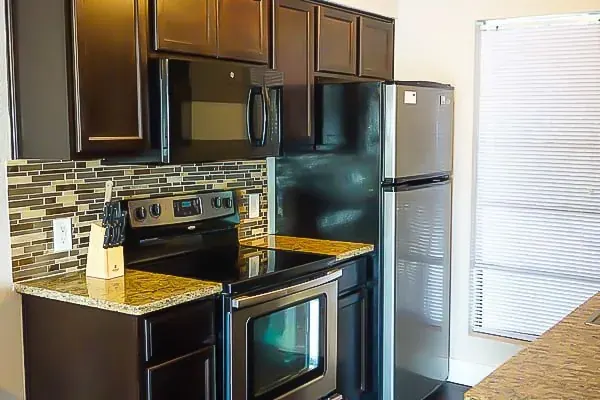
Inside Rustic Creek, our Austin flagship





Relapse prevention strategies that help you stop relapsing
Use skills and systems together
If you feel stuck in repeated drinking relapse or drug relapse cycles, it can start to feel personal. It is not. Relapse prevention strategies work best when they reduce friction, limit exposure, and strengthen coping before you are in crisis, so you are not relying on willpower when your brain is already flooded with stress.
Preventing relapse alcohol is usually easier when your plan is built around high-risk times and predictable stressors, rather than a vague goal to “try harder.”
Think of relapse prevention methods as two layers: skills and systems. Skills are what you do in your mind and body; systems are what you build around you so the safer choice is easier, especially on hard days.
- Skills: coping skills to prevent relapse like breathing, grounding, urge surfing, calling support, and leaving risky settings early.
- Systems: structure like meetings, therapy, sober peers, and a stable environment that makes using harder and recovery easier.
Strategies that reduce repeat relapse
Here are practical strategies that often help people who are asking how to stop relapsing:
- Build a predictable day with sleep, meals, movement, and meetings, because routine reduces decision fatigue and emotional whiplash.
- Plan your exits ahead of time, including rides, scripts, and early departures, so you are not negotiating with yourself in a high-risk moment.
- Use check-ins that are scheduled, not optional, such as a daily call, a text thread, or a brief meeting, because isolation often precedes relapse.
- Treat mental health and pain in an integrated way, since untreated symptoms can quietly raise relapse risk over time.
- Track cravings and warning signs, not just “days,” so you see the pattern early and can ask for help before you are at the edge.
If you want a skills-based approach to cravings, Eudaimonia’s guide to urge surfing can fit alongside other relapse prevention methods.
Recovery support is also broader than staying abstinent. In the U.S., SAMHSA defines recovery as a process of change that improves health and wellness and supports a self-directed life. SAMHSA: Recovery and Recovery Support
A relapse recovery plan you can write today
Copy-and-paste plan
A relapse recovery plan is a one-page script for what to do when risk rises. Keep it short, make it specific, and make it realistic; the plan should work even when your attention span is low and your emotions are high.
Use this fill-in format. Copy it into a note on your phone and review it once a week.
My early warning signs
1) ________ 2) ________ 3) ________
Highest-risk times
Days: ________ Times: ________ Places: ________
My fast actions (10 minutes)
I will: leave the setting / call ________ / go to ________ / eat / sleep / shower
Next-day actions (24 hours)
I will: attend ________ meeting / contact ________ / schedule ________ appointment
My safety rules
No driving after using. No being alone with alcohol or drugs. No “testing” myself in bars or old using environments.
My support list
- Name: ________ Phone: ________
- Name: ________ Phone: ________
- Name: ________ Phone: ________
If you have repeated relapse, consider increasing structure through therapy, meetings, and a stable living environment. If family conflict is part of the cycle, these CRAFT-based family support steps can help loved ones respond with clearer boundaries and more effective communication.
So if you are supporting someone else, you may wonder what to do when someone relapses alcohol. Start with safety first, reduce shame, and offer one next step, such as a ride to a meeting, help contacting a clinician, or support getting into a safer setting for the night.
Relapse and recovery can coexist. A set-back can become a turning point when you respond quickly, get honest, and adjust the plan.
How Eudaimonia Recovery Homes Supports Relapse and Recovery With Structure and Community
Relapse and recovery often require more than motivation alone, because stress, triggers, and isolation can build quickly when you’re back in everyday life. Eudaimonia Recovery Homes supports relapse and recovery by offering professionally managed sober living homes and apartments designed to keep your environment substance-free and recovery-focused. Residents benefit from structure, including clear house expectations and consistent accountability, so early warning signs don’t get ignored until they become a crisis. Living with others who understand addiction and relapse can reduce shame, increase honesty, and make it easier to reach for help before a slip turns into a pattern.
Many homes are set up to support real-world stability, like building routines around work, meetings, and healthier daily habits that strengthen relapse prevention. If you need more than housing alone, Eudaimonia can also help you coordinate added clinical support, such as intensive outpatient care, so coping skills to prevent relapse are practiced in real time. The team can help you build a practical relapse recovery plan that includes triggers, high-risk situations, and clear next steps if you feel you’re close to a drug relapse or alcohol relapse. Most importantly, the goal is to help you stay connected, accountable, and supported long enough for recovery to become your new normal.
Your Future Is Waiting
Tell us what you are looking for and admissions will walk you through the houses, the phases, and what a room actually costs.