
Published January 24, 2026
Key Takeaways
- Start with safety and a shared goalFocus on immediate risk and set one clear two-week goal.
- Understand what addiction does to choice and behaviorSeparate the person from the symptoms and focus on what you can control.
- How to talk to a loved one with addiction: a CRAFT-style approachUse calm timing, observations, and specific next steps, plus simple scripts.
- Set boundaries that reduce harm and reduce enablingUse clear safety, money, and home boundaries with steady if/then language.
- Help them reach care: assessment, treatment, and the next right stepMatch care level to risk and remove barriers that block follow-through.
- Support recovery at home and respond to relapse with a planReinforce progress, avoid policing, and plan your relapse response ahead of time.
- Support for families of addicts: protect your own healthBuild your support system and ask for guidance when safety is at risk.
On This Page · 28 Sections
When someone you love is caught in addiction, the whole family system shifts at once. You may feel scared, angry, exhausted, and unsure what to do next, especially if the person denies the problem or blames everyone else. Many people search for “drug addicts family support” because they want a plan that protects everyone and still keeps the door open to recovery.
This guide explains how to help a family member with addiction with a calm, evidence-informed approach. It also uses principles from CRAFT (Community Reinforcement and Family Training), a practical method that helps families reduce conflict and support change. You will learn what helps, what often backfires, and what to say to an addict you love when emotions run high and decisions matter.
Start with safety and a shared goal
The first job of family members of addicts is safety, not persuasion. That includes your loved one’s immediate medical safety, the safety of children or vulnerable adults, and the basic stability of the household.
When it is an emergency
- Call 911 right away if the person is unconscious, has slow or stopped breathing, turns blue or gray, has a seizure, or cannot be awakened after shaking and shouting their name.
- If you think an overdose is possible, emergency care is time-sensitive, even if the person “seems better” for a moment. Do not wait for them to “sleep it off.”
- If there is violence, threats, stalking, or weapons in the home, prioritize distance and safety first, then call for help.
If you need confidential help finding treatment or local resources, the SAMHSA National Helpline is available 24/7 at 1-800-662-HELP.
Choose one clear goal for the next two weeks
Families often try to solve everything at once: money, work, health, legal issues, and trust. A more workable approach is to pick one goal that lowers risk and increases readiness for care, then repeat that goal consistently.
- Example goal: “No using in the home, and we will help you get an assessment this week so we can choose the next step.”
- Example goal: “We will stop paying cash, but we will pay directly for a medical visit, a ride, or a refill if it supports treatment.”
- Example goal: “We will talk when you are sober, and we will plan one next step together instead of rehashing the past.”
Understand what addiction does to choice and behavior
Addiction is not a lack of love or a simple “bad decision.” It is a chronic, treatable condition that can change reward, stress, and self-control circuits in the brain over time, which is why promises and willpower alone often break down under cravings and withdrawal.
The National Institute on Drug Abuse explains how substance use can affect brain function and decision-making, which can help families separate the person from the symptoms and keep conversations grounded in reality. Learn more from NIDA.
What you can control (and what you cannot)
Help for families of addicts starts with a hard truth: you cannot force change, and you cannot “love someone sober.” But you can influence the conditions around change, and those conditions matter more than most families realize.
- You can control your boundaries, your home rules, and what you will fund or allow.
- You can control how you speak, when you speak, and what you will do if safety is at risk.
- You cannot control whether your loved one is honest, sober, or ready today, even if you do everything “right.”
Common family roles that keep the cycle going
Many families slide into roles without noticing: the rescuer, the detective, the peacemaker, or the silent one. These roles reduce short-term conflict, but they can also create a pattern where the person using never faces clear limits, and everyone else becomes depleted.
If you think this might be happening, it can help to agree on a shared approach as a family, then keep limits consistent. Eudaimonia’s family support page explains how loved ones can stay involved while protecting safety and boundaries.
How to talk to a loved one with addiction: a CRAFT-style approach
When people ask how to help a loved one with addiction, they often mean, “How do I talk to them without a fight?” One evidence-informed family method is called Community Reinforcement and Family Training (CRAFT). In plain language, it teaches you to reduce conflict, notice patterns around use, reinforce healthier choices, and increase the odds that your loved one accepts help.
Four principles that keep conversations productive
- Pick the right moment: Talk when they are sober, not late at night, not during a crisis, and not in front of other people who might escalate shame.
- Use observations, not labels: Describe what you saw and how it affected you, without calling them an “addict,” “junkie,” or “lost cause.”
- Offer a specific next step: Present one clear option, such as an assessment appointment, a therapy intake, or a call to admissions, rather than a vague demand to “get help.”
- End the conversation calmly: If the talk turns abusive or circular, pause and return later, because escalation teaches the brain that avoidance works.
What to say to an addict you love (scripts you can adapt)
These examples can help with support for relatives of drug addicts while keeping dignity and limits, even if your loved one is defensive.
- “I love you, and I’m worried. I noticed you’ve missed work twice this week and you were sick this morning. I want to help you get support. Would you be willing to talk to a clinician with me this week?”
- “I’m not going to argue about whether this is a problem. I’m telling you what I can and can’t do. I won’t give cash, but I will pay for a ride to an appointment.”
- “I can help you take one step today: we can look up options, or we can call for an assessment together. Which one is easier right now?”
- “If you choose to use tonight, you can’t stay here. If you want help, I will sit with you while you call for an intake.”
- “I can hear you’re upset. I’m going to take a break now so we don’t say things we regret. We can talk tomorrow at 10 a.m.”
If you are considering a formal intervention, focus on planning and structure rather than surprise confrontations. These intervention strategies can help you think through timing, support, and next steps.
What to avoid saying
- “If you loved me, you would stop.” (It increases shame and defensiveness, which can fuel more use.)
- “This is ruining my life.” (It may feel true, but it often triggers blame instead of action.)
- “You’re just being selfish.” (It turns a health issue into a moral fight and shuts down problem-solving.)
Eudaimonia's Success Stories – Real People, Real Freedom
Set boundaries that reduce harm and reduce enabling
Support for family members of drug addicts is not the same as rescuing. Boundaries are not punishments, and they are not “tough love” speeches. They are clear rules that protect the household, lower chaos, and make it easier for the person using to see reality.
Three boundary categories that most families need
- Safety boundaries: No violence, threats, or weapons; no intoxicated driving with others; no drugs or paraphernalia in shared spaces; and no children exposed to active use.
- Money boundaries: No cash; no paying debts caused by use; offer “direct support” instead, such as groceries, a bus pass, a copay, or a phone bill tied to treatment steps.
- Home boundaries: No using in the home; no guests who use; and a plan for where they stay if they return intoxicated or refuse basic house rules.
If you live with your loved one, coping can become complicated fast, especially when guilt, fear, and responsibility get tangled together. This deeper guide on living with an addict and codependency can help you spot patterns and protect your well-being.
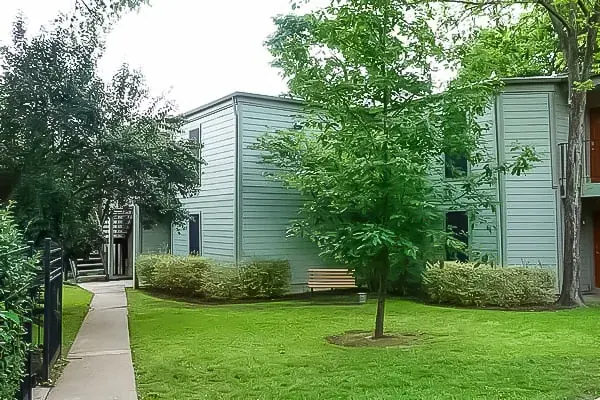
Inside Rustic Creek, our Austin flagship







Boundary language that stays calm
Use short sentences, repeat yourself, and avoid debating the boundary. A practical template is: “I care about you, and here is what I will do. If X happens, then Y happens.”
- “I’m not able to do that, even though I care about you.”
- “I can help in these two ways: A or B, and I’m ready when you choose.”
- “If you yell, I will leave the room and we will talk later.”
- “If there’s drug use in the house, we will ask you to leave for the night and reconnect tomorrow.”
Help them reach care: assessment, treatment, and the next right step
When families ask how to help someone with drug addiction, they often get stuck on one question: “What level of care do they need?” A simple way to think about it is safety first, then structure, then ongoing support that lasts long enough to hold new habits.
Signs a professional assessment is urgent
- Overdose, withdrawal symptoms, or mixing substances, especially opioids with alcohol or sedatives.
- Suicidal thoughts, psychosis, or severe depression that changes sleep, appetite, or functioning.
- Repeated job loss, legal crises, or unstable housing that makes daily life unpredictable.
- Using alone, hiding use, escalating doses, or returning to use immediately after consequences.
If you are not sure where to start, a federal treatment locator can help you find options by ZIP code and level of care. Use FindTreatment.gov to search for licensed providers.
What families can do to make treatment more likely
- Offer to schedule the assessment and drive them there, because “friction” often kills follow-through.
- Remove practical barriers: childcare, a ride, time off work, or support with insurance questions.
- Ask permission to join a family session when appropriate, so communication and boundaries improve.
Many people do best when they have structure after formal treatment, not just a return to the same pressures and triggers. Recovery housing and step-down care can provide routines, accountability, and peer connection while your loved one practices recovery skills in real life.
If outpatient care is part of the plan, you can review Eudaimonia’s IOP admissions process to understand how enrollment works and what information is usually needed.
If sober living is being considered, families often find it helpful to start planning logistics early, such as work schedules, transportation, and home rules.
Support recovery at home and respond to relapse with a plan
Recovery is usually a long process with progress, plateaus, and sometimes relapse. Families can support progress without policing every move, especially when they focus on routines and accountability rather than constant surveillance.
Support that helps
- Reinforce small wins, such as attending an appointment, taking medication as prescribed, or showing up for work, because change is built from repeated healthy actions.
- Keep requests specific: “Can you text me when you arrive?” instead of “Don’t mess up,” which adds pressure without direction.
- Protect routines like meals, sleep, and reliable transportation, since stress and exhaustion can trigger cravings.
Support that often backfires
- Surprise searches, constant accusations, and interrogations that turn the home into a battleground.
- Paying for consequences or “making it go away,” which can accidentally reward the cycle.
- Threats you will not follow through on, because inconsistent boundaries teach people to wait you out.
If relapse happens
Relapse can be a sign that the plan needs more support, not that everyone failed. Agree in advance on what happens next, so decisions are not made in panic.
- Immediate safety check: Is there overdose risk, suicidal thinking, or danger to others?
- Short-term boundary: Do they leave the home for the night, or is there a supervised plan to reduce harm?
- Clinical step-up: assessment, more frequent therapy, or a higher-structure setting for a period of time.
Support for families of addicts: protect your own health
Support for relatives of drug addicts is not only about the person using. It is also about keeping the family stable enough to function, because chronic stress can lead to insomnia, anxiety, depression, and trauma responses that linger long after the crisis.
Build your own support system
- Choose two people you can be honest with, and schedule regular check-ins so you do not carry this alone.
- Consider counseling for yourself, even if your loved one refuses help, because you need a place to think clearly.
- Use medical and mental health supports if stress is affecting sleep, mood, parenting, or work performance.
A short self-check
- Are you skipping meals, sleep, or medical care because of crisis management and constant worry?
- Are you hiding the problem from everyone, even when you need help and the secrecy is harming you?
- Are other children or vulnerable family members being harmed by chaos, unpredictability, or exposure to use?
If you answered “yes,” it may be time to tighten boundaries and get outside help. If you need help sorting options quickly, you can contact Eudaimonia Recovery Homes to talk through next steps and what level of support may fit.
Families are not powerless. With a clear plan, calm communication, and consistent boundaries, many people can move from crisis to stability while protecting the health of everyone involved.
How Eudaimonia Recovery Homes Supports Families Learning How to Help a Family Member With Addiction
When you’re figuring out how to help a family member with addiction, having the right structure and support around your loved one can make the next steps clearer and more realistic. Eudaimonia Recovery Homes supports families by offering recovery-focused housing options that reinforce stability, accountability, and healthier routines during early recovery. Instead of relying on willpower alone, residents can build day-to-day habits in a substance-free environment that’s designed to reduce triggers and encourage follow-through. For families, this can ease the constant crisis cycle and create space to shift from arguments and rescues to consistent boundaries and practical support.
Eudaimonia can also help you navigate what level of care may fit best next, whether your loved one needs sober living as a step-down from treatment or added structure alongside outpatient care. Many families find relief in having a clear plan, a defined living expectation, and a team that understands how relapse risk, stress, and recovery skills connect in real life. Just as important, Eudaimonia helps families stay involved in a healthy way, so you can support progress without slipping into enabling patterns. If your goal is to help a loved one with addiction take the next right step and stay connected to recovery supports, Eudaimonia offers a pathway that prioritizes safety, stability, and sustainable change.
Your Future Is Waiting
Tell us what you are looking for and admissions will walk you through the houses, the phases, and what a room actually costs.