

Published May 8, 2026
On This Page · 9 Sections

Sober Living
Austin
10506 Parkfield Dr, Austin, TX 78758
When your loved one is getting ready to leave rehab, it can feel like the clock is ticking. You’re proud of the hard work they’ve done, but you’re also worried about what comes next. The transition out of treatment is one of the most vulnerable periods in early recovery, and where your loved one lands after discharge matters enormously. If you’re searching for ways to help a family member find sober living in Austin, you’ve already taken an important first step. This guide will walk you through what sober living actually is, why it helps, what to look for, and how you can support your loved one through this transition without taking over.
Why the Transition Out of Rehab Is So Critical
Completing an inpatient or residential rehab program is a major accomplishment. But leaving the structure of a treatment facility and going directly back to everyday life, with all its triggers, stressors, and temptations, is one of the most common reasons people relapse in early recovery. Research consistently shows that longer engagement in structured, recovery-supportive environments leads to better long-term outcomes.
This is where sober living comes in. A sober living home bridges the gap between the intensity of rehab and full independence. It gives your loved one a safe, sober environment where they can begin rebuilding their life, holding a job, attending outpatient treatment, reconnecting with family, while still being surrounded by accountability and peer support. For families in the Austin area, there are meaningful options available. Understanding what to look for can make all the difference.
What Is Sober Living and How Is It Different from Rehab?
Sober living homes are shared residences where people in recovery live together under a set of house rules designed to support sobriety. Unlike inpatient rehab, residents in sober living homes come and go. They work, attend school, go to therapy, and participate in the community. But they return each night to a substance-free environment with peers who share their commitment to recovery.
Key differences from rehab include:
- Freedom and independenceResidents manage their own schedules, jobs, and responsibilities.
- Longer staysMost people stay in sober living for 3 to 12 months or more, compared to 30–90 days in residential treatment.
- Peer communityLiving alongside others in recovery creates a built-in support network.
- AccountabilityRegular drug testing, curfews, and house meetings keep residents on track.
- Lower costSober living is generally far more affordable than inpatient treatment.
If you want a deeper look at how to evaluate your options, our comprehensive sober living Austin guide is a great place to start.
How to Help Your Loved One — Without Taking Over
As a family member, your instinct is to fix things. You want to find the right home, make the calls, handle the logistics, and remove every obstacle. That love and concern is real, but it’s worth pausing to think about how much involvement is actually helpful.
Recovery is ultimately your loved one’s journey. Part of what sober living teaches is personal responsibility: making decisions, facing consequences, and developing the life skills that were often lost during active addiction. If you do everything for them, you may actually slow that growth.
Here’s how to strike the right balance:
Call Now: (512) 240-6612- Do the research together. Help your loved one gather information, but let them ask questions and make the final choice. This builds buy-in and ownership.
- Ask their treatment team for referrals. Discharge planners and case managers at rehab facilities often have strong relationships with local sober living homes. Ask them which homes they trust.
- Make a list of non-negotiables. Does your loved one need a pet-friendly home? A location near public transit? Gender-specific housing? Identify priorities together.
- Plan a visit before discharge if possible. Touring a home in advance reduces anxiety and makes the transition feel less overwhelming.
- Offer emotional support, not control. Tell your loved one you believe in them. Let them know you’re proud of what they’ve done. That encouragement means more than logistics.
What to Look for in a Quality Sober Living Home in Austin
Not all sober living homes are created equal. Quality varies significantly, and your loved one deserves a home that will genuinely support their recovery, not just provide a place to sleep. Here’s what to look for when evaluating sober living options in Austin:
- Clear, enforced house rulesCurfews, drug testing, and zero-tolerance sobriety policies are essential. A home without structure is just a shared apartment.
- Staff or house manager presenceSomeone should be accountable for the culture and safety of the home.
- 12-step or recovery meeting requirementsMost quality homes require residents to attend AA, NA, or other peer support meetings regularly.
- Proximity to outpatient servicesIs the home near IOP programs, therapists, or employment opportunities? Austin has a strong recovery ecosystem, but location matters.
- Gender-specific optionsMany people in early recovery do better in gender-specific environments. At Eudaimonia Recovery Homes, we offer both structured women’s sober living in Austin and structured men’s sober living in Austin, each designed with the specific needs of that population in mind.
- Accountability and drug testingRoutine testing isn’t punitive, it protects everyone in the home and removes the pressure of temptation.
- Community and cultureAsk about house meetings, community activities, and the overall atmosphere. A home where people genuinely support each other is worth seeking out.
For a curated look at some of the best options available, explore top sober homes in Austin to see what quality looks like in practice.
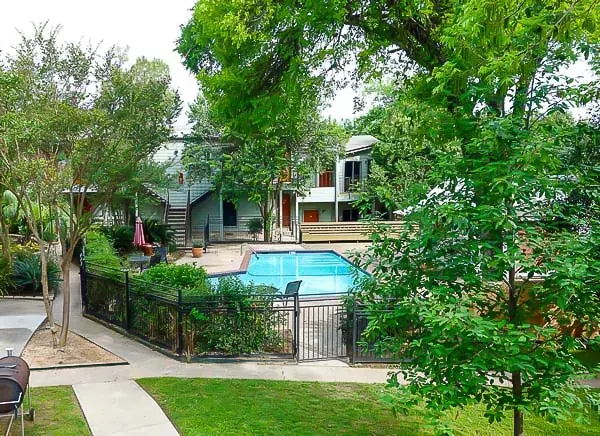
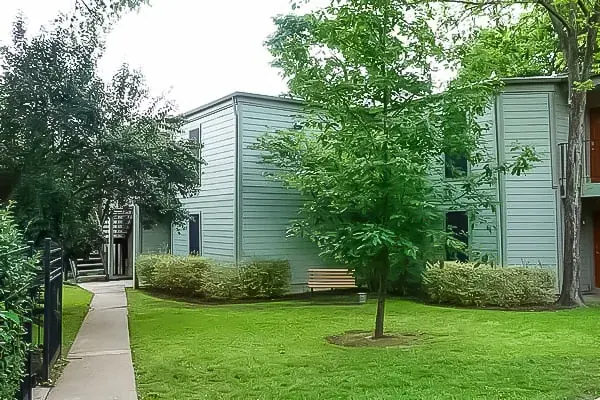
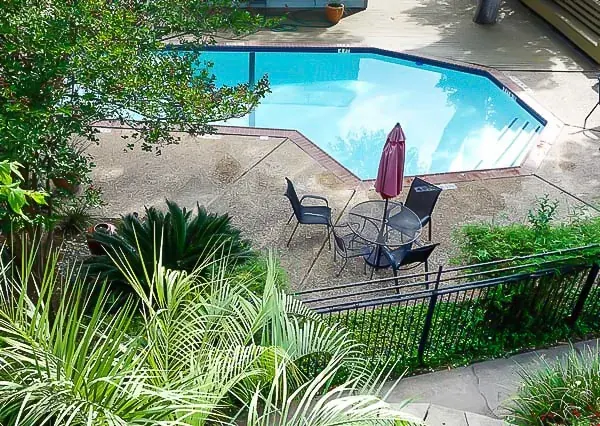
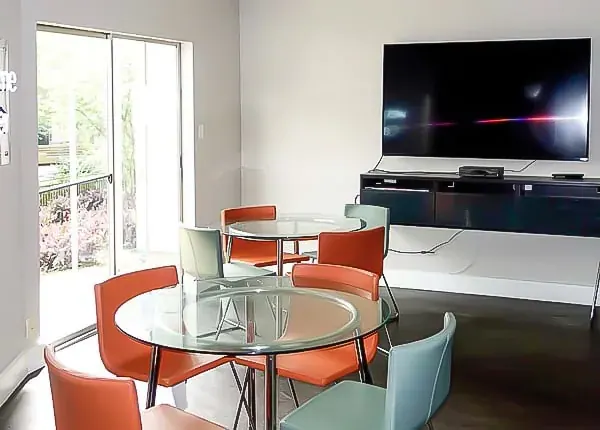
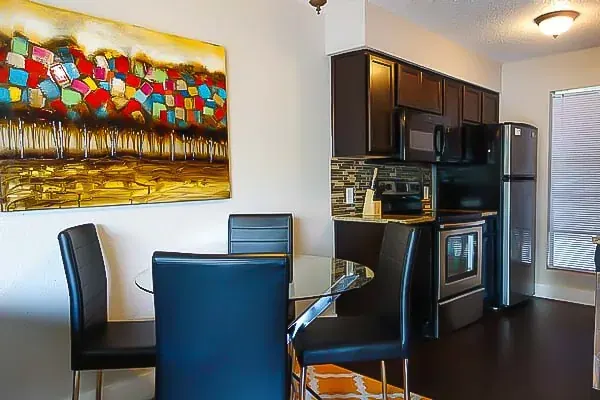
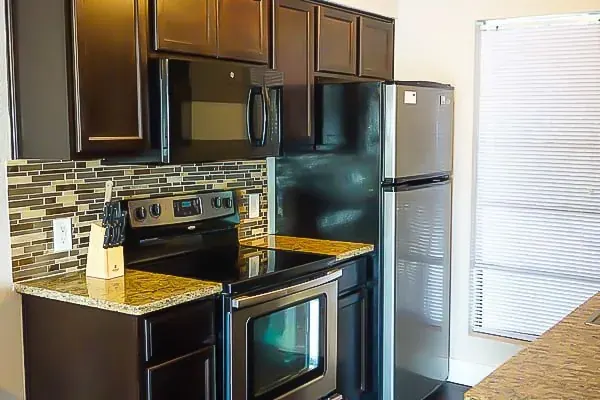
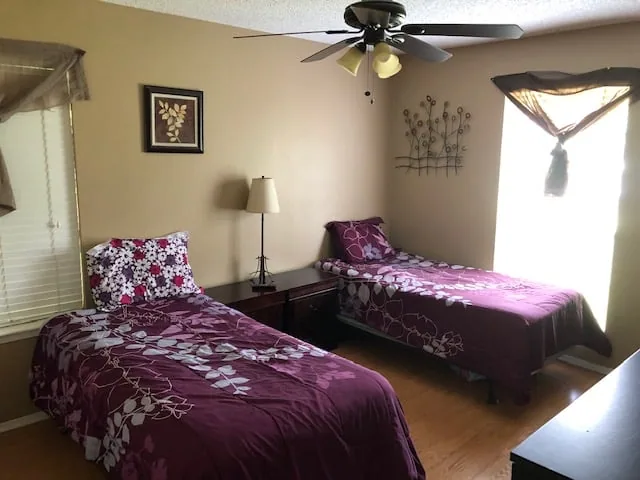
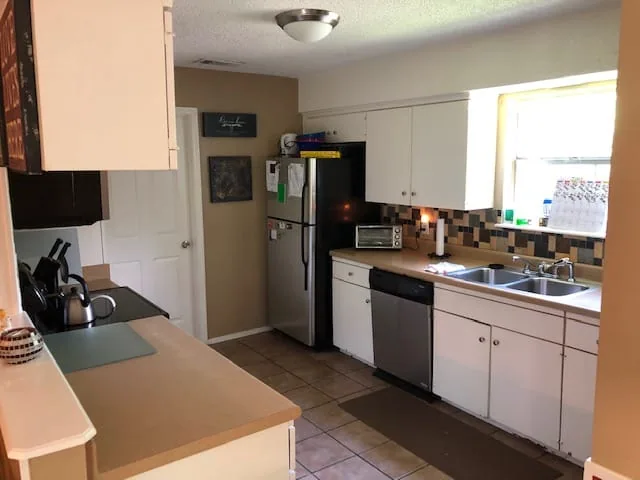
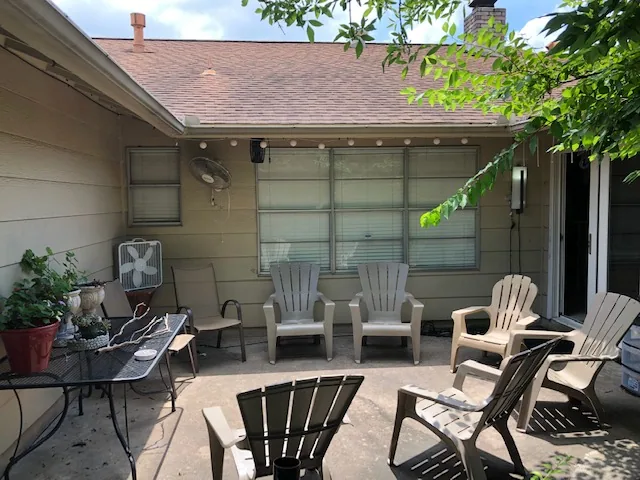
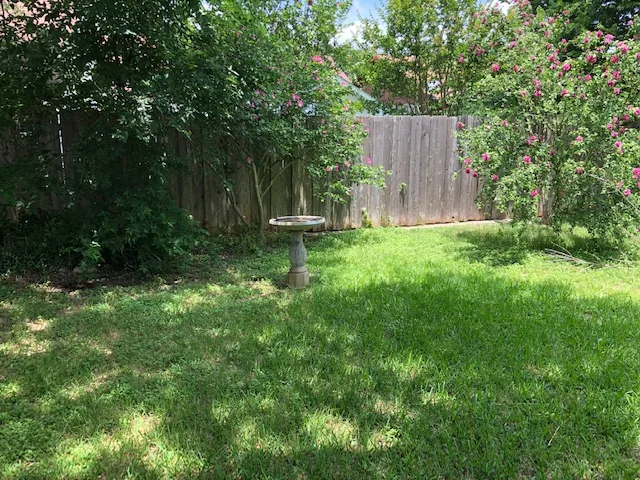
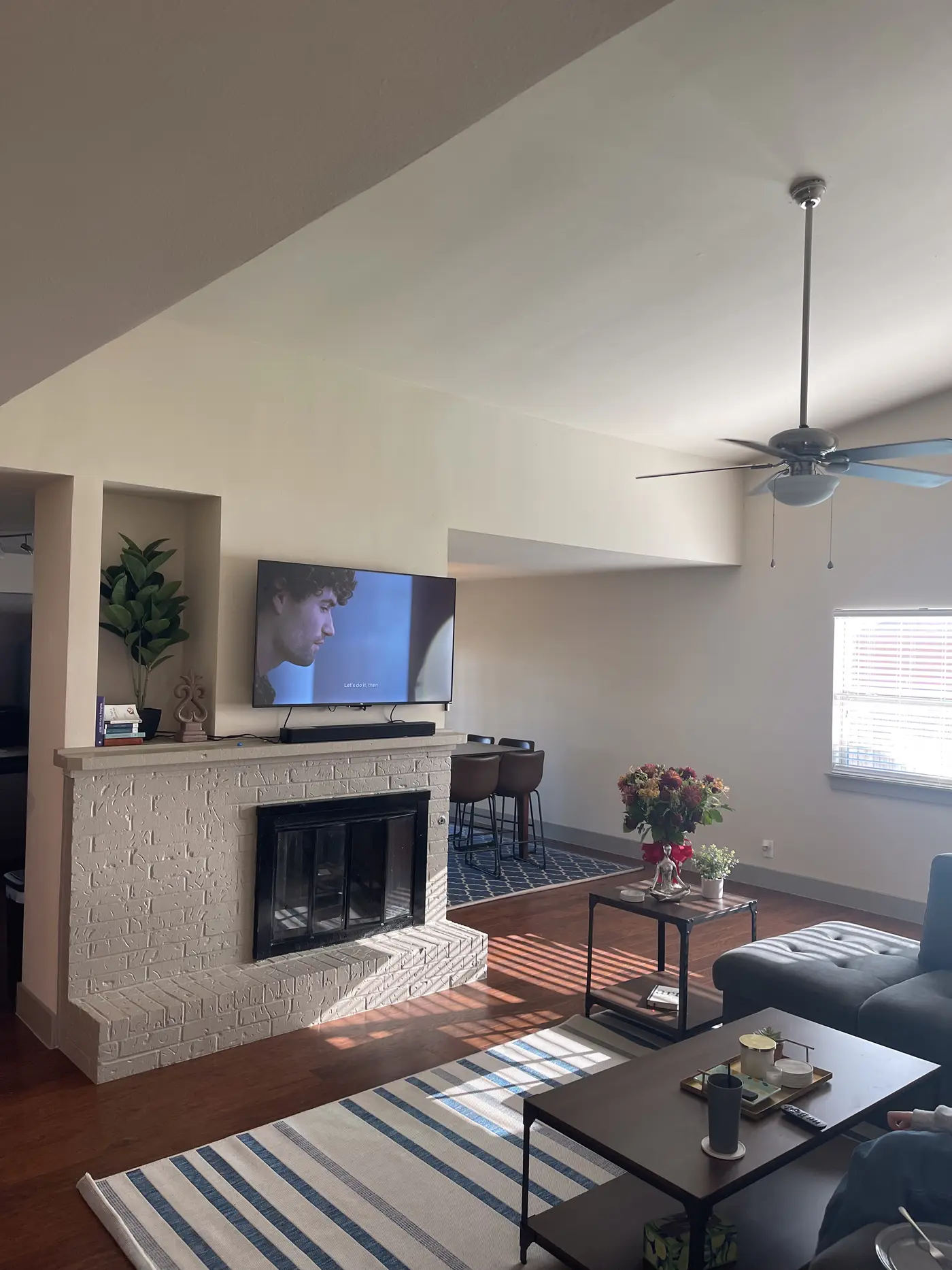
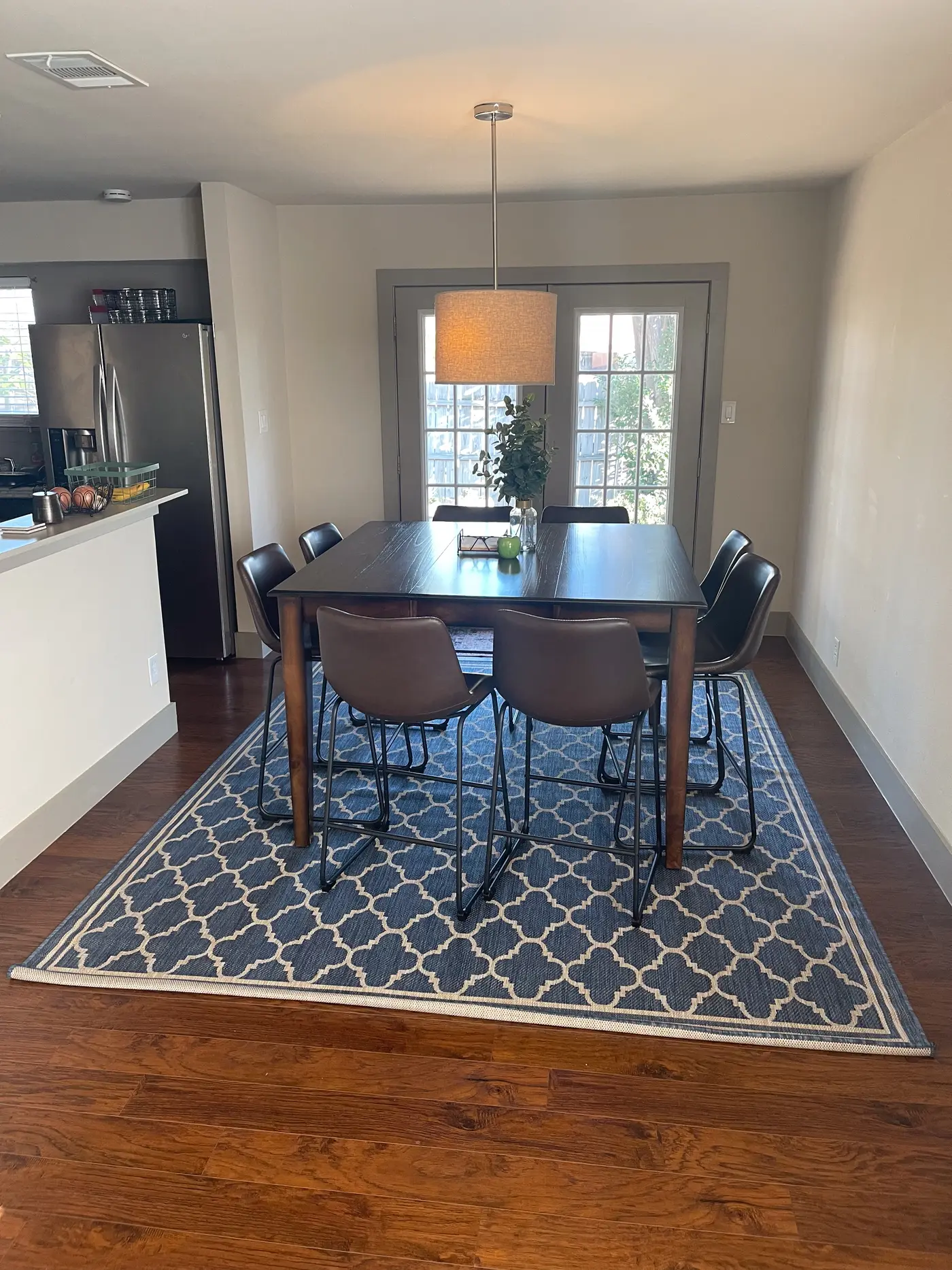
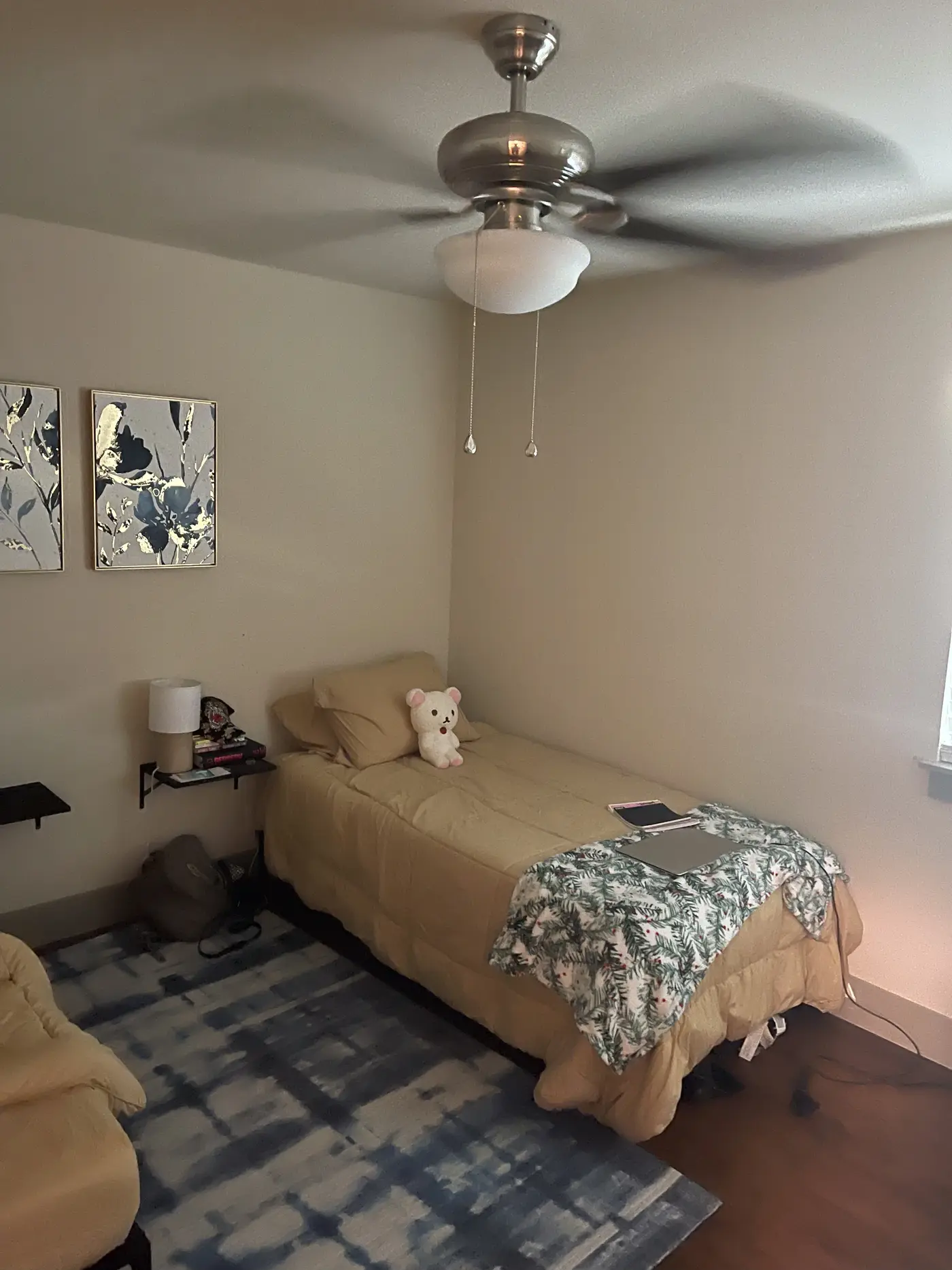
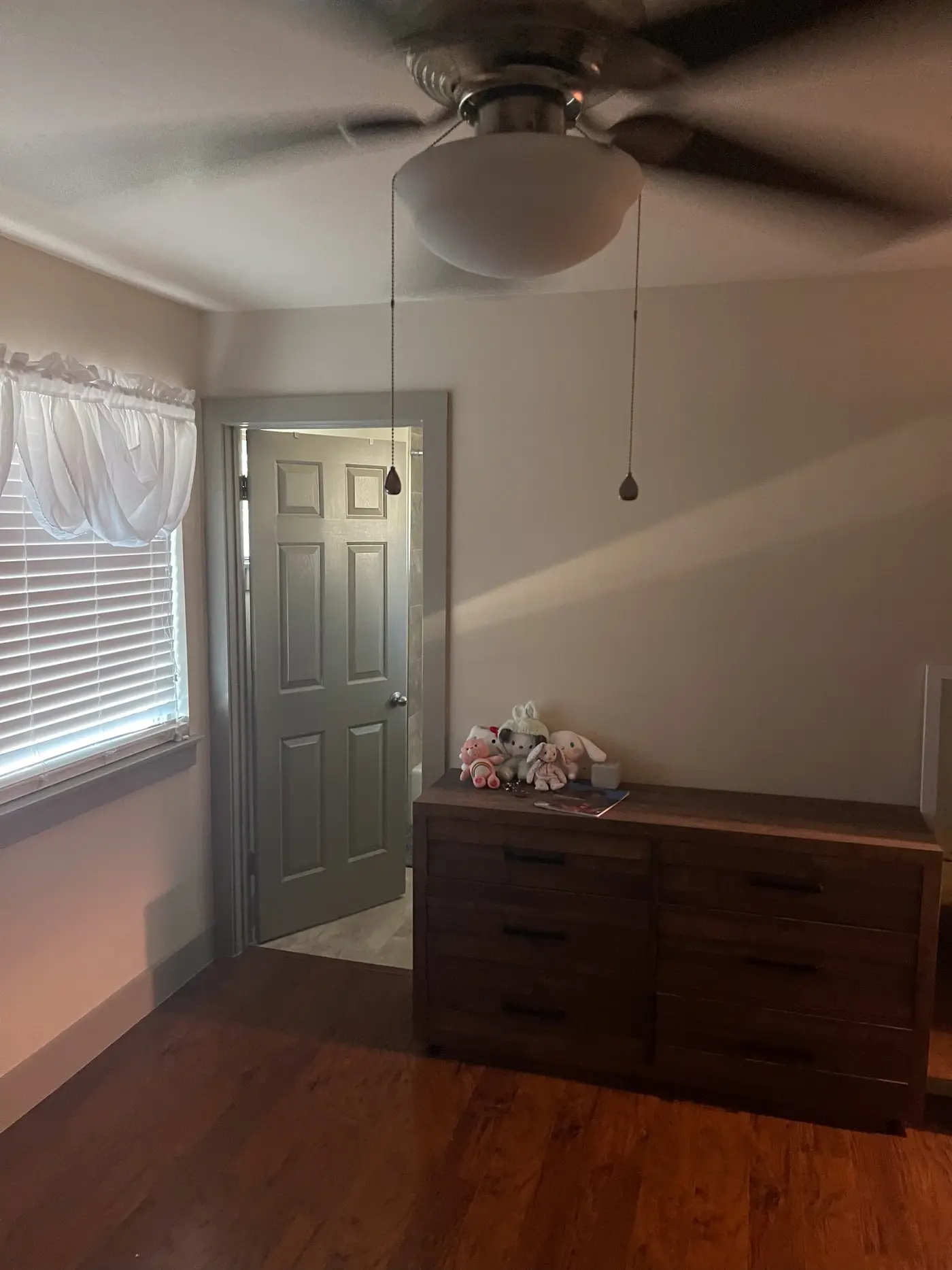
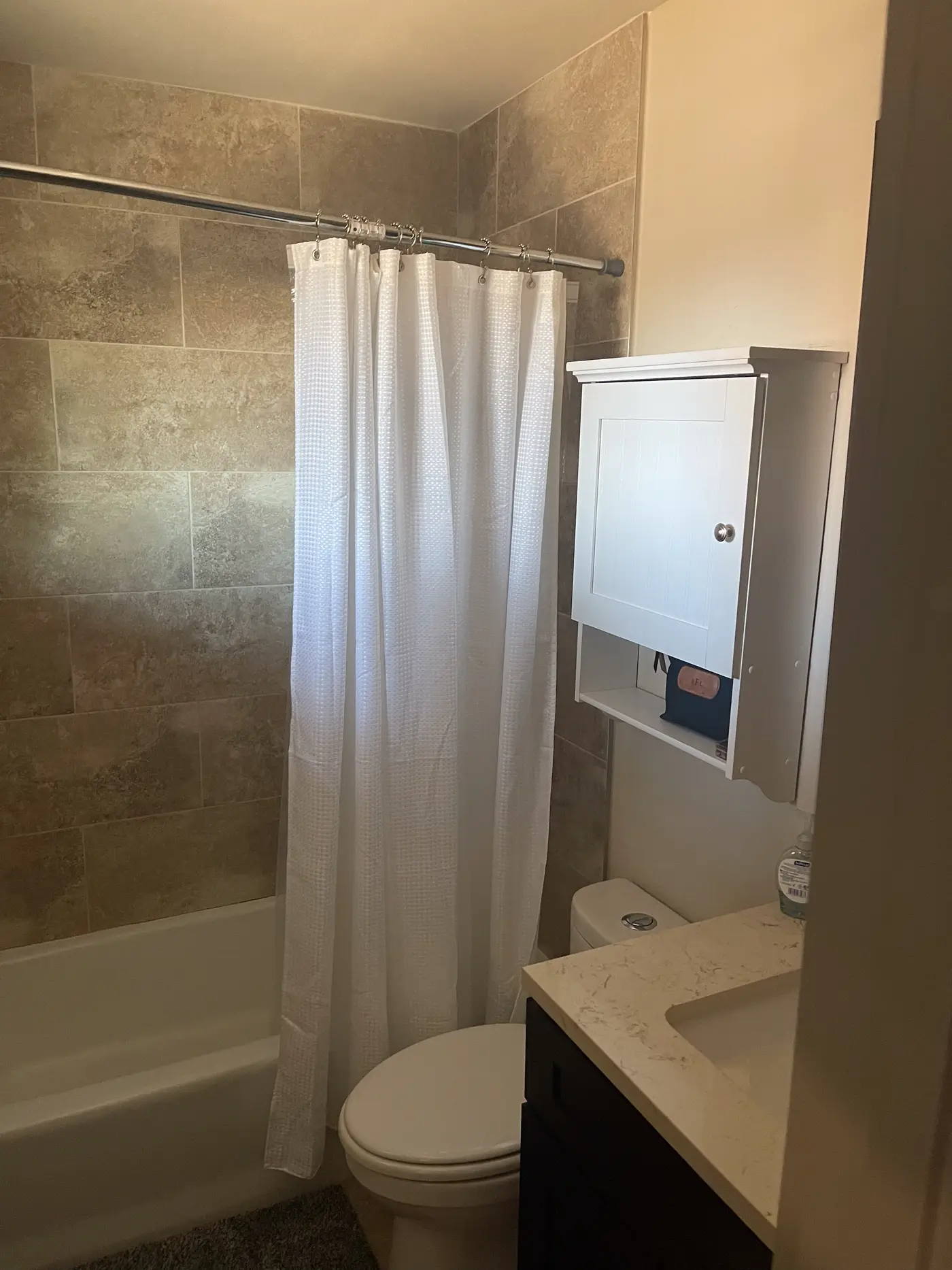
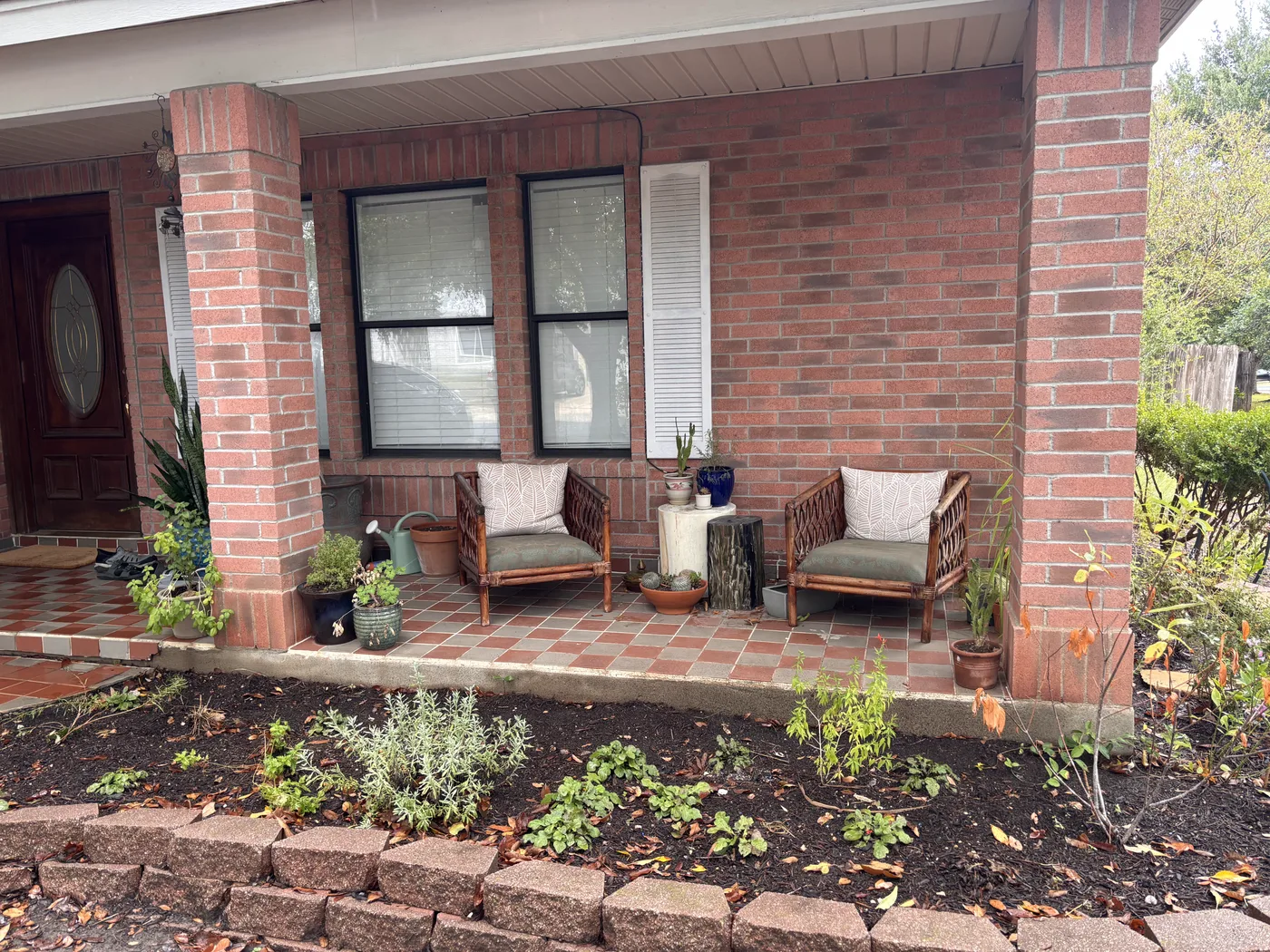
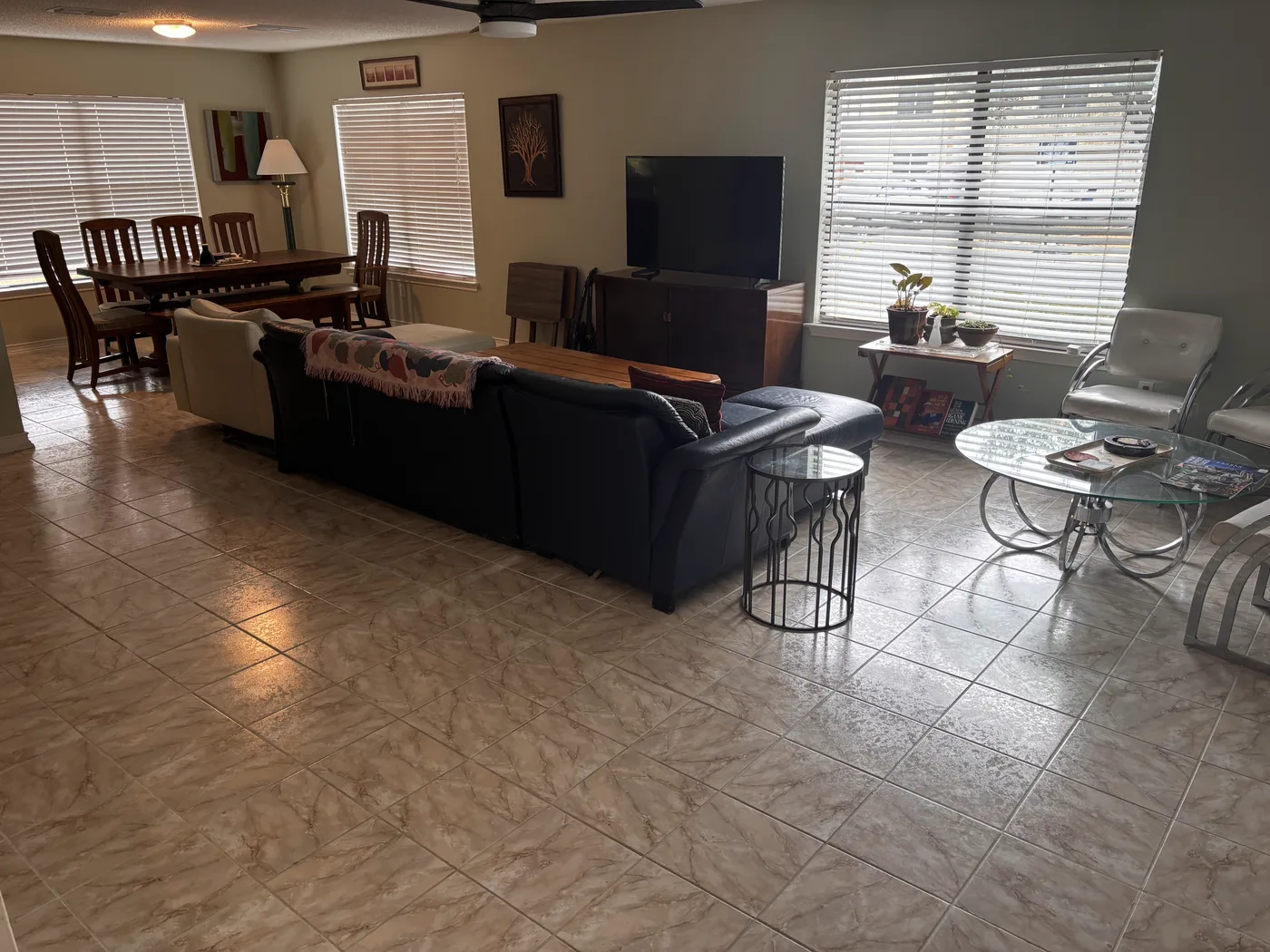
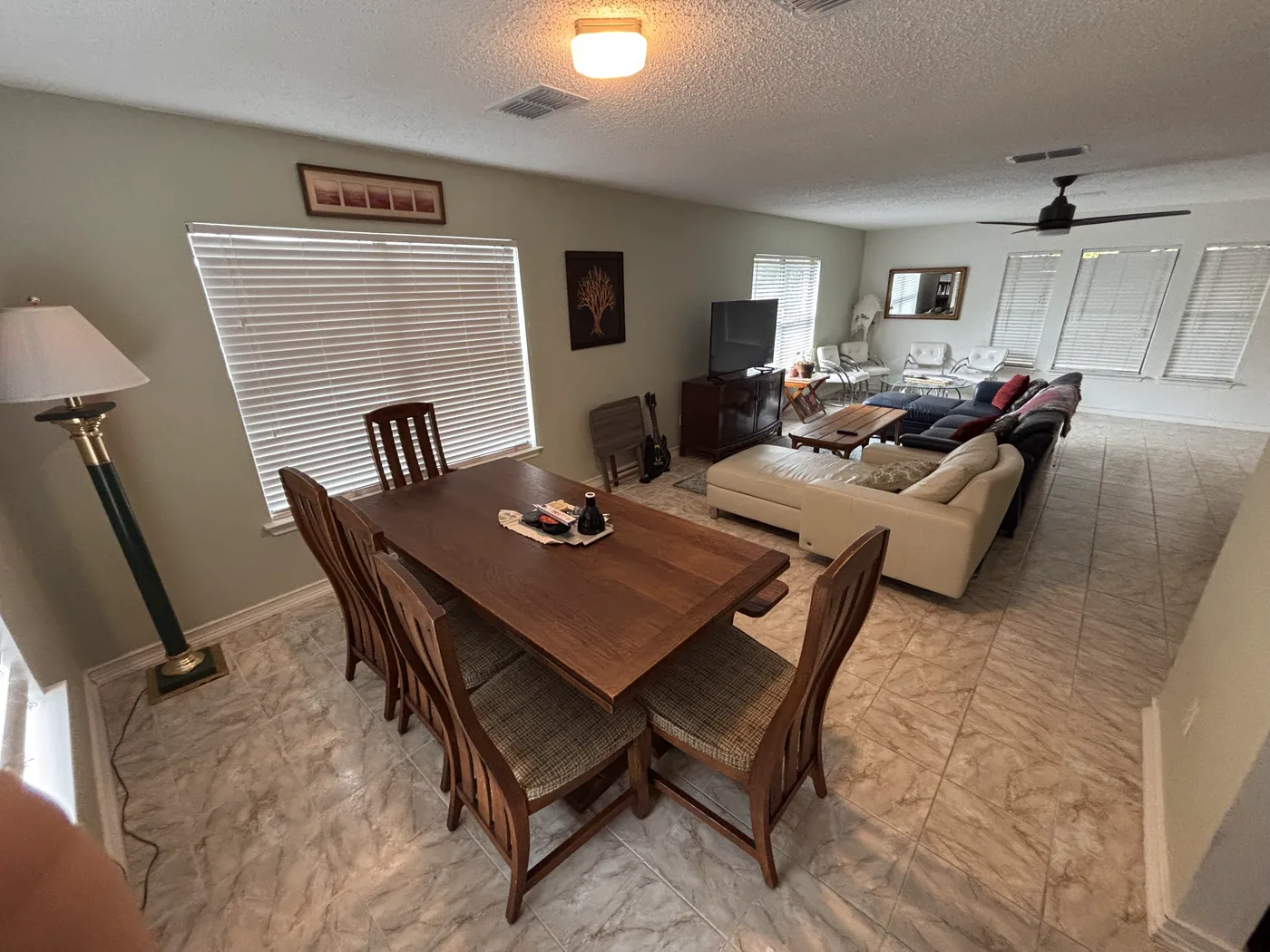
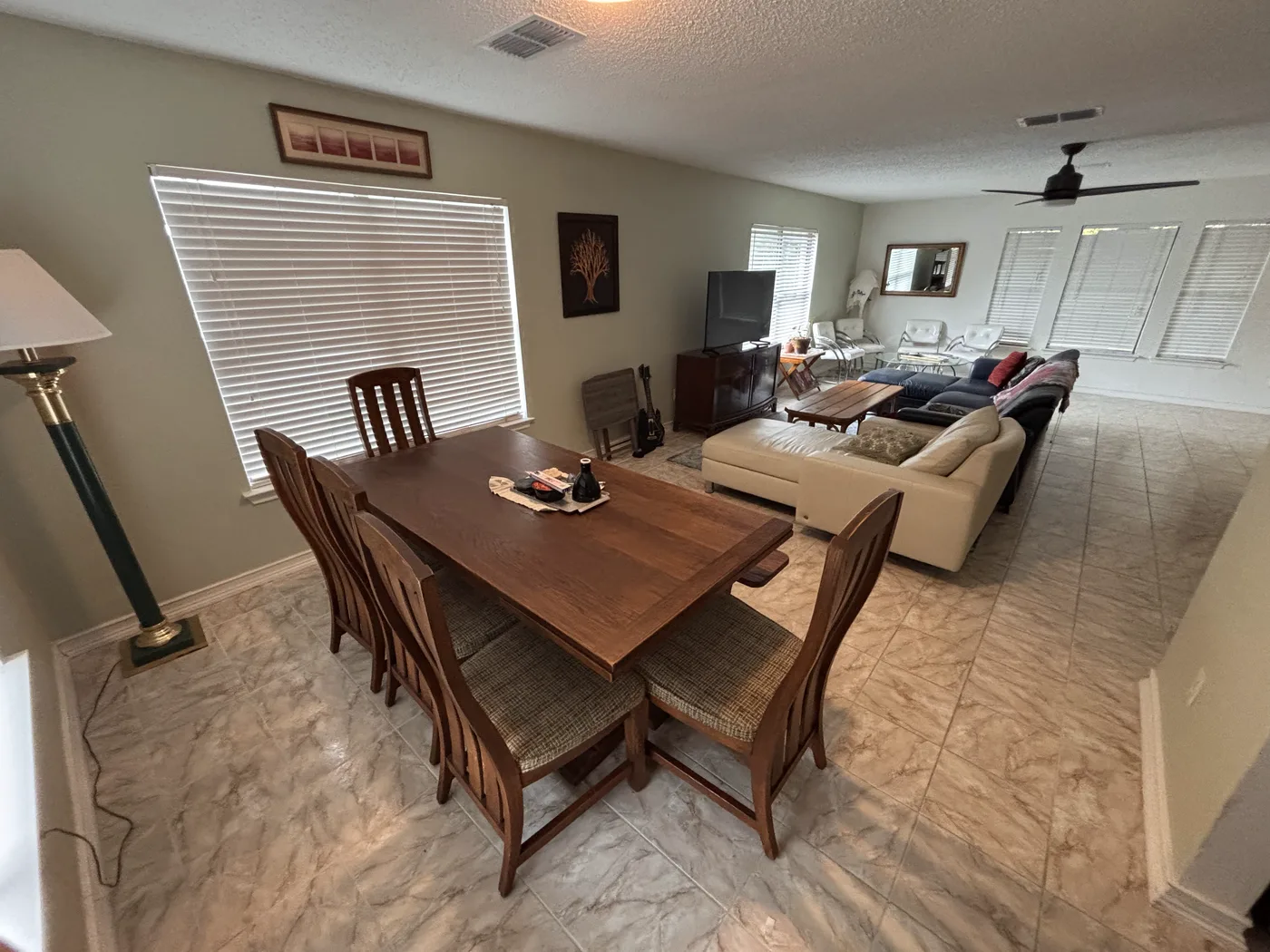
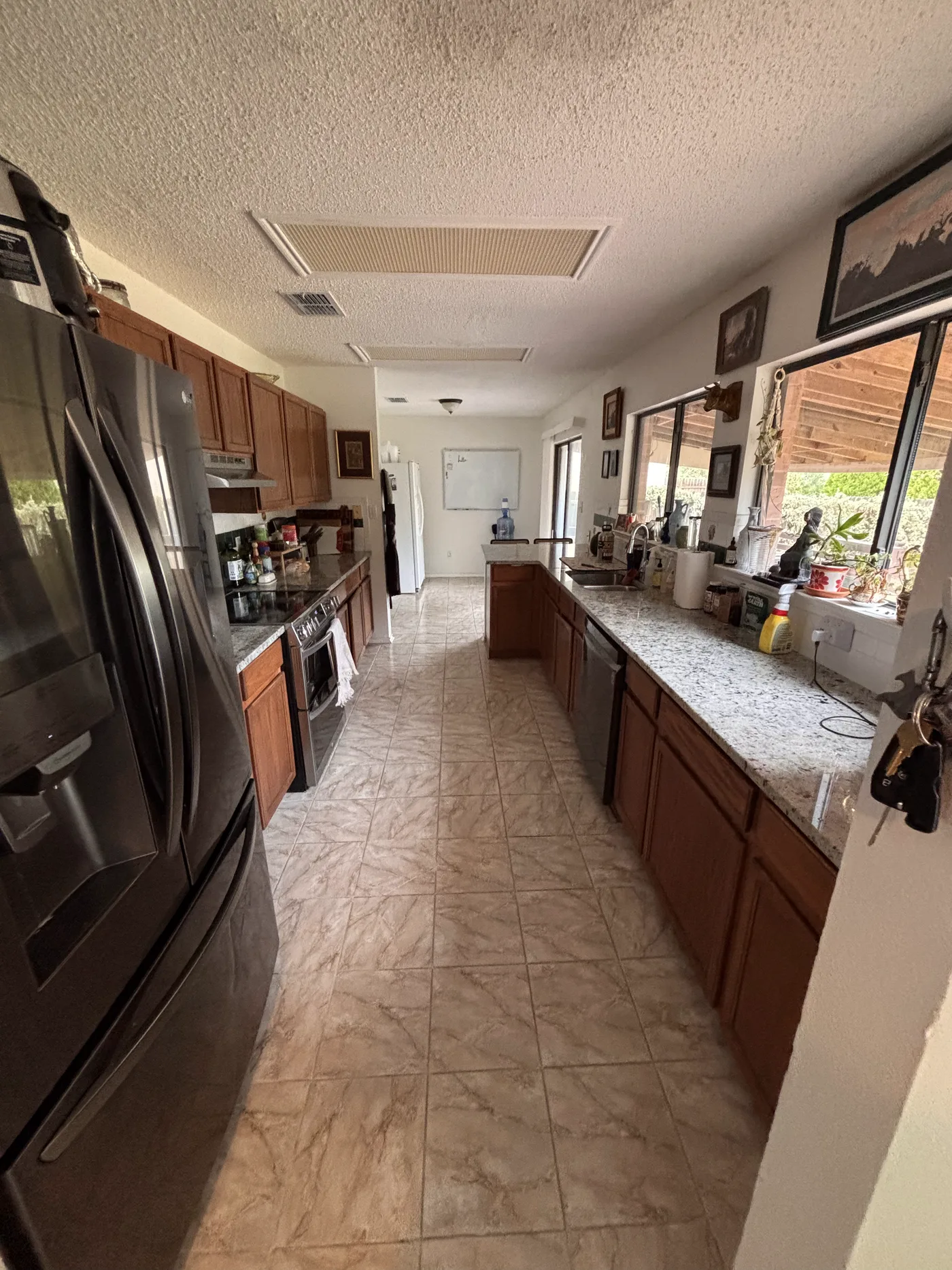
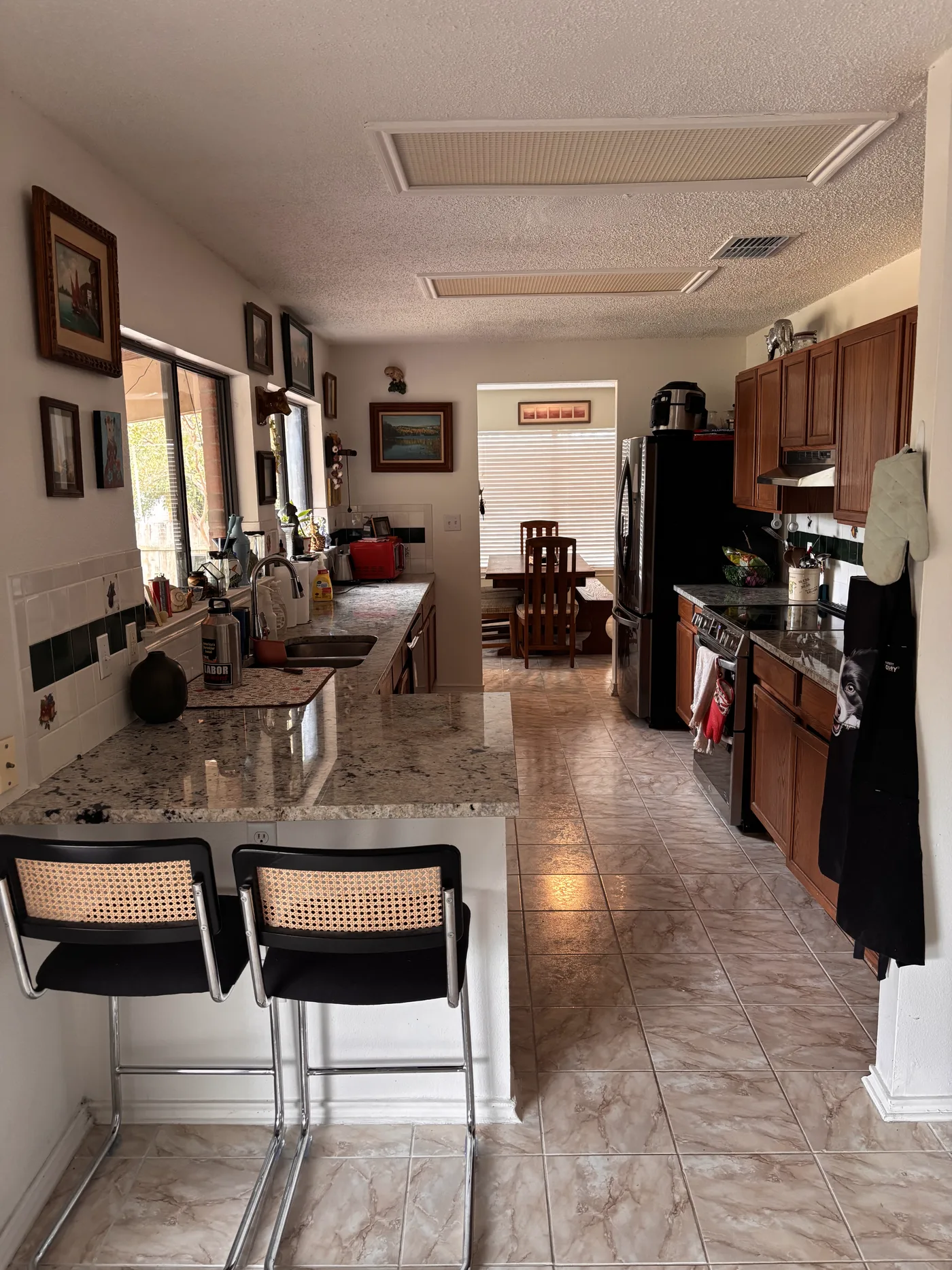
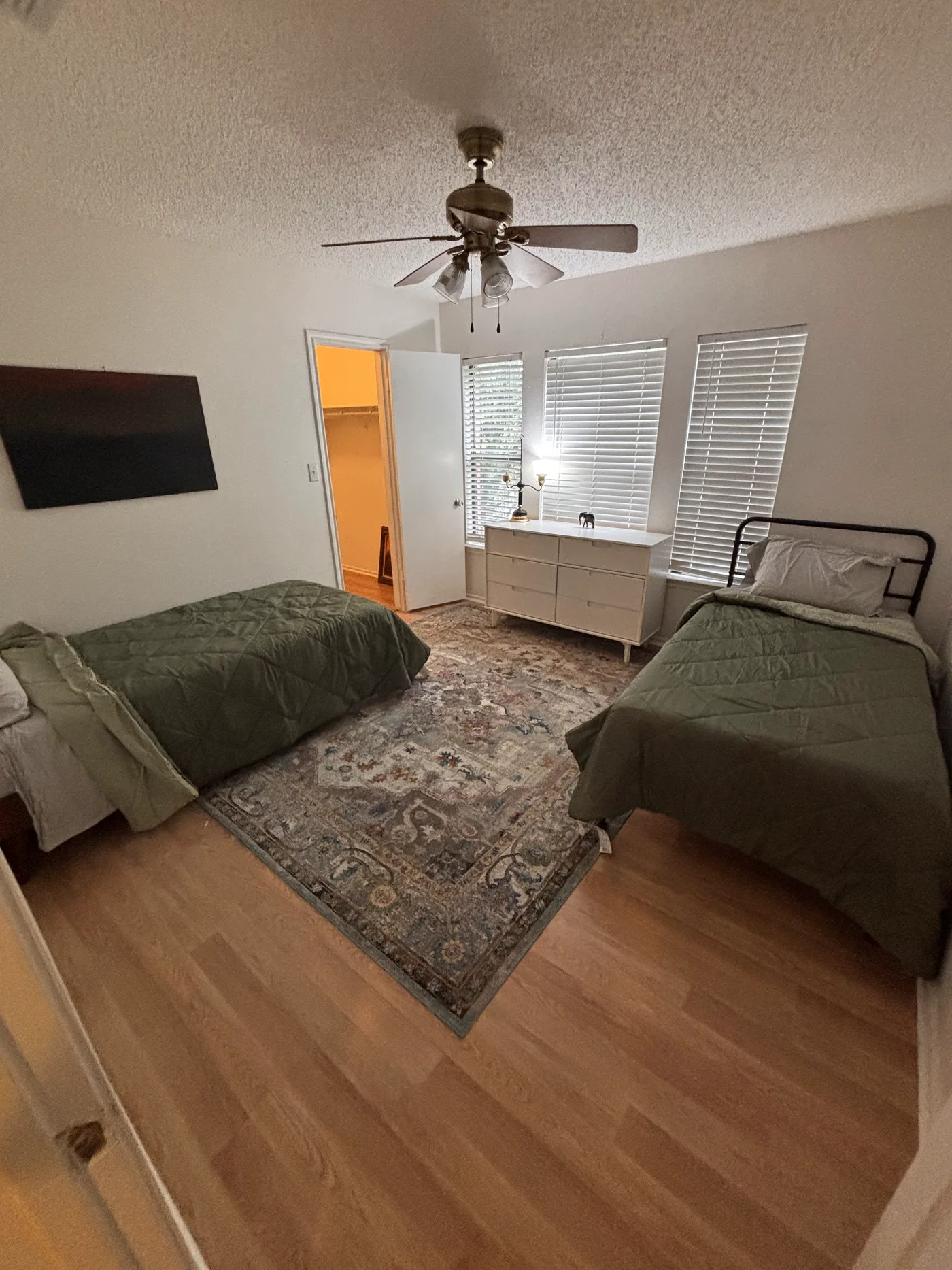
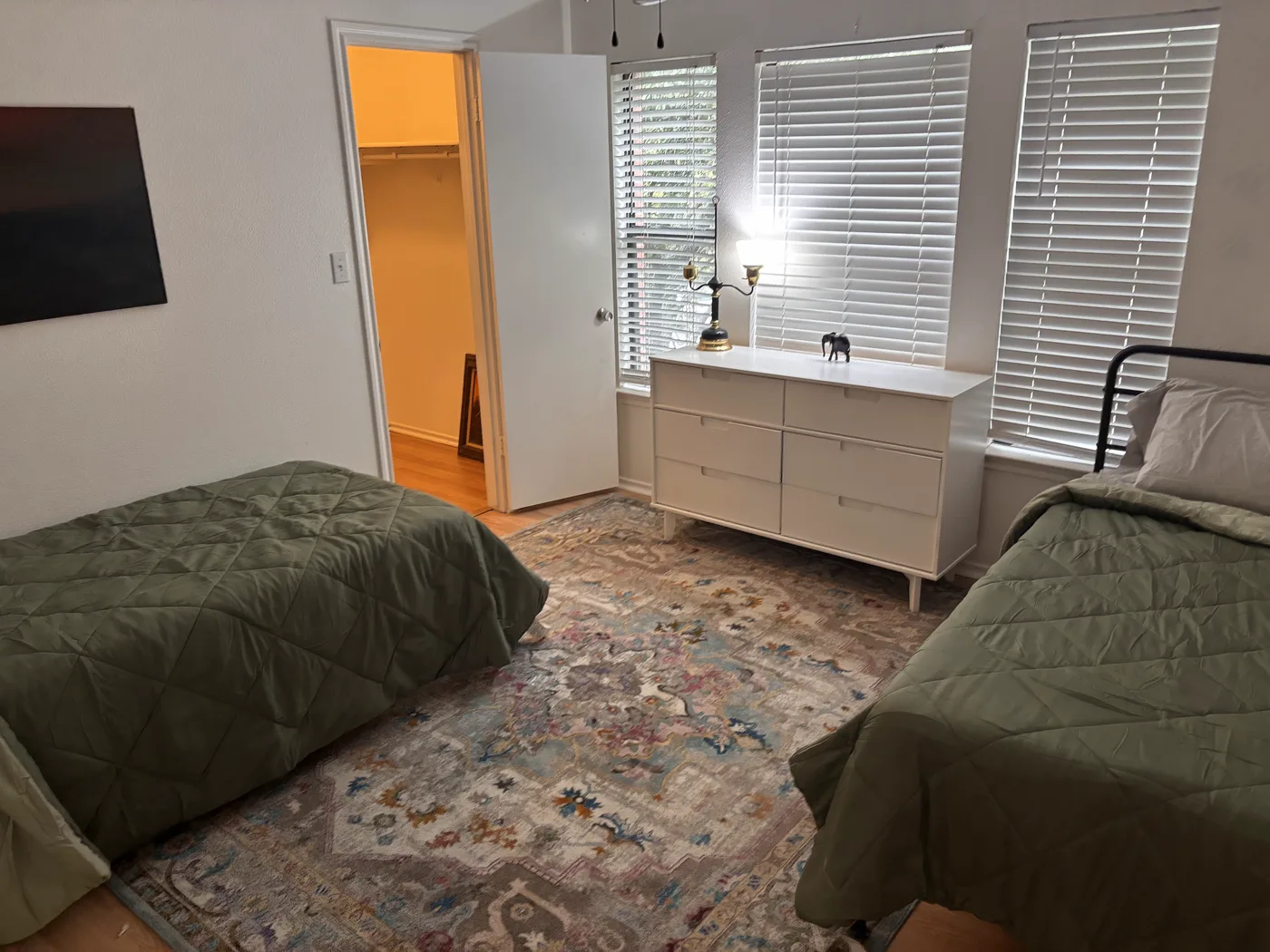
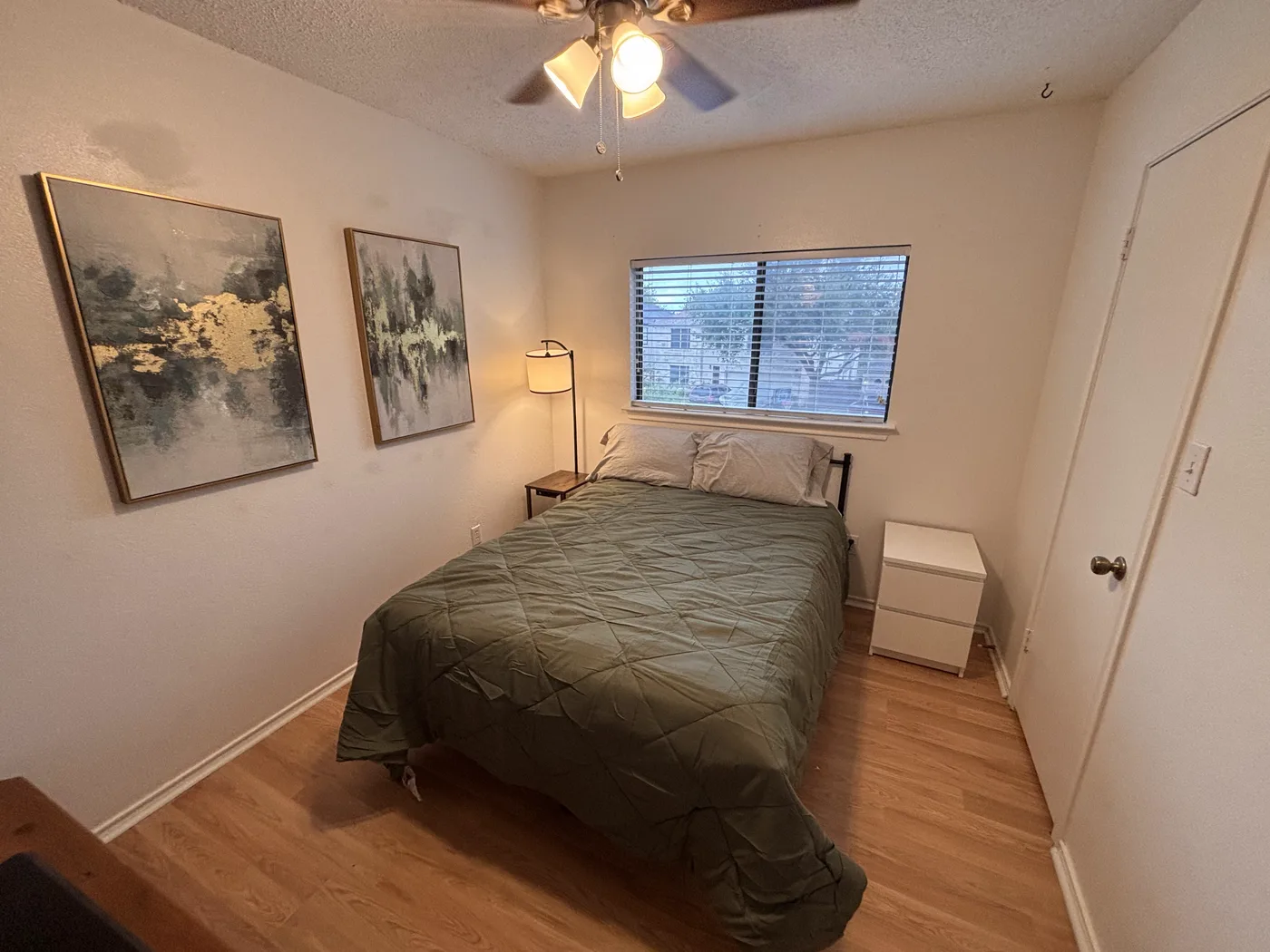
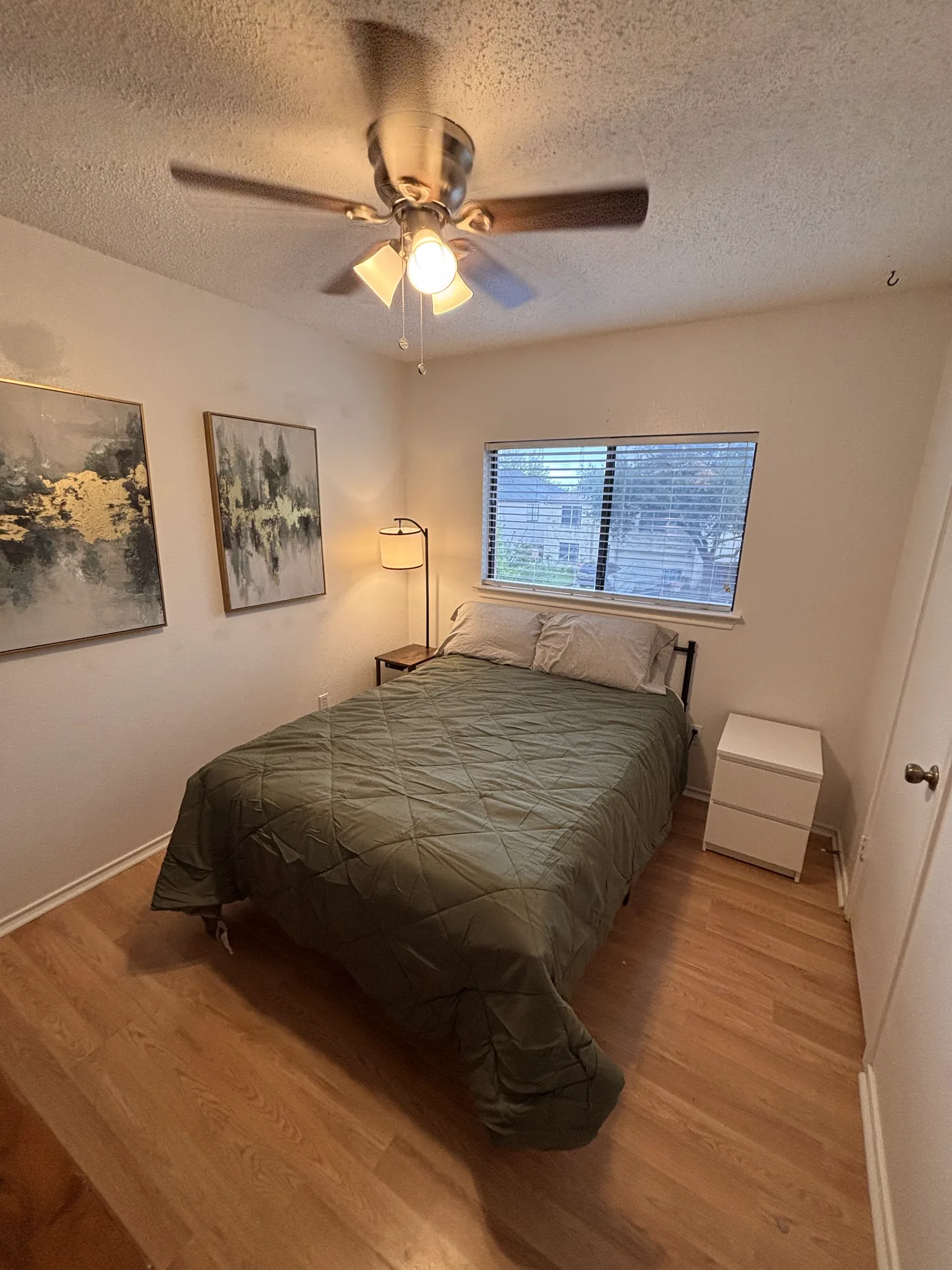
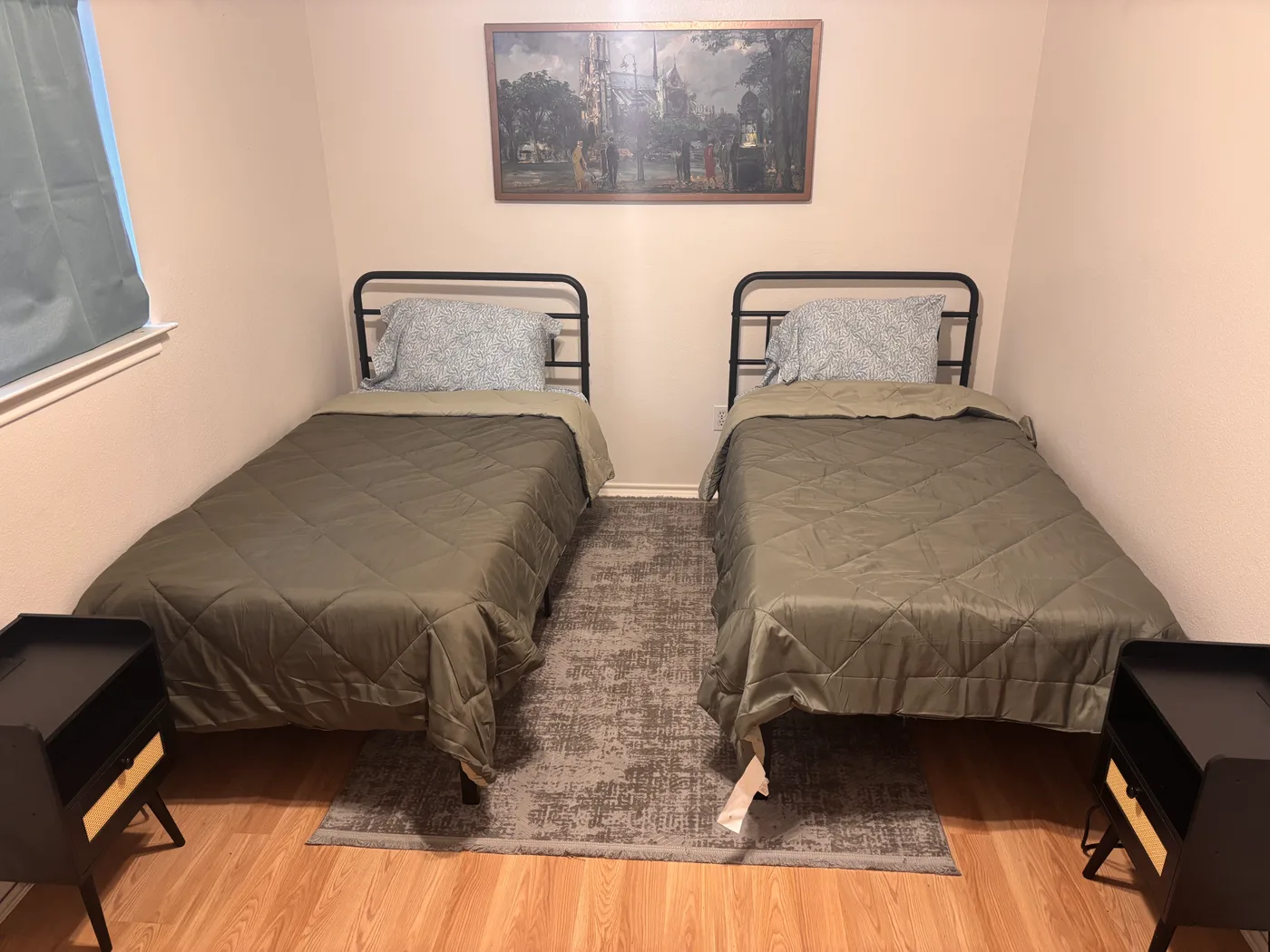
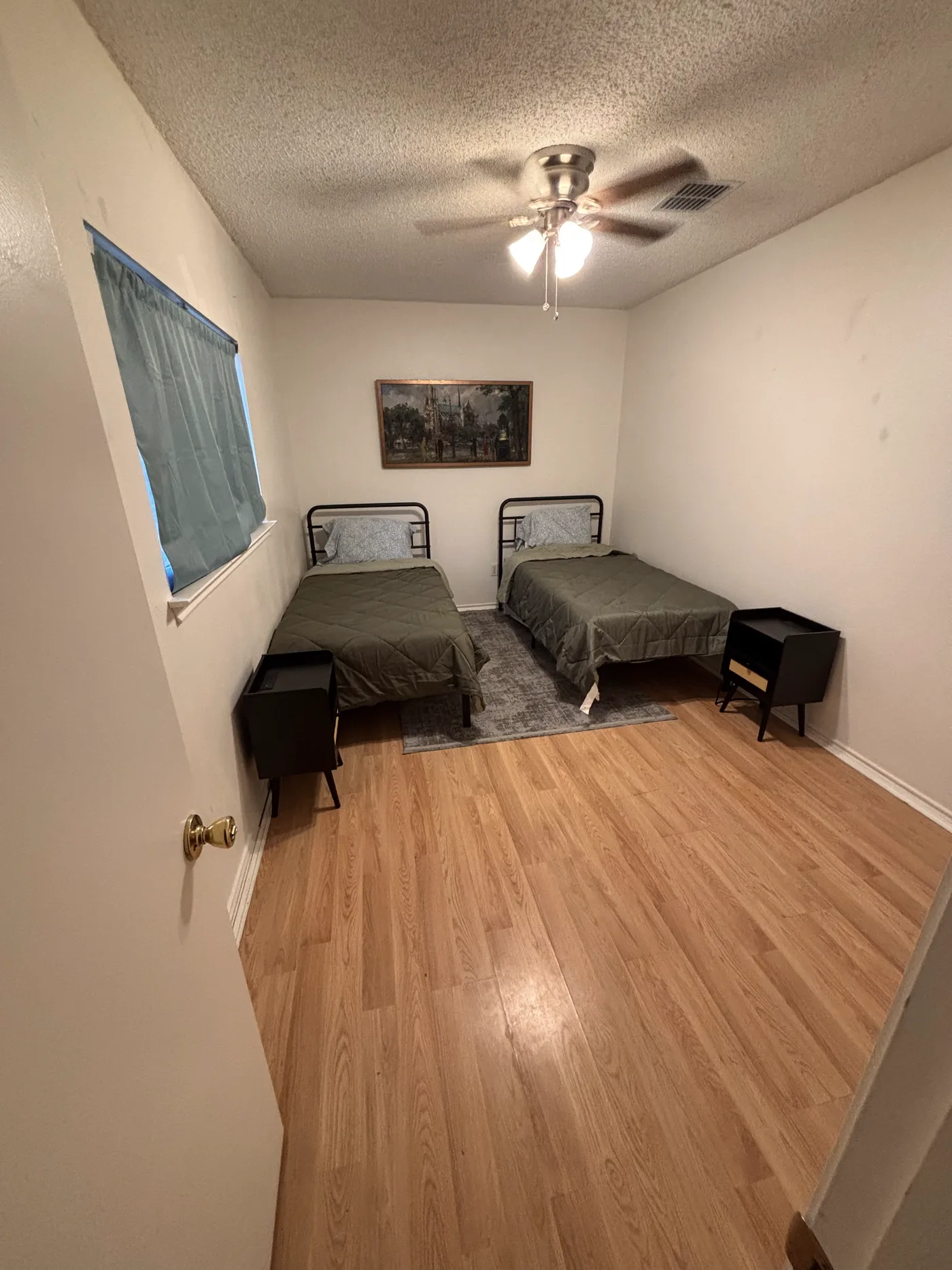
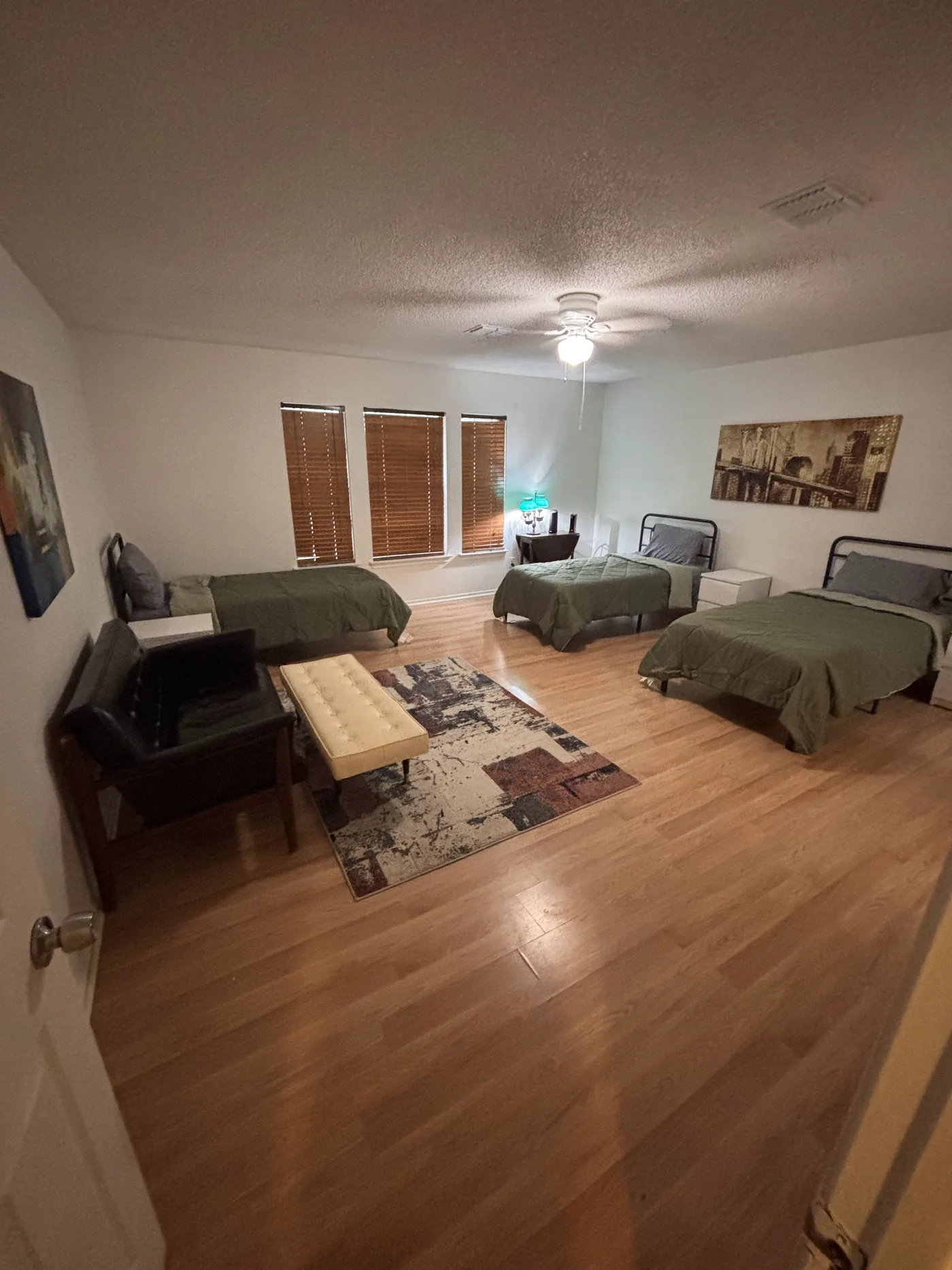
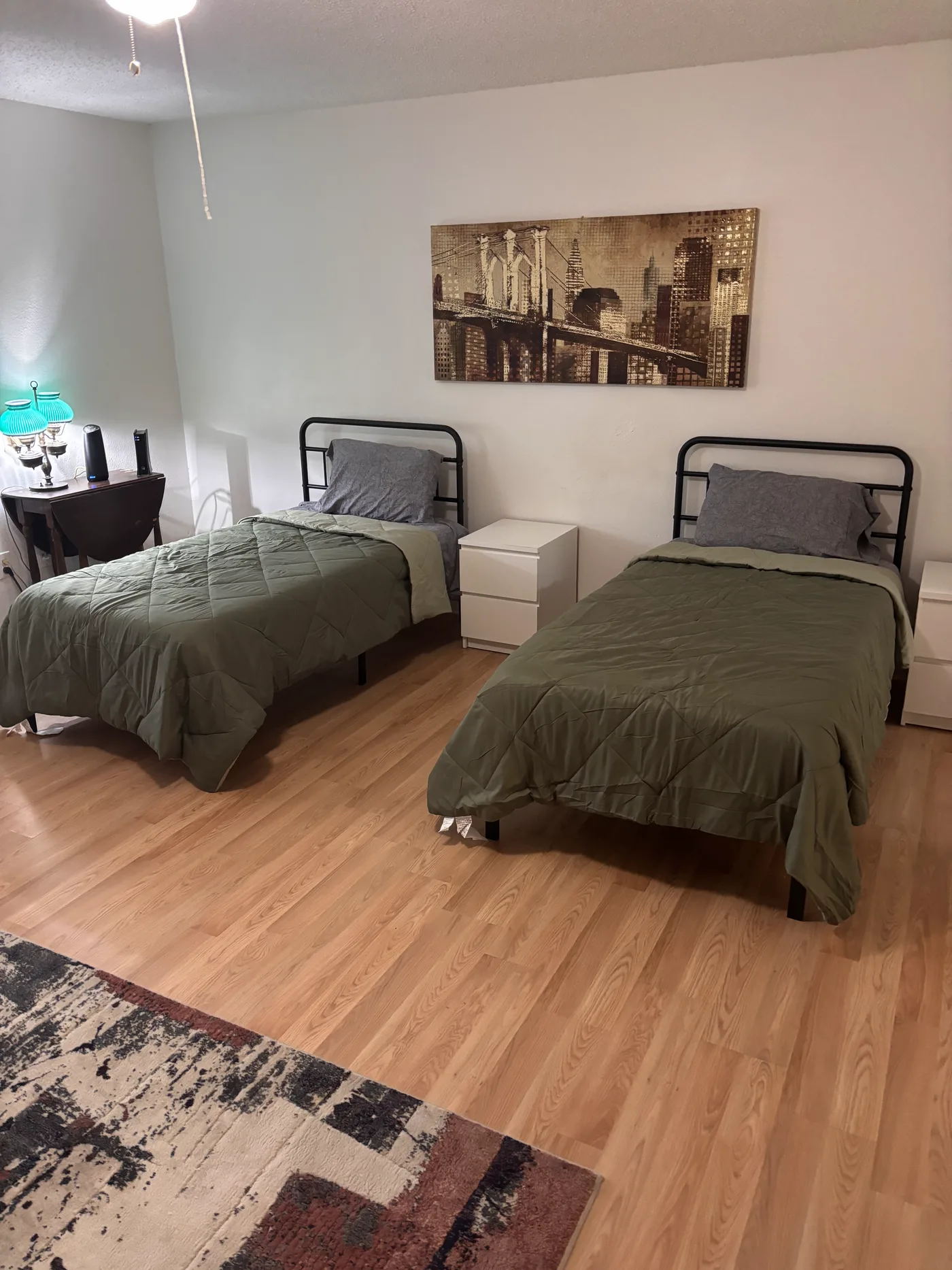
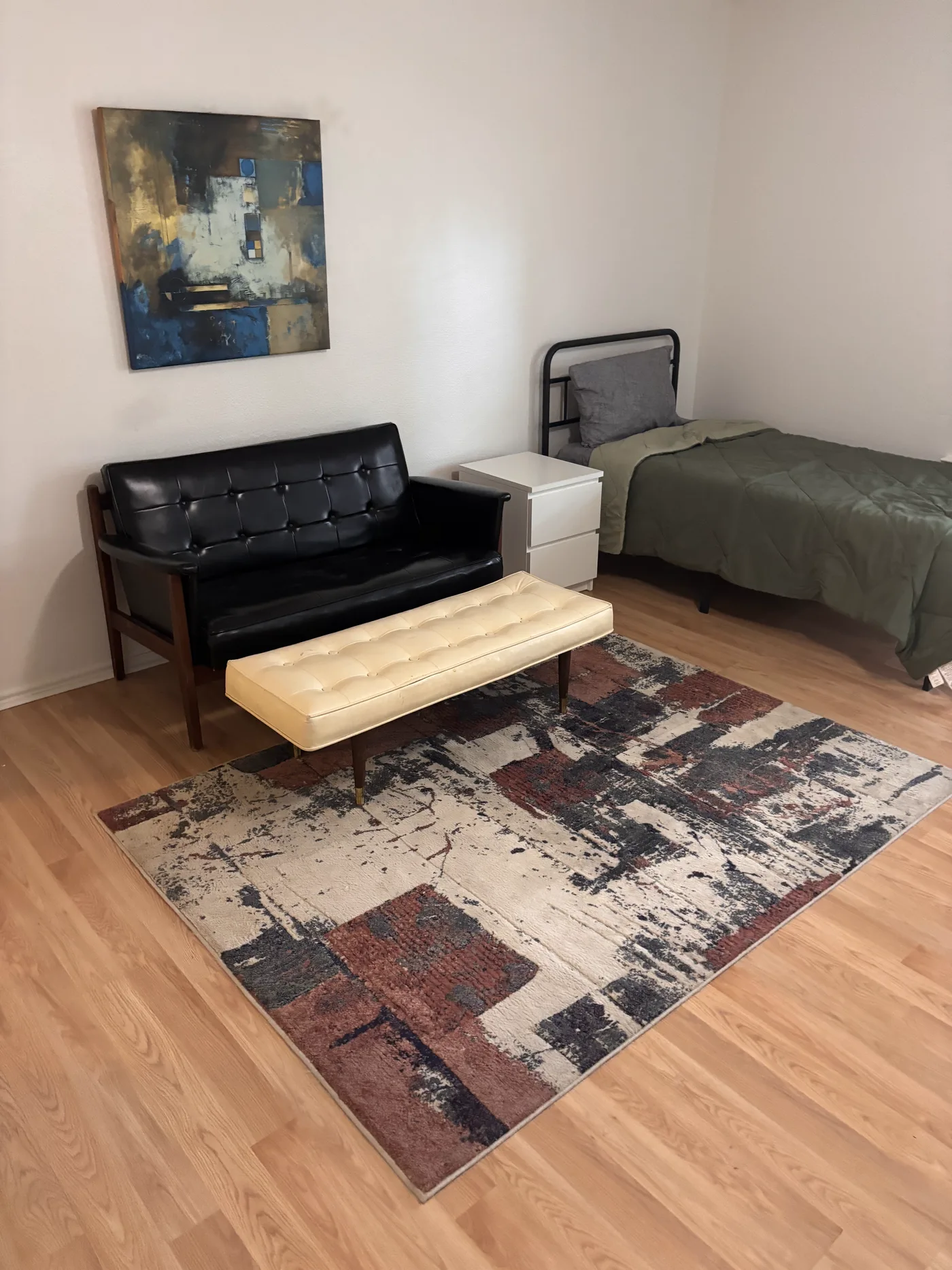
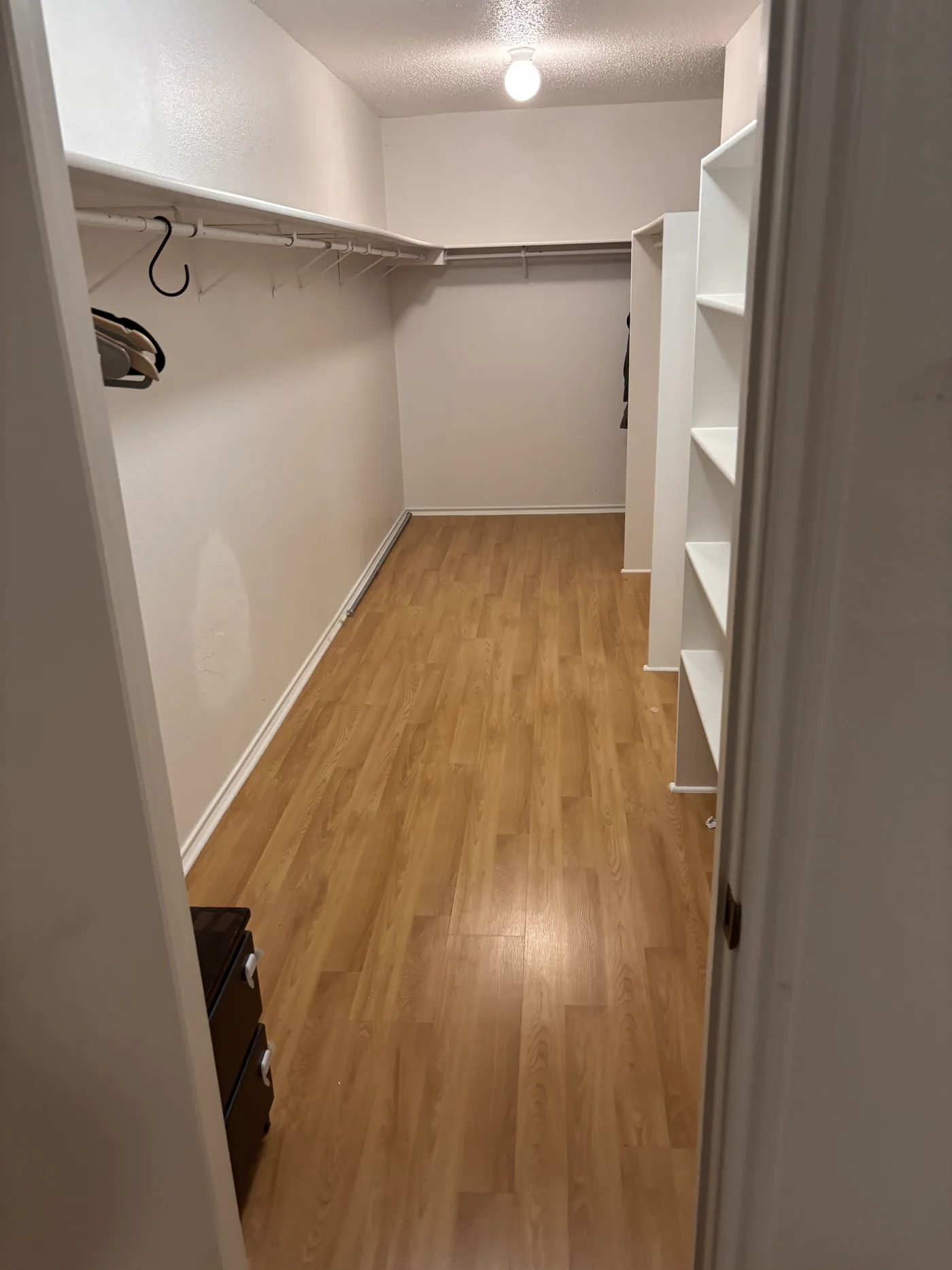
Inside the Austin homes



Practical Steps to Start the Search
If your loved one’s discharge date is approaching and you’re not sure where to begin, here’s a practical roadmap:
- Talk to the discharge planner. Start here. Most treatment centers have staff whose job is to help plan what comes next. Ask specifically about sober living referrals in Austin.
- Search reputable providers online. Look for homes with clear websites, transparent pricing, and verifiable information. Be cautious of homes that seem vague about rules or costs.
- Check certifications. In Texas, quality sober living homes may be affiliated with organizations like the Texas Association of Sober Living Homes (TASH). This isn’t always required, but it’s a good sign.
- Call and ask questions. Don’t just email. A real phone conversation tells you a lot about a home’s professionalism and culture. Ask about availability, intake requirements, costs, and what a typical day looks like.
- Visit in person if possible. Seeing the space matters. Is it clean? Does the staff seem engaged? Do current residents seem comfortable? Trust your gut.
- Plan for the first few weeks. The first month in sober living is typically the most challenging. Help your loved one identify a sponsor, know where local meetings are, and have a plan for how to handle a hard day.
If you’re exploring all available options in the city, our guide to quality sober living options in Austin, TX offers a thorough look at what the city has to offer and what to expect from structured recovery housing.
How Families Can Support Recovery Without Enabling
Once your loved one is settled into sober living, your role as a family member continues to evolve. The goal is to be a source of genuine support, love, encouragement, and presence, without inadvertently enabling behaviors that could undermine recovery.
Here are some guidelines for healthy family involvement during sober living:
- Respect house rules. If the home has a curfew or policies about visits, honor them. Don’t be the reason your loved one bends the rules.
- Attend family therapy if offered. Many sober living programs and outpatient providers offer family sessions. These are incredibly valuable for healing relationships and understanding how to help.
- Consider attending Al-Anon or Nar-Anon. These free, peer-support programs are designed specifically for family members of people in recovery. They’re available throughout Austin and can give you tools, perspective, and community.
- Don’t rescue financially without intention. It’s natural to want to help with bills, but unlimited financial support can reduce the motivation to develop independence. Talk with a counselor about healthy financial boundaries.
- Celebrate milestones. Recovery is hard work. A 30-day chip, a new job, a completed course, these things matter. Acknowledge them.
Why Austin Is a Strong City for Recovery
Austin has a genuinely robust recovery community. The city has numerous AA and NA meetings happening every day of the week, a growing number of sober bars and social spaces, and a culture that increasingly celebrates wellness and intentional living. For someone stepping out of rehab, landing in a city with a thriving recovery ecosystem can be a real asset.
Austin also offers strong employment opportunities, which matters for people in sober living who need to rebuild financial stability. The ability to find work, access transportation, and connect with peers in recovery makes Austin one of the more supportive cities in Texas for people in early sobriety.
For young adults navigating both recovery and education, there are even specialized options, including sober living in Austin for people balancing recovery and college, which can be a game-changer for students who want to stay enrolled while maintaining their sobriety.
How Eudaimonia Recovery Homes Can Help
At Eudaimonia Recovery Homes, we’ve spent years building structured, supportive sober living communities in Austin specifically designed to help people thrive in early recovery. We offer gender-specific homes with clear expectations, experienced staff, regular accountability, and a culture of peer support that makes a real difference.
Whether your loved one is a man looking for structure and camaraderie, a woman seeking a safe and supportive environment, or someone with a pet they’re not willing to leave behind, we have options designed with real people and real lives in mind. We believe in treating residents with dignity and giving them the tools to build the life they want: one grounded in purpose, connection, and lasting sobriety.
If your family member is preparing to leave rehab and you want to talk through sober living options in Austin, we’d love to help. Call us at (512) 240-6612 or apply online today. You don’t have to figure this out alone, and neither does your loved one.


