
Published August 2, 2021 · Updated October 21, 2025
On This Page · 21 Sections
At-a-Glance: How Sober Living Homes Help Prevent Relapse
-
Built-in structure & accountabilityDrug/alcohol-free housing with curfews, routine drug testing, house meetings, and on-site staff to keep recovery on track.
-
Daily recovery focusRequired/encouraged AA/NA meeting attendance, individualized goals, and relapse-prevention plans reinforced in a stable environment.
-
Access to practical supportsHelp lining up therapy, peer mentorship, employment/volunteer opportunities, and education so life logistics don’t derail sobriety.
-
Healthy community & routinesPositive, sober peers, group activities, and consistent schedules that replace old triggers with connection and healthy habits.
-
Step-down to independenceA safe bridge between rehab and full independence to practice real-world skills (work, finances, self-care) without sacrificing support.
Relapse is a real risk after rehab, so people in recovery should do everything they can to safeguard their sobriety. Sober living homes offer many great benefits that can help newly sober individuals sustain their recovery and establish healthy habits and relationships. If you’re considering enrolling yourself or a loved one in a sober living program, here are some of the most important ways they can help prevent relapse.
Related post: 5 Myths About Relapse Debunked
8 Ways Sober Living Homes Help Prevent Relapse
They provide constant guidance and support in a sober living environment.
Sober living homes offer safe, stable living, recovery support environments where all drug and alcohol use is prohibited. Residents have the personal freedom to go and do as they wish, but a set curfew and regular drug tests provide constant accountability to help them stay on track. On-site staff also help ensure that all residents are following the community rules of the sober home and provide recovery support.
Many sober living homes are connected to an addiction treatment center, which will be equipped with a staff of professionals who know what it’s like to be newly sober after addiction. These staff members can provide advice and wisdom to sober living residents when it’s most needed. House managers will also keep residents accountable and safe as they gradually transition back into mainstream life after rehab.
They require (or highly encourage) recovery meeting attendance.
The benefits of attending community support groups like Alcoholics Anonymous (AA) and Narcotics Anonymous (NA) have been well-documented in research studies.Overall, they are a great resource that help people in recovery sustain long-term abstinence from drugs and alcohol. Most sober living homes require or highly encourage residents to attend recovery meetings several times a week. As a result, residents receive frequent and ongoing support from a group of sober peers. These meetings also help them work through each of the 12 Steps and enhance their personal growth.
See How Many Meetings Are Required for
Women Sober Living in Austin
Parkfield Women's Sober Living Quail Meadow Women's Sober LivingThey help residents prioritize recovery.
At a sober living home, recovery is the central focus of life. Residents are given a place to live where they can focus on themselves and their recovery for an extended time. At a sober home, residents won’t have the temptation of living with old, drug-using friends and they can separate themselves from other environmental triggers. Unlike living independently with roommates in a rented home or apartment, sober living homes also host weekly check-in household meetings and special events or recovery-related activities for residents. They also provide individualized recovery programs that help residents identify recovery goals and make progress toward achieving them.
They provide recovery resources the residents would otherwise have to find on their own.
After rehab, many people struggle to assimilate back into the everyday world. That’s because they may still need time to develop and practice those recovery tools they learned in rehab. However, sober living homes help make the process easier by providing easy access to recovery resources like individual and group therapy, a sober mentor, employment assistance, volunteer placement, and educational planning for residents who want to go back to school.
They offer positive social interaction and opportunities.
At sober living homes, residents can participate in special group events that provide positive social interaction and opportunities to develop new friendships. Not to mention, living with a group of other like-minded sober people offers plenty of chances to make lasting, healthy relationships that aren’t centered around drug or alcohol use.
View Our Social Interactions and Opportunities
Call NowThey help people prepare to re-enter the outside world after rehab.
Sober living homes help newly sober people put the skills and tools they learned in rehab to the test. Instead of heading straight back home after rehab, a sober home provides a more supportive and sober living environment. That way, it’s easier to focus on recovery and practice those skills without any distractions. Additionally, to successfully re-enter society after rehab, sober individuals need to secure and maintain employment, have stable finances, and have a solid recovery support system to help prevent relapse. Sober living homes help residents meet these goals by providing resources, strategies, and tools, including mindfulness‑based relapse prevention, to achieve them.
They encourage people to establish healthy routines and habits.
Sober living homes provide a great deal of structure. From things like daily household chores and curfew to recovery programming, recovery meetings, and group events, this structured programming is designed to help keep residents on track. Additionally, the structure encourages residents to establish healthy routines and habits like keeping their living space tidy, showing up to meetings regularly, putting their relapse prevention plan into action, and being accountable to their peers.
Receive Encourage From Our
Women Sober Living in Austin
Parkfield Women's Sober Living Quail Meadow Women's Sober LivingMen Sober Living in Austin
Men's Sober Living Apartments Men's Sober Living in South AustinThey help residents develop independence.
After rehab, some people may need help establishing an independent sober life, especially if they don’t have a lot of support from family and friends at home. At a sober living home, residents learn how to take their life back, make responsible, healthy choices, and do things like grocery shop and cook for themselves. They’ll have the independence to fill their lives with meaningful things, instead of drugs or alcohol, all while living in a supportive environment.
Related post: How to Find Sober Roommates
Inside Rustic Creek, our Austin flagship

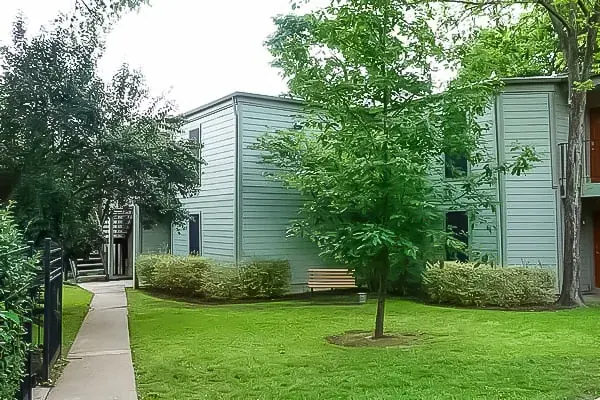


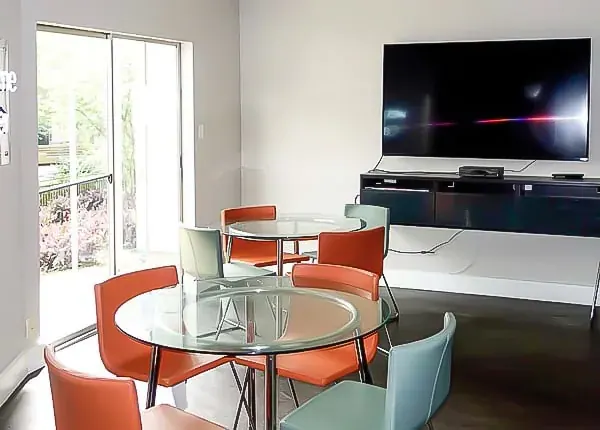
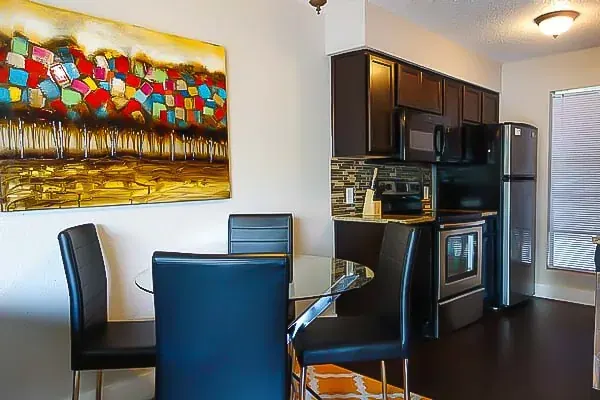

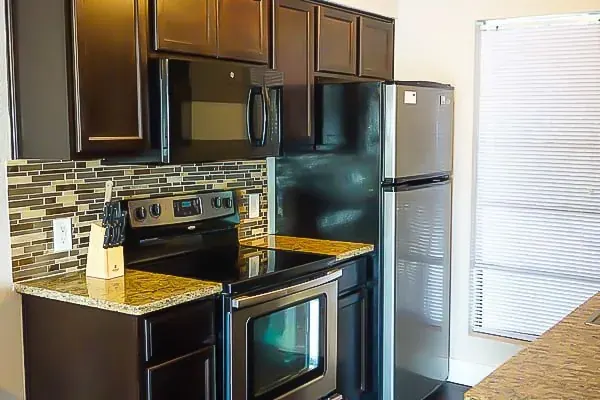
Check Out Eudaimonia’s Sober Living Homes in Austin, Houston, and Colorado Springs
Eudaimonia Recovery Homes operates several sober living homes and apartments for men, women, and LGBTQ+ individuals. Our sober homes are fully accredited, licensed, and managed by on-site staff members. Our residents all follow individualized recovery programs that help them set and achieve their goals in recovery.
Additionally, we offer a Certified Peer Recovery Support Program, where residents are paired with a certified peer recovery support specialist. This professional provides peer recovery support and guidance in the early stages of recovery. With regular meetings and support, residents also learn how to recognize the signs of relapse and address them before they lead to a full-blown relapse.
If you or a loved one is searching for support after rehab, Eudaimonia Recovery Homes can help. Our sober homes are much more than just a roof over your head. They are safe, supportive homes that offer a wide range of recovery support services and benefits for individuals who are newly sober or recovering from a recent relapse. Please call (512) 240-6612 to speak with an admissions representative or to find out more about how our sober living homes can help prevent relapse.
Call NowView Our Sober Living Homes
Gender Specific Sober Living
Women's Sober Living Men's Sober LivingFAQ: Sober Living Homes & Relapse Prevention
What is a sober living home and how does it work?It’s a drug‑ and alcohol‑free residence that provides structure (curfew, routine testing, house meetings) and peer accountability while you rebuild daily routines. Many are affiliated with treatment providers and have on‑site staff/house managers for guidance. Your page highlights these elements as the foundation for relapse prevention. External definitions align with this.
How do sober living homes help prevent relapse?By combining consistent accountability (curfews, testing), recovery‑focused activities (AA/NA attendance), access to therapy and peer mentoring, and a gradual step‑down to independence. Research shows that monitoring, skill‑building therapies, and strong social support reduce relapse risk, exactly what sober living environments reinforce.
What recovery meetings do residents attend, and do they help?Most homes require or strongly encourage several meetings per week (e.g., AA/NA). Regular participation increases support, reinforces coping skills, and keeps recovery top of mind, key components in evidence‑based relapse prevention.
What are typical rules in sober living?Maintain abstinence, follow curfew, submit to random drug/alcohol tests, attend meetings, participate in house meetings/chores, and respect peers and staff. These rules create the structure your article emphasizes and are standard across reputable programs.
How long should I stay in sober living?Length varies by individual goals and progress. Many residents stay several months to solidify routines, employment, finances, and a support network, your article frames this as a bridge from rehab to independence. Guidance from national providers echoes this flexible, needs‑based timeline.
What support services are available beyond housing?Your page lists therapy coordination (individual/group), sober mentoring, employment/volunteer help, and education planning. These services make real‑world re‑entry smoother and are consistent with the broader concept of “recovery housing” that integrates peer support.
What are the stages of relapse and how does a home address them?Relapse is often gradual (emotional → mental → physical). Sober homes mitigate early stages via check‑ins, meetings, and staff/peer support before risk escalates, complementing the “detect early, act early” model in the literature.
What are common relapse triggers?Stress, people/places associated with past use, negative emotions, and lack of support. The structured environment and curated social circle in sober living reduce exposure to triggers and add protective factors.
Are sober living homes the same as halfway houses?No. Halfway houses may be court‑mandated and state‑funded; sober living is typically privately operated or part of a treatment provider and is centered on ongoing recovery activities (e.g., Twelve Step).
What lifestyle changes support long‑term recovery while in sober living?Consistent routines (meetings, chores, sleep), healthy relationships, practicing coping skills, and building purpose through work/school/service, habits mirrored in your page and supported by clinical guidance.
How can I get help or enroll with Eudaimonia?Call (512) 240-6612 to speak with admissions about sober living homes in Austin, Houston, San Antonio, Philadelphia and Colorado Springs
Evidence-Based Resources & Austin Listing
- NIDA: treatment & recovery research Comprehensive insights from the National Institute on Drug Abuse on evidence-based addiction treatment and recovery.
- SAMHSA: recovery & support Federal guidance and tools for long-term recovery from the Substance Abuse and Mental Health Services Administration.
- Relapse Prevention overview (CBT/MBRP) Evidence-based relapse prevention strategies from the Recovery Research Institute.
- Austin sober living Verify Eudaimonia Recovery Homes’ Austin sober living locations and reviews on Google Maps.