Published December 2, 2020 · Updated October 7, 2026
On This Page · 6 Sections
Short answer: usually not in the way a treatment program is. A sober living home that provides housing and house rules, but no treatment, generally does not hold a state treatment license, because it is not delivering treatment. That does not mean nothing applies. Local housing, zoning and fire rules still do, some states license or certify recovery residences (especially ones that take public referrals or funding), and many good houses choose to be certified against national standards.
The words get used loosely, so it helps to know what each one actually means before you ask a house what it holds.
Do sober living homes need to be licensed?
It depends on the state and on what the house does. Treatment programs, such as detox, residential treatment and outpatient programs, are licensed by the state. A house that only provides a drug- and alcohol-free place to live usually is not licensed as treatment.
Some states go further for recovery housing. Pennsylvania licenses drug and alcohol recovery houses through its Department of Drug and Alcohol Programs, and houses that take state or county referrals or funding are expected to hold that license. Colorado relies on certification through CARR, the Colorado Association of Recovery Residences. Rules change, so check the current position in your state, and ask any house directly what it is required to hold and what it actually holds.
Licensed, certified, accredited, member: what each one means
Licensed. Legal permission from a government agency to operate a regulated service. Treatment programs are licensed; a license is the minimum required by law, not a mark of quality.
Certified. For recovery housing, this usually means a house has been reviewed against the national standards of NARR, the National Alliance for Recovery Residences, by NARR’s affiliate in that state. Certification is often voluntary, and it is the closest thing sober living has to an independent check.
Accredited. An independent organization has reviewed a provider against its standards. In behavioral health this usually means bodies such as The Joint Commission or CARF, and it is most common for treatment providers. Accreditation applies to the specific organization or locations reviewed, not automatically to everything a company runs.
Member. Belonging to a professional association. Membership can show a provider is engaged in the field, but it is not a review of any particular house.
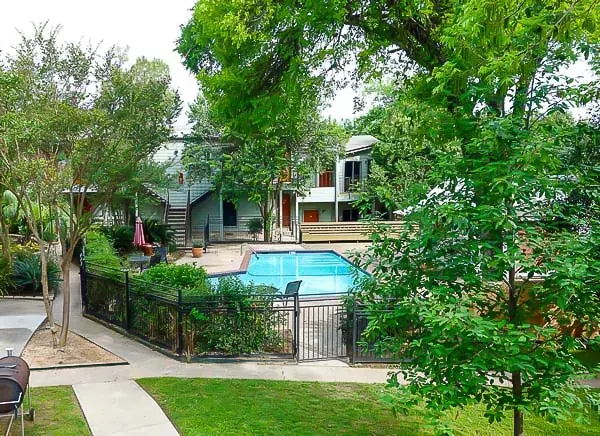
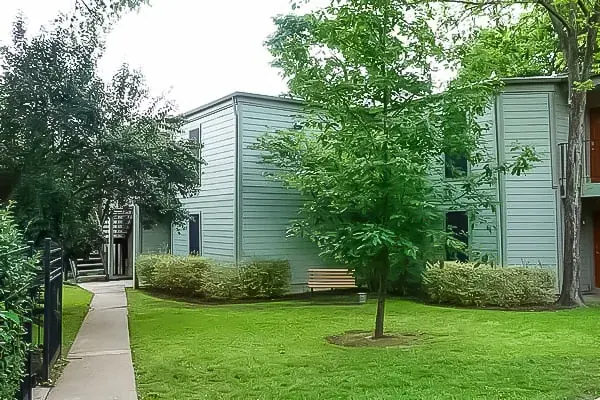
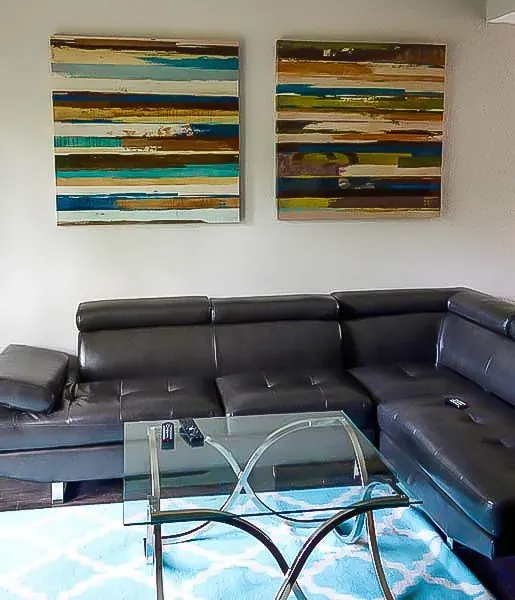
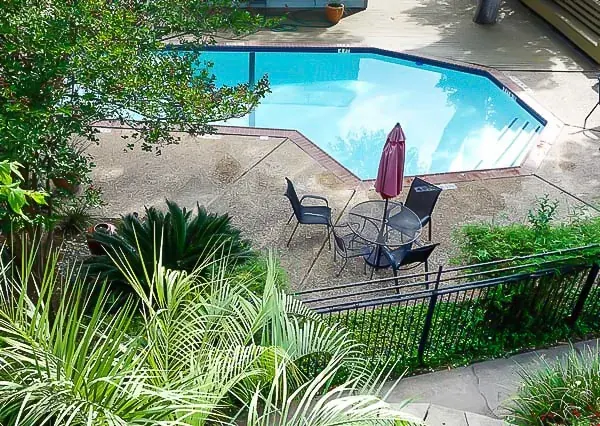
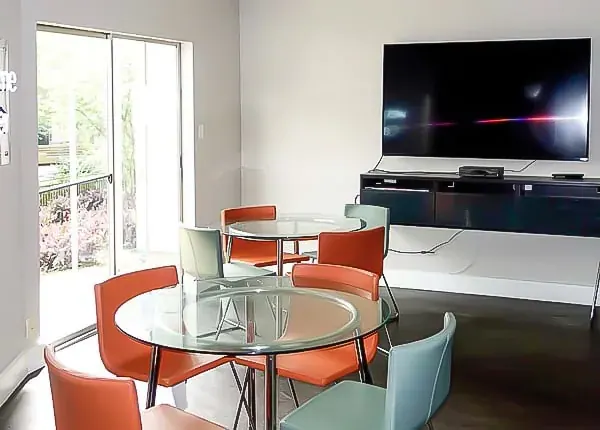
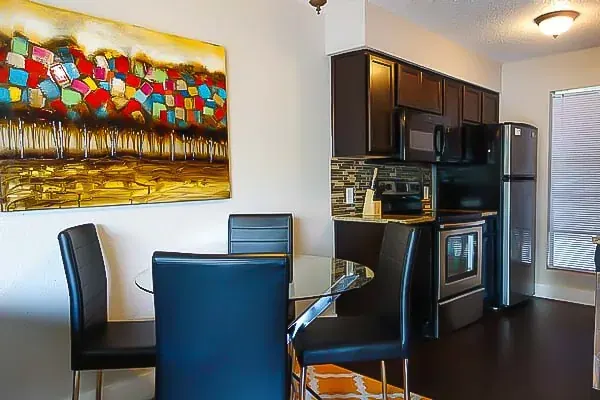
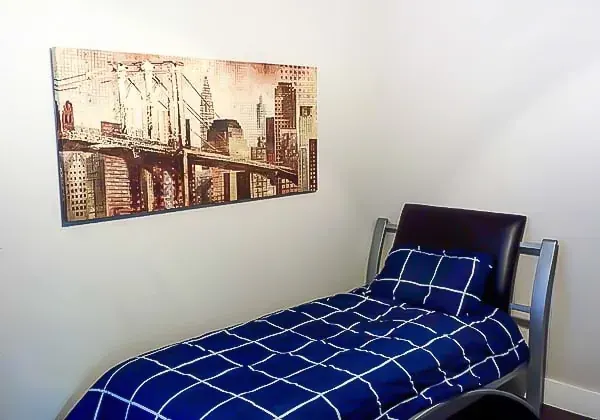
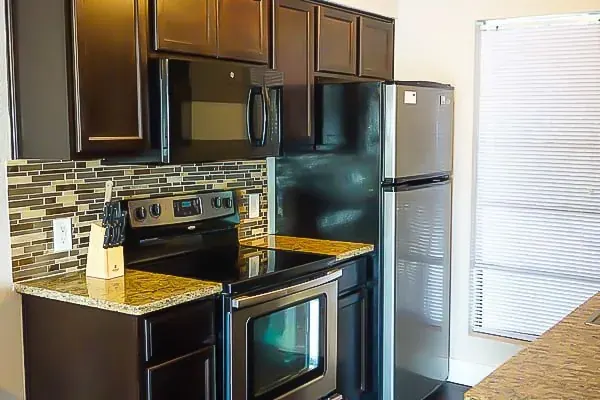
Inside Rustic Creek, our Austin flagship
The four NARR levels of recovery housing
NARR describes recovery residences in four levels, from least to most support:
- Level I, peer-run. Residents run the house democratically with no paid staff. Oxford Houses are the best-known example.
- Level II, monitored. A house manager or senior resident oversees the house, with written rules and drug and alcohol testing.
- Level III, supervised. Paid staff, more structure, and organized recovery and life-skills programming.
- Level IV, service provider. A residential setting connected to clinical services, usually run by a treatment organization.
A higher level is not automatically better; it is more support. The right level is the one that matches what you need now. If you are still physically dependent on alcohol or drugs, you need medical detox before any of them.
How to check what a sober living home really holds
- Ask what it holds, by name. “We’re accredited” is not an answer; the name of the body is.
- Ask which house it covers. A certification or accreditation may apply to one location, not every house an operator runs.
- Check it yourself. Certifying and accrediting bodies list the providers and residences they cover.
- Ask to read the full agreement. Written rules, testing and what happens after a relapse tell you more about daily life than any logo.
- Watch for logos with no detail behind them. A logo on a website is a claim, not proof.
For the practical side of choosing a house, see how to find the best sober living homes, and for what the rules usually are, sober living house rules.
What Eudaimonia holds
We list every organization we are accredited by or affiliated with, and which of our houses each one covers, on our accreditations page. Hold us to the same questions as anyone else: ask which body, which house, and check it.
Our houses are housing, not treatment. Every resident signs the same agreement: no alcohol or drugs, testing, three recovery meetings a week and a sponsor, a weekly community meeting, and work, school or volunteering. You can read all of it on our community rules page, or apply online.