

Published December 2, 2025 · Updated March 19, 2026
Key Takeaways
- What sober living is and how it differs from rehab or halfway houses helps explain why it functions as structured housing rather than formal treatment.
- Typical Austin costs for sober living usually fall in the mid-hundreds to low-thousands per month, depending on room type, location, and amenities.
- Move-in expenses often include first month’s rent, a security deposit, and an intake fee, so your upfront cost can be one to three times the monthly rent.
- What rent includes usually covers a furnished room, shared spaces, utilities, Wi‑Fi, and basic accountability measures like house meetings and drug testing.
- Key price drivers include neighborhood, level of structure and staffing, number of roommates, house amenities, and whether the residence follows recognized recovery housing standards.
- Paying for sober living commonly involves a mix of employment income, family help, limited scholarships, and insurance‑covered outpatient care running alongside housing.
- Value for recovery comes from the stability, accountability, and sober peer community that can lower relapse risk and support better long‑term outcomes than returning to an unsafe environment.
- Planning a budget means adding rent, food, transportation, medical costs, and move‑in fees into one monthly picture so you can choose a sober home that fits your finances.
On This Page · 30 Sections

Sober Living
Austin
10506 Parkfield Dr, Austin, TX 78758
Finding sober living in Austin often starts with one practical question: how much do sober living homes cost each month?
Rent, deposits, and small fees can add up, and it can be hard to tell whether a sober house is affordable until you see all the numbers in one place.
Looking for the main overview page? Compare all options on our Sober Living in Austin, TX.
This guide walks through typical sober living costs in Austin, how those costs compare with national ranges, and what usually drives the price up or down. It is written for people in early recovery, family members, and helpers who need a clear, neutral picture of what “sober house cost” really means in daily life.
What Is a Sober Living Home?
A sober living home is a group residence where people in recovery live together in a drug‑ and alcohol‑free environment. It is not a treatment center. Residents usually work, attend school, or go to outpatient care while using the house as a structured, recovery‑focused place to live.
If you are still learning how these programs work, our comprehensive guide to sober living homes explains the different levels of support, common house rules, and what to expect day to day.
State behavioral health agencies describe recovery residences as family-like, substance-free homes where residents share responsibilities and support one another in daily recovery.
Sober living vs. rehab
Rehab is clinical care. Detox, residential programs, and partial hospitalization programs provide medical services and therapy from licensed professionals. Sober living, by contrast, focuses on housing, structure, and peer support. Many people step down from rehab into sober living so they can practice real‑world routines while still having accountability.
Sober living vs. halfway houses
Halfway houses are often funded or regulated by the government and may be tied to court or probation requirements. Sober living homes are usually privately operated and voluntary. Rules can still be strict, but residents choose to live there and pay rent like any other tenant. Because sober living homes are funded by rent rather than tax dollars, prices vary more from house to house.
Typical Cost of Sober Living Homes
Across the United States, sober living homes commonly charge weekly or monthly rent rather than per‑night rates. Several national guides and analyses report wide ranges, from around $500 per month in basic group homes to several thousand dollars per month in higher‑amenity residences.
In one large review of accredited homes in Florida, average rent fell in the mid‑hundreds per week, with a small number of very high‑priced homes charging several thousand dollars per month.
Major sober living networks that operate in multiple states list typical weekly rents from about $160 to $250, which works out to roughly $640 to $1,000+ per month.
Average monthly rent in Austin
Austin is a fast‑growing city with a relatively high general cost of living, and sober living prices reflect that. Public information from local providers and directories shows common rent ranges such as:
- Shared rooms: Roughly $550, $1,500 per month
- Private rooms or premium homes: About $1,000, $2,500+ per month
These numbers line up with ranges published for other Texas cities and for national providers.
Some Austin homes sit near the lower end of these ranges, especially simple shared apartments. Others charge more but include extra amenities, on‑site staff, or added recovery programming. When you compare options, ask each home for a written list of all monthly charges so you can compare “apples to apples.”
For details on current apartment layouts, amenities, and house policies, you can review our main sober living in Austin, TX overview page.
Shared rooms vs. private rooms
Room type is one of the clearest drivers of sober living cost in Austin:
- Shared rooms are usually the most budget‑friendly choice. Two to four residents share a bedroom and bathroom, splitting the overall housing cost.
- Private rooms cost more but provide extra privacy, which some people prefer if they are working, studying, or balancing family life.
- Suites or upgraded units can cost as much as a small studio or one‑bedroom apartment in Austin, especially in central neighborhoods.
When you compare prices, look at the full package: room type, number of housemates, and what is included in the rate.
One‑Time Move‑In Costs
Rent is only part of sober living cost. Most homes also charge one‑time fees when you move in. Reviews of recovery residences in several states highlight three common categories: first and last month’s rent, administrative fees, and security deposits.
Security deposits
Many sober houses collect a refundable security deposit, similar to a regular apartment. Typical deposits range from a few hundred dollars to the equivalent of one month’s rent. The deposit is usually returned when you move out, as long as you follow the house rules, give proper notice, and leave your space in good condition.
Ask:
- How much is the deposit?
- Under what conditions could I lose it?
- How and when is it refunded?
Clear answers up front help you avoid surprises later.
Administrative and intake fees
A majority of sober living homes charge a non‑refundable administrative or intake fee. These fees help cover onboarding, initial supplies, and basic household items such as bedding, towels, cleaning products, and paper goods. State‑level analyses show administration fees ranging from a modest flat rate up to just under $1,000.
In Austin, intake fees often fall somewhere in the $100, $300 range, but they can be higher for more structured programs. Always ask whether drug testing or technology fees are folded into your monthly rent or billed separately.
First and last month’s rent
Some homes ask for both first and last month’s rent at move‑in. That can double your initial out‑of‑pocket cost. For example, if monthly rent is $900 and the house requires first and last month’s rent plus a $200 deposit, your move‑in total would be:
- $900 (first month)
- $900 (last month, credited to your final month)
- $200 (deposit)
Total due at move‑in: $2,000
Not every Austin sober home follows this model, so it is important to ask early: “What will I owe before move‑in, and what is due each month after that?”
Eudaimonia's Success Stories – Real People, Real Freedom
What Your Sober House Cost Usually Includes
What you get for your rent can vary as much as the price itself. Some sober homes operate more like a traditional share‑house, while others bundle a long list of services into a single all‑inclusive rate. National guides note that some homes cover housing plus utilities and Wi‑Fi, while others also include food, transportation, or in‑house recovery programming.
Housing, utilities, and furnishings
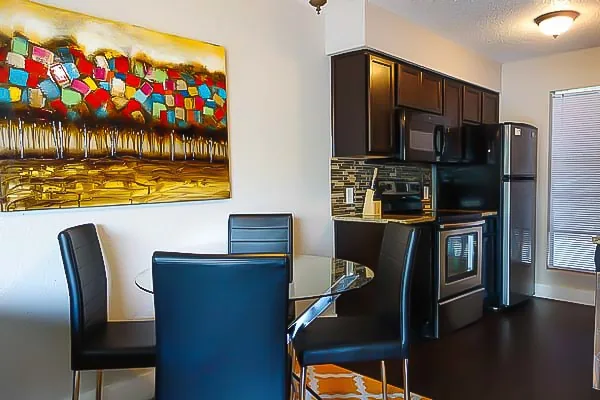
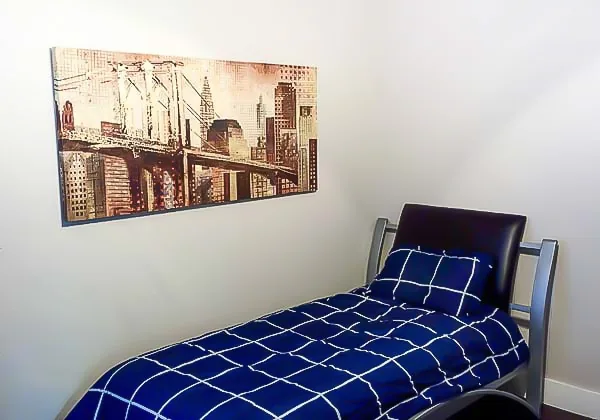
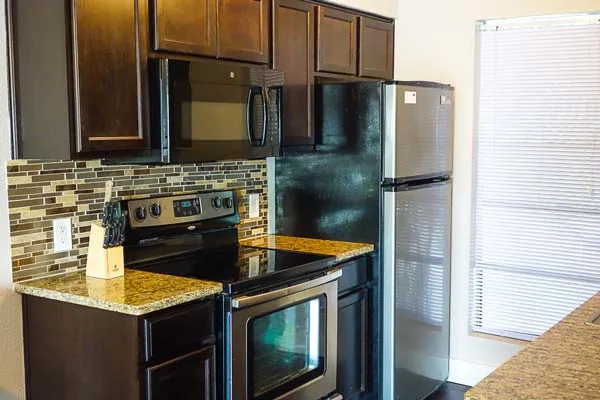
Most Austin sober living homes include:
- A furnished bedroom (shared or private)
- Shared kitchen, bathrooms, and living spaces
- Basic utilities such as electricity, water, and trash
- Wi‑Fi and sometimes streaming or cable services
- Laundry facilities on‑site or in‑unit
If a rate looks unusually low, check whether utilities or furnishings are extra. Paying your own electricity and internet can add $75, $200 per month depending on the unit and season.
Support, testing, and structure
Many sober homes in Austin build accountability into the cost of rent. That might include:
- Drug and alcohol testing
- Curfews and quiet hours
- House meetings and check‑ins
- Written recovery goals or step‑down phases
- Staff or peer leaders who live on‑site
These elements are not “extras”—they are part of what makes sober living different from a regular roommate situation. Some homes also coordinate or bundle outside services such as case management or transport to outpatient programs.
What is usually not included
Even when a sober house offers an all‑inclusive rate, residents almost always pay for:
- Food and personal groceries, unless a meal plan is clearly listed
- Transportation, including gas, rideshares, or bus passes
- Personal health care costs, prescriptions, and co‑pays
- Cell phone plans and personal technology
If money is tight, build these costs into your monthly budget from the start rather than treating them as add‑ons.
What Drives Sober Living Prices in Austin?
Why does one sober home charge $700 per month while another charges more than $2,000? Several consistent factors show up across state and national cost summaries.
Neighborhood and location
Like any housing in Austin, sober living in central, walkable neighborhoods tends to cost more than homes farther out. Houses close to major bus lines, downtown employers, or university areas may command higher rents. Lower‑priced homes are more likely in outlying neighborhoods, but transportation may be less convenient.
For women comparing shared and private room options along with included amenities, our women’s sober living in Austin page outlines current pricing and what is covered in the monthly rate.
Men who want to see how different room setups, locations, and amenities translate into monthly rent can review our men’s sober living in Austin community.
Level of structure and staffing
Recovery residences are often grouped into levels based on how much structure and clinical support they provide. Peer‑run homes at the lowest level may have minimal staffing and lower rent. Homes at higher levels may include on‑site staff, integrated counseling, or more intensive daily schedules, which generally raises the cost.
The national standard for recovery housing outlines four levels of recovery residences, ranging from peer-run homes to clinically supervised programs, which helps explain why costs rise as staffing and structure become more intensive.
Amenities and room setup
Sober houses that offer upgraded amenities almost always charge more. Examples include:
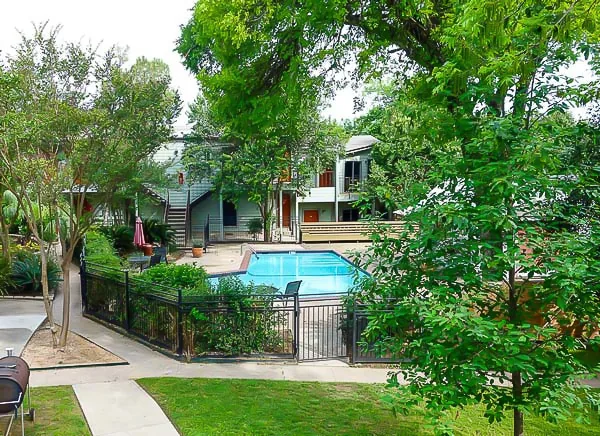
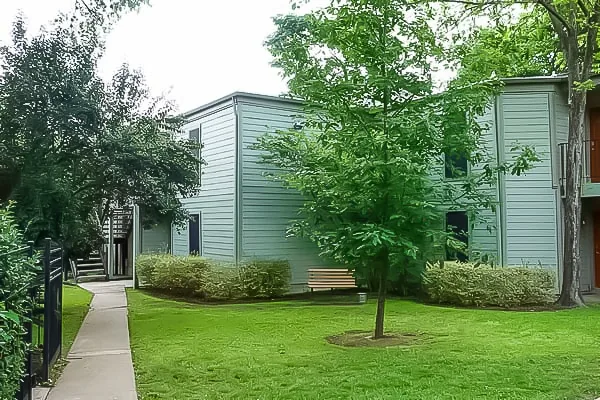
- Newer or remodeled buildings
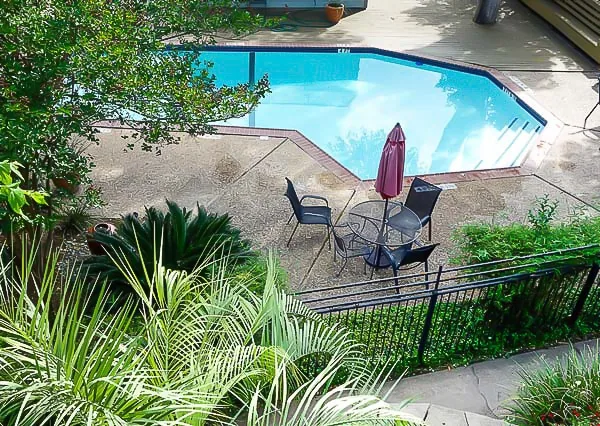
- Fitness rooms or pools
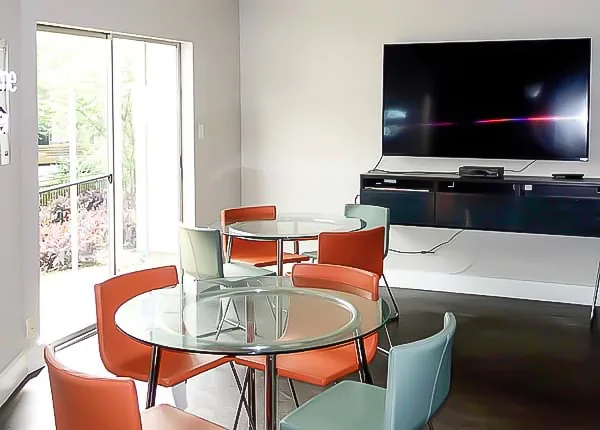
- Smart TVs and high‑speed internet
- Fewer residents per bedroom
- Private bathrooms or en‑suite layouts
Basic homes often keep costs lower by focusing on safety and sobriety rather than luxury features.
Accreditation and program quality
Some Austin sober living programs pursue accreditation through state or national recovery residence organizations. Accreditation does not always increase the rent, but it does require certain standards around safety, governance, and support. When you compare homes, ask about both price and quality: written policies, staff training, complaint procedures, and how the house handles relapses.
National recovery housing organizations maintain quality standards for recovery residences so homes provide safe, ethical, and recovery-focused environments rather than just a place to sleep.
How to Pay for Sober Living
A common myth is that insurance will take care of sober living rent. In reality, most housing costs are paid out of pocket, though clinical services you use while living there may be billable to insurance. National and local sources describe three main ways people cover sober living costs.
Work and personal income
Many residents work part‑time or full‑time while in sober living. Houses often require some combination of employment, school, or active job‑search as part of daily structure. When planning a budget:
- Compare monthly rent to your expected net income.
- Include transportation to work, work clothes, and meals.
- Ask whether the house has curfews that fit your work schedule.
Family support and scholarships
Some people receive partial help from family or trusted friends, especially during the first months. A few sober living programs offer limited scholarships, sliding‑scale rates, or payment plans funded through grants or charitable support. These options rarely cover all costs, but they can make a safe home more realistic for people with low income.
Insurance and clinical services
Health insurance rarely pays for the rent portion of sober living. It may, however, cover treatment services you use while living there: such as intensive outpatient programs, therapy, or medication management.
If you plan to use insurance, ask:
- Which services are on‑site versus off‑site?
- Does the house have transportation options for treatment appointments?
- Which providers are in‑network with your plan?
If you want a deeper look at budgeting, payment options, and support resources, our guide to affordable sober living in Austin walks through practical ways to make costs more manageable.
Is Sober Living Worth the Cost?
It is fair to ask whether sober living is “worth it,” especially when you see a rent number that rivals a small apartment. Research on recovery housing suggests that structured sober living can reduce relapse risk and improve employment and mental health outcomes compared to returning immediately to an old environment.
For many people, the value comes from:
- Living in a substance‑free environment with peers in recovery
- Having clear rules, curfews, and accountability
- Building life skills like budgeting, cooking, and time management
- Easing the transition from intensive treatment back into daily life
When you compare costs, consider the financial impact of repeated relapses, lost jobs, or avoidable crises. Stability in early recovery often pays for itself over time.
How to Estimate Your Total Monthly Budget
Before committing to a sober house in Austin, sketch out a simple budget. Start with:
- Monthly rent (shared or private room)
- Average utilities if they are not included
- Food and groceries
- Transportation
- Treatment co‑pays and prescriptions
- Personal items and small emergencies
Add one‑time move‑in costs on top of that: deposit, intake fee, and first (plus possibly last) month’s rent. If that total feels overwhelming, talk with the house about payment timing or look for a more affordable option that still feels safe and supportive.
How Eudaimonia Recovery Homes Helps With Sober Living Costs in Austin
Eudaimonia Recovery Homes can help people navigate the question of how much sober living costs in Austin by offering clear, straightforward information about its pricing and what each rate includes. The team can walk prospective residents and families through current monthly rent ranges, deposits, and fees so they understand the total cost before moving in.
Staff can also explain the differences between shared and private rooms, levels of structure, and property locations, which all affect the overall sober house cost. For people working with a fixed income, Eudaimonia can help build a basic budget that factors in housing, transportation, food, and any ongoing treatment expenses.
When appropriate, they can describe available payment schedules and discuss how outside resources, such as employment income, family support, or insurance‑covered outpatient care, may fit into the plan. During admission, Eudaimonia can outline what support, accountability, and amenities are included in the monthly fee so residents can compare that value with other housing options they may be considering.
Over time, staff can help residents review their finances and decide when it makes sense to transition to more independent housing while maintaining stability in recovery. In this way, Eudaimonia Recovery Homes provides structure and information that make sober living costs in Austin easier to understand and manage.
Your Future Is Waiting
Tell us what you are looking for and admissions will walk you through the houses, the phases, and what a room actually costs.


