Published November 30, 2021 · Updated March 17, 2026
On This Page · 10 Sections
The holidays can be a tricky time to be in recovery, especially if you’re newly sober. With more travel, pressure-filled social engagements with family and friends, and increased financial strain, all the stress can quickly build up and make you more susceptible to relapse.
As we head into the holiday season, you might be starting to wonder how you’ll ever manage to stay sober. However impossible it may seem, you can successfully make it through the holidays without relapsing. Here are several strategies and tips to help you through it. But first, let’s take a closer look at the holidays and why they can increase your risk of relapsing.
Related post: Top 10 Non-Alcoholic Drink Recipes for the Holidays
Risk of relapse during the holidays
Whether this is your first holiday season in recovery or your twentieth, the holidays are a hard time to be sober. Several reasons often make it more tempting to take a drink or have a hit of your go-to substance:
- Holiday binge drinking: Seasonal binge drinking is big in America. According to the New York Post, the average American consumes twice as much alcohol over the holiday season than any other time of year.1 Many people rely on alcohol to navigate their way through the holidays, whether they use it to cope with depression and anxiety or to brace up for the inevitable awkward or stressful social encounters at holiday parties and gatherings.
- Mental health issues: For many people, the holiday season is a trigger for mental health issues like depression or anxiety. Major holidays like Thanksgiving or Christmas may amplify feelings of loneliness, isolation, or hopelessness, which can fuel the urge to drink or use drugs to cover them up. Learning to handle these feelings is a part of recovery, but that doesn’t mean it’s always easy. As a result, people in recovery often need extra support during the holiday season.
- More travel: Individuals who live far from family members often travel during the holiday season to visit. However, frequent travel can be stressful, exhausting, and it also cuts into your normal routine. For people in recovery, this may disrupt their routine and cause them to miss meetings, consume more caffeine, sugar, or fast food, sleep less, and have fewer check-ins with their sponsor. All of which can increase their risk of relapse.
- Increased stress: All of the above factors may lead to a busier schedule, financial issues, tension in relationships, and of course, more stress. As you likely already know, multiple studies have shown that stress is one of the primary causes of drug and alcohol relapse.2
Tips to manage holiday stress in recovery
Holiday stress can leave people in recovery highly vulnerable to relapse due to increased cravings and anxiety.3 To combat these symptoms, here are several ways you can manage holiday stress in recovery.
When you’re planning gatherings, lean on these non‑alcoholic drink recipes for the holidays to keep celebrations inclusive and sober‑friendly.
Stay connected with your recovery support system.
The holidays are difficult for a lot of us, but don’t forget that you have people who are rooting for you and are there to support you! Don’t wait until you feel too overwhelmed to ask for help. Instead, open up to supportive peers in recovery at the beginning of the holiday season, before the stress becomes totally overwhelming. Whether that means scheduling extra meetings with your sponsor, attending extra recovery meetings, or checking out an online support group, avoid isolating yourself when things get difficult.
Continue going to recovery meetings
It’s easy to miss a meeting here or there when your schedule gets extra busy around the holidays. However, if you struggle to deal with holiday stress, it’s essential that you make time for regular meetings. Whether you typically attend three meetings a week or once a week, maintain your normal routine and don’t give up that time for anything.
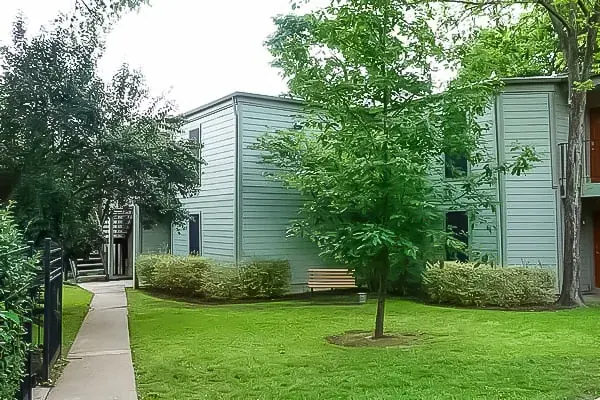
Inside Rustic Creek, our Austin flagship







Have a plan for holiday parties
The holiday season is full of events and parties that could easily be triggering for some people in recovery. If you know that going to your family’s Christmas dinner or your office Christmas party will have you stressed out, anxious, and wanting a drink, you should create a plan in advance to determine how you will handle those situations. For any potentially triggering situation, you’ll want to have an exit strategy or a person you can call or bring with you for support.
Bring your own fall mocktails so you’ve always got a festive, alcohol‑free option.
Look for ways to serve others.
The holidays are the perfect time to serve others. Whether it’s by providing a meal or being generous with your finances or time, being of service to others can improve your own well-being by enhancing your mood and reducing stress and anxiety.4 It can also get you out of your own head and connect you with other like-minded individuals while providing a fulfilling (and often fun!) way to spend your free time during the holiday season.
Opt out of activities if you need to.
According to the National Institute on Alcohol Abuse and Alcoholism (NIAAA), being around people who are drinking or using drugs causes about 20% of relapses.5 If holiday events and activities are triggering for you, it may be best to limit your exposure to these things until you feel more comfortable taking them on sober. It’s totally okay to say no instead of agreeing to do things just to please others and experiencing unnecessary stress as a result. Instead, make a conscious effort to prioritize your commitments and only say “yes” to things you know you can handle.
Maintain a self-care routine.
It’s easy to over-indulge during the holidays with all the sugary treats, festive meals, and changes to your normal schedule. However, if you are newly sober, it’s extremely important to maintain your self-care routine. Doing so will decrease your overall stress and help you take on any challenges that come your way during the holiday season. A change in your routine every once in a while isn’t going to ruin you, but it’s a good idea to continue caring for yourself by aiming to get 7 or 8 hours of sleep each night, eating balanced, healthy meals, and exercising regularly. Taking time for your hobbies, meditation, journaling, or any other activities that bring you joy may also help you manage holiday stress and avoid relapse.
If you need treatment, get it.
If you know you need extra support to stay sober, you should seek out a treatment program right away. Treatment through a residential rehab program or outpatient rehab program can help you reconnect with your sobriety before a relapse lands you too far off course. More than likely, lots of other sober people are facing the same struggles and there’s no shame in asking for help, no matter the time of year.
Related post: Spending the Holidays at a Sober Living Home
Recovery support services and sober homes that help you stay on track
If you need recovery support services, outpatient addiction treatment, or an Austin sober living program this holiday season, contact the caring staff at Eudaimonia Recovery Homes. We can help you learn how to manage holiday stress, provide a safe and supportive sober living home, or help you get back on track after a relapse.
Contact us today to find a sober house in Austin, Houston, or Colorado Springs, or to take advantage of our recovery support services and get help to maintain your sobriety.
References: