
Published November 10, 2025 · Updated September 30, 2026
On This Page · 9 Sections
Sober Living
Houston
1010 Waverly St, Houston, TX
If you are searching for a halfway house in Houston, you are probably looking for one of three different things, and they do not work the same way. Two of them are assigned to you by the state or federal system. The third, a sober living home, is one you choose. Knowing which one applies to you saves a lot of wasted calls.
We should say up front what we are. Eudaimonia Recovery Homes runs sober living houses in Houston. We are not a TDCJ halfway house or a federal residential reentry center, and nothing on this page should be read as saying a stay with us satisfies a parole or court requirement. That is your officer’s decision, not ours.
What does "halfway house" mean in Houston?
A TDCJ halfway house, for state parole
People leaving a Texas prison on parole or mandatory supervision need an approved place to live. If they do not have one, the Texas Department of Criminal Justice can place them in a halfway house it contracts with. The parole division makes that placement and sets the conditions. It is not something a member of the public applies to, and you cannot pick one from a list online. If this is your situation, the people to ask are your institutional parole officer or case manager.
A federal halfway house, for the end of a federal sentence
The Federal Bureau of Prisons calls these residential reentry centers. People nearing the end of a federal sentence may spend their last months in one before release. Residents are still serving their sentence, and the Bureau of Prisons decides who goes, where and for how long. A search for “Houston federal halfway house” will not get you a place in one. Your case manager is the route.
A sober living home, which you choose
Sober living is privately run housing for adults in recovery. You apply, you pay rent, and you agree to written house rules: no alcohol or drugs, drug and alcohol testing, meetings, and a job or school. Nobody is in custody and nobody is placed there by a court. Because it fills the same gap between treatment and fully independent living, people often call it a halfway house too, which is where most of the confusion comes from. We explain the difference in more detail in halfway house or sober living?
Do you need a TDCJ-approved halfway house?
Only if your release plan or supervision requires one. If you are not on parole or probation, you do not need anyone’s approval to move into sober living.
If you are on supervision, the question is usually not whether a home is “TDCJ approved” but whether your officer approves that address as your residence. Some officers are glad to see someone living somewhere with testing and structure. Others have conditions that rule out a particular house or area. Ask your officer before you apply anywhere, and get the answer in a form you can show the house.
Can you live in sober living while on probation or parole?
It can be possible, but it depends on two decisions: your officer’s and the house’s. Be open about your situation from the start. A house that finds out later is a much worse problem than a house that knew from the application.
Our application asks directly. It asks whether you have pending charges, whether you have felony convictions, whether you are on probation or parole, whether your officer makes site visits, and whether you have arson, burglary, assault or sex offenses. Each application is reviewed by our admissions team. Answering yes to one of these questions is not the same as being turned down, and answering it honestly is what lets us give you a straight answer.
Inside the Houston homes
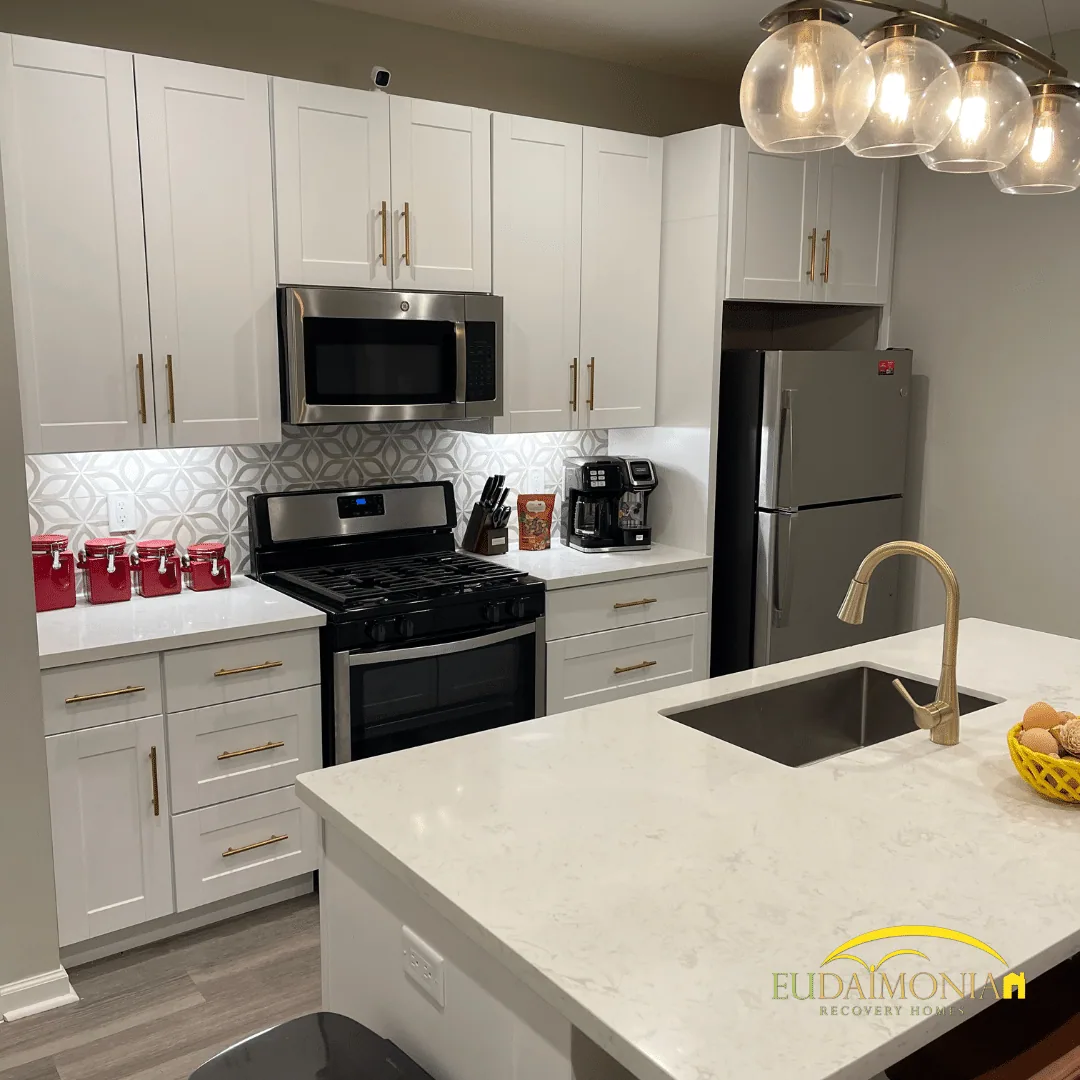


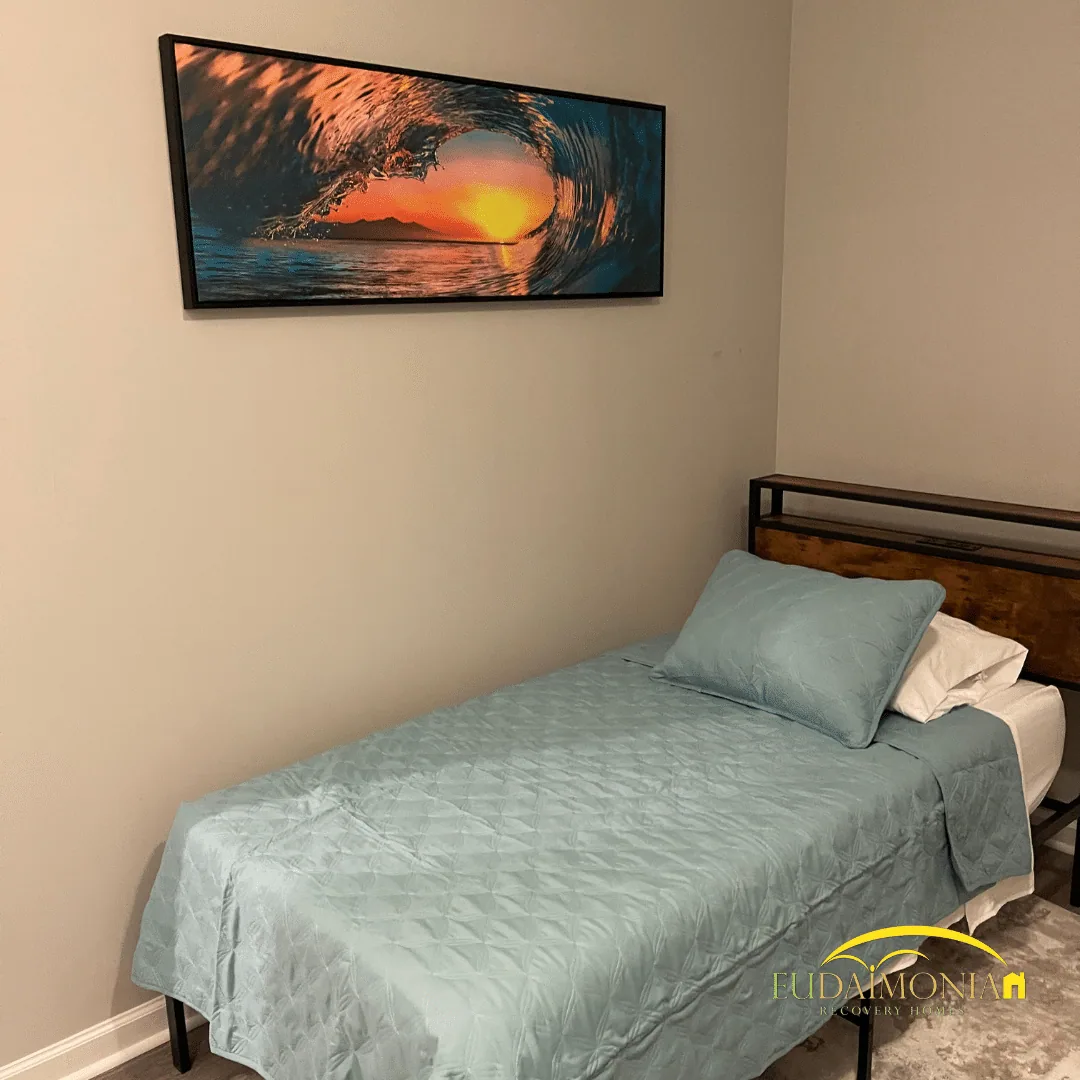
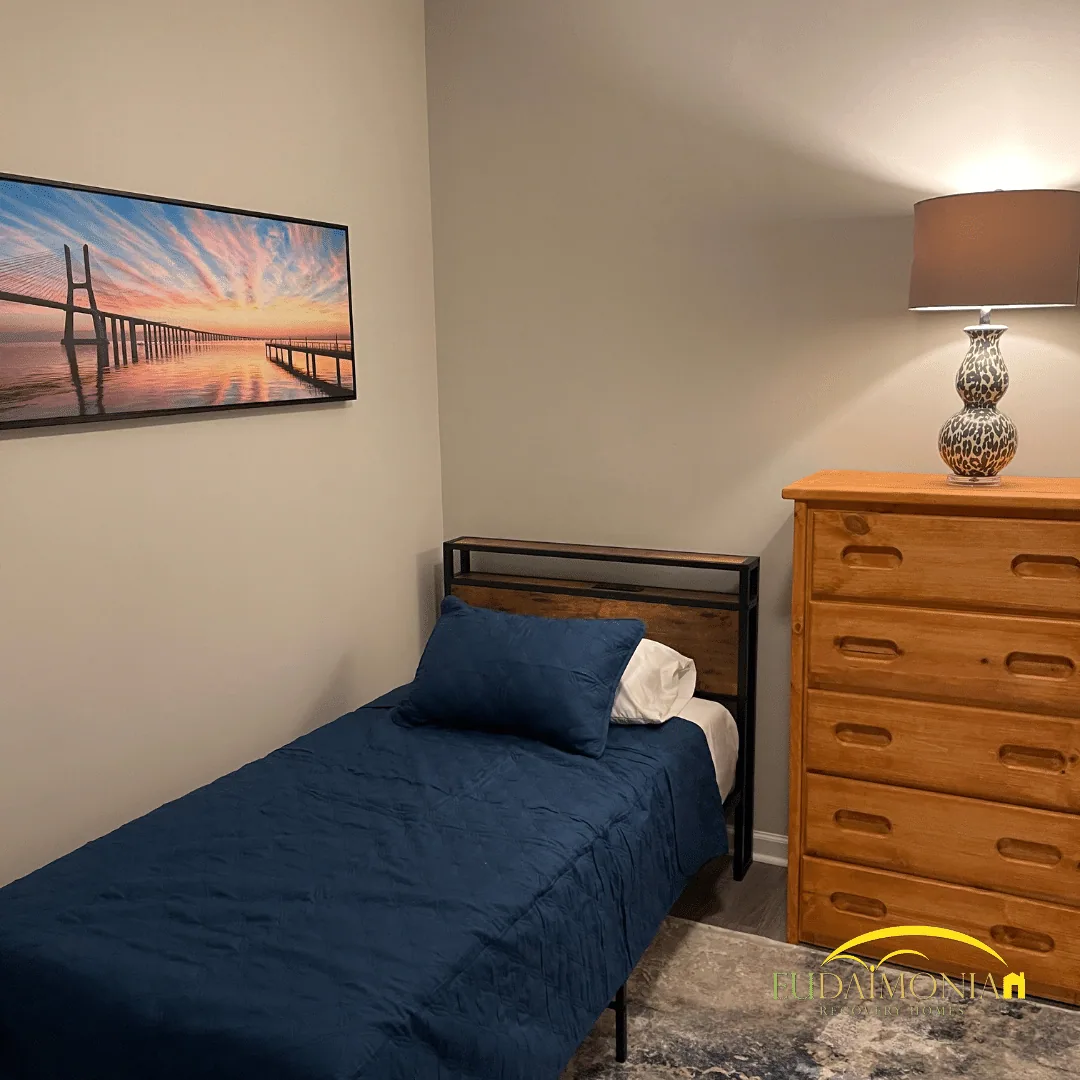
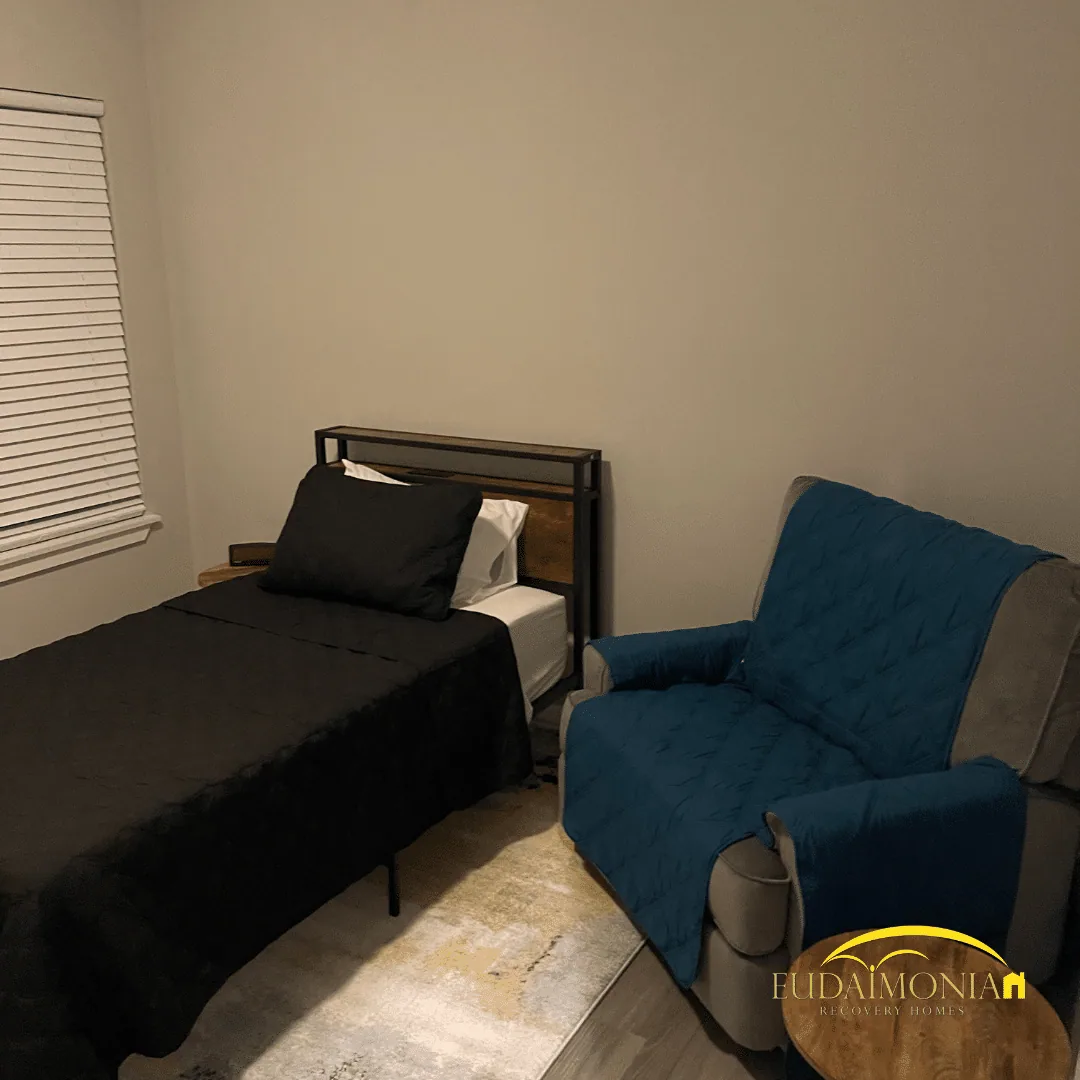
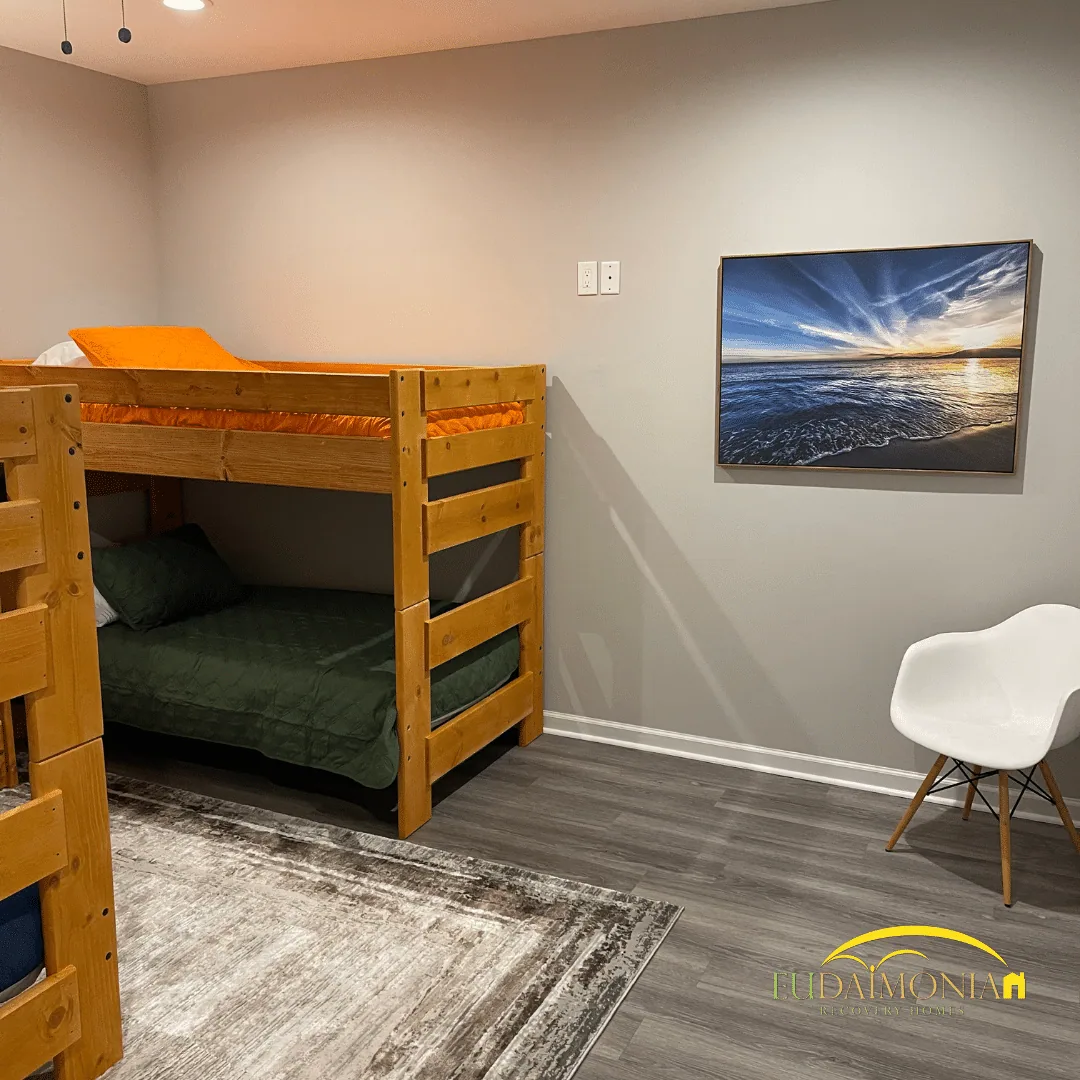


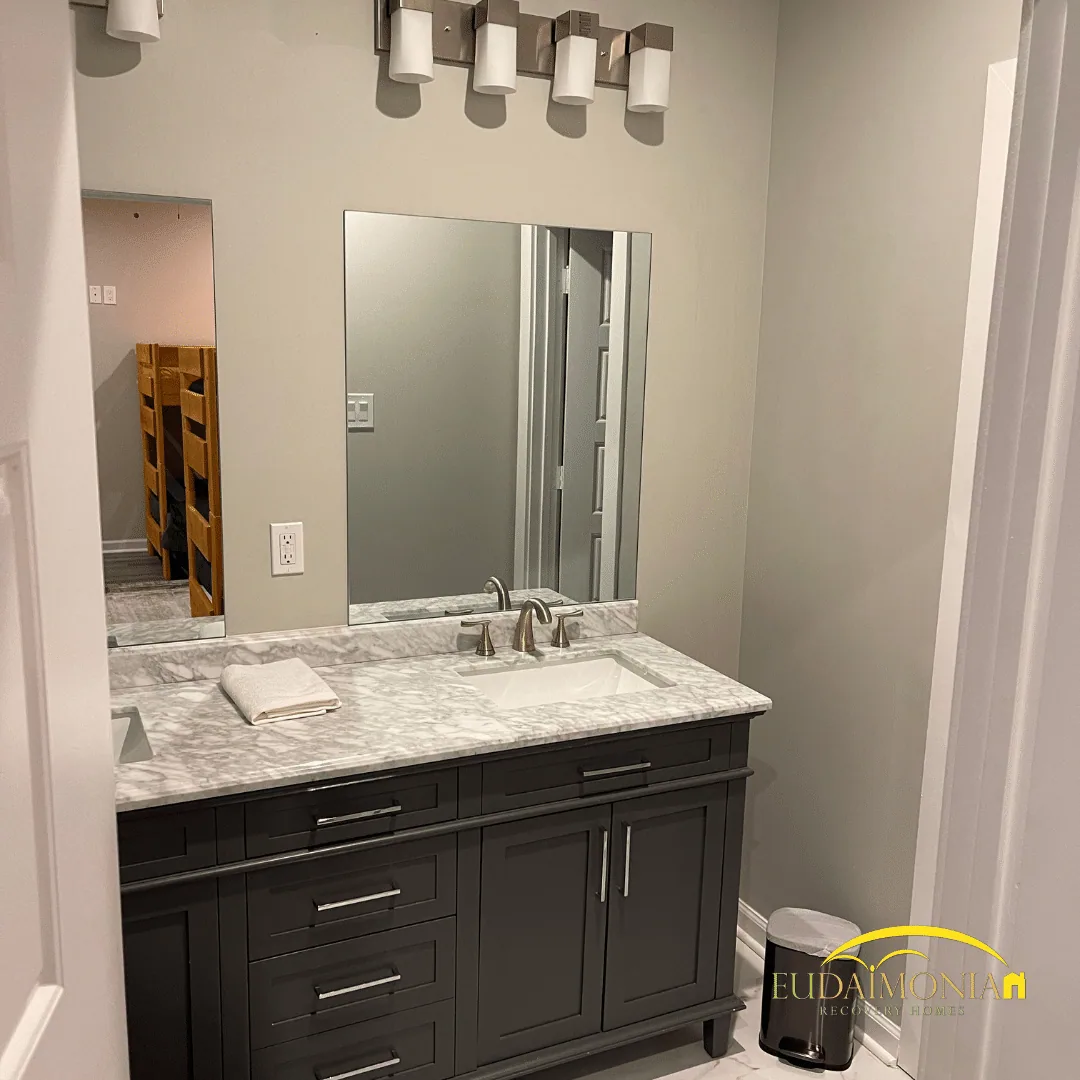


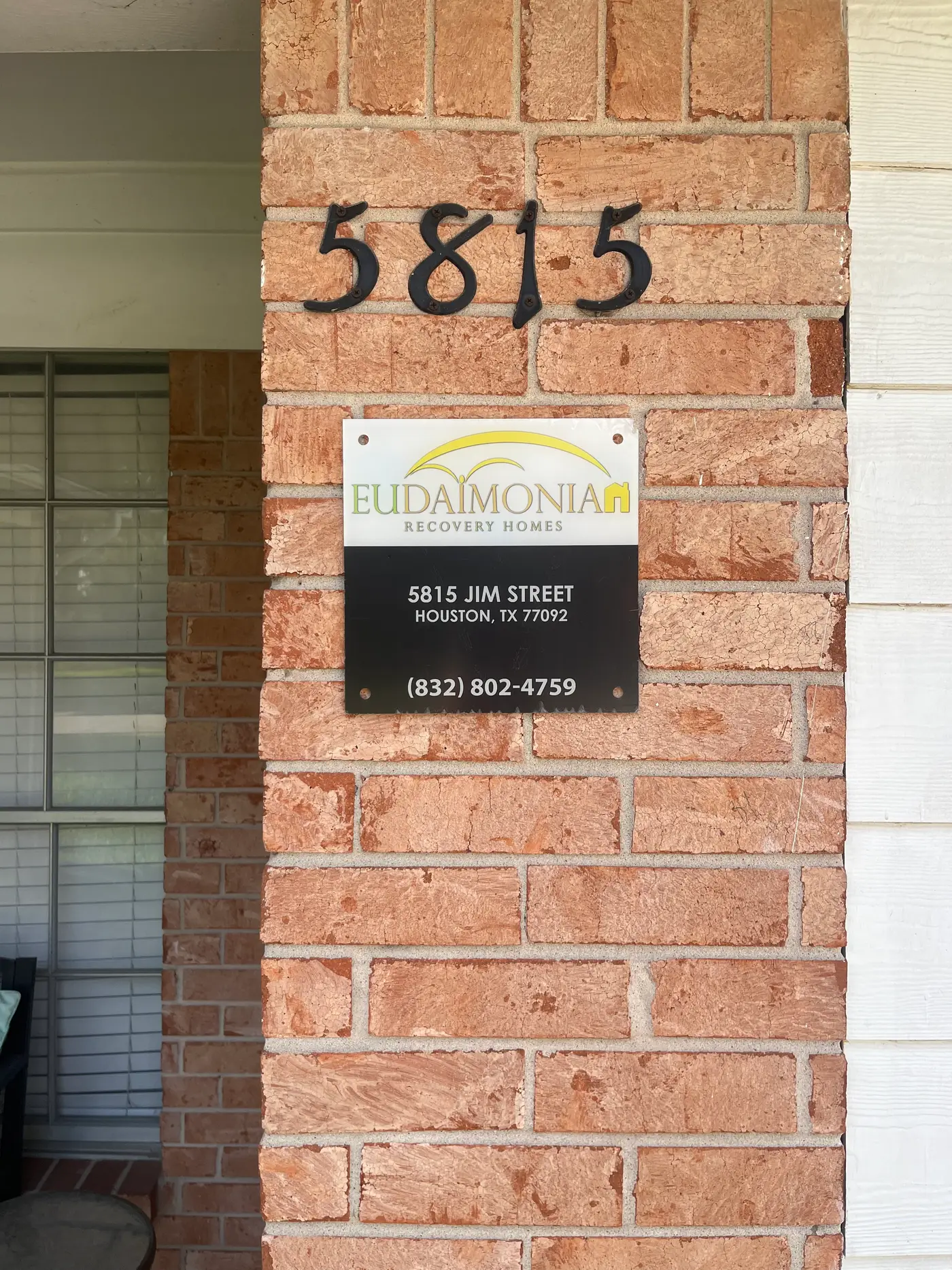
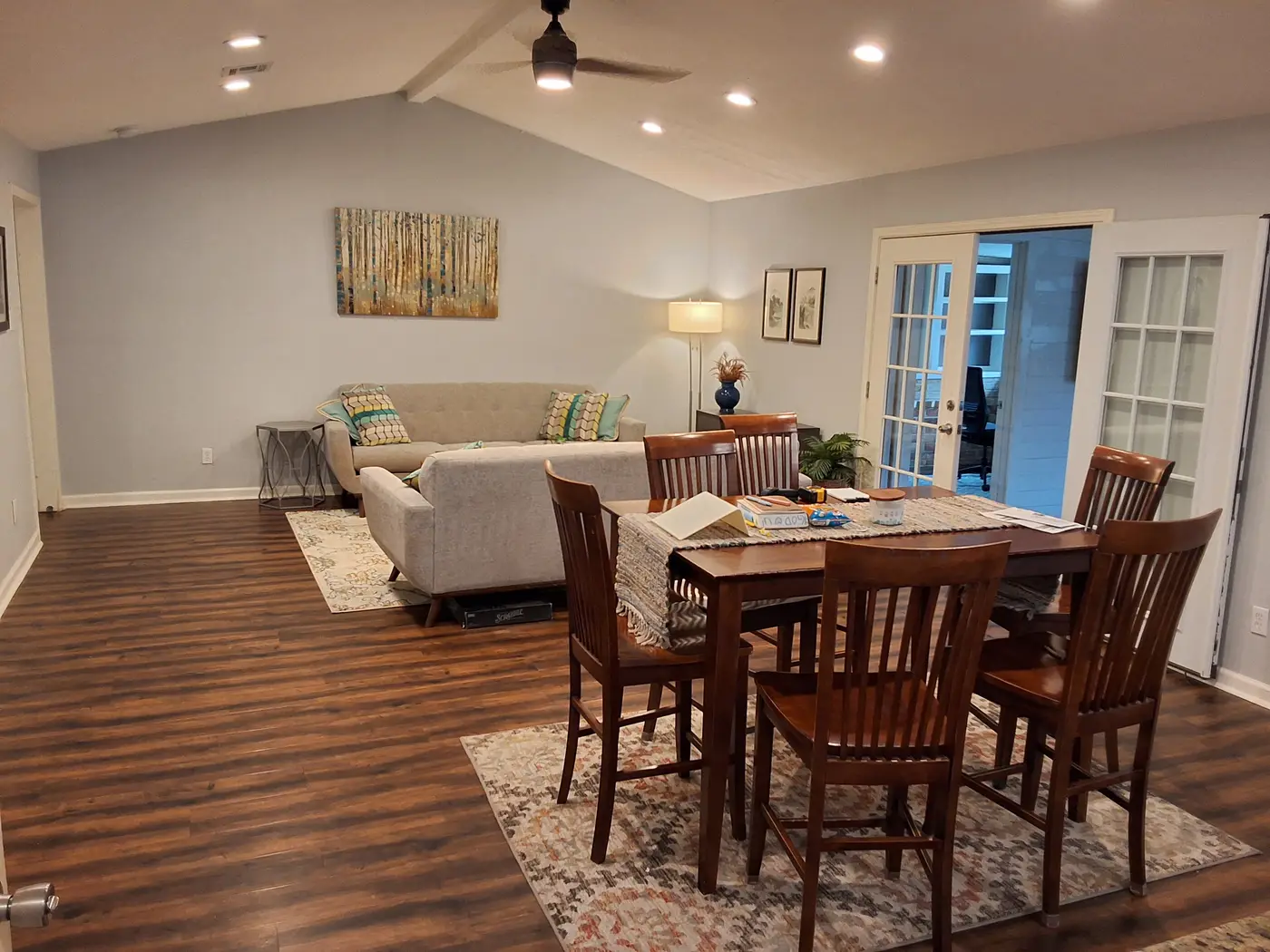
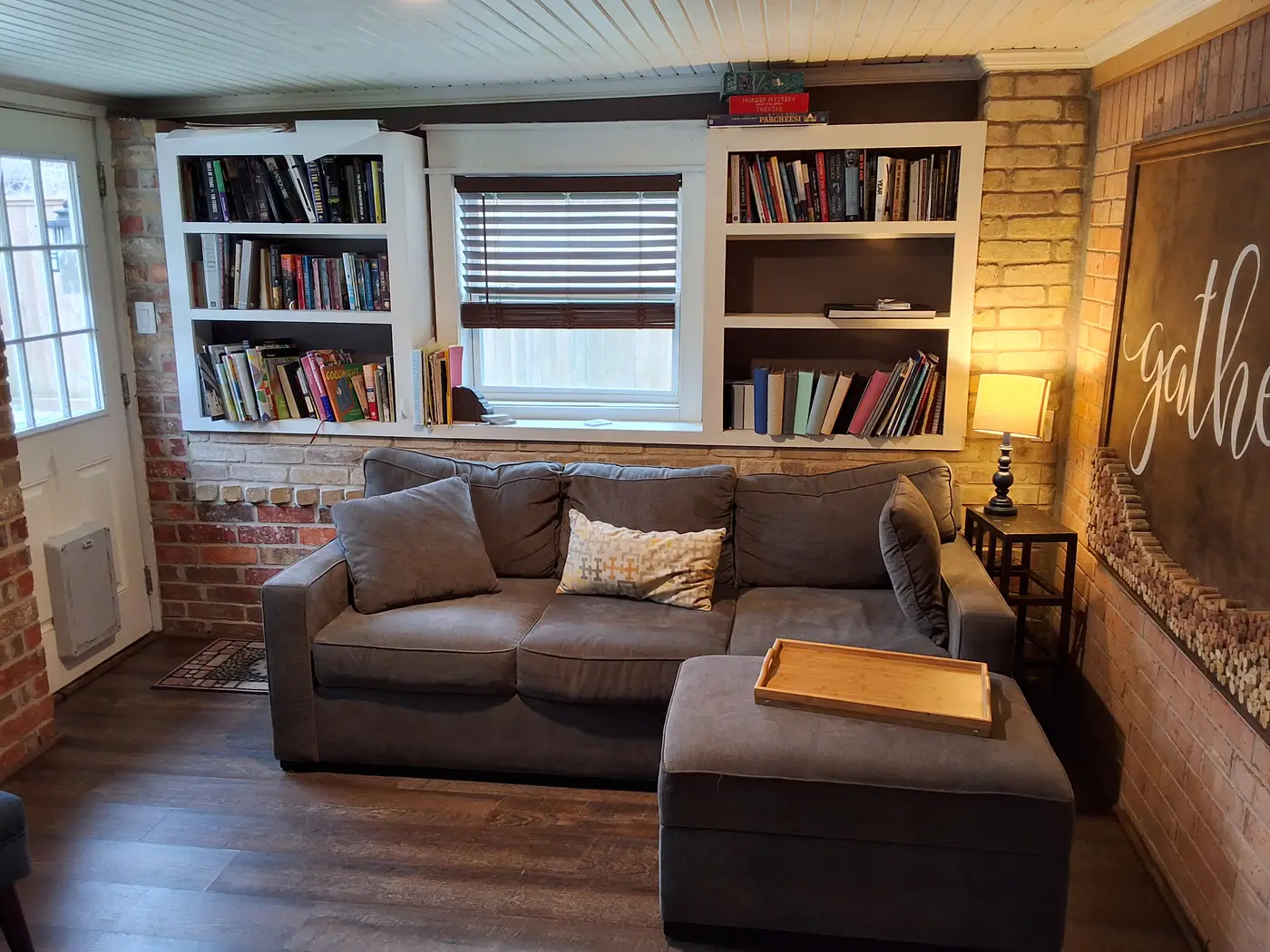
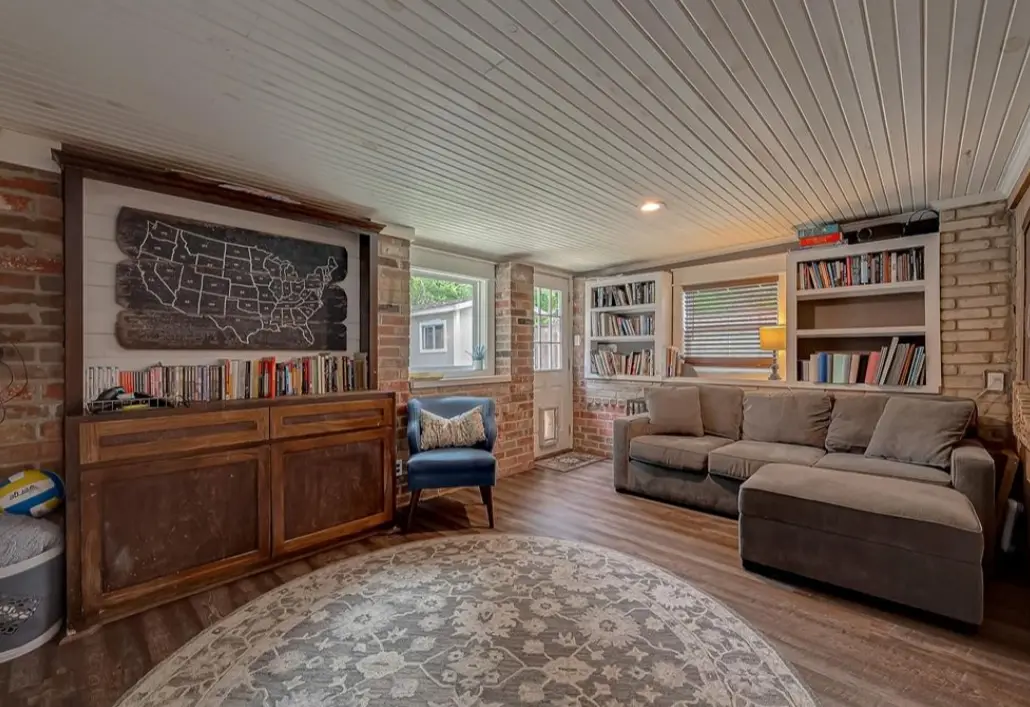
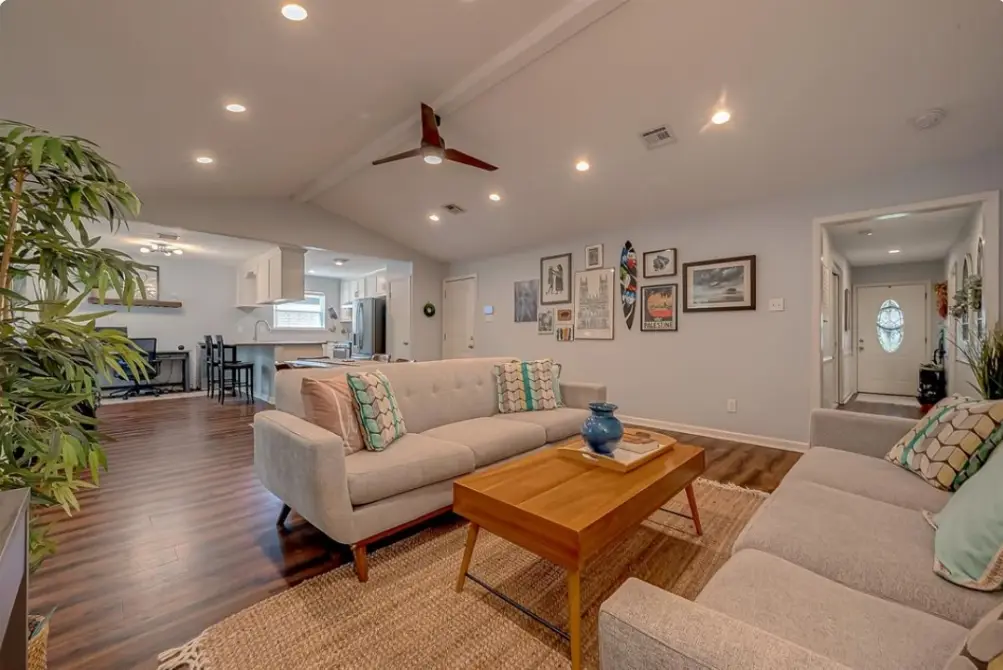
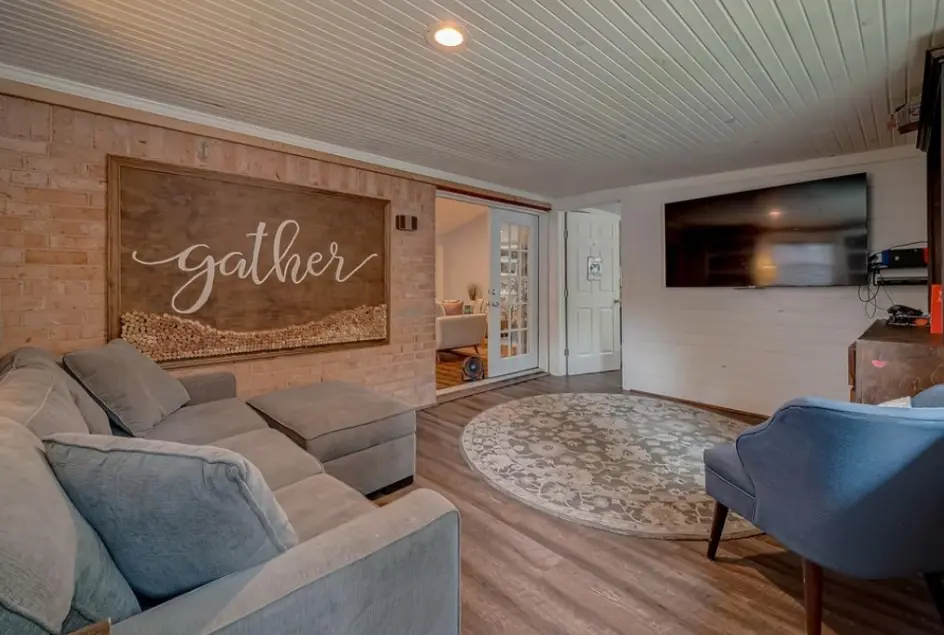
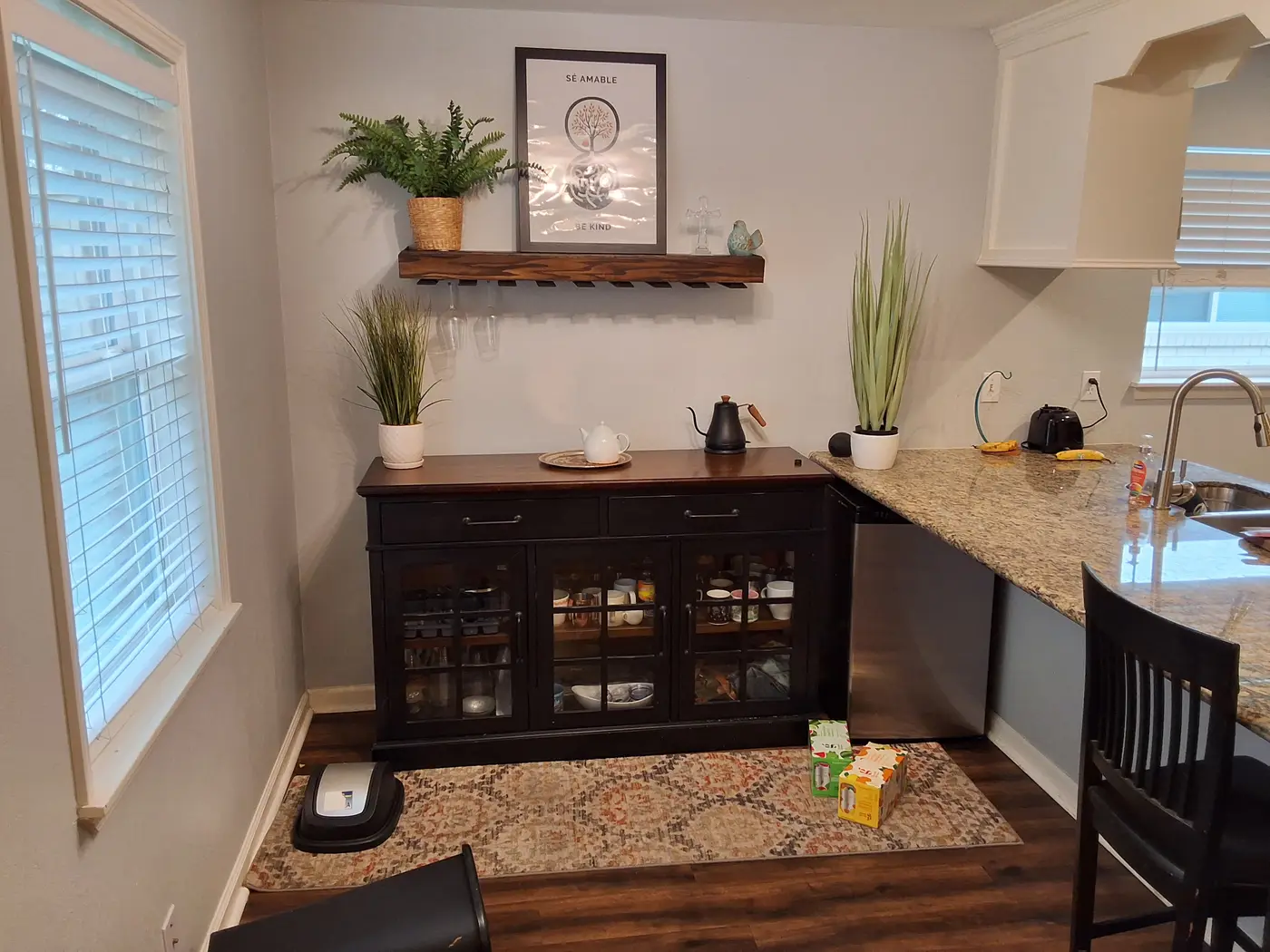
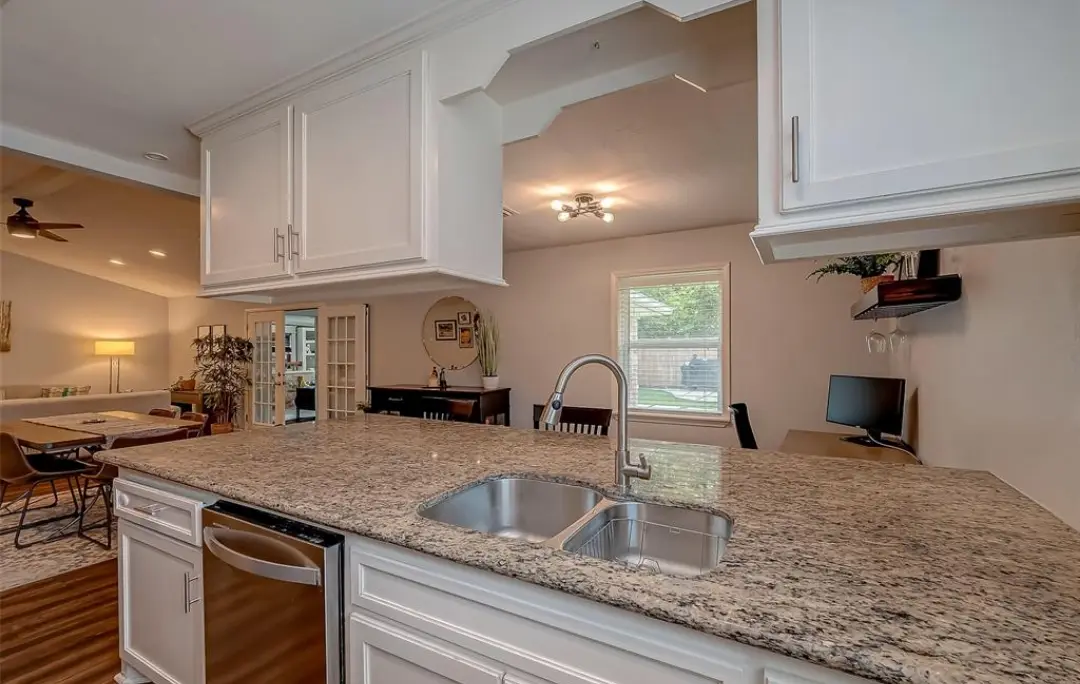
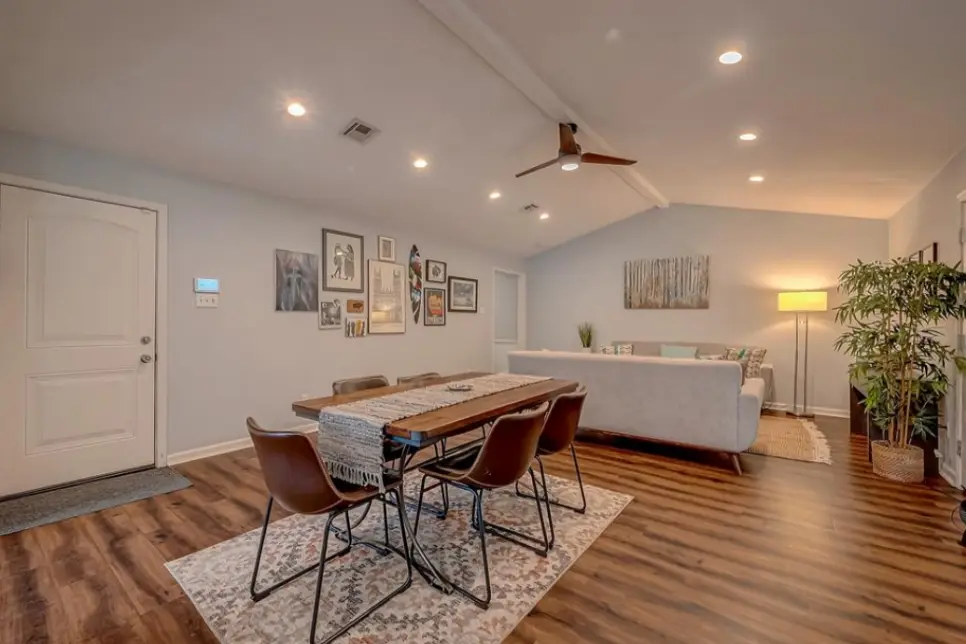
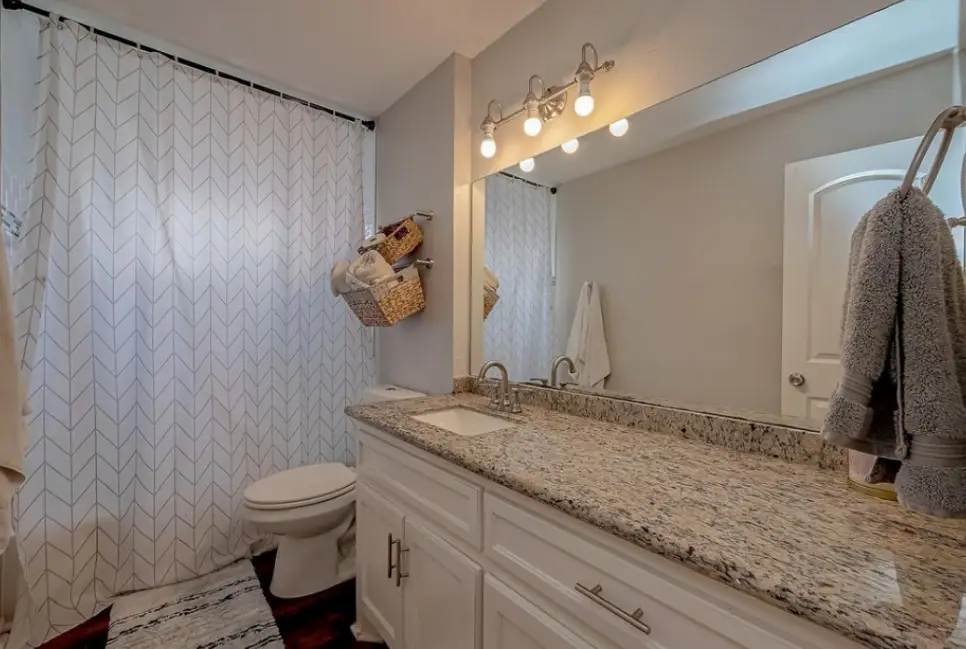
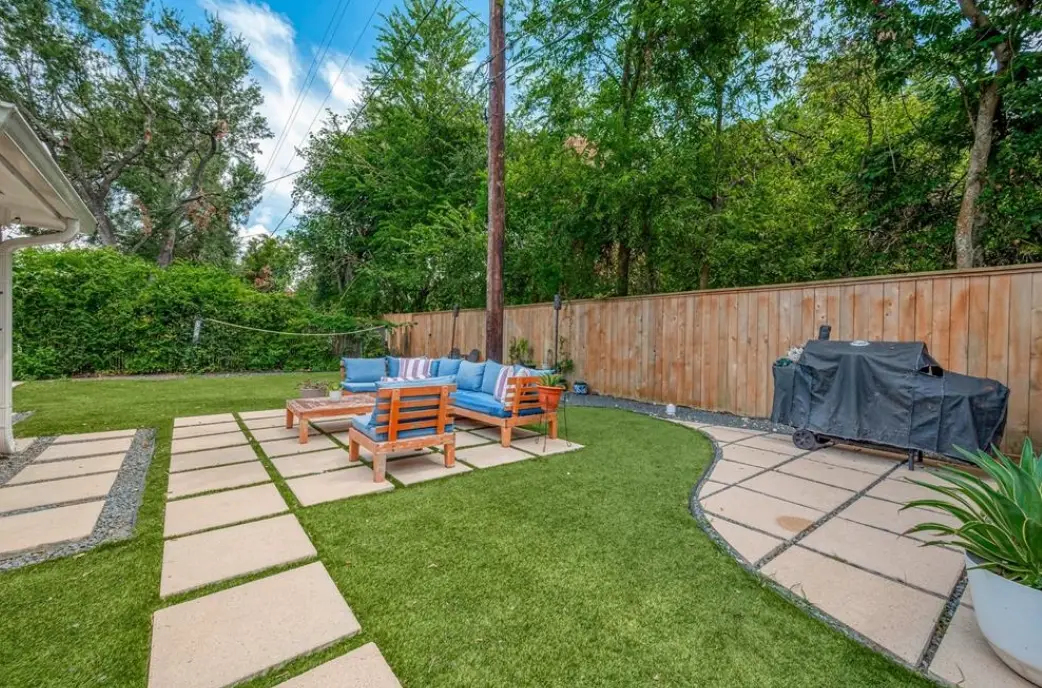
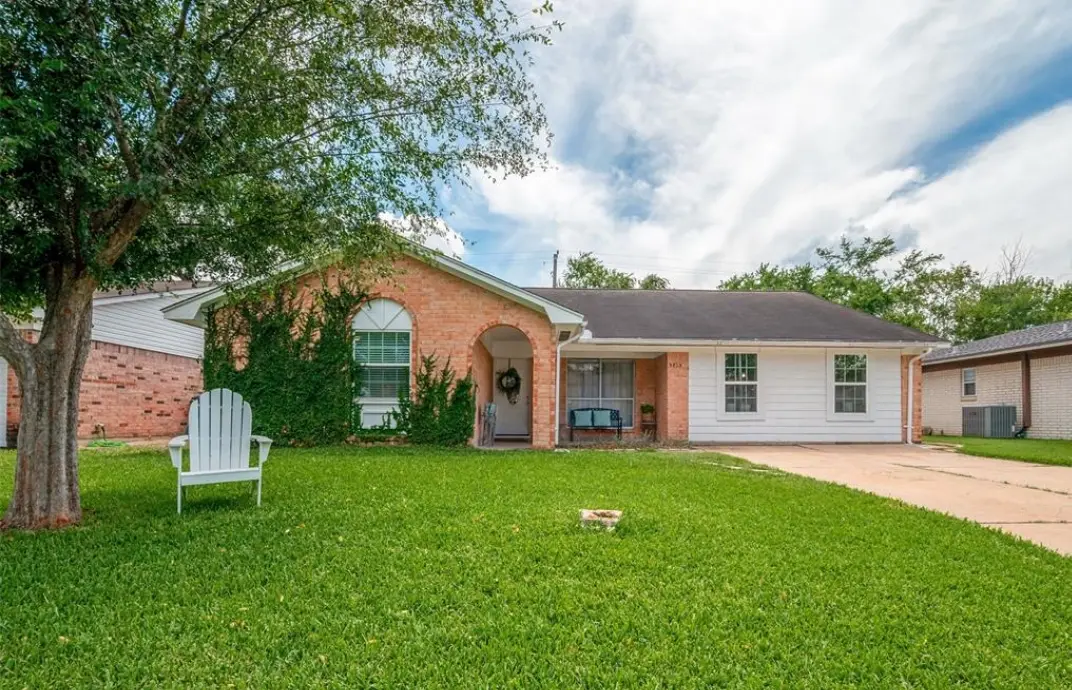
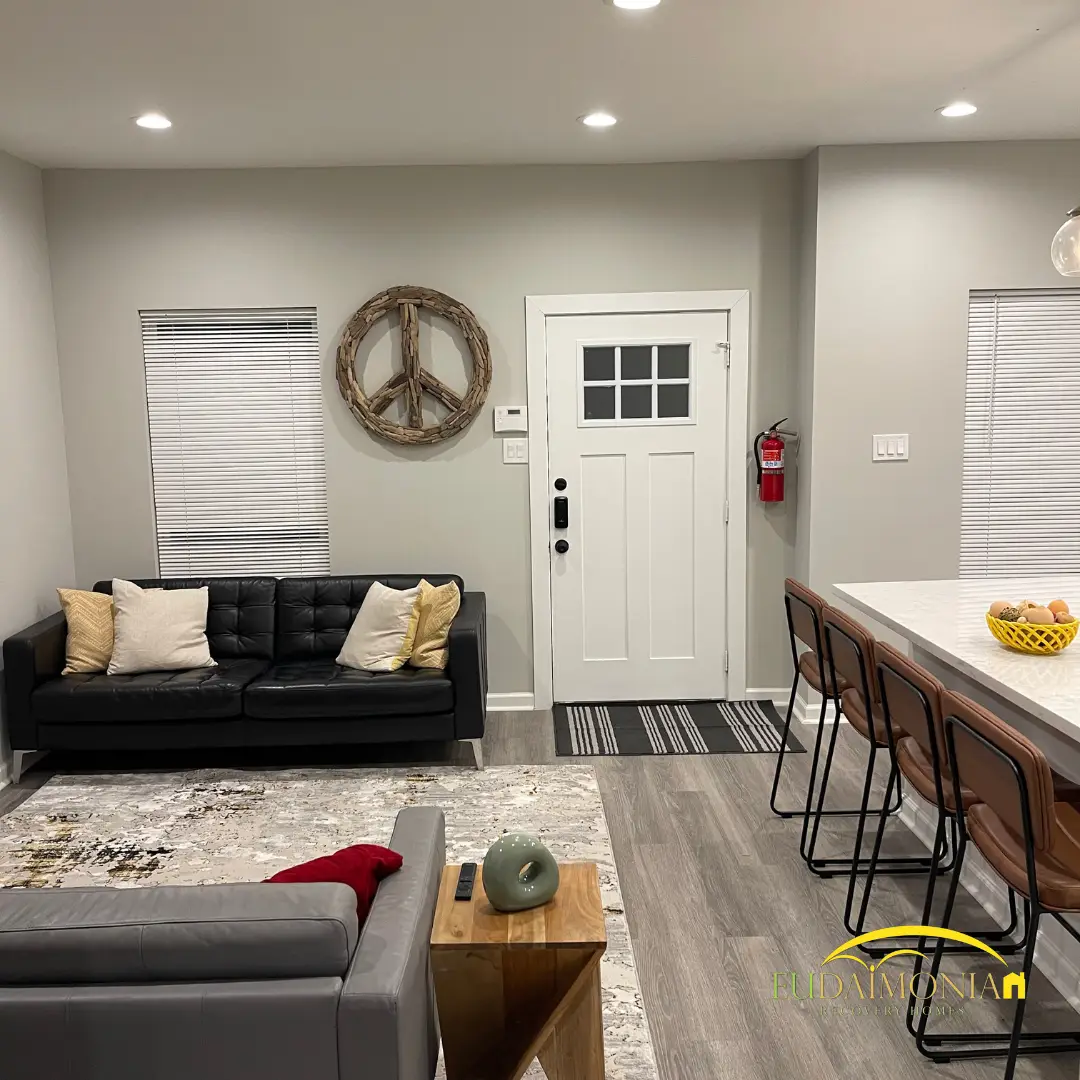
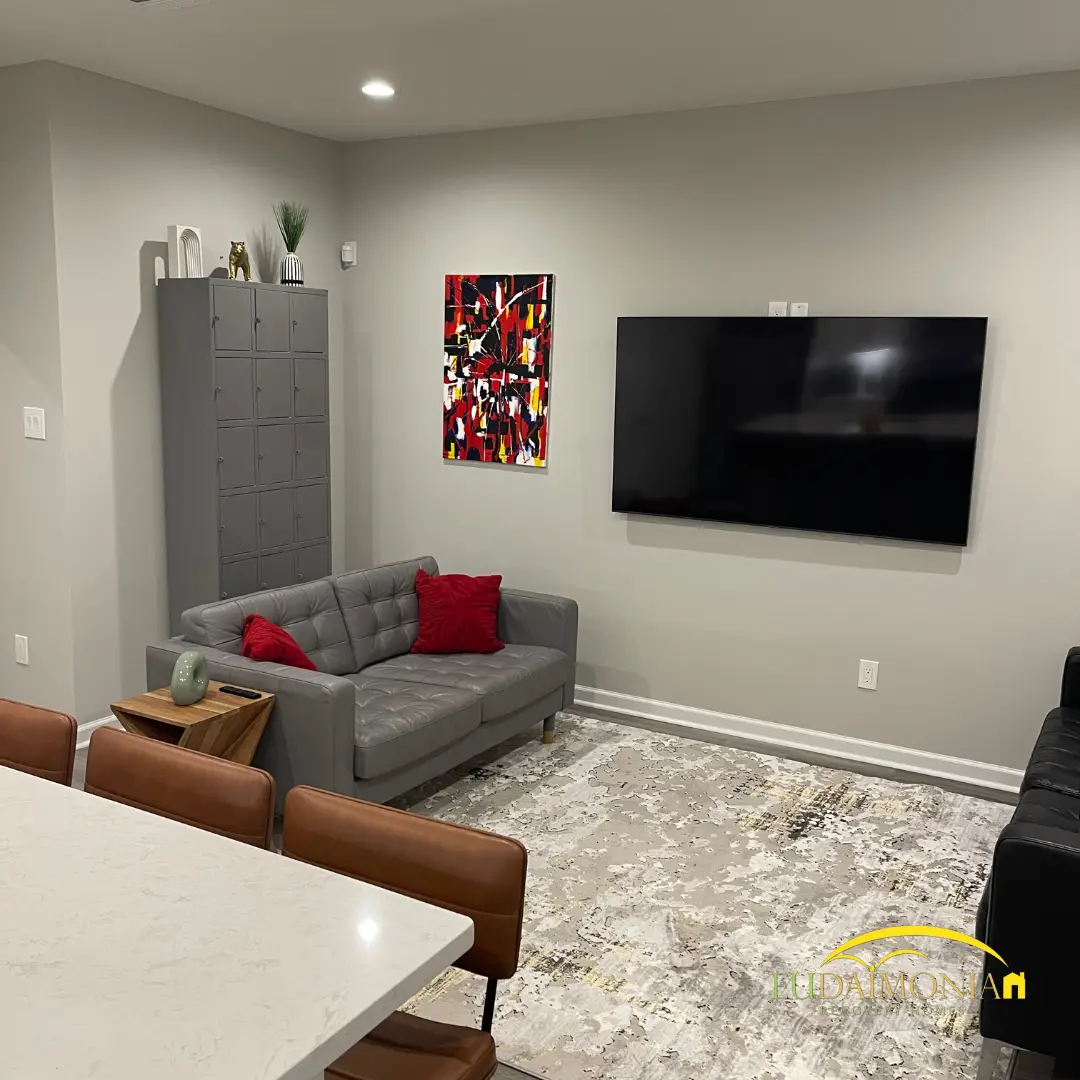
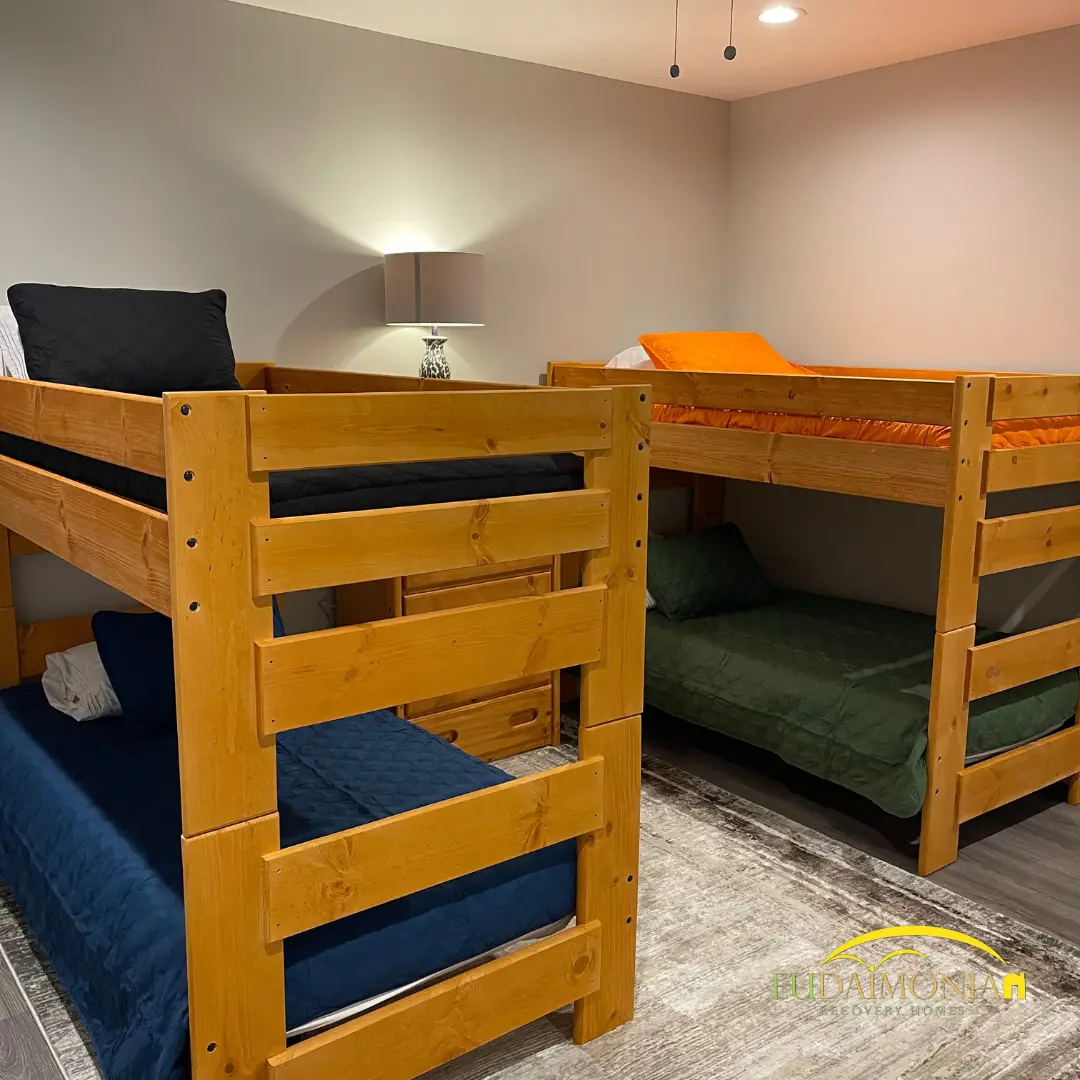
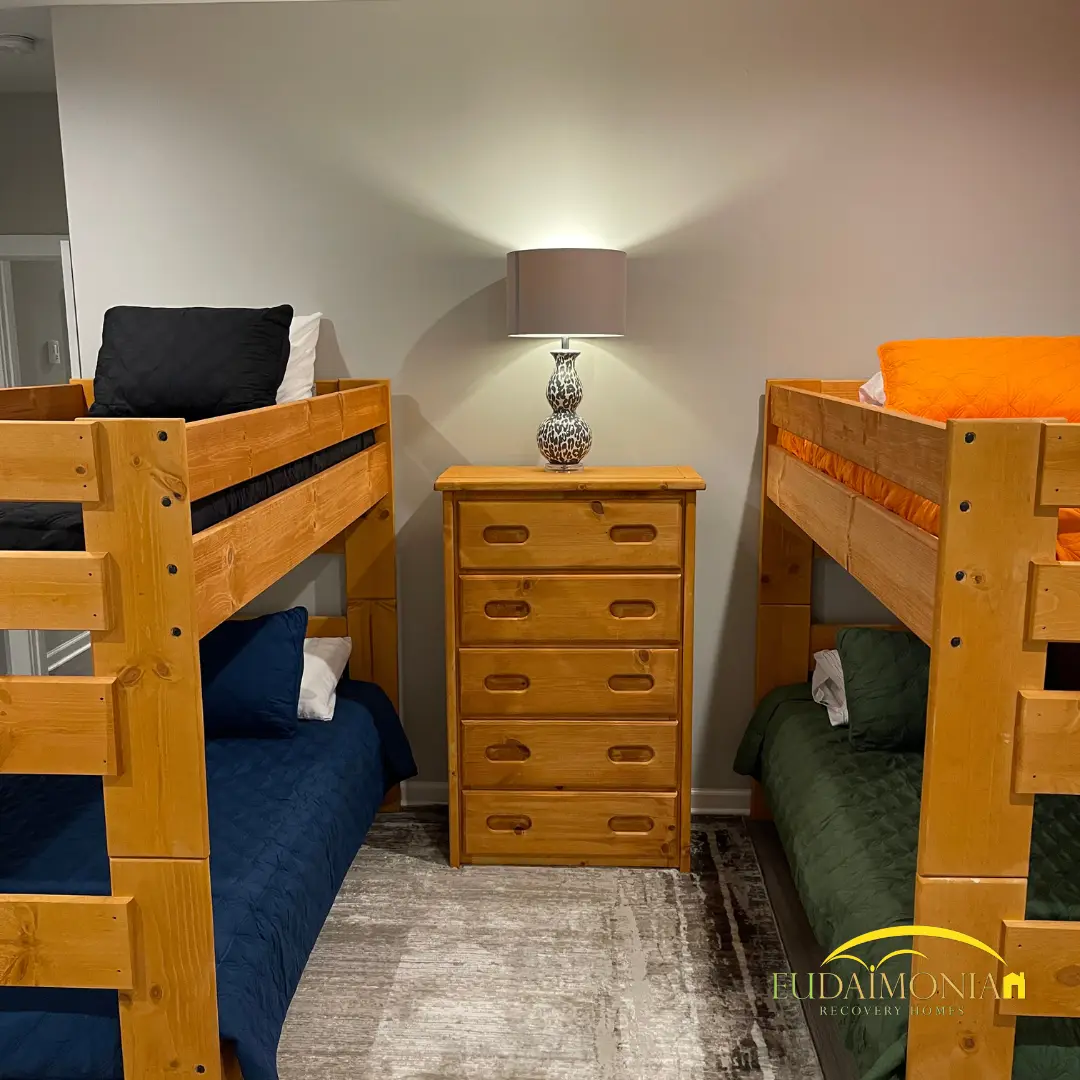
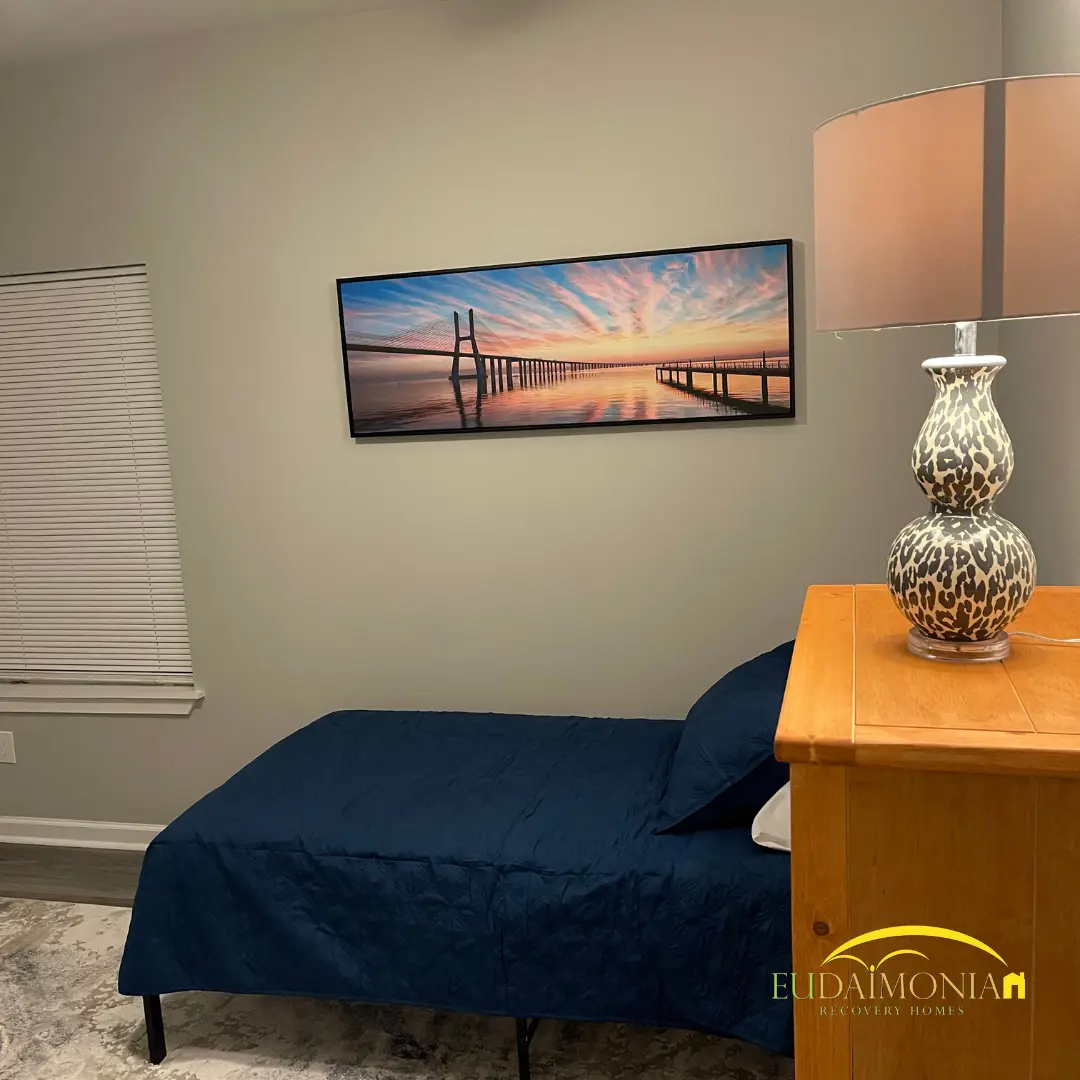
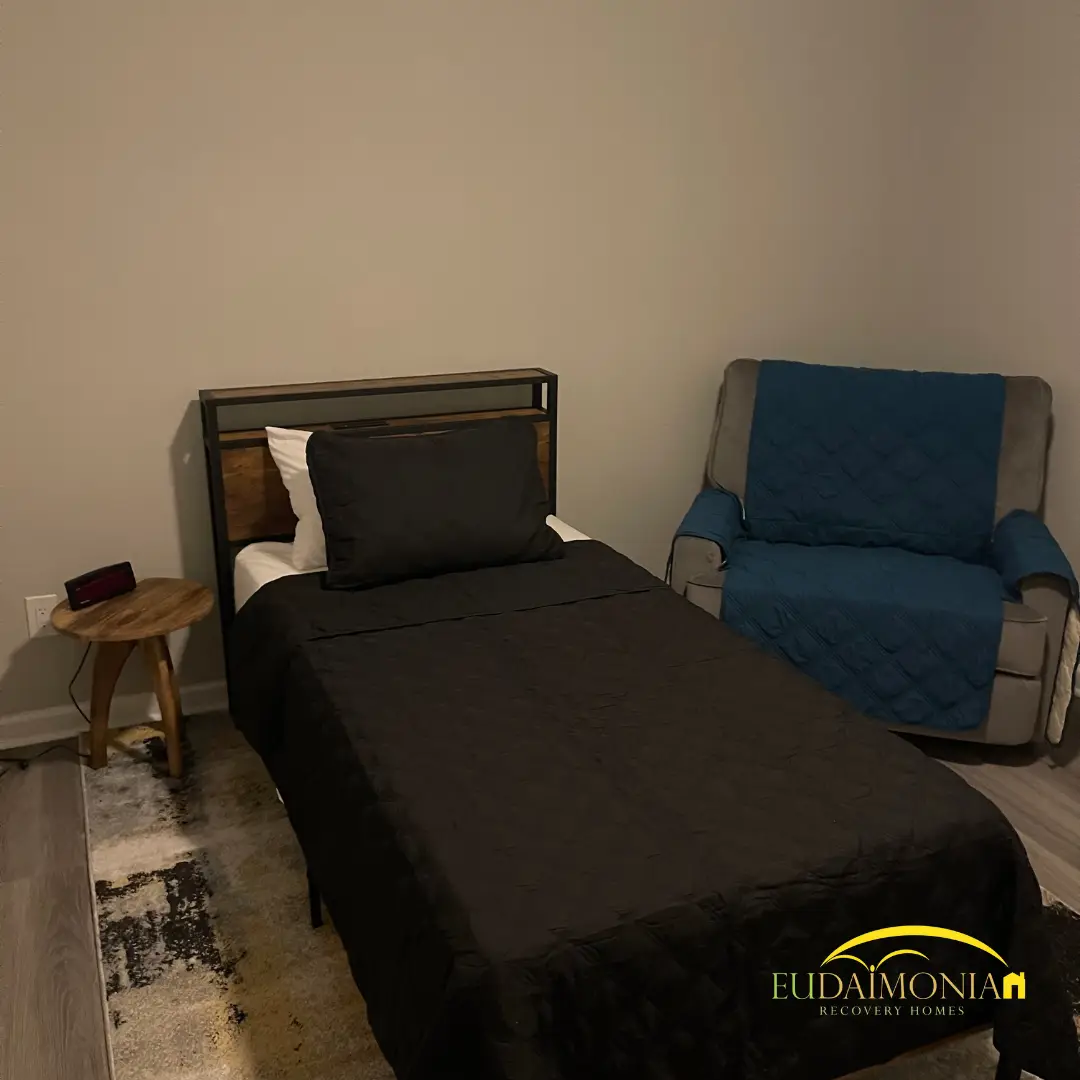
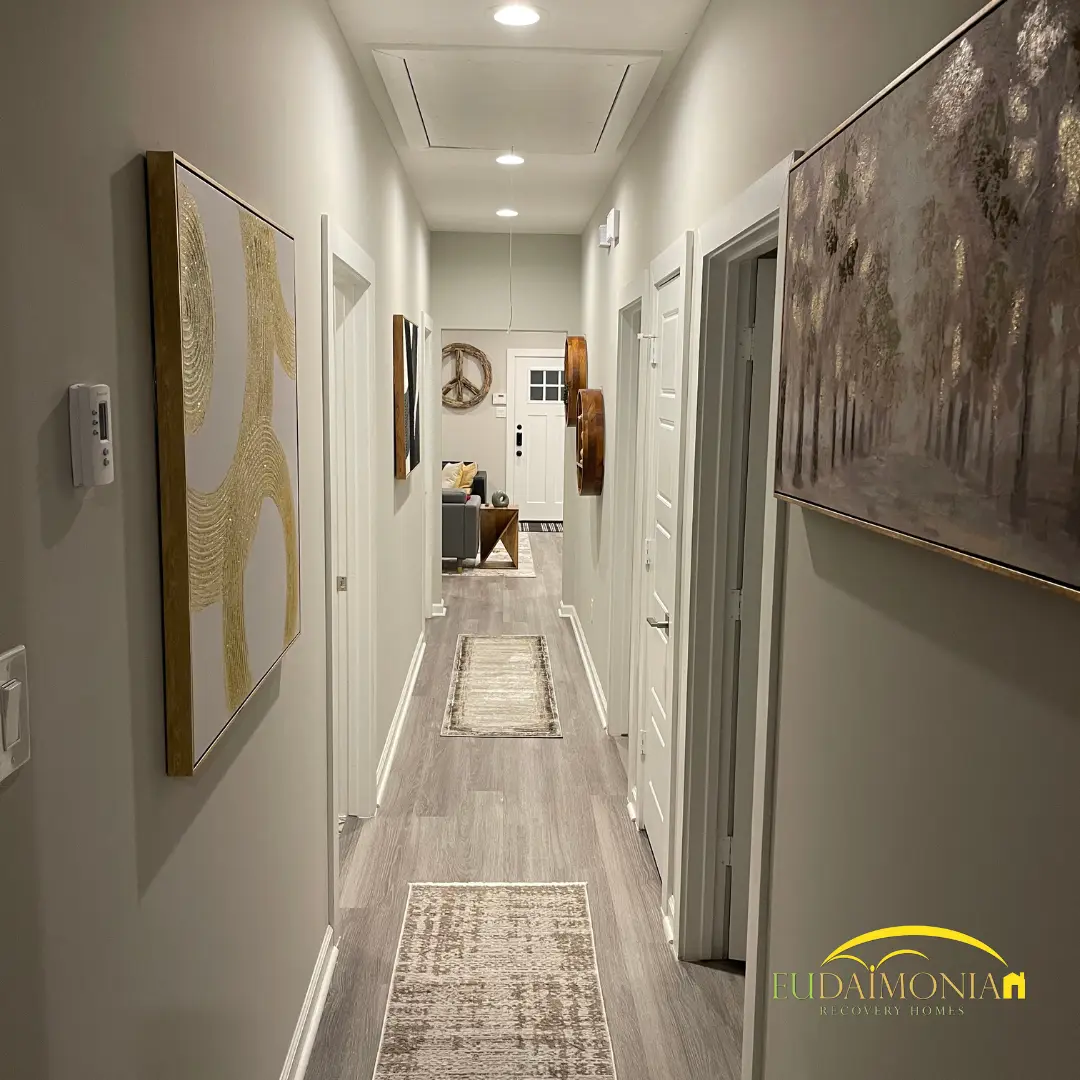
What sober living is like at our Houston houses
We have four houses in Houston, each for either men or women:
- Houston Heights, for men
- Spring Branch, for women
- Two houses in South Houston, including Liverpool Street, for men
Every resident signs the same program agreement. Its commitments include:
- Keeping the house free of alcohol, drugs and all mind-altering substances, and taking part in drug and alcohol screening.
- Attending three recovery meetings a week and getting a permanent sponsor.
- Attending the weekly community meeting and doing your share of house tasks.
- Having a job at an employer that does not serve alcohol, being enrolled in education, or volunteering with a nonprofit. Life skills planning is held at 9 a.m. on business days with a designated life coach.
- Working your phase program with an AMP coach.
- Buying your own groceries, doing your own laundry and keeping to any prescribed medication.
- Observing quiet time and visitation hours, and not dating other residents at any of our locations.
You can read all twelve commitments, word for word, on our community rules page. It is worth doing before you apply: those rules are what the day-to-day life is.
It is housing, not treatment. We do not provide detox, therapy or medical care. If you are still physically dependent on alcohol or drugs, you need medical detox first.
How to compare halfway houses and sober living in Houston
Whichever kind of place you are looking at, these questions sort the good from the bad quickly:
- Who decides whether I can live here? If the answer is a parole officer or the Bureau of Prisons, you are looking at a placement, not an application.
- Can I read the full agreement before I commit? The rules, the fees and what happens if you break them should all be in writing.
- How is testing done, and how often? A house that does not test is not really a sober house.
- What happens after a relapse, mine or someone else’s? The answer should be clear and the same for everyone.
- What does the rent include? Get the monthly cost and what it covers in writing, and ask for receipts.
- Can I keep my job and my schedule? Work and school should fit around the house, not the other way round.
Walk away from a house that has no written agreement, takes cash without receipts, or promises that living there will satisfy your parole or court conditions without your officer confirming it. For the downsides of sober living itself, see the real problems with sober living.