

Published November 19, 2025 · Updated August 5, 2026
Key Takeaways
- Confirm custody first to decide whether to use Texas (TDCJ) or federal (BOP) search tools.
- If state TDCJ, use the TDCJ Offender Search and contact Parole/DRC offices for RRC status and instructions.
- If federal custody, use the BOP Inmate Locator and contact the local RRM office for RRC details.
- Respect privacy rules because halfway houses may confirm status only for approved contacts and visitors.
- Texas RRC basics explain how contracted Residential Reentry Centers support supervision, work, and reentry.
- Federal RRC overview covers structure, services offered, and the oversight role of RRM offices.
- Sober living defined clarifies that recovery residences are not corrections housing and emphasize peer support.
- Costs in Houston vary by neighborhood, room type, and amenities; verify deposits and inclusions in writing.
- Common house rules include testing, curfews, meeting participation, and work or school progress.
- Neighborhoods and access matter for jobs, transit, meetings, and everyday supports that aid recovery.
- NARR standards matter for quality, levels of support, and consumer protections across Texas.
- Choosing a home means checking safety, services, and housing details against personal needs and goals.
On This Page · 27 Sections
What “halfway house” means in Texas (and how it differs from sober living)
State Residential Reentry Centers (RRCs)
TDCJ’s Parole Division places eligible people into contracted Residential Reentry Centers, Texas’s term for halfway housesTo support supervision, work, and transition to the community. Placement is coordinated by the Huntsville Placement & Release Unit.
Federal Residential Reentry Centers
The Federal Bureau of Prisons uses RRCs before release and manages them through local Residential Reentry Management (RRM) field offices. The BOP describes RRCs as structured, supervised environments with services such as employment help and financial management assistance.
Community sober living (recovery residences)
Sober living homes are not correctional facilities. They are alcohol‑ and drug‑free residences that emphasize peer support and house rules. Quality homes align to the National Alliance for Recovery Residences (NARR) standards and “levels of support.”
If you’re weighing options in the city, see our guide to halfway houses vs. sober living in Houston for a side‑by‑side comparison of requirements, supervision, and daily structure.
Step‑by‑step: how to find someone in a Texas halfway house
1) Confirm whether the person is in state or federal custody
- State (TDCJ): People exiting Texas prisons/jails to reentry under parole may be placed in a state‑contracted RRC.
- Federal (BOP): People exiting federal custody may be assigned to an RRC, managed by a local RRM office.
2) If state (TDCJ) custody applies
- Use the TDCJ online search to find current custody information. Records include location details; if the person is assigned to community reentry, the listing may direct you to parole contacts.
- Call the Parole Division or the District Reentry Center (DRC) in the region where the person was released; these offices coordinate programming and may confirm status consistent with privacy rules.
- Know the terms: TDCJ materials refer to “Residential Reentry Centers (halfway houses)” and “Transitional Treatment Centers (TTCs),” which provide substance‑use aftercare for some parolees.
3) If federal (BOP) custody applies
- Check the BOP Inmate Locator. The BOP Inmate Locator will show the person’s current federal status and whether they are assigned to an RRC or RRM office. When a record shows “Community Corrections/CCM” or “RRM,” it indicates placement associated with a contract halfway house.
- Identify the local RRM office and consult the RRC contact directory for the appropriate facility contact details.
- Call or email the RRM/RRC, understanding that staff may require you to be an approved contact to receive confirmation.
Respect privacy and security rules
Halfway houses, state or federal, follow policies that balance reentry with safety. Staff may limit information, restrict visiting until approval, or require residents to initiate contact. BOP and TDCJ publish general contact routes for questions.
Sober living in Houston, TX: what to expect
This section focuses on sober living Houston TX, community recovery housing that is distinct from correctional halfway houses.
Cost & payments
Publicly available ranges for sober living Houston Texas run about $600: $1,600 per month, varying by neighborhood, room type (shared vs. Private), and amenities. Utilities are often bundled. Housing itself is usually self‑pay; if paired with outpatient treatment, the clinical services may be insurance‑billable while rent remains separate. Verify inclusions, deposits, and house rules up front. For a deeper breakdown of fees, rules, and accreditation standards in the city, read our Houston sober living guide.
Rules you’ll likely see
Most homes use clear expectations to keep a recovery‑focused environment: drug/alcohol testing, curfews, meeting participation, employment or school progress, chores, and guest policies. These align with best‑practice standards used across recovery residences.
Neighborhoods & access
Recovery residences are dispersed around the metro. Public pages commonly reference clusters in or near The Heights, Spring Branch, Montrose/Midtown, Northwest Houston/Cy‑Fair, and Pasadena. Always confirm current addresses and vacancy by contacting the home directly.
NARR standards and Texas context
NARR defines four “levels of support,” from peer‑run to service‑provider models. In Texas, the Texas Recovery Oriented Housing Network (TROHN) is the statewide NARR affiliate for certification and consumer protection functions. Ask homes which level they operate and whether they follow NARR/TROHN guidance. The NARR National Standards outline quality benchmarks used by recovery residences across the United States.
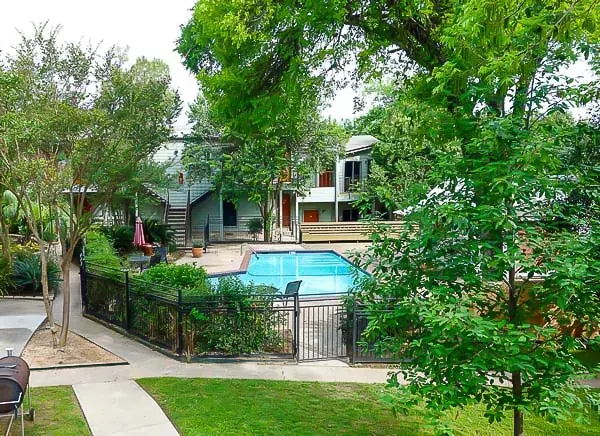
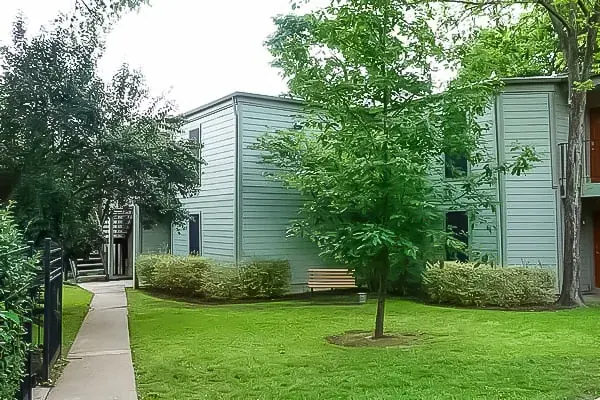
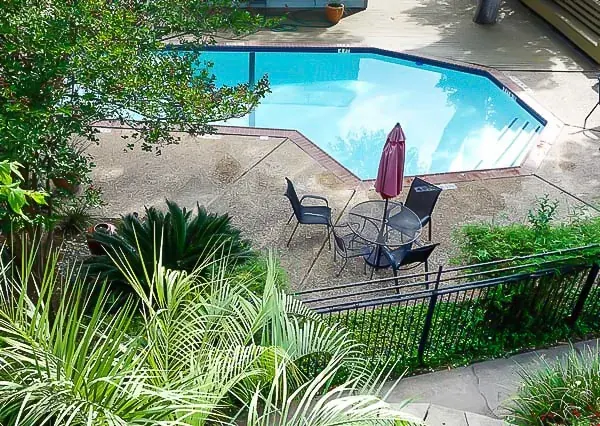
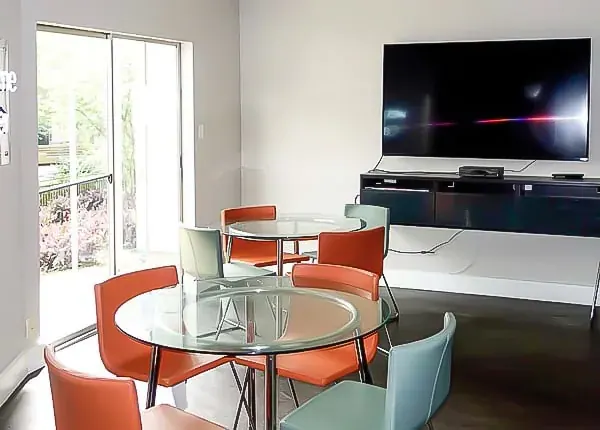
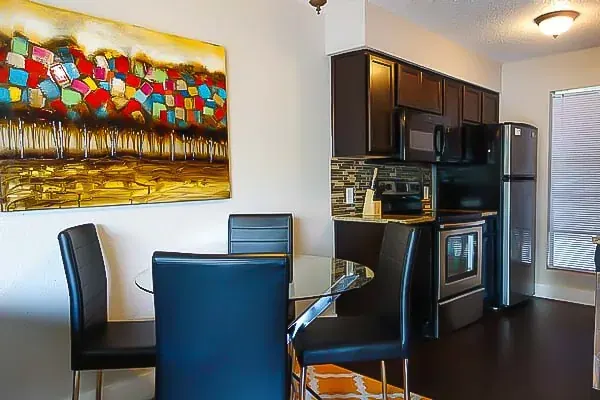
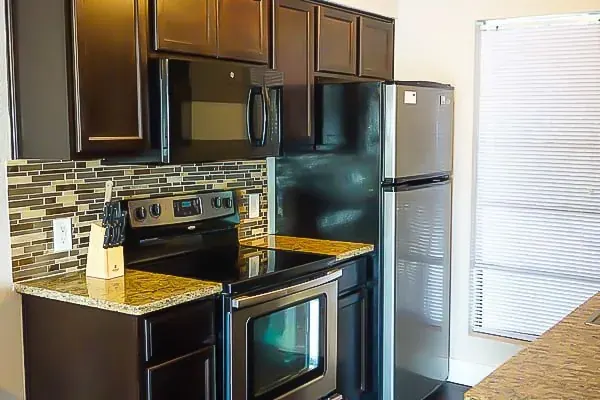
Inside Rustic Creek, our Austin flagship


Choosing sober living in Houston: a simple checklist
Fit and safety
- Written resident handbook and rules
- Regular testing and accountability practices
- Clear grievance and discharge policies aligned to NARR principle
Services and coordination
- Peer support and house meetings
- Linkage to outpatient care, counseling, and/or mutual‑aid meetings
- Employment support and transportation options
Housing details
- Room type and total occupancy
- Neighborhood access to jobs, public transit, and grocery stores
- Transparent pricing (rent, deposits, fees) with what’s included
If you’re ready to explore availability, review our structured sober living homes in Houston and see what a typical day, rules, and amenities look like.
Visiting, calls, and mail: halfway houses vs. sober living
Halfway houses (RRCs): Visiting and communications are governed by correctional policy and facility rules; residents may need to add you to an approved list. For federal placements, local RRM offices oversee the contracts and can provide general guidance or routes for contact. For state placements, the Parole Division and DRCs provide the applicable instructions.
Sober living homes: Policies vary by operator. Many allow visitors during set hours, with expectations around sobriety and respect for house rules. Ask to review the visitor policy before move‑in. (Standards emphasize resident rights and safety.)
Medical Disclaimer
The information on this page is intended for general educational purposes only and should not be considered a substitute for professional medical, legal, or mental health advice. Policies for halfway houses, residential reentry centers, and sober living homes vary, and individual situations may require guidance from qualified professionals. Do not rely on this content to make decisions about medical care, mental health treatment, or legal matters related to supervision or reentry. If you have questions about a loved one’s health, medications, or safety, consult a licensed healthcare provider. If you are experiencing a mental health crisis, thoughts of self-harm, or any life-threatening emergency, call 911 in the United States or seek immediate help. For confidential mental health support, you may contact the Suicide & Crisis Lifeline by dialing 988 at any time.
Select Our 1010 Waverly St, Houston, TX Location
Select LocationVisit Our 6824 Dumble St, Houston, TX Location
Select LocationChoose Our 5815 Jim St, Houston, TX Location
Select LocationEudaimonia's Success Stories – Real People, Real Freedom
How Eudaimonia Recovery Homes Can Help with Finding Someone in a Texas Halfway House
Eudaimonia Recovery Homes can serve as a neutral guide when you are trying to locate a loved one in a Texas halfway house. Their team explains the difference between residential reentry centers and sober living, so you know which agencies to contact. They can walk you through public tools such as the state offender search or the federal inmate locator.
They also clarify what the results mean. Because halfway house rosters are not public, they do not request private information on your behalf. Instead, they show you how to reach the correct parole or Residential Reentry Management office and what details to have ready. If your loved one requests contact, they help you plan next steps, such as setting up safe communication and arranging transportation or housing after release.
They outline sober living options in Houston, TX, including expectations, costs, and how to align housing with outpatient care. For families who need structure after reentry, they explain how a transition from a halfway house to a sober living home works and what approvals are required. Throughout the process, they keep the focus on safety, privacy, and realistic timelines.
Your Future Is Waiting
Tell us what you are looking for and admissions will walk you through the houses, the phases, and what a room actually costs.