

Published November 11, 2025 · Updated February 18, 2026
Key Takeaways
- Know the difference between TDCJ halfway houses and sober living so you can match the setting to your supervision status and recovery plan.
- Check TDCJ listings to understand Residential Reentry Centers, placement criteria, and expectations.
- Compare accountability by reviewing curfews, testing, and program structure across options.
- Leverage sober living when you need structure, peer support, and flexibility to work or study.
- Ask parole first and present documentation if you want approval to use structured sober living.
- Follow the steps to get approved, from confirming requirements to assembling documents and referrals.
- Prepare for RRCs if a halfway house is required, including rules, fees, and pass procedures.
- Document house rules For sober living: testing cadence, curfews, visitors, and chores.
- Verify costs early by asking about room type, deposits, testing fees, and notice periods.
- Use treatment locators like FindTreatment.gov to pair clinical care with housing.
- Call 2‑1‑1 Texas for navigation to statewide resources that support stability.
- Consider Eudaimonia Houston if you want structured, neighborhood‑based sober living with on‑site support.
On This Page · 21 Sections
Sober Living
Houston
1010 Waverly St, Houston, TX
Halfway Houses vs. Sober Living in Houston
When you compare halfway houses and sober living in Houston, the main question is which setting matches your parole status, recovery plan, and timeline. Understanding how the Texas Department of Criminal Justice (TDCJ) places people into Residential Reentry Centers (halfway houses) and how structured sober living programs operate will help you choose the best path. This guide explains both, shows when each makes sense, and outlines practical steps to get approved.
What Is a TDCJ‑Contracted Halfway House in Houston?
TDCJ contracts with Residential Reentry Centers (RRCs), commonly called halfway houses, for people who are under community supervision and need a structured, monitored place to live. The best starting point to learn about availability and requirements is the Texas Department of Criminal Justice Residential Reentry Centers. These facilities focus on reentry compliance, curfews, check‑ins, and program participation, rather than long‑term clinical care. If you’re comparing models, review Sober House: Everything You Need To Know to see how halfway houses differ from recovery‑oriented housing.
Key Features of TDCJ Halfway Houses
- Supervision aligned with parole requirements (e.g., curfews, passes)
- Mandatory drug/alcohol testing and program attendance
- Limited freedoms compared with independent housing
- Focus on stabilization and compliance during reintegration
- Time‑limited stay determined by supervision needs and placement decisions
Who Typically Qualifies and For How Long?
Halfway house placement is usually reserved for people on parole or mandatory supervision who need structured housing to meet conditions of release. Length of stay varies by case plan, availability, and risk/needs assessments. Confirm specifics with your parole officer or case manager before you make other housing plans.
How Sober Living Homes Differ, and When They Fit Best
Sober living homes provide a substance‑free, accountability‑based environment that bridges residential treatment and independent living. Residents agree to testing, house rules, and community participation while they work, attend school, or engage in outpatient care. If you’re seeking a Houston program designed around structure and community, explore Eudaimonia Recovery Homes in Houston. For a national, clinical context, see SAMHSA Recovery and Recovery Support to understand how recovery housing supports long‑term outcomes.
Core Benefits of Sober Living in Houston
- Drug/alcohol testing plus clear house rules
- Peer accountability with on‑site leadership or management
- Access to local 12‑step and mutual‑aid meetings
- Curfews and chores that reinforce daily structure
- Coaching, case management, or referral pathways for work and school
- Neighborhood locations that support routine and stability
Can Sober Living Satisfy Parole Requirements?
Sometimes. Many parole officers will consider structured sober homes when the program demonstrates testing, curfews, attendance expectations, and staff oversight. Bring documentation that outlines sober living community rules and a program summary so your officer can evaluate it. For common questions on pricing, deposits, move‑in, and expectations, review the sober living admissions FAQ before you call your PO.
Steps to Get Approved for Housing in Houston
- Confirm your supervision status and housing requirements with your parole officer (halfway house required vs. alternative allowed).
- If halfway house placement is required, ask for the current RRC options and any waitlist details from the Texas Department of Criminal Justice Residential Reentry Centers.
- If sober living is allowed, identify three Houston options that meet your needs; start with Eudaimonia Recovery Homes in Houston for availability and rules.
- Collect documents: ID, release papers, employment/school plan (if available), and a summary of house policies (testing, curfews, meetings).
- Line up community care: use FindTreatment.gov to locate outpatient programs, MAT providers, or counseling that complement sober living.
- If you need additional navigation or nonclinical resources, contact 2‑1‑1 Texas for referrals to transportation, workforce, or short‑term assistance.
If You’re Required to Use a Halfway House
- Ask your PO or case manager which RRCs are available in the Houston region and what to bring on admission.
- Clarify passes, curfew, employment search rules, and any program fees.
- Keep a backup housing plan ready in case timelines change.
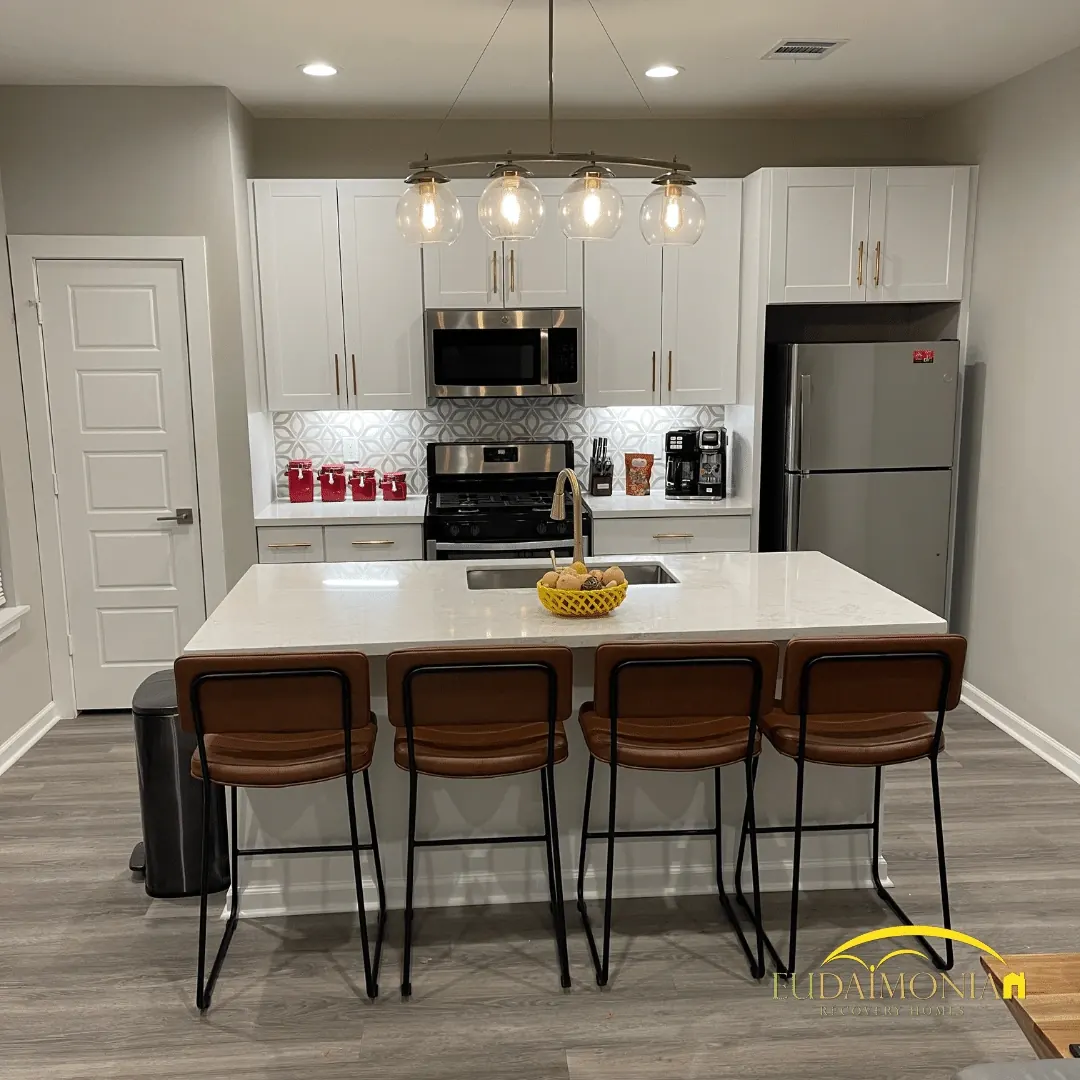
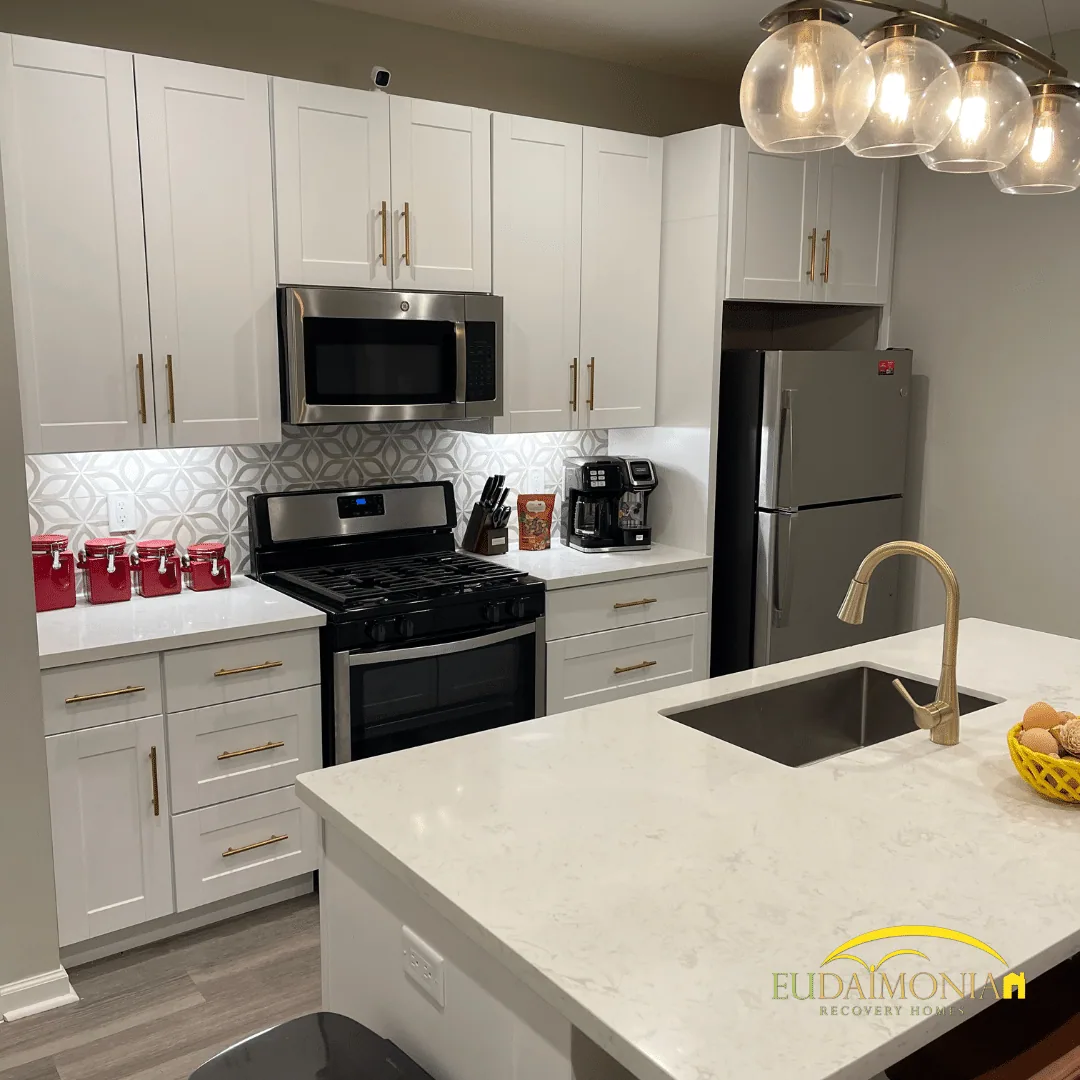
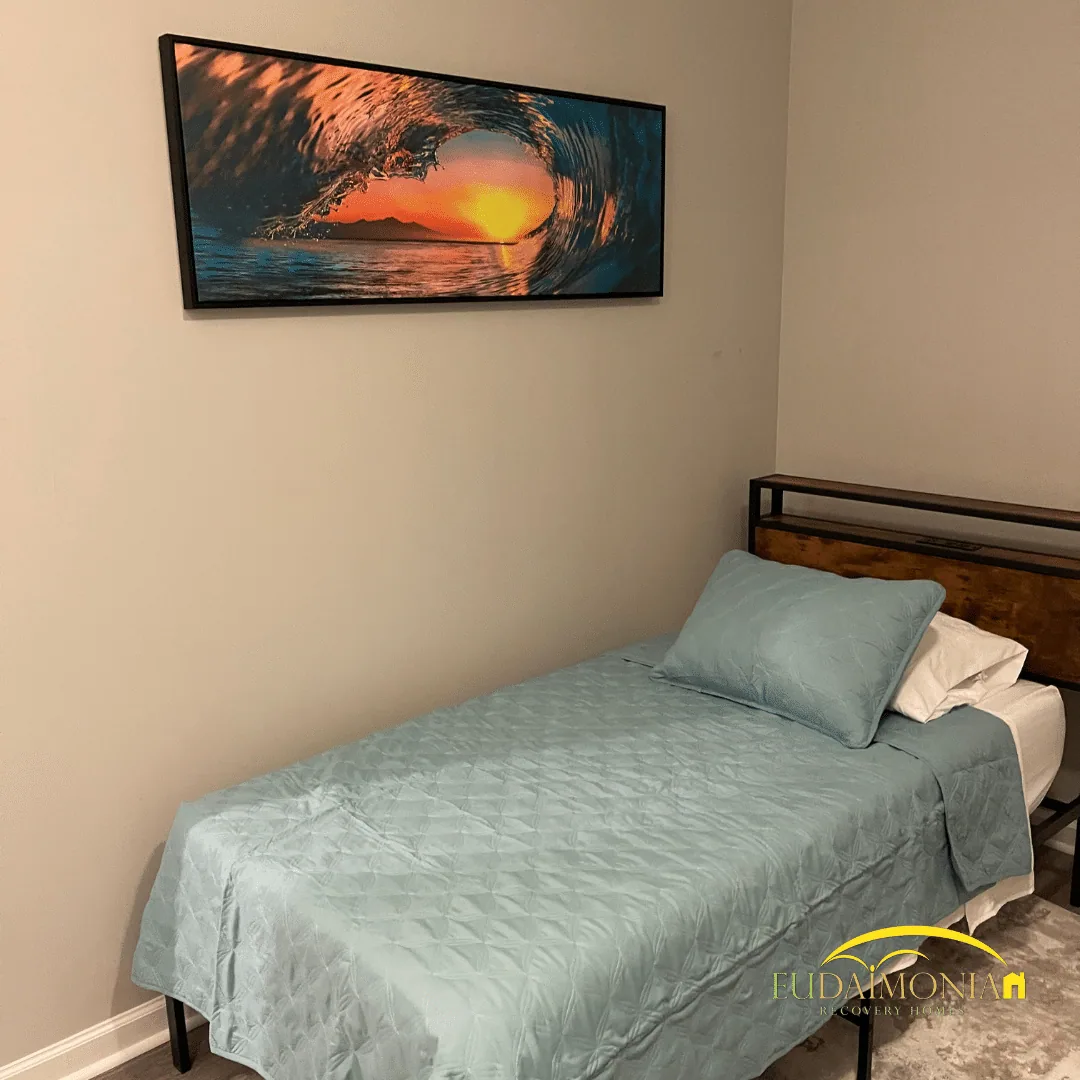
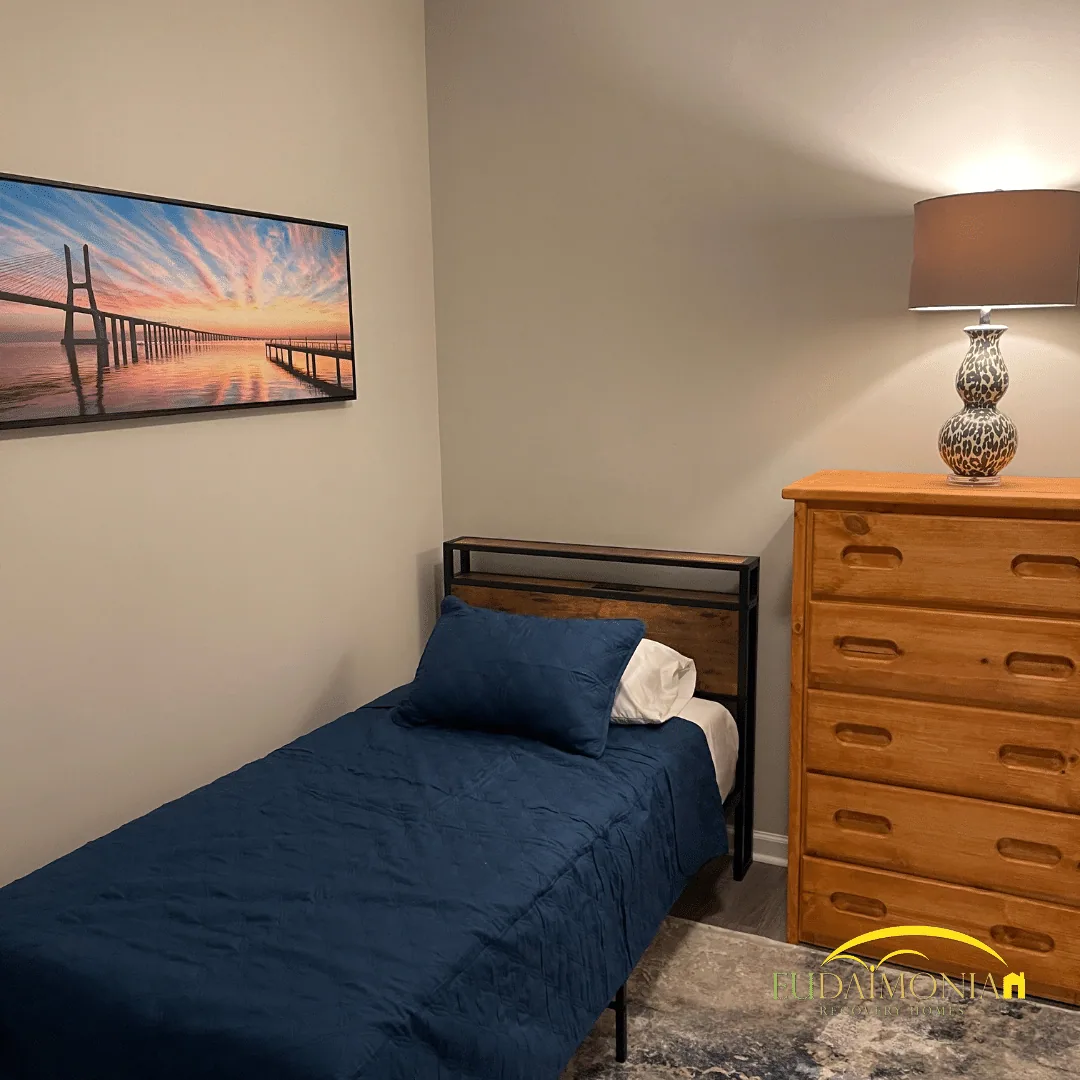
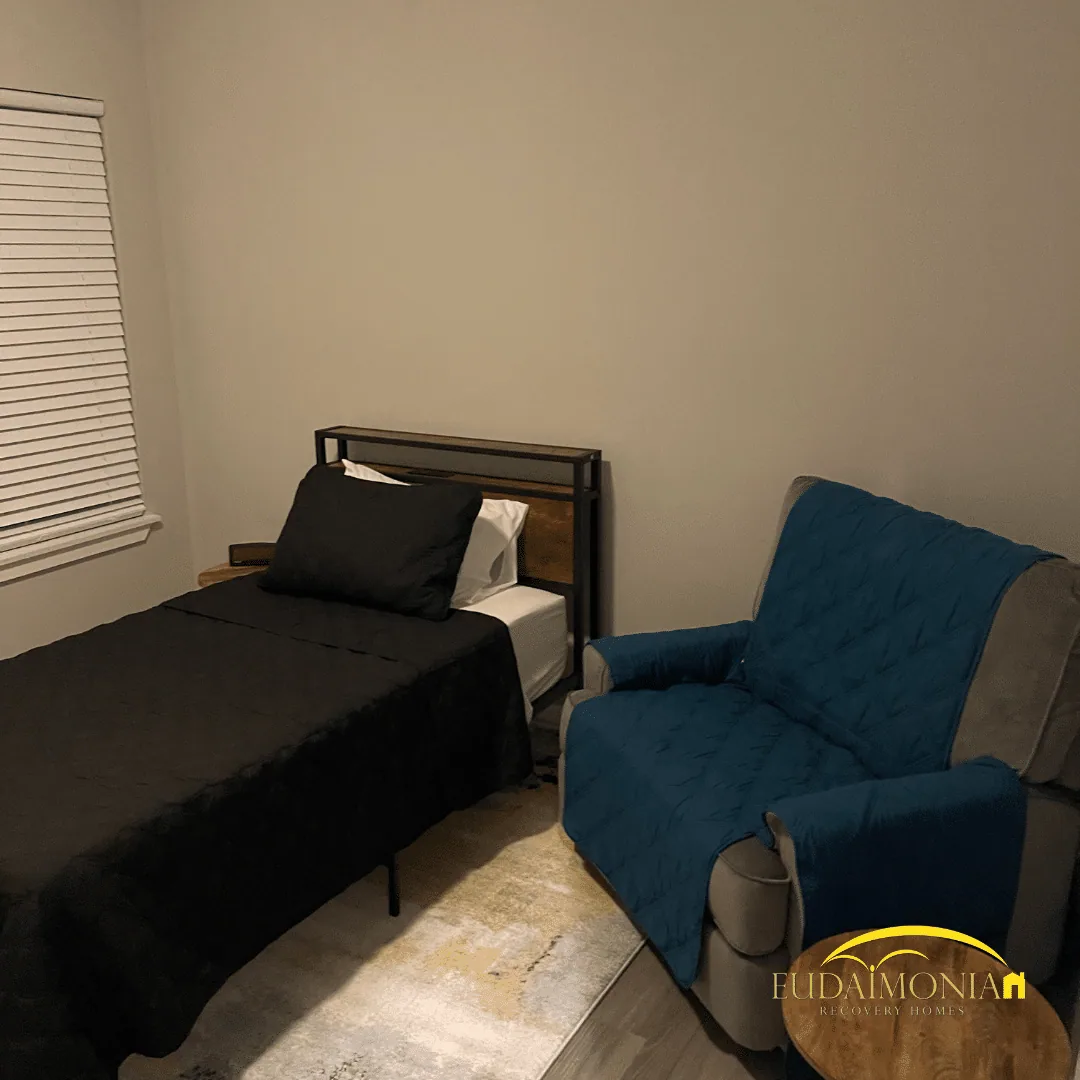
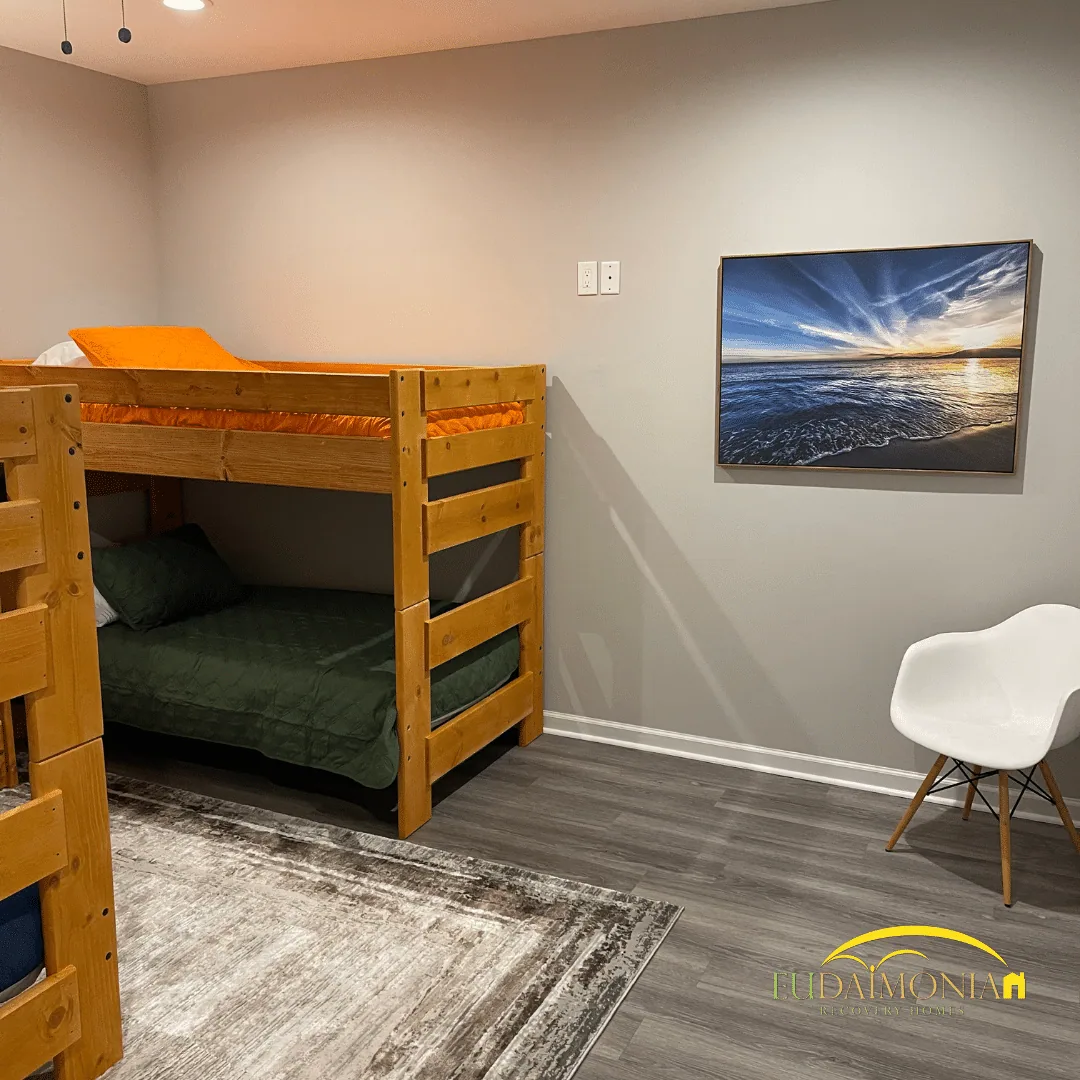
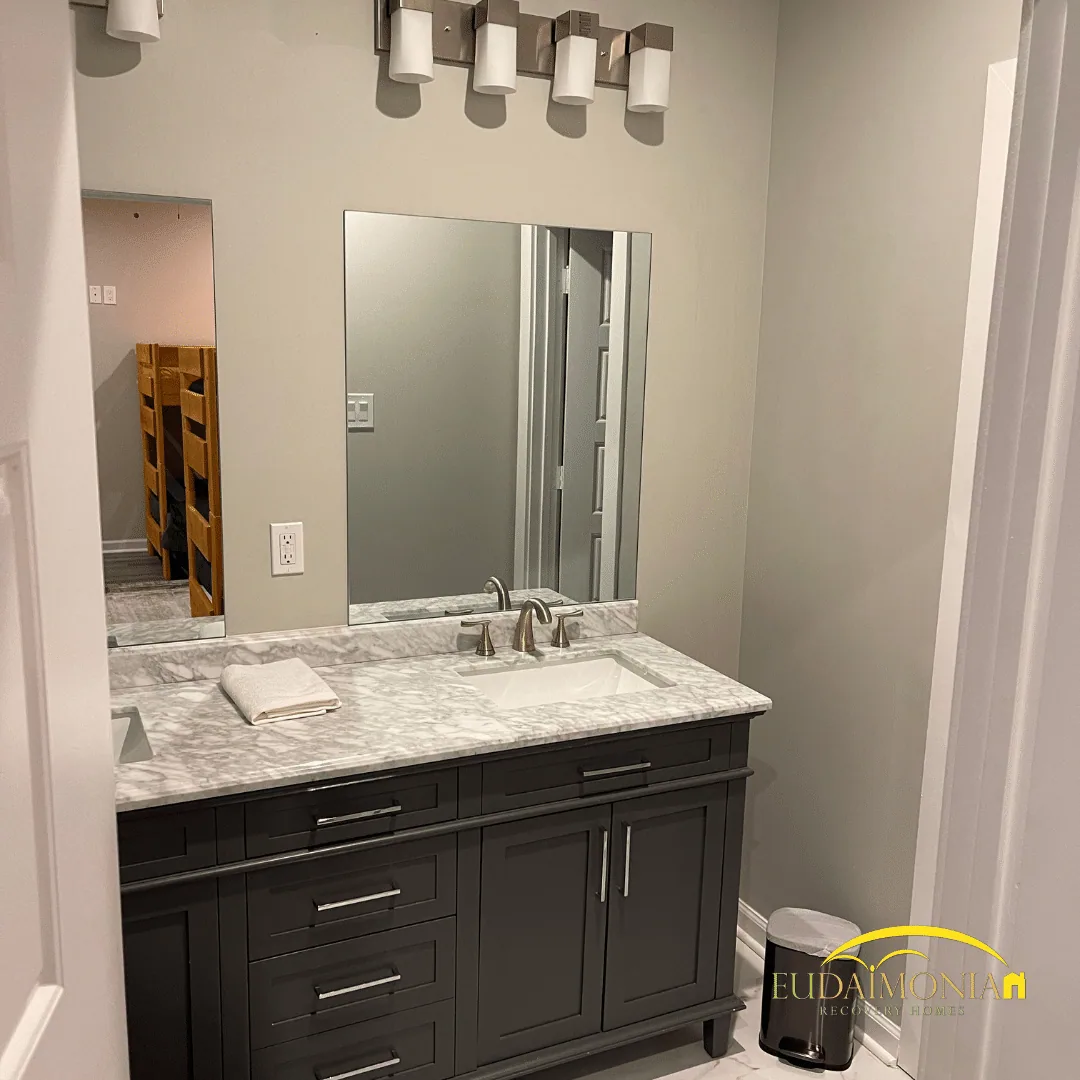
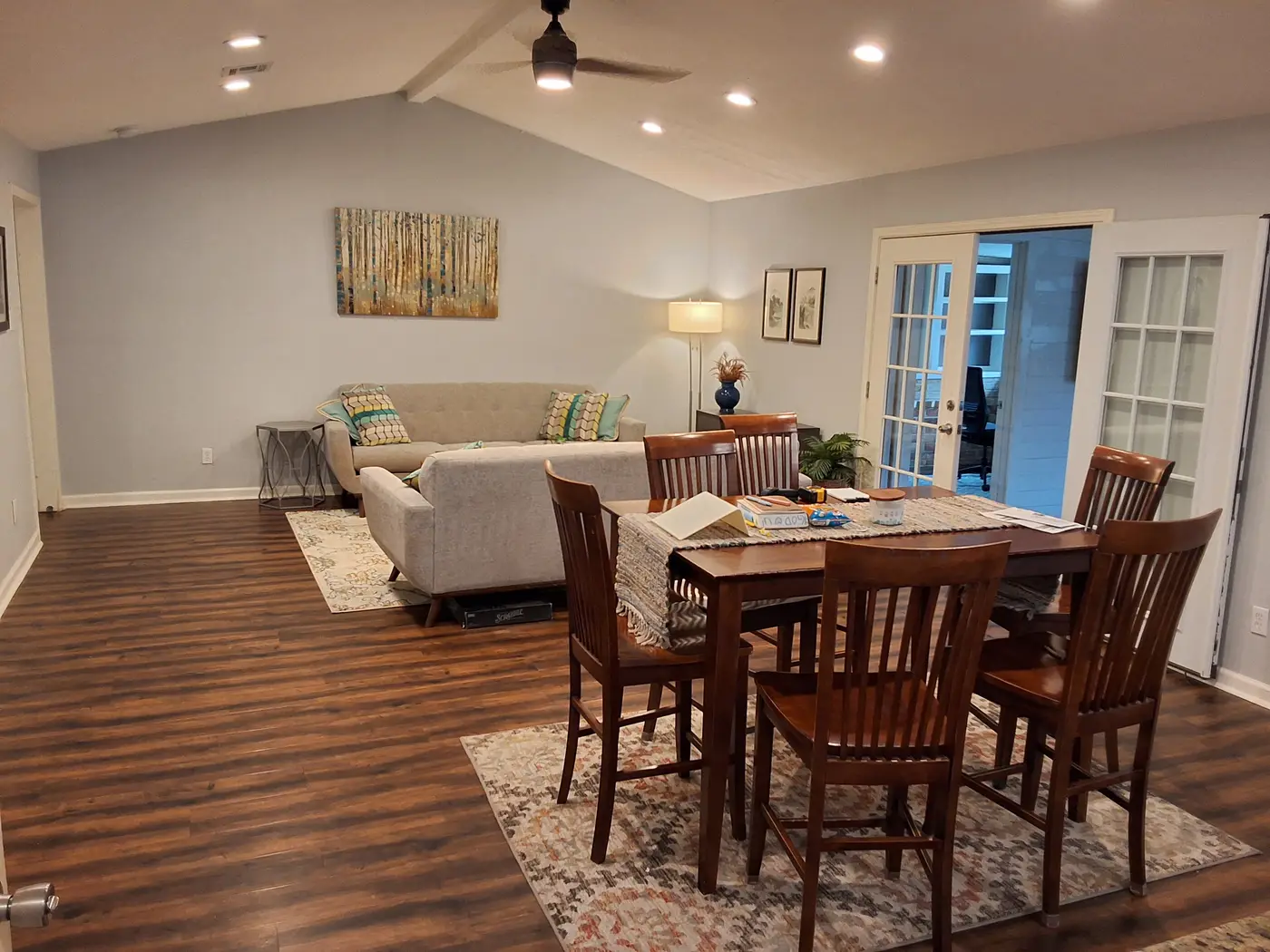
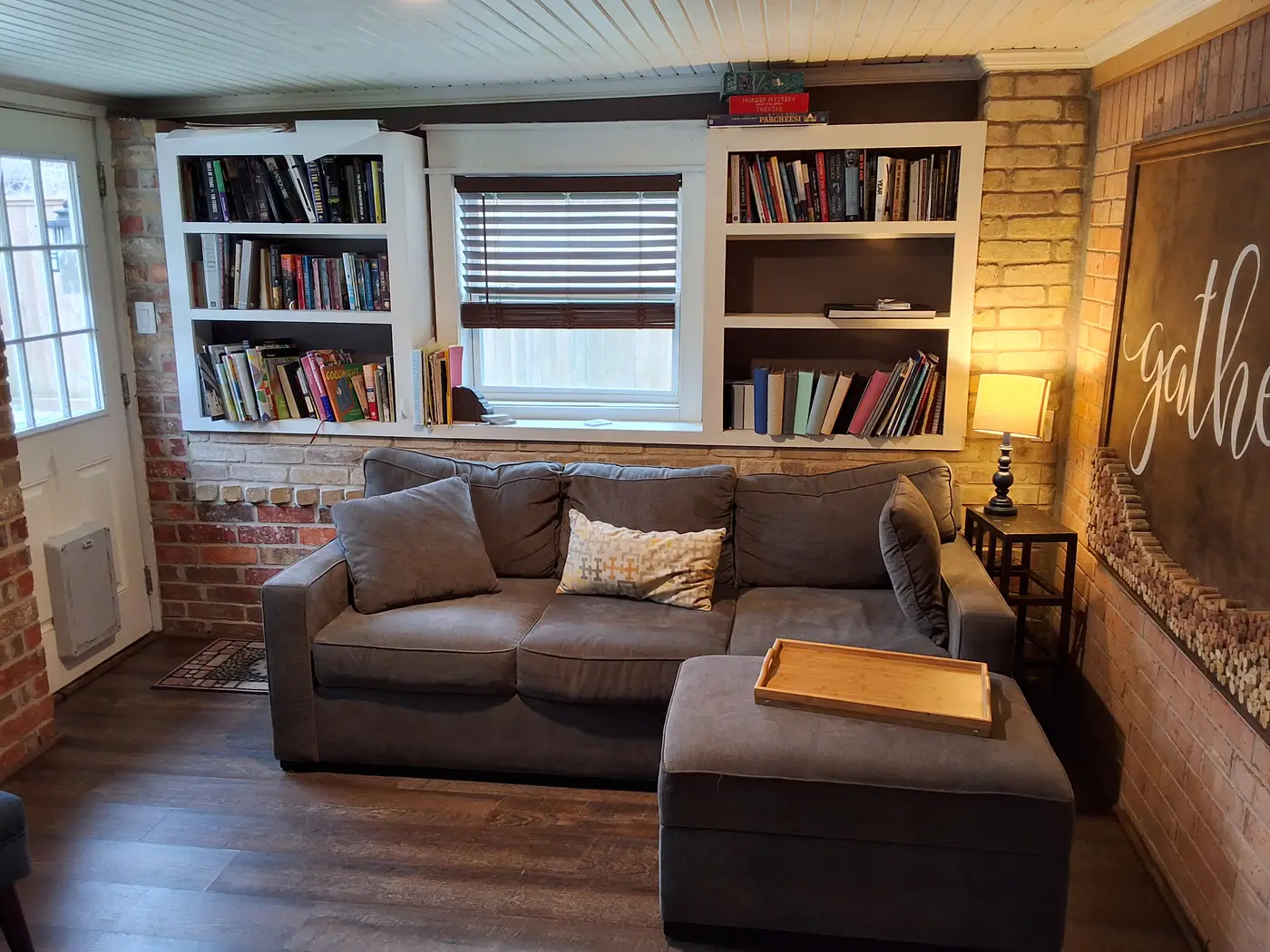
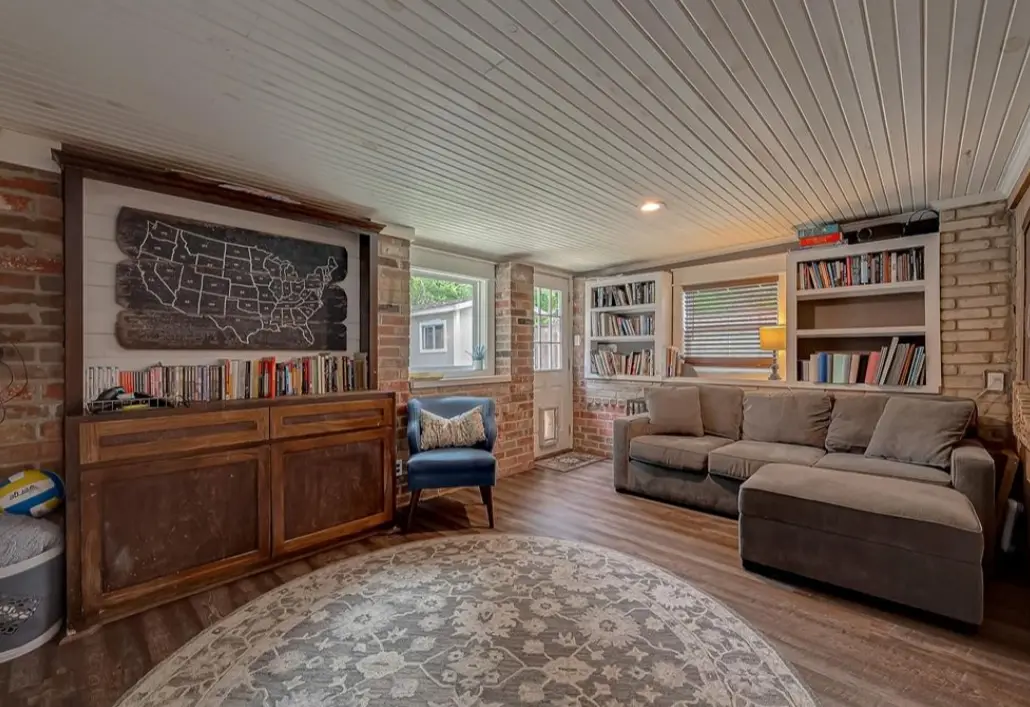
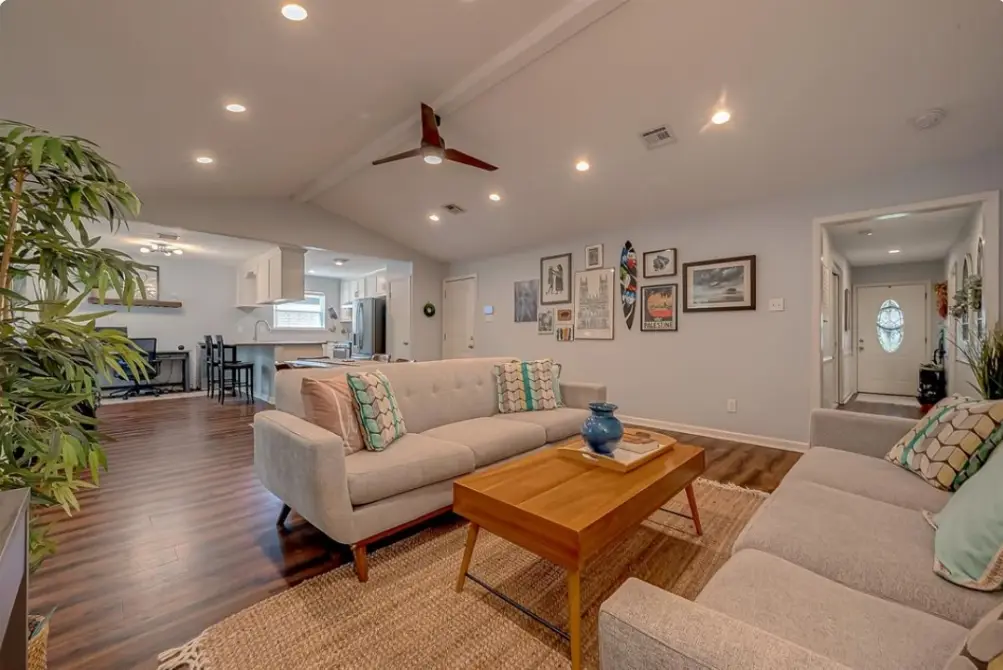
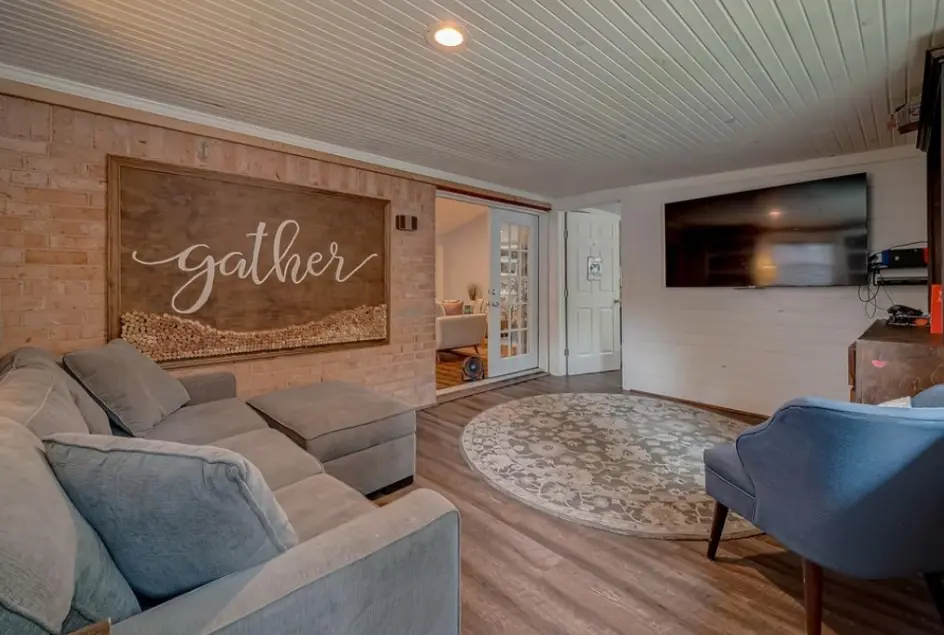
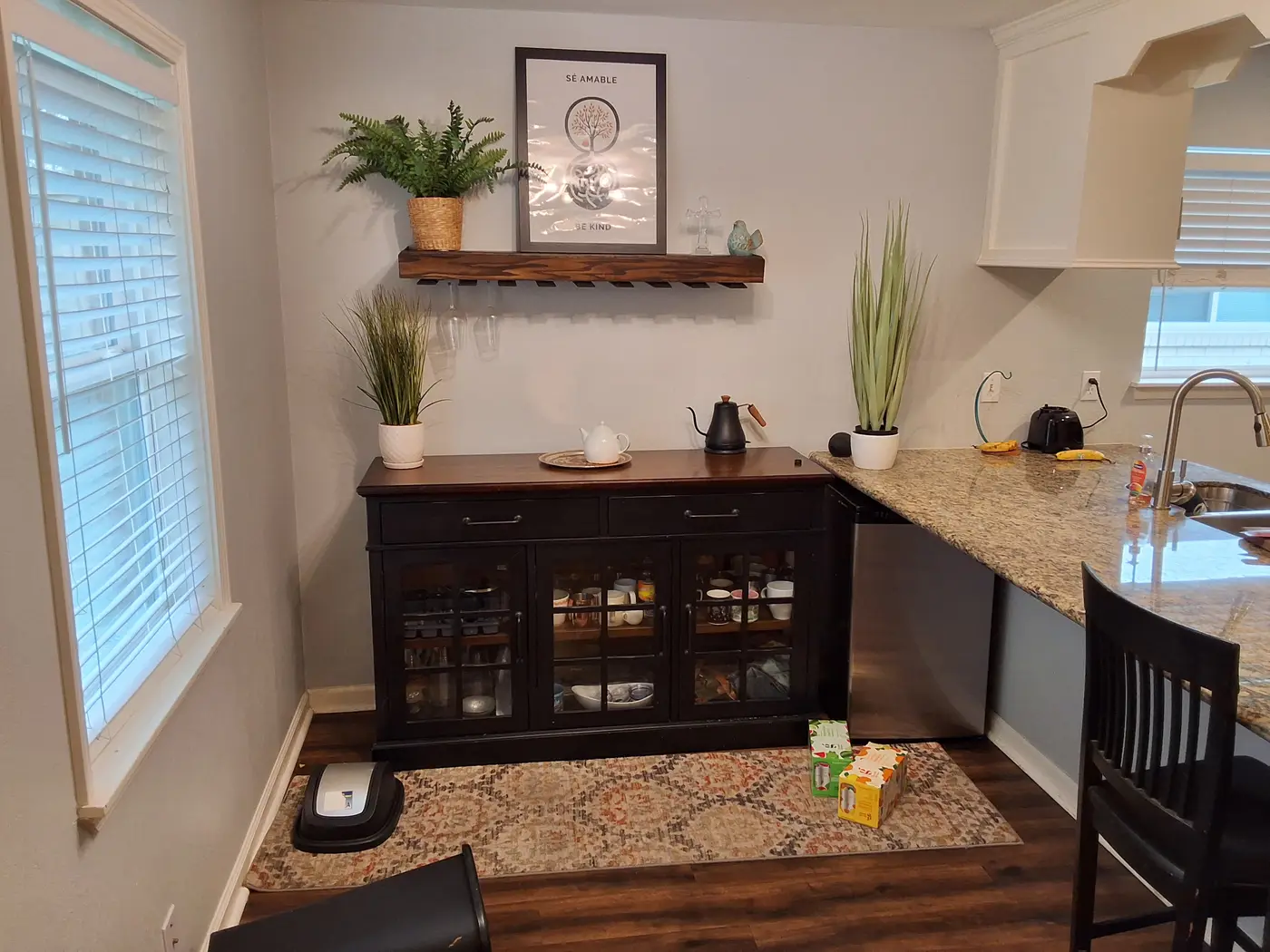
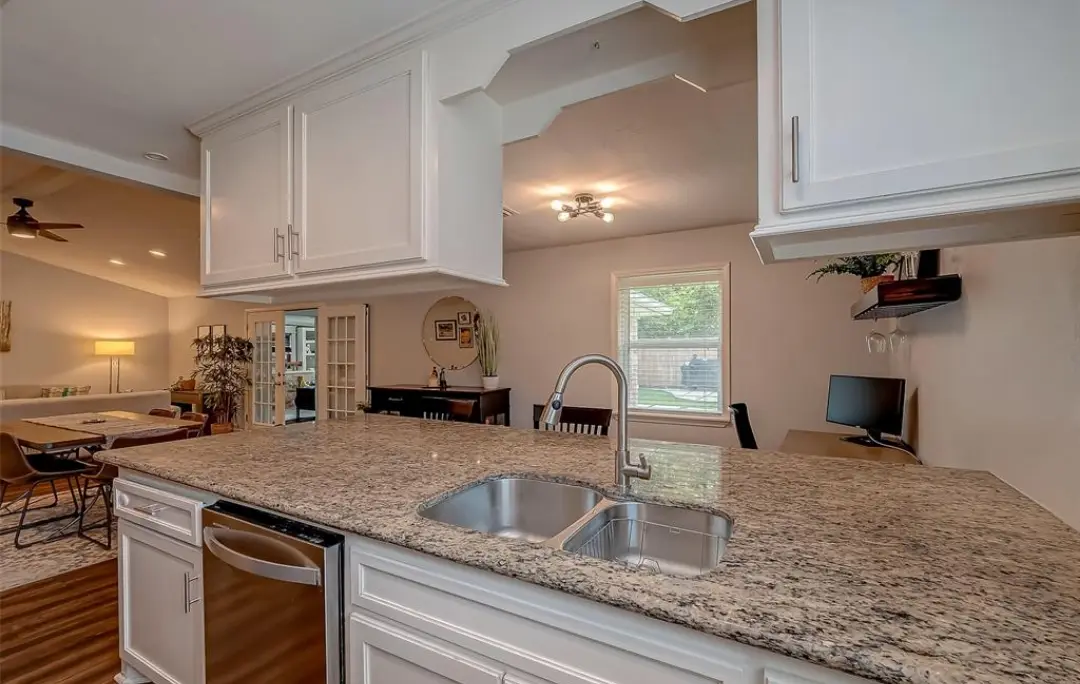
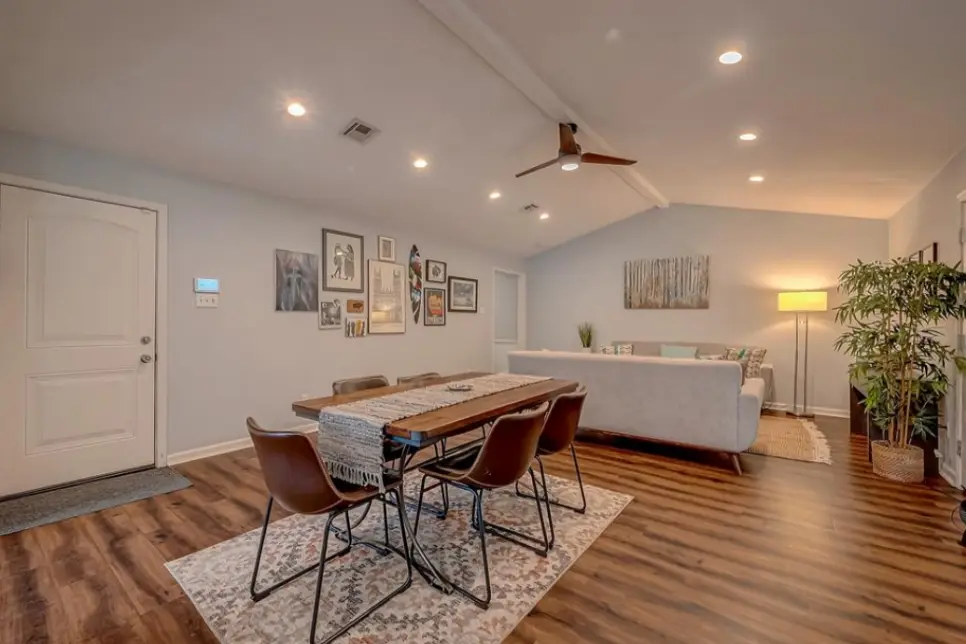
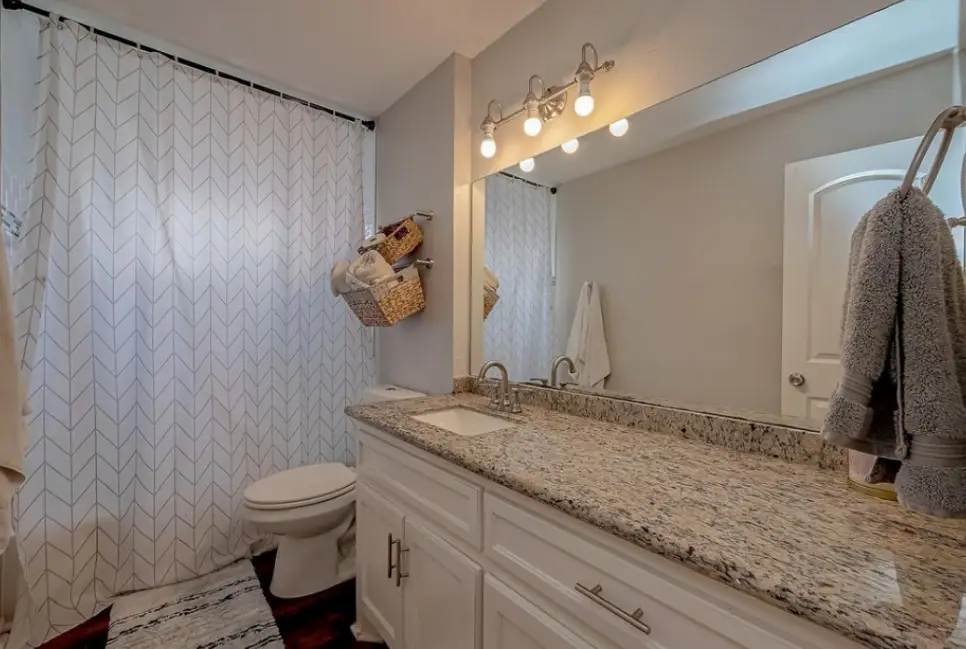
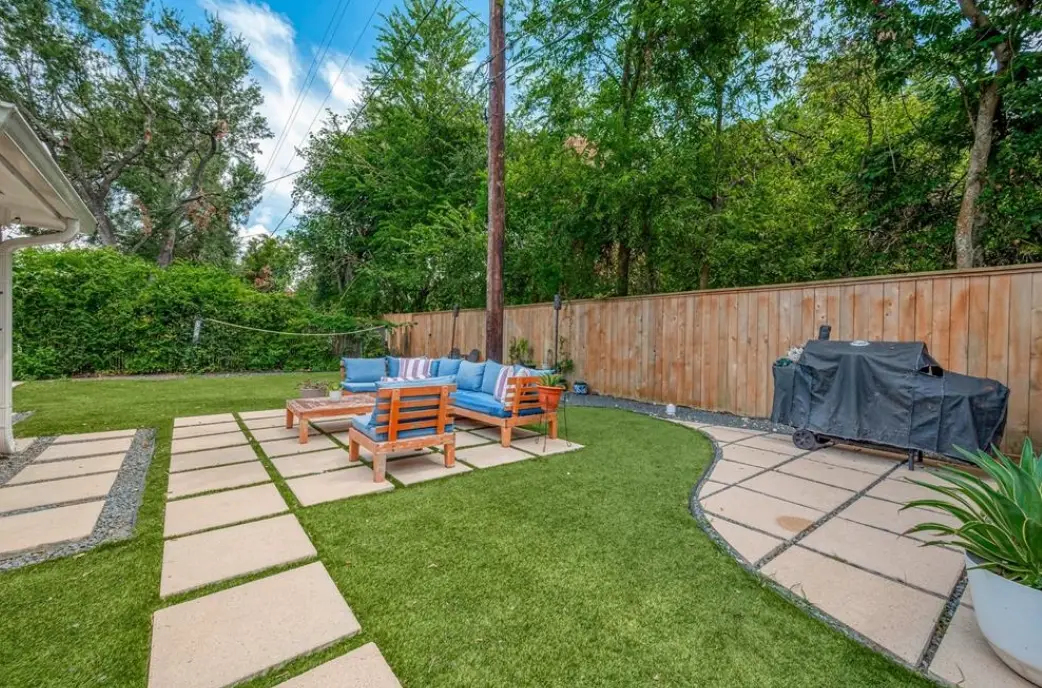
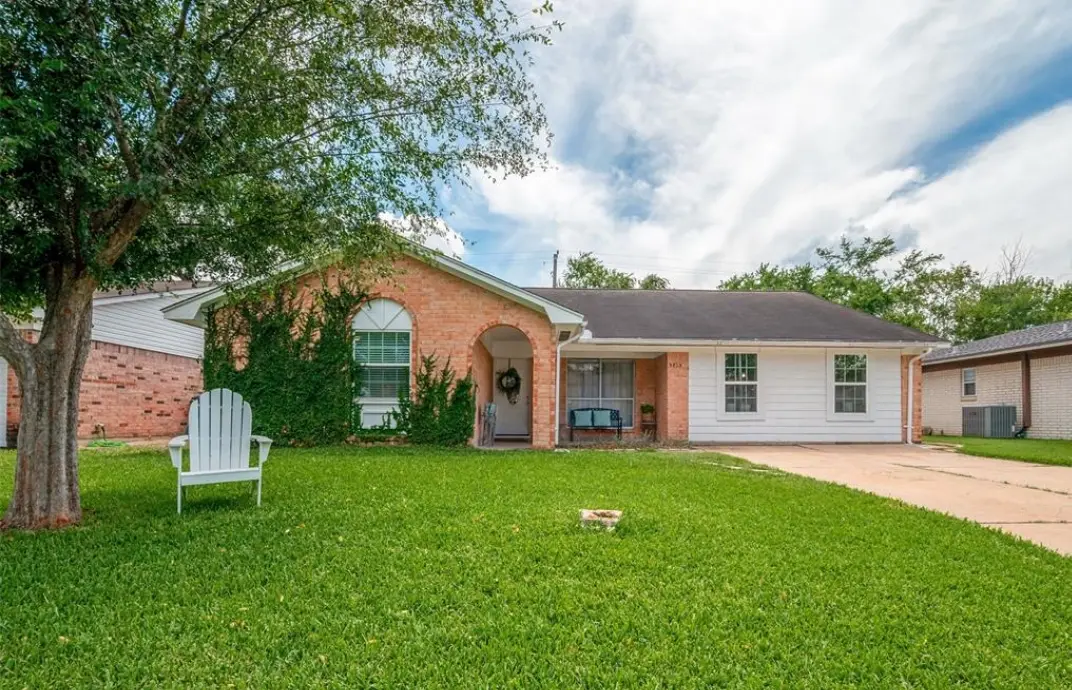
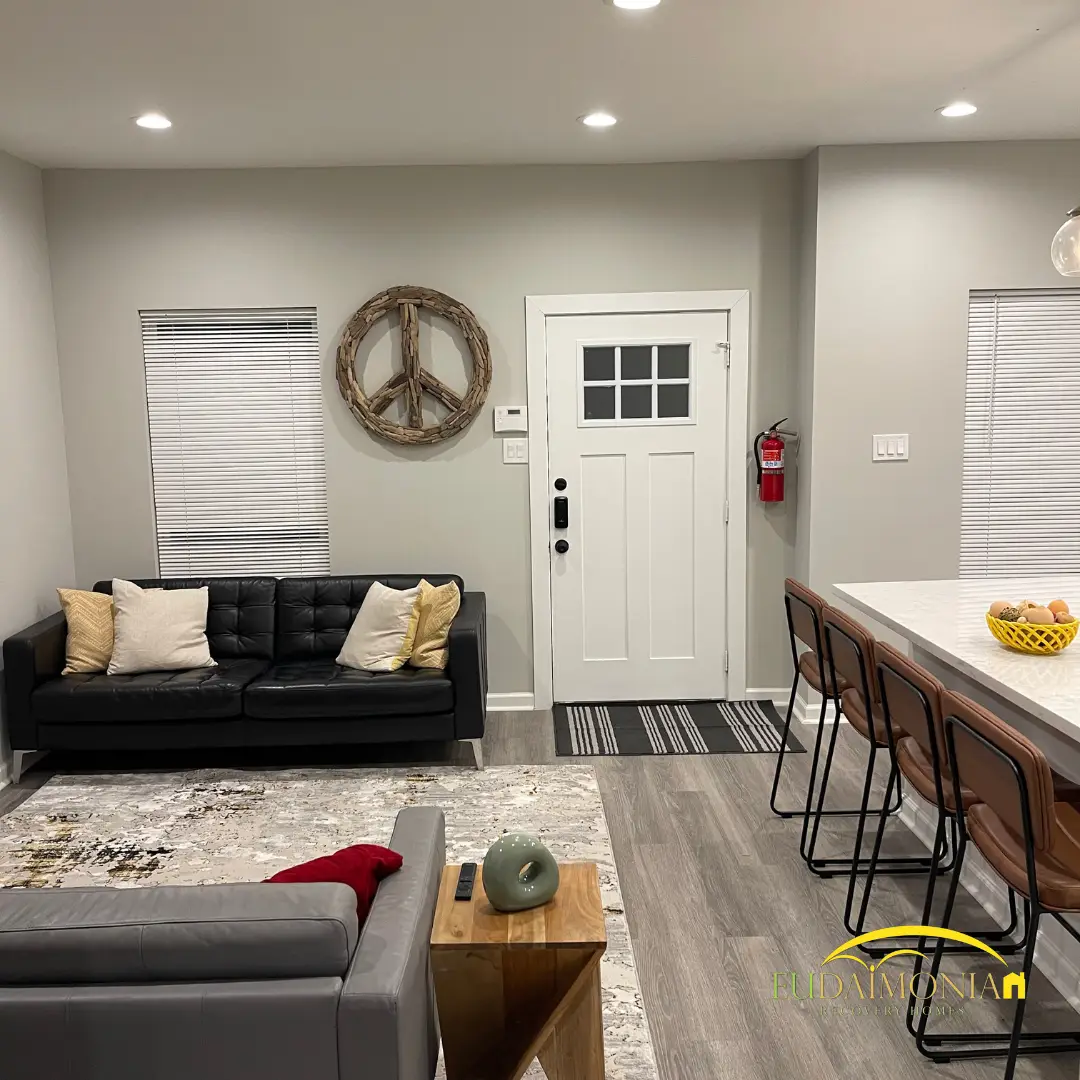
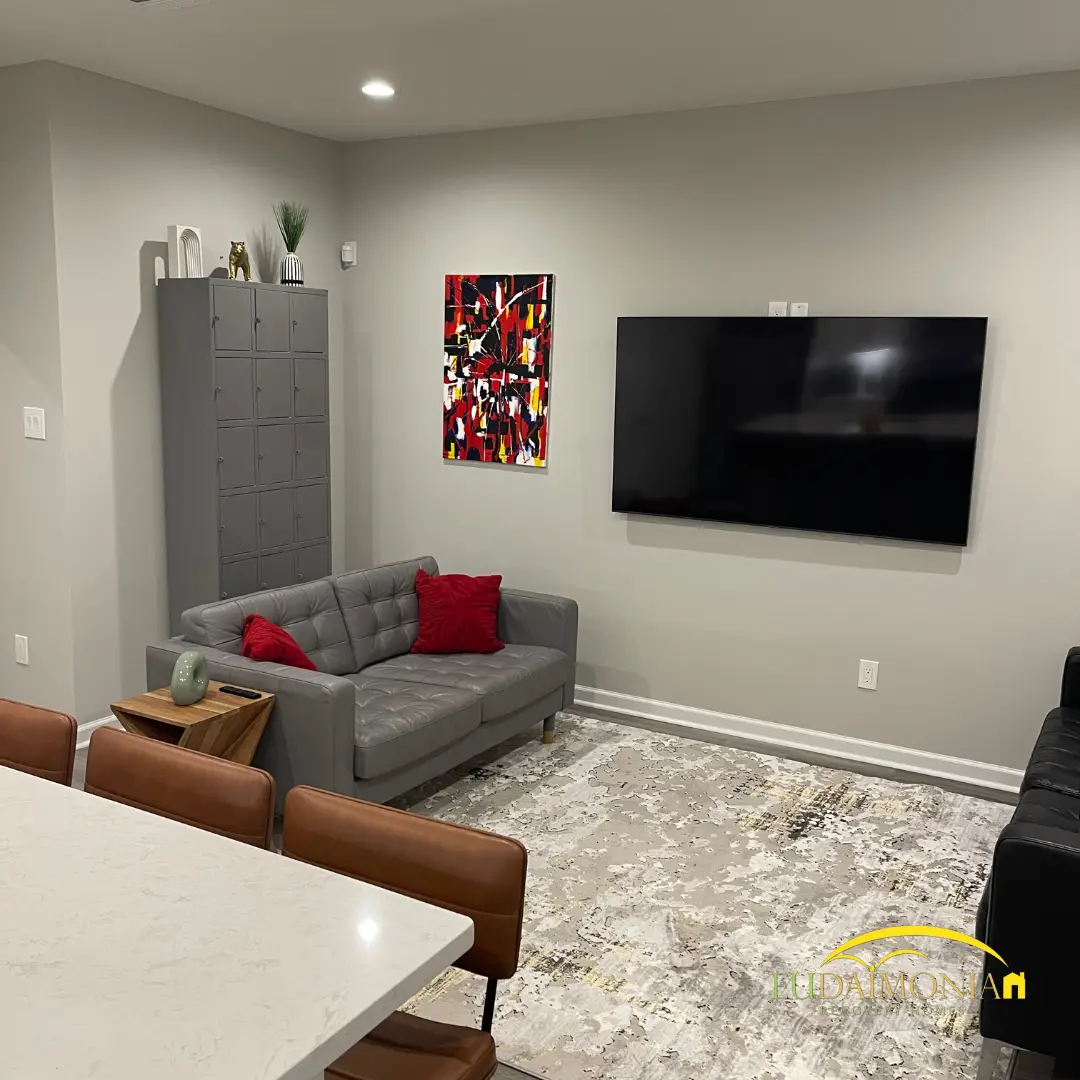
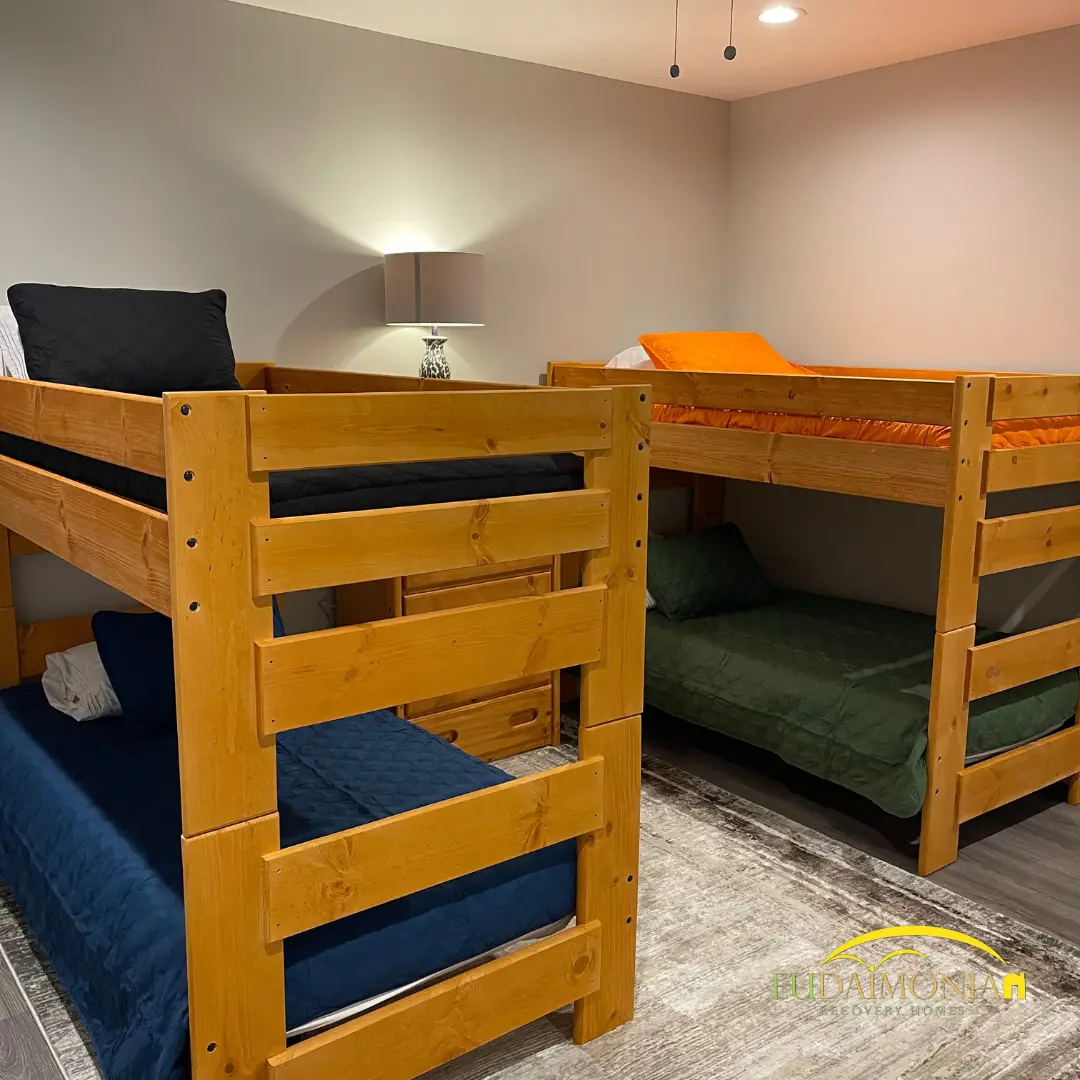
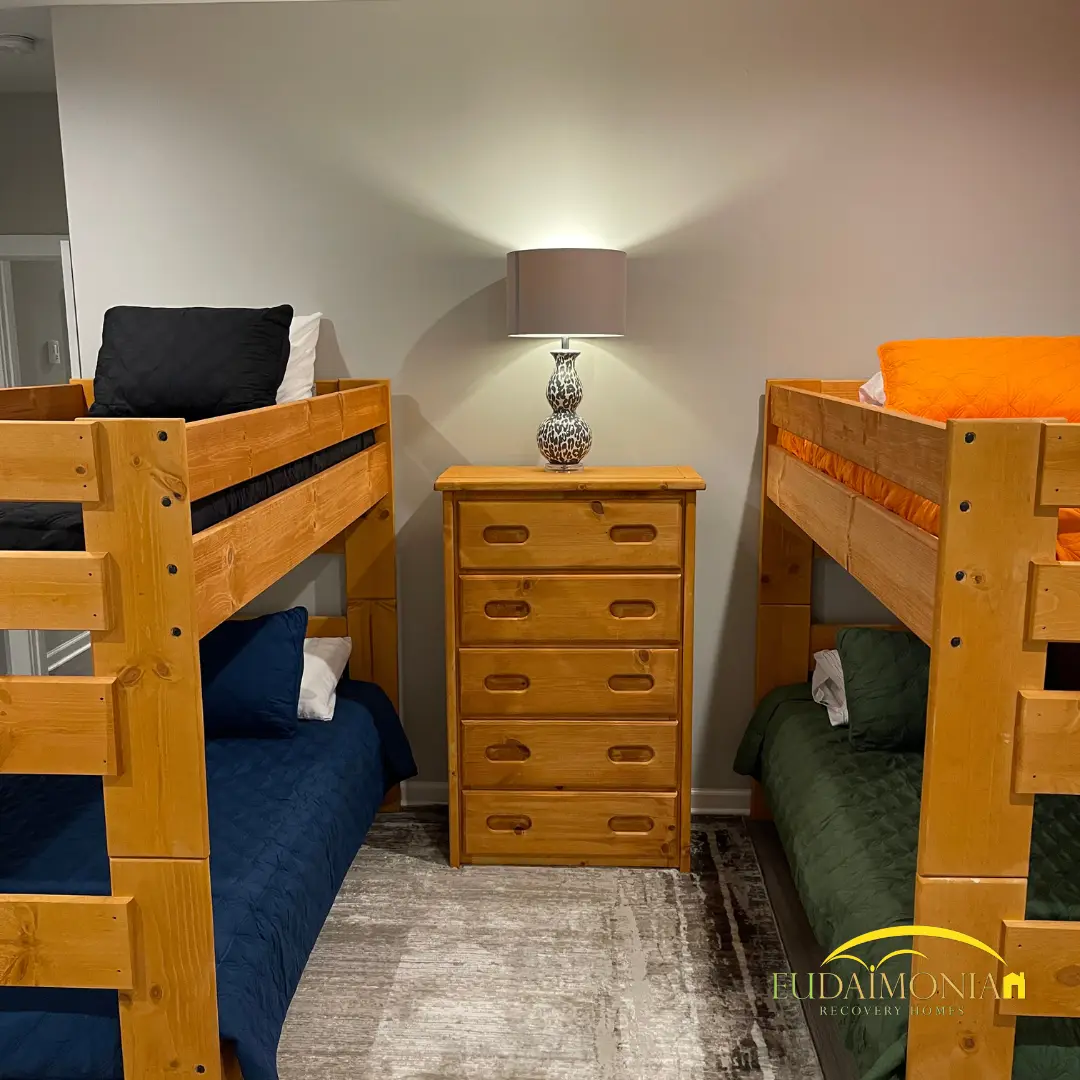
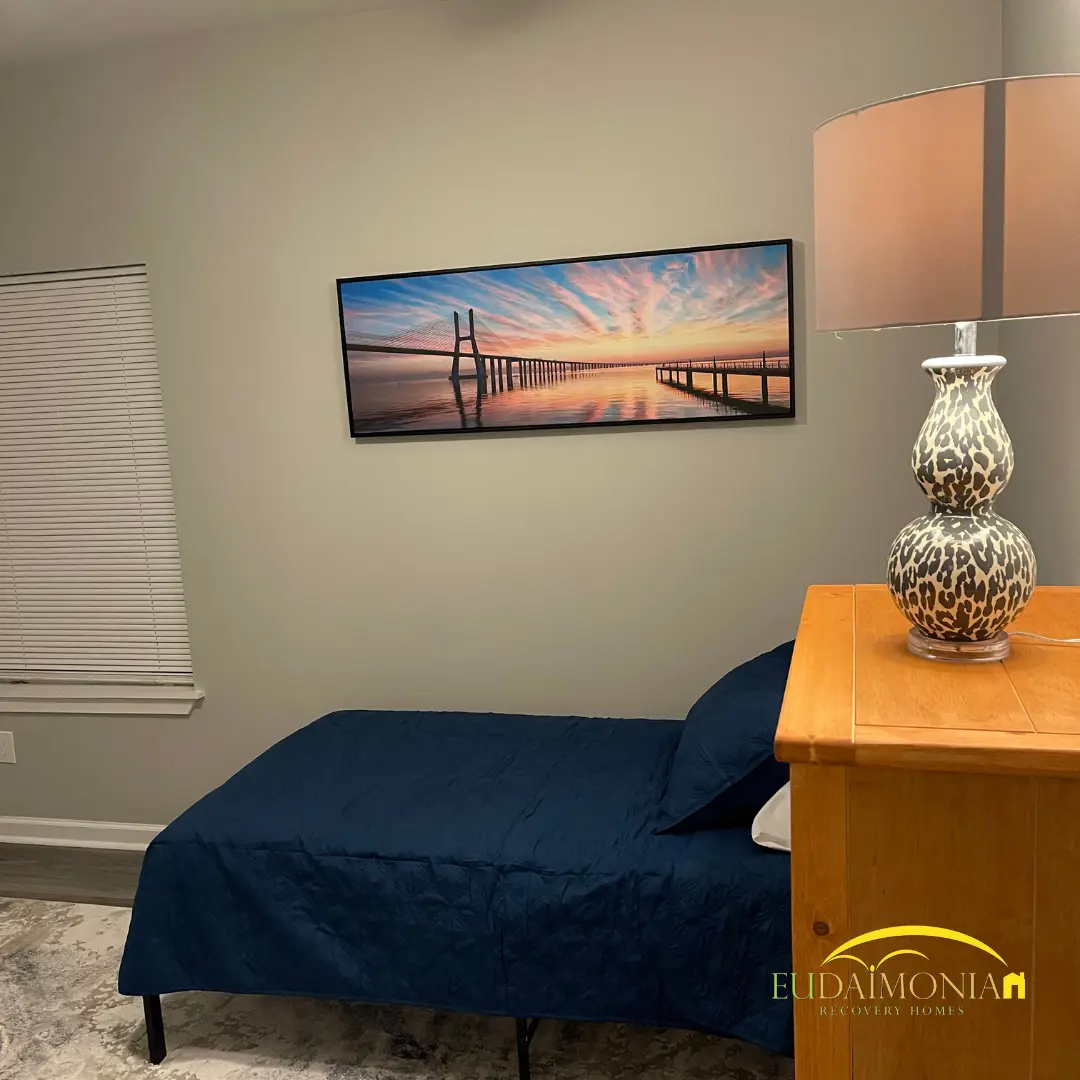
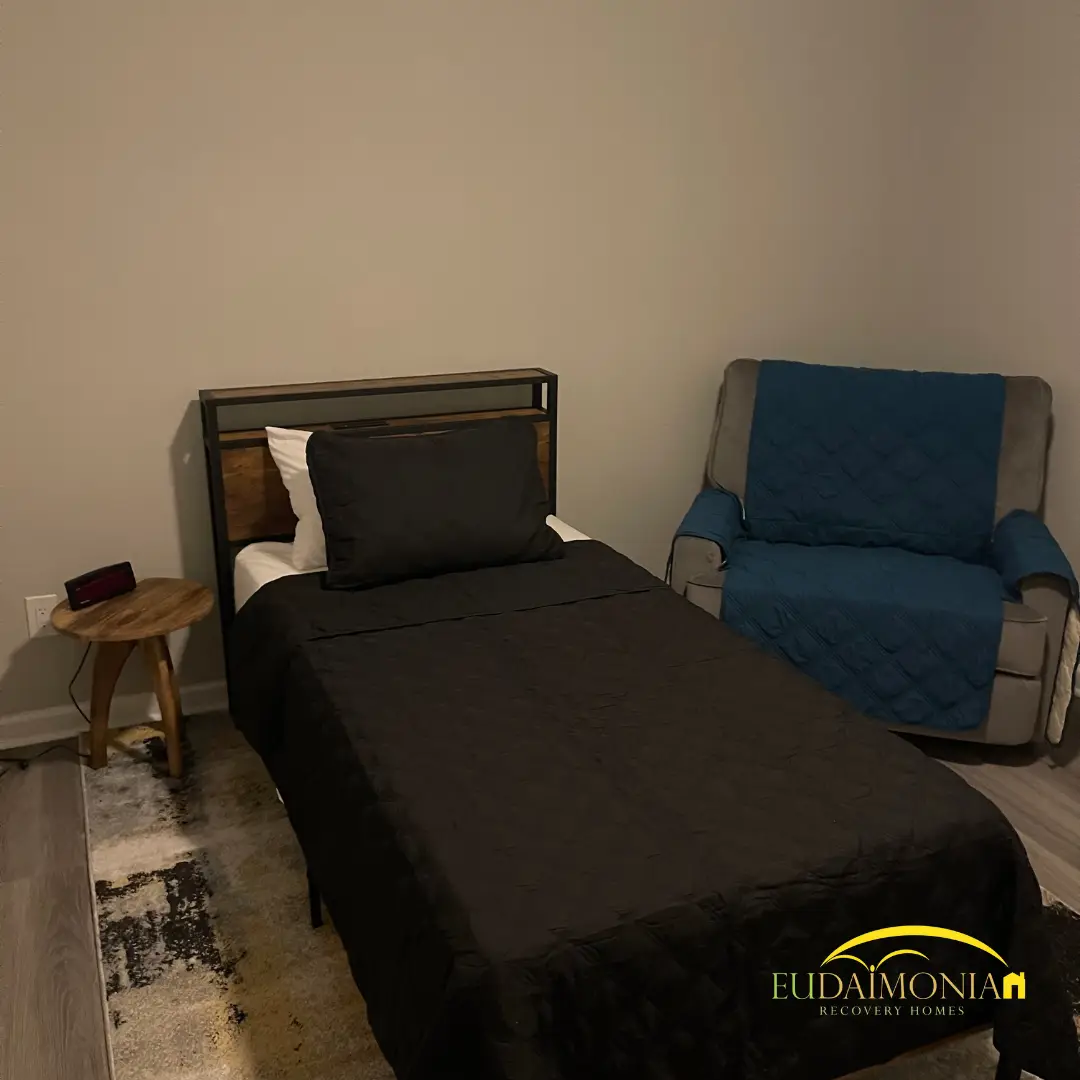
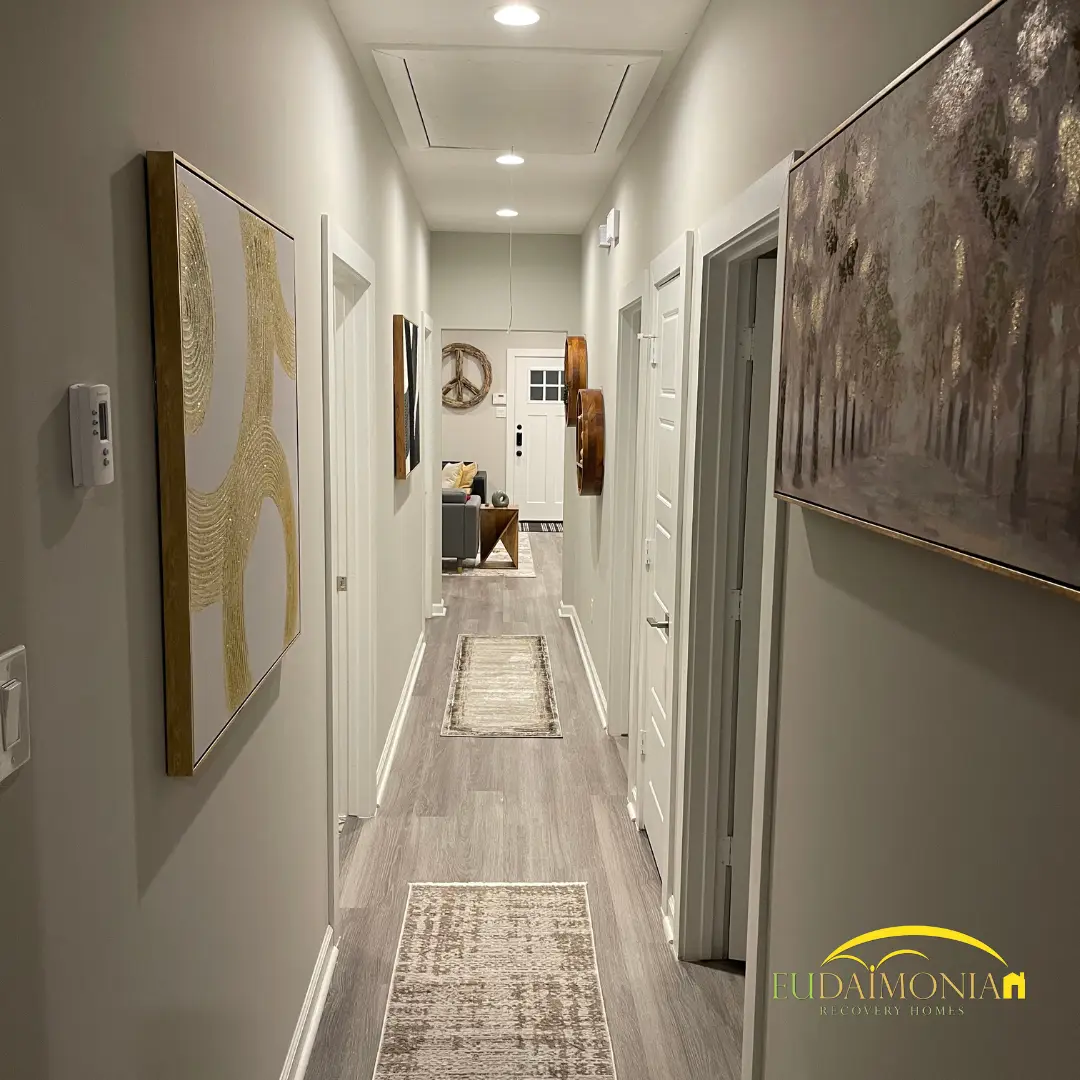
Inside the Houston homes






If You’re Approved for Sober Living
- Shortlist homes that match your budget, commute, and accountability level.
- Request written policies (testing frequency, curfews, visitors, chores) and compare them to your supervision requirements.
- Tour or schedule a virtual walkthrough; confirm room type and exact monthly costs before you pay a deposit.
Costs, Funding, and Affordability in Houston
Sober living costs vary by room type (shared vs. private), amenities, and staffing. To build your budget, ask about deposits, testing fees, utility shares, and move‑out notice. Use FindTreatment.gov to locate covered outpatient or counseling services that you can pair with sober living. For statewide services, see Texas Health & Human Services Mental Health & Substance Use, and if you need help navigating local options, call 2‑1‑1 Texas.
Typical Cost Factors
- Room type (shared, semi‑private, private)
- House amenities and staffing model
- Testing frequency and administrative fees
- Neighborhood/location and transportation access
- Length of stay and step‑down options
Why Choose Eudaimonia Recovery Homes for Sober Living in Houston?
Eudaimonia balances structure with independence: testing, curfews, and accountability, alongside peer support and case management. Properties are in residential neighborhoods with convenient access to meetings, transit, and jobs. If you want a deeper dive into the local market and checklists, see Houston Sober Living, Explained: 2025 Guide. If you’re weighing providers, read Why Eudaimonia is the Trusted Choice for Sober Living in Houston for program specifics and community advantages.
Medical Disclaimer
The information on this page is for general education about halfway houses and sober living in Houston, TX. It is not medical advice and does not replace diagnosis or treatment from a qualified professional. Decisions about detox, medications, mental health care, or ongoing treatment should be made with your licensed clinician. Do not start, stop, or change any prescription without your prescriber’s guidance. If you are experiencing a medical emergency or have thoughts of self‑harm, call 911 in the United States or seek immediate care. For free, confidential support at any time, call, text, or chat 988 to reach the Suicide & Crisis Lifeline.
Select Our 1010 Waverly St, Houston, TX Location
Select LocationVisit Our 6824 Dumble St, Houston, TX Location
Select LocationChoose Our 10506 Parkfield Dr, Austin, TX Location
Select LocationEudaimonia's Success Stories – Real People, Real Freedom
How Eudaimonia Recovery Homes can help with "Halfway houses vs. Sober living in Houston
When you’re deciding between a halfway house and sober living in Houston, Eudaimonia Recovery Homes gives you a clear, structured alternative that fits real‑life goals. Our houses combine accountability, regular testing, curfews, and written rules, with the independence to work, attend school, and rebuild daily routines.
We provide on‑site leadership, peer support, and case management so you can meet supervision expectations while focusing on recovery. If your parole officer will consider structured sober living, our team can share program documentation, coordinate with your PO, and help streamline approval. For budgeting, we explain room types, deposits, and any fees up front so you can choose the best option before move‑in.
Locations across Houston place you close to meetings, transit, and jobs, making it easier to maintain momentum. We also connect residents with outpatient care and community resources to build a complete support plan. If you’re weighing halfway houses vs. sober living, Eudaimonia offers a balanced path that protects your sobriety and moves you toward long‑term stability.
Your Future Is Waiting
Tell us what you are looking for and admissions will walk you through the houses, the phases, and what a room actually costs.