
Published July 27, 2018 · Updated June 22, 2026
Key Takeaways
- What a halfway house isA clear explanation of what a halfway house means in Austin, including how the term is used for reentry, recovery, and transitional housing.
- Halfway house vs sober living vs 3/4 houseA side-by-side breakdown of how these housing options differ in structure, purpose, and level of independence.
- Austin, TX: reentry vs recovery housingHow Austin halfway houses connected to parole or probation differ from voluntary sober living and recovery housing options.
- Rules, requirements, and neighborhoodsWhat residents can expect around house rules, daily expectations, and common questions about zoning and residential neighborhoods.
- Costs: free vs rentAn overview of typical costs, including whether halfway houses are free, charge rent, or include additional program fees.
- How to find options in AustinPractical steps for locating and evaluating halfway houses and sober living homes in the Austin area.
- FAQStraightforward answers to the most common questions people ask about halfway houses in Austin, Texas.
On This Page · 20 Sections

Sober Living
Austin
10506 Parkfield Dr, Austin, TX 78758
If you’re looking up a halfway house in Austin, Texas, you’ll quickly notice the term is used in a few different ways. Some “halfway houses” are tied to parole/probation reentry. Others are sober living or recovery housing after treatment. Some people also use the term for transitional housing connected to mental health support.
This guide explains what a halfway house is, how Austin halfway house options tend to work, and how to compare a halfway house, a halfway home, and a 3/4 house (also called a three quarter house, 3 quarter house, or three quarter home).
If you’re comparing housing options, you can also explore our Austin sober living homes for pricing, amenities, and availability.
People searching for halfway house treatment programs In Austin are usually looking for structured transitional housing plus a plan to continue recovery care, this guide breaks down what’s typically included and how to compare options.
Halfway House Treatment Programs in Austin: What’s Included
People searching for halfway house treatment programs often need two things at the same time: a stable place to live and ongoing recovery support. Programs vary widely, but many include a structured environment and expectations tied to continued recovery progress.
- Common elements you may see in halfway house, style programs include:
- Curfews, check-ins, and written house rules
- Drug/alcohol screening and accountability
- Required recovery meetings and/or recovery activities
- Case management and planning (work/school/treatment/supervision)
- Referrals to outpatient care (including IOP) when clinical treatment isn’t on-site
- Length-of-stay expectations and progress milestones
If you want to compare recovery housing options you can actually apply for, use our local comparison page: Sober Living in Austin, TX
What is a halfway house?
A halfway house is transitional housing with structure and rules. People ask “what is the halfway house?” or “whats a halfway house?” because programs can be very different from one city to the next.
If your question is “what is a half way house?” (or “what is a half-way house?”), the core idea is the same: a bridge between a highly structured setting (jail/prison, inpatient treatment, a hospital) and living independently.
If you’re looking for a quick halfway house definition (a “halfway houses definition” in plural searches) or searching “halfway house define” / “halfway house def,” think: stable housing + accountability + a plan for the next step.
Common spelling and search variations
You may see “halfway house” typed as halfwayhouse, halfway_house, half house, or half houses, or as partial searches like “halfway h.” Misspellings like hlafway house, haflway house, halfway hosue, or halway house usually mean the same thing. You may also see odd phrases in search results like “transition for living halfway house,” which generally points to transitional living.
Halfway house vs halfway home
“halfway home,” “halfway homes,” and “halfway house” are often used interchangeably (including “half way home,” “half-way home,” and searches like “what is a halfway home” or “whats a halfway home”). The practical difference is usually not the name: it’s the structure, staffing, and rules.
Halfway house vs sober living vs 3/4 house
In recovery circles, “halfway house” is sometimes used as a catch-all for sober living. That can be confusing, because reentry halfway houses and sober living homes can have different requirements.
What is a 3/4 house?
A 3/4 house (or “3 4 house”) often describes sober living that’s more structured than renting alone, but less restrictive than inpatient treatment. You might also see 3/4 sober living, 3/4 sober, or “3 4 sober living,” as well as “three quarter homes,” “three quarter houses,” and a “three quarter home.”
One quick way to compare programs is to ask: Who is it for (reentry vs recovery), and what level of support is built in? The National Alliance for Recovery Residences (NARR) standards are one framework used to describe recovery-housing models.
Internal resource: For a local comparison, see Sober Living in Austin, TX.
Halfway houses in Austin, TX: reentry vs recovery housing
Searches like “halfway houses in Austin Texas” and “halfway house Austin TX” often mix reentry programs with sober living options. To avoid dead ends, decide which category you need first.
How does a halfway house work in Austin and Texas?
In general, how does a halfway house work (and how do halfway houses work)? You agree to rules, you have a plan (work/school/treatment/supervision), and you’re expected to show steady progress. The biggest difference is whether placement is mandatory (court/parole) or voluntary (recovery housing).
If you’re looking for a halfway house in Texas, “halfway house Texas,” or “Texas halfway houses” because of supervision requirements, start with official directories and your supervising officer’s guidance.
If you’re looking for parole halfway houses in Texas or a list of halfway houses in Texas, start with official directories. The Bureau of Prisons uses the term “Residential Reentry Centers (RRCs), also known as halfway houses,” for the federal system.
In the Austin area, one commonly searched facility name is the Austin Transitional Center (Texas). If you’re searching “Austin Transitional Center Texas” or “Austin Transitional Center Austin Texas,” confirm eligibility and placement rules with the supervising agency.
Internal resource: For costs and admissions factors in recovery housing, see Austin Texas sober living homes.
Halfway house requirements, rules, and neighborhood concerns
“halfway house requirements,” “halfway house rules,” and “half way house rules” are common searches because people want to know what daily life looks like. Rules vary, but these are typical:
- Substance-free policy (often with testing).
- Curfew and check-in/check-out expectations.
- Chores, meetings, and shared-space guidelines.
Internal resource: For an Austin-specific view, see Sober Living Requirements & House Rules in Austin, TX.
For neighborhood questions like “are halfway houses allowed in residential neighborhoods,” federal fair housing guidance may be relevant. A plain-language overview is available from the U.S. Department of Justice here: Group Homes, Local Land Use, and the Fair Housing Act. (General information, not legal advice.)
If you’re searching “how to stop a halfway house in your neighborhood,” focus on objective compliance issues (occupancy, fire code, property standards) and use the proper city reporting channels, while recognizing that some group homes can have legal protections.
Eudaimonia's Success Stories – Real People, Real Freedom
Cost: are halfway houses free, and do they charge rent?
Two of the most common questions are “are halfway houses free?” and “do halfway houses charge rent?” The answer depends on funding and the type of program.
Halfway house cost may look like:
- Reentry programs: costs may be covered, partially paid by residents, or handled case-by-case.
- Recovery housing: many homes charge weekly/monthly fees similar to rent.
Ask for a written fee schedule and what it includes (utilities, food, transportation, testing, staffing, and any program fees).
How long do people stay in halfway houses?
People also ask “how long do you stay in a halfway house?” and “how long do people stay in halfway houses?” Stays can range from weeks to months (and sometimes longer) depending on supervision requirements and recovery plans.
What to expect inside a recovery house
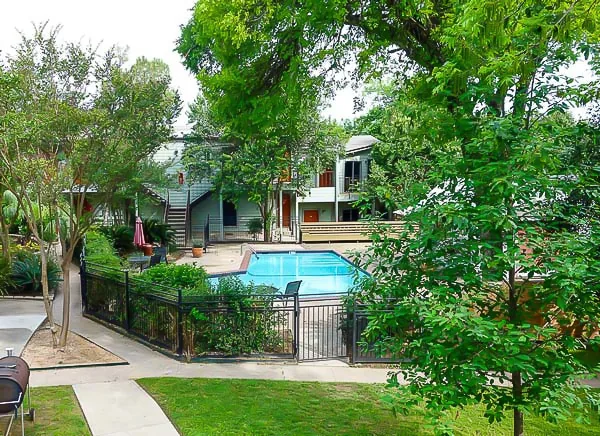
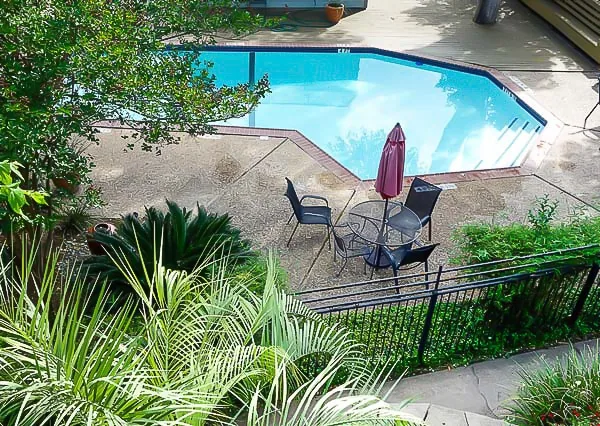
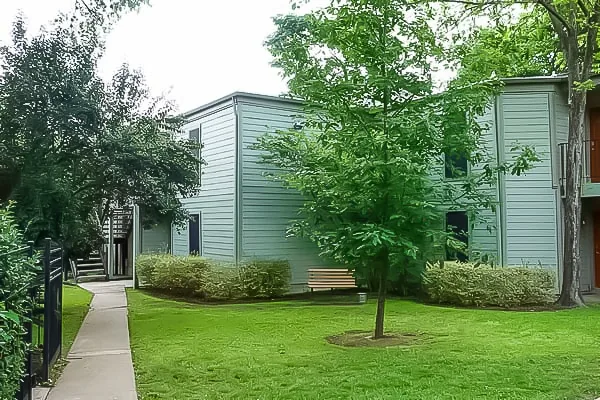
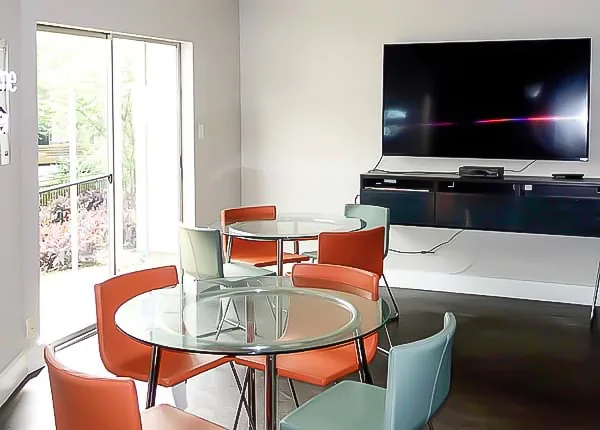
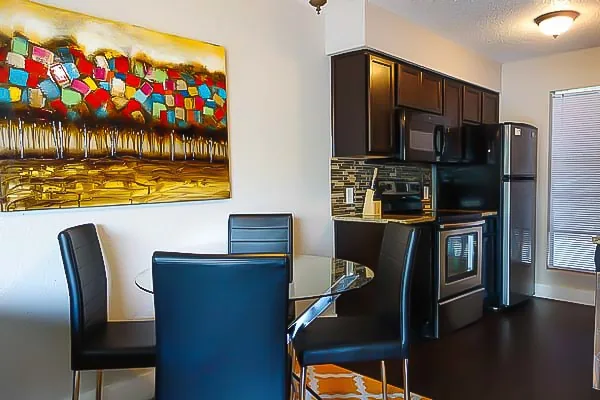
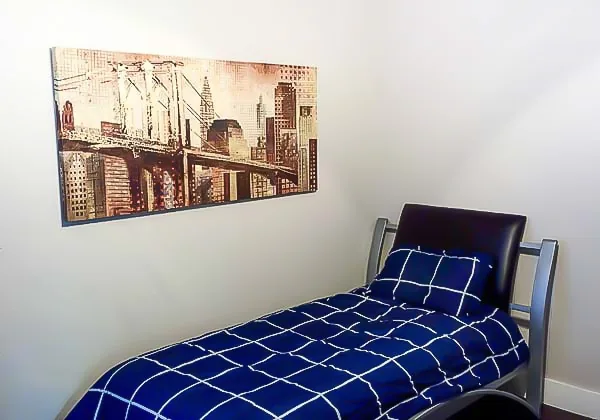
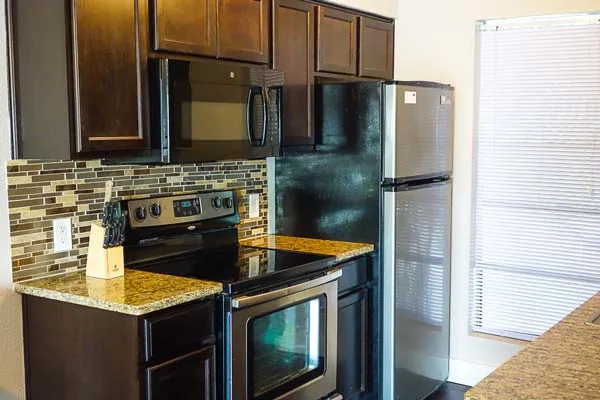
If you’re searching “what happens inside a recovery house,” “inside halfway house,” or “interior halfway house,” you’re trying to picture daily life. Most recovery homes look like regular housing. The difference is the structure: routines, peer accountability, and house rules.
People also ask “what does a halfway house look like?” In many sober living settings, it’s shared housing with added expectations, rather than a locked facility.
How to find a halfway house in Austin, Texas
If you typed “halfway house in Austin Texas” into Google, start by narrowing the category: reentry placement, recovery housing, or mental health transitional housing. Then use a repeatable process:
- Ask for referrals. Case managers, probation/parole officers, and treatment providers can point you to programs that match your situation.
- Use reputable directories. For treatment and recovery services, use FindTreatment.gov. For broad social services in Texas, contact 2-1-1 Texas.
- Verify details. Confirm availability, costs, rules, and move-in requirements.
Tip: If you’re searching for “3/4 houses near me,” many listings will be labeled as “sober living” rather than “3/4 house.”
Internal resource: For a checklist on evaluating programs, see Find the ideal sober living home.
Questions to ask before you choose
- Is this a reentry halfway house, sober living, or a mixed program?
- What are the written rules (curfew, visitors, testing, meetings)?
- What is the total cost, and what does it include?
- What is the typical length of stay?
Resources and next steps
- SAMHSA National Helpline (treatment referral and information).
- 988 Suicide & Crisis Lifeline (24/7 emotional support in the U.S.).
- Ready to take the next step? View our Sober Living Austin options and schedule a tour.
How Eudaimonia Recovery Homes Can Help in Austin
When people search for halfway houses in Austin Texas, they’re often trying to figure out whether they need a reentry-focused halfway house or a recovery-focused option like sober living or a 3/4 house. Eudaimonia Recovery Homes can help by clarifying those differences up front, so you’re comparing the right type of housing for your situation.
For individuals looking for recovery housing in Austin, Eudaimonia can provide a structured sober environment with clear expectations, routines, and a community that supports accountability. They can walk you through typical house standards, like curfews, chores, and substance-free policies, so “halfway house rules” are understandable before you commit. Eudaimonia can also answer practical questions people commonly have, such as halfway house cost, whether homes charge fees (similar to “do halfway houses charge rent”), and what’s included, without making assumptions about what every program offers.
If you’re weighing neighborhoods or logistics, they can discuss real-world fit factors like transportation, work schedules, and day-to-day structure. And if someone needs court-ordered or parole-specific placement, they can help you understand that distinction and encourage you to verify requirements through the appropriate supervising agencies and official resources. Overall, Eudaimonia Recovery Homes can be a local starting point for people who want a stable, sober living option in Austin while they rebuild routines and move toward greater independence.
Your Future Is Waiting
Tell us what you are looking for and admissions will walk you through the houses, the phases, and what a room actually costs.


