
Published February 13, 2026 · Updated June 24, 2026
Key Takeaways
- Alcohol can raise BP especially after several drinks, and frequent heavy use can contribute to long-term high blood pressure.
- Short-term vs long-term effects differ, so BP can shift the same day and also trend higher over time with regular heavy drinking.
- BP may dip briefly soon after drinking for some people, but that drop can be followed by higher readings later.
- Several mechanisms raise BP including nervous system activation, hormone shifts, and indirect effects like poor sleep and weight gain.
- Heart rate can increase and some people notice palpitations, especially after binge drinking or disrupted sleep.
- Beer, wine, and liquor can all affect BP; total amount and pace of drinking usually matters more than the type.
- Binge patterns matter and staying within standard drink limits can better support blood pressure goals for people who choose to drink.
- Hypertension needs extra care because alcohol can make BP harder to control and may worsen side effects like dizziness with some medications.
- Smoking adds more risk and combining alcohol with tobacco can increase strain on the heart and blood vessels.
- Know when to seek help if BP is uncontrolled, symptoms show up after drinking, or you plan to cut back after heavy use.
- Recovery housing can help by supporting alcohol-free routines, accountability, and healthier daily habits that can indirectly support BP management.
- Bottom line reducing heavy drinking is often a practical step for improving blood pressure and overall heart health.
On This Page · 38 Sections
Alcohol can change blood pressure (BP) in more than one direction; at higher doses, several drinks in one sitting can raise BP for hours, and repeating those episodes can contribute to long‑term high blood pressure (hypertension).
CDC lists drinking too much alcohol as a high blood pressure risk factor, which is why patterns like frequent heavy drinking can make blood pressure harder to control over time.
Some people notice an early “alcohol blood pressure drop” soon after drinking, but that brief dip does not make alcohol a reliable way to lower BP and it may be followed by higher readings later the same day.
In everyday terms, the alcohol impact on blood pressure can be immediate, delayed, or both.
This guide explains the effect of alcohol on blood pressure, what it can do to your heart beat, and whether beer, wine, or liquor makes a meaningful difference.
Quick answer: does drinking raise your blood pressure?
Often, yes: if you are asking “can alcohol raise blood pressure,” “can alcohol increase blood pressure,” or “does alcohol increase blood pressure,” medical and public health sources describe alcohol as a factor that can raise BP, especially when intake is high or binge-patterned, although the size of the change depends on your baseline BP, your sensitivity to alcohol, your sleep and stress level, and whether you drink occasionally or most days.
People also phrase the question as “does drinking alcohol raise your blood pressure,” and the same dose-and-pattern logic applies.
Alcohol and blood pressure: short-term vs long-term
Short-term alcohol BP changes
After moderate to heavy drinking, BP may climb for several hours while heart rate increases, which may reflect (in part) sympathetic nervous system stimulation that can tighten blood vessels.
If you check BP the morning after drinking, you may see higher systolic (“top number”) readings than usual, particularly after a late night, poor sleep, dehydration, or salty foods.
Long-term: does alcohol cause high blood pressure?
Regular heavy drinking is linked with a higher risk of sustained hypertension, and “too much alcohol” is listed as a risk factor for high blood pressure; in other words, can alcohol cause high blood pressure over time? Yes, for some people and in some patterns. (cdc.gov)
Over time, the concern is less about one isolated spike and more about a pattern: repeated activation of stress pathways, poorer sleep quality, gradual weight gain, and changes in blood vessel function that can keep BP higher even on days without alcohol.
How much can cutting back help?
For people who drink heavily, cutting back can measurably improve BP.
If you’re cutting back or stopping, a quitting alcohol tracker can help you monitor changes that often affect blood pressure, such as sleep, stress, hydration, and cravings.
Can alcohol lower blood pressure?
Alcohol blood pressure drop: why it happens
Alcohol can cause blood vessels to relax, which may lower BP for a short period and create a warm, flushed feeling that leads many people to ask “does alcohol lower blood pressure immediately?”
Does drinking alcohol lower blood pressure, or does drinking lower blood pressure?
Sometimes; evidence reviews describe a biphasic response at higher doses in which BP may drop for several hours and then rise later (often after 13 hours).
In practice, this means you can have a normal or even slightly lower BP reading shortly after drinking and a higher reading the next morning or later that day. If you only measure BP at one time point, you can miss the pattern.
Why the “drop” is not a treatment
Even when BP dips, alcohol can still increase heart rate, impair sleep, and contribute to dehydration, which is a reason many clinicians do not view alcohol as a useful BP-lowering strategy. If you take BP medication, alcohol can also increase lightheadedness for some people, especially when standing.
Why alcohol can raise blood pressure
There is not one single mechanism, and researchers describe several overlapping pathways. For most readers, the key point is that alcohol can influence both “hardware” (blood vessels) and “software” (nervous system and hormones).
Nervous system and blood vessels
Alcohol can stimulate the sympathetic nervous system. That tends to raise heart rate and narrow blood vessels, which pushes BP upward.
Hormones, kidneys, and fluid balance
Alcohol can alter hormones involved in BP regulation and affect how the kidneys handle salt and water. Depending on the person and the dose, that can translate into higher readings, particularly when drinking is frequent.
Indirect drivers: sleep, weight, and stress
Alcohol can make sleep more fragmented, and chronic poor sleep is associated with higher BP. It also adds calories and can contribute to weight gain, which is a major driver of hypertension in many adults.
Alcohol and heart beat
The effects of alcohol on the heart include changes in heart rate, rhythm, and blood pressure, and these effects of drinking on the heart are often what people notice first. (niaaa.nih.gov)
Alcohol and heart rate
After drinking, especially after binge drinking, some people notice a faster heart rate.
Irregular heartbeat and palpitations
National health guidance also links alcohol misuse with irregular heartbeat (arrhythmia) and increased heart rate.
Palpitations can feel like fluttering, pounding, or skipped beats. Alcohol is not the only cause, but if symptoms cluster around drinking days, it is worth mentioning to a clinician.
When symptoms need urgent attention
Seek urgent medical care for chest pain, fainting, severe shortness of breath, or a rapid heartbeat that does not settle. If you have atrial fibrillation, heart failure, or a history of stroke, ask your care team how alcohol fits into your risk profile.
If you’re in early sobriety and noticing a racing heart or higher readings, our alcohol cravings timeline explains what can happen during withdrawal and when symptoms may require urgent help.
Beer blood pressure, wine and blood pressure, and liquor
Many people want to know the “best” or “worst” alcohol for high blood pressure. In most cases, the total alcohol dose matters more than the label.
Does beer raise blood pressure?
Beer can raise BP if it increases your total alcohol intake. It can also be easy to underestimate beer intake because serving sizes vary, and higher-ABV beers can contain more alcohol per pour.
Wine and blood pressure: is red wine different?
Major heart-health guidance emphasizes moderation.
If you already drink wine, the BP question is still mainly about amount and frequency. If you do not drink, starting wine for BP is not generally recommended by major health organizations.
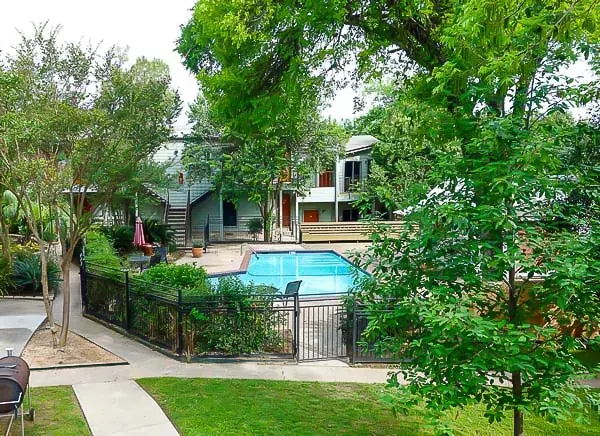
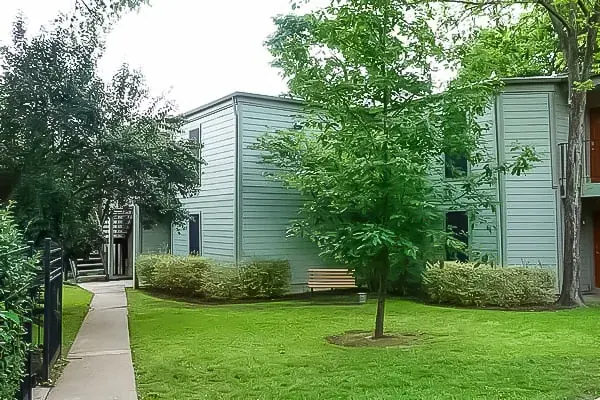
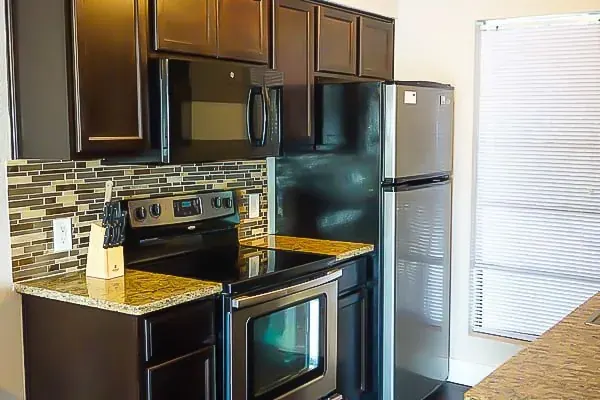
Inside Rustic Creek, our Austin flagship





Does liquor raise your blood pressure?
Liquor can raise BP for the same reason as beer and wine: it is alcohol. Because spirits are concentrated, it is easier to consume multiple standard drinks quickly, particularly with mixed drinks and large pours.
Worst alcohol for high blood pressure
Rather than one specific beverage, higher-risk patterns tend to include:
- drinking quickly (shots, rounds, or strong cocktails)
- drinking on an empty stomach
- frequent binge drinking, even if you do not drink every day
Eudaimonia's Success Stories – Real People, Real Freedom
Drinking and high blood pressure: what counts as “too much”?
What is one drink?
One standard drink is commonly defined as 12 ounces of beer (5% alcohol), 5 ounces of wine (12%), or 1.5 ounces of 80-proof liquor.
Alcohol and high blood pressure: common limits
Public health guidance notes that drinking too much alcohol can raise blood pressure and lists typical limits of up to one drink per day for women and up to two drinks per day for men.
These are maximums, not goals. For some people with hypertension, even these amounts can make BP harder to control, so recommendations may be more conservative.
For practical prevention steps, CDC guidance on limiting alcohol to help prevent high blood pressure reinforces that reducing intake can be a straightforward way to support healthier readings.
Binge drinking and heavy drinking
Clinical definitions often describe binge drinking as four or more drinks within two hours for women and five or more for men.
If you already have high BP
If you have hypertension, you may still be able to drink in moderation, but it helps to think in terms of “BP management,” not just “BP today.” If you are dealing with alcohol and high bp, tracking patterns can be more useful than debating which beverage is “better.”
- If your home BP readings are consistently high, reducing alcohol is one variable you can change quickly.
- If you take BP medication, alcohol can increase dizziness and may make it easier to miss a dose or sleep poorly.
- If you are trying to understand your personal response, measure BP at the same time on drinking days and alcohol-free days for a few weeks, and share the pattern with your clinician.
Does cigarette smoking or alcohol use cause hypertension?
Both can contribute. Public health guidance lists both tobacco use and too much alcohol as risk factors for high blood pressure, noting that nicotine raises BP and smoking damages the heart and blood vessels. (cdc.gov)
If you are addressing “alcohol and high blood pressure,” it is worth looking at smoking at the same time, because the combined cardiovascular strain can be substantial.
When to talk with a clinician
Consider bringing up alcohol use if:
- BP is new, worsening, or difficult to control
- you have frequent palpitations, lightheadedness, or morning headaches after drinking
- you take multiple medications, including BP medicines, sleep medicines, or anxiety medicines
If you’re discussing next steps with a provider, our guide to alcohol craving medication explains common options and questions that can help you prepare for an informed conversation.
If you drink heavily most days, do not stop abruptly without medical advice; alcohol withdrawal can be serious and sometimes life-threatening.
For a practical day-by-day overview of what withdrawal can look like (including possible elevated blood pressure).
If you want a clearer overview of how alcohol use can progress over time, this guide on the levels of alcoholism can help frame what to watch for and when to seek support.
If you are exploring structured support, this resource on how to choose a sober living home explains practical factors to compare.
How Eudaimonia Recovery Homes Can Help With Alcohol and Blood Pressure
If you’re dealing with the question “Does Alcohol Raise Blood Pressure?”, Eudaimonia Recovery Homes can support you by helping you step away from alcohol in a structured, recovery-focused living environment. A consistent sober setting can make it easier to reduce heavy or binge drinking patterns that are commonly linked with higher blood pressure.
If you’re considering structured support, this sober living house overview explains what these environments typically include and what to expect day to day.
Eudaimonia’s supportive community and accountability can help you stay on track with recovery goals while you focus on overall wellness. Residents can also be encouraged to build daily routines that support heart health, such as regular sleep, hydration, balanced meals, and manageable physical activity. If you’re working with a doctor for blood pressure concerns, a stable living situation can make it easier to keep appointments and follow medical guidance. The environment can also reduce day-to-day chaos and stress, which may indirectly support healthier habits that affect blood pressure. In addition, recovery education and relapse prevention skills can help you understand how alcohol can influence BP, heart rate, and sleep so you can make informed choices.
While Eudaimonia Recovery Homes is not a substitute for medical care, it can be a practical support system for people who want to address alcohol use and protect long-term health.
Bottom line
Alcohol can raise blood pressure in the short term and, with heavier or more frequent use, can contribute to long‑term hypertension. (mayoclinic.org)
If you are focused on BP control, the most reliable lever is usually not switching from beer to wine or liquor, but lowering total alcohol intake, avoiding binge patterns, and discussing your personal risk factors with a clinician.
Best alcohol for high blood pressure
There is no clearly established “best” alcohol for managing blood pressure. Major heart health organizations emphasize limiting or avoiding alcohol rather than switching types.
There is no clearly established “best” alcohol for managing blood pressure. Major heart health organizations emphasize limiting or avoiding alcohol rather than switching types.
Can alcohol lower blood pressure overall?
Alcohol may lower blood pressure briefly for some people, but regular or heavy intake is associated with higher blood pressure and increased hypertension risk. Reducing alcohol intake is generally more effective than relying on a short-term drop.
Does alcohol raise heart rate too?
Yes. Alcohol can raise both blood pressure and heart rate, and some people experience palpitations after drinking. Anyone with ongoing symptoms or known heart rhythm issues should discuss alcohol use with a clinician.
Your Future Is Waiting
Tell us what you are looking for and admissions will walk you through the houses, the phases, and what a room actually costs.